
This blog originally appeared at Keep Current Matters.
As climate change continues to impact our world, it’s no surprise that homebuyers are increasingly concerned about the potential climate-related risks they may face as homeowners.
The growing impact of natural disasters is giving rise to fresh challenges in the residential real estate sector. As outlined in a recent article by CoreLogic:
“As the specter of climate change looms large, the world braces for unprecedented challenges. In the world of real estate, one of those challenges will be the effects of natural catastrophes on property portfolios, homeowners, and communities.”
This could be the reason why, as per Zillow, an increasing number of Americans are taking into account the potential effects of climate risks and natural disasters on their decisions regarding homeownership (see details below):
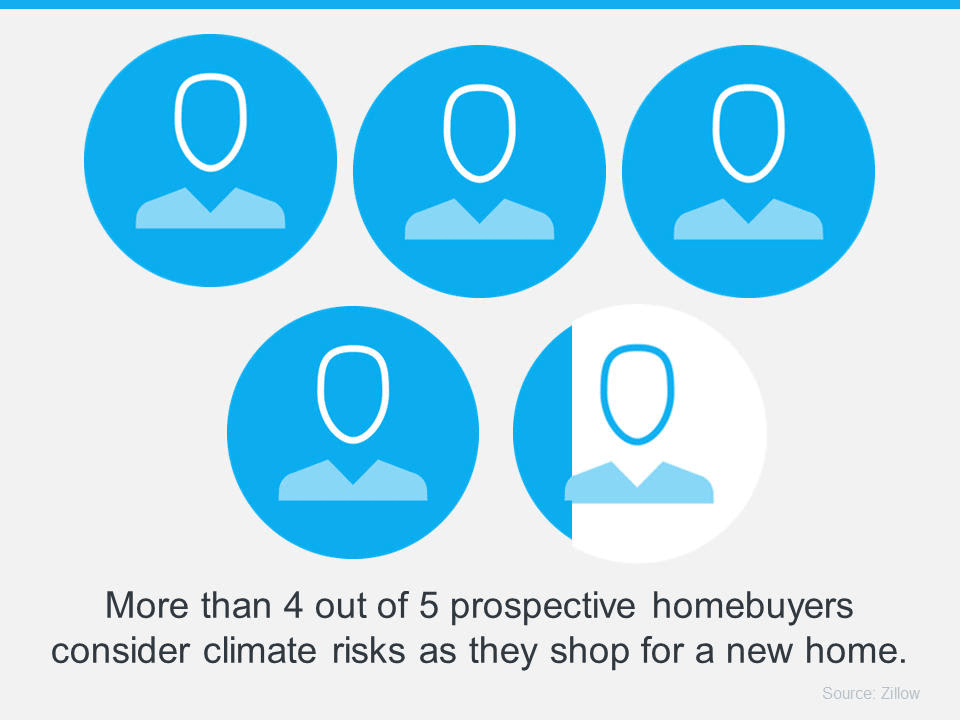
This research further elaborates on how climate risks impact the choice of location for many individuals looking for a new home. This is because prospective homebuyers are keen to determine whether the property they desire might be susceptible to factors such as flooding, extreme heat, and wildfires.
If you find yourself in a similar situation and are contemplating your next steps, here’s essential information to take into account as you embark on your home search.
Expert Advice for Homebuyers To Reduce Climate Risks
The initial step is to grasp the process of purchasing a home while considering climate risks. With appropriate assistance and resources, you can streamline this procedure.
The Mortgage Reports offers the following suggestions for purchasing your future home:
- Prior to acquiring a property, it’s crucial to determine if it’s located in a flood-prone region, using resources like the FEMA website. Review the seller’s property disclosure for any history of damage and conduct an inspection to identify issues such as cracks and mold to ensure it’s a secure investment.
- Anticipate future maintenance costs: In areas susceptible to tropical storms, you may need to invest in hurricane shutters and sandbags to safeguard the property. For regions prone to wildfires, you might need to clear vegetation around the house, contemplate rooftop sprinklers, or even consider acquiring gutter guards to prevent fire hazards. When visiting homes that may require these measures, factor in these future expenses.
- Safeguard your assets: Obtaining the right insurance for a property in a high-risk climate area is paramount. It’s advisable to conduct thorough research, consult multiple insurance agents, and compare prices and coverage options before committing to a property bid.
Above everything, your most valuable asset during this journey is a reliable real estate professional. They will prioritize your objectives and remain attentive to your concerns. Even if they don’t possess all the solutions regarding how your property can withstand natural disasters, they can link you with the appropriate specialists and resources.
Bottom Line
If you want to buy a home, but you’re also thinking about climate risks, you’re not alone. Your home is a big investment, and if anything can impact that, you want to know. Let’s connect so you have someone you can trust to guide you as you find your next home.
 fleeredstates.blog
You must be logged in to post a comment.