
Does the idea of logging into your remote job from a beach in Mexico sound like a dream come true? For a growing number of individuals from the United States, it’s becoming a reality.
Approximately 17.3 million Americans have embraced the digital nomad lifestyle, where they merge remote work with travel. With the arrival of cold weather in the United States, the appeal of beachy destinations and vibrant, warm cities in Mexico and Latin America has grown, especially for those with the freedom to work from virtually anywhere.
The population of digital nomads is projected to increase, continuing the trend of recent years, and this is making the lifestyle of working from the beach more accessible than ever for millions of American workers.
Mexico is one of the most popular destinations for US remote workers
Although the concept of remote workers integrating travel into their online jobs is not a recent development, the digital nomad lifestyle gained significant momentum in 2020.
According to MBO Trends, the number of remote workers embracing online work alongside travel has surged by 133 percent since 2019. As domestic and international travel gradually resumed, many new online workers were captivated by the allure of travel and chose to make it a permanent part of their lives.
Remote workers frequently opt to embark on these journeys in pursuit of more favorable climates, lower living costs, and an enhanced work-life equilibrium.
“Digital nomads seek to ‘work to live’ rather than ‘live to work,'” states Edna Gutierrez, Marketing Director of the Tourism Board of Mazatlán, one of the Mexican cities that has warmly embraced a wave of new remote workers from North America in recent years.
Mexico has emerged as a highly sought-after destination for US remote workers on the move. The US State Department approximates that 1.6 million Americans reside in Mexico, with a significant number of them living there temporarily as digital nomads.
This trend is so substantial that in 2022, Airbnb collaborated with Mexico City to establish a program tailored to the city’s expanding digital nomad community. Airbnb also noted that long-term stays booked through their platform had surged by nearly 90 percent in 2022 compared to 2019.
Why do American digital nomads choose Mexico?
Jessica Bishop, the creator of The Budget Savvy Bride, has spent months working from Playa del Carmen, a scenic beach town located on the Yucatán Peninsula, for several consecutive years.
“The city is incredibly walkable, boasts stunning beaches, and offers reliable internet services and infrastructure, simplifying the transition,” she comments. “We can source virtually anything we need through Amazon Mexico, and there’s even a Walmart and Sam’s Club in town.”
Moreover, Mexico’s visa options are an added benefit, making extended stays straightforward and providing yet another compelling reason to opt for Mexico.
As remote workers continue to realize how seamlessly they can embrace this distinctive lifestyle, combining online work with travel in picturesque destinations, estimates regarding the surging number of US digital nomads appear to hold true.
Mazatlán is a hub for digital nomads
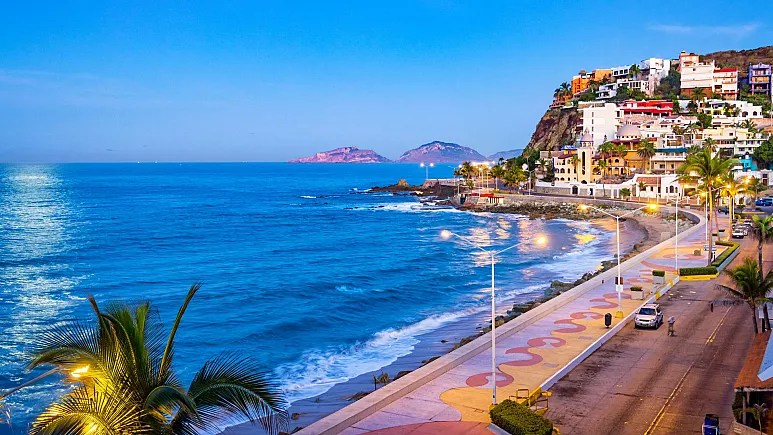
One increasingly favored haven for remote workers from the US is Mazatlán, a smaller yet dynamic city nestled along the golden shores of Mexico’s Pacific Coast. While it might not bear the immediate recognition of Mexico City or Playa del Carmen, this anonymity forms a key part of its appeal to remote workers.
Edna Gutierrez elaborates, “Mazatlán currently accommodates a thriving community of Americans and Canadians who have chosen Mexico as their residence. They stand as a testament to the idea that in Mazatlán, anyone can live and work contentedly. It’s akin to being on a perpetual vacation, relishing the privileges of a tourist while dedicating a few hours to work… [Mazatlán] is open to foreigners seeking a pleasurable life.”
In contrast to other locales that have witnessed surging rent prices and rising living costs in recent times, the cost of living in Mazatlán remains notably affordable. Its serene 20-kilometer coastal promenade, pristine beaches, delectable regional cuisine, and manageable size present a lifestyle that many remote workers could only dream of back in their home countries.
Moreover, Mazatlán boasts a robust infrastructure catering to remote work, boasting modern, dependable telephone and internet systems, including the 5G network and fiber optics.
Edna Gutierrez emphasizes, “This incredible infrastructure and services, on par with any other Mexican beach destination, are both crucial and welcoming for North American citizens considering extended stays in Mexico.”
Situated centrally and well-connected to other regions, Mazatlán offers added appeal for remote workers looking to explore the wider country while enjoying an extended sojourn in this beachside haven.
Where else do digital nomads go in Mexico?
Mazatlán is not the sole haven for digital nomads in Mexico, as an increasing number of remote workers are gravitating toward major urban centers like Mexico City, as well as beachside locales such as Tulum and Playa del Carmen.
The surge of digital nomads in Mexico City has become so pronounced in recent years that it constitutes a significant portion of the city’s annual tourism revenue. According to Bloomberg, data from 2021 indicates that remote workers contributed a substantial economic impact, amounting to nearly $523.4 million (€496.2 million) within a year. This figure represents 15 percent of the total tourism earnings reported by the city during that year.
However, for remote workers intent on turning the “work from the beach” dream into a reality, smaller coastal cities like Mazatlán remain a prime choice.
 fleeredstates.blog