

This blog originally appeared at Travel Off Path.
Digital nomads are returning to Europe in large numbers now that the continent has not only lifted their years-long entry restrictions but has also introduced new, simplified migration routes for this group.

Spain is one of the countries embracing the digital nomad trend, transforming from a traditional summer destination into a year-round hub for mid to long-term remote work.
Spain Is One Of Europe’s Main Digital Nomad Hotspots
Spain, the largest country on the Iberian Peninsula, stands as Europe’s warmest region and boasts a rich history that spans millennia. Its cultural influence is known worldwide.
This nation once ruled an expansive empire, reaching from its European heartland to the Western shores of the American continent. Even if you’ve never set foot in Spain, you’ve likely encountered its language, savored its rich cuisine, and moved to its vibrant music.
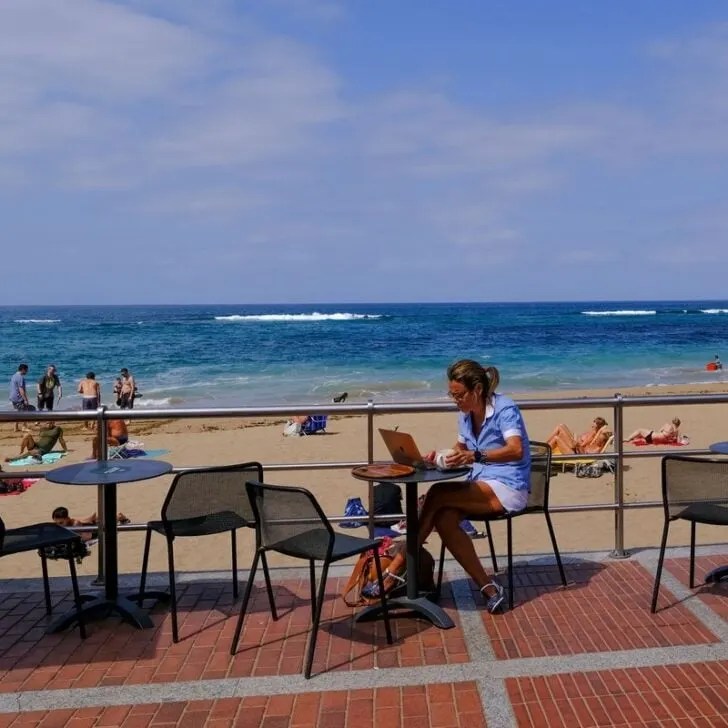
Spain is what we term a ‘soft’ power, signifying that it has wielded cultural influence across the globe for centuries. Beyond its popularity as a tourist destination, why is it now quietly emerging as a leading choice for digital nomads?
Spain Boasts A High Quality Of Life
To begin with, Spain was found to have one of the highest quality of life indices when compared to many other countries, as confirmed by Expat Insider last year.

Expatriates, which includes long-term nomadic residents, hold a strong preference for Spain’s culinary and dining options, with 91% of them expressing approval for the country’s food scene and cultural offerings, as well as its vibrant nightlife. Spain also excels in recreational activities, with over 90% of expats enjoying these opportunities. Furthermore, more than nine out of ten expats are satisfied with Spain’s weather, particularly in regions like Andalusia, where summer and fall-like temperatures persist well into winter.
Digital Nomads Are Happy With The Infrastructure In Spain

Moreover, digital nomads express great satisfaction with the robust infrastructure and diverse services available in Spain. These range from affordable healthcare to a multitude of coworking spaces and reasonably priced housing options away from the tourist hotspots.
Unlike the United States, Spain operates a publicly funded healthcare system that is accessible to all its nationals and legal residents, encompassing expatriates residing in the country. However, nomads are typically mandated to secure health insurance since they cannot be employed by a Spain-based company or access social and health services while residing in the country as long-term tourists.
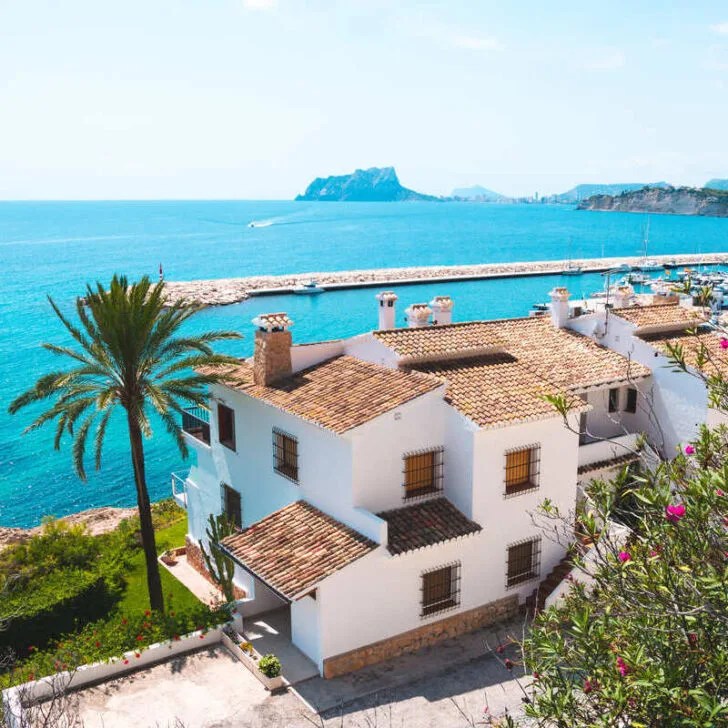
Nevertheless, individuals who choose to apply for a visa and establish formal residency in Spain have emphasized the appeal of the country’s welfare state.
Spain Is Incredibly Safe
Moreover, Spain maintains a relatively high level of safety when compared to other European countries such as France or England. Although pickpocketing is a common concern in urban areas, the rates of violent crime and assaults are relatively low. Additionally, the occurrence of terrorist attacks, a major concern amid rising tensions in the Middle East and the overspill of conflict in Europe, is less prevalent.
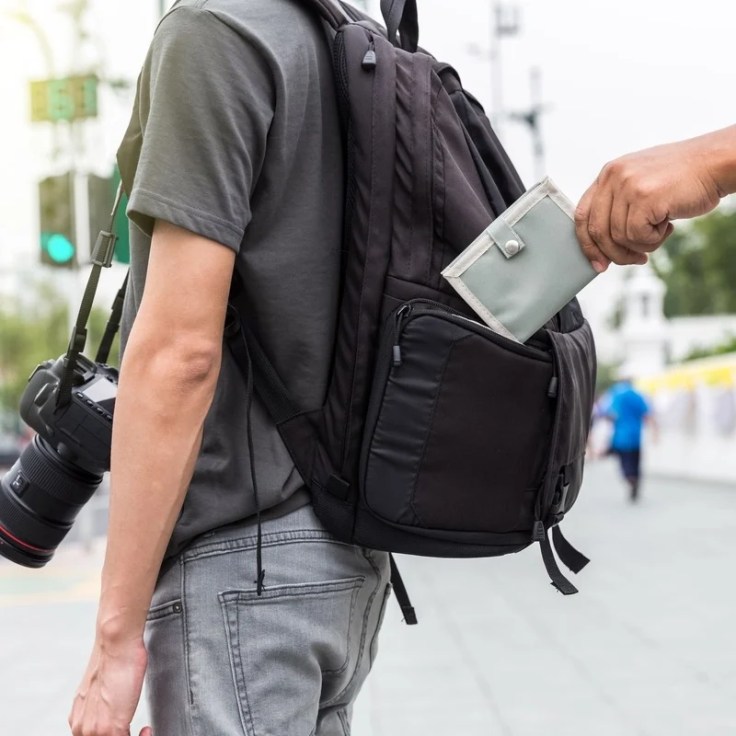
While they stroll along the boardwalk or work from a cozy cafe while people-watching, nomads can be confident that they are rarely targeted by thieves for their belongings.
Believe It Or Not, Spain Can Be Affordable To Live
According to NomadList, the largest online community for digital nomads, some of the most affordable cities for remote work include Las Palmas de Gran Canaria, with average monthly expenses around US$1,979, Malaga at US$2,809, and Seville, the capital of Andalusia, with expenses averaging US$2,840.

Spain is not as budget-friendly as some Balkan or very low-cost Eastern European destinations. However, cost-conscious nomads will find that it can be a reasonably affordable home base, particularly because consumer prices are not excessively high. For instance, a meal at an inexpensive restaurant in Seville is around US$11.63, and rent can be as much as 57.6% cheaper than in other Western European cities like Paris or London. This cost advantage, however, does not apply to cities like Madrid or Barcelona, which are among Spain’s most sought-after, touristy, and thus more expensive places to live.
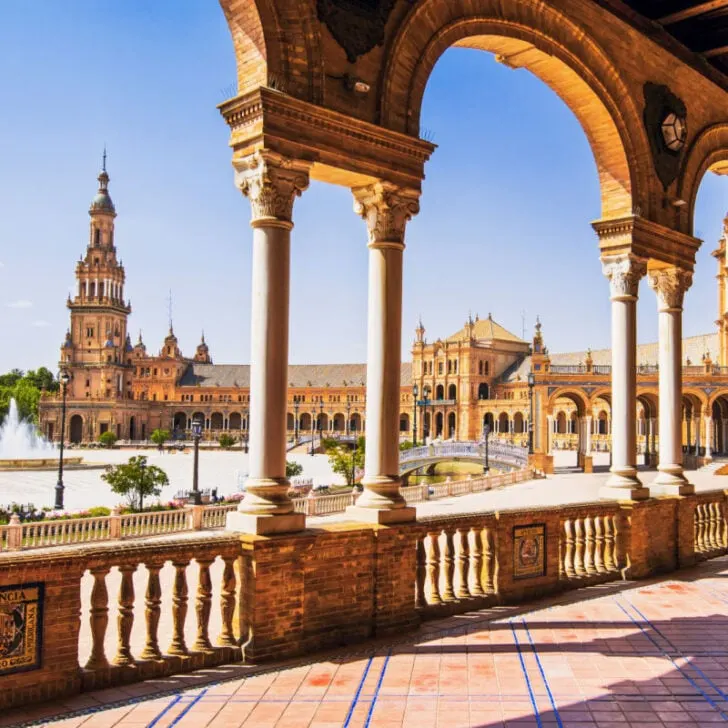
Spain Has A Digital Nomad Visa
You have various options for planning your move to Spain, which depend on the duration, circumstances, and your individual situation. Americans can visit Spain, as well as the wider Schengen Area, for up to 90 days within any 180-day rolling period without a visa. After this period, they must leave for an additional 90 days before being eligible for reentry.
Individuals opting to spend temporary periods of up to 90 days at a time in Spain will do so as tourists. They will need to leave the Schengen Area after these periods have expired and either wait for the 90-day clock to reset in a non-Schengen country (like Albania or Montenegro) or return to their home country.

For those aspiring to establish stronger ties in Spain and make it their permanent residence, a different approach is necessary. Obtaining a visa in advance is required to extend your stay beyond the allotted 90 days. Spain has introduced its Digital Nomad Visa, which comes with specific requirements.
Applicants must demonstrate their financial capability to support themselves while working remotely in Spain by showcasing a minimum monthly income. They are also required to secure health insurance that covers their entire stay and provide a clean criminal record, along with other necessary documentation.

The Spanish Digital Nomad Visa (DNV) allows individuals to stay in Spain, as well as the Schengen territory, for durations longer than the standard 90 days at a time. This privilege continues until their one or two-year visa reaches its expiration date, or until they opt to apply for an extension.
 fleeredstates.blog
You must be logged in to post a comment.