
This blog originally appeared at LGBTQ NATION.
In a conversation with LGBTQ Nation, she discussed her farm, Atlanta’s status as a Black cultural hub, and an unexpected similarity she shares with Marjorie Taylor Greene.
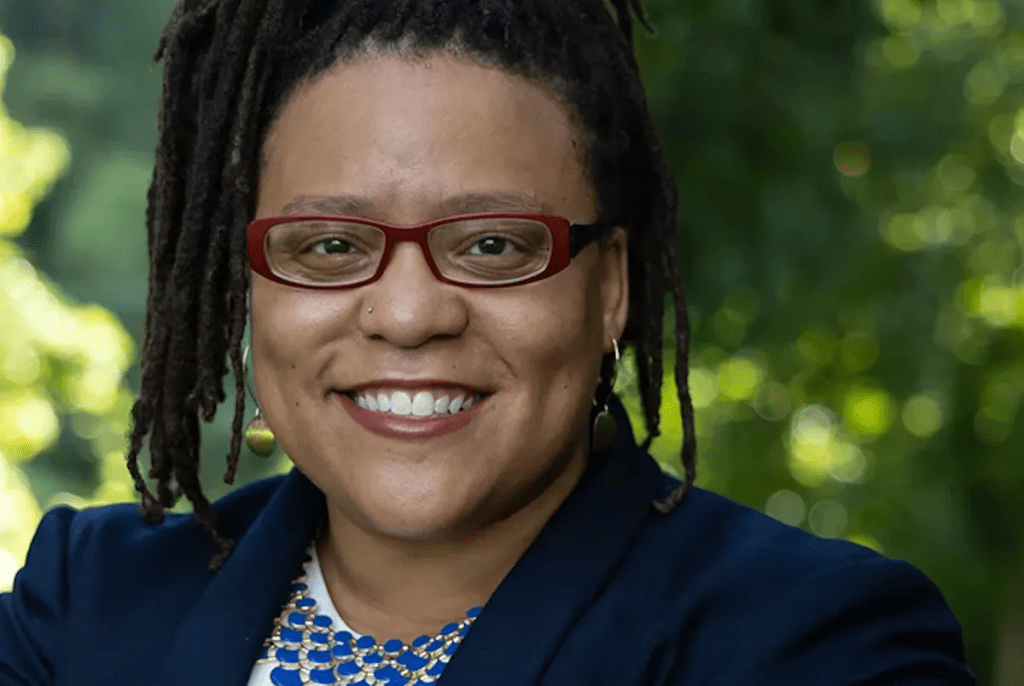
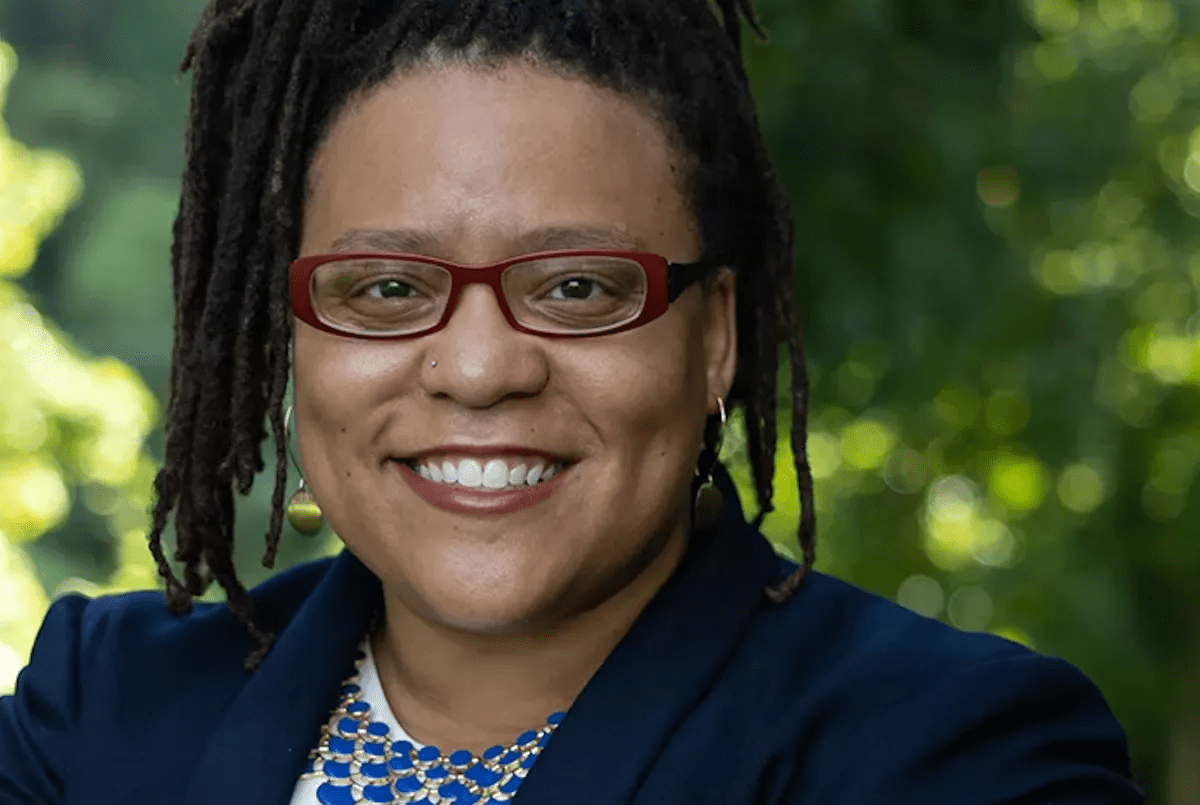
Elected in January 2021, State Senator Kim Jackson of Georgia made history as the state’s first openly LGBTQ+ senator. Now seeking a second term, Jackson, 39, balances her political role with her position as Vicar at the Episcopal Church of the Common Ground, where she collaborates with the unhoused community in downtown Atlanta. Her spouse serves as an imam at a local mosque. Together, they reside on a small farm on the outskirts of Atlanta with their three-year-old son, whose fascination with trucks surpasses his grasp of formal introductions. Reflecting on their diverse Stone Mountain neighborhood, Jackson notes its multiculturalism despite the looming presence of Confederate monuments dedicated to figures like Stonewall Jackson, Robert E. Lee, and Jefferson Davis.
LGBTQ Nation: As co-chair of the Georgia House Mental Health caucus, how do you see discriminatory legislation, such as bans on gender-affirming care for LGBTQ+ kids, impacting mental well-being in Georgia and nationwide?
Sen. Kim Jackson: I recently spoke with two impacted young people who shared their experiences with this legislation. Their responses were heartbreaking; some seek necessary medications out of state, while others have attempted suicide. It’s clear: these laws are endangering our youth, and it’s devastating.
In your speech addressing systemic racism to colleagues, you highlighted the absurdity of racist beliefs. Can you elaborate on that?
I aimed to point out the hypocrisy in denying systemic racism while acknowledging its evident impacts. While no one in our legislature openly admits to racist beliefs, the systemic racism is undeniable.
Georgia, particularly Atlanta, is often heralded as a cultural hub. Is this portrayal accurate, especially in terms of Black representation?
Absolutely. Atlanta remains a beacon for Black culture in the South, particularly for the LGBTQ+ community. While Black queer representation is notable in Atlanta politics, disparities persist, with more political power held by cisgender white individuals.
Regarding your experiences in the predominantly white male Georgia legislature, what’s something surprising?
Well, they all look alike! (Laughs) But on a serious note, while I’m both a state senator and an ordained priest, my approach prioritizes love, compassion, and inclusion, unlike some conservative colleagues who lean towards exclusion and hate.
You and Congresswoman Marjorie Taylor Greene shared a distressing experience of being swatted. Can you tell us more about it?
Yes, my family and I were swatted one day after Christmas. It was a terrifying experience, with multiple police cruisers surrounding our home. Unfortunately, there have been no leads on who did it or why.
You and your wife, both spiritual leaders, met in seminary. Can you share how she proposed?
She surprised me at work, getting down on one knee with rings in hand. It was a beautiful moment, and I’ll always cherish it.
Your small farm plays a significant role in your life. What do you hope to achieve with it?
Our farm not only provides fresh produce but also fosters community connections. Educating people about food sources, particularly youth, is vital. Small farms like ours contribute to sustainable, local food systems, which is crucial in today’s world.
Lastly, what’s the most rewarding aspect of serving your constituents?
The unwavering support from my district, which elected me despite societal norms. Their trust in me to represent them authentically is incredibly gratifying, and together, we’ve made history.
 fleeredstates.blog
You must be logged in to post a comment.