
This blog is originally appeared at LGBTQ Nation.
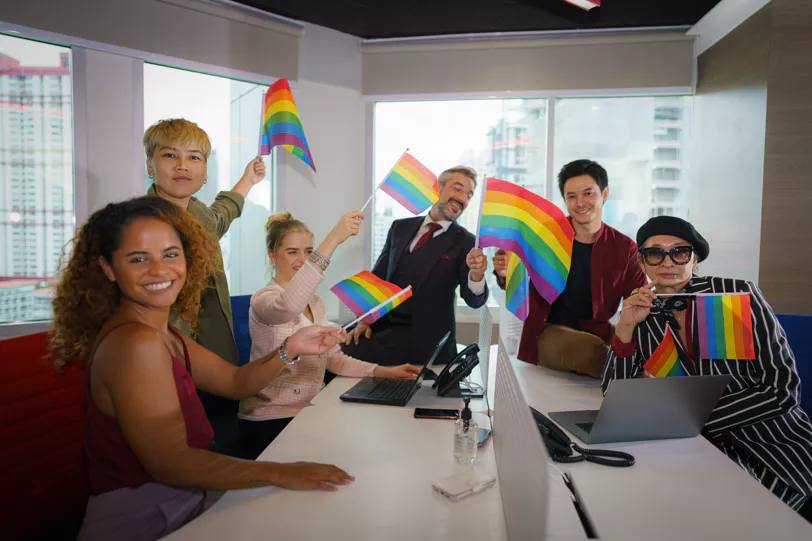
As conservative-led anti-LGBTQ+ boycotts gain momentum, some once-called allies are starting to cave under pressure.
“The evolution of a company’s policies, branding, and reputation is a continuous work-in-progress,” said Bob Witek, a trailblazing LGBTQ+ business leader and communications strategist.
Today, concepts like DEI are mainstream, and marketing to LGBTQ+ customers is routine—but that wasn’t the case thirty years ago. Witek was among the pioneers who helped major companies in the early ’90s become some of the first to openly embrace and affirm LGBTQ+ individuals, both as valued customers and essential members of the workforce.
“We want companies to take action because it aligns with their values — with who they are and what they aim to achieve in the world,” Witek said. “Not just to make people feel good, but to empower them as well.”
The PR disaster that altered the course of history

Witek noted that “vice-driven” businesses like tobacco, alcohol, and some apparel brands had long marketed in LGBTQ+ bars and publications before other industries were willing to take the same risk. These companies were hesitant, fearing the usual anxieties of backlash—concerns that supporting LGBTQ+ causes or advertising to LGBTQ+ customers could alienate their cis-het customer bases.
However, in 1993, a public relations disaster forced American Airlines to confront its values. Witek’s involvement in handling this crisis helped shape modern history beyond the business world.
The crisis began when an employee requested all linens be changed after a group of gay men flew onboard. The memo detailing this request leaked, sparking public outrage. In response, American Airlines issued a swift apology. Company leaders realized they likely had LGBTQ+ employees and customers to protect. They updated the airline’s nondiscrimination policy to include sexual orientation, and they became the first Fortune 100 company to develop a dedicated LGBTQ+ marketing team.
A few months later, another incident unfolded when a passenger with late-stage HIV was forcibly removed from a flight for attempting to self-administer IV medication. Protests and boycotts loomed. Witek and his team worked with American Airlines to transform its culture, encouraging the company to respond with authenticity and embrace diversity, equity, and inclusion (DEI) as a core value rather than just a marketing strategy.
The airline implemented new policies, educated employees, and supported LGBTQ+ advocacy efforts, including HIV/AIDS activism. According to Witek, this was a significant shift from merely “checking boxes” to doing the hard work of cultivating new cultural norms that met the real needs of the LGBTQ+ community.
That same year, Witek collaborated with the Human Rights Campaign (HRC) to create a prototype for what would become the Corporate Equality Index (CEI). This benchmarking tool rates businesses based on their social responsibility, internal policies, and benefits—focusing on LGBTQ+ inclusion.
“Our goal isn’t just to sell more products to gay people,” Witek said, “but to ensure they are fully engaged and leading in every aspect.”
The CEI pushes companies to go beyond token gestures and make meaningful changes to their corporate structure. It’s also a way for LGBTQ+ people to evaluate which businesses truly support queer rights. Witek emphasized that it’s not just about sponsorships during Pride Month but about fostering long-term relationships with nonprofits, advancing trans healthcare, and tackling discrimination in areas like marriage and employment.
American Airlines became one of the first major corporations to sponsor the Human Rights Campaign, setting a new standard for corporate involvement in advancing LGBTQ+ rights.
Beyond benefits, Witek encouraged companies to create employee resource groups (ERGs), which allowed LGBTQ+ employees to shape corporate policies, advocate for resources, and foster camaraderie. These ERGs not only connected like-minded employees but also helped those from different backgrounds communicate better—normalizing LGBTQ+ identity at a time when the community was far less visible.
Witek’s firm also worked with National Coming Out Day, which in 1993—during the era of “Don’t Ask, Don’t Tell”—was not just a feel-good campaign but a mobilization effort to encourage visibility and acceptance of LGBTQ+ people.
Harnessing the power of the queer dollar

Witek and other pioneering LGBTQ+ communications strategists have sought various ways to increase community visibility by sharing data about LGBTQ+ buying power and economic trends with major corporations. He emphasized that, while LGBTQ+ individuals may be cynical and cautious, they tend to be loyal to brands that genuinely support them.
What was once an intuitive belief is now backed by research: LGBTQ+ individuals and their allies are more loyal to brands that advocate for LGBTQ+ causes, enforce workplace protections, and feature LGBTQ+ stories and characters in their advertising.
Early adopters of LGBTQ+ inclusive strategies sometimes faced backlash, but as data highlighted the advantages of openly supporting the queer community, companies became more confident in navigating these transitional periods.
“They would see firsthand the visible contributions and economic opportunities that LGBTQ+ individuals bring, and then they’d want to harness that,” Witek explained. “They’d want to hire, retain, and engage with them.”
As more brands sought to attract LGBTQ+ customers, inclusive advertisements—like IKEA’s groundbreaking TV spot featuring an openly gay couple—helped shift public perception and acceptance. This, in turn, supported the community’s efforts to transform social and political landscapes over the decades.
“Companies can play a significant storytelling role in normalizing LGBTQ+ experiences,” Witek noted. “They’ve changed the way Americans think in no small part.”
A 2020 study by GLAAD and Procter & Gamble revealed that cis-het Americans who encountered LGBTQ+ representation in advertising and media were much more likely to engage with LGBTQ+ individuals, feel comfortable around them, and support LGBTQ+ rights.
As public acceptance grew, some companies took their commitments to LGBTQ+ people more seriously, placing a greater emphasis on DEI efforts. Analyzing metrics like those provided by the Corporate Equality Index (CEI) has become crucial for companies aiming to maintain a positive reputation among LGBTQ+ consumers and potential employees. When policies or practices fall short, business leaders face pressure to keep up with competitors who may excel in this area.
The authenticity gap
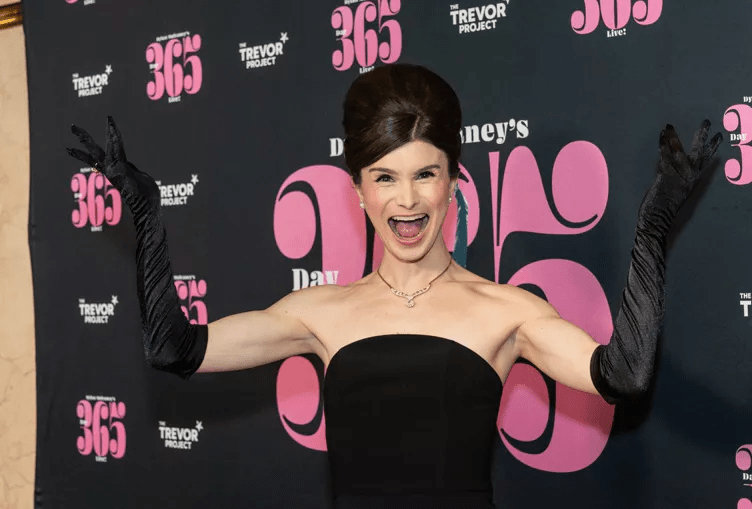
Not every company has earned trust in the LGBTQ+ community. Some have approached engagement in a transactional manner, seeking to gain interest without truly becoming allies.
“Companies may implement more LGBTQ+-affirming policies to stay competitive, but I want them to do so authentically,” Witek emphasized.
Brands that treat LGBTQ+ individuals as mere transactions are increasingly missing out on the benefits of genuine engagement. Rising transphobia has led some companies to retract their visible support, signaling to consumers that they lack clarity about their identity, their target audience, and their core values.
For instance, Bud Light faced backlash and a boycott from conservatives after partnering with trans influencer Dylan Mulvaney in 2023. Before sales began to decline, two marketing executives took a leave of absence, and the company announced a shift in its advertising focus toward sports and music.
“As far as I’m concerned, for a company to hire a trans person and then not publicly stand by them is worse than not hiring a trans person at all,” Mulvaney later told the New York Times.
This kind of pandering resulted in Bud Light losing support from both conservatives and progressives, leading to significant financial losses.
Integrity matters
More people are coming out than ever before, yet the American political and social landscape is regressing in some areas as conservatives gain traction with their messaging about LGBTQ+ individuals, particularly trans youth. This shift is making it less safe for individuals to be visible once again.
According to the HRC, 84% of LGBTQ+ individuals are out to at least one person at work, but many still choose to remain closeted or cautious in their workplaces. This includes a quarter of LGBTQ+ young adults who are out in other aspects of their lives but not at work. Data from LinkedIn shows that only 35% of LGBTQ+ professionals feel they can be authentic at work, and 75% have engaged in code-switching to fit in.
Trans individuals face higher rates of unemployment and underemployment, and LGBTQ+ people often earn less than their peers. Moreover, openly LGBTQ+ business leaders, especially trans individuals, are still notably absent from the boards of most major companies.
Kelley Robinson from the HRC criticized companies that are scaling back their DEI efforts in response to conservative backlash in a recent LinkedIn post, while also celebrating a record-breaking 1,400+ companies participating in the 2025 Corporate Equality Index.
This highlights a significant divide at a time when LGBTQ+ individuals are establishing stronger expectations for brands to act as allies. Moving forward, engaging with LGBTQ+ individuals as customers and employees will increasingly reflect what Witek has advocated from the beginning: that leaders who seek LGBTQ+ business and talent must build those relationships with integrity.
“Gay people should not be the victims of economics. We should be the drivers,” Witek emphasized. “That’s our whole purpose as a firm—to influence positive outcomes, not to settle for second-class status.”
 fleeredstates.blog
Leave a comment