A blog for LGBTQIA+ migrating to more welcoming states or counties
Author: Bob McCranie
I am so proud to run Texas Pride Realty Group. We set out on a mission in 2009 to serve the diverse communities of Texas and to hire kick-ass agents who practice the highest ethics and professionalism. I believe that the agent's role is to help the consumer make well-educated decisions, even if those decisions lead away from a purchase or sale.
I believe that education is vital in this industry. I currently have over 1300 hours of real estate courses on my transcript with the State of Texas. Additionally, I am a Real Estate Business Coach at Tom Ferry International, the largest-real-estate specific coaching company in the world. I coach agents in the US and Canada, and have coached clients in Australia, New Zealand, Brazil, and Switzerland. I also have knowledge of the UK and Irish markets.
Opening Texas Pride Realty was always a goal of mine and I am working night and day to be sure it is successful. The best way to do that is to be sure clients are satisfied and agents are busy. What better legacy could someone leave in this industry than a group of well-trained, high-quality brokers who do your job better than you?
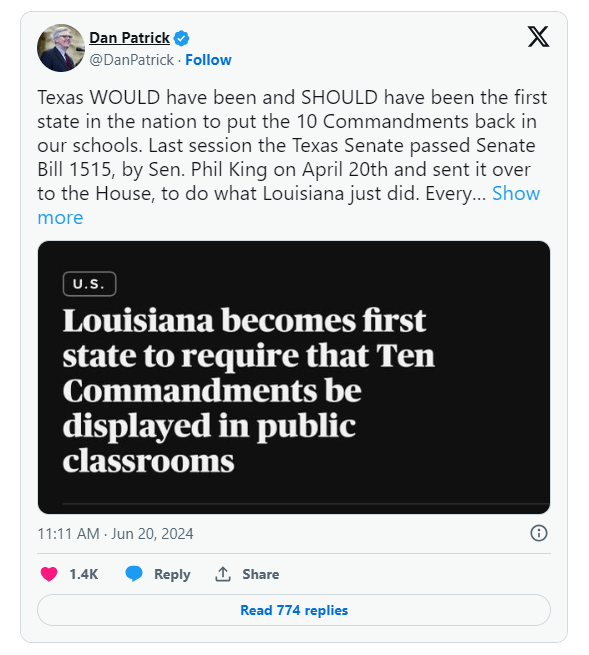
On X, Lt. Gov. Dan Patrick directly called out Texas House Speaker Dade Phelan for killing the bill “by letting it languish in committee for a month.”
AUSTIN, Texas — Following reports that Louisiana might become the first state to mandate the display of the Ten Commandments in every public school classroom, Texas Lieutenant Governor Dan Patrick criticized Texas House Speaker Dade Phelan for allowing similar legislation to stall in committee.
On Thursday, Lt. Governor Patrick made multiple posts on X, formerly known as Twitter, calling out House Speaker Phelan.
“Texas WOULD have been and SHOULD have been the first state in the nation to put the 10 Commandments back in our schools,” Patrick said in a post on X. “But, SPEAKER Dade Phelan killed the bill by letting it languish in committee for a month assuring it would never have time for a vote on the floor.”
Senate Bill 1515, which failed to advance from committee in the last legislative session, aimed to mandate the display of the Ten Commandments in Texas public elementary and secondary school classrooms.
In his post, Patrick pledged to reintroduce the bill in the Senate during the next session.
In another X post, the lieutenant governor persisted in attributing the demise of Senate Bill 1396, which proposed a “period of prayer and Bible reading” in Texas public schools, to House Speaker Phelan.
Paxton blocks Biden’s Title IX rule protecting LGBTQ+ students in Texas
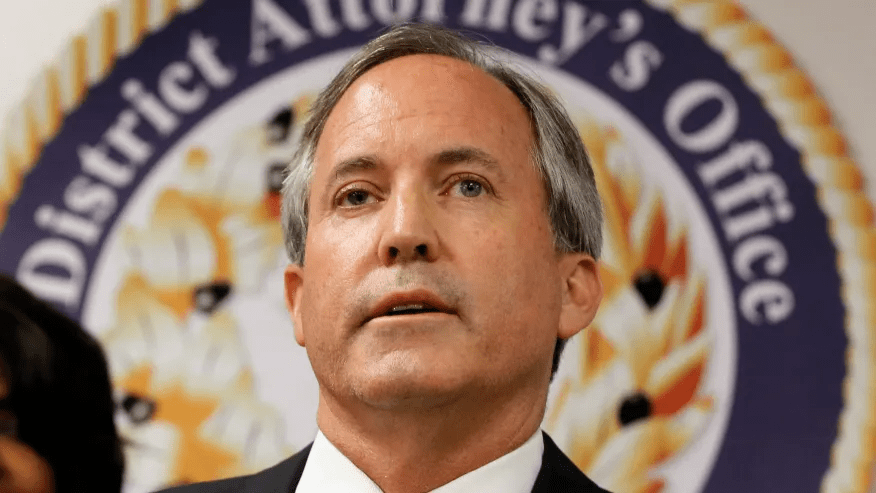
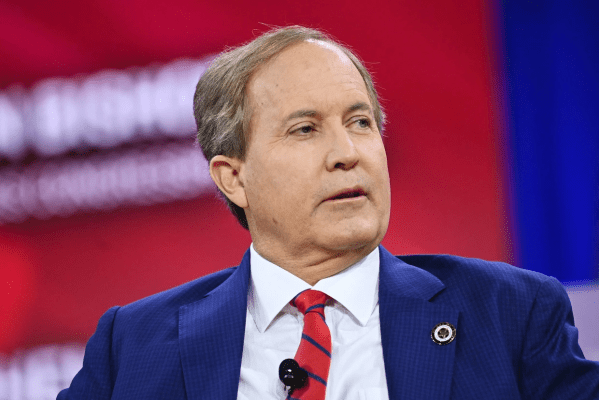
FILE – Texas Attorney General Ken Paxton speaks at a news conference in Dallas on June 22, 2017. Paxton says he’s investigating a key Boeing supplier that is already under scrutiny by federal regulators over the quality of its work on Boeing planes, Friday, March 29, 2024. (AP Photo/Tony Gutierrez, File)
AUSTIN (KXAN) — Texas Attorney General Ken Paxton has blocked the Biden Administration’s Title IX rule aimed at protecting LGBTQ+ students from sex-based discrimination and harassment, according to a Tuesday release from Paxton’s office.
The rule was designed to protect all students and employees from sex discrimination, including providing comprehensive protections against sexual violence and other forms of sex-based harassment.
In the release, Paxton claimed a “major” victory against the Biden Administration’s Department of Education’s attempt to amend Title IX, alleging it would force Texas schools to adopt radical “transgender” policies that violate state and federal law.
“Joe Biden’s unlawful effort to weaponize Title IX for his extremist agenda has been stopped in its tracks,” Paxton stated. “Threatening to withhold education funding by forcing states to accept ‘transgender’ policies that put women in danger was plainly illegal. Texas has prevailed on behalf of the entire Nation.”
The Biden Administration’s changes to Title IX are scheduled to take effect nationwide on Aug. 1, except in states where it has been blocked.
Democrats warn that Texas could forfeit billions in federal funds due to Abbott’s LGBTQ directive.
Texas colleges and universities face the imminent risk of losing billions in federal funding if they adhere to Governor Greg Abbott’s directive to disregard a new federal rule strengthening nondiscrimination protections for LGBTQ students, according to Democrats who addressed a state education board on Monday.
In a letter of congressional inquiry to Texas’s Higher Education Coordinating Board, which oversees public post-secondary education, four House Democrats from Texas cautioned that public colleges could jeopardize students’ civil rights and forfeit government funding by following Abbott’s orders to ignore amendments to Title IX. This federal civil rights law prohibits sex discrimination in schools and educational programs receiving federal funding and was updated by the Education Department in April to include protections based on sexual orientation and gender identity.
The rule, set to take effect on August 1, has faced temporary injunctions in ten states led by Republicans, including Texas, where Abbott labeled the changes as “illegal” in an April letter to President Biden.
Led by Rep. Jasmine Crockett (D-Texas) and signed by Democratic Reps. Sylvia Garcia, Al Green, and Sheila Jackson Lee, the letter accused Abbott and other officials of using educational institutions as “political pawns.”
“If Texas educational institutions fail to adjust their policies in accordance with the forthcoming Title IX revisions, the consequences would be devastating,” the lawmakers wrote. “Losing billions of dollars of federal funding would prevent institutions from offering scholarships crucial for students to afford and access higher education. Hundreds of thousands of potential Texas students would face a threat to their educational opportunities.”
Democrats argued that failure to comply with the Biden administration’s rule, which also strengthens protections for pregnant students and changes how schools handle sexual misconduct claims, could undermine students’ civil rights. They referenced a recent lawsuit by University of Texas at Austin professors challenging provisions allowing student absences for out-of-state abortions and mandating respect for transgender and gender-nonconforming students’ pronouns.
“A federal judge recently sided with Texas Attorney General Ken Paxton (R) by blocking similar changes proposed by the Biden administration last year,” the letter noted. Despite Title IX being a federal law, enforcement methods vary by administration, impacting schools that receive federal funding.
Efforts by House and Senate Republicans to challenge the rule through disapproval resolutions and lawsuits in numerous Republican-led states remain ongoing, reflecting broader opposition to the Biden administration’s regulatory changes.
Wondering how white-label link building can boost your SEO? Discover its benefits and learn how to find the right partner today.
White-label link building can revolutionize your SEO strategy by allowing you to concentrate on other vital aspects of your digital marketing efforts or manage an SEO agency more effectively.
How does it work?
By outsourcing your link building to a professional team, you maintain full control while delegating the work to experts.
Sounds straightforward, right?
Specialized agencies manage the entire backlink creation process for your brand, often including the development of content and linkable assets.
Why is this significant?
Choosing the right white-label link building agency is crucial. An experienced team can deliver impressive results without compromising your brand integrity.
In this article, you’ll discover:
How to intelligently select the best white-label link building services.
The mechanics of how it works.
Key factors to consider when choosing a service provider.
What are white-label link building services?
White-label link building services involve a specialized agency creating backlinks on behalf of another agency. The primary agency then presents these links to their clients as their own work.
These services are crucial for SEO campaigns but require specialized skills that many digital marketing and SEO agencies may not possess.
This is where white-label services become invaluable.
Who benefits from white-label link building?
SEO agencies without a dedicated link building team: These agencies need to deliver high-quality links but lack the internal resources to do so.
Independent SEO experts: They may need to scale their efforts without having the time or manpower to manage link building themselves.
White-label link building services encompass everything from guest posting to securing high authority backlinks. These are links from websites that have demonstrated credibility and trustworthiness and are typically rewarded with organic visibility by search engines. The main goal is to enhance a client’s search engine rankings through effective strategies.
Here’s why you might consider white-label tactics:
Client demands for high-quality links: Your team may lack the necessary expertise.
Overwhelmed in-house team: Your current team might be swamped with requests.
Cost-effective service offering: You want to provide link building services without the overhead of hiring a full team.
Preliminary testing: You want to test the effectiveness of these services before committing to building an in-house team.
Professional white-label services give you access to experts who know how to build effective links quickly and efficiently.
How white-label link building works
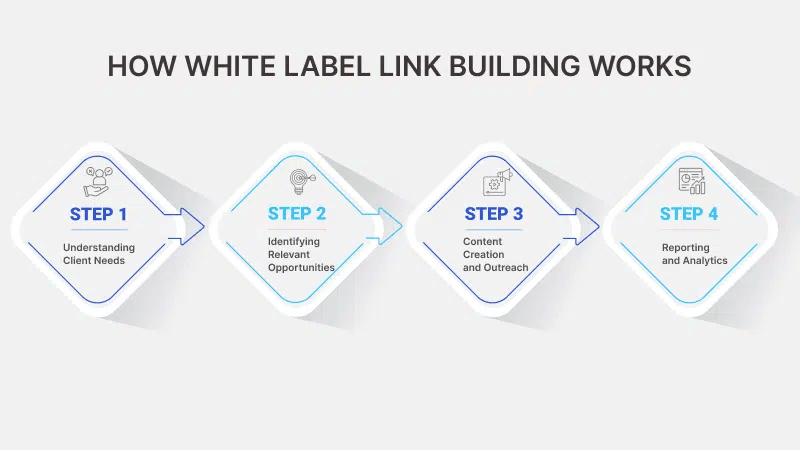
The white-label method involves a specialized agency managing the entire process of acquiring backlinks on behalf of another agency. This enables the primary agency to offer comprehensive link building services to its clients without the need to develop an in-house team.
Here’s how a professional white-label link building team operates:
Step 1: Understanding Client Needs
The process begins with understanding a client’s product, service, and goals. The primary agency provides this information to the white-label partner, outlining the target landing pages and desired outcomes.
Step 2: Identifying Relevant Opportunities
The white-label agency identifies the most suitable websites, focusing on those that align with the client’s goals and industry to ensure the links are relevant.
Step 3: Creating Content and Outreach
The agency then creates high-quality content, which can include guest posts, linkable assets, or other types of content. They contact publishers to secure placements, ensuring the content is published on authoritative sites—those that are helpful, useful, and trusted by other websites, people, and search engines.
Step 4: Reporting and Analytics
Once the links are placed, the agency provides detailed reports and analytics. The primary agency can then present these results to their clients under their own branding, maintaining full transparency and control.
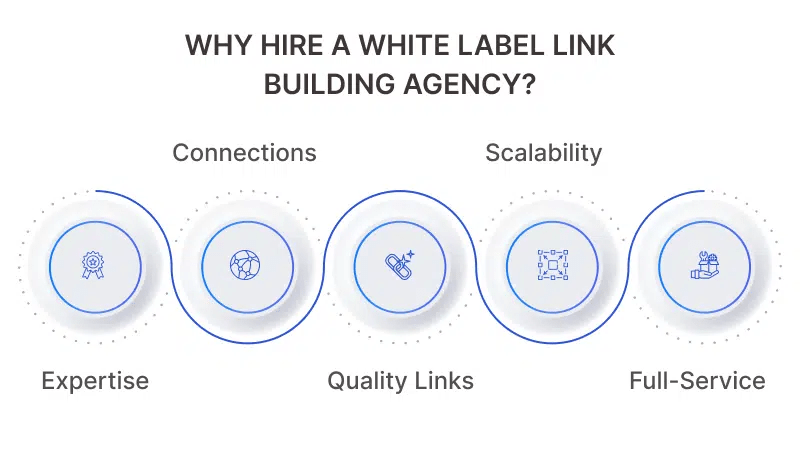
Why hire a white-label link building agency?
Here are just a few advantages of hiring a professional white-label link building agency:
Expertise: These agencies employ experienced outreach specialists who understand the intricacies of obtaining effective links. Their expertise ensures high-quality results tailored to the needs of various industries.
Connections: Professional agencies have established relationships with trusted publishers and websites. They possess the tools and connections to secure high-quality results more quickly than an in-house team.
Quality Links: These agencies adhere to best practices to acquire quality backlinks from reputable sources, enhancing your SEO.
Scalability: A reliable agency can easily adapt to your requirements. Whether you need a few high-quality links or many, they can manage it efficiently.
Full Service: Many agencies offer more than just link building. They can create content and provide additional services such as SEO audits, keyword research, and social media management, adding extra value for you or your clients.
By hiring a team of experts, SEO firms and independent specialists can deliver superior link building services, significantly improving their clients’ SEO results.
How to choose a white-label link building agency
As you may already have guessed, choosing the right team is essential for delivering top results to your clients. Here are key factors to consider before making up your mind:
Case Studies
A reputable agency should have a portfolio of genuine, successful case studies that showcase their expertise and specialization in your niche. Look for detailed examples of their past work and verify their authenticity to gauge the agency’s ability to deliver the results you need.
Reviews
Client reviews provide insights into an agency’s performance. Platforms like Clutch and G2 offer scores and detailed feedback from previous clients. Checking these reviews will help you assess the agency’s reliability and effectiveness.
For example, if you search “top link building companies” on Clutch, here’s what you’ll see:
Agency Ratings: Comprehensive ratings based on client satisfaction, project success, and overall performance.
Client Testimonials: Detailed feedback highlighting strengths, areas for improvement, and overall experience with the agency.
Comparative Analysis: Compare various agencies side by side to identify the best fit for your needs based on client experiences and ratings.
By thoroughly evaluating case studies and client reviews, you can confidently select a white-label link building agency that will meet your needs and deliver exceptional results for your clients.
Realistic Guarantees
A reliable agency will give you a clear idea of the results you can expect. They provide realistic expectations and focus on delivering quality links rather than quantity. Therefore, they should specify how many links they can build and their quality. Steer clear of agencies that make unrealistic promises.
Safe Link Building Practices Only
Ensure the agency uses only no-risk or low-risk methods. Safe link building practices are crucial to avoid penalties from search engines and to maintain your site’s integrity. This includes avoiding black-hat tactics, such as buying links or participating in link schemes, which can result in severe penalties from search engines.
Transparency and Communication
A professional agency should maintain open lines of communication and be transparent about their processes. They should provide regular updates on the progress of your link building campaign and be willing to discuss strategies and answer any questions you may have.
By considering these factors—realistic guarantees, safe practices, and transparent communication—you can select a white-label link building agency that will effectively support your SEO goals and deliver sustainable results for your clients.
Proven Tactics for Building Backlinks
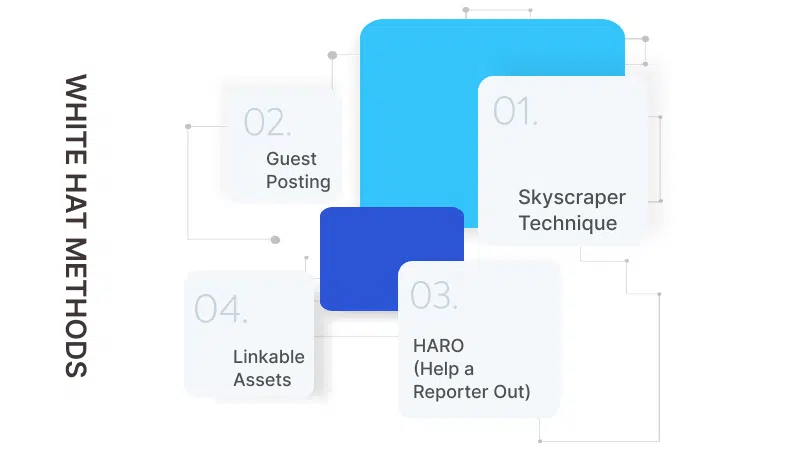
A professional white-label link building agency will employ various effective methods to build high-quality backlinks. These can include:
Guest Posting: Writing and publishing valuable articles on reputable websites in your niche to build authority and reach a wider audience.
Skyscraper Technique: Creating high-quality content that improves upon existing popular content and reaching out to sites linking to the original.
Connectively (ex-HARO): Providing expert quotes to journalists, which can potentially result in backlinks and increased visibility.
Linkable Assets: Creating valuable content like infographics, videos, and comprehensive guides that attract natural backlinks.
Using these methods indicates that the agency focuses on proven tactics for building backlinks.
Getting Just What You Need
Depending on your business niche and requirements, you can get links only from websites suitable for your needs. This helps you maintain control over the quality and relevance of the links being built.
Many agencies skip this step, but it’s a valuable feature to look for. That’s why we have it at Editorial.Link.
By ensuring that the agency uses proven methods and focuses on relevant, high-quality links, you can enhance your SEO strategy effectively.
Detailed Reporting is Crucial
Once you choose an agency, remember that detailed reporting is crucial. The agency should provide clear and comprehensive reports that show the progress and impact of their efforts. This transparency helps you keep track of the campaign’s effectiveness and ensures that you are getting the value you expect.
Key Elements of Effective Reporting
Link Acquisition Details: Reports should include information about each link acquired, such as the URL, domain authority, and context in which the link appears.
Performance Metrics: The agency should provide metrics showing how the backlinks are affecting your site’s performance. This might include changes in search engine rankings, organic traffic growth, and other relevant KPIs.
Content Performance: If the agency creates content as part of the link building strategy, the report should detail how well this content is performing in terms of engagement and shares.
Ongoing Strategy: Regular updates on the strategies being used and planned next steps help ensure that you understand the direction of the campaign and can provide input as needed.
By insisting on detailed and transparent reporting, you can effectively monitor the progress and success of your link building efforts, ensuring that your investment yields the desired results.
Choosing a white-label agency: Red flags
Knowing What to Avoid: Red Flags in Choosing a White-Label Agency
Being aware of potential pitfalls can help you make a smart choice and safeguard your investment. Here are some red flags to watch out for when selecting your perfect white-label agency:
Low-Quality Link Building
Low-quality link building can severely damage your SEO efforts. To ensure a white-label agency avoids these practices, ask about their methods, request case studies, and inquire about their approach to maintaining quality and compliance with search engine guidelines.
Link Farms: Avoid agencies that use link farms—sites created solely to host paid links, often characterized by poor content and low relevance. Google has deindexed many websites involved in deceptive link schemes, excessive link exchanges, paid links, and other manipulative practices that violate its guidelines.
Private Blog Networks (PBNs) and Forum Links: Be wary of agencies that rely on PBNs or forum links, as these often offer minimal to no SEO value and can even result in penalties.
Unrealistic Guarantees
Be cautious of agencies that make grand promises, such as guaranteeing top rankings or a massive number of backlinks quickly. These “pie in the sky” promises are often too good to be true and may indicate the use of dubious tactics.
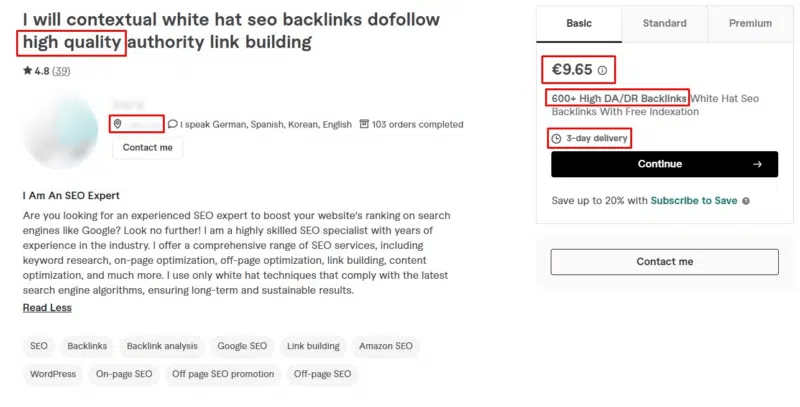
Low Prices
Quality comes at a price, and obtaining high-quality links requires significant effort and resources. Attractive offers like “600+ links for $10” on platforms such as Fiverr.com often result in low-quality links that do more harm than good. It’s best to stay away from such “experts.”
Conclusion
By being vigilant about these red flags, you can make a more informed decision and choose a reputable white-label link building agency that will enhance your SEO strategy without risking penalties or damaging your reputation. Always prioritize quality and transparency to ensure the best outcomes for your link building efforts.
Building a Solid Link Profile Requires Investment
Building a solid link profile requires investment; cheap solutions rarely deliver the desired results. By avoiding these pitfalls, you can select a team that provides genuine value and supports your SEO goals effectively.
Conclusion
White-label link building is a strategic move for agencies and SEO experts alike. It allows you to offer top-notch services without overextending your resources. This approach ensures quality results and enables you to focus on other critical aspects of your business.
A good white-label program is flexible and can be customized to fit your needs and your clients’ specific requirements, making the process smooth and efficient for everyone involved.
Partnering with a reputable team of experts, such as Editorial.Link, means you can enhance the services you provide to your clients. This partnership adds value to your existing work and strengthens your overall SEO strategy.
The Republican governor’s school choice programs may serve as a model for other GOP-leaning states across the country.
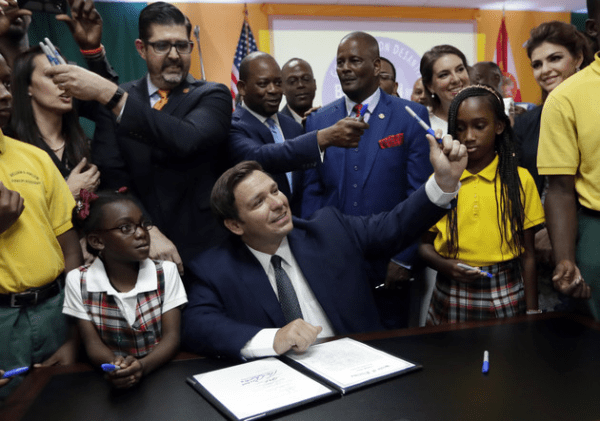
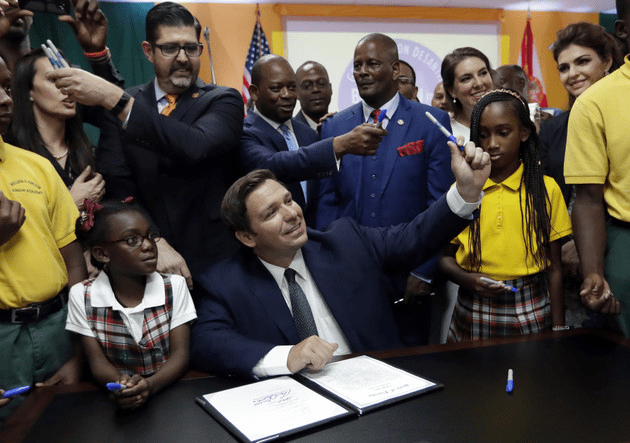
Governor Ron DeSantis and Florida Republicans have dedicated years to transforming the state into a stronghold for school choice. Their efforts have paid off significantly, with tens of thousands more children now attending private or charter schools, or being homeschooled.
As these programs expand, some of Florida’s largest school districts are experiencing significant enrollment declines. This shift is forcing them to confront the possibility of campus closures as funding follows the growing number of parents moving away from traditional public schools.
The emphasis on these programs has been central to Governor DeSantis’ goals of reshaping the Florida education system, and they are set for another year of growth. DeSantis’ school policies are already influencing other GOP-leaning states, many of which have pursued similar voucher programs. Florida has also served as a conservative testing ground for a variety of other policies, including attacks on public- and private-sector diversity programs and challenges to the Biden administration on immigration.
“We need some big changes throughout the country,” DeSantis said Thursday evening at the Florida Homeschool Convention in Kissimmee. “Florida has shown a blueprint, and we really can be an engine for that as other states work to adopt a lot of the policies that we’ve done.”
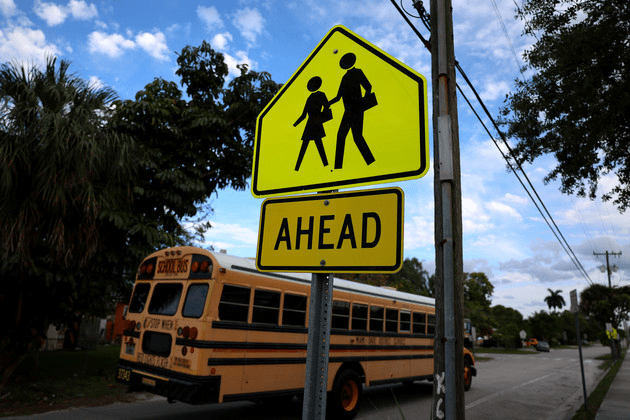
Education officials in some of the state’s largest counties are now looking to cut costs by repurposing or closing campuses, including in Broward, Duval, and Miami-Dade counties. Despite some communities rallying to save their local public schools, traditional public schools are left with empty seats and budget shortfalls.
Since the 2019-20 school year, when the pandemic disrupted education, approximately 53,000 students have left traditional public schools in these counties. This significant decline is pushing school leaders to consider closing campuses that have been integral parts of local communities for years.
In Broward County, Florida’s second-largest school district, officials have proposed plans to close up to 42 campuses over the next few years, moves that would have a ripple effect across Fort Lauderdale and Hollywood.
The district has lost more than 20,000 students over the past five years, a decline coinciding with substantial growth in charter schools in the area. According to Broward school officials, enrollment in charter schools, which are public schools operating under performance contracts that free them from many state regulations, has increased by nearly 27,000 students since 2010.
Broward County Public Schools reports having more than 49,000 empty classroom seats this year, a number that “closely matches” the 49,833 students attending charter schools in the area, according to an enrollment overview by officials.
These shifts in enrollment are compelling Broward leaders to consider combining and condensing dozens of schools to save on major operating costs. However, some of these proposals are encountering significant resistance.
One proposal to convert a popular Fort Lauderdale magnet school focused on the Montessori teaching method into a neighborhood school brought nearly 200 people in opposition to a recent town hall. Dozens of audience members, wearing blue “VSY” shirts representing Virginia Shuman Young elementary, argued that the plan would cause an unnecessary “disruption” for a top-rated school.
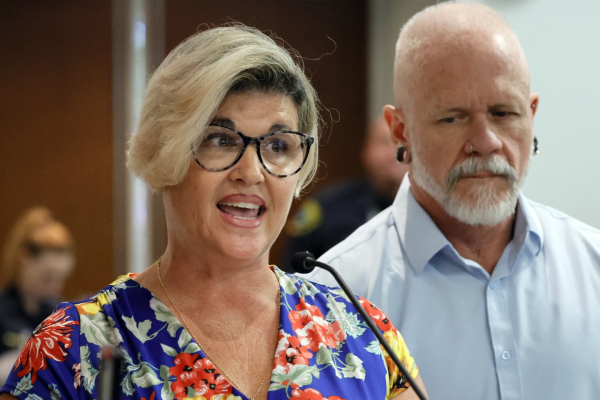
“You are trying to create school communities that attract families,” Erin Gohl, the PTA president at VSY, said during the May 6 town hall. “Look at what you have before you—replicate, don’t dismantle and destroy this incredible school community.”
The strong opposition to school closures prompted Broward Superintendent Howard Hepburn to back away from the idea for the upcoming school year. However, school board members directed Hepburn to develop a plan to close eight schools in 2025 or 2026, believing it to be a difficult but necessary decision.
“If you want us to offer great education to your children and create the Broward County of tomorrow, you want us to close campuses,” school board member Allen Zeman said during a May 14 meeting. “And you want us to spend that money educating your students.”
Where Students Are Going
The enrollment declines in Broward, Duval, and Miami coincide with the COVID-19 pandemic, which led parents to seek new education choices for their children. School choice advocates note that how traditional public schools handled the pandemic, along with disagreements over curriculum and subject matter, have contributed to parents leaving.
“If your product is better, you’ll be fine. The problem is, they are a relic of the past—a monopolized system where you have one option,” said Chris Moya, a Florida lobbyist representing charter schools and the state’s top voucher administering organization, about traditional public schools. “And when parents have options, they vote with their feet.”
Statewide, charter school enrollment has increased by more than 68,000 students from 2019-20 to this school year, according to the Florida Department of Education. Over a third of that increase occurred in Broward, Duval, and Miami counties alone.
Private school enrollment across Florida rose by 47,000 students to 445,000 from 2019-20 to 2022-23, based on the latest data from the state. Much of this growth comes from newly enrolled kindergartners, with only a small fraction of these students previously enrolled in public schools, according to Step Up for Students, the leading administrator of state-sponsored scholarships in Florida.
Additionally, a growing number of families chose to homeschool their children during this period, with the homeschooling population increasing by nearly 50,000 students between 2019-20 and 2022-23, totaling 154,000 students in the latest Florida Department of Education data.
As all of these choice options rise, enrollment in traditional public schools across the state has decreased by 55,000 students from 2019-20 to this year, according to state data. However, enrollment isn’t down everywhere. While Duval County has lost thousands of students, enrollment has increased by more than 7,700 students in neighboring St. John’s County, the state’s top-ranked school district.
“The money follows the student and the family. It’s not embedded in a certain system or a certain framework,” DeSantis said in April when asked about potential school closures in Duval. “And so, the student and the family will be making those decisions.”
In Miami-Dade, nearly 15,000 new students are expected to receive state funding for education this fall. However, all of that growth is directed towards private and charter schools, leaving Miami-Dade Public Schools preparing for a decline of more than 4,000 students next year.
What may appear to be a “great story” for a school district on paper actually represents a significant enrollment dip, Ron Steiger, Chief Financial Officer for Miami-Dade Public Schools, told school board members during a May 22 workshop.
Miami Dade Public Schools are bracing for a decline of more than 4,000 students next year. | Joe Raedle/Getty Images
“Those students are not ours,” he said.
The state’s scholarship program is expected to expand, potentially leading to more students leaving traditional public schools. While most new scholarship recipients previously attended private schools, there is room for an additional 82,000 statewide—nearly 217,000 total—to attend private schools or opt for other schooling options at state expense next school year.
Additionally, projections from state economists indicate there will be 22,000 more scholarships available for families choosing homeschooling—up to 40,000—and 16,000 more for students with special needs.
School Districts Grapple with Enrollment Decline
While school leaders in Miami are not currently considering school closures amid declining enrollment, the district is preparing to repurpose several campuses. These plans have already stirred concern among parents who are uncertain about what changes may come to their children’s schools.
In Duval County, the growth of school choice programs is a significant factor contributing to a budget crisis affecting the school district, according to school officials.
According to Dana Kriznar, interim superintendent of Duval County Public Schools, traditional public schools in the area are projected to enroll 10,000 fewer students in 2024-25 compared to five years ago.
Similar to Broward County, school leaders in Duval County are advocating for consolidating and closing schools due to declining enrollment, while also preparing to eliminate over 700 positions. The district is also expected to exhaust federal COVID-19 relief funds and is grappling with escalated construction costs for previously planned projects, exacerbating financial strains.
Local communities are mobilizing to prevent cuts. Situated near Florida’s Atlantic Coast amidst palm trees, Atlantic Beach Elementary has been a cornerstone of the area just north of Jacksonville since 1939, known for its distinctive art-deco style. However, it is among many schools at risk of closure in Duval County, prompting Atlantic Beach city commissioners to pass a resolution to preserve their beloved “little pink school.”
Even if the Duval school board decides to spare Atlantic Beach Elementary or if Broward County steps back from closing Virginia Shuman Young elementary, changes and closures remain inevitable at traditional public schools in these regions.
“It’s a financial decision that we are making, but we are also approaching it with empathy and involving the community,” emphasized Duval County school board member Charlotte Joyce during a recent workshop meeting. “If we don’t address this issue, it could spell the end of traditional public education in Duval County.”
Mother of Transgender Girl Athlete Says Florida’s Investigation Has Ruined Her Daughter’s Life
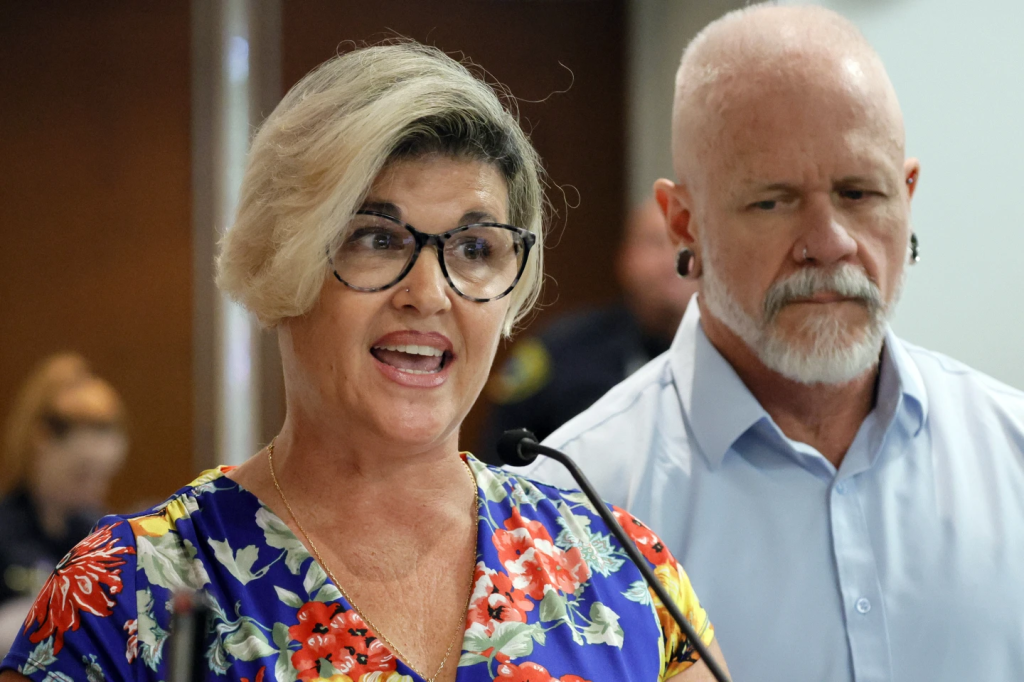
FORT LAUDERDALE, Fla. (AP) — A Florida public school employee, who faces termination for allowing her transgender daughter to play on a girls’ high school volleyball team, criticized those who outed her child, stating on Tuesday that the resulting investigation has devastated her daughter’s life.
Jessica Norton explained that her daughter was thriving at Monarch High School in suburban Fort Lauderdale until an anonymous tipster informed a Broward County school board member in November that the 16-year-old was participating on the girls’ varsity volleyball team, allegedly in violation of state law. The 2021 Fairness in Women’s Sports Act prohibits students assigned male at birth from competing in girls’ sports.
The tip triggered a school district investigation, resulting in Norton potentially losing her job as a computer information specialist at Monarch for permitting her daughter to play. Investigators also reported that Norton failed to revert her child’s gender designation in school records from “female” to “male,” as mandated by district policy.
Norton informed the school board on Tuesday that her daughter had been an elected freshman and sophomore class president, was chosen as the student body’s director of philanthropy, and was a homecoming princess. However, these accomplishments ceased when the investigation commenced, leading the girl to leave Monarch High School.
“They destroyed her high school career and her lifelong memories,” Norton lamented. “I saw the light in my daughter’s eyes gleam with future plans of organizing and attending prom, participating in and leading senior class traditions, speaking at graduation, and going off to college with the confidence and joy that any student like her would have after a successful and encouraging high school experience. And 203 days ago, I watched as that life was extinguished.”
Currently, the girl attends school online.
None of the board’s nine members responded to Norton, a seven-year district employee who had received exemplary evaluations prior to November.
The treatment of transgender children has become a contentious issue nationwide over the past few years. Florida is one of at least 25 states that have implemented bans on gender-affirming care for minors and one of at least 24 states that have enacted laws prohibiting transgender women and girls from participating in certain women’s and girls’ sports.
The board was scheduled to vote on Tuesday regarding Superintendent Howard Hepburn’s recommendation to terminate Norton’s employment, but this decision has been postponed for at least a month. A district committee had recommended a 10-day suspension for Norton, but Hepburn overruled it without providing an explanation. The board could choose to fire Norton, suspend her, or take no action.
Monarch Principal James Cecil and three other administrators were temporarily reassigned when the investigation began but were reinstated following student protests. The state’s athletic commission fined the school $16,500.
Broward is one of Florida’s most politically liberal counties, with twice as many Democrats as Republicans, and it has a significant LGBTQ+ community. The countywide school district is the nation’s fifth-largest, serving nearly 255,000 students across 327 schools.
According to the district investigative report, board member Daniel Foganholi contacted the district’s police department after receiving the anonymous tip. Republican Gov. Ron DeSantis appointed Foganholi last year following the disqualification of the elected board member.
Since 2021, DeSantis has enacted the Fairness in Women’s Sports Act and other legislation targeting the transgender community. The Nortons are plaintiffs in a federal lawsuit challenging the act.
Foganholi did not respond to emails seeking comment last week and on Monday.
Norton’s child began taking puberty blockers at age 11 and estrogen but has not undergone gender-affirming surgery, which is rarely performed on minors.
Her parents assert that she often sat on the bench for Monarch’s volleyball team and does not have athletic advantages from being born male. When investigators asked Principal Cecil to describe the child, he said, “She looks like a girl to me. … she seems very small, very skinny.”
In response to Foganholi’s complaint, Broward schools assigned two officers to investigate. The state education department also appointed an investigator.
The investigation involved pulling and securing school records for Norton’s daughter, interviewing officials at Monarch and the daughter’s previous schools to determine who knew about her being transgender and when and how her records were changed. Investigators also interviewed Norton and three Monarch volleyball players.
Norton, who has two older children, said she enrolled her youngest child in kindergarten as a boy in 2013, four years before starting her employment with the district. The child transitioned to a girl in first grade, and this was known by other parents and children, so it was never a complete secret.
When her child was in second grade, Norton asked a school employee to change the child’s gender on school records. She claimed then-Superintendent Robert Runcie told her that was the procedure. Runcie, who left the district in 2021 after an unrelated controversy, was not contacted.
The district maintains that such changes are only permissible if the parent first amends the child’s birth certificate. Norton amended her child’s birth certificate in 2021, after she began working for the district. The district asserts that Norton should have reverted her child’s gender to male on school records in 2017 upon learning the policy.
Norton told investigators she didn’t comply because the amended records were accurate—her child is a girl.
Aware of the new state law barring transgender girls from playing girls’ sports when her daughter entered high school in 2022, detectives asked why she allowed her daughter to play volleyball and marked “female” on a permission form asking the child’s “sex at birth.”
“Because she’s my child and she wanted to play,” Norton replied. Norton also coached the junior varsity volleyball team.
Investigators interviewed Monarch volleyball players, who said the team did not change clothes or shower together, so they were never disrobed with Norton’s daughter. All three players knew or suspected Norton’s daughter was transgender but were not bothered by her participation. The Knights had a 13-7 record last season.
“I didn’t really have a problem with it because I didn’t think she was a threat or anything to anyone else,” one girl told investigators.
Authorities in Minnetonka, Minnesota are currently investigating the reported assault on 17-year-old Cobalt Sovereign as a potential hate crime.
The following contains graphic descriptions of violence against a transgender child.
Last week, a 17-year-old transgender student in Minnesota found herself hospitalized following an attack by a classmate in the school restroom. The disturbing incident, captured on video, unfolded at Hopkins High School in Minnetonka, MN.
Cobalt Sovereign, a junior at the school, recounted to NBC affiliate KARE that on May 30, she encountered verbal abuse from a fellow student while attempting to use the restroom. Despite the availability of gender-neutral facilities, Sovereign, who prefers she/they pronouns, opted for the boys’ restroom due to convenience, though it caused considerable discomfort.
Recalling the ordeal, Sovereign shared how the assailant peered over the stall and hurled derogatory slurs, including the use of the word “faggot,” which was allegedly repeated several times. Upon leaving the restroom, Sovereign was confronted by three students, one of whom initiated an unprovoked attack. Subsequent examination revealed Sovereign suffered a broken jaw in two places, with a shattered molar and potential traumatic brain injury (TBI). Hospitalized for two days, Sovereign continues to grapple with the physical and psychological aftermath, including recurring nightmares.
Hopkins High School promptly addressed the situation, initiating disciplinary measures against the alleged attacker. Further legal action rests with the Hennepin County attorney’s office, while local authorities are investigating the incident as a possible hate crime. Citing student privacy laws, the identity of the alleged perpetrator remains undisclosed.
Reflecting on the incident, Cobalt’s brother, Wilder Sovereign, expressed dismay over the escalation of transphobia, emphasizing the severity of the assault as an unprecedented manifestation within their community.
At Hopkins High on Wednesday, another segment of Sovereign’s community gathered in solidarity, demanding justice and accountability. Local LGBTQ+ organizations, such as the Queer Equity Institute, mobilized alongside Minnesota Rep. Leigh Finke, the state’s pioneering openly transgender legislator.
Addressing the assembly, Finke underscored the fundamental right to restroom usage without fear of violence, lamenting the fact that such a basic act has become perilous for marginalized communities. “The simplest act imaginable for a human is to just pee in peace, and our community is beaten and killed because that’s what we are trying to do,” Finke articulated, emphasizing the pervasive nature of such incidents. “We are here at Hopkins because this happened here, but this happens everywhere.”
In an Instagram post shared on Wednesday, Rep. Leigh Finke drew attention to what they described as “frightening similarities” between the violence endured by Cobalt Sovereign and the February assault on Oklahoma teenager Nex Benedict. While officials have stated that Benedict’s subsequent death was attributed to suicide, purportedly linked to medications found in their system, this narrative has been met with skepticism by some LGBTQ+ advocates, who demand further investigation.
Highlighting the disparities in official response, Finke expressed concern over the lack of immediate action taken by the school following both incidents. “The school did not call an ambulance. The school did not file a police report. Students and families were not notified. It wasn’t until our rally was announced yesterday that authorities began to move,” Finke wrote, juxtaposing the contrasting reactions to the two attacks. “Cobalt lived. Thank goddess. Nex did not. Please help us make sure there is no next time.”
The US Supreme Court has lifted the ban on bump stocks, a rapid-fire gun accessory used in America’s deadliest mass shooting.
In a 6-3 decision, the court ruled that the government lacked the authority to ban these accessories. The Trump administration had prohibited bump stocks after they were used in the 2017 Las Vegas shooting, which killed 60 people. A Texas gun shop owner challenged the ban, arguing that the government overstepped by classifying bump stocks as machine guns, which are largely illegal under federal law with certain exceptions. According to US law, the transfer or possession of machine guns made after May 19, 1986, is prohibited, although those obtained before that date can be legally transferred or possessed.
The court determined that a semi-automatic rifle with a bump stock does not meet the federal definition of a machine gun. The opinion, written by Justice Clarence Thomas, stated that the Bureau of Alcohol, Tobacco, Firearms and Explosives (ATF) had exceeded its authority. The court cited the legal definition of machine guns, stating that rifles with a bump stock “cannot fire more than one shot ‘by a single function of the trigger,’ and even if they could, they would not do so ‘automatically.'”
The decision saw dissent from the court’s three liberal justices: Ketanji Brown Jackson, Elena Kagan, and Sonia Sotomayor. Justice Sotomayor warned that the ruling would have deadly consequences, noting, “When I see a bird that walks like a duck, swims like a duck, and quacks like a duck, I call that bird a duck.” She argued that bump stocks fall under the type of weapons Congress intended to ban due to their destructive capacity.
During the case’s hearing in March, some justices expressed skepticism about the ban, focusing on the technical differences between bump-stock guns and machine guns. Justice Neil Gorsuch remarked that while he could understand the rationale for making bump stocks illegal, it was Congress’s responsibility to do so explicitly. In contrast, Justice Jackson emphasized that bump stocks were precisely the kind of weapons Congress aimed to restrict.
Bump stocks use a rifle’s recoil to rapidly fire multiple rounds by allowing the gun to slide back and forth between the user’s shoulder and trigger finger, enabling continuous firing without the user moving their finger. The Las Vegas shooter used bump stocks on 12 of his semi-automatic rifles, allowing him to fire hundreds of rounds per minute, similar to many machine guns.
A spokeswoman for Donald Trump’s campaign stated that “the court has spoken and their decision should be respected.” Meanwhile, a spokesman for President Joe Biden, who is set to debate Trump on June 27 as both candidates seek re-election, criticized the decision, asserting, “Weapons of war have no place on the streets of America.” they said.
The high court, siding with the state, concluded that the laws adequately specify the circumstances under which an abortion to save the life of the mother is allowed.
AUSTIN, Texas (CN) — In a highly anticipated decision, the Texas Supreme Court ruled on Friday that the state’s total abortion ban permits the procedure if the pregnancy poses a risk of serious bodily impairment or death.
“Texas law permits a life-saving abortion,” wrote Justice Jane Bland in her 38-page majority opinion. “Under the Human Life Protection Act, a physician may perform an abortion if, exercising reasonable medical judgment, the physician determines that a woman has a life-threatening physical condition that places her at risk of death or serious physical impairment unless an abortion is performed.”
The unanimous opinion from the all-Republican high court vacated a lower court injunction that had blocked the state from enforcing the ban against doctors performing life-saving abortions, establishing a new standard for physicians to follow. The state had filed an accelerated appeal to the Texas Supreme Court, which stayed the injunction.
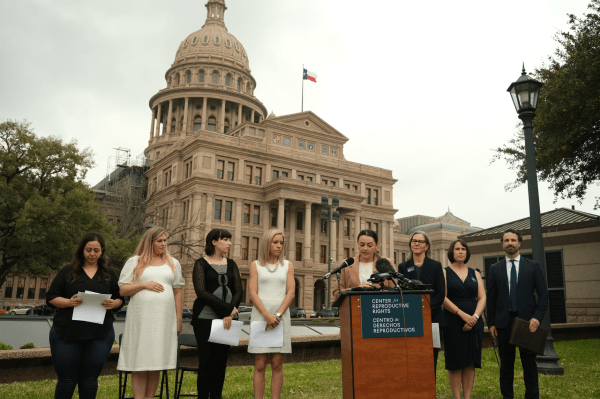
The lawsuit at the center of this case began over a year ago when five women who experienced life-threatening pregnancy complications, along with two doctors, sued Texas Attorney General Ken Paxton and the Texas Medical Board. Represented by the Center for Reproductive Rights, they sought clarity on the law. As the lawsuit gained attention, an additional 15 women with similar experiences joined. The plaintiffs argued that the laws as written deprived them of their right to equal protection under the state constitution.
The lawsuit challenges three laws: the Human Life Protection Act, the Texas Heartbeat Act, and a 1925 abortion ban that was revived following the U.S. Supreme Court’s reversal of Roe v. Wade in 2022.
The Human Life Protection Act and the 1925 ban impose both civil and criminal penalties for anyone found to have performed an abortion. Doctors face up to 99 years in prison, a minimum fine of $100,000, and the loss of their medical license if found guilty. The Texas Heartbeat Act, also known as Senate Bill 8, imposes a civil private right of action, allowing any citizen to sue anyone they believe performed or facilitated an abortion for a minimum of $10,000.
Molly Duane, senior staff attorney for the Center for Reproductive Rights and lead attorney in the case, described the court’s ruling as providing a “feeble answer” to the question of when a person in Texas can receive an abortion under the medical exception. Despite the ruling, she believes it falls far short of what is necessary to ensure the safety of pregnant individuals.
“I am disturbed that the court rejected so many of our clients’ claims to a constitutional right to life, health, and fertility,” Duane said on Friday. “These are women who came to court citing risks to their physical and mental health and continuing a pregnancy that would never result in a new baby joining their families. But now we know the courthouse doors are closed to them.”
The Center for Reproductive Rights argued that the exceptions in the state’s three abortion bans are too vague, causing doctors to avoid providing necessary care due to fear of prosecution. To address this, the group requested that courts establish a standard allowing the procedure when a doctor has a “good faith belief” that an abortion is necessary to save the mother’s life or prevent severe bodily impairment.
However, Justice Bland pushed back against the Center’s request to clarify what “reasonable medical judgment” means under the statute. The Center argued that a “good faith belief” standard would create uniformity in the standard of care among doctors, whereas “reasonable medical judgment” could vary from one physician to another.
While acknowledging that not all doctors would reach the same conclusion, the state must demonstrate that a reasonable physician would not have determined that a woman with pregnancy complications required a life-saving abortion.
“The Center’s ask is for a court to substitute a different standard for the one that is expressly written in the statute,” Bland wrote in Friday’s opinion. “This is a call for amending the law, not for interpreting it.”
The 20 women central to the case were not directly mentioned in Bland’s opinion. Instead, the court focused on explaining why it believes the exception to the laws, as written, is sufficient.
Justice Bland did, however, address lead plaintiff Amanda Zurawski’s experience, using it as an example of how the law should function. During her second trimester, Zurawski’s pregnancy became nonviable when the membrane surrounding her daughter, Willow, prematurely ruptured. Despite being informed by doctors that she faced a serious risk of infection, they refused to terminate the pregnancy because Willow still had a heartbeat, fearing prosecution. After being sent home, infection set in, causing damage to Zurawski’s reproductive organs and placing her life in jeopardy.
“Ms. Zurawski’s agonizing wait to be ill ‘enough’ for induction, her development of sepsis, and her permanent physical injury are not the results the law commands,” wrote Bland.
Zurawski said Friday that the ruling felt like a gut punch.
“The Texas Supreme Court had the opportunity to provide clarity, but they didn’t, and we are right back where we started. While this feels like the end of Zurawski v. Texas, it is not the last that you will be hearing from us in this fight for justice,” Zurawski said.
All but one of the plaintiffs’ claims survived the court’s ruling. Damla Karsan, an obstetrician from Houston, was found to have standing to sue the state because she was threatened with enforcement by Texas Attorney General Ken Paxton.
The threat came after a judge in Austin issued an order allowing Kate Cox, a mother of two from Dallas, to terminate her nonviable pregnancy. Karsan was set to provide the procedure when Paxton sent letters to three hospitals, warning they could be held liable if Karsan was allowed to perform the abortion at their facilities. The Center for Reproductive Rights is still determining how it will proceed with this final claim.
While the court did not provide guidance on the state’s abortion laws, it left open the possibility for the Texas Medical Board to intervene. The board is currently considering new guidance for physicians to clarify when a patient qualifies for the exception. However, this has sparked controversy, with abortion rights advocates arguing that the proposed plans do not sufficiently protect women.
In a statement praising the ruling, Paxton said he would continue to defend the state’s pro-life laws.
“Today, the Supreme Court of Texas unanimously upheld the Human Life Protection Act, one of our state’s pro-life laws,” Paxton said. “I will continue to defend the laws enacted by the Legislature and uphold the values of the people of Texas by doing everything in my power to protect mothers and babies.”
For abortion rights advocates, federal action remains the only viable solution to what they see as dangerous state laws. During Friday’s press call, Nancy Northup, president and CEO of the Center for Reproductive Rights, renewed calls for a law legalizing abortion nationwide.
“It is clear that the state of Texas and many other states are not going to protect their own pregnant people,” Northup said. “The federal government must step in and reestablish a nationwide right to abortion.”
A judge ruled on a guidance indicating that schools could lose federal funding if they discriminate against students based on gender identity or sexual orientation.
A federal judge in Texas on Tuesday determined that the Biden administration improperly attempted to reinterpret federal law prohibiting sex discrimination in schools by extending it to include LGBTQ students.
U.S. District Judge Reed O’Connor in Fort Worth, Texas, ruled in favor of a lawsuit filed by the state’s Republican Attorney General Ken Paxton. He declared that legal guidance issued by the U.S. Department of Education three years ago was invalid, asserting that the agency lacked the authority to implement it and that it could not be enforced in Texas.
The non-binding guidance indicated that schools could be denied federal funding if they discriminated against students based on gender identity or sexual orientation, such as by requiring students to use facilities that correspond to their sex assigned at birth.
A federal judge in Tennessee had already blocked the Education Department from enforcing this guidance in 20 Republican-led states that had also sued to overturn it in 2022. The Biden administration is currently appealing that decision.
The guidance was issued in response to a landmark 2020 U.S. Supreme Court ruling that extended federal workplace sex discrimination protections to LGBTQ employees. The Education Department argued that the same logic applied under Title IX, as both laws use similar language.
However, O’Connor, in a 112-page ruling, stated that the Education Department did not have the authority to apply that Supreme Court ruling to Title IX of the Education Amendments of 1972.
“To allow Defendants’ unlawful action to stand would be to functionally rewrite Title IX in a way that shockingly transforms American education and usurps a major question from Congress,” wrote O’Connor, an appointee of Republican former President George W. Bush.
The Department of Education and the U.S. Department of Justice did not immediately respond to requests for comment.
In a statement, Paxton said the ruling thwarts Democratic President Joe Biden’s “effort to weaponize Title IX for his extremist agenda.”
“Threatening to withhold education funding by forcing states to accept ‘transgender’ policies that put women in danger was plainly illegal,” Paxton stated.
In April, the Education Department adopted formal, binding regulations applying Title IX to LGBTQ students. Tuesday’s decision does not impact those rules, which Texas and other states are currently challenging in court. However, it does indicate that these regulations could be susceptible to future legal challenges.














 fleeredstates.blog
You must be logged in to post a comment.