States in the Southern region are advancing legislation aimed at revoking legal recognition for transgender individuals | ADVOCATE

Louisiana, Mississippi, and Alabama are all progressing bills that seek to “define sex” in a way that excludes transgender individuals from obtaining any legal recognition of their gender.
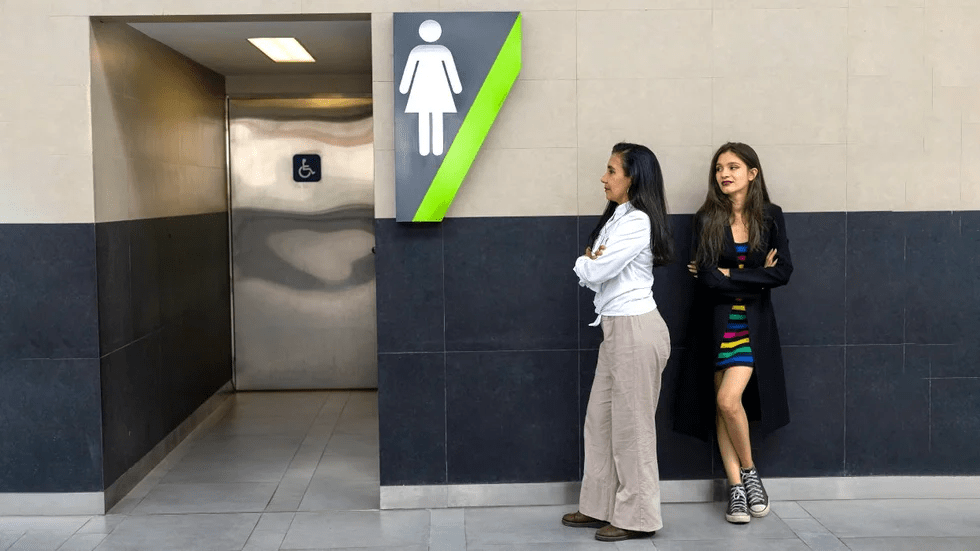
In recent weeks, the momentum behind anti-transgender legislation has subsided in states known for targeting transgender individuals. However, a distinct trend is emerging in the Gulf South, where Louisiana, Mississippi, and Alabama are all moving forward with bills aimed at ending the legal recognition of transgender individuals. These bills seek to redefine sex in a way that excludes transgender individuals, which could have far-reaching consequences for their rights, affecting areas such as birth certificates, driver’s licenses, and access to bathrooms.

The bills, labeled as the “Women’s Bills of Rights” by proponents, lack comprehensive measures to safeguard women’s rights. They do not guarantee access to birth control or abortion, fail to address pay equity, do not support women’s sports programs financially or structurally, and do not include provisions to combat violence against women. Instead, they focus on defining sex based on reproductive capacities and aim to eliminate legal recognition of transgender individuals’ gender identities.

In Louisiana, House Bill 608, backed by an impressive 63 Republican co-sponsors, reflects a staunch opposition to any opposition against it. While its main focus appears to be on restricting bathroom access in various institutions like schools, prisons, and shelters, a specific clause in the bill suggests that “any provision of law enacted by the legislature or any rule adopted by a state agency or other entity subject to the Administrative Procedures Act when applicable to an individual’s sex shall apply those definitions provided in R.S. 9:58.” This provision could potentially lead to the prohibition of changes to birth certificates and driver’s licenses, effectively erasing all legal recognition for transgender individuals. Although the bill hasn’t been slated for a hearing yet, given its considerable support, it’s expected to progress swiftly through the legislative process once initiated.

In Mississippi, Senate Bill 2753 and House Bill 1607 have both cleared their respective chambers. House Bill 1607 outlines sex based on reproductive capacity and curiously states that for transgender individuals, “equal” does not signify “same” or “identical.” Interestingly, the bill doesn’t define “equal,” a term also left vague in similar legislation in other states. This lack of clarity has sparked debates similar to those seen with a comparable bill in Iowa, currently at a standstill in the legislature there partly due to disagreements over that particular line. Regarding Senate Bill 2753, it proposes to restrict bathroom access for transgender individuals in publicly owned facilities like rest stops and the Jackson airport.

In Alabama, House Bills 111 and 130 are likewise aimed at transgender individuals. House Bill 111 dictates sex based on reproductive capacity for all vital statistics purposes. Meanwhile, HB 130, while not explicitly defining sex, is expected to be amended to incorporate language extending “Don’t Say Gay” legislation to Space Camp. This addition follows conservative media uproar over a transgender individual’s employment at the state’s esteemed Space Camp and could potentially be utilized to discriminate against transgender employees in state facilities.

To date, only five states have enacted comparable laws: Kansas, Montana, North Dakota, Tennessee, and Utah. In Kansas, a judge recently sided with Attorney General Kris Kobach, ruling that driver’s licenses and birth certificates must display transgender individuals’ assigned sex at birth, citing state law. Meanwhile, even though Florida lacks such legislation, alterations to regulations have hindered transgender individuals’ ability to update their driver’s licenses; allegedly, Florida residents face similar challenges in changing their birth certificates. Moreover, Oklahoma and Nebraska have issued executive orders delineating sex in a similar manner.

You can view a map of states with such legislation from the Movement Advancement Project here:
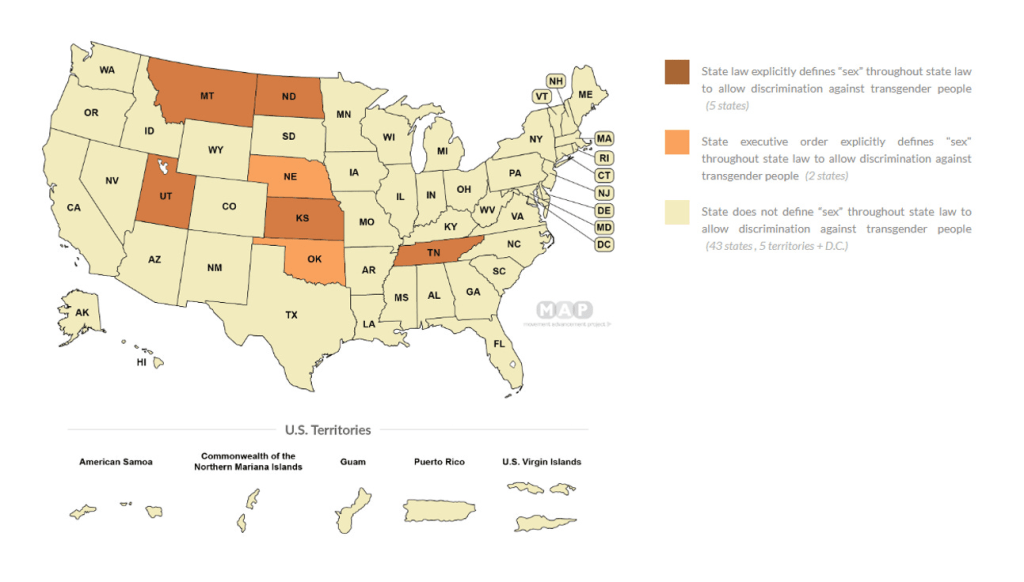
Movement Advancement Project. “Equality Maps: Defining ‘Sex’ to Allow Discrimination.” Accessed March 18, 2024.

If enacted, these bills would lead to a growing list of states refusing legal recognition of transgender individuals. This carries significant implications: individuals who have already updated their identity documents may see them reverted to their assigned sex at birth. These state-issued IDs could be used to enforce further anti-transgender measures like bathroom bans. Additionally, this discrepancy between state and federal documents would pose challenges for transgender individuals who have aligned their federal IDs with their gender identity.

There have been appeals for a federal legal intervention in response to bills eliminating gender markers and denying legal recognition to transgender individuals. For instance, in Florida, the entire Democratic congressional delegation urged the Biden Administration to utilize the Real ID Act, which requires “gender” to be indicated on driver’s licenses. As of Monday, there has been no response to this request.

Several lawsuits are currently in progress, seeking to overturn the laws in court where they have been enacted. However, the legal outcomes of these cases are currently pending.
SCOTUS Declines to Weigh in on Trans Students’ Bathroom Access Case | Them

This blog originally appeared at THEM.

A lower court ruling in favor of trans students will stand.

The Supreme Court has opted not to intervene in the ongoing dispute over transgender students’ rights to use bathrooms that match their gender identities. On Tuesday, the court declined an appeal from an Indiana school district seeking to overturn a ruling that required the district to permit trans boys to use the appropriate facilities.

In effect, this decision upholds a Seventh U.S. Circuit Court of Appeals ruling in favor of transgender students, requiring the Metropolitan School District in the Indianapolis suburb of Martinsville to continue allowing trans-inclusive restroom access.

The ACLU of Indiana initially filed a lawsuit in December 2021 on behalf of A.C., an anonymous transgender middle school student, and his parents. A.C. was required to use the girls’ restrooms or the single-person restroom in the nurse’s office, which was far from his classes. The ACLU of Indiana argued that these policies were unconstitutional, violating both the Fourteenth Amendment’s Equal Protection Clause and Title IX.

In April 2022, the plaintiffs were granted a preliminary injunction when a district court ruled to block the policy for the duration of the case. By August 2023, the Seventh Circuit ruled in favor of A.C., finding that the policies preventing him from using the boys’ restroom were indeed unconstitutional.

As The Hill noted, the Supreme Court has largely avoided directly weighing in on cases involving protections for trans youth, which often allows progressive lower court rulings to remain in place. In 2021, the Court declined to review a similar case in Virginia. Gavin Grimm, also represented by the ACLU, filed suit against his school district in 2015 after being required to use the girls’ restroom or the nurse’s bathroom. An appellate court found this policy unconstitutional in 2020, and the Supreme Court’s refusal to hear the case allowed that decision to stand.

Kenneth Falk, legal director of the ACLU of Indiana, expressed gratitude, stating that the organization was “thankful the Court allowed this momentous victory for the transgender youth of Indiana to stand.”

“In essence, this case is about safeguarding the fundamental right of every student to access a safe and inclusive learning environment. The policy at its core undermines the freedom of transgender youth to express their true selves,” Falk expressed in a press release. “We are committed to ongoing advocacy for transgender individuals and their families, standing firm wherever their legal equality is questioned.”

Kelley Robinson, President of the Human Rights Campaign, hailed the decision as a step in the right direction but stressed the ongoing need for further measures to safeguard transgender youth.

Robinson emphasized the universal importance of treating every child with kindness and respect, underscoring that while the decision is a positive affirmation of transgender students’ rights, significant efforts are still required to ensure comprehensive protection for all.

Garrett Foster’s family speaks out on Texas Gov. Greg Abbott’s decision to pardon Daniel Perry – CBS Texas

This blog originally appeared at CBS NEWS.

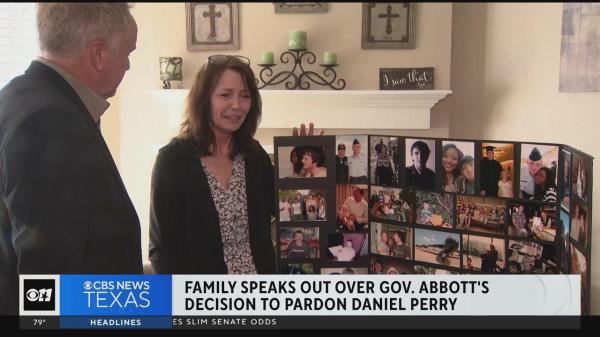
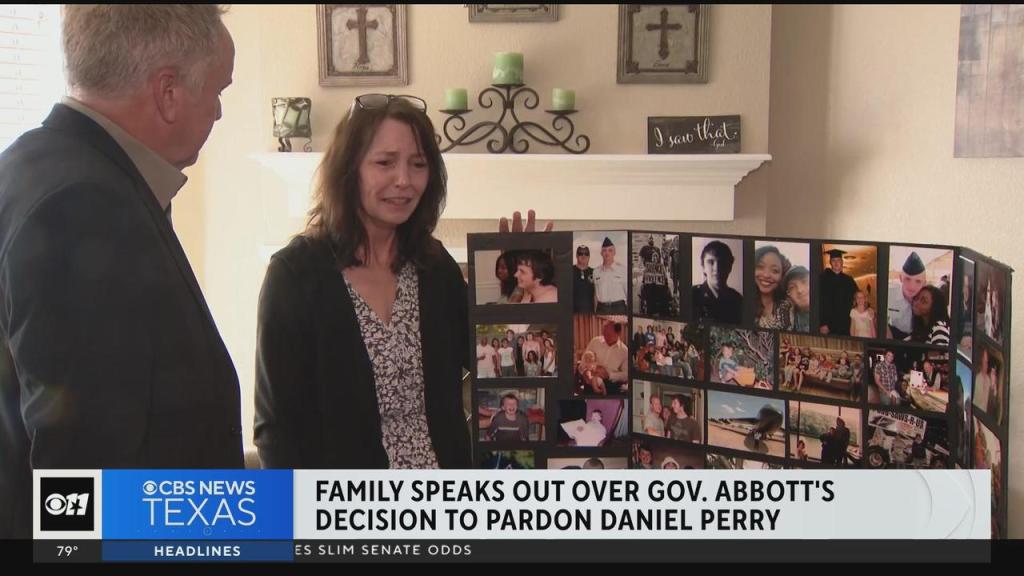
COLLIN COUNTY — Garrett Foster’s family is voicing their concerns over Governor Abbott’s decision to pardon Daniel Perry, who was convicted of murder following a 2020 Black Lives Matter protest in Austin.

“I think they’re using my dead child to make a political statement,” said Sheila Foster, Garrett’s mother.

Nearly four years after losing her son, her heart still aches.

Garrett, a 28-year-old Air Force veteran, had joined Black Lives Matter protesters in Downtown Austin in the summer of 2020, along with his fiancée, Tiffany.

Daniel Perry, an Army sergeant, had posted on social media, “I might have to kill a few people on my way to work, they are rioting outside my apartment complex.”

Perry made the post shortly before running a red light and driving into the crowd of protesters.

Foster, who had an assault rifle strapped over his shoulder, was shot and killed when he approached Perry’s car. Perry, who was also armed, fired the fatal shot.

A Travis County jury found Perry guilty of murder and sentenced him to 25 years in prison.

On Thursday, Gov. Abbott approved a full pardon for Perry, recommended by the Texas Board of Pardons and Paroles. Abbott stated, “Texas has one of the strongest ‘Stand Your Ground’ laws of self-defense and cannot be nullified by a jury or a progressive district attorney… I will use my constitutional authority to override his leftist policies when needed.”

Perry was immediately released from prison, and Sheila Foster received a phone call at her home in rural Collin County.

Sheila recalled the moment she was notified, saying, “The first thing I said after I collapsed was, ‘Garrett, I’m so sorry.'”

Foster’s family noted that multiple witnesses testified during the trial that Garrett was not pointing his gun at Perry when he was shot, which led to a murder conviction they now feel has been rendered meaningless.

Milton Wright, Foster’s grandfather, remarked, “It’s making a mockery of our justice system.”

Sheila expressed concern that the governor’s decision endangers anyone legally carrying a firearm in Texas.

“You can shoot somebody if you see their gun and it scares you — that’s what he’s saying,” she said.

When asked what she would tell the governor, Sheila responded, “I would ask him what the heck he is thinking and what kind of precedent he is setting in an open-carry state… He’s saying Garrett deserved to die because he was carrying a gun.”

The Foster family holds on to a slim hope that a possible lawsuit could be filed or a higher court might intervene to overturn the governor’s pardon.

Sheila’s anger only temporarily masks the anguish she feels, which she says will resurface when another year passes without her son in July.

Florida’s surgeon general defies scientific consensus amid measles outbreak | The Washington Post

This blog originally appeared at THE WASHINGTON POST.

Florida Surgeon General Joseph Ladapo in 2021.

As a Florida elementary school grapples with a growing measles outbreak, the state’s top health official is providing advice that contradicts scientific consensus, potentially putting unvaccinated children at risk of contracting one of the most contagious pathogens on Earth, according to clinicians and public health experts.

In a letter to parents at a Fort Lauderdale-area school following six confirmed measles cases, Florida Surgeon General Joseph A. Ladapo failed to urge parents to vaccinate their children or to keep unvaccinated students home as a precaution.

Instead of following the “normal” recommendation that parents keep unvaccinated children home for up to 21 days — the incubation period for measles — Ladapo stated that the state health department “is deferring to parents or guardians to make decisions about school attendance.”

Ladapo’s controversial decision continues a pattern of defying public health norms, especially regarding vaccines. Last month, he called for halting the use of mRNA coronavirus vaccines, a move widely condemned by the public health community.

Ben Hoffman, president of the American Academy of Pediatrics, criticized Florida’s guidance, stating that it contradicts longstanding and widely accepted public health recommendations for measles, a disease that can lead to severe complications, including death.

“It contradicts everything I’ve ever heard and read,” Hoffman stated. “It goes against our policy and what the Centers for Disease Control and Prevention would recommend.”

In 2024, measles outbreaks have surged, with the CDC recording at least 26 cases across 12 states, doubling the count from the previous year. Apart from the six cases identified in the Florida school, instances have been documented in Arizona, California, Georgia, Maryland, Minnesota, Missouri, New Jersey, New York City, Ohio, Pennsylvania, and Virginia.

The surge in measles outbreaks is attributed to the increasing number of parents seeking exemptions from childhood vaccinations. This trend has emerged in the wake of political opposition to COVID-19 mandates and widespread dissemination of misinformation regarding vaccine safety.

In January, the CDC issued a caution to healthcare providers to remain vigilant for additional measles cases. Contagion can occur from four days before the onset of a rash until four days after.

Because measles virus particles can persist in the air and on surfaces for up to two hours after an infected individual departs, up to 90 percent of non-immune individuals may contract measles if exposed. Those who have been infected or have received both doses of the MMR vaccine are 98 percent protected and highly unlikely to contract the disease. This is why public health officials usually recommend vaccination during outbreaks.

“The measles outbreak in Florida schools is a result of too many parents failing to ensure their children are protected by the safe and effective measles vaccine,” explained John P. Moore, a professor of microbiology and immunology at Weill Cornell Medical College. “And why is that? It’s because anti-vaccine sentiment in Florida is propagated from the top of the public health hierarchy: Joseph Ladapo.”

When requested for comment, the Florida health department provided a link to Ladapo’s letter.

Ladapo’s reluctance to utilize public health measures mirrors the efforts of conservative and libertarian factions to weaken public health’s capacity to control diseases such as the highly contagious measles. In an outbreak in Ohio that commenced in late 2022, most of the 85 afflicted children were eligible for vaccination, but their parents opted against it, according to officials. In 2021, the state legislature curtailed health officials’ authority to mandate quarantine for individuals suspected of having an infectious disease.

Ladapo’s communication with parents arrives amidst increased concern regarding the public health impacts of anti-vaccine sentiment, an ongoing issue that has resulted in declines in childhood immunization rates in various areas across the United States. Federal data released last year revealed that the percentage of kindergartners exempted from at least one state-required childhood vaccination reached its highest level yet during the 2022-2023 school year, standing at 3 percent.

According to Paul Offit, a pediatric infectious diseases expert at Children’s Hospital of Philadelphia, Ladapo’s neglect to promote vaccination puts children at risk.

“In light of the data showing measles as the most contagious vaccine-preventable disease, surpassing even influenza or COVID, is Ladapo attempting to suggest otherwise?” Offit questioned in an email.

Measles is highly contagious, spreading swiftly, particularly affecting young children who receive their first dose of the vaccine between 12 to 15 months of age. The CDC advises two doses of the MMR vaccine, with the second typically administered between 4 to 6 years old.

When measles vaccination coverage falls below 95 percent, it undermines herd immunity, facilitating the virus’s rapid spread. While Florida’s overall vaccination coverage stands at 90.6 percent, it doesn’t pinpoint areas with potentially lower coverage rates.

If unvaccinated individuals fail to adhere to public health guidelines and stay home from school during the contagious period, the outbreak could escalate dramatically, posing a significant community risk. Patsy Stinchfield, President of the National Foundation for Infectious Diseases and a nurse practitioner in Minneapolis, has firsthand experience managing measles outbreaks, including the 2017 outbreak in Minnesota, which impacted 75 individuals, predominantly unvaccinated children.

Approximately 1 in 5 unvaccinated individuals in the United States who contract measles require hospitalization, as reported by the CDC. Among children, up to 1 out of 20 develop pneumonia, which is the leading cause of death from measles in this age group. Additionally, around 1 child out of every 1,000 with measles experiences brain swelling, which can result in seizures and long-term consequences such as deafness or intellectual disability. Unvaccinated infants who contract measles face an even graver risk, with 1 in 600 developing a fatal neurological complication that may remain latent for years.

This week, officials at Manatee Bay Elementary School, located approximately 20 miles west of Fort Lauderdale, confirmed six cases of measles. According to Broward County Schools Superintendent Peter B. Licata, out of the school’s 1,067 students, 33 have not been vaccinated with the MMR vaccine. During a school board meeting on Wednesday, Licata provided this information. Additionally, a district official mentioned that the district has organized “four vaccination opportunities,” comprising two sessions held at the school and two at other venues within the community.

Florida health officials reported the first case on Friday, involving a third-grade child with no travel history abroad.

School officials redirected inquiries to the Broward County school district, which stated it is adhering to guidance from the state health department.

Book bans spiked at the end of the previous year.

This blog originally appeared at NPR NEWS.

Last year ended with a surge in book bans

A recent report from PEN America claims that there was a “unprecedented” spike in book bans in the second half of 2023.

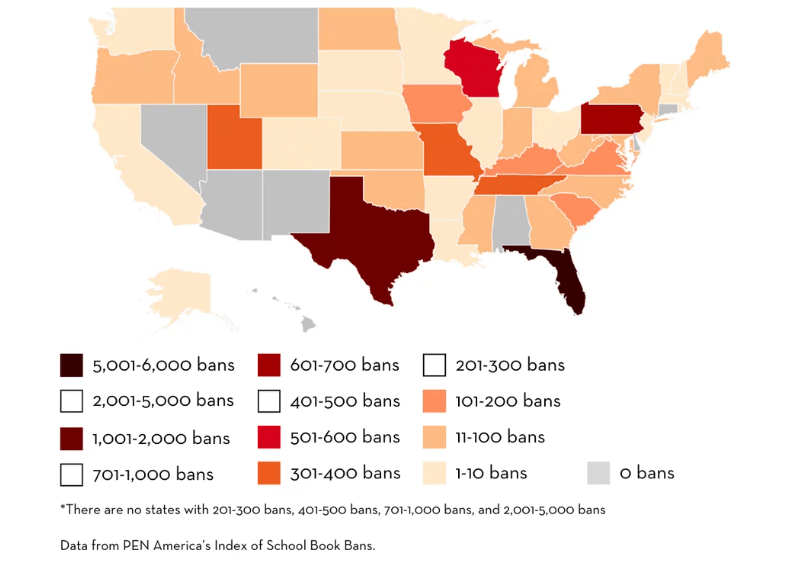
According to the free expression organization, 4,349 book bans occurred in 52 public school districts and 23 states between July and December of last year. According to the research, over those six months, more books were prohibited than during the entire 2022–2023 school year.

The source of PEN America’s ban data is allegedly “publicly available data on district or school websites, news sources, public records requests, and school board minutes.”

Key lessons learned include:

With 3,135 prohibitions spread among 11 of the state’s school districts, Florida accounted for the great bulk of school book bans. An NPR representative for the Florida Department of Education declined to comment.

Book bans are frequently started by a small group of individuals. A Wisconsin school district temporarily banned 444 books after receiving challenges from a single parent.

According to the research, those who advocate for book bans frequently use to “obscenity laws and hyperbolic rhetoric about ‘porn in schools’ to justify banning books about sexual violence and LGBTQ+ topics (and in particular, trans identities).”

The research claims that there has been a comparable upsurge in opposition to the bans. Students, writers, and others are “fighting back in powerful and creative ways.”

Who is enforcing the ban?

According to a survey published in The Washington Post, “Just 11 people were responsible for filing 60 percent” of book challenges in 2021–2022.

Advocates for free speech from across the nation who joined PEN America today to address prohibitions spoke at a news conference about the ostensibly enormous influence of a small but vociferous minority.

Quinlen Schachle, a senior in high school and the president of the Alaska Association of Student Governments, expressed his dismay at attending school board meetings, saying, “It’s, like, [the same] one adult that comes up every day and challenges a new book. It’s not a concerned group of parents coming in droves to these meetings.”

According to Texas Freedom to Read Project Co-Director Laney Hawes, books are frequently prohibited due to “a handful of lists that are being circulated to different school districts” rather than “a parent whose child finds the book and they have a problem with it.”

PEN America describes a book ban as “any action taken against a book based on its content…that leads to a previously accessible book being either completely removed from availability to students, or where access to a book is restricted or diminished.”

The American Enterprise Institute, a conservative think tank, expressed disapproval of PEN America’s April 2022 report on banned literature. “Almost three-quarters of the books that PEN listed as banned were still available in school libraries in the same districts from which PEN claimed they had been banned,” the Education Freedom Institute (AEI) reported in a report.

Why is Texas aiming to eliminate guaranteed income while supporting the funding of school vouchers?

The lawsuit against the state’s largest county highlights the divide between Texas’ two parties on how taxpayer dollars should be spent.

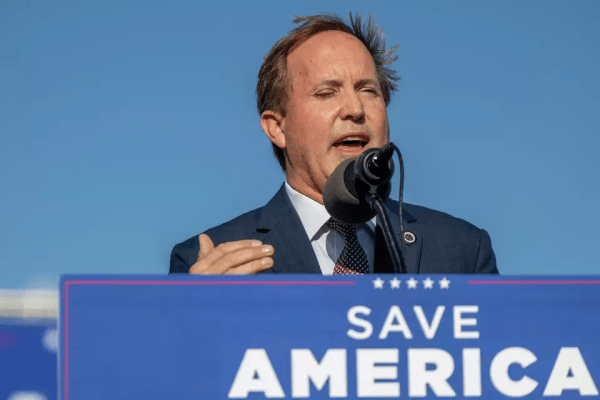
Texas Attorney General Ken Paxton has filed a lawsuit to block Harris County’s guaranteed income pilot program. But what about school vouchers?

Earlier this month, Texas Attorney General Ken Paxton filed a lawsuit to shut down Harris County’s guaranteed income program, arguing that the Texas Constitution prohibits counties or cities from “granting public money or things of value in aid of or to any individual.”

On Thursday, Paxton’s office and County Attorney Christian Menefee are scheduled to meet for a hearing to review the temporary injunction request before Harris County’s 165th Civil Court Judge Ursula Hall. Participants were supposed to receive their first installment of payments on April 24, but everything is on hold pending a court-approved legal decision.

The guaranteed income program, known as Uplift Harris, aims to provide $500 a month to 1,928 families to alleviate poverty. This support is intended to help residents cover expenses such as transportation, housing, food, and other necessities, with no conditions attached.

Paxton’s lawsuit to terminate Uplift Harris, which he labels a “welfare scheme” and a “socialist experiment,” coincides with Texas advocating for a contentious education savings account program, commonly known as school vouchers. These accounts utilize taxpayer money to assist parents in paying for their children’s private school tuition.

So, what distinguishes these two publicly funded state programs?

Southern Methodist University political science professor Calvin Jillson suggests that Paxton’s lawsuit is “undoubtedly political.”

“If it primarily functions like a lottery, it’s likely harder to justify,” Jillson told Chron. “There are numerous programs where public funds are directed to private individuals, and the critical issue is whether these programs are designed to withstand judicial review. Sometimes they are, and other times they are invalidated.”

Elon Musk is profiting millions from verified neo-Nazi X accounts.

This blog originally appeared at LGBTQ NATION.

…and he’s also amplifying their hateful messages.

Elon Musk’s platform has granted “Premium” blue checkmarks to over 150 paid neo-Nazi subscribers, as per NBC News. These subscribers frequently breach the platform’s policies on hate speech by sharing hateful perspectives, swastika imagery, Holocaust denial, Adolf Hitler speeches, and antisemitic content advocating violence against Jews and other communities.

In March alone, numerous posts, including one echoing the debunked assertion that 6 million Jews didn’t perish in the Holocaust, garnered millions of views. Subscribers, who pay $8 monthly, receive “prioritization,” which enhances the visibility of their posts. Thousands of unverified non-subscribers repost this content, perpetuating and legitimizing neo-Nazi ideologies.

While X prohibits the glorification of violence in its policies, the platform inconsistently enforces these rules. According to NBC News, the tally of paid neo-Nazi accounts might exceed 150, as premium subscribers previously had the ability to conceal their verification check marks from public view. However, X has announced plans to eliminate this option in the near future.

X also recently implemented a change to provide free premium subscription checkmarks to accounts with over 2,500 verified followers. This change will make it more difficult to figure out which accounts are paid and which aren’t.

Since acquiring X (formerly Twitter) for $44 billion in October 2022, Musk has overseen a surge in hate content on the platform. He personally reinstated numerous accounts associated with right-wing, anti-LGBTQ+, and neo-Nazi ideologies, despite their prior bans. Musk himself has propagated transphobic rhetoric and embraced neo-Nazi conspiracy theories like the “Great Replacement Theory,” prompting major advertisers to withdraw their support. Consequently, X’s ad revenue has plummeted by 50%, with a potential further loss of $75 million as advertisers remain cautious. In response, Musk has lashed out at advertisers, instructing them to “f**k off” and pursuing legal action against watchdog organizations that have highlighted X’s issues with hate speech.

A report from the Center for Countering Digital Hate (CCDH) in March 2023 revealed that five accounts prominently promoting anti-LGBTQ+ “groomer” attacks on X generated up to $6.4 million annually in ad revenues for the platform.

According to the March 2023 CCDH report, tweets spreading anti-LGBTQ+ narratives accusing queer individuals of “grooming” children for abuse surged by 119% following Musk’s acquisition of the social media network.

In July 2023, Musk filed a lawsuit against the CCDH, claiming that their assertions were unfounded and aimed at damaging Twitter’s reputation and its digital advertising endeavors.

Imran Ahmed, founder and CEO of CCDH, remarked regarding Musk, “He’s legitimizing the notion that bigotry against Muslims, Jews, Black individuals, LGBTQ+ individuals is permissible, ordinary, and acceptable in society.”

New Hampshire Republicans Pass Three Anti-Trans Bills in a Single Day

This blog originally appeared at LGBTQ NATION.

The bills undermine trans rights to equal education and health care.

Chris Sununu's headshot

The New Hampshire state legislature passed three bills targeting transgender equality last Thursday. These bills are now headed to Republican Gov. Chris Sununu’s desk.

The bills include H.B. 1205 and H.B. 1312, both of which passed the New Hampshire Senate along party lines. H.B. 1205 bans girls from participating on school sports teams that match their gender identity starting in fifth grade. It requires all girls to submit a birth certificate or “other evidence” of their sex assigned at birth, which the LGBTQ+ organization GLAD says could include a genital inspection. The bill also permits parents to sue their school, the opposing school, the state board that governs school sports, and the state if they believe a transgender student was allowed to play sports.

Sarah Huckman, representing her transgender daughter, testified against the bill as a parent.

“She’s incredibly social and outgoing, and sports have been vital for her mental health,” Huckman emphasized. She noted that her daughter actively engages in cross-country, Nordic skiing, and track, and has received acceptance from her teammates.

Now, she fears that her daughter’s well-being could be jeopardized by H.B. 1205.

H.B. 1312 mandates that schools must notify parents at least two weeks in advance before discussing topics related to sexual orientation and gender identity, categorizing such discussions as “objectionable material.” Democrats argued that the bill’s language is so sweeping that it could potentially lead to the prohibition of books depicting heterosexual couples, as reported by the LA Blade.

State Senator Lou D’Allesandro (D), a former educator, expressed, “This bill is one of the reasons why nobody wants to go into teaching,” as reported by the New Hampshire Bulletin.

“Today, the Senate turned its back on New Hampshire values and conveyed an exceedingly harmful message to all New Hampshire youth. LGBTQ students deserve to learn without facing discrimination at school,” stated Chris Erchull, an attorney at GLAD.

“Transgender students require the chance to participate in sports for the same reasons as other children: to acquire vital life skills as members of a team where they feel included,” Erchull emphasized. “That’s what we desire for all young individuals – the ability to learn, flourish, and feel accepted. That’s why our state and federal laws clearly state – and courts have confirmed – that targeting transgender students for exclusion is unjust.”

Governor Chris Sununu (R) has yet to announce whether he will sign the bills, although he has previously made statements opposing transgender rights.

“I fundamentally don’t believe that biological boys should be competing in girls’ sports. I think it’s dangerous,” he said this past March.

Arizona’s Supreme Court has granted the attorney general an additional 90 days to develop her strategy for the abortion ban | ABCNews.go

The highest court in Arizona has granted the state’s attorney general an additional 90 days to determine further legal steps in the case regarding a nearly 160-year-old near-total abortion ban.

In Phoenix, Arizona’s highest court extended the deadline for the state’s attorney general by another 90 days to determine additional legal steps in the case concerning a nearly 160-year-old near-total ban on abortion, which lawmakers recently voted to repeal.

The recent order from the Arizona Supreme Court maintains the current law permitting abortion up to 15 weeks of pregnancy. It also grants Attorney General Kris Mayes an extended period to deliberate on whether to appeal the case to the U.S. Supreme Court.

Mayes expressed appreciation for the order, noting that the earliest the 1864 law can now be enforced is September 26. This timeline factors in the additional 90 days granted by the recent order, along with an additional 45 days outlined in a separate case.

“I am committed to ensuring that doctors can administer medical care based on their professional judgment, rather than adhering to the beliefs of legislators from 160 years ago,” Mayes affirmed.

In April, the Arizona Supreme Court reinstated an older law devoid of exceptions for rape or incest, permitting abortions solely in cases where the mother’s life is at risk. The majority opinion hinted at the possibility of doctors facing prosecution and potential imprisonment for up to five years if found guilty.

The Legislature narrowly voted to repeal the Civil War-era law, but its repeal won’t come into effect until 90 days after the conclusion of the current annual session. It has remained uncertain whether there would be a window during which the older ban could be enforced before the repeal becomes effective.

Despite the latest delay, the anti-abortion group defending the ban, Alliance Defending Freedom, stated that it would continue to fight.

“The pro-life law in Arizona has safeguarded unborn children for over a century,” stated Jake Warner, the group’s senior counsel. “We remain committed to defending unborn children and advocating for genuine support and healthcare for families in Arizona.”

Angela Florez, CEO of Planned Parenthood Arizona, appreciated the decision, stating that the organization “will persist in offering abortion care up to 15 weeks of pregnancy, prioritizing patient access to abortion care for as long as legally feasible.”

Appeals court rules that state insurance must cover transgender health care | NPG.org

This blog originally appeared at HAWAII PUBLIC RADIO.

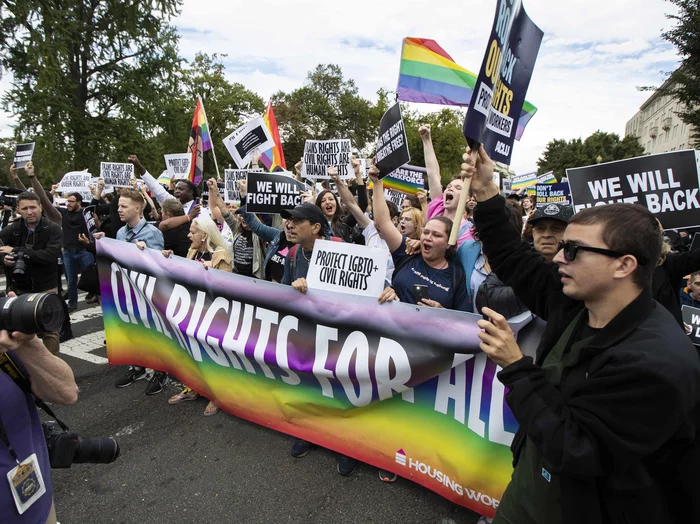
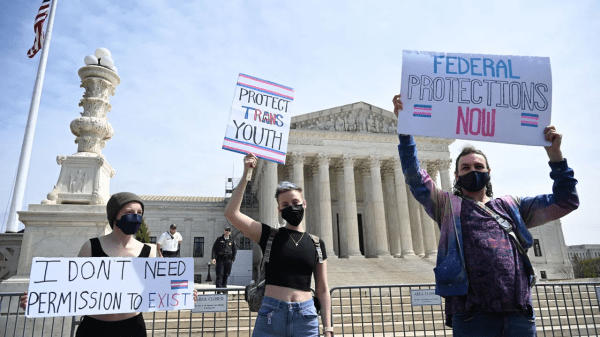
Cases concerning transgender rights have been making their way through the courts for years. Here, people demonstrated in support of trans rights in front of the Supreme Court in 2019.

A federal appeals court decision on Monday mandated that state health insurance plans in North Carolina and West Virginia must offer coverage for gender-affirming care. Transgender advocates view this ruling as a significant triumph, particularly amid a surge in state legislative proposals aiming to limit the rights of transgender individuals.

The 4th Circuit Court of Appeals in Richmond, Virginia, rendered its decision on two cases, one of which was filed by transgender North Carolina state employees and their dependents. They were denied coverage for gender-affirming care.

The second lawsuit was filed by transgender individuals in West Virginia who are enrolled in Medicaid. While they could receive coverage for certain treatments such as hormones, they were denied coverage for surgery.

These cases were heard en banc by the 4th Circuit Court last fall, meaning that all the judges on that appeals court participated in the hearing.

During oral arguments, the judges raised questions about procedures like mastectomies. While these are covered for patients with breast cancer, they were not covered by the health insurance plans for transgender patients.

In an 8-6 decision, the majority of the 4th Circuit ruled that these patients were entitled to health insurance coverage for their care. Judge Roger Gregory, who wrote the majority opinion, labeled the denial of coverage as “obviously discriminatory.”

West Virginia Attorney General Patrick Morrisey, in response to the court’s decision against the state’s stance on gender-affirming surgeries in Medicaid, stated, “Decisions like this one, from a court dominated by Obama- and Biden-appointees, cannot stand: we’ll take this up to the Supreme Court and win.”

North Carolina State Treasurer Dale Folwell labeled the ruling as “unabashed judicial activism” in a statement.

The 4th Circuit comprises seven judges appointed by Republican presidents and eight judges appointed by Democratic presidents.

“We’re delighted that the court affirmed that discriminatory treatment has no place under the law,” said Tara Borelli, senior counsel with Lambda Legal, who presented the case for the plaintiffs.

Borelli points out that the policies have already been updated. Both state health programs have been required to cover transgender healthcare since lower federal district courts ruled in favor of the patients in 2022.

With the appeals court issuing its decision, Borelli emphasizes that it establishes a significant precedent. She urges other states across the country to closely observe this ruling.

Attorneys representing North Carolina and West Virginia contended that the denial of coverage was rooted in fiscal considerations aimed at saving taxpayer funds, rather than bias.

Borelli pointed out that appealing to the Supreme Court would incur additional costs for taxpayers.

The Supreme Court’s recent decisions regarding transgender issues are varied.

Earlier this month, the justices permitted Idaho’s prohibition on gender-affirming care for minors to be implemented.

However, the Court has chosen not to review other cases concerning transgender students’ access to bathrooms and participation in school sports. Observers interpret this as a reluctance to intervene in the contentious issue.

On Friday, the Biden administration implemented a regulation bolstering protections against discrimination for transgender patients nationwide. This regulation extends to all healthcare services, ensuring that transgender individuals, including those seeking treatment unrelated to their gender, such as a broken arm in the emergency room, are not subject to mistreatment.

A coalition of Republican-led states has vowed to contest the regulation in court.

Blog at WordPress.com.

Up ↑