Day of Action! Stand with NYC Libraries Against Book Bans and for the #FreedomToRead

This blog originally appeared at New York Public Library.

Join New York City libraries on Wednesday, October 4, for a city-wide Day of Action to stand against censorship in all forms as part of Banned Books Week.

Join Us! Wednesday, October 4, 2023

Stand with New York City libraries to protect the #FreedomToRead! The New York Public Library, Brooklyn Public Library, and Queens Public Library are dedicated to free and open access to information and knowledge—a mission that is directly opposed to censorship. 

Unfortunately, over the past several years, there has been an alarming increase in book bans and challenges across the country. The American Library Association (ALA) reported that last year, the United States saw the highest number of attempted book bans since they started keeping records more than 20 years ago. Preliminary ALA data for 2023 shows we are again on track for a record number of censorship attempts, including a higher number of challenges to public libraries. The majority of the banned or challenged books feature LGBTQ+ voices and people of color.

Free people have the right to read freely. Books can build bridges, introduce us to new perspectives, and show us we are not alone. Join us on October 4 to celebrate the power of books, reading, and public libraries—and stand for the #FreedomToRead!

Ways to Participate

At 10 AM on Wednesday, October 4, show your support for libraries and the freedom to read on Twitter, Instagram, Facebook, and more. Use the hashtag #FreedomToRead to share why open access to books, information, and knowledge is important to you or your community. Feel free to include a book that’s meaningful to you! Use the sample posts below, or write your own. Tag NYC libraries in your posts as well: @bklynlibrary, @nypl, @QPLNYC.

Option 1: Share a Photo of a Book

  1. Take a picture of a book that is meaningful to you.
  2. Post the picture on your social media platform(s) of choice.
  3. Use #FreedomToRead to join fellow readers in New York and beyond in standing against censorship and book banning.

Sample Social Media Posts

I’m joining @bklynlibrary @nypl @QPLNYC to stand against book bans and censorship. Here’s the book I’m reading, what are you reading? #FreedomToRead 

Books like this have the power to change lives. That’s why I am standing for the #FreedomToRead this Banned Books Week to oppose censorship of all kinds. Share your favorite book!

Option 2: Share Your Support

  1. Download one of the graphics below. 
  2. Share it on social media with hashtag #FreedomToRead!

Sample Social Media Posts

During this Banned Books Week, we stand with NYC public libraries to support the #FreedomToRead! Stand against book bans—everyone should be able to read whatever they want. 

This Banned Books Week, I’m standing against censorship of all kinds and celebrating the right to read what I want. #FreedomtoRead

Click here to see Social Media Graphics: https://www.nypl.org/spotlight/banned-books/day-of-action
Florida school district orders removal of all books with gay characters before slightly backing off

This blog originally appeared at NBC News.

The Charlotte County school district will now allow certain exceptions for high school libraries.

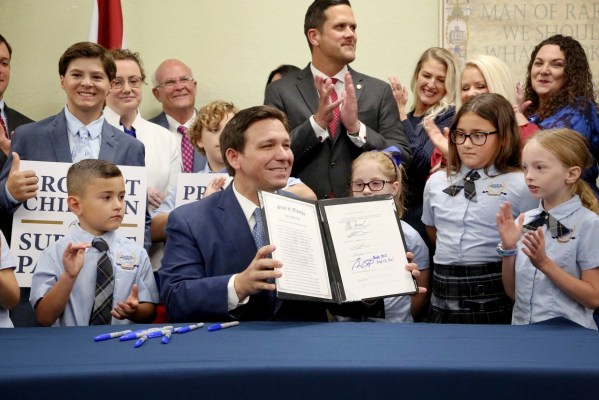
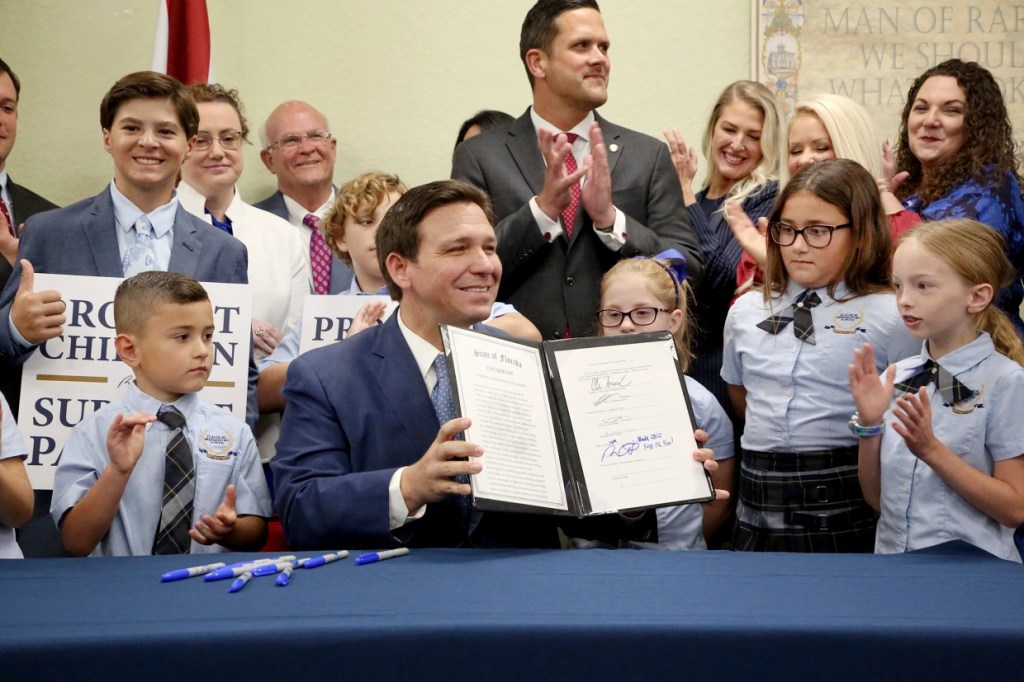
Florida Gov. Ron DeSantis holds the Florida Parental Rights in Education bill after having signed it at Classical Preparatory School in Spring Hill on March 28, 2022.

In Fort Lauderdale, Florida, high-ranking officials in a school district have mandated the removal of all books and materials featuring LGBTQ characters and themes from both classrooms and campus libraries. This decision was made in accordance with a state law supported by Governor Ron DeSantis, which opponents have nicknamed “Don’t Say Gay.”

At a July meeting, Charlotte County Schools Superintendent Mark Vianello and the school board’s attorney, Michael McKinley, addressed queries from the district’s librarians. They inquired if the legislation, officially known as the Florida Parental Rights in Education Act, mandated the removal of books featuring gay characters but devoid of explicit sexual content.

According to a district memo obtained through a public information request by the Florida Freedom to Read Project, the pair replied, “Books with LBGTQ+ characters are not to be included in classroom libraries or school library media centers.” The nonprofit organization, which opposes the law, shared the memo with The Associated Press on Wednesday.

Subsequently, the district made some concessions, permitting a few exceptions in high school libraries. Nevertheless, Charlotte County’s policy remains among the most stringent measures enforced among the state’s 67 countywide school districts to comply with the legislation.

The legislation was initially approved by the Legislature and ratified by Governor DeSantis in 2022, with further enhancements made in the spring. Charlotte County, located in southwest Florida between Fort Myers and Sarasota, has approximately 17,000 students attending its public schools. During the 2022 elections, Governor DeSantis, a Republican presidential nominee contender, secured 70% of the vote in the county as he comfortably won re-election.

The school district did not provide a response to calls made by the AP on Wednesday. The district informed the news website Popular Information, which initially disclosed the memo, that while the document is not an exact transcript of the meeting, it does accurately capture the essence of the discussion.

DeSantis and fellow Republicans have consistently argued that the legislation is sensible, emphasizing that discussions related to sexual orientation and gender identity should be initiated by parents, not teachers, in their interactions with their children. The governor has underscored cultural matters as a central aspect of his presidential campaign, notably confronting the Walt Disney Co. following its public stance against the legislation.

Florida Freedom to Read said Charlotte’s policy is “evidence that fear over thoughtful decision making is winning the day.” But the group says Florida Department of Education officials are to blame for any district confusion or overreach.

“Their failure to lead and use their power to benefit the future of Florida is a disservice to all Floridians, no matter their political leanings,” the group said in a statement. “Parents want politics out of education. We want all students to feel safe and included, so they can focus on their education while in school. Removing all representation of LGBTQ+ people in literature goes against our very principles of living in a free and just, pluralistic society.”

The department did not provide any response to a call and email made on Wednesday requesting comment.

At the meeting in July, librarians were informed by Vianello and McKinley that any reference to sexual orientation or gender identity is forbidden from prekindergarten through middle school and even in high school, “unless supported by the state academic standards.”

The librarians inquired whether this implied the removal of a book, even if it featured a secondary character who is gay, a main character with two moms, or a gay best friend. Vianello and McKinley affirmed with a “Yes,” and further clarified that this prohibition extended to books brought to school by children, even if the content was non-pornographic or not explicit.

“These characters and themes cannot exist,” they responded, according to the memo.

The school district released a statement to Popular Information this week, providing clarification on certain statements made by the superintendent and attorney. According to the statement, some materials featuring LGBTQ themes or characters will remain accessible in high school libraries.

“Books featuring LGBTQ characters are accessible in the media center for grades 9-12. While they may not be utilized for classroom instruction, these books are available for individual study and can be borrowed by students,” the statement said.

Texas law that restricted drag shows declared unconstitutional – ABC News

This blog originally appeared at ABC News.

It is the second law of its kind to be declared unconstitutional.

A federal judge has issued a permanent injunction against a Texas bill that restricted “sexually oriented performances” and has been criticized for limiting public drag performances in the state.

U.S. District Judge David Hittner said the law is an “unconstitutional restriction on speech” and “violates the First Amendment as incorporated to Texas by the Fourteenth Amendment of the United States Constitution.”

A similar law in Tennessee, the first state to restrict drag performances in public, was also blocked and ruled unconstitutional.

The law was set to go into effect on Friday, Sept. 1, but a preliminary injunction halted its enforcement.

“LGBTQIA+ Texans, venue owners, performers, and our allies all came together to uphold free expression in our state — and we won,” the ACLU of Texas said in a social media post. “This work isn’t done but for now we celebrate. Long live Texas drag!”

A Drag Queen performs during a show at the Swan Dive nightclub on March 20, 2023 in Austin, Texas.

The Texas law doesn’t specifically mention drag shows, but Lt. Gov. Dan Patrick said the bill would prohibit “sexualized performances and drag shows in the presence of a minor.”

The ACLU of Texas represented local LGBTQ groups, businesses and a performer in a lawsuit against state officials.

The “exhibition or representation, actual or simulated, of male or female genitals in a lewd state” as well as “the exhibition of sexual gesticulations using accessories or prosthetics that exaggerate male or female sexual characteristics” would have been restricted under the law.

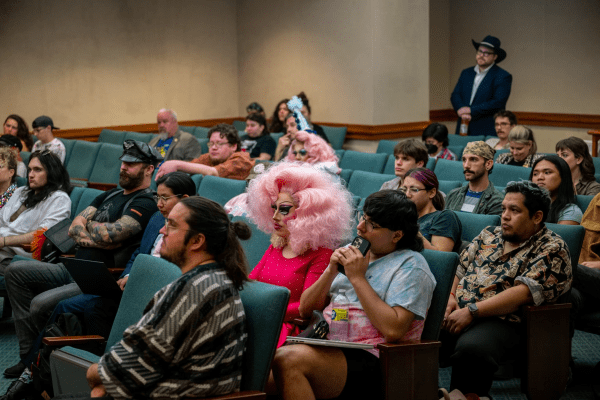
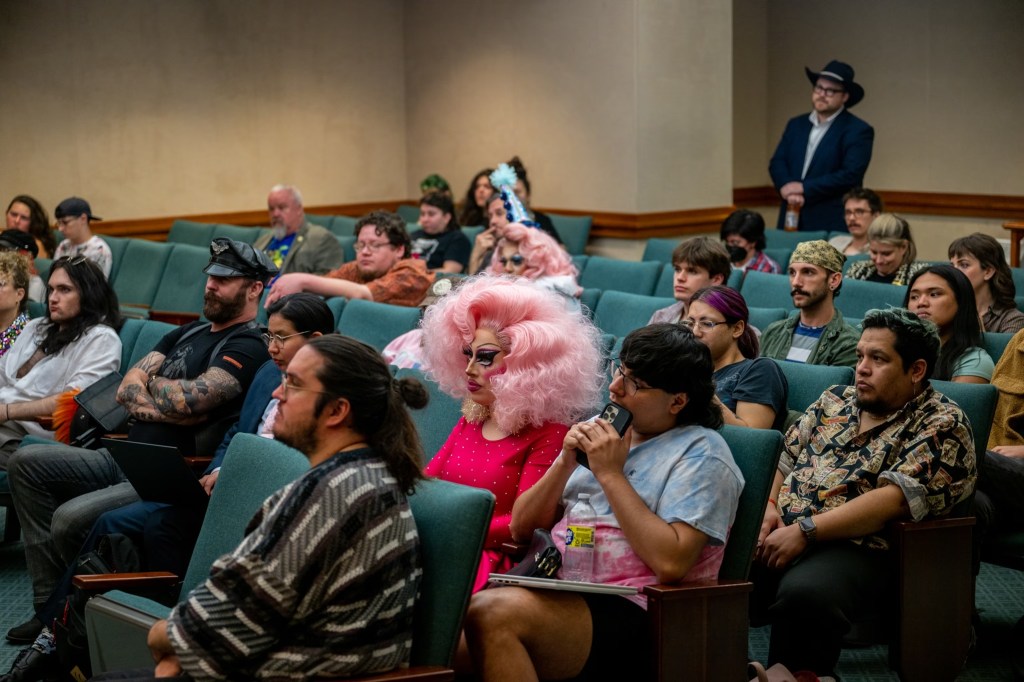
Members of the Drag Show community listen in during a meeting at the Texas State Capitol on March 23, 2023 in Austin, Texas.

Performances would be restricted from public properties or in the presence of someone under the age of 18.

Under the law, businesses would have faced a $10,000 fine for hosting such a performance. Performers could be charged with a Class A misdemeanor, which is punishable by up to one year in jail and/or a fine of $4,000.

Critics of the bill said traveling Broadway plays, theater performances, professional cheerleading routines and drag shows would have been impacted.

ABC News: Judge halts drag show restrictions from taking effect in Texas

The ACLU of Texas represented local LGBTQ groups, businesses and a performer in a lawsuit against state officials who would enforce the restrictions.


Brian Klosterboer, an attorney affiliated with the ACLU of Texas, expressed his concerns about the Texas Drag Ban, emphasizing its extensive impact on various forms of free expression in the state.

He further asserted, “This legislation directly contradicts the principles of the First Amendment. It is unacceptable for any entertainer to face imprisonment simply because the government disapproves of their speech. We are urging the Court to prevent this infringement on the constitutional rights of all Texans.”

Earlier this week, business proprietors and a drag performer provided testimony before U.S. District Judge David Hittner.

The legislation aims to limit displays or portrayals, whether actual or simulated, of male or female genitalia in a suggestive manner. It also encompasses the presentation of sexual gestures employing accessories or prosthetics that accentuate male or female sexual attributes, potentially affecting the practice of cross-dressing in public performances, as outlined in the bill.

Click here to see full blog: https://abcnews.go.com/US/judge-halts-drag-show-restrictions-taking-effect-texas/story?id=102673946

These Are The 5 Cheapest Destinations For Digital Nomads According To New Report – Travel Off Path

This blog originally appeared at Travel Off Path.

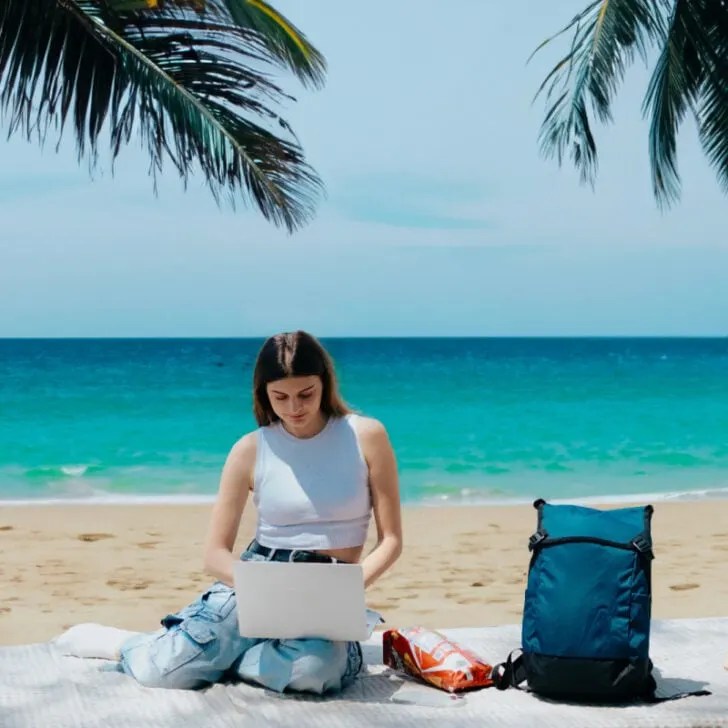
If you own a laptop and a backpack, you can work just about anywhere in today’s world. Digital nomads are globetrotting while getting paid and what could be better than that?

Of course, every destination has a different cost of living. In some places you may need to rent a car, while in others you may be able to get around by public transit.

If there is one thing for certain, digital nomads are always on the prowl scoping out new potential places to visit.

A recent report from Flamingo revealed the cheapest destinations in the world for remote workers, according to their own research.

These are the top 5 countries found to be the cheapest for digital nomads:

5) Indonesia

Southeast Asia has long been a travel hotspot, but digital nomads have claimed their stake here as well.

Bali has surged in popularity all year, and digital nomads are a big reason why. With endless sights to see and a very affordable cost of living, it’s not just Bali that’s attractive – it’s the whole country of Indonesia.

Bali, of course, is the main draw and where digital nomads love to congregate with a plethora of co-working spaces and like-minded travelers.

Indonesia offers a great bang for your buck, where digital nomads love having the extra disposable income to put toward awesome travel experiences.

4) North Macedonia

Travelers may be surprised just how amazing this off-path European country truly is. Neighboring Albania has been booming with digital nomads, but North Macedonia offers the best value.

More commonly known as Macedonia, digital nomads love coming here for a laid-back, affordable getaway.

Living with a budget under $2000 per month can easily be done in the capital city of Skopje, while others may opt for a more serene lakeside town that will take your breath away.

According to Flamingo, Macedonia holds the best value in all of Europe for digital nomads.

3) Colombia

Technically, Macedonia and Colombia were a dead-even tie in Flamingo’s rankings, but we will go in alphabetical order here and give the edge to Colombia.

Living with a budget under $2000 per month can easily be done in the capital city of Skopje, while others may opt for a more serene lakeside town that will take your breath away.

According to Flamingo, Macedonia holds the best value in all of Europe for digital nomads.

3) Colombia

Technically, Macedonia and Colombia were a dead-even tie in Flamingo’s rankings, but we will go in alphabetical order here and give the edge to Colombia.

They may not have anticipated one of the main reasons why their country is so attractive to digital nomads.

The country has seen a crazy drop-off in its currency value, making Argentina more affordable than ever!

While already a top destination in South America, this beautiful country is even more appealing now for budget travelers.

Digital nomads have various jobs with wide-ranging salaries but are always on the lookout how to save a buck.

That’s why Argentina is the most valuable destination in South America for remote workers.

1) Sri Lanka

Ding ding! We have a winner! Sri Lanka is the cheapest destination in the world for digital nomads, and it comes at no better time.

This stunning island nation in Asia has been trending all year long, but even more so with their latest announcement.

Sri Lanka is the latest country to announce a digital nomad visa, which is super exciting for remote workers looking for their next awesome trip.

The minimum income requirement is $2000, which even then, your money will still go far here. The caveat is that income must go through the Sri Lankan banking system.

The visa lasts for a year and can be renewed as long as the income requirements are still being met.

Applying will set you back $500, but this bucket-list destination is worth the price of admission for its unique experiences, scenic beaches, and low cost of living.

Portuguese Parliament Reapproves Bill That Scraps Golden Visa by Real Estate Investment

Portugal’s parliament has reapproved the end of the real estate by investment of the Golden Visa Program, part of the More Housing Bill, which allowed investments from €280,000 and more.

However, the opportunity to renew authorisations will not be affected, SchengenVisaInfo.com reports.

In July, Portugal’s government approved new changes to this program, including the abolishment of new residence permits for investment in housing as well as the option to transfer at least €1.5 million into a Portuguese bank account.

But the bill needed the approval of the President of Portugal, Marcelo Rebelo de Sousa, who had 20 days to decide regarding the issue.

Last month, the President rejected the proposal, meaning that it needed to go under amendments in Parliament before it could be passed, but the bill now passed without any changes.

However, requests for the granting as well as renewal of residence permits for investment activities continue to remain valid, taking into account those that are pending prior control procedures in municipal councils once the law becomes effective.

Besides, the granting or renewal of residence permits for family reunification has also been excluded from the adoption limitation.

According to the Portugal News report, the opposition parties introduced over 320 amendment proposals for voting in the plenary, but all of them were rejected by the socialist deputies as well as other parliamentary groups.

The Golden Visa scheme of Portugal allows foreign investors to acquire residency if they meet the needed conditions and invest financially in this country.

In spite of the new changes that the country attempts to include in this scheme, the country continues to issue a significant number of these kinds of visas. In August, a total of 64 golden visas were issued by Portuguese authorities, of them 42 were for the acquisition of real estate.

Last month, over €32.8 million were brought to Portugal through the Residency by Investment Scheme, known as the Golden Visa Program.

However, the figures were 12.5 per cent below those recorded during the same month in 2022. In addition, the scheme brought €493 million to Portugal, for a period from January until August this year, or 24 per cent more compared to the same period last year’s figures.

The More Housing Program was introduced previously by the government as part of efforts to tackle the housing crisis and help regulate the real estate market.

Pediatricians’ group reaffirms support for gender-affirming care amid growing state restrictions

This blog originally appeared at NBC News.

At least 21 states have enacted laws restricting or banning transition-related care for transgender minors, and most of those states face lawsuits.

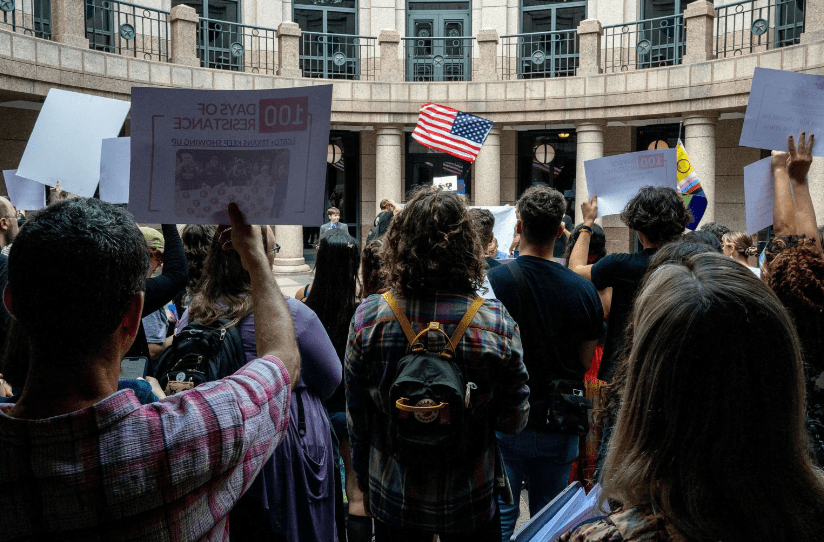
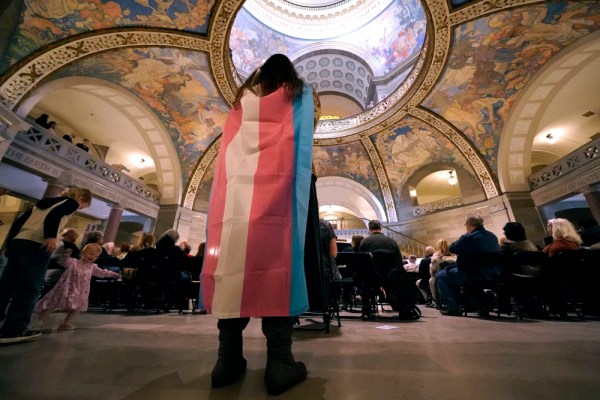
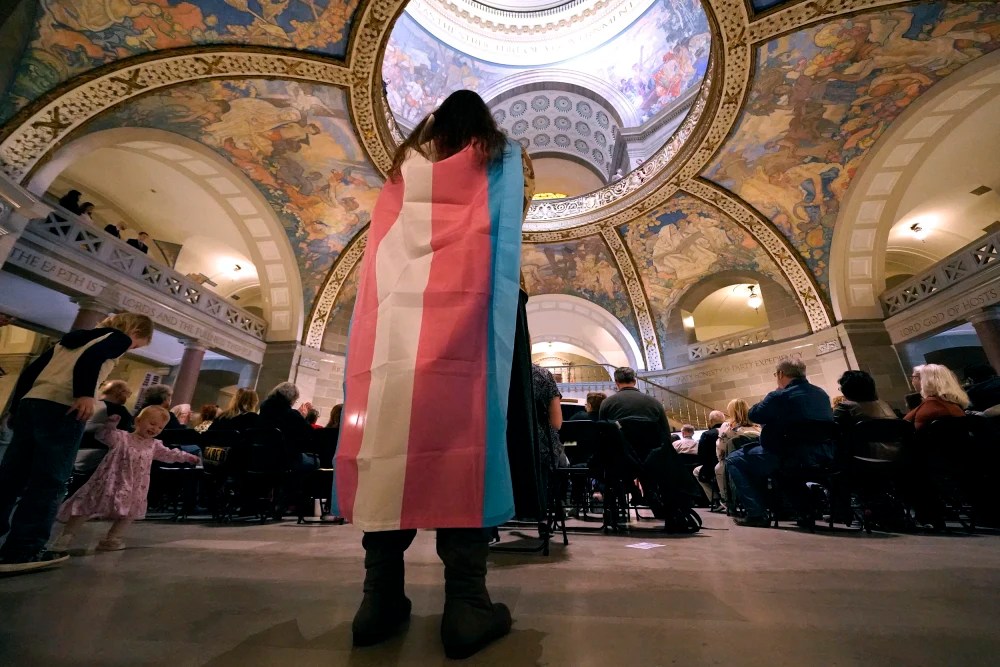
A counter-protester wears a transgender flag as other rally in favor of a ban on gender-affirming health care on March 20 at the Missouri Statehouse in Jefferson City.

The American Academy of Pediatrics reaffirmed its support for gender-affirming medical care for transgender children on Thursday, even as the treatments face a growing push for bans and restrictions from Republican lawmakers across the U.S.

The board of directors for the group, which represents 67,000 pediatricians, unanimously voted to reaffirm its 2018 position on the treatments. The board also voted to provide additional documents to support pediatricians, including clinical and technical reports, and to conduct an external review of research regarding the care.

“The additional recommendations also reflect the fact that the board is concerned about restrictions to accessing evidence-based health care for young people who need it,” Mark Del Monte, the academy’s CEO, said in a statement released by the group, calling the restrictions enacted by states “unprecedented government intrusion.”

“We therefore need to provide the best and most transparent process possible,” he said.

At least 21 states have now enacted laws restricting or banning gender-affirming medical care for transgender minors, and most of those states face lawsuits. A federal judge struck down Arkansas’ ban as unconstitutional, and federal judges have temporarily blocked bans in Alabama and Indiana.

The judge who struck down Arkansas’ ban cited the position of the groups in his ruling against the ban. Arkansas has appealed the judge’s decision.

People opposed to such treatments for children argue they are too young to make such decisions about their futures.

Every major medical group, including the academy and the American Medical Association, has opposed the bans and has said the treatments are safe if administered properly.

The academy and the AMA support allowing children to seek the medical care, but they don’t offer age-specific guidance.

10 Countries Where Digital Nomads Can Live For Less Than $1000 Per Month

This blog originally appeared at The Travel.

Some countries put off digital nomads with their high cost of living, but these 10 allow them to live cheaply while offering the best experiences.

A report from Statista shows that by mid-2022, the number of digital nomads had increased by a whopping 130 percent compared to 2019. However, the freedom to work from almost anywhere in the world has one significant downside – some places can be expensive. But thankfully, most countries, including those in Europe, have the best and most affordable cities to work and live in, thanks to their pocket-friendly rentals, easy means of transport, and availability of many coworking stations. Beyond being affordable, these countries have their fair share of mind-blowing attractions, from historical sites to natural wonders waiting to be explored. With that in mind, here’s a list of the 10 best countries where remote workers can live for less than $1000 per month.

Note

The cost of living has risen globally over the past months, so it’s best to research more on the current market prices for a particular country. Additionally, check the digital nomad visa requirements for each country as they vary. We’ve also suggested a hotel rated 8.0+ with excellent amenities like workstations and high-speed internet to suit digital nomads.

Summary

  •  The number of digital nomads has increased by 130% compared to 2019, with many countries offering affordable cities to work and live in.
  •  Bulgaria, Croatia, and India are among the top countries where remote workers can live for less than $1000 per month.
  •  These countries provide affordable rentals, coworking spaces, and a variety of attractions, making them ideal for digital nomads on a budget.

Click here to see full blog: https://www.thetravel.com/countries-where-digital-nomads-can-live-for-less-than-1000-us-dollars-per-month/

These Are The 10 Countries With Zero Income Tax (Or Extremely Low Taxes) For Digital Nomads

This blog originally appeared at The Travel.

Where can digital nomads get the best bang for their buck? These ten locales offer very low or zero income taxes.

As digital nomads redefine the traditional 9-to-5 work-life balance, many seek out countries with low or zero income taxes. Some countries are so affordable that digital nomads can live there for less than $ 1,000 a month. From tropical paradises to bustling metropolises, these destinations offer not only relief from high tax burdens but also access to vibrant cultures, stunning landscapes, and limitless opportunities for adventure.

Digital nomads get a lot of perks. Some countries in Europe even offer visas specifically designed for them. This article explores ten countries across the globe that offer attractive opportunities for digital nomads looking to enjoy the benefits of low or zero-income taxes. The article also highlights some of the most alluring aspects of each country, from affordable living costs to robust infrastructure. Whether a seasoned remote worker or just starting, these countries will inspire readers to take their work on the road and make the most of their nomadic lifestyle.

Note

Note that recommendations for places to stay included in this article are based on research on accommodations in the various countries discussed in this article. The accommodations selected were based on a combination of factors, including an overall user rating of 7.0 or higher. All featured accommodations provide most of the modern amenities that discerning travelers expect.

Summary

  •  Digital nomads can enjoy low or zero income taxes in countries like Monaco, Andorra, and Switzerland, allowing them to maximize their earnings while living a luxurious lifestyle.
  •  These tax-friendly countries offer more than just financial benefits – they also provide vibrant cultures, stunning landscapes, and endless opportunities for adventure, making them ideal destinations for remote workers.
  •  From the glamorous city-state of Monaco to the picturesque country of Andorra and the stunning landscapes of Switzerland, digital nomads have a wide range of options for living and working while enjoying a high standard of living and modern amenities.

Click here to see full blog: https://www.thetravel.

com/countries-with-zero-income-tax-for-digital-nomads/

10 Reasons Why Digital Nomads Need To Move To This Beautiful City In Germany

Discover why digital nomads are flocking to this stunning German city. From a rich history to a thriving culture, it has it all.

This is Cologne, Germany, a city endowed with a charm that transcends the ages, a city that stands tall as an irresistible destination for those who dance on the fine line between labor and adventure. Cologne also plays host to one of the largest cathedrals in Europe.

It is a place where the spirit of ancient legends and sagas lingers and where modernity dances in loving synchrony with age-old traditions.

As one strolls along the historic lanes, a whispered chorus of tales gone by serenades them, and it’s as though Cologne itself whispers, “Here, every stone has a story.”

Note

In the world of travel and adventure, there’s a city that stands out, cradled along the meandering banks of the Rhine River, nestled deep within the very heart of Europe. It is a city that extends a unique siren call to those intrepid souls known as digital nomads, a call laden with the promise of a great blend of history, culture, and modernity.

This is Cologne, Germany, a city endowed with a charm that transcends the ages, a city that stands tall as an irresistible destination for those who dance on the fine line between labor and adventure. Cologne also plays host to one of the largest cathedrals in Europe.

It is a place where the spirit of ancient legends and sagas lingers and where modernity dances in loving synchrony with age-old traditions.

As one strolls along the historic lanes, a whispered chorus of tales gone by serenades them, and it’s as though Cologne itself whispers, “Here, every stone has a story.”

Summary

  •  Cologne, Germany is a city that blends history, culture, and modernity, making it an irresistible destination for digital nomads.
  •  The city’s rich history is evident in its Roman remnants and iconic Gothic cathedral, which narrate tales of the past.
  •  Cologne offers digital nomads a flourishing community, affordable cost of living, delicious local cuisine, and excellent transportation links, making it a welcoming and vibrant place to work and explore.

Clicke here to see full blog: https://www.thetravel.com/why-digital-nomads-should-move-to-cologne-germany/

Blog at WordPress.com.

Up ↑