Georgia could shift away from a GOP stronghold, and these LGBTQ+ advocates are driving the change

This blog is originally appeared at LGBTQ Nation

In Georgia, where Republicans hold a trifecta with control of the governorship and both chambers of the state legislature, LGBTQ+ community leaders and political strategists are working hard to show that progressive values extend beyond Atlanta.

With about 8 million registered voters in the state, Georgia’s Secretary of State reports an increase of 121,898 active voters since the December 2022 runoff election, a critical number in a battleground state that could shape the nation’s future.

In September, the Georgia State Election Board decided that all ballots would be hand-counted, a move many see as an effort to delay or disrupt the election process. Democrats, who previously urged Gov. Brian Kemp (R) to hold an ethics hearing, filed a lawsuit to remove members of the elections board believed to be loyal to former President Donald Trump. While a judge dismissed the case in early October, a Fulton County Superior Court judge issued an injunction blocking the hand-counting rule on the first day of early voting, citing concerns over the rule’s timing and the potential for “administrative chaos.”

Georgia’s status as a battleground state has gained significant attention in recent years. Stacey Abrams’ 2018 gubernatorial campaign was seen as a test to prove that a sustained voter outreach effort by Democrats could turn the state from red to blue. In the 2020 election, Joe Biden narrowly defeated Donald Trump by 11,779 votes, securing Georgia’s Electoral College votes and reinforcing its potential influence on the national stage. This momentum was further solidified in 2022 when Sen. Raphael Warnock won his runoff against Republican Herschel Walker, affirming Georgia’s role as a true swing state.

A key factor in this shift has been the dedication of LGBTQ+ community leaders and political strategists. They have mobilized voters from diverse backgrounds across the state, proving that political power extends beyond Atlanta. Through grassroots organizing and voter engagement, they’ve built coalitions that reflect the growing diversity and progressive energy in Georgia, demonstrating their significant influence in shaping the state’s political landscape.

Georgians are championing people over politics.
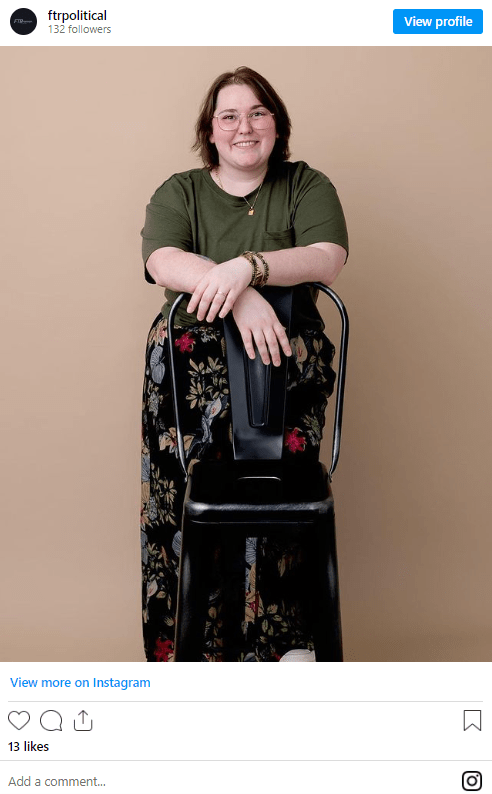
At just 28 years old, Mo Pippin (they/them) is one Georgian determined to shift the state from purple to blue. In 2023, they co-founded FTR Political Strategies to enhance local election engagement and voter education.

“Here in Roswell, which is just a stone’s throw from Athens, we’re working to simplify large, often daunting federal issues into local and state matters that are relatable and relevant to people,” Pippin shared with LGBTQ Nation. “We aim to connect voters with better representatives. I firmly believe that young people are ready to engage in conversations with those who are different from us. One of our main strategies for engaging voters is canvassing—we knock on doors.”

Pippin noted that some voters have cautioned them to be cautious while canvassing in traditionally conservative areas of Roswell, suggesting that the assumption is rooted in a belief that local residents might not be welcoming and could even be hostile.

“When I look at our state government and don’t see anyone who resembles me or shares my values, it’s easy to assume that those elected through popular vote naturally represent our entire population. But that’s not true,” they explained. “Voter turnout in the state is alarmingly low due to various structural barriers. People are often overwhelmed with responsibilities like getting their kids to school, commuting to work, and ensuring their families are fed and healthy. Many simply don’t have the time or energy to engage in the political process.”

Organizations like Georgia Equality, the state’s largest and oldest LGBTQ+ advocacy group, are actively engaging, educating, and advocating for the community. Over the past year, they played a crucial role in defeating nearly 20 anti-LGBTQ+ bills introduced in the state legislature by regularly attending hearings, votes, and meetings at the state Capitol alongside other pro-LGBTQ+ organizations. The group also mobilized the community, organizing over 5,000 individuals to call their representatives during the legislative session.

“Our priority is to ensure that no LGBTQ+ Georgian is left behind,” said Noël Heatherland (they/them), statewide organizing manager for Georgia Equality, in an interview with LGBTQ Nation. “We strive to remember and include everyone, especially those who don’t live in the Atlanta bubble, particularly during a time when civic engagement and making our voices heard is crucial.”

Heatherland, a native of Albany, Georgia, noted that the queer experience in the state’s southern region presents unique challenges and concerns. While recent reports indicate that many LGBTQ+ voters are motivated to support the Democratic Party due to issues like restrictions on women’s rights and bans on medical care for transgender youth, they are also focused on a range of issues affecting various communities.

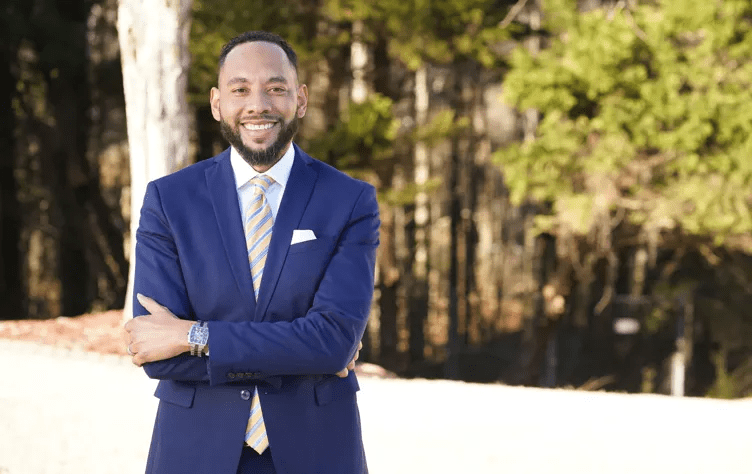
Omarion Smart, a senior at Georgia State University and a native of Bainbridge, Georgia, shares this perspective. As the policy director for Voters of Tomorrow, a social welfare organization created for Gen Z by Gen Z, he emphasizes that housing, food security, and the cost of living are top priorities for queer voters heading to the polls this November. Heatherland adds that queer voters in Georgia are also concerned about providing quality education for their children and ensuring their safety in schools. According to the Williams Institute at UCLA School of Law, the LGBTQ+ population in Georgia constitutes about 4.7% of the state’s total population, with 27% of them being parents.

“The majority of Georgians share common ground on these issues,” Smart stated. “We all believe that housing should be affordable, that we deserve access to healthcare, and that Medicare and Medicaid should be expanded. Concerns about the economy, housing, the rise of anti-transgender rhetoric, and reproductive rights are all critical issues for voters in Georgia. No single issue takes precedence over the others. Yet, we have legislators who don’t represent the diverse population of our state, and it’s time for that to change.”

Smart’s concerns came to the forefront this August when Georgia Lt. Gov. Burt Jones (R) established the Georgia Senate Special Committee on the Protection of Women’s Sports, claiming it aims to ensure that female athletes in Georgia can compete fairly. Smart views this committee and its objectives as “disgusting.”

“It’s clear that this committee isn’t meant to genuinely address these issues,” Smart remarked. “That’s just the nature of politics in our state. Their true goal is to spread their blatant hatred without facing accountability for it.”
“The majority of Georgians share common ground on these issues,” Smart stated. “We all believe that housing should be affordable, that we deserve access to healthcare, and that Medicare and Medicaid should be expanded. Concerns about the economy, housing, the rise of anti-transgender rhetoric, and reproductive rights are all critical issues for voters in Georgia. No single issue takes precedence over the others. Yet, we have legislators who don’t represent the diverse population of our state, and it’s time for that to change.”

Smart’s concerns came to the forefront this August when Georgia Lt. Gov. Burt Jones (R) established the Georgia Senate Special Committee on the Protection of Women’s Sports, claiming it aims to ensure that female athletes in Georgia can compete fairly. Smart views this committee and its objectives as “disgusting.”

“It’s clear that this committee isn’t meant to genuinely address these issues,” Smart remarked. “That’s just the nature of politics in our state. Their true goal is to spread their blatant hatred without facing accountability for it.”

“The Cobb County school system has been enacting numerous book bans and implementing discriminatory policies,” strategist Pippin noted. “If she wins, control of the Cobb Board of Education would shift, putting a stop to the madness occurring there. Her district is highly competitive, and I’m fully supporting her.”

One candidate with a personal stake in the matter is JD Jordan, who is running against John Albers for Georgia Senate District 56.

“He is fighting to protect his children from harmful state policies. The incumbent is a co-sponsor of anti-trans legislation that jeopardizes healthcare access for JD’s kids,” Pippin explained. “He has five children aged 14 to 19, two of whom identify as transgender.”

Georgia Equality’s Heatherland emphasized that Albers is not friendly toward LGBTQ+ individuals or their allies and is unwilling to listen to them when they come to the Capitol to discuss issues—even if they are his constituents. The district is currently being viewed as one of the most “flippable” in the state.

“It’s one thing to advocate for LGBTQ+ children and, specifically, transgender individuals when you’re campaigning in Atlanta, where about 85% of your audience agrees with you,” Pippin added. “It’s a completely different challenge to do that in a district as red as SD56. JD is bravely fighting that battle and working to dispel the misinformation directed at the queer community. He embodies the supportive father figure many of us in the community wished we had while growing up.”
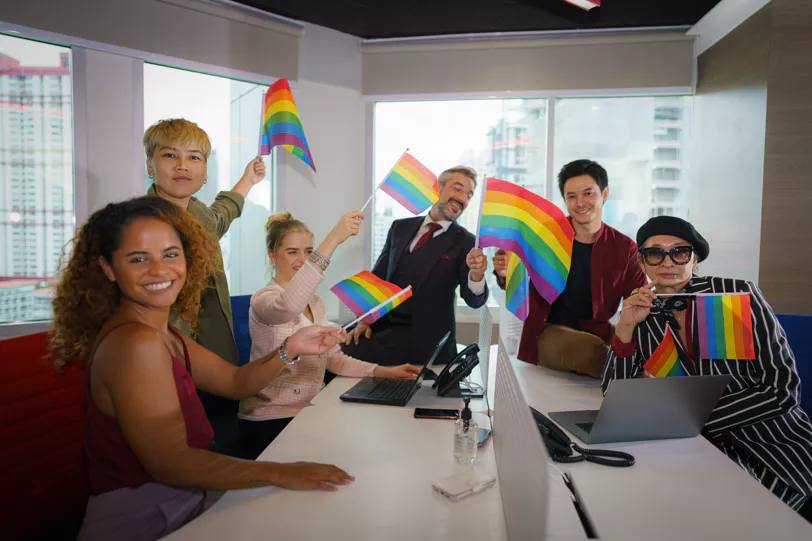

Corporate America’s support for LGBTQ+ rights has played a pivotal role in shaping history, but now some companies are reversing course.

This blog is originally appeared at LGBTQ Nation.

As conservative-led anti-LGBTQ+ boycotts gain momentum, some once-called allies are starting to cave under pressure.

“The evolution of a company’s policies, branding, and reputation is a continuous work-in-progress,” said Bob Witek, a trailblazing LGBTQ+ business leader and communications strategist.

Today, concepts like DEI are mainstream, and marketing to LGBTQ+ customers is routine—but that wasn’t the case thirty years ago. Witek was among the pioneers who helped major companies in the early ’90s become some of the first to openly embrace and affirm LGBTQ+ individuals, both as valued customers and essential members of the workforce.

“We want companies to take action because it aligns with their values — with who they are and what they aim to achieve in the world,” Witek said. “Not just to make people feel good, but to empower them as well.”

The PR disaster that altered the course of history

Witek noted that “vice-driven” businesses like tobacco, alcohol, and some apparel brands had long marketed in LGBTQ+ bars and publications before other industries were willing to take the same risk. These companies were hesitant, fearing the usual anxieties of backlash—concerns that supporting LGBTQ+ causes or advertising to LGBTQ+ customers could alienate their cis-het customer bases.

However, in 1993, a public relations disaster forced American Airlines to confront its values. Witek’s involvement in handling this crisis helped shape modern history beyond the business world.

The crisis began when an employee requested all linens be changed after a group of gay men flew onboard. The memo detailing this request leaked, sparking public outrage. In response, American Airlines issued a swift apology. Company leaders realized they likely had LGBTQ+ employees and customers to protect. They updated the airline’s nondiscrimination policy to include sexual orientation, and they became the first Fortune 100 company to develop a dedicated LGBTQ+ marketing team.

A few months later, another incident unfolded when a passenger with late-stage HIV was forcibly removed from a flight for attempting to self-administer IV medication. Protests and boycotts loomed. Witek and his team worked with American Airlines to transform its culture, encouraging the company to respond with authenticity and embrace diversity, equity, and inclusion (DEI) as a core value rather than just a marketing strategy.

The airline implemented new policies, educated employees, and supported LGBTQ+ advocacy efforts, including HIV/AIDS activism. According to Witek, this was a significant shift from merely “checking boxes” to doing the hard work of cultivating new cultural norms that met the real needs of the LGBTQ+ community.

That same year, Witek collaborated with the Human Rights Campaign (HRC) to create a prototype for what would become the Corporate Equality Index (CEI). This benchmarking tool rates businesses based on their social responsibility, internal policies, and benefits—focusing on LGBTQ+ inclusion.

“Our goal isn’t just to sell more products to gay people,” Witek said, “but to ensure they are fully engaged and leading in every aspect.”

The CEI pushes companies to go beyond token gestures and make meaningful changes to their corporate structure. It’s also a way for LGBTQ+ people to evaluate which businesses truly support queer rights. Witek emphasized that it’s not just about sponsorships during Pride Month but about fostering long-term relationships with nonprofits, advancing trans healthcare, and tackling discrimination in areas like marriage and employment.

American Airlines became one of the first major corporations to sponsor the Human Rights Campaign, setting a new standard for corporate involvement in advancing LGBTQ+ rights.

Beyond benefits, Witek encouraged companies to create employee resource groups (ERGs), which allowed LGBTQ+ employees to shape corporate policies, advocate for resources, and foster camaraderie. These ERGs not only connected like-minded employees but also helped those from different backgrounds communicate better—normalizing LGBTQ+ identity at a time when the community was far less visible.

Witek’s firm also worked with National Coming Out Day, which in 1993—during the era of “Don’t Ask, Don’t Tell”—was not just a feel-good campaign but a mobilization effort to encourage visibility and acceptance of LGBTQ+ people.

Harnessing the power of the queer dollar

Witek and other pioneering LGBTQ+ communications strategists have sought various ways to increase community visibility by sharing data about LGBTQ+ buying power and economic trends with major corporations. He emphasized that, while LGBTQ+ individuals may be cynical and cautious, they tend to be loyal to brands that genuinely support them.

What was once an intuitive belief is now backed by research: LGBTQ+ individuals and their allies are more loyal to brands that advocate for LGBTQ+ causes, enforce workplace protections, and feature LGBTQ+ stories and characters in their advertising.

Early adopters of LGBTQ+ inclusive strategies sometimes faced backlash, but as data highlighted the advantages of openly supporting the queer community, companies became more confident in navigating these transitional periods.

“They would see firsthand the visible contributions and economic opportunities that LGBTQ+ individuals bring, and then they’d want to harness that,” Witek explained. “They’d want to hire, retain, and engage with them.”

As more brands sought to attract LGBTQ+ customers, inclusive advertisements—like IKEA’s groundbreaking TV spot featuring an openly gay couple—helped shift public perception and acceptance. This, in turn, supported the community’s efforts to transform social and political landscapes over the decades.

“Companies can play a significant storytelling role in normalizing LGBTQ+ experiences,” Witek noted. “They’ve changed the way Americans think in no small part.”

A 2020 study by GLAAD and Procter & Gamble revealed that cis-het Americans who encountered LGBTQ+ representation in advertising and media were much more likely to engage with LGBTQ+ individuals, feel comfortable around them, and support LGBTQ+ rights.

As public acceptance grew, some companies took their commitments to LGBTQ+ people more seriously, placing a greater emphasis on DEI efforts. Analyzing metrics like those provided by the Corporate Equality Index (CEI) has become crucial for companies aiming to maintain a positive reputation among LGBTQ+ consumers and potential employees. When policies or practices fall short, business leaders face pressure to keep up with competitors who may excel in this area.

The authenticity gap

Not every company has earned trust in the LGBTQ+ community. Some have approached engagement in a transactional manner, seeking to gain interest without truly becoming allies.

“Companies may implement more LGBTQ+-affirming policies to stay competitive, but I want them to do so authentically,” Witek emphasized.

Brands that treat LGBTQ+ individuals as mere transactions are increasingly missing out on the benefits of genuine engagement. Rising transphobia has led some companies to retract their visible support, signaling to consumers that they lack clarity about their identity, their target audience, and their core values.

For instance, Bud Light faced backlash and a boycott from conservatives after partnering with trans influencer Dylan Mulvaney in 2023. Before sales began to decline, two marketing executives took a leave of absence, and the company announced a shift in its advertising focus toward sports and music.

“As far as I’m concerned, for a company to hire a trans person and then not publicly stand by them is worse than not hiring a trans person at all,” Mulvaney later told the New York Times.

This kind of pandering resulted in Bud Light losing support from both conservatives and progressives, leading to significant financial losses.

Integrity matters

More people are coming out than ever before, yet the American political and social landscape is regressing in some areas as conservatives gain traction with their messaging about LGBTQ+ individuals, particularly trans youth. This shift is making it less safe for individuals to be visible once again.

According to the HRC, 84% of LGBTQ+ individuals are out to at least one person at work, but many still choose to remain closeted or cautious in their workplaces. This includes a quarter of LGBTQ+ young adults who are out in other aspects of their lives but not at work. Data from LinkedIn shows that only 35% of LGBTQ+ professionals feel they can be authentic at work, and 75% have engaged in code-switching to fit in.

Trans individuals face higher rates of unemployment and underemployment, and LGBTQ+ people often earn less than their peers. Moreover, openly LGBTQ+ business leaders, especially trans individuals, are still notably absent from the boards of most major companies.

Kelley Robinson from the HRC criticized companies that are scaling back their DEI efforts in response to conservative backlash in a recent LinkedIn post, while also celebrating a record-breaking 1,400+ companies participating in the 2025 Corporate Equality Index.

This highlights a significant divide at a time when LGBTQ+ individuals are establishing stronger expectations for brands to act as allies. Moving forward, engaging with LGBTQ+ individuals as customers and employees will increasingly reflect what Witek has advocated from the beginning: that leaders who seek LGBTQ+ business and talent must build those relationships with integrity.

“Gay people should not be the victims of economics. We should be the drivers,” Witek emphasized. “That’s our whole purpose as a firm—to influence positive outcomes, not to settle for second-class status.”

Lawsuit Regarding Gender Dysphoria Might Undermine New Disability Regulations

This blog is originally appeared at LGBTQ Nation.

Texas and its GOP allies are “utilizing LGBTQ issues as a wedge,” civil rights advocates warn.

In May, the U.S. Department of Health and Human Services established a rule recognizing gender dysphoria as a disability under federal anti-discrimination laws, aligning with the findings of most courts over the past decade. This rule signaled to states that discrimination against transgender individuals in areas like employment, education, health care, child care, and housing could breach federal disability protections, with the Biden administration ready to defend it.

Now, a lawsuit spearheaded by Texas Attorney General Ken Paxton has 17 states seeking to have the rule completely overturned, including several provisions unrelated to transgender issues. Notably, this coalition consists of 15 states that have enacted restrictions on gender-affirming care and have adopted various anti-trans measures.

The states’ objections to the new federal rule include concerns about the time, money, and resources required to accommodate employees with gender dysphoria. This includes using appropriate pronouns, eliminating sex-specific dress codes, and allowing access to gender-aligned restrooms and locker rooms. Nebraska’s attorney general worries that the state’s restrictions on gender-affirming care could expose it to disability rights complaints and federal investigations. Meanwhile, South Dakota claims the rule effectively creates a new category of potentially disabled individuals whose gender care would need to be covered by Medicaid.

However, gender dysphoria is just one aspect of the comprehensive 130-page federal rule. It also includes protections for disabled parents in child welfare cases and ensures that hospitals do not use disability status to decide who receives care during crises, such as equipment shortages in a pandemic. Additionally, the rule adds Long Covid to the list of conditions that may be recognized as disabilities and enhances protections against unnecessary institutionalization, mandating that care be provided in the least restrictive environment, preferably within the community.

Striking down the entire rule would have significant repercussions for disabled Americans and other marginalized groups who depend on federal agencies to interpret long-standing laws that protect their rights, explains Mia Ives-Rublee, senior director of the Disability Justice Initiative at the Center for American Progress. “LGBTQ issues are being used as a wedge,” Ives-Rublee says. “The real attack is on the regulatory process of the federal government, and this will affect nearly every interaction disabled individuals have with the services and supports they rely on.”

The new rule addresses two federal laws aimed at protecting people with disabilities. The Rehabilitation Act of 1973 prohibits discrimination based on disability by the federal government, federal contractors, and—through Section 504—by organizations or employers receiving federal funds. The Americans with Disabilities Act (ADA), enacted in 1990, expanded these protections to cover most aspects of public life, such as education, public accommodations, and transportation. Both laws define a disability as “a physical or mental impairment” that “substantially limits” major life activities.

At the time the Rehabilitation Act and ADA were passed, gender dysphoria was not a recognized medical condition, and both laws explicitly excluded conditions like “transvestism, transsexualism,” and “gender identity disorders not resulting from physical impairments” from their definition of disability. However, over time, courts and medical professionals have recognized that many individuals who experience a mismatch between their gender identity and the one assigned at birth suffer significant psychological distress and negative impacts on their daily lives. In 2013, gender dysphoria was added to the Diagnostic and Statistical Manual of Mental Disorders.

Since then, individual lawsuits—the primary way the ADA is enforced—have helped shape legal precedent that views gender dysphoria as a protected health condition, with courts increasingly seeing its exclusion from disability protections as discriminatory. Ben Klein, senior director of litigation and HIV law at GLBTQ Legal Advocates and Defenders, notes that the exclusion of gender dysphoria was “rooted in clear bias,” a concept that judges easily recognize.

In 2022, the 4th Circuit Court of Appeals became the first federal appeals court to rule that gender dysphoria could be considered a disability under federal disability protection laws. The court’s decision centered on the distinction that gender dysphoria’s impact on daily life separates it from the ADA’s definition of gender identity disorder. (The U.S. Supreme Court declined to review the case in June 2023, allowing the ruling to stand.) Other federal courts have reached similar conclusions, recognizing that gender dysphoria is distinct from gender identity disorder, or that it arises from a physical impairment due to a mismatch between a person’s body and their gender identity—something that can be addressed through gender-affirming care.

When finalizing its updated rule—the first administrative update to Section 504 in 50 years—the Department of Health and Human Services cited this evolving body of case law, which it said has “shifted the legal landscape of disability discrimination protections.” But the states involved in the Texas-led lawsuit, filed quietly in September, appear uninterested in these legal developments.

The lawsuit focuses on the ADA’s original exclusionary language, arguing that what is now understood as gender dysphoria should still be classified as a gender identity disorder under the law. “The Biden Administration is again abusing executive power to sidestep federal law and impose unscientific, unfounded gender ideology on the public,” Texas Attorney General Ken Paxton said in a press release announcing the suit. “Texas is suing because HHS lacks the authority to unilaterally redefine statutory definitions and classify ‘gender dysphoria’ as a disability.”

Beyond the gender dysphoria issue, the lawsuit also raises concerns about the “new regulatory burdens” and “significant costs” the rule could impose on state Medicaid programs. States like Alaska, Montana, and Nebraska argue that the rule’s “least restrictive setting” requirement will be difficult to implement due to shortages of healthcare workers and the unique geographical challenges of their regions.

Klein and Ives-Rublee pointed out that both the Rehabilitation Act and the ADA were intentionally written in broad terms, allowing for ongoing reinterpretation and refinement by federal agencies as scientific and public understandings of disability evolved. When the ADA was enacted, Klein notes, transgender identities were pathologized. “One of the ADA’s primary goals is to combat discrimination and dispel myths and stereotypes, particularly surrounding stigmatized health conditions,” he explains. “Gender dysphoria is a prime example of a stigmatized health condition.”

The current Texas case is merely one front in the broader strategy employed by GOP officials to advance their anti-trans agenda. As previously reported, many Republican attorneys general—often from the same states involved in the Paxton lawsuit—are threatening major medical associations with criminal investigations for advocating for transgender youth’s access to gender-affirming care.

Ives-Rublee cautions that the Texas lawsuit is part of a larger, coordinated effort to undermine federal agencies’ authority to interpret civil rights laws, including protections for pregnant workers and access to reproductive healthcare. This extensive conservative initiative aims to weaken the administrative state and has gained momentum following a series of Supreme Court rulings last term, one of which diminished courts’ deference to federal agency interpretations of ambiguous laws.

Since the gender dysphoria lawsuit was filed in the federal district court in Lubbock, Texas, any appeal will be heard by the 5th Circuit Court of Appeals, known for its sharply conservative rulings in recent legal history. If the 5th Circuit sides with the states in this case, it could create a legal conflict with the 4th Circuit’s ruling, potentially compelling the Supreme Court—dominated by a far-right supermajority—to intervene. “I am almost 100 percent sure this is their intention,” Ives-Rublee asserts.

800 service members kicked out under DADT just got discharges upgraded to honorable

This blog is originally appeared at LGBTQ Nation.

The Department of Defense has announced that 800 military members who were discharged under Don’t Ask, Don’t Tell (DADT) have received upgrades to honorable discharges.

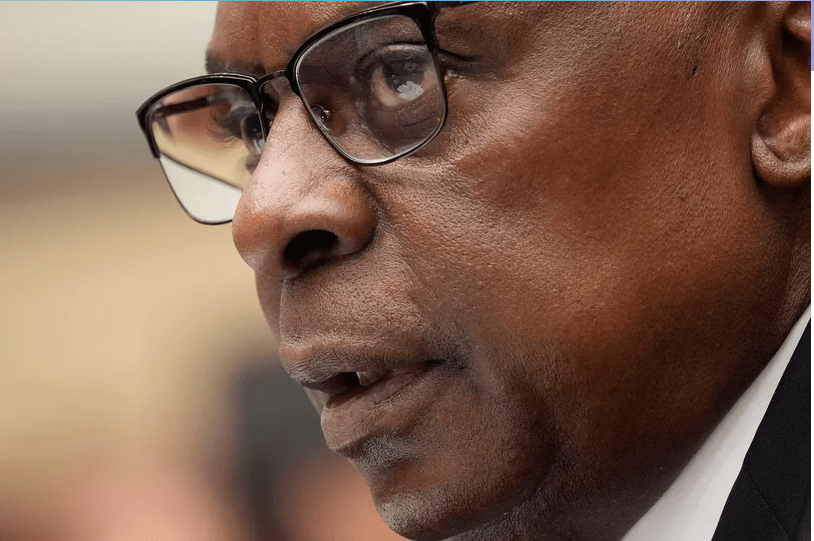
Defense Secretary Lloyd Austin shared the news today, highlighting that just over a year ago, the Department began proactively reviewing the records of former service members discharged due to their sexual orientation under DADT. These individuals may have been eligible for an upgrade to their discharge status or a change to their reason for separation but had not yet applied for the change.

“After a year of exceptional work, the Military Department Review Boards directed relief in 96.8% of the 851 cases that they proactively reviewed,” Austin said.

This marks a significant step in addressing the injustices faced by LGBTQ+ service members during the DADT era.

Don’t Ask, Don’t Tell (DADT) was a 1990s policy that prohibited gay and bisexual individuals from serving openly in the military. Under this policy, service members couldn’t openly declare their sexual orientation, but the military was also barred from actively investigating, harassing, or discriminating against non-straight personnel. While it aimed to provide some level of protection, the policy still enforced secrecy and led to the discharge of countless LGBTQ+ service members.

An estimated 14,000 service members were separated under Don’t Ask, Don’t Tell (DADT) with less-than-honorable discharges before the policy was repealed in 2011. These discharges meant that veterans received fewer benefits from the Department of Veterans Affairs, including assistance with home loans, tuition, and healthcare.

Last year, a group of veterans filed a civil rights lawsuit against the Department of Defense, seeking to overturn their less-than-honorable discharges. The lawsuit argued that many veterans, discharged because of their actual or perceived sexual orientation, were given a discharge status or separation codes publicly linked to “homosexuality,” depriving them of the benefits they earned through their service.

Veterans with less-than-honorable discharges often face significant hurdles when applying for jobs, apartments, and loans, as they are required to present their DD-214 discharge papers — documents that can involuntarily out them as LGBTQ+ every time they are shown.

“This case is not about damages,” said Jocelyn Larkin, one of the lawyers involved in the lawsuit. “It’s about changing that piece of paper because the impact of changing it is so incredibly consequential for our clients.”

This past January, Reps. Robert Garcia (D-CA), Mark Pocan (D-WI), and Chris Pappas (D-NH) sent a letter to Secretary Austin urging him to expedite the process of upgrading less-than-honorable discharges for LGBTQ+ service members. They noted that many veterans who sought upgrades have experienced a prolonged, burdensome process that often required legal help, and that many were unaware they even had the option to seek an upgrade.

Today, Secretary Austin reported that 96% of the service members separated under DADT have now received honorable discharges. “We will continue to strive to do right by every American patriot who has honorably served their country,” Austin said.

To stay up-to-date on the latest news shaping LGBTQ+ communities worldwide, subscribe to the LGBTQ Nation newsletter.

National Park Service cracks down on Pride leaving LGBTQ+ rangers feeling betrayed

This blog is originally appeared at Advocate.

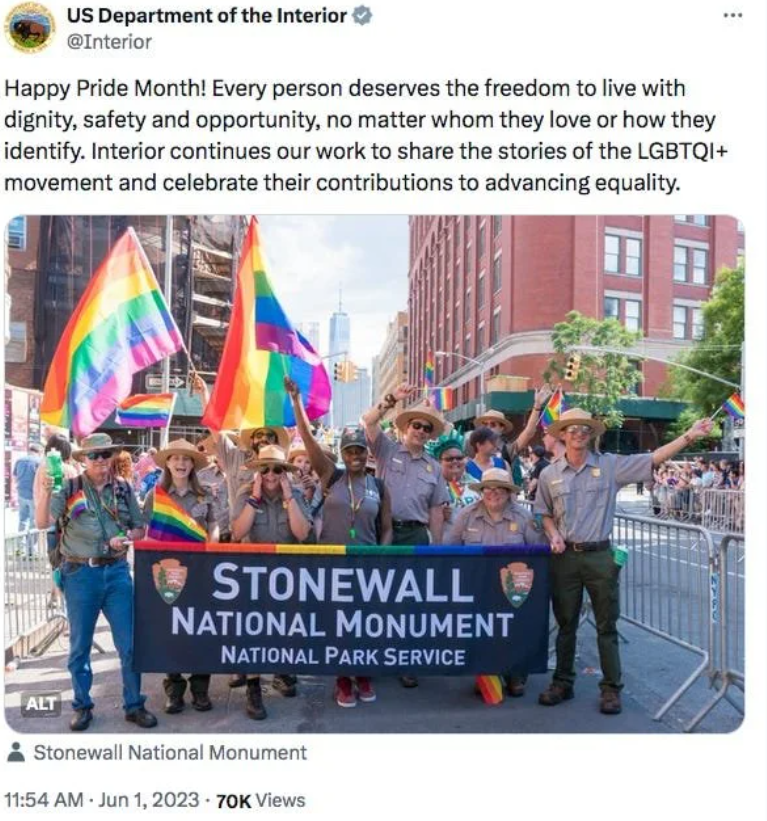
On May 17, the National Park Service (NPS) made an official ruling that park rangers and other employees are no longer allowed to attend Pride events and parades in uniform. This marks a reversal of a long-standing tradition of NPS participation in Pride parades across the U.S., including the presence of official delegations. Anonymous LGBTQ+ NPS employees have expressed feelings of betrayal, noting that participation in major city Pride events is now in question, as several parade applications remain unprocessed and approvals are unclear. The decision comes at a time of heightened scrutiny on LGBTQ+ issues nationwide, with increasing crackdowns on Pride flags and LGBTQ+ rights—largely driven by Republican lawmakers and appointees. This time, however, the policy change is being driven by the NPS itself, under the leadership of a director appointed by President Biden.

The new directive was first shared in an internal memo to NPS staff, which did not specifically mention Pride but highlighted that “requests from employees asking to participate in uniform in a variety of events and activities, including events not organized by the NPS,” are in conflict with agency policy. The memo cited a policy stating that NPS employees cannot wear their uniforms to events that might be interpreted as supporting “a particular issue, position, or political party.” LGBTQ+ employees, however, have criticized this application of the policy, arguing that Pride is about identity and diversity, not a political stance or issue. They pointed out that under the previous guidelines, NPS employees were able to participate in Pride events with approval, and that internal Employee Resource Group (ERG) documents, such as the “OUTsiders Guide to Pride,” had endorsed such participation for years.

In a follow-up statement, the NPS argued that the ERG guide conflicts with official policy and that discussions are underway to review it and other related documents. The agency also emphasized that its participation in Pride celebrations could be perceived as an endorsement of a particular “issue of public concern,” which they described as a justification for limiting official participation. In their view, what has long been seen as a celebration of diversity and inclusion is now categorized as a political statement, with the NPS deeming official participation in such events “extremely limited.”

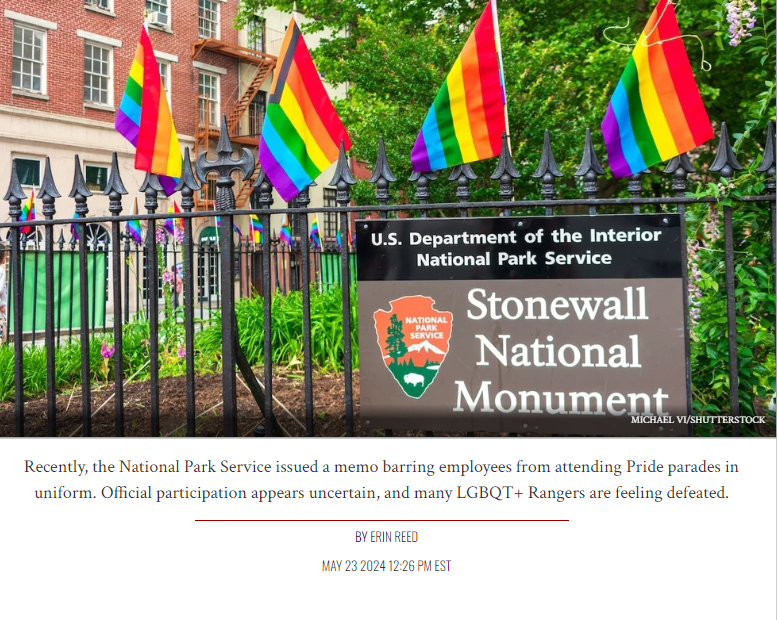
The decision sparked immediate concern among National Park Service employees and LGBTQ+ advocates. Many pointed out that the NPS has a long history of participating in Pride parades across the country, even under the Trump administration, which was known for its efforts to restrict LGBTQ+ representation in federal agencies, including at embassies. Employees also highlighted the significant role the NPS plays in managing Stonewall National Monument, a site dedicated to LGBTQ+ history and civil rights. Notably, the founding documents of Stonewall National Monument explicitly state that its purpose is “to preserve and protect Christopher Park and the historic resources associated with it” and “to interpret the Stonewall National Historic Landmark’s resources and values related to the lesbian, gay, bisexual, and transgender civil rights movement.” This has raised questions about how the NPS can reconcile this mission with its new stance on Pride participation.

One NPS employee, speaking anonymously, revealed that several requests for Pride parade participation are currently “collecting dust” on desks, waiting for approval for representation in major city Pride events. When asked about the decision to categorize Pride festivals as an “issue of public concern,” the employee responded, “Pride is not political, it’s not a cause, you just are LGBTQ+. It’s a celebration of who we are.” They added, “Morale is just so low right now. There’s not a lot of fight left in us.”

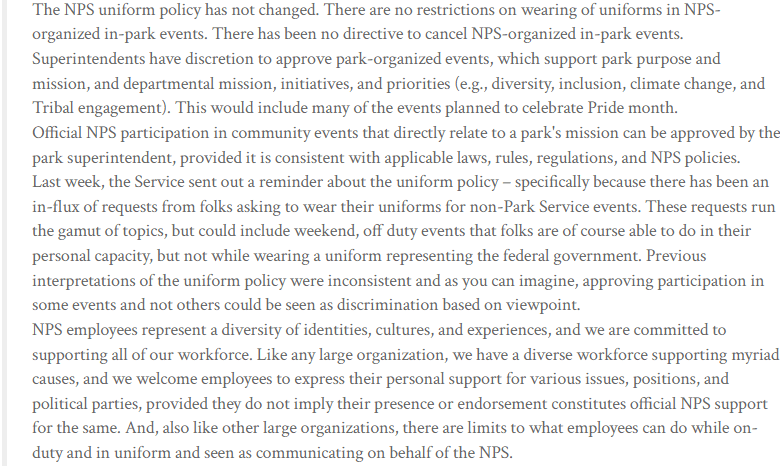
I reached out to an NPS spokesperson for clarification on whether the agency would continue participating in major city Pride events this year, as it has in previous years. The spokesperson responded that the policy “had not changed,” noting that “previous interpretations of the uniform policy were inconsistent” and that approving participation in some events while denying others could be perceived as “discrimination based on viewpoint.” While the spokesperson confirmed that in-park Pride events have not been canceled, they did not clarify whether NPS employees would continue to participate in major U.S. city Pride parades or celebrations. Attempts to follow up on this question went unanswered.

The characterization of Pride as a potentially “political” event raises concerns, particularly given the founding documents of Stonewall National Monument, which directly reference the “resources and values” of the LGBTQ+ community. NPS resources currently available on the site encourage people to “Celebrate Pride” and emphasize that “The LGBTQ experience is a vital facet of America’s rich and diverse past.” The resource underscores the importance of not making LGBTQ+ people invisible, stating, “By recovering the voices that have been erased and marginalized, the NPS embarks on an important project to capture and celebrate our multi-vocal past.” By barring employees from wearing Pride symbols or participating in Pride events, the NPS may unintentionally appear to be erasing and marginalizing its LGBTQ+ employees—contradicting its own stated mission.

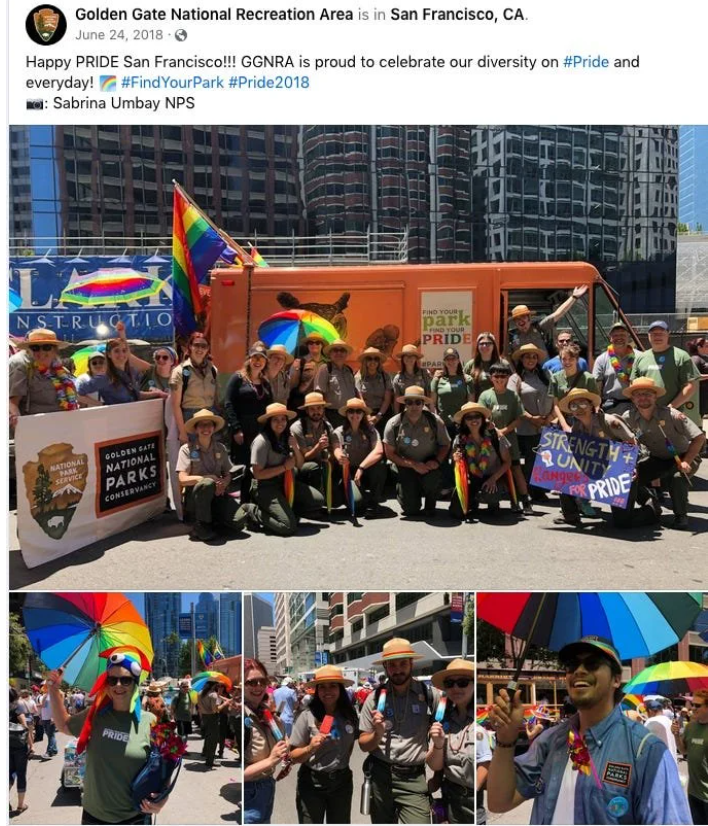
National Park Service employees have marched in uniform in Pride parades for years. In 2014, for example, Christine Lenhertz, a member of the NPS, requested permission for a group of LGBTQ+ park employees to wear their uniforms while participating in a Pride parade. Initially denied, the group filed a complaint, prompting a ruling from the Office of the Solicitor for the Department of the Interior, which determined there was no reason to prevent them from marching in uniform. Since then, NPS contingents have regularly participated in Pride events across the country.

The future of Pride parade participation for NPS employees in uniform remains uncertain. While it seems that some Pride events within National Parks, like those at Stonewall, may still take place, external participation in major city Pride events appears to be on hold in at least some locations across the U.S. The possibility of individual or smaller LGBTQ+-affiliated Park Ranger contingents joining city Pride celebrations looks even less likely, with little hope of approval for participation.

You can read the full response from an NPS spokesperson to the request for comment here:

LGBTQ+ rights have long been at the mercy of public opinion. This November will be no different.

This blog is originally appeared at LGBTQ Nation.

LGBTQ+ ballot initiatives have long served as a wedge issue, mobilizing conservative voters and influencing the rights and freedoms typically protected by law. The 2024 election follows this tradition, with LGBTQ+ civil rights once again being subjected to public debate.

In New York, voters will decide whether to include sexual orientation, gender identity, and gender expression in the state’s anti-discrimination amendment. Meanwhile, reproductive rights will also be up for a vote in 10 other states.

California, Colorado, and Hawaii voters will decide this November whether to repeal their states’ constitutional bans on same-sex marriage.

Since 1998, same-sex unions have consistently been the top issue on state referendums. In that time, 34 states have put the question to voters, with many passing constitutional amendments that prohibited same-sex marriage. These amendments were often used as a political tool to mobilize conservative voters, particularly in the 2004 election when 11 states approved such bans, helping to boost George W. Bush’s campaign.

Marriage equality consistently lost at the ballot box until 2012, when voters in Maine, Maryland, Minnesota, and Washington approved same-sex marriage, signaling a shift in public opinion that had been building since around 2009, when support for same-sex marriage crossed the 50% threshold in national polls.

In 2015, the Supreme Court’s landmark Obergefell v. Hodges decision struck down all state constitutional amendments banning same-sex marriage, declaring such bans unconstitutional. However, these amendments remain in place in several state constitutions. Activists are now pushing to repeal them, especially in light of concerns that the conservative-leaning Supreme Court could overturn Obergefell, as Justice Clarence Thomas hinted after the court struck down Roe v. Wade.

The Origins of Ballot Initiatives on LGBTQ+ Rights

California’s 1978 election introduced the first state ballot initiative related to LGBTQ+ rights—Proposition 6, also known as the Briggs Initiative. Sponsored by Orange County legislator John Briggs, the initiative sought to ban anyone who engaged in “public homosexual activity” from working in California public schools. The proposal was part of a broader wave of anti-gay activism spurred by Anita Bryant’s 1977 “Save Our Children” campaign in Florida, which successfully repealed Dade County’s anti-discrimination ordinance based on sexual orientation. Harvey Milk played a pivotal role in organizing the opposition to Prop 6, which was defeated by a 16-point margin.

Since then, other states have introduced ballot initiatives aimed at legalizing or banning discrimination based on sexual orientation or gender identity. Over time, voters have increasingly supported anti-discrimination measures. In 1988, Oregon voters overturned the governor’s authority to ban discrimination based on sexual orientation. In 2018, Massachusetts voters upheld a law prohibiting discrimination based on gender identity.

Maine and Oregon: Key States in the Fight for LGBTQ+ Rights

Maine and Oregon have consistently put LGBTQ+ rights to a vote. In Maine, voters initially blocked same-sex marriage in 2009, but then approved it by the same 53% margin in 2012. Maine also rejected anti-LGBTQ+ discrimination protections in 1998 and 2000, only to approve them in 2005. In Oregon, voters defeated a “don’t say gay” measure in 2000 by a narrow 5.7% margin.

Many states also used ballot measures to resist the inclusion of sexual orientation as a protected identity in anti-discrimination laws. In the 1990s, voters in Oregon, Idaho, and Maine approved such measures, protecting sexual orientation as a legally recognized identity.

The Impact of Other Ballot Measures on LGBTQ+ Rights

It’s not just LGBTQ+-specific ballot measures that impact the community. Other laws, such as voter ID requirements in Arkansas and North Carolina, disproportionately affect trans individuals and other marginalized LGBTQ+ people, limiting their ability to vote.

In addition to these referendums, the candidates voters elect at the state level will play a critical role in shaping LGBTQ+ rights. Republican-led legislatures have introduced or passed hundreds of bills targeting LGBTQ+ individuals, particularly in areas such as gender-affirming health care, bathroom access, inclusive education, and sports participation. Supporting state-level and local candidates who champion LGBTQ+ rights will have long-term implications, even if certain issues are not directly decided by referendum.

Civil Rights and Public Opinion

The fight for civil rights has a long history of being put to public referendum. Since 1868, issues related to race, sex, and disability have often been decided by voters, with initial support for discrimination gradually giving way to support for equality. While women’s rights gained public approval in the 1970s, LGBTQ+ rights did not see widespread support until the 2000s.

The question of whether civil rights should be determined by public opinion, rather than by courts or legislatures, has allowed forms of discrimination—such as racism, sexism, and homophobia—to become entrenched in law. Although public opinion on LGBTQ+ rights is often divided and fluid, most polls now show a majority in favor of anti-discrimination laws for LGBTQ+ individuals.

The Importance of Voting

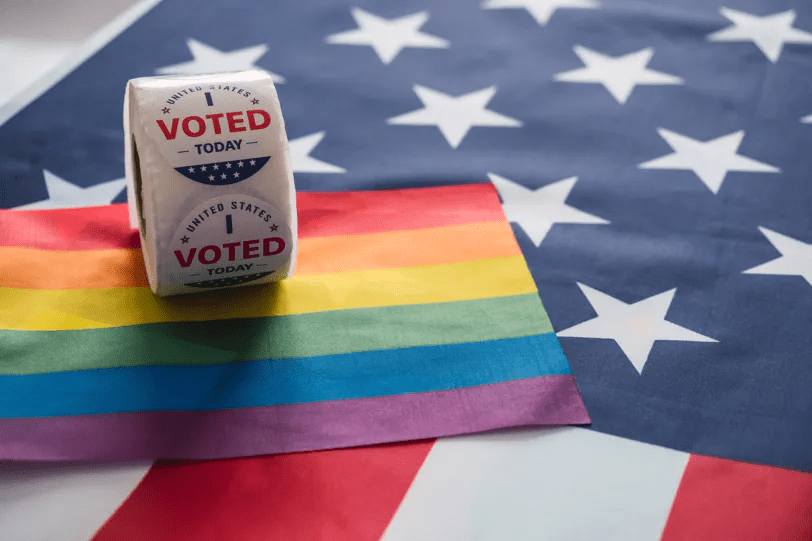
With LGBTQ+ rights on the ballot this November, it’s more crucial than ever to vote. In addition to ballot measures, the elected officials who hold office at the state and local levels will have the power to pass or block pro-equality legislation, impacting LGBTQ+ rights for years to come. Whether through referendums or legislative action, LGBTQ+ rights remain at stake, and your vote matters.

Make your voice heard—not just on ballot measures, but by choosing candidates who will protect and advance equality for all.

Ron DeSantis is forcing Florida colleges to remove their LGBTQ+-inclusive courses

This blog is originally appeared at LGBTQ Nation.

Florida’s 12 public universities are eliminating courses that may “distort significant historical events” or “teach identity politics” to comply with S.B. 266, a law passed by the state legislature in 2023. This law restricts schools from using state or federal funds for initiatives advocating diversity, equity, and inclusion (DEI), or promoting political and social activism. In addition, it has led to the closure of LGBTQ+ student centers and the dismantling of cultural support programs on campuses.

As a result, universities are scrapping classes such as Anthropology of Race & Ethnicity, Introduction to LGBTQ+ Studies, Sociology of Gender, Women in Literature, Chinese Calligraphy, The History of Food and Eating, Humanities Perspectives on Gender and Sexuality, Social Geography, and a course on Magic, Witchcraft, and Religion. A class examining racial and gender inequality and crime, titled Social Problems, is also being impacted, according to a Politico report.

Some of these courses have been removed entirely, while others have lost their “general education” designation, meaning they will only be available as electives for upper-level students in certain disciplines, rather than as part of the broader general education curriculum. Additionally, some course descriptions and student outcomes have been revised to ensure compliance with the law.

The Board of Governors will review each institution’s proposed course offerings for the 2025-26 academic year and may suggest changes. Schools that refuse to comply could risk losing vital state funding or face other penalties from Governor Ron DeSantis and the Board.

Critics argue that this law undermines academic freedom, enforces government-approved viewpoints, and could drive talented students and educators away from Florida’s universities. Some also warn that the law could jeopardize the accreditation of certain schools that are required by national accreditation bodies to have DEI programs as a core component of their education. Others have expressed concern about the vague language of the law, which leaves many unsure about what is permitted and what is not.

Historically, decisions about course content have been left to individual universities. However, this law is part of Governor DeSantis’ broader effort to challenge DEI policies and shift the state’s educational institutions toward a more conservative ideology.

While signing the law in May 2023, DeSantis said, “DEI has basically been used as a veneer to impose an ideological agenda, and that is wrong. If you want to do things like gender ideology, go to Berkeley, go to some of these other places… You don’t just get to take taxpayer dollars and do whatever the heck you want to do and think that’s somehow OK.”

This law follows DeSantis’ 2022 signing of the so-called Stop WOKE Act, which bans educational programs on racism and gender-based discrimination in schools and businesses. That law is currently on hold as courts review its constitutionality.

Federal Judge Mark E. Walker, who blocked the Stop WOKE Act in 2022, described the law as “positively dystopian,” saying it “officially bans professors from expressing disfavored viewpoints in university classrooms while permitting unfettered expression of the opposite viewpoints.” He emphasized that academic freedom should allow professors to express their perspectives, as long as they do not only align with state-approved views.

GOP mailer bashed Ted Cruz’s opponent for letting a trans girl play girls sports. It was all lies.

This blog is originally appeared at LGBTQ Nation.

A recent mailer from the Texas GOP is facing backlash for misrepresenting the story of a trans man and former high school wrestler, Mack Beggs.

The mailer targets Rep. Colin Allred (D-TX), who is challenging Ted Cruz (R-TX) for his Senate seat. It features a blurred image of Beggs when he was an out trans boy competing in girls’ sports, with the text: “Colin Allred failed to protect women’s sports, supporting boys competing with girls.”

At the time, the Texas University Interscholastic League (UIL), which governs public school sports, had prohibited Beggs from joining boys’ teams due to the gender marker on his birth certificate. While transitioning and taking testosterone, Beggs wrestled on the girls’ teams, becoming the center of controversy, particularly after winning state championships in 2017 and 2018.

Rep. Allred has consistently supported trans inclusion in sports, voting against bills that would have barred trans women from participating in women’s sports.

Beggs, now speaking out, expressed concern for his and his family’s safety due to the mailer’s misleading use of his image. “How they’re using my photo, it’s just very misleading. It’s not OK,” he told the Houston Chronicle. He is now seeking legal advice from the American Civil Liberties Union.

On Instagram, Beggs condemned the Texas GOP’s use of his story. “The Republican State of Texas Government has decided to USE my image for yet again one of their political campaigns,” he wrote. “I have already had a few people let me know about this campaign ad paid for and by the Republican Party in TX. NOT COOL. 🚫”

He added: “The fact they are STILL using my story and FACE for their political agendas. It’s sickening at this point.”

Italy’s digital nomad visa: Advice and tips from one of the first ever recipients

This blog originally appeared at Euro News.

After years of anticipation, Italy officially introduced its digital nomad visa in April this year, allowing remote workers to live and work in the country for up to a year.

Though the visa has only been available for a few months, adventurous travelers are already seizing the opportunity.

Chelsea Waite, a US native, started her own business in 2020 and has been working remotely ever since. After visiting Italy for the first time in 2017, she knew it was where she wanted to settle.

“When I found out in April that Italy launched the digital nomad visa, I was so excited and knew I had to pursue it with everything I had,” she told Euronews Travel.

I tried to do as much research as possible… But since this is such a new visa, there’s barely any information available beyond the fact that it exists,” she explains.

Fortunately, Chelsea navigated the process and is now one of the first to be granted the visa, currently living in Milan.

Here, she shares her experience and top tips for securing Italy’s digital nomad visa.

Is it difficult to get Italy’s digital nomad visa?
Navigating the process of this new visa came with several challenges. Chelsea attributes her success to perseverance and thorough preparation.

One major hurdle she encountered was securing a rental contract, a critical document for the digital nomad visa application.
“In Italy, it’s notoriously difficult to get a rental contract,” Chelsea says. Many assume you need a ‘codice fiscale’—an Italian tax code—to sign a lease. This code, issued to Italians at birth, is essential for services like opening a bank account or getting a phone number. However, obtaining a codice fiscale can be tough if you’re not already living in Italy or don’t yet have a visa.

Chelsea found that working with a real estate agent was key.
“My real estate agent informed me that there’s a way to register the contract for individuals moving to Italy who don’t yet have a codice fiscale,” she explains. “So if you get pushback from a property owner or management company, let them know this option exists and see how they can help.”

Italy’s digital nomad visa also differs from others in Europe. It targets highly skilled workers performing “highly qualified work activities” and earning at least €28,000 a year.

Part of Chelsea’s application involved having her degree certified. Initially, she thought having it notarized by the US Secretary of State’s office would suffice. However, Italy requires foreign degrees to be verified through CIMEA (the Information Centre on Academic Mobility and Equivalence), which manages recognition of degrees.
“You need to upload your degree, transcripts, and then it goes through an internal review that can take days or months,” she says. Nuanced requirements like these can slow down the process.

What are Chelsea’s top tips for getting Italy’s digital nomad visa?

Chelsea shares three key tips for anyone pursuing Italy’s digital nomad visa:

  1. Come overprepared:
    “Make sure you have all the necessary documents upfront,” she advises. “It’s better to be overprepared than underprepared so you don’t risk having to restart the whole process.”
  2. Seek help in Italy:
    She recommends getting local support for crucial steps, especially when it comes to finding accommodation.

“I would also recommend, if possible, visiting Italy between the time you schedule your appointment with the Italian consulate and the actual appointment date,” Chelsea suggests.

She explains that building relationships with locals is much easier in person than online.

“And my third piece of advice would be to stay flexible and come financially prepared,” she adds.

Chelsea emphasizes that digital nomads should factor in costs like deposits for housing, health insurance, document verification fees, and the visa fee itself.
“The whole process ended up costing a bit more than I expected.”

The non-refundable visa application fee alone is €116 per person.

With limited information available on how to apply for Italy’s digital nomad visa, Chelsea is now writing a guide to help others navigate the process.

Watch the video above to learn how Chelsea became one of the first recipients of Italy’s digital nomad visa.

“I would also recommend, if possible, visiting Italy between the time you schedule your appointment with the Italian consulate and the actual appointment date,” Chelsea suggests.

She explains that building relationships with locals is much easier in person than online.

“And my third piece of advice would be to stay flexible and come financially prepared,” she adds.

Chelsea emphasizes that digital nomads should factor in costs like deposits for housing, health insurance, document verification fees, and the visa fee itself.
“The whole process ended up costing a bit more than I expected.”

The non-refundable visa application fee alone is €116 per person.

With limited information available on how to apply for Italy’s digital nomad visa, Chelsea is now writing a guide to help others navigate the process.

Watch the video above to learn how Chelsea became one of the first recipients of Italy’s digital nomad visa.

“I would also recommend, if possible, visiting Italy between the time you schedule your appointment with the Italian consulate and the actual appointment date,” Chelsea suggests.

She explains that building relationships with locals is much easier in person than online.

“And my third piece of advice would be to stay flexible and come financially prepared,” she adds.

Chelsea emphasizes that digital nomads should factor in costs like deposits for housing, health insurance, document verification fees, and the visa fee itself.
“The whole process ended up costing a bit more than I expected.”

The non-refundable visa application fee alone is €116 per person.

With limited information available on how to apply for Italy’s digital nomad visa, Chelsea is now writing a guide to help others navigate the process.

Watch the video above to learn how Chelsea became one of the first recipients of Italy’s digital nomad visa.

Blog at WordPress.com.

Up ↑