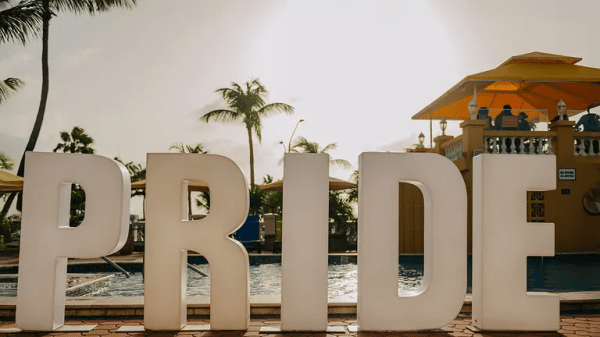
73 Digital Nomad Visa Countries in 2025

Read more at Citizen Remote.

An Intro to Digital Nomad Visas

Over the last several years, the way we work has undergone a major transformation. More professionals and companies continue to embrace the flexibility of remote work, opening up new opportunities to live and work from anywhere in the world. In response, governments worldwide have rolled out digital nomad visa programs to attract remote workers, boost tourism, and support local economies.

HowThe shift to remote work accelerated dramatically in 2020 during the COVID-19 pandemic, when millions were suddenly working from home. While some companies have since returned to hybrid or in-office models, remote work remains a permanent fixture of the modern workforce. In fact, many professionals are now actively seeking out remote-friendly roles specifically to support a more location-independent lifestyle.

As we move through 2025, remote work continues to evolve—not as a temporary solution, but as a long-term career path. With advancements in technology and global connectivity, the once-rigid boundary between work and travel is becoming more flexible than ever. In response, a growing number of countries are introducing or refining their digital nomad visa programs to welcome remote workers with open arms.

Whether you’re an experienced digital nomad looking for your next base or you’re considering making the leap into this lifestyle, we’ve compiled the most up-to-date list of countries currently offering digital nomad visas in 2025.

What Is a Digital Nomad Visa?

A digital nomad visa is a temporary permit that allows visitors to stay in a country while they work remotely. Multiple countries offer these sorts of visas, and most of them have a duration of 12 months, with the possibility to extend your stay.

While they may not be for everyone, a digital nomad visa allows many remote workers to travel the world while they work from the comfort of their computers. They also help the countries impulse their economy by having foreigners stay for extended periods.

These visas are usually granted to anyone that can prove they have sufficient funds to support themselves (and their families, if needed) while working for a company outside the one issuing the visa.

The digital nomad visa differs from a tourist visa because it allows the visitor to stay longer. Plus, you’re technically not allowed to work while visiting on a tourist visa. Plus, some countries will provide other benefits, like tax exceptions, with a digital nomad visa.

Digital Nomad Visa Requirements

Applying for a digital nomad visa may seem like a long and complicated process. Some countries will have a longer processing time or require more documents, while others will issue visas quickly and easily.

Generally, the application processes are very similar in each country. They will all ask you to gather the necessary documents, like copies of a valid passport, proof that you can work remotely, proof of income, accommodation confirmations, etc.

Most countries will allow you to apply online, while others require you to go to the closest Embassy or Consulate to fill out your application. Most of the time, you’ll need to attend an interview and wait a certain period before getting your visa approval.

If you wish to see the requirements for a specific country, check out our website! You’ll find information on all the countries that offer a digital nomad visa.

Digital Nomad Visa Taxes

The tax situation regarding a digital nomad visa is complicated, and it varies from country to country.

Some countries will expect you to pay full tax, while others will have special rates or tax reductions. Some countries will even have no taxes for digital nomads!

Why Should I Get a Digital Nomad Visa?

A digital nomad visa is perfect for you if you wish to work remotely and live in a different country.

Some digital nomads prefer to move around more, so a 12-month digital nomad visa might not be worth it. However, if you wish to stay longer and truly enjoy everything a country has to offer while you work remotely, these visas are the way to go.

Not only will you be able to stay for much longer than with a tourist visa, but you can also enjoy tax benefits, explore the many attractions a country can offer, and experience life as a local.

It’s the perfect opportunity to expand your horizons!

Continue reading at Citizen Remote to see which countries off digital nomad visas!

Changing your domicile in the US while working abroad.

*Editor’s note: The following blog is purely informational and sourced by Savvy Nomad’s website itself. Flee Red States does not endorse any particular company, nor have we validated its claims. We suggest you always consult professionals such as a CPA or attorney before going through with changes such as these. We’re also aware they are suggesting a red state as your domicile.

For many modern professionals, location is no longer a limitation. The rise of remote work and the digital nomad lifestyle has made it possible to live anywhere in the world—yet many people still find themselves burdened by high state income taxes and complicated residency laws. This is where Savvy Nomad steps in. Designed for the globally minded U.S. citizen, Savvy Nomad offers a simple and fully legal way to minimize state taxes while maintaining compliance with federal requirements.

Understanding the Concept of Domicile

At the heart of Savvy Nomad’s service is the concept of changing your state of domicile. Your domicile determines where you’re subject to state taxes, where you vote, and even what estate laws apply to you. Many U.S. states impose significant income taxes, but others—such as Florida—do not. By establishing Florida as your legal domicile, you can eliminate your state income tax burden altogether while continuing to meet all federal obligations.

How Savvy Nomad Simplifies the Process

Traditionally, changing your domicile involves confusing forms, proof of residency requirements, and sometimes in-person bureaucracy. Savvy Nomad has streamlined this into a fast, online process. Their platform handles the legal documentation, registrations, and declarations needed to make your Florida domicile official. Users can even complete the process in about 15 minutes through the SavvyNomad app—something that could normally take weeks on your own.

To further simplify life, the service includes comprehensive mail forwarding, giving you a Florida address for official correspondence. This helps prove residency and ensures you receive important mail no matter where you’re traveling.

Financial and Lifestyle Benefits

The most obvious benefit is financial—no state income tax means keeping more of your hard-earned money. But there’s more than just savings. With extra disposable income and reduced administrative stress, users can fully embrace the flexibility of a nomadic lifestyle. Imagine running your business from a beach in Bali or a café in Lisbon—without worrying about state tax filings back home.

Savvy Nomad emphasizes compliance. Their team handles filings correctly and ensures users stay aligned with all relevant U.S. laws. For those with unique income or business structures, Savvy Nomad even connects users with certified CPAs who can identify additional tax credits and optimization opportunities.

Legality and Flexibility

Changing your domicile through Savvy Nomad is entirely legitimate. The company compares it to “snowbirds” who spend winters in Florida but remain residents there year-round for tax purposes. You’ll still file your federal taxes as usual; the only difference is that your state-level tax obligations will now be tied to Florida. And if you ever decide to move back to your original state, the transition is straightforward under state-specific guidelines.

The Bottom Line

Savvy Nomad provides more than a tax-saving strategy—it’s a lifestyle-enabling service. By taking the hassle out of domicile changes, it empowers remote workers to reclaim both their money and their freedom. In just minutes online, anyone can establish a Florida domicile, stay compliant with U.S. tax laws, and unlock a world of global flexibility.

‘They break you’: Colombia debates a ban on conversion therapy

Read more at NBC News.

Juan Viana recalls having a happy childhood in a Christian community in Bogotá but when he came out as gay at age 18, that all changed.

“Unfortunately, that community of support became a place of deep repudiation of who I really was,” said Viana, now 48.

His family took him to a center for ‘conversion therapy’ — aimed at changing a person’s sexual orientation or gender identity — on the advice of a psychologist.

“I was told that homosexuality was a disease, that it was caused by a demonic force that was going to destroy my family,” Viana said.

He said he went to the center willingly and stayed for months, thinking he was protecting his loved ones from destruction but found himself living in a nightmare.

“They break you in all senses: physically, mentally,” he said.

Several times he thought of taking his own life and tried once, he said.

“They were the darkest moments of my life,” he said.

Such traumatic experiences could become illegal in Colombia, where an estimated one in five LGBTQ people have undergone conversion therapy, according to the government’s Ombudsman’s Office.

Lawmakers are considering a bill to ban conversion therapy in the South American nation. Other countries where it is permitted include China, South Africa and the United Kingdom.

An unknown number of unlicensed rehabilitation clinics in Colombia and elsewhere in Latin America offer such therapy based on the idea that homosexuality, bisexuality and transgender identities are a mental illness that needs to be cured, rights groups said.

The World Health Organization removed homosexuality from its list of mental illnesses in 1990.

In Colombia, LGBTQ advocates have documented a range of conversion therapy practices that include humiliation, exorcism, food deprivation, electroshocks, waterboarding and rape of lesbian women.

The new legislation aims to criminalize the therapy in the conservative and Catholic country, where activists say faith is often used to mask the practices.

“We hope that more and more Colombians will understand that this is what the right to liberty, the right to intimacy and the right to having an identity looks like,” said Carolina Giraldo, a lawmaker for the center-left Green Alliance and a proponent of the bill.

Third time’s the charm?

Two previous proposed bans were defeated after conservative lawmakers and evangelical and Catholic groups mobilized in opposition.

They argued that a ban on conversion therapy could land priests and parents in prison, and some said LGBTQ groups wanted to turn children gay and trans.

Such a ban “infringes upon family autonomy by preventing parents from guiding their children,” said conservative senator Maria Fernanda Cabal after voting against last year’s bill.

From Brazil and Mexico to Spain and Vietnam, at least 17 countries have nationwide legislation in the works targeting the practice, according to ILGA-World, an international LGBTQ rights group.

LGBTQ activists in Colombia hope the third time is the charm.

“When we first started to talk about these practices, people just didn’t believe something like this could still happen in Colombia,” said Danne Belmont, executive director at GAAT, a Bogota-based trans rights group.

Belmont, a trans woman, said she was given testosterone as a child and underwent exorcisms in efforts to change who she was.

Advocates have altered their approach since the first bill was introduced in 2022, trying to broaden its appeal.

In the current rendition, the campaign is not only that LGBTQ people have “nothing to heal” but it asks their parents to “always love them,” Belmont said.

“This bill is aimed at Colombia’s families, at offering safe spaces where people can ask questions about their sexual orientation and gender identity,” she said.

Contrary to claims made by some Catholic lawmakers and ultra-Catholic groups, Father Carlos Guillermo Arias Jimenez of Colombia’s Bishop’s Conference said the latest bill does not contradict religious freedom.

“The church could not accept, nor has it ever taught, the practice of actions aimed at changing or reversing people’s sexual orientation,” he said.

Colombia’s Evangelical Confederation did not reply to several requests for comment.

In Congress, the bill passed its first reading in April with support from members of various political parties, but it must pass two more readings before next year’s elections.

Survivors, not victims

Belmont said trauma often prevents many LGBTQ people from realizing they have undergone conversion therapy until they hear stories from their peers.

A national network was set up in May of more than 50 people who have undergone conversion therapy to share their stories on social media and at events in hopes they will help others.

“Sometimes conversion therapy is a gradual, sophisticated process that mixes religion, spirituality and psychology that lays the ground,” David Zuluaga, 27, who was raised in the small town of Antioquia.

What started as manipulation and social isolation at age 12 turned into being hit in the stomach at age 14 to make him “vomit the spirit of homosexuality,” he said.

The conversion therapy lasted until he was 17, but it took him far longer to understand what had happened, let alone speak about it.

“Fear has to change sides. We used to be ashamed of having gone through this,” said Zuluaga, now an out gay man.

“But they should be the ones who are ashamed of having done this, of still doing this — mistreating, abusing and torturing people.”

According to research by the United Nations’ independent expert on LGBTQ rights, which has documented conversion therapy in at least 100 countries including Uganda, the Philippines and the United States, the practices leave deep physical and psychological traces.

“It broke my relationship with my family, with spirituality, with my body,” said Viana, who added that it has taken decades to rebuild bonds with his family, trust people and find love.

“Darkness needs to be total to exist. For light to exist, a single spark is enough,” he said.

“The work we’re doing is to multiply these sparks along the way… which we all light up together.” 

Only 0.03% Opt Out Of LGBTQ+ Education In Maryland After SCOTUS Gives Them A Right To

Read more at Erin in the Morning.

In June 2025, the Supreme Court issued a landmark ruling allowing parents to opt out of classes that teach material conflicting with their religious beliefs. The decision, which could affect lessons on everything from evolution to cultural diversity, was driven primarily by challenges to classroom instruction about LGBTQ+ people. The case, Mahmoud v. Taylor, originated in Maryland’s Montgomery County School District—the state’s largest—which had previously required lessons on LGBTQ+ inclusion without permitting opt-outs. The ruling was celebrated by far-right activists as a major victory in a deep-blue state. But months later, the results are in: of more than 160,000 students enrolled, only 43 families chose to opt out of LGBTQ+ education districtwide.

In a report released on October 2, the Montgomery County School District approved just 58 opt-out requests from 43 families—under 0.03 percent of the district’s 160,000 students. In other words, 99.97 percent of families, even when given the option, chose to let their children learn about LGBTQ+ people.

The books targeted by the handful of families include Uncle Bobby’s Wedding, about the marriage of two gay men; Intersectional Allies: We Make Room for All, which features a genderfluid character; and Planting the Rainbow: Places of LGBTQ+ History in Maryland, which teaches about key moments in the state’s queer history.

For the families choosing to opt out, their children will be placed in separate classrooms or given alternate assignments when LGBTQ+ topics arise. The arrangement underscores a point the school district made during the court fight: creating entirely new materials for such a vanishingly small group is disruptive to classrooms and burdens teachers with unnecessary extra work—all to accommodate the religious beliefs of a tiny minority. Still, because of the Supreme Court’s ruling, those accommodations will now have to be made.

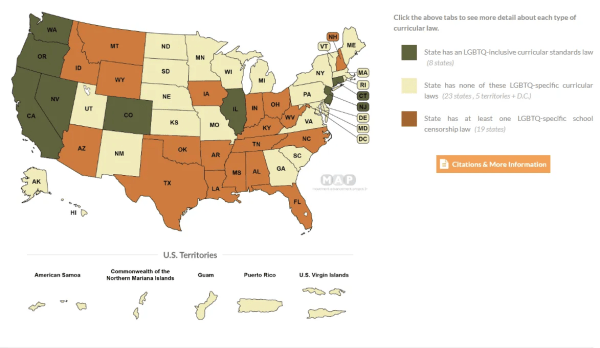
Meanwhile, in Republican-controlled states, officials have taken a far more oppressive approach to LGBTQ+ education. Rather than offering families the option to opt out, many states simply ban the material outright. Under “Don’t Say Gay or Trans” laws—first popularized in Florida and now enacted in 19 states—teachers are prohibited from acknowledging LGBTQ+ people in class instruction at various grade levels. In Texas, several colleges have gone even further, barring professors from recognizing that transgender people exist at all. When contrasted with the minuscule number of families opting out when given the choice, these policies look less like a reflection of public will and more like a top-down morality ban—one that would almost certainly be rejected if parents actually had the freedom to decide for themselves.

Anti-LGBTQ+ school policies remain among the most unpopular measures pushed by Republicans in red states and by the Trump administration. A Navigator Research poll published in August 2023 found that fewer than 25 percent of Democrats and independents—and only half of Republicans—named “protecting children from being exposed to woke ideologies about race and gender in school” as a major priority. Book bans ranked even lower: 92 percent of respondents said such bans were concerning. A more recent Knight Foundation poll echoed those findings, with two-thirds of Americans opposing efforts to restrict books in public schools.

Respondents from Montgomery County, Maryland expressed frustration and vindication after hearing the results of the opt-out process. “Every single one of these ‘anti-woke’ lawsuits and headlines comes from one or a few people making a stink,” said one commenter in a local subreddit dedicated to the county. “Imagine living in Montgomery County and thinking you can opt out of cultural diversity,” said another.

“It looks like most were from elementary schools, but there’s a few from middle schools and two from a high school. Can you imagine what these students’ classmates will think of them?” added a third.

The Supreme Court’s decision is just the latest example of how religious exemptions are being weaponized to roll back civil rights under the guise of “freedom.” Each new ruling gives a single person the power to disrupt an entire classroom, claiming that their beliefs are incompatible with learning about LGBTQ+ people, racial diversity, or any worldview outside their own. These carve-outs have already spread far beyond schools—empowering business owners to deny service to queer customers and pharmacists to refuse medication. But the data out of Montgomery County, Maryland makes one thing unmistakably clear: this crusade is not a mass movement. It’s the obsession of a vanishingly small minority, inflated by a Republican Party that has turned resentment of diversity—and especially of LGBTQ+ people—into the centerpiece of its politics.

Trans medical tourism is booming in Iran, while transitions are forced on locals

In Iran, where being gay can carry the death penalty and the idea of marriage equality is an abomination, gender transition-related medical care has long been a booming business serving locals and foreigners alike.

Part of the Islamic Republic’s expertise in the field comes from 40 years of forcing gay people to choose between transitioning and death.

But now, in a desperate search for currency in the cash-strapped country, the government is luring patients from around the world with steep discounts and luxury lodging, The New York Times reports.

Crippled by war and economic sanctions, Iran has launched a PR blitz promoting its expertise to a global audience, luring foreigners with trans-themed packages including budget-conscious surgeries, luxury hotel stays, and sightseeing tours.

Iran’s theocratic government has set a goal of generating more than $7 billion from medical tourism annually, according to Iranian state news media, a seven-fold increase over a year ago. 

In addition to nose jobs and hair transplants, glossy brochures and a social media campaign are offering vaginoplasties, mastectomies, and penis constructions for a song.

“We handle everything from start to finish, providing the best medical services to ensure a stress-free experience,” said Farideh Najafi, the manager of two medical tourism companies. “This includes booking hotels, hospitals, transportation, and more.”

According to one operator, while the cost of comprehensive surgery in the U.S. could be “around $45,000, and in Thailand, it’s approximately $30,000,” patients can pay “less than $12,000” in Iran. A government hospital stay can go for as low as $4,500.

The cut-rate prices are luring patients from wealthier countries like Australia, the United States, and Europe, according to medical tour operators and surgeons, despite the dark backdrop to the country’s transgender expertise.

Many gay and lesbian Iranians who are not trans are “pressured into undergoing gender reassignment surgery without their free consent,” according to a United Nations Human Rights Council report issued in March, and the alternative can be execution.

Amnesty International says more than 5000 gay people have been put to death in the Islamic Republic since the Iranian Revolution in 1979. Public flogging is even more common.

A British Home Office report in 2022 found that roughly 4,000 people underwent transition surgery each year in Iran, compared to just under 13,000 in the U.S. in 2020, which has a population four times greater. The vast majority of patients come from inside Iran, experts say.

The extraordinary number has its basis in a fatwa issued by Ayatollah Khomeini, the founding supreme leader of the Islamic Republic. He declared in the 1980s that transgender individuals could gain legal recognition of their identifying gender on the condition that they underwent transition surgery.

The volume of surgeries has come with a questionable safety record. A 2015 U.N. report described botched procedures like “abnormally shaped or located sexual organs.” Some activists have likened the country’s gender clinics to “butcher” shops.

Raha Ajoudani, a 20-year-old trans woman and activist, fled Iran rather than submit to a forced transition.

“I never wanted to undergo gender reassignment surgery,” she said. “I’ve defined myself outside of this binary. I didn’t want to live according to the governmental definition of cultural expectations of being a woman or a man, nor did I submit to Khomeini’s fatwa.”

Eric, a 45-year-old trans man living in Canada, did take advantage of Iran’s expertise in the field, but acknowledged competing feelings over his choice and the plight of gay people in the country.

“I have heard a lot, especially among trans women, that because they are gay, and they cannot be gay in Iran, they try to do the surgery,” he said. “I’m really sad that gays and lesbians are not recognized in Iran, but on the other hand, I’m happy for trans people because they can do what they’re willing to do.”

Donald Trump ends LGBTQ+ health programs under the cover of the shutdown

Read more at LGBTQ Nation.

On Friday, the Trump administration began massive layoffs throughout the Department of Health and Human Services (HHS). As part of that, they completely removed the Office of Population Affairs, which was responsible for a wealth of public health programs, including specific initiatives for the LGBTQ+ community.

“This wasn’t a budget decision — it was ideological,” a former member of the Biden administration told The Advocate.  “These are the programs that centered reproductive and queer health, and now they’re gone.”

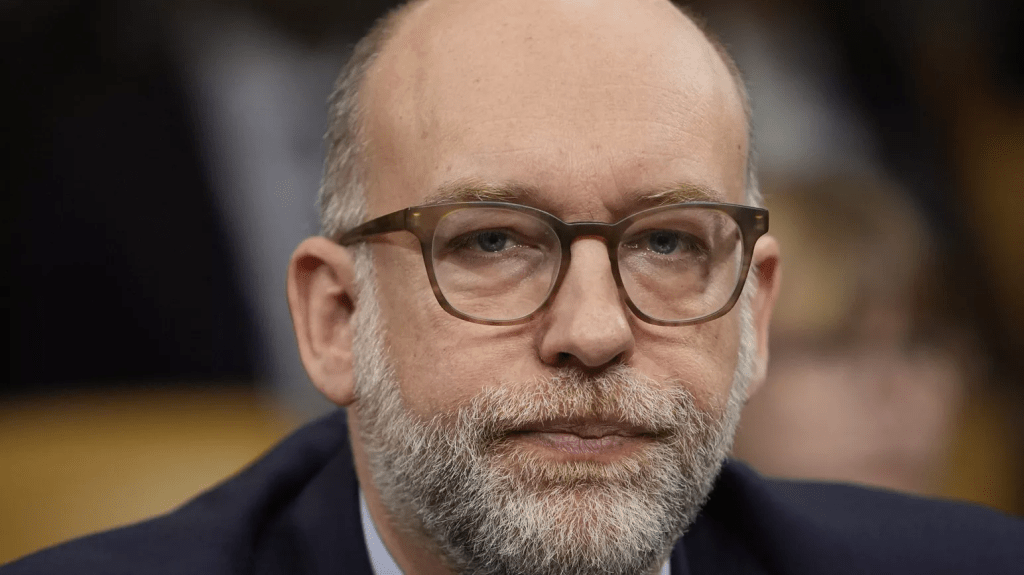
Donald Trump has welcomed the government shutdown as an opportunity to cut what he has called “Democrat Agencies” to shrink the government. The process is being led by Russ Vought, the head of the Office of Management and Budget (OMB) and key author of Project 2025, which advocated for such cuts. However, he has also tried to blame those government cuts on the Democrats.

Vought took to X/Twitter on Friday to announce the start of the “Reduction in Force,” or RIF. His office confirmed via Politico that federal employees were being permanently fired, not temporarily furloughed for the duration of the shutdown: “Can confirm RIFs have begun and they are substantial. These are RIFs, not furloughs.”

Adrian Shanker, who served as deputy assistant secretary for Health Policy during the Biden administration, told The Advocate that while the Office of Population Affairs often had its programs politicized, this is “the first time that the office itself is being cut.”

The Office of Population Affairs manages a huge range of public health initiatives. Those include Title X family planning services and grants; programs for adolescents that cover issues such as pregnancy prevention, mental health, and substance abuse; the Embryo Adoption Awareness and Services program; screenings and treatment for sexually transmitted infections and information on preventing the spread of HIV; and LGBTQ+ health initiatives, including information on gender-affirming care.

As well as restricting programming targeted specifically at the LGBTQ+ community, these cuts will restrict access to family planning programs that LGBTQ+ people are more likely to make use of to grow their families.

The cuts to the Office of Population Affairs will leave us lacking when it comes to sex education and with less support for LGBTQ+ youth, Shanker noted, saying it “leaves us more vulnerable to health inequities and worsened health outcomes.”

Wider cuts to the HHS will have broader effects as the CDC is losing over a thousand employees, including the elimination of entire departments. “CDC is over. It was killed,” said Dr. Demetre Daskalakis, the out gay former director of the CDC’s National Center on Immunization and Respiratory Diseases, after 1000 scientists, doctors, and public health officials were fired from HHS on Friday. Daskalakis, an infectious diseases expert, resigned in protest of the administration’s war on science-based public health earlier this year.

“This administration only knows how to break things. They have made America at risk for outbreaks and attacks by nefarious players. People should be scared.”

Some reports have suggested that some laid-off employees have been contacted and told that their reduction-in-force notices are being rescinded. This happened with federal layoffs from DOGE in the past, with some employees being rehired after DOGE cut their jobs. However, reports are unclear on how many RIFs have been rescinded.

Previous federal layoffs have been litigated in court, with some resulting in court rulings that the people cannot be fired, while other courts have allowed the dismissals to proceed. That process, if it occurs here, will take time, during which public health will suffer a setback.

“Without these people in place, it’s unlikely that a lot of these programs will be able to continue even after the government reopens,” predicted Shanker.

CBP Enforces Binary Sex Codes and Enhanced US Passport Validation in APIS

Read more at Greenberg Traurig.

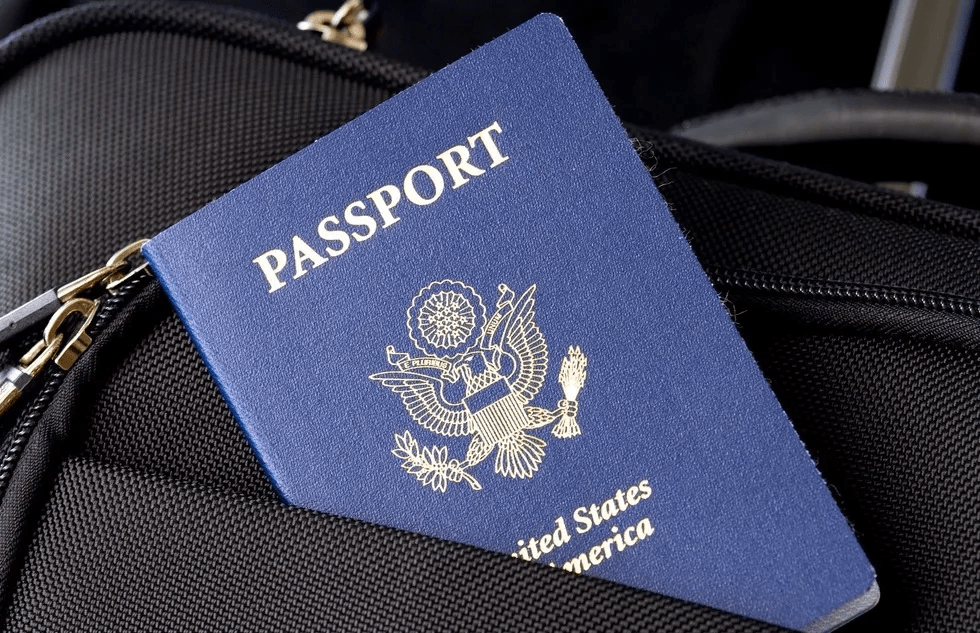
U.S. Customs and Border Protection (CBP) has issued updates to the Advance Passenger Information System (APIS) requirements that may affect business travelers and airlines. These changes, implemented in response to Executive Order 14168, “Defending Women from Gender Ideology Extremism and Restoring Biological Truth to the Federal Government” issued in January 2025, introduce enhanced validation requirements for passenger data submitted by commercial air carriers.

Key Changes Overview

Sex Field Requirements: Effective Oct. 14, 2025, CBP systems will only accept “M” (Male) or “F” (Female) in the sex field of APIS transmissions. Any other characters will result in an “X Response-Insufficient Information” error, requiring airlines to resubmit the passenger data with corrected information.

U.S. Passport Format Validation: Starting Oct. 6, 2025, CBP will implement stricter validation for U.S. passport numbers transmitted through APIS.

Implementation Timeline

  • Sept. 17, 2025: Testing environment (EDU) available for sex field validation changes.
  • Sept. 24, 2025: Testing environment available for U.S. passport format validation.
  • Oct. 6, 2025: U.S. passport format validation goes live in production.
  • Oct. 14, 2025: Sex field validation goes live in production.

U.S. Passport Number Format Requirements

Valid U.S. passport numbers must follow one of these formats:

Option 1: Numeric Format

  • Nine numeric digits
  • Must have a numerical value of 4XXXXXXXX or higher

Option 2: Alpha-Numeric Format

  • Nine characters total
  • First character must be A, X, Y, or Z
  • Followed by exactly eight numeric digits

The leading alpha characters indicate passport type:

  • A: Regular passport
  • X: Diplomatic passport
  • Y: Official passport
  • Z: Service passport

Impact on Business Travel

Employer Considerations:

  • Review travel policies and booking procedures with travel management companies;
  • Ensure corporate travel booking systems capture accurate passenger information;
  • Brief frequent business travelers on the importance of providing exact passport details; and
  • Consider potential delays if incorrect information requires resubmission.

Employees Considerations:

  • Double-check that passport information matches exactly what is on the physical document when booking travel;
  • Verify that airlines have the correct sex designation as listed on the passport;
  • Allow additional time for potential rebooking if passenger information errors occur; and
  • Ensure the U.S. passport number format is valid if traveling on a U.S. passport.

Carrier Responsibilities

Airlines remain responsible for comparing travel documents passengers present with the information transmitted to CBP. Airline carriers must ensure accuracy in all APIS data submissions, including traveler sex designation and passport number formatting.

Practical Considerations

  1. Document Verification: Provide passport information exactly as it appears on travel documents.
  2. Sex Designation Accuracy: Ensure the sex designation transmitted to CBP matches exactly what appears on passports, regardless of personal identification.
  3. Passport Updates: Consider whether passport updates may be necessary to ensure smooth travel.
  4. Early Booking: Complete travel bookings in advance to allow time for any necessary corrections.
  5. Travel Management: Work with experienced travel agencies familiar with APIS requirements.
  6. Communication: Ensure clear communication between travelers, booking agents, and airlines regarding exact document details.

Special Considerations

Document Inconsistencies: If travelers’ passports contains a sex designation that differs from their current identification, airlines must still transmit the information exactly as it appears on their passport documents. CBP systems will only accept the “M” or “F” designation that matches travel documents.

Non-Binary Passport Designations: Passports issued with “X” or other non-binary markers will be rejected by CBP systems, requiring resubmission with valid documentation showing “M” or “F” designation.

Passport Updates: Travelers experiencing documentation inconsistencies may wish to consult with the relevant passport issuing authority about available options for updating travel documents.

Takeaways

The implementation of these changes may cause initial adjustment periods. Business travelers and employers should work closely with their travel management companies to enhance compliance with these new requirements. Providing accurate and complete travel documentation remains essential for efficient international travel.

Philly to open LGBTQ+ visitor center in the Gayborhood ahead of 2026 events

Read more at the Philly Voice.

Philadelphia’s tourism agencies are planning to have a queer-friendly information center that will highlight LGBTQ+ events, restaurants and businesses to visitors coming to the city during a busy 2026. 

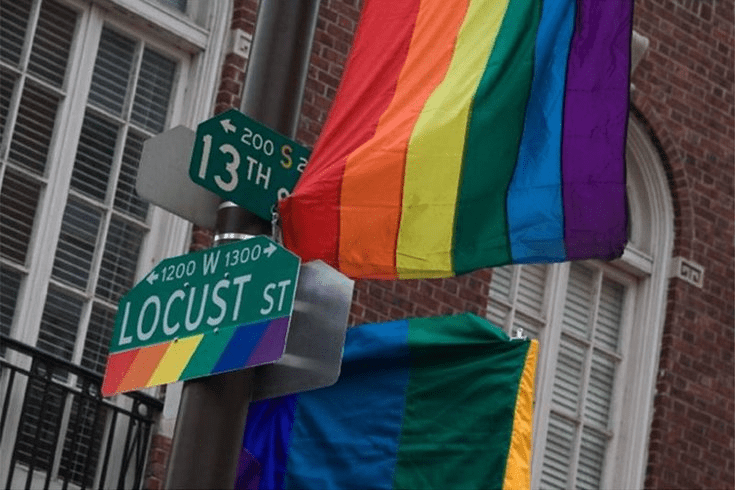
The Philly Pride Visitor Center, operated by the Philadelphia Visitor Center and Visit Philadelphia, will open at 12th and Locust streets in the Gayborhood in January. Organizers said it will help travelers who are here for the World Cup, MLB All-Star Game and numerous celebrations for the 250th anniversary of the signing of the Declaration of Independence. 

The center will offer itinerary planning, ticketing, travel advice and souvenirs from queer-owned businesses. It will also feature exhibits on some of the city’s queer history, including the first LGBTQ+ sit-in at Dewey’s restaurant in 1965 and the Annual Reminders demonstrations outside Independence Hall from 1965 to 1969. The historical content was curated with community input in partnership with Mark Segal, founder of Philadelphia Gay News. 

“Our city helped launch the fight for representation in media, shaped national policy, and created safe, visible spaces for our community,” Segal said in a statement. “Now, with the opening of the Philly Pride Visitor Center, Philadelphia proudly honors that legacy and reaffirms its commitment to those who call this community home.” 

Visit Philadelphia said it was one of the first supporters for creating the Stonewall National Monument Visitor Center in New York City, which was the first queer institution of its kind in the National Park System. Leaders said they’re eager to bring this support back home. 

“For more than 20 years, Visit Philadelphia has worked to show LGBTQ+ travelers that they belong here,” said Angela Val, president and CEO of Visit Philadelphia. “This new center gives visitors and residents a place to connect with Philadelphia’s LGBTQ+ history, discover affirming businesses and see how this city helped shape a national movement. It is both a resource hub and a testament to Philadelphia’s role in advancing LGBTQ+ rights.” 

Visit Philadelphia and the Visitor Center said that the move is both an investment in its values and reflective of the strong support from queer tourists.

How the Caribbean Is Becoming More Welcoming to LGBTQ+ Travelers

Read more at TravelAge West.

In July, St. Lucia’s courts struck down laws that criminalized consensual same-sex relations, mirroring similar 2022 rulings that eliminated discriminatory laws in Antigua and Barbuda, Barbados and St. Kitts and Nevis.

These developments represent major advances for English-speaking Caribbean islands, which have long carried some of the most discriminatory laws in the Western Hemisphere. It’s also good news for LGBTQ+ travelers, according to travel advisor Scott Wismont, founder of Rainbow Getaways.

“This evolution means we now have a much broader portfolio of destinations we can confidently recommend,” he said. “We can better guide clients to places where they will feel safe and celebrated.”

Reason to Celebrate

Resorts in St. Lucia were among the first in the tourism sector to praise the recent ruling.

“This year’s St. Lucia Pride carries such profound significance, marking the first since this historic shift toward equal rights for the LGBTQ community,” said Benjamin DiCosta, vice president of marketing and communication for Windjammer Landing Resort & Residences. “To witness the pride flag raised officially for the very first time in St. Lucia was a powerful and moving moment.”

Other St. Lucia hoteliers echoed positive sentiments.

“We have always welcomed LGBTQ+ travelers at both Anse Chastanet and Jade Mountain,” said Karolin Troubetzkoy, executive director of marketing and operations at both resorts. “We wholeheartedly welcome St. Lucia’s recent step to decriminalize same-sex relations. It’s a meaningful and long-overdue development that reinforces the message of inclusion and respect.”

A Region in Transition

Anti-LGBTQ+ laws are a holdout from the British colonial era, notes Thomas Julian, partner and head of Caribbean programs at Holborn Assets, a global financial services company with LGBTQ+ people among its clients.

“These laws, as are all the anti-LBGTQ laws in the Caribbean, are artifacts of the colonial era and are seldom, if ever, enforced,” he said. “However, the fact that they are still on the books is a travesty to justice, society and humanity. My hope is that now that these countries are moving forward and modernizing legislatively, they will do so policy-wise as well, and permit LGBTQ couples and families to apply together via their respective passport programs, which are what I sell.”

Mark Brantley, the premier of Nevis, is among the tourism leaders praising recent progress.

“The colonial-era laws criminalizing same-sex relationships were struck down by our courts as unconstitutional, a ruling that brings Nevis into alignment with both our values and our laws,” he said. “Across the English-speaking Caribbean, and particularly here in Nevis, there is a clear and prevailing sentiment of welcome for all travelers.”
Dean Fenton, U.S. director of tourism for Antigua and Barbuda, strikes a similar tone.

“Antigua and Barbuda proudly welcomes all travelers, including those from the LGBTQ+ community,” he said. “While same-sex marriage is not yet legally recognized, symbolic ceremonies are celebrated on the island, and many of our hotels and resorts are well-versed in providing inclusive experiences.”

The Cayman Islands Department of Tourism, meanwhile, issued a statement confirming its goal of celebrating “diversity in all its forms” and its pride in being “a place where all visitors are welcome” — an attitude reflected in events such as Cayman Pride, which takes place every June, and the destination’s legal recognition of same-sex civil unions, which provide benefits similar to those of marriage.

Inclusivity as a Competitive Advantage

Decriminalization is an important step. But even after recent court rulings, Caribbean destinations still vary widely in terms of legal protections and rights for LGBTQ+ residents and visitors; not all recognize LGBTQ+ marriage or offer anti-discrimination protection, for example.

Some have a longer record of inclusivity than others, such as Puerto Rico, where same-sex marriage and same-sex adoption are legal and anti-discrimination legislation is in place. Discover Puerto Rico, the island’s destination marketing organization, even maintains a detailed LGBTQ+ travel section on its website. 

“Puerto Rico has a vibrant LGBTQ+ culture that is not only visible but celebrated,” said José Arana, group marketing director for Discover Puerto Rico. “This is setting an example for the region, showing that when destinations embrace equality, they create an environment where all travelers feel welcome.”

Queer-friendly islands enjoy a distinct advantage in the tourism sector, he adds.

“Destinations that prioritize inclusivity have a clear competitive edge because they are opening their doors to a broader audience,” he explained. “Moreover, destinations that are safe and welcoming for LGBTQ+ travelers are often safe and welcoming for everyone, including women and solo travelers, making them more appealing across the board.”

May-Ling Chun, director of tourism for St. Maarten, agrees.

“Inclusive destinations certainly benefit from appealing to a wider potential customer base, and we recognize that being welcoming to LGBTQ+ travelers is both a reflection of our values and a strength in today’s competitive tourism market,” she said. “While every nation in the Caribbean has its own cultural context, there is an increasing recognition that inclusivity is essential for both social and economic growth.”

Aruba, Curacao and St. Barts also rank high for inclusivity, with same-sex marriage among the legally protected rights. Hoteliers in those destinations showcase their welcoming attitudes in a variety of ways. Dreams Curaçao Resort, Spa & Casino, for example, is accredited with the International LGBTQ+ Travel Association (IGLTA).

In Aruba, Amsterdam Manor Beach Resort has hosted pride events.

“By embracing diversity and welcoming every guest, Aruba not only gains a distinctive advantage, but also reaffirms its promise to be a place where everyone feels at home,” said Jurgen van Schaijk, the hotel’s owner and managing director.

Acceptance of diversity is rooted in the public mindset in St. Barts, according to Alexandra Questel, president of the St. Barts Tourism Committee.

“St. Barts’ commitment to inclusivity isn’t just a policy; it’s part of our culture and way of life,” she said. “That openness resonates with visitors, whether they identify as LGBTQ+ or simply appreciate destinations that celebrate diversity.”

The Role of Travel Advisors

Travel advisors play a crucial role in guiding LGBTQ+ clients toward positive Caribbean vacation experiences, notes Wismont of Rainbow Getaways.

“Many clients view the Caribbean as a singular, homogenous destination, unaware of the vast differences in cultural norms, legal frameworks and local attitudes from one island to the next,” he said. “This is precisely where the expertise of an advisor becomes indispensable. We curate an experience that aligns with their need for safety and acceptance.”

Even in destinations such as Jamaica, where male same-sex intimacy is still illegal, it’s possible to find a welcoming, upscale experience, according to Wismont.

“The case of Jamaica is more complex,” he said. “While the country as a whole has a challenging reputation, we have seen an encouraging trend of resorts making an explicit commitment to being safe and affirming spaces for LGBTQ+ guests.”

Among the queer-friendliest hotels in Jamaica is Round Hill Hotel and Villas, according to Wismont. Josef Forstmayr, the hotel’s managing director, agrees about the island’s positive momentum, as evidenced by his involvement in local hotel associations and the Jamaica Tourist Board.

“That shows I’m not being marginalized just because I happen to be gay,” Forstmayr said. “It speaks volumes about the open-minded thinking of the political directorate — as long as you don’t put them on the spot when it comes to public opinion. That’s where we fail.”

The ability of hotels such as Round Hill to provide a welcoming environment for LGBTQ+ travelers underscores the need for effective staff training. Forstmayr says diversity, non-discrimination and non-harassment is addressed early on with new hires.

Alaia Belize, an Autograph Collection property in Belize, takes a similar approach.

“We believe that true hospitality means creating a space where every traveler feels safe, celebrated and completely at home,” said Maria Novelo, marketing and communications manager for the hotel. “We are proud to carry forward a culture of inclusivity that welcomes LGBTQ+ guests with the same warmth and respect we extend to all.”

GOP candidate claims firing people for being gay ‘is not discrimination’ in Virginia governor’s debate

Read more at the Advocate.

In a combative and chaotic debate Thursday nigh, in Norfolk, Virginia, Lt. Gov. Winsome Earle-Sears, the Republican candidate for governor, declared that opposing marriage equality and allowing employers to fire people for being gay “is not discrimination,” igniting a firestorm that has reverberated through Virginia politics and beyond.

The statement came during the only scheduled debate between Earle-Sears and Democratic nominee Abigail Spanberger, a former CIA officer and three-term member of Congress. The event, held at Norfolk State University and broadcast by TV station WAVY, was frequently interrupted by Earle-Sears’s outbursts, prompting moderators to repeatedly ask her to stop speaking over her opponent. “Please don’t interrupt,” one moderator said after Earle-Sears cut into Spanberger’s answer. Another warned, “Ms. Earle-Sears, we’re not going to be able to get to as many topics if we keep having to give Ms. Spanberger time.”

Spanberger, who leads in most polls, calmly cited Earle-Sears’s long record of opposing LGBTQ+ rights, including her refusal to support marriage equality or workplace protections for queer Virginians. “My opponent has previously said that she does not think gay couples should be allowed to marry,” Spanberger said. “She’s also said she thinks it’s OK for someone to be fired from their job for being gay.”

Before Spanberger could finish, Earle-Sears interjected, “That’s not discrimination.”

The remark drew immediate backlash online. The Human Rights Campaign, the nation’s largest LGBTQ+ civil rights organization, condemned the comment. Sam Lau, one of the organization’s spokespersons, said, “Yes, Lt. Gov. Earle-Sears, that is indeed discrimination. Vote for Abigail Spanberger.”

The Democratic Party of Virginia called the debate performance “atrocious,” and state Sen. Louise Lucas, who attended the event, wrote that Earle-Sears “took a page out of Donald Trump’s debate playbook — interrupt, interrupt, interrupt — anything to avoid real answers or substance.”

Even some Republicans criticized the lieutenant governor’s behavior. Former GOP U.S. Rep. Barbara Comstock said Earle-Sears “demonstrates her bigotry once again,” noting that she “wouldn’t stop babbling and talking over everyone when it wasn’t her time.”

Following the debate, the Spanberger campaign released a statement emphasizing Earle-Sears’s “decades-long, extreme record of opposing marriage equality and equal rights for all Virginians.” The campaign cited her opposition to bipartisan legislation protecting marriage equality that even Republican Gov. Glenn Youngkin signed, noting that she left a handwritten note on the bill stating she was “morally opposed.”

“Virginia families deserve better than a leader who refuses to protect their rights under the law,” Spanberger said in a statement. “The Lieutenant Governor last night showed Virginians that she is more focused on dividing people than solving problems. No company wants to grow in a state where the Governor excuses discrimination and supports firing workers because of who they are. Her comments tell businesses and families that Virginia is closed to the talent, investment, and innovation that keeps our economy strong.”

Democratic National Committee spokesperson Albert Fujii released this statement: “Winsome Earle-Sears is too extreme for Virginia. Her homophobic comments at last night’s debate are disqualifying and prove once again how out of step she is with Virginians. Virginians deserve a leader who will ensure Virginia is welcoming and affordable to everyone — and that champion is Abigail Spanberger. The DNC will keep fighting tooth and nail to ensure Abigail Spanberger wins big in November — the stakes could not be higher.”

Blog at WordPress.com.

Up ↑