Thinking about retiring in the Lone Star State? A new study from Bankrate says you probably shouldn’t after listing Texas as the second-to-last worst state for retirement in 2025.
Bankrate, a personal finance website, released on Monday, July 21, its findings of the best and worst states to retire in 2025. To determine ranking, Bankrate analyzed multiple data points and assigned a weight to each category, including: affordability (28%), weather (18%), neighborhood safety (17%), health care (16%), local taxes (9%), arts, entertainment and recreation (7%), people of a similar age (3%) and miscellaneous (2%).
In the ranking, Texas was ranked at No. 49, while Louisiana placed in last place. Texas did well in the taxes category, ranking seventh. However, the Lone Star State ranked dead last in health care and 49th in people of similar age, according to the study. Safety was also notably weak, as the state ranked 38th.
On the other side, New Hampshire was named the best state for retirees, ranking well in neighborhood safety (1st), health care (5th), taxes (6th) and people of similar age (7th), according to the study. Four of the top 10 best states for retirees are in New England (Maine, New Hampshire, Rhode Island and Vermont).
Bankrate used metrics from the U.S. Census, the Council for Community and Economic Research, the Environmental Protection Agency, the U.S. Department of Health and Human Services and more. The researchers also surveyed 2,260 U.S. adults between May 14-16, 2025.
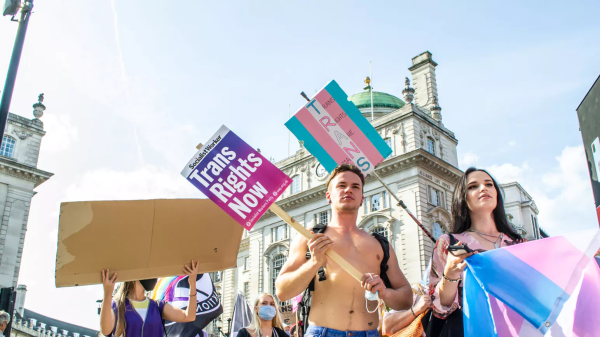
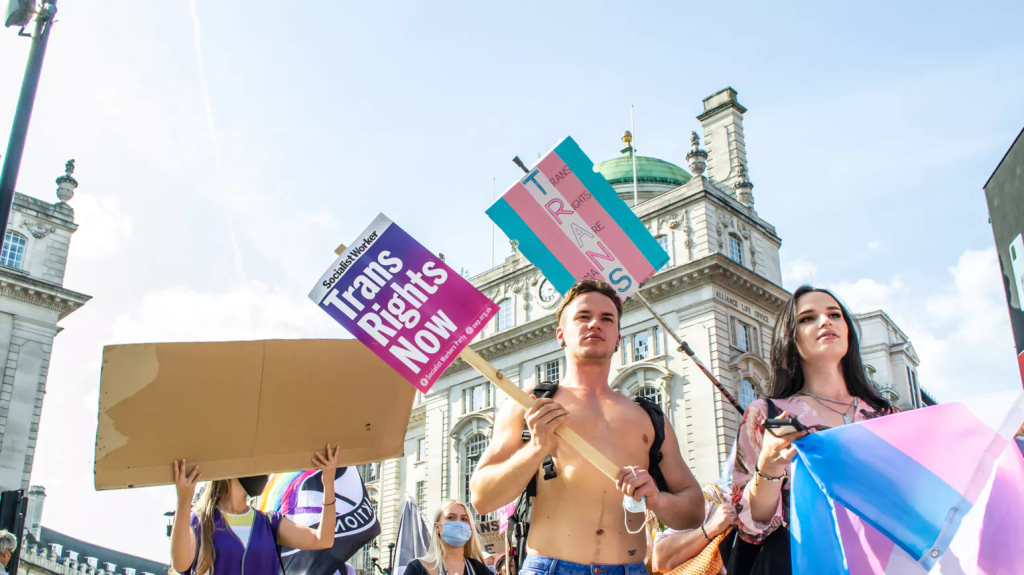
The US Supreme Court’s decision to uphold Tennessee’s ban on gender identity care for transgender minors earlier this summer has fueled ongoing polarization around LGBTQ issues and controversial policies across the nation. The high court has also agreed to take on more cases dealing with trans rights in its next session that begins in October.
Twenty-seven states have passed lawslimiting access to gender identity health care for transgender children and teenagers, according to KFF, a nonpartisan health policy think tank. An estimated 40% of trans youth ages 13 to 17 live in these states.
There have already been more anti-LGBTQ bills introduced in state legislatures so far this year than in any full year since at least 2020, a CNN analysis of American Civil Liberties Union data found. These bills span various aspects of everyday life, including bathroom access, school sports and identification documents.
CNN is tracking where these laws are being passed and where these bills are being introduced. This story will be updated.
Gender identity care includes medically necessary, evidence-based care that uses a multidisciplinary approach to help a person transition from their assigned sex— the one the person was designated at birth — to their affirmed gender, the gender by which one wants to be known.
Most of the states limiting gender identity care for trans minors adopted their bans in 2023, a record-breaking year for such laws. So far this year, one state — Kansas — has passed a ban, prohibiting the use of state funds to provide or subsidize health care for transgender youth.
Not all laws are currently being enforced, however. The ban in Arkansas has been permanently blocked by a federal court, though the state said it would appeal the ruling. Montana’s ban is also permanently blocked, according to KFF. Though Arizona has a 2022 law on the books banning surgical care for transgender minors, Democratic Gov. Katie Hobbs signed an executive order in 2023 ensuring access to gender identity health care.
Nearly 600 anti-LGBTQ bills have been introduced into state legislatures as of July 11, which is already more than any other year on record, according to the ACLU.
Education and health care continue to be key targets. There were more bills restricting student and educator rights — enforcing school sports bans and targeting students’ access to facilities consistent with their gender identities, for example — than any other category of bills, according to a CNN analysis of ACLU data.
Legislators in Texas have introduced 88 anti-LGBTQ bills so far this year, more than double the number of bills being considered in any other state. Four of those — including one that limits changes to gender markers on state medical records — have been passed into law.
Lawmakers in every state, except for Vermont, have filed at least one anti-LGBTQ bill in 2025, according to a CNN analysis. Twenty-two states have signed those bills into law.
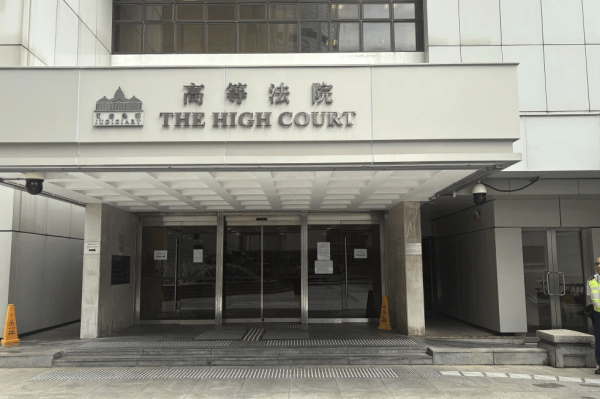
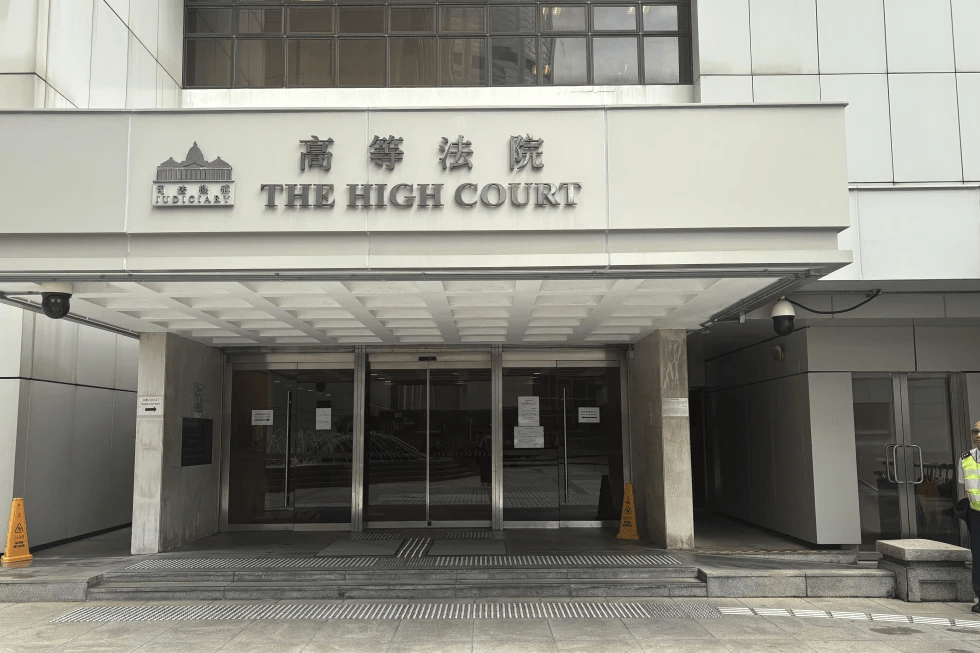
A Hong Kong judge on Wednesday ruled to strike down regulations criminalizing the use of bathrooms designated for the opposite sex, ruling in favor of transgender individuals’ rights to access public toilets matching their identity.
Judge Russell Coleman approved the judicial review of K, who was born a woman and identifies as a man, saying the regulations contravene an article of the city’s mini-constitution that stipulates all residents should be equal before the law.
But he suspended the declaration to strike down the regulations for a year to allow the government “to consider whether it wishes to implement a way to deal with the contravention.”
He said in the judgment that the regulations and “drawing the line of a person’s biological sex at birth create a disproportionate and unnecessary intrusion into the privacy and equality rights.”
The ruling marks another step forward in recognizing the rights of LGBTQ+ people in the Chinese financial hub. In recent years, the government has revised policies following activists’ wins in legal challenges.
Currently, only children under 5 years old accompanied by an opposite sex adult can enter a public washroom designated for the opposite sex. Those violating the rule face a fine of up to 2,000 Hong Kong dollars (about $255).
K launched a legal challenge in 2022, seeking to expand the exemption to pre-operative transgender people who have been diagnosed with gender dysphoria and have a medical need to undergo the process of living in their identified gender. He argued that his constitutional rights were infringed by the prohibition against him using public toilets allocated for men, the court heard.
The Environment and Ecology Bureau said in an emailed statement that the government will carefully study the judgment and consult the Department of Justice on the appropriate follow-up action.
Quarks, a group serving transgender youth in Hong Kong, welcomed the ruling, urging officials to take immediate action to rectify what it called long-standing discrimination in the system.
“The ruling is not just an affirmation of transgender rights legally but also a big step forward for Hong Kong’s overall human rights development,” it said on Instagram.
In 2023, Hong Kong’s top court ruled that full sex reassignment surgery should not be a prerequisite for transgender people to have their gender changed on their official identity cards.
The next year, the government revised its policy to allow people who have not completed full gender-affirmation surgery to change their genders on ID cards as long as they fulfill certain conditions. The conditions include the removal of breasts for transgender men, the removal of the penis and testes for transgender women, and having undergone continuous hormonal treatment for at least two years before applying.
Applicants also have to continue their hormonal treatment and submit blood test reports for random checks upon the government’s request.
In April, activist Henry Tse, who won the legal battle in 2023 and received his new ID card reflecting his gender change last year, lodged a fresh legal challenge over the new requirements.
The tree-lined neighborhood near Nollendorfplatz square in central Berlinis as gay today as it was a century ago.
It’s where Christopher Isherwood wrote novels chronicling the rise of the Nazis amid the city’s rich queer nightlife that inspired the musical Cabaret.
Every summer, the neighborhood throws its own smaller-scale LGBTQ+ Pride event separate from the city’s main annual parade taking place this weekend.
It’s just one of more than 200 Pride events taking place in Germany this year. But with far-right extremist groups staging anti-Pride protests, many Pride attendees fear for their safety.
Sipping on a cocktail as the street party gets underway, 62-year-old Georg Schmidt says he’s relieved that this event is a relaxed affair. He says he attended a different local pride parade last month across town in the district of Marzahn and the mood there was tense.
“There was a massive police presence to shield us from anti-Pride protests. We only felt safe because the police kept us apart,” Schmidt says.
Sabine Volk, a researcher at the Institute for Research on Far Right Extremism at the University of Tübingen,says these groups attract young men who promote what they call traditional family values — a kind of pride that has little to do with rainbow flags.
“The key slogan is that the German flag and Germany itself is already colorful enough,” Volk says. “And the overall message is that queer life does not have a place in Germany.”
But it’s not just far-right extremists who are exacting about flags.
Speaking on public broadcaster ARD, Merz signaled his support for the rule at Germany’s parliament, the Bundestag, with the words, “the Bundestag is not a circus tent” — a remark to which many have taken umbrage.
Merz backs his colleague’s argument that the lower house must maintain neutrality and cannot support events with a political agenda.
Opposition Green Party lawmaker Nyke Slawik criticized the move. “Declaring the rainbow a political symbol is highly problematic” stressing that “queer people are not an ideology; they are people!” Slawik told public broadcaster ZDF.
Slawik argues they are people increasingly in need of protection. Germany’s federal police report an almost tenfold increase in reported queerphobic hate crimes since 2010 and they believe the majority of cases go unreported.
The issue is not divided by party political lines; criticism of Merz’s choice of words has come from within his own party. Sönke Siegmann, the chair of the Christian Democrats’ LGBTQ+ Association, says some within his party are still catching up on terminology.
“If you say queer in my party, most people take a deep breath and say: ‘Oh, that’s a left-wing term,’ ” Siegmann observes. He says he has spoken with Merz since he made his “circus tent” comments.
“We explained to him what queer really means and two days later when asked in Parliament about LBGTQ+ hate crimes and what his government will do about them, Merz actually used the term queer,” Siegmann says.
Back inthe Nollendorfplatz area, rainbow flags fly every month of the year. But local resident Chris Kelly says the mood here is not as “live and let live” as it once was. He recently opened a boutique that sells high-end garments made from industrial strength rubber. He says business is good and he has a broad customer base, but it was almost impossible trying to find premises for the boutique.
“We found plenty of suitable spaces to rent and our finances are solid, but a lot of landlords rejected us, saying they didn’t want people like us,” Kelly remembers. “Real estate agents had warned us, but I was flabbergasted to encounter such prejudice in Berlin’s queerest, gayest neighborhood.”
Kelly’s store is located just down the street from Romeo and Romeo, a gay bar whose owner was attacked last month. Kelly says he too gets more verbal abuse than he used to and he hears again and again of attacks on members of the LGBTQ+ community.
“I’m almost 40 and have seen so much progress like equal marriage,” Kelly says. “But something is changing. Hatred towards people like me is becoming mainstream again.”
Kelly points out that a few doors down in the other direction is where the legendary nightclub Eldorado stood until the Nazis closed it down in 1933, eventually sending its queer clientele to concentration camps.
As preparations for Berlin’s main Pride parade get underway, the city police say they’ve received a permit request for a counterdemonstration protesting “against Pride terror and identity disorders.”
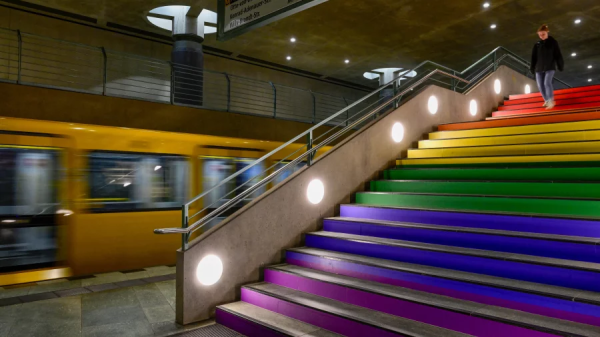
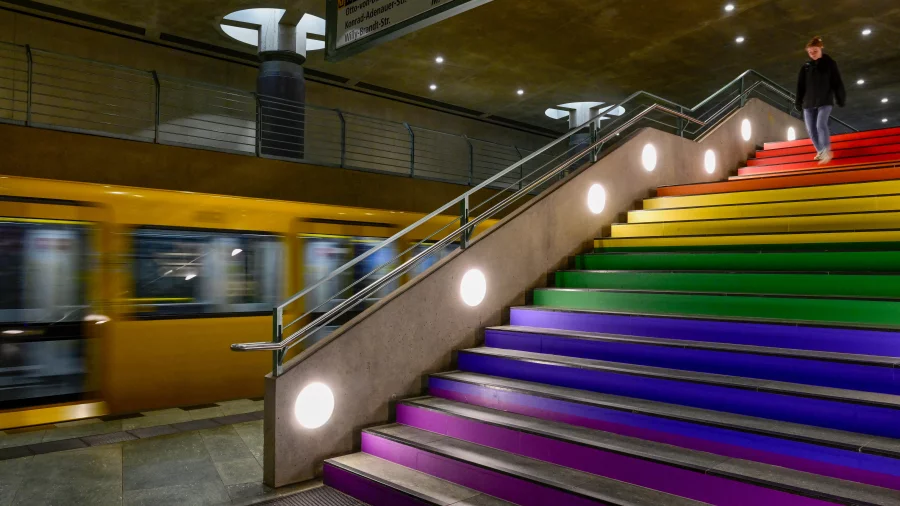
In reaction to the Bundestag president’s decision not to fly the rainbow flag on top of parliament this year, Berlin’s transport authority has decorated its Bundestag subway station stop in rainbow colors, writing on Instagram: “So our Bundestag is ready for Pride.”
Kelly urges people to attend Pride and stand up to a new generation of the far-right. He has no desire to say Goodbye to Berlin and the neighborhood around Nollendorfplatz, as Isherwood was forced to do.
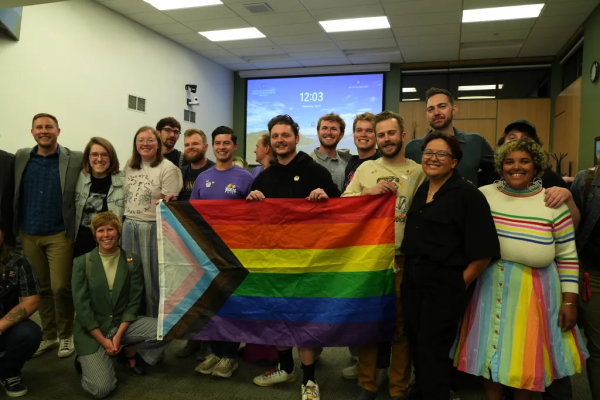
The rainbow Pride flag can once again fly over Bozeman City Hall after commissioners voted Tuesday night to make it an official city flag, sidestepping a Montana state law targeting the controversial symbol.
Four out of five of Bozeman’s commissioners supported the Pride flag, with the lone vote of dissent made by Commissioner Douglas Fischer, who argued that the flag was divisive and threatened to “drive a wedge” into the community.
Bozeman Mayor Terry Cunningham spoke to the commission after hearing more than five hours of intense public comment on the issue, both for and against the resolution. Cunningham said it was clear to him that Bozeman had a responsibility to stand for a “safe, welcoming and diverse community,” and adopting the Pride flag sends that signal.
“Everyone is welcome in Bozeman, and they are welcome under that flag,” Cunningham said.
The resolution declares “the Pride flag and its variants to be official flags of the city of Bozeman” and allows the mayor and city manager to choose when and where to fly the flags on city property. The resolution does not alter or replace the current city flag.
Public comment stretched late into the night as commissioners heard more than 70 people voice their opinions on the issue, with a relatively even split in opposition or support of the flag. City officials reported receiving more than 585 emails on the topic.
Rowan Larson addressed the commission as a new Bozeman resident, the rector of St. James Episcopal Church, and a member of the queer community. Larson said they moved to Bozeman in 2023 and “attitudes have gotten progressively worse,” to the point that the church can no longer fly Pride flags out of fear of retribution.
“We can no longer safely fly the Pride flag at our church because it is a danger to me, personally,” Larson said.
In contrast, openly gay, military veteran Andrew Jefferis said he’d called Bozeman home for 10 years and has never felt targeted for his sexual orientation while in the city.
“I feel like the implementation of this flag would only exist as evidence that the city of Bozeman needs to prove how good it is to its people, when it doesn’t have to,” Jefferis said. “The city is inherently welcoming.”
Ultimately, commissioners chose to support the Pride flag, with Commissioner Emma Bode saying state lawmakers had brought the fight to the city when they targeted the well-known symbol of gay rights, not the other way around.
“We did not start this,” Bode said. “The Legislature has pushed us.”
House Bill 819, passed by Montana’s Legislature in May and signed by Gov. Greg Gianforte, restricts “politically charged symbols on state property,” citing problems with enforcement, legal challenges, divisiveness and problems with neutrality and inclusivity in government.
However, opponents of the bill say it was specifically written to target municipalities that chose to fly the Pride flag in support of Montana’s queer community.
During Tuesday’s meeting, Bozeman City Attorney Greg Sullivan clarified that when the Pride flag was originally flown over city hall in 2021, it was protected as “government speech” under state law, but he added that the law had changed when the Legislature passed HB 819.
In a memorandum to the city commission, Bozeman’s city manager, Chuck Winn, outlined several fiscal concerns related to adopting the flag, writing: “Adopting the Pride flag may draw increased attention to the City’s diversity, equity, and inclusion initiatives and related executive orders. This could invite legal challenges or public scrutiny, leading to unplanned legal costs and additional staff time to respond. The increased attention could also lead to closer examination of other City initiatives, potentially complicating federal grant processes if concerns are raised about compliance with executive orders.”
Commissioner Jennifer Madgic asked the city manager to elaborate on the potential political fallout.
“We do not know what effects adopting the Pride flag or flying the Pride flag will have on those opportunities,” Winn answered, adding that Bozeman has applied for federal grants for housing, law enforcement and the fire department, and those grants could be affected by the adoption of the flag.
However, Winn went on to say that he wasn’t aware of any retaliatory measures taken by the state or federal governments against cities, including Missoula, Butte, Boise, and Salt Lake City, that have adopted the Pride flag.
Deputy Mayor Joey Morrison said he suspects lawmakers who have targeted the Pride flag are seeing their suppression efforts thwarted because local governments can easily bypass the legislation.
“This is no workaround; this is complying with the law,” Morrison said. “The law says cities can adopt official flags. Here is the procedure where we can adopt an official flag.”
For Jason Baide, who chairs the civic group Queer Bozeman, Tuesday’s decision to adopt the Pride flag was a big win, but also a defensive act for the community he represents.
“I am surprised by the level of opposition to our existence and some of the hateful comments that came through in this,” Baide told Montana Free Press after the meeting. “There was some harm done to folks,” during the hours of debate heard by the commission, but “we’re going to rally together and celebrate this.”
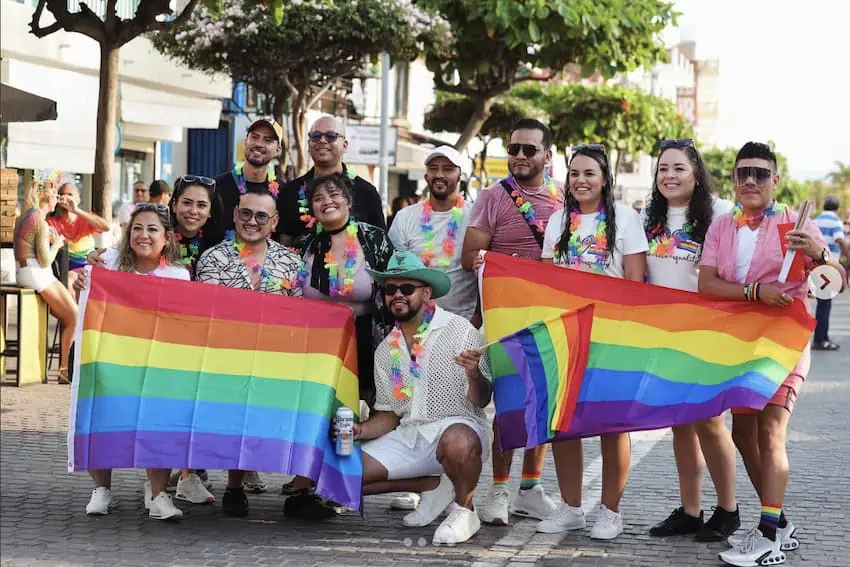
There are many reasons to fall in love with Puerto Vallarta. For me, it was the sunsets, the jungle-lined beaches, the food scene and a beauty that goes much deeper than just the beach. But ask a queer traveler why Vallarta stands apart, and you’ll likely hear something more personal. They may tell you it feels like coming home.
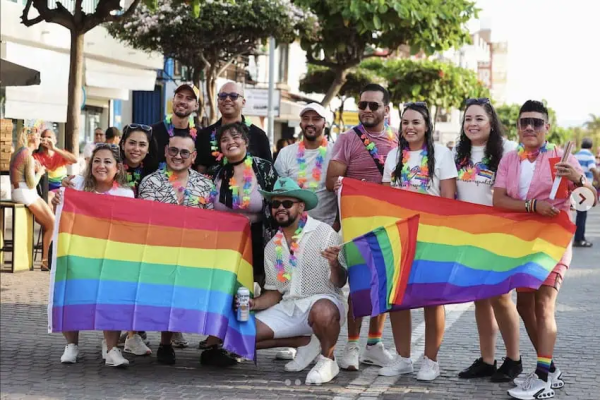
Today, Puerto Vallarta is recognized as the LGBTQ capital of Mexico, a place where rainbow flags hang as proudly as the bougainvillea spilling over the balconies. The city’s Zona Romantica neighborhood is a full-blown “gayborhood,” buzzing with queer-owned cafes, boutique hotels, beach clubs and late-night dance floors. But the path to queer paradise didn’t appear overnight. It was carved by decades of quiet courage, community resilience and one very big Pride parade.
According to Javier Jiménez, president of Vallarta Pride, the turning point came in the late 1990s, when LGBTQ immigrants began arriving in large numbers, particularly from San Francisco and Los Angeles. “Along with the LGBTQ community, they began looking for safe and friendly places to meet,” he says. “Bars like Balcones and Paco Paco became social hubs for the community.”
Then came the tipping point: the 2002 opening of Blue Chairs, Mexico’s first openly LGBTQ hotel. Blue Chairs was more than just a place to sleep. It was a declaration that queer travelers belonged here. “From that moment on, says Jiménez, “Puerto Vallarta took firm steps toward becoming the best LGBTQ destination in Mexico and Latin America.”
Early entrepreneurs like Francisco Ruíz, John Crocket Moore, Frank Muts and the Greys — Gregory and Don — were instrumental in building the infrastructure for a thriving queer economy in nightlife, hospitality, arts and tourism. These business ventures were acts of defiance and vision.
“They showed the rest of the population that this was a present and active community that contributed to the economy and the destination’s promotion,” says Jiménez.
The numbers back it up. What began as a handful of LGBTQ bars has blossomed into more than 50, according to the Puerto Vallarta Tourism Board. The first Vallarta Pride parade had 40 participants and three floats. Jiménez says today there are more than 2,000 people and 50 floats that roll through the street each year. What was once a niche tourism segment has become a main engine of Vallarta’s economic lifeblood.
“It is estimated that 40 cents of every peso comes from the community,” Jiménez adds. LGBTQ tourism has also spurred a boom in construction, particularly in the southern part of the city. Condo towers, boutique hotels and mixed-use developments have transformed the skyline, many of them funded, owned or designed with queer travelers in mind.
But Vallarta’s queer identity goes deeper than hotel rooftops and themed parties. Though, let’s be real; the White Parties and Bear Week go off. There’s a thriving ecosystem of queer artists, chefs, activists, and business owners who keep the cultural heart beating. Galleries line the streets of Zona Romantica. Activists rally behind causes from HIV awareness to trans rights. The local Pride committee is run by a coalition of community leaders who live here year-round.
“Beyond nightlife, the LGBTQ community in Puerto Vallarta finds countless art galleries, a vast and exquisite gastronomic offering and tours to the rivers and mountains,” says Javier Jiménez. “It also boasts strong local activities that have forged a strong and proud community.”
A big part of what makes Vallarta unique is its sense of welcome, and not just for tourists. Locals, says Jiménez, have embraced the queer community, both socially and economically. “In general, the people of Puerto Vallarta are very friendly and open-minded,” he says. “Perhaps also helped by the community’s contribution to the city’s development.”
Still, travelers should be aware that even paradise has its risks. In recent months, the U.S. Consulate General in Guadalajara confirmed several reports of U.S. citizens being kidnapped after meeting individuals on dating apps in the Puerto Vallarta and Nuevo Nayarit areas. In some cases, victims and their families were extorted for ransom. While these incidents are deeply concerning, it’s important to note that similar crimes have occurred in cities around ht world. Caution is always advised when meeting strangers, particularly in unfamiliar places. Meet in public, let someone know where you’re going, and trust your instincts whether you’re in Vallarta, Berlin or Bangkok.
Of course, nowhere is without its blind spots. Jiménez is quick to point out that even in a place as seemingly inclusive as Vallarta, progress must be guarded. “Based on recent examples like what is happening in the U.S., where the LGBTQ community believed its rights were secure and these have recently been diminishing, the community must remain present,” he warns. “Defending what it has achieved, and actively participating in political and social spheres.”
Still, for first-time queer travelers, Puerto Vallarta offers freedom without fear. From wedding ceremonies on the beach, a sunset cocktail at Mantamar, or simply holding hands while strolling the Malecon, there’s a feeling here that is easy to recognize. It’s safety. It’s joy. It’s family.
And that’s the thing about Puerto Vallarta. You come for the views, the food and the party. At least, I did. But I, like so many others from all walks of life, stay because Puerto Vallarta feels like you’ve found your place in the sun.
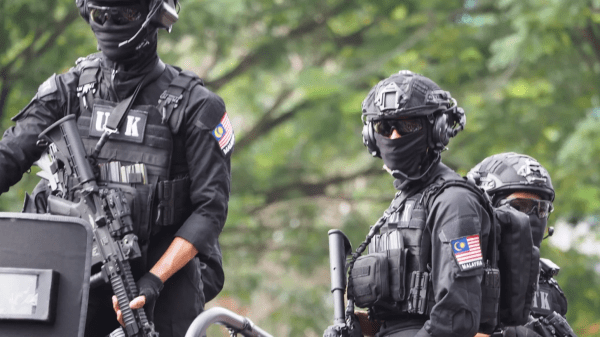
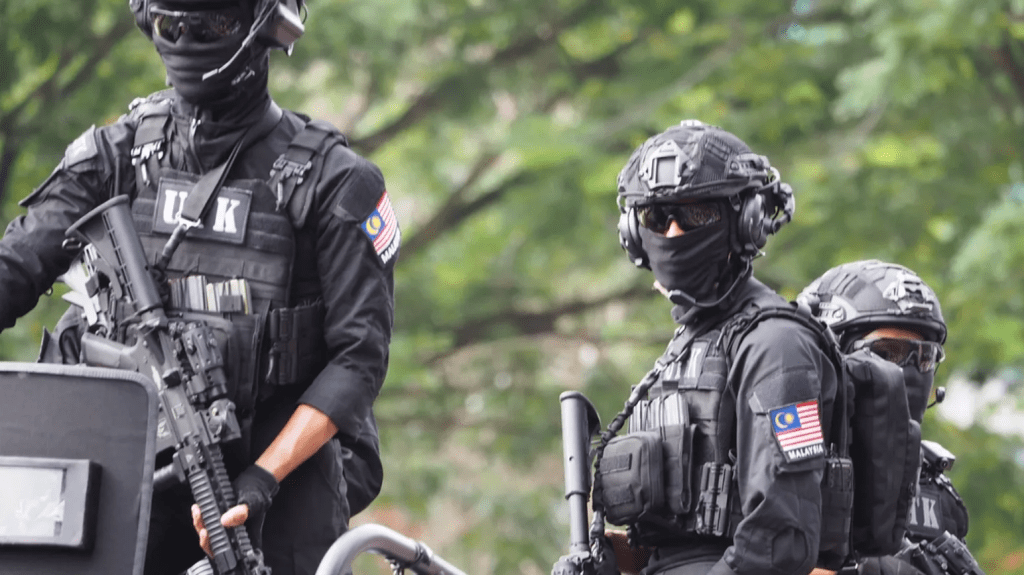
Police in the Malaysian state of Kelantan arrested 12 men during a raid on a “gay party,” the regional news site Sloboden Pecat reported. The arrests follow 20 that occurred in the state capital of Kota Bharu in June, amid a nationwide crackdown on LGBTQ+ people.
Kelantan state police chief Mohd Yusof Mamat said that officers found no evidence of sexual activity at the party, but they did discover condoms and HIV medication, suggesting that sexual activity may have been planned for later on. Police also found that three men had explicit adult images on their phones — police arrested and charged those three individuals. The officers didn’t arrest any additional people because they could find neither incriminating evidence nor specific charges to press against them.
“During interrogation, [party attendees] admitted that they belonged to a homosexual group,” Mamat said. “We are concerned about this type of behavior… We will continue to monitor the movements of homosexual groups.”
The police chief said over 100 local men attended the party, though most of them had left by the time the raid began.
Like one-fourth of the world, Malaysia’s anti-gay laws were originally imported by British colonizers. In the modern era, powerful Muslim clerics and politicians have used the laws to whip up outrage and support among conservative citizens. Recently, anti-LGBTQ+ sentiment in the country has gotten louder and deadlier.
In 2023, the Malaysian government reportedly began requiring music venues to have an emergency “kill switch” to quickly shut down concerts following an onstage same-sex kiss between members of the British rock band The 1975 at a Malaysian music festival. Government authorities also said that police will now conduct background checks on artists from other countries before scheduling performances to ensure that they will not promote illegal activities.
In 2022, 20 local Muslims were detained by religious authorities for cross-dressing or “encouraging vice” during a raid on an LGBTQ+ Halloween party. Local censors also said that between 2020 and May of this year, LGBTQ+ content accounted for half of all banned publications, the South China Morning Post reported.
In 2019, Malaysia caned four men between the ages of 26 and 37 for having a consensual same-sex encounter behind closed doors. The men’s actions violated a Sharia law forbidding “intercourse against the order of nature.” The men were reportedly discovered by authorities after the government monitored their “private” messaging. Around 50 officers raided the apartment where the men met to arrest those involved.
In March 2019, Tourism Minister Datuk Mohamaddin Ketapi claimed there are no queer or trans people in Malaysia, a statement which drew condemnation from the country’s LGBTQ+ community. Despite the country’s anti-LGBTQ+ actions, it still hosts an annual Seksualiti Merdeka (Independent Sexuality) festival, though politicians have increasingly tried to prevent it from occurring.
Since 2019, multiple trans women in Malaysia have also been beaten, hospitalized, or killed by violent mobs.
In August 2018, police in Kuala Lumpur raided the gay bar Blue Boy — afterwards, the Federal Territory ministry claimed the arrests were meant to “stop the spread of LGBTQ culture in society.” That same month, authorities sentenced two women to public caning for “attempted sexual relations.”
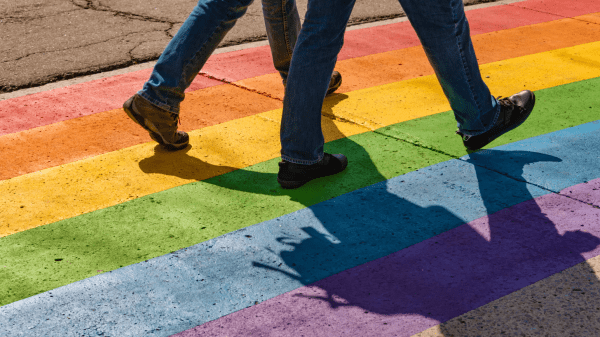
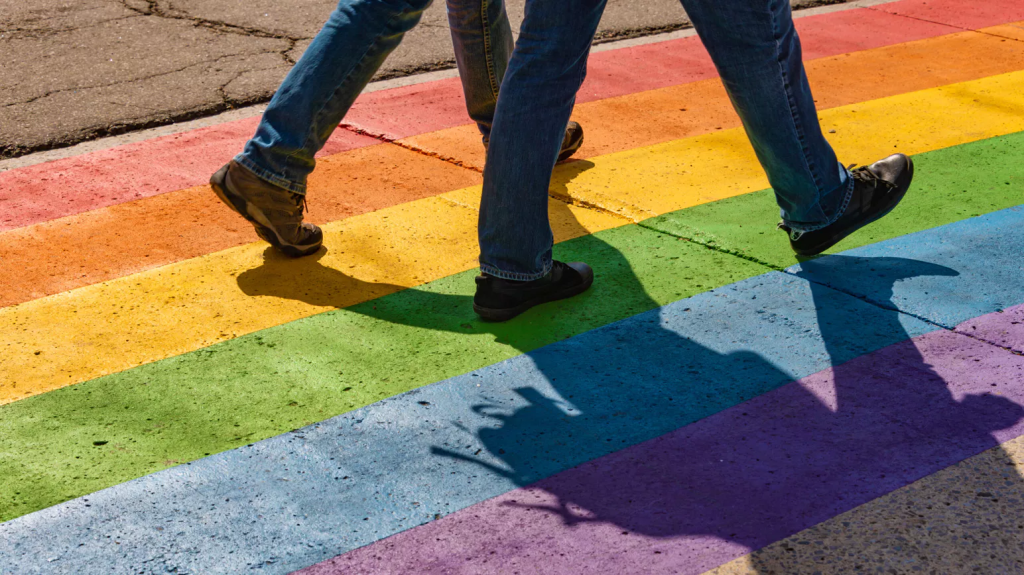
In a literal erasure of LGBTQ+ identity in South Florida, the city of Boynton Beach has complied with recent orders from Gov. Ron DeSantis (R) and the Trump administration to eliminate a rainbow crosswalk in the beachside city.
Video reveals a road crew painting over the once-colorful intersection at East Ocean Avenue and Southeast First Street on Wednesday morning. It’s now painted black.
Boynton Beach has “removed the inclusionary-painted intersection on the 100 block of East Ocean Avenue to ensure full compliance with state and federal transportation mandates and address safety concerns,” a statement from the city read. “The decision follows recent guidance from the U.S. Transportation Secretary and the Florida Department of Transportation.”
The Pride commemoration was first unveiled in June 2021.
The rainbow intersection has been vandalized before. During Pride month in 2023, surveillance video captured a motorcyclist burning out over the mural, leaving black tread marks across it. He then stopped to record the damage he caused.
The Pride erasure comes just days after a coordinated campaign by the Florida governor and the federal Transportation Department to remove rainbow intersections across the state.
On July 1, former Road Rules reality star and current Secretary of Transportation Sean Duffy issued a social media edict to all U.S. governors to remove the crosswalk art.
“Taxpayers expect their dollars to fund safe streets, not rainbow crosswalks,” Duffy declared. “Political banners have no place on public roads. I’m reminding recipients of @USDOT roadway funding that it’s limited to features advancing safety, and nothing else. It’s that simple.”
In the order and subsequent interviews, Duffy implies the Pride crosswalks are causing chaos on the roads and have led to traffic fatalities.
“Far too many Americans die each year to traffic fatalities to take our eye off the ball,” Duffy told the far-right Daily Signal.
“Roads are for safety,” he said somewhat incongruously, “not political messages or artwork.”
Duffy didn’t specify what percentage of the 39,345 traffic deaths in the U.S. in 2024 were caused by rainbow crosswalks.
Other cities in South Florida with rainbow intersections, including Delray Beach, Fort Lauderdale, and West Palm Beach, face the same state and federal mandates. It wasn’t immediately clear whether or how they would comply.
Other Pride crosswalks in the state have also been subject to vandalism, some repeatedly.
Florida Transportation Secretary Jared Perdue enthusiastically endorsed the federal mandate the day after it was issued.
“Florida’s proactive efforts to ensure we keep our transportation facilities free & clear of political ideologies were cemented into law by @GovRonDeSantis,” Perdue posted to socials. “Great to now have our federal partners also aligned behind this same common-sense policy.”
Rand Hoch, president of the Palm Beach County Human Rights Council, called the orders “blackmail”.
“This is just another example of the president and the governor blackmailing local governments by telling them they’re going to withhold funding so they can try to publicly erase the LGBTQ+ community,” he told the Sun-Sentinel. “This seems to be a priority of these administrations.”
Despite the public erasure, Hoch, who was present at the 2021 unveiling of the Boynton Beach Pride intersection, said LGBTQ+ people “are not going to disappear.”
Texas Gov. Greg Abbott (R) has called a special legislative session to address the deadly floods that have left 134 people dead and 101 others missing. However, in preparation for the session, state GOP lawmakers have filed 82 measures, none of which address the flooding. Instead, they seek to ban transgender women from using women’s facilities (and Abbott personally supports the idea).
In Abbott’s proclamation for the special session, he laid out 18 priorities. The first four addressed the need for improved emergency warning, communication, and aid systems. The other priorities included further restricting abortions and election access, gerrymandering the state electoral map to favor Republicans, and “legislation protecting women’s privacy in sex-segregated spaces.”
The state constitution says legislators can only file bills related to the governor’s priorities, but Republican legislators haven’t filed any bills related to the deadly floods, KXAN reported.
Instead, Republican state Rep. Valoree Swanson filed H.B. 32, which would require people only to use facilities in public schools, state universities, government-owned buildings, jails, and family violence shelters that match the “biological sex” assigned on their original birth certificate. Texas recently changed its laws to forbid transgender people from changing the gender markers on their birth certificates and driver’s licenses.
Anyone who allows the proposed law to be violated could be subject to civil fines from $5,000 to $25,000, as well as additional penalties. Swanson filed a similar bill during the previous legislative session, but it failed to pass after missing several legislative deadlines, Chron reported.
Three other special session bills, H.B. 37, 65, and 70, would punish any person or internet service provider who aids or abets the distribution of abortion medication.
H.B. 38, introduced by Democratic state Rep. Jessica Gonzalez (who is also chair of the Texas House LGBTQ Ca ucus), would prohibit workplace, housing, and public accommodations discrimination against LGBTQ+ people, but there’s no way it’ll pass the state’s Republican-majority legislative chambers. It’s also unclear how the bill relates to Abbott’s list of priorities.
“I am proud to have filed H.B. 38 in preparation for the upcoming special session of our legislature,” González wrote in a statement on Tuesday. “H.B. 38 is a comprehensive nondiscrimination bill that would codify equal protection for the LGBTQ+ community and military veterans in employment, housing, and public accommodations.”
Just days before this weekend’s Pride parade in Northumbria in Northern England, a judge ruled that the local police department’s chief constable wrongfully allowed uniformed officers to march under a Progress Pride flag at last year’s celebration.
In a controversial decision critics say is riven with bias, the judge claimed officers marching with the flag breached their duty to impartiality and endangered imagined protesters with “gender critical” views.
The judicial review was brought by a female event participant who objected to police officers “associating with messaging which was supportive of the cause of gender ideology,” The Times of London reported.
In her challenge, plaintiff Lindsey Smith highlighted a decision to allow officers to station a police van decorated in colors “indicative of support for the cause of gender ideology… namely the colors of the Progress flag.”
The “messaging which was supportive of the cause of gender ideology, including in the form of placards, chanting, imagery or flags,” was a threat to her personal safety, she said.
The judge in the case, Mr. Justice Linden, agreed, ruling it was “contrary to the uniformed officers’ duties of impartiality”, as well as the chief constable’s “own duty of impartiality, to participate in the 2024 march in the way that they did.”
“The fact that they wore their uniforms, marched as a contingent and carried the Police Pride and other flags demonstrated their support for the cause as police officers,” the judge said, and by extension indicated hostility to those with “gender critical” views.
“It is not hard to imagine circumstances in which officers in question might be called on to deal with a clash between gender critical people and supporters of gender ideology, and therefore situations where the former had cause for concern as to whether they were being dealt with impartially,” the judge wrote.
The judge implied this “perceived” bias would influence officers’ decisions to permit “gender critical” people to demonstrate at all and could result in attempts to “eject a gender critical person from the march.”
Smith’s lawyer, Paul Conrathe, said the ruling was of “national importance.”
Referring to so-called “gender ideology,” Smith said British police “must be above the fray and avoid taking sides” on what he called “contested issues.”
Northumbria police responded that their “primary aim” during last year’s march was “to keep people safe.” The event also provided the force “with an opportunity to engage with people including those who may have less confidence in policing,” they said following the ruling.
The department added that senior Northumbria officers would “work through the ruling to understand the implications.” They did not clarify whether officers would be allowed to march in the Pride parade this weekend.




 fleeredstates.blog
You must be logged in to post a comment.