Unpopular Texas Congressman adjourns hearing after blowup over McBride introduction

*The Hill is reporting the unpopular Texas Congressman Keith Self has no sense of decorum on his own committee. Read below.

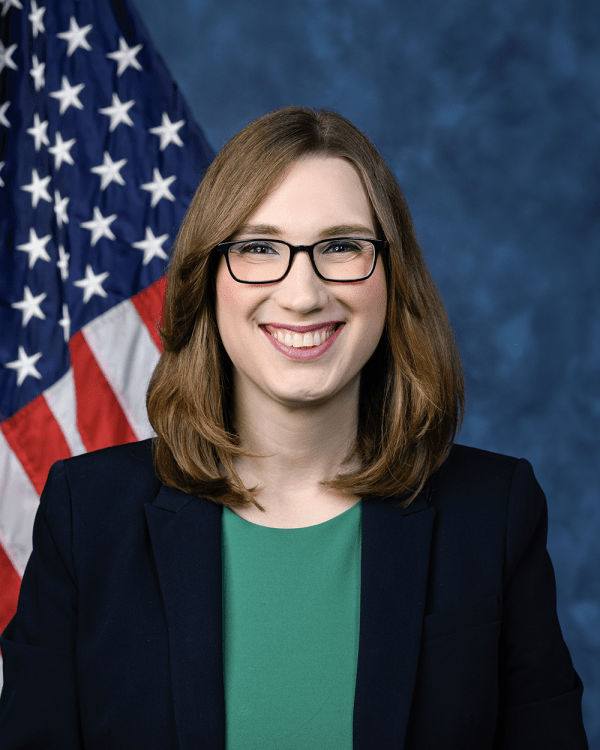
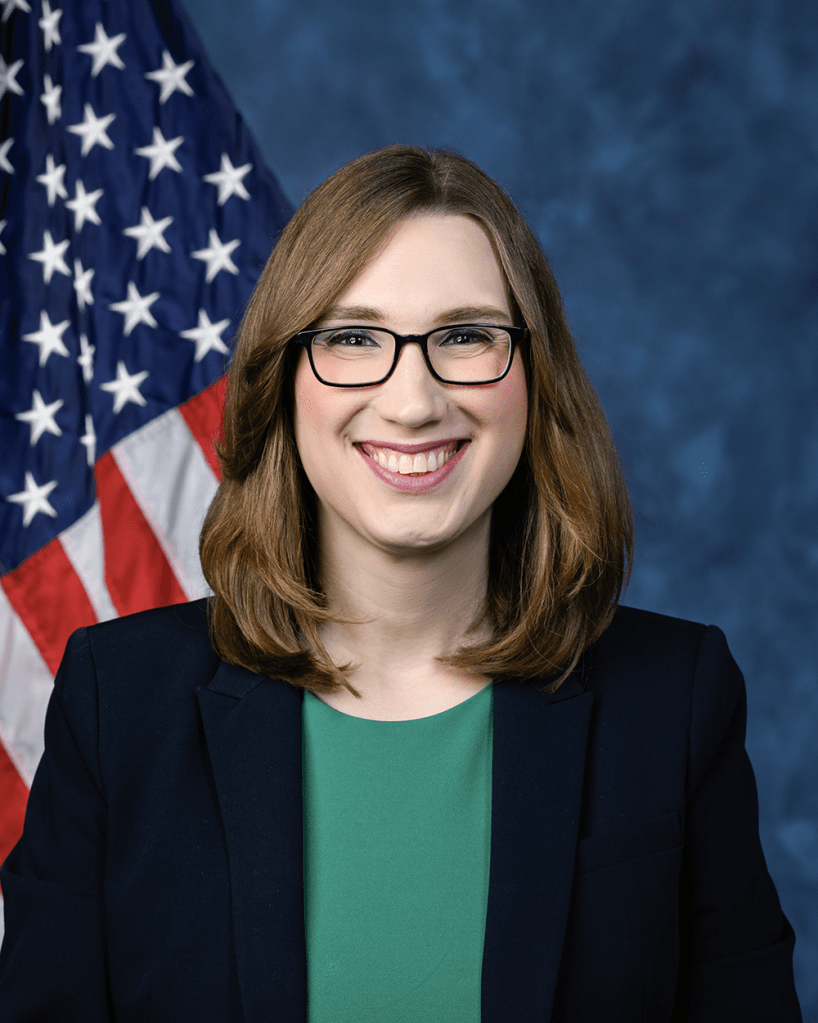
A House Foreign Affairs subcommittee hearing ended abruptly Tuesday after Rep. Keith Self (R-Texas) referred to Rep. Sarah McBride (D-Del.), the first transgender person elected to Congress, as “mister.” 

Self, who chairs the subcommittee on Europe, introduced McBride as “the congressman from Delaware” during a hearing on arms control and U.S. assistance to Europe. McBride responded by calling Self “Madam Chair.” 

As McBride delivered her remarks, ranking member Bill Keating (D-Mass.) interjected, asking Self to repeat his introduction. 

“Mr. Chairman, you are out of order,” Keating said. “Mr. Chairman, have you no decency? I mean, I’ve come to know you a little bit, but this is not decent.” 

“We will continue this hearing,” Self responded. 

“You will not continue it with me unless you introduce a duly elected representative the right way,” Keating said. 

Self then adjourned the hearing. 

In a post on the social platform X, Self said, “It is the policy of the United States to recognize two sexes, male and female,” referring to an executive order President Trump signed during his first hours back in office. 

Spokespeople for Keating and McBride did not immediately return requests for comment. 

Self’s intentional misgendering of McBride is not the first time the first-term lawmaker has faced jabs from her Republican colleagues over her identity. On Feb. 7, ahead of McBride’s first floor speech, Rep. Mary Miller (R-Ill.) introduced McBride as “the gentleman from Delaware.” 

McBride brushed off Miller’s introduction. “FWIW, there’s an entire speech after I’m recognized by the acting speaker that’s worth a watch much more than the 15 second video of me being called on,” she wrote on X after a video of the introduction went viral. 

Other House GOP members have referred to McBride as “a man” on social media and moved to bar her from women’s restrooms on Capitol grounds. In interviews and social media posts, McBride has called Republicans’ targeting of her and the trans community “an attempt to distract” from issues like the rising cost of living. 

“I think we are all united that attempts to attack a vulnerable community are not only mean-spirited, but really an attempt to misdirect,” McBride told CBS News’s “Face the Nation” in a November interview

Still, McBride has signaled a willingness to work with Republicans in Congress. She introduced her first bill, legislation to tackle fraudulent practices in the credit repair industry, with Rep. Young Kim, a California Republican. 
10 Unique And Safe Places To Get Married If You’re Gay

Check out this slideshow put together and posted to MSN.

While some places still make same-sex marriage complicated (or even illegal), others celebrate it fully, offering welcoming venues and stunning locations for your big day. If you’re looking for somewhere unique, safe, and unforgettable to say “I do,” these destinations offer the perfect mix of charm, romance, and friendliness toward the queer community.

The cities mentioned in the slideshow are:

Amsterdam Netherlands

Queenstown New Zealand

Toronto Canada

Cape Town South Africa

Reykjavik Iceland

Barcelona Spain

Valleta Malta

Sydney Australia

Mexico City Mexico

Copenhagen Denmark

Each town on the slide deck has a short excerpt about why the author included them. Be sure to read it.

Also be sure to check out our world map for more info on moving to various countries.

Trump Amplifies “No LGBTQ” Symbol Using Nazi-Era Imagery in Military Ad Post

*This is posted by MSN

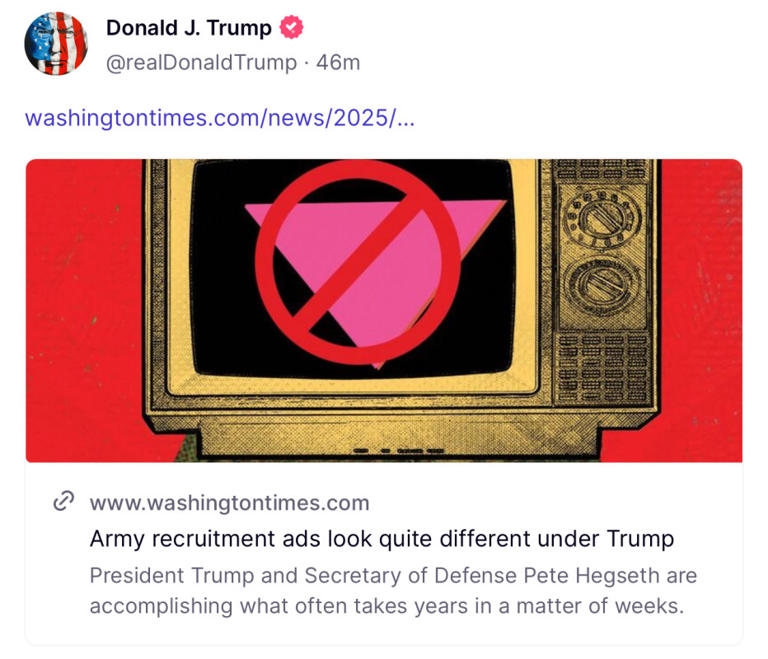
Trump posted an article to his Truth Social account this weekend featuring a deeply troubling image: a pink triangle—the Nazi-era symbol used to identify and persecute gay men in concentration camps—covered with a red prohibited sign. Historically, the LGBTQ+ rights movement reclaimed the pink triangle as a symbol of resistance, pride, and remembrance.Trump Truth Social

Trump Truth Social© Truth Social

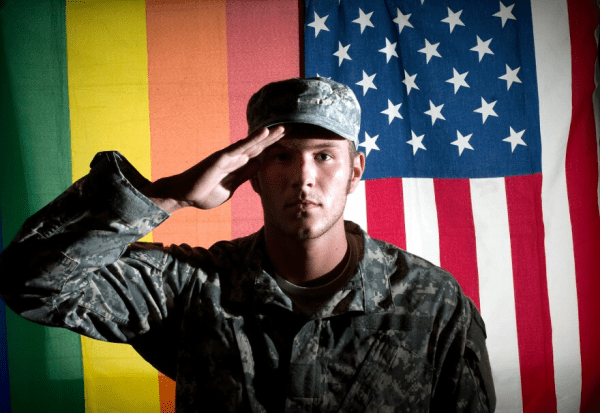
The article itself titled, “Army recruitment ads look quite different under Trump,” published by the Washington Times praises Trump and Defense Secretary Pete Hegseth for refocusing the military on “lethality” and reversing Biden-era policies that embraced diversity, including ads featuring LGBTQ+ soldiers.

Holocaust Museum Exhibit of Nazi concentration camp badges Max, Wikipedia Commons

Holocaust Museum Exhibit of Nazi concentration camp badges Max, Wikipedia Commons© Max, Wikipedia Commons

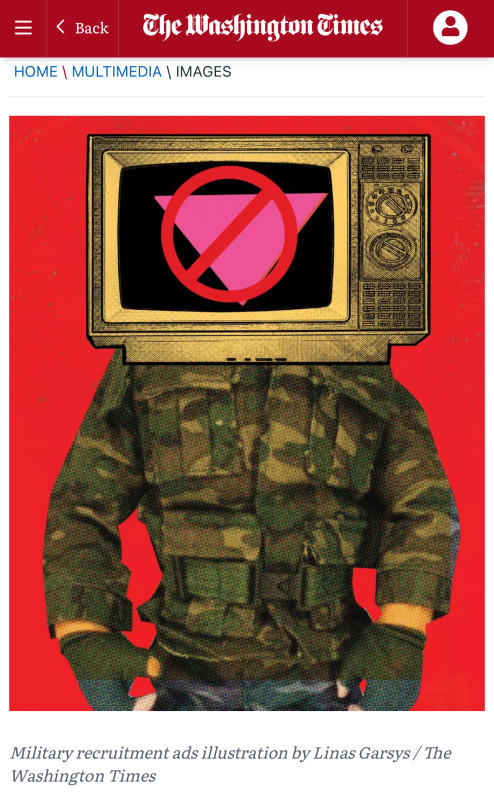
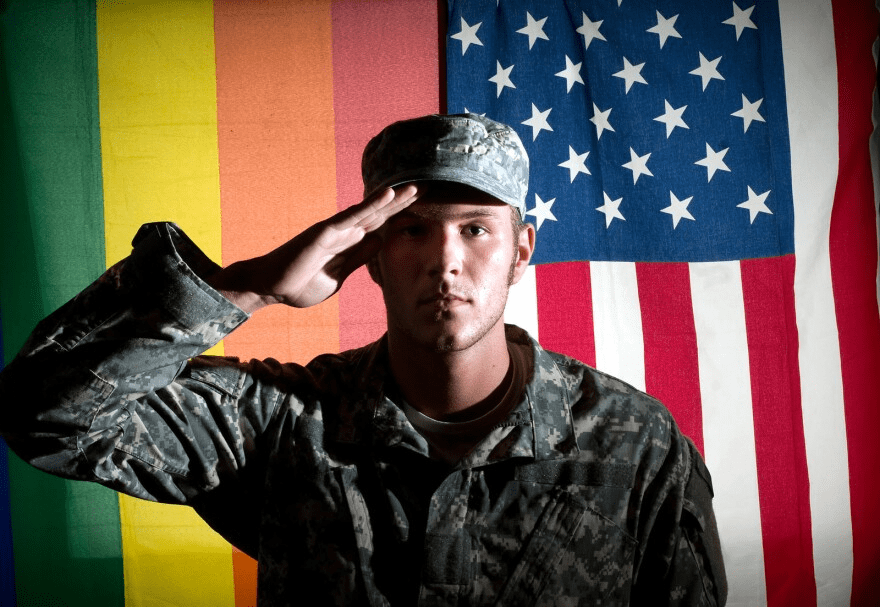
The image, placed in the context of military recruitment, strongly suggests a rejection of LGBTQ+ service members, at least in the terms of recruitment, under Trump’s leadership.Military ads recruitment illustration Washington Times

Military ads recruitment illustration Washington Times© Washington Times

Trump’s choice to amplify such an image is particularly alarming given Hegseth’s past statements.Prisoners wearing triangles in the concentration camp at Sachsenhausen, Germany, December 19, 1938 Heinrich Hoffman Collection / NARA

Prisoners wearing triangles in the concentration camp at Sachsenhausen, Germany, December 19, 1938 Heinrich Hoffman Collection / NARA© Heinrich Hoffman Collection / NARA

He has long opposed LGBTQ+ inclusion in the military, previously criticizing the repeal of Don’t Ask, Don’t Tell.

Now, under his leadership, Trump appears to be reinforcing the idea that LGBTQ+ individuals are unwelcome in the armed forces—not just through policy but through amplifying symbolic messaging with disturbing historical roots. 

Trump’s amplification of a Nazi-era symbol to promote this shift sends a message signaling a return to exclusionary policies that many believed were left in the past.

Supreme Court Could Legalize LGBTQ Conversion Therapy—The Consequences Could Cost Billions

*This is being reported by Forbes

The Supreme Court announced Monday it will hear a case regarding whether state bans on “conversion therapy” trying to change minors’ sexual orientation or gender identity are legal—a case that could carry billions of dollars in repercussions, as a 2022 study found conversion therapy carries an economic burden of approximately $9 billion annually for patients and their families.

Key Facts

The Supreme Court took up Chiles v. Salazar, a case challenging Colorado’s ban on LGBTQ “conversion therapy” for minors, which asks the justices to more broadly decide whether laws that “[censor] certain conversations between counselors and their clients based on the viewpoints expressed” are constitutional.

LGBTQ “conversion therapy,” as it’s commonly known, refers to any practices—including both emotional efforts, like talk therapy, or physical efforts, like electroconvulsive therapy—that aim to influence a patient’s sexual orientation or gender identity, which are typically framed as efforts to “cure” homosexuality or being transgender.

Repeated studies have shown such efforts are ineffective at changing people’s sexual orientation or gender identity and carry a variety of harmful effects—such as elevated risks for suicide, drug abuse and mental health issues—which has led to bans on conversion therapy for minors being enacted in more than 20 states.

Conversion therapy and its negative effects also have an economic impact, as a 2022 study published in JAMA Pediatrics found conversion therapy and its “associated harms” result in an economic burden of approximately $9.23 billion per year.

Conversion therapy alone costs approximately $650 million for participants annually in the U.S., with individuals who undergo it paying an extra $97,985 for treatment as compared with people who don’t undergo any counseling, according to the study, which was based on data from LGBTQ youth ages 13-24.

There are also significant costs associated with knock-on effects from conversion therapy and the study estimates each conversion therapy patient pays an extra $83,366 on average to treat the “downstream consequences” associated with the procedure, which combined raise the total economic burden of conversion therapy to $9.2 billion.

What To Watch For

The Supreme Court will hear the case on conversion therapy at some point during its next term, which begins in October, so any ruling in the case is likely more than a year away.

What Did The Study Conclude?

The study, which was conducted by pro-LGBTQ rights organization The Trevor Project and research group Cytel, concluded there is a “high economic burden and high societal costs” that come along with conversion therapy, which the study refers to as sexual orientation and gender identity change efforts (SOGICE). Researchers analyzed the difference in costs between patients who underwent conversion therapy, LGBTQ youth who received no therapy and those who received therapy that affirmed their sexual orientation or gender identity. The study found conversion therapy carried the highest economic burden: In addition to the $650 million per year in total attributed to the therapy itself, there are also total annual costs of $190 million related to anxiety or “severe psychological distress” among those that underwent conversion therapy, $1.36 billion related to depression, $2.42 billion from suicide attempts, $1.17 billion from fatal suicides, $1.26 billion from alcohol use disorder and $2.18 billion from substance abuse. The likelihood of those negative outcomes was largely markedly higher among those who underwent conversion therapy as compared with other LGBTQ populations—except alcohol use disorder, where those without any therapy registered the highest number by one percentage point (42.26% among those with no intervention versus 41.26% among conversion therapy patients). As a result, the total costs incurred by conversion therapy patients were higher than the $4.85 billion in total annual costs among those who hadn’t received any treatment, and $3.04 billion among those who received affirmative therapy.

Contra

Researchers noted there were some limitations with the study’s methodology that may affect its results, such as being based on studies in which patients self-reported their experiences. That means it might not be fully representative of all LGBTQ patients, as many people may be unwilling to discuss their experiences. It also assumes the risks are the same across the LGBTQ population and for various types of conversion therapy, which may not be the case. Researchers argued they took a “conservative approach” with their findings, however, and noted the $9 billion figure is likely an underestimate of the total economic impact. The study only looked at adverse impacts from conversion therapy for three years after the treatment, for instance—though such effects could likely extend for much longer—and did not examine some other potential impacts, like post-traumatic stress disorder or medical consequences from various medications or electroconvulsive therapy.

Big Number

13%. That’s the share of LGBTQ youth who have either been subjected to or threatened with conversion therapy, according to a 2024 survey conducted by The Trevor Project among more than 50,000 Americans ages 13-24. That includes 5% who have been subjected to the therapy and 8% who were threatened with it. The 5% share is down from 10% who said in 2020 they were subjected to the therapy, though that number could rise again should the Supreme Court outlaw state bans.

Key Background

The Supreme Court case was brought by Kaley Chiles, a licensed counselor in Colorado who said in a court filing “she believes that people flourish when they live consistently with God’s design, including their biological sex.” Chiles objects to Colorado restricting her from counseling clients to change their sexual orientation or gender identity, claiming it violates her First Amendment rights and classifying state bans on conversion therapy as “silenc[ing] counselors’ ability to express views their clients seek on a topic of ‘fierce public debate.’” Chiles asked the Supreme Court to take up the case after a federal appeals court upheld Colorado’s policy restricting conversion therapy, ruling that it was regulating counselors’ professional conduct, rather than chilling First Amendment-protected speech. The case is the latest in a string of major cases related to LGBTQ rights the 6-3 conservative-leaning court has decided in recent years—such as cases over businesses being allowed to discriminate against same-sex couples or discriminate on the basis of sexual orientation and gender identity—and the court is deliberating on a case this term over gender-affirming care for minors.

Further Reading

Humanistic and Economic Burden of Conversion Therapy Among LGBTQ Youths in the United States (JAMA Pediatrics)

LGBTQ+ Exodus: Why Americans Are Moving to Spain – Learn How

Check out the podcast with Bob McCranie of Texas Pride Realty Group HomeSmart Stars hosting Lyle Ellerbach about his move to Spain.

Is Spain becoming the new LGBTQ+ safe haven? More and more LGBTQ+ Americans are choosing to relocate to Spain, seeking a better quality of life, greater acceptance, and stronger legal protections. In this video, we explore the reasons behind this growing migration trend. We delve into: LGBTQ+ Rights in Spain: Examining the progressive laws and social attitudes that make Spain a welcoming destination. Cost of Living & Lifestyle: Comparing the financial and lifestyle differences between the US and Spain for LGBTQ+ individuals. LGBTQ+ Community in Spain: Discovering the vibrant queer scenes in cities like Madrid, Barcelona, and beyond. Healthcare & Safety: Understanding the accessibility of healthcare and the feeling of security reported by LGBTQ+ expats. Personal Stories: Hearing firsthand accounts from LGBTQ+ Americans who have made the move. Whether you’re considering a move yourself or simply curious about this trend, this video offers valuable insights into the LGBTQ+ migration from the US to Spain.

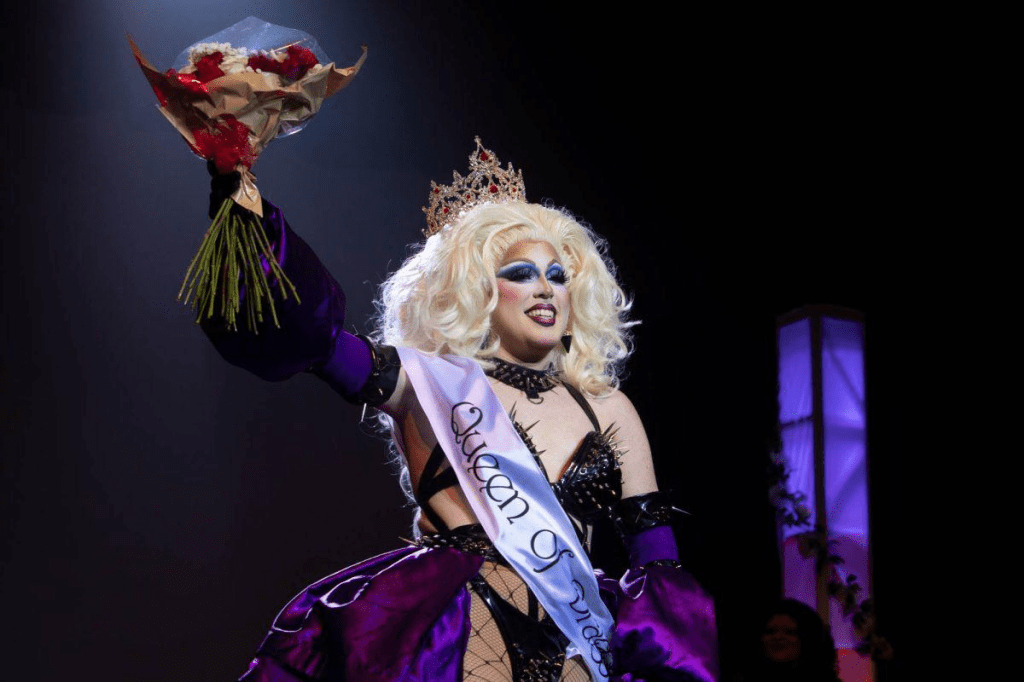
Student group challenges Texas A&M drag ban

*This was reported by The Hill.

A group of students is suing the Texas A&M University System after a vote last week banned all drag performances from taking place on its 11 campuses. 

The resolution and subsequent lawsuit, filed Wednesday in the Southern District of Texas, are the latest developments in a yearslong battle within one of the nation’s largest university systems over on-campus drag performances. 

Texas A&M’s Board of Regents voted almost unanimously late last month in favor of a resolution that states drag events are inconsistent with the system’s “mission and core values, including the value of respect for others.” 

The resolution says drag shows are “likely to create or contribute to a hostile environment for women” in violation of university anti-discrimination policies and Title IX, the federal civil rights law against sex discrimination. “These events often involve unwelcome and objectively offensive conduct based on sex for many members of the respective communities of the universities, particularly when they involve the mockery or objectification of women,” the resolution says. 

The document directs the system’s chancellor and the president of each university to prohibit drag shows from taking place on campus, citing an executive order from President Trump that proclaims the government recognizes only two sexes, male and female, and broadly prevents federal funds from being used to promote what Trump and his administration have called “gender ideology.” 

The resolution also acknowledges a Jan. 30 letter from Texas Gov. Greg Abbott (R) commanding state agencies to implement Trump’s order. 

“Given that both the System and the Universities receive significant federal funding, the use of facilities at the Universities for Drag Show Events may be considered promotion of gender ideology in violation of the Executive Order and the Governor’s directive,” the resolution says. 

federal lawsuit filed Wednesday by students at Texas A&M University, the system’s flagship institution, argues the resolution violates their First Amendment rights and the Texas Open Meetings Act, which requires governmental bodies to post a meeting’s location and agenda at least 72 hours in advance. 

The resolution’s adoption means “Draggieland,” an annual drag competition at A&M, will need to find a new host. The event scheduled for March 27 had been set to take place at the school’s Rudder Theater. 

“We refuse to let Texas A&M dictate which voices belong on campus,” the students, known collectively as the Queer Empowerment Council, said in a statement. “Drag is self-expression, drag is discovery, drag is empowerment, and no amount of censorship will silence us.” 

A spokesperson said the A&M University System had received the lawsuit and was in the process of reviewing it.

“Public universities can’t shut down student expression simply because the administration doesn’t like the ‘ideology’ or finds the expression ‘demeaning,’” said Adam Steinbaugh, an attorney at the nonprofit Foundation for Individual Rights and Expression (FIRE), which is representing the Queer Empowerment Council in court. 

The organization also represented students at West Texas A&M University in a 2023 lawsuit over the university president’s decision to cancel a charity drag show on campus. West Texas A&M University President Walter Wendler argued drag performances degrade women and compared them to blackface. 

“If other students dislike or disagree with Draggieland, the solution is simple: don’t go,” said Jeff Zeman, another FIRE attorney. “Or they could organize a protest, as students opposing drag have in the past. The First Amendment protects drag and the ability to criticize drag — and it forbids the government silencing the side it disagrees with.” 

A Texas state law against drag performances was ruled unconstitutional in 2023. U.S. District Judge for the Southern District of Texas David Hittner, a former President Reagan appointee, ruled that drag is expressive conduct protected by the First Amendment.

Last week, the Supreme Court turned away a case challenging similar restrictions on drag in Tennessee, leaving that law partially intact.

Survey: Over two-thirds of LGBTQ youth in Florida want to move out of state

*This was reported by the Tallahassee Democrat.

Less than half of young LGBTQ Floridians feel accepted in their communities, according to a new report released by The Trevor Project.

The Trevor Project, a nonprofit that provides crisis support for LGBTQ young people, surveyed almost 1,000 young LGBTQ Floridians about their mental health, and 48% felt the community they live in was accepting of their gender identity or sexual orientation.

But more than two-thirds, or 69%, say they or their family members have considered moving out of Florida because of LGBTQ-related politics and laws. It wasn’t clear where they considered moving.

“Florida might be free, but Florida is not welcoming,” said Sen. Shevrin Jones, D-Miami Gardens.

Since 2022, the Republican-led Legislature and Gov. Ron DeSantis have pushed multiple anti-LGBTQ laws in what they call the “Free State of Florida,” including banning “gender ideology” from K-12 schools, criminalizing trans people for using the bathroom that corresponds with their gender identity and restricting health care for trans people.

Florida’s Log Cabin Republicans, an organization of LGBTQ+ conservatives and allies within the Republican Party, did not respond to the USA TODAY Network-Florida’s request for comment in time for publication.

The Trevor Project also reported the following data about Florida’s LGBTQ youth. In the past year:

  • 37% contemplated suicide
  • 11% attempted suicide
  • 67% reported experiencing symptoms of anxiety
  • 54% reported experiencing symptoms of depression
  • 24% were physically threatened or harmed because of their sexual orientation or gender identity
  • 63% experiences discrimination because of their sexual orientation or gender identity

Jones said the passage of the Parental Rights in Education Act, called “Don’t Say Gay” by critics, and the “Stop WOKE Act” created a hostile environment for minorities in Florida. “Don’t Say Gay” prohibits the teaching of classroom instruction on gender identity and sexual orientation, and the “Stop WOKE Act” restricts how race is discussed in schools, colleges and workplaces.

The legislation also prohibits any teaching that could make students feel they bear personal responsibility for historic wrongs because of their race, color, sex or national origin.

DeSantis inveighed against ‘oppressive ideologies’

“We believe an important component of freedom in the state of Florida is the freedom from having oppressive ideologies imposed upon you without your consent,” DeSantis said when he signed the bill in 2022. “Whether it be in the classroom or in the workplace. And we decided to do something about it.”

On Tuesday in DeSantis’ State of the State speech, he made fun of Canada’s travel boycott of the U.S. and of Canadians who say they are canceling their vacations over President Trump’s tariffs and policies.

“We continue to set tourism records; 2024 saw more than 142 million visitors come to the state of Florida. This includes 3.3 million visitors from Canada,” DeSantis said. “That’s not much of a boycott in my book.”

VA patient died by suicide at top of hospital’s garage in Syracuse

*Reported by Syracuse.com

A patient at Syracuse VA Medical Center died by an apparent suicide outside the top of the hospital’s parking garage Monday.

Witnesses said the person was wrapped in a body-length transgender pride flag.

The transgender veteran hanged themselves by jumping from the garage, according to a notification the VA gave government officials. The veteran had been discharged from the VA’s inpatient psychiatry unit on Jan. 21, according to the notification.

Passers-by spotted the body at the garage next to the hospital and across the street from Syracuse University’s JMA Wireless Dome at about 11:15 a.m. Monday. That day, syracuse.com reported that a body had been found.

Anne C. Bellows, a professor of food studies, said she was walking back to her office on the top floor of the Falk College building when she and other SU faculty saw the body.

She said the person was wrapped in a body-length flag that was light pink, light blue and white — which she confirmed to be the trans flag.

The Syracuse VA officials declined to answer questions from Syracuse.com | The Post-Standard about the death. A VA spokesperson issued a statement that only confirmed a veteran had died at the VA Monday. It said officials will not provide more details, citing respect to the veteran’s family and an ongoing investigation.

Several members of the SU community reported seeing the body Monday, according to a university community alert.

***

Do you have information about the incident Monday? Did you know the veteran and would like to share their story? Please contact Rylee Kirk at 315-396-5961 or rkirk@syracuse.com or Greta Stuckey at 484-379-7395 or gstuckey@syracuse.com.

***

Where to get help

If in crisis, help is available by calling, texting or chatting with the Suicide and Crisis Lifeline at 988, or contact the Crisis Text Line by texting TALK to 741741.

For a Veteran specific crisis line dial 988 and press 1 or text 838255.

For a transgender-specific crisis line, call the Trans Lifeline at 877-565-8860.

For an LGBTQ+ specific crisis line call 866-488-7386 or text 678678.

Trump administration changes at the VA affecting care for LGBTQ veterans

*Reported by NPR’s Morning Edition.

Staff and patients at the Department of Veterans Affairs say impacts of Trump administration changes to the agency go beyond erasing diversity programs and affect care for LGBTQ patients.

A MARTÍNEZ, HOST:

The Department of Veterans Affairs is planning to cut as many as 80,000 employees, which it says won’t affect healthcare or benefits. Still, VA staff and patients are concerned that a policy ending diversity programs will affect care for LGBTQ veterans. Here’s Steve Walsh with WHRO in Norfolk, Virginia.

STEVE WALSH, BYLINE: Mary Brinkmeyer put in her resignation after receiving emails from management in the wake of President Trump signing executive orders targeting DEI.

MARY BRINKMEYER: It was just a really upsetting and shocking change for me from feeling as if the program was supported to suddenly having people being told they have to take every Pride magnet out of their office. And it felt like that happened just overnight and without a lot of thought.

WALSH: Until recently, the psychologist was the LGBTQ+ veteran care coordinator for the Hampton VA. A few days after the inauguration, employees at her VA were told to take down any outward signs referencing LGBTQ veterans, including flyers printed by the VA.

BRINKMEYER: Less than 24 hours after everything had been taken out of the main hospital, I was speaking to a gay veteran who said, oh, I heard about how y’all took everything down. I guess that shows what they think of us.

WALSH: Rainbow-colored Pride lanyards, which say the VA serves all who serve, had been a strategy to make veterans feel safe. They were banned from the building, she says.

BRINKMEYER: A lot of LGBTQ veterans don’t feel safe coming to the VA because their experiences in the military were so unsafe.

WALSH: Brinkmeyer says she decided to resign when she said she was told to stop attending employee orientation. A large part of her job had been training other providers in ways to ask the right questions. A transformation is underway at the VA, but it’s unclear how large the change will be. VA Secretary Doug Collins announced the change to the VA’s flag policy.

(SOUNDBITE OF ARCHIVED RECORDING)

DOUG COLLINS: For all of us who served in uniform, that American flag is on our uniform. It’s what unites us. So we’ve changed the policy. At the VA, you’re only going to see the American flag and the POW flag. That’s what’s going to be flying in front of our facilities.

WALSH: John Rogers with the Hampton VA says they are working to execute the executive order, and there will be no changes to services and benefits for veterans and VA beneficiaries until a formal order is issued. Banners and posters advertising the VA’s outreach for LGBTQ+ veterans came down very quickly at the Hampton VA in Virginia. Amanda Volk is a patient at the Hampton VA. She served under Don’t Ask, Don’t Tell in 1995 and got out 18 months later after a sexual assault.

AMANDA VOLK: For those of us that lived through Don’t Ask, Don’t Tell, we were there. We saw it. We marched. We fought. We thought we had our rights. And now it’s – you know, we’re back to the ’80s with people being scared.

WALSH: In New York state, one mental health practitioner says posters remain up at his VA, but he’s still seeing a chilling effect among veterans. NPR agreed to withhold his name as he fears retaliation.

UNIDENTIFIED HEALTH PRACTITIONER: I think, you know, veterans are kind of hesitant, and some veterans I know have decided they’re not willing to come in person. It’s more on the veteran side of things that there’s this uncertainty of kind of what care actually is going to look like.

WALSH: Adding to the tension, in late January, a transgender veteran killed themselves in the parking garage of the Syracuse VA Medical Center, wrapped in the transgender flag – an indication, he says, that this shift has a high potential to impact patient care at the VA.

For NPR News, I’m Steve Walsh.

MARTÍNEZ: If you or someone you know is in crisis, call or text 988 to reach the Suicide & Crisis Lifeline.

Lawsuit aims to strike down LGBTQ anti-discrimination protections in Pennsylvania

*This is being reported by the AP and NBC.

 Two public school districts and several parents have sued the state in a bid to undo anti-discrimination protections for gay and transgender people in Pennsylvania, saying that the two-year-old regulation is illegal because it goes beyond what lawmakers intended or allowed.

The lawsuit, filed in the statewide Commonwealth Court late Thursday, comes amid a debate in Pennsylvania and nationally over the rights of transgender high school athletes to compete in women’s sports.

If the lawsuit is successful, the Pennsylvania Human Relations Commission would no longer be able to investigate complaints about discrimination involving sexual orientation, gender identity and gender expression. The plaintiffs’ lawyers also say a favorable ruling in court would bar transgender student athletes from competing in women’s high school sports in Pennsylvania.

The plaintiffs include two districts — South Side Area and Knoch, both in western Pennsylvania — and two Republican state lawmakers, Reps. Aaron Bernstine and Barbara Gleim, as well as three parents and seven students.

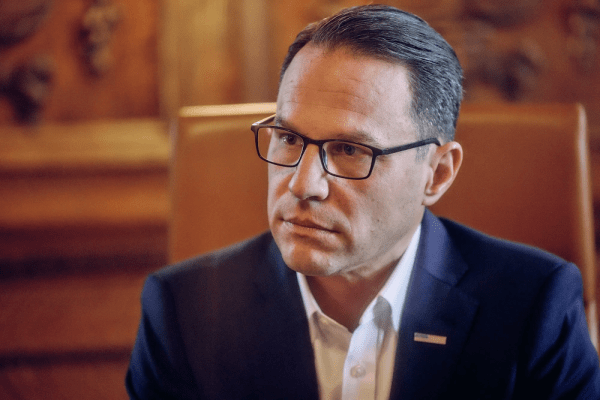
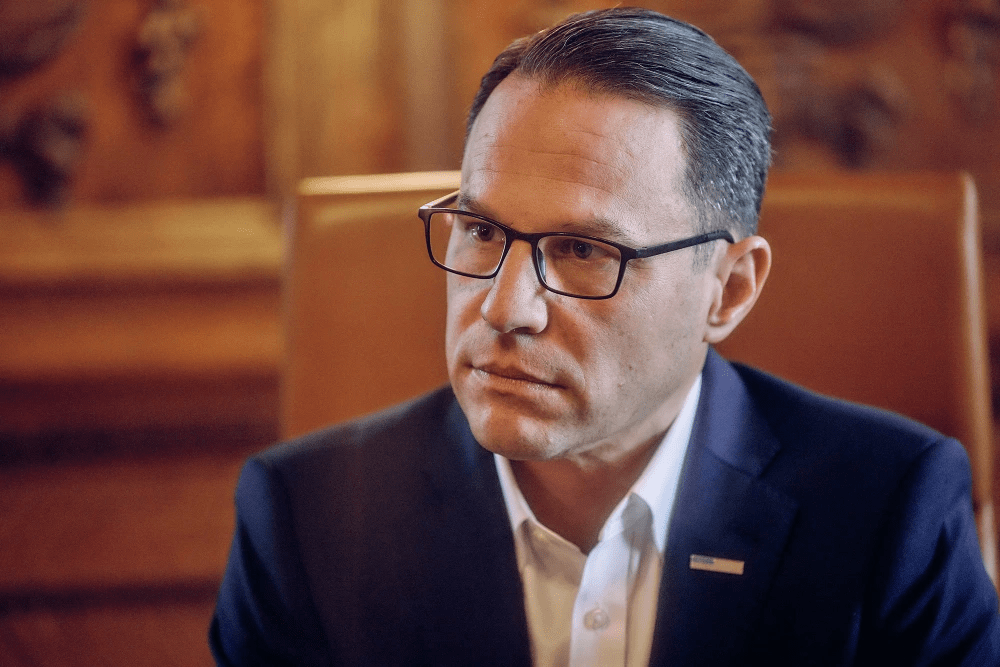
The lawsuit names Gov. Josh Shapiro, a Democrat, and the Pennsylvania Human Relations Commission, which investigates complaints about discrimination because of someone’s race, sex, religion, age or disability in housing, employment and public accommodations.

Shapiro’s office said it had no immediate comment Friday and the commission did not immediately respond to an inquiry about the lawsuit Friday.

The lawsuit is aimed at the definition of sex discrimination that the commission expanded by regulation to include sexual orientation, gender identity and gender expression.

The regulation was approved in late 2022 by a separate regulatory gatekeeper agency, and it took effect in 2023.

The plaintiffs contend that the state Supreme Court has interpreted the term “sex” as used in the Pennsylvania Constitution to mean either male or female.

They also contend that the state Legislature never gave permission to the Human Relations Commission to write regulations expanding the legal definition of sex discrimination, making the regulation a violation of the Legislature’s constitutional authority over lawmaking.

The commission has justified the expanded definition by saying that state courts have held that Pennsylvania’s anti-discrimination laws are to be interpreted consistently with federal anti-discrimination law. The commission can negotiate settlements between parties or impose civil penalties, such as back pay or damages.

For years, Democratic lawmakers tried to change the law to add the terms sexual orientation, gender identity and gender expression to the portfolio of complaints that the Human Relations Commission could investigate. Every time, Republican lawmakers blocked the effort.

Blog at WordPress.com.

Up ↑