
A new Talker Research poll surveyed 2000 Americans and found 17% of those surveyed wanted to leave the US. Find out the top 5 countries Americans want to move to by watching the CBS Mornings YouTube Short below.
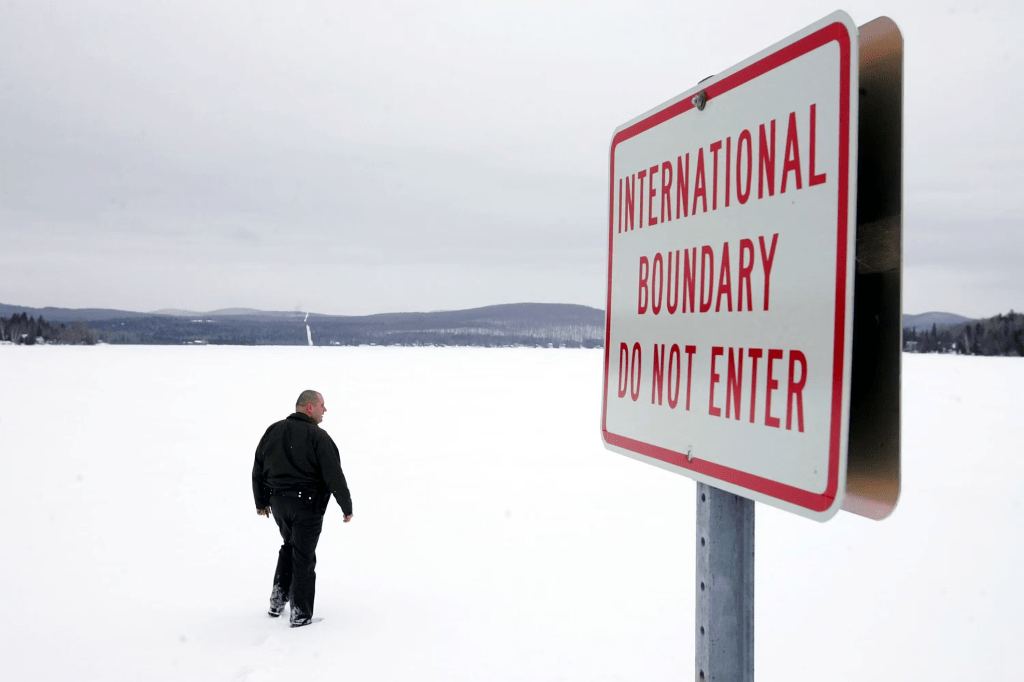
A new Talker Research poll surveyed 2000 Americans and found 17% of those surveyed wanted to leave the US. Find out the top 5 countries Americans want to move to by watching the CBS Mornings YouTube Short below.
*This is being reported by The Hill
Denmark is advising its transgender and nonbinary citizens to proceed with caution when traveling to the U.S., according to a new advisory.
An update made Thursday to the Danish foreign ministry’s webpage on travel to the U.S. recommends trans people contact the U.S. embassy in Copenhagen before visiting the country, which under the new Trump administration has enacted several policies targeting transgender rights.
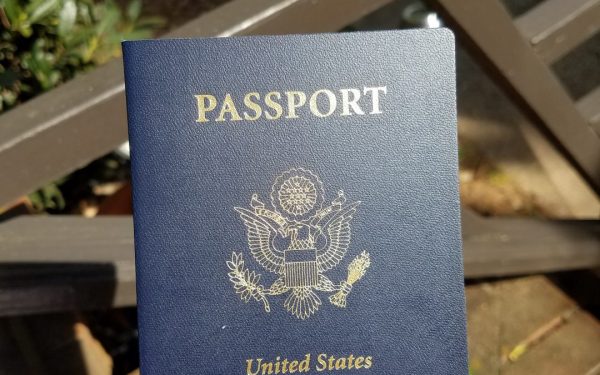
The advisory does not explicitly mention President Trump or his administration but comes as the State Department suspended a policy allowing trans, nonbinary and intersex Americans to update the sex designations on their passports, causing confusion and concern among travelers over whether it is safe for them to fly. The department previously allowed U.S. passport holders to self-select their sex designations, including an “unspecified” gender marker denoted by the letter X.
Seven trans and nonbinary Americans are challenging the new policy, which stems from a Jan. 20 executive order declaring the U.S. recognizes only two sexes — male and female — in federal court.
“If your passport has the gender designation X or you have changed gender, it is recommended to contact the U.S. embassy prior to travel for guidance on how to proceed,” reads the advisory from the Danish foreign ministry.
The addition comes one week after Finland issued a similar advisory for transgender residents seeking visas to the U.S.
“If the gender listed on the applicant’s passport does not match the gender assigned at birth, the US authorities may deny the application for a travel permit or visa,” Finland’s Ministry of Foreign Affairs said, citing Trump’s executive order. “Please check the entry requirements with the US authorities in advance.”
Other countries, including Germany and the United Kingdom, recently issued travel advisories to the U.S. after reports of citizens being detained at the border.

*This is being reported by USA Today.
The United States is continuing its downward path on the global World Happiness Report, having dropped to a record low on the global rankings list.
Last year, the U.S. fell out of the top 20 for the first time in the report’s history, landing at No. 23. The 2025 report, published Thursday, shows Americans dropping another level down to No. 24.
Several organizations conduct the annual report that ranks countries from the most to least overall happiness. Once again, Nordic countries lead the list, dominating the top 4 spots.
The World Happiness Report also shares illuminating information such as the fact that declining joy and social trust is a contributor to a rise of political polarization in the U.S. and parts of Europe.
Here’s what to know what about this year’s report, including the global rankings and how researchers calculate joy.
Costa Rica and Mexico both made their top 10 debut on the World Happiness Report this year, coming in at the No. 6 and No. 10 spots, respectively.
European nations Lithuania (No. 16), Slovenia (No. 19) and Czechia (No. 20) are continuing upward trends, according to the report.
The report also listed three nations that have improved happiness since the ranking began in 2012: Serbia (No. 31), Bulgaria (No. 81), and Georgia (No. 91).
Several factors are linked to overall wellbeing, from meal sharing to income and employment status, according to the report.
The report states that households of four to five people typically enjoy the highest happiness levels in Mexico and Europe, though many people in Europe live on their own. Researchers also suggest that social connections are vital for young adults to avoid the toxic effects of stress.
The report suggests that countries where acts of generosity and kindness are frequent often lead to less despair related deaths such as suicide or drug overdose.
The World Happiness Report is a partnership between Gallup, the University of Oxford’s Wellbeing Research Centre, the UN Sustainable Development Solutions Network and the WHR (World Happiness Report) Editorial Board offering insight on happiness levels globally.
“The World Happiness Report reflects a worldwide demand for more attention to happiness and well-being as criteria for government policy,” according to its website. “It reviews the state of happiness in the world today and shows how the science of happiness explains personal and national variations in happiness.”
According to the UN’s Sustainable Development Solutions Network, global researchers analyze data from the Gallup World Poll.
The poll gathers responses from over 100,000 people from all around the world.
People in different countries rank their happiness by imagining a ladder with 10 steps. The first and lowest step of the ladder represents the worst of the worst a person’s life can be. The tenth and highest step represents a person’s best life. Researchers then ask people which step they believe they’re on.
The UN’s Sustainable Development Solutions Network lists six factors that can explain the different levels of happiness.


*This is being reported by University Business.
The well-being of LGBTQ+ young people suffers not because of who they are but due to mistreatment and stigmatization, a leading suicide-prevention organization contends.
The Trevor Project has released a state-by-state analysis of the mental health of LGBTQ+ teens and young adults. The survey of 18,000 LGBTQ+ young people ages 13 to 24 examines suicide risk, access to care, discrimination, bullying and the impact of anti-LGBTQ+ policies, among other factors.
The Trump administration has impacted support and awareness for LGBTQ+ students across colleges and universities. A recent Dear Colleague letter has demanded institutions to dismantle diversity, equity and inclusion programs, which usually house support for LGBTQ students. GOP lawmakers across Florida, Texas and Iowa have also targeted academic programs related to gender studies.
Young people made the following statements about where they live:
I live in a community that is accepting of LGBTQ+ young people.
I or my family have considered leaving for another state because of LGBTQ-related topics politics and laws.
Percentage of LGBTQ+ youth who have seriously considered suicide in the past year:
LGBTQ+ young people were physically threatened or harmed:
LGBTQ+ youth who reported experiencing symptoms of depression:
LGBTQ+ young people who wanted and received mental health care:

*This is being reported by NBC.
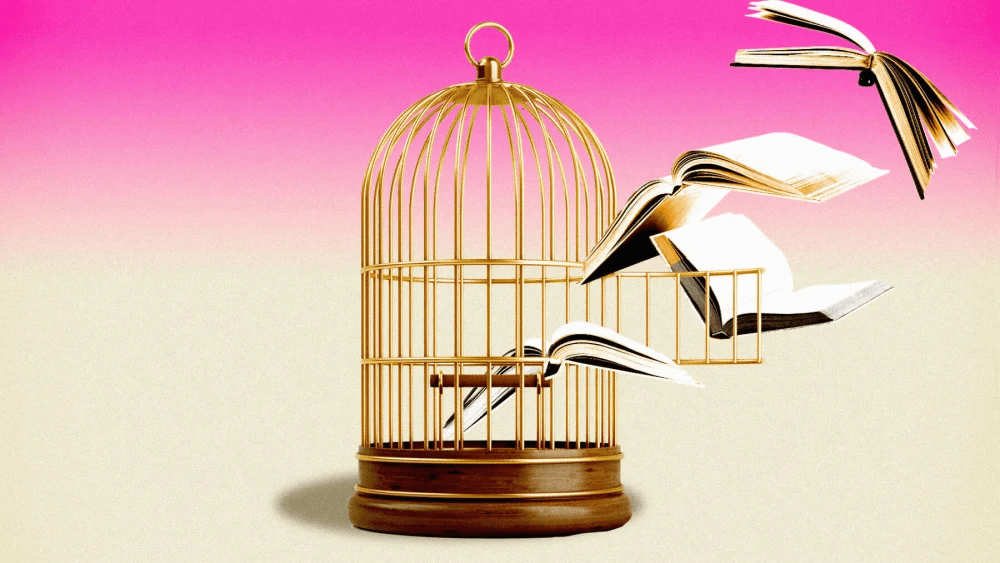
When Sara Katherine moved back to her hometown of Valparaiso, Indiana, from New York, she noticed a lack of support for LGBTQ youth. So she started volunteering as a mentor at a local nonprofit, chatting with queer teens who hadn’t seen LGBTQ people reflected much in media or in their community. Then she came across a resource gold mine: the Queer Liberation Library, a digital catalog of over 1,200 LGBTQ books for anyone across the country to access.
“I was able to tell them, ‘Hey, guess what? I have something free for you, and it’s thousands of books you can read where there are characters just like you who are falling in love, who are having adventures,’” said Katherine.
The Queer Liberation Library (QLL) was started by a team of nine volunteers in November to fill the queer literature gap amid a wave of state laws and school policies challenging books with LGBTQ themes. To “check out” a digital book, all readers need to do is provide their name and U.S. mailing address — information that QLL keeps private and secure — and they are granted access to the QLL catalog via Libby.
“It was one of those ideas that I was surprised that nobody else had thought of it already,” said Kieran Hickey, co-founder of QLL. “I knew it could be very impactful.”
While some public libraries, like the Brooklyn Public Library in New York, offer free digital access to their entire collection nationwide, QLL is one of the few services specifically curating books with queer themes or written by queer authors. In its first few months, QLL attracted nearly 4,000 readers. Today, it boasts a readership exceeding 50,000.
“The queer experience in the U.S. is so different, not just from state to state or city to city, but even from county to county,” said Erik Lundstrom, who handles financial and legal issues for QLL. “Being able to provide books in a safe manner, regardless of location or circumstances, is some of the most important work I’ll ever do.”
QLL was the brainchild of Hickey, whose love of, and lack of access to, LGBTQ literature led him to earn his master’s degree in library science from the University of British Columbia.
“My queer experience in particular, as a trans person, was very much not knowing what I was missing, not understanding why I felt so different, not understanding myself and feeling very detached from the world around me,” said Hickey. “I would escape into books.”
After volunteering at an in-person LGBTQ library in Vancouver post-college, he set out to replicate the concept upon moving to the U.S. Through connections with mutual friends, Hickey formed the QLL team — all volunteers who collaborate remotely across the country and have yet to meet in person.
Hickey calls the team “Queer Literature Heroes,” each with a role that helps them grow the library’s titles, reach and access.
Lundstrom, known as the “The Business Gay,” deals with legal matters and webpage management. Laura, the “Book Lister in Residence,” aids in the curation of titles. Fern Odawnul, or QLL’s “Social Media Gremlin,” shares updates on new book releases, merchandise launches and fundraising initiatives on Instagram, TikTok and X.
As a parent, Odawnul also consults on the library’s children’s book collection. Among the featured children’s books is “My Shadow Is Purple” by Scott Stuart, which introduces nonbinary identity to young readers. Through engaging illustrations, the story follows a child’s exploration of their shadow as neither blue nor pink, but purple. This realization helps the main character understand that they are not confined to specific gender roles.
Celebrities are every day people just like the rest of us. They too have felt the need to either flee a red state or even flee the country altogether.
Rosie O’Donnell announced she has moved to Ireland and is working on obtaining Irish citizenship. She and her 12 year old moved just before Trump was sworn into office. O’Donnell said she would consider returning to America when “it’s safe” and all citizens have “equal rights.”
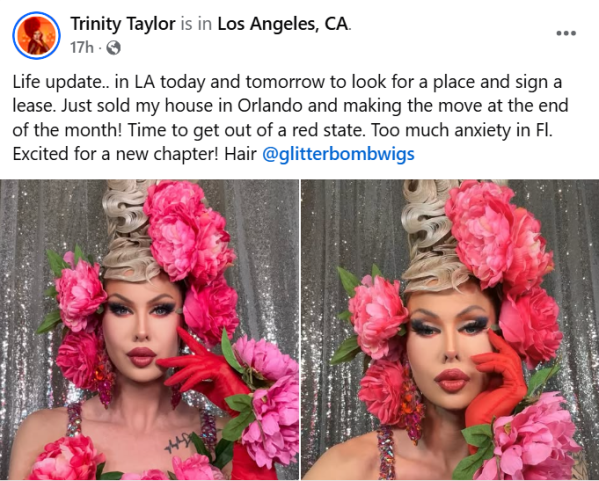
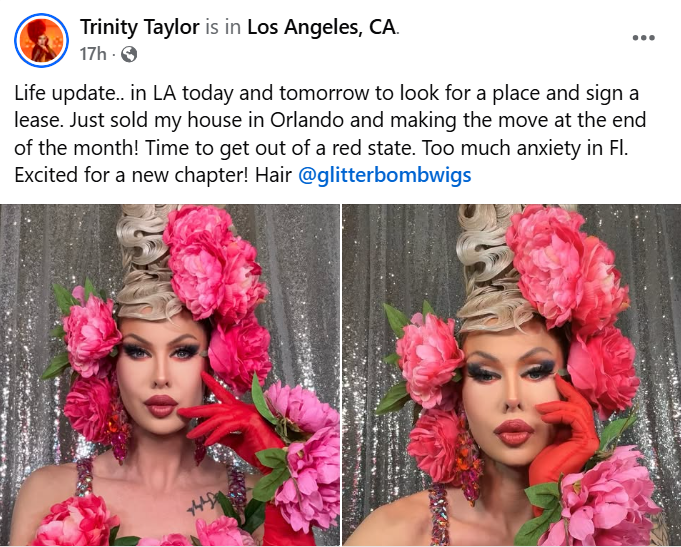
In a Facebook post yesterday, drag queen Trinity “The Tuck” Taylor has fled Florida for Los Angeles. She stated “Just sold my house in Orlando and making the move at the end of the month! Time to get out of a red state. Too much anxiety in Fl.”
Other celebs who have stated they want to flee the United States, whether serious or thinking about it, are Sharon Stone, Cher, Raven-Symone, America Ferrera, Minnie Driver, Whoopi Goldberg, Cardi B, and even Elon Musk’s trans daughter Vivian Wilson. Ellen DeGeneres is among those who have moved.
While many celebrities have the privilege to come and go as they please with little effect on their finances, there are still options for every day citizens to make that move to another state or leave the country. You can find some helpful resources at FleeRedStates.com.
*This was originally published on LGBTQNation.
With increasing attacks on LGBTQ+ rights over the past few years, it is no surprise that LGBTQ+ adults are struggling with their mental health. A new study from the Human Rights Campaign (HRC) Foundation details how these struggles can adversely affect state economies and serves to remind lawmakers that when LGBTQ+ people suffer, the country follows.
In the HRC Foundation’s 2024 LGBTQ+ Climate Survey, 71.5% of adults reported that anti-LGBTQ+ legislation has negatively impacted their health or well-being in the past year.
44.3% of LGBTQ+ adults and 63.5% of trans adults also said anti-LGBTQ+ legislation has harmed their mental health or the mental health of their loved ones, and 66.1% of LGBTQ+ adults, along with 83.4% of trans adults, said anti-LGBTQ+ legislation has made them feel less safe.
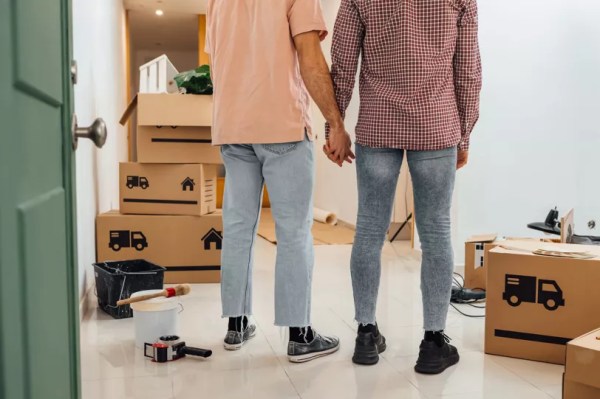
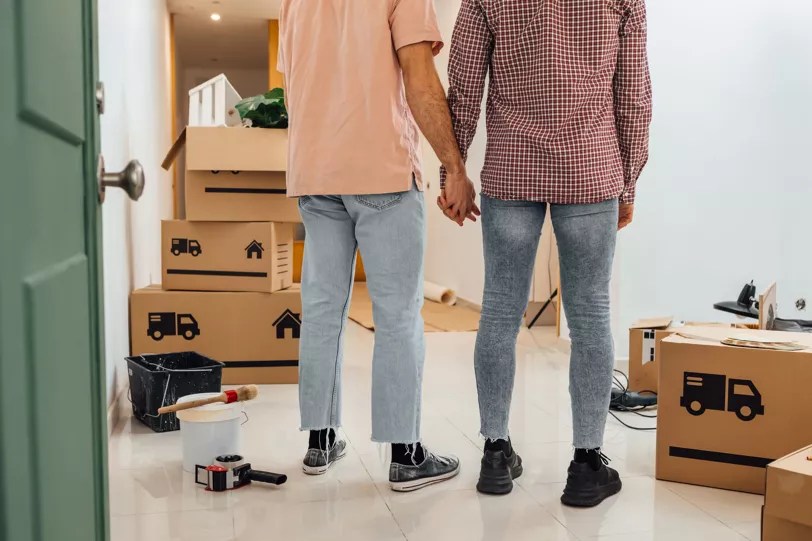
The report found that as a result of these fears, one in five LGBTQ+ adults are considering moving to a new state and one in 20 are trying to change jobs. Half of LGBTQ+ adults said anti-LGBTQ+ legislation has already impacted their choices of where to live and work in the last year, and one in five said they’ve refused a job or home in states with anti-LGBTQ+ legislation. 4% say they have already left their state or have taken steps to leave, and one in 20 are trying to change jobs due to anti-LGBTQ+ legislation.
“It is mentally exhausting to live in a state where the legislature and governor bully communities of color and LGBTQ+ communities,” said one cisgender lesbian woman who participated in the study. “It takes a toll. We will be moving from this state.”
A gender-questioning person from New York added, “I purposely turned down a dream job in a state where these laws were passed. Also, the laws affect my work, as I am a physician and cannot practice the full spectrum medicine I would like to.”
One cis queer woman stated that the laws “have radically impacted my queer & trans household” and that they are “actively shopping to relocate to MI or ME, leaving behind a business, a gorgeous home & property, a high-income career, and a non-profit we run in the queer community.”
Shoshana Goldberg, public education and research program director at the HRC Foundation, told The Advocate that this will no doubt hurt the economics of the states and businesses being abandoned.
“I think states stand to lose economically by continuing to support these laws. They risk losing the tourism and business travel dollars, such as those from the 30 percent of LGBTQ+ adults, in the last year alone, who have avoided, canceled, and/or refused to travel to states with anti-LGBTQ+ legislation,” she says. “They risk losing the taxable income from LGBTQ+ adults, and families of LGBTQ+ youth, who are looking to move to a new state where they and their children can live openly and freely … and companies headquartered in these states risk losing customers.”
She added, “The LGBTQ+ Community holds $1.4 trillion in purchasing power, and unsupportive companies stand to lose us as customers — as well as lose allies, particularly Millennials and Gen Z, who data shows are looking to spend their money on those companies that support their values of equality.”
She also warned that companies who halt DEI practices risk not only losing customers but also top talent.
*This was published on USA Today
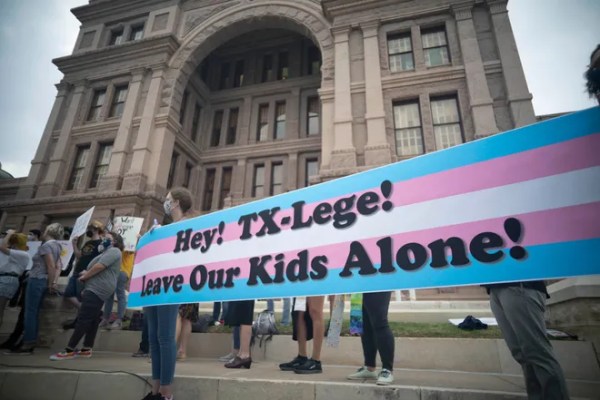
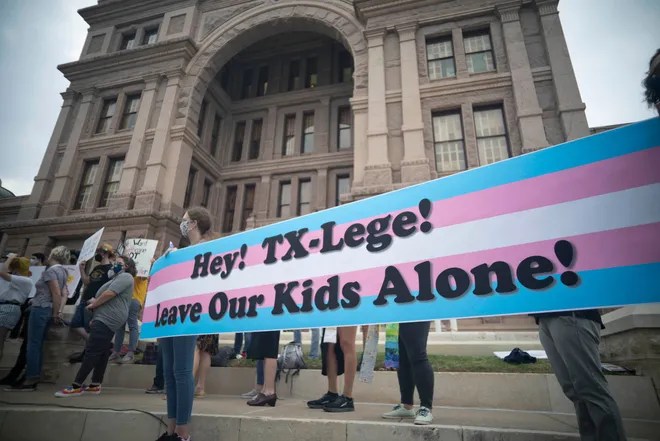
More than a quarter million LGBTQ+ young people and family members in the U.S. have relocated to other states because of LGBTQ+-related politics or laws, according to estimates outlined in a new report exploring the population’s response to hostile policy environments.
According to the brief compiled by The Trevor Project and Movement Advancement Project, 9 in 10 LGBTQ+ young people say politics have impacted their well-being, while 4 in 10 say they’ve thought about moving to another state because of unfriendly LGBTQ+ politics or laws at home.
The portion was even higher for transgender and nonbinary youth, 94% of whom said politics had affected their well-being and nearly half (45%) who said they’d considered relocating.
“For many LGBTQ+ young people in the U.S., the steady stream of anti-LGBTQ+ news may feel overwhelming right now,” said Steven Hobaica, a research scientist for the Trevor Project, a national LGBTQ+ youth advocacy group focused on suicide prevention. “It’s heartbreaking to see that nearly half of transgender and nonbinary youth have considered moving due to anti-LGBTQ+ policies.”
While just 4% of LGBTQ+ young people ages 13 to 24 reported uprooting because of anti-LGBTQ+ policies, that translates to roughly 266,000 young people and family members based on LGBTQ+ youth population estimates, the groups said.
The report comes as President Donald Trump returns to the White House after making gender identity issues a focal point of his campaign. On Monday, after being sworn in, Trump issued a spate of executive orders that included seeking to remove legal protections for transgender people in federal spaces, laying the groundwork to potentially bar transgender individuals from military service and declaring that the U.S. government will only recognize two sexes, male and female.
“No matter a person’s political beliefs, we know, from our research and from what LGBTQ+ young people tell us, that policies like these take a damaging toll on LGBTQ+ young people’s mental health,” said Janson Wu, The Trevor Project’s senior director of state advocacy and government affairs.
The organization said its crisis services saw a 33% increase on Inauguration Day compared to typical volume. But that still paled, it noted, to the sevenfold increase in crisis services experienced the day after the 2024 election.
“No matter your political beliefs or how you feel about the current administration, one thing must be made clear to all of us living in the United States: Real young people’s lives are at risk,” said Trevor Project CEO Jaymes Black.
Recent years have already seen increasing numbers of state laws and proposed legislation targeting the LGBTQ+ community, especially measures aimed at curbing the rights of transgender youth.
“It’s critical that we not only call attention to the negative impact of these divisive political attacks but also highlight that this research supports the idea that more inclusive policy environments lead to better outcomes for LGBTQ young people across a range of measures,” said Logan Casey, director of policy research for Movement Advancement Project.
The organizations said they compiled the report given a lack of research into how LGBTQ+ young people respond to hostile policy environments, despite studies showing that those youths experience greater mental health challenges and higher suicide risk in such environments.
“By gaining more knowledge of how LGBTQ+ young people respond to their policy environment, advocates and policymakers can create or modify policy to better support LGBTQ+ young people and their families,” the report said.
Their joint report is based on data gleaned from The Trevor Project’s 2024 U.S. National Survey on the Mental Health of LGBTQ+ Young People, which collected responses from more than 18,600 LGBTQ+ individuals between the ages of 13 and 24. It also incorporates data from Movement Advancement Project, a Boulder, Colorado-based group that tracks LGBTQ+-related laws and policies throughout the U.S. and its territories and assigns each a negative or positive policy index.
More than a quarter (27%) of respondents lived in states with negative policy indexes, the report said. Those individuals were more likely than their counterparts to consider moving to other states and also likelier to travel to other states to receive health care.
The report noted that not all LGBTQ+ young people and their families desiring to relocate have the resources to do so.
“Notably, the same factors that might preclude the ability of LGBTQ+ young people and their families from moving, such as poverty, housing discrimination, and employment access, are the same ones that disproportionately affect LGBTQ+ people of color and increase their risk of mental health and suicide,” the report said.
This article first appeared on CNN.com
The federal government is set to only recognize two sexes, male and female, under an executive order that President Donald Trump is soon expected to sign.
The order would reverse efforts by the Biden administration to broaden gender identity designations, including on passports.
“As of today, it will henceforth be the official policy of the United States government that there are only two genders, male and female,” Trump said during his inaugural address Monday, taking an early step to fulfill one of his culture war campaign promises.
The order, a Trump administration official told reporters Monday, is aimed at “defending women from gender ideology extremism and restoring biological truths to the federal government.” Male and female “are sexes that are not changeable, and they are grounded in fundamental and incontrovertible reality,” the official said.
The federal government would also shift from using the term “gender” to “sex,” and that sex would be “an individual’s immutable biological classification,” the official said.
All government agencies would ensure that official documents, including passports and visas, “reflect sex accurately,” the official said. Also, departments running federal prisons, migrant shelters, rape shelters and other “intimate spaces” would be directed to protect single-sex spaces for privacy. And employee records would also adhere to the executive order, as would federal departments’ messaging.
“Agencies are no longer going to promote gender ideology through communication forms and other messages,” the official said, adding that grants and contracts would be reviewed to ensure that “federal funds shall not be used to promote gender ideology.”
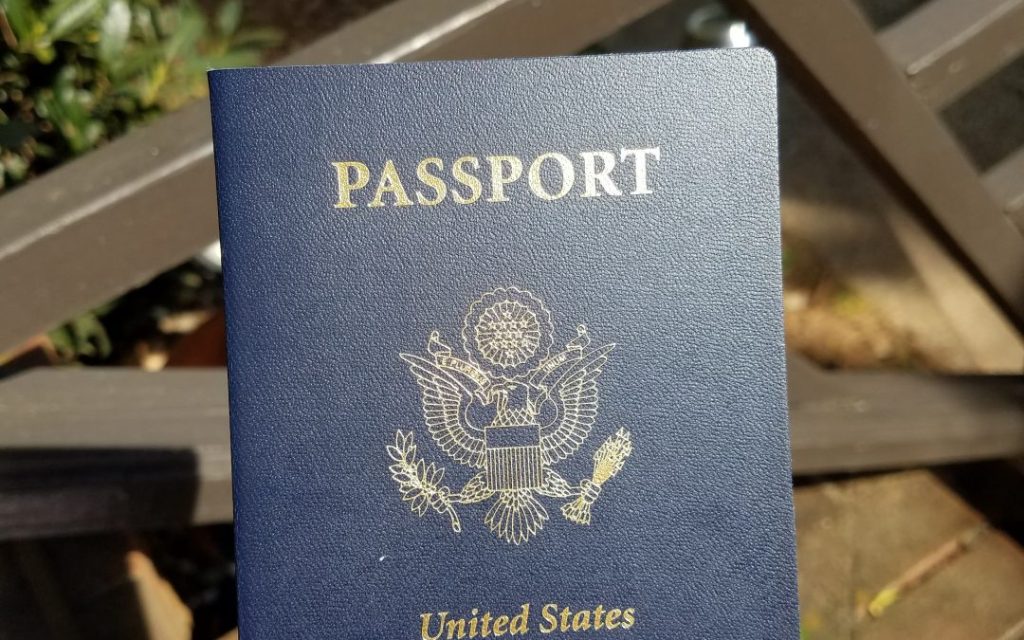
Trump’s executive order would dismantle efforts by the Biden administration to be more inclusive of Americans’ gender identification.
As of 2022, US citizens have been able to select “X” as their gender marker on passports. One’s marker does not need to match the gender on citizenship documents or photo ID, nor is medical documentation needed to change one’s gender, according to the State Department.
“We promote the freedom, dignity, and equality of all people – including LGBTQI+ individuals,” the department’s website says. “We are demonstrating this commitment to better serve all U.S. citizens, regardless of gender identity.”
Later that year, Americans were able to start changing their sex identification with the Social Security Administration without needing to provide medical certification. However, Social Security’s record systems still require a designation of male or female, though the administration said it was exploring policy and systems updates to support an “X” designation.
“The Social Security Administration’s Equity Action Plan includes a commitment to decrease administrative burdens and ensure people who identify as gender diverse or transgender have options in the Social Security number card application process,” said Kilolo Kijakazi, the administration’s acting commissioner at the time.
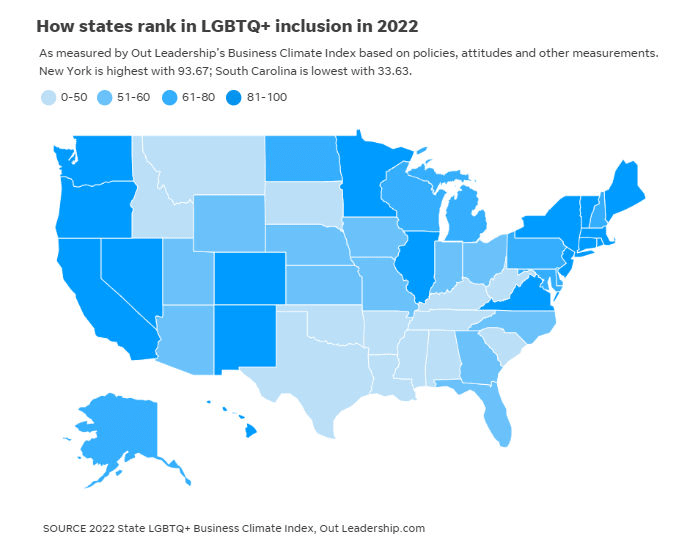
If you’re ready to look for a better state or county for you and your family (or family of choice), reach out to us at www.FleeRedStates.com
 fleeredstates.blog
You must be logged in to post a comment.