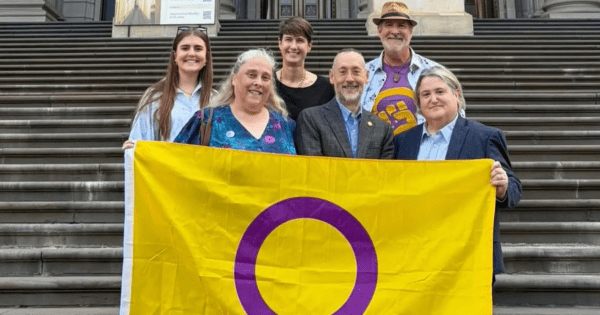
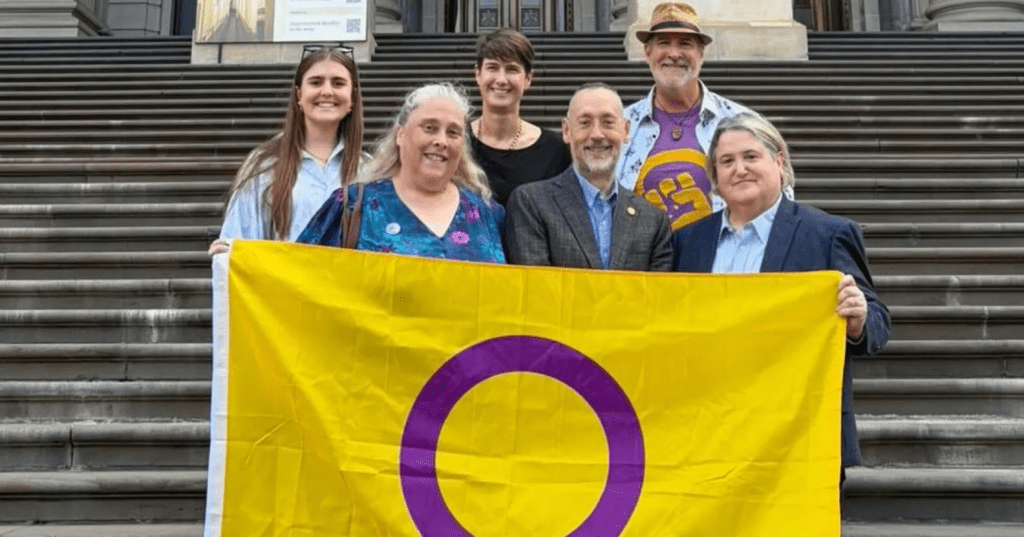
The Victorian Parliament has passed a new law that protects intersex children from being subjected to unnecessary medical procedures without their consent.
The new legislation was passed on 19 February with multipartisan support, 24 votes to 15. It is designed to stop children born with innate variations of sex characteristics from receiving unnecessary surgeries to alter them until they are old enough to decide for themselves.
The reformed bill also includes the formation of a panel of medical experts and people with lived experience to oversee medical treatment plans for intersex children, stricter guidelines on when treatment and surgeries are necessary, support for patients and their families, and continued consent from parents and caregivers for medically-necessary treatments.
In a statement, bioethicist and Executive Director of Intersex Human Rights Australia Dr Morgan Carpenter said: “It is such a powerful moment for the bill to pass with such broad support. Thank you to the members of the Legislative Council, and thank you to the Victorian government for bringing the bill before parliament in an election year.”
Tony Briffa, an intersex advocate and Co-Chair of InterAction for Health and Human Rights, celebrated the victory, saying she is “incredibly proud” that Victoria had taken the historic step for the next generation.
“I have carried the weight of decisions made about my body without my consent — choices that changed my life forever, and that could have waited until I was old enough to understand and speak for myself,” she continued.
“It has taken years of pain and healing to reclaim who I am, unlearn the shame and finally understand that I was always enough. Our bodily differences are a natural part of human diversity. Surgical or hormonal interventions should proceed only where there is clear medical necessity — and where that need outweighs the risk of causing lifelong harm.”
According to Equality Australia, there are at least 40 known variations of intersex characteristics which occur across approximately 1.7 percent of the population.
The consequences of unnecessary surgeries on intersex children include, but are not limited to, loss of sexual function and sensation, loss of fertility, urinary tract issues, a need for ongoing medical treatment or repeat surgeries, incorrect gender assignment, loss of autonomy and negative self-image in later life.
Pride Month is not quite over yet! Just in time for some more LGBTQ friendliness is this list from Big 7 Enjoy Travel. They rank the top 30 LGBTQ friendly cities on the planet.
For a city to rank highly as LGBTQ+ friendly, first and foremost, it needs to protect LGBTQ+ people with laws and legislation. Then, it needs a vibrant gay nightlife and dating scene, whether within a gay village or across the city. Either way, there needs to be a safe community for LGBTQ+ people, as well as open-minded citizens and low levels of hate crime.
Ranking criteria:
Gay Index Rating – measures how safe a country is for LGBT people, considering the legal situation and living conditions
Equality Index Rating – measures the status of LGBT rights, laws, and freedoms as well as public attitudes towards LGBT people
The final scores show the Top 30 LGBTQ+ Friendly Cities in the World! Here’s your ultimate gay-friendly travel list…
30. Vienna, Austria
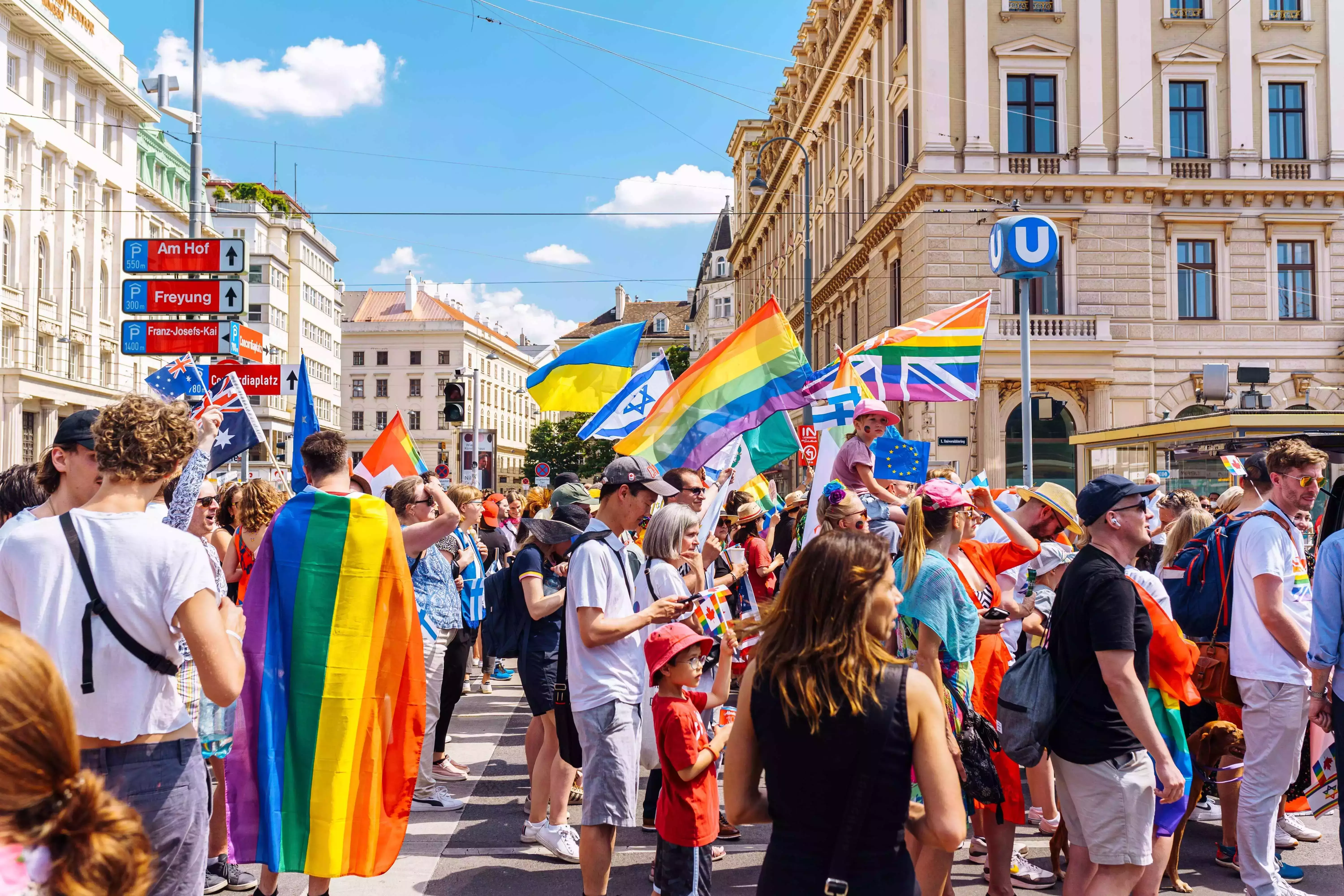
Vienna is widely known for its gender, disability, LGBTQ and racial inclusivity and equality, with many parades, pride events and specialist causes. While Vienna doesn’t have a specific gay village or district, its Naschmarkt area is full of gay bars and clubs, making it a hotspot for LGBTQ+ members.
Vienna has also hosted the EuroPride and hosts an annual citywide Pride parade in June. Vienna is also an LGBTI Core Group member and has a reasonably high Gay Index Rating, making it a safe and appealing place for LGBTQ+ members. It’s safe to say that Vienna is a welcoming and inclusive city for not just LGBTQ+ people, but for everyone, no matter your sexuality, gender, religion or ethnic group.
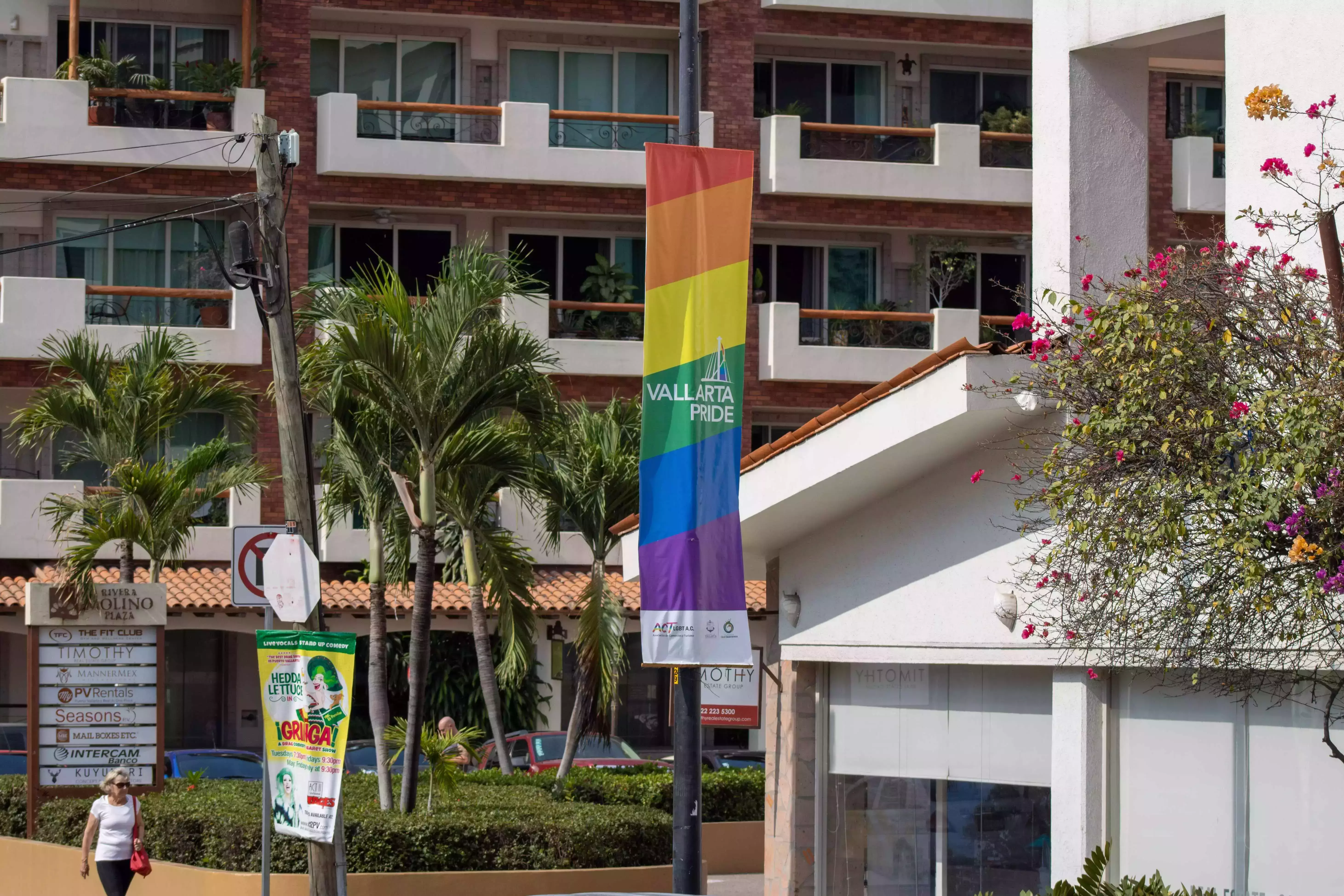
29. Puerto Vallarta, Mexico
You may not have heard of this city against its larger and more tourist-centred neighbours of Mexico City and Cancun, but Puerto Vallarta deserves to be celebrated for its strong LGBTQ+ representation and inclusivity. According to our rankings, Puerto Vallarta scored highly in terms of Gay Index Rating, and attendance to the city’s annual Pride event is significant.
Puerto Vallarta has been cited as the ‘gay capital of Mexico’, thanks to its bustling Zona Romantica area, which is heavily centred around LGBTQ+, with vibrant gay bars, inclusive hotels and lively clubs. While you’re likely to find LGBTQ+ friendly areas across Mexico, Puerto Vallarta is one of the best places to celebrate being a member of the community.
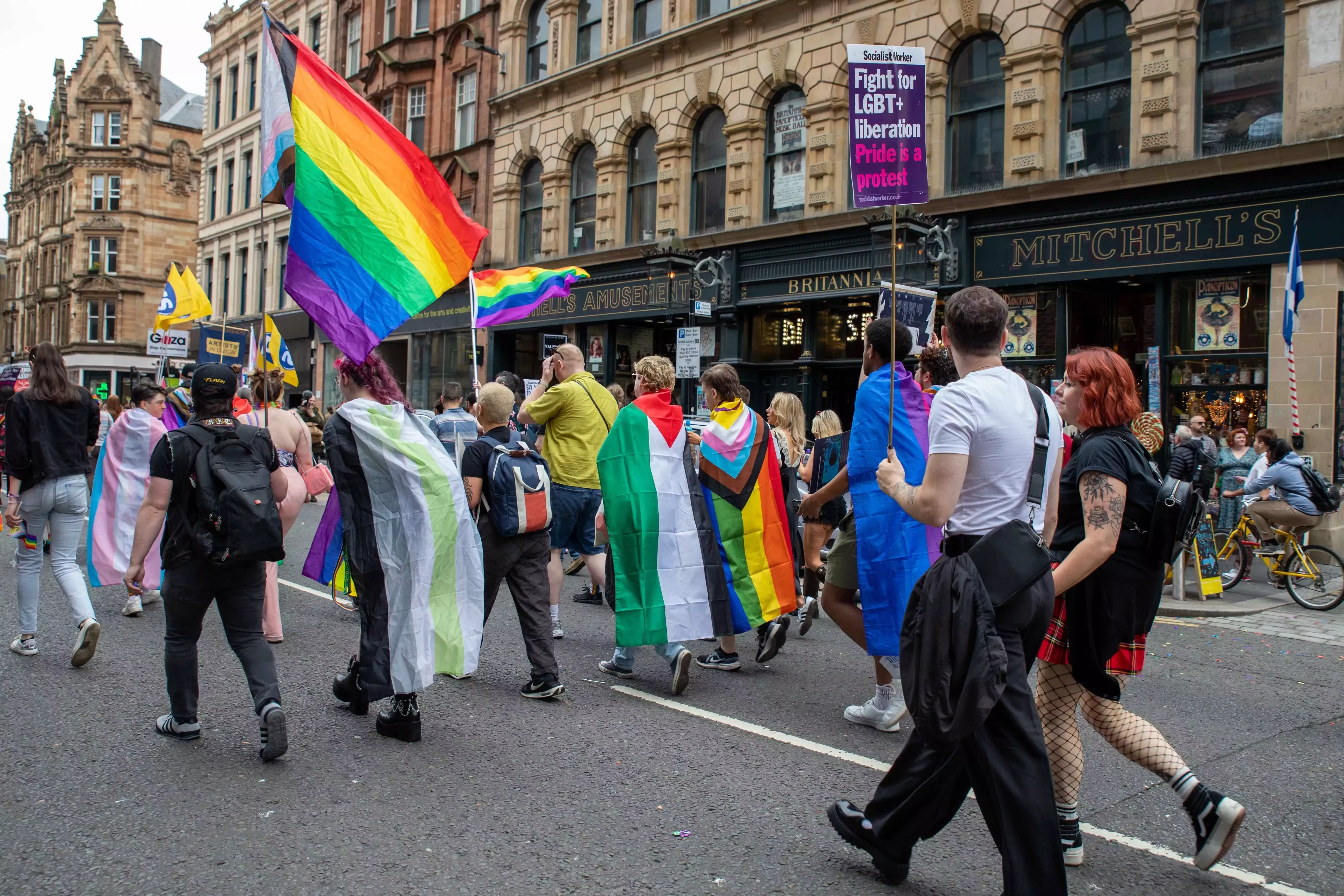
28. Glasgow, UK
Glasgow, Scotland’s largest city, is a hub for inclusivity, with its lively Merchant City district being the LGTBQ+ capital. You can expect to find a variety of LGBTQ+ friendly bars and clubs, as well as a welcoming and open-minded atmosphere. Glasgow’s annual pride event amasses thousands of attendees each year, seeing proud members of the community come together to march and parade, surrounded by the signature rainbow flags.
Glasgow’s quality of life and general acceptance for the LGBTQ+ community is high, giving an indication of how strong its LGBTQ+ community and representation is. The city is also an LGBTI Core Group Member.
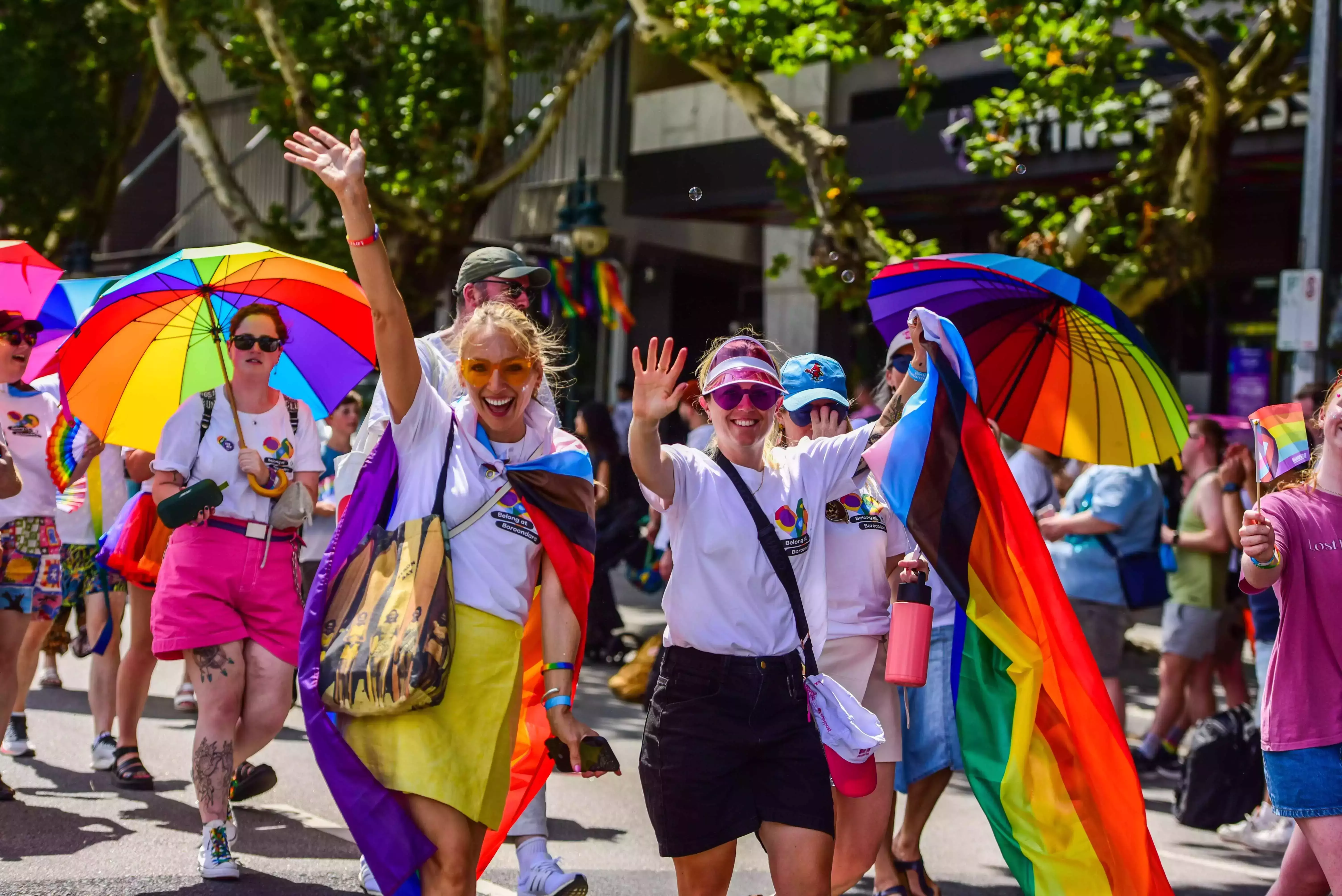
27. Melbourne, Australia
Melbourne is generally an accepting city for most types of groups within society, which gives an indication as to its welcoming and inclusive atmosphere. It scores highly on the Gay Index Rating, and is a member of the LGBTI Core Group, as well as scoring highly on the Equaldex Score. But, data aside, there is a thriving and welcoming community right at its core that appeals to all groups in society, whether members of the LGBTQ+ community or not.
Its annual Pride march has also surpassed 60,000 attendees in recent years. Melbourne’s Fitzroy area is considered to be the ‘gay village’, with a number of LGBTQ+ friendly bars and clubs and a buzzing atmosphere both before and after dark, but generally no matter where you go in Melbourne you’ll be met with a warm and friendly welcome.
26. Taipei, Taiwan
You may not commonly associate Taiwan with LGBTQ+ communities, but its capital Taipei has one of the largest LGBTQ+ presences, with a vibrant LGBTQ+ presence in its Ximen Red House area of the city, which features a lively and bustling scene with bars and clubs. Taipei is known for its inclusivity, and is perhaps a hidden gem amongst the most LGBTQ+ friendly cities, but definitely worth a visit. Taipei also hosts its annual Pride march, which is considered to be the largest of its kind in East Asia, seeing an attendance of more than 120,000 in recent years.
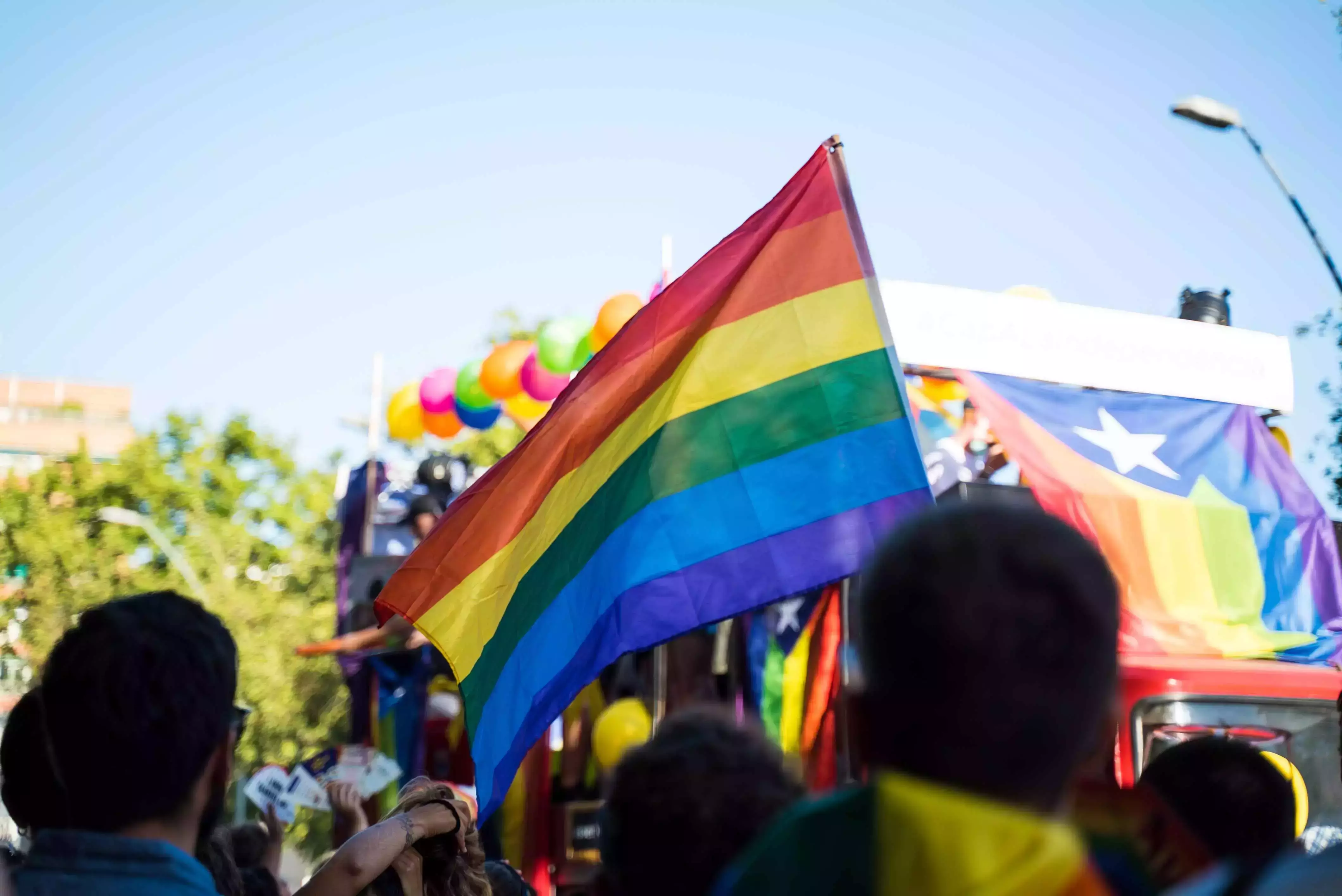
25. Barcelona, Spain
Barcelona, along with Madrid, are widely known as the LGBTQ+ capitals of Spain, with a high Gay Index Rating and a large Pride attendance across each city. Barcelona and the rest of Spain are highly regarded for their acceptance of the LGBTQ+ community, as Spain was one of the first countries in the world to legalise gay marriage in 2005. Barcelona has a thriving LGBTQ+ scene, with an abundance of gay bars, clubs and even beaches that cater to the LGBTQ + community – no matter where you go in Barcelona, you’ll be welcomed with open arms regardless of your sexual orientation or gender.
24. Oslo, Norway
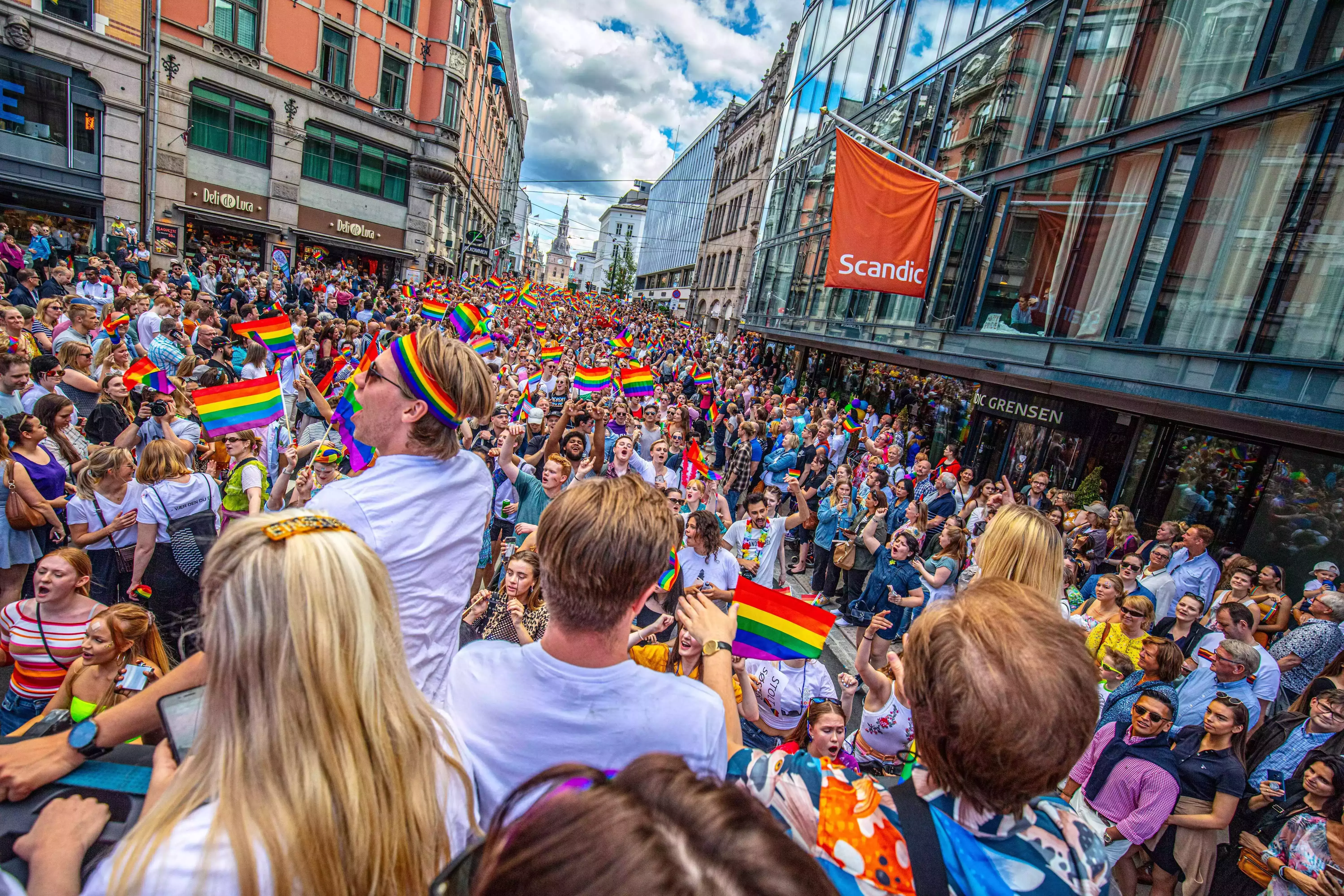
Norway is commonly associated with being a liberal, inclusive and welcoming country, and its capital Oslo comes out on top in terms of LGBTQ+ representation and inclusivity. The city has high Equaldex Score and Gay Index Rating, so is a must-visit for members of the LGBTQ+ community. Did you know that Oslo also hosts an annual Pride event that has amassed around 90,000 attendees in recent years? Oslo’s main LGBTQ+ friendly area is Grünerløkka, where you’ll find a large collection of LGBTQ+ friendly bars, restaurants and clubs, although the city as a whole is welcoming and accepting no matter where you go.
23. Helsinki, Finland
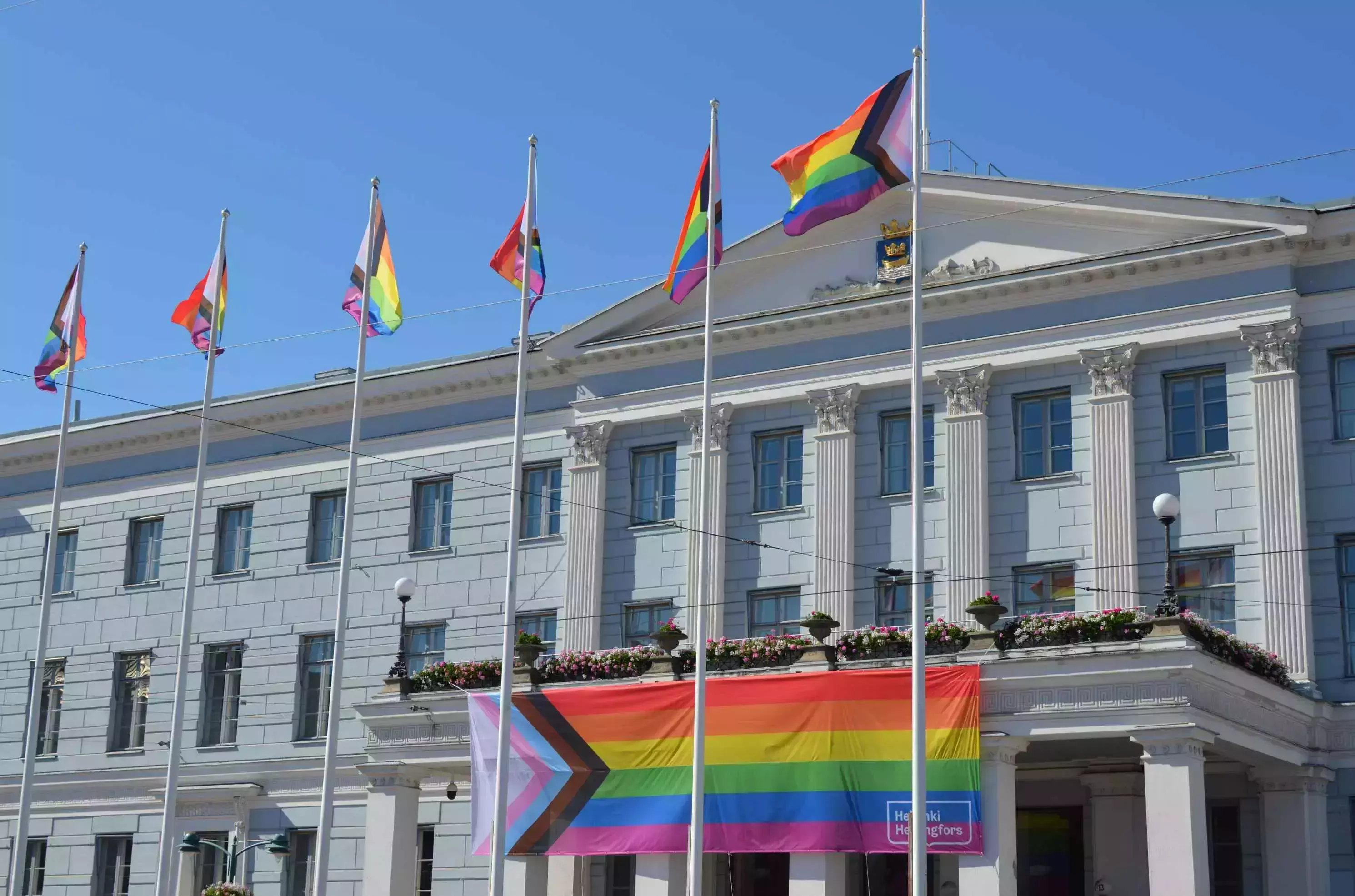
Scoring highly on both the Equaldex and Gay Index Rating, as well as having a large Pride attendance and overall LGBTQ+ presence, Helsinki is one of the best places to be if you want to feel welcomed with open arms in every corner of the city, no matter your sexual orientation, gender or who you identify as.
Helsinki’s annual Pride march and parade typically sees more than 100,000 attendees, giving an idea of how inclusive the city really is. Finland is known for being a progressive and liberal country, and same-sex marriage has been legal in the country since 2017, having been decriminalised since the early 1970s and views changing in the early 80s.
22. Montreal, Canada
Montreal is one of the LGBTQ+ capitals of Canada, celebrating the community with a designated ‘gay village’ district and a large attendance to the city’s annual Pride events. Montreal is considered a trailblazer in terms of promoting and accepting LGBTQ+ rights, as Quebec was the first province of Canada to ban discrimination around sexuality and sexual orientation in 1977. As with much of the rest of Canada, Montreal has since adopted a liberal and accepting stance on LGBTQ+ communities, and scores highly on both the Equaldex and Gay Index rankings.
21. Buenos Aires, Argentina
Argentina’s capital is often cited as the ‘gay capital of South America’, with a downtown district that is rife with gay bars, restaurants and clubs, and a high Gay Index Rating. Argentina was also the first Latin-American country to legalise same-sex marriage in 2010, and has since become the place to be in terms of inclusivity and LGBTQ+ rights.
Buenos Aires also has a large Pride attendance and citywide celebrations, with a thriving LGBTQ+ presence that makes the city rank highly for equality, inclusivity and representation. Aside from the obvious inclusivity that Buenos Aires offers, the city is a vibrant social hub and welcomes people from all social groups and communities.
20. Reykjavik, Iceland
Reykjavik has long been considered a haven for LGBTQ+ members and most groups in society, and although the city may be small, it packs a punch in terms of LGBTQ+ rights and representation. Reykjavik’s most recognisable street is so iconic thanks to its rainbow road, which indicates and highlights Reykjavik’s support for equality surrounding the LGBTQ+ community. Reykjavik’s Pride event is a large-scale affair, with thousands of locals and tourists attending to show their support. Reykjavik also has one of the highest Gay Index Ratings and Equaldex Scores.
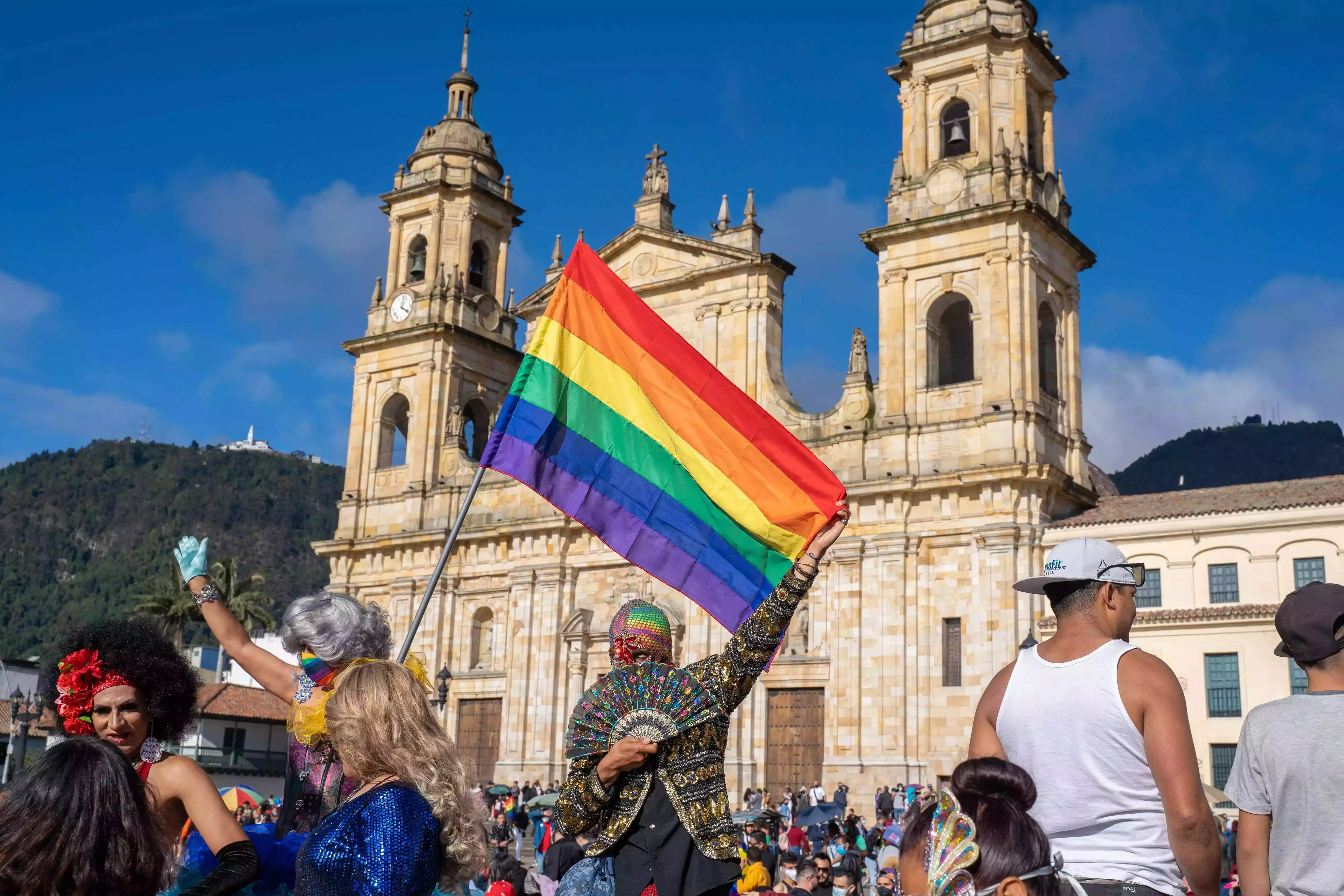
19. Bogotá, Colombia
Although Bogota has the lowest Equaldex score, it has a high Gay Index Rating and a vibrant gay village that features what is considered to be the largest gay club in South America, Theatron.
Bogota’s annual Pride event has also seen crowd sizes of more than 100,000 people, making it one of the largest Pride celebrations around. It’s clear that Bogota is a friendly, inclusive and welcoming place for every tourist, whether they’re part of the LGBTQ+ community or not.
18. Valletta, Malta
This small city packs an almighty punch in terms of LGBTQ+ inclusivity. Valletta ranks highly on both Gay Index Rating and Equaldex, with scores of 8.5 and 100, respectively, giving an idea of how supportive the city is for the rights of LGBTQ+. Valletta also sees a large turnout for its annual Pride festival and march, and has hosted the widely renowned EuroPride in 2023, adding to Valletta’s reputation as one of the most LGBTQ+ friendly cities in Europe.
17. Copenhagen, Denmark
The Scandinavian countries are known for their progressiveness, inclusivity, liberal stances and welcoming and accepting cultures, especially when it comes to LGBTQ+ rights and support. Copenhagen, Denmark’s capital, is known for its lively and thriving LGBTQ+ community, with many gay bars and clubs, as well as a large Pride event. Denmark was one of the first countries in Europe to legalise gay marriage in 2012, and has recognised and accepted homosexuality since the 1930s.
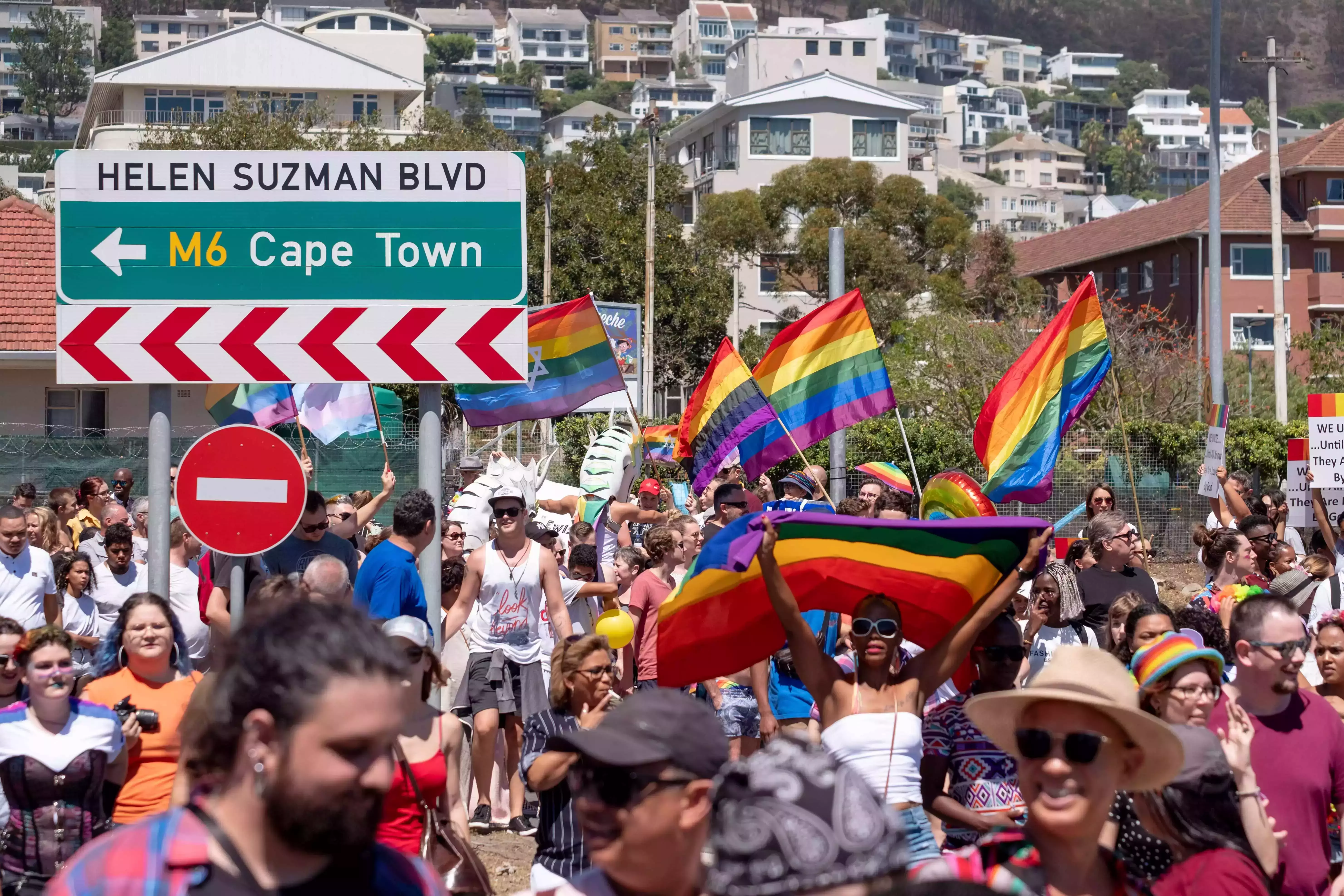
16. Cape Town, South Africa
South Africa is a trailblazer for LGBTQ+ rights on the continent, becoming the first country in Africa to legalise same sex marriage in 2006, and Cape Town is at the heart of this legacy. The progressive and inclusive stance makes the city both welcoming and fun for queer locals and visitors, with a schedule of gay-friendly events throughout the year. The coastal capital bursts into the colours of Pride every February/March, and other vibrant celebrations include the Mother City Queer Project and the Out in Africa Film Festival. The De Waterkant neighbourhood is the city’s LGBTQ+ hub, with gay-owned bars, gyms, shops, and cafes, as well as the iconic rainbow crossing – a visual representation of South Africa’s anti-discrimination laws.
15. Mexico City, Mexico
Mexico City was the first Latin American city to legalise same-sex marriage in 2007, and since then, the city has upheld their views and stances on LGBTQ+ support. The city celebrates with one of the world’s largest Pride events, having been attended by more than 1 million people in recent years.
Mexico City scores well on the Gay Index and Equaldex Rating, and its Zona Rosa region is one of the liveliest LGBTQ+ hubs around. It’s safe to say that you’ll be welcomed and supported as a member of the LGBTQ+ community in Mexico City.
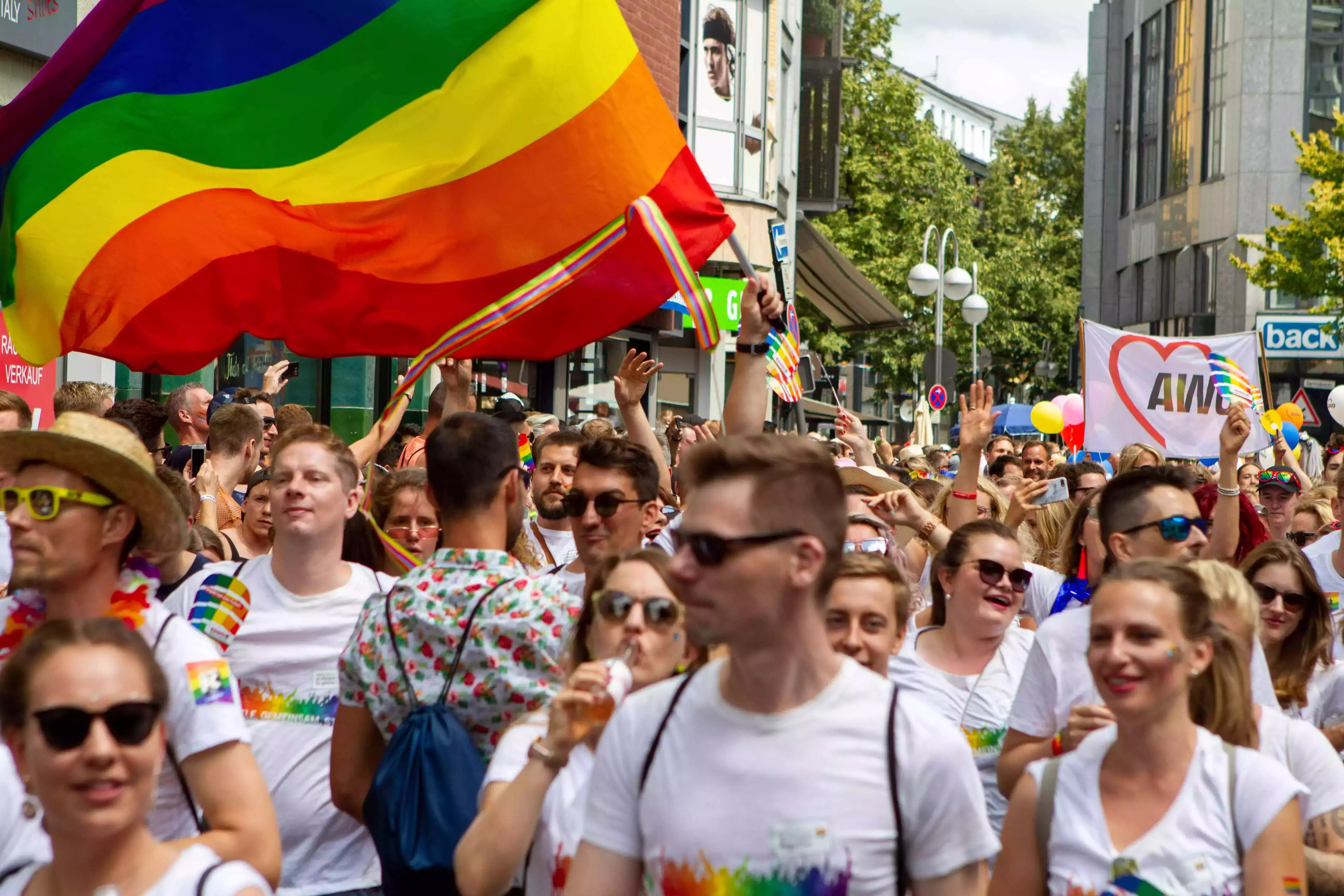
14. Cologne, Germany
Although this city underperforms on the Gay Index Rating, its quality of life and inclusivity for members of the LGBTQ+ community far outweigh this. Cologne’s Pride is the largest in Germany and one of the largest in Europe, with over 1 million attendees in recent years.
Cologne is also often considered by many as the ‘gay capital of Germany’, thanks to its large-scale Pride attendance and modern and progressive views on the LGBTQ+ community and rights. Cologne is a vibrant and lively city, with a population that is accepting, friendly and welcoming to every tourist, no matter their social group or community.
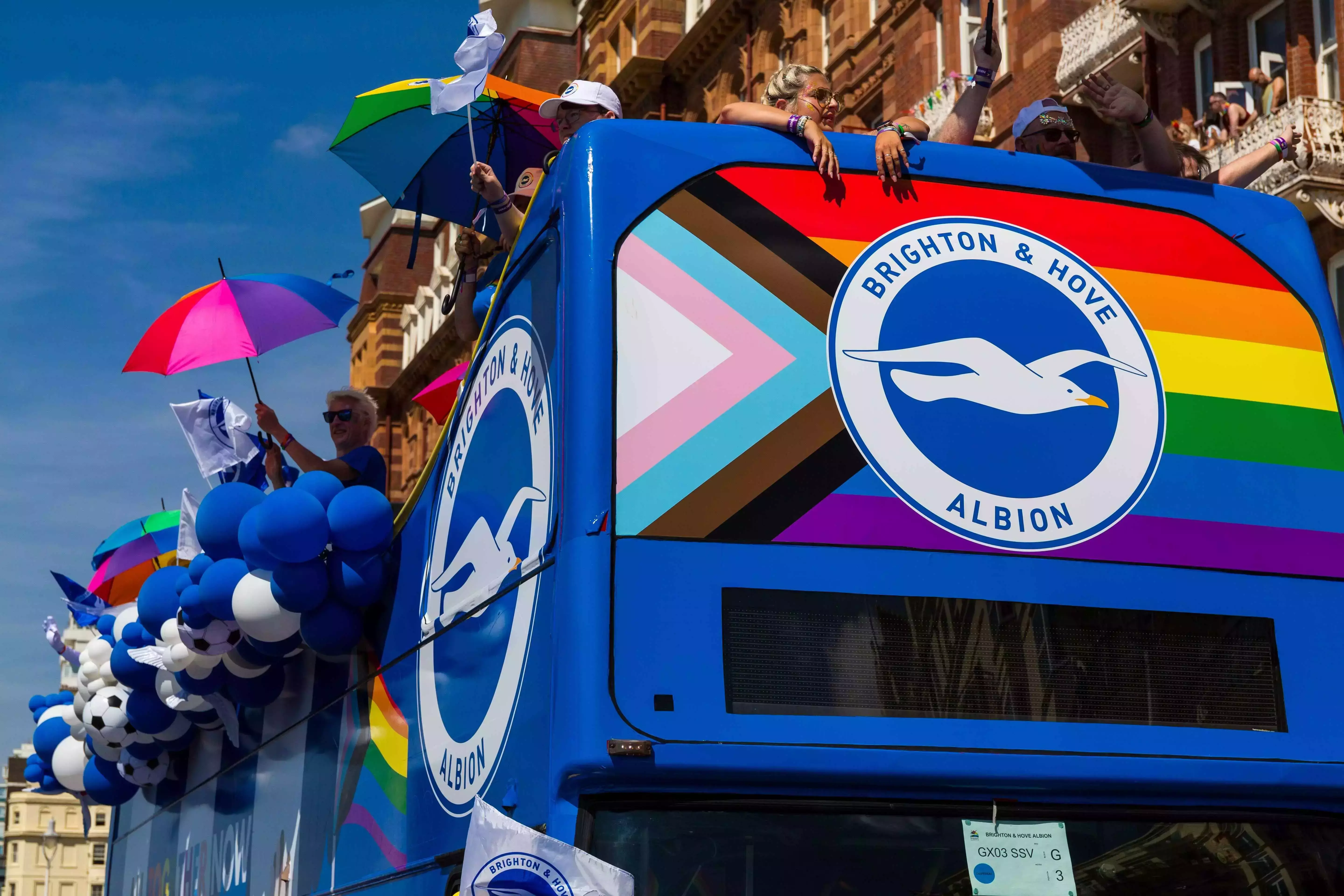
13. Brighton, UK
Brighton has a reputation in the UK for being the ‘gay capital’, with a strong sense of community, support and representation for all members of the LGBTQ+ community. Brighton has long had a reputation for its LGBTQ+ scene, dating back to the 1930s, when the city flourished as an inclusive and openly LGBTQ+ space.
The city has since embraced its LGBTQ+ population with an annual large-scale Pride event that sees more than 500,000 attendees. The city is well known for its Pride event, which has been cited as the best in the UK, and its resident gay village and LGBTQ+ district of Kemptown is rife with inclusive bars, clubs and spaces.
12. Paris, France
Paris really comes out on top with its diversity and inclusion for all groups in society. Paris’s annual pride event regularly attracts more than 700,000 attendees, and its vibrant and thriving Marais district is associated with a large LGBTQ+ population. Paris and France as a whole legalised same-sex marriage in 2013, making them one of the first countries/cities in Europe to do so.
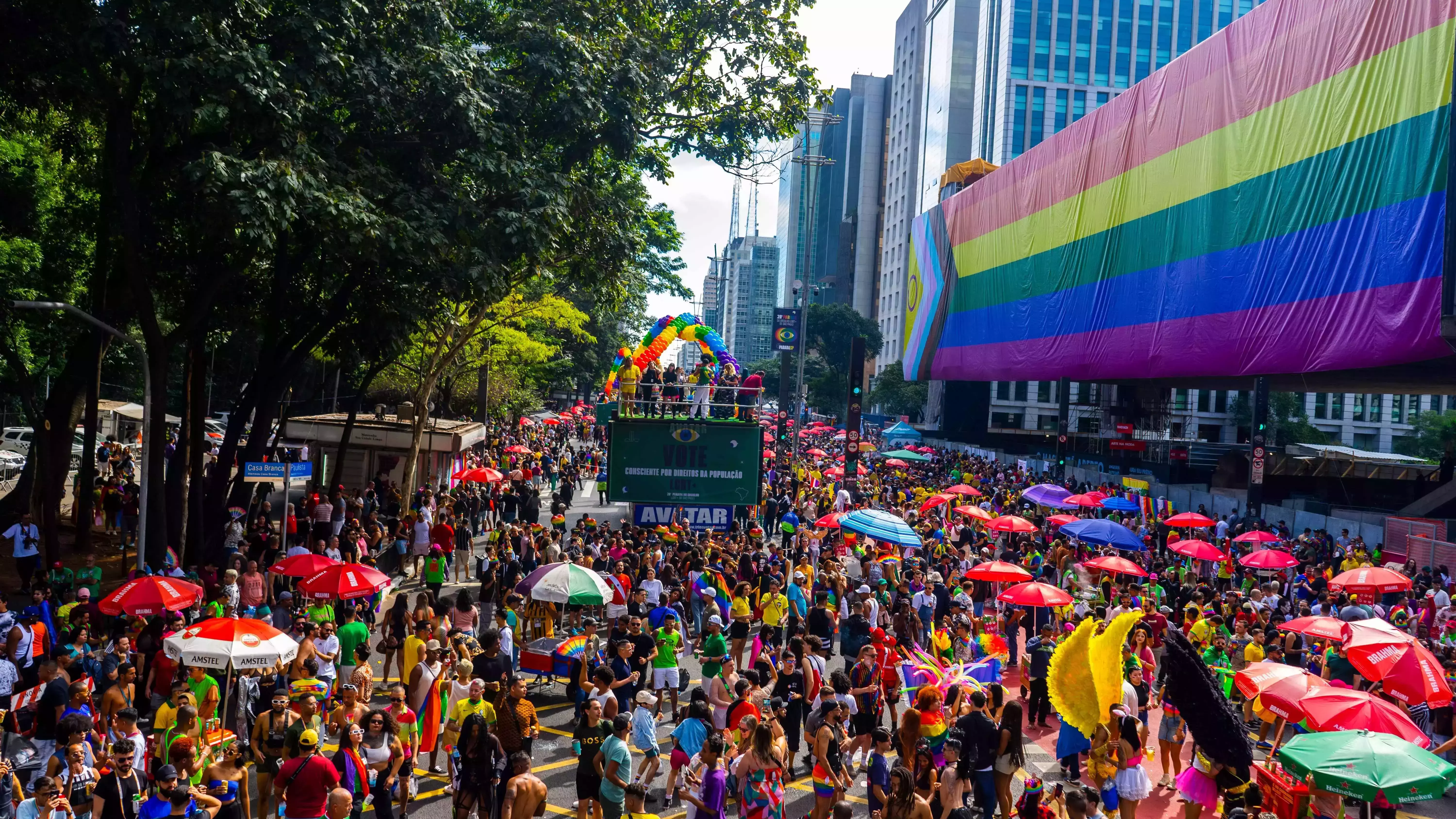
11. São Paulo, Brazil
If there’s one thing Brazil knows how to do, it’s throw spectacular street parties and parades. São Paulo’s annual Pride is often considered to be the largest in the world, with more than three million attendees in recent years. São Paulo has also featured in the Guinness World Record for the size and scale of its Pride event.
What’s more, the city is a hub for all things LGBTQ+, with a lively district dedicated to welcoming and representing its LGBTQ+ population. Although the city has a relatively low Gay Index Rating and Equaldex Score, its citywide celebration of LGBTQ+ is enough to make it rank highly for best LGBTQ+ friendly cities.
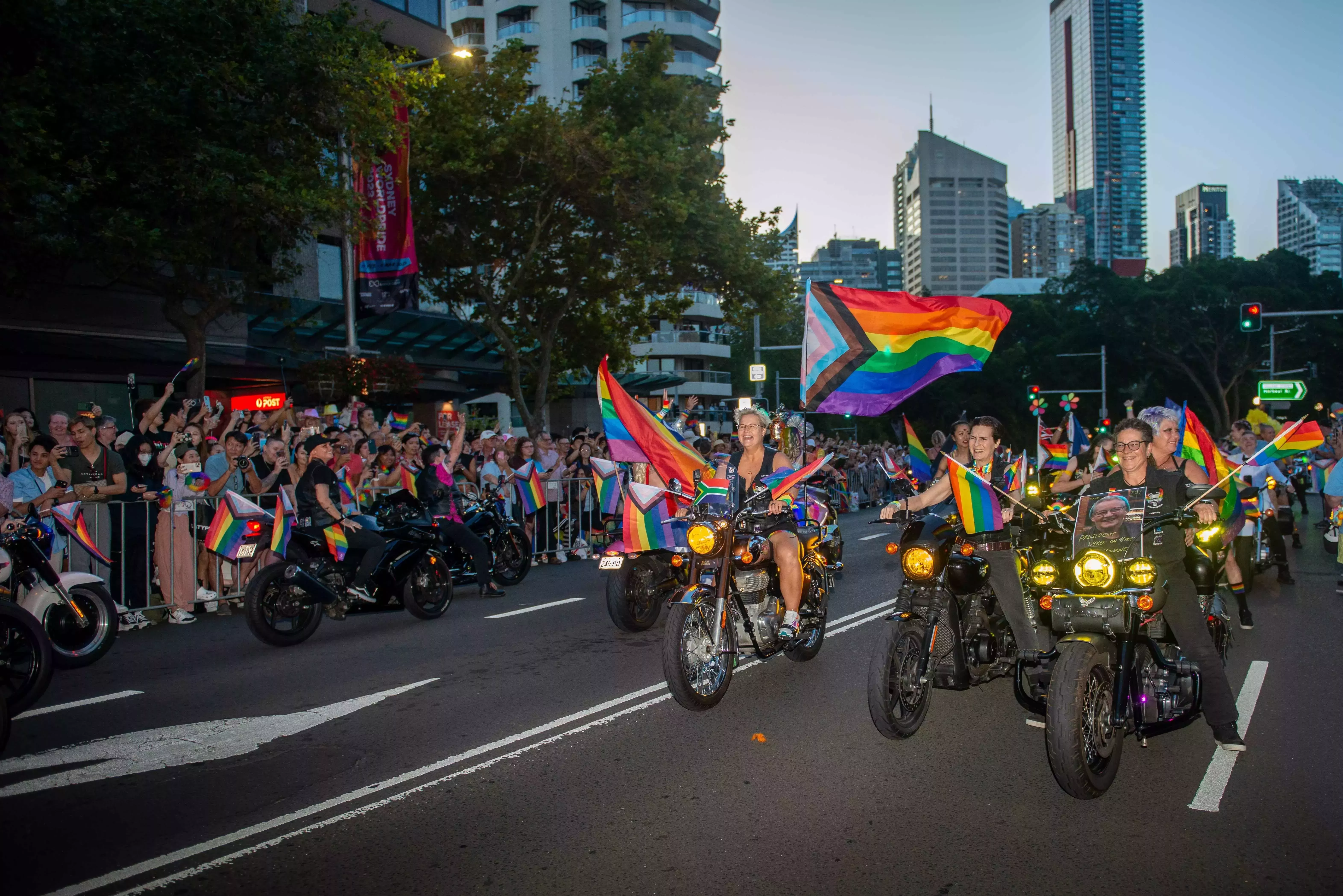
10. Sydney, Australia
Sydney is one of the most LGBTQ+ friendly cities in the world, and the gay capital of Australia, with its annual Gay and Lesbian Mardi Gras festival leading the way in LGBTQ+ representation and support. Sydney’s Darlinghurst region is considered the gay hub of the city, and has a lengthy history of supporting and upholding LGBTQ+ community rights. Sydney ranks highly on both the Equaldex and Gay Index rankings, and it is a member of the Core LGBTI Group.
Sydney and Australia as a whole have a long history of protecting and supporting the rights of LGBTQ+ members, as homosexuality was decriminalised in the state of New South Wales in 1984, and same-sex marriage was legalised in Australia in 2017. Its annual Gay and Lesbian Mardi Gras event also sees attendees of more than 200,000, making it the largest Pride event in Australia and Oceania as a whole.
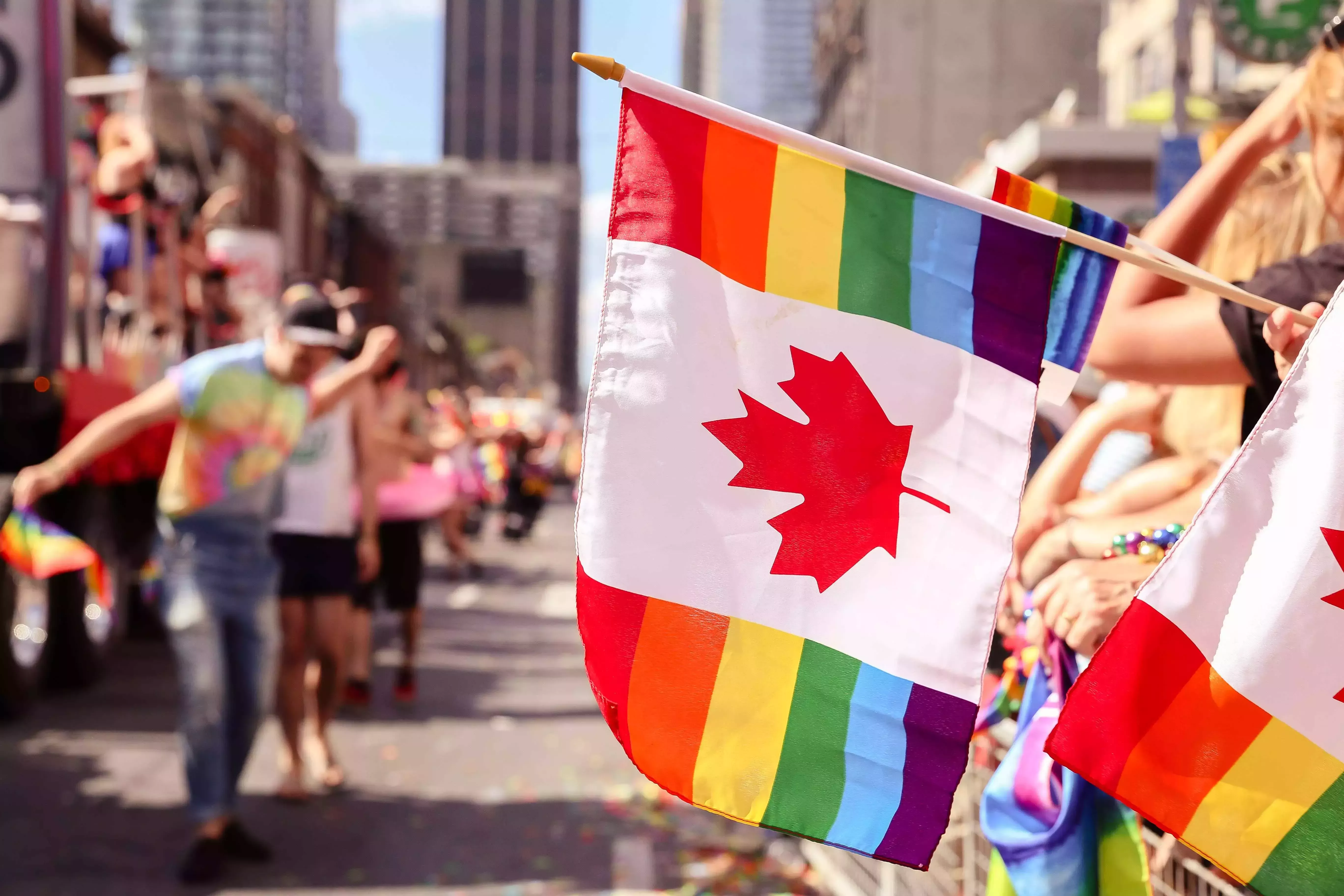
9. Toronto, Canada
Canada’s largest city hosts the country’s largest Pride event, with just shy of 3 million attendees in recent years, making it North America’s largest and most spectacular Pride Event. Toronto is a buzzing hub for queer peoples, and is one of the most LGBTQ+ friendly cities in the world. Its Church and Wellesley district is the focal point for the LGBTQ+ community, as it is rife with bars, clubs and spaces that are openly supportive.
In terms of statistics, Toronto has a Gay Index Score of 8 and an Equaldex Score of 100, making it one of the best cities for the community. Toronto and Canada as a whole’s LGBTQ+ history is lengthy, with homosexuality becoming decriminalised in the late 1960s, and same-sex marriage being legalised in 2003 in Ontario Province, with the rest following suit not long after.
8. San Francisco, USA
San Francisco is a trendy and diverse Californian city, considered the gay capital of the state. The city is often ranked highly among the world’s most LGBTQ+ friendly cities, and has a sprawling LGBTQ+ scene and district that makes it welcoming and appealing to all members of the community. The city’s annual Pride event is also one of the largest in the US and the world, with around 1 million attendees in recent years. San Francisco and California State are known for their more liberal and progressive views on several matters, not just gay rights, so it makes sense that San Francisco adopts the same inclusive views and atmosphere.
San Francisco ranks at 8.5 on the Gay Index Ranking and at 100 on the Equaldex, giving an indication of its support of LGBTQ+ rights and representation. San Francisco was also one of the first cities in the US to allow same-sex marriage in 2004, despite it not being legal statewide until 2013. Since this, San Francisco has been recognised as one of the LGBTQ+ capitals of the US.
7. Amsterdam, Netherlands
Did you know that the Netherlands was the first country in the world to legalise same-sex marriage in 2001? The city is home to some of the most progressive and liberal views on LGBTQ+ communities in the world. It also has one of the longest LGBTQ+ histories, with homosexuality apparently being decriminalised as far back as 1811, and gay bars and clubs being established in the late 1920s. Since then, Amsterdam and the Netherlands as a whole have become inclusive, supportive and proud of their resident LGBTQ+ communities.
Amsterdam itself has a Gay Index ranking of 8, and an Equaldex score of 100, and its lively Canal Parade Pride event sees attendee numbers of more than 500,000, making Amsterdam’s Pride scene one of the largest in Europe and the world. Amsterdam’s Reguliersdwarsstraat region is the most significant LGBTQ+ area in the city, with a collection of LGBTQ+ friendly establishments, bars, clubs and restaurants.
6. Berlin, Germany
Berlin has a lengthy history of supporting and protecting LGBTQ+ rights, and is one of Germany’s ‘gay capitals’, and certainly one of the ‘gay capitals’ of Europe. The city has, for a long time, recognised and respected the rights of LGBTQ+ members, with a thriving gay village and a strong sense of community and inclusivity across the city.
Berlin ranks highly on the Gay Index and has a high Equaldex score, demonstrating how inclusive and safe it is for proud LGBTQ+ members. Its annual Pride event attracts between 500,000-1 million attendees, with the whole city and tourists coming together to support the community and partake in parades and marches. Germany is known for its progressive and liberal stance on LGBTQ+ rights and protection, so it makes sense that Berlin is a thriving hub for community members.
5. Madrid, Spain
With a thriving LGBTQ+ culture, Europe’s largest Pride event with more than 2 million attendees, and a plethora of LGBTQ+ friendly bars, clubs and restaurants, Madrid is definitely the place to be. Spain was one of the first countries in the world to legalise same-sex marriage in 2005, and homosexuality was legalised in 1979.
Madrid has a thriving LGBTQ+ community and scene, and caters to the community in a number of inclusive ways. Its Pride event is one of the city’s most important events of the year, and sees well over 2 million people attend each year. Madrid also has one of the highest Gay Index scores and an Equaldex score of 100.
4. London, UK
London is associated with a thriving and strong LGBTQ+ presence, and a number of gay bars, restaurants and exclusive LGBTQ+ spaces. Soho is the beating heart of the LGBTQ+ community, with a wide range of LGBTQ+ friendly spaces, but most of London is accepting and inclusive towards the community. Not only does London score highly on both the Gay Index and Equaldex rankings, but since the late 1960s, views and laws surrounding same-sex activities have become much more liberal and accepting, with same-sex marriage becoming officially legal across the UK in 2013.
London’s annual Pride event sees a turnout of more than 1 million people, making it one of the largest Pride events in the world. London also has a lengthy and significant LGBTQ+ history, with activism, marches and events being at the forefront. It’s safe to say that London is not only the capital of the UK, but it is one of the capitals of the world when it comes to LGBTQ+ rights and acceptance.
3. Porto, Portugal
First and foremost, Portugal was one of the first countries to legalise same-sex marriage in 2010, with its cities of Lisbon and Porto becoming thriving LGBTQ+ hubs since.
,Porto’s main LGBTQ+ district is Galerias de Paris and several other spots around the city, but the city as a whole has an inclusive and accepting feel no matter where you go. Although Porto has one of the lowest Gay Index scores of 6.9, it makes up for it with its Pride celebration that sees a significant turnout and its high Equaldex score of 93.
2. Dublin, Ireland
Dublin hasn’t always been the safe and accepting place for the LGBTQ+ community that it is now, but views and laws have drastically changed since homosexuality was decriminalised in 1993, and same-sex marriage was legalised by popular vote in 2015, making Ireland the first country in the world to legalise it in this way.
Dublin is now a thriving hub for all members of the community. The city’s progressive stances on LGBTQ+ make it all the more welcoming and inclusive to people of all backgrounds. To further Dublin’s changing views on LGBTQ+, its annual Pride event sees attendees of more than 70,000 take to the streets in solidarity for the community and its rights.
1. Lisbon, Portugal
Now we come to number 1, the world’s most LGBTQ+ friendly city: Lisbon. The city is a trailblazer in cultivating a safe, supportive, and fun community for queer people. It’s not just the capital that’s gay-friendly; Portugal decriminalised homosexuality in 1982 and was the eighth country in the world to legalise same-sex marriage in 2010.
The city’s chart-topping Equaldex score of 100 solidifies it as an inclusive powerhouse, and Lisbon celebrates in true festive style with a colourful, fun-filled Pride weekend in June. Lisbon also hosts the International Queer Film Festival.
A former NSW police officer has described the terrifying ordeal she faced after she was detained, jailed overnight and deported from the United States – despite travelling there legally on a tourist visa to visit her US military husband.
Nikki Saroukos from south-west Sydney says she was “treated like a criminal”, denied her rights and subjected to invasive searches, humiliating treatment and a night in federal prison – simply for trying to spend time with her American partner stationed in Hawaii.
Now back in Australia and still reeling from the trauma, Mrs Saroukos and her mother are demanding answers – and warning others how easily international travel can turn into a nightmare.
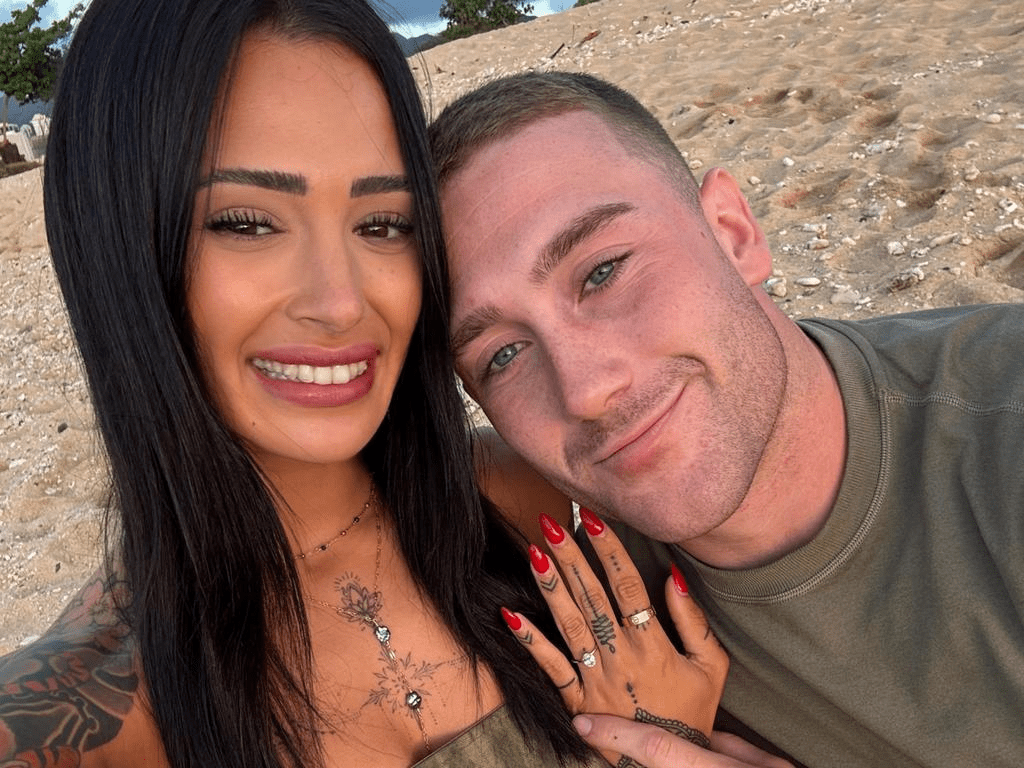
Mrs Saroukos has visited Hawaii three times in recent months under the ESTA visa waiver program to see her husband, a US Army lieutenant she married in December 2024 after a whirlwind long-distance romance. The couple met through a dating app and quickly knew they wanted to be together.
A former NSW police officer has described the terrifying ordeal she faced after she was detained, jailed overnight and deported from the United States – despite travelling there legally on a tourist visa to visit her US military husband.
Nikki Saroukos from south-west Sydney says she was “treated like a criminal”, denied her rights and subjected to invasive searches, humiliating treatment and a night in federal prison – simply for trying to spend time with her American partner stationed in Hawaii.
Now back in Australia and still reeling from the trauma, Mrs Saroukos and her mother are demanding answers – and warning others how easily international travel can turn into a nightmare.
Mrs Saroukos has visited Hawaii three times in recent months under the ESTA visa waiver program to see her husband, a US Army lieutenant she married in December 2024 after a whirlwind long-distance romance. The couple met through a dating app and quickly knew they wanted to be together.
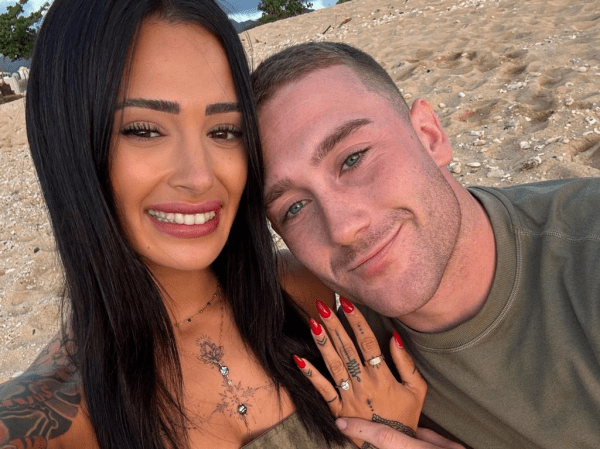
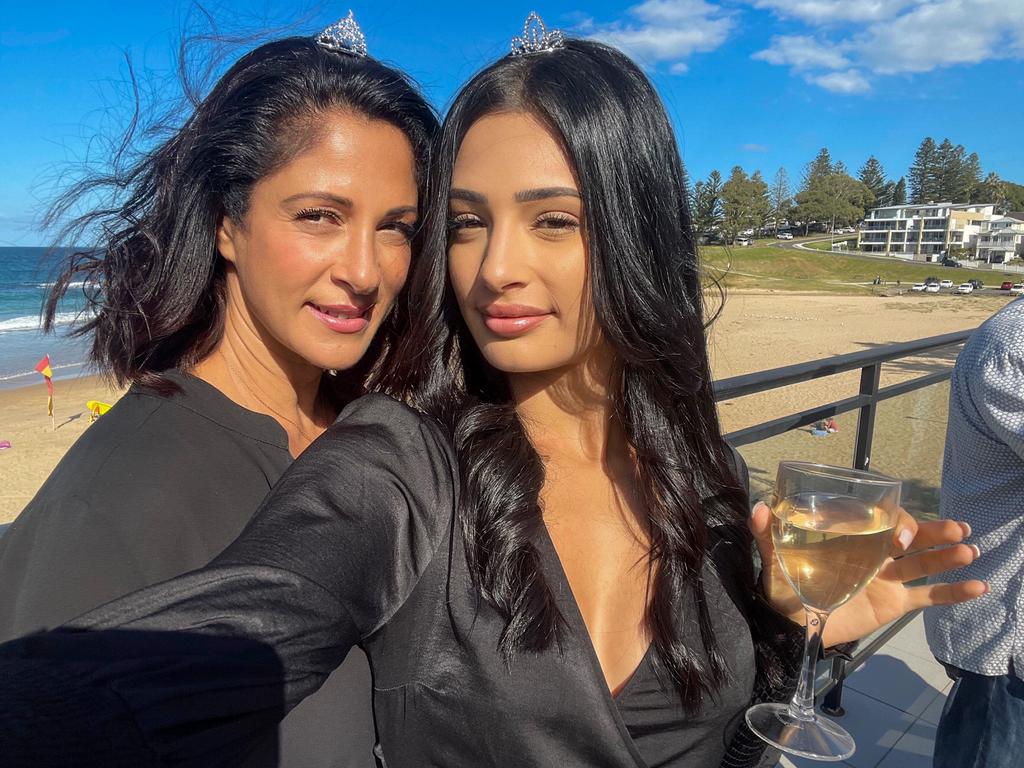
Mrs Saroukos and her mother (pictured left) were expecting a three week holiday to Honolulu. Picture: Supplied
He joined the army in 2022 and has been serving as a US Army lieutenant on the Pacific island and US state since August 2023.
“He’s serving their country,” Mrs Saroukos told news.com.au in an emotional interview.
“We sacrificed so much to make this work. To be mocked and detained like that – it’s appalling.”
Mrs Saroukos and her mother arrived to Daniel K Inouye International Airport in Honolulu last Sunday for what was supposed to be a routine three-week holiday when things took a sharp and unexpected turn at the customs desk.
“The officer began to look troubled at his computer to which my mum offered to provide more information,” she explained.
“From there he screamed – ‘Shut up and get to the back of the line, go now’ – at the top of his lungs.
“My fight or flight immediately kicked in. I’d seen horror stories about this stuff. I just bawled on the spot,” Mrs Saroukos recalled.
“We were in such a vulnerable position. We didn’t know their rules well and he was obviously carrying a gun.”
Mrs Saroukos, who lives with with anxiety and PTSD, and her mother were then taken to a holding area for questioning where she offered contact with her husband and to show her marriage certificate – to which they laughed in her face.
She said the pair were told, “Don’t say anything, don’t talk and don’t touch your phones,” by officers before their bags were tossed out and inspected along with their documents.
“I didn’t hide anything,” she said.
Her mother was free to go after the search but Mrs Saroukos was taken to a second location where she was subjected to further interrogation.
There, she was forced to surrender her phone and passwords, and questioned about her work as a former police officer.
“They questioned me about the demographic of my suburb and what crimes I was exposed to as a police officer,” she said.
“They were asking me about ice and meth and whether I knew how much was being imported from New Zealand.”
She said she had “now idea how to answere the questions.
“I was just dumbfounded,” she said.
“They took a 45-minute sworn statement where they grilled me on my stream of income, my marriage, my phone history.
“They were clutching at straws. They even asked why I had deleted Instagram three days prior, I was completely honest.”
After the statement concluded she was told to wait outside where she was then subjected to a DNA swab – which she was given no explanation for.
She was further forced to sign a document declaring she was not a part of a cartel and had no affiliation with gang members.
She also signed a document stating her husband was her next of kin and that he would be contacted and informed of her whereabouts – something she later learnt never happened.
After hours of questioning and a sworn statement, a supervisor informed her that her statement was deemed inadmissible and that she would not be entering the United States.
“I’ve never been so terrified in my life. I froze. They said ‘We’ll be sending you to jail.’ I was just shaking, sweating – I couldn’t believe it,” she said.
Mrs Saroukos said she was handcuffed, subjected to an in-depth cavity search and marched through the airport in full view of the public before being placed into a car and driven 10 minutes to a federal detention facility.
“The officers told me I wasn’t under arrest but I was cuffed and searched. My jewellery was taken and not secured. I felt stripped of all my dignity,” she said.
“I told the officer that from my understanding when you place someone in cuffs it’s an indication of arrest and you need to read them their rights.”
To which an officer replied, “It’s for our safety.”
When she asked a female officer whether she’d be safe inside the prison they told her, “I can’t answer that, I’ve never been there. I can assume you’d be safe to a degree.”
Upon arriving at the prison around 3.30pm, she was fingerprinted again, ordered to strip naked, squat and cough, and handed prison issued briefs and green outerwear.
“When they finished with the search there was a male officer standing outside who looked confused. He asked me why I was here to which I told him what had happened,” she said.
“He told me, ‘Wow. You should not be here right now, you have Trump to thank for that though.’”
When she asked if she would be fed, officers told her she had missed the cut off for dinner time and would not be provided any food today.
She was further forced to sign a waiver where she agreed she would not be making or receiving any phone calls – something her lawyer later informed her was against basic human rights.
Officers also told her that if she needed to take a shower she would not be provided with a towel and was to use a wet paper towel to clean herself.
“The entire time I was just thinking, ‘Shut up and do what they say and you’ll get out of here,’” she said.
Mrs Saroukos says she was taken to a shared cell where her roommate was a Fijian woman who was being held over similar circumstances.
“There were prisoners everywhere. I learned that I was being housed with convicted murderers,” she said.
“(Other inmates) told me I looked like a fish out of water and even gave me soap and a towel.
“As a former police officer it was such an irony to be on the other side of things. Those inmates treated me better than anyone else.”
Mrs Saroukos’ husband and mother had been waiting outside the airport for five hours with no information on her whereabouts.
“A Hawaiin Airlines ground manager told them that their ‘best guess is that she is there’ (the detention centre). That was all they had to go off,” she said.
Mrs Saroukos recalls that at 6am after only receiving an hour of sleep, she was woken by prison guards bashing on the metal cell doors.
“I just kept thinking that someone has to come save me and that this surely wasn’t really happening,” she said.
She was then told by officers that she would be leaving in ten minutes and was to clean her cell and discard any rubbish.
She was changed back into her own clothing before being transported back to the airport, again in handcuffs.
There, she was marched through crowds of people by officers before being taken to another holding room where she was finally given a small bottle of water, a muesli bar and a packet of chips.
“It was just so humiliating and embarrassing,” she said.
She was then informed she had a call from the Australian Embassy who had been closed over the weekend during the ordeal.
“They told me they couldn’t do anything and that no one had the power to help,” she said.
She asked the embassy to call her mother and let her know that she was being put on a 12.15pm flight back to Sydney.
“I couldn’t fly by myself, I was terrified.”
She was then finally allowed a three-minute phone call with her husband who was “inconsolable”.
“He was crying so much. When I asked if he had known where I was he told me ‘nobody told us anything’,” she said.
Mrs Saroukos was then escorted to the gate by two officers – one in front and one behind – who then handed her phone and passport to flight attendants.
Once in the air, she requested her phone to which a flight attendant said “You will get it given back when touch down and it will be handed over to Australian authorities.”
Upon landing in Australia, Mrs Saroukos was forced to stay on the plane where she expressed her concerns to an empathetic air hostess.
“She told me didn’t agree with what was happening.”
Once being free to de-board the plane, an Australia Customers Officer was waiting for her where he handed her an envelope with her belongings.
“He told me I was free to leave which I couldn’t believe,” she said.
Mrs Saroukos’ husband is planning to apply for an honourable discharge from the US Army as a result so that he can live and work in Australia.
“We don’t know yet what he’ll do here. We’re just too shaken up to even think about it,” she said.
“I never want to return to the United States.”
Mrs Saroukos and her family have now hired an immigration lawyer in the US to probe what can be done about her ordeal.
US Customs and Border Protection did not comment when contacted by news.com.au.
An irrefutable reality of being a member of the LGBTQ community, at any age, is that you must give more thought than non-LGBTQ people about where to live. What are the local laws that apply to LGBTQ people regarding workplace and housing discrimination, marriage equality and conversion therapy? What does available public polling reveal about acceptance of the LGBTQ community? Even if you’re not married and don’t plan to be, or even if you no longer work, such laws — or the absence of them — suggest to LGBTQ folks how safe and welcoming the locale will be for them.
The above is true whether you’re LGBTQ and 30 — or a gay retiree. You can’t just spin the globe. If you’re LGBTQ and are considering retiring abroad, it is incumbent on you to do more due diligence than your straight friends and family members would have to do in the same situation.
Best places for LGBTQ people to retire abroad
If you enlist the services of a lawyer who specializes in retirement abroad, you have to ask more questions; you have to spend more late nights googling; and you have to read more articles like this one, in which we examine the knotty issues related to gay retirement outside the U.S., include advice from both experts and expats, and make some (hopefully helpful) recommendations.
If everything falls into place, you can breathe a sigh of relief once you’re in the midst of your retirement abroad. Chris Young and Jon Kinnally, who both worked in the television industry — Young was a writer for Comedy Central, and Kinnally was a writer and producer for the sitcoms Will & Grace and Ugly Betty — lived most recently in Los Angeles before the couple moved to Spain. They chose Sitges, a vibrant, walkable beach town about 45 minutes from Barcelona. “It’s so open. You see gay and lesbian couples holding hands. And you can be old and gay here, which you can’t be in L.A.,” Young says, not entirely joking.
Below, we recommend some beautiful and culturally rich countries where LGBTQ folks can retire happily and safely. But just as the U.S. isn’t uniform in terms of acceptance, neither are most countries. The LGBTQ community scarcely needs to be told that the more populous and diverse the area — in the U.S., that means urban or coastal, or both — the more accepting the area tends to be.
But it’s worth repeating. As the founder and managing director of Mitos Relocation Solutions, Federica Grazi helps expats retire in Greece and other European countries, and she is quick to note that not all of Greece is like the gay magnets of Athens and Mykonos. “I would not recommend that gay couples move to the countryside, where there are traditional communities and not many expats — it would be harder to integrate there,” she counsels, but the same might be said of France, Spain, Italy — or the U.S.
With that in mind, here’s our hot list of retirement places.
Spain
Spain is well-known as one of the most LGBTQ-friendly countries in the world. Spain legalized same-sex marriage in 2005, a full decade before the U.S. Naturally, this factored into Young’s and Kinnally’s decision to move to Sitges, a global destination for gay tourism.
The two appreciate the fact that the resort town, while heavily gay — with a spate of gay bars, nightclubs, and hotels — is demographically diverse. “It’s not a gay ghetto,” Young says. “Sitges is a great mix,” Kinnally adds. “It’s different than a place like Provincetown. There are kids running through the streets, old Spanish ladies, and gay couples — all mixing together. It’s kind of a utopia if you want to retire.”
With health care costing the couple only 250 euros a month and three-course lunches priced from 15 to 17 euros, they can breathe easy about expenses and work on their respective book projects. (Kinnally’s I’m Prancing as Fast as I Can comes out in August.) Of the major cities, Barcelona is a gay mecca, and Madrid boasts Chueca, a festive gay neighborhood.
Greece
While same-sex marriage was only recently legalized in 2024, same-sex sexual activity was decriminalized in Greece in 1951, which compares favorably to the U.S., which granted this right far later — in 2003. Likewise, employment discrimination against gays and lesbians has been illegal in Greece since 2005 (with gender-identity protections following later), while the U.S. did not grant this protection at the federal level until 2020.
Athens boasts a large and thriving LGBTQ community, especially in the Gazi neighborhood, and the Cycladic island of Mykonos is arguably the world’s most popular summer destination for the LGBTQ community, with famous gay beaches like Elia and Super Paradise.
Former New Yorker Daniel Rentillo says that even the small, low-key island of Symi, where he retired, is a comfortable place to be LGBTQ, and he’s noticed more gay couples visiting and even making moves to relocate to the island. The fact that Greece enjoys excellent health care and a relatively low cost of living makes this country of cultural antiquities, plentiful beaches, mild weather, and fresh seafood a fine choice for retirees — LGBTQ or not.
Malta
Not only was employment discrimination against the LGBTQ community banned here, and same-sex sexual activity decriminalized years before the U.S. made these civil rights moves, but the island nation of Malta was also the first European country to ban conversion therapy. Supermajorities of Maltese support civil rights and marriage equality.
With a tiny population of half a million people living on three sunny, inhabited islands (Malta, Gozo, and Camino), the country is located south of Sicily, enjoying a similar Mediterranean climate and stunningly clear waters to swim in, especially at the natural coves at St. Peter’s Pool.
Valetta is the pedestrian-friendly capital and is the best place for gays to hole up, along with nearby Sliema. “Everyone accepts the LGBTQ community today,” says Matthew Cassar, a citizenship advocate and lawyer based in Sliema. “No one would conceive of discrimination,” noting that “there is no opposition party” set on scaling back the community’s rights. One of Cassar’s clients, worried for his transgender daughter’s rights and safety in the U.S. under the Trump administration, is in the middle of the citizenship process.
The country has two official languages: Maltese and English.
Australia
For more than a decade, public polling has shown support for gay rights and marriage quality surpassing the 70% mark. And some advances have been swift and recent: Since 2021, the country has outlawed the so-called gay panic defense, legalized marriage equality, and banned conversion therapy (in regions representing 85% of the population). In 2013, Australia implemented federal protections based on sexual orientation, gender identity, and intersex status.
Though marriage equality did not arrive in Australia until 2018, the capital of Sydney has embraced gay culture for decades: The annual Gay and Lesbian Mardi Gras, one of the world’s biggest LGBTQ celebrations, has been going strong since the 1970s. While Sydney, Adelaide and Brisbane have gay neighborhoods, the LGBTQ presence in Melbourne is more spread out.
Most retirees will find a pathway to relocate through the expensive ($500,000 to $750,000) Investor Retirement Visa. Still, it is cheaper to live in Sydney than in New York or San Francisco.
For those seeking a mild climate, beautiful cities, a friendly populace, excellent health care, and zero language barrier, “Oz” (the affectionate slang for Australia) may be the ticket.
Costa Rica
Costa Rica’s former president, Carlos Alvarado Quesada, was a notable reformer and advocate in the area of LGBTQ rights, garnering global attention when he publicly apologized for the country’s past persecution and discrimination of gays, calling it “shameful.” Same-sex marriage became legal in 2020, which was also the year that hate crimes and blackmail based on sexual orientation were criminalized. (Transgender rights already had been significantly expanded in 2018.)
A center of eco-tourism and sustainable well-being with no standing army, tropical Costa Rica has long been regarded as a kind of peaceable utopia for expats. With the Caribbean Sea on one side and the Pacific on the other, Costa Rica is known for its lush landscape and hot springs.
Gay life is centered in the capital city of San Jose and the carefree beach resort town of Manuel Antonio. Retirees will find the country very affordable, even with household help.
The Netherlands
The first country in the world to legalize same-sex marriage (in 2001) also banned discrimination based on gender identity, gender expression, and sex characteristics in 2019. Not only do most Dutch people support LGBTQ rights; many Dutch, especially those under 40, can’t even comprehend the discrimination faced by the community in other countries.
It would be an understatement to say that you can be comfortably gay in Amsterdam, with Reguliersdwarsstraat the most prominent LGBTQ area. This world-class city is postcard-perfect, teeming with cyclists, and is pedestrian-friendly (just mind the bike lanes). The visa system is straightforward and leads to residency. English is widely spoken, and the cultural opportunities seem endless.
On the downside, the country’s cost of living can feel a little pricey for those living outside major U.S. cities, and the weather in the Netherlands is rainier and chillier than in southern Europe.
Thailand
In 2024, Thailand made headlines when it became the first UN member state to approve a marriage equality law, and the country, with its myriad cultural and recreation opportunities, has long been popular with LGBTQ tourists. Therefore, LGBTQ couples and individuals may want to consider Thailand, but only if they’re of a certain stripe: adventurous and very well-traveled; tolerant of tropical heat; and veterans of previous vacations or work stints in the country.
In an exotic culture so far from friends and loved ones, it’s best to have an expat community already in place if you’re thinking of moving there. In addition, though Thailand offers the LGBTQ community a range of protections and anti-discrimination laws, local attitudes are still evolving, and social interactions should be carefully navigated (cue the established expat scene).
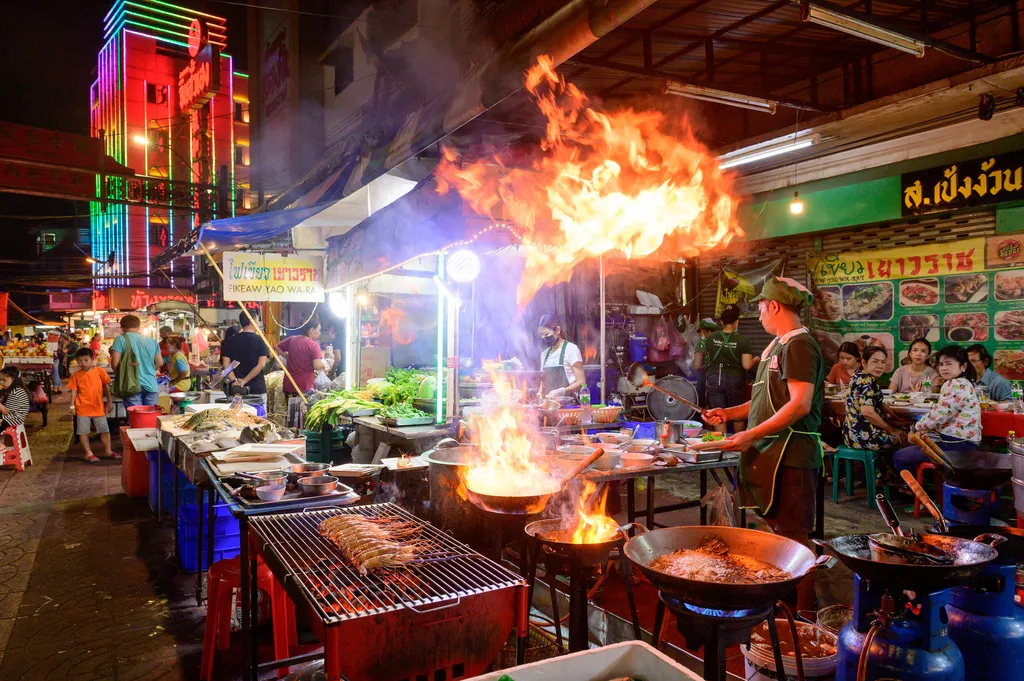
That said, this is a very inexpensive country with kind people. And if you love Thai food, having pad see ew where it was invented will be a revelation. The capital, Bangkok, is a uniquely stimulating place, where a ride on long-tailed boat along the Chao Phraya River may get you to your destination faster than an open tuk-tuk (taxi), given the city’s notoriously heavy traffic.
If you prefer a slower pace and a coastal setting, you can always base yourself in the resort areas of Phuket or Ko Samui, the latter the island where season 3 of The White Lotus was filmed.
A new Talker Research poll surveyed 2000 Americans and found 17% of those surveyed wanted to leave the US. Find out the top 5 countries Americans want to move to by watching the CBS Mornings YouTube Short below.
Check out this slideshow put together and posted to MSN.
While some places still make same-sex marriage complicated (or even illegal), others celebrate it fully, offering welcoming venues and stunning locations for your big day. If you’re looking for somewhere unique, safe, and unforgettable to say “I do,” these destinations offer the perfect mix of charm, romance, and friendliness toward the queer community.
The cities mentioned in the slideshow are:
Amsterdam Netherlands
Queenstown New Zealand
Toronto Canada
Cape Town South Africa
Reykjavik Iceland
Barcelona Spain
Valleta Malta
Sydney Australia
Mexico City Mexico
Copenhagen Denmark
Each town on the slide deck has a short excerpt about why the author included them. Be sure to read it.







 fleeredstates.blog
You must be logged in to post a comment.