What states are the best for LGBTQ+ people? These are the top 15

Read more at the Advocate.

Legislative attacks on the LGBTQ+ community have been pushed everywhere from city councils to the White House — but there are still some areas that are safe.

Over 1,000 anti-LGBTQ+ laws have been proposed across every state legislature in the U.S. over the past two years, according to the American Civil Liberties Union, and 126 have passed into law. Less than two months into the 2025 legislative session, 390 laws targeting LGBTQ+ people have been proposed.

Still, marriage equality and anti-discrimination protections based on sexual orientation and gender identity are still guaranteed federally by U.S. Supreme Court rulings (for now). On top of that, at least 15 states have “shield laws” protecting access to gender-affirming care and abortion.

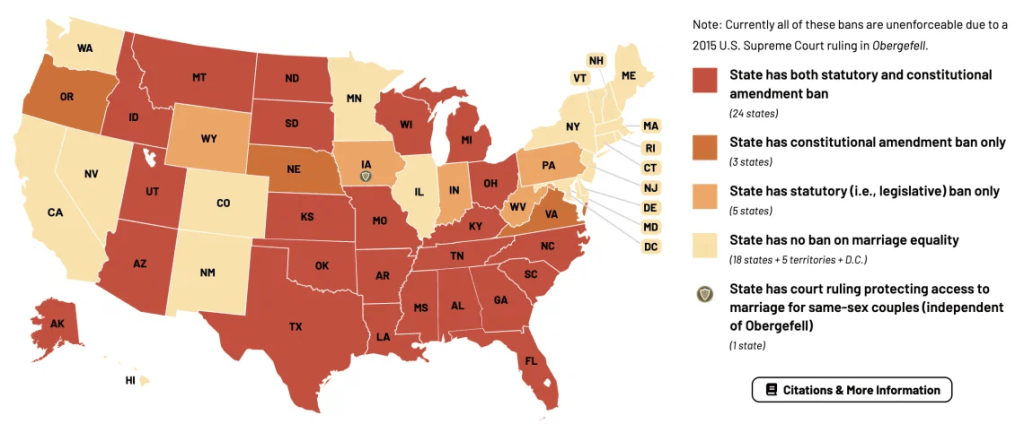
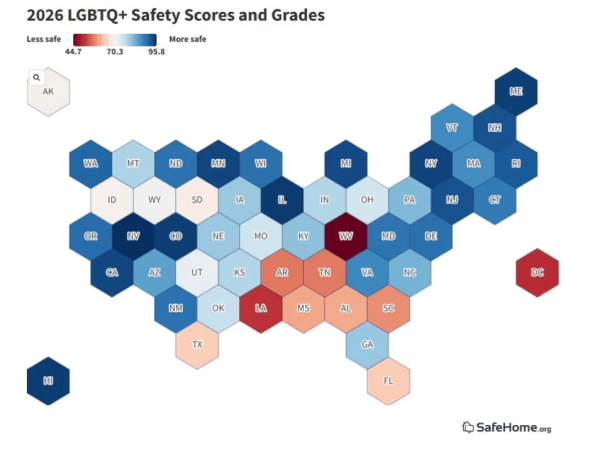
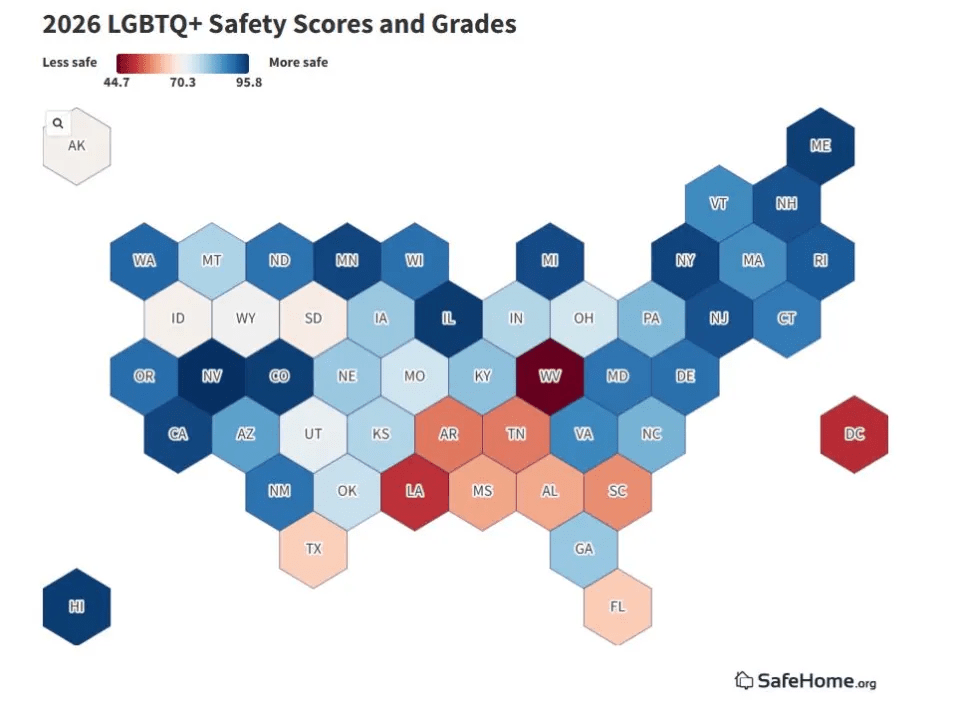
Based on laws surrounding marriage, family rights, health care, education, and youth collected by the Movement Advancement Project, here are the 15 best states for LGBTQ+ people.

The states include California, Colorado, Connecticut, Illinois, Maine, Maryland, Massachusetts, Minnesota, Nevada, New Jersey, New York, Oregon, Rhode Island, Vermont, and Washington. Honorable mentions go to Washington DC, Delaware, Hawaii, Michigan, New Mexico, and Virginia.

You can read about each state in more detail in the Advocate’s article.

Colorado passes new conversion therapy bill just after Supreme Court ruled against its ban

Read more at LGBTQ Nation.

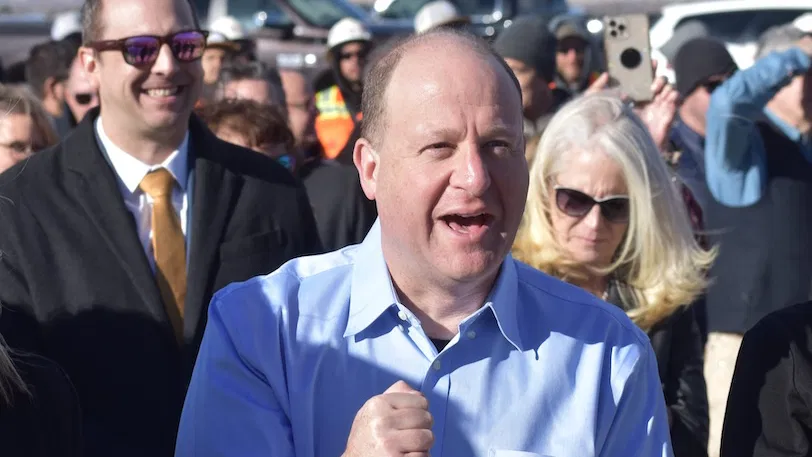
Colorado’s legislature has just passed a bill to curtail conversion therapy in the state. It now goes to Gov. Jared Polis‘ (D) desk. Polis is gay, has been supportive of LGBTQ+ rights in the past, and is expected to sign it.

The bill, H.B. 26-1322, or the Civil Actions for Conversion Therapy Survivors Act, would allow conversion therapy survivors to sue therapists for damages if they tried to change their sexual orientation or gender identity.

The bill defines conversion therapy as treatment provided by a licensed mental health professional with the “predetermined outcome” of changing someone’s gender identity or sexual orientation. This effectively keeps the bill from applying to members of the clergy or lay ministries – most conversion therapy in the U.S. is performed by religious organizations, not licensed therapists – and creates an exemption for discussions of LGBTQ+ identities that come up in therapy, a matter of contention in a recent Supreme Court case.

The legislation passed the state senate last week in a party-line vote after already passing the Colorado House of Representatives. The state senate amended the bill so it had to pass the state house again, which happened late last week, the Colorado Daily Camera reports.

The bill was introduced as the Supreme Court considered a challenge to Colorado’s previous ban on conversion therapy, passed in 2019. That ban on conversion therapy has never been enforced in the state, but a Christian therapist sued, saying that it violated her freedom of speech. She argued that it would ban her from even discussing LGBTQ+ identities with her clients, even though the state said repeatedly that it would not.

The Court ultimately ruled against the ban in Chiles v. Salazar, saying that it violated therapists’ First Amendment rights, and sent the case back to a lower court to reevaluate the law under a higher legal standard. Experts believe this means that Colorado’s 2019 conversion therapy ban – and bans like it passed in 26 other states and hundreds of municipalities – will likely eventually be overturned by courts.

The new bill is an attempt to circumvent the Court’s decision by treating it as a civil matter. The bill was introduced by state Reps. Alex Valdez (D) and Karen McCormick (D), and in the Colorado Senate by state Sens. Lisa Cutter (D) and Kyle Mullica (D).

LGBTQ+ rights advocates supported the bill, including trans National Center for LGBTQ Rights Legal Director Shannon Minter, who referred to the Supreme Court’s decision in Chiles as “specific guidance about how to amend conversion therapy laws to be viewpoint-neutral.”

“Given the urgency of this issue and the danger that conversion therapy poses to youth, Colorado moved swiftly,” he said. “Today this legislation is moving to the desk of Governor Polis and will protect Colorado’s youth and families from this discredited practice.”

“Colorado’s story is still being written, and today we took another step toward becoming a state where LGBTQIA+ people can live openly, safely, and fully as themselves,” said One Colorado executive director Nadine Bridges in a statement. “This victory belongs to the survivors, advocates, and community members who refused to let this issue be forgotten.”

Conversion therapy is a harmful practice based on the idea that LGBTQ+ identities are the result of trauma and that LGBTQ+ people need to fundamentally change who they are in order to be a good person. The practice has been linked to several harmful results, including anxiety, depression, eating disorders, and suicidality.

Colorado Dems pass “profound” law to protect trans kids who change their names

Read more at LGBTQ Nation.

Colorado Governor Jared Polis (D) has signed a law to protect trans children by sealing name changes for those who are under 18 when they file for one. The legislation will protect trans children

“Passing this bill is simple, but its impact is profound,” Colorado state Senator Katie Wallace (D), a sponsor of the bill, said in February. “It gives children the safety and dignity they deserve, and it treats their private life with the same care we afford in other sensitive cases.”

Colorado’s Senate Bill 18, “Legal Protections for Dignity of Minors,” simply makes it so that starting July 1, when anyone who is under 18 years old petitions for a name change, the court is required to suppress the record. That means the petition will not be part of the public record and cannot be collected through searches or data harvesting.

The only exception to the process is if the petitioner was previously convicted of a felony.

While the court will keep a record for administrative purposes, it cannot publish the petitioners’ names or their deadnames. The record can only be accessed by the petitioner or by someone who has obtained the petitioner’s verbal consent and submitted an affidavit to that effect.

The bill will easily benefit anyone who might want to change their name as a child, whether to have a name they feel more connected to or to distance themselves from a family name. While the language of the bill itself does not mention trans people, it will have a huge impact for trans kids, which has always been the mission of the legislation.

At a senate committee hearing in February, Z Williams, co-director of Bread and Roses Legal Center, spoke of how a parent thought someone in their child’s class might be trans and was able to search for their name change document online and out the second grader to the school, Colorado Newsline reported.

Williams said the parent “exposed that child is transgender in second grade to the entire school community through flyers and through her own children, not only practicing hate herself, but teaching others how to. That is why we asked the senators and representatives to run this bill.”

At the same hearing, Elsie Fierro, the political and policy director at LGBTQ+ advocacy organization One Colorado, shared the story of a Colorado family who had petitioned for a name change on behalf of their trans child. But when they searched the new name online, a search engine returned results that included the child’s deadname along with identifying information that had been scraped from public court documents. “That family spent months trying to remove it and protect their minor child in an increasingly hostile political climate. This is the reality some families are navigating,” Fierro told the committee.

In the face of Republican opposition, state Sen. Wallace said, “This bill will protect children from AI data-scraping of those public records, the potential of bullying if they should be found and from hostile individuals in the wider world.”

The bill was originally intended to do even more good, but had a section stripped from it in February. It originally sought to instruct family court judges to consider acceptance of a child’s gender identity when determining custody cases. Several studies, including one by The Trevor Project, have linked trans children being connected to accepting adults to lower risk for depression and suicide attempts.

The custody clauses had originally been included in an earlier bill, HB 1312, which passed last year and introduced legal protections for trans people against deadnaming, misgendering, and more. However, they were removed before it passed after LGBTQ+ groups raised concerns that the language could erode existing protections.

For SB 18, the clauses had been reworked, but Polis threatened to veto the bill unless the clauses were removed, claiming to have received word of similar concerns once again. However, state Sen. Wallace and Williams both suggested that Polis’ view of the provisions being “substantially the same” was incorrect and that they had been amended to assuage concerns.

Colorado Republicans have opposed this bill and other pro-trans legislation, pushing anti-trans bills in their place. However, Democrats currently hold a supermajority in the state and have been defending trans rights with new protections.

Supreme Court rules against Colorado’s ban on conversion therapy aimed at LGBTQ youth

Read more at NBC News.

In a blow to LGBTQ rights, the Supreme Court on Tuesday ruled that Colorado’s ban on conversion therapy aimed at youths struggling with their sexual orientation or gender identity violates the free speech rights of a conservative Christian therapist.

The 8-1 decision in favor of therapist Kaley Chiles on her claim brought under the Constitution’s First Amendment is likely to have national implications — more than 20 states have similar laws. It could also have an impact on other forms of medical treatment that involve speech.

Writing for the majority, Justice Neil Gorsuch said that “the First Amendment stands as a shield against any effort to enforce orthodoxy in thought or speech in this country.”

Colorado’s law “does not just ban physical interventions,” Gorsuch wrote. It also “censors speech based on viewpoint.”

In deciding the case, the court embraced Chiles’ argument that the Colorado law banning conversion therapy regulates speech, not conduct, as Colorado had argued. As such, the measure is not like other health care regulations that focus on conduct, the court concluded. The case, decided on the global Transgender Day of Visibility, will now return to the lower courts.

“The Supreme Court’s ruling is a victory for counselors and, more importantly, kids and families everywhere,” Chiles said in a statement. With the ban not in effect, she will be able to speak freely to clients “when they choose the goal of growing comfortable with their bodies,” she added.

Liberal Justice Ketanji Brown Jackson was the sole dissenter, taking the unusual step of reading a summary of her opinion in the courtroom. She focused on the distinction between speech and conduct.

“Under our precedents, bedrock First Amendment principles have far less salience when the speakers are medical professionals,” Jackson wrote.

Conversion therapy, favored by some religious conservatives, seeks to encourage gay or lesbian minors to identify as heterosexual and for transgender children to identify as the gender assigned to them at birth. Colorado bans the practice for licensed therapists, not for religious entities or family members.

The practice is widely discredited by medical organizations, including the American Medical Association, the American Psychological Association and the American Academy of Pediatrics. Conversion therapy is ineffective, research has found, and can even be harmful, increasing a risk of suicide among people subjected to it.

The ruling could have an impact on other forms of medical regulation, with Jackson saying the court could be “ushering in an era of unprofessional and unsafe medical care” where some forms of treatment are effectively free from regulation. She mentioned as an example what are known as “informed consent” regulations that require medical practitioners to ensure patients are aware of any potential risks before they undergo a treatment.

“The fallout could be catastrophic,” Jackson added.

Fellow liberal Justice Elena Kagan wrote a concurring opinion making it clear the Colorado law did implicate free speech rights, but so would what she called “mirror image” laws that could seek to ban therapy aimed at affirming a teen’s gender identity.

“Once again, because the state has suppressed one side of a debate, while aiding the other, the constitutional issue is straightforward,” she said, describing how courts would address such a measure.

The Supreme Court has a 6-3 conservative majority that has frequently ruled in favor of Christian conservatives who bring free speech cases that touch upon their religious beliefs.

The ruling follows a similar 2018 decision in which the conservative majority backed a free speech challenge to a California law that requires anti-abortion pregnancy centers to notify clients about where abortion services can be obtained.

The Supreme Court has backed LGBTQ rights in the past, legalizing same-sex marriage in 2015 and ruling five years later that a federal law barring employment discrimination applies to both gay and transgender people.

But, in a separate string of cases, the court has embraced free speech and religious expression rights when they conflict with anti-discrimination laws aimed at protecting LGBTQ people.

Last year, for example, the court backed a religious rights challenge to a Maryland school district’s policy of featuring LGBTQ-themed books in elementary schools without providing an opt-out option for families.

Two ballot initiatives gathering signatures target transgender kids in Colorado

Read more at Colorado Newsline.

A Colorado organization is leading two ballot measures that would restrict rights for transgender children in the state. 

Protect Kids Colorado, a coalition led by prominent anti-LGBTQ activist Erin Lee, is gathering signatures for ballot measures that would prevent transgender children from participating in school sports and receiving gender-affirming surgeries. Lee led several anti-LGBTQ initiatives that the Colorado Title Board rejected ahead of the 2024 election. 

The group has until Feb. 20 to submit 124,238 valid signatures from registered voters for each initiative to the Colorado secretary of state’s office. If that threshold is met, the measures would be placed on the November 2026 ballot. 

Z Williams, co-director of the Denver nonprofit Bread and Roses Legal Center, said both of the issues the ballot measures seek to address are relatively minute. Williams said they have yet to see “actual validated science” that supports the need for the initiatives. 

“The number of trans athletes is incredibly small, and the number of gender-affirming surgeries done for transgender youth or minors is even smaller,” Williams said. “We have two ballot measures … that are going to require hundreds of thousands of dollars, waste a lot of time, create a lot of confusion during the election over two pretty much manufactured issues.”

Protect Kids Colorado did not respond to Newsline’s request for comment on the initiatives.

Coloradans value freedom, a freedom that belongs to everyone, including transgender youth and their families.

– Cal Solverson, spokesperson for One Colorado

There isn’t clear data on the number of transgender student athletes in Colorado, and the two major hospitals that provide gender-affirming care to minors do not offer surgeries to minors.

Cal Solverson, spokesperson for LGBTQ+ advocacy organization One Colorado, said the ballot measures are ill-informed and jeopardize individual freedom. They also put transgender people, their families and health care providers across the state at risk, Solverson said. 

“Coloradans value freedom, a freedom that belongs to everyone, including transgender youth and their families,” Solverson said in a statement. “The right to exist as we are extends beyond the exam room to the playing field, where every child deserves the opportunity to stay active, develop life skills, and experience the deep camaraderie of a team.”

If the measures make it to the ballot, Solverson said One Colorado trusts that Colorado voters will defend transgender youth and “ensure that freedom continues to exist for all Coloradans and not just some.”

Prohibit certain surgeries on minors

Ballot Initiative 110 would prohibit health care professionals from knowingly performing any surgery on a minor “for the purpose of altering biological sex characteristics.” 

The measure would also prohibit state and federal funding including Medicaid from being used to pay for gender-affirming procedures.  

Children’s Hospital Colorado and Denver Health have paused gender-affirming care for youth amid the Trump administration’s threats to pull Medicaid and Medicare funding entirely.   

document on Protect Kids Colorado’s website says that Children’s Hospital Colorado performs gender-affirming surgeries on minors, but Children’s Hospital said in a statement that it has never provided gender-affirming surgical care to patients under 18, and it stopped offering such surgeries to adults in 2023. Denver Health stopped offering surgeries to minors in early 2025.

The document also says that while the ballot measure only targets gender-affirming surgeries, the organizations has “a multi-pronged plan to outlaw puberty blockers and cross-sex hormones for minors as well.”

The language in the initiative includes medical terms that aren’t necessarily related to surgery, such as prescriptions. It also applies to health care professionals such as podiatrists, dentists and chiropractors, who wouldn’t be performing gender-affirming surgeries in the first place. That adds concern about how the measure would affect other elements of gender-affirming care, according to Mardi Moore, CEO of LGBTQ+ advocacy group Rocky Mountain Equality. 

“It’s kind of like they’re throwing the spaghetti at the wall to see what’s going to stick,” Moore said. “There’s not a lot of people you can trust anymore, and I think Protect Kids Colorado is one of those groups that cannot be trusted to think they will keep all children safe.”

If the measure passes, it would lead to discriminatory practices in medical care, affecting all children, not just transgender children, Moore said. 

Male and female participation in school sports

Ballot Initiative 109 would create definitions in state statute aiming to define boys and girls based on physical anatomy, excluding transgender people. 

Sports teams sponsored by schools or athletic associations would be required to expressly designate those teams as for men, women or co-ed. Schools and their athletic departments would be required to adopt policies implementing the requirements of the initiative.

The measure would not affect any student’s ability to participate in co-ed sports. 

The state’s commissioner of education would be tasked with enforcing the measure, and would have discretion to determine how to “take appropriate remedial action” against any school not in compliance with its requirements. 

“It would mean a little 8-year-old who loves to play soccer and who happens to be trans couldn’t play anymore,” Moore said of Initiative 109. 

Colorado is known to be a safe place for LGBTQ+ people, Williams said, and families have moved to the state from around the country because they share those values. 

“When I was a kid, we were ‘the hate state,’ and Colorado has unequivocally disavowed that stance,” Williams said. “So I think we need to remember that these are folks that are trying to use a very marginalized community to rebuild a political ideology that’s been rejected for a very long time here.” 

Protect Kids Colorado is running a third ballot measure to increase penalties for people convicted of human trafficking of a minor. 

Supreme Court Will Review Ban on LGBTQ ‘Conversion Therapy’

Read more at MSN.

The US Supreme Court agreed to consider whether scores of state and local governments are violating the Constitution by barring licensed counselors from trying to change a child’s sexual orientation or gender identity.

The justices said they will hear a challenge to Colorado’s ban on what critics call “conversion therapy.” A counselor says the 2019 law violates her free speech rights.

The case adds to a growing list of culture-war clashes the Supreme Court has agreed to hear. The justices are already assessing a Tennessee law that outlaws certain medical treatments for transgender children. And in April they will hear a dispute over the use of LGBTQ-friendly books in the classroom and a case over efforts to create the country’s first religious public charter school.

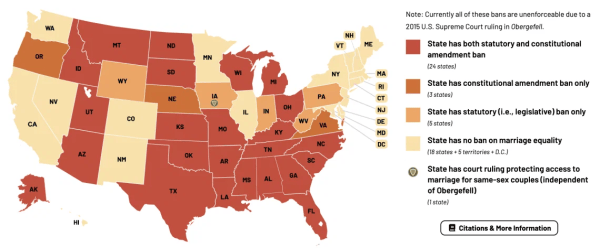
Twenty-eight states and more than 100 other jurisdictions either fully or partially ban the disputed practice, according to Movement Advancement Project, an LGBTQ advocacy group that tracks laws around the country. The Supreme Court rejected a challenge to Washington state’s ban in 2023.

The Colorado law is being challenged by Kaley Chiles, a licensed counselor who says she views her work as an outgrowth of her Christian faith. She is represented by the Alliance Defending Freedom, a Christian legal group that has been behind some of court’s highest profile cases in recent years, including the successful effort to overturn the constitutional right to abortion.

In a call with reporters, Chiles said the law “silences diverse perspectives and interferes with my ability to serve my clients with integrity.” One of her lawyers, ADF’s Jim Campbell, said Chiles had turned away multiple clients because of the law, though he didn’t disclose how many.

In upholding the law, the Denver-based 10th US Circuit Court of Appeals said it legitimately regulates professional conduct and only incidentally affects speech. Colorado officials urged rejection of the appeal, likening the measure to malpractice laws and informed-consent requirements.

The Constitution “allows states to reasonably regulate professional conduct to protect patients from substandard treatment, even when that regulation incidentally burdens speech,” Colorado argued.

The court will hear arguments and rule in the case in the nine-month term that starts in October.

The case is Chiles v. Salazar, 24-539.

(Updates with comments from counselor in sixth paragraph.)

Colorado state sports association settles lawsuit by allowing schools to ban trans athletes

Read more at LGBTQ Nation.

The Colorado High School Activities Association (CHSAA) has settled a lawsuit brought by right-wing school districts for the right for schools to bar trans students from joining sports teams that align with their gender. The lawsuit targeted multiple defendants and will continue with the remaining ones without CHSAA’s involvement.

“Eligibility decisions have always been left to individual schools and districts, which is why being named in this lawsuit was both frustrating and unnecessary,” a CHSAA spokesperson said in a statement. She went on to call the organization’s inclusion in the lawsuit “much more performative than substantive.” 

The lawsuit was brought by several school districts but was led by District 49. That district’s board passed a controversial trans sports ban back in May by a narrow margin. The lawsuit against the state was filed the day after the policy was voted in, calling for Colorado to allow the ban to be enacted and to align policies with the demands laid out in the president’s “two sexes” executive order.

Colorado has state laws prohibiting discrimination against trans people, specifically people’s gender identity or gender expression. While the lawsuit cites the Equal Protection Clause of the Fourteenth Amendment in arguing that trans girls playing on the girls’ team affects the rights of cis girls, it does not mention the impact on the rights of trans girls.

To settle their part of the lawsuit, CHSAA agreed not to sanction the districts and schools named in the lawsuit for banning trans students from sports teams. It will also not respond to statements the schools make about “advantages of biological males over biological females in competitive sports” or potential propaganda about the hazards of “allowing biological males to play contact sports with or against biological females.” There will also be no penalties from CHSAA for forfeiting against a team because they allow trans children to play.

CSHAA has said that it will still sanction the schools and districts if any of those statements are demeaning in nature or call for violence against trans people. The organization is also recouping $60,000 in legal and operational fees.

While some Colorado school districts specifically allow trans students to play sports under their correct gender identity, others have no concrete rules about it. CSHAA has never stepped in over a trans person being allowed to play school sports, or not being able to.

The lawsuit will continue with the Colorado Attorney General Phil Weiser and other Colorado Civil Rights Division officials as the remaining defendants.

Colorado’s District 49 has around 27,000 students. In May, Board President Lori Thompson noted that, as far as she was aware, the district had only had one instance of a trans student trying to join a sports team that aligned with their gender identity. The student in question was a trans boy, and they did not pass tryouts.

Catholic preschools appeal to Supreme Court in Colorado case over LGBTQ rights and religious liberty

Read more at CPR News.

Two Denver-area Catholic parishes asked the U.S. Supreme Court on Thursday to reconsider a lower court decision that said parish preschools participating in Colorado’s state-funded preschool program couldn’t deny admission to LGBTQ children or children from LGBTQ families.

The appeal to the Supreme Court comes about six weeks after the 10th Circuit Court of Appeals ruled against the Catholic parishes, which had argued that enrolling children from LGBTQ families would conflict with their religious beliefs.

Gov. Jared Polis lauded the circuit court’s Sept. 30 ruling, which was a major win for the state.

If the Supreme Court agrees to hear the case, the justices could answer a question at the heart of the case: Can private religious schools that accept public education dollars refuse to enroll certain kids based on religious principles? The state and two lower courts have said no. The Supreme Court, which has a conservative majority, could give a different answer.

A spokesperson for Colorado Department of Early Childhood, which runs the state-funded preschool program, said officials won’t comment on pending or active litigation.

The Catholic preschools sued the state in 2023 as Colorado launched its new universal preschool program, which provides tuition-free preschool to 4-year-olds statewide. The $349 million program serves more than 40,000 children and allows families to choose from public, private, or religious preschools.

St. Mary Catholic Virtue School in Littleton and Wellspring Catholic Academy in Lakewood wanted to join the program when it started, but didn’t want to admit LGBTQ children or children from LGBTQ families.

They asked for an exemption from state rules banning discrimination based on sexual orientation and gender identity, but the Colorado Department of Early Childhood refused. The two preschools never joined the program, and in August 2023, the parishes that ran the preschools sued the state.

Of more than 2,000 preschools participating in Colorado’s universal preschool program this year, about 40 are religious.

Attorneys from The Becket Fund for Religious Liberty, which is representing the Catholic preschools in the case, have argued that Colorado is discriminating against the preschools based on religion.

“Colorado is picking winners and losers based on the content of their religious beliefs,” Nick Reaves, senior counsel at Becket, said in a press release Friday.

The release suggests that Colorado’s rules barring discrimination have hurt Catholic preschool enrollment.

Since universal preschool began, “enrollment at Catholic preschools has swiftly declined, while two Catholic preschools have shuttered their doors, including one that predominantly served low-income and minority families,” the press release said.

Wellspring, one of two parish preschools involved in the case, did close last year when the K-8 school it was part of closed because of low enrollment and financial problems. A Catholic preschool in Denver also shuttered when the K-8 school it was part of — Guardian Angels Catholic School — closed at the end of the 2024-25 school year. At the time the Archdiocese of Denver announced the closure of Wellspring and Guardian Angels, it also announced the consolidation of two Catholic high schools into one campus.

Appeals court rules for Colorado and LGBTQ rights and against Catholic parishes in state preschool case

Read more at KUNC.

Preschoolers with LGBTQ parents or who identify as LGBTQ can’t be shut out of religious preschools that are part of Colorado’s state-funded preschool program, a federal appeals court ruled Tuesday.

The decision, which upholds a key part of a lower court decision, represents a major win for the state and a defeat for the two Denver-area Catholic preschools at the center of the case.

Tuesday’s decision provides the latest answer to a question being asked in several cases percolating in state and federal courts: Can private religious schools that accept public education dollars refuse to enroll certain kids based on religious principles?

Along with the 10th Circuit Court of Appeal, a Maine federal district court and a Utah state court are among those who have said no.

It’s possible the U.S. Supreme Court could eventually weigh in, though it’s not clear which case will advance to the high court.

In its 54-page ruling, the 10th Circuit Court of Appeals wrote that it found no proof that the Colorado Department of Early Childhood took actions that “evidence religious hostility” as the two Catholic preschools claimed.

The state’s universal preschool program “went to great effort to be welcoming and inclusive of faith-based preschools’ participation,” the decision said.

The three-judge panel also found that the early childhood department, which runs the preschool program, had applied its nondiscrimination policy in a neutral way to both religious and non-religious preschools.

The policy bars preschools from discriminating based on a variety of factors, including sexual orientation and gender identity. State officials cited the policy in denying the Catholic preschools a waiver that would have allowed them to keep LGBTQ children or children from LGBTQ families from enrolling.

In a statement Tuesday, Gov. Jared Polis said, “We are building a Colorado for all, where every student is free from discrimination and this voter-approved initiative continues to enroll approximately 70% of all eligible four-year-olds each school year and many faith based and secular providers are operating terrific preschools that serve parents and children well.”

Tuesday’s ruling essentially upholds the status quo in the universal preschool program, meaning that participating preschools can’t shut out LGBTQ children or children with LGBTQ parents.

The three appeals court judges who ruled Tuesday were Gregory Phillips, Veronica Rossman, and Richard Federico. Phillips was appointed by President Barack Obama, and Rossman and Federico were appointed by President Joe Biden.

Nick Reaves, senior counsel at The Becket Fund for Religious Liberty, which is representing the Catholic preschools in the case, sent Chalkbeat a short statement about the ruling.

“Colorado is punishing religious schools and the families they serve for following their faith. The Tenth Circuit’s decision allows the state’s anti-religious gamesmanship to continue. We will keep fighting to ensure that every preschooler in Colorado can access quality, affordable education.”

Conflict arose as state preschool program rolled out

The Colorado case began in 2023 as the state was launching its new universal preschool program, which provides tuition-free preschool to 4-year-olds statewide. The $349 million program serves more than 40,000 children and allows families to choose from public, private, or religious preschools.

Of more than 2,000 preschools participating in the program this year, about 40 are religious.

St. Mary Catholic Virtue School in Littleton and Wellspring Catholic Academy in Lakewood wanted to join the program when it started, but didn’t want to admit LGBTQ children or children from LGBTQ families.

They asked for an exemption from state rules banning discrimination based on sexual orientation and gender identity, but the Colorado Department of Early Childhood refused. The two preschools never joined the program, and in August 2023, the parishes that ran the preschools sued the state. (Wellspring Catholic Academy closed in December 2024.)

In June 2024, a federal district court judge appointed by President Jimmy Carter largely ruled in the state’s favor.

He wrote of Colorado’s non-discrimination rules: “The purpose of the requirement is not to invade religious freedom but to further the implementation of a strongly embraced public value.”

The parishes quickly appealed.

Unfolding alongside the Catholic preschool case is a separate lawsuit over universal preschool brought by an evangelical Christian preschool in southern Colorado. Unlike the Catholic preschools, that school, Darren Patterson Christian Academy, joined the universal preschool program when it launched.

While officials there never sought to keep LGBTQ children or families out, their lawsuit said state non-discrimination rules could force the preschool to hire employees who don’t share its faith or to change school policies related to restrooms, pronouns, and dress codes.

In February, a federal judge appointed by Donald Trump ruled in favor of Darren Patterson Christian Academy.

The state appealed the ruling in March. The case is ongoing.

What states are the best for LGBTQ+ people? These are the top 15

Read more at The Advocate.

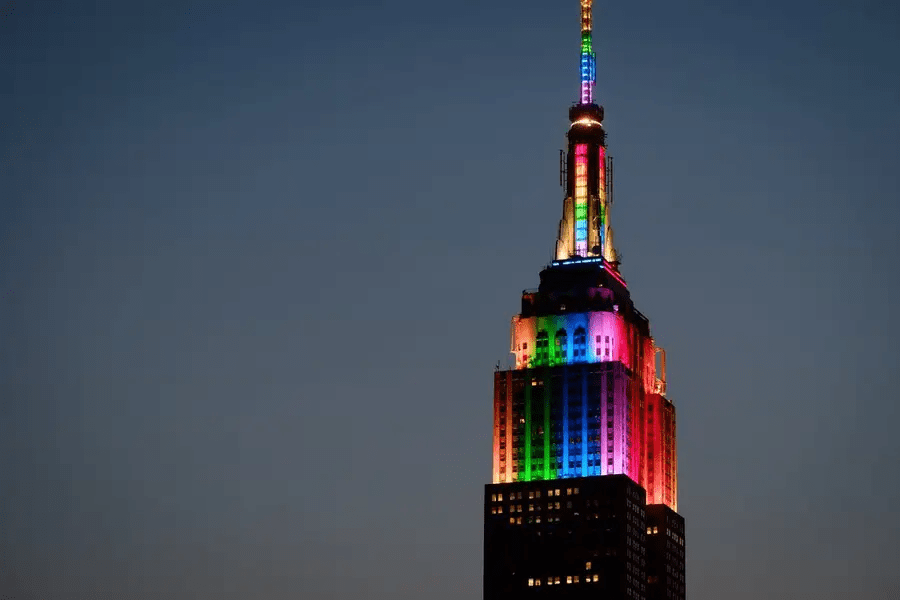
\u200bRainbow crosswalk in Hoboken (L); Women on motorcycles at Denver Pride (M); Empire State Building in rainbow colors (R)

Kirkam / Shutterstock.com; Philipp Salveter / Shutterstock.com; anaglic / Shutterstock.com

Rainbow LGBTQ+ Pride crosswalk in Hoboken, New Jersey (L); Women on motorcycles at Pride celebration in Denver, Colorado (M); Empire State Building in NYC lit up in rainbow colors (R)

    Legislative attacks on the LGBTQ+ community have been pushed everywhere from city councils to the White House — but there are still some areas that are safe.

    Over 1,000 anti-LGBTQ+ laws have been proposed across every state legislature in the U.S. over the past two years, according to the American Civil Liberties Union, and 126 have passed into law. Less than two months into the 2025 legislative session, 390 laws targeting LGBTQ+ people have been proposed.

    Still, marriage equality and anti-discrimination protections based on sexual orientation and gender identity are still guaranteed federally by U.S. Supreme Court rulings (for now). On top of that, at least 15 states have “shield laws” protecting access to gender-affirming care and abortion.

    Based on laws surrounding marriage, family rights, health care, education, and youth collected by the Movement Advancement Project, here are the 15 best states for LGBTQ+ people.

    Related: What states are the most dangerous for LGBTQ+ people? Here are the worst 15

    California

    West Hollywood Pride balloons

    GrandAve / Shutterstock.com

    Pride celebration in West Hollywood, California – June 9, 2019

      Nondiscrimination laws: California has nondiscrimination laws in employment, housing, health care, education, public accommodations, and credit/lending.

      Marriage equality and parental rights: California has adoption and foster care nondiscrimination protections for LGBTQ+ parents, second-parent adoption for unmarried couples and confirmatory adoption, and recognition for parents using assisted reproductive technologies. It also has family leave laws, which include LGBTQ-inclusive definitions.

      Education and youth policies: California does not restrict discussion of LGBTQ+ identities in classrooms, and instead requires curriculum to be LGBTQ-inclusive, which parents are not required to be notified of. It does not prevent transgender students from participating in sports or using school facilities based on their identities, and it does not require staff to forcibly out LGBTQ+ students to their guardians.

      Healthcare access and rights: California has “shield” laws protecting access to gender-affirming care for youth, as well as abortion. The state has also banned so-called conversion therapy for youth. Health insurance companies, including Medicaid, are not allowed to deny coverage related to gender transition. However, they are not required to cover fertility treatments.

      Criminal justice: California’s hate crime laws encompass sexual orientation and gender identity, and it has banned the so-called “LGBTQ+ panic” defense. While the state does not criminalize HIV, it does have sentencing enhancements for sex-related convictions for those with HIV.

      Colorado

      Women on motorcycles at Denver Pride celebration

      Philipp Salveter / Shutterstock.com

      Women on motorcycles at Pride celebration in Denver, Colorado, USA – June 16th 2019

        Nondiscrimination laws: Colorado has nondiscrimination laws in employment, housing, education, health care, public accommodations, and credit/lending.

        Marriage equality and parental rights: Colorado has adoption and foster care nondiscrimination protections for LGBTQ+ parents, second-parent adoption for unmarried couples and confirmatory adoption, and recognition for parents using assisted reproductive technologies. It also has family leave laws, which include LGBTQ-inclusive definitions.

        Education and youth policies: Colorado does not prevent transgender students from participating in sports or using school facilities based on their identities, and it does not require staff to forcibly out LGBTQ+ students to their guardians. It does not restrict discussion of LGBTQ+ identities in classrooms, and instead requires curriculum to be LGBTQ-inclusive, which parents are not required to be notified of.

        Healthcare access and rights: Colorado has “shield” laws protecting access to gender-affirming care for youth, as well as abortion. The state has also banned so-called conversion therapy for youth. Health insurance companies, including Medicaid, are not allowed to deny coverage related to gender transition. However, state employees who are transgender do not have inclusive health benefits. Insurance companies are also not required to cover fertility treatments.

        Criminal justice: The state’s hate crime laws encompass sexual orientation and gender identity, and it has banned the so-called “LGBTQ+ panic” defense. Like California, Colorado does not criminalize HIV, but it does have sentencing enhancements for sex-related convictions for those with HIV.

        Connecticut

        Pride flags outside Vine Cottage CT

        Miro Vrlik Photography / Shutterstock.com

        LGBTQ+ Pride flags outside Vine Cottage in New Canaan, Connecticut – June 13, 2021

          Nondiscrimination laws: Connecticut has nondiscrimination laws in employment, housing, education, public accommodations, and credit/lending. It does not have nondiscrimination laws for private healthcare, and it does have a broad “Religious Exemption” law.

          Marriage equality and parental rights: Connecticut has adoption and foster care nondiscrimination protections for LGBTQ+ parents, second-parent adoption for unmarried couples and confirmatory adoption, and recognition for parents using assisted reproductive technologies. It also has family leave laws, but their LGBTQ-inclusive definitions are not as robust as those of California or Colorado.

          Education and youth policies: Connecticut does not restrict discussion of LGBTQ+ identities in classrooms, but it does not have LGBTQ-inclusive curriculum. It does not prevent transgender students from participating in sports or using school facilities based on their identities, and it does not require staff to forcibly out LGBTQ+ students to their guardians.

          Healthcare access and rights: Connecticut has “shield” laws protecting access to gender-affirming care for youth, as well as abortion. The state has also banned so-called conversion therapy for youth. Health insurance companies, including Medicaid, are not allowed to deny coverage related to gender transition. Private insurance is required to cover some fertility treatments, but Medicaid is not.Criminal justice:Connecticut’s hate crime law encompasses sexual orientation but not gender identity. It also does not have nondiscrimination laws for LGBTQ+ people in jury selection.

          Illinois

          "Persist" balloons at Chicago

          Dominique Robinson / Shutterstock.com

          LGBTQ+ Pride in Chicago, Illinois – June 30th 2019

            Nondiscrimination laws: Illinois has nondiscrimination laws in employment, housing, health care, education, public accommodations, and credit/lending. However, it does have a broad “Religious Exemption” law.

            Marriage equality and parental rights: Illinois has adoption and foster care nondiscrimination protections for LGBTQ+ parents, second-parent adoption for unmarried couples, and recognition for parents using assisted reproductive technologies. It also has family leave laws, which include LGBTQ-inclusive definitions. It does not have confirmatory adoption.

            Education and youth policies: Illinois does not restrict discussion of LGBTQ+ identities in classrooms, and instead requires curriculum to be LGBTQ-inclusive, which parents are not required to be notified of. It does not prevent transgender students from participating in sports or using school facilities based on their identities, and it does not require staff to forcibly out LGBTQ+ students to their guardians.

            Healthcare access and rights: Illinois has “shield” laws protecting access to gender-affirming care for youth, as well as abortion. The state has also banned so-called conversion therapy for youth. Health insurance companies, including Medicaid, are not allowed to deny coverage related to gender transition or fertility treatments.

            Criminal justice: Illinois’ hate crime laws encompass sexual orientation and gender identity, and it has banned the so-called “LGBTQ+ panic” defense.

            Maine

            Woman waving flag at Pride in Portland, Maine

            Enrico Della Pietra / Shutterstock.com

            LGBTQ+ Pride in Portland, Maine – June 18, 2022

              Nondiscrimination laws: Maine has nondiscrimination laws in employment, housing, health care, education, public accommodations, and credit/lending.

              Marriage equality and parental rights: Maine has adoption and foster care nondiscrimination protections for LGBTQ+ parents, second-parent adoption for unmarried couples and confirmatory adoption, and recognition for parents using assisted reproductive technologies. It also has family leave laws, which include LGBTQ-inclusive definitions.

              Education and youth policies: Maine does not restrict discussion of LGBTQ+ identities in classrooms, but it does not have LGBTQ-inclusive curriculum. It does not prevent transgender students from participating in sports or using school facilities based on their identities, and it does not require staff to forcibly out LGBTQ+ students to their guardians.

              Healthcare access and rights: Maine has “shield” laws protecting access to gender-affirming care for youth, as well as abortion. The state has also banned so-called conversion therapy for youth. Health insurance companies, including Medicaid, are not allowed to deny coverage related to gender transition. Private insurance is required to cover some fertility treatments, but Medicaid is not.Criminal justice:Maine’s hate crime laws encompass sexual orientation and gender identity, and it has banned the so-called “LGBTQ+ panic” defense.

              Maryland

              Marchers and floats in the first Annapolis Pride parade

              Keri Delaney / Shutterstock.com

              The inaugural Pride Parade in Annapolis, Maryland – June 29, 2019

                Nondiscrimination laws: Maryland has nondiscrimination laws in employment, housing, health care, education, public accommodations, and credit/lending.

                Marriage equality and parental rights: Maryland has adoption and foster care nondiscrimination protections for LGBTQ+ parents, confirmatory adoption, and recognition for parents using assisted reproductive technologies. It does not second-parent adoption for unmarried couples. It also has family leave laws, but their LGBTQ-inclusive definitions are not as robust as others.

                Education and youth policies: Maryland does not restrict discussion of LGBTQ+ identities in classrooms, but it does not have LGBTQ-inclusive curriculum. It does not prevent transgender students from participating in sports or using school facilities based on their identities, and it does not require staff to forcibly out LGBTQ+ students to their guardians.

                Healthcare access and rights: Maryland has “shield” laws protecting access to gender-affirming care for youth, as well as abortion. The state has also banned so-called conversion therapy for youth. Health insurance companies, including Medicaid, are not allowed to deny coverage related to gender transition. Private insurance is required to cover some fertility treatments, but Medicaid is not.

                Criminal justice: Maryland’s hate crime laws encompass sexual orientation and gender identity, and it has banned the so-called “LGBTQ+ panic” defense. It does have a law criminalizing the transmission of HIV.

                Massachusetts

                Pride flag over Boston Seaport

                Michael Moloney / Shutterstock.com

                LGBTQ+ Pride flag waving in the wind over the Boston Seaport – JUNE 2, 2019

                  Nondiscrimination laws: Massachusetts has nondiscrimination laws in employment, housing, education, public accommodations, and credit/lending. It has nondiscrimination laws for gender identity in private healthcare, but not for sexual orientation.

                  Marriage equality and parental rights: Massachusetts has adoption and foster care nondiscrimination protections for LGBTQ+ parents, second-parent adoption for unmarried couples, and recognition for parents using assisted reproductive technologies. It also has family leave laws, which include LGBTQ-inclusive definitions. It does not have confirmatory adoption.

                  Education and youth policies: Massachusetts does not restrict discussion of LGBTQ+ identities in classrooms, but it does not have LGBTQ-inclusive curriculum. It does not prevent transgender students from participating in sports or using school facilities based on their identities, and it does not require staff to forcibly out LGBTQ+ students to their guardians.

                  Healthcare access and rights: Massachusetts has “shield” laws protecting access to gender-affirming care for youth, as well as abortion. The state has also banned so-called conversion therapy for youth. Health insurance companies, including Medicaid, are not allowed to deny coverage related to gender transition. Private insurance is required to cover some fertility treatments, but Medicaid is not.

                  Criminal justice: Maryland’s hate crime laws encompass sexual orientation and gender identity, but it has not banned the so-called “LGBTQ+ panic” defense. It does not have nondiscrimination protections based on gender identity for jury selection.

                  Minnesota

                  Lowry Avenue Bridge in Minneapolis lit in Rainbow Colors

                  Shuttershock Creative

                  Lowry Avenue Bridge in Minneapolis lit in Rainbow Colors in Honor of Orlando Victims

                    Nondiscrimination laws: Minnesota has nondiscrimination laws in employment, housing, health care, education, public accommodations, and credit/lending.

                    Marriage equality and parental rights: Minnesota has adoption and foster care nondiscrimination protections for LGBTQ+ parents. It does have family leave laws, which include LGBTQ-inclusive definitions. It does not have second-parent adoption for unmarried couples, confirmatory adoption, nor recognition for parents using assisted reproductive technologies.

                    Education and youth policies: Minnesota does not restrict discussion of LGBTQ+ identities in classrooms, but it does not have LGBTQ-inclusive curriculum. It does not prevent transgender students from participating in sports or using school facilities based on their identities, and it does not require staff to forcibly out LGBTQ+ students to their guardians.

                    Healthcare access and rights: Minnesota has “shield” laws protecting access to gender-affirming care for youth, as well as abortion. The state has also banned so-called conversion therapy for youth. Health insurance companies, including Medicaid, are not allowed to deny coverage related to gender transition. However, they are not required to cover fertility treatments.

                    Criminal justice: Minnesota’s hate crime laws encompass sexual orientation and gender identity, and it has banned the so-called “LGBTQ+ panic” defense.

                    Nevada

                    Las Vegas Pride parade float

                    Kobby Dagan / Shutterstock

                    LGBTQ+ Pride parade in Las Vegas, Nevada – October 21 , 2016

                      Nondiscrimination laws: Nevada has nondiscrimination laws in employment, housing, health care, education, public accommodations, and credit/lending.

                      Marriage equality and parental rights: Nevada has adoption and foster care nondiscrimination protections for LGBTQ+ parents, second-parent adoption for unmarried couples, and recognition for parents using assisted reproductive technologies. It also has family leave laws, which include LGBTQ-inclusive definitions. It does not have confirmatory adoption.

                      Education and youth policies: Nevada does not restrict discussion of LGBTQ+ identities in classrooms, and instead requires curriculum to be LGBTQ-inclusive, which parents are not required to be notified of. It does not prevent transgender students from participating in sports or using school facilities based on their identities, but it does not require staff to forcibly out students who change their gender identity to their guardians

                      Healthcare access and rights: Nevada does not have shield laws for gender-affirming care and abortion. The state has also banned so-called conversion therapy for youth. Health insurance companies, including Medicaid, are not allowed to deny coverage related to gender transition. However, they are not required to cover fertility treatments.

                      Criminal justice: Nevada’s hate crime laws encompass sexual orientation and gender identity, and it has banned the so-called “LGBTQ+ panic” defense. It does not have nondiscrimination protections based on gender identity for jury selection.

                      New Jersey

                      Rainbow crosswalk in Hoboken, New Jersey

                      Kirkam / Shutterstock.com

                      Rainbow LGBTQ+ Pride crosswalk in Hoboken, New Jersey, – June 25, 2023

                        Nondiscrimination laws: New Jersey has nondiscrimination laws in employment, housing, education, public accommodations, and credit/lending. It has nondiscrimination laws for gender identity in private healthcare, but not for sexual orientation.

                        Marriage equality and parental rights: New Jersey has adoption and foster care nondiscrimination protections for LGBTQ+ parents, and second-parent adoption for unmarried couples and confirmatory adoption. It also has family leave laws, which include LGBTQ-inclusive definitions. It does not have recognition for parents using assisted reproductive technologies.

                        Education and youth policies: New Jersey does not restrict discussion of LGBTQ+ identities in classrooms, and instead requires curriculum to be LGBTQ-inclusive, which parents are not required to be notified of. It does not prevent transgender students from participating in sports or using school facilities based on their identities, and it does not require staff to forcibly out LGBTQ+ students to their guardians.

                        Healthcare access and rights: New Jersey has “shield” laws protecting access to gender-affirming care for youth, as well as abortion. The state has also banned so-called conversion therapy for youth. Health insurance companies, including Medicaid, are not allowed to deny coverage related to gender transition. Private insurance is required to cover some fertility treatments, but Medicaid is not.

                        Criminal justice: New Jersey’s hate crime laws encompass sexual orientation and gender identity, and it has banned the so-called “LGBTQ+ panic” defense. It does not have nondiscrimination laws for LGBTQ+ people in jury selection.

                        New York

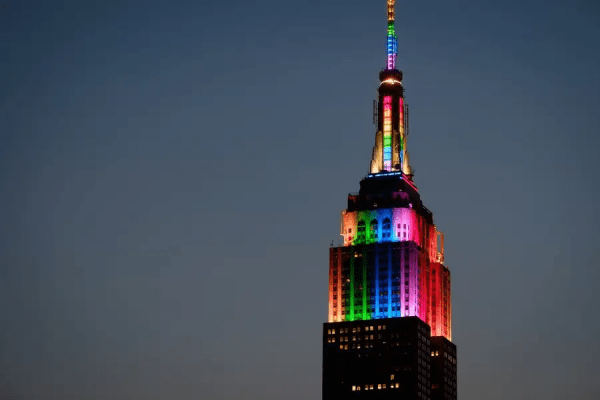
                        Empire State Building in rainbow colors

                        anaglic / Shutterstock.com

                        Empire State Building in rainbow colors in honor of the Orlando shooting victims, New York City – June 26, 2016

                          Nondiscrimination laws: New York has nondiscrimination laws in employment, housing, health care, education, public accommodations, and credit/lending.

                          Marriage equality and parental rights: New York has adoption and foster care nondiscrimination protections for LGBTQ+ parents, second-parent adoption for unmarried couples, and recognition for parents using assisted reproductive technologies. It also has family leave laws, which include LGBTQ-inclusive definitions. It does not have confirmatory adoption.

                          Education and youth policies: New York does not restrict discussion of LGBTQ+ identities in classrooms, but it does not have LGBTQ-inclusive curriculum. It does not prevent transgender students from participating in sports or using school facilities based on their identities, and it does not require staff to forcibly out LGBTQ+ students to their guardians.

                          Healthcare access and rights: New York has “shield” laws protecting access to gender-affirming care for youth, as well as abortion. The state has also banned so-called conversion therapy for youth. Health insurance companies, including Medicaid, are not allowed to deny coverage related to gender transition. Private insurance and Medicaid are also required to cover some fertility treatments.

                          Criminal justice: New York’s hate crime laws encompass sexual orientation and gender identity, and it has banned the so-called “LGBTQ+ panic” defense.

                          Oregon

                          Protestors wear rainbow flag capes and carry a sign reading "Be nice, you're in Oregon"

                          Alexander Oganezov / Shutterstock.com

                          Protestors wear rainbow flag capes and carry a sign reading “Be nice, you’re in Oregon” at anti-fascism protest in Portland, Oregon – August 17, 2019

                            Nondiscrimination laws: Oregon has nondiscrimination laws in employment, housing, health care, education, and public accommodations. It does not have nondiscrimination laws in credit/lending.

                            Marriage equality and parental rights: Oregon has adoption and foster care nondiscrimination protections for LGBTQ+ parents and second-parent adoption for unmarried couples. It does have family leave laws, which include LGBTQ-inclusive definitions. It does not have confirmatory adoption, nor recognition for parents using assisted reproductive technologies.

                            Education and youth policies: Oregon does not prevent transgender students from participating in sports or using school facilities based on their identities, and it does not require staff to forcibly out LGBTQ+ students to their guardians. It does not restrict discussion of LGBTQ+ identities in classrooms, and instead requires curriculum to be LGBTQ-inclusive, which parents are not required to be notified of.

                            Healthcare access and rights: Oregon has “shield” laws protecting access to gender-affirming care for youth, as well as abortion. The state has also banned so-called conversion therapy for youth. Health insurance companies, including Medicaid, are not allowed to deny coverage related to gender transition. However, they are not required to cover fertility treatments.

                            Criminal justice: Oregon’s hate crime laws encompass sexual orientation and gender identity, and it has banned the so-called “LGBTQ+ panic” defense.

                            Rhode Island

                            Rainbow flags on bridge over water in Providence, Rhode Island

                            Anthony Ricci / Shutterstock.com

                            Pride festival in downtown Providence, Rhode Island – June 17, 2017

                              Nondiscrimination laws: Rhode Island has nondiscrimination laws in employment, housing, education, public accommodations, and credit/lending. It has nondiscrimination laws for gender identity in private healthcare, but not for sexual orientation. It also has a broad “Religious Exemption” law.

                              Marriage equality and parental rights: Rhode Island has adoption and foster care nondiscrimination protections for LGBTQ+ parents, second-parent adoption for unmarried couples and confirmatory adoption, and recognition for parents using assisted reproductive technologies. It also has family leave laws, but their LGBTQ-inclusive definitions are not as robust as others.

                              Education and youth policies: Rhode Island does not restrict discussion of LGBTQ+ identities in classrooms, but it does not have LGBTQ-inclusive curriculum. It does not prevent transgender students from participating in sports or using school facilities based on their identities, and it does not require staff to forcibly out LGBTQ+ students to their guardians.

                              Healthcare access and rights: Rhode Island has “shield” laws protecting access to gender-affirming care for youth, as well as abortion. The state has also banned so-called conversion therapy for youth. Health insurance companies, including Medicaid, are not allowed to deny coverage related to gender transition. Private insurance is required to cover some fertility treatments, but Medicaid is not.

                              Criminal justice: Rhode Island’s hate crime laws encompass sexual orientation and gender identity, and it has banned the so-called “LGBTQ+ panic” defense. It does not have nondiscrimination laws for LGBTQ+ people in jury selection.

                              Vermont

                              Pride flag on lamppost in Montpelier, Vermont

                              Charles Patrick Ewing / Shutterstock.com

                              LGBTQ+ Pride flag on lamppost in Montpelier, Vermont – June 11, 2022

                                Nondiscrimination laws: Vermont has nondiscrimination laws in employment, housing, health care, education, public accommodations, and credit/lending.

                                Marriage equality and parental rights: Vermont has adoption and foster care nondiscrimination protections for LGBTQ+ parents, second-parent adoption for unmarried couples, and recognition for parents using assisted reproductive technologies. It also has family leave laws, which include LGBTQ-inclusive definitions. It does not have confirmatory adoption.

                                Education and youth policies: Vermont does not restrict discussion of LGBTQ+ identities in classrooms, but it does not have LGBTQ-inclusive curriculum. It does not prevent transgender students from participating in sports or using school facilities based on their identities, and it does not require staff to forcibly out LGBTQ+ students to their guardians.

                                Healthcare access and rights: Vermont has “shield” laws protecting access to gender-affirming care for youth, as well as abortion. The state has also banned so-called conversion therapy for youth. Health insurance companies, including Medicaid, are not allowed to deny coverage related to gender transition. However, state employees who are transgender do not have inclusive health benefits. Insurance companies are also not required to cover fertility treatments.

                                Criminal justice: Vermont’s hate crime laws encompass sexual orientation and gender identity, and it has banned the so-called “LGBTQ+ panic” defense. It does not have nondiscrimination laws for LGBTQ+ people in jury selection.

                                Washington

                                People carrying "We say trans" and "We say gay" signs at Seattle Pride

                                SeaRick1 / Shutterstock.com

                                People carrying rainbow signs reading “We say trans” and “We say gay” at LGBTQ+ Pride in Seattle, Washington – June 25, 2023

                                  Nondiscrimination laws: Washington has nondiscrimination laws in employment, housing, health care, education, public accommodations, and credit/lending.

                                  Marriage equality and parental rights: Washington has adoption and foster care nondiscrimination protections for LGBTQ+ parents and recognition for parents using assisted reproductive technologies.. It does have family leave laws, which include LGBTQ-inclusive definitions. It does not have second-parent adoption for unmarried couples, nor confirmatory adoption.

                                  Education and youth policies: Washington does not restrict discussion of LGBTQ+ identities in classrooms, and instead requires curriculum to be LGBTQ-inclusive, which parents are not required to be notified of. It does not prevent transgender students from participating in sports or using school facilities based on their identities, and it does not require staff to forcibly out LGBTQ+ students to their guardians.

                                  Healthcare access and rights: Washington has “shield” laws protecting access to gender-affirming care for youth, as well as abortion. The state has also banned so-called conversion therapy for youth. Health insurance companies, including Medicaid, are not allowed to deny coverage related to gender transition. However, they are not required to cover fertility treatments.

                                  Criminal justice: Washington’s hate crime laws encompass sexual orientation and gender identity, and it has banned the so-called “LGBTQ+ panic” defense. It does have a law criminalizing the transmission of HIV.

                                  Honorable mentions

                                  Sign outside SCOTUS reading "Equality for LGBTQ people no more, no less"

                                  Bob Korn / Shutterstock.com

                                  Rally for LGBTQ rights outside Supreme Court in Washington, D.C. – OCT. 8, 2019

                                    Washington, D.C. also ranked high on MAP’s assessment, though it does not currently have statehood.

                                    Other states that ranked above average include: Delaware, Hawaii, Michigan, New Hampshire, New Mexico, and Virginia.

                                    Blog at WordPress.com.

                                    Up ↑