73 Digital Nomad Visa Countries in 2025

Read more at Citizen Remote.

An Intro to Digital Nomad Visas

Over the last several years, the way we work has undergone a major transformation. More professionals and companies continue to embrace the flexibility of remote work, opening up new opportunities to live and work from anywhere in the world. In response, governments worldwide have rolled out digital nomad visa programs to attract remote workers, boost tourism, and support local economies.

HowThe shift to remote work accelerated dramatically in 2020 during the COVID-19 pandemic, when millions were suddenly working from home. While some companies have since returned to hybrid or in-office models, remote work remains a permanent fixture of the modern workforce. In fact, many professionals are now actively seeking out remote-friendly roles specifically to support a more location-independent lifestyle.

As we move through 2025, remote work continues to evolve—not as a temporary solution, but as a long-term career path. With advancements in technology and global connectivity, the once-rigid boundary between work and travel is becoming more flexible than ever. In response, a growing number of countries are introducing or refining their digital nomad visa programs to welcome remote workers with open arms.

Whether you’re an experienced digital nomad looking for your next base or you’re considering making the leap into this lifestyle, we’ve compiled the most up-to-date list of countries currently offering digital nomad visas in 2025.

What Is a Digital Nomad Visa?

A digital nomad visa is a temporary permit that allows visitors to stay in a country while they work remotely. Multiple countries offer these sorts of visas, and most of them have a duration of 12 months, with the possibility to extend your stay.

While they may not be for everyone, a digital nomad visa allows many remote workers to travel the world while they work from the comfort of their computers. They also help the countries impulse their economy by having foreigners stay for extended periods.

These visas are usually granted to anyone that can prove they have sufficient funds to support themselves (and their families, if needed) while working for a company outside the one issuing the visa.

The digital nomad visa differs from a tourist visa because it allows the visitor to stay longer. Plus, you’re technically not allowed to work while visiting on a tourist visa. Plus, some countries will provide other benefits, like tax exceptions, with a digital nomad visa.

Digital Nomad Visa Requirements

Applying for a digital nomad visa may seem like a long and complicated process. Some countries will have a longer processing time or require more documents, while others will issue visas quickly and easily.

Generally, the application processes are very similar in each country. They will all ask you to gather the necessary documents, like copies of a valid passport, proof that you can work remotely, proof of income, accommodation confirmations, etc.

Most countries will allow you to apply online, while others require you to go to the closest Embassy or Consulate to fill out your application. Most of the time, you’ll need to attend an interview and wait a certain period before getting your visa approval.

If you wish to see the requirements for a specific country, check out our website! You’ll find information on all the countries that offer a digital nomad visa.

Digital Nomad Visa Taxes

The tax situation regarding a digital nomad visa is complicated, and it varies from country to country.

Some countries will expect you to pay full tax, while others will have special rates or tax reductions. Some countries will even have no taxes for digital nomads!

Why Should I Get a Digital Nomad Visa?

A digital nomad visa is perfect for you if you wish to work remotely and live in a different country.

Some digital nomads prefer to move around more, so a 12-month digital nomad visa might not be worth it. However, if you wish to stay longer and truly enjoy everything a country has to offer while you work remotely, these visas are the way to go.

Not only will you be able to stay for much longer than with a tourist visa, but you can also enjoy tax benefits, explore the many attractions a country can offer, and experience life as a local.

It’s the perfect opportunity to expand your horizons!

Continue reading at Citizen Remote to see which countries off digital nomad visas!

Changing your domicile in the US while working abroad.

*Editor’s note: The following blog is purely informational and sourced by Savvy Nomad’s website itself. Flee Red States does not endorse any particular company, nor have we validated its claims. We suggest you always consult professionals such as a CPA or attorney before going through with changes such as these. We’re also aware they are suggesting a red state as your domicile.

For many modern professionals, location is no longer a limitation. The rise of remote work and the digital nomad lifestyle has made it possible to live anywhere in the world—yet many people still find themselves burdened by high state income taxes and complicated residency laws. This is where Savvy Nomad steps in. Designed for the globally minded U.S. citizen, Savvy Nomad offers a simple and fully legal way to minimize state taxes while maintaining compliance with federal requirements.

Understanding the Concept of Domicile

At the heart of Savvy Nomad’s service is the concept of changing your state of domicile. Your domicile determines where you’re subject to state taxes, where you vote, and even what estate laws apply to you. Many U.S. states impose significant income taxes, but others—such as Florida—do not. By establishing Florida as your legal domicile, you can eliminate your state income tax burden altogether while continuing to meet all federal obligations.

How Savvy Nomad Simplifies the Process

Traditionally, changing your domicile involves confusing forms, proof of residency requirements, and sometimes in-person bureaucracy. Savvy Nomad has streamlined this into a fast, online process. Their platform handles the legal documentation, registrations, and declarations needed to make your Florida domicile official. Users can even complete the process in about 15 minutes through the SavvyNomad app—something that could normally take weeks on your own.

To further simplify life, the service includes comprehensive mail forwarding, giving you a Florida address for official correspondence. This helps prove residency and ensures you receive important mail no matter where you’re traveling.

Financial and Lifestyle Benefits

The most obvious benefit is financial—no state income tax means keeping more of your hard-earned money. But there’s more than just savings. With extra disposable income and reduced administrative stress, users can fully embrace the flexibility of a nomadic lifestyle. Imagine running your business from a beach in Bali or a café in Lisbon—without worrying about state tax filings back home.

Savvy Nomad emphasizes compliance. Their team handles filings correctly and ensures users stay aligned with all relevant U.S. laws. For those with unique income or business structures, Savvy Nomad even connects users with certified CPAs who can identify additional tax credits and optimization opportunities.

Legality and Flexibility

Changing your domicile through Savvy Nomad is entirely legitimate. The company compares it to “snowbirds” who spend winters in Florida but remain residents there year-round for tax purposes. You’ll still file your federal taxes as usual; the only difference is that your state-level tax obligations will now be tied to Florida. And if you ever decide to move back to your original state, the transition is straightforward under state-specific guidelines.

The Bottom Line

Savvy Nomad provides more than a tax-saving strategy—it’s a lifestyle-enabling service. By taking the hassle out of domicile changes, it empowers remote workers to reclaim both their money and their freedom. In just minutes online, anyone can establish a Florida domicile, stay compliant with U.S. tax laws, and unlock a world of global flexibility.

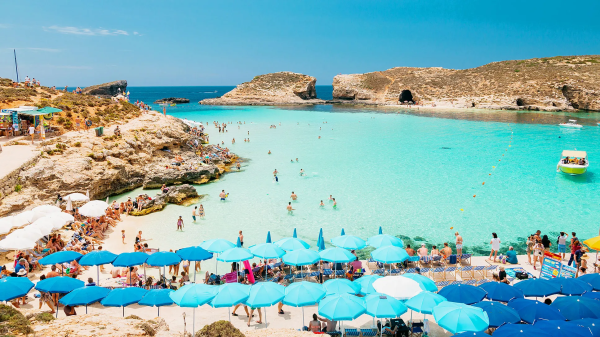
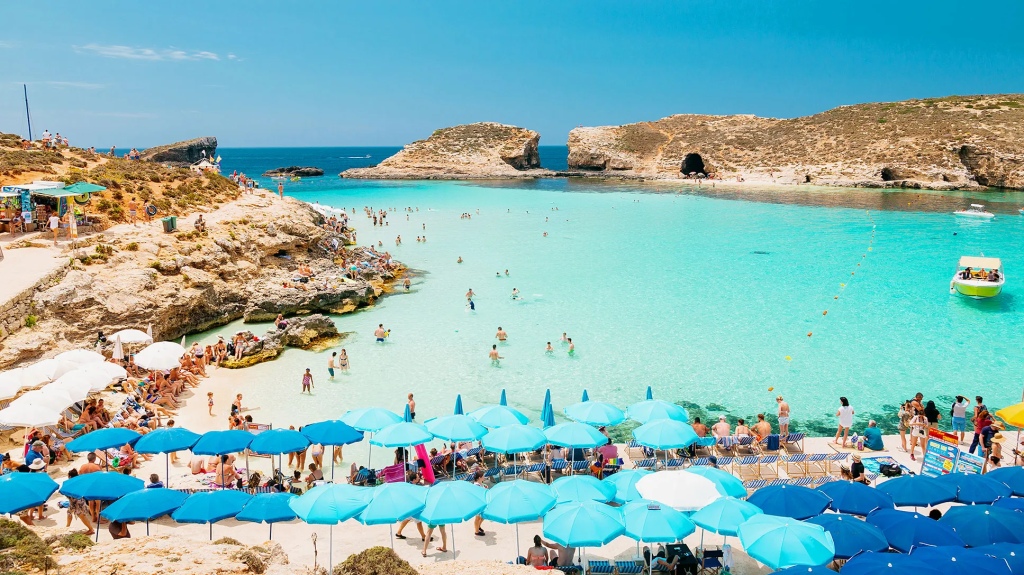
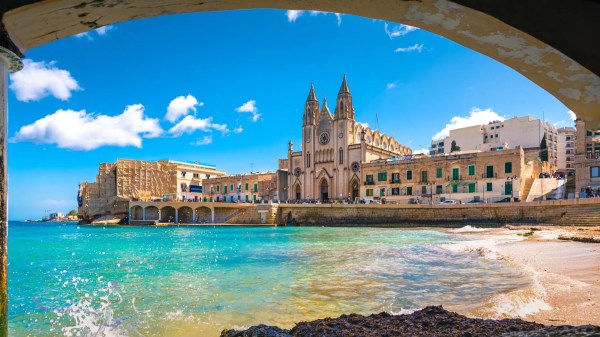
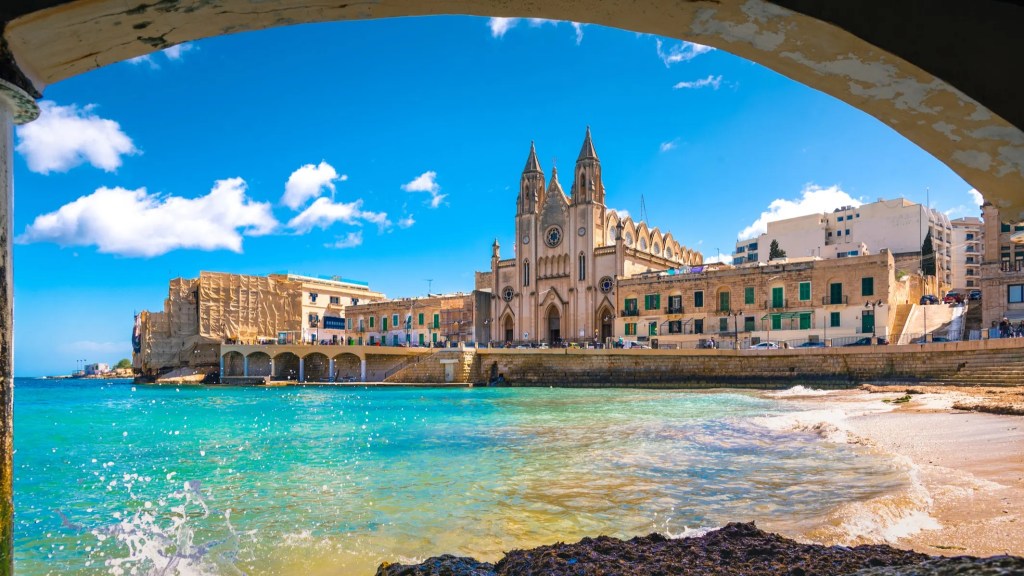
Make the Move to LGBTQ Friendly Malta

Moving to a new country is a big decision, and for LGBTQ Americans, finding a place that is not only welcoming but also legally protective is a top priority. While many European nations have made significant strides in LGBTQ+ rights, one country consistently stands out for its progressive laws and accepting culture: Malta. This tiny island nation in the heart of the Mediterranean has become a beacon of hope, earning a reputation as one of the most LGBTQ-friendly countries in the world.

Malta’s journey to becoming an LGBTQ+ rights leader is a remarkable story of rapid progress. For several years, it has topped the ILGA-Europe’s Rainbow Map, a ranking of 49 European countries based on their legal and policy practices for LGBTQ+ people. This isn’t a fluke; it’s the result of a concerted effort to enshrine equality into law. Same-sex sexual activity was decriminalized in 1973, but the most significant changes have happened in the last decade.

In 2014, Malta legalized civil unions, giving same-sex couples the same rights and responsibilities as married couples, including the right to adopt children. Just three years later, in 2017, the country took the monumental step of legalizing same-sex marriage, a move that replaced the traditional “husband and wife” with the gender-neutral term “spouses”. This wasn’t just a legal formality; it was a powerful statement of inclusion.

Beyond relationship recognition, Malta has also been a trailblazer in other areas. In 2016, it became the first country in the European Union to ban conversion therapy, a harmful and discredited practice [4]. The Gender Identity, Gender Expression and Sex Characteristics Act of 2015 allows transgender people to change their legal gender without the need for surgery or a medical diagnosis, a process based on self-determination [5]. The country also provides gender-affirming care and has banned intersex infant surgeries without medical necessity. These protections extend to employment, housing, and healthcare, ensuring that LGBTQ+ individuals are shielded from discrimination in their daily lives.

While a country’s legal framework is crucial, the lived experience is just as important. Malta’s culture, while traditionally Catholic, has shown a remarkable shift toward acceptance. Public displays of affection are generally well-received, and the LGBTQ+ community is active and visible. Valletta, the capital, and nearby Sliema are known for their vibrant scenes, with dedicated gay bars, clubs, and events, including a lively Pride celebration in September. Rabat has also been mentioned.

So How Do I Get There?

As with any country friendly to immigration, you have options. You can try out living there first simply by applying for a Digital Nomad visa, and become a full time paid blogger. There are other programs to establish residence, which include investing locally. You can buy or rent property as well.

For LGBTQ Americans considering a move abroad, Malta offers a compelling combination of legal protections, a high degree of social acceptance, and a beautiful, sunny, and historic location. The country’s commitment to equality is not just a passing trend; it’s a foundational principle that makes it an ideal place to call home.

Digital nomads are abandoning these once-popular destinations—here’s where they’re going instead

*This was published by Killer Startups.

Over the past decade, I’ve lived and worked all over the world — from bustling cities to sleepy beach towns. Being a digital nomad sounds glamorous (and it is sometimes), but it also means you have to keep moving as places change.

And lately, I’ve noticed a big shift: many digital nomads are quietly leaving some of the old hotspots behind. Places that used to be thriving hubs are now feeling… well, a little stale, crowded, or overpriced.

So why is this happening — and where are the new hotspots everyone’s talking about? Let’s dive in.

Why digital nomads are leaving the old favorites

When I first started traveling, certain cities were on every digital nomad’s bucket list. Think Bali, Chiang Mai, Lisbon, Medellín. These places had it all: cheap cost of living, great internet, good weather, and a ready-made community of like-minded people.

But over time, a few things have changed:

1. Rising costs

Let’s be real: many of the original “cheap” places aren’t so cheap anymore.
Take Bali, for example. Ten years ago, you could rent a decent villa for $400 a month. Now? It’s not unusual to pay $1,000 or more — and that’s before you even factor in co-working spaces, eating out, or transportation.

Lisbon, once a haven for budget-conscious remote workers, has become one of Europe’s most expensive cities relative to local wages. Prices skyrocketed after a flood of digital nomads and foreign investors entered the market.

When your income stays the same but your cost of living doubles, it’s only natural to start looking elsewhere.

2. Overcrowding and “Instagram fatigue”

When a place becomes the destination for digital nomads, it quickly loses its charm. Cafes get packed. Internet speeds slow down. Traffic becomes a nightmare.

And honestly? A lot of these places start to feel like Instagram theme parks — more about capturing the perfect latte art shot than actually living well.
Many long-term nomads are craving authenticity again. They want real experiences, not just curated content for social media.

3. Visa headaches

Governments are catching on to the digital nomad trend — but not always in a friendly way.
Some places have tightened visa restrictions or introduced new taxes aimed at foreigners. Others are rolling out digital nomad visas, but with strict income requirements that don’t fit everyone.

It’s making the decision of where to settle even more complicated.

So, where are digital nomads going instead?

Luckily, there are still amazing spots around the world where you can live well, work efficiently, and avoid the chaos. Here are a few places seeing a lot more love lately:

1. Mexico City, Mexico

Mexico has been quietly becoming a new favorite — especially for nomads from North America.

Mexico City offers an incredible lifestyle:

  • Affordable rent (outside the fancy expat neighborhoods)
  • Fast internet
  • Amazing food
  • A vibrant, creative energy that’s hard to match anywhere else

You get big-city conveniences without the big-city price tag (at least for now).

Bonus: Mexico offers a six-month tourist visa to most nationalities, so you have more breathing room to settle in without visa stress.

2. Tbilisi, Georgia

If you want somewhere totally different but still affordable, Georgia should be on your radar.

Tbilisi has a growing digital nomad scene thanks to:

  • Low living costs
  • Fast, cheap mobile data and internet
  • A warm, welcoming culture
  • One-year visa-free stays for many nationalities

The city is a fascinating blend of old and new, with medieval streets alongside modern co-working spaces. Plus, the food and wine are incredible.

3. Da Nang, Vietnam

Southeast Asia isn’t dead — it’s just moving to new places.

Da Nang, Vietnam, is picking up steam as a quieter, more livable alternative to Bali or Chiang Mai.
You get:

  • Affordable beachside living
  • A growing café and remote work culture
  • Good internet
  • A relaxed vibe without the Bali-style crowds

And Vietnam offers relatively easy long-term visa options compared to neighboring countries, although things change often, so it’s worth checking before you go.

4. Madeira, Portugal

Lisbon is getting crowded, but Portugal has a hidden gem: Madeira.
This island is now actively marketing itself to remote workers, even creating a dedicated “Digital Nomad Village” in Ponta do Sol.

Madeira offers:

  • Mild weather year-round
  • Gorgeous natural scenery
  • Strong internet
  • A calmer pace of life than mainland cities

If you want Europe without the chaos, Madeira is definitely worth a look.

5. Buenos Aires, Argentina

Argentina’s economy has had its challenges, but for digital nomads earning in dollars or euros, Buenos Aires is incredibly affordable right now.

You can enjoy:

  • World-class steak and wine
  • Stylish apartments for a fraction of the price you’d pay elsewhere
  • A rich cultural scene (tango, theaters, live music)
  • A very cosmopolitan vibe

The downside? Inflation and political instability. But if you’re adaptable, it’s a fantastic place to spend a few months.

Final thoughts

As someone who’s been a digital nomad for over 10 years, I can tell you: the dream isn’t dying — it’s just evolving.
It’s less about finding the next Bali or Chiang Mai, and more about finding a place that suits your lifestyle now.
Maybe you want a bit more authenticity. Maybe you want better value. Maybe you just want somewhere quieter to actually get some work done.

The best thing about being a digital nomad today? You have more options than ever.
And sometimes, the places you haven’t heard hyped up yet are the ones where you’ll find your best adventures.

Here’s to finding your next great base — and making it your own.

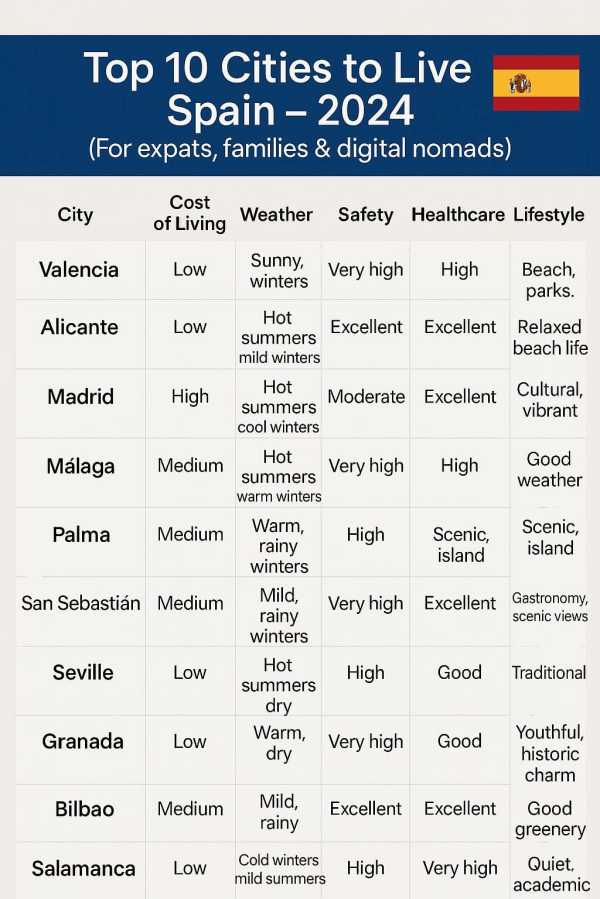
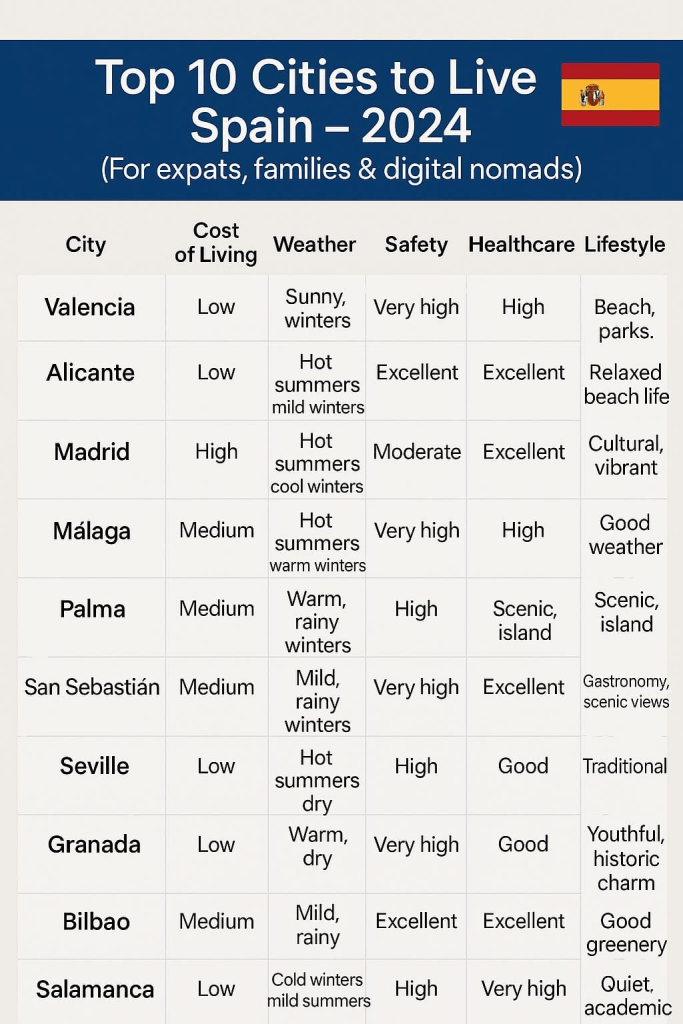
Top 10 Cities to Live in Spain

Spain has consistently ranked high for quality of life, and there are numerous compelling reasons why expats should consider making it their new home:

Lifestyle and Culture:

  • High Quality of Life: Spain frequently tops rankings for quality of life, with expats reporting high satisfaction with the climate, culture, and overall living conditions.
  • Laid-back Lifestyle: Spaniards are known for their relaxed and friendly approach to life, prioritizing enjoyment and social connections over stress. This can be a refreshing change for those accustomed to a faster pace.
  • Rich Culture and History: Spain boasts a diverse cultural heritage, with influences from various civilizations evident in its architecture, language, and traditions. There are numerous festivals and celebrations throughout the year.
  • Outdoor Activities: With varied topography and a pleasant climate, Spain offers a wide range of outdoor activities, from skiing in the Sierra Nevada to watersports along its extensive coastline.
  • Gastronomy: Spanish cuisine is world-renowned, emphasizing fresh, local ingredients and social dining. Tapas culture is a significant part of Spanish social life.

Cost of Living:

  • Affordable: Generally, the cost of living in Spain is considered affordable compared to many other Western European countries and the United States. This includes rent, groceries, and dining out.
  • Regional Variations: The cost of living can vary significantly depending on the city and region, with major cities like Madrid and Barcelona being more expensive than smaller towns.

Healthcare:

  • Excellent Healthcare System: Spain has a highly-rated universal healthcare system (Sistema Nacional de Salud – SNS) that provides free or low-cost basic services to residents.
  • Accessibility for Expats: Expats can access the public healthcare system once registered, often tied to employment or residency. Private health insurance is also available and relatively affordable.

Community and Integration:

  • Welcoming Environment: Spaniards are generally known for their friendliness and hospitality, making it easier for expats to feel at ease and integrate.
  • Large Expat Communities: Spain has a significant number of expats, particularly in major cities and coastal areas, fostering a diverse and supportive environment. It’s often easy to find communities based on nationality or interests.

Climate and Geography:

  • Pleasant Climate: Many regions of Spain enjoy a mild climate with plenty of sunshine, encouraging an active outdoor lifestyle year-round.
  • Diverse Landscapes: From the northern coast with its surfing culture to the Mediterranean beaches and the mountainous regions, Spain offers a variety of landscapes to explore.

Transportation:

  • Modern and Affordable: Spain has a well-developed and affordable transportation system, including high-speed trains, metro networks, buses, and trams, especially in urban areas.

Things to Consider:

  • Language: While English is spoken in tourist areas and by some expats, learning Spanish is crucial for full integration and daily life, especially in more local settings.
  • Bureaucracy: Navigating administrative processes can sometimes be challenging.
  • Job Market: Depending on your profession, the job market might differ from your home country. Salaries may also be lower in some sectors.

Overall, Spain offers a compelling combination of a high quality of life, affordable living, excellent healthcare, and a welcoming culture, making it an attractive destination for expats seeking a fulfilling experience abroad.

Want to live in Spain? Consider these top 10 cities.

Some of the Best Countries to Move to From the US and Visa Info

Making the decision to leave the United States can be a daunting decision for anyone who has never lived abroad before. You might wish to spend some time in another country for an extended period of time– more than your usual one to two week vacation. There are several countries, many of which who are friendly to LGBTQ+ rights, who allow for various types of visas that can extend your stay, before you decide to make a permanent move.

GetGoldenVisa.com just published a nice guide for choosing the right country to move to and how to move out of the US. The website focuses mostly on the Golden Visa, which allows investors to enter countries. There are other visa options such as student visas, and the digital nomad visa.

Blog at WordPress.com.

Up ↑