This week, England’s National Health Service (NHS) threw up yet another roadblock to gender-affirming care for transgender youth in the UK.
On Monday, the NHS announced it was pausing new referrals for feminizing and masculinizing hormones for 16- and 17-year-olds suffering from gender dysphoria, citing a collection of studies commissioned by the health service after publication of the controversial Cass Report in 2024, the Guardian reports.
That study recommended “extreme caution” initiating hormone treatments, including estrogen and testosterone, and a “clear clinical rationale for providing hormones at this stage rather than waiting until an individual reaches 18.”
The new NHS report comes to a similar conclusion.
“Following the Cass review, NHS England commissioned an in-depth review of all available clinical evidence for using estrogen or testosterone either alone or with other medications to treat gender incongruence and dysphoria,” the report states. “This review has established that the available evidence does not support the continued use of masculinizing or feminizing hormones to treat gender incongruence or dysphoria for young people under 18.”
The Cass Review, which contradicted long-established guidance around the efficacy of gender-affirming care for trans youth, has already prompted the health service to halt prescriptions of puberty-suppressing drugs for trans youth, with an indefinite ban for trans minors enacted by the UK government in December 2024.
The UK’s Health Secretary cited an “unacceptable safety risk” for halting new prescriptions of the drugs, though puberty blockers are still prescribed for early onset puberty and other conditions for children not suffering from gender dysphoria.
Puberty blockers, or GnRH analogues, slow down or halt the onset of puberty in young people taking them, and have preceded and been accompanied by the use of estrogen or testosterone for gender transition.
The positive effects of that combination therapy were all but ignored in the new NHS review, say critics of the decision to halt new prescriptions.
The Dutch Protocol, the “gold standard” for transition care, “involves prescribing GnRH analogues (puberty blockers) first to suppress puberty, then adding hormones later,” writes trans journalist Erin Reed in a story questioning the report’s findings.
“When hormones are introduced, the GnRH analogues are sometimes continued alongside them — the blocker keeps suppressing the body’s natural hormones while the prescribed estrogen or testosterone does its work. This overlap period means patients are on both GnRH analogues and hormones at the same time. That is the ‘combination therapy’ the reviews claim to examine.”
But the reviews “inexplicably excluded every study” where GnRH analogues and feminising and masculinising hormones were taken in succession or combination. The review tossed out hundreds of such studies in favour of a “salami slicing” approach that examined the hormones in isolation.
NHS was explicit in its methodology.
“Any reference to GnRH analogues in the context of puberty suppression or used as puberty-suppressing hormones must be excluded,” the report states.
“NHS England’s own data, cited in the reviews themselves, confirms that 98% of its patients followed the very pathway every review was designed to exclude,” Reed writes.
She called the NHS evidence reviews “an extreme example of politically-manufactured science.”
Gender Plus, a leading private trans healthcare and education service in the UK, accused NHS England of ignoring clinical expertise and evidence provided by leaders in the field, including the Endocrine Society, which recommends introducing the hormones for trans youth once “persistence of gender incongruence has been confirmed and the young person has sufficient capacity to consent.”
“NHS England’s interpretation of the evidence is in contrast to every reputable expert body in the field of transgender healthcare,” said a spokesperson for the health group.
NHS said patients currently receiving hormone treatments can continue the therapy, “but this will need to be reviewed individually with their clinical team.”
“Banning new prescriptions of gender-affirming hormones for 16- and 17-year-olds is a profound attack on young people’s bodily autonomy,” said Tammy Hymas, policy lead at British advocacy organization TransActual, “with trans people yet again cruelly singled out by this government.”
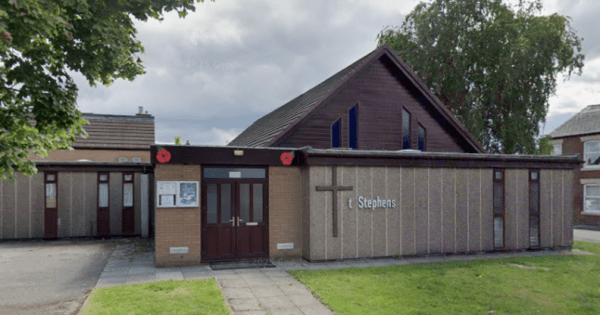
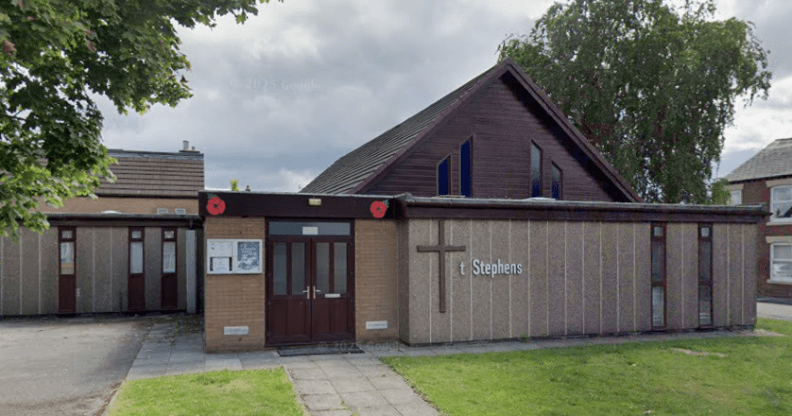
As first reported by Manchester Evening News, at least two children were given leaflets that featured the logo of Grace Fellowship Manchester, a group “dedicated to Biblical Christianity” and based at St Stephen’s Church in the town of Middleton, which is five miles northeast of Manchester. Its website shows that it appears to be linked to Grace Community Church in San Antonio, Texas.
The one leaflet, a photograph of which was shared by a parent on social media, was headlined “ARE YOU A GOOD PERSON?”
Underneath the header was a graphic of a mobile phone with a mimic text exchange.
“Hey, I’ve got a question for you. Are you a good person?” the first mock text message reads.
“YES! I’m good! Not perfect… but I’ve never done anything that bad!” the reply reads.
In response, the next text states: “The Bible says; Do not be deceived: neither the sexually immoral, nor idolaters, nor adulterers, nor homosexuals, nor thieves, nor the greedy, nor drunkards, nor revilers, no swindlers will inherit the Kingdom of God.”
“Is that really in the Bible?”
“Yes!” the text confirms. “It’s 1 Corinthians 6:9-10. But keep reading to find out how you can be forgiven and have eternal life.”
Surrounding the text exchange were the words including “Homosexuals”, “Drunkards”, “Idolators” and “Swindlers”.
“God designed marriage to be between one man and one woman”
Another leaflet including the statements: “God designed marriage to be between one man and one woman. And anyone who indulges in sex outside of marriage…. no such person will inherit the Kingdom of God. BE NOT DECEIVED!
“God isn’t being cruel in warning us. He shows us we’re in trouble so that we’ll realise how desperately we need his help to fix us.”
In Grace Fellowship Manchester’s Statement of Faith – which lists several pages of scripture from the Bible – whilst there are verses from Corinthians included, there is no direct citation from Corinthians 6:9-10.
The church says that its Statement of Faith was “written by the elders” of Grace Community Church in San Antonio, Texas, which does cite Corinthians 6:9-10 in its own Statement of Faith. A slightly differently worded version reads: “Or do you not know that the unrighteous will not inherit the kingdom of God? Do not be deceived: neither the sexually immoral, nor idolaters, nor adulterers, nor men who practice homosexuality, 10 nor thieves, nor the greedy, nor drunkards, nor revilers, nor swindlers will inherit the kingdom of God.”
Grace Community Church’s views on LGBTQ+ issues are not particularly inclusive, stating that God only created male and female, “God intends for sexual intimacy to occur only between a man and a woman who are so married to one another” and the “only acceptable alternative to marriage between one man and one woman is the faithful single life of celibacy”.
“Discriminatory and offensive”
Speaking to the Reach PLC outlet, mum Victoria Loop said she was “angry” with the content of the leaflets, saying it is “just not appropriate for young children”.
” I am not against people expressing their opinions for the most part but when it becomes discriminatory and offensive it is just wrong,” Loop said.
“There were other leaflets amongst the other children’s treats however they were more appropriately worded and not on this level. My views on the matter is that there was quite some degree of misjudgement when deciding to include this particular leaflet in treats to young children.
She added: “I have many friends and family that this would hurt very deeply and I am angry on their behalf as much as for my daughter having to ask questions as why some people haven’t yet got the message in this age that homophobia, no matter how benign this may seem to some, is not acceptable. Let alone giving this opinion to children with no consideration of their innocence or family circumstance.
“I am aware that this may be an unpopular stance from many different religious groups, however the method of delivery of their rhetoric and beliefs in this case needs questioning and scrutinising. We have age restrictions on many things such as films and television and restrictions on products and publications for the protection of children.”
“Blatantly homophobic literature”
Local councillor Dylan Williams, who is a gay man that attends church, criticised the leaflets for both their homophobic and sexually explicit content.
“I believe most Christians will be upset by this blatantly homophobic literature and would condemn it. I am also concerned that people think it acceptable to give literature on it with adult words and sexually explicit language to Children as young as six,” Williams told Manchester Evening News.
“Homophobia seems to be becoming more and more prevalent leading some members of the community to feel unsafe and this is and should not be acceptable in our society. We must say no to hate.”
PinkNews has approached Grace Fellowship Manchester for comment.
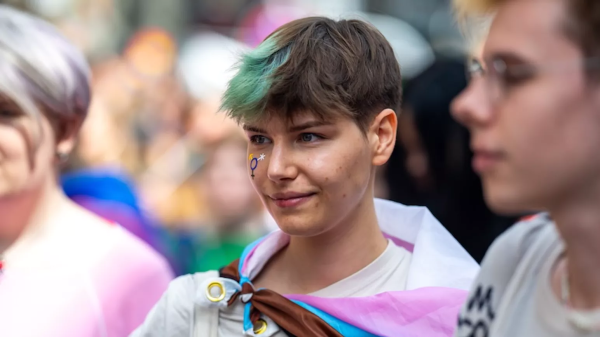
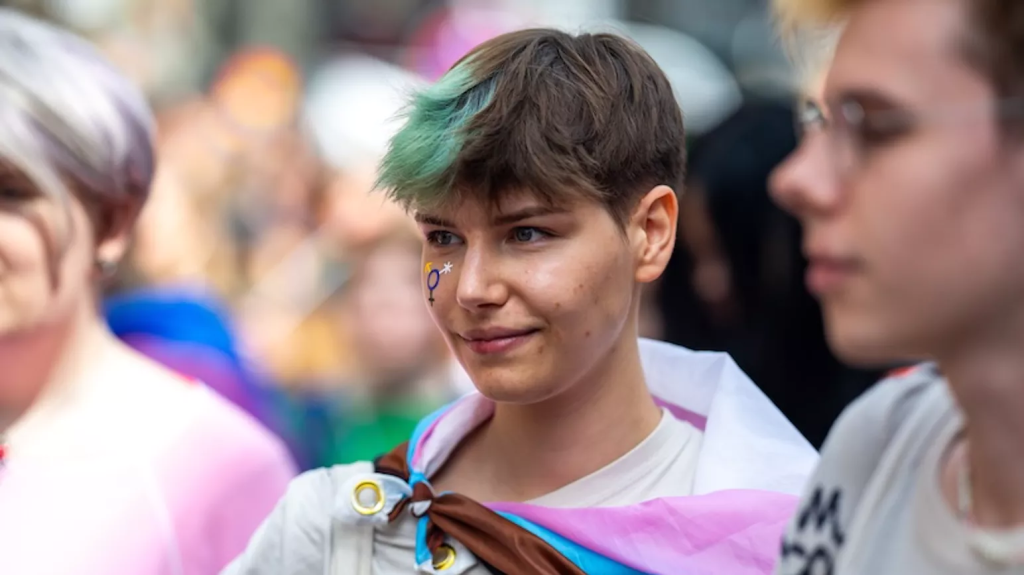
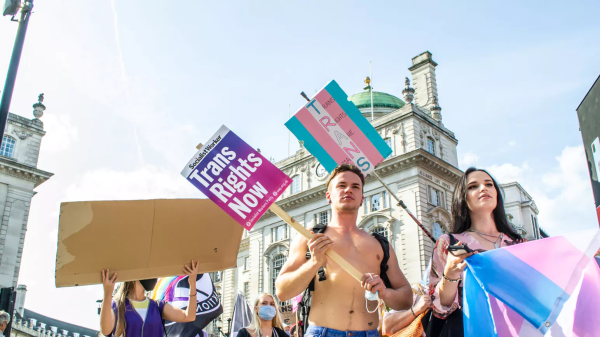
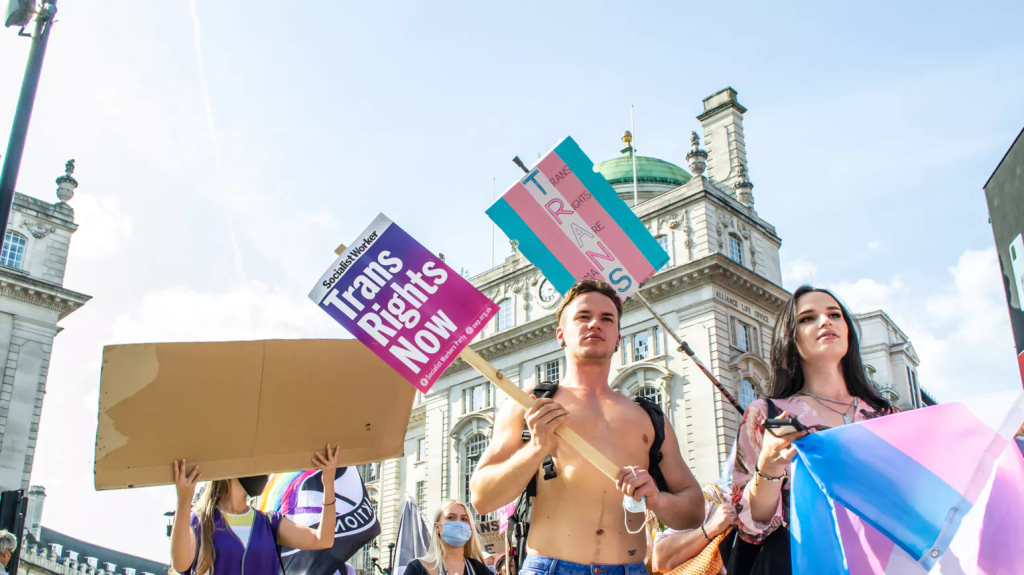
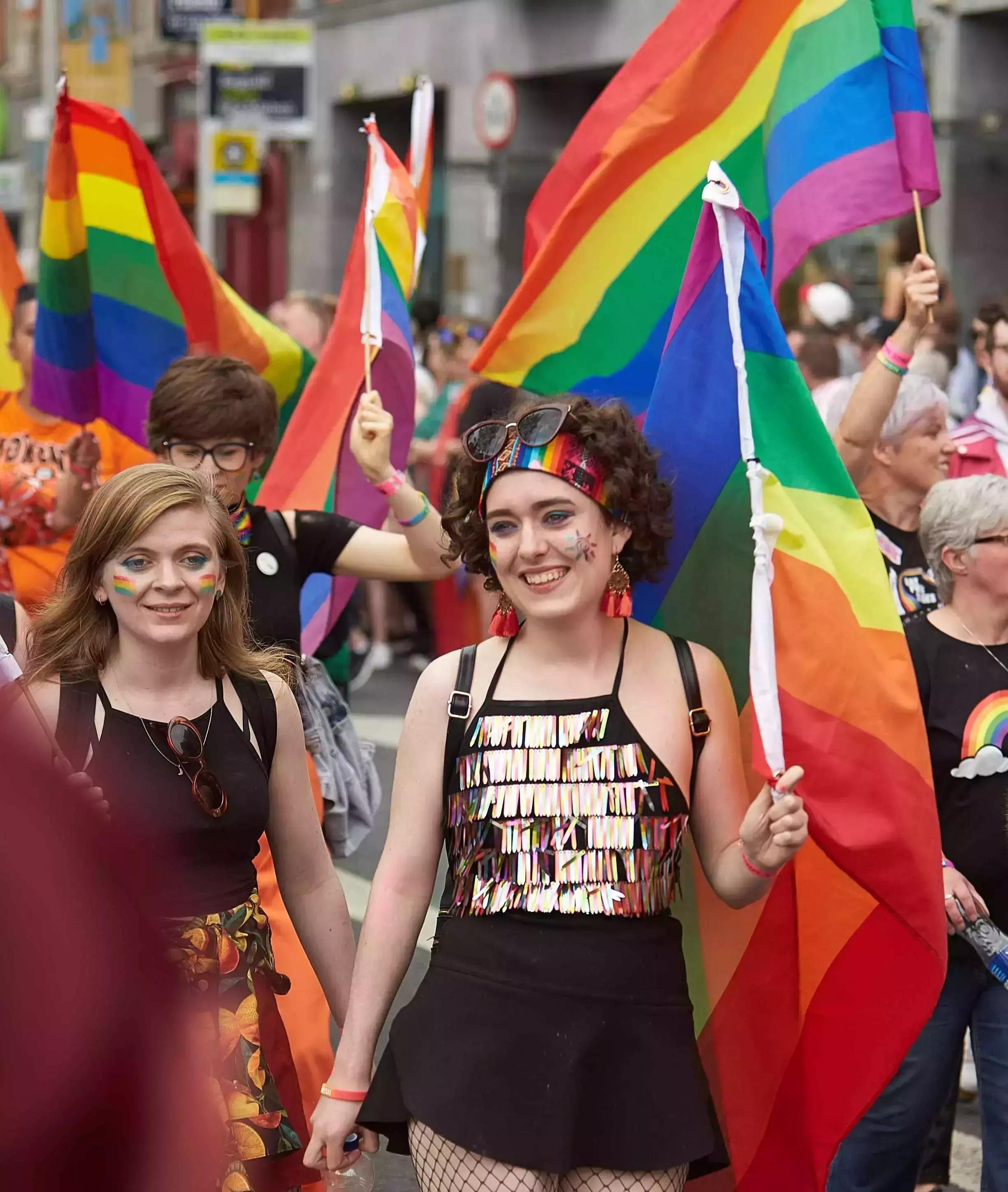
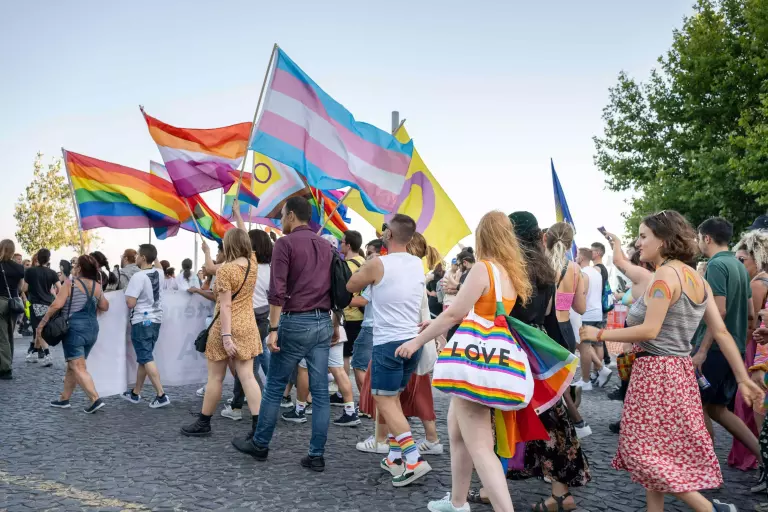
Over 100,000 people marched in London’s Trans+ Pride event on Saturday, making it the biggest trans Pride march in the world, according to The Guardian. The event’s theme, “Existence and Resistance,” was developed in response to the recent U.K. Supreme Court ruling that the legal definition of a woman in non-discrimination law is based on biological sex rather than gender identity.
“It was an emotional and powerful day,” the event’s co-founder Lewis G. Burton told the aforementioned publication. “At a time when the Supreme Court is making sweeping decisions about trans people without consulting a single trans person or organisation, and when a small, well-funded lobby of anti-trans campaigners continues to dominate headlines and waste public resources, our community came together to show what real strength, solidarity and care looks like.”
The march began at 1 p.m. local time on Saturday and proceeded for just under two miles, from near the BBC Broadcasting House to the Parliament Square Gardens. The event’s speakers included Heartstopper actress Yasmin Finney and activist Caroline Litman, whose trans daughter took her life in 2022 after waiting nearly three years for gender-affirming healthcare, the BBC reported.
London Trans+ Pride began in 2019 as an alternative to the city’s more commercial Pride march. This year’s event gained over 40,000 additional participants, compared to last year’s crowd of 60,000, the BBC noted.
“The message was clear: We will not be erased,” Burton said. “Our existence is natural, historic and enduring. You can try to take away our rights, but you will never remove us from society. We are a part of humanity – and the public will not stand by while harm is done to our community.”
The event occurred in the aftermath of a recent Supreme Court case in which For Women Scotland (FWS), an anti-trans organization, mounted a legal challenge over the definition of a woman under the country’s 2010 Equality Act. After the court ruled that the law’s definition of a woman is based on “biological sex,” the U.K.’s Equality and Human Rights Commission (EHRC) said trans women and men “should not be permitted to use” the public restroom facilities that align with their gender.
Alex Parmar-Yee, from Trans+ Solidarity Alliance — one of the groups that marched in the weekend event — said the EHRC’s guidance “has not provided any additional clarity, and actually is going to devastate the lives of trans people [who] will lose access to essential services and spaces.”
“The main concern really here is that it feels like there’s not been a consideration of trans members of the community, and that this guidance will pass behind closed doors, without the scrutiny, and without visibility, and without democracy,” Parmar-Yee added, saying that she and other trans organizations are pushing for the government to provide greater transparency around trans-related policies and guidances.
Speaking with Attitude magazine, activist Litman expressed concern over The Online Safety Act, a newly enacted U.K. law that requires websites with explicit adult material to conduct user age checks. Critics of the law worry it’ll be used to block age-appropriate LGBTQ+ resources for minors.
“It’s really scary,” Litman said. “[My late daughter] Alice got a lot of help and support online, whilst feeling very isolated in her own lived experience world that didn’t really have anything for her. Her online world really protected her – and so both these legislations are really concerning and need to be seriously looked at for reversal.”
When asked what she would tell her daughter now, Litman said, “Find your community. That’s what I’d say – find your community. Because they’ll save you, they’ll look after you, they’ll nurture you and support you and get you through this. To do this together. That’s what I’d say to her. And I love her. Love. I love, I love, love, love, I love.”
Just days before this weekend’s Pride parade in Northumbria in Northern England, a judge ruled that the local police department’s chief constable wrongfully allowed uniformed officers to march under a Progress Pride flag at last year’s celebration.
In a controversial decision critics say is riven with bias, the judge claimed officers marching with the flag breached their duty to impartiality and endangered imagined protesters with “gender critical” views.
The judicial review was brought by a female event participant who objected to police officers “associating with messaging which was supportive of the cause of gender ideology,” The Times of London reported.
In her challenge, plaintiff Lindsey Smith highlighted a decision to allow officers to station a police van decorated in colors “indicative of support for the cause of gender ideology… namely the colors of the Progress flag.”
The “messaging which was supportive of the cause of gender ideology, including in the form of placards, chanting, imagery or flags,” was a threat to her personal safety, she said.
The judge in the case, Mr. Justice Linden, agreed, ruling it was “contrary to the uniformed officers’ duties of impartiality”, as well as the chief constable’s “own duty of impartiality, to participate in the 2024 march in the way that they did.”
“The fact that they wore their uniforms, marched as a contingent and carried the Police Pride and other flags demonstrated their support for the cause as police officers,” the judge said, and by extension indicated hostility to those with “gender critical” views.
“It is not hard to imagine circumstances in which officers in question might be called on to deal with a clash between gender critical people and supporters of gender ideology, and therefore situations where the former had cause for concern as to whether they were being dealt with impartially,” the judge wrote.
The judge implied this “perceived” bias would influence officers’ decisions to permit “gender critical” people to demonstrate at all and could result in attempts to “eject a gender critical person from the march.”
Smith’s lawyer, Paul Conrathe, said the ruling was of “national importance.”
Referring to so-called “gender ideology,” Smith said British police “must be above the fray and avoid taking sides” on what he called “contested issues.”
Northumbria police responded that their “primary aim” during last year’s march was “to keep people safe.” The event also provided the force “with an opportunity to engage with people including those who may have less confidence in policing,” they said following the ruling.
The department added that senior Northumbria officers would “work through the ruling to understand the implications.” They did not clarify whether officers would be allowed to march in the Pride parade this weekend.
Pride Month is not quite over yet! Just in time for some more LGBTQ friendliness is this list from Big 7 Enjoy Travel. They rank the top 30 LGBTQ friendly cities on the planet.
For a city to rank highly as LGBTQ+ friendly, first and foremost, it needs to protect LGBTQ+ people with laws and legislation. Then, it needs a vibrant gay nightlife and dating scene, whether within a gay village or across the city. Either way, there needs to be a safe community for LGBTQ+ people, as well as open-minded citizens and low levels of hate crime.
Ranking criteria:
Gay Index Rating – measures how safe a country is for LGBT people, considering the legal situation and living conditions
Equality Index Rating – measures the status of LGBT rights, laws, and freedoms as well as public attitudes towards LGBT people
The final scores show the Top 30 LGBTQ+ Friendly Cities in the World! Here’s your ultimate gay-friendly travel list…
30. Vienna, Austria
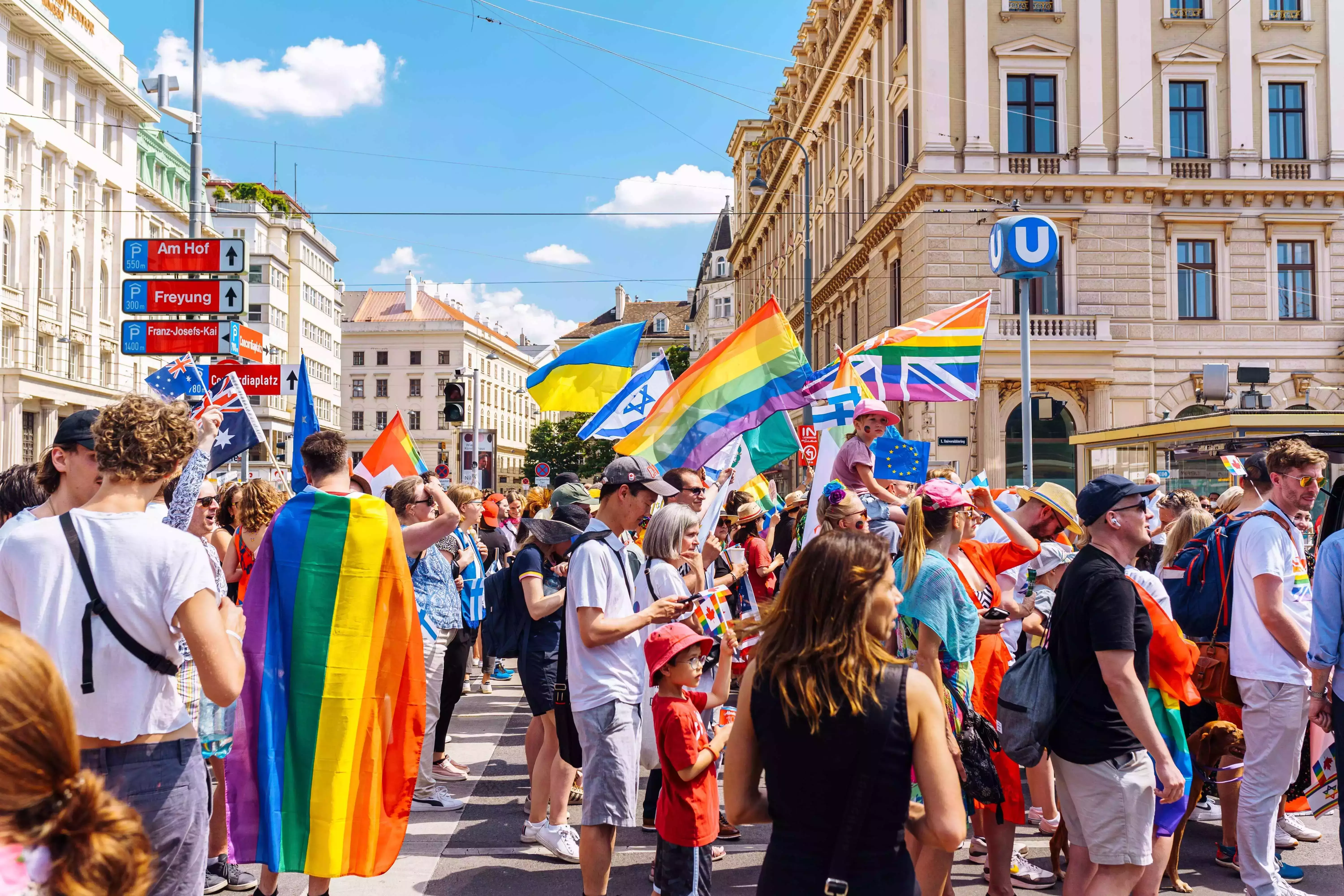
Vienna is widely known for its gender, disability, LGBTQ and racial inclusivity and equality, with many parades, pride events and specialist causes. While Vienna doesn’t have a specific gay village or district, its Naschmarkt area is full of gay bars and clubs, making it a hotspot for LGBTQ+ members.
Vienna has also hosted the EuroPride and hosts an annual citywide Pride parade in June. Vienna is also an LGBTI Core Group member and has a reasonably high Gay Index Rating, making it a safe and appealing place for LGBTQ+ members. It’s safe to say that Vienna is a welcoming and inclusive city for not just LGBTQ+ people, but for everyone, no matter your sexuality, gender, religion or ethnic group.
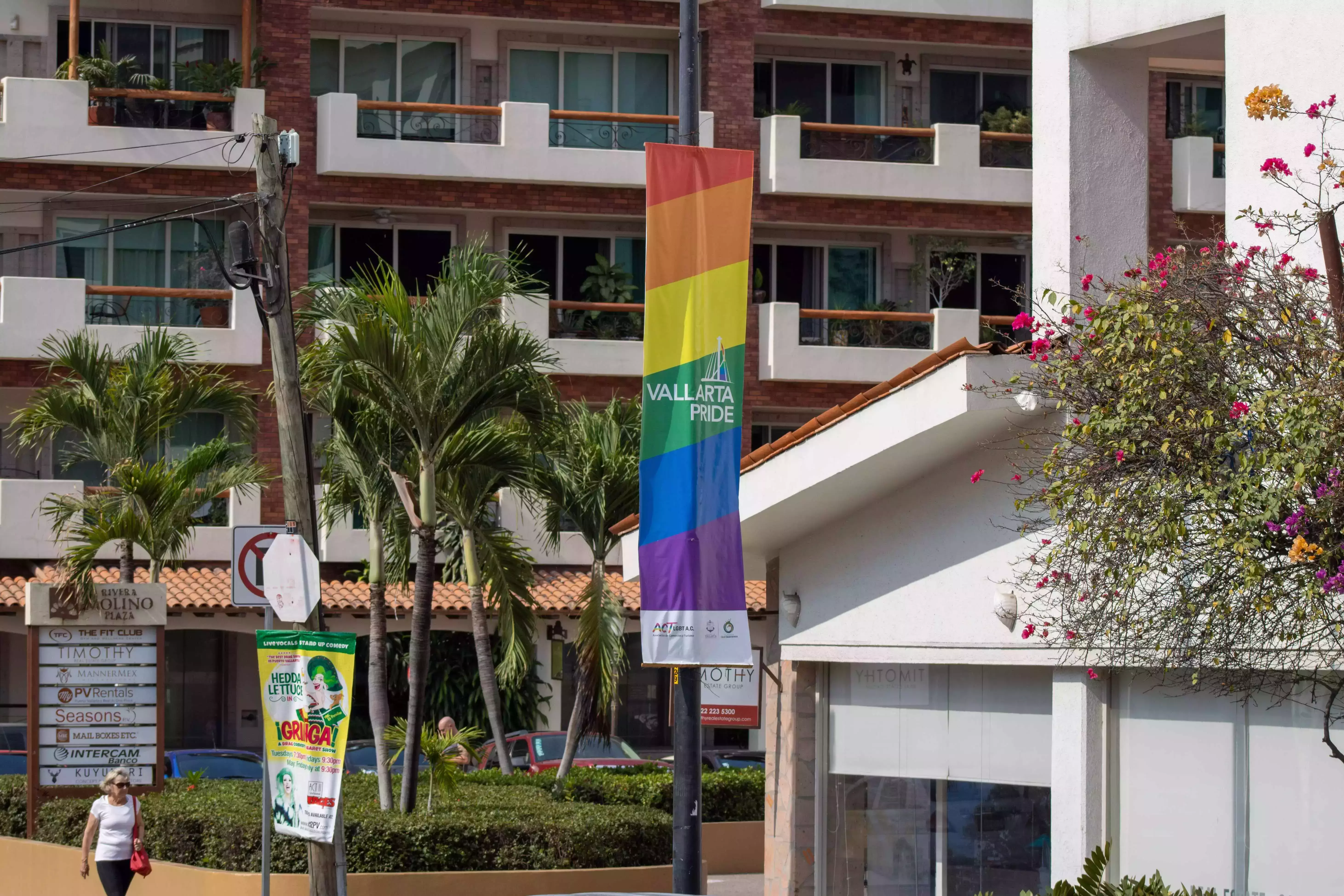
29. Puerto Vallarta, Mexico
You may not have heard of this city against its larger and more tourist-centred neighbours of Mexico City and Cancun, but Puerto Vallarta deserves to be celebrated for its strong LGBTQ+ representation and inclusivity. According to our rankings, Puerto Vallarta scored highly in terms of Gay Index Rating, and attendance to the city’s annual Pride event is significant.
Puerto Vallarta has been cited as the ‘gay capital of Mexico’, thanks to its bustling Zona Romantica area, which is heavily centred around LGBTQ+, with vibrant gay bars, inclusive hotels and lively clubs. While you’re likely to find LGBTQ+ friendly areas across Mexico, Puerto Vallarta is one of the best places to celebrate being a member of the community.
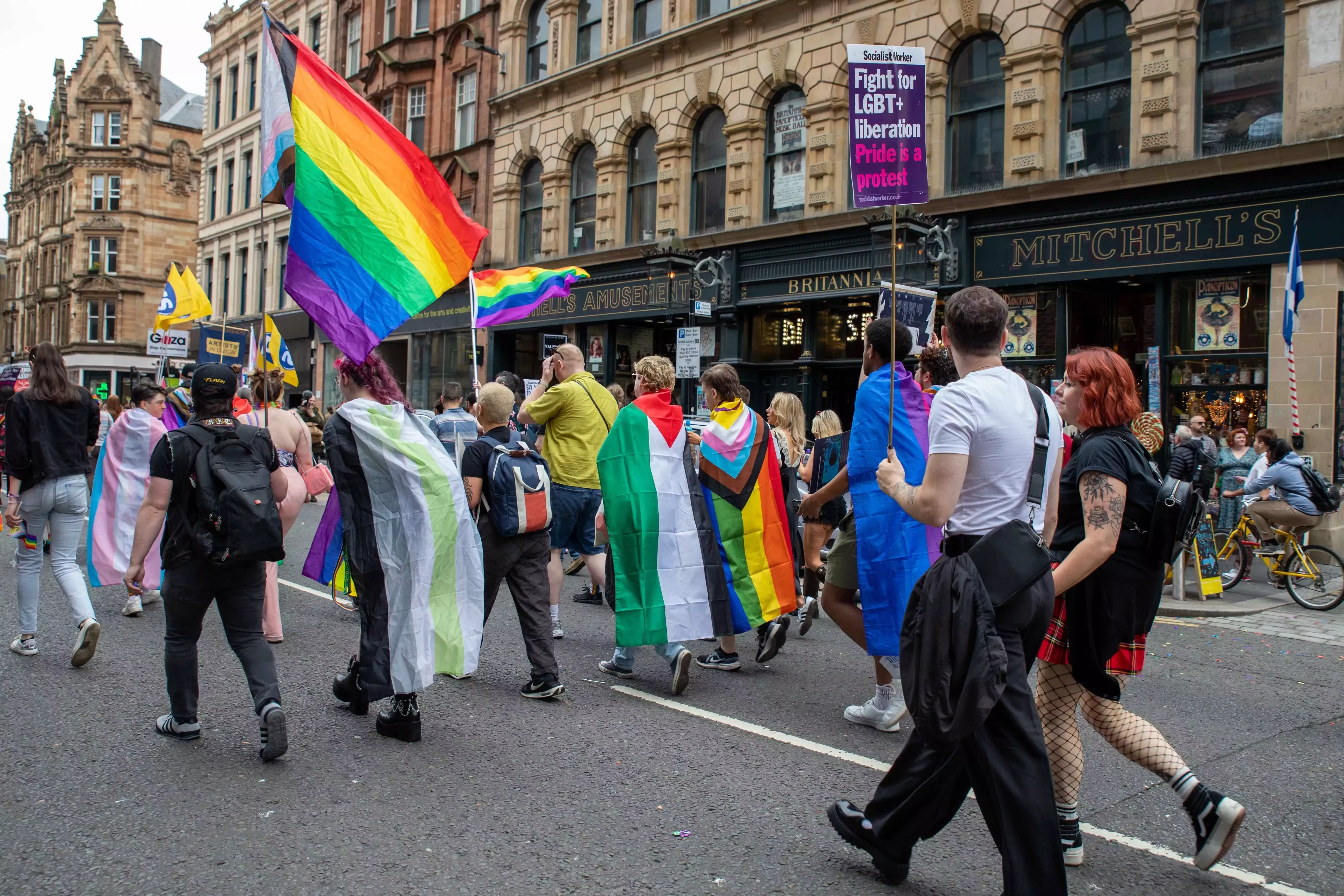
28. Glasgow, UK
Glasgow, Scotland’s largest city, is a hub for inclusivity, with its lively Merchant City district being the LGTBQ+ capital. You can expect to find a variety of LGBTQ+ friendly bars and clubs, as well as a welcoming and open-minded atmosphere. Glasgow’s annual pride event amasses thousands of attendees each year, seeing proud members of the community come together to march and parade, surrounded by the signature rainbow flags.
Glasgow’s quality of life and general acceptance for the LGBTQ+ community is high, giving an indication of how strong its LGBTQ+ community and representation is. The city is also an LGBTI Core Group Member.
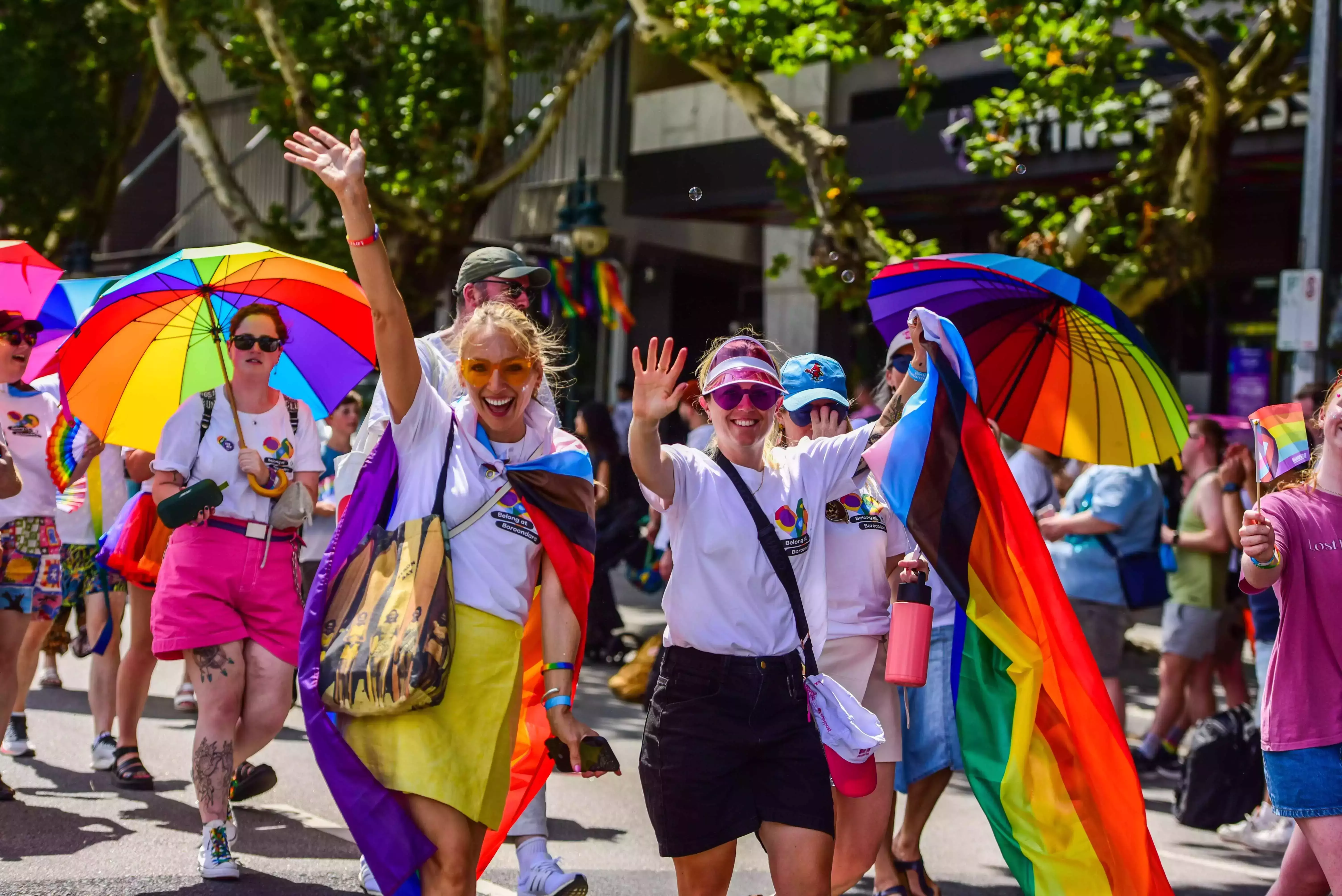
27. Melbourne, Australia
Melbourne is generally an accepting city for most types of groups within society, which gives an indication as to its welcoming and inclusive atmosphere. It scores highly on the Gay Index Rating, and is a member of the LGBTI Core Group, as well as scoring highly on the Equaldex Score. But, data aside, there is a thriving and welcoming community right at its core that appeals to all groups in society, whether members of the LGBTQ+ community or not.
Its annual Pride march has also surpassed 60,000 attendees in recent years. Melbourne’s Fitzroy area is considered to be the ‘gay village’, with a number of LGBTQ+ friendly bars and clubs and a buzzing atmosphere both before and after dark, but generally no matter where you go in Melbourne you’ll be met with a warm and friendly welcome.
26. Taipei, Taiwan
You may not commonly associate Taiwan with LGBTQ+ communities, but its capital Taipei has one of the largest LGBTQ+ presences, with a vibrant LGBTQ+ presence in its Ximen Red House area of the city, which features a lively and bustling scene with bars and clubs. Taipei is known for its inclusivity, and is perhaps a hidden gem amongst the most LGBTQ+ friendly cities, but definitely worth a visit. Taipei also hosts its annual Pride march, which is considered to be the largest of its kind in East Asia, seeing an attendance of more than 120,000 in recent years.
25. Barcelona, Spain
Barcelona, along with Madrid, are widely known as the LGBTQ+ capitals of Spain, with a high Gay Index Rating and a large Pride attendance across each city. Barcelona and the rest of Spain are highly regarded for their acceptance of the LGBTQ+ community, as Spain was one of the first countries in the world to legalise gay marriage in 2005. Barcelona has a thriving LGBTQ+ scene, with an abundance of gay bars, clubs and even beaches that cater to the LGBTQ + community – no matter where you go in Barcelona, you’ll be welcomed with open arms regardless of your sexual orientation or gender.
24. Oslo, Norway
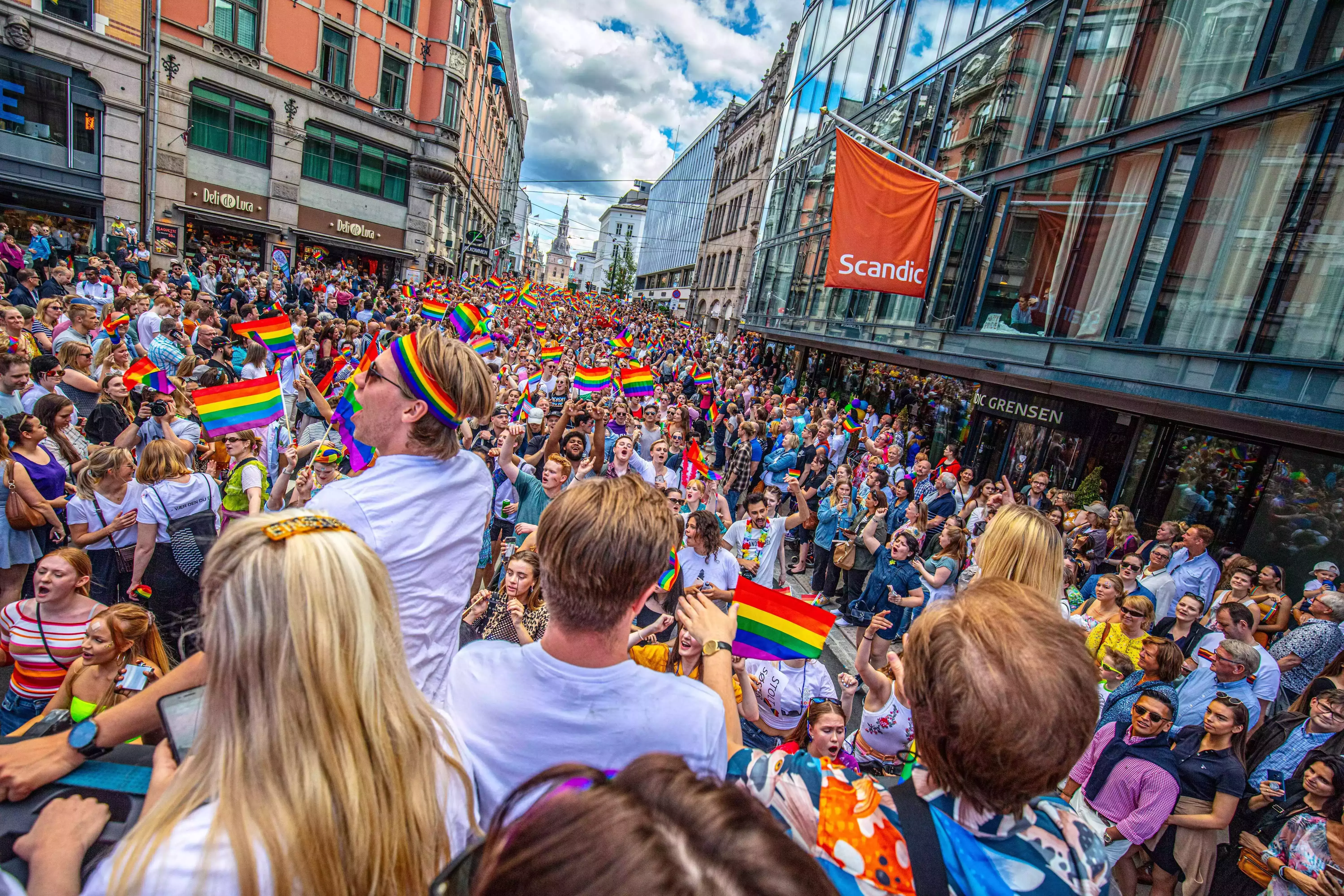
Norway is commonly associated with being a liberal, inclusive and welcoming country, and its capital Oslo comes out on top in terms of LGBTQ+ representation and inclusivity. The city has high Equaldex Score and Gay Index Rating, so is a must-visit for members of the LGBTQ+ community. Did you know that Oslo also hosts an annual Pride event that has amassed around 90,000 attendees in recent years? Oslo’s main LGBTQ+ friendly area is Grünerløkka, where you’ll find a large collection of LGBTQ+ friendly bars, restaurants and clubs, although the city as a whole is welcoming and accepting no matter where you go.
23. Helsinki, Finland
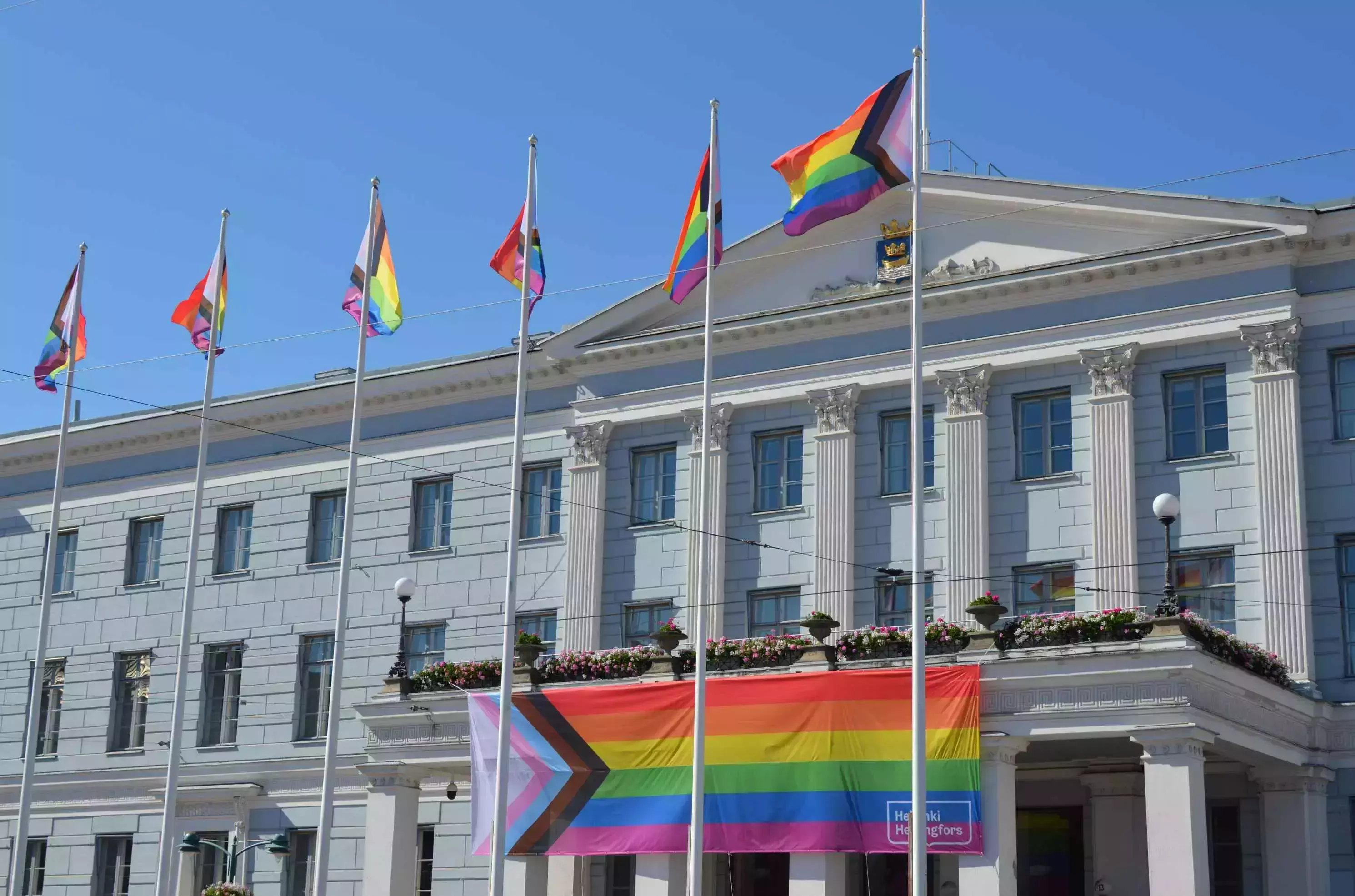
Scoring highly on both the Equaldex and Gay Index Rating, as well as having a large Pride attendance and overall LGBTQ+ presence, Helsinki is one of the best places to be if you want to feel welcomed with open arms in every corner of the city, no matter your sexual orientation, gender or who you identify as.
Helsinki’s annual Pride march and parade typically sees more than 100,000 attendees, giving an idea of how inclusive the city really is. Finland is known for being a progressive and liberal country, and same-sex marriage has been legal in the country since 2017, having been decriminalised since the early 1970s and views changing in the early 80s.
22. Montreal, Canada
Montreal is one of the LGBTQ+ capitals of Canada, celebrating the community with a designated ‘gay village’ district and a large attendance to the city’s annual Pride events. Montreal is considered a trailblazer in terms of promoting and accepting LGBTQ+ rights, as Quebec was the first province of Canada to ban discrimination around sexuality and sexual orientation in 1977. As with much of the rest of Canada, Montreal has since adopted a liberal and accepting stance on LGBTQ+ communities, and scores highly on both the Equaldex and Gay Index rankings.
21. Buenos Aires, Argentina
Argentina’s capital is often cited as the ‘gay capital of South America’, with a downtown district that is rife with gay bars, restaurants and clubs, and a high Gay Index Rating. Argentina was also the first Latin-American country to legalise same-sex marriage in 2010, and has since become the place to be in terms of inclusivity and LGBTQ+ rights.
Buenos Aires also has a large Pride attendance and citywide celebrations, with a thriving LGBTQ+ presence that makes the city rank highly for equality, inclusivity and representation. Aside from the obvious inclusivity that Buenos Aires offers, the city is a vibrant social hub and welcomes people from all social groups and communities.
20. Reykjavik, Iceland
Reykjavik has long been considered a haven for LGBTQ+ members and most groups in society, and although the city may be small, it packs a punch in terms of LGBTQ+ rights and representation. Reykjavik’s most recognisable street is so iconic thanks to its rainbow road, which indicates and highlights Reykjavik’s support for equality surrounding the LGBTQ+ community. Reykjavik’s Pride event is a large-scale affair, with thousands of locals and tourists attending to show their support. Reykjavik also has one of the highest Gay Index Ratings and Equaldex Scores.
19. Bogotá, Colombia
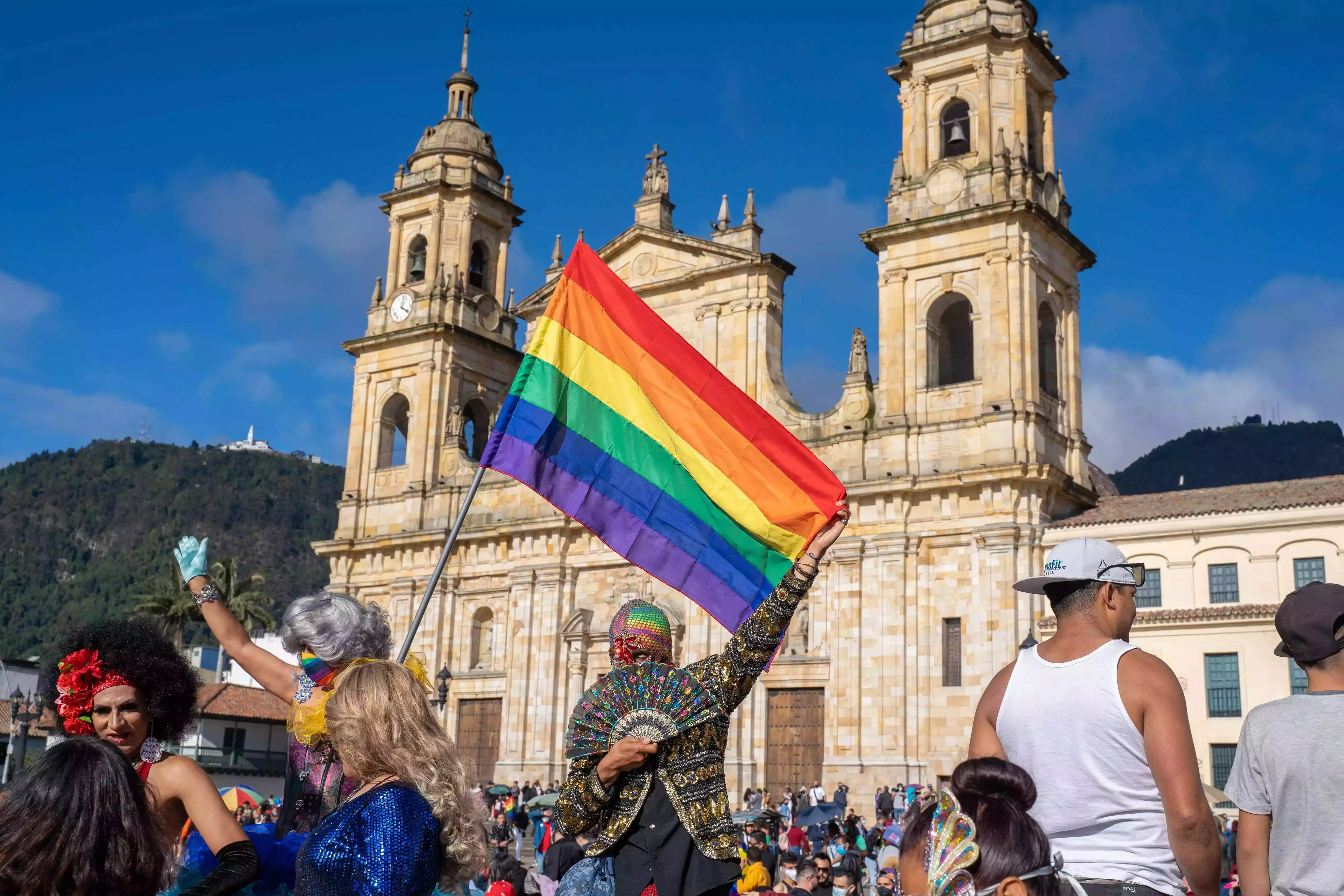
Although Bogota has the lowest Equaldex score, it has a high Gay Index Rating and a vibrant gay village that features what is considered to be the largest gay club in South America, Theatron.
Bogota’s annual Pride event has also seen crowd sizes of more than 100,000 people, making it one of the largest Pride celebrations around. It’s clear that Bogota is a friendly, inclusive and welcoming place for every tourist, whether they’re part of the LGBTQ+ community or not.
18. Valletta, Malta
This small city packs an almighty punch in terms of LGBTQ+ inclusivity. Valletta ranks highly on both Gay Index Rating and Equaldex, with scores of 8.5 and 100, respectively, giving an idea of how supportive the city is for the rights of LGBTQ+. Valletta also sees a large turnout for its annual Pride festival and march, and has hosted the widely renowned EuroPride in 2023, adding to Valletta’s reputation as one of the most LGBTQ+ friendly cities in Europe.
17. Copenhagen, Denmark
The Scandinavian countries are known for their progressiveness, inclusivity, liberal stances and welcoming and accepting cultures, especially when it comes to LGBTQ+ rights and support. Copenhagen, Denmark’s capital, is known for its lively and thriving LGBTQ+ community, with many gay bars and clubs, as well as a large Pride event. Denmark was one of the first countries in Europe to legalise gay marriage in 2012, and has recognised and accepted homosexuality since the 1930s.
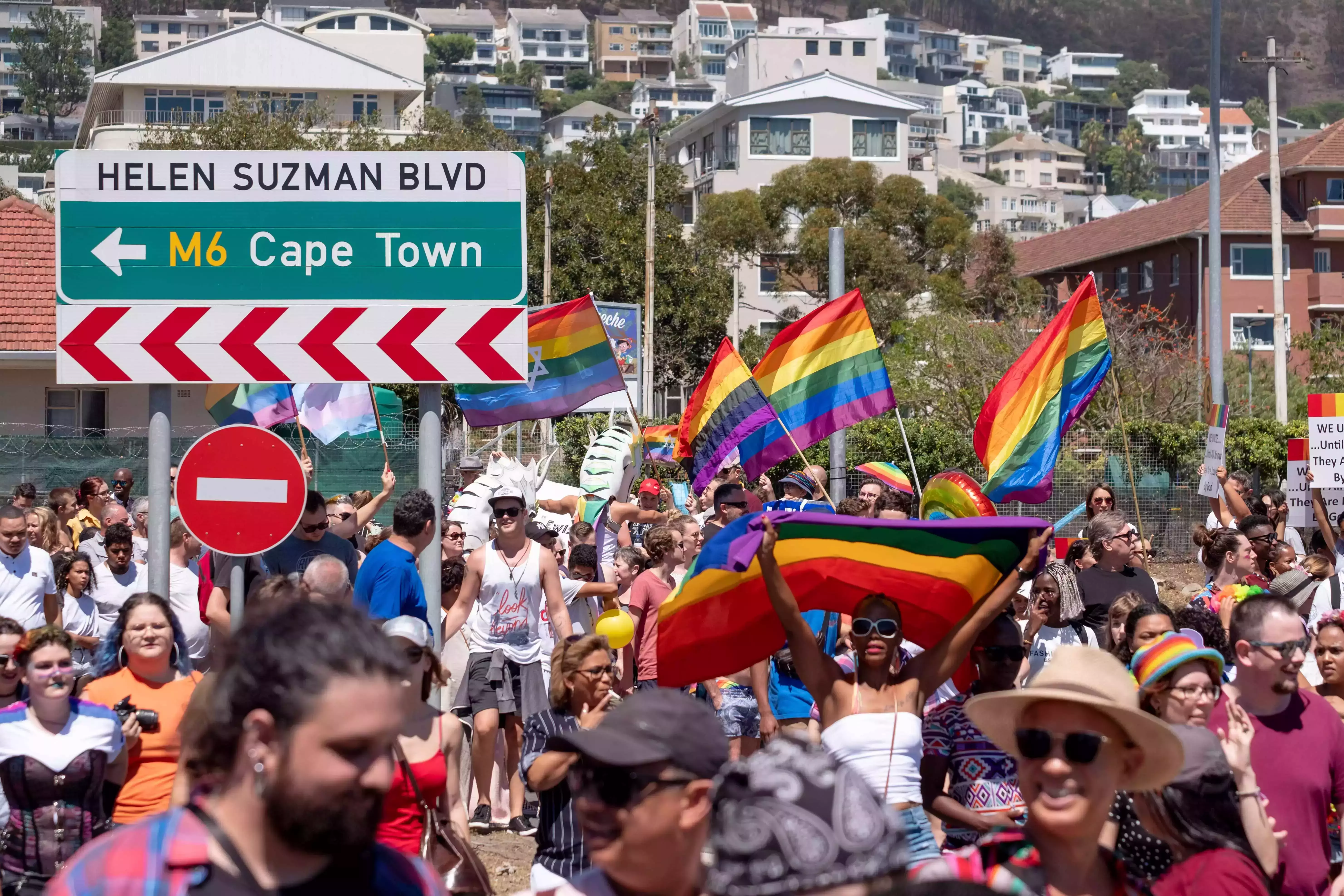
16. Cape Town, South Africa
South Africa is a trailblazer for LGBTQ+ rights on the continent, becoming the first country in Africa to legalise same sex marriage in 2006, and Cape Town is at the heart of this legacy. The progressive and inclusive stance makes the city both welcoming and fun for queer locals and visitors, with a schedule of gay-friendly events throughout the year. The coastal capital bursts into the colours of Pride every February/March, and other vibrant celebrations include the Mother City Queer Project and the Out in Africa Film Festival. The De Waterkant neighbourhood is the city’s LGBTQ+ hub, with gay-owned bars, gyms, shops, and cafes, as well as the iconic rainbow crossing – a visual representation of South Africa’s anti-discrimination laws.
15. Mexico City, Mexico
Mexico City was the first Latin American city to legalise same-sex marriage in 2007, and since then, the city has upheld their views and stances on LGBTQ+ support. The city celebrates with one of the world’s largest Pride events, having been attended by more than 1 million people in recent years.
Mexico City scores well on the Gay Index and Equaldex Rating, and its Zona Rosa region is one of the liveliest LGBTQ+ hubs around. It’s safe to say that you’ll be welcomed and supported as a member of the LGBTQ+ community in Mexico City.
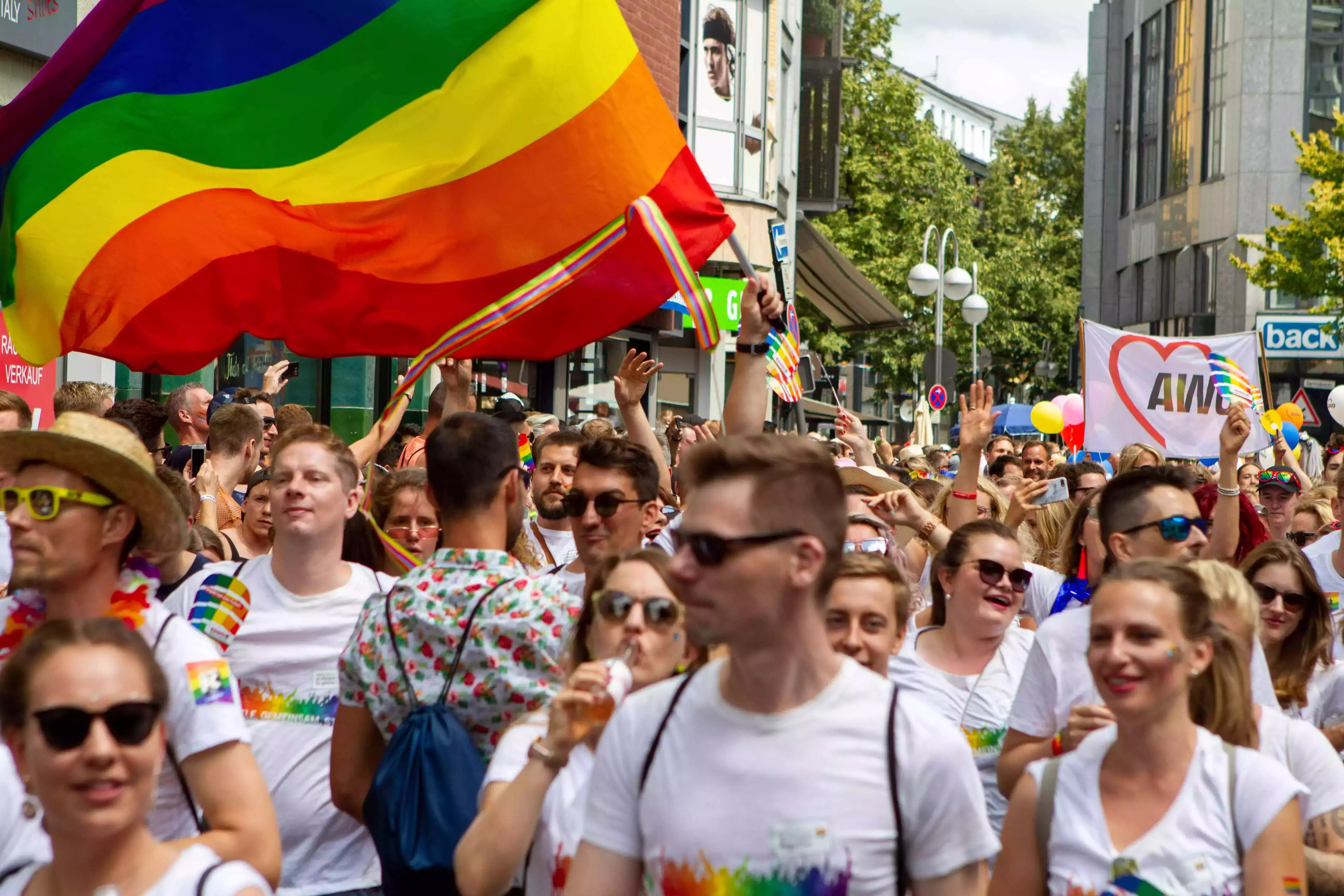
14. Cologne, Germany
Although this city underperforms on the Gay Index Rating, its quality of life and inclusivity for members of the LGBTQ+ community far outweigh this. Cologne’s Pride is the largest in Germany and one of the largest in Europe, with over 1 million attendees in recent years.
Cologne is also often considered by many as the ‘gay capital of Germany’, thanks to its large-scale Pride attendance and modern and progressive views on the LGBTQ+ community and rights. Cologne is a vibrant and lively city, with a population that is accepting, friendly and welcoming to every tourist, no matter their social group or community.
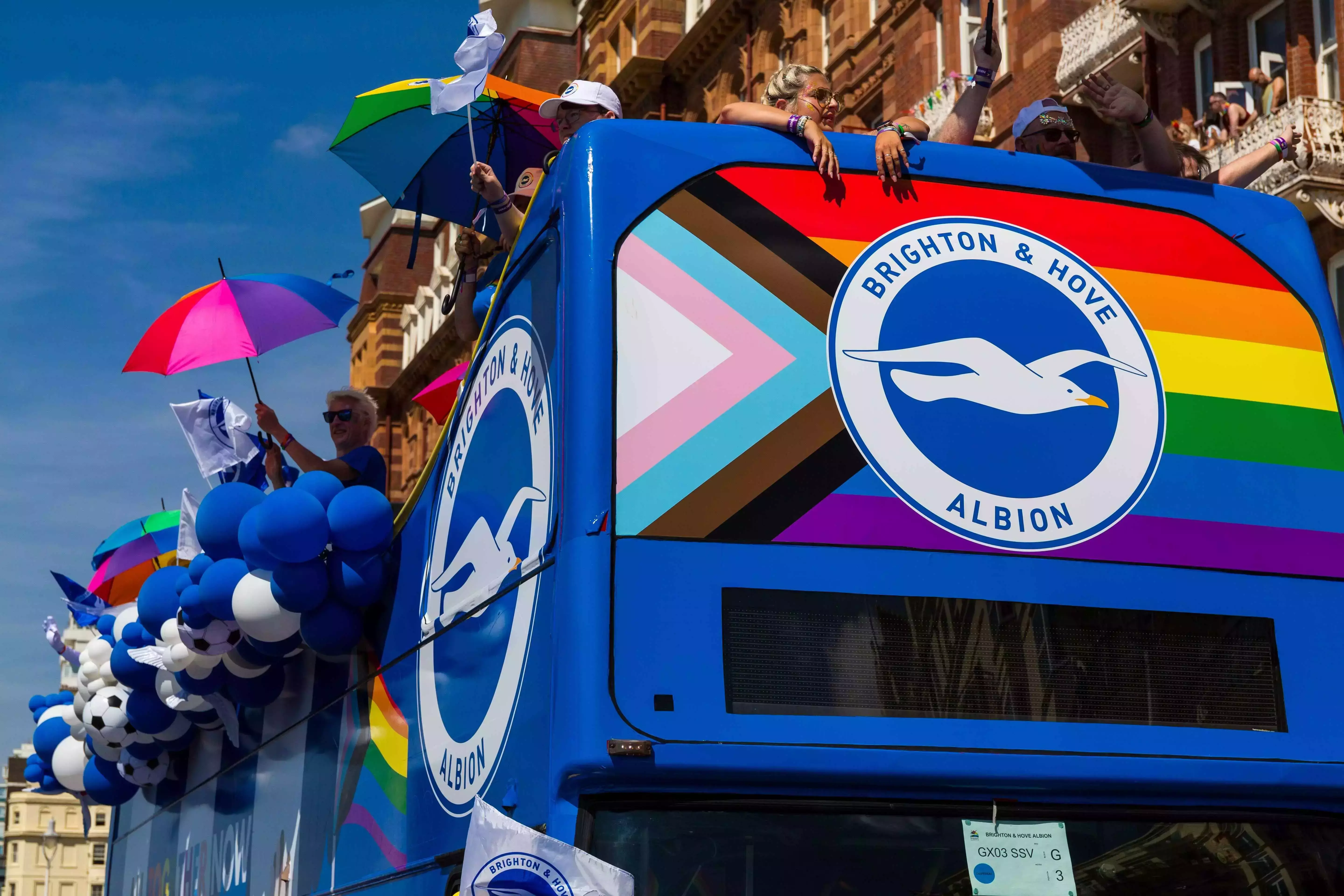
13. Brighton, UK
Brighton has a reputation in the UK for being the ‘gay capital’, with a strong sense of community, support and representation for all members of the LGBTQ+ community. Brighton has long had a reputation for its LGBTQ+ scene, dating back to the 1930s, when the city flourished as an inclusive and openly LGBTQ+ space.
The city has since embraced its LGBTQ+ population with an annual large-scale Pride event that sees more than 500,000 attendees. The city is well known for its Pride event, which has been cited as the best in the UK, and its resident gay village and LGBTQ+ district of Kemptown is rife with inclusive bars, clubs and spaces.
12. Paris, France
Paris really comes out on top with its diversity and inclusion for all groups in society. Paris’s annual pride event regularly attracts more than 700,000 attendees, and its vibrant and thriving Marais district is associated with a large LGBTQ+ population. Paris and France as a whole legalised same-sex marriage in 2013, making them one of the first countries/cities in Europe to do so.
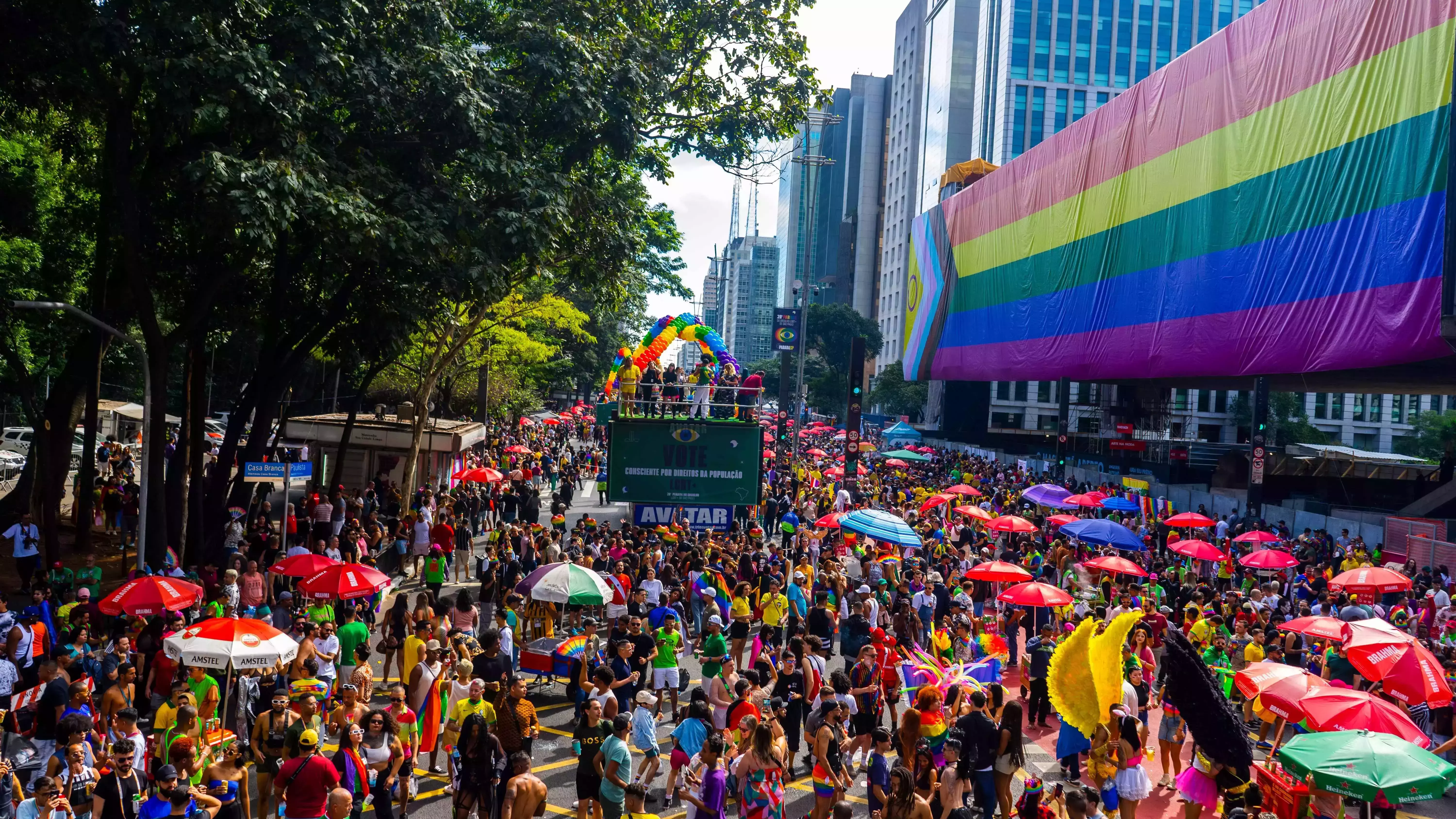
11. São Paulo, Brazil
If there’s one thing Brazil knows how to do, it’s throw spectacular street parties and parades. São Paulo’s annual Pride is often considered to be the largest in the world, with more than three million attendees in recent years. São Paulo has also featured in the Guinness World Record for the size and scale of its Pride event.
What’s more, the city is a hub for all things LGBTQ+, with a lively district dedicated to welcoming and representing its LGBTQ+ population. Although the city has a relatively low Gay Index Rating and Equaldex Score, its citywide celebration of LGBTQ+ is enough to make it rank highly for best LGBTQ+ friendly cities.
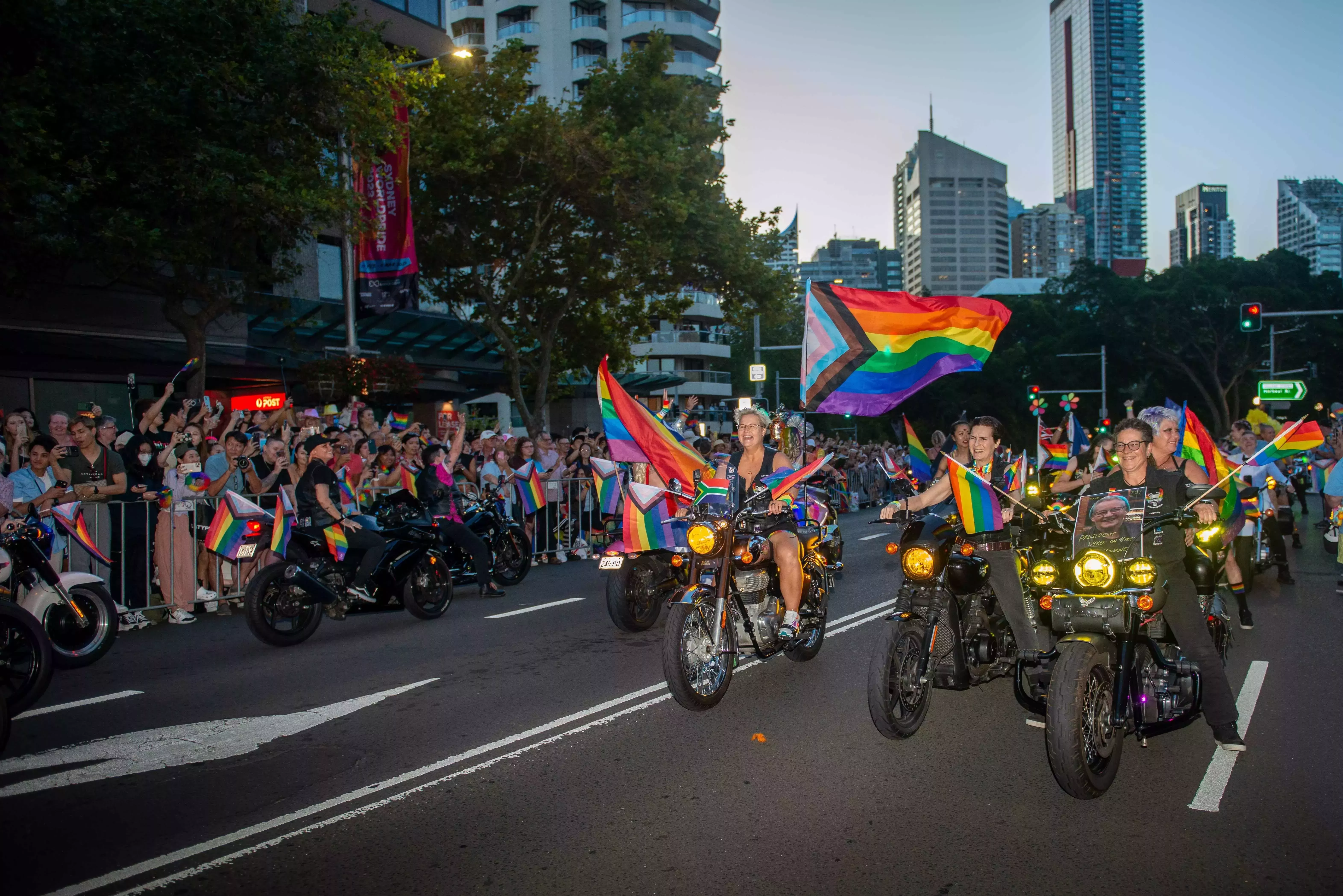
10. Sydney, Australia
Sydney is one of the most LGBTQ+ friendly cities in the world, and the gay capital of Australia, with its annual Gay and Lesbian Mardi Gras festival leading the way in LGBTQ+ representation and support. Sydney’s Darlinghurst region is considered the gay hub of the city, and has a lengthy history of supporting and upholding LGBTQ+ community rights. Sydney ranks highly on both the Equaldex and Gay Index rankings, and it is a member of the Core LGBTI Group.
Sydney and Australia as a whole have a long history of protecting and supporting the rights of LGBTQ+ members, as homosexuality was decriminalised in the state of New South Wales in 1984, and same-sex marriage was legalised in Australia in 2017. Its annual Gay and Lesbian Mardi Gras event also sees attendees of more than 200,000, making it the largest Pride event in Australia and Oceania as a whole.
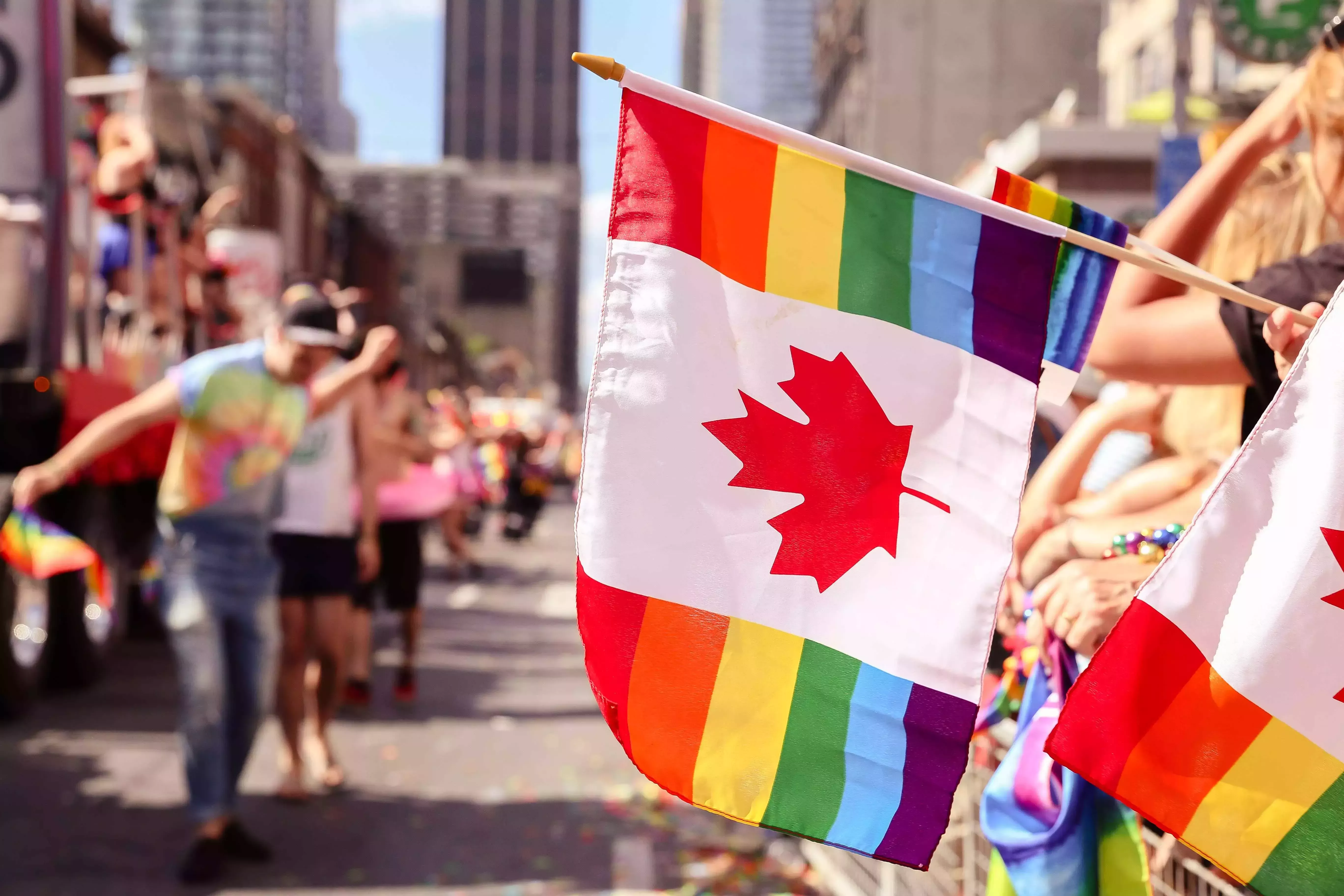
9. Toronto, Canada
Canada’s largest city hosts the country’s largest Pride event, with just shy of 3 million attendees in recent years, making it North America’s largest and most spectacular Pride Event. Toronto is a buzzing hub for queer peoples, and is one of the most LGBTQ+ friendly cities in the world. Its Church and Wellesley district is the focal point for the LGBTQ+ community, as it is rife with bars, clubs and spaces that are openly supportive.
In terms of statistics, Toronto has a Gay Index Score of 8 and an Equaldex Score of 100, making it one of the best cities for the community. Toronto and Canada as a whole’s LGBTQ+ history is lengthy, with homosexuality becoming decriminalised in the late 1960s, and same-sex marriage being legalised in 2003 in Ontario Province, with the rest following suit not long after.
8. San Francisco, USA
San Francisco is a trendy and diverse Californian city, considered the gay capital of the state. The city is often ranked highly among the world’s most LGBTQ+ friendly cities, and has a sprawling LGBTQ+ scene and district that makes it welcoming and appealing to all members of the community. The city’s annual Pride event is also one of the largest in the US and the world, with around 1 million attendees in recent years. San Francisco and California State are known for their more liberal and progressive views on several matters, not just gay rights, so it makes sense that San Francisco adopts the same inclusive views and atmosphere.
San Francisco ranks at 8.5 on the Gay Index Ranking and at 100 on the Equaldex, giving an indication of its support of LGBTQ+ rights and representation. San Francisco was also one of the first cities in the US to allow same-sex marriage in 2004, despite it not being legal statewide until 2013. Since this, San Francisco has been recognised as one of the LGBTQ+ capitals of the US.
7. Amsterdam, Netherlands
Did you know that the Netherlands was the first country in the world to legalise same-sex marriage in 2001? The city is home to some of the most progressive and liberal views on LGBTQ+ communities in the world. It also has one of the longest LGBTQ+ histories, with homosexuality apparently being decriminalised as far back as 1811, and gay bars and clubs being established in the late 1920s. Since then, Amsterdam and the Netherlands as a whole have become inclusive, supportive and proud of their resident LGBTQ+ communities.
Amsterdam itself has a Gay Index ranking of 8, and an Equaldex score of 100, and its lively Canal Parade Pride event sees attendee numbers of more than 500,000, making Amsterdam’s Pride scene one of the largest in Europe and the world. Amsterdam’s Reguliersdwarsstraat region is the most significant LGBTQ+ area in the city, with a collection of LGBTQ+ friendly establishments, bars, clubs and restaurants.
6. Berlin, Germany
Berlin has a lengthy history of supporting and protecting LGBTQ+ rights, and is one of Germany’s ‘gay capitals’, and certainly one of the ‘gay capitals’ of Europe. The city has, for a long time, recognised and respected the rights of LGBTQ+ members, with a thriving gay village and a strong sense of community and inclusivity across the city.
Berlin ranks highly on the Gay Index and has a high Equaldex score, demonstrating how inclusive and safe it is for proud LGBTQ+ members. Its annual Pride event attracts between 500,000-1 million attendees, with the whole city and tourists coming together to support the community and partake in parades and marches. Germany is known for its progressive and liberal stance on LGBTQ+ rights and protection, so it makes sense that Berlin is a thriving hub for community members.
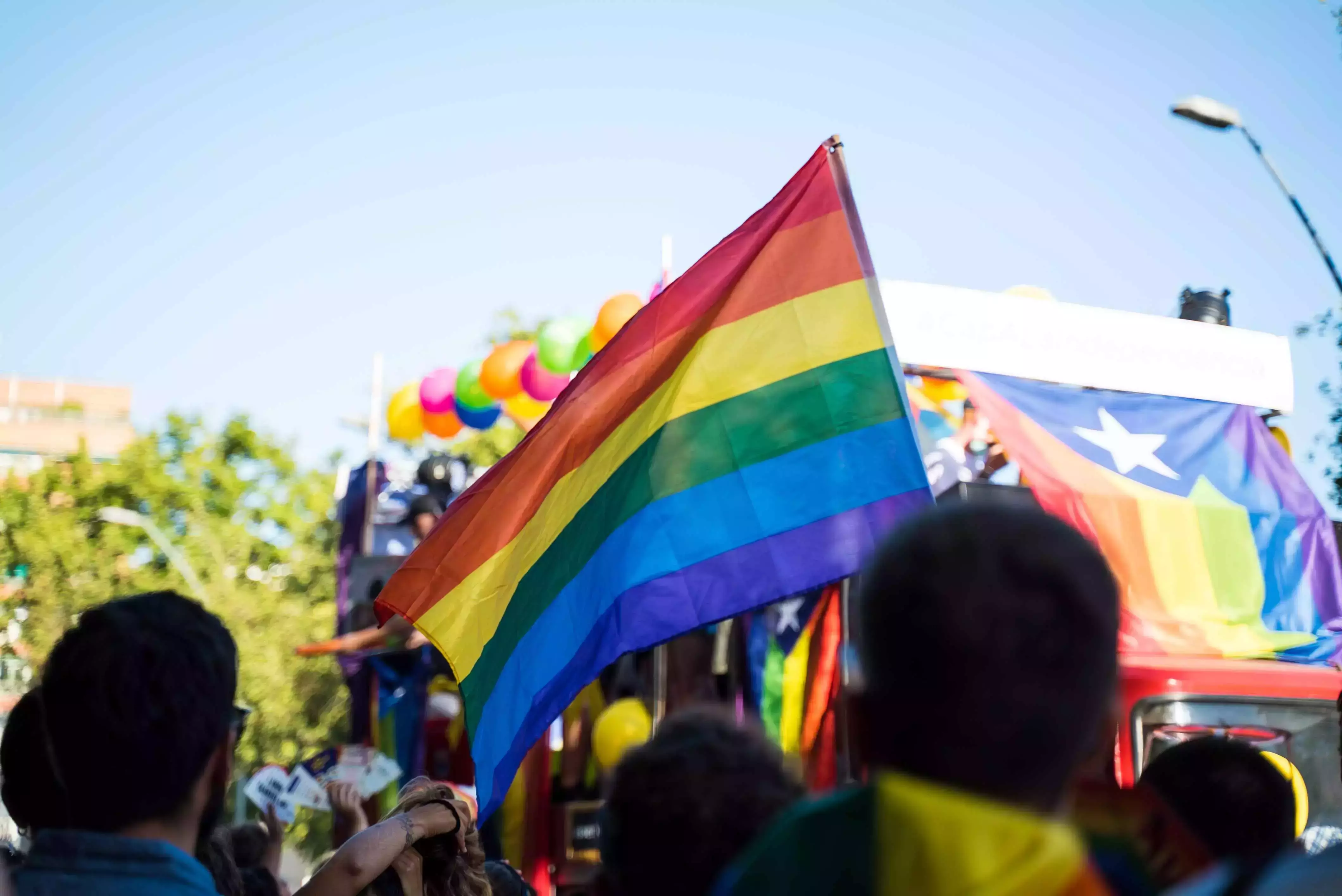
5. Madrid, Spain
With a thriving LGBTQ+ culture, Europe’s largest Pride event with more than 2 million attendees, and a plethora of LGBTQ+ friendly bars, clubs and restaurants, Madrid is definitely the place to be. Spain was one of the first countries in the world to legalise same-sex marriage in 2005, and homosexuality was legalised in 1979.
Madrid has a thriving LGBTQ+ community and scene, and caters to the community in a number of inclusive ways. Its Pride event is one of the city’s most important events of the year, and sees well over 2 million people attend each year. Madrid also has one of the highest Gay Index scores and an Equaldex score of 100.
4. London, UK
London is associated with a thriving and strong LGBTQ+ presence, and a number of gay bars, restaurants and exclusive LGBTQ+ spaces. Soho is the beating heart of the LGBTQ+ community, with a wide range of LGBTQ+ friendly spaces, but most of London is accepting and inclusive towards the community. Not only does London score highly on both the Gay Index and Equaldex rankings, but since the late 1960s, views and laws surrounding same-sex activities have become much more liberal and accepting, with same-sex marriage becoming officially legal across the UK in 2013.
London’s annual Pride event sees a turnout of more than 1 million people, making it one of the largest Pride events in the world. London also has a lengthy and significant LGBTQ+ history, with activism, marches and events being at the forefront. It’s safe to say that London is not only the capital of the UK, but it is one of the capitals of the world when it comes to LGBTQ+ rights and acceptance.
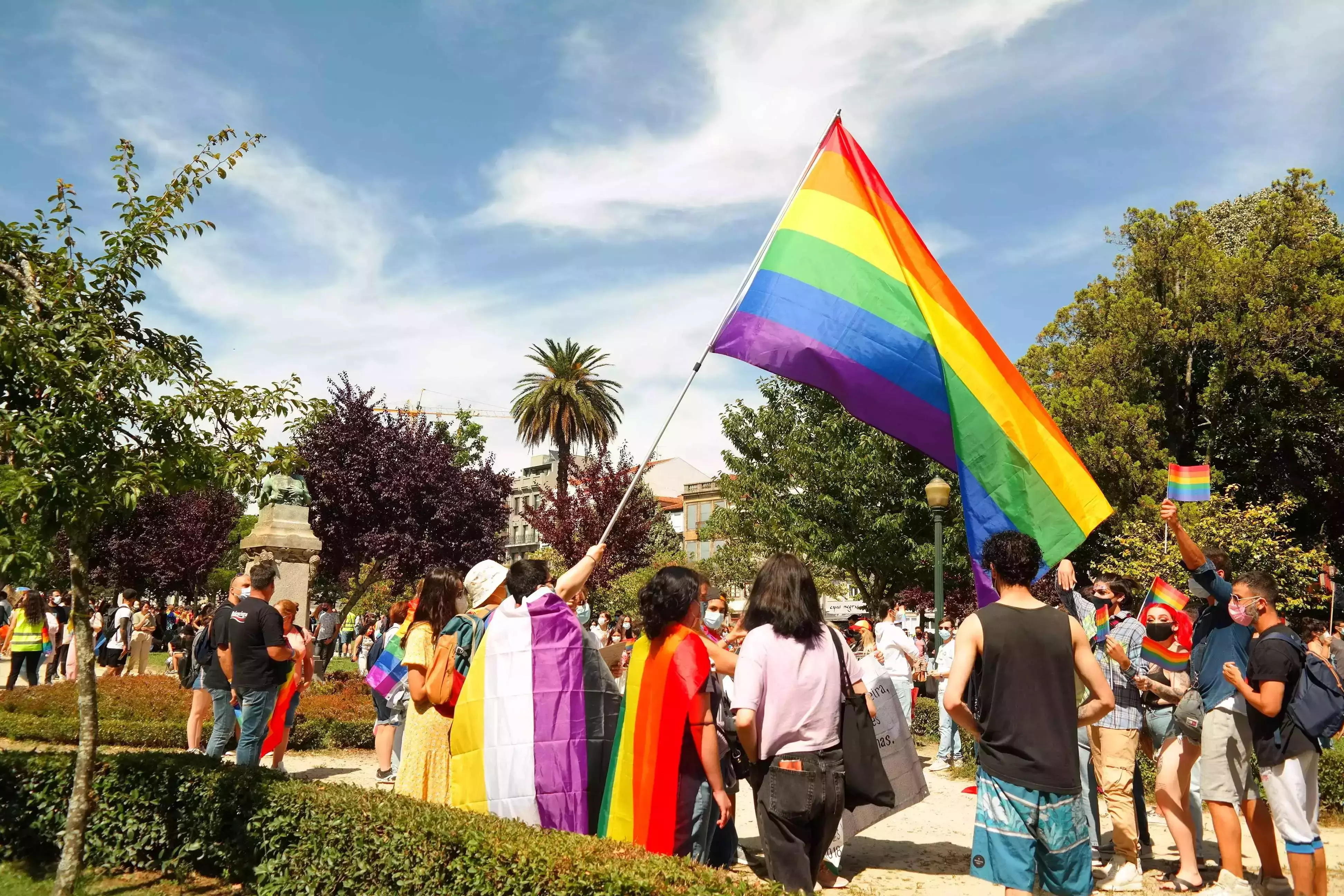
3. Porto, Portugal
First and foremost, Portugal was one of the first countries to legalise same-sex marriage in 2010, with its cities of Lisbon and Porto becoming thriving LGBTQ+ hubs since.
,Porto’s main LGBTQ+ district is Galerias de Paris and several other spots around the city, but the city as a whole has an inclusive and accepting feel no matter where you go. Although Porto has one of the lowest Gay Index scores of 6.9, it makes up for it with its Pride celebration that sees a significant turnout and its high Equaldex score of 93.
2. Dublin, Ireland
Dublin hasn’t always been the safe and accepting place for the LGBTQ+ community that it is now, but views and laws have drastically changed since homosexuality was decriminalised in 1993, and same-sex marriage was legalised by popular vote in 2015, making Ireland the first country in the world to legalise it in this way.
Dublin is now a thriving hub for all members of the community. The city’s progressive stances on LGBTQ+ make it all the more welcoming and inclusive to people of all backgrounds. To further Dublin’s changing views on LGBTQ+, its annual Pride event sees attendees of more than 70,000 take to the streets in solidarity for the community and its rights.
1. Lisbon, Portugal
Now we come to number 1, the world’s most LGBTQ+ friendly city: Lisbon. The city is a trailblazer in cultivating a safe, supportive, and fun community for queer people. It’s not just the capital that’s gay-friendly; Portugal decriminalised homosexuality in 1982 and was the eighth country in the world to legalise same-sex marriage in 2010.
The city’s chart-topping Equaldex score of 100 solidifies it as an inclusive powerhouse, and Lisbon celebrates in true festive style with a colourful, fun-filled Pride weekend in June. Lisbon also hosts the International Queer Film Festival.
The Rainbow Map and Index has been published annually since 2009 and ranks all 49 European countries on legal and policy practices for LGBTQ+ people.
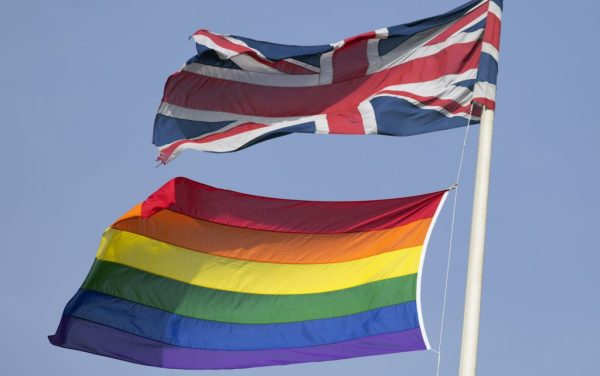
The latest rankings, published on Wednesday (14 May), show that the UK had dropped to 22nd, with an overall score of 46 per cent, making it now the second-worst country for LGBTQ+ laws in western Europe and Scandinavia – above only Italy.
The UK was named the best place in Europe for LGBTQ+ rights, with an 86 per cent rating, in 2015. But it has been falling ever since and dropped seven places from last year’s position, mainly because of the recent Supreme Court ruling which deemed that the protected characteristic of “sex” in the 2010 Equality Act was based on “biology” and excluded trans people.
For laws that relate to the recognition of trans people’s gender identity, the UK is now ranked 45th. ILGA-Europe said that the Supreme Court’s verdict constituted a legal block on effective recognition of trans people’s identities. The only other European nations in a similar position are Bulgaria, Georgia, Hungary and Russia.
While Scotland had had introduced the Hate Crime and Public Order (Scotland) Act, which came into effect last year, the legislation only applies to the devolved nation so had only a minimal effect on the UK’s overall score.
Malta tops the new list, with a score of 89 per cent, followed by Belgium (85 per cent), Iceland (84 per cent), Denmark (80 per cent) and Spain (78 per cent).
Other nations above the UK include Finland (70 per cent), Ireland (63 per cent), Austria (54 per cent), Croatia (49 per cent) and Estonia (46 per cent).
‘The UK must do better’
Commenting on the rankings, ILGA-Europe’s executive director, Chaber, said: “The time to push back is now, before the targeted attacks we’re seeing in countries like Hungary, the UK and Georgia become the norm rather than the exception. Political leaders must lead by example and turn their words into action.”
A spokesperson for TGEU, the European transgender rights network, claimed that while the UK was once a “frontrunner on equality”, it now has a Supreme Court, prime minister and equality watchdog “singing from the same hymn sheet as anti-trans campaigners”.
They went on to say: “The UK Supreme Court’s decision, which defined a ‘woman’ for the anti-discrimination law, has severely undermined legal certainty for trans people. Furthermore, it has reinforced privacy risks and exclusion from essential services such as hospital wards, public toilets, changing rooms and refuges, as well as reception centres for asylum seekers.”
Meanwhile, Equality Network chief executive Rebecca Don Kennedy said: “It is shameful that having been ranked best in Europe for LGBTI+ laws 10 years ago, we have fallen so far. For our treatment of trans people after the Supreme Court ruling, we are now known as one of the worst countries in Europe. The UK must do better.
“Scotland, when analysed separately, has in the past been considered progressive and a beacon of LGBTI+ equality and human rights. That seems to be quickly deteriorating. We ask the Scottish government to act now and do everything they can to improve the lives of LGBTI+ people and to not submit to growing anti-LGBTI+ narratives both globally and right here in Scotland.
And Vic Valentine, the manager of Scottish Trans, said: “That the UK has slipped so far down the rankings for LGBTI+ equality in Europe is an important reminder that we can’t take progress for granted.
“From the outside, the UK is viewed as a cautionary tale of how things can go backwards rather than forwards. But none of this is inevitable.
“Governments and parliaments can – and should be – forced to protect and promote the rights of everyone. Yet politicians across the UK are quietly watching on as last month’s Supreme Court ruling seems to have set back trans people’s rights by two decades. It is very much in their power to put us back on the right path.
‘We call on the UK government to urgently take whatever action is needed to ensure that trans people can live safely and freely, and [to] reverse this decade of decline in the rights of LGBTI+ people.”
A new Talker Research poll surveyed 2000 Americans and found 17% of those surveyed wanted to leave the US. Find out the top 5 countries Americans want to move to by watching the CBS Mornings YouTube Short below.









 fleeredstates.blog
You must be logged in to post a comment.