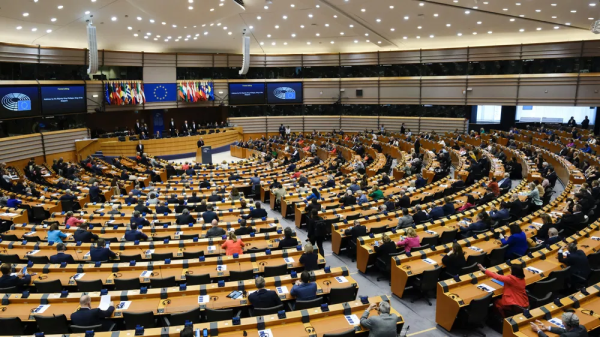
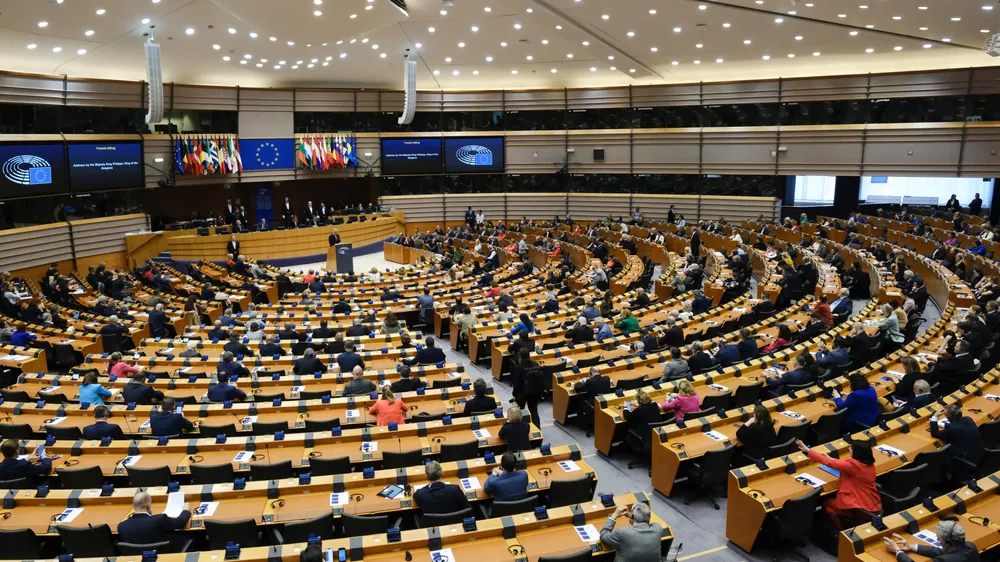
The European Parliament agreed to a resolution that says that trans women are women last Wednesday.
The resolution was to adopt recommendations concerning the European Union’s priorities for the 70th session of the U.N. Commission on the Status of Women, which is set to take place next month in New York. The U.N. Commission on the Status of Women is charged with promoting gender equality across the globe.
Citing the U.N. Convention on the Elimination of All Forms of Discrimination against Women, as well as several other international proclamations, the council set a list of recommendations for the E.U. to pursue at the convention, including: “emphasize the importance of the full recognition of trans women as women, noting that their inclusion is essential for the effectiveness of any gender-equality and anti-violence policies; call for recognition of and equal access for trans women to protection and support services.”
The resolution also mentioned LGBTQ+ people in several other places, including in the statement about needing a “comprehensive tool to monitor and counter democratic backsliding and backsliding in women’s rights” and citing “attacks by anti-gender and anti-rights movements” that “undermine democracy and target women’s and LGBTIQ+ rights.”
The section on funding cuts to non-governmental organizations included “LGBTIQ+ organizations” as needing support. The section on sexual and reproductive health and rights (SRHR) mentioned “access to gender-sensitive mental health services for young women and LGBTIQ+ people.” And a section about the E.U. commitment to foreign policy stressed the need to prioritize “the needs of women and LGBTIQ+ human rights defenders.”
The resolution was adopted in a 340-141 vote, with 68 abstentions.
Independent journalist Erin Reen notes that this now puts the E.U. “on a direct collision course with the United States,” which will also be at the session, a reference to the current presidential administration’s stated policy that trans people’s existence must be denied by the federal government.
While the European Parliament’s recommendations aren’t binding, they are expected to have significant influence on the E.U.’s positions at the forum.
The European Court of Justice has issued a ruling that all nations in the European Union (EU) must recognize lawful same-sex marriages that were performed in other EU countries. Previously, a country could refuse to recognize a marriage if it had taken place in another country and did not align with its own laws.
The court declared that EU citizens have a right to “a normal family life” regardless of borders. “When they create a family life in a host member state,” they said, “in particular by virtue of marriage, they must have the certainty to be able to pursue that family life upon returning to their member state of origin.”
Citizens of the European Union have the right to freedom of movement between the different nations within the union. The court suggested that this right, as well as the right to “respect for private and family life,” would be breached if one country could refuse to acknowledge a lawful marriage from another country.
The court added in a press release, “Member States are therefore required to recognize, for the purpose of the exercise of the rights conferred by EU law, the marital status lawfully acquired in another Member State.”
The case was brought to the Luxembourg-based court on behalf of a Polish couple who had been married in Berlin, Germany, where same-sex marriage is recognized. When, years later, they returned to their home country, they submitted their marriage certificate, which was in German, to the Polish government to be transcribed and recognized in the Polish civil register.
The Polish government denied their request, as the country does not recognize same-sex marriages. With this new ruling, they will no longer be able to refuse legally.
Of the 27 EU member states, only 18 have legalized same-sex marriage.
LGBTQ+ rights have taken some big hits in Poland in recent years. The far-right Law and Justice Party held power from 2015 to 2023 and enacted a range of anti-LGBTQ+ policies during that time. It was only in April of this year that the last “LGBT-free” zone created by the party was finally repealed.
Poland is currently led by a coalition government. The prime minister, Donald Tusk, campaigned on introducing same-sex civil unions and has pushed for such legislation to be passed. However, Poland’s president, Karol Nawrocki of the Law and Justice Party, has said that he would veto any legislation that would legalize same-sex marriage.
Is France less safe than Rwanda and Bangladesh? The new World Safety Index has raised questions on security across Europe.
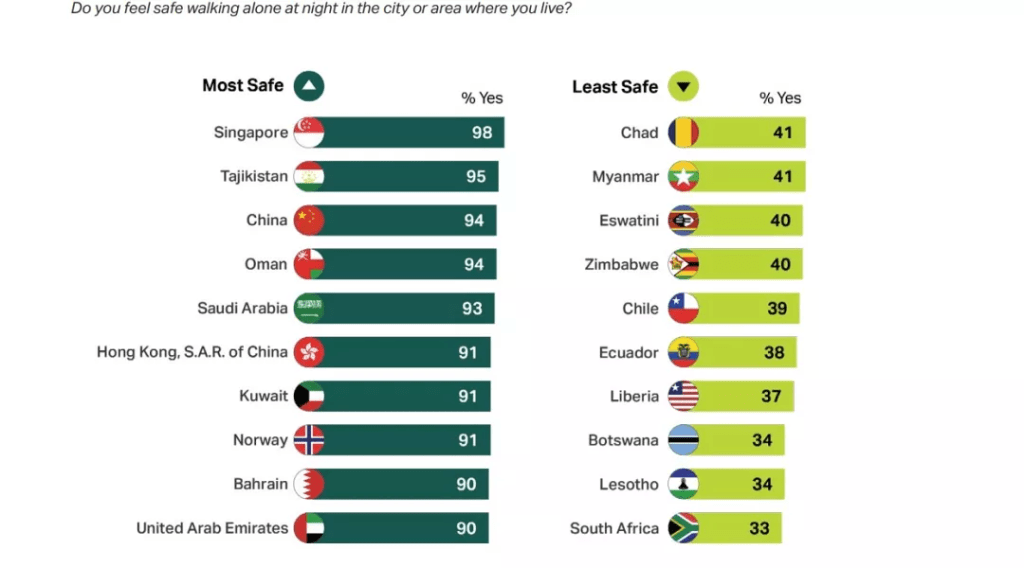
People feel less safe walking alone at night in Italy and France than in dozens of other countries, including Iraq, Rwanda, and Bangladesh, according to a new report.
In fact, the 2025 edition of The Global Safety Report features only one European nation in the top 10 countries with the highest sense of security: Norway (91%).
Denmark and Kosovo, both with 89%, are the second-highest ranking European countries, respectively 11th and 12th worldwide.
Italians feel least safe in Europe, France 56th worldwide
With 60%, the perception of security among Italians is the lowest in Europe, and the 95th in the world, behind war-torn Ukraine (62%), Nicaragua (63%), Mauritania (64%) and Niger (67%).
France, ranked in 56th place with 73%, fared higher than Italy but placed behind similar European economies such as Spain (81%), Germany (78%) and the UK (76%), as well as non-European nations like Egypt (82%), Bangladesh (74%) and Belize (74%).
The Gallup report surveyed 145,170 adults aged 15 and older across 144 countries and territories.
How does Europe compare to the rest of the world?
Globally, 73% of adults worldwide said they feel safe walking alone at night in the city or area where they live.
It’s the highest level on Gallup’s record (which began in 2006) and a 13% increase over the past decade.
“The paradox is striking,” the researchers said in the report. “We are living through more armed conflicts than at any time since the Second World War. And yet, Gallup finds that more people than ever say they feel safe in their communities.”
The world region with the highest sense of security is Asia-Pacific (79%).
Western Europe follows in second place (77%), ahead of the Middle East and North Africa (74%).
Security perception: Post-Soviet Europe nearly overtakes America
With a 34-point jump over the past two decades, the former Soviet bloc has experienced the greatest growth in safety perceptions across all macroregions, reaching 71%.
If the trend continues, the former USSR countries — Russia excluded — could surpass North America, which now stands at 72%.
Along with sub-Saharan Africa, North America has been the only world region to see a decline in security perception since 2006 (-4%).
Overall, the region where people feel the least safe globally is Latin America and the Caribbean (50%).
Gender gap: Many more women feel unsafe than men
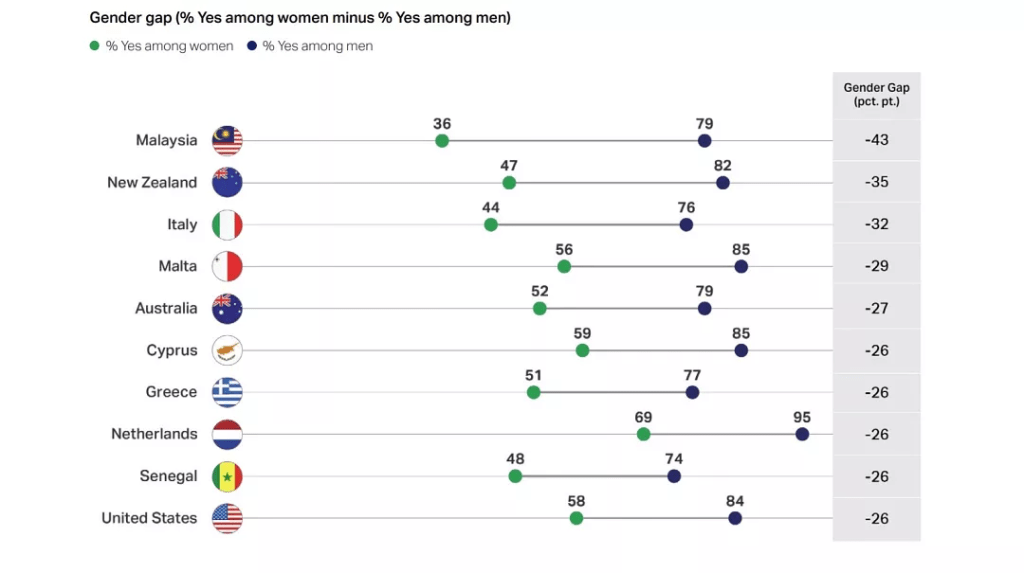
The Gallup report also highlights a stark gender gap: 32% of women, globally, claim they don’t feel safe compared to 21% of men.
Five of the world’s 10 countries with the highest gender gap in this sense are EU member states.
Again, Italy’s performance here is the worst in Europe, with a 32-point gap between the security perception of Italian men versus that of Italian women — 76% of men feel safe walking alone at night versus 44% of women.
The report says that “56% of intentional homicides where the victim is a woman or girl are perpetrated by an intimate partner or family member, compared to 11% when the victim is male.”
“While men are more likely to be victims of lethal violence in public, rates of reported non-lethal violence are much closer between genders,” it adds.
Perception vs reality: Which countrie see themselves better — or worse — than they really are?
A low sense of safety doesn’t always mean a country is actually unsafe and vice versa.
TheGlobal Peace Index — which factors in Gallup’s safety perception along with other, more pragmatic data like homicide rates, violent crime, access to firearms, terrorism and political instability — often paints a more nuanced picture.
Across Europe, many nations turn out to be safer than they think.
Germany, for instance, ranks 20th worldwide in the Global Peace Index, yet only 34th when it comes to their citizens’ perception.
Italians and Brits also seem to underestimate their safety levels, with a gap of 62 and 15 positions, respectively, between perception and estimated reality.
France, on the other hand, tends to perceive itself as more secure than it might be — ranking 56th by its own perception but 74th in the Global Peace Index.
Still, it remains more secure than several non-European nations, including the aforementioned Rwanda (91st) and Bangladesh (123rd).
Spain seems to have a more grounded perception of reality. The country placed 25th in the Global Peace Index and 29th in Gallup’s safety perception table.
Hate crimes against LGBTQ+ people are rising around the world as politicians target them through legislation and rhetoric.
Anti-LGBTQ+ hate crimes have increased in the past five years across the United States, the United Kingdom, and Europe, according to a new report by the Institute for Strategic Dialogue, with transgender and gender nonconforming people particularly affected. The spike may in part be attributed to world governments passing anti-LGBTQ+ policies, which has “escalated internationally in tandem with political rhetoric.”
Some of the high profile incidents cited in the report include the mass shooting at the LGBTQ+ bar Club Q in Colorado that left five dead, the 2023 murder of a woman in California who was not LGBTQ+ because she flew a rainbow flag in her store, and the arrests of 20 members of the white supremacist group Patriot Front in 2023 who intended to riot at a Pride event in Idaho.
“These threats come from across the spectrum of ideological extremism, but frequently from groups that also pose a threat to the state and are openly opposed to democratic norms,” the report notes.
In the U.S., hate crimes against LGBTQ+ people remained high despite an overall decrease in violent crime. Out of 11,323 single-bias incidents the FBI reported in 2024, 2,278 (17.2 percent) were based on sexual orientation and 527 (4.1 percent) were based on gender identity. Hate crimes based on sexual orientation were the third-largest category, with crimes based on race, ethnicity, or ancestry being first and religiously motivated crimes second. Gender identity bias was the fourth-largest category.
Threats and harassment against school board officials in the U.S. also increased by 170 percent from the previous year in November, 2024 to April, 2025, the ISD report notes. Many of these threats were explicitly motivated by an anti-LGBTQ+ bias, with the perpetrators objecting to age appropriate queer books or content in public schools.
“LGBTQ+ individuals, who gained unprecedented civil rights in previous decades, are now increasingly targeted by online and offline hate, political rhetoric, censorship and legislation,” the report states. “A series of actions have sought to exclude LGBTQ+ people and culture from public life, ranging from book bans to a spread of legislation restricting trans people. In tandem, terror attacks (or the threat of terror attacks), violent extremist activity, and hate crimes targeting LGBTQ+ individuals have increased or remained consistently high since 2020.”
*This is reported by Reuters. For corresponding graphs, check their original article.
As global investors consider reducing their exposure to U.S. financial assets, the key question is where money flowing out of the U.S. will go. While Europe may be the obvious destination, relative value metrics may favour emerging Asia.
Even though U.S. equities have recovered from the steep losses suffered in the week following U.S. President Donald Trump’s announcement of his ‘Liberation Day’ tariffs, the same cannot be said of the U.S. bond market. Since hitting a recent low on April 4, the 10-year Treasury yield has spiked by around 50 basis points, with bond investors demanding more compensation for the risk of holding longer-dated U.S. debt. Worryingly, the benchmark Treasury yield has surged higher than nominal U.S. GDP growth – a key risk measure.
Additionally, the usual positive correlation between Treasury yields and the U.S. dollar has broken off, as rising yields are no longer attracting money to the “safest” asset in the world. Broad-based depreciation of the greenback suggests that – despite the equity rebound – many U.S. assets are being sold and the funds are flowing into markets whose currencies are appreciating.
EUROPEAN ALTERNATIVE
The euro’s almost 10% rise against the dollar this year suggests that a significant portion of the capital flowing out of the U.S. is going to Europe, likely driven both by concerns about U.S. policy as well as expectations of higher regional growth.
Further monetary easing by the European Central Bank should promote economic activity, as should the expected surge in fiscal spending following Germany’s recent constitutional reform, opens new tab, which approved partial removal of the “debt brake” for infrastructure and defence spending.
The fiscal splurge is already offering a boost to European equities – the surprise winner thus far in 2025 – especially defence, industrial and technology stocks.
DEBT WOES
But there are reasons to question the new ‘European exceptionalism’ narrative.
One likely cause of investors’ growing apprehension with U.S. assets is the Trump administration’s apparent inability to narrow the country’s gaping fiscal deficit or reduce its debt-to-GDP ratio, which has risen to more than 120%.
But elevated debt metrics are also an issue across the pond, as they are found in Italy (135% of GDP), France (113%) and the UK (96%). Importantly, both Italy and France have seen their 10-year bond yields rise above their nominal GDP growth rates.
While the latter metric is also true of Germany, the country’s debt load is modest at only 62% of GDP, so the statistic mostly reflects a stagnating economy that’s about to get a spending boost.
Fiscal expansion in Europe will likely continue to benefit the region’s equities, but whether it is good news for fixed income investment there is still an open question.
ASIAN OPTION
Meanwhile, in emerging Asia – another potential destination for U.S. capital outflows – the debt picture is better and the growth outlook is stronger.
Government debt in many Asian countries is low, ranging from 37% of GDP in Indonesia to around 85% in China and India.
Benchmark bond yields across the region have been declining since October 2023, speaking to fixed income investors’ limited concerns about Asian countries’ fiscal situations. In fact, yields in China, Thailand and Korea are all below those in the U.S., though those in Indonesia and India remain higher.
Modest debt burdens mean there is also plenty of room for more fiscal stimulus in many countries, which could improve consumption, while the benign inflation environment should enable central banks in the region to continue cutting rates to stimulate growth.
Emerging Asia also offers far more high-growth, technology companies than Europe. The release of the affordable Chinese artificial intelligence model, DeepSeek, Beijing’s focus on semiconductors and advanced manufacturing and the country’s electric vehicle dominance could all attract tech-focused investors looking for an alternative to the U.S..
RELATIVE VALUE
Even though European equities have outperformed their U.S. counterparts significantly in 2025, the twelve-month forward price-to-earnings multiple of the major European index, the STOXX50, is considerably lower than that of the S&P 500, at 15.4x and 21.0x, respectively, as of May 23. But the major emerging Asia equity index, the MSCI Asia ex Japan, is even cheaper at 13.4x.
Moreover, earnings growth forecasts are higher in Asia than in either the U.S. or Europe through 2026.
Finally, reallocation of assets from the U.S. could potentially have a bigger positive impact on Asia than on Europe because of their relative sizes. Let’s say 5% of the U.S. free floating market cap of around $58 trillion, or roughly $3 trillion, moves out. That would represent 36% of Asia’s market cap, but only 22% of Europe’s.
NO SLAM DUNK
Caution remains warranted, though. Asian nations’ ongoing trade negotiations with the U.S. will likely still encounter numerous twists and turns, and increasing protectionism could hinder the region’s more export-oriented economies. Moreover, Chinese economic growth remains tepid despite the monetary and fiscal stimulus delivered over the past eight months.
Finally, the capital flowing into emerging Asia is a double-edged sword because of the impact on Asian currencies versus the U.S. dollar. If Asian currencies strengthen much more, the region’s export engine could stutter.
Investors, thus, have to keep a close eye on macroeconomics, geopolitics and policy statements, not just valuation metrics.
But given emerging Asia’s benign debt environment and positive growth outlook, both the region’s equity and fixed income markets have the potential to benefit from the death of American exceptionalism.
(The views expressed here are those of Manishi Raychaudhuri, the founder and CEO of Emmer Capital Partners Ltd and the former Head of Asia-Pacific Equity Research at BNP Paribas Securities).
Digital nomads are always seeking out new destinations that offer an ideal mix of affordability, high quality of life, convenient time zones, and reliable tech infrastructure.
While Lisbon has been a popular choice for international remote workers in recent years, this influx has contributed to rising rent prices. Additionally, some of the initiatives that initially attracted digital nomads are being rolled back by Portuguese authorities, such as the termination of the non-habitual tax residence (NHR) program.
With these changes, digital nomads are on the hunt for the next hot spot.
Abteilungsleiter Obst & Gemüse (m/w/d), REWE Deutscher Supermarkt, Schwerin
Account Manager (f/d/m), Leica Biosystems, Dulmen
New Destinations for Tech Workers
In March, New Zealand’s Trade & Enterprise, a government agency, released a report titled Tech Jobs in Europe. Originally aimed at helping New Zealand exporters understand top and emerging tech hubs across Europe, the report offers valuable insights for remote workers looking for their next destination. Although the data primarily comes from secondary sources, providing more general trends than definitive conclusions, it still offers a useful guide for digital nomads.
For most European cities, internet quality and time zone compatibility with European jobs are solid. That narrows the focus to two key considerations: quality of life and cost of living—both of which are analyzed in the report.
The report’s cost of living index compares the prices of consumer goods, such as groceries, dining, transportation, and utilities, relative to New York City. Meanwhile, the quality of life index considers factors like purchasing power, pollution levels, housing affordability, safety, healthcare quality, commute times, and climate conditions to estimate overall quality of life.
Spain
Spain emerges as an attractive option for digital nomads, offering the lowest cost of living index among the countries studied, paired with the third-highest quality of life index, and, of course, abundant sunshine. The report highlights several Spanish cities, including Bilbao, Barcelona, Madrid, and Valencia.
Barcelona, known for its dynamic start-up scene and vibrant nightlife, has long been a favorite among digital nomads. However, its struggles with over-tourism have been well-documented, and expats may not always receive the warmest welcome.
Valencia is quickly becoming a favorite among remote workers. This coastal city offers a more affordable cost of living compared to Barcelona or Madrid, yet still boasts excellent infrastructure and a high quality of life. With its stunning beaches and rich cultural heritage, Valencia is the perfect place for those who prioritize work-life balance.
For those who want to immerse themselves in Spanish culture and experience a vibrant nightlife, Madrid is the place to be. The city is a hub for the tech industry and has introduced a Start-up Law aimed at attracting entrepreneurs. This law also grants remote workers and freelancers from outside the European Union the right to stay in Spain for an initial period of one year, making Madrid an attractive option.
Up north, Bilbao offers a unique experience with its blend of traditional Basque culture and incredible cuisine. It’s an ideal destination for those looking for a more authentic and less touristy experience.
Sweden
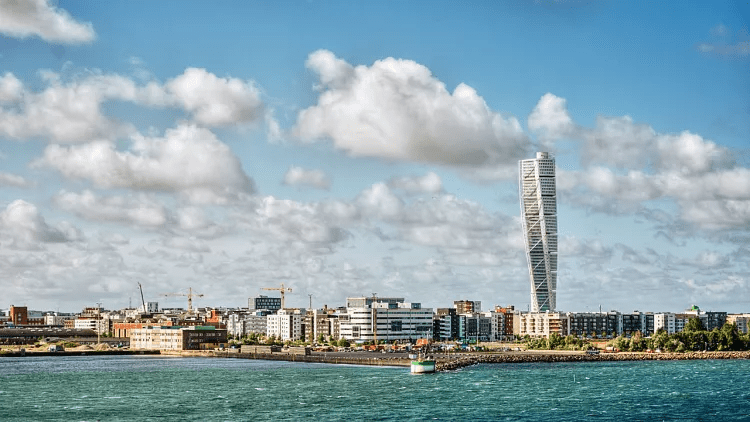
Sweden stands out in both the cost of living and quality of life indexes, making it a compelling choice for digital nomads who are comfortable with the northern climate. The report highlights Malmö and Stockholm as key cities for tech and innovation, offering a dynamic environment for remote workers.
Stockholm has established itself as a major tech hub, with success stories like Spotify and Klarna originating from the city. It’s a magnet for those in the tech industry, offering a dynamic environment and ample opportunities.
However, Malmö is gaining attention as well. Just a short train ride from Copenhagen, Malmö provides a more affordable alternative to Stockholm while still offering a vibrant tech community and an excellent quality of life.
Italy
Who hasn’t been tempted by those enticing ads offering historic buildings in rural Italy for almost nothing?
Unfortunately, high-quality internet isn’t always a given in those rural areas. The New Zealand report, therefore, focuses on Milan, Turin, and Rome. These cities offer a relatively low cost of living, a moderate quality of life, and reliable internet speeds, making them more suitable for digital nomads.
While Rome’s historic charm is hard to resist, Milan is emerging as Italy’s top tech and business destination. Known for its fashion and design heritage, Milan is now also home to a growing start-up scene, with companies like Scalapay, a payment solution that lets customers make purchases in three interest-free installments, leading the charge.
Turin, often overlooked by tourists, is another Italian city worth considering. Known for its innovation, particularly in the automotive industry with brands like Fiat, Alfa Romeo, and New Holland, Turin is now undergoing significant urban and industrial redevelopment. The city is positioning itself as a strategic center for excellence in the aerospace industry.
The Netherlands
The Netherlands boasts the highest quality of life index among the countries examined. While the cost of living is moderate, the overall appeal of the country remains strong for digital nomads. The report highlights cities such as Amsterdam, Utrecht, The Hague, and Rotterdam.
Amsterdam, with its iconic canals and progressive culture, has long been a favorite among tech workers. However, as housing prices in the capital continue to rise, other Dutch cities like Utrecht, The Hague, and Rotterdam are becoming increasingly attractive alternatives.
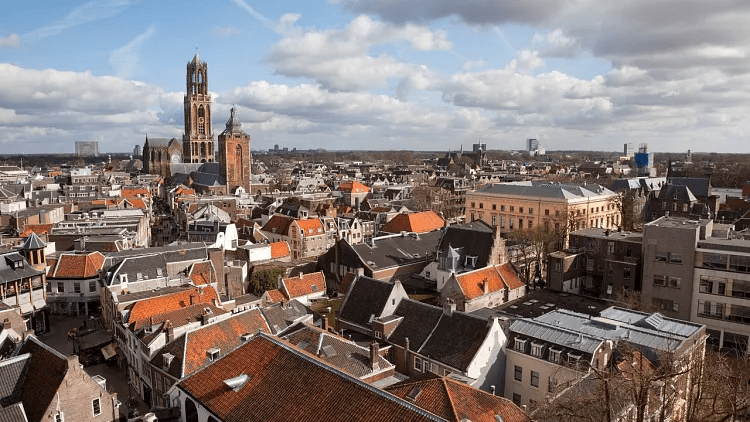
Utrecht, with its large student population and central location, provides a more relaxed alternative for digital nomads seeking a laid-back atmosphere. The Hague, renowned for its international organizations and stunning beaches, is particularly appealing to those in law, policy, or international relations.
Rotterdam, famous for its bustling port and ambitious plans to become Europe’s largest green hydrogen hub, is also gaining popularity. The city is known for its founder-led communities, a high concentration of start-ups, numerous incubators, and an abundance of coworking spaces, making it an attractive destination for entrepreneurs.
Germany
Germany strikes a good balance between cost of living and quality of life, making it an appealing choice for digital nomads. The report highlights Hamburg, Berlin, and Munich as key cities.
Berlin has long been a hotspot for digital nomads, celebrated for its affordable living costs and its vibrant arts and techno scene. However, as Berlin’s popularity grows, so do its living expenses, prompting many to explore other German cities.
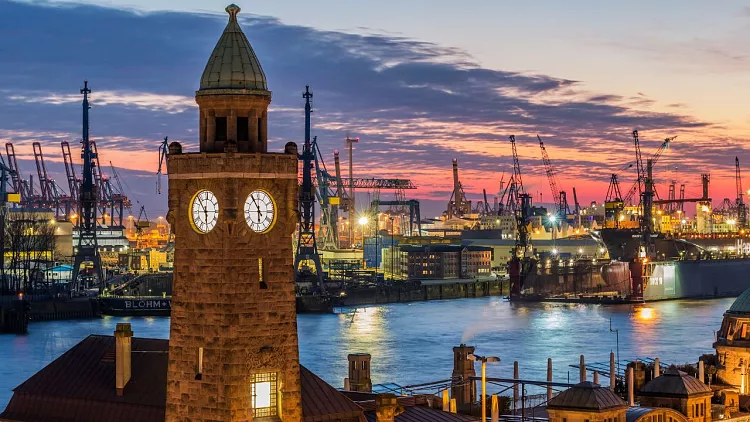
Hamburg, with its rich maritime history, offers a unique flavor of German city life. The city is home to the carbon-neutral energy systems provider and unicorn 1KOMMA5°, along with several innovative and high-profile tech companies in biotech, health tech, and fintech sectors.
3 More Jobs to Apply for This Week:
Senior Project Manager (m/f/d), Cytiva, Darmstadt
Regional Sales Manager Germany Central (f/m/d), Beckman Coulter, Diagnostics, Frankfurt
Frontend Developer, Jobbio, Dublin / Remote
Munich, though more expensive, makes up for it with a high quality of life, close proximity to the Alps, and a robust job market. Known traditionally for its engineering prowess, Munich is now shifting its focus towards software engineering, with 11% of Germany’s total start-ups located in the city.
The European Union will support families regardless of how the child was conceived or born.
The European Union has voted to endorse parenthood, inclusive of same-sex parents, across the continent.
The European Certificate of Parenthood will acknowledge parenthood irrespective of the method of conception, birth, or family structure, ensuring associated rights to education, healthcare, custody, and succession.
The decision upholds the rights of same-sex parents throughout the EU, irrespective of individual country policies, provided the child is born in a member state.
Nations can establish their regulations on recognizing certain forms of parenthood, such as surrogacy. However, once a certificate is approved in one member country, it must be acknowledged in all of them. States can only reject a parenthood certificate if it is “manifestly incompatible with public order” in specified cases.
The European Certificate of Parenthood will not serve as a replacement for national documents. Instead, it will be accessible online and available for citizens across all EU countries. Once issued, it must be recognized and honored.
“No child should face discrimination based on their lineage or birth circumstances. Presently, children can legally lose parental recognition when crossing into another Member State. This is unacceptable,” emphasized Maria-Manuel Leitão-Marques, a Member of the European Parliament from Portugal. “With this vote, we are moving closer to the objective of ensuring that parenthood recognized in one Member State holds true across all Member States.”
The measure would safeguard over two million children.
“This provision is necessary to safeguard the fundamental rights of minors regardless of the sexual orientation of their parents and regardless of how they were born,” said Italian MEP Sabrina Pignedoli. “Anyone who is a father or mother in one Member State will, in fact, be automatically recognized in all other Member States and will, therefore, be able to move freely with their children throughout Europe.”
“Today, unfortunately, this is not the case in Hungary, Poland, or Bulgaria, countries that do not recognize parenthood established in another state in the cases of LGBT parents,” Pignedoli continued. “Even in Italy, as is known, there is strong discrimination, and the judicial authority often has to intervene to re-establish the rights recognized abroad.”
In Italy, as in other conservative countries, anti-abortion and anti-LGBTQ+ groups opposed the measure.
After receiving approval from the European Parliament, the measure must now secure unanimous passage from the governments of all member countries.
Soon, affluent ex-pats may be shut out of this popular European bourse – and easy access to Europe as a home.
A long-standing visa program in Portugal, known as the Golden Visa, may be facing termination, prompting a warning from the country’s president for prospective citizenship applicants to act promptly.
The Golden Visa program, also utilized by other European countries such as Greece and Ireland, has been used to attract business and investment to the EU. Portugal, in particular, has been successful in drawing high-net-worth individuals to its picturesque landscapes, historic architecture, and charming towns. In 2022, Portugal saw an influx of 1,300 millionaires, as reported by Henley & Partners and New World Wealth.
However, critics of the Golden Visa program have raised concerns about the rising property prices resulting from the influx of wealth, which has made it increasingly difficult for Portuguese nationals to afford homes. Additionally, critics point out that the program not only grants citizenship in Portugal but also allows foreign nationals to establish legal residency in other EU countries, such as France and Italy.
The Portuguese parliament has voted to terminate the Golden Visa program, with only a potential veto from Portuguese President Marcelo Rebelo de Sousa keeping the program alive. The clock is now ticking, and there is a limited window for expatriates to qualify for the program before it is potentially discontinued.
The legislature intends to reintroduce the legislation with a potentially veto-proof majority in September or October at the latest. Since the Golden Visa application process takes approximately a week to complete, individuals who submit their paperwork in the coming weeks have a good chance of being approved for the program just before its anticipated termination.
For affluent foreigners seeking an attractive destination, Portugal’s Golden Visa program has long been an appealing option. Eligible expatriates need to spend only 14 days in the country to meet residency requirements and invest around $300,000 in the country to fulfill the program’s investment criteria.
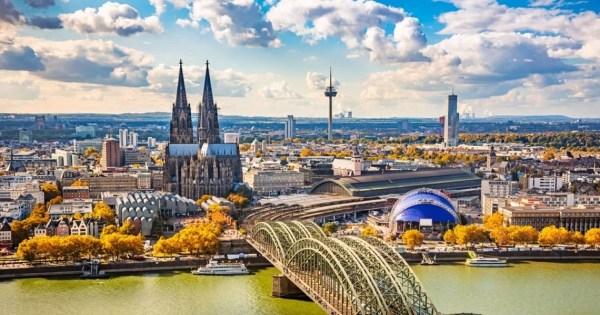
Discover why digital nomads are flocking to this stunning German city. From a rich history to a thriving culture, it has it all.
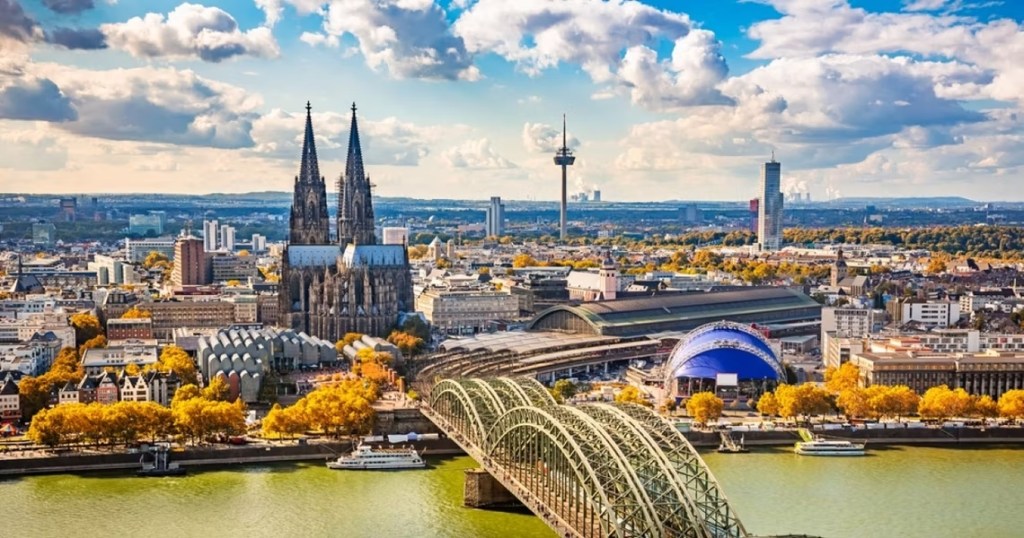
This is Cologne, Germany, a city endowed with a charm that transcends the ages, a city that stands tall as an irresistible destination for those who dance on the fine line between labor and adventure. Cologne also plays host to one of the largest cathedrals in Europe.
It is a place where the spirit of ancient legends and sagas lingers and where modernity dances in loving synchrony with age-old traditions.
As one strolls along the historic lanes, a whispered chorus of tales gone by serenades them, and it’s as though Cologne itself whispers, “Here, every stone has a story.”
Note
In the world of travel and adventure, there’s a city that stands out, cradled along the meandering banks of the Rhine River, nestled deep within the very heart of Europe. It is a city that extends a unique siren call to those intrepid souls known as digital nomads, a call laden with the promise of a great blend of history, culture, and modernity.
This is Cologne, Germany, a city endowed with a charm that transcends the ages, a city that stands tall as an irresistible destination for those who dance on the fine line between labor and adventure. Cologne also plays host to one of the largest cathedrals in Europe.
It is a place where the spirit of ancient legends and sagas lingers and where modernity dances in loving synchrony with age-old traditions.
As one strolls along the historic lanes, a whispered chorus of tales gone by serenades them, and it’s as though Cologne itself whispers, “Here, every stone has a story.”
Summary
Cologne, Germany is a city that blends history, culture, and modernity, making it an irresistible destination for digital nomads.
The city’s rich history is evident in its Roman remnants and iconic Gothic cathedral, which narrate tales of the past.
Cologne offers digital nomads a flourishing community, affordable cost of living, delicious local cuisine, and excellent transportation links, making it a welcoming and vibrant place to work and explore.














 fleeredstates.blog
You must be logged in to post a comment.