The emerging European cities drawing the attention of digital nomads

This blog originally appeared at EURONEWS.

By Amanda Kavanagh

Digital nomads are always seeking out new destinations that offer an ideal mix of affordability, high quality of life, convenient time zones, and reliable tech infrastructure.

While Lisbon has been a popular choice for international remote workers in recent years, this influx has contributed to rising rent prices. Additionally, some of the initiatives that initially attracted digital nomads are being rolled back by Portuguese authorities, such as the termination of the non-habitual tax residence (NHR) program.

With these changes, digital nomads are on the hunt for the next hot spot.

3 Jobs in Germany to Consider This Week:

  1. Lackiermeister (m/w/d), Rheinmetall Landsysteme GmbH, Fuldabrück
  2. Abteilungsleiter Obst & Gemüse (m/w/d), REWE Deutscher Supermarkt, Schwerin
  3. Account Manager (f/d/m), Leica Biosystems, Dulmen

New Destinations for Tech Workers

In March, New Zealand’s Trade & Enterprise, a government agency, released a report titled Tech Jobs in Europe. Originally aimed at helping New Zealand exporters understand top and emerging tech hubs across Europe, the report offers valuable insights for remote workers looking for their next destination. Although the data primarily comes from secondary sources, providing more general trends than definitive conclusions, it still offers a useful guide for digital nomads.

For most European cities, internet quality and time zone compatibility with European jobs are solid. That narrows the focus to two key considerations: quality of life and cost of living—both of which are analyzed in the report.

The report’s cost of living index compares the prices of consumer goods, such as groceries, dining, transportation, and utilities, relative to New York City. Meanwhile, the quality of life index considers factors like purchasing power, pollution levels, housing affordability, safety, healthcare quality, commute times, and climate conditions to estimate overall quality of life.

Spain

Spain emerges as an attractive option for digital nomads, offering the lowest cost of living index among the countries studied, paired with the third-highest quality of life index, and, of course, abundant sunshine. The report highlights several Spanish cities, including Bilbao, Barcelona, Madrid, and Valencia.

Barcelona, known for its dynamic start-up scene and vibrant nightlife, has long been a favorite among digital nomads. However, its struggles with over-tourism have been well-documented, and expats may not always receive the warmest welcome.

Valencia is quickly becoming a favorite among remote workers. This coastal city offers a more affordable cost of living compared to Barcelona or Madrid, yet still boasts excellent infrastructure and a high quality of life. With its stunning beaches and rich cultural heritage, Valencia is the perfect place for those who prioritize work-life balance.

For those who want to immerse themselves in Spanish culture and experience a vibrant nightlife, Madrid is the place to be. The city is a hub for the tech industry and has introduced a Start-up Law aimed at attracting entrepreneurs. This law also grants remote workers and freelancers from outside the European Union the right to stay in Spain for an initial period of one year, making Madrid an attractive option.

Up north, Bilbao offers a unique experience with its blend of traditional Basque culture and incredible cuisine. It’s an ideal destination for those looking for a more authentic and less touristy experience.

Sweden

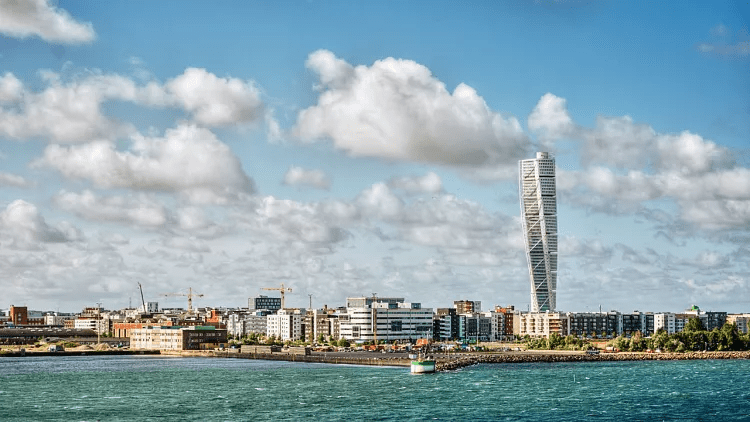
Sweden stands out in both the cost of living and quality of life indexes, making it a compelling choice for digital nomads who are comfortable with the northern climate. The report highlights Malmö and Stockholm as key cities for tech and innovation, offering a dynamic environment for remote workers.

Stockholm has established itself as a major tech hub, with success stories like Spotify and Klarna originating from the city. It’s a magnet for those in the tech industry, offering a dynamic environment and ample opportunities.

However, Malmö is gaining attention as well. Just a short train ride from Copenhagen, Malmö provides a more affordable alternative to Stockholm while still offering a vibrant tech community and an excellent quality of life.

Italy

Who hasn’t been tempted by those enticing ads offering historic buildings in rural Italy for almost nothing?

Unfortunately, high-quality internet isn’t always a given in those rural areas. The New Zealand report, therefore, focuses on Milan, Turin, and Rome. These cities offer a relatively low cost of living, a moderate quality of life, and reliable internet speeds, making them more suitable for digital nomads.

While Rome’s historic charm is hard to resist, Milan is emerging as Italy’s top tech and business destination. Known for its fashion and design heritage, Milan is now also home to a growing start-up scene, with companies like Scalapay, a payment solution that lets customers make purchases in three interest-free installments, leading the charge.

Turin, often overlooked by tourists, is another Italian city worth considering. Known for its innovation, particularly in the automotive industry with brands like Fiat, Alfa Romeo, and New Holland, Turin is now undergoing significant urban and industrial redevelopment. The city is positioning itself as a strategic center for excellence in the aerospace industry.

The Netherlands

The Netherlands boasts the highest quality of life index among the countries examined. While the cost of living is moderate, the overall appeal of the country remains strong for digital nomads. The report highlights cities such as Amsterdam, Utrecht, The Hague, and Rotterdam.

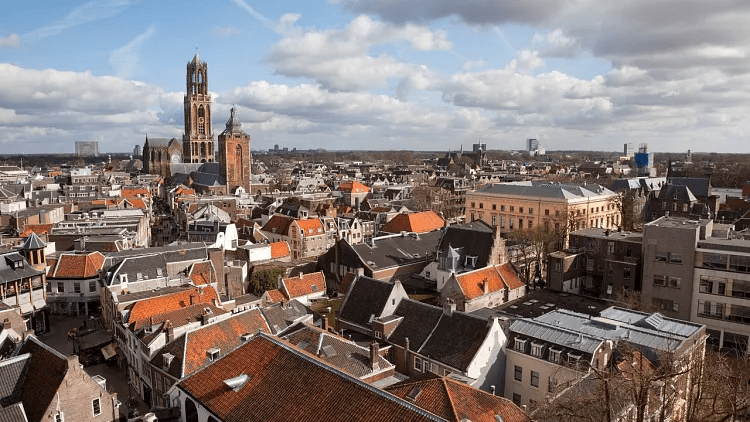
Amsterdam, with its iconic canals and progressive culture, has long been a favorite among tech workers. However, as housing prices in the capital continue to rise, other Dutch cities like Utrecht, The Hague, and Rotterdam are becoming increasingly attractive alternatives.

Utrecht, with its large student population and central location, provides a more relaxed alternative for digital nomads seeking a laid-back atmosphere. The Hague, renowned for its international organizations and stunning beaches, is particularly appealing to those in law, policy, or international relations.

Rotterdam, famous for its bustling port and ambitious plans to become Europe’s largest green hydrogen hub, is also gaining popularity. The city is known for its founder-led communities, a high concentration of start-ups, numerous incubators, and an abundance of coworking spaces, making it an attractive destination for entrepreneurs.

Germany

Germany strikes a good balance between cost of living and quality of life, making it an appealing choice for digital nomads. The report highlights Hamburg, Berlin, and Munich as key cities.

Berlin has long been a hotspot for digital nomads, celebrated for its affordable living costs and its vibrant arts and techno scene. However, as Berlin’s popularity grows, so do its living expenses, prompting many to explore other German cities.

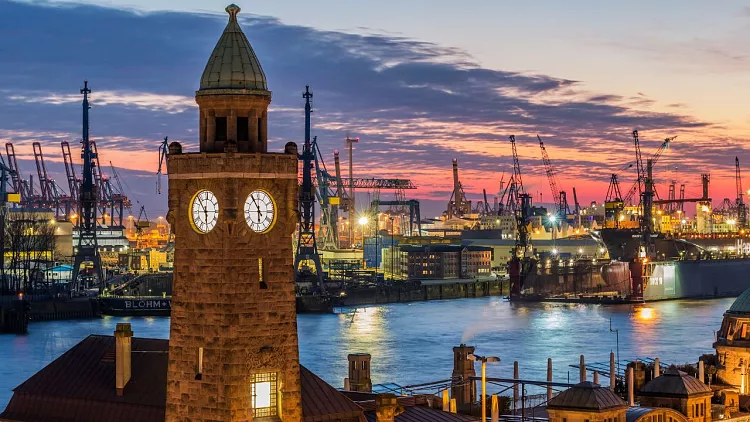
Hamburg, with its rich maritime history, offers a unique flavor of German city life. The city is home to the carbon-neutral energy systems provider and unicorn 1KOMMA5°, along with several innovative and high-profile tech companies in biotech, health tech, and fintech sectors.

3 More Jobs to Apply for This Week:

  1. Senior Project Manager (m/f/d), Cytiva, Darmstadt
  2. Regional Sales Manager Germany Central (f/m/d), Beckman Coulter, Diagnostics, Frankfurt
  3. Frontend Developer, Jobbio, Dublin / Remote

Munich, though more expensive, makes up for it with a high quality of life, close proximity to the Alps, and a robust job market. Known traditionally for its engineering prowess, Munich is now shifting its focus towards software engineering, with 11% of Germany’s total start-ups located in the city.

A majority of European countries have voted to recognize and honor LGBTQ+ parents.

This blog originally appeared at LGBTQ Nation.

The European Union will support families regardless of how the child was conceived or born.


The European Union has voted to endorse parenthood, inclusive of same-sex parents, across the continent.


The European Certificate of Parenthood will acknowledge parenthood irrespective of the method of conception, birth, or family structure, ensuring associated rights to education, healthcare, custody, and succession.


The decision upholds the rights of same-sex parents throughout the EU, irrespective of individual country policies, provided the child is born in a member state.


Nations can establish their regulations on recognizing certain forms of parenthood, such as surrogacy. However, once a certificate is approved in one member country, it must be acknowledged in all of them. States can only reject a parenthood certificate if it is “manifestly incompatible with public order” in specified cases.


The European Certificate of Parenthood will not serve as a replacement for national documents. Instead, it will be accessible online and available for citizens across all EU countries. Once issued, it must be recognized and honored.


“No child should face discrimination based on their lineage or birth circumstances. Presently, children can legally lose parental recognition when crossing into another Member State. This is unacceptable,” emphasized Maria-Manuel Leitão-Marques, a Member of the European Parliament from Portugal. “With this vote, we are moving closer to the objective of ensuring that parenthood recognized in one Member State holds true across all Member States.”


The measure would safeguard over two million children.


“This provision is necessary to safeguard the fundamental rights of minors regardless of the sexual orientation of their parents and regardless of how they were born,” said Italian MEP Sabrina Pignedoli. “Anyone who is a father or mother in one Member State will, in fact, be automatically recognized in all other Member States and will, therefore, be able to move freely with their children throughout Europe.”


“Today, unfortunately, this is not the case in Hungary, Poland, or Bulgaria, countries that do not recognize parenthood established in another state in the cases of LGBT parents,” Pignedoli continued. “Even in Italy, as is known, there is strong discrimination, and the judicial authority often has to intervene to re-establish the rights recognized abroad.”


In Italy, as in other conservative countries, anti-abortion and anti-LGBTQ+ groups opposed the measure.

After receiving approval from the European Parliament, the measure must now secure unanimous passage from the governments of all member countries.

A country popular with digital nomads may soon scrap visas allowing citizenship rights – TheStreet

This blog originally appeared at The Street.

Soon, affluent ex-pats may be shut out of this popular European bourse – and easy access to Europe as a home.

A long-standing visa program in Portugal, known as the Golden Visa, may be facing termination, prompting a warning from the country’s president for prospective citizenship applicants to act promptly.

The Golden Visa program, also utilized by other European countries such as Greece and Ireland, has been used to attract business and investment to the EU. Portugal, in particular, has been successful in drawing high-net-worth individuals to its picturesque landscapes, historic architecture, and charming towns. In 2022, Portugal saw an influx of 1,300 millionaires, as reported by Henley & Partners and New World Wealth.

However, critics of the Golden Visa program have raised concerns about the rising property prices resulting from the influx of wealth, which has made it increasingly difficult for Portuguese nationals to afford homes. Additionally, critics point out that the program not only grants citizenship in Portugal but also allows foreign nationals to establish legal residency in other EU countries, such as France and Italy.

The Portuguese parliament has voted to terminate the Golden Visa program, with only a potential veto from Portuguese President Marcelo Rebelo de Sousa keeping the program alive. The clock is now ticking, and there is a limited window for expatriates to qualify for the program before it is potentially discontinued.

The legislature intends to reintroduce the legislation with a potentially veto-proof majority in September or October at the latest. Since the Golden Visa application process takes approximately a week to complete, individuals who submit their paperwork in the coming weeks have a good chance of being approved for the program just before its anticipated termination.

For affluent foreigners seeking an attractive destination, Portugal’s Golden Visa program has long been an appealing option. Eligible expatriates need to spend only 14 days in the country to meet residency requirements and invest around $300,000 in the country to fulfill the program’s investment criteria.

Click to see full blog: https://www.thestreet.com/lifestyle/travel/portugal-golden-visa

10 Reasons Why Digital Nomads Need To Move To This Beautiful City In Germany

Discover why digital nomads are flocking to this stunning German city. From a rich history to a thriving culture, it has it all.

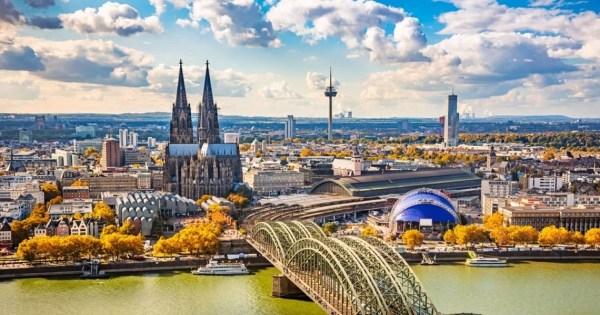
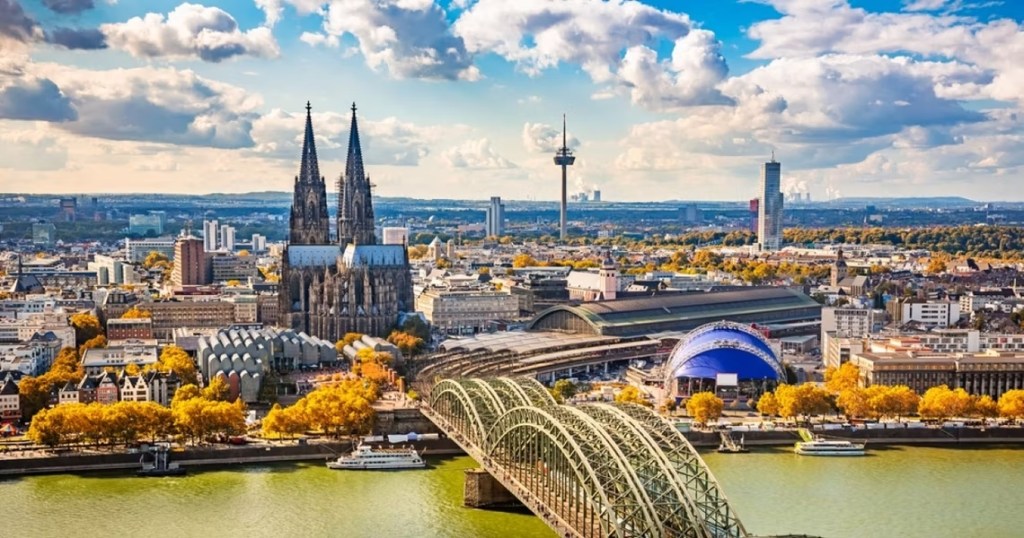
This is Cologne, Germany, a city endowed with a charm that transcends the ages, a city that stands tall as an irresistible destination for those who dance on the fine line between labor and adventure. Cologne also plays host to one of the largest cathedrals in Europe.

It is a place where the spirit of ancient legends and sagas lingers and where modernity dances in loving synchrony with age-old traditions.

As one strolls along the historic lanes, a whispered chorus of tales gone by serenades them, and it’s as though Cologne itself whispers, “Here, every stone has a story.”

Note

In the world of travel and adventure, there’s a city that stands out, cradled along the meandering banks of the Rhine River, nestled deep within the very heart of Europe. It is a city that extends a unique siren call to those intrepid souls known as digital nomads, a call laden with the promise of a great blend of history, culture, and modernity.

This is Cologne, Germany, a city endowed with a charm that transcends the ages, a city that stands tall as an irresistible destination for those who dance on the fine line between labor and adventure. Cologne also plays host to one of the largest cathedrals in Europe.

It is a place where the spirit of ancient legends and sagas lingers and where modernity dances in loving synchrony with age-old traditions.

As one strolls along the historic lanes, a whispered chorus of tales gone by serenades them, and it’s as though Cologne itself whispers, “Here, every stone has a story.”

Summary

  •  Cologne, Germany is a city that blends history, culture, and modernity, making it an irresistible destination for digital nomads.
  •  The city’s rich history is evident in its Roman remnants and iconic Gothic cathedral, which narrate tales of the past.
  •  Cologne offers digital nomads a flourishing community, affordable cost of living, delicious local cuisine, and excellent transportation links, making it a welcoming and vibrant place to work and explore.

Clicke here to see full blog: https://www.thetravel.com/why-digital-nomads-should-move-to-cologne-germany/

Blog at WordPress.com.

Up ↑