Angelina Jolie appears ready to close the chapter on her life in the United States, with her final obstacle to leaving set to be resolved in a few months.
The Eternals star has been waiting for twins Knox and Vivienne to turn 18 in July before making a long-considered move abroad, telling reporters at the San Sebastian Film Festival that while she still “loves” America, she no longer “recognize[s]” it the way she once did.
The comment underscored a shift that has been years in the making for the Academy Award winner, who has increasingly framed the U.S. as just one stop in a much more global life.
Jolie, 50, has been open about that mindset across multiple interviews. Speaking to The Hollywood Reporter in 2024, she described Los Angeles less as a permanent home and more as a practical base for raising her six children. Calling her multi-million dollar home “a place where I raise my children,” she said, before adding that the “humanity that I found across the world is not what I grew up with here.”
That global pull has long competed with the realities of her custody arrangement with ex-husband Brad Pitt. The former couple shares six children—Maddox, 24; Pax, 22; Zahara, 21; Shiloh, 19; and twins Knox and Vivienne, who turn 18 this summer. Until now, Jolie’s ability to relocate has been constrained by the need to remain close to Pitt, 61.
A source close to the star told People that the restriction is finally lifting. The insider said Jolie “never wanted to live in L.A. full-time” and has been quietly preparing for a move once her youngest children reached adulthood. With that milestone approaching, she is now reportedly taking concrete steps—including preparing to sell her Los Feliz estate.
Jolie purchased the $24.5 million home in 2017, a year after filing for divorce from Pitt. At the time, she told Page Six the decision was driven by proximity: she “wanted it to be close to their dad,” who lived just minutes away.
The property—featuring six bedrooms and 10 bathrooms—served as a central base during years of custody negotiations and legal disputes.
Now, that chapter appears to be ending. In a September 2025 interview with Variety, Jolie emphasized that she has “always lived internationally,” pointing to her network of family and friends across the globe.
If there is a frontrunner for her next home, it is Cambodia. Jolie has repeatedly described the country as deeply personal to her, dating back to her time filming 2001’s Lara Croft: Tomb Raider film. It was there that Jolie adopted her eldest son, Maddox, in 2002 and has maintained close ties ever since.
Jolie has repeatedly referenced Cambodia as a place that feels like home “in my heart.”The star said she felt compelled to produce her 2017 film They Killed My Father about the Cambodian genocide after coming to fall “in love with its people,” describing “becoming a part of a Cambodian family” as life-changing.
n a separate interview with People, the actress dove deeper into her connection with Cambodia. Revealing that she and her son Maddox frequently travel back and forth, sometimes spending months there at a time—a reflection of the family’s enduring connection to the country.
The Daily Beast has reached out to Jolie’s team for comment.
The Greek Golden Visa offers one of the most accessible residence permit programs in the European Union. Investors gain the opportunity to conduct business abroad, open bank accounts in EU banks, live in Greece, and travel visa-free within the Schengen Area.
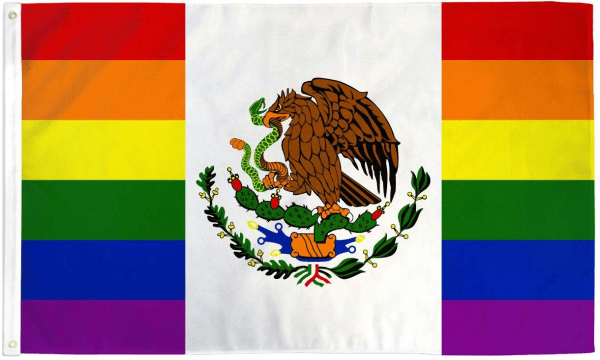
Hola, future LGBTQ+ immigrant! When I first considered moving to Mexico, I was excited but also nervous about the unknowns. Having made the leap, I’ve discovered a country full of beauty, surprises, and opportunities for personal growth. Whether you’re seeking adventure, a lower cost of living, or a fresh start, Mexico has something for everyone. However, a smooth transition requires careful planning.
In this guide, I’ll share the lessons I’ve learned—from finding a home to navigating daily life—so you can start your journey with confidence.
VISA PROCESS – HOW TO LEGALLY LIVE IN MEXICO
To live in Mexico long-term, expats typically need a residency visa. There are many people who travel back and forth from the USA and leverage the “180 days” when entering Mexico. The downside to this approach is that it is up to the officer stamping passports at the airport and you can easily get less than 180 days.
Temporary Resident Visa
Ideal for those looking to stay in Mexico for up to four years, this visa requires proof of financial solvency.
Permanent Resident Visa
This visa is for individuals who plan to stay in Mexico indefinitely and provides nearly the same rights as Mexican citizens, except for voting.
Work Visa
If you plan to work for a Mexican employer, you’ll need a work visa, which typically requires a job offer from a Mexican company. Many LGBTQ+ expats work remotely for employers abroad, which can be done under temporary or permanent residency.
Financial Requirements (estimates for 2026)
Residency visas require proof of income and/or savings. Requirements vary and can change due to exchange rates, so it’s best to check with the Mexican consulate you will apply. Below are the estimates for 2026. These vary by consulate and currency fluctuations impact them. So take these as directional.
Temporary Residency: Approximately $74,500 – $87,599 USD/$98,000 – $112,500 CDN in Savings (monthly ending balance for the last 12 months) or $4,500-$5,250 USD/$5,800-$6,750 CDN a month in retirement or income
Permanent Residency: Approximately $280,000- $350,000 USD/$350,000-$450,000 CDN in Savings (monthly ending balance for the last 12 month) or $7,200-$8,750 USD/$9,800 – $11,250 CDN a month in retirement income (there may be some consulates that consider regular income instead of retirement)
Application Process
Residency applications usually start at a Mexican consulate in the USA (or Canada). Prepare documents like financial statements, identification, and passport. The requirements vary by consulate as well as ease of setting up appointments for the process. I utilized the Orlando consulate (while I was still living in San Francisco), the process was very smooth and easy.
Enter Mexico and Complete the Process
With your visa in hand, it’s time to head to Mexico. But don’t get too comfortable yet—you’ll need to complete a few more steps to secure your residency card.
Enter Mexico Within 180 Days: Once your visa is issued, you have 180 days to enter Mexico. After arrival, you’ll have 30 days to start the residency card application process.
Visit the INM Office (Instituto Nacional de Migración): Head to the local immigration office (INM) in the city you plan to live. Here, you’ll submit additional documents, including your visa, passport, and application form.
Complete Biometrics and Finalize Application: At the INM office, they’ll take your fingerprints and photograph again. Once everything’s approved, they’ll issue your residency card, which you’ll need to pick up in person.
Renewal or Transition to Permanent Residency (for Temporary Residents)
If you start with a temporary residency, remember that it needs annual renewals. After your first year of temporary residency, you can renew for 1 year or up to 3 years. After four years of temporary residency, you can transition to permanent residency if you wish. The transition process is generally straightforward, requiring less documentation than your initial application.
COST OF LIVING
When I arrived in Mexico, I was amazed at how far my money stretched. Life here can be incredibly affordable, but it all depends on your lifestyle and location. Whether you’re looking for luxury or a budget-friendly existence, there’s a place for you. My overall living expenses in Mexico are roughly 55% less than in the U.S.
Typical Expenses
Moving Belongings: Moving personal items to Mexico can be costly, ranging from $5,000 to $10,000 USD. I opted to downsize significantly and made multiple trips by car, which saved me money and simplified the process. Downsizing also felt freeing—less clutter, more peace of mind! Plus all the things you need for a home is available in Mexico.
Housing: My one-bedroom apartment in Guadalajara costs $1,200 USD/month, which is nearer the top end of prices but I was looking in a specific neighborhood with the desired amenities. By contrast, luxury rentals in popular beach towns like Puerto Vallarta can range from $1,500 to $2,500 USD/month. Renting in less touristy areas, such as Querétaro or Mérida, can save you even more.
Utilities: Most of the year, my power bills rarely exceed $40 USD/month. A couple of months a year it warms up in Guadalajara and I run the a/c quite often which will double the power bill. In warmer regions, air conditioning can significantly increase costs. Paying bills at OXXO or other convenience stores is the norm here.
Internet and Phone: I use TotalPlay for fast and reliable internet at $35 USD/month, ideal for remote work. For phone service, AT&T’s unlimited plan ($85 USD monthly) covers the U.S., Latin America, and Canada, while I prepaid for a year of AT&T Mexico service for seamless local communication ($120 USD annually).
Groceries: Shopping at local mercados has been a game-changer. Fresh produce is affordable and flavorful, and I’ve discovered fruits like mamey and guanabana that I’d never tried before. Local restaurants offer some of the best, most authentic food at great prices.
Pro Tip: Dining at small, locally-owned restaurants not only saves money but also supports the community and gives you a taste of authentic Mexican cuisine. I love my local Mercados, so many food vendors where you can get three tacos and a drink for less than $10USD.
Water: In most areas of Mexico, it is advised to not drink the water. There are many water companies that will deliver garrafones (20 liters or approximately 5 gallons). I use 4 garrafones a month which runs $250pesos or $15 USD.
CHOOSING THE RIGHT LOCATION
Finding the perfect place to live in Mexico was one of the most exciting parts of my journey. Each city has its own personality, so take your time exploring.
Popular Cities and Regions
Mexico City: This bustling metropolis offers world-class museums, vibrant nightlife, and incredible food. Perfect for those who love big-city energy, though traffic and the fast pace can feel overwhelming. The main gayborhoods in the city are Zona Rosa, Condesa and Roma but close by neighborhoods are super gay-friendly such as Navarte & Napoles.
Guadalajara: My chosen home. It’s a perfect mix of modern amenities, historic charm, moderate weather and a thriving gay scene. Affordable and vibrant, it’s an excellent base for expats. The main gayborhoods are Colonia Americana and Centro Historico.
Puerto Vallarta: Known for its stunning beaches and welcoming gay community, this coastal town feels like a constant vacation. However, it’s more touristy and pricier than inland cities. Gay life centers around Zona Romantica but the city is super gay-friendly where ever you go. Check out the up & coming neighborhood or Versalles.
Tulum/Playa del Carmen: Ideal for eco-conscious and wellness-focused expats, with a laid-back vibe and breathtaking turquoise waters.
Other Options: Consider Mérida for its colonial charm and safety, Oaxaca for its cultural richness, or Querétaro for its modern amenities and family-friendly atmosphere.
My Tip: Rent before you buy! I spent my first few months exploring neighborhoods and getting a feel for different cities before settling down.
HEALTHCARE
Healthcare was a major concern for me before moving, but I’ve been pleasantly surprised by the quality and affordability here.
Key Points
Private Healthcare: A consultation at a private clinic cost me just $40 USD. The facilities were modern, clean, and the staff were friendly and bilingual.
Public Healthcare (IMSS): I am currently in the process of applying for IMSS and will provide an update on the steps and outcome.
Insurance: Combining private health insurance with IMSS provides excellent coverage for emergencies and routine care. Note that insurers in Mexico can deny coverage for pre-existing conditions.
For Prep & testing for Sexual Transmitted Infections: Most major cities have organizations that do testing & offer Prep for a very low price ($20 USD). The costs for non residents are more expensive but affordable. I utilize Checcos in Guadalajara which provides a fantastic service for the community.
Pro Tip: Major cities like Guadalajara and Mexico City have top-tier hospitals equipped with cutting-edge technology.
TRANSPORTATION OPTIONS
Getting around in Mexico is a diverse experience, offering everything from efficient public transportation to affordable ride-hailing services. Whether you’re commuting within a city, traveling between regions, or exploring off-the-beaten-path destinations, understanding your transportation options can make your transition smoother.
Public Transportation
Bike Share: My go-to transportation choice in Guadalajara is the MiBiCi bike share program. My annual membership is around $22. There are no additional charges if you keep each trip less than 30 minutes. Most major cities in Mexico have bike share programs, one of the biggest in Latin America is Ecobici in Mexico City.
Pro Tip: Auto drivers have the right of way in Mexico, so be cautious when biking.
City Buses: City buses are a popular and inexpensive way to get around urban areas. In cities like Mexico City, Guadalajara, and Monterrey, buses are frequent, but routes can be tricky for newcomers to navigate. Fares range from $0.30 to $0.60 USD per ride.
Pro Tip: Ask locals or consult Google Maps to understand routes. Always carry small change for bus fares.
Metro Systems: Mexico City has a world-class metro system with extensive coverage and fares as low as $0.25 USD per ride. Other cities, like Monterrey and Guadalajara, also have metro or light rail systems that are affordable and reliable.
Collectivos (Shared Vans): Shared vans, known as collectivos, are a popular option in smaller cities and rural areas. They run fixed routes and are cheaper than taxis. Look for signs on the windshield indicating their destination.
Ride-Hailing Apps:
Ride-hailing apps like Uber and Didi are widely available in major cities and tourist areas, offering affordable, safe, and convenient rides. Prices are generally lower than traditional taxis, and the apps allow you to track your ride and driver.
Pro Tip: Use Uber or Didi for late-night travel or when navigating unfamiliar areas.
Taxis:
Street Taxis: While taxis are plentiful, they often lack meters, so fares should be negotiated upfront. They are more common in smaller towns but are gradually being replaced by ride-hailing apps in cities.
Authorized Taxis at Airports: At airports, only authorized taxis are allowed to pick up passengers. These are generally safe but more expensive than ride-hailing apps. Look for the official taxi stands inside the airport terminal.
Rental Cars:
All the major US rental car brands have a presence in Mexico. If I am heading out of town to a nearby location, I do often opt for a rental car. Mexican law requires a valid drivers license from the US or Canada. When renting a car, you are also required to get the liability insurance for potential accidents.
LANGUAGE & COMMUNICATION
Learning Spanish in Mexico
Learning Spanish transforms your experience in Mexico, enhancing daily life, cultural immersion, and personal connections. While many Mexicans in tourist areas speak some English, knowing Spanish allows for smoother navigation of tasks like grocery shopping or asking for directions. It also shows respect and effort, fostering deeper relationships with locals and helping you feel more integrated in your new environment. I started with an online tutor, took a couple of classes locally in Guadalajara and now using a in-person tutor.
Steps to Learn Spanish Effectively
1. Start with Basic Resources: Apps like Duolingo, Babbel, and Anki flashcards are ideal for building foundational vocabulary. Transition to local Spanish classes, such as those offered by IMAC in Guadalajara or Instituto de Español de Puerto Vallarta, for structured learning and networking with other expats.
2. Practice Daily with Locals: Use simple phrases in everyday interactions, such as greeting neighbors or ordering at a market. Focus on practical vocabulary like “¿Cuánto cuesta?” (How much does it cost?) and immerse yourself in Spanish media—watch Mexican TV, listen to podcasts, and read local headlines to improve your listening and reading skills.
Overcoming Common Challenges
Fear of mistakes is natural, but Mexicans are patient and supportive of your efforts. Laughing at errors can even serve as an icebreaker. Regional slang (e.g., chido for “cool” or ¿Qué onda? for “What’s up?”) and the fast pace of conversation may feel daunting. Politely ask locals to slow down or explain unfamiliar phrases. Active listening and consistent practice will build confidence over time.
Pro Tips for Success
Set realistic goals, such as learning 5–10 new words daily, and celebrate small wins like completing your first full conversation. Join conversation groups or language exchanges to practice regularly and avoid over-relying on English. Immersion and consistency are key—challenge yourself to use Spanish as much as possible, and remember that every effort contributes to your progress.
CULTURAL ADAPTION: EMBRACING LIFE IN MEXICO
Adapting to Mexican culture has been one of the most rewarding aspects of my move. The slower pace of life, deep-rooted traditions, and strong sense of community have taught me invaluable lessons about connection, patience, and perspective. Understanding and respecting cultural norms is essential to integrating into society and enjoying the richness of Mexican life.
Key Cultural Norms to Note
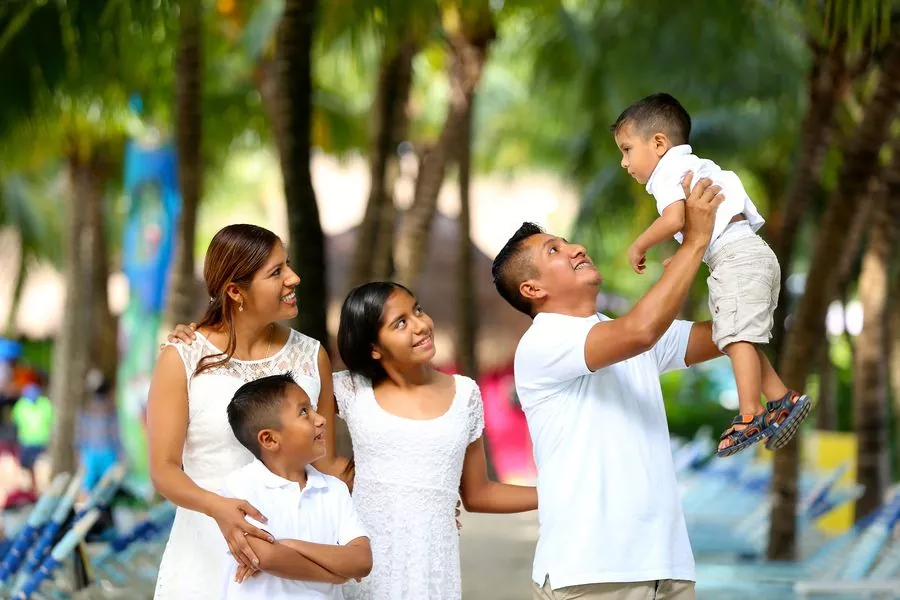
Family-Oriented Society: Family is at the Heart of Everything. In Mexico, family ties are deeply valued and often take precedence over work or social commitments. Large family gatherings are common, often featuring laughter, music, and incredible homemade food.
Being Invited to Family Events: If you’re invited to a family gathering, accept the invitation! It’s a sign of trust and inclusion. These events may range from birthday parties to casual Sunday meals, often with a festive atmosphere.
Role of Extended Family: It’s not uncommon for multiple generations to live under one roof or within close proximity. When you meet a Mexican man, it is highly likely they live at home with their family. Elders are highly respected and often play an integral role in decision-making.
Pro Tip: When attending a family gathering, it’s customary to greet everyone individually with a handshake, hug, or kiss on the cheek, depending on the level of familiarity.
“Mexican Time”
Flexibility Over Punctuality: The concept of “Mexican time” reflects a more relaxed approach to punctuality. Plans often start later than scheduled, whether it’s a social event or a casual meeting.
Adapting to the Pace: This cultural trait taught me to be more flexible and patient. It’s not about disrespect but rather about prioritizing relationships and enjoying the moment. This can be frustrating at times but I have learned that it is easier to adapt than try to get people to be punctual.
How to Approach It:
For social events, expect a buffer of 30 minutes to an hour. Arriving too early might even catch your host unprepared!
For professional settings, punctuality is more expected, but slight delays are still common.
Pro Tip: If timing is critical, clarify expectations by saying something like “¿Es a las 7 en punto?” (Is it at 7 sharp?).
Social Customs and Politeness
Everyday Politeness: Simple courtesies like saying “gracias” (thank you), “por favor” (please), and “buenos días” (good morning) are highly valued. These small gestures create a positive impression and help build connections.
Greetings: A handshake is common for first meetings, while a kiss on the cheek is customary for closer friends or family. Men may pat each other on the back as part of a handshake. When entering a room, it’s polite to greet everyone individually rather than just offering a general hello.
Goodbyes: Similar to greetings, farewells are often done individually. A quick wave is considered impersonal.
Pro Tip: Avoid skipping greetings and goodbyes—it’s seen as rude or dismissive.
The Importance of Hospitality
Generosity as a Norm: Mexicans are famously hospitable. If you visit someone’s home, you’ll often be offered food, drinks, or even gifts. Declining can sometimes be perceived as impolite, so it’s better to accept with gratitude, even if it’s something small.
Hosting Etiquette: When hosting, it’s important to go the extra mile to ensure guests feel welcomed. Food and drinks should be plentiful, and attention to detail is appreciated.
Pro Tip: If invited to someone’s home, bring a small gift like flowers, wine, or dessert. It’s a thoughtful gesture that shows appreciation.
SAFETY & SECURITY IN MEXICO
Safety was a significant concern before I moved, especially as a member of the gay community. However, I’ve found that with proper precautions and awareness, Mexico can be a welcoming and safe place for expats, including gay individuals. Here’s an expanded guide to staying safe in Mexico, with specific tips for gay expats.
Understanding Safety in Mexico: Facts and Statistics
Crime Trends:
Crime rates in Mexico vary widely by region. Some states face challenges related to organized crime, while others—like Yucatán—rank among the safest areas in Latin America. For example, Mérida, the capital of Yucatán, has a homicide rate comparable to that of European countries like Switzerland.
Tourist destinations such as Puerto Vallarta, Mexico City, and Tulum are relatively safe and take measures to protect visitors due to their economic importance.
One recent statistic (from World Population Review) ranking countries based on safety, Mexico ranks five places farther down the list than the United States.
LGBTQ+ Rights and Safety:
Mexico is increasingly gay-friendly, with same-sex marriage legal in all 32 states as of 2022. Many major cities, such as Mexico City and Guadalajara, have vibrant gay communities and pride events.
Despite progress, acceptance varies by region. Urban areas and tourist hubs tend to be more open-minded, while smaller towns or rural regions may hold more conservative attitudes.
Tips for Staying Safe in Mexico
While safety concerns exist, taking precautions can help you feel confident and secure. Below are general safety tips along with advice tailored for gay individuals.
General Safety Tips
Choose Neighborhoods Wisely:
Neighborhood safety varies widely. For example, I live in Colonia Americana in Guadalajara, a trendy and gay-friendly area known for its vibrant atmosphere and relative safety.
Research neighborhoods using online forums, expat groups, and local recommendations before committing to housing.
Stay Aware of Your Surroundings:
Avoid displaying valuables like expensive jewelry or electronics, especially in crowded areas.
Use ride-hailing apps like Uber or Didi for transportation, particularly at night.
Be Cautious in Public Spaces: Avoid walking alone in unfamiliar areas, especially after dark. Stick to well-lit, busy streets and use reliable transportation when needed.
Blend In Where Possible: Dress modestly and avoid drawing unnecessary attention to yourself, especially in conservative areas. This advice applies to anyone, regardless of sexual orientation.
Gay Safety Tips
Stick to Gay-Friendly Areas:
Cities like Puerto Vallarta, Mexico City, and Guadalajara are known for their thriving gay scenes and are generally safe for gay individuals. In these cities, you’ll find gay-friendly bars, clubs, and community spaces.
Be Mindful of Displays of Affection: Public displays of affection (PDAs) can be more accepted in urban areas, but in conservative regions, they might draw unwanted attention. Gauge the environment and act accordingly.
Research Venues in Advance: Before visiting bars, clubs, or other social venues, check reviews and recommendations to ensure they are gay-friendly. Apps like Grindr or Google Maps often have user reviews that highlight safe and welcoming establishments.
Travel with Trusted Friends: If you’re new to a city or attending an event, go with someone you trust. Being part of a group can increase safety in unfamiliar areas.
Know Your Rights: Mexico’s legal protections for LGBTQ+ individuals include anti-discrimination laws. However, enforcement can vary. If you encounter discrimination, remain calm and seek help from local authorities or LGBTQ+ organizations.
Resources for LGBTQ+ Expats: Look for LGBTQ+ support groups or advocacy organizations in your area. For example, Colectivo Vallarta and Diversidad Jalisco support LGBTQ+ rights in Puerto Vallarta and Guadalajara, respectively.
KEY THINGS TO DO WHEN YOU ARRIVE
Finish up your residency process at the Insituto National de Migracion (INM) where you will receive your residency card. You will need to make an appointment in advance. They will need proof of address (usually a utility bill will suffice).
Request an RFC (Mexican tax identification number) at your local SAT office. You will need an RFC to open a bank account, buy a car and apply for IMSS. You will need an appointment in advance.
Open a Mexican Bank account. You will need your CURP, RFC, Mexican Telephone number and address.
Rent an apartment: check Facebook marketplace or Inmuebles24.com for listings in your location. Also walk around your desired neighborhood to see if there are any for rent signs.
FAQS
What visa do I need to live in Mexico long-term?
To live in Mexico long-term, you’ll need a Temporary Resident Visa (good for up to 4 years) or a Permanent Resident Visa. The right one for you depends on factors like income, length of stay, and personal circumstances. Begin the process at a Mexican consulate in your home country.
How much money do I need to move to Mexico?
The cost varies based on your lifestyle and location. Budget at least $5,000–$10,000 USD for moving expenses, such as visa fees, housing deposits, and transportation. Monthly living expenses can range from $2,500 to $5,000 USD, depending on your lifestyle and city.
Is it safe to live in Mexico?
Yes, many areas in Mexico are safe. Research neighborhoods carefully, avoid risky areas, and use common sense (e.g., avoid walking alone at night and don’t flash valuables). Cities like Guadalajara, Mérida, and parts of Mexico City are popular with expats for their safety and amenities.
Can I work remotely for a U.S. company while living in Mexico?
Yes, many expats work remotely for U.S. companies while living in Mexico. Check the tax implications for both the U.S. and Mexico. Consulting a tax professional is highly recommended.
How can I open a bank account in Mexico?
To open a bank account in Mexico, you’ll need a Temporary or Permanent Resident Visa, proof of residency, an RFC (tax ID), and a Mexican phone number. Popular banks for expats include Santander, BBVA, and Banorte.
Do I need to speak Spanish to live in Mexico?
While it’s possible to get by in tourist areas with limited Spanish, learning the language greatly enhances your experience. Start with basic phrases and build your skills through apps, classes, and daily practice.
What is healthcare like in Mexico?
Mexico offers high-quality and affordable healthcare. Private clinics and hospitals are modern and accessible, while the public IMSS system provides basic care for residents. Many expats combine private health insurance with IMSS for comprehensive coverage.
How do I find housing in Mexico?
Start with short-term rentals through Airbnb or similar platforms while exploring neighborhoods. Long-term rentals can be found on Facebook groups, local real estate websites, or by walking around and noting rental signs. Negotiating rent is common and can often lower costs.
Can I bring my pet to Mexico?
Yes, you can bring your pet to Mexico, but you’ll need to comply with Mexican import regulations. The rules have changed recently, what you will need to bring your pet to Mexico:
Minimum age: The dog must be at least six months old.
Microchip: An ISO-compatible microchip.
CDC Form: Complete it two to ten days before the trip.
Rabies vaccination.
Health certificate including Screw worm examination.
What’s the best way to meet people and build a community?
Join expat Facebook groups, attend local events like farmers’ markets and art fairs, or volunteer with charities to meet like-minded people. Taking language classes is also a great way to connect with locals and other expats.
How to a get a Mexican Drivers License
To obtain a driver’s license in Mexico as a resident, you’ll need to visit your local Secretaría de Movilidad y Transporte (SEMOVI) or equivalent office with required documents, including your Temporary or Permanent Resident Visa, CURP, proof of address, and valid ID. Some states may also require your RFC or foreign driver’s license. You’ll typically need to pass a vision test, a written exam on traffic laws, and a practical driving test unless your foreign license can be exchanged. Costs range from $20–$50 USD depending on the state and license validity (1–5 years). The process is usually completed in one day, and having a Mexican license ensures compliance with local laws as a resident.
FINAL THOUGHTS
Moving to Mexico has been one of the most enriching experiences of my life. While challenges like navigating bureaucracy or adapting to cultural differences exist, they’re far outweighed by the warmth of the people, rich culture, and incredible quality of life.
Whether you’re sipping coffee in a sunlit plaza, exploring vibrant mercados, or hiking through lush jungles, Mexico offers endless opportunities for adventure and personal growth. With preparation and an open mind, you’ll soon see why so many expats call this beautiful country home.
What excites you most about moving to Mexico? Let me know in the comments, or reach out with your questions—I’m here to help!
About the Author
Tim is a seasoned travel writer and the creator of Out in Mexico, a dedicated resource for gay travelers exploring Mexico’s vibrant destinations. After relocating to Guadalajara, he has spent years immersing himself in Mexico’s gay culture, from the iconic beaches of Puerto Vallarta to the nightlife of Mexico City.
With firsthand experience in Mexico’s gay scene, Tim has personally visited the bars, hotels, and events featured in this guide. His insights have helped gay travelers plan unforgettable trips while ensuring they feel safe, welcomed, and informed.
When he’s not writing, you’ll find him sipping a mezcal cocktail at a bar in Guadalajara or travel to a new exciting destination in Mexico.
Are you thinking about leaving the United States for safety, stability, or a better quality of life? In this powerful conversation, we sit down with Dan Brotman, an American expat based in Montreal who specializes in investment migration—including Golden Visas, Digital Nomad Visas, and residency-by-investment options tailored to the LGBTQ+ community.
With an academic background in immigration policy, multiple citizenships, and years of frontline experience helping people relocate, Dan brings unmatched insight into how Americans can legally, safely, and strategically build a future outside the U.S. Follow Dan on Instagram: @danbrotman linktr.ee/danbrotman
🏡 IN THIS VIDEO, WE COVER:
🌍 Why Americans—Especially LGBTQ+ People—Are Exploring Life Abroad
We discuss political extremism, threats to civil rights, financial instability, and what it means to live somewhere your rights are not up for debate.
💶 Golden Visas & Migration Pathways
Dan explains the residency-by-investment programs opening doors across Europe, Latin America, and beyond—and why securing a visa before your “red line” is crossed is essential.
❤️🩹 Healthcare Without Fear
Real stories from Spain, Uruguay, and Canada:
€80/month private healthcare in Spain
A 5-day ICU stay for $19
An emergency room visit in Canada that cost $0
A U.S. insurance premium high enough to rent an apartment in Valencia
🧠 Financial Relief & Peace of Mind
We explore how predictable, low-cost healthcare abroad reduces anxiety for families who worry about a single medical emergency derailing their finances.
🎓 Education & Opportunity
Why families are sending their children to Europe—especially the Netherlands—for nearly free, world-class university education.
🏳️🌈 Rights, Safety & Community
Dan discusses LGBTQ+ rights, abortion access, universal healthcare, and gun laws in Canada—issues considered settled and not weaponized politically.
🚨 Red Lines & Safety Planning
We explore how LGBTQ+ people can assess danger, decide their personal boundaries, and obtain the documentation needed to leave quickly if the situation in the U.S. deteriorates.
This is an essential conversation for anyone considering relocation for safety, rights, opportunity, or long-term stability.
🔔 Subscribe for more guides on LGBTQ+ migration, Golden Visa pathways, and global relocation options.
Explore how to choose countries where you can live authentically and safely. We’ll discuss rights, culture, and communities for LGBTQ+ expats worldwide. You’ll finish with both encouragement and practical strategies for finding your ideal destination.
Austin Willingham, 30, grew up in Decatur, Alabama, and knew from a very early age that he wanted to leave home as soon as he turned 18.
While studying abroad in Sweden during his junior year at Troy University, he visited the Netherlands for the first time. Now almost 10 years later, Willingham and his partner are living in Rotterdam with the hope that they can obtain permanent residency or EU citizenship.
It was a move that Willingham admits had been in the works since he returned from his semester abroad in Sweden.
“Once I came back from Sweden, I was just determined to move back to Europe and had reverse culture shock. I was asking my parents if I could transfer to a different university and complete my degree abroad,” he tells CNBC Make It.
“Me being the first-generation college student in my immediate family, my parents were really adamant about me just going ahead and finishing my degree.”
Prior to moving to Rotterdam, Willingham lived in Ireland, traveled through Southeast Asia and was in and out of Australia for five years.
“We thought that it would be a good break. It would be a good change and transition from life in Australia. We also thought it would not be as difficult a change because Rotterdam is still the second-largest city in the country. We’re definitely city people, so we thought that this would just be the best space for us,” he says. “As soon as we got here, the people were so warm and they immediately welcomed us in.”
An estimated 5.5 million Americans live abroad, according to the Association of Americans Resident Overseas (AARO). That number continues to rise with an estimated 1,285 U.S. citizens expatriated in the first quarter of 2025 alone — a 102% increase compared to the same period a year ago, according to a report from CS Global Partners, which analyzed statistics from the U.S. Federal Register.
Life in the Netherlands
Willingham made the official move to Rotterdam in June of this year, on a DAFT (Dutch-American Friendship Treaty) visa. That visa stipulates that he be self-employed or work as a freelancer only.
To satisfy the visa requirements, Willingham works as an event planner and does commercial modeling, but his ultimate goal is to grow his relocation services business, Willing World.
Willingham and his partner live in a two-bedroom apartment with a roommate. The couple splits 430 euros or USD $498 a month for rent — paying 215 euros or USD $249 each — according to documents reviewed by CNBC Make It.
Including rent, Willingham’s monthly expenses in Rotterdam total approximately $680, covering utilities, transportation, health insurance, groceries, and his mobile phone bill.
“I like the freedom. This is coming from a privileged place, but I truly feel like anywhere outside the United States, it’s about being able to breathe and have a work-life balance. That’s what I love most about living abroad, even though I’m working for myself, there is still this balance and there’s not this societal pressure of needing to prove myself all the time.”
Willingham started sharing his journey abroad on TikTok and says that since moving to Rotterdam, he’s enjoyed building a community both online and in real life. He’s excited to see what the future holds, he says, but moving back to the United States is just not in the cards for him right now.
“I would love to live. I would love to own. I would love to say yes at some point, but not in the current situation that we have. It would be way down the line when the United States finally gets some change,” he says.
“I want to be able to be there for my parents, so maybe I wouldn’t move back permanently, but I would spend an extended amount of time.”
Willingham says that leaving the U.S. has taught him that he is capable of anything.
“I’ve learned that I can do it even when I’m scared because it still has to get done,” he says. “When living abroad, especially on your own, you don’t have anybody to depend on, so you learn to depend on yourself and trust yourself with it.”
Conversions from euros to USD were done using the OANDA conversion rate of 1 euro to $1.16 USD on October 14, 2025. All amounts are rounded to the nearest dollar.
Mark Bray, an assistant professor of history at Rutgers University who was nicknamed “Dr. Antifa” by students, left the U.S. for Spain Thursday night due to death threats he has received after he was accused of antifa membership.
The campus chapter of Turning Point USA and other conservative groups accused Bray of involvement with antifa and started a petition to get him fired, The Associated Press reported.
Bray has studied the history of the left and is considered an expert in anti-fascist movements but denies any involvement with antifa, which the Trump administration has labeled as a terrorist organization
“I am not now, nor have I ever been, part of any kind of antifascist or anti-racist organization – I just haven’t. I’m a professor,” Bray told The Guardian.
He took off on Thursday for Spain from Newark Liberty International Airport with his family, according to his social media, after initially being told his reservation had been canceled.
Conservative students labeled Bray a danger to campus.
“You have a teacher that so often promotes political violence, especially in his book ‘Antifa: The Anti-Fascist Handbook,’ which talks about militant fascism, which is on term with political violence,” student Megyn Doyle told Fox News.
The Hill has reached out to Rutgers for comment.
Conservatives said Bray donated to antifa when he committed 50 percent “of the author’s proceeds would go to the International Anti-Fascist Defense fund” from his 2017 book.
He countered those funds go “to help with the legal or medical costs of people facing charges for organizing pertaining to anti-fascism or anti-racism” and that the antifa group referenced does not have a centralized committee or leader, according to The Guardian.
Bray said the threats to him picked up with the petition and President Trump’s executive order to designate antifa as a terrorist group, prompting him to leave the country.
In his order, Trump said antifa is a “domestic terrorist organization” and gave the government authority to investigate anyone who provides “material support” to the group.
“Individuals associated with and acting on behalf of Antifa further coordinate with other organizations and entities for the purpose of spreading, fomenting, and advancing political violence and suppressing lawful political speech,” the order states. “This organized effort designed to achieve policy objectives by coercion and intimidation is domestic terrorism.”
When Bray first tried to leave the country with his family on Wednesday, they were not allowed on the plane and their reservation was canceled.
“‘Someone’ cancelled my family’s flight out of the country at the last second,” Bray posted on Bluesky. “We got our boarding passes. We checked our bags. Went through security. Then at our gate our reservation ‘disappeared.’”
The news he was trying to leave the country was first reported by NJ.com. The airline rescheduled them for the Thursday flight, which they successfully boarded.
Turning Point says it doesn’t support threats or doxing to any person, but students who have rallied in support of Bray are calling for its Rutgers chapter to be shut down.
“The Rutgers chapter of Turning Point USA (TPUSA) has been continuously promoting hate speech and inciting violence against our community. This disturbing behavior has created a toxic environment that has already led to tragic consequences,” a petition against the chapter reads.
The Hill has reached out to Turning Point for comment.
In this episode, we sit down with Help Me Leave (www.helpmeleave.us ) — an organization dedicated to creating pathways to safety for LGBTQ people in the United States.
Help Me Leave works to:
🌍 Support amnesty and refuge visas for LGBTQ Americans facing discrimination and hostility
✈️ Provide emergency relocation assistance to those in urgent need
🤝 Build a global network of allies, advocates, and skilled volunteers who can help
The conversation explores: Why LGBTQ people in the U.S. are increasingly seeking refuge abroad
How the group is building momentum toward meaningful immigration solutions
Ways YOU can get involved, contribute, or share your skills to support this mission
“Help Me Leave! is continuing to build momentum. Follow for further updates and get in touch if you have skills that can help.”
Ready to call Spain your new home? Join the thousands of Expats who have successfully relocated to Spain with our expert advice, resources, insider knowledge and handpicked network of service providers.
We ran into Alastair & Alison Johnson through the Expatsi organization. Find out everything you need to know about moving to Spain in this informative talk from people who know! Check them out at https://movingtospain.com/
Thinking about moving to Spain to escape political extremism in the U.S.? As part of the Flee Red States project, we sit down with Alastair Johnson of MovingToSpain.com , who has lived in Spain for many years with his wife and adult son.
In this interview, Alastair shares his first-hand experiences about:
🏳️🌈 The acceptance and visibility of the LGBTQ community in Spain
🏥 Easy access to Spain’s public healthcare system
🏡 Lifestyle, culture, and why Spain is a welcoming choice for American expats
🌞 The benefits of living abroad in a progressive, inclusive country
If you’re considering moving to Spain from the USA, becoming an American expat in Europe, or simply curious about LGBTQ rights in Spain, this video gives you practical insights and inspiration.
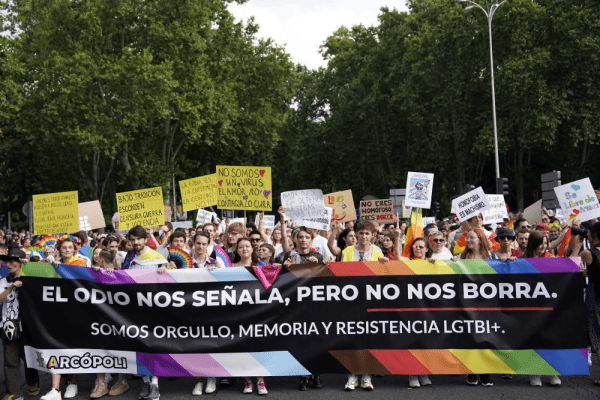
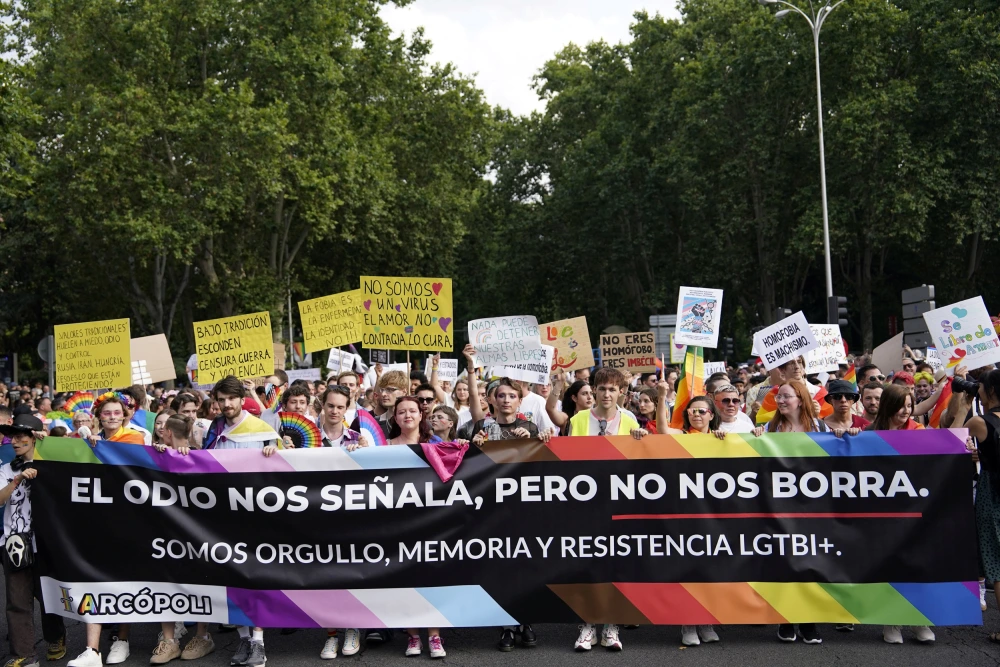
When Diana, a bisexual Russian asylum seeker, took part in her first Madrid Pride festival last year, she was delighted to see people waving the white-blue-white flag that has become a symbol of Russian opposition to its war on Ukraine.
She was also ecstatic to be among around 100 Russians who were waving LGBTQ flags and chanting, “Russia without Putin.” It felt surreal, said the 24-year-old, who did not want to give her last name for fear of retaliation.
“I couldn’t believe I would not be sent to prison. Everyone around was so happy,” she recalled as she marched again for Pride in the Spanish capital in July.
Also taking part was Ilia Andreev, who was vigorously waving a bright pink Mr Gay contest flag as the float he was perched on crept slowly through the crowds. For the 23-year-old, who fled Russia’s anti-LGBTQ laws in 2023, it was a moment to savour.
“I can be proud,” he said in Spanish.
The occasion was a far cry from the repression that drove him and other LGBTQ Russians out of their homeland in recent years, with many seeking refuge in Spain, which ranks fifth in the 2025 ILGA-Europe Rainbow Index, which ranks countries’ legal and policy practices.
“Spain is internationally recognized as a country that respects human rights and in particular the rights and freedoms of the LGBTQI+ community,” said Elma Saiz, the minister for Inclusion, Social Security and Migration, on International LGBTQI+ Pride Day in June.
Asylum applications from Russians more than doubled to 1,694 in 2023 from 684 in 2022, with Russia becoming one of the top 10 origin countries for applications in Spain, according to the Spanish Commission for Refugees (CEAR).
Of those processed, 59.7% received refugee status.
Elena Munoz, coordinator of the legal team at CEAR, said there had been a rise in Russian LGBTQ-related applications, although data on specific motives for asylum applications are not yet being collected.
The main reasons Russians gave for leaving their home included forced recruitment into the armed forces and the deteriorating human rights situation, including regarding gender identity and sexual orientation.
As well as introducing a raft of anti-LGBTQ laws, Russian President Vladimir Putin has been using the LGBTQ community as a political scapegoat, said Marc Marginedas, a journalist and expert in Russian affairs.
“Propaganda has fostered a climate comparable to Nazi Germany,” Marginedas said, saying Putin was using an “external enemy” to rally society and distract from military failures.
Legal crackdown in Russia
In 2013, Russian lawmakers passed a government-sponsored ban on distributing “propaganda of nontraditional sexual relationships” among minors.
In December 2022, after Russia launched its invasion of Ukraine, Putin signed an amendment to the law, extending the prohibition to all age groups.
The crackdown has led to the arrest of journalists, lawyers and human rights activists, with many others leaving the country.
Andreev, who worked as a TV journalist in the city of Kazan in southwestern Russia, said he had to hide his identity after he was accused of spreading “LGBTQ+ propaganda.”
“When I once wore earrings on air, I was called in by the news director and the executive program producer. She told me they had received many calls complaining about so-called gay propaganda because of the earrings,” he said.
He decided to come to Spain in 2023 on the recommendation of a friend, who had also moved.
Diana said she was fired after her boss saw her kiss her partner. She did not want to give details of her job or where she lived for fear of retribution.
While on holiday in Georgia in 2022, her home in Russia was visited by authorities because of her volunteer work with Ukrainians in Russian-occupied areas, and she decided she could not return. Growing anti-LGBTQ rhetoric in Georgia pushed her to move to Spain two years later.
Red tape and barriers
Andreev and Diana both applied for asylum and are still waiting for a ruling.
The legally mandated six-month process often stretches much longer, even up to two years. After six months, asylum seekers are allowed to seek work.
But it can take months to get an initial appointment with immigration authorities, and without this, asylum applicants cannot access state aid or support from organizations like CEAR.
Delays are also driving an illegal black market.
According to NGOs, Spanish police and officials, criminals collect immigration appointments using bots and then sell these so-called “mafia de citas,” or mafia appointments, for hundreds of euros on WhatsApp or Telegram to desperate asylum seekers.
And now things are getting for Russians hoping to submit asylum claims in Spain.
From July 12, Spain requires Russian citizens to obtain transit visas to pass through the country.
In the past, Russians would buy a ticket with a layover in Spain and then seek asylum during their stopover.
“It makes it difficult to reach safe territory, in this case Spain, because they no longer have a legal and safe route,” said Munoz, adding that reforms were needed to make the system more efficient.
The Ministry of Foreign Affairs, which is responsible for visa policy, did not respond to requests for comment.
While they await their asylum decisions, Diana and Andreev are rebuilding their lives.
Andreev, who volunteers in an LGBTQ rights group, has found a home in a small town near Madrid and is working on his Spanish — he hopes to return to journalism one day. But he has struggled to build new relationships.
The stress of job hunting and trying to get all the documents he needs, plus the time it takes up make it hard to focus on building connections, he said.
Diana now has stable online work and says she has found her chosen family in Madrid, mainly thanks to online networks of LGBTQ+ Russians who offer each other support.
She feels free, even if she still fears Russian retaliation.
“If I want, I can date women, I can date men, I can date whoever. I’m not in a hurry. Why would you be in a hurry? The Spanish lifestyle relaxes you a little bit.”












 fleeredstates.blog
You must be logged in to post a comment.