The tree-lined neighborhood near Nollendorfplatz square in central Berlinis as gay today as it was a century ago.
It’s where Christopher Isherwood wrote novels chronicling the rise of the Nazis amid the city’s rich queer nightlife that inspired the musical Cabaret.
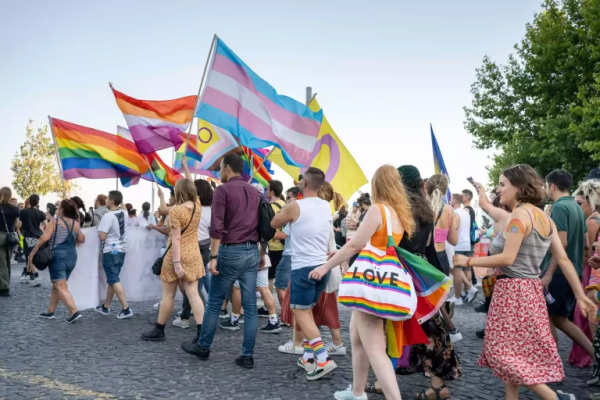
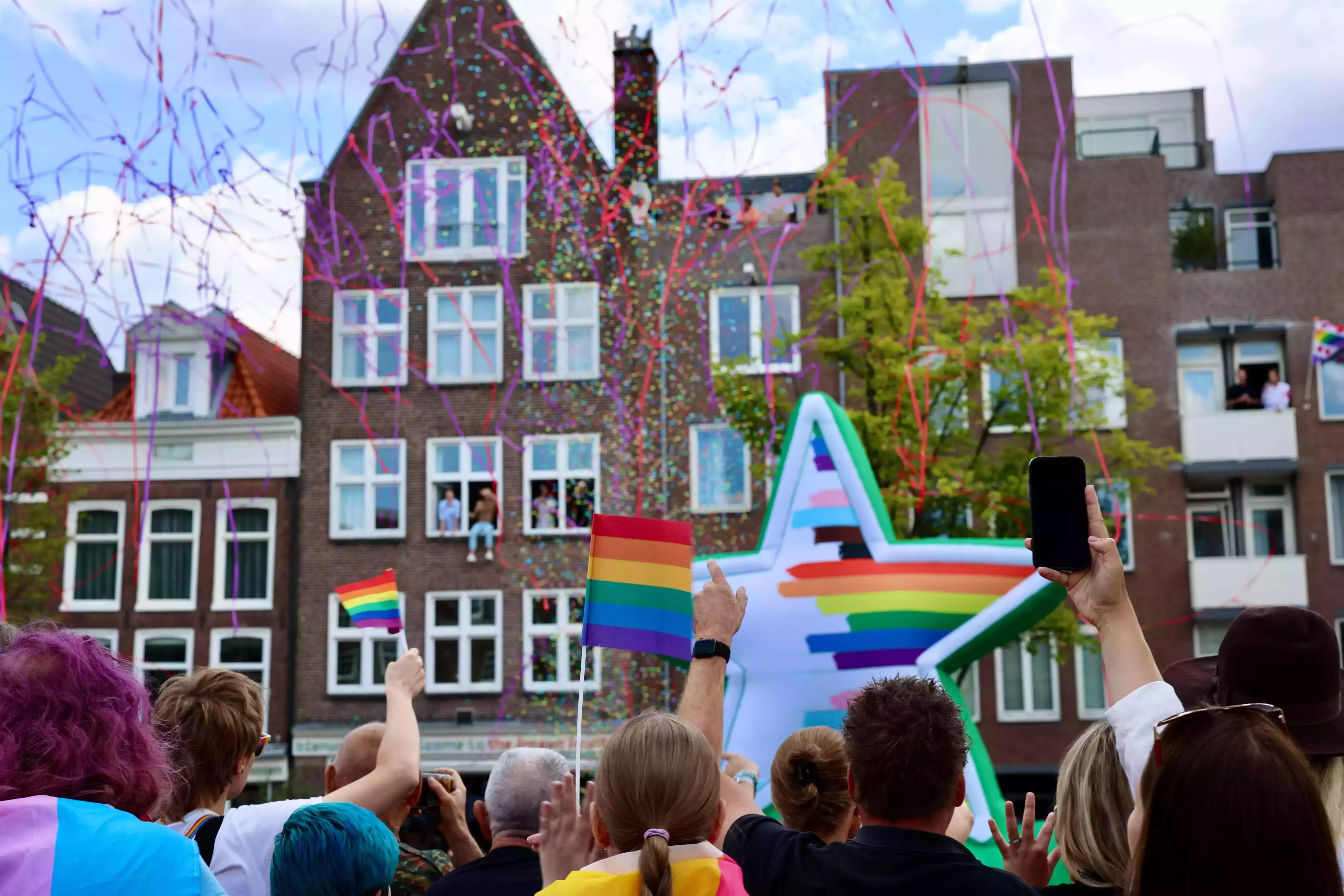
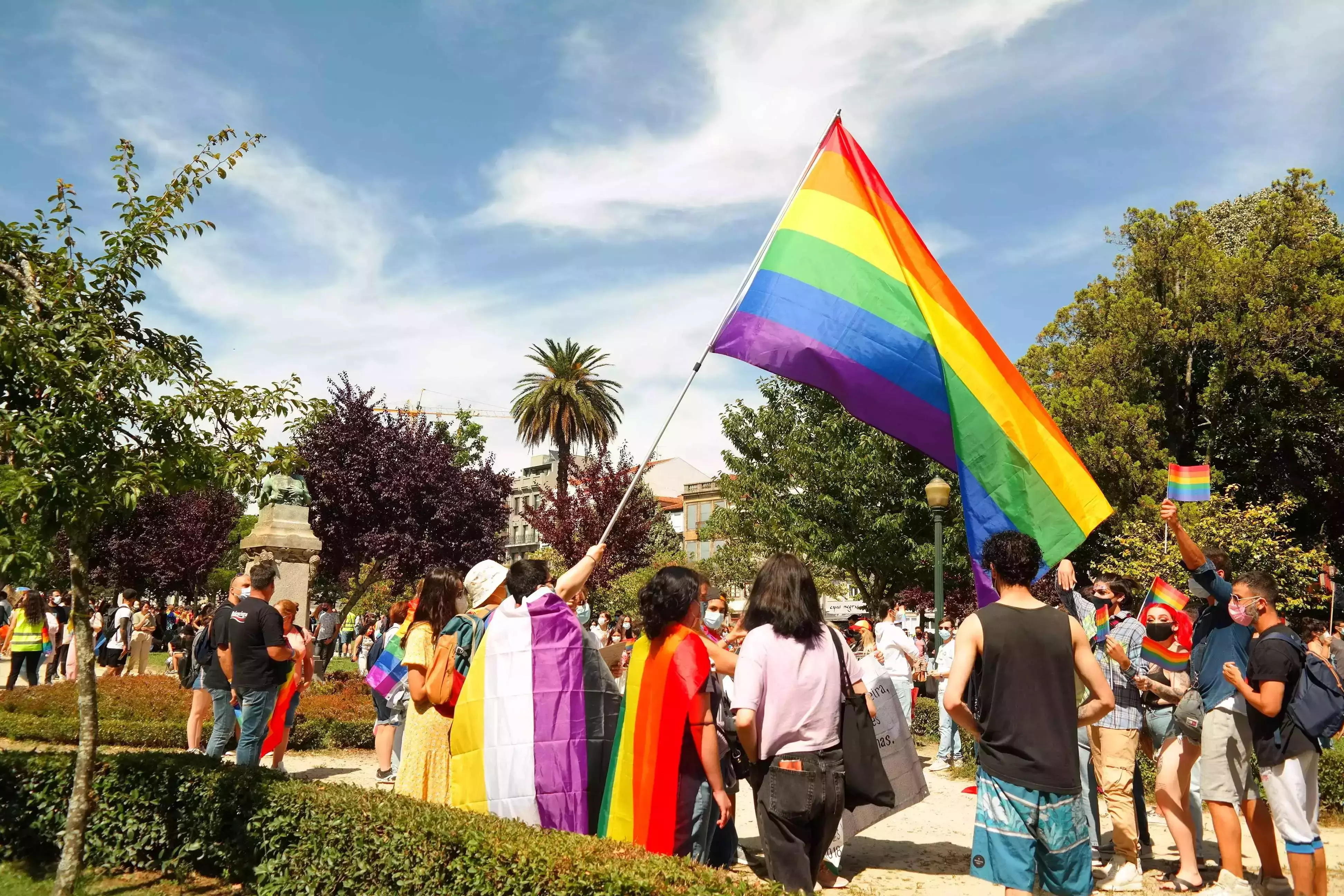
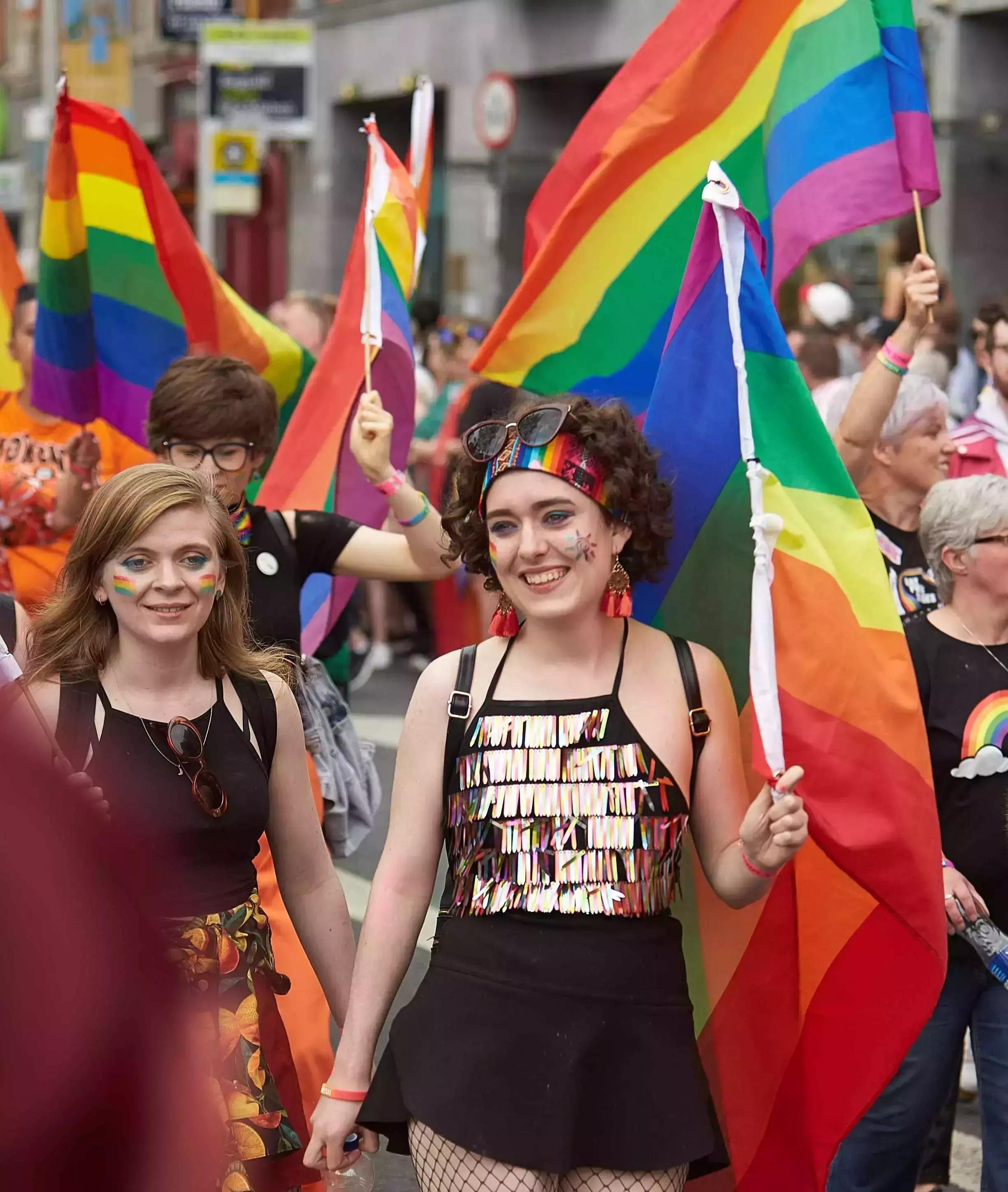
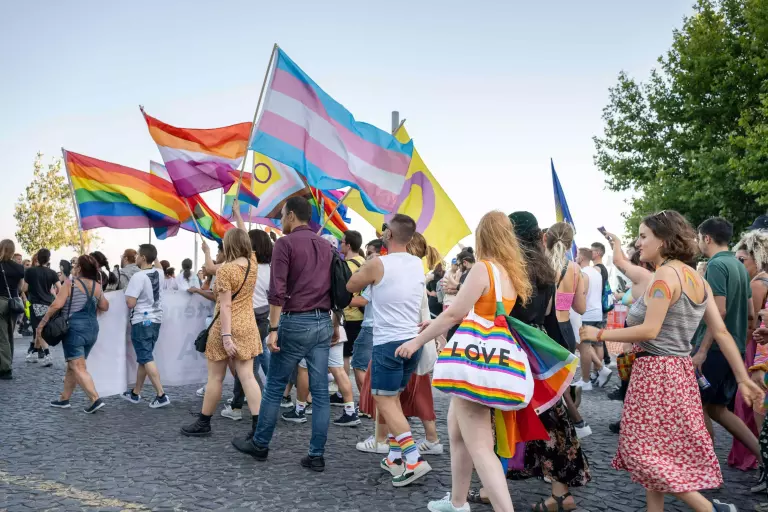
Every summer, the neighborhood throws its own smaller-scale LGBTQ+ Pride event separate from the city’s main annual parade taking place this weekend.
It’s just one of more than 200 Pride events taking place in Germany this year. But with far-right extremist groups staging anti-Pride protests, many Pride attendees fear for their safety.
Sipping on a cocktail as the street party gets underway, 62-year-old Georg Schmidt says he’s relieved that this event is a relaxed affair. He says he attended a different local pride parade last month across town in the district of Marzahn and the mood there was tense.
“There was a massive police presence to shield us from anti-Pride protests. We only felt safe because the police kept us apart,” Schmidt says.
Sabine Volk, a researcher at the Institute for Research on Far Right Extremism at the University of Tübingen,says these groups attract young men who promote what they call traditional family values — a kind of pride that has little to do with rainbow flags.
“The key slogan is that the German flag and Germany itself is already colorful enough,” Volk says. “And the overall message is that queer life does not have a place in Germany.”
But it’s not just far-right extremists who are exacting about flags.
Speaking on public broadcaster ARD, Merz signaled his support for the rule at Germany’s parliament, the Bundestag, with the words, “the Bundestag is not a circus tent” — a remark to which many have taken umbrage.
Merz backs his colleague’s argument that the lower house must maintain neutrality and cannot support events with a political agenda.
Opposition Green Party lawmaker Nyke Slawik criticized the move. “Declaring the rainbow a political symbol is highly problematic” stressing that “queer people are not an ideology; they are people!” Slawik told public broadcaster ZDF.
Slawik argues they are people increasingly in need of protection. Germany’s federal police report an almost tenfold increase in reported queerphobic hate crimes since 2010 and they believe the majority of cases go unreported.
The issue is not divided by party political lines; criticism of Merz’s choice of words has come from within his own party. Sönke Siegmann, the chair of the Christian Democrats’ LGBTQ+ Association, says some within his party are still catching up on terminology.
“If you say queer in my party, most people take a deep breath and say: ‘Oh, that’s a left-wing term,’ ” Siegmann observes. He says he has spoken with Merz since he made his “circus tent” comments.
“We explained to him what queer really means and two days later when asked in Parliament about LBGTQ+ hate crimes and what his government will do about them, Merz actually used the term queer,” Siegmann says.
Back inthe Nollendorfplatz area, rainbow flags fly every month of the year. But local resident Chris Kelly says the mood here is not as “live and let live” as it once was. He recently opened a boutique that sells high-end garments made from industrial strength rubber. He says business is good and he has a broad customer base, but it was almost impossible trying to find premises for the boutique.
“We found plenty of suitable spaces to rent and our finances are solid, but a lot of landlords rejected us, saying they didn’t want people like us,” Kelly remembers. “Real estate agents had warned us, but I was flabbergasted to encounter such prejudice in Berlin’s queerest, gayest neighborhood.”
Kelly’s store is located just down the street from Romeo and Romeo, a gay bar whose owner was attacked last month. Kelly says he too gets more verbal abuse than he used to and he hears again and again of attacks on members of the LGBTQ+ community.
“I’m almost 40 and have seen so much progress like equal marriage,” Kelly says. “But something is changing. Hatred towards people like me is becoming mainstream again.”
Kelly points out that a few doors down in the other direction is where the legendary nightclub Eldorado stood until the Nazis closed it down in 1933, eventually sending its queer clientele to concentration camps.
As preparations for Berlin’s main Pride parade get underway, the city police say they’ve received a permit request for a counterdemonstration protesting “against Pride terror and identity disorders.”
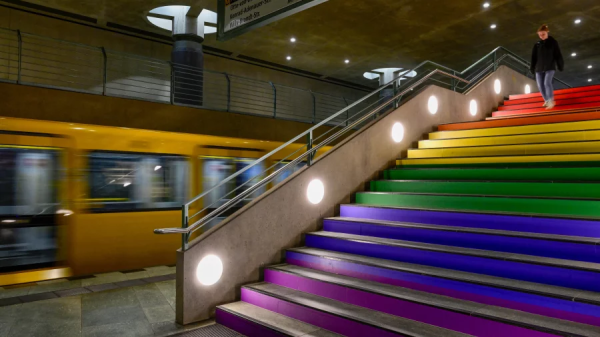
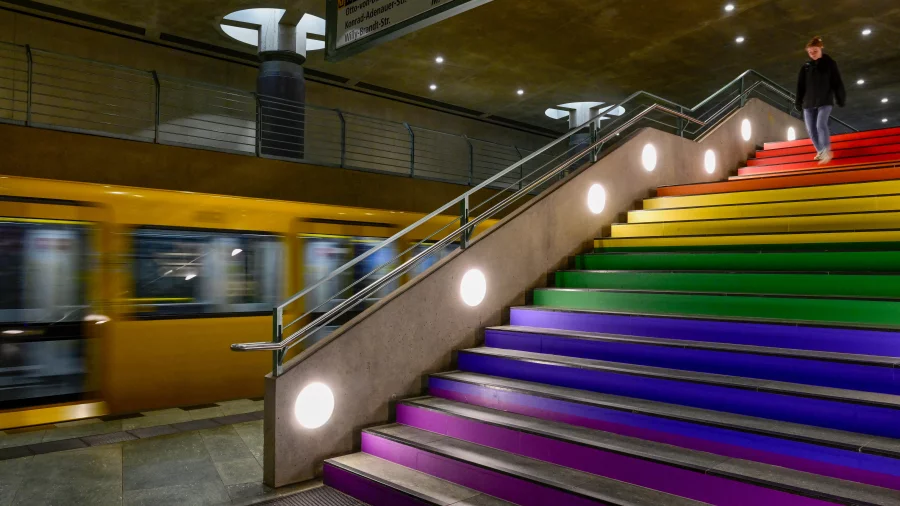
In reaction to the Bundestag president’s decision not to fly the rainbow flag on top of parliament this year, Berlin’s transport authority has decorated its Bundestag subway station stop in rainbow colors, writing on Instagram: “So our Bundestag is ready for Pride.”
Kelly urges people to attend Pride and stand up to a new generation of the far-right. He has no desire to say Goodbye to Berlin and the neighborhood around Nollendorfplatz, as Isherwood was forced to do.
Pride Month is not quite over yet! Just in time for some more LGBTQ friendliness is this list from Big 7 Enjoy Travel. They rank the top 30 LGBTQ friendly cities on the planet.
For a city to rank highly as LGBTQ+ friendly, first and foremost, it needs to protect LGBTQ+ people with laws and legislation. Then, it needs a vibrant gay nightlife and dating scene, whether within a gay village or across the city. Either way, there needs to be a safe community for LGBTQ+ people, as well as open-minded citizens and low levels of hate crime.
Ranking criteria:
Gay Index Rating – measures how safe a country is for LGBT people, considering the legal situation and living conditions
Equality Index Rating – measures the status of LGBT rights, laws, and freedoms as well as public attitudes towards LGBT people
The final scores show the Top 30 LGBTQ+ Friendly Cities in the World! Here’s your ultimate gay-friendly travel list…
30. Vienna, Austria
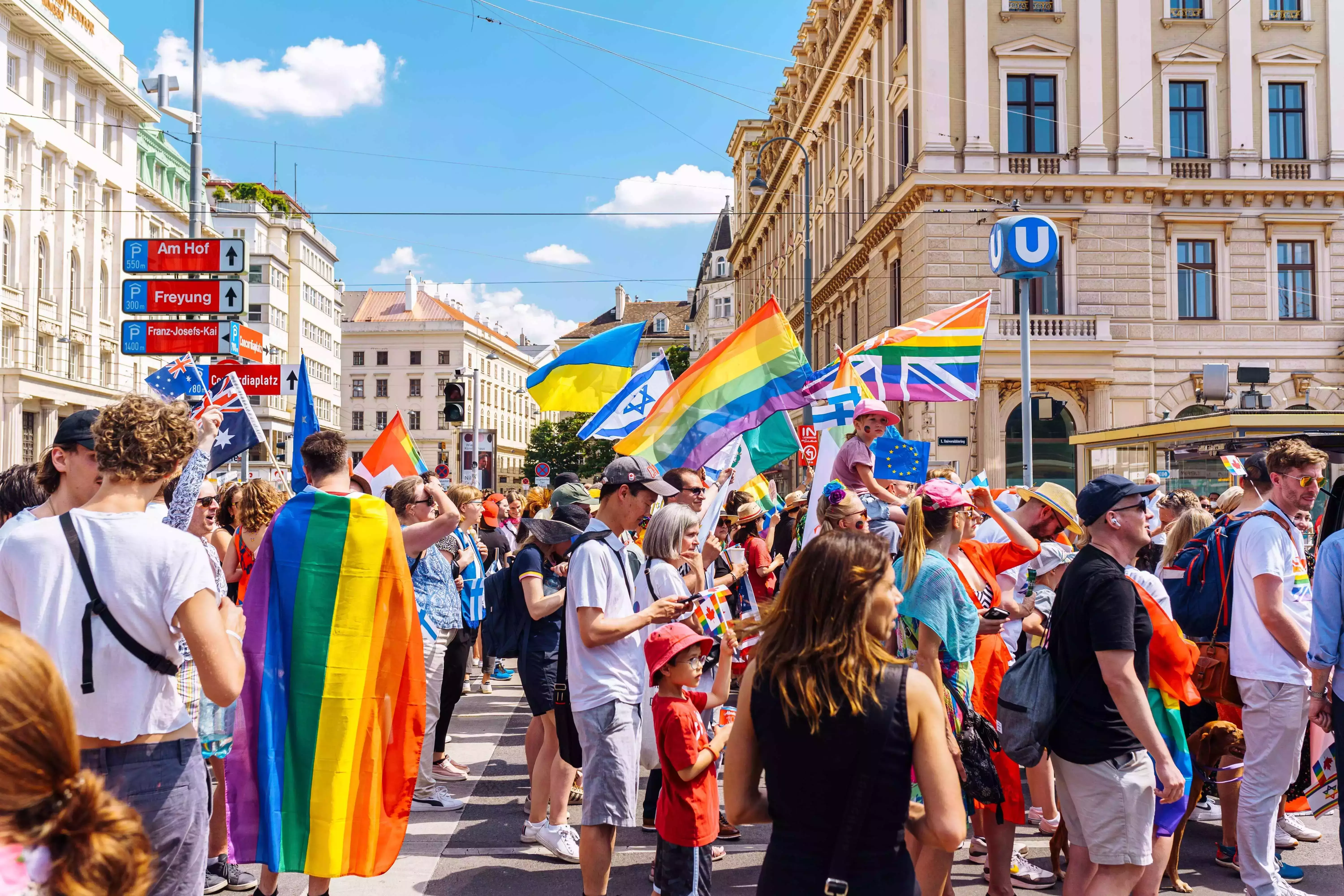
Vienna is widely known for its gender, disability, LGBTQ and racial inclusivity and equality, with many parades, pride events and specialist causes. While Vienna doesn’t have a specific gay village or district, its Naschmarkt area is full of gay bars and clubs, making it a hotspot for LGBTQ+ members.
Vienna has also hosted the EuroPride and hosts an annual citywide Pride parade in June. Vienna is also an LGBTI Core Group member and has a reasonably high Gay Index Rating, making it a safe and appealing place for LGBTQ+ members. It’s safe to say that Vienna is a welcoming and inclusive city for not just LGBTQ+ people, but for everyone, no matter your sexuality, gender, religion or ethnic group.
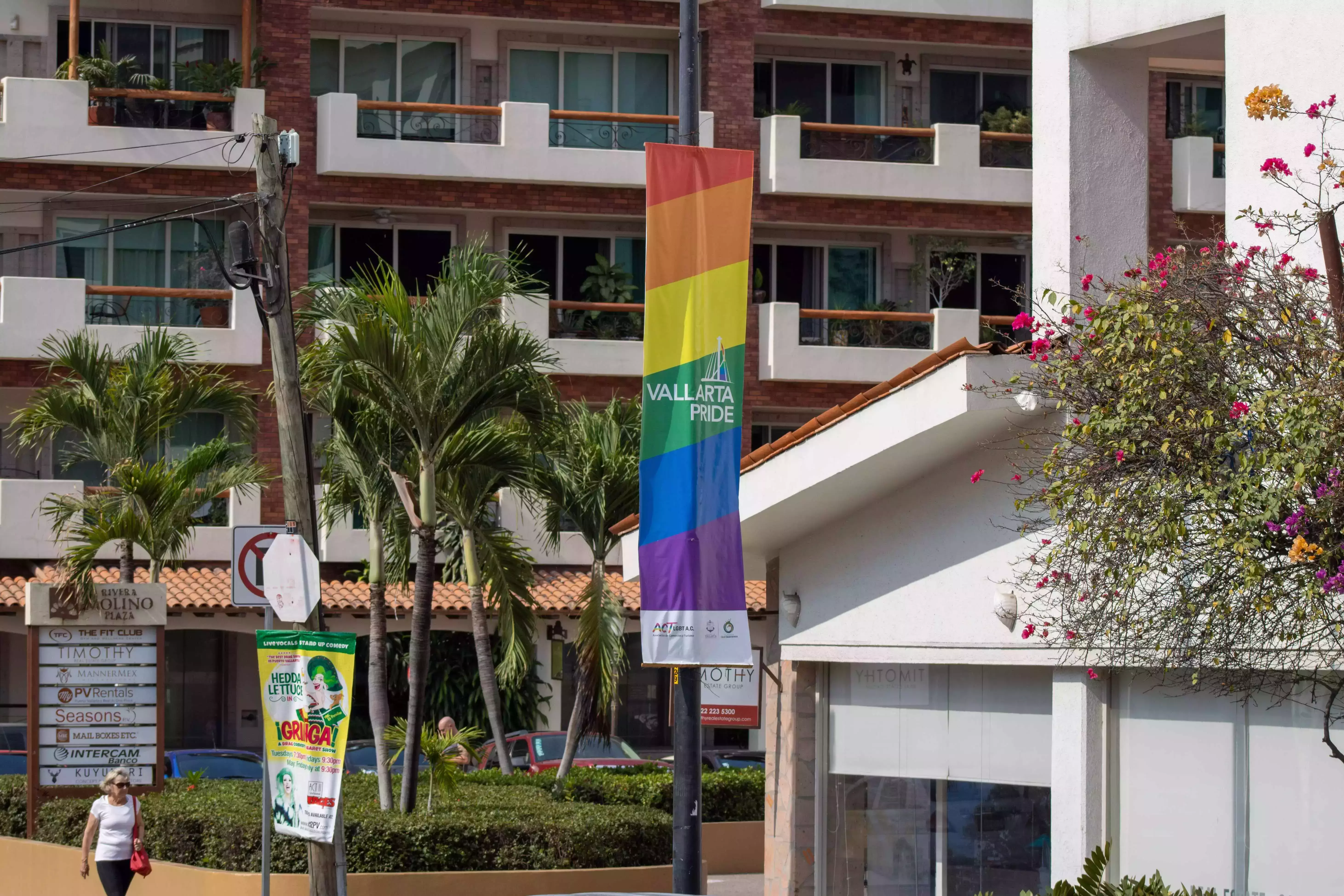
29. Puerto Vallarta, Mexico
You may not have heard of this city against its larger and more tourist-centred neighbours of Mexico City and Cancun, but Puerto Vallarta deserves to be celebrated for its strong LGBTQ+ representation and inclusivity. According to our rankings, Puerto Vallarta scored highly in terms of Gay Index Rating, and attendance to the city’s annual Pride event is significant.
Puerto Vallarta has been cited as the ‘gay capital of Mexico’, thanks to its bustling Zona Romantica area, which is heavily centred around LGBTQ+, with vibrant gay bars, inclusive hotels and lively clubs. While you’re likely to find LGBTQ+ friendly areas across Mexico, Puerto Vallarta is one of the best places to celebrate being a member of the community.
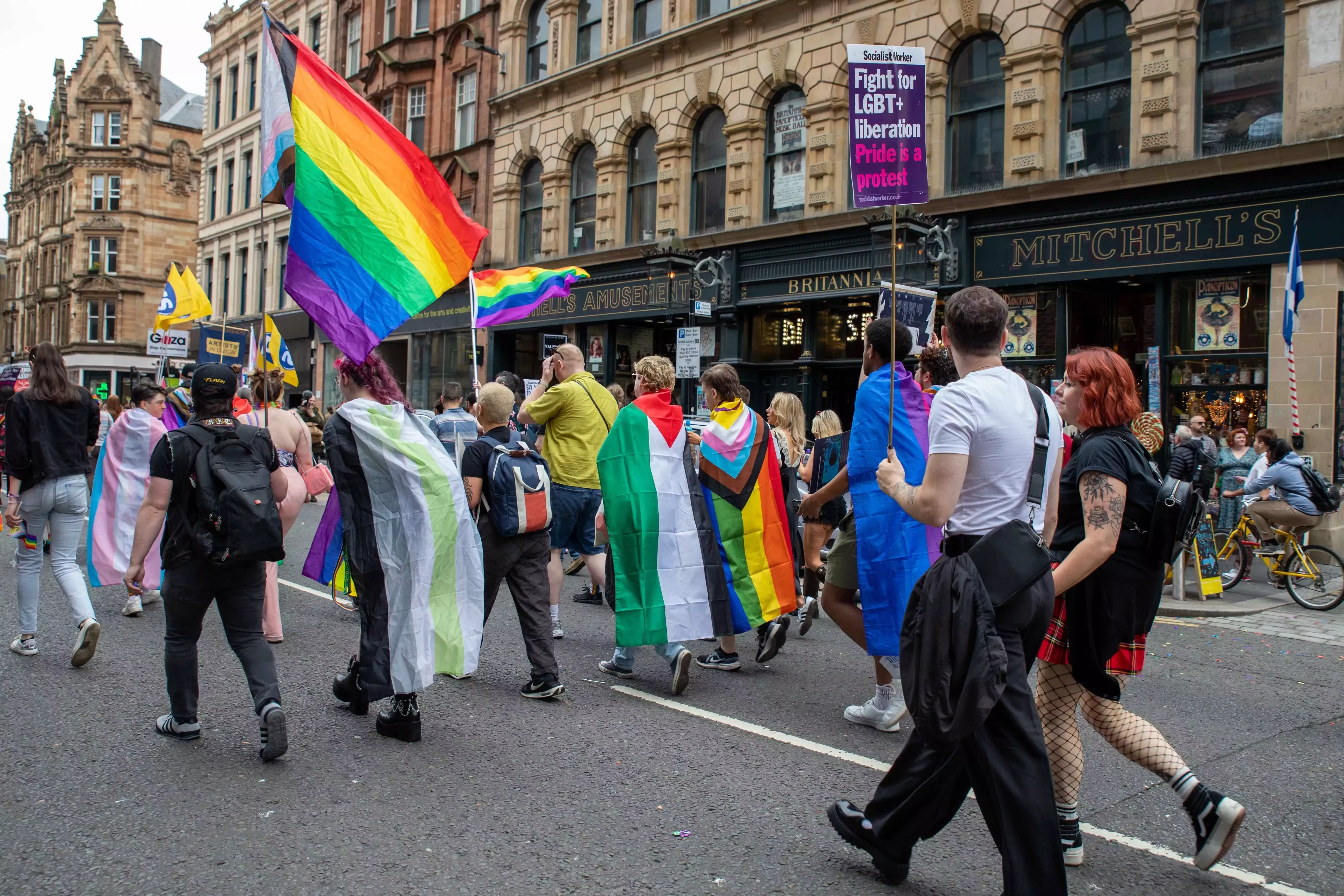
28. Glasgow, UK
Glasgow, Scotland’s largest city, is a hub for inclusivity, with its lively Merchant City district being the LGTBQ+ capital. You can expect to find a variety of LGBTQ+ friendly bars and clubs, as well as a welcoming and open-minded atmosphere. Glasgow’s annual pride event amasses thousands of attendees each year, seeing proud members of the community come together to march and parade, surrounded by the signature rainbow flags.
Glasgow’s quality of life and general acceptance for the LGBTQ+ community is high, giving an indication of how strong its LGBTQ+ community and representation is. The city is also an LGBTI Core Group Member.
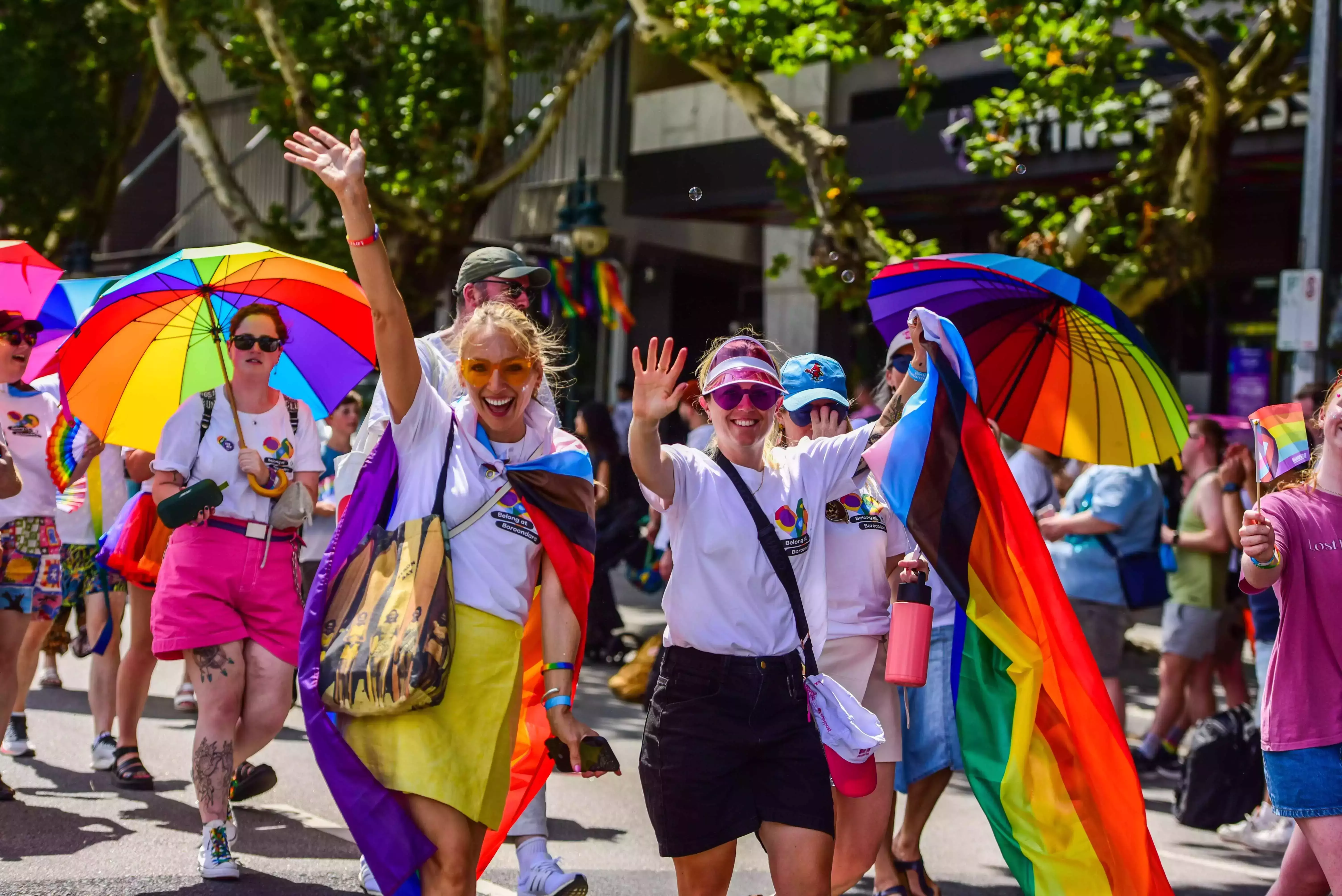
27. Melbourne, Australia
Melbourne is generally an accepting city for most types of groups within society, which gives an indication as to its welcoming and inclusive atmosphere. It scores highly on the Gay Index Rating, and is a member of the LGBTI Core Group, as well as scoring highly on the Equaldex Score. But, data aside, there is a thriving and welcoming community right at its core that appeals to all groups in society, whether members of the LGBTQ+ community or not.
Its annual Pride march has also surpassed 60,000 attendees in recent years. Melbourne’s Fitzroy area is considered to be the ‘gay village’, with a number of LGBTQ+ friendly bars and clubs and a buzzing atmosphere both before and after dark, but generally no matter where you go in Melbourne you’ll be met with a warm and friendly welcome.
26. Taipei, Taiwan
You may not commonly associate Taiwan with LGBTQ+ communities, but its capital Taipei has one of the largest LGBTQ+ presences, with a vibrant LGBTQ+ presence in its Ximen Red House area of the city, which features a lively and bustling scene with bars and clubs. Taipei is known for its inclusivity, and is perhaps a hidden gem amongst the most LGBTQ+ friendly cities, but definitely worth a visit. Taipei also hosts its annual Pride march, which is considered to be the largest of its kind in East Asia, seeing an attendance of more than 120,000 in recent years.
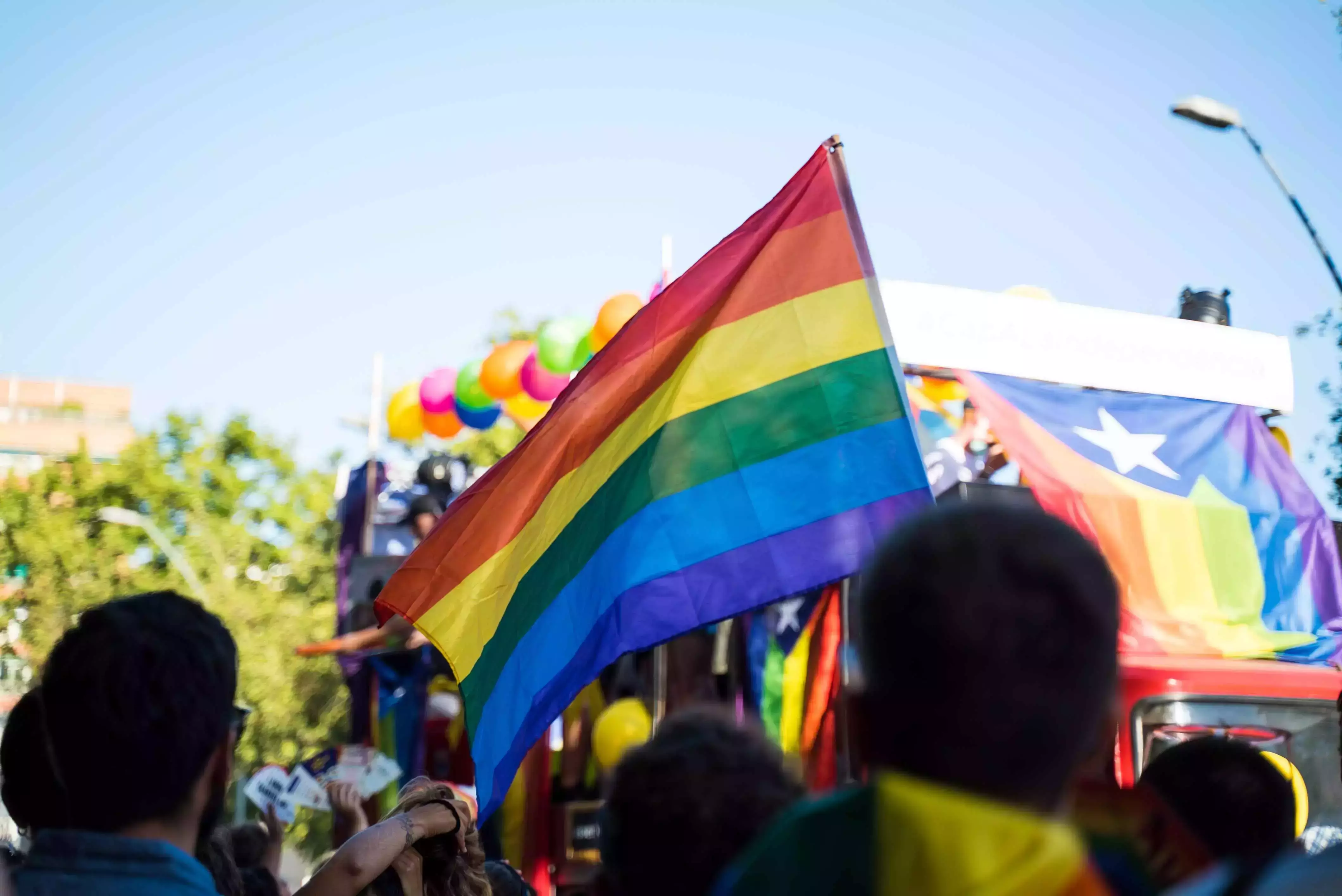
25. Barcelona, Spain
Barcelona, along with Madrid, are widely known as the LGBTQ+ capitals of Spain, with a high Gay Index Rating and a large Pride attendance across each city. Barcelona and the rest of Spain are highly regarded for their acceptance of the LGBTQ+ community, as Spain was one of the first countries in the world to legalise gay marriage in 2005. Barcelona has a thriving LGBTQ+ scene, with an abundance of gay bars, clubs and even beaches that cater to the LGBTQ + community – no matter where you go in Barcelona, you’ll be welcomed with open arms regardless of your sexual orientation or gender.
24. Oslo, Norway
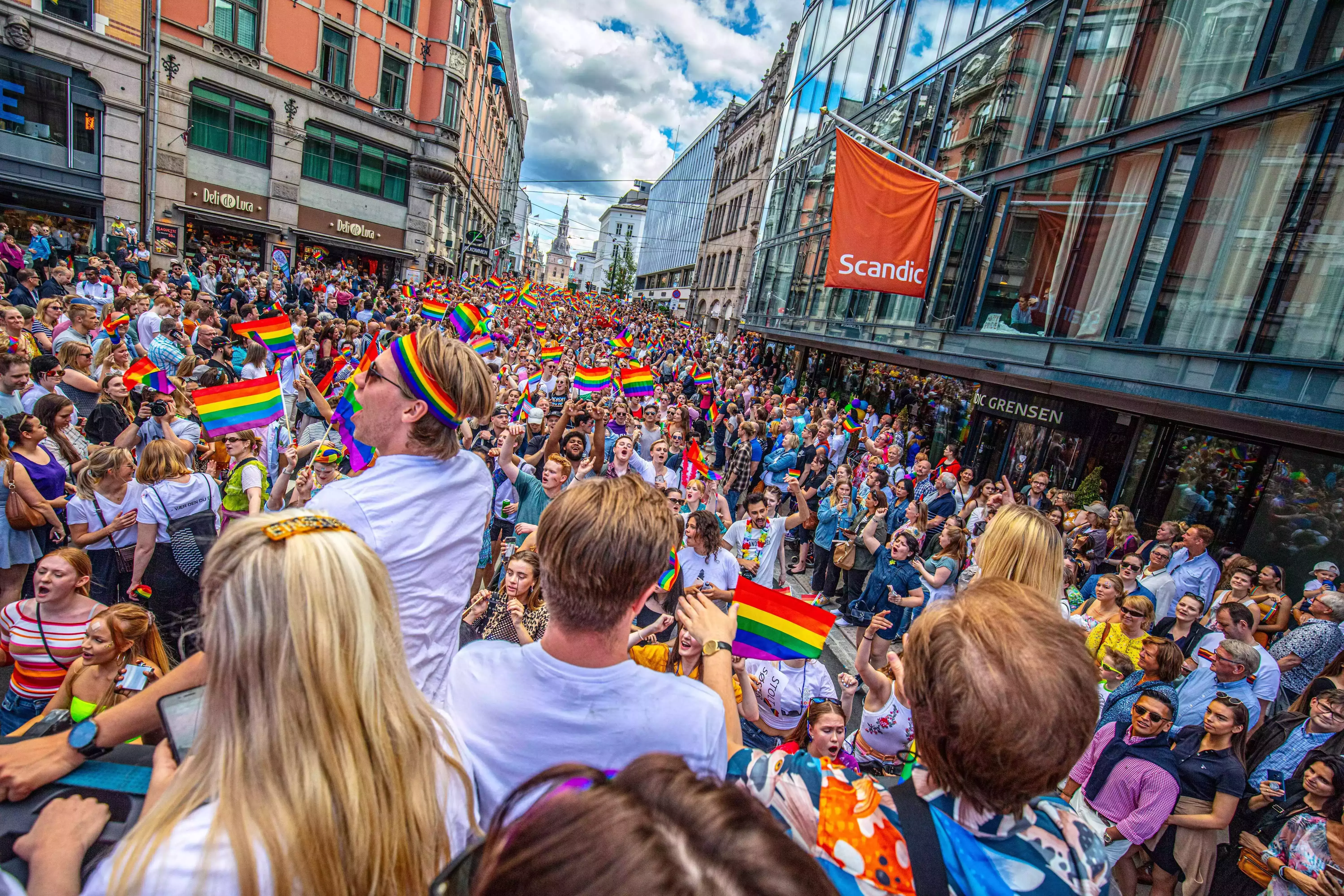
Norway is commonly associated with being a liberal, inclusive and welcoming country, and its capital Oslo comes out on top in terms of LGBTQ+ representation and inclusivity. The city has high Equaldex Score and Gay Index Rating, so is a must-visit for members of the LGBTQ+ community. Did you know that Oslo also hosts an annual Pride event that has amassed around 90,000 attendees in recent years? Oslo’s main LGBTQ+ friendly area is Grünerløkka, where you’ll find a large collection of LGBTQ+ friendly bars, restaurants and clubs, although the city as a whole is welcoming and accepting no matter where you go.
23. Helsinki, Finland
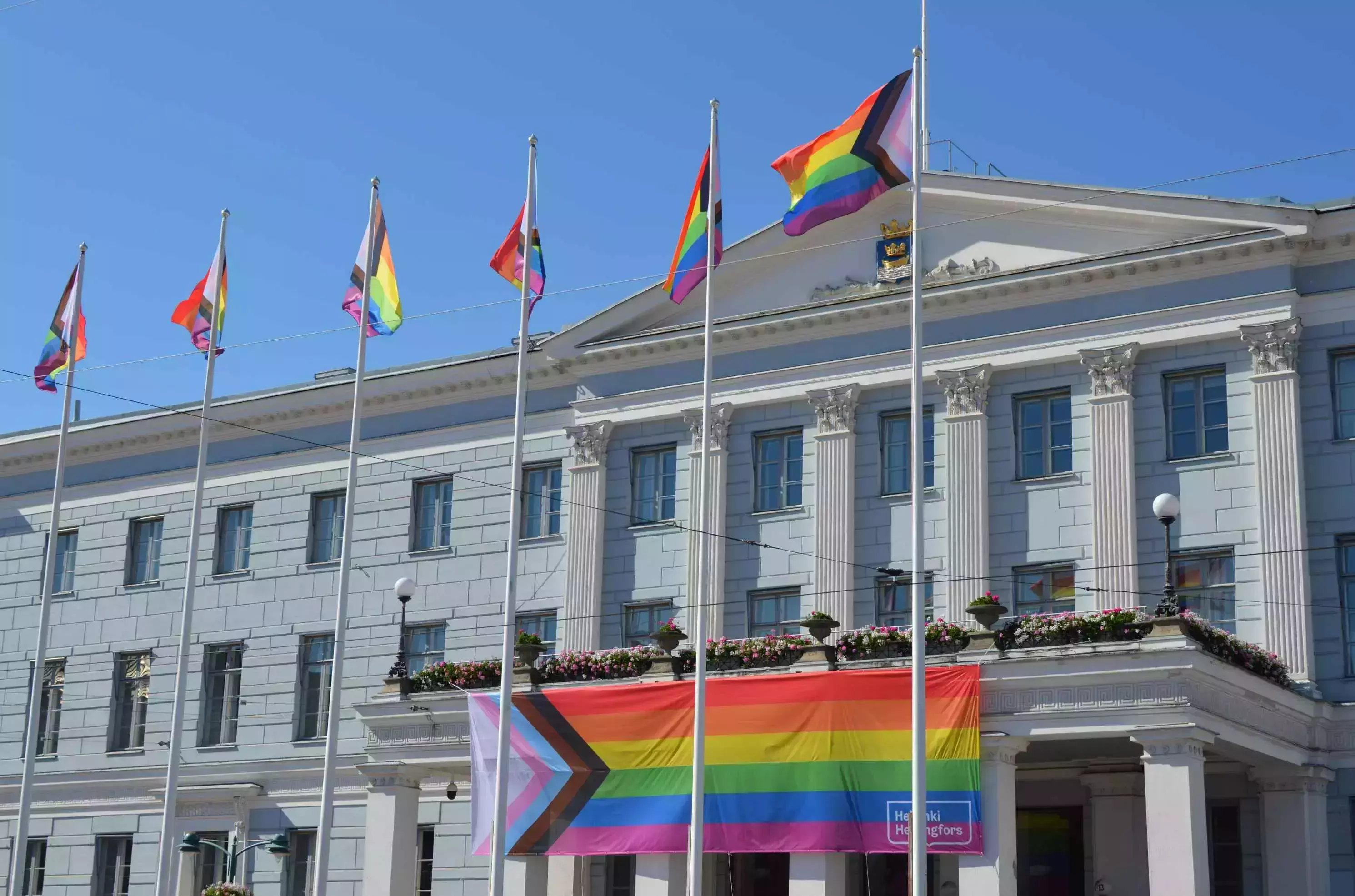
Scoring highly on both the Equaldex and Gay Index Rating, as well as having a large Pride attendance and overall LGBTQ+ presence, Helsinki is one of the best places to be if you want to feel welcomed with open arms in every corner of the city, no matter your sexual orientation, gender or who you identify as.
Helsinki’s annual Pride march and parade typically sees more than 100,000 attendees, giving an idea of how inclusive the city really is. Finland is known for being a progressive and liberal country, and same-sex marriage has been legal in the country since 2017, having been decriminalised since the early 1970s and views changing in the early 80s.
22. Montreal, Canada
Montreal is one of the LGBTQ+ capitals of Canada, celebrating the community with a designated ‘gay village’ district and a large attendance to the city’s annual Pride events. Montreal is considered a trailblazer in terms of promoting and accepting LGBTQ+ rights, as Quebec was the first province of Canada to ban discrimination around sexuality and sexual orientation in 1977. As with much of the rest of Canada, Montreal has since adopted a liberal and accepting stance on LGBTQ+ communities, and scores highly on both the Equaldex and Gay Index rankings.
21. Buenos Aires, Argentina
Argentina’s capital is often cited as the ‘gay capital of South America’, with a downtown district that is rife with gay bars, restaurants and clubs, and a high Gay Index Rating. Argentina was also the first Latin-American country to legalise same-sex marriage in 2010, and has since become the place to be in terms of inclusivity and LGBTQ+ rights.
Buenos Aires also has a large Pride attendance and citywide celebrations, with a thriving LGBTQ+ presence that makes the city rank highly for equality, inclusivity and representation. Aside from the obvious inclusivity that Buenos Aires offers, the city is a vibrant social hub and welcomes people from all social groups and communities.
20. Reykjavik, Iceland
Reykjavik has long been considered a haven for LGBTQ+ members and most groups in society, and although the city may be small, it packs a punch in terms of LGBTQ+ rights and representation. Reykjavik’s most recognisable street is so iconic thanks to its rainbow road, which indicates and highlights Reykjavik’s support for equality surrounding the LGBTQ+ community. Reykjavik’s Pride event is a large-scale affair, with thousands of locals and tourists attending to show their support. Reykjavik also has one of the highest Gay Index Ratings and Equaldex Scores.
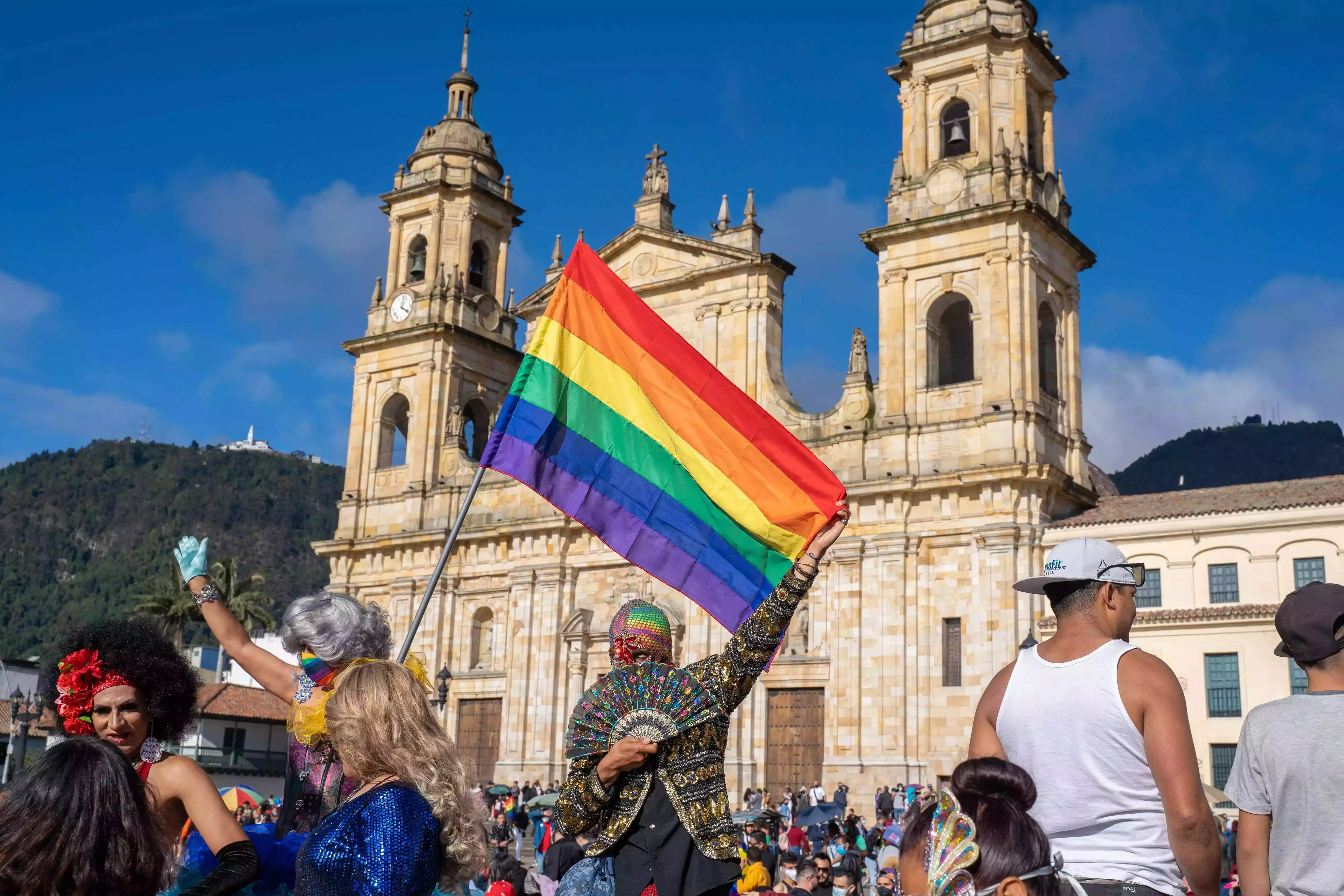
19. Bogotá, Colombia
Although Bogota has the lowest Equaldex score, it has a high Gay Index Rating and a vibrant gay village that features what is considered to be the largest gay club in South America, Theatron.
Bogota’s annual Pride event has also seen crowd sizes of more than 100,000 people, making it one of the largest Pride celebrations around. It’s clear that Bogota is a friendly, inclusive and welcoming place for every tourist, whether they’re part of the LGBTQ+ community or not.
18. Valletta, Malta
This small city packs an almighty punch in terms of LGBTQ+ inclusivity. Valletta ranks highly on both Gay Index Rating and Equaldex, with scores of 8.5 and 100, respectively, giving an idea of how supportive the city is for the rights of LGBTQ+. Valletta also sees a large turnout for its annual Pride festival and march, and has hosted the widely renowned EuroPride in 2023, adding to Valletta’s reputation as one of the most LGBTQ+ friendly cities in Europe.
17. Copenhagen, Denmark
The Scandinavian countries are known for their progressiveness, inclusivity, liberal stances and welcoming and accepting cultures, especially when it comes to LGBTQ+ rights and support. Copenhagen, Denmark’s capital, is known for its lively and thriving LGBTQ+ community, with many gay bars and clubs, as well as a large Pride event. Denmark was one of the first countries in Europe to legalise gay marriage in 2012, and has recognised and accepted homosexuality since the 1930s.
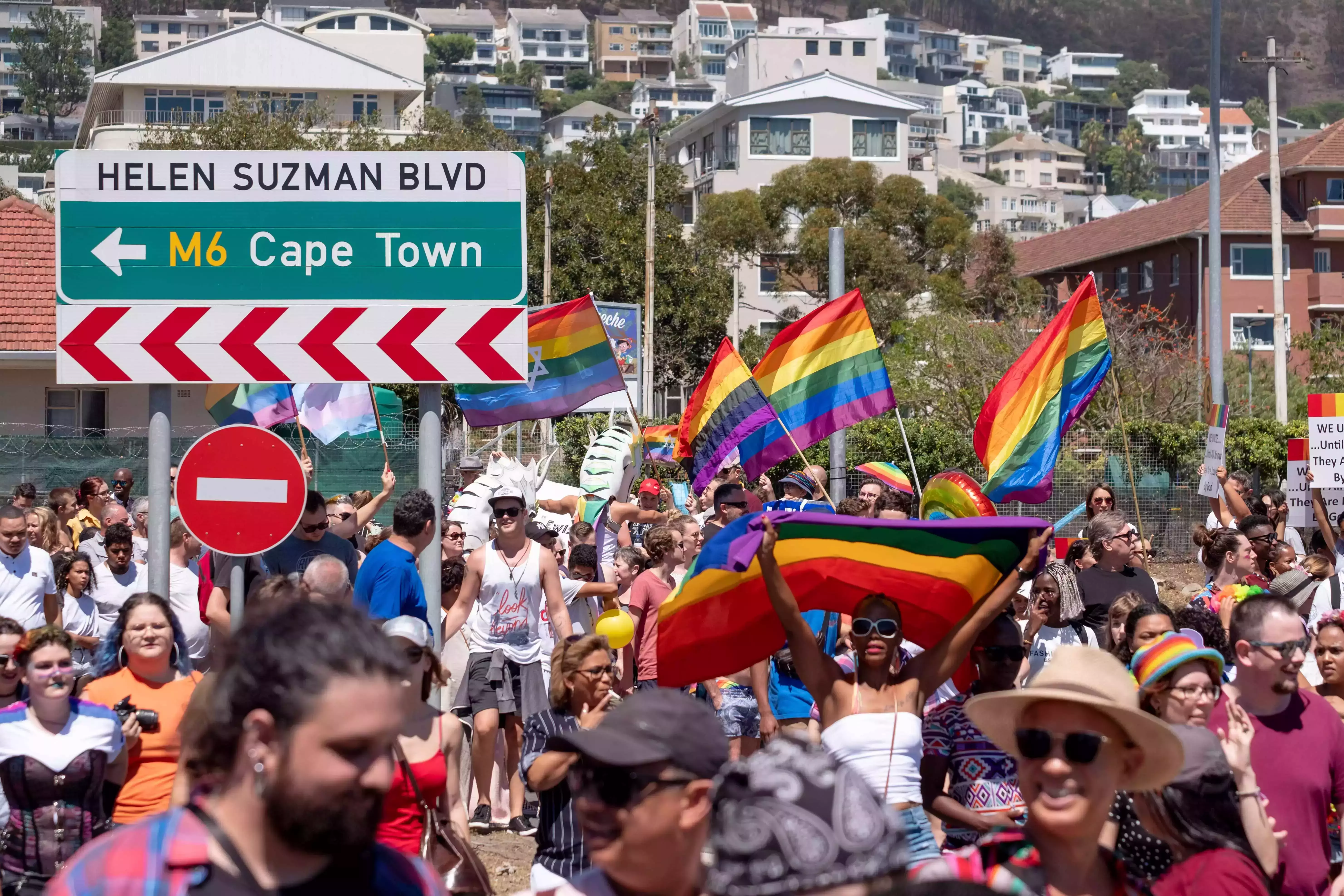
16. Cape Town, South Africa
South Africa is a trailblazer for LGBTQ+ rights on the continent, becoming the first country in Africa to legalise same sex marriage in 2006, and Cape Town is at the heart of this legacy. The progressive and inclusive stance makes the city both welcoming and fun for queer locals and visitors, with a schedule of gay-friendly events throughout the year. The coastal capital bursts into the colours of Pride every February/March, and other vibrant celebrations include the Mother City Queer Project and the Out in Africa Film Festival. The De Waterkant neighbourhood is the city’s LGBTQ+ hub, with gay-owned bars, gyms, shops, and cafes, as well as the iconic rainbow crossing – a visual representation of South Africa’s anti-discrimination laws.
15. Mexico City, Mexico
Mexico City was the first Latin American city to legalise same-sex marriage in 2007, and since then, the city has upheld their views and stances on LGBTQ+ support. The city celebrates with one of the world’s largest Pride events, having been attended by more than 1 million people in recent years.
Mexico City scores well on the Gay Index and Equaldex Rating, and its Zona Rosa region is one of the liveliest LGBTQ+ hubs around. It’s safe to say that you’ll be welcomed and supported as a member of the LGBTQ+ community in Mexico City.
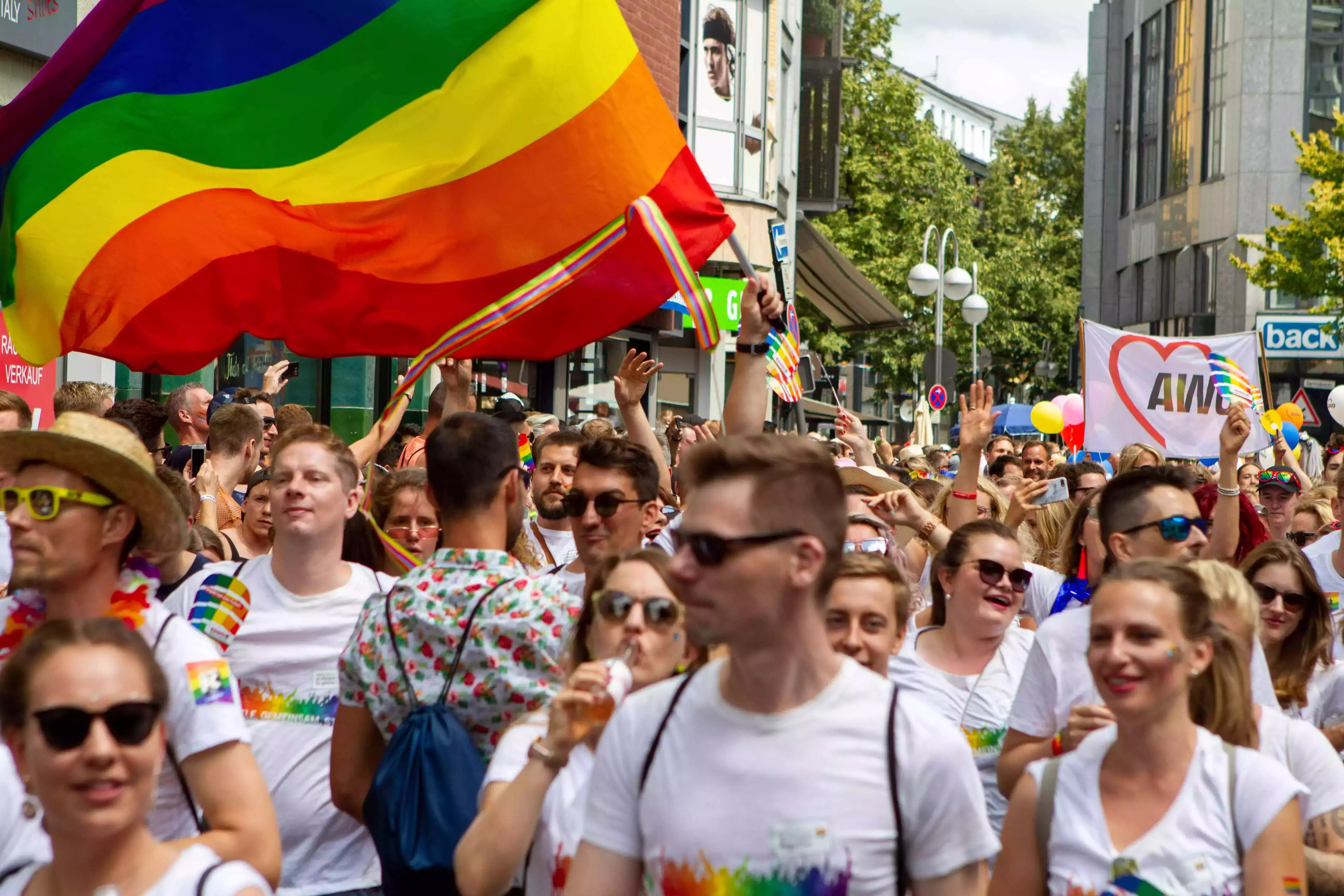
14. Cologne, Germany
Although this city underperforms on the Gay Index Rating, its quality of life and inclusivity for members of the LGBTQ+ community far outweigh this. Cologne’s Pride is the largest in Germany and one of the largest in Europe, with over 1 million attendees in recent years.
Cologne is also often considered by many as the ‘gay capital of Germany’, thanks to its large-scale Pride attendance and modern and progressive views on the LGBTQ+ community and rights. Cologne is a vibrant and lively city, with a population that is accepting, friendly and welcoming to every tourist, no matter their social group or community.
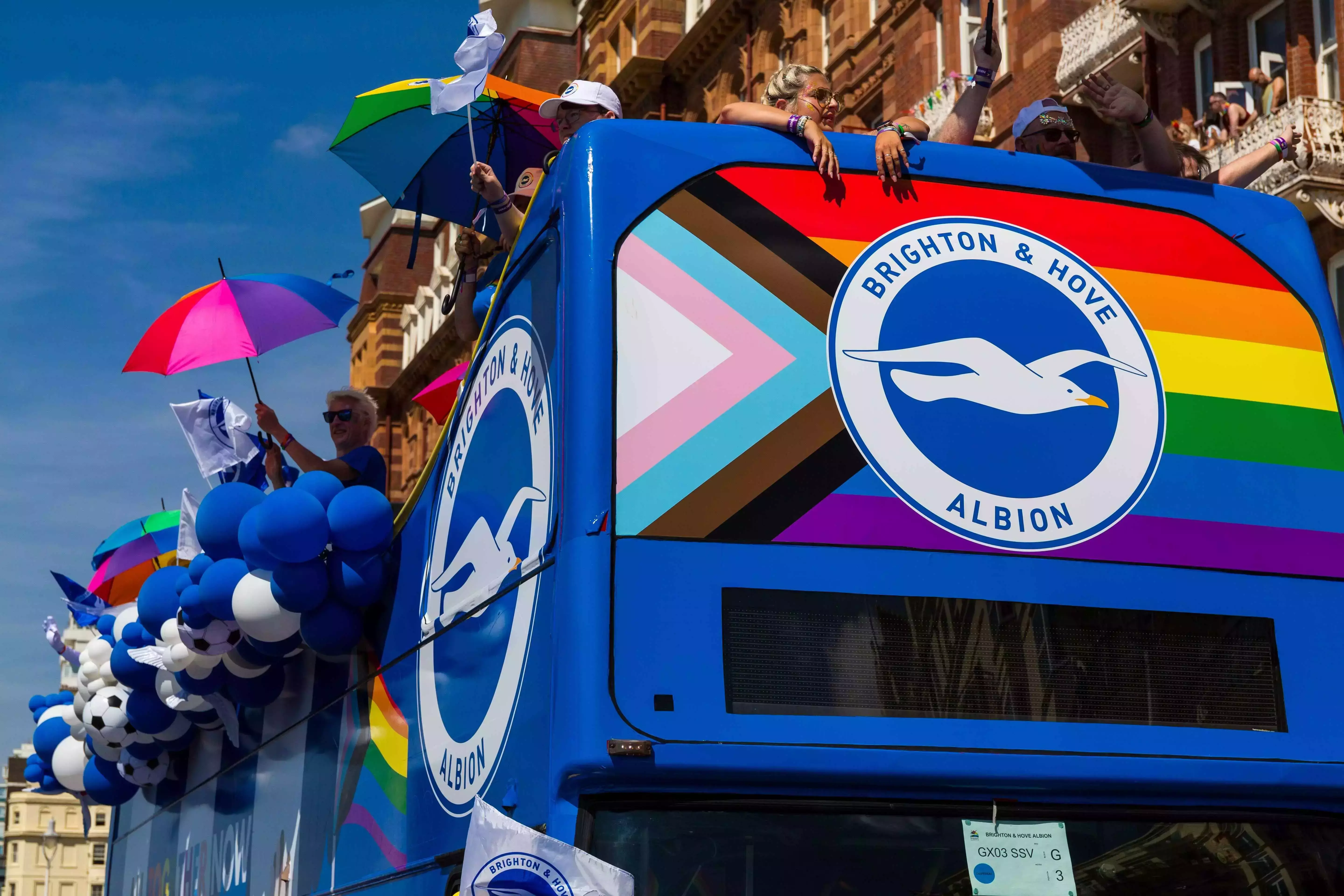
13. Brighton, UK
Brighton has a reputation in the UK for being the ‘gay capital’, with a strong sense of community, support and representation for all members of the LGBTQ+ community. Brighton has long had a reputation for its LGBTQ+ scene, dating back to the 1930s, when the city flourished as an inclusive and openly LGBTQ+ space.
The city has since embraced its LGBTQ+ population with an annual large-scale Pride event that sees more than 500,000 attendees. The city is well known for its Pride event, which has been cited as the best in the UK, and its resident gay village and LGBTQ+ district of Kemptown is rife with inclusive bars, clubs and spaces.
12. Paris, France
Paris really comes out on top with its diversity and inclusion for all groups in society. Paris’s annual pride event regularly attracts more than 700,000 attendees, and its vibrant and thriving Marais district is associated with a large LGBTQ+ population. Paris and France as a whole legalised same-sex marriage in 2013, making them one of the first countries/cities in Europe to do so.
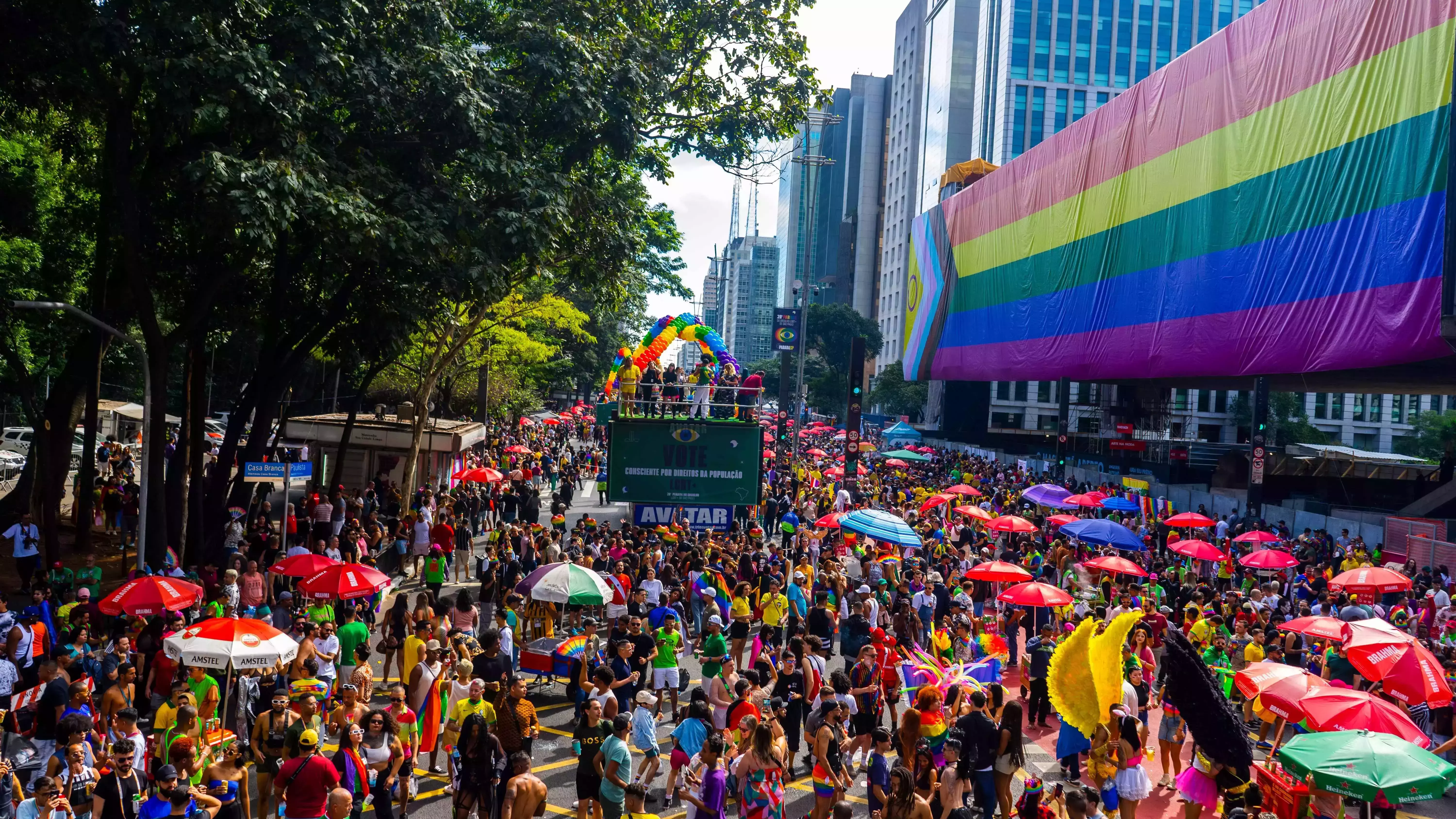
11. São Paulo, Brazil
If there’s one thing Brazil knows how to do, it’s throw spectacular street parties and parades. São Paulo’s annual Pride is often considered to be the largest in the world, with more than three million attendees in recent years. São Paulo has also featured in the Guinness World Record for the size and scale of its Pride event.
What’s more, the city is a hub for all things LGBTQ+, with a lively district dedicated to welcoming and representing its LGBTQ+ population. Although the city has a relatively low Gay Index Rating and Equaldex Score, its citywide celebration of LGBTQ+ is enough to make it rank highly for best LGBTQ+ friendly cities.
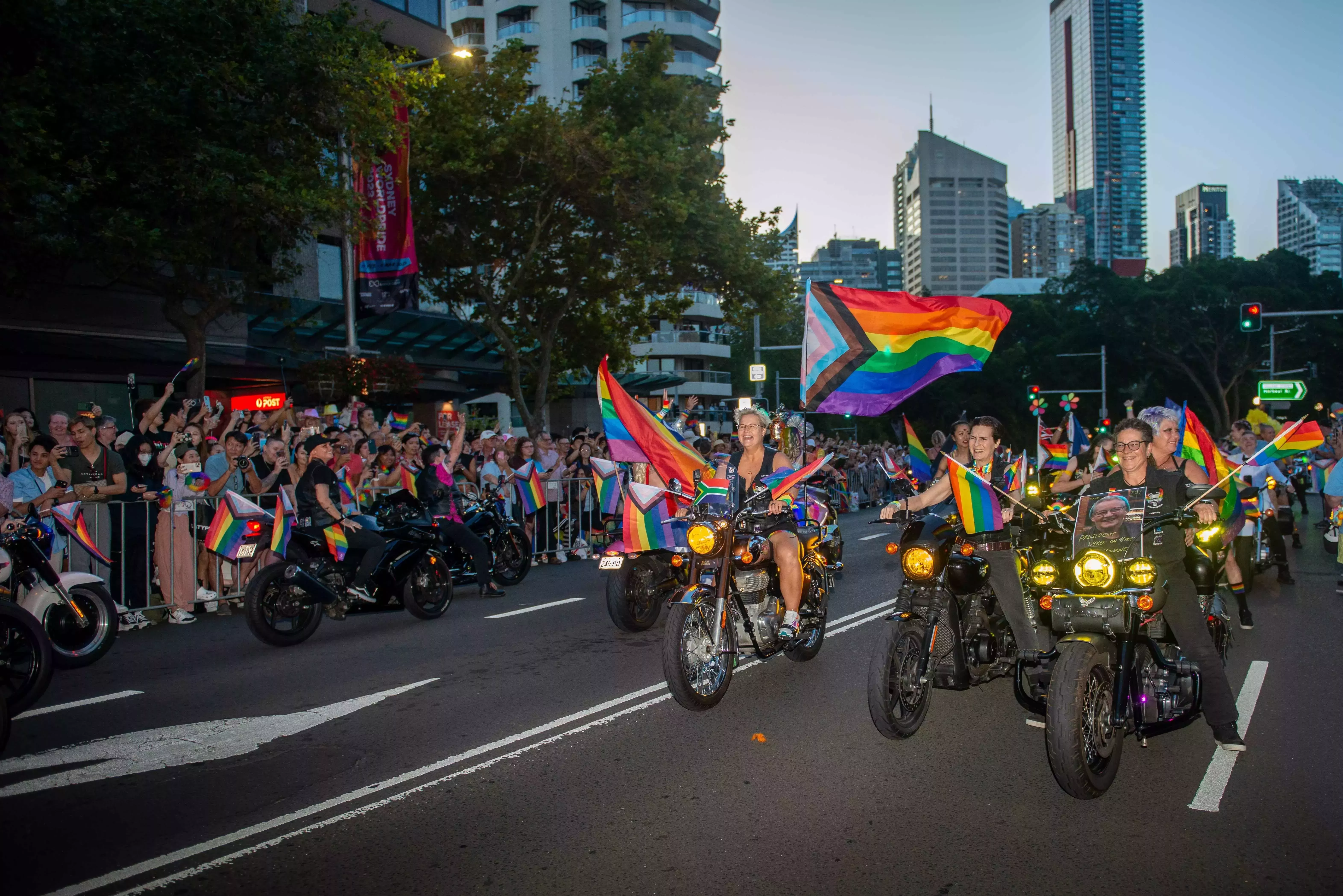
10. Sydney, Australia
Sydney is one of the most LGBTQ+ friendly cities in the world, and the gay capital of Australia, with its annual Gay and Lesbian Mardi Gras festival leading the way in LGBTQ+ representation and support. Sydney’s Darlinghurst region is considered the gay hub of the city, and has a lengthy history of supporting and upholding LGBTQ+ community rights. Sydney ranks highly on both the Equaldex and Gay Index rankings, and it is a member of the Core LGBTI Group.
Sydney and Australia as a whole have a long history of protecting and supporting the rights of LGBTQ+ members, as homosexuality was decriminalised in the state of New South Wales in 1984, and same-sex marriage was legalised in Australia in 2017. Its annual Gay and Lesbian Mardi Gras event also sees attendees of more than 200,000, making it the largest Pride event in Australia and Oceania as a whole.
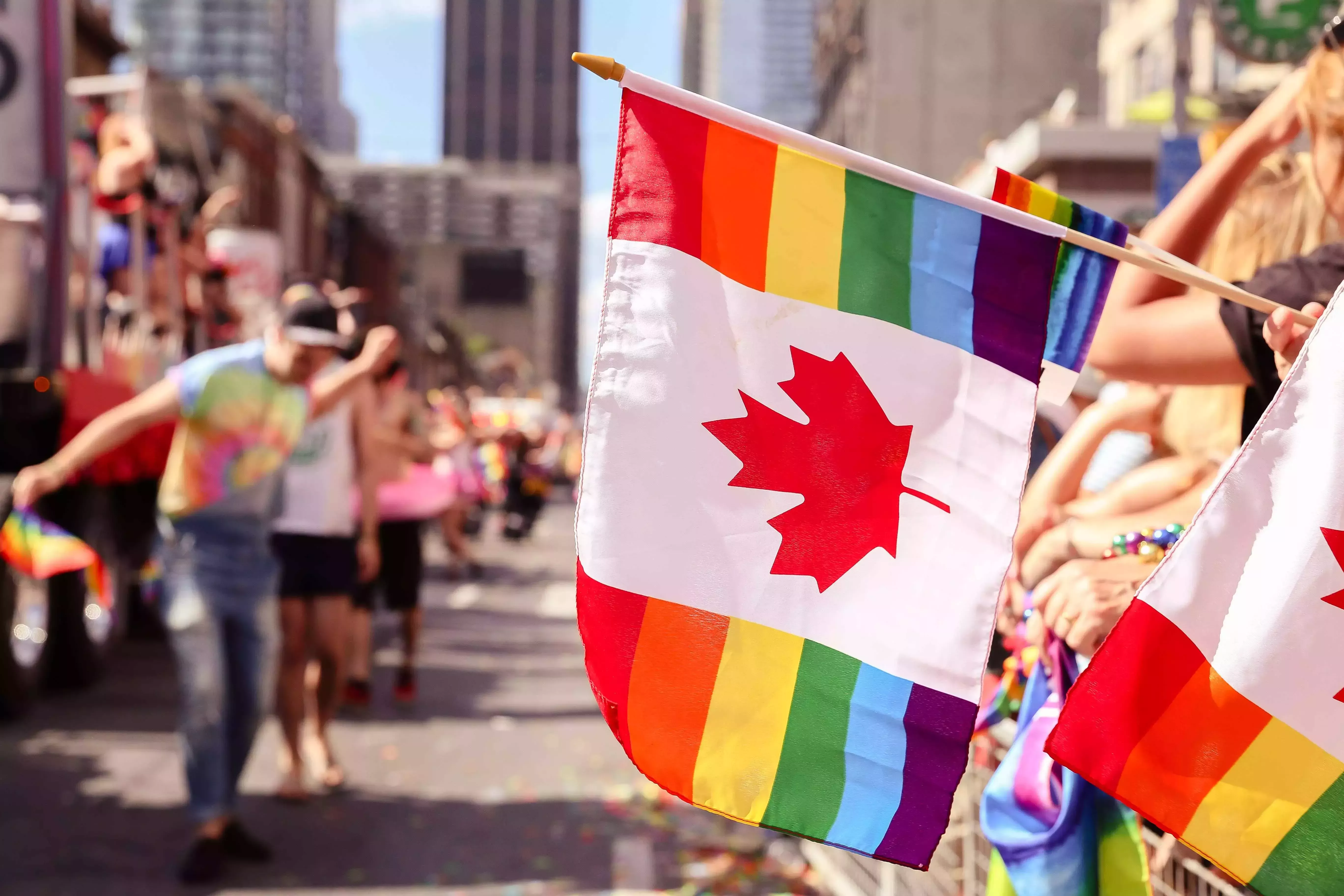
9. Toronto, Canada
Canada’s largest city hosts the country’s largest Pride event, with just shy of 3 million attendees in recent years, making it North America’s largest and most spectacular Pride Event. Toronto is a buzzing hub for queer peoples, and is one of the most LGBTQ+ friendly cities in the world. Its Church and Wellesley district is the focal point for the LGBTQ+ community, as it is rife with bars, clubs and spaces that are openly supportive.
In terms of statistics, Toronto has a Gay Index Score of 8 and an Equaldex Score of 100, making it one of the best cities for the community. Toronto and Canada as a whole’s LGBTQ+ history is lengthy, with homosexuality becoming decriminalised in the late 1960s, and same-sex marriage being legalised in 2003 in Ontario Province, with the rest following suit not long after.
8. San Francisco, USA
San Francisco is a trendy and diverse Californian city, considered the gay capital of the state. The city is often ranked highly among the world’s most LGBTQ+ friendly cities, and has a sprawling LGBTQ+ scene and district that makes it welcoming and appealing to all members of the community. The city’s annual Pride event is also one of the largest in the US and the world, with around 1 million attendees in recent years. San Francisco and California State are known for their more liberal and progressive views on several matters, not just gay rights, so it makes sense that San Francisco adopts the same inclusive views and atmosphere.
San Francisco ranks at 8.5 on the Gay Index Ranking and at 100 on the Equaldex, giving an indication of its support of LGBTQ+ rights and representation. San Francisco was also one of the first cities in the US to allow same-sex marriage in 2004, despite it not being legal statewide until 2013. Since this, San Francisco has been recognised as one of the LGBTQ+ capitals of the US.
7. Amsterdam, Netherlands
Did you know that the Netherlands was the first country in the world to legalise same-sex marriage in 2001? The city is home to some of the most progressive and liberal views on LGBTQ+ communities in the world. It also has one of the longest LGBTQ+ histories, with homosexuality apparently being decriminalised as far back as 1811, and gay bars and clubs being established in the late 1920s. Since then, Amsterdam and the Netherlands as a whole have become inclusive, supportive and proud of their resident LGBTQ+ communities.
Amsterdam itself has a Gay Index ranking of 8, and an Equaldex score of 100, and its lively Canal Parade Pride event sees attendee numbers of more than 500,000, making Amsterdam’s Pride scene one of the largest in Europe and the world. Amsterdam’s Reguliersdwarsstraat region is the most significant LGBTQ+ area in the city, with a collection of LGBTQ+ friendly establishments, bars, clubs and restaurants.
6. Berlin, Germany
Berlin has a lengthy history of supporting and protecting LGBTQ+ rights, and is one of Germany’s ‘gay capitals’, and certainly one of the ‘gay capitals’ of Europe. The city has, for a long time, recognised and respected the rights of LGBTQ+ members, with a thriving gay village and a strong sense of community and inclusivity across the city.
Berlin ranks highly on the Gay Index and has a high Equaldex score, demonstrating how inclusive and safe it is for proud LGBTQ+ members. Its annual Pride event attracts between 500,000-1 million attendees, with the whole city and tourists coming together to support the community and partake in parades and marches. Germany is known for its progressive and liberal stance on LGBTQ+ rights and protection, so it makes sense that Berlin is a thriving hub for community members.
5. Madrid, Spain
With a thriving LGBTQ+ culture, Europe’s largest Pride event with more than 2 million attendees, and a plethora of LGBTQ+ friendly bars, clubs and restaurants, Madrid is definitely the place to be. Spain was one of the first countries in the world to legalise same-sex marriage in 2005, and homosexuality was legalised in 1979.
Madrid has a thriving LGBTQ+ community and scene, and caters to the community in a number of inclusive ways. Its Pride event is one of the city’s most important events of the year, and sees well over 2 million people attend each year. Madrid also has one of the highest Gay Index scores and an Equaldex score of 100.
4. London, UK
London is associated with a thriving and strong LGBTQ+ presence, and a number of gay bars, restaurants and exclusive LGBTQ+ spaces. Soho is the beating heart of the LGBTQ+ community, with a wide range of LGBTQ+ friendly spaces, but most of London is accepting and inclusive towards the community. Not only does London score highly on both the Gay Index and Equaldex rankings, but since the late 1960s, views and laws surrounding same-sex activities have become much more liberal and accepting, with same-sex marriage becoming officially legal across the UK in 2013.
London’s annual Pride event sees a turnout of more than 1 million people, making it one of the largest Pride events in the world. London also has a lengthy and significant LGBTQ+ history, with activism, marches and events being at the forefront. It’s safe to say that London is not only the capital of the UK, but it is one of the capitals of the world when it comes to LGBTQ+ rights and acceptance.
3. Porto, Portugal
First and foremost, Portugal was one of the first countries to legalise same-sex marriage in 2010, with its cities of Lisbon and Porto becoming thriving LGBTQ+ hubs since.
,Porto’s main LGBTQ+ district is Galerias de Paris and several other spots around the city, but the city as a whole has an inclusive and accepting feel no matter where you go. Although Porto has one of the lowest Gay Index scores of 6.9, it makes up for it with its Pride celebration that sees a significant turnout and its high Equaldex score of 93.
2. Dublin, Ireland
Dublin hasn’t always been the safe and accepting place for the LGBTQ+ community that it is now, but views and laws have drastically changed since homosexuality was decriminalised in 1993, and same-sex marriage was legalised by popular vote in 2015, making Ireland the first country in the world to legalise it in this way.
Dublin is now a thriving hub for all members of the community. The city’s progressive stances on LGBTQ+ make it all the more welcoming and inclusive to people of all backgrounds. To further Dublin’s changing views on LGBTQ+, its annual Pride event sees attendees of more than 70,000 take to the streets in solidarity for the community and its rights.
1. Lisbon, Portugal
Now we come to number 1, the world’s most LGBTQ+ friendly city: Lisbon. The city is a trailblazer in cultivating a safe, supportive, and fun community for queer people. It’s not just the capital that’s gay-friendly; Portugal decriminalised homosexuality in 1982 and was the eighth country in the world to legalise same-sex marriage in 2010.
The city’s chart-topping Equaldex score of 100 solidifies it as an inclusive powerhouse, and Lisbon celebrates in true festive style with a colourful, fun-filled Pride weekend in June. Lisbon also hosts the International Queer Film Festival.
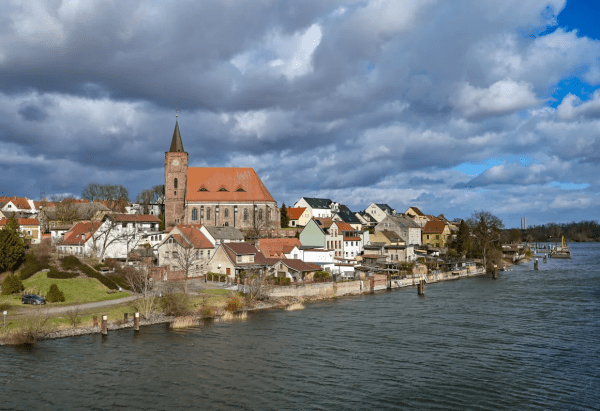
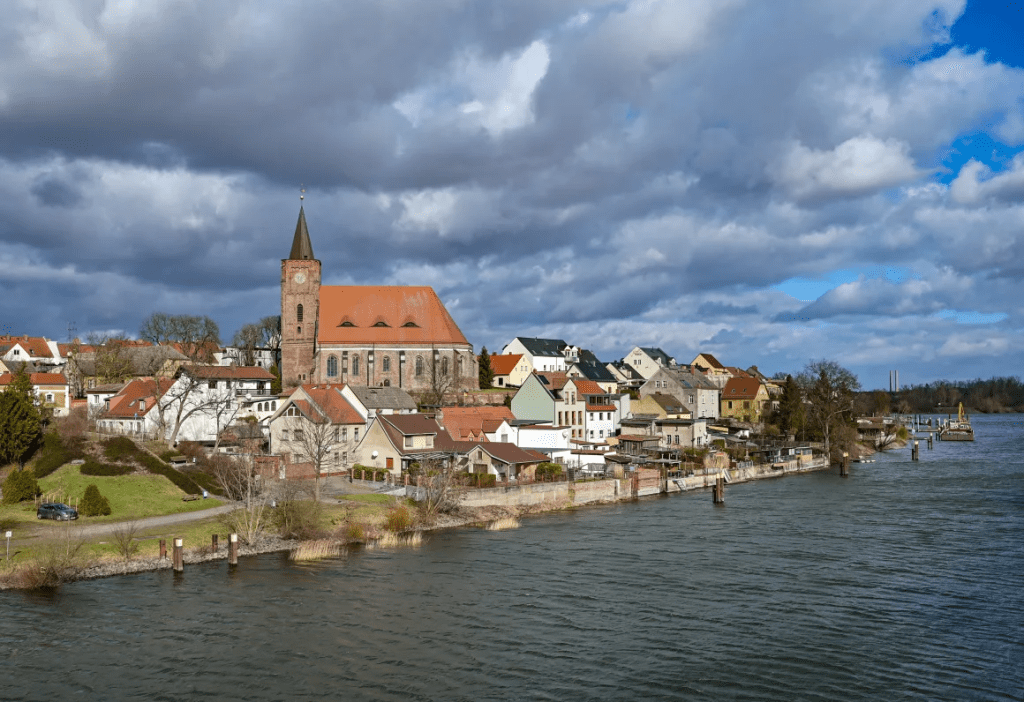
A town in eastern Germany is offering two weeks free accommodation to encourage people to relocate there in a bid to boost its population.
Eisenhüttenstadt, which sits on the border with Poland around 60 miles from the German capital Berlin, is offering a 14-day trial stay for potential new residents, according to a statement from the local council on May 13.
“The project is aimed at anyone interested in moving to Eisenhüttenstadt—such as commuters, those interested in returning to the town, skilled workers, or self-employed individuals seeking a change of scenery,” it said, with applications open until the beginning of July.
Selected participants will live for free in a furnished apartment from September 6-20 as part of an “innovative immigration project” named “Make Plans Now,” said the council.
They “will have the opportunity to get to know the life, work and community of (Eisenhüttenstadt) in a 14-day living trial — for free and in the middle of the town,” reads the statement.
In order to help participants get a feel for the town, the council will lay on a number of activities including a tour, a factory tour and various outings.
The council will also encourage participants to stay permanently, with local businesses offering internships, job shadowing and interview opportunities.
Founded in 1950, Eisenhüttenstadt, which can be translated as Steel Mill Town, was the first fully planned town built under the socialist government of the former East Germany.
Sitting on the banks of the Oder River, socialist planners built the town around a huge steelworks.
Previously known as Stalinstadt, or Stalin Town, after former Soviet leader Joseph Stalin, it was renamed after East and West Germany reunified following the fall of the Berlin Wall in 1989.
Like many towns and cities in the former East Germany, it has seen its population decline since reunification, from a peak of more than 50,000 to the current level of around 24,000, local official Julia Basan told local media outlet RBB24.
The scheme aims to attract more permanent residents, particularly skilled workers, said Basan.
Today, Eisenhüttenstadt is home to the largest integrated steelworks in eastern Germany, which employs 2,500 people, as well as being a hub for metals processing.
Many of the socialist-era buildings are listed as historical monuments and the openness of the town’s layout is striking, attracting visitors interested in architecture.
One recent new arrival said that the architecture was responsible for his decision to move to the town.
It was “a complete coincidence,” the man said in a video posted on the town hall Instagram account.
“We were travelling to Ratzdorf with friends and drove through Karl-Marx-Straße. And I saw these houses, this architecture that completely blew me away and I said to my wife, ‘I’m going to move here,’” he said.
The man later organized a tour of the town with a local historian to learn more.
“After the tour we were so blown away by this architecture, that was actually the trigger,” he said.
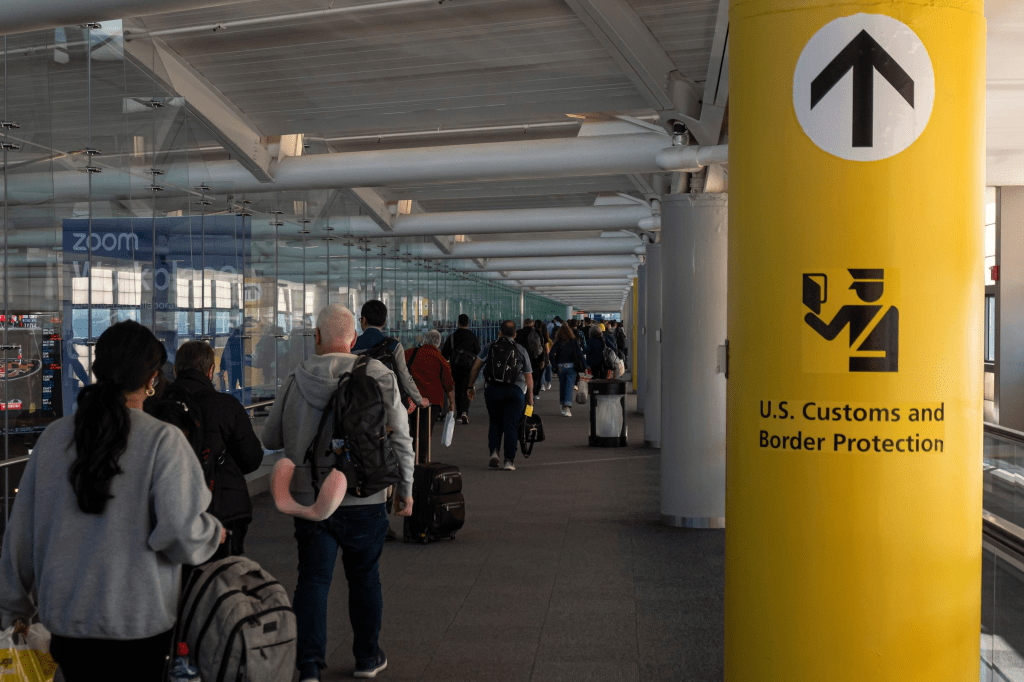
Several European countries have updated their travel guidance for citizens visiting the U.S., including recent guidance for transgender and nonbinary travelers.
It’s common for countries to issue travel advisories or warnings for things like crime levels, terrorism threats, current conflicts, health concerns or natural disasters.
The U.S. issues its own travel advisories for Americans traveling abroad, but a number of other countries are doing the same for the U.S. These new advisories come as the Trump administration is tightening U.S. borders, cracking down on undocumented migrants and implementing a new federal policy to recognize male and female, rather than gender identity, as the only legitimate sexes.
Canada, the United Kingdom and Germany have also updated their travel guidance for their citizens planning to travel to the United States after several tourists were detained by U.S. immigration authorities in recent months.
Travelers from many European countries and the U.K. can travel to the U.S. for business or tourism and stay for up to 90 days without a visa under the Department of Homeland Security’s Visa Waiver Program. But several travelers from countries within the program — like Canada, Germany, the U.K. and France — have been stopped and detained by U.S. immigration authorities within recent months.
Here’s what has transpired.
Nations with LGBTQ advisories for the U.S.
President Trump signed an executive order in January that says the federal government only recognizes two biological sexes: male and female. Per that order, a visitor applying for a visa or an Electronic System for Travel Authorization (ESTA) must declare their sex assigned at birth on the application forms.
European allies, including Denmark, Finland, Germany, Ireland, the Netherlands and Portugal, issued guidance that advises transgender and nonbinary travelers to contact the U.S. Embassy in their respective countries for more information on how to proceed if they wish to travel to the U.S.
Nations with other travel advisories for the U.S.
Canada
Recent tensions between the U.S. and Canada have risen over Trump’s trade war, not to mention his musings that he would make the northern ally the U.S.’s 51st state. Canada added new information under its U.S. travel advice page regarding the requirements for foreign nationals visiting for more than 30 days.
“Canadians and other foreign nationals visiting the United States for periods longer than 30 days must be registered with the United States Government. Failure to comply with the registration requirement could result in penalties, fines, and misdemeanor prosecution,” according to the Canadian government’s website.
The rule, enforced starting April 11, comes as part of an executive order signed by Trump, which requires all visitors staying for 30 days or longer to register with the U.S. government.
Germany
Last month, Germany updated its guidelines for its citizens looking to travel to the U.S. The European nation is investigating the cases of three of its citizens being denied entry and placed into detention by U.S. immigration authorities.
“Neither a valid [ESTA] authorization nor a valid U.S. visa constitutes a right to entry into the USA,” according to a translation of the German Foreign Office website. “The final decision regarding entry is made by the U.S. border official. It is recommended that you bring proof of your return journey (e.g., flight booking) upon entry.”
The office also warns of potential legal consequences. “Criminal records in the United States, false information about the purpose of their stay, or even a slight overstay of their visa upon entry or exit can lead to arrest, detention, and deportation.”
Two German nationals were detained in January as they were separately trying to cross the San Ysidro border between San Diego and Tijuana, Mexico, the New York Times reported. They have since returned to Germany with their cases resolved. A third remaining case involves a German national — who is a legal permanent U.S. resident who received a green card residency permit in 2008 — who was detained by ICE at Boston International Airport on March 7. He is now being held at the Wyatt Detention Center in Central Falls, R.I., NBC News reported.
The United Kingdom
The U.K. Foreign Office has updated guidance on its website in recent weeks for its citizens traveling to the U.S. It currently states, “You should comply with all entry, visa and other conditions of entry. The authorities in the U.S. set and enforce entry rules strictly. You may be liable to arrest or detention if you break the rules.”
Archived versions of the same website did not include potential legal consequences at the beginning of February and only stated, “The authorities in the U.S. set and enforce entry rules,” Reuters reported.
The Foreign, Commonwealth and Development Office did not explain the reason for the change.
The update comes around the same time a British tourist said she was held for more than two weeks in Washington state. Becky Burke, a 28-year-old from Wales, was backpacking through North America when she was allegedly denied entry into Canada on Feb. 26 “due to an incorrect visa,” according to a Facebook post by her father, Paul Burke. She was subsequently denied reentry into the U.S. and was detained at a facility in Tacoma, Wash.
Burke had stayed with a host family in Oregon, where she performed chores in exchange for food and lodging. She was told she violated her visa even though she was never paid. Travelers using a temporary visitor visa cannot accept work or employment in the country. Burke was repatriated back to the U.K. on March 18, according to U.S. Immigration and Customs Enforcement.
New Zealand
Last November, New Zealand updated its travel guidelines to the U.S. to “Exercise increased caution in the United States of America (US) due to the threat of terrorism (level 2 of 4).” The nation’s government travel website points to higher active shooter incidents and violent crime in the U.S. compared to New Zealand.
A New Hampshire man with a green card was detained by immigration officers at Logan Airport and is being held by U.S. Immigration and Customs Enforcement at the Donald W. Wyatt detention facility in Central Falls, Rhode Island.
Fabian Schmidt’s family said they are unsure of why he is being held. They said he has a recently renewed green card, and no active issues in court.
Schmidt had been visiting Luxembourg and flew back to the U.S. on Friday. His partner had gone to pick him up at Logan Airport, and waited four hours before calling authorities.
“It was just said that his green card was flagged,” said Astrid Senior, his mother. She said she didn’t hear from her son directly until Tuesday, when she learned he’d been hospitalized.
Senior described Schmidt being “violently interrogated” at Logan Airport for hours, and being stripped naked, put in a cold shower by two officials, and being put back onto a chair.
She said Schmidt told her immigration agents pressured him to give up his green card. She said he was placed on a mat in a bright room with other people at the airport, with little food or water, suffered sleep deprivation, and was denied access to his medication for anxiety and depression.
“He hardly got anything to drink. And then he wasn’t feeling very well and he collapsed,” said Senior.
He was transported by ambulance to Mass General Hospital. He didn’t know it at the time, but he also had influenza.
On Tuesday, Schmidt was transported to the regional headquarters for ICE in Burlington, Massachusetts, and then transferred to the Wyatt facility. The family, including his partner, who is a cardiologist in Nashua, have acquired attorneys and been working with the German consulate in hopes to have him released on bail.
Schmidt and his mother moved to the U.S. in 2007, and received green cards in 2008. He moved from California to New Hampshire in 2022.
Senior described her son as a hardworking electrical engineer with a partner and 8-year-old daughter who are both U.S. citizens.
“Fabian said to me that he feels he’s very fearful and is frightened,” said Senior.
Schmidt had a misdemeanor charge for having marijuana in his car in 2015, which his mother said was dismissed after laws changed in California around marijuana possession. He missed a hearing about the case in 2022 since a notice was never forwarded to his new address. Senior mentioned that Schmidt is successfully recovering from alcoholism, and had a DUI that he’s completely worked through and paid off from around ten years ago.
Can a green card holder be deported?
It’s a complicated question, but some protections exist.
Green cards grant foreign nationals the right to live and work in the U.S. as permanent residents. They’re valid for ten years and have to new renewed.
“Only the immigration judge can take away that green card. The Trump administration thinks that they can expand that and do some crazy things,” said Curtis Morrison, an immigration attorney in California with experience litigating against the Trump administration. “But the law as it is now — he needs to be able to appear before an immigration judge.”
The government has to initiate removal proceedings in immigration court, and an individual has the right to go before a judge to defend themselves and understand the government reasoning for the potential deportation.
“[It’s the] Immigration and Nationality Act — which describes different kinds of conduct or crimes that could trigger somebody with a green card being deported and put into court proceedings to have them deported,” said Gregory Chen, senior director of government relations for the American Immigration Lawyers Association.
The law doesn’t always require convictions for green card holders to be deported.
“There is a long list of behaviors, conduct and also crimes. If somebody’s been convicted of something that could make somebody deportable if they have a green card,” he said.
Chen hadn’t heard of other green card cases like Schmidt’s other than that of Palestinian and Syrian student activist Mahmoud Khalid in New York City, a green card holder who is currently detained due to his protest activity at Columbia University. In that case, attorneys are relying partially on First Amendment right of protest.
“We have seen a disturbing trend from the federal government to target people who have legal immigration status,” said Chen, including not just those who have green cards, but people with visas and varying legal statuses.
“Denying a green card holder admission on such a minor charge would be an extreme case, but it is possible under the law,” said Jaclyn Kelley-Widmer, immigration law professor at Cornell Law School of the pot possession charge and deportation.
The reasons a green card holder can be deported include many kinds of criminal convictions, even if those convictions are from a long time ago and even some very minor convictions. For marijuana convictions, a person is deportable unless the conviction is for possession of 30 grams or less of marijuana for one’s own use, she said. Otherwise, any controlled substances offense makes a green card holder deportable.
Pro LGBTQ protesters took to the streets of Berlin Germany to march in support of left wing political parties that support LGBTQ rights and safety, ahead of the German Bundestag elections that will be held on February 23, 2025.
The centrist party Central Democrats hold a lead in the polls, however gains have been made by the far right party Alternative for Germany. The ruling central left party Social Democrats have lost 12 points since the last election and are currently polling 3rd.
Digital nomads are always seeking out new destinations that offer an ideal mix of affordability, high quality of life, convenient time zones, and reliable tech infrastructure.
While Lisbon has been a popular choice for international remote workers in recent years, this influx has contributed to rising rent prices. Additionally, some of the initiatives that initially attracted digital nomads are being rolled back by Portuguese authorities, such as the termination of the non-habitual tax residence (NHR) program.
With these changes, digital nomads are on the hunt for the next hot spot.
Abteilungsleiter Obst & Gemüse (m/w/d), REWE Deutscher Supermarkt, Schwerin
Account Manager (f/d/m), Leica Biosystems, Dulmen
New Destinations for Tech Workers
In March, New Zealand’s Trade & Enterprise, a government agency, released a report titled Tech Jobs in Europe. Originally aimed at helping New Zealand exporters understand top and emerging tech hubs across Europe, the report offers valuable insights for remote workers looking for their next destination. Although the data primarily comes from secondary sources, providing more general trends than definitive conclusions, it still offers a useful guide for digital nomads.
For most European cities, internet quality and time zone compatibility with European jobs are solid. That narrows the focus to two key considerations: quality of life and cost of living—both of which are analyzed in the report.
The report’s cost of living index compares the prices of consumer goods, such as groceries, dining, transportation, and utilities, relative to New York City. Meanwhile, the quality of life index considers factors like purchasing power, pollution levels, housing affordability, safety, healthcare quality, commute times, and climate conditions to estimate overall quality of life.
Spain
Spain emerges as an attractive option for digital nomads, offering the lowest cost of living index among the countries studied, paired with the third-highest quality of life index, and, of course, abundant sunshine. The report highlights several Spanish cities, including Bilbao, Barcelona, Madrid, and Valencia.
Barcelona, known for its dynamic start-up scene and vibrant nightlife, has long been a favorite among digital nomads. However, its struggles with over-tourism have been well-documented, and expats may not always receive the warmest welcome.
Valencia is quickly becoming a favorite among remote workers. This coastal city offers a more affordable cost of living compared to Barcelona or Madrid, yet still boasts excellent infrastructure and a high quality of life. With its stunning beaches and rich cultural heritage, Valencia is the perfect place for those who prioritize work-life balance.
For those who want to immerse themselves in Spanish culture and experience a vibrant nightlife, Madrid is the place to be. The city is a hub for the tech industry and has introduced a Start-up Law aimed at attracting entrepreneurs. This law also grants remote workers and freelancers from outside the European Union the right to stay in Spain for an initial period of one year, making Madrid an attractive option.
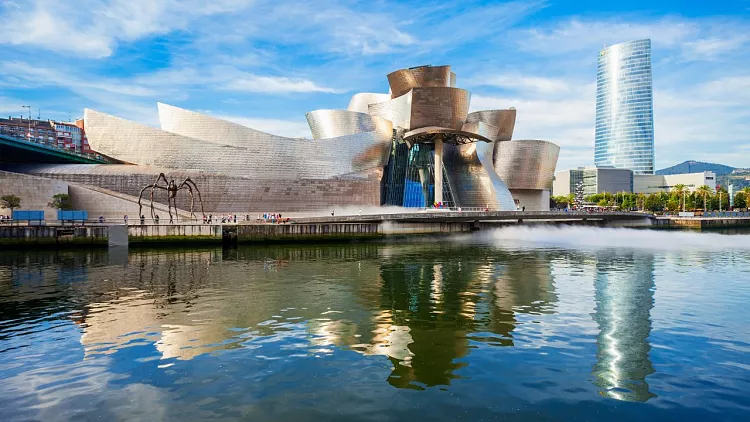
Up north, Bilbao offers a unique experience with its blend of traditional Basque culture and incredible cuisine. It’s an ideal destination for those looking for a more authentic and less touristy experience.
Sweden
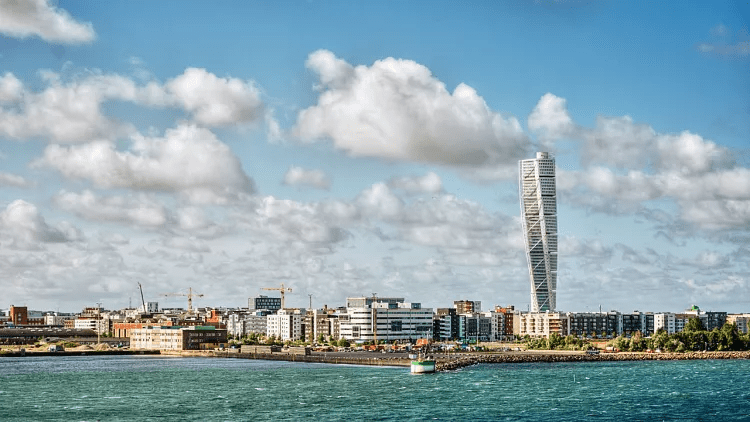
Sweden stands out in both the cost of living and quality of life indexes, making it a compelling choice for digital nomads who are comfortable with the northern climate. The report highlights Malmö and Stockholm as key cities for tech and innovation, offering a dynamic environment for remote workers.
Stockholm has established itself as a major tech hub, with success stories like Spotify and Klarna originating from the city. It’s a magnet for those in the tech industry, offering a dynamic environment and ample opportunities.
However, Malmö is gaining attention as well. Just a short train ride from Copenhagen, Malmö provides a more affordable alternative to Stockholm while still offering a vibrant tech community and an excellent quality of life.
Italy
Who hasn’t been tempted by those enticing ads offering historic buildings in rural Italy for almost nothing?
Unfortunately, high-quality internet isn’t always a given in those rural areas. The New Zealand report, therefore, focuses on Milan, Turin, and Rome. These cities offer a relatively low cost of living, a moderate quality of life, and reliable internet speeds, making them more suitable for digital nomads.
While Rome’s historic charm is hard to resist, Milan is emerging as Italy’s top tech and business destination. Known for its fashion and design heritage, Milan is now also home to a growing start-up scene, with companies like Scalapay, a payment solution that lets customers make purchases in three interest-free installments, leading the charge.
Turin, often overlooked by tourists, is another Italian city worth considering. Known for its innovation, particularly in the automotive industry with brands like Fiat, Alfa Romeo, and New Holland, Turin is now undergoing significant urban and industrial redevelopment. The city is positioning itself as a strategic center for excellence in the aerospace industry.
The Netherlands
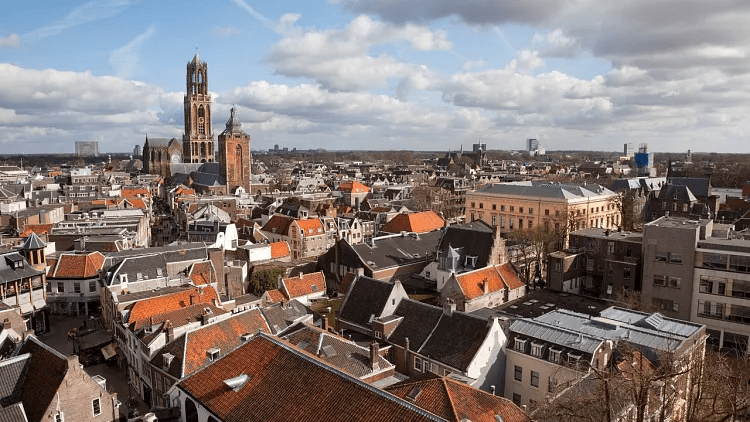
The Netherlands boasts the highest quality of life index among the countries examined. While the cost of living is moderate, the overall appeal of the country remains strong for digital nomads. The report highlights cities such as Amsterdam, Utrecht, The Hague, and Rotterdam.
Amsterdam, with its iconic canals and progressive culture, has long been a favorite among tech workers. However, as housing prices in the capital continue to rise, other Dutch cities like Utrecht, The Hague, and Rotterdam are becoming increasingly attractive alternatives.
Utrecht, with its large student population and central location, provides a more relaxed alternative for digital nomads seeking a laid-back atmosphere. The Hague, renowned for its international organizations and stunning beaches, is particularly appealing to those in law, policy, or international relations.
Rotterdam, famous for its bustling port and ambitious plans to become Europe’s largest green hydrogen hub, is also gaining popularity. The city is known for its founder-led communities, a high concentration of start-ups, numerous incubators, and an abundance of coworking spaces, making it an attractive destination for entrepreneurs.
Germany
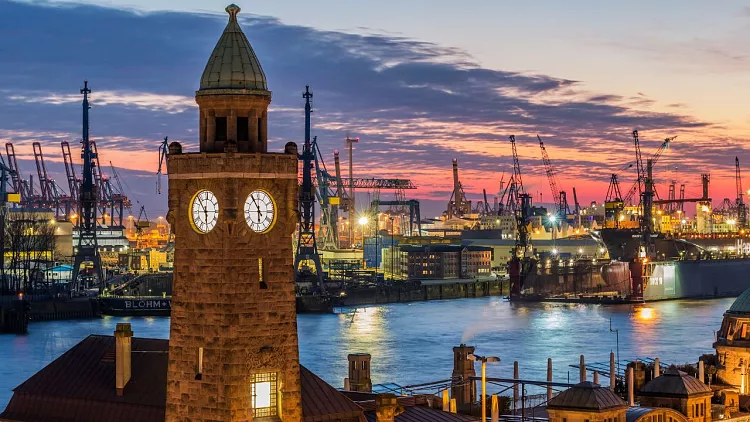
Germany strikes a good balance between cost of living and quality of life, making it an appealing choice for digital nomads. The report highlights Hamburg, Berlin, and Munich as key cities.
Berlin has long been a hotspot for digital nomads, celebrated for its affordable living costs and its vibrant arts and techno scene. However, as Berlin’s popularity grows, so do its living expenses, prompting many to explore other German cities.
Hamburg, with its rich maritime history, offers a unique flavor of German city life. The city is home to the carbon-neutral energy systems provider and unicorn 1KOMMA5°, along with several innovative and high-profile tech companies in biotech, health tech, and fintech sectors.
3 More Jobs to Apply for This Week:
Senior Project Manager (m/f/d), Cytiva, Darmstadt
Regional Sales Manager Germany Central (f/m/d), Beckman Coulter, Diagnostics, Frankfurt
Frontend Developer, Jobbio, Dublin / Remote
Munich, though more expensive, makes up for it with a high quality of life, close proximity to the Alps, and a robust job market. Known traditionally for its engineering prowess, Munich is now shifting its focus towards software engineering, with 11% of Germany’s total start-ups located in the city.
Discover why digital nomads are flocking to this stunning German city. From a rich history to a thriving culture, it has it all.
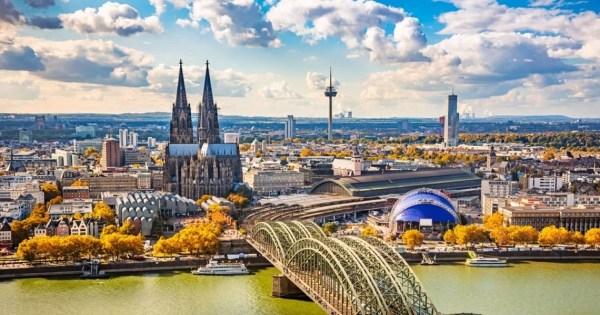
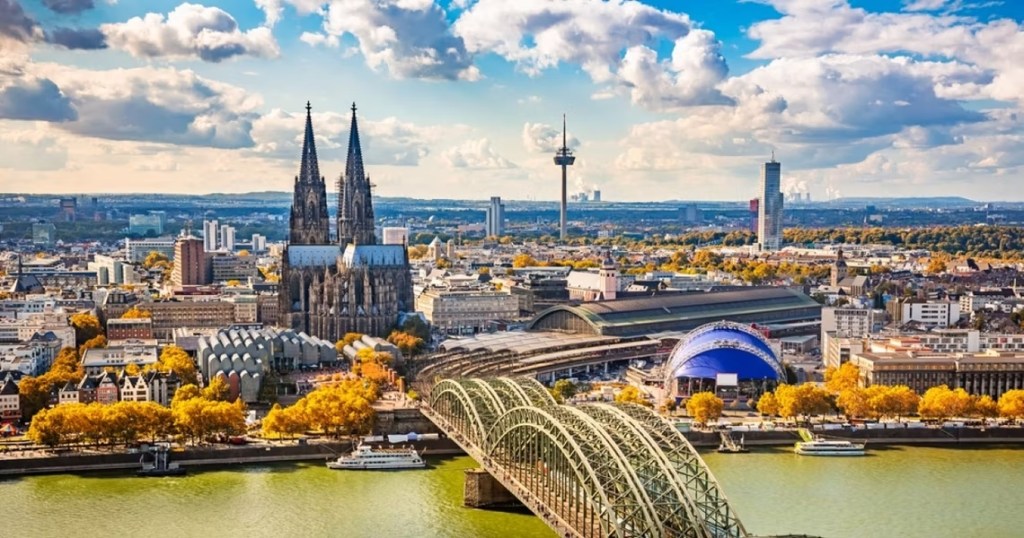
This is Cologne, Germany, a city endowed with a charm that transcends the ages, a city that stands tall as an irresistible destination for those who dance on the fine line between labor and adventure. Cologne also plays host to one of the largest cathedrals in Europe.
It is a place where the spirit of ancient legends and sagas lingers and where modernity dances in loving synchrony with age-old traditions.
As one strolls along the historic lanes, a whispered chorus of tales gone by serenades them, and it’s as though Cologne itself whispers, “Here, every stone has a story.”
Note
In the world of travel and adventure, there’s a city that stands out, cradled along the meandering banks of the Rhine River, nestled deep within the very heart of Europe. It is a city that extends a unique siren call to those intrepid souls known as digital nomads, a call laden with the promise of a great blend of history, culture, and modernity.
This is Cologne, Germany, a city endowed with a charm that transcends the ages, a city that stands tall as an irresistible destination for those who dance on the fine line between labor and adventure. Cologne also plays host to one of the largest cathedrals in Europe.
It is a place where the spirit of ancient legends and sagas lingers and where modernity dances in loving synchrony with age-old traditions.
As one strolls along the historic lanes, a whispered chorus of tales gone by serenades them, and it’s as though Cologne itself whispers, “Here, every stone has a story.”
Summary
Cologne, Germany is a city that blends history, culture, and modernity, making it an irresistible destination for digital nomads.
The city’s rich history is evident in its Roman remnants and iconic Gothic cathedral, which narrate tales of the past.
Cologne offers digital nomads a flourishing community, affordable cost of living, delicious local cuisine, and excellent transportation links, making it a welcoming and vibrant place to work and explore.









 fleeredstates.blog
You must be logged in to post a comment.