Bipartisan House coalition demands RFK Jr. reverse Trump’s plan to end LGBTQ+ suicide prevention hotline

*This is reported by The Advocate.

A bipartisan group of U.S. House lawmakers is urging Health and Human Services Secretary Robert F. Kennedy Jr. to block the Trump administration’s plan to eliminate the LGBTQ+ youth services within the 988 Suicide & Crisis Lifeline—an emergency support network that has served more than 1.3 million contacts since its full implementation in 2023.

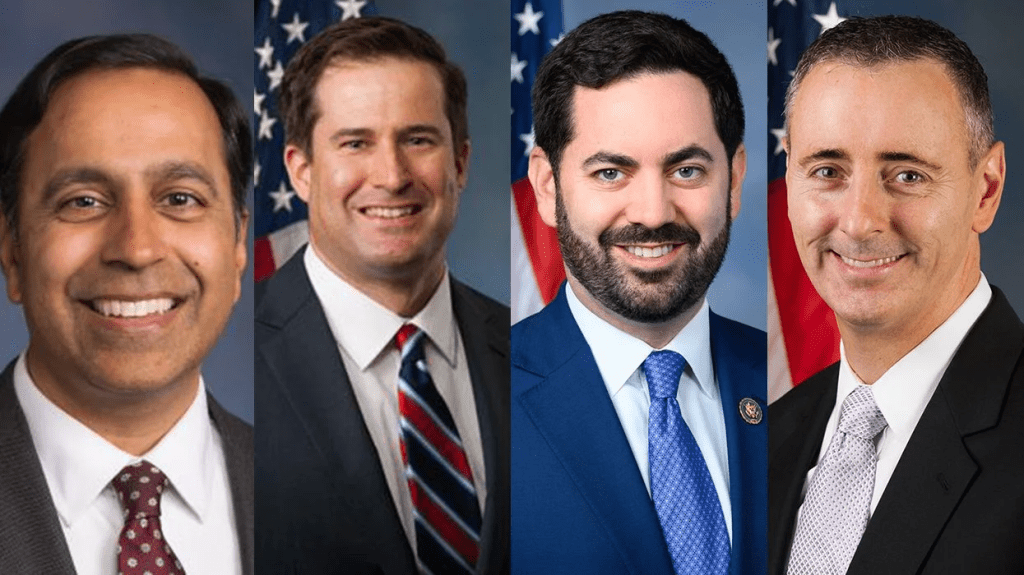
The Wednesday letter, signed by Reps. Raja Krishnamoorthi, a Democrat from IllinoisNew York Republican Michael Lawler, Massachusetts Democrat Seth Moulton, and Brian Fitzpatrick, a Republican from Pennsylvania, calls on Kennedy to stop a 30-day phaseout announced by the Substance Abuse and Mental Health Services Administration on June 17. According to internal agency guidance, the LGBTQ+-specific branch of the hotline, which allows callers to “press 3” to connect with affirming counselors, is set to be dismantled by July 17, according to SAMHSA.

“This is not some kind of hotline set by a liberal Democratic administration,” Krishnamoorthi said in an interview with The Advocate Thursday morning. “It was actually signed into law by President Trump. Various Republicans in the Senate and the House supported it.”

Since the line became fully operational in 2023, he noted, “it has received an astonishing 1.3 million calls, texts, and other forms of communication” and was “averaging 2,900 contacts every day” as recently as February.

Krishnamoorthi, who serves as a ranking member of the House Oversight Subcommittee on Health Care and Financial Services, raised the issue sharply during a Wednesday hearing on diversity, equity, and inclusion policy rollbacks. “In the name of expunging DEI, the Trump administration has lurched from the farcical to the cruel,” he said, highlighting the crisis line’s termination as an especially harmful example. “These actions are wrong, but do not compete in cruelty with the ending of a suicide hotline for LGBTQ youth.”

The LGBTQ+ subnetwork of 988 was developed under a bipartisan mandate to offer tailored support to high-risk groups, much like the veteran-specific track within the program. In addition to young people, it has provided critical services to adults experiencing distress related to anti-LGBTQ+ violence, legislation, and rejection.

At the hearing, Krishnamoorthi pressed conservative legal activist Daniel Lennington on whether he disputed Centers for Disease Control and Prevention data from the Trump administration showing LGBTQ+ youth face significantly higher suicide risk. Lennington replied he was “not aware of anything to do with the suicide hotline,” prompting Krishnamoorthi to respond, “That’s the problem—a lack of awareness.”

Krishnamoorthi told The Advocate that the decision to eliminate the program was driven by the Trump administration’s broader campaign against diversity and inclusion initiatives. “Eliminating this lifeline is cruelty because you are essentially discontinuing a service that saves lives,” he said. “In the name of fighting DEI, they’re going to cause a lot of young people to DIE.”

Krishnamoorthi warned that “especially now, during a time when the LGBTQ+ community at large feels tremendous pressure,” the need for the hotline may be “much higher than it was before.”

Krishnamoorthi emphasized the rare bipartisan nature of the letter to Kennedy. “It’s hard to get bipartisan letters, let alone legislation, on topics involving the LGBTQ+ community,” he said. “But this one touches a nerve. I think that young people, whoever they are, still occupy a soft corner in people’s hearts regardless of ideology.”

The Trump administration’s move, first reported in The Advocate in April, was confirmed in the FY2026 budget released during WorldPride in Washington, D.C. Mental health advocates and LGBTQ+ organizations have condemned the proposal as reckless and dangerous.

Mark Henson of The Trevor Project previously told The Advocate the 988 LGBTQ+ subnetwork is “a vital tool” that serves more than 60,000 young people each month. Without it, advocates warn, those calls may go unanswered—or be routed to general crisis lines lacking LGBTQ+ expertise.

In response to a question about his message to young LGBTQ+ people, Krishnamoorthi said he’s met with young people and their parents and understands their pain. “We’ve got to band together at the state level, at the local level to protect whatever rights we can. We must continue to fight for change in the future,” he said.

Krishmamoorthi added, “If we can rally around a group of people, it would be our young people.”

If you or someone you know needs mental health resources and support, please call, text, or chat with the 988 Suicide & Crisis Lifeline or visit 988lifeline.org for 24/7 access to free and confidential services. Trans Lifeline, designed for transgender or gender-nonconforming people, can be reached at (877) 565-8860. The lifeline also provides resources to help with other crises, such as domestic violence situations. The Trevor Project Lifeline, services at TheTrevorProject.org/Help or text START to 678678.

SCOTUS Protects Affordable Access to PrEP

*This is a release by HRC.

Today (June 27, 2025), the U.S. Supreme Court upheld the constitutionality of the United States Preventive Services Task Force (USPSTF) membership structure and its recommendations for preventive services made after passage of the Affordable Care Act (ACA) in March 2010. 

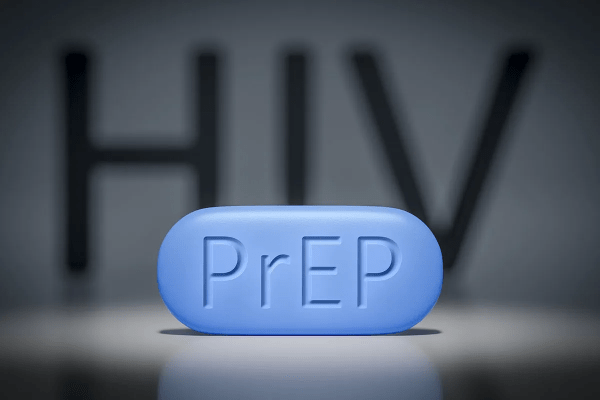
These services—including the HIV prevention medicine PrEP, breast cancer screenings, depression screenings, Hepatitis B and C and other STI counseling and screenings—must be covered by nearly all private insurance plans at no cost to enrollees as mandated by the ACA. This decision in Kennedy v. Braidwood overturns a portion of the Fifth Circuit’s ruling and will have numerous benefits for Americans nationwide, including the LGBTQ+ community who disproportionately rely on PrEP, which when taken as prescribed, reduces the chance of HIV transmission by close to 100%.

Human Rights Campaign’s President Kelley Robinson released the following statement:

“This decision means millions of Americans, for now, can breathe easier, knowing that critical preventive care remains within reach—not a luxury reserved for the privileged few. The LGBTQ+ community has historically faced societal and economic barriers that have worsened health outcomes and widened gaps in healthcare inequality–barriers that have only grown worse as anti-equality lawmakers continue to attack our healthcare. While we’re pleased that the Supreme Court has blocked this attempt to create even more burdens on people seeking lifesaving care, we must remain vigilant. The HHS, under Secretary Robert F. Kennedy Jr, has exhibited an open hostility toward the health needs of LGTBQ+ people and has already undermined critical protections against HIV. We must continue to work to ensure everyone, no matter your sexual orientation, gender identity, race, income or location, can access the care they need to thrive.” 

British Columbia Offers Fast-Track Immigration for U.S. Nurses

*This is reported by Immigcanada.org

Healthcare professionals in the United States now have a faster and easier path to work in British Columbia. If you’re a U.S.-trained nurse looking for meaningful work and a stable healthcare system, B.C. just made the move more attractive than ever.

In 2025, the province launched a streamlined credential recognition process, slashing wait times from months to mere days. The result? A massive 127% surge in applications from U.S. nurses. This isn’t just policy on paper, it’s creating real change for health professionals and Canadian patients alike.

If you’ve ever considered working in Canada as a nurse, there has never been a better time.

Why B.C. Is a Top Destination for U.S. Nurses

British Columbia offers more than beautiful landscapes and mild winters. It provides a public healthcare system that values stability, team-based care, and inclusivity, qualities many U.S. nurses now actively seek.

Here’s what makes B.C. stand out:

  • Fast-Track Registration: Nurses can now register with the BC College of Nurses and Midwives in a matter of days.
  • No Third-Party Delays: The new process removes the need for lengthy third-party credential assessments.
  • Direct Database Access: Regulators can now verify your education, employment, and exam history directly.
  • Supportive Relocation Help: Health Match BC provides free personalized guidance through the entire process.

See also Canada’s Rising Reliance on Low-Wage Migrant Workers

This combination of speed, support, and stability is why over 1,200 healthcare professionals from the U.S., including 413 nurses, have already shown interest.

How the New System Works

Instead of going through multiple layers of red tape, U.S. nurses can now apply directly to the college. B.C.’s healthcare authorities work closely with American regulators to confirm your credentials using shared systems.

This efficient model is designed not only to bring in talent faster but also to ensure quality and safety remain intact. The ultimate goal? More boots on the ground in critical care areas such as cancer treatment, emergency departments, and rural clinics.

Here’s a quick comparison:

Process StepOld SystemNew System
Registration Timeline3–4 monthsFew days
Third-party AssessmentRequiredEliminated
Credential VerificationManualAutomated via database
Support for ApplicantsLimitedFull support via Health Match BC

Real Opportunities for Real People

Whether you’re from Washington, Oregon, or California, B.C. wants you. A major recruitment campaign is launching soon in these states, targeting areas where interest is already high.

See also Canada Expands International Experience Canada Program for Japanese Youth

This isn’t just about filling vacancies. It’s about building a better healthcare system, one that supports team-based care and is culturally aware, inclusive, and patient-first.

Take the new Victoria Primary Care Network Allied Health Centre as an example. Here, nurses, physicians, social workers, and Indigenous wellness providers work side by side to offer complete care. It’s the kind of environment many nurses dream of but struggle to find in the U.S.

Who Is Eligible to Apply?

To qualify for this fast-tracked process, U.S. nurses need:

  • Proof of nursing education from an accredited U.S. institution
  • Active nursing license in good standing
  • No disciplinary action on record
  • Willingness to live and work in British Columbia

Want to check your eligibility? Book a consultation with RCIC through ImmigCanada and speak with a licensed expert who can guide you every step of the way.

See also PEI Seeks Public Input on Next Phase of Temporary Foreign Worker Protection Act

Why More U.S. Nurses Are Moving North

Besides the improved process, many American healthcare professionals are leaving behind the U.S. system for reasons like:

  • Political uncertainty affecting healthcare rights
  • Rising health insurance costs
  • Limited access to team-based care in underfunded facilities

British Columbia offers a safe, stable, and inclusive alternative. Plus, with competitive salaries, government support, and fast registration, it’s not just an option, it’s a smart move.

Ready to Start Your New Life in Canada?

If you’re a qualified nurse in the U.S. and looking for a rewarding career shift, this is your chance. British Columbia is actively welcoming U.S. nurses with open arms and an efficient path to employment.

B.C. Offers Fast-Track Immigration for U.S. Nurses Canada is calling, and British Columbia is leading the way with fast-track immigration for U.S. nurses. With high demand, faster registration, and full relocation support, now is the time to make your move. Contact ImmigCanada to book a consultation with RCIC and take the first step toward a secure and rewarding future in Canadian healthcare.

US supreme court upholds Tennessee ban on youth gender-affirming care

*This is reported by The Guardian

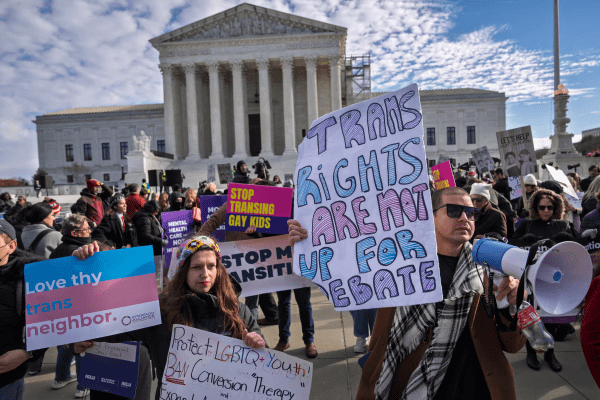
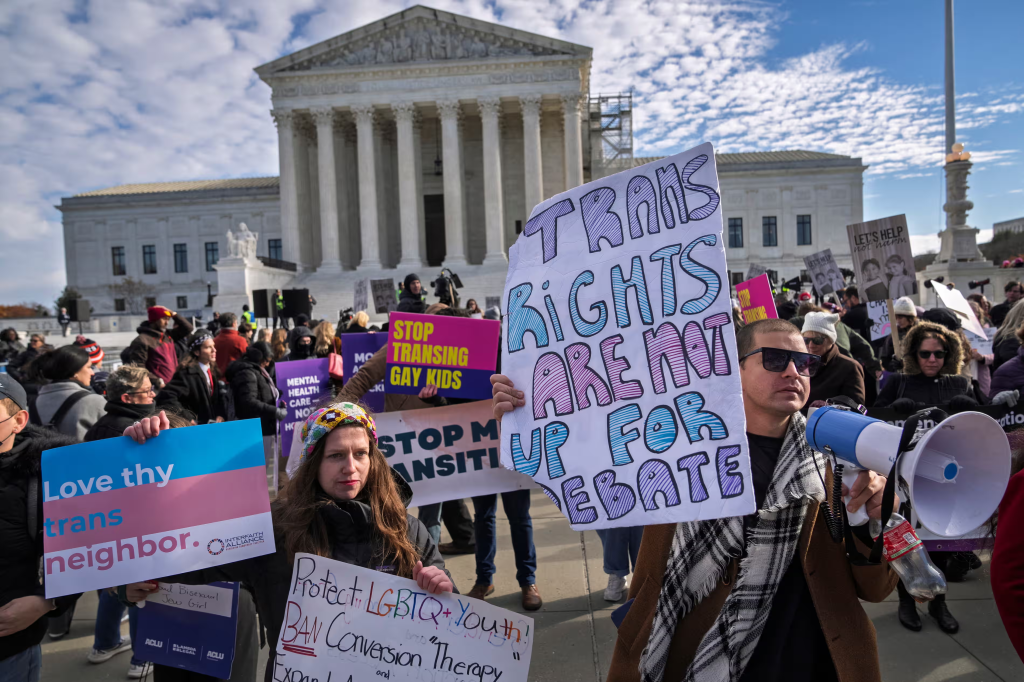
A Tennessee state law banning gender-affirming care for minors can stand, the US supreme court has ruled, a devastating loss for trans rights supporters in a case that could set a precedent for dozens of other lawsuits involving the rights of transgender children.

The case, United States v Skrmetti, was filed last year by three families of trans children and a provider of gender-affirming care. In oral arguments, the plaintiffs – as well as the US government, then helmed by Joe Biden – argued that Tennessee’s law constituted sex-based discrimination and thus violated the equal protection clause of the 14th amendment. Under Tennessee’s law, someone assigned female at birth could not be prescribed testosterone, but someone assigned male at birth could receive those drugs.

Tennessee, meanwhile, has argued that the ban is necessary to protect children from what it termed “experimental” medical treatment. During arguments, the conservative justices seemed sympathetic to that concern, although every major medical and mental health organization in the US has found that gender-affirming care can be evidence-based and medically necessary. These groups also oppose political bans on such care.

All six of the supreme court’s conservative justices joined in at least part of the decision to uphold the law, although several also wrote their own concurring opinions. In his majority decision, Chief Justice John Roberts emphasized that the ruling primarily rested on the justices’ finding that the law did not violate the equal protection clause, rather than on an ideological opposition to trans rights.

“This case carries with it the weight of fierce scientific and policy debates about the safety, efficacy and propriety of medical treatments in an evolving field. The voices in these debates raise sincere concerns; the implications for all are profound,” Roberts wrote. He added: “We leave questions regarding its policy to the people, their elected representatives, and the democratic process.”

In recent years, the question of transgender children and their rights has consumed an outsized amount of rightwing political discourse. Since 2021, 26 states have passed bans on gender-affirming care for minors, affecting nearly 40% of trans youth in the US. Twenty-six states have also outlawed trans kids from playing on sports teams that correspond with their gender identity.

Many of these restrictions have been paused by court challenges, but the supreme court’s decision could have vast implications for those lawsuits’ futures. A study by the Trevor Project, a mental health non-profit that aims to help LGBTQ+ kids, found that anti-trans laws are linked to a 72% increase of suicide attempts among trans and nonbinary youth.

Justice Sonia Sotomayor dissented from the majority opinion, alongside Justices Ketanji Brown Jackson and Elena Kagan. Because the law discriminates on the basis of sex, Sotomayor argued in her dissent, it should face higher legal scrutiny than the majority decided to give it.

“Male (but not female) adolescents can receive medicines that help them look like boys, and female (but not male) adolescents can receive medicines that help them look like girls,” Sotomayor wrote. “By retreating from meaningful judicial review exactly where it matters most, the Court abandons transgender children and their families to political whims. In sadness, I dissent.”

Trump Administration Orders Termination of National LGBTQ+ Youth Suicide Lifeline, Effective July 17th

*This is reported by The Trevor Project

The Trevor Project received official notice yesterday that the Substance Abuse and Mental Health Services Administration (SAMHSA) is initiating the closure of the 988 Suicide & Crisis Lifeline’s LGBTQ+ Youth Specialized Services program within 30 days, effective July 17, 2025.

Jaymes Black, CEO of The Trevor Project, released the following statement in response:

“We received official notice that the Trump administration has ordered the closure of The 988 Suicide & Crisis Lifeline’s LGBTQ+ Youth Specialized Services program, effective July 17, 2025. This means that, in 30 short days, this program that has provided life-saving services to more than 1.3 million LGBTQ+ young people will no longer be available for those who need it.

“This is devastating, to say the least. Suicide prevention is about people, not politics. The administration’s decision to remove a bipartisan, evidence-based service that has effectively supported a high-risk group of young people through their darkest moments is incomprehensible. The fact that this news comes to us halfway through Pride Month is callous – as is the administration’s choice to remove the ‘T’ from the acronym ‘LGBTQ+’ in their announcement. Transgender people can never, and will never, be erased.

“Congress can still act to reverse this fatal decision. We are asking everyone to join the overwhelming public support for evidence-based crisis services, and urge Congress to act. Learn more by visiting TheTrevorProject.org/ActNow.

“I want every LGBTQ+ young person to know that you are worthy, you are loved, and you belong – despite this heartbreaking news. The Trevor Project’s crisis counselors are here for you 24/7, just as we always have been, to help you navigate anything you might be feeling right now.”

In September 2022, The Trevor Project began providing its best-practice crisis services to LGBTQ+ youth through the 988 Lifeline. When individuals contact the 988 via phone, text, or chat, they are given the option to “press 3” or “reply PRIDE” to be connected with counselors trained specifically to assist LGBTQ+ contacts up to age 25. Initially, The Trevor Project served as the sole provider for the pilot phase of 988 LGBTQ+ youth specialized services, before transitioning to serve as one of seven centers that currently make up the LGBTQ+ Youth Subnetwork.

The Trevor Project serves nearly 50% of the LGBTQ+ youth specialized services’ contact volume. In 2024 alone, The Trevor Project directly served more than 231,000 crisis contacts, and trained and supported nearly 250 crisis counselors and operational support staff to support the 988 Lifeline. Previously, the LGBTQ+ Youth Subnetwork received up to $50 million in restricted federal funds to provide these life-saving services.

The Trevor Project’s supporters in the House and Senate advocated for the continued funding for these life-saving programs. The organization launched a petition to demand lawmakers protect LGBTQ+ youth and an Emergency Lifeline fundraising campaign. On June 2, 2025, more than 100 entertainment icons – across film, music, TV, sports, theater, comedy, fashion, culinary arts, and book publishing – joined The Trevor Project’s sign-on letter to protect federal funding for LGBTQ+ youth suicide prevention.

If you or someone you know needs help or support, The Trevor Project’s trained crisis counselors are available 24/7 at 1-866-488-7386, via chat at TheTrevorProject.org/Get-Help, or by texting START to 678678.

Gavin Newsom cut LGBTQ+ health funding. The CA legislature is set to restore $40 million

*This is reported by The Advocate.

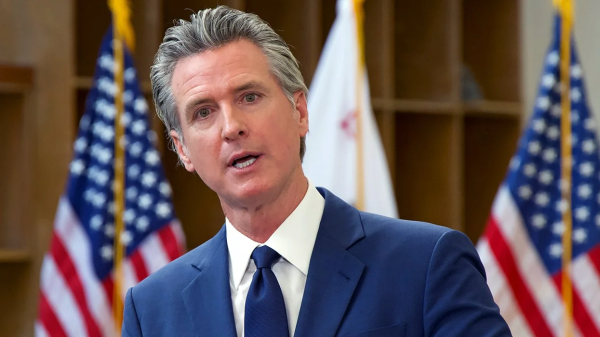
The California legislature is expected to restore $40 million in the state budget for LGBTQ+ health programs that was cut by Democratic Gov. Gavin Newsom.

Lawmakers are set to approve their revisions to the governor’s budget today, according to the Bay Area Reporter, which will restore funding for the California Department of Public Health’s Office of Health Equity (OHE). Newsom had eliminated the funds in his revised budget proposal released last month, drawing heavy condemnation from both lawmakers and LGBTQ+ groups.

The office funds several programs for LGBTQ+ youth, women, and transgender people through its Gender Health Equity Section (GHES), which is “dedicated to eliminating systemic bias that impacts health outcomes based on gender, gender identity, and sexual orientation.” In pausing funds, the governor also paused enrollment for undocumented adults in state healthcare programs.

The Los Angeles LGBT Center, which has been a recipient of some of the funds, including $1.9 million in 2022 for its Audre Lorde Health Program, sharply criticized Newsom’s proposed budget. CEO Joe Hollendoner said in a statement that the cuts were “a betrayal of queer and trans Californians.”

“Let’s be clear: balancing the state budget on the backs of vulnerable queer communities is a moral failure,” he said. “In cutting this funding, Governor Newsom has chosen to sacrifice the health and dignity of those already navigating intersecting barriers of misogyny, racism, transphobia, and xenophobia — including undocumented LGBTQ+ people. These cuts, along with the pausing of enrollment for adult undocumented Californians, are a clear attack on our healthcare system and the people who depend on it.”

The governor must still approve the legislature’s revisions to the state budget, which has has until June 30 to sign into law. Newsom, who is set to negotiate with lawmakers over the next few days, has not indicated whether or not he will agree to leave the funds.

LGBTQ nursing home bill passes in Connecticut

*This is reported by the Hartford Courant

The fear includes having to hide who you are, if you become ill, or as you age in Connecticut.

Now, the state Senate passed legislation in a 26-10 vote that prohibits long-term care facilities and their staff from discriminating against residents including those in the LGBTQ+ community and also requires cultural competency training focused on residents who identify as lesbian, gay, bisexual, transgender or gender nonconforming or are living with HIV.

“This bill is part of our ongoing efforts to ensure that Connecticut remains a place where seniors feel safe and respected as they age,” said Sen. Jan Hochadel, D-Meriden in a statement. “No one should fear being treated differently or unfairly based on who they are. This law will send a clear message that everyone in Connecticut deserves dignity and compassion in their later years.”

Several Republicans cited concerns with the bill, particularly about how cases of discrimination would be adjudicated, with Sen. Rob Sampson, R-Wolcott, proposing an amendment to remove the DPH from the bill in being the final arbitrator of the penalties of facilities.

That amendment failed along party lines.

“The language that is included in here has an intent to politicize the notion of discrimination, almost like a DEI bill frankly,” said Sen. Rob Sampson R-Wolcott.

“Almost in an effort to try to dig us into the discussion about DEI once again and frankly I don’t want to go there. I am just as much against discrimination as anyone else is but to try and go ahead and create these training materials that will ultimately force people that work in these institutions to have to accommodate other people’s worldviews I think is offensive frankly,” he said. “The desire to impose penalties on facilities and maybe individuals because they participate in a training where they are exposed to different worldviews they disagree with and have them imposed upon them and adjust and respond to a woke understanding of the world is quite frightening frankly.”

Sen. John Kissel, R- Enfield, also spoke against the bill and his disappointment that the amendment failed.

“I have great concern when we turn too much power over to a commissioner,” he said. “We do not want discrimination. I got to be honest if I am dealing with some 85-year old woman that is in frail health and if she feels uncomfortable in a room because someone next to her is having a lifestyle choice that impedes and interferes with her quality of life, that is an interesting question. By this underlying bill we are saying we are always going to side with the person that is being overly expressive in asserting themselves in their sexual determinations.”

One couple hoping for the bill’s passage is Janet Peck and her wife, Carol Conklin. The couple faces a tough transition as they consider long-term care facilities for Conklin, who was diagnosed with Alzheimer’s.

Peck said she is concerned that the couple, who celebrate 50 years together this September, will no longer be able to live openly, fearing discrimination at a long-term facility after hearing stories from friends in such facilities.

“We have never lived in the closet and we do not ever intend to and it would be pretty awful if (Carol) would have to feel she would have to do that and if I visit her that we would feel like we would have to hide that we are together,” she said.

But Peck said she has hopes for HB 6913.

“I think this bill helps to ensure that at least there is training for staff about LGBTQ+ cultural issues,” she said. “I think the biggest concern is that we would not be comfortable if staff is not trained. We would not be comfortable to be out.”

While transitioning Conklin to a long-term care facility is not immediate, Peck said it is not far fetched as she was diagnosed with cancer.

“Although I am doing well and hope to continue, it may be contrary to what we have been planning for if she outlives me,” she said. “My dying wish is that Carol would be able to get the care that she is due like anyone else and that people would understand that she is a lesbian and that she be treated respectfully.”

HB 6913 passed the House 124-19 on May 8 after the adoption of a bipartisan amendment negotiated by Rep. Steve Stafstrom, D-Bridgeport, co-chair of the Judiciary Committee. The amendment struck a provision stating a transgender patient has a right not to be refused a room due to gender identity and to not be forcibly transferred.

Peck said she was disappointed that the bill “got rid of the rights of trans people.”

Rep. MJ Shannon, D-Milford, a 24-year-old gay man, said during the debate on the bill in the House, another change included is that it broadly refers to prohibiting discrimination against anyone, not just those in the LGBTQ+ community as the bill was originally written.

“The biggest pushback was (questioning) why this certain group gets to have a special law made for them,” Shannon said, explaining that lawmakers could not get over that hump so they revised the language to include everyone.

Shannon said the bill is crucial, especially the training component. He said he has also heard about discrimination of LGBTQ+ individuals in long-term care facilities from Mairead Painter, the state’s long-term care ombudsman.

“As a young gay person I know that these folks in these facilities have literally been fighting their entire lives for equal rights and equal opportunities for themselves and now that they are at the end of their life they should be able to be an old person and be in a nursing home,” he said. “They are facing discrimination just because of who they are and that is just not right.”

Shannon continued: “It is important that our LGBTQ+ elders or anyone living in these homes be treated with the respect and dignity they deserve and they age the rest of their lives gracefully and without fear of anything.”

Painter told the Courant that the state’s long-term care ombudsman’s office was looking to see this bill passed in order to ensure that “individuals receiving long-term services and supports know that in a very forward way their rights will be protected if they are in these settings.

“We really want to see them have the opportunity to live their best life and be their authentic self,” she said.

Painter said her office has seen some cases related to discrimination, harassment and isolation faced by LGBTQ+ residents within skilled nursing facilities.

“We have not seen an increase in these cases but just the fact that they have come up and part of it is a lack of awareness on some individuals’ part,” she said. “With education, outreach and by ensuring that people know that they have these rights and are protected, we are hoping as a package all around it will support the ability for everyone to live a high-quality life with respect and dignity in a long-term care setting.”

She added that surrounding states have passed similar bills.

Matt Blinstrubas, executive director of Equality CT, cited nationwide reports of incidents of discrimination against LGBTQ+ individuals in skilled nursing facilities including incidents of isolation, shunning and misgendering of people.

“I have talked to couples who have had to go back in the closet effectively and are worried about what happens when one partner is in a facility and the other is visiting,” he said. “I have heard reports of trans folks being isolated by other residents and staff and I think in one case somebody actually left Connecticut and moved to a facility in New York City as a result of this. It is also a huge concern for same-sex couples where one partner needs to enter long-term care and (fear of discrimination) makes that decision difficult and complicated. There is palpable fear about how they might be treated.”

Blinstrubas continued: “This bill is a crucial step in providing the training and guidance necessary to providers to help them meet their needs and the needs of residents and to make sure nursing homes and long-term care facilities are welcoming to everybody.”

Waterbury Alderman Bilal Tajildeen, who also serves on the board of Equality CT, said he knows of cases of older adults in long-term care facilities in Waterbury that do not disclose that they are gay or lesbian because they fear discrimination.

He said the bill is critical.

“We are talking about a group of people, a specific age of older LGBTQ+  adults who have spent almost the majority of their life experiencing discrimination,” he said. “The challenge with long-term care facilities is you have so many employees that come from so many different lives and traditions that the risk of having a caretaker that has very adverse reactions to your lifestyle is actually quite high.”

Peck recalled a story of a friend whose partner was dying in a long-term care facility and told her partner not to show affection to her in the open.

“In the end state of an illness, you do not feel comfortable that your wife can show affection to you,” she said. “That should never happen.”

Maryland becomes 5th state to decriminalize HIV

*This is reported by LGBTQ Nation

Maryland Gov. Wes Moore (D) signed legislation on Tuesday that decriminalizes HIV. The Carlton R. Smith Act – named for a local HIV activist who died last year – eliminates criminal penalties based on one’s HIV status. Maryland is the 5th state to decriminalize HIV, with North Dakota making the move just last month.

Until now, it was a misdemeanor in Maryland to “knowingly transfer or attempt to transfer” HIV to someone else. The law did not require intent to transmit, actual transmission, or conduct that would transmit the virus. Penalties included up to three years incarceration and a fine of up to $2,500.

Laws like this can deter people from being tested and treated for HIV. In addition, Maryland’s law has been disproportionately used to target Black people.

The Williams Institute found that from 2000 to 2020, Black people accounted for 82% of HIV-related criminal cases in the state, despite only making up 30% of the population and 71% of the people living with HIV. The study also found that Black men make up 68% of people accused in HIV-related criminal cases, despite being 14% of the state’s population and 44% of the population living with HIV.

When the study was released, Williams Institute HIV Criminalization Project Director Nathan Cisneros explained that the law was put in place “at the height of the AIDS crisis before we had effective treatments for HIV.”

“We now have medical treatments that wholly eliminate the risk of transmitting HIV through sex,” Cisneros explained, “yet these advances are not reflected in Maryland law despite several reform attempts in recent years.”

In a statement, Phillip Westry, director of the state LGBTQ+ organization FreeState Justice, celebrated the passage of the Carlton R. Smith Act, calling it “a testament to the power of education, research, and courageous leadership.”

“It sends a clear message,” Westry continued, “Maryland is committed to evidence-based policymaking and to ending the criminalization of people living with HIV. We honor the memory of Carlton R. Smith by continuing the work of building a more just, inclusive, and informed society.”

Montana Court Strikes Down Ban on Healthcare for Transgender Youth

*This is reported by Lambda Legal.

Today, a Montana Court struck down SB 99, a 2023 Montana law that categorically bans often life-saving health care for transgender youth.  The Court granted Plaintiffs’ motion for summary judgment in Cross v. Montana, holding that SB 99 violates the constitutional rights of transgender youth who are seeking gender-affirming care and the healthcare professionals who are providing that care. 

The lawsuit challenging SB 99 was brought by Lambda Legal, the American Civil Liberties Union (ACLU), and the ACLU of Montana. This ruling removes completely the threat hanging over Montana transgender youth and their families that their access to critical medical care would be terminated. 

“I will never understand why my representatives worked so hard to strip me of my rights and the rights of other transgender kids,” said Phoebe Cross, a 17-year-old transgender boy. “It’s great that the courts, including the Montana Supreme Court, have seen this law for what it was, discriminatory, and today have thrown it out for good. Just living as a trans teenager is difficult enough, the last thing me and my peers need is to have our rights taken away.” 

“Today, the court saw through the state’s vitriol and hollow justifications and put the final nail in the coffin of this cruel, and discriminatory, law,” said Lambda Legal Staff Attorney Nora Huppert. “No parent should ever be forced to deny their child access to the safe and effective care that could relieve their suffering and provide them a future. Because Montana’s Constitution protects their right to privacy, transgender youth in Montana can sleep easier tonight knowing that they can continue to thrive.” 

“We are very pleased that the Court saw through the State’s unfounded arguments about why gender-affirming medical care should be treated differently from other forms of care,” said ACLU staff attorney Malita Picasso. “The Court recognizes SB 99 for what it truly is, an effort by the State to legislate transgender Montanans out of existence.” 

“The Montana Constitution protects the privacy and dignity of all Montanans,” said Akilah Deernose, ACLU-MT Executive Director. “In the face of those protections, cruel and inhumane laws like SB 99 will always fail.  Today’s decision should be a powerful message to those that seek to marginalize and harass transgender Montanans.” 

In its ruling, the court stated: 

“[t]he Court is forced to conclude that the State’s interest is actually a political and ideological one: ensuring minors in Montana are never provided treatment to address their “perception that [their] gender or sex” is something other than their sex assigned at birth. In other words, the State’s interest is actually blocking transgender expression.” 

Plaintiffs in the case include Molly and Paul Cross and their 17-year-old transgender son Phoebe; Jane and John Doe joining on behalf of their 16-year-old transgender daughter; and two providers of gender affirming care who bring claims on their own behalf and on behalf of their Montana patients. 

On December 11, 2024, the Montana Supreme Court upheld a preliminary injunction that SB 99 was likely unconstitutional under the Montana state constitution’s privacy clause, which prohibits government intrusion on private medical decisions. The ruling rested entirely on State constitutional grounds, insulating transgender adolescents, their families and health care providers from any potential negative outcome at the United States Supreme Court. 

The U.S. Supreme Court will soon rule in U.S. v. Skrmetti, the landmark case brought by Lambda Legal, the ACLU, and the ACLU of Tennessee, Lambda Legal on behalf of three families and a medical provider challenging a Tennessee ban on gender-affirming hormonal therapies for transgender youth on the grounds the ban violates the Equal Protection Clause of the U.S. Constitution.  

More information about the case is available here

Texas House Passes Bills to Ignore the Lives of Thousands of Queer Texans

The below is from the Equality Texas Facebook page.

🏛 The news out of the #txlege is heavy, but we will continue to fight back against anti-LGBTQIA+ legislation at the Capitol and across Texas.

These bills will have a massive impact on trans Texans. This week is a time of grief and a source of pain for many. During this time of uncertainty and confusion, please hold on to each other and know that you are not alone. Hundreds of thousands of Texans are in your corner.

This past Monday, we passed a key landmark. All House bills that had not been referred out of committee are no longer eligible to become law. That means that 139 of the 200+ bad bills have died—bills that would have criminalized being trans or sought to ban trans care for adults outright.

“Despite some of the worst bills dying, the news of HB 229 and HB 778 passing the House weighs heavy on all of us. No matter where the fight takes us, we will survive, and we will do it together.” -Brad Pritchett, Interim CEO of Equality Texas

💗If you are struggling right now, please consider reaching out to:

Trans Lifeline: (877) 565-8860

Trevor Project: 1-866-488-7386

Equality Texas Support: equalitytexas.org/help

Blog at WordPress.com.

Up ↑