On 11 March the Italian Constitutional Court will hear challenges to Legislative Decree 36/2025—nick-named the ‘Tajani Decree’—which limited jure sanguinis citizenship claims to applicants with an Italian parent or grand-parent. (en.italiani.it) Several lower courts have referred questions on equality and retroactivity, arguing that the generational cap violates Articles 3 and 24 of the Constitution.
Until 2025, descendants of Italians could seek recognition regardless of generation, provided the line of citizenship had never been interrupted. The new law abruptly excluded millions of third- or fourth-generation Italo-descendants, particularly in Argentina, Brazil and the United States, and prompted a surge of last-chance filings at Italian consulates worldwide.
If the Court strikes down the limit, consular posts and Italian town halls (comuni) could face a renewed wave of applications and back-office verifications—already stretched after pandemic-era backlogs. Immigration lawyers predict case-volumes could triple within 18 months, pressuring municipalities to digitise civil-registry archives and extend appointment hours.
For anyone who may need to travel to Italy quickly—whether to file documents before deadlines or to explore alternative residence options—VisaHQ can simplify the practicalities. Through its dedicated Italy page (https://www.visahq.com/italy/), the platform streamlines visa applications, offers document-legalisation guidance and provides up-to-date entry requirements, helping applicants, lawyers and mobility managers stay focused on the substantive citizenship or permit strategy rather than paperwork logistics.
Conversely, if the decree is upheld, thousands of pending petitions will be rejected, and many diaspora Italians may pivot to residence-by-investment or elective-residence routes. Mobility managers with talent pipelines from South America should map alternative work-permit options in advance.
A ruling is expected by late April; its effects will be erga omnes, automatically applying to all similar cases. Stakeholders should monitor the Court’s streamed hearing and prepare client communications the same day.
Italy’s government tightened its citizenship laws on Friday, preventing people from delving deep back into their family history to try to claim a much sought-after Italian passport.
Under existing rules, anyone who can prove they had an Italian ancestor who was alive after March 17, 1861, when the Kingdom of Italy was created, can seek citizenship.
However, Foreign Minister Antonio Tajani said the system was being abused, with would-be Italians swamping consulates abroad for requests for passports, which provide visa-free entry to more countries than almost any other nationality.
As a result, in future only individuals with at least one parent or grandparent born in Italy, a European Union member state, will automatically qualify for citizenship by descent.
“Being an Italian citizen is a serious thing. It’s not a game to get a passport that allows you to go shopping in Miami,” Tajani told a press conference.
The foreign ministry said there had been a surge in people abroad being granted citizenship, particularly in South America, where millions of Italians emigrated in the 19th and 20th centuries, often to escape grinding poverty back home.
Between 2014 and 2024, the number of Italians living abroad rose by 40%, from 4.6 million to 6.4 million, many registering thanks to their newfound nationality. In Argentina alone, citizenship recognitions jumped to 30,000 in 2024 from 20,000 in 2023, while Brazil saw a rise to 20,000 from 14,000.
Tajani said companies were making a fortune by helping people track down their long-forgotten ancestors and seek birth certificates needed for applications – clogging up municipal offices with their demands for documentation.
“We are striking down very hard against those who want to make money from the opportunity of becoming an Italian citizen,” Tajani said, adding that in future, nationality requests would be handled directly in Rome to free up overburdened consulates.
Italy has a population of around 59 million, which has been shrinking for the past decade. The foreign ministry has estimated that under the old rules, 60 to 80 million people worldwide were eligible for citizenship.
Prime Minister Giorgia Meloni has previously suggested that Italy could overcome its demographic decline by seeking Christians of Italian ancestry from nations like Venezuela.
Critics of ancestry-based citizenship say it is grossly unfair, offering nationality to people who had no meaningful connection with Italy.
By contrast, the children of migrants born and raised in Italy who speak Italian fluently, have to wait until they are 18 before being able to apply for a passport.
A new Talker Research poll surveyed 2000 Americans and found 17% of those surveyed wanted to leave the US. Find out the top 5 countries Americans want to move to by watching the CBS Mornings YouTube Short below.
Digital nomads are always seeking out new destinations that offer an ideal mix of affordability, high quality of life, convenient time zones, and reliable tech infrastructure.
While Lisbon has been a popular choice for international remote workers in recent years, this influx has contributed to rising rent prices. Additionally, some of the initiatives that initially attracted digital nomads are being rolled back by Portuguese authorities, such as the termination of the non-habitual tax residence (NHR) program.
With these changes, digital nomads are on the hunt for the next hot spot.
Abteilungsleiter Obst & Gemüse (m/w/d), REWE Deutscher Supermarkt, Schwerin
Account Manager (f/d/m), Leica Biosystems, Dulmen
New Destinations for Tech Workers
In March, New Zealand’s Trade & Enterprise, a government agency, released a report titled Tech Jobs in Europe. Originally aimed at helping New Zealand exporters understand top and emerging tech hubs across Europe, the report offers valuable insights for remote workers looking for their next destination. Although the data primarily comes from secondary sources, providing more general trends than definitive conclusions, it still offers a useful guide for digital nomads.
For most European cities, internet quality and time zone compatibility with European jobs are solid. That narrows the focus to two key considerations: quality of life and cost of living—both of which are analyzed in the report.
The report’s cost of living index compares the prices of consumer goods, such as groceries, dining, transportation, and utilities, relative to New York City. Meanwhile, the quality of life index considers factors like purchasing power, pollution levels, housing affordability, safety, healthcare quality, commute times, and climate conditions to estimate overall quality of life.
Spain
Spain emerges as an attractive option for digital nomads, offering the lowest cost of living index among the countries studied, paired with the third-highest quality of life index, and, of course, abundant sunshine. The report highlights several Spanish cities, including Bilbao, Barcelona, Madrid, and Valencia.
Barcelona, known for its dynamic start-up scene and vibrant nightlife, has long been a favorite among digital nomads. However, its struggles with over-tourism have been well-documented, and expats may not always receive the warmest welcome.
Valencia is quickly becoming a favorite among remote workers. This coastal city offers a more affordable cost of living compared to Barcelona or Madrid, yet still boasts excellent infrastructure and a high quality of life. With its stunning beaches and rich cultural heritage, Valencia is the perfect place for those who prioritize work-life balance.
For those who want to immerse themselves in Spanish culture and experience a vibrant nightlife, Madrid is the place to be. The city is a hub for the tech industry and has introduced a Start-up Law aimed at attracting entrepreneurs. This law also grants remote workers and freelancers from outside the European Union the right to stay in Spain for an initial period of one year, making Madrid an attractive option.
Up north, Bilbao offers a unique experience with its blend of traditional Basque culture and incredible cuisine. It’s an ideal destination for those looking for a more authentic and less touristy experience.
Sweden
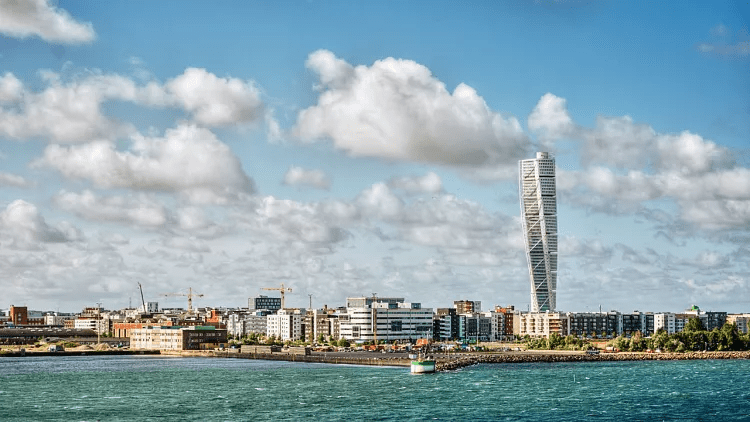
Sweden stands out in both the cost of living and quality of life indexes, making it a compelling choice for digital nomads who are comfortable with the northern climate. The report highlights Malmö and Stockholm as key cities for tech and innovation, offering a dynamic environment for remote workers.
Stockholm has established itself as a major tech hub, with success stories like Spotify and Klarna originating from the city. It’s a magnet for those in the tech industry, offering a dynamic environment and ample opportunities.
However, Malmö is gaining attention as well. Just a short train ride from Copenhagen, Malmö provides a more affordable alternative to Stockholm while still offering a vibrant tech community and an excellent quality of life.
Italy
Who hasn’t been tempted by those enticing ads offering historic buildings in rural Italy for almost nothing?
Unfortunately, high-quality internet isn’t always a given in those rural areas. The New Zealand report, therefore, focuses on Milan, Turin, and Rome. These cities offer a relatively low cost of living, a moderate quality of life, and reliable internet speeds, making them more suitable for digital nomads.
While Rome’s historic charm is hard to resist, Milan is emerging as Italy’s top tech and business destination. Known for its fashion and design heritage, Milan is now also home to a growing start-up scene, with companies like Scalapay, a payment solution that lets customers make purchases in three interest-free installments, leading the charge.
Turin, often overlooked by tourists, is another Italian city worth considering. Known for its innovation, particularly in the automotive industry with brands like Fiat, Alfa Romeo, and New Holland, Turin is now undergoing significant urban and industrial redevelopment. The city is positioning itself as a strategic center for excellence in the aerospace industry.
The Netherlands
The Netherlands boasts the highest quality of life index among the countries examined. While the cost of living is moderate, the overall appeal of the country remains strong for digital nomads. The report highlights cities such as Amsterdam, Utrecht, The Hague, and Rotterdam.
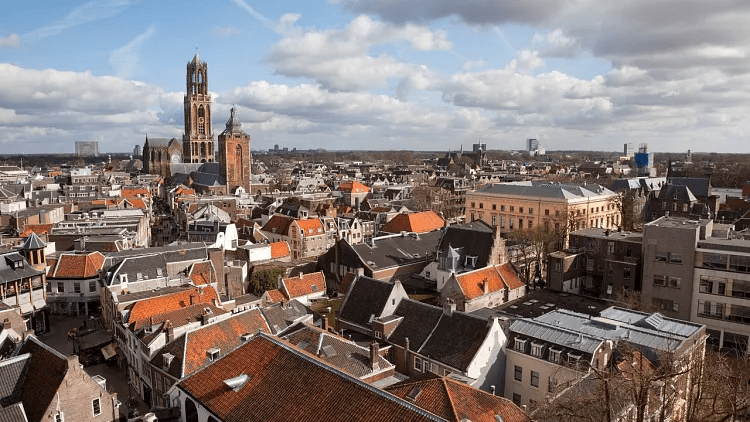
Amsterdam, with its iconic canals and progressive culture, has long been a favorite among tech workers. However, as housing prices in the capital continue to rise, other Dutch cities like Utrecht, The Hague, and Rotterdam are becoming increasingly attractive alternatives.
Utrecht, with its large student population and central location, provides a more relaxed alternative for digital nomads seeking a laid-back atmosphere. The Hague, renowned for its international organizations and stunning beaches, is particularly appealing to those in law, policy, or international relations.
Rotterdam, famous for its bustling port and ambitious plans to become Europe’s largest green hydrogen hub, is also gaining popularity. The city is known for its founder-led communities, a high concentration of start-ups, numerous incubators, and an abundance of coworking spaces, making it an attractive destination for entrepreneurs.
Germany
Germany strikes a good balance between cost of living and quality of life, making it an appealing choice for digital nomads. The report highlights Hamburg, Berlin, and Munich as key cities.
Berlin has long been a hotspot for digital nomads, celebrated for its affordable living costs and its vibrant arts and techno scene. However, as Berlin’s popularity grows, so do its living expenses, prompting many to explore other German cities.
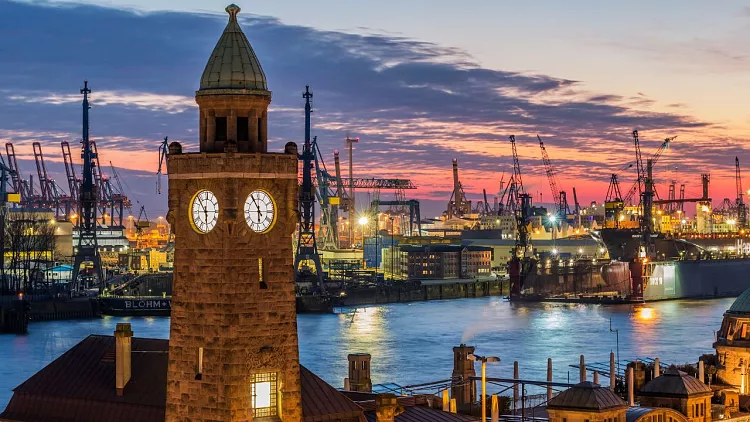
Hamburg, with its rich maritime history, offers a unique flavor of German city life. The city is home to the carbon-neutral energy systems provider and unicorn 1KOMMA5°, along with several innovative and high-profile tech companies in biotech, health tech, and fintech sectors.
3 More Jobs to Apply for This Week:
Senior Project Manager (m/f/d), Cytiva, Darmstadt
Regional Sales Manager Germany Central (f/m/d), Beckman Coulter, Diagnostics, Frankfurt
Frontend Developer, Jobbio, Dublin / Remote
Munich, though more expensive, makes up for it with a high quality of life, close proximity to the Alps, and a robust job market. Known traditionally for its engineering prowess, Munich is now shifting its focus towards software engineering, with 11% of Germany’s total start-ups located in the city.







 fleeredstates.blog
You must be logged in to post a comment.