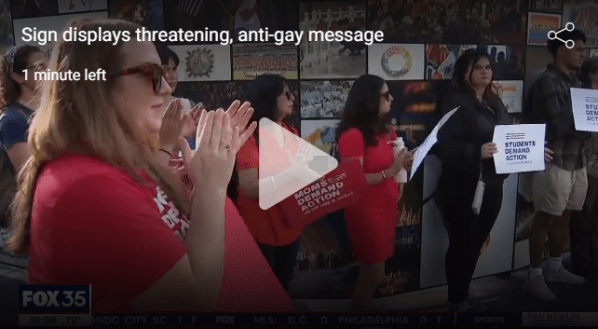
The Orlando Police Department is attempting to determine who tampered with a digital traffic message board so that it would display a threatening, anti-gay message.
ORLANDO, Fla. – The Orlando Police Department is attempting to determine who tampered with a digital traffic sign so that it would display a threatening, anti-gay message.
Officers on Wednesday morning responded to a report about a suspicious incident in Orlando’s Medical City, near Lake Nona Boulevard and Nemours Parkway.
On Wednesday morning, the Orlando Police Department received a report about a suspicious incident in Orlando’s Medical City, specifically near Lake Nona Boulevard and Nemours Parkway. The incident involved the tampering of a digital traffic sign to display a threatening and anti-gay message. The police department is currently conducting an investigation to determine the individual or individuals responsible for the act of tampering with the sign.
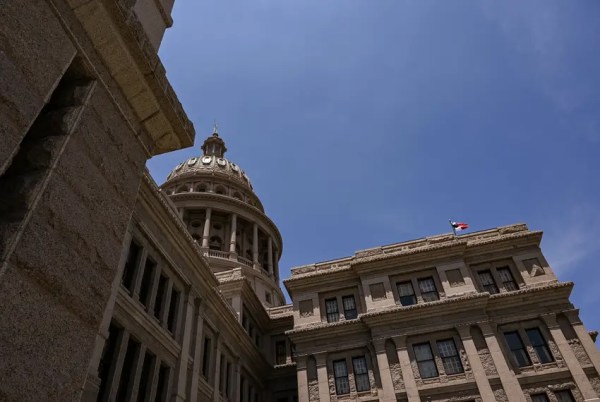
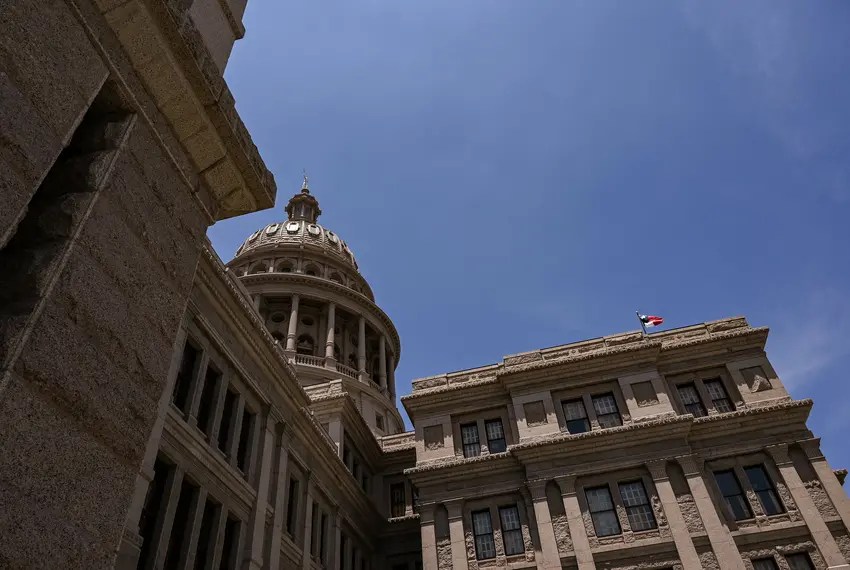
The Texas Legislature has passed a bill that targets sexually explicit performances involving children and the businesses that host them. Originally focused on restricting minors from attending certain drag shows, the final version of the bill removed direct references to drag performers. The legislation, known as Senate Bill 12, now awaits Governor Greg Abbott’s signature.
Under this bill, business owners would be subject to a $10,000 fine if they host sexually explicit performances that involve nudity or appeal to the “prurient interest in sex.” Performers found to be violating these restrictions could face a Class A misdemeanor, carrying a maximum penalty of one year in jail and a $4,000 fine.
The bill reflects the concerns of lawmakers regarding sexually explicit content in shows involving children and aims to deter such performances and hold accountable both the performers and the businesses hosting them. Its passage demonstrates the ongoing discussions and legislative efforts surrounding the boundaries of explicit content and protecting the well-being of minors.
Texas Attorney General Ken Paxton has initiated a second investigation into a children’s hospital in the state, this time targeting Texas Children’s Hospital in Houston. The purpose of the investigation is to determine whether the hospital is engaged in illegal activities by performing gender transitioning procedures on children. While Attorney General Paxton did not specify the exact laws that may have been violated, he stated that any procedures causing harm to children would be considered child abuse under Texas law.
The investigation was prompted by recent reports suggesting that Texas Children’s Hospital may be unlawfully providing gender transitioning procedures. Attorney General Paxton expressed his commitment to uncovering the truth and ensuring the protection of children in the state. The announcement did not specify the source of the reports, but there are circulating articles online regarding the hospital’s alleged continued provision of such care.
This investigation highlights the ongoing debates and legal scrutiny surrounding gender transitioning procedures for minors, with officials seeking to ensure compliance with applicable laws and regulations.
The Texas Children’s Hospital is the biggest children’s hospital in the US by bed size.
At Texas Children’s Hospital, our mission is to provide high-quality care for all patients. Throughout the policy debate surrounding gender medicine, our healthcare professionals have always and will continue to prioritize the care of our patients within the bounds of the law.– TEXAS CHILDREN’S HOSPITAL SPOKESPERSON
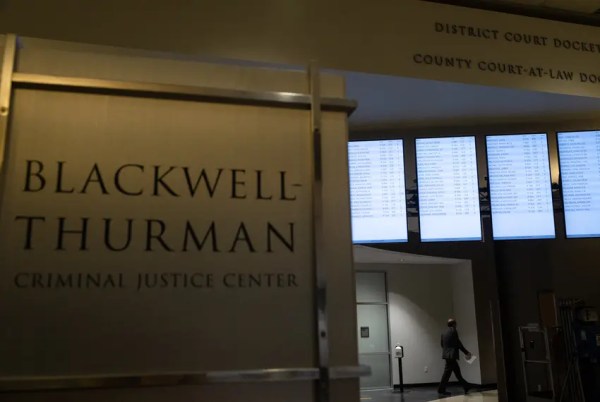
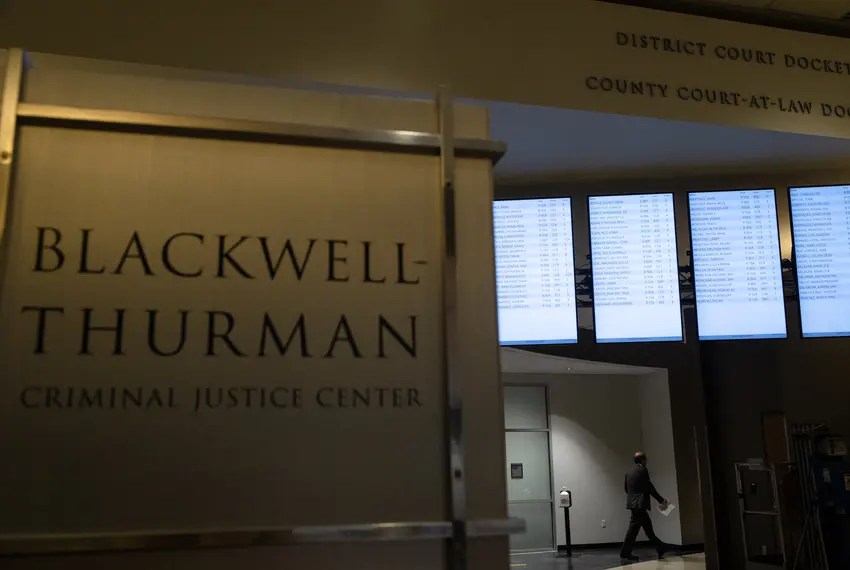
creens display case information on May 9 at the Travis County Criminal Court at the Blackwell-Thurman Criminal Justice Center in Austin.
On Friday, the Texas Senate passed a bill aimed at addressing locally elected prosecutors who choose not to enforce certain laws. The bill is part of a broader Republican effort to hold accountable district attorneys in large, left-leaning counties who have publicly stated their intention to refrain from prosecuting abortion cases and have implemented policies regarding the prosecution of low-level theft and drug offenses.
The bill’s sponsor, state Sen. Joan Huffman, a Republican from Houston, emphasized the need for a mechanism in Texas to remove prosecutors who refuse to enforce laws enacted by the Legislature or any legislative body. The proposed legislation seeks to provide a means to address what some Republicans consider as “rogue” district attorneys who deviate from the enforcement of established laws.
The bill will now proceed to the next stage of the legislative process, including potential reconciliation with a corresponding version passed by the Texas House of Representatives.
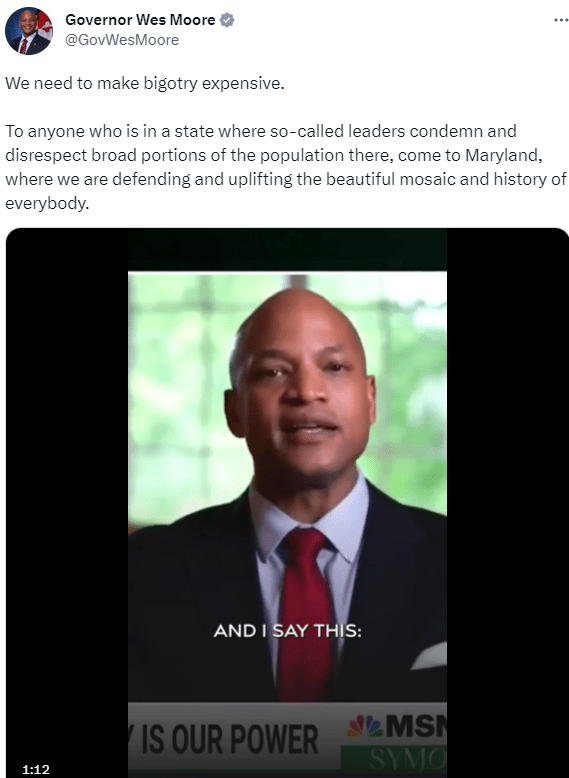
To anyone who is in a state where so-called leaders condemn and disrespect broad portions of the population there, come to Maryland, where we are defending and uplifting the beautiful mosaic and history of everybody.
We need to make bigotry expensive.
In Maryland, there is a message of welcome and inclusivity for those who may feel marginalized or targeted by discriminatory policies in other states. The speaker highlights that Maryland stands as a place that defends and uplifts the diverse mosaic of its population.
By extending an invitation to individuals facing condemnation and disrespect elsewhere, the speaker emphasizes Maryland’s commitment to embracing the rich history and contributions of all its residents. The state aims to create an environment where people from various backgrounds can thrive and be celebrated for their unique identities.
This sentiment reflects a broader movement in many places that seek to create spaces of acceptance, equality, and respect for all individuals, regardless of their race, ethnicity, religion, sexual orientation, or gender identity. It sends a message of solidarity and support to those seeking refuge from discriminatory environments and reaffirms Maryland’s dedication to fostering a diverse and inclusive community.
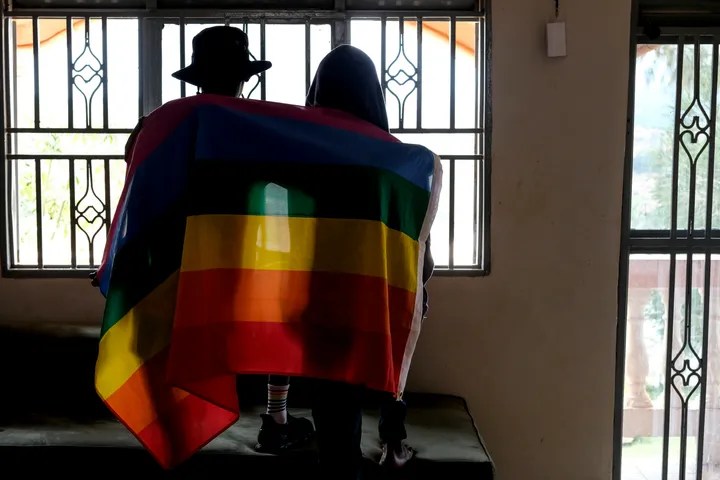
In Kampala, Uganda, President Yoweri Museveni has signed a new anti-gay legislation into law, receiving support from many within the country but facing strong condemnation from rights activists and others internationally.
The final version of the law does not criminalize individuals based on their LGBTQ identity, addressing a key concern raised by campaigners. The earlier draft of the legislation was widely criticized for its severe violation of human rights.
While the specific details of the new law are not provided, it is important to note that Uganda has a history of enacting legislation that targets the LGBTQ community, which has faced significant discrimination and persecution in the country.
The signing of this law has sparked renewed discussions and debates surrounding human rights, LGBTQ rights, and the treatment of marginalized communities in Uganda and globally. International organizations and activists continue to advocate for the protection of human rights and the promotion of equality and inclusivity for all individuals, regardless of their sexual orientation or gender identity.
But the new law still prescribes the death penalty for “aggravated homosexuality,” which is defined as cases of sexual relations involving people infected with HIV as well as with minors and other categories of vulnerable people. A suspect convicted of “attempted aggravated homosexuality” can be imprisoned for up to 14 years, according to the legislation.
Uganda’s president Yoweri Museveni has signed into law tough new anti-gay legislation supported by many in the country but widely condemned by rights activists and others abroad.
Parliamentary Speaker Anita Among said in a statement that the president had “answered the cries of our people” in signing the bill.
“With a lot of humility, I thank my colleagues the Members of Parliament for withstanding all the pressure from bullies and doomsday conspiracy theorists in the interest of our country,” the statement said.
This class president is the model of a successful Texas teen. After a ban on trans health care, she can’t wait to leave the state.
Topher Malone’s mother helps her get ready for graduation day in her bedroom in Round Rock in May. Malone recently began using the name Safara, which she feels more accurately represents her identity.
Topher Malone, a student at Round Rock Independent School District’s Early College High School, is a shining example of success and leadership. In her final days of high school, Malone’s accomplishments were noteworthy. As the leader of the Gender-Sexuality Alliance club, she conducted a club meeting before captivating an audience of National Honors Society juniors. They eagerly listened to her insights on how she gained admission to Harvard.
Malone’s success in her college application was attributed to a consistent theme throughout her essays. She chose to highlight her journey of queer activism and her role as a leader within her school. With a stellar academic record, including straight A’s, and serving as the class president, Malone has proven herself to be an exceptional student. Additionally, she actively participates in national youth leadership conferences and has raised funds to support her school group.
Overall, Malone’s achievements and dedication demonstrate her commitment to making a positive impact in her community through activism and academic excellence.
Malone is also trans. Malone says having access to gender-affirming treatments before she turned 18 in May allowed her to embrace her true self and channel her energy into her advocacy for LGBTQ youth.
U.S. sees GOP-led wave of bills targeting transgender rights
Supporters of LGBTQ+ rights participate in the March for Queer & Trans Youth Autonomy on Capitol Hill in D.C. on March 31.
The first four months of this year have seen an unprecedented surge in the number of anti-LGBTQ+ bills being passed into state law, surpassing any previous period in U.S. history, according to an analysis by The Washington Post. These bills predominantly target transgender rights and have been signed into law by Republican governors or enacted by GOP legislatures, often overriding vetoes by Democratic governors.
The significant increase in anti-LGBTQ+ legislation reflects a concerning trend that threatens the rights and protections of transgender individuals in particular. The bills cover a range of issues, including restrictions on transgender youth’s access to healthcare and participation in sports, as well as limitations on changing gender markers on identification documents.
The passage of these laws has sparked widespread opposition from LGBTQ+ advocates, civil rights organizations, and the transgender community. Critics argue that these measures perpetuate discrimination and harm the well-being and rights of transgender individuals. Legal challenges to some of these laws are expected as advocates fight to protect the rights and dignity of the LGBTQ+ community.
The American Civil Liberties Union has tracked almost 500 anti-LGBTQ+ bills instates across the country so far this year, and notes that “while not all of these bills will become law, they all cause harm for LGBTQ+ people.”
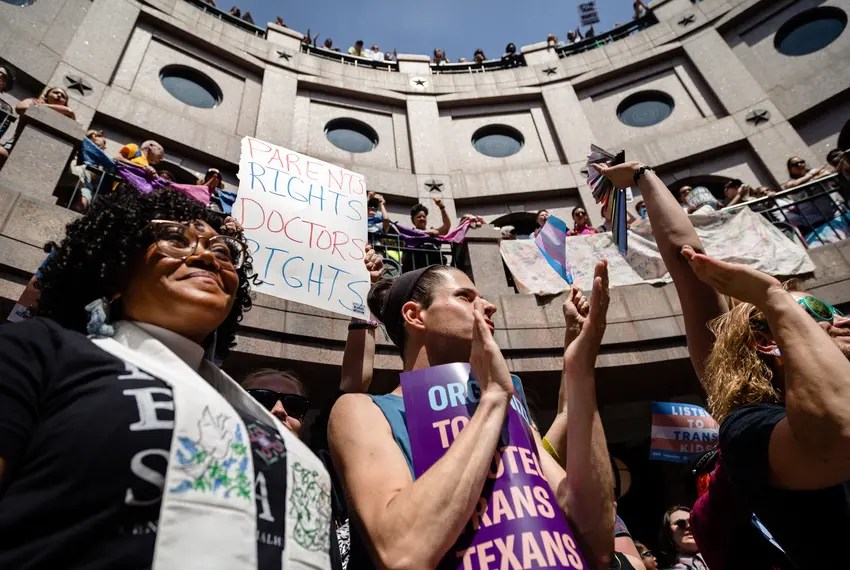
People line the railing on all three levels of the outdoor rotunda of the state Capitol in Austin, and wave signs during a “Fight for Our Lives” rally in opposition of anti-LGBTQ bills on March 27.
On Friday, Governor Greg Abbott of Texas signed Senate Bill 14 into law, effectively prohibiting transgender children from accessing puberty blockers and hormone therapies. However, the new law may face legal challenges before it becomes effective on September 1st.
The passage of Senate Bill 14 marks a significant victory for the Republican Party of Texas, which has consistently opposed any measures that recognize transgender identities. In contrast, trans children, their parents, and LGBTQ advocacy groups vehemently oppose the law, with some pledging to fight against its implementation.
With this development, Texas joins the ranks of 18 other states that restrict transition-related care for transgender minors. Notably, Texas is home to one of the largest transgender communities in the United States, underscoring the impact and implications of this legislation on a significant portion of the population.
States Are Silencing the Will of Millions of Voters
The upcoming bill, expected to be signed by Governor Greg Abbott of Texas, has raised concerns about limiting the autonomy of cities within the state. The bill would significantly curtail the ability of cities to govern themselves, stripping them of the power to establish local workplace standards, safeguard civil rights, and enhance their environments. This would effectively undermine the authority of local officials elected by voters to carry out these responsibilities.
If enacted, the bill would invalidate any city ordinance or regulation that contradicts existing state policies in these key areas. It would also grant private citizens and businesses the right to file lawsuits and seek damages if they perceive discrepancies between city and state regulations. Consequently, cities would be unable to enact measures such as prohibiting discrimination against LGBTQ employees, implementing rules to curb predatory payday-lending practices, or addressing issues like overgrown lots, unsafe festivals, or inadequate waste storage. Local worker protections, including essential provisions like water breaks for laborers in the Texas heat, would also be prohibited.
Proponents of the bill, including business lobbyists and Republican legislators, argue that its purpose is to eliminate conflicting regulations within the state. However, the presence of such conflicting regulations primarily exists in a few predominantly Democratic cities within an overall conservative state. This bill represents the latest endeavor by Republicans to eradicate any policies that clash with their conservative agenda, even if those policies have garnered substantial support from the voters in those cities who elected representatives to act in their best interests.
Already the state won’t let cities ban discrimination against low-income renters, and it prohibits them from cutting their police budgets. Dozens of other bills have been introduced to restrict election reforms by Texas cities and counties, including one that would let an official, most likely a Republican, overturn election results in a single place: largely Democratic Harris County, which includes Houston. “The bill is undemocratic,” Mayor Ron Nirenberg of San Antonio told The Texas Tribune. “It is probably the most undemocratic thing the legislature has done, and that list is getting very long. Local voters have created city charters, and I can’t imagine that they will be pleased to have their decisions usurped by lawmakers.”







 fleeredstates.blog
You must be logged in to post a comment.