As more and more Red States pass hateful laws concerning LGBTQ people, more of us are packing and moving. Are you an LGBTQ person living in a Red state and looking to move to a more accepting and safer place? This video is for you! Join us as we discuss some of the best states and countries for LGBTQ people to live in. We’ll cover everything from legal protections and anti-discrimination laws to community resources and social events. Whether you’re looking for a new home or just curious about the LGBTQ scene in different parts of the world, this video has something for everyone. Don’t miss out on this essential guide to LGBTQ-friendly places to live!
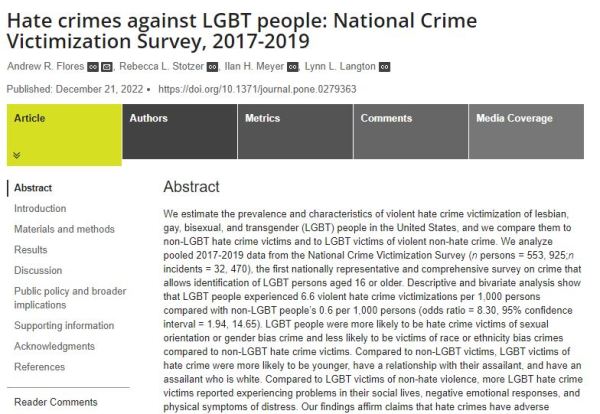
A recent study conducted by the Williams Institute at UCLA School of Law has revealed alarming statistics regarding hate crimes against LGBT individuals. The study found that approximately one out of 10 violent victimizations against LGBT people are hate crimes. Furthermore, LGBT individuals are nine times more likely to be victims of violent hate crimes compared to non-LGBT individuals.
The research, which analyzed hate crime data from the 2017-2019 National Crime Victimization Survey, highlighted several key findings. LGBT victims of violent hate crimes were more likely to be younger and have a relationship with their assailant. Additionally, the study indicated that assailants in LGBT hate crimes were more likely to be white.
During the period of 2017 to 2019, the study reported that LGBT individuals experienced 6.6 violent hate crime victimizations per 1,000 people, while non-LGBT individuals experienced 0.8 victimizations per 1,000 people. The consequences of these hate crimes extended beyond the immediate incident, as LGBT victims of violent hate crimes were more likely to report difficulties in their social lives, negative emotional responses, and physical symptoms of distress.
These findings highlight the urgent need for greater awareness, prevention, and support systems to address the persistent issue of hate crimes targeting the LGBT community. It is imperative to advocate for inclusive policies, promote tolerance and acceptance, and ensure that perpetrators are held accountable for their actions. The study underscores the importance of ongoing efforts to combat discrimination, promote equality, and create a safer society for all individuals, regardless of their sexual orientation or gender identity.
“Hate crimes have adverse physical and psychological effects on LGBT victims that are greater than the effect of similar crimes not motivated by hate,” said study author Ilan H. Meyer, Distinguished Senior Scholar of Public Policy at the Williams Institute. “These findings highlight the importance of developing and strengthening federal, state, and local interventions to protect LGBT people from victimization and providing support and services to mitigate the ill effects of hate crime victimization.”
The report, “Hate crimes against LGBT people: National Crime Victimization Survey, 2017-2019” appears in PLOS ONE and is co-authored by Andrew R. Flores, Ph.D., Rebecca L. Stotzer, Ph.D., Ilan Meyer, Ph.D., and Lynn L. Langton, Ph.D.
Recent reports highlight a significant increase in LGBT hate crimes in the West, with figures from three police forces revealing a rise of over 50% in just two years. In 2019, a total of 712 incidents were reported, while in 2021, that number surged to 1,109.
One possible explanation for this increase is the improved “trust and confidence” individuals have in reporting such incidents to the police. This suggests that more victims are willing to come forward and report these crimes, leading to a more accurate representation of the problem.
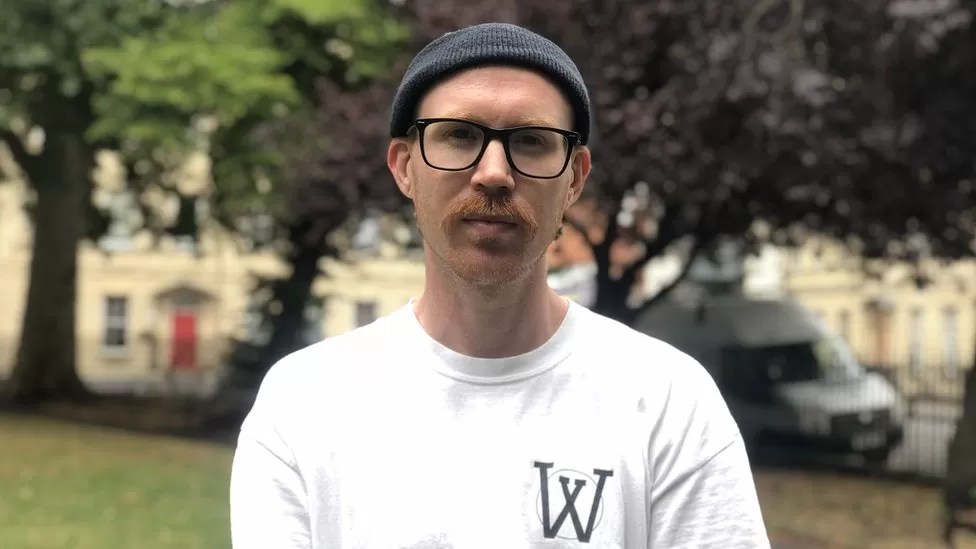
Andy Shilton said people “feel it is easier to shout abuse” since the pandemic
Steffi Barnett, a presenter of an LGBT radio show in Bristol, has expressed concern over the current attitudes toward transgender individuals, describing them as “vociferous” and “horrible.” These sentiments reflect the challenges faced by transgender people who often experience heightened discrimination and prejudice.
The rise in reported LGBT hate crimes underscores the ongoing need for awareness, education, and action to combat discrimination and create a safer and more inclusive society. It is crucial to promote understanding, tolerance, and acceptance for all individuals, regardless of their gender identity or sexual orientation. Efforts should be focused on fostering empathy, addressing systemic issues, and providing support for those affected by hate crimes.
Tim Birkbeck said the LGBT community tend to encourage each other to report hate crimes
Recently released figures obtained through a Freedom of Information (FOI) request have shed light on the alarming increase in reports of LGBT hate crimes in Avon and Somerset, Gloucestershire, and Wiltshire police forces. The data reveals a concerning trend, with incidents rising by 38% in Avon and Somerset, 72% in Gloucestershire, and a staggering 149% in Wiltshire over a two-year period.
LGBT hate crimes specifically target individuals based on their sexual orientation or gender identity, encompassing those who identify as lesbian, gay, bisexual, transgender, or non-binary. These crimes not only undermine the safety and well-being of the victims but also pose a threat to the overall inclusivity and diversity of society.
The substantial increases in reported incidents highlight the urgent need for awareness, education, and effective measures to combat hate crimes targeting the LGBT community. Law enforcement agencies, community organizations, and policymakers must work together to ensure the protection and support of those affected by these crimes.
Ms Barnett believes right-wing politics have led to worsening attitudes towards transgender people
It is crucial to promote a culture of acceptance, respect, and equality, fostering an environment where individuals can express their sexual orientation or gender identity without fear of discrimination or violence. Furthermore, addressing the root causes of prejudice and fostering understanding can help prevent such crimes from occurring in the first place.
The rise in reported incidents is a sobering reminder of the challenges that lie ahead in creating a society that embraces diversity and rejects hate. It is imperative for communities, advocates, and authorities to unite in their efforts to combat LGBT hate crimes, provide support to victims, and send a clear message that discrimination and violence based on sexual orientation or gender identity will not be tolerated.
Andy and Steffi present a radio show called Shout Out, which covers LGBT issues
Following a four-day trial, a federal jury has convicted John Russell Howald, a 46-year-old man from Basin, Montana, of hate and firearms crimes. Howald was found guilty of firing an AK-style assault rifle at the home of a woman who identified as a lesbian and was present at the time of the incident. The charges against Howald included hate crime acts and the discharge of a firearm during a crime of violence.
The trial, which began on February 14, concluded with the jury delivering a verdict that held Howald accountable for his actions. The prosecution presented evidence and arguments establishing that the attack was motivated by hate, targeting the victim based on her sexual orientation.
Acts of hate and violence against individuals based on their sexual orientation or any other protected characteristic are serious offenses that undermine the principles of equality and respect. The jury’s verdict in this case reflects a commitment to justice and sends a strong message that such acts will not be tolerated.
As the legal process moves forward, Howald will face appropriate sentencing for his crimes. This conviction serves as a reminder of the importance of protecting the rights and safety of all individuals, regardless of their sexual orientation or gender identity.
“This defendant is being held accountable for attempting to violently eliminate the entire LGBTQ community in a small Montana town,” said Assistant Attorney General Kristen Clarke of the Justice Department’s Civil Rights Division. “This hate crime and violent campaign targeting the LGBTQ community is a reminder of the epidemic of hate violence targeting people based on their sexual orientation. All people have the right to feel safe in their homes and communities, regardless of who they love. The Civil Rights Division will continue to work with our federal, state, and local partners to safeguard the civil rights of LGBTQ people affected by hate violence, hold perpetrators accountable, and ensure justice for victims of bias-motivated crimes.”
“The victim in this case was targeted by the defendant for no other reason than her sexual orientation when he fired bullets at her home while she was inside of it. There will be zero tolerance by our office in prosecuting those who commit hate crimes against our fellow Montanans, as no one should have to live in fear of potentially deadly violence simply because of whom they love,” said U.S. Attorney Jess Laslovich for the District of Montana. “I am pleased the jury agreed with us and I sincerely thank Assistant U.S. Attorney Ethan R. Plaut and Trial Attorney Eric N. Peffley, Criminal Section, Civil Rights Division, U.S. Department of Justice, along with the FBI, Bureau of Alcohol, Tobacco, Firearms and Explosives and Jefferson County’s Sheriff’s Office for investigating and prosecuting this case.”
“Hate crimes are especially devastating because a vicious act against one person is an attack on an entire community,” said Acting Special Agent in Charge Cheyvoryea Gibson of the FBI Salt Lake City Field Office. “I want to reassure Montana citizens the FBI is committed to defending and protecting the rights of all persons and encourage the public to report hate crimes to the FBI and local law enforcement.”
According to court documents and statements made in court, it was revealed that on March 22, 2020, John Russell Howald embarked on a self-proclaimed mission to target and eliminate the lesbian and gay community in Basin, Montana. Armed with multiple firearms, Howald specifically targeted the residence of a woman known to identify as a lesbian. He approached her home on foot and discharged an AK-style assault rifle, with several rounds penetrating her property, yard, and porch. Although the victim was home at the time, she fortunately escaped physical harm.
After the initial attack, Howald proceeded down the street towards other houses occupied by individuals who were openly gay or lesbian. As churchgoers were leaving a service, they encountered Howald, recognized him, and approached him. During their interaction, the individuals heard Howald express his mission to kill lesbian and gay people in the town, witnessed his possession of weapons, and attempted to reason with him. Unbeknownst to Howald, one of the individuals, a pastor, had left a recording device on that captured approximately 10 minutes of their conversation. The recording captured Howald’s disturbing statements, including his expressed desire to have killed a lesbian and his intention to eliminate lesbians and queer individuals in Basin. Additionally, the recording captured Howald firing several more rounds during the encounter.
The evidence presented during the trial painted a chilling picture of Howald’s targeted hate-fueled actions and his explicit intentions to harm and eradicate members of the lesbian and gay community in Basin. The recordings, along with other testimonies and evidence, helped solidify the charges brought against Howald and ultimately led to his conviction on hate and firearms crimes.
These alarming events underscore the importance of combating hate crimes and protecting the rights and safety of all individuals, irrespective of their sexual orientation or gender identity. The legal system’s response to this case sends a strong message that acts of violence and hatred motivated by prejudice will be met with consequences.
Texas could become the second state in the country after Florida to ban diversity, equity and inclusion offices in higher education.
Following lengthy debates and opposition from Democrats, Texas has taken a significant step toward prohibiting diversity, equity, and inclusion (DEI) offices in public colleges and universities. The Texas House voted 83 to 60 to grant preliminary approval to Senate Bill 17, a legislative priority of Lt. Gov. Dan Patrick, which aims to ban such offices, programs, and required diversity training.
To counter the influx of amendments from opposing Democrats, an amendment proposed by Seguin Republican John Kuempel, the bill’s sponsor, was approved. This amendment mandates the Texas Higher Education Coordinating Board to conduct an annual study on the consequences of banning DEI offices, permits universities to make efforts to reassign employees in DEI offices to comparable positions with similar compensation, and pushes the effective date of the bill back by three months to January 1.
Critics argue that the proposed legislation threatens to undermine diversity and inclusion efforts in Texas public colleges and universities. They assert that DEI offices play a crucial role in fostering an inclusive environment, promoting equity, and addressing systemic inequalities. Moreover, opponents raise concerns that the bill could hinder recruitment efforts and drive away minority students from state institutions.
Supporters of the bill, however, argue that it aims to protect the principles of free speech and prevent the promotion of what they deem as divisive ideologies. They contend that the legislation seeks to uphold a fair and balanced educational environment that respects differing perspectives without imposing a particular ideological framework.
The passage of this bill, if finalized, could have far-reaching implications for the landscape of higher education in Texas. The absence of DEI offices and programs could impact the ability of colleges and universities to create inclusive environments, address systemic biases, and provide support for underrepresented groups. The potential consequences of this legislation have sparked concerns among students, faculty, and advocates who believe that diversity and inclusion are essential components of a robust and equitable education system.
As the bill progresses through the legislative process, the impact on Texas public colleges and universities remains uncertain. The ongoing debates and discussions surrounding the proposed ban highlight the deep divide and conflicting viewpoints on the role of DEI efforts in educational institutions.
This marks “the most significant win for social conservatives in a generation,” Republican Gov. Jim Pillen said.
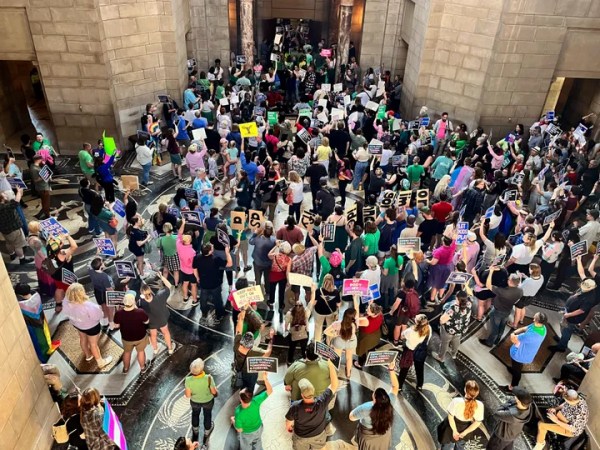
Republican Governor Jim Pillen of Nebraska has signed a bill that imposes limitations on gender-affirming care for young individuals and outlaws abortion after 12 weeks of pregnancy. The abortion ban took immediate effect, while the restrictions on transgender health care for individuals under the age of 19 will be enforced starting from October 1. Notably, Nebraska law designates everyone within that age group as a minor, distinguishing it from most other states.
Governor Pillen’s signing of the bill has sparked intense debate and raised concerns among advocates for reproductive rights and transgender healthcare. The abortion ban, which imposes strict limitations on a woman’s ability to access abortion services, has drawn criticism for infringing upon reproductive freedom and choice. Proponents of abortion rights argue that such restrictive measures disproportionately affect marginalized communities, particularly low-income individuals and people of color.
In addition to the abortion ban, the bill restricts gender-affirming care for young people, placing limitations on vital healthcare services for transgender individuals under the age of 19. The legislation is seen by critics as an infringement on the rights of transgender youth, potentially denying them access to necessary medical care that supports their gender identity and well-being.
The implementation of these restrictions in Nebraska comes amid a broader national conversation surrounding reproductive rights and transgender healthcare. The passage of similar bills in various states has led to legal challenges and debates over the constitutionality of these measures. Advocacy groups and civil rights organizations are closely monitoring the situation in Nebraska and other states, preparing to challenge laws they view as discriminatory and harmful to marginalized communities.
The signing of this bill reinforces the ongoing political divide on issues of reproductive rights and transgender healthcare. While proponents argue that these measures protect the rights of the unborn and promote traditional values, opponents maintain that such legislation disproportionately affects vulnerable populations and undermines personal autonomy and bodily integrity.
The impact of these restrictions on Nebraskans, particularly those seeking gender-affirming care or considering abortion, remains to be seen. The implementation of these laws will undoubtedly have significant consequences for healthcare providers, individuals seeking reproductive healthcare, and the overall landscape of reproductive rights and transgender healthcare in Nebraska.
Texas has become the second state, following Florida, to pass a bill that critics argue could have significant implications for state institutions like the University of Texas and Texas A&M University. The measure, which some fear may adversely impact minority students and smaller schools, mandates that state universities eliminate diversity, equity, and inclusion (DEI) offices and prohibits the consideration of diversity when making hiring decisions.
The bill, championed by State Rep. Tony Tinderholt (R-Arlington), is seen by its supporters as a necessary safeguard against what they perceive as radicalism infiltrating Texas. However, opponents express concerns about the potential consequences of such legislation, warning that it could hinder flagship state universities, discourage minority enrollment, and have detrimental effects on smaller educational institutions.
Critics argue that eliminating DEI offices and disregarding diversity as a hiring factor could undermine efforts to create inclusive and equitable environments on campus. These initiatives play a vital role in promoting diversity, understanding, and tolerance among students and faculty, fostering a sense of belonging for individuals from various backgrounds.
Moreover, opponents of the bill contend that it sends a message that Texas is unwelcoming to minority students and faculty, potentially discouraging them from seeking education or employment opportunities within the state’s higher education system. This could have long-term consequences for the state’s academic reputation and its ability to attract and retain diverse talent.
The impact of the legislation extends beyond larger institutions, as smaller schools, which often rely on DEI initiatives to cultivate inclusive environments, may face substantial challenges. The bill’s proponents argue that it promotes a singular ideology and protects Texas from what they perceive as ideological radicalism, but critics fear it will stifle intellectual diversity, impede critical thinking, and limit exposure to a variety of perspectives.
As the bill becomes law, the Texas higher education system will navigate a new landscape where DEI efforts are curtailed, diversity is disregarded in hiring decisions, and the consequences for educational institutions, students, and faculty remain uncertain.
The retailer is making changes to its LGBTQ merchandise nationwide after an intense backlash from some customers including violent confrontations with its workers.
NEW YORK (AP) — Target is removing certain items from its stores and making other changes to its LGBTQ merchandise nationwide ahead of Pride month, after an intense backlash from some customers including violent confrontations with its workers.
“Since introducing this year’s collection, we’ve experienced threats impacting our team members’ sense of safety and well-being while at work,” Target said in a statement Tuesday. ”Given these volatile circumstances, we are making adjustments to our plans, including removing items that have been at the center of the most significant confrontational behavior.”
In response to customer backlash, retail giant Target has made adjustments to the placement of its Pride merchandise in select Southern stores. While the company did not specify the exact items being removed, there has been significant attention drawn to certain products, including “tuck friendly” women’s swimsuits designed to accommodate trans women and occult- and satanic-themed LGBTQ clothing and accessories from London-based company Abprallen.
Target’s Pride merchandise, typically released in early May to coincide with Pride month in June, has sparked controversy and faced scrutiny from shoppers in Southern areas. As a result, the company decided to relocate the merchandise from the front of the stores to the back.
The decision to alter the placement of the Pride merchandise comes amidst ongoing debates and tensions surrounding LGBTQ+ inclusivity and representation. While Target has not provided specific details about the items being removed, the attention garnered by the “tuck friendly” swimsuits highlights the importance of accommodating diverse needs and identities within the trans community.
Additionally, designs from Abprallen, known for their occult- and satanic-themed LGBTQ clothing and accessories, have drawn criticism and further contributed to the controversy surrounding Target’s Pride merchandise. The inclusion of such designs has sparked discussions about the boundaries of expression and the balance between representation and potential offense.
Target’s decision to relocate the Pride merchandise reflects the complex landscape of inclusivity and public sentiment across different regions. By responding to customer feedback and adapting their approach, the company aims to address concerns and maintain a welcoming environment for all shoppers.
A recent study analyzing Zillow data conducted by Studio City realtors has unveiled the exorbitant costs of purchasing a home in certain states. According to the study, Utah, California, and Colorado saw monthly median sale prices exceeding $500,000, while Hawaii emerged as the most expensive state with an astonishing average home price of $805,775.
The findings highlight the ongoing challenges faced by homebuyers in these states, particularly in Hawaii, where housing affordability has reached unprecedented levels. Tony Mariotti, a realtor from Studio City, attributed the surge in house prices to market turbulence, which has led to a significant increase in home values across the United States.
The nationwide trend of rising home prices in February, following a period of decline due to low inventory and a slight uptick in demand, is indicative of the ongoing struggles faced by prospective homebuyers. Experts predict that affordability will remain a persistent issue in the coming months, further complicating the housing market for those aspiring to own a home.
Here are the priciest and cheapest U.S. states to buy a home:
Kelly Slater surfs in the In Memory of Eddie Aikau big wave surf contest on the North Shore at Waimea Bay near Haleiwa, Hawaii. (Michael Goulding/The Orange County Register via AP, File)
The most expensive states to buy a home
A comprehensive analysis of housing data has revealed the states with the highest price tags for homeownership. Eight states, along with Washington, D.C., experienced a monthly median sale price of $400,000 or more last year, with Oregon reaching that exact figure. Washington state, Nevada, Montana, and Washington, D.C., followed closely behind, with prices ranging from $402,900 to $487,500.
Taking the top spots as the most expensive states were California, Colorado, and Hawaii, with monthly median sale prices of $537,000, $537,125, and a staggering $805,775, respectively.
It is important to note that within these states, costs varied significantly across different areas. For instance, California’s cheapest city, Red Bluff, had a median monthly sale price of $320,000, while the most expensive city, San Jose, skyrocketed to a staggering $1,370,000.
These findings shed light on the challenging landscape of the housing market, with steep prices posing obstacles for potential homebuyers across various regions. As housing costs continue to fluctuate, aspiring homeowners must navigate these disparities in order to find suitable and affordable options.
The most expensive states to buy a home
Last year, the housing market showcased significant variations in home prices across different states in the United States. A total of eight states, along with Washington, D.C., experienced a monthly median sale price of $400,000 or higher, with Oregon precisely hitting that mark. Meanwhile, Washington state, Nevada, Montana, and Washington, D.C., fell within the range of $402,900 to $487,500.
Taking the lead as the most expensive states for homebuyers were California, Colorado, and Hawaii, with monthly median sale prices of $537,000, $537,125, and an astonishing $805,775, respectively.
It is worth noting that housing costs within these states varied significantly across different regions. For example, in California, the median monthly sale price of a house in the cheapest city, Red Bluff, was $320,000, while in the most expensive city, San Jose, the price soared to an eye-watering $1,370,000.
These disparities in housing costs underscore the complexities and challenges faced by prospective homebuyers across the country. Affordability remains a key concern as individuals seek suitable housing options amidst fluctuating market conditions.
Five Oklahoma families with transgender children, along with a doctor who specializes in treating transgender youth, have filed a lawsuit challenging the recently enacted ban on gender-affirming health care for minors in the state. They argue that the new law discriminates against transgender individuals and violates the constitutional right to parental autonomy.
The lawsuit, filed in federal court on Tuesday by the ACLU, Lambda Legal, and the law firm Jenner & Block LLP, asserts that Oklahoma’s Senate Bill 613, signed into law by Governor Kevin Stitt, causes significant and irreparable harm to transgender adolescents and their parents. The law prohibits health care providers from administering gender-affirming medical care to minors, making Oklahoma the 18th state to enact such legislation.
Notably, Oklahoma is among the four states, alongside Alabama, Idaho, and North Dakota, that have made it a felony to provide gender-affirming health care to transgender children and teenagers, carrying a potential sentence of up to ten years in prison. However, a federal judge previously issued a temporary block on the Alabama law pending a legal challenge by the ACLU.
The lawsuit argues that the Oklahoma law unjustly discriminates against transgender youths and contradicts best-practice standards for gender-affirming care, thereby violating their constitutional rights. While the law prohibits health care providers from offering “gender transition procedures” to minors, it does not prevent the same treatments from being administered to cisgender youths for managing conditions like precocious puberty.
The plaintiffs, including the five transgender minors who are identified using pseudonyms for their safety and privacy, assert that the law jeopardizes their access to safe and medically necessary health care. By specifically targeting transgender adolescents and imposing a discriminatory and categorical ban on their medical treatments, Oklahoma endangers their health and well-being, according to the lawsuit. Furthermore, the law infringes upon the fundamental right of parents to make decisions regarding their children’s care.
The Oklahoma Attorney General’s office acknowledged the filing of the lawsuit and stated that they would review it, reaffirming their commitment to defend the state’s laws. In response, Omar Gonzalez-Pagan, counsel and health care strategist at Lambda Legal, criticized Governor Stitt and the Oklahoma legislature for their actions, stating that the ban on gender-affirming care is rooted in animus towards transgender individuals and fueled by misinformation and disinformation campaigns.
This legal challenge in Oklahoma underscores the ongoing national debate surrounding transgender rights and the restrictions being imposed on gender-affirming care for minors. As the lawsuit progresses, its outcome could have far-reaching implications for the rights and well-being of transgender youth not only in Oklahoma but across the United States.












 fleeredstates.blog
You must be logged in to post a comment.