MAGA woman thrown off city council for posting about throwing gays off buildings & using n-word

Read more at LGBTQ Nation.

A Florida woman is suing the city council that suspended her after her history of obscene, racist and homophobic tweets was uncovered and published in a local paper.

The councilwoman, Judi Fike, was appointed to her seat in Groveland, Florida last year and is running for a full term.

Fike responded to the local paper’s story with an apology “to anyone who was hurt” by the posts, while maintaining that their publication was a timed “political attack” just weeks ahead of her August primary.

“I will not let that tactic work,” she said.

The collection of Fike’s offensive screeds extends back to at least 2015, and reveal deep-seated animus toward Black and LGBTQ+ people.

Just hours after the Pulse nightclub shooting in June 2016 in nearby Orlando, Fike posted to Facebook, “Duh….why would the shooter target a gay club? My answer…Easier than marching them up steps to push off the roof..some sarcasm, some truth…”

In 2015, Fike posted to her “Widow Fike” account on Twitter (now X), “Can we divert our attention back to real news? The #LGBT freak show has had its run.”

Fike owns and operates a catering company called The Black Napkin.

Last week, the city council confronted Fike with the posts in an open meeting, displaying screenshots as Fike watched, the Orlando Sentinel reports.

Groveland Vice Mayor Barbara Gaines, who is Black, said the posts included “racist” portrayals of then-President Barack Obama as a monkey.

“This is a picture of President Ronald Reagan babysitting Barack Obama, except it is an ape, a baboon, a monkey or whatever you call it,” Gaines said.

In several tweets shared at the meeting, Fike obsesses over the word “thug”.

“#thug the new n word,’ she posted in 2015. “Thug life = thug treatment = no pity from me,” she wrote in 2019. In 2022, Fike shared a meme that read, “What’s the magic word to get what you want? Racist!”

Groveland, Florida has a fraught history of racism against Black people. In 1949, false allegations of rape against four black teenagers known as “The Groveland Four” led to the extrajudicial killing of two of the teens and the wrongful imprisonment of two others. They were posthumously pardoned in 2019.

In her defense over the Pulse nightclub post, Fike claimed for council members that her message was about a presidential candidate in 2016 aligning with a community in the Middle East who were “pushing gay individuals off of buildings.”

“It was meant as a support of the community, not against the community,” she said. “It might have been written in poor taste, but I want to clarify that for you because that was going on at the time.”

Fike went further about other posts, denying responsibility altogether.

“Those are indeed manipulated, and so I’ll just let that rest,” she said at the meeting. “They are not my words. Some are, there are some copies, but what Barbara just showed were absolutely not products of mine.”

Council members were not swayed and voted her suspended until an investigation is complete.

Two days later, Fike responded with a lawsuit.

“The city does not have the legal authority to suspend or remove any of its members, period,” said Lake County Commissioner Anthony Sabatini, who is representing Fike. “It just simply does not have that authority. Most cities don’t.”

Groveland Mayor Kevin Keogh said he was more concerned with Fike’s response to the allegations than the resurfaced posts themselves.

“It has to do with the non-truthful nature of your response,” he told Fike, before voting with colleagues to suspend her.

What states are the best for LGBTQ+ people? These are the top 15

Read more at The Advocate.
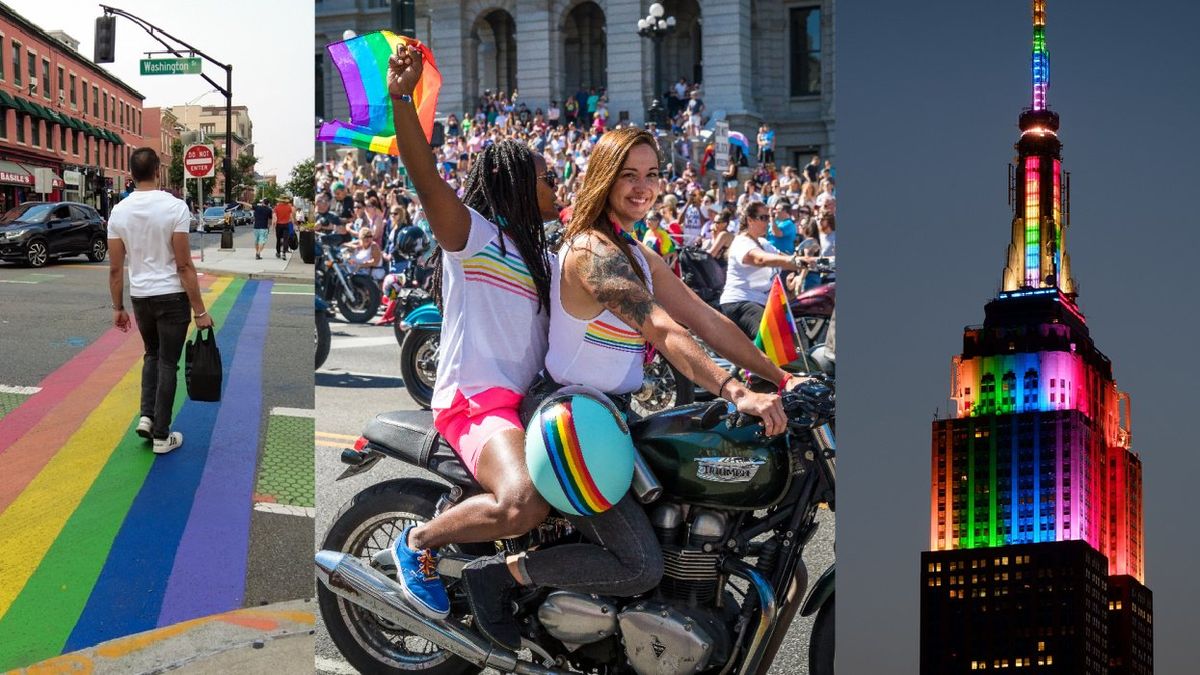
\u200bRainbow crosswalk in Hoboken (L); Women on motorcycles at Denver Pride (M); Empire State Building in rainbow colors (R)

Kirkam / Shutterstock.com; Philipp Salveter / Shutterstock.com; anaglic / Shutterstock.com

Rainbow LGBTQ+ Pride crosswalk in Hoboken, New Jersey (L); Women on motorcycles at Pride celebration in Denver, Colorado (M); Empire State Building in NYC lit up in rainbow colors (R)

    Legislative attacks on the LGBTQ+ community have been pushed everywhere from city councils to the White House — but there are still some areas that are safe.

    Over 1,000 anti-LGBTQ+ laws have been proposed across every state legislature in the U.S. over the past two years, according to the American Civil Liberties Union, and 126 have passed into law. Less than two months into the 2025 legislative session, 390 laws targeting LGBTQ+ people have been proposed.

    Still, marriage equality and anti-discrimination protections based on sexual orientation and gender identity are still guaranteed federally by U.S. Supreme Court rulings (for now). On top of that, at least 15 states have “shield laws” protecting access to gender-affirming care and abortion.

    Based on laws surrounding marriage, family rights, health care, education, and youth collected by the Movement Advancement Project, here are the 15 best states for LGBTQ+ people.

    Related: What states are the most dangerous for LGBTQ+ people? Here are the worst 15

    California
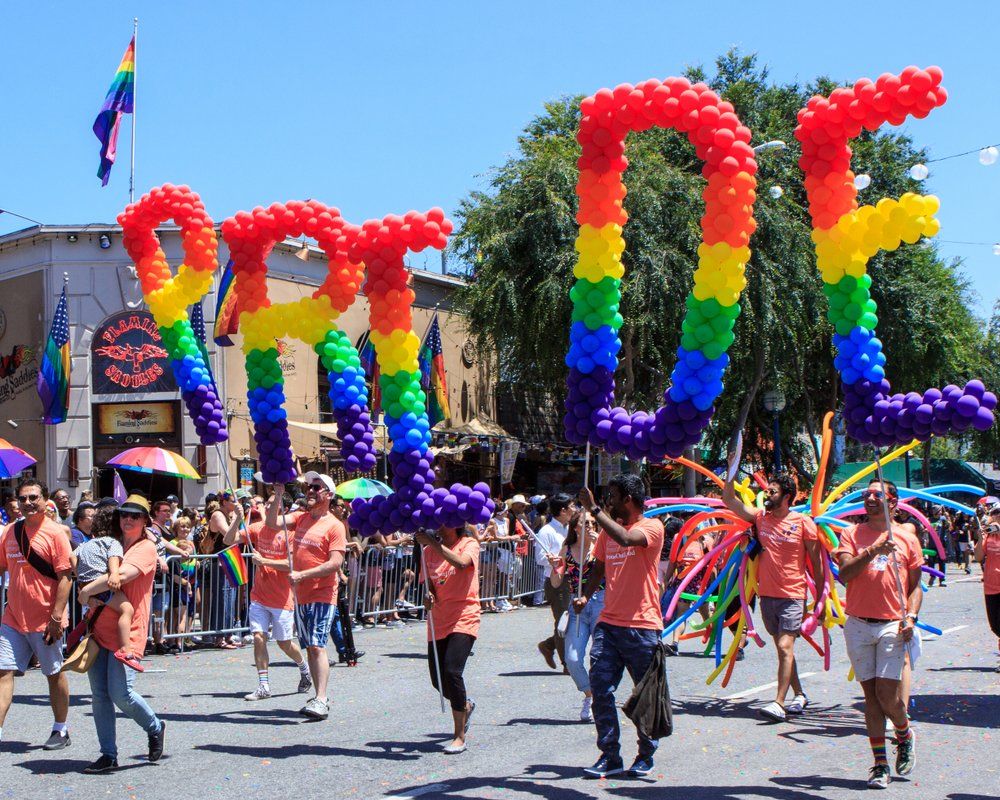
    West Hollywood Pride balloons

    GrandAve / Shutterstock.com

    Pride celebration in West Hollywood, California – June 9, 2019

      Nondiscrimination laws: California has nondiscrimination laws in employment, housing, health care, education, public accommodations, and credit/lending.

      Marriage equality and parental rights: California has adoption and foster care nondiscrimination protections for LGBTQ+ parents, second-parent adoption for unmarried couples and confirmatory adoption, and recognition for parents using assisted reproductive technologies. It also has family leave laws, which include LGBTQ-inclusive definitions.

      Education and youth policies: California does not restrict discussion of LGBTQ+ identities in classrooms, and instead requires curriculum to be LGBTQ-inclusive, which parents are not required to be notified of. It does not prevent transgender students from participating in sports or using school facilities based on their identities, and it does not require staff to forcibly out LGBTQ+ students to their guardians.

      Healthcare access and rights: California has “shield” laws protecting access to gender-affirming care for youth, as well as abortion. The state has also banned so-called conversion therapy for youth. Health insurance companies, including Medicaid, are not allowed to deny coverage related to gender transition. However, they are not required to cover fertility treatments.

      Criminal justice: California’s hate crime laws encompass sexual orientation and gender identity, and it has banned the so-called “LGBTQ+ panic” defense. While the state does not criminalize HIV, it does have sentencing enhancements for sex-related convictions for those with HIV.

      Colorado
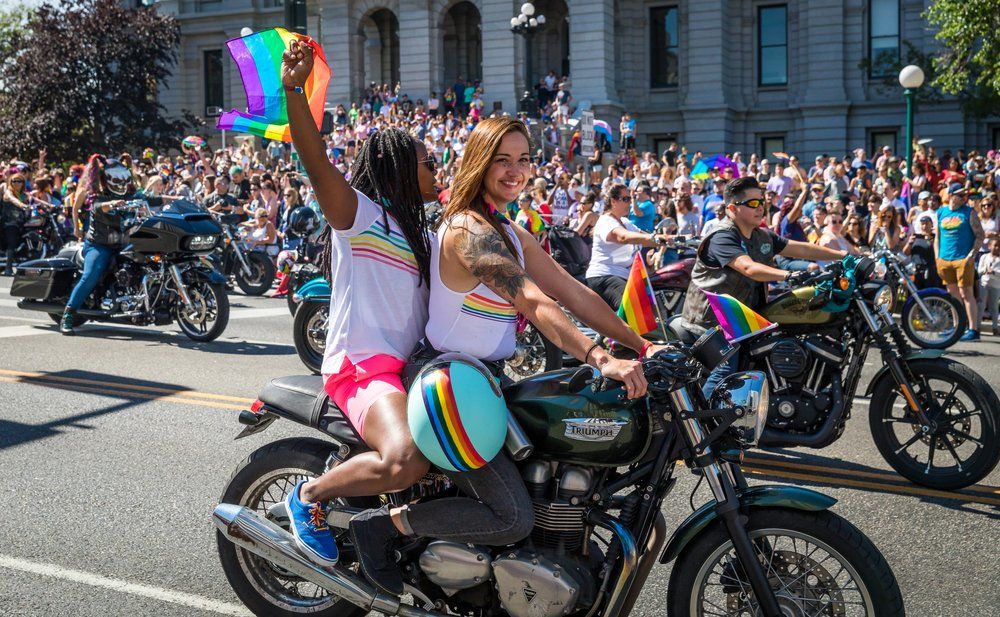
      Women on motorcycles at Denver Pride celebration

      Philipp Salveter / Shutterstock.com

      Women on motorcycles at Pride celebration in Denver, Colorado, USA – June 16th 2019

        Nondiscrimination laws: Colorado has nondiscrimination laws in employment, housing, education, health care, public accommodations, and credit/lending.

        Marriage equality and parental rights: Colorado has adoption and foster care nondiscrimination protections for LGBTQ+ parents, second-parent adoption for unmarried couples and confirmatory adoption, and recognition for parents using assisted reproductive technologies. It also has family leave laws, which include LGBTQ-inclusive definitions.

        Education and youth policies: Colorado does not prevent transgender students from participating in sports or using school facilities based on their identities, and it does not require staff to forcibly out LGBTQ+ students to their guardians. It does not restrict discussion of LGBTQ+ identities in classrooms, and instead requires curriculum to be LGBTQ-inclusive, which parents are not required to be notified of.

        Healthcare access and rights: Colorado has “shield” laws protecting access to gender-affirming care for youth, as well as abortion. The state has also banned so-called conversion therapy for youth. Health insurance companies, including Medicaid, are not allowed to deny coverage related to gender transition. However, state employees who are transgender do not have inclusive health benefits. Insurance companies are also not required to cover fertility treatments.

        Criminal justice: The state’s hate crime laws encompass sexual orientation and gender identity, and it has banned the so-called “LGBTQ+ panic” defense. Like California, Colorado does not criminalize HIV, but it does have sentencing enhancements for sex-related convictions for those with HIV.

        Connecticut
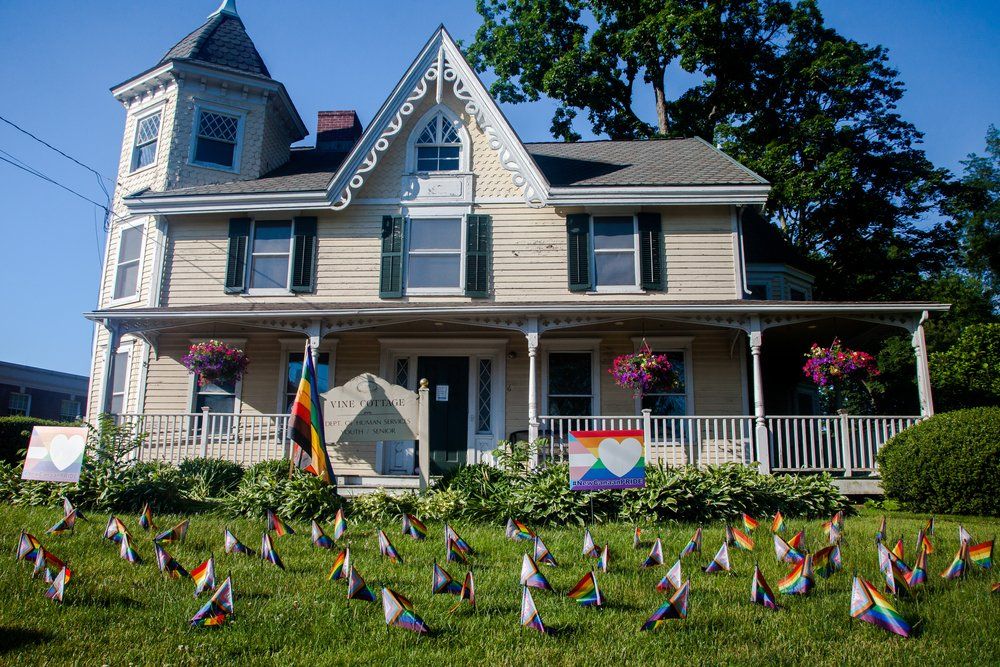
        Pride flags outside Vine Cottage CT

        Miro Vrlik Photography / Shutterstock.com

        LGBTQ+ Pride flags outside Vine Cottage in New Canaan, Connecticut – June 13, 2021

          Nondiscrimination laws: Connecticut has nondiscrimination laws in employment, housing, education, public accommodations, and credit/lending. It does not have nondiscrimination laws for private healthcare, and it does have a broad “Religious Exemption” law.

          Marriage equality and parental rights: Connecticut has adoption and foster care nondiscrimination protections for LGBTQ+ parents, second-parent adoption for unmarried couples and confirmatory adoption, and recognition for parents using assisted reproductive technologies. It also has family leave laws, but their LGBTQ-inclusive definitions are not as robust as those of California or Colorado.

          Education and youth policies: Connecticut does not restrict discussion of LGBTQ+ identities in classrooms, but it does not have LGBTQ-inclusive curriculum. It does not prevent transgender students from participating in sports or using school facilities based on their identities, and it does not require staff to forcibly out LGBTQ+ students to their guardians.

          Healthcare access and rights: Connecticut has “shield” laws protecting access to gender-affirming care for youth, as well as abortion. The state has also banned so-called conversion therapy for youth. Health insurance companies, including Medicaid, are not allowed to deny coverage related to gender transition. Private insurance is required to cover some fertility treatments, but Medicaid is not.Criminal justice:Connecticut’s hate crime law encompasses sexual orientation but not gender identity. It also does not have nondiscrimination laws for LGBTQ+ people in jury selection.

          Illinois
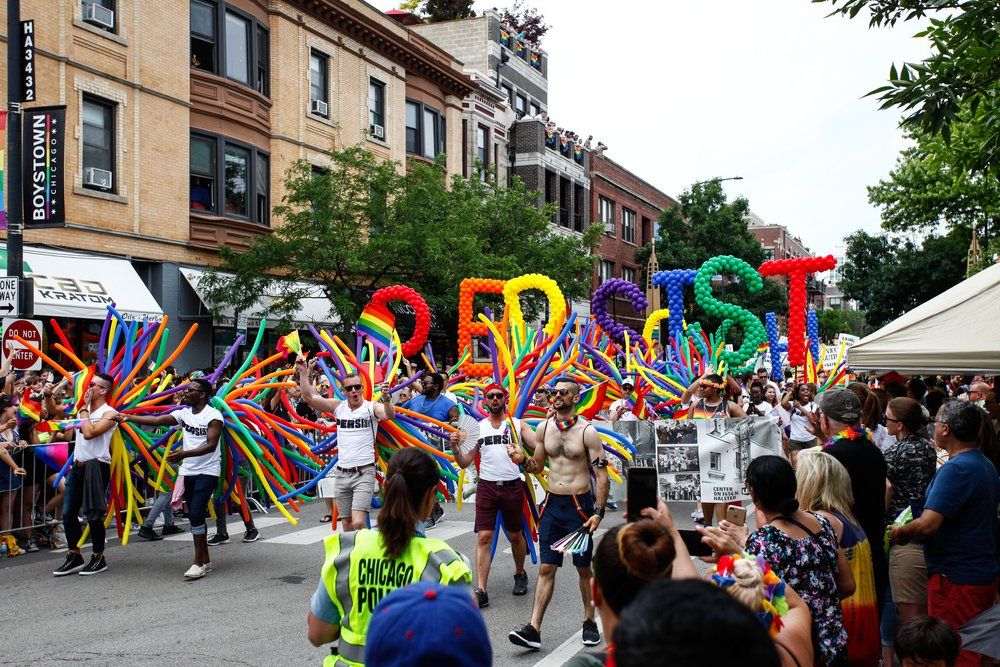
          "Persist" balloons at Chicago

          Dominique Robinson / Shutterstock.com

          LGBTQ+ Pride in Chicago, Illinois – June 30th 2019

            Nondiscrimination laws: Illinois has nondiscrimination laws in employment, housing, health care, education, public accommodations, and credit/lending. However, it does have a broad “Religious Exemption” law.

            Marriage equality and parental rights: Illinois has adoption and foster care nondiscrimination protections for LGBTQ+ parents, second-parent adoption for unmarried couples, and recognition for parents using assisted reproductive technologies. It also has family leave laws, which include LGBTQ-inclusive definitions. It does not have confirmatory adoption.

            Education and youth policies: Illinois does not restrict discussion of LGBTQ+ identities in classrooms, and instead requires curriculum to be LGBTQ-inclusive, which parents are not required to be notified of. It does not prevent transgender students from participating in sports or using school facilities based on their identities, and it does not require staff to forcibly out LGBTQ+ students to their guardians.

            Healthcare access and rights: Illinois has “shield” laws protecting access to gender-affirming care for youth, as well as abortion. The state has also banned so-called conversion therapy for youth. Health insurance companies, including Medicaid, are not allowed to deny coverage related to gender transition or fertility treatments.

            Criminal justice: Illinois’ hate crime laws encompass sexual orientation and gender identity, and it has banned the so-called “LGBTQ+ panic” defense.

            Maine
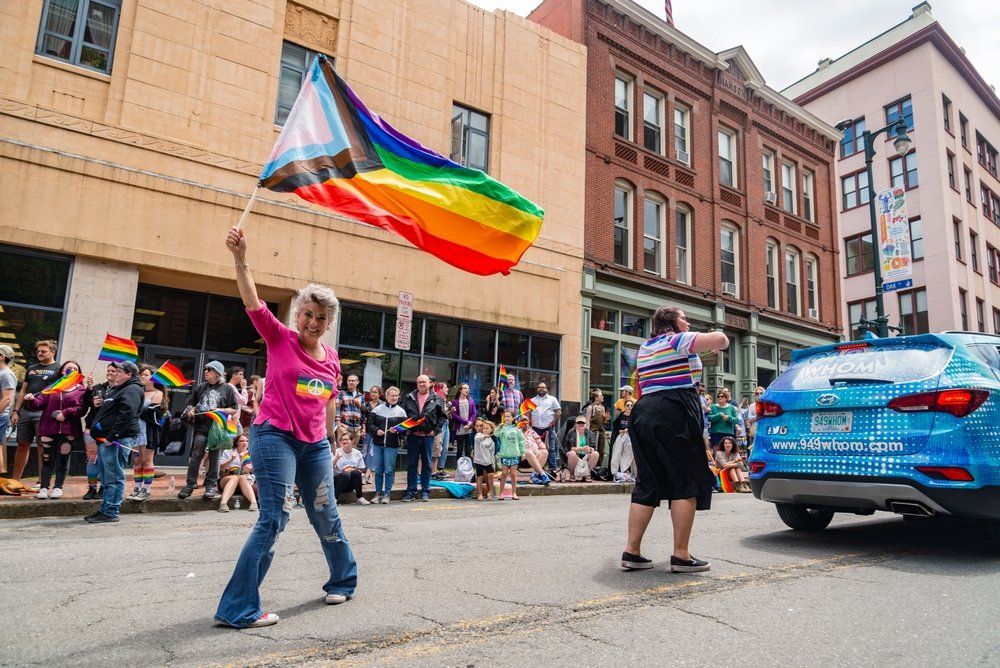
            Woman waving flag at Pride in Portland, Maine

            Enrico Della Pietra / Shutterstock.com

            LGBTQ+ Pride in Portland, Maine – June 18, 2022

              Nondiscrimination laws: Maine has nondiscrimination laws in employment, housing, health care, education, public accommodations, and credit/lending.

              Marriage equality and parental rights: Maine has adoption and foster care nondiscrimination protections for LGBTQ+ parents, second-parent adoption for unmarried couples and confirmatory adoption, and recognition for parents using assisted reproductive technologies. It also has family leave laws, which include LGBTQ-inclusive definitions.

              Education and youth policies: Maine does not restrict discussion of LGBTQ+ identities in classrooms, but it does not have LGBTQ-inclusive curriculum. It does not prevent transgender students from participating in sports or using school facilities based on their identities, and it does not require staff to forcibly out LGBTQ+ students to their guardians.

              Healthcare access and rights: Maine has “shield” laws protecting access to gender-affirming care for youth, as well as abortion. The state has also banned so-called conversion therapy for youth. Health insurance companies, including Medicaid, are not allowed to deny coverage related to gender transition. Private insurance is required to cover some fertility treatments, but Medicaid is not.Criminal justice:Maine’s hate crime laws encompass sexual orientation and gender identity, and it has banned the so-called “LGBTQ+ panic” defense.

              Maryland
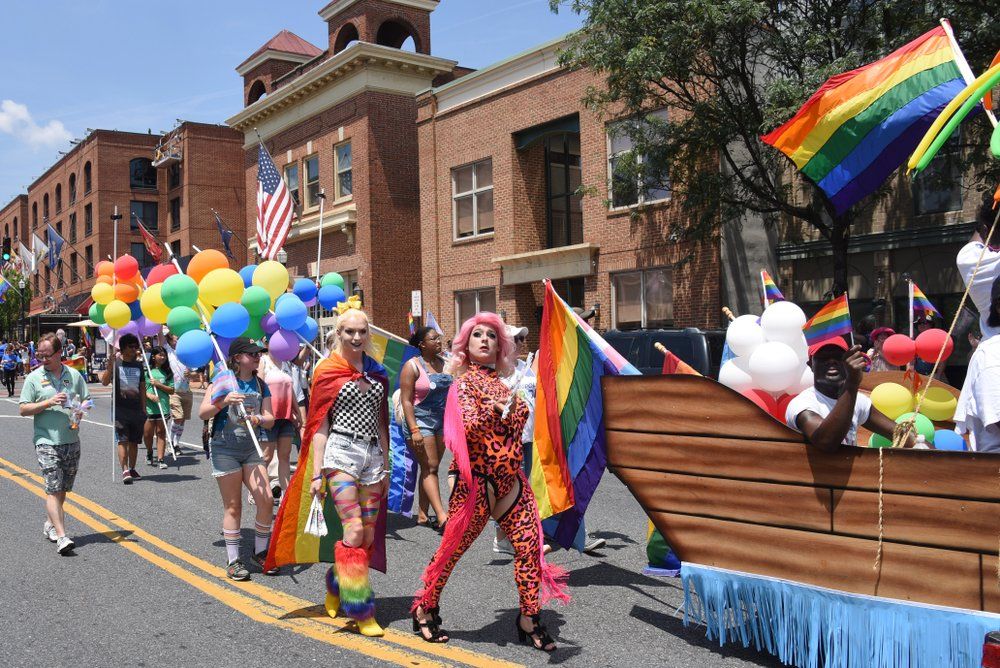
              Marchers and floats in the first Annapolis Pride parade

              Keri Delaney / Shutterstock.com

              The inaugural Pride Parade in Annapolis, Maryland – June 29, 2019

                Nondiscrimination laws: Maryland has nondiscrimination laws in employment, housing, health care, education, public accommodations, and credit/lending.

                Marriage equality and parental rights: Maryland has adoption and foster care nondiscrimination protections for LGBTQ+ parents, confirmatory adoption, and recognition for parents using assisted reproductive technologies. It does not second-parent adoption for unmarried couples. It also has family leave laws, but their LGBTQ-inclusive definitions are not as robust as others.

                Education and youth policies: Maryland does not restrict discussion of LGBTQ+ identities in classrooms, but it does not have LGBTQ-inclusive curriculum. It does not prevent transgender students from participating in sports or using school facilities based on their identities, and it does not require staff to forcibly out LGBTQ+ students to their guardians.

                Healthcare access and rights: Maryland has “shield” laws protecting access to gender-affirming care for youth, as well as abortion. The state has also banned so-called conversion therapy for youth. Health insurance companies, including Medicaid, are not allowed to deny coverage related to gender transition. Private insurance is required to cover some fertility treatments, but Medicaid is not.

                Criminal justice: Maryland’s hate crime laws encompass sexual orientation and gender identity, and it has banned the so-called “LGBTQ+ panic” defense. It does have a law criminalizing the transmission of HIV.

                Massachusetts
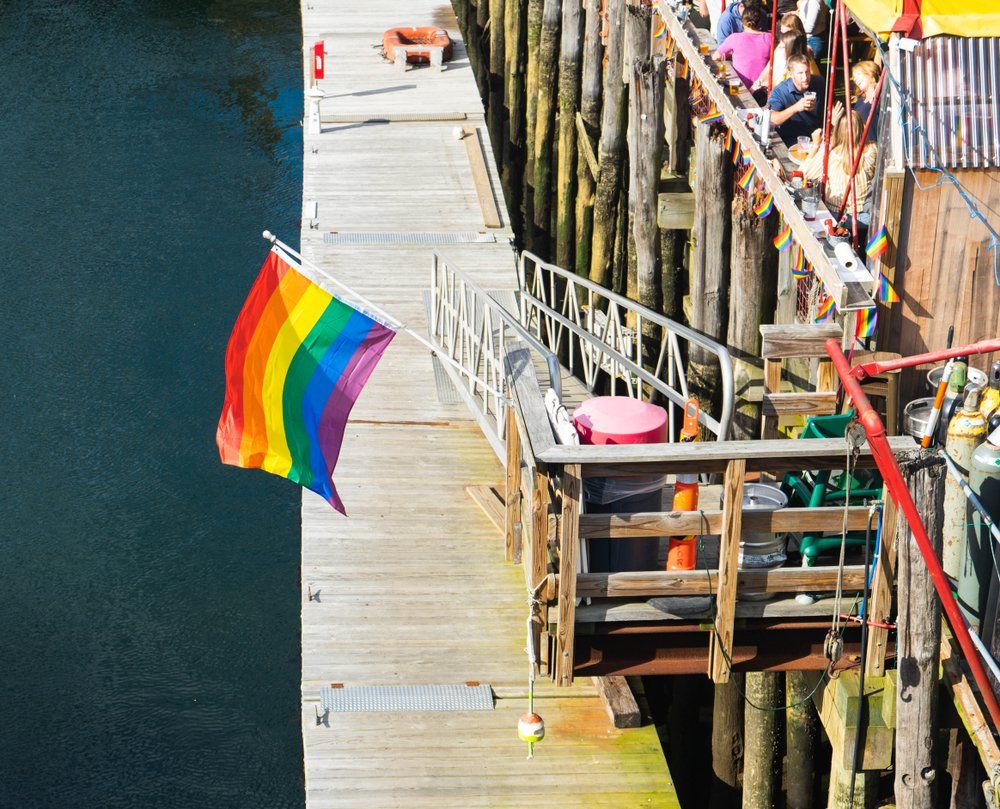
                Pride flag over Boston Seaport

                Michael Moloney / Shutterstock.com

                LGBTQ+ Pride flag waving in the wind over the Boston Seaport – JUNE 2, 2019

                  Nondiscrimination laws: Massachusetts has nondiscrimination laws in employment, housing, education, public accommodations, and credit/lending. It has nondiscrimination laws for gender identity in private healthcare, but not for sexual orientation.

                  Marriage equality and parental rights: Massachusetts has adoption and foster care nondiscrimination protections for LGBTQ+ parents, second-parent adoption for unmarried couples, and recognition for parents using assisted reproductive technologies. It also has family leave laws, which include LGBTQ-inclusive definitions. It does not have confirmatory adoption.

                  Education and youth policies: Massachusetts does not restrict discussion of LGBTQ+ identities in classrooms, but it does not have LGBTQ-inclusive curriculum. It does not prevent transgender students from participating in sports or using school facilities based on their identities, and it does not require staff to forcibly out LGBTQ+ students to their guardians.

                  Healthcare access and rights: Massachusetts has “shield” laws protecting access to gender-affirming care for youth, as well as abortion. The state has also banned so-called conversion therapy for youth. Health insurance companies, including Medicaid, are not allowed to deny coverage related to gender transition. Private insurance is required to cover some fertility treatments, but Medicaid is not.

                  Criminal justice: Maryland’s hate crime laws encompass sexual orientation and gender identity, but it has not banned the so-called “LGBTQ+ panic” defense. It does not have nondiscrimination protections based on gender identity for jury selection.

                  Minnesota

                  Lowry Avenue Bridge in Minneapolis lit in Rainbow Colors

                  Shuttershock Creative

                  Lowry Avenue Bridge in Minneapolis lit in Rainbow Colors in Honor of Orlando Victims

                    Nondiscrimination laws: Minnesota has nondiscrimination laws in employment, housing, health care, education, public accommodations, and credit/lending.

                    Marriage equality and parental rights: Minnesota has adoption and foster care nondiscrimination protections for LGBTQ+ parents. It does have family leave laws, which include LGBTQ-inclusive definitions. It does not have second-parent adoption for unmarried couples, confirmatory adoption, nor recognition for parents using assisted reproductive technologies.

                    Education and youth policies: Minnesota does not restrict discussion of LGBTQ+ identities in classrooms, but it does not have LGBTQ-inclusive curriculum. It does not prevent transgender students from participating in sports or using school facilities based on their identities, and it does not require staff to forcibly out LGBTQ+ students to their guardians.

                    Healthcare access and rights: Minnesota has “shield” laws protecting access to gender-affirming care for youth, as well as abortion. The state has also banned so-called conversion therapy for youth. Health insurance companies, including Medicaid, are not allowed to deny coverage related to gender transition. However, they are not required to cover fertility treatments.

                    Criminal justice: Minnesota’s hate crime laws encompass sexual orientation and gender identity, and it has banned the so-called “LGBTQ+ panic” defense.

                    Nevada
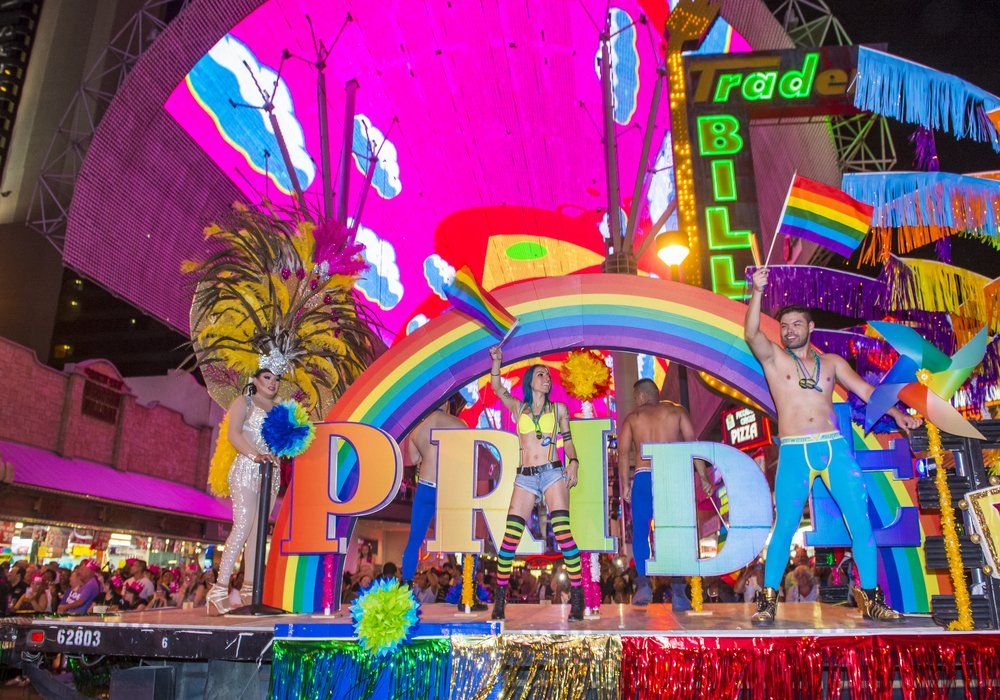
                    Las Vegas Pride parade float

                    Kobby Dagan / Shutterstock

                    LGBTQ+ Pride parade in Las Vegas, Nevada – October 21 , 2016

                      Nondiscrimination laws: Nevada has nondiscrimination laws in employment, housing, health care, education, public accommodations, and credit/lending.

                      Marriage equality and parental rights: Nevada has adoption and foster care nondiscrimination protections for LGBTQ+ parents, second-parent adoption for unmarried couples, and recognition for parents using assisted reproductive technologies. It also has family leave laws, which include LGBTQ-inclusive definitions. It does not have confirmatory adoption.

                      Education and youth policies: Nevada does not restrict discussion of LGBTQ+ identities in classrooms, and instead requires curriculum to be LGBTQ-inclusive, which parents are not required to be notified of. It does not prevent transgender students from participating in sports or using school facilities based on their identities, but it does not require staff to forcibly out students who change their gender identity to their guardians

                      Healthcare access and rights: Nevada does not have shield laws for gender-affirming care and abortion. The state has also banned so-called conversion therapy for youth. Health insurance companies, including Medicaid, are not allowed to deny coverage related to gender transition. However, they are not required to cover fertility treatments.

                      Criminal justice: Nevada’s hate crime laws encompass sexual orientation and gender identity, and it has banned the so-called “LGBTQ+ panic” defense. It does not have nondiscrimination protections based on gender identity for jury selection.

                      New Jersey
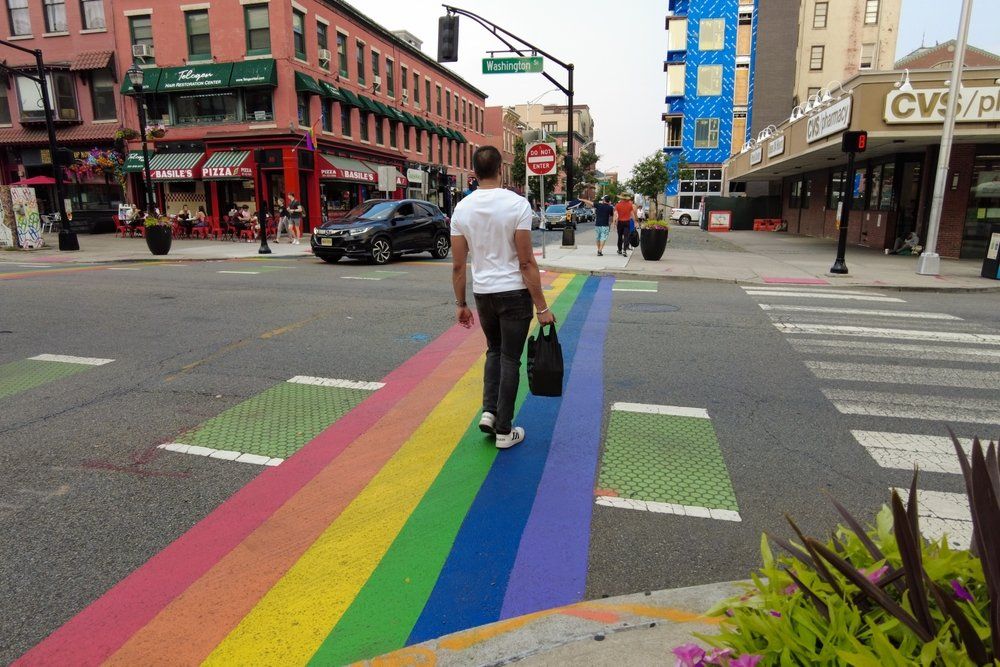
                      Rainbow crosswalk in Hoboken, New Jersey

                      Kirkam / Shutterstock.com

                      Rainbow LGBTQ+ Pride crosswalk in Hoboken, New Jersey, – June 25, 2023

                        Nondiscrimination laws: New Jersey has nondiscrimination laws in employment, housing, education, public accommodations, and credit/lending. It has nondiscrimination laws for gender identity in private healthcare, but not for sexual orientation.

                        Marriage equality and parental rights: New Jersey has adoption and foster care nondiscrimination protections for LGBTQ+ parents, and second-parent adoption for unmarried couples and confirmatory adoption. It also has family leave laws, which include LGBTQ-inclusive definitions. It does not have recognition for parents using assisted reproductive technologies.

                        Education and youth policies: New Jersey does not restrict discussion of LGBTQ+ identities in classrooms, and instead requires curriculum to be LGBTQ-inclusive, which parents are not required to be notified of. It does not prevent transgender students from participating in sports or using school facilities based on their identities, and it does not require staff to forcibly out LGBTQ+ students to their guardians.

                        Healthcare access and rights: New Jersey has “shield” laws protecting access to gender-affirming care for youth, as well as abortion. The state has also banned so-called conversion therapy for youth. Health insurance companies, including Medicaid, are not allowed to deny coverage related to gender transition. Private insurance is required to cover some fertility treatments, but Medicaid is not.

                        Criminal justice: New Jersey’s hate crime laws encompass sexual orientation and gender identity, and it has banned the so-called “LGBTQ+ panic” defense. It does not have nondiscrimination laws for LGBTQ+ people in jury selection.

                        New York
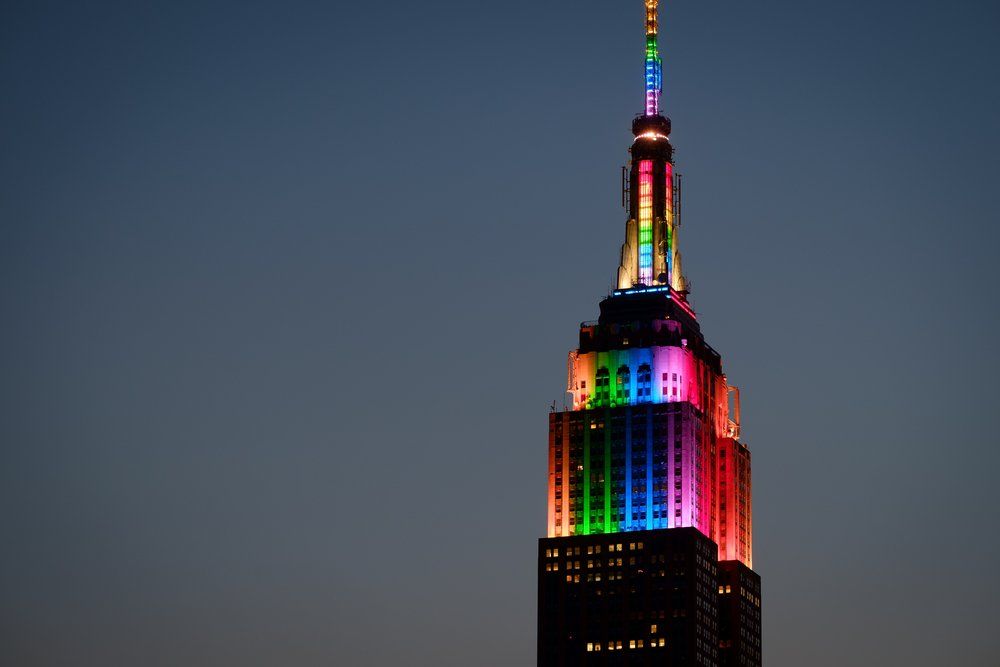
                        Empire State Building in rainbow colors

                        anaglic / Shutterstock.com

                        Empire State Building in rainbow colors in honor of the Orlando shooting victims, New York City – June 26, 2016

                          Nondiscrimination laws: New York has nondiscrimination laws in employment, housing, health care, education, public accommodations, and credit/lending.

                          Marriage equality and parental rights: New York has adoption and foster care nondiscrimination protections for LGBTQ+ parents, second-parent adoption for unmarried couples, and recognition for parents using assisted reproductive technologies. It also has family leave laws, which include LGBTQ-inclusive definitions. It does not have confirmatory adoption.

                          Education and youth policies: New York does not restrict discussion of LGBTQ+ identities in classrooms, but it does not have LGBTQ-inclusive curriculum. It does not prevent transgender students from participating in sports or using school facilities based on their identities, and it does not require staff to forcibly out LGBTQ+ students to their guardians.

                          Healthcare access and rights: New York has “shield” laws protecting access to gender-affirming care for youth, as well as abortion. The state has also banned so-called conversion therapy for youth. Health insurance companies, including Medicaid, are not allowed to deny coverage related to gender transition. Private insurance and Medicaid are also required to cover some fertility treatments.

                          Criminal justice: New York’s hate crime laws encompass sexual orientation and gender identity, and it has banned the so-called “LGBTQ+ panic” defense.

                          Oregon
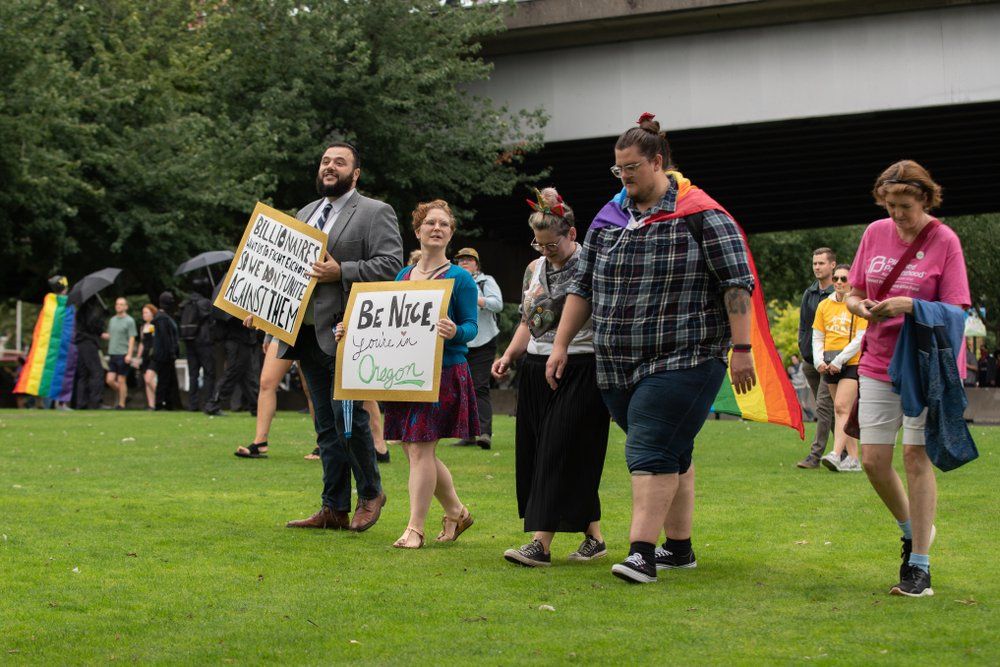
                          Protestors wear rainbow flag capes and carry a sign reading "Be nice, you're in Oregon"

                          Alexander Oganezov / Shutterstock.com

                          Protestors wear rainbow flag capes and carry a sign reading “Be nice, you’re in Oregon” at anti-fascism protest in Portland, Oregon – August 17, 2019

                            Nondiscrimination laws: Oregon has nondiscrimination laws in employment, housing, health care, education, and public accommodations. It does not have nondiscrimination laws in credit/lending.

                            Marriage equality and parental rights: Oregon has adoption and foster care nondiscrimination protections for LGBTQ+ parents and second-parent adoption for unmarried couples. It does have family leave laws, which include LGBTQ-inclusive definitions. It does not have confirmatory adoption, nor recognition for parents using assisted reproductive technologies.

                            Education and youth policies: Oregon does not prevent transgender students from participating in sports or using school facilities based on their identities, and it does not require staff to forcibly out LGBTQ+ students to their guardians. It does not restrict discussion of LGBTQ+ identities in classrooms, and instead requires curriculum to be LGBTQ-inclusive, which parents are not required to be notified of.

                            Healthcare access and rights: Oregon has “shield” laws protecting access to gender-affirming care for youth, as well as abortion. The state has also banned so-called conversion therapy for youth. Health insurance companies, including Medicaid, are not allowed to deny coverage related to gender transition. However, they are not required to cover fertility treatments.

                            Criminal justice: Oregon’s hate crime laws encompass sexual orientation and gender identity, and it has banned the so-called “LGBTQ+ panic” defense.

                            Rhode Island
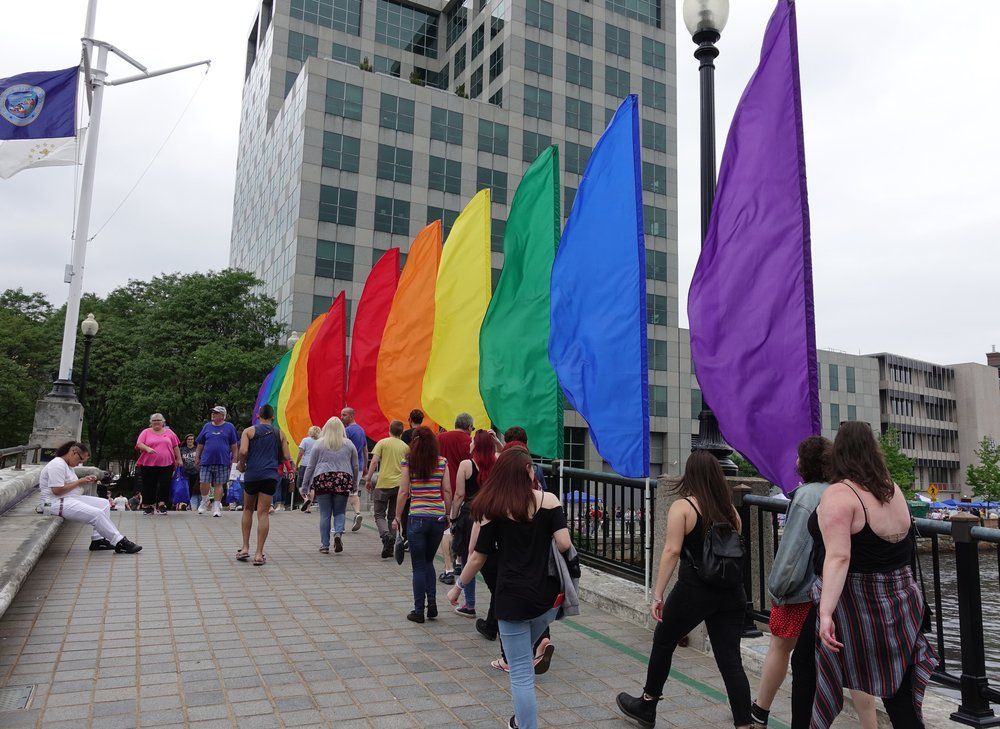
                            Rainbow flags on bridge over water in Providence, Rhode Island

                            Anthony Ricci / Shutterstock.com

                            Pride festival in downtown Providence, Rhode Island – June 17, 2017

                              Nondiscrimination laws: Rhode Island has nondiscrimination laws in employment, housing, education, public accommodations, and credit/lending. It has nondiscrimination laws for gender identity in private healthcare, but not for sexual orientation. It also has a broad “Religious Exemption” law.

                              Marriage equality and parental rights: Rhode Island has adoption and foster care nondiscrimination protections for LGBTQ+ parents, second-parent adoption for unmarried couples and confirmatory adoption, and recognition for parents using assisted reproductive technologies. It also has family leave laws, but their LGBTQ-inclusive definitions are not as robust as others.

                              Education and youth policies: Rhode Island does not restrict discussion of LGBTQ+ identities in classrooms, but it does not have LGBTQ-inclusive curriculum. It does not prevent transgender students from participating in sports or using school facilities based on their identities, and it does not require staff to forcibly out LGBTQ+ students to their guardians.

                              Healthcare access and rights: Rhode Island has “shield” laws protecting access to gender-affirming care for youth, as well as abortion. The state has also banned so-called conversion therapy for youth. Health insurance companies, including Medicaid, are not allowed to deny coverage related to gender transition. Private insurance is required to cover some fertility treatments, but Medicaid is not.

                              Criminal justice: Rhode Island’s hate crime laws encompass sexual orientation and gender identity, and it has banned the so-called “LGBTQ+ panic” defense. It does not have nondiscrimination laws for LGBTQ+ people in jury selection.

                              Vermont
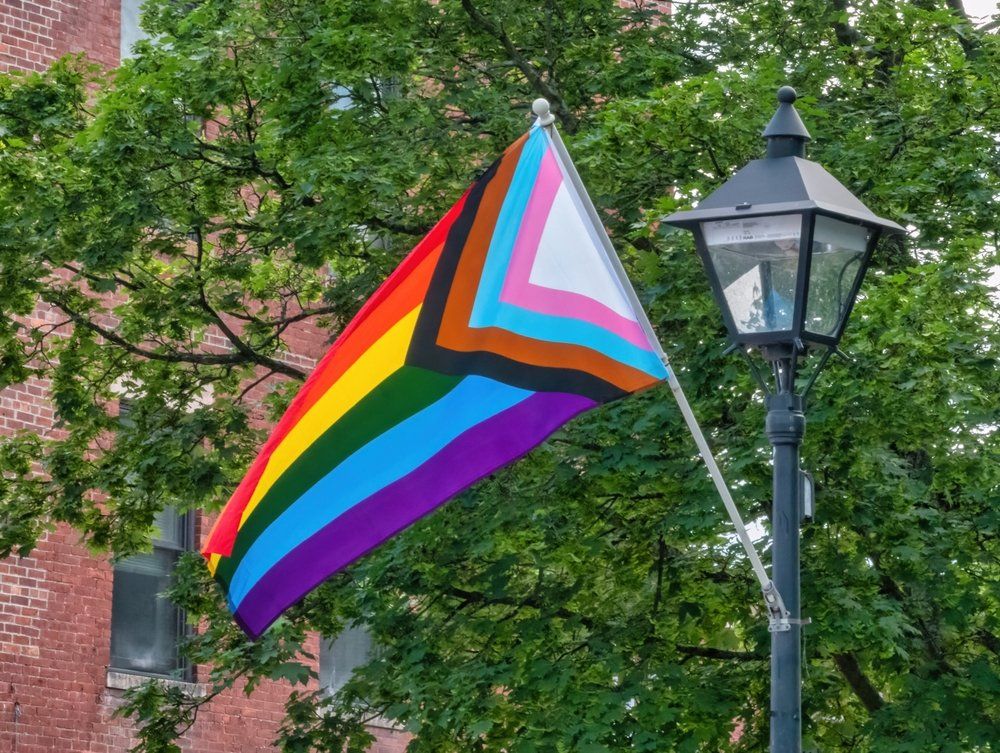
                              Pride flag on lamppost in Montpelier, Vermont

                              Charles Patrick Ewing / Shutterstock.com

                              LGBTQ+ Pride flag on lamppost in Montpelier, Vermont – June 11, 2022

                                Nondiscrimination laws: Vermont has nondiscrimination laws in employment, housing, health care, education, public accommodations, and credit/lending.

                                Marriage equality and parental rights: Vermont has adoption and foster care nondiscrimination protections for LGBTQ+ parents, second-parent adoption for unmarried couples, and recognition for parents using assisted reproductive technologies. It also has family leave laws, which include LGBTQ-inclusive definitions. It does not have confirmatory adoption.

                                Education and youth policies: Vermont does not restrict discussion of LGBTQ+ identities in classrooms, but it does not have LGBTQ-inclusive curriculum. It does not prevent transgender students from participating in sports or using school facilities based on their identities, and it does not require staff to forcibly out LGBTQ+ students to their guardians.

                                Healthcare access and rights: Vermont has “shield” laws protecting access to gender-affirming care for youth, as well as abortion. The state has also banned so-called conversion therapy for youth. Health insurance companies, including Medicaid, are not allowed to deny coverage related to gender transition. However, state employees who are transgender do not have inclusive health benefits. Insurance companies are also not required to cover fertility treatments.

                                Criminal justice: Vermont’s hate crime laws encompass sexual orientation and gender identity, and it has banned the so-called “LGBTQ+ panic” defense. It does not have nondiscrimination laws for LGBTQ+ people in jury selection.

                                Washington
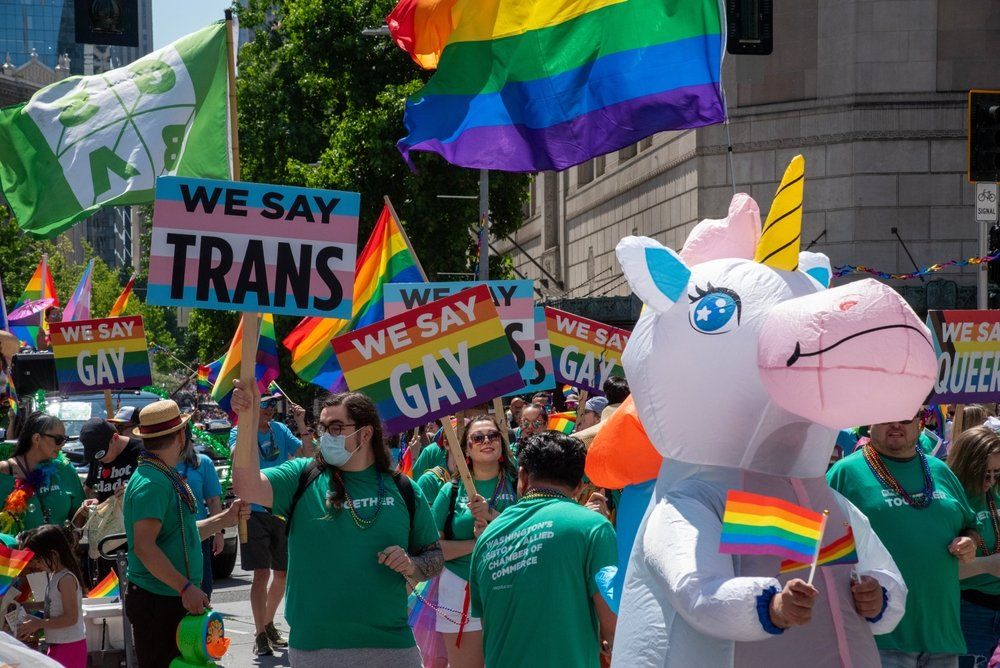
                                People carrying "We say trans" and "We say gay" signs at Seattle Pride

                                SeaRick1 / Shutterstock.com

                                People carrying rainbow signs reading “We say trans” and “We say gay” at LGBTQ+ Pride in Seattle, Washington – June 25, 2023

                                  Nondiscrimination laws: Washington has nondiscrimination laws in employment, housing, health care, education, public accommodations, and credit/lending.

                                  Marriage equality and parental rights: Washington has adoption and foster care nondiscrimination protections for LGBTQ+ parents and recognition for parents using assisted reproductive technologies.. It does have family leave laws, which include LGBTQ-inclusive definitions. It does not have second-parent adoption for unmarried couples, nor confirmatory adoption.

                                  Education and youth policies: Washington does not restrict discussion of LGBTQ+ identities in classrooms, and instead requires curriculum to be LGBTQ-inclusive, which parents are not required to be notified of. It does not prevent transgender students from participating in sports or using school facilities based on their identities, and it does not require staff to forcibly out LGBTQ+ students to their guardians.

                                  Healthcare access and rights: Washington has “shield” laws protecting access to gender-affirming care for youth, as well as abortion. The state has also banned so-called conversion therapy for youth. Health insurance companies, including Medicaid, are not allowed to deny coverage related to gender transition. However, they are not required to cover fertility treatments.

                                  Criminal justice: Washington’s hate crime laws encompass sexual orientation and gender identity, and it has banned the so-called “LGBTQ+ panic” defense. It does have a law criminalizing the transmission of HIV.

                                  Honorable mentions
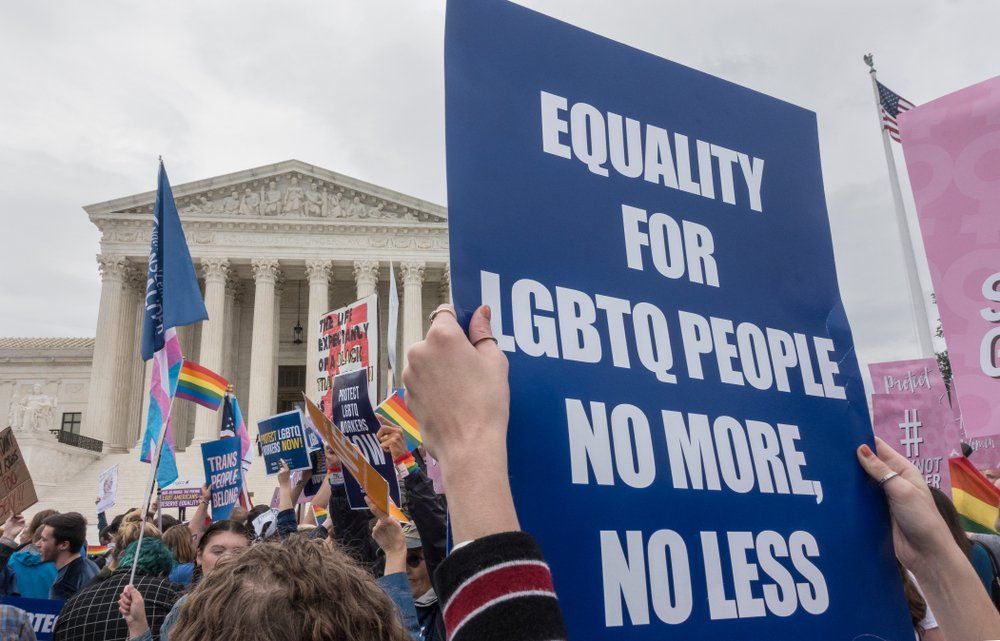
                                  Sign outside SCOTUS reading "Equality for LGBTQ people no more, no less"

                                  Bob Korn / Shutterstock.com

                                  Rally for LGBTQ rights outside Supreme Court in Washington, D.C. – OCT. 8, 2019

                                    Washington, D.C. also ranked high on MAP’s assessment, though it does not currently have statehood.

                                    Other states that ranked above average include: Delaware, Hawaii, Michigan, New Hampshire, New Mexico, and Virginia.

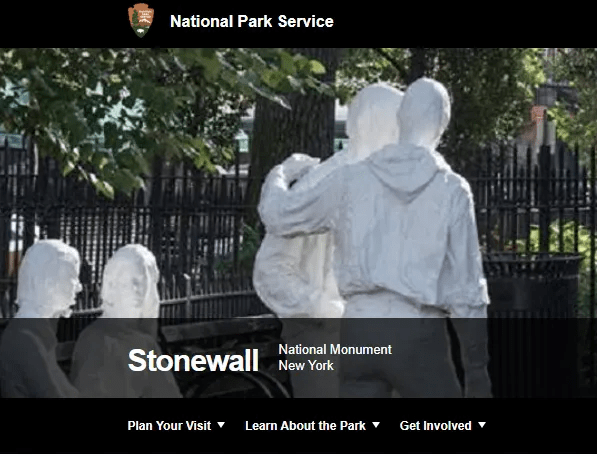
                                    After Trans People, Trump Now Erasing Bisexual People From Stonewall National Monument

                                    Read more at Erin in the Morning.

                                    Earlier this year, the Trump administration digitally erased transgender people from the Stonewall National Monument, scrubbing them from the history they helped shape. The decision sparked widespread protests at the civil rights landmark and raised alarm about broader efforts to censor transgender people from the public record. Now, new signs suggest the administration has set its sights on another target: bisexual people. Key historical and cultural pages associated with the Stonewall site have been updated to describe the uprising as a milestone for “gay and lesbian rights,” quietly removing any mention of bisexual or transgender individuals.

                                    Signs that the pages dedicated to Stonewall were being tampered with emerged early in Trump’s second presidency. Before the first update, the Stonewall National Monument page acknowledged that “before the 1960s, almost everything about living openly as a lesbian, gay, bisexual, transgender, or queer (LGBTQ+) person was illegal.” The revised version then stated, “almost everything about living openly as a lesbian, gay, bisexual (LGB) person was illegal.” Now, a new version of the page indicates that “Before the 1960s, almost everything about living authentically as a gay or lesbian person was illegal.”

                                    You can see the changes here:

                                    The changes were not limited to the front page. In the “History and Culture” section, the page once indicated “Stonewall was a milestone for LGBTQ civil rights that provided momentum for a movement.” Then it was changed to “Stonewall was a milestone for LGB civil rights that provided momentum for a movement” by the Trump administration. Now, the page says that it was a milestone for “gay and lesbian” civil rights. Likewise, the page now reads that living “openly as a member of the Stonewall comunity |SIC| was a violation of law,” rather than living as an openly LGBTQ+ person, as it had previously read.

                                    The erasure is historically inaccurate. Stonewall was heavily led by transgender and gender-nonconforming leaders like Sylvia Rivera, Marsha P Johnson, and Zazu Nova. At Stonewall, Sylvia Rivera famously stated that while she did not “throw the first Molotov cocktail,” she did throw the second. Transgender woman Zazu Nova is among those credited with “throwing the first brick,” sparking the uprising. Marsha P. Johnson, another key figure in the protests that followed, played a critical role in shaping the movement.

                                    Likewise, bisexual people played a pivotal role in the Pride movement that emerged from Stonewall. Brenda Howard, a bisexual rights activist often referred to as “the mother of Pride,” helped organize the rally that became the Christopher Street Liberation Day March on the first anniversary of the uprising. Both transgender and bisexual people have long viewed Stonewall as a civil rights milestone—and for good reason. Living openly as either in the 1960s carried enormous risk, and both communities were targeted in the police raid that sparked the movement.

                                    These edits were not the only ones made to Stonewall since Trump took office. Individual pages dedicated to transgender figures instrumental in the Stonewall uprising were also altered to erase transgender references. The changes were often sloppy and rushed, revealing the haphazard nature of the effort. In one glaring example, Sylvia Rivera’s section originally stated, “At a young age, Sylvia began fighting for gay and transgender rights.” The revised version read, “gay and rights,” with the word “transgender” removed entirely, rendering the sentence nonsensical:

                                    Bisexual, transgender, and queer people were at the forefront of the Stonewall movement. Though the language was still evolving, many of the patrons defied conventional categories of gender and sexuality, refusing to be neatly classified. Erasing them from Stonewall is not only historically false—it is a deliberate act of political revisionism. The recent removal of “bisexual” from official Pride histories is a warning: attacks on transgender people will never stop with us. They are part of a broader effort to narrow the scope of who is allowed to belong, to be seen, and even to be remembered.

                                    A school district just banned rainbow flags. It may soon remove protections for LGBTQ+ students too.

                                    Read more at LGBTQ Nation.

                                    The school board of Johnston County, North Carolina, voted 4-2 to ban district schools from displaying rainbow Pride flags on Tuesday. The ban is just the latest in a long line of conservative efforts to ban the LGBTQ+ flag from schools and government property.

                                    According to The Raleigh News & Observer, the newly approved policy states: “Principals and teachers shall limit displays in the classrooms, school buildings, ball fields, school grounds, and buses, such as signs and flags, to materials that represent the United States, the state of North Carolina, Johnston County, the school name, mascot, post-secondary institutions, school-sponsored events, sponsorships, military flags, family photos, student art and/or the approved curriculum.”

                                    One board member who voted against the measure, Kay Carroll, said, “It’s important that they know when they see somebody wear a human rights pin or a rainbow pin, the message is that this is a safe place for people in the LGBTQ+ community…. It’s comforting to see these symbols of acceptance and tolerance. When they see these symbols — which are signals — they know they are safe to be their authentic selves. We’re just treating human beings decently.”

                                    The school board claimed that it will continue to support “all students and school employees.” However, the board is currently considering removing sexual orientation and gender identity from its anti-bullying and anti-discrimination policies. The board will re-vote on the removal soon after failing to advance the measure in a 3-3 tie vote last Tuesday.

                                    Numerous school districts nationwide have banned the display of Pride flags, with conservative school board members claiming that the flags are a “divisive” form of “indoctrination.”

                                    However, recent polling by the Trevor Project suggests that LGBTQ+ students may benefit from visible displays of support, considering that 39% of LGBTQ+ young people and 46% of trans and nonbinary young people reported attempting suicide in the past year, and 49% of respondents between ages 13 to 17 said they experienced bullying in the past year. Young people who were bullied were also significantly more likely to have attempted suicide in the past year.

                                    Earlier this year, both Utah and Idaho became the first U.S. states to pass laws restricting the flying of Pride flags in schools and on government property. The move led the capital city governments of Salt Lake City, Utah, and Boise, Idaho, to designate the Pride flags as official city flags, so they can still fly them under the bans.

                                    ‘Largest ever human Pride flag’ created by thousands of LGBTQ+ activists in Mexico City

                                    Read more at The Pink News.

                                    On Sunday (22 June), in celebration of Pride, more than 5000 LGBTQ+ activists and allies gathered in Mexico City’s Zócalo Public Square to form what is believed to be the “world’s largest human LGBTQ+ flag”.

                                    As rain showered down, participants held up colourful umbrellas in their matching coloured t-shirts to create the Pride flag formation.

                                    Also in the formation was Mexico City Mayor, Clara Brugada, who said during the event, as reported by The Latin Times: “Mexico City is and will continue to be the city of rights and freedoms. This monumental image we draw with our bodies and colours will be a powerful message to the country and the world.

                                    “Mexico City is the capital of pride, diversity, peace, and transformation.”

                                    The show of solidarity, which lasted two hours, was organised by Mexico City’s government, and is the largest event of its kind in Mexican history. 

                                    Shots of the formation were captured by drone, with the images and videos going viral on social media. Many expressed their joy at seeing such unity in the city, with one comment under a video of the display reading: “I will forever be proud to be a Mexican”. 

                                    Mexico City continues to lead the fight for LGBTQ+ rights in Mexico. In 2009, it became the first city in Latin America to legalise same-sex marriage. Then, in 2020, it achieved another milestone by becoming the first jurisdiction in Mexico to outlaw the harmful practice of conversion therapy.

                                    Last year, in a historical moment, Claudia Sheinbaum became the first woman to be elected president of Mexico. Sheinbaum, who is also the first Jewish president in Mexico, has expressed want to combat gender-based violence and improve rights for LGBTQ+ people.

                                    Church stands by call to execute gay people: “I will not apologize for preaching the Word of God.”

                                    Read more at LGBTQ Nation.

                                    A church leader in Indianapolis is doubling down on a sermon delivered at the Sure Foundation Baptist Church in the state’s capital city last week that called on gay people to “blow yourself in the back of the head,” among other incendiary statements.

                                    Church leader Justin Zhong endorsed the remarks delivered by lay pastor Stephen Falco during a Men’s Preaching Night service on June 29, including his assertion that, “There’s nothing good to be proud about being a f*g. You ought to blow yourself in the head in the back of the head. You’re so disgusting.”

                                    The church posted the sermon to YouTube, and it was widely denounced by members of the LGBTQ+ community and allies who called the hate-filled screed “theologically irresponsible” and “pastorally dangerous.”

                                    YouTube has since removed the video for violating its terms of service. A portion of the sermon was reposted by radio station 93 WIBC Indianapolis.

                                    “Why do I hate sodomites, why do I hate f*gs? Because they attack children, they’re coming after your children, they are attacking them in schools today, and not only schools in public places, and they’re proud about it!” Falco said during the Pride month sermon titled “Pray the gay away.”

                                    Another man identified in the same video as “Brother Wayne” followed Falco at the pulpit with a sermon he called “Worthy of Being Beaten,” according to the Indianapolis Star. He blamed society’s moral decline on a lack of discipline and physical punishment, calling beatings a deterrent that have been lost in American culture, while aiming his harshest rhetoric at immigrants and the LGBTQ+ community.

                                    “I don’t even understand why we’re deporting these illegal criminals who are murderers, who are doing drug trafficking, sex trafficking, human trafficking. They’re putting them on a plane, and they’re sending them over to a prison in another country,” he said. “I say we put them to death right here. I say we beat them right here.”

                                    Brother Wayne said of gay people, “I think they should be put to death. You know what, I’ll go further. I think they should be beaten in public first for all their sick and demented, just [slur] and the things they’re doing to our schools, to our government, to our institutions, to our churches. These people should be beaten and stomped in the mud, and then they should take a gun and blow the back of their heads off.”

                                    While not officially associated with the notorious New Independent Fundamental Baptist Church, which has long espoused the death penalty for gay people, Sure Foundation Baptist Church says their pastor, Aaron Thompson, is a new IFB church member from Vancouver, Washington.

                                    Both churches are “KJV only”, referring to their literal interpretation of the gospel from the King James Bible.

                                    “The Bible is crystal clear that sodomites – homosexuals – deserve the death penalty carried out by a government that actually cares about the law of God,” said church leader Zhong in Falco’s defense.

                                    “I will not apologize for preaching the Word of God. I will not apologize for stating facts. I will not negotiate with terrorists, among whom the LGBTHIV crowd is full of domestic terrorists,” Zhong said, before citing multiple verses from the Bible to make his church’s case on Facebook.

                                    A sermon by Falco in March even directed ire at Donald Trump for appearing religious to secure political support while having a life of pride, perversion, blasphemy, and mockery of Jesus Christ.

                                    He cited Trump’s declaration that he would date his own daughter if they weren’t related.

                                    “Unless Donald Trump gets saved, which I hope he does … God will judge him for it and he will go to hell.”

                                    In his June sermon, Falco also wished death on former President Joe Biden, whom he described as “a wicked reprobate.”

                                    “I have prayed for the death of former President Biden many times,” he boasted.

                                    But Falco’s most outlandish and threatening rhetoric was reserved for the LGBTQ+ community, which he shouted down as “evil” and “disgusting”.

                                    Allies and activists rallied in the community’s defense, including an association of Black churches and activists.

                                    “Such messages are not only theologically irresponsible but pastorally dangerous,” faith-based civil rights group Concerned Clergy of Indianapolis said in a statement. “The pulpit must never be used as a weapon to dehumanize, isolate, or incite fear.”

                                    Equality Indiana called Falco’s sermon inflammatory and extremist, saying it could inspire violence against the community.

                                    GOP official just banned “Everyone is Welcome Here” signs in schools because they’re too Democratic

                                    Read more at LGBTQ Nation.

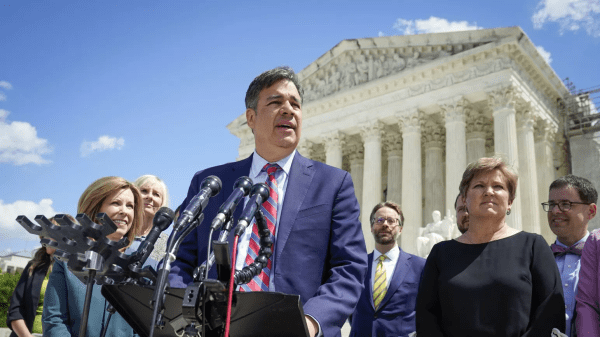
                                    The attorney general of Idaho issued an opinion telling schools not to allow teachers to post signs that say “Everyone is Welcome Here,” claiming that the message that public education is for everyone regardless of race, gender, sexual orientation, or other categories is Democratic in nature and therefore illegally partisan.

                                    “These signs are part of an ideological/social movement which started in Twin Cities, Minnesota, following the 2016 election,” Idaho Attorney General Raúl Labrador (R) said in guidance issued to a school. “Since that time, the signs have been used by the Democratic party as a political statement.”

                                    .Labrador also noted that the state Democratic Party is selling signs that say “Everyone is Welcome Here,” but state Democrats say that they only started selling those signs at cost in order to draw attention to conservatives’ early attempts to ban them.

                                    The conflict centers on Idaho’s H.B. 41, which took effect last week and bans school employees from displaying flags or banners that show “opinions, emotions, beliefs or thoughts about politics, economics, society, faith or religion.”

                                    Earlier this year, the state’s West Ada School District banned Sarah Inama, a teacher at Lewis and Clark Middle School, from displaying a sign that says, “Everyone is Welcome Here.” It showed a drawing of people’s hands with different skin tones, each with a heart on it.

                                    The district also ordered her to take down another sign that read, “In this room everyone is welcome, important, accepted, respected, encouraged, valued, equal” on top of a background of rainbow colors. The rainbow colors included seven stripes, which differs from the six-striped rainbow Pride flag.

                                    The controversy over the signs garnered national headlines in March, and the state attorney general’s office looked into how the law would apply in such cases, issuing an opinion last week.

                                    The attorney general determined that these specific signs would violate H.B. 41 and claimed that the statements in the signs are part of a political movement and not, as defenders of the signs argued, generally agreed-upon beliefs about the nature of public education.

                                    Labrador’s guidance hyperlinked a 2017 news story about a group of women who protested racist graffiti that appeared at a local high school the day after the president was elected to his first term, according to the Idaho Capital-Sun, which posted the attorney general’s opinion. The women carried signs that read, “All are Welcome Here.”

                                    The guidance then claimed that Inama started posting the “Everyone is Welcome Here” sign in 2017, “during the height of the above-referenced social movement.”

                                    In March, Inama disagreed that the message is political or partisan.

                                    “I don’t agree. I don’t agree that this is a personal opinion,” she told KTVB at the time. “I feel like this is the basis of public education.”

                                    Inama resigned in May.

                                    GOP Ohio governor vetoes several anti-LGBTQ+ measures while letting others become law

                                    Read more at LGBTQ Nation.

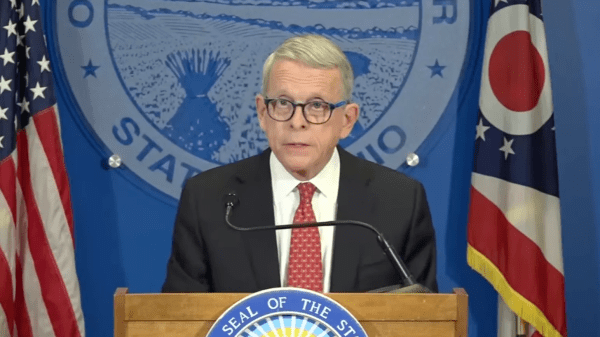
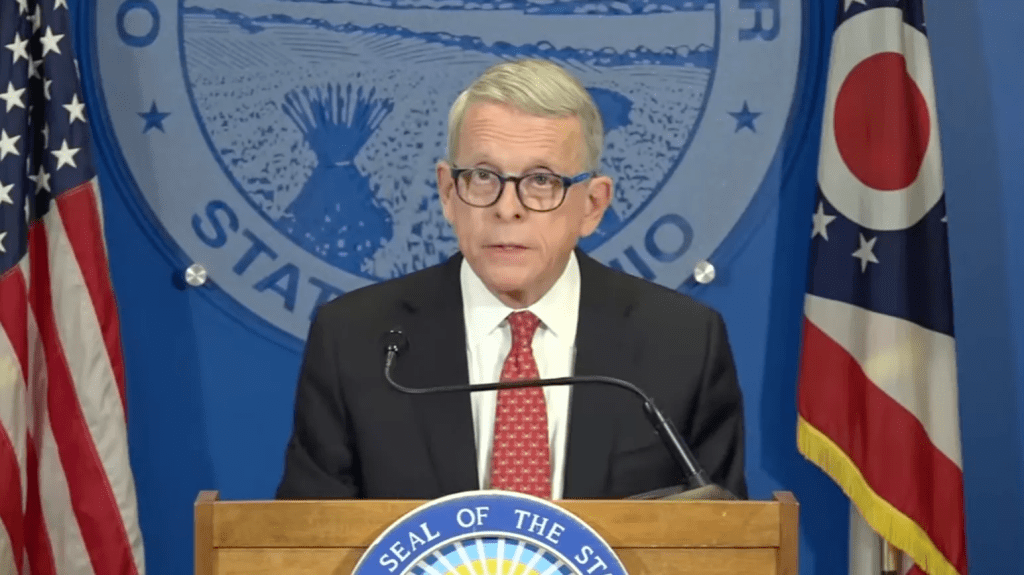
                                    Ohio Gov. Mike DeWine (R) vetoed three anti-LGBTQ+ provisions in the state’s latest budget bill yesterday, in a partial victory for civil rights that still leaves several assaults on LGBTQ+ identity signed into law.

                                    The budget passed by Republicans over Democrats’ objections included a raft of measures targeting the LGBTQ+ community, including a prohibition on flying the Pride flag on state property; defunding shelters that welcome trans youth; language defining sex in the state as binary; removing library books related to sexual orientation or gender identity from areas accessed by minors; and denying Medicaid funding for mental health services for transgender people.

                                    DeWine vetoed the prohibition on the Pride flag, the defunding of youth shelters, and the mandate on library materials.

                                    “The budget is supposed to be a reflection of Ohio’s shared values,” Equality Ohio said in a statement shared with the Columbus Dispatch after the governor vetoed the provisions. The group said lawmakers tried to make the bill “a vehicle for cruelty.”

                                    “But because of community action—because we showed up, we sent emails, we made calls, and we told your stories — some of that cruelty was stopped in its tracks,” the organization said.

                                    DeWine, a lifelong conservative and former United States senator, was circumspect in explaining the reasoning behind his vetoes.

                                    On the subject of youth shelters, DeWine told reporters, “We want homeless shelters to be open for everyone. That’s kind of it.”

                                    Of the library provision, which ordered books addressing LGBTQ+ identity kept “out of sight” of minors, the governor said, “As parents or grandparents, no one wants their child to have a book or something that is inappropriate, something that is obscene. But I just felt that the language did not work.”

                                    The provision banning the Pride flag would have limited flags flown on state properties to the American flag, the Ohio flag, the POW/MIA flag, and flags of official state agencies.

                                    Wins for MAGA Republicans in the GOP-dominated Ohio House and Senate included copycat language from the president’s “gender ideology” executive order mandating the government recognize only two biological sexes, male and female, as well as a ban on Medicaid funding for mental health services for transgender people.

                                    How the latter would be enforced in a mental health setting has yet to be tested and will likely be challenged in court.

                                    DeWine also let stand a prohibition on distributing menstrual products in men’s public restrooms.

                                    Republican leaders can override any of DeWine’s line-item vetoes between now and the end of the two-year legislative session in December 2026. The GOP holds overwhelming and veto-proof majorities in both the House and Senate.

                                    In January 2024, Republicans overrode DeWine’s veto of a bill banning gender-affirming care for minors and trans women and girls from participating in school sports in the state.

                                    In November, DeWine signed a discriminatory “bathroom bill” into law restricting use of public school and college restrooms based on “biological sex.”

                                    Which Country in the World Supports Marriage Equality the Most?

                                    *Reported by The Advocate.

                                    Support for marriage equality varies greatly around the world, with Western European countries most heavily in favor, according to a new Pew Research Center analysis.

                                    Pew has conducted surveys in 32 countries in the past two years. Support was highest in Sweden, where 92 percent of respondents favored equal marriage rights for same-sex couples. Other countries Western Europe were not far behind, with 89 percent support in the Netherlands, 87 percent in Spain, 82 percent in France, and 80 percent in Germany. Each of those countries has legalized same-sex marriage.

                                    In Italy, where legalization is being debated but hasn’t yet happened, 73 percent of respondents endorsed marriage equality. In the United Kingdom, support stood at 74 percent, and all parts of the U.K. have enacted marriage equality.

                                    The situation was much different in the Eastern European countries Pew has surveyed, with just 41 percent support in Poland and 31 percent in Hungary.

                                    In North America, 79 percent of Canadians and 63 percent of both U.S. residents and Mexicans backed marriage equality. In the U.S., there were stark differences along party lines. Eighty-two percent of Democrats and Democratic-leaning independents were supportive, compared to 44 percent of Republicans and Republican leaners. Age differences showed up in the U.S. too, with 73 percent of respondents under 40 being supportive, compared to 57 percent of those 40 and older.

                                    In the two South American countries surveyed, there was majority endorsement of marriage equality — 67 percent in Argentina and 53 percent in Brazil. Both countries have legalized same-sex marriage.

                                    Surveys of the Asia-Pacific region showed 75 percent support of equal marriage rights in Australia, which OK’d marriage equality in 2017. In Taiwan, the only Asian country with marriage equality, 45 percent of respondents were in favor and 43 percent still opposed, with the rest undecided. There was majority support in Japan, Vietnam, Hong Kong, Cambodia, and India; the latter’s highest court “recently rejected a petition to legalize same-sex marriage,” Pew notes. The survey there was conducted before the ruling. Indonesia had the lowest amount of support among Asian countries, with 5 percent.

                                    In Africa and the Middle East, Pew found 38 percent of both South Africans and Israelis in favor of marriage equality, but just 9 percent of Kenyans and 2 percent of Nigerians. Nigeria came in lowest of all the countries surveyed.

                                    Around the world, Pew found that younger people were more likely to support marriage equality than older ones, women more likely than men, and liberals more likely than conservatives. The ideological split is greatest in the U.S., with 90 percent of liberals endorsing marriage equality and just 36 percent of conservatives. Globally, people with higher levels of education and income were more supportive than those with lower levels.

                                    Virginia agrees not to fully enforce state law banning conversion therapy for LGBTQ minors

                                    *This is reported by NBC News.

                                     Virginia officials have agreed not to fully enforce a 2020 law banning conversion therapy for minors as part of an agreement with a faith-based conservative group that sued over the law, authorities said earlier this week.

                                    The Virginia Department of Health Professions, represented by the state’s office of the attorney general, entered into a consent decree with the Founding Freedoms Law Center last month, saying officials will not discipline counselors who engage in talk conversion therapy.

                                    Shaun Kenney, a spokesperson with the Virginia Attorney General’s Office, said on Tuesday his office was satisfied with the consensus.

                                    “This court action fixes a constitutional problem with the existing law by allowing talk therapy between willing counselors and willing patients, including those struggling with gender dysphoria,” Kenney said in a statement. “Talk therapy with voluntary participants was punishable before this judgment was entered. This result—which merely permits talk therapy within the standards of care while preserving the remainder of the law—respects the religious liberty and free speech rights of both counselors and patients.”

                                    A Henrico Circuit Court judge signed the consent decree in June. Two professional counselors represented by the law center sued the state’s health department and counseling board last September, arguing that the law violated their right to religious freedom.

                                    The term “conversion therapy” refers to a scientifically discredited practice of using therapy in an attempt to convert LGBTQ people to heterosexuality.

                                    The practice has been banned in 23 states and the District of Columbia, according to the Movement Advancement Project, an LGBTQ rights think tank.

                                    The practice has been a matter of dispute in several states. A ruling is expected any day from the Wisconsin Supreme Court over whether a legislative committee’s rejection of a state agency rule that would ban the practice of “conversion therapy” for LGBTQ people was unconstitutional.

                                    The U.S. Supreme Court decided in March to take up a case from Colorado to determine whether state and local governments can enforce laws banning conversion therapy for LGBTQ children.

                                    According to the law center, the Virginia consent decree applies not only to the two counselors but to all counselors in Virginia.

                                    “We are grateful to the Defendants in this case and to the Attorney General, who did the right thing by siding with the Constitution,” the law center said in a statement.

                                    Democratic Senate Majority Leader Scott Surovell, who backed the 2020 bill, blasted the decree.

                                    “This was a statute that was enacted to save lives,” he told reporters during a Zoom session on Tuesday. “All the research, all the professional psychiatric organizations have condemned conversion therapy. They say it doesn’t work, and they say it’s counterproductive.”

                                    Blog at WordPress.com.

                                    Up ↑