In a conversation with LGBTQ Nation, she discussed her farm, Atlanta’s status as a Black cultural hub, and an unexpected similarity she shares with Marjorie Taylor Greene.
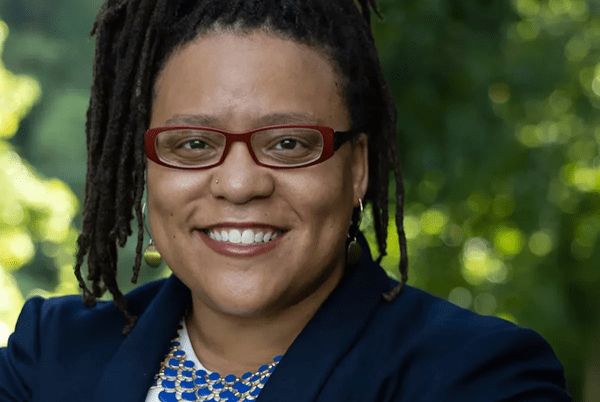
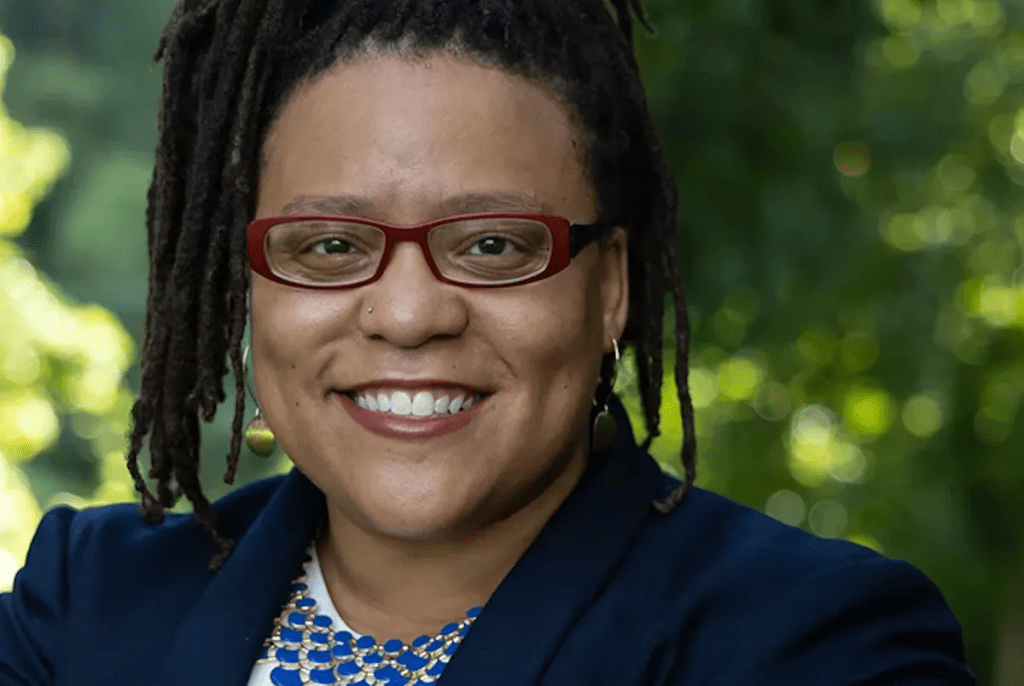
Elected in January 2021, State Senator Kim Jackson of Georgia made history as the state’s first openly LGBTQ+ senator. Now seeking a second term, Jackson, 39, balances her political role with her position as Vicar at the Episcopal Church of the Common Ground, where she collaborates with the unhoused community in downtown Atlanta. Her spouse serves as an imam at a local mosque. Together, they reside on a small farm on the outskirts of Atlanta with their three-year-old son, whose fascination with trucks surpasses his grasp of formal introductions. Reflecting on their diverse Stone Mountain neighborhood, Jackson notes its multiculturalism despite the looming presence of Confederate monuments dedicated to figures like Stonewall Jackson, Robert E. Lee, and Jefferson Davis.
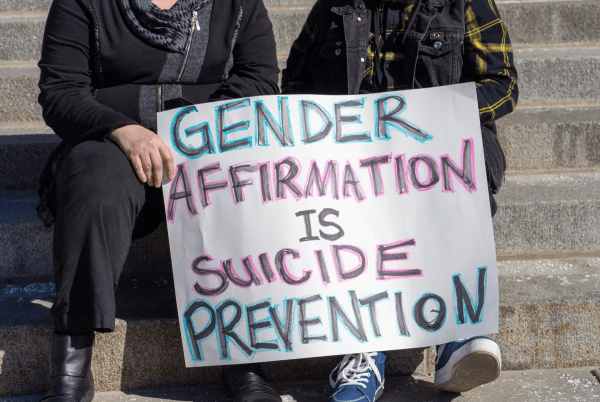
LGBTQ Nation: As co-chair of the Georgia House Mental Health caucus, how do you see discriminatory legislation, such as bans on gender-affirming care for LGBTQ+ kids, impacting mental well-being in Georgia and nationwide?
Sen. Kim Jackson: I recently spoke with two impacted young people who shared their experiences with this legislation. Their responses were heartbreaking; some seek necessary medications out of state, while others have attempted suicide. It’s clear: these laws are endangering our youth, and it’s devastating.
In your speech addressing systemic racism to colleagues, you highlighted the absurdity of racist beliefs. Can you elaborate on that?
I aimed to point out the hypocrisy in denying systemic racism while acknowledging its evident impacts. While no one in our legislature openly admits to racist beliefs, the systemic racism is undeniable.
Georgia, particularly Atlanta, is often heralded as a cultural hub. Is this portrayal accurate, especially in terms of Black representation?
Absolutely. Atlanta remains a beacon for Black culture in the South, particularly for the LGBTQ+ community. While Black queer representation is notable in Atlanta politics, disparities persist, with more political power held by cisgender white individuals.
Regarding your experiences in the predominantly white male Georgia legislature, what’s something surprising?
Well, they all look alike! (Laughs) But on a serious note, while I’m both a state senator and an ordained priest, my approach prioritizes love, compassion, and inclusion, unlike some conservative colleagues who lean towards exclusion and hate.
You and Congresswoman Marjorie Taylor Greene shared a distressing experience of being swatted. Can you tell us more about it?
Yes, my family and I were swatted one day after Christmas. It was a terrifying experience, with multiple police cruisers surrounding our home. Unfortunately, there have been no leads on who did it or why.
You and your wife, both spiritual leaders, met in seminary. Can you share how she proposed?
She surprised me at work, getting down on one knee with rings in hand. It was a beautiful moment, and I’ll always cherish it.
Your small farm plays a significant role in your life. What do you hope to achieve with it?
Our farm not only provides fresh produce but also fosters community connections. Educating people about food sources, particularly youth, is vital. Small farms like ours contribute to sustainable, local food systems, which is crucial in today’s world.
Lastly, what’s the most rewarding aspect of serving your constituents?
The unwavering support from my district, which elected me despite societal norms. Their trust in me to represent them authentically is incredibly gratifying, and together, we’ve made history.
The posts characterize transgender individuals as “suffering from mental illness,” “associated with Satanism,” “viewed as sexual predators,” “labeled as pedophiles,” “portrayed as terrorists,” and “branded as perverts.”
According to a recent report by the LGBTQ+ media advocacy group GLAAD, Meta, the parent company of Facebook, Instagram, and Threads, has neglected to uphold its own regulations concerning anti-transgender hate content. This failure extends to posts generated by influential political figures and media outlets. The report reveals a multitude of instances where trans individuals are denigrated with slurs like “tr***y” and branded as “mentally ill,” “satanic,” “sexual predators,” “pedophiles,” “terrorists,” and “perverts.” The Washington Post highlighted examples, such as an image depicting a group of people stoning a person identified as transgender to death and another portraying a masked individual armed with a gun standing atop a demon painted in the colors of the transgender flag.
Additional documented posts asserted that transgender individuals aim to “sexualize, sterilize, and harm children.” Others deliberately misgendered transgender celebrities, ridiculed victims of transgender suicide, endorsed violence against medical professionals providing gender-affirming care, advocated for conversion therapy, and called for the “elimination” of transgender individuals.
These posts originated from accounts associated with right-wing outlets such as The Daily Wire, Gays Against Groomers, Chaya Raichik’s Libs of TikTok, The Babylon Bee, and One Million Moms.
Such posts blatantly violate Meta’s declared policies against anti-LGBTQ+ hate speech and “dehumanizing speech” that undermines the dignity of marginalized groups, promotes bullying or harassment, or suggests that a protected group should not exist.
In June 2023, over 250 LGBTQ+ celebrities, public figures, and allies, including Elliot Page, Laverne Cox, Jamie Lee Curtis, Janelle Monáe, Gabrielle Union, Judd Apatow, Ariana Grande, and Jonathan Van Ness, penned an open letter facilitated by GLAAD and the Human Rights Campaign, urging Meta and other social media platforms to take stronger action against the pervasive spread of anti-transgender hate speech. However, the recent report indicates that Meta has not made sufficient efforts to combat this onslaught.
Facebook’s Oversight Board acknowledged in September 2023 that the issue lies not in Meta’s policies but in their enforcement, criticizing the company’s repeated failure to take appropriate action against harmful content despite numerous warnings. GLAAD condemned Meta’s neglect in safeguarding users from hate speech, highlighting Meta’s own acknowledgment of the role hate speech plays in fostering an environment of intimidation and exclusion, and its failure to address this effectively.
Furthermore, some LGBTQ+ content creators on Meta have accused the company of limiting their content’s reach due to new restrictions on political content, including discussions of politicians and queer social issues.
Despite soaring revenues, Meta has been criticized for downsizing crucial trust and safety teams while increasingly relying on ineffective AI systems for content moderation. These enforcement failures have drawn repeated criticism and concern from the Oversight Board, with reports suggesting that some users’ reports on harmful content are not being reviewed at all.
A legislator voiced alarm over state law deeming self-expression harmful to minors, sparking a debate on the balance between personal freedom and safeguarding youth.
The Republican-dominated legislature of Kansas has passed a bill that opponents argue might outlaw minors’ access to LGBTQ+ content online.
Modeling after legislations in Texas, Arkansas, Indiana, Louisiana, Mississippi, Montana, Utah, and Virginia in recent times, S.B. 394 aims to block minors from reaching adult-oriented websites. This bill mandates websites hosting material deemed “harmful to minors” to confirm that Kansas visitors are at least 18 years old. Concerns have been raised regarding the possibility of privacy infringement, as visitors would be required to furnish their government-issued identification.
According to the Associated Press, State Representative Ken Collins, one of the two Kansas Republicans who opposed the bill, expressed concerns that the data used for age verification could be acquired by parties with intentions to misuse it for fraudulent activities.
Accompanied by privacy apprehensions, LGBTQ+ advocates and certain Kansas Democrats are concerned that the state’s definition of material deemed “harmful to minors” could potentially lead to a broad interpretation of the proposed law, effectively prohibiting young people’s access to any LGBTQ+ content online. According to current state statutes, “harmful to minors” material encompasses “sexual conduct,” which includes aspects such as “acts of masturbation, homosexuality, [and] sexual intercourse.”
Rep. Collins pointed out that S.B. 394 leaves ambiguity regarding the scope of its restrictions, while Rep. Brandon Woodard (D) of Kansas argued that, under state law, simply being LGBTQ+ is categorized as harmful to minors.
In a Threads post discussing the bill, Alejandra Caraballo, a trans activist and clinical instructor at Harvard Law’s Cyberlaw Clinic, highlighted that Kansas residents might soon require their state IDs to access content featuring LGBTQ+ individuals.
Notably, S.B. 394 is more stringent compared to similar laws in other states, as it targets websites with 25% adult content rather than the 1/3 threshold observed elsewhere, as noted by Boing Boing. The proposed law mandates fines of up to $10,000 for sites failing to verify the ages of Kansas users and permits parents to sue for a minimum of $50,000 in damages if minors access “harmful content.”
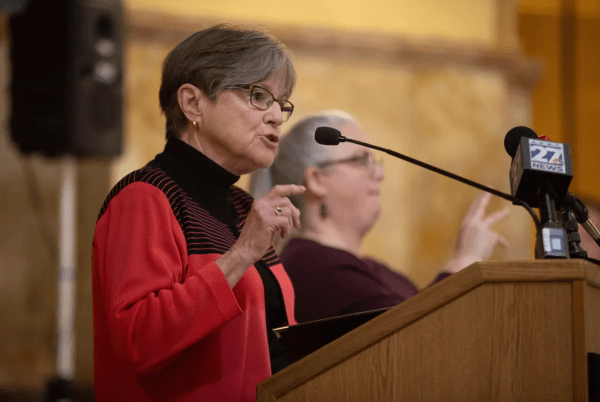
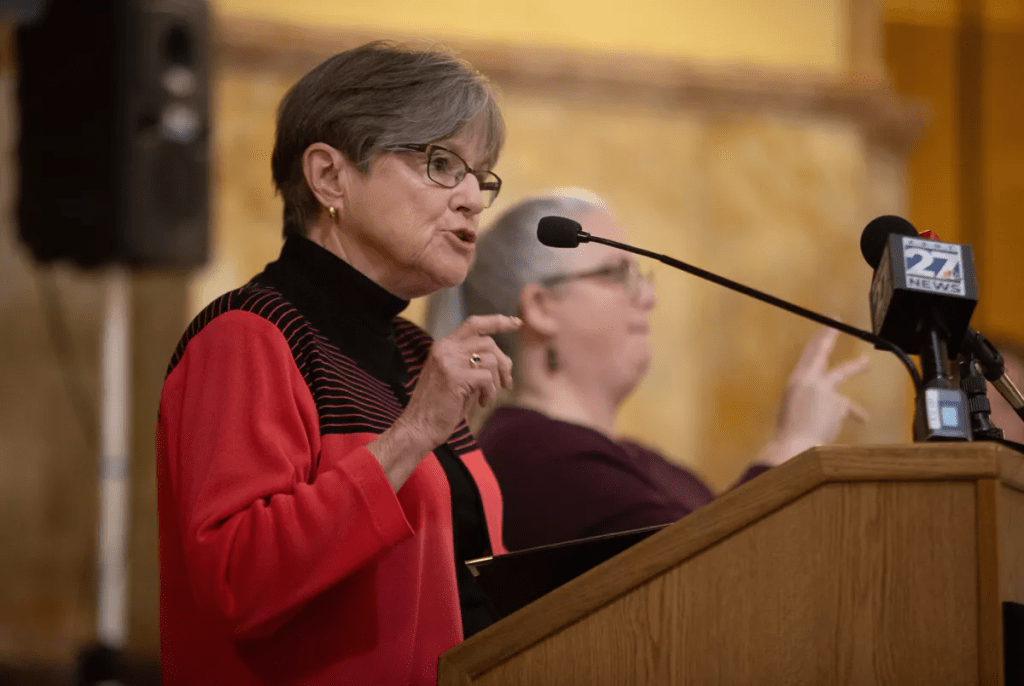
The bill was passed in the state’s House of Representatives with a vote of 92–31 on Tuesday, following unanimous approval in the Kansas Senate last month. While Governor Laura Kelly (D) has not indicated her stance on signing the bill, given the overwhelming support for S.B. 394 in the state legislature, lawmakers likely possess sufficient votes to override a potential veto.
Critics argue that the proposed law may infringe upon the First Amendment’s free speech protections. However, a similar law in Texas was upheld by the Fifth Circuit Court of Appeals last year. The court determined that Texas’s law did not violate the First Amendment, asserting that the state has a legitimate interest in preventing minors from accessing pornography.
The state legislature is poised to override a veto from Democratic Governor Laura Kelly, highlighting political tensions and democratic principles.
The Kansas legislature’s Republican members are on the brink of turning their state into the 25th to prohibit medical care for transgender youth by proceeding with an override vote. Despite Governor Laura Kelly (D) anticipated veto, the Republican party commands supermajorities in both the Kansas House and Senate.
“Today, the Senate demonstrated a steadfast commitment to safeguarding children by emphasizing that extreme transgender ideology and the medical alteration of minors are neither lawful nor embraced in Kansas,” remarked State Senate President Ty Masterson (R) subsequent to Wednesday’s vote, which forwarded Senate Bill 233 to the governor for consideration.
Governor Kelly has affirmed her intention to veto the bill.
If approved, the legislation will prohibit transgender individuals under 18 from accessing crucial medical treatments, such as gender-affirming surgeries and puberty blockers. While gender-affirming surgery is rarely performed on minors, puberty blockers, which delay the onset of puberty, offer transgender youth and their families valuable time for self-discovery before irreversible changes occur. Studies have shown that puberty blockers can significantly decrease the lifelong risk of suicide among transgender individuals.
With the anticipated override, Kansas is set to become the third state this year to outlaw gender-affirming care for minors, joining four other states where similar laws are currently entangled in legal proceedings.
Senate Minority Leader Dinah Sykes (D) appealed to Republicans to demonstrate compassion and empathy by voting against the bill. She emphasized the distress of families with transgender children, expressing concern that the legislation would exacerbate their fears and anxieties.
Sykes addressed Kansans directly, assuring them that some lawmakers empathize with their plight and understand the importance of receiving necessary care to live authentically. She underscored the detrimental impact the law would have on transgender individuals and their families if enacted.
In the previous year, Governor Kelly vetoed a comparable bill alongside another proposal aimed at restricting transgender women and girls from participating in female school sports. However, moderate GOP members refrained from supporting overrides initiated by their far-right counterparts.
This time, the votes in favor of advancing Senate Bill 233 suggest that the Republican supermajorities in both the state House and Senate will succeed in passing the anti-trans legislation.
Like in other conservative-leaning states that have banned gender-affirming care for minors, opponents of the law are expected to challenge it in court. Legal outcomes have been mixed thus far, with federal appeals courts divided on the constitutionality of such bans. Ultimately, the Supreme Court, which currently leans conservative with a 6-3 majority, may ultimately decide on the matter.
When the Supreme Court Overturned Roe v. Wade: The Impact Unleashed – Opening the Floodgates for Abortion-Related Lawsuits and Legal Turbulence.
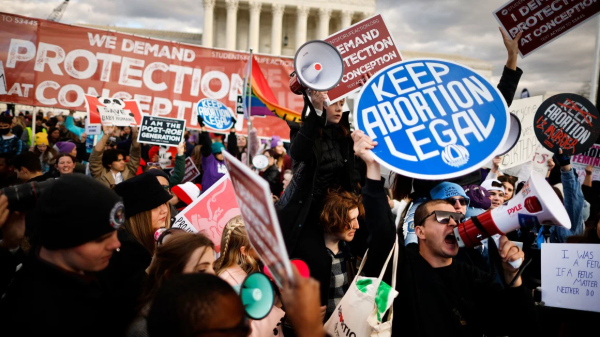
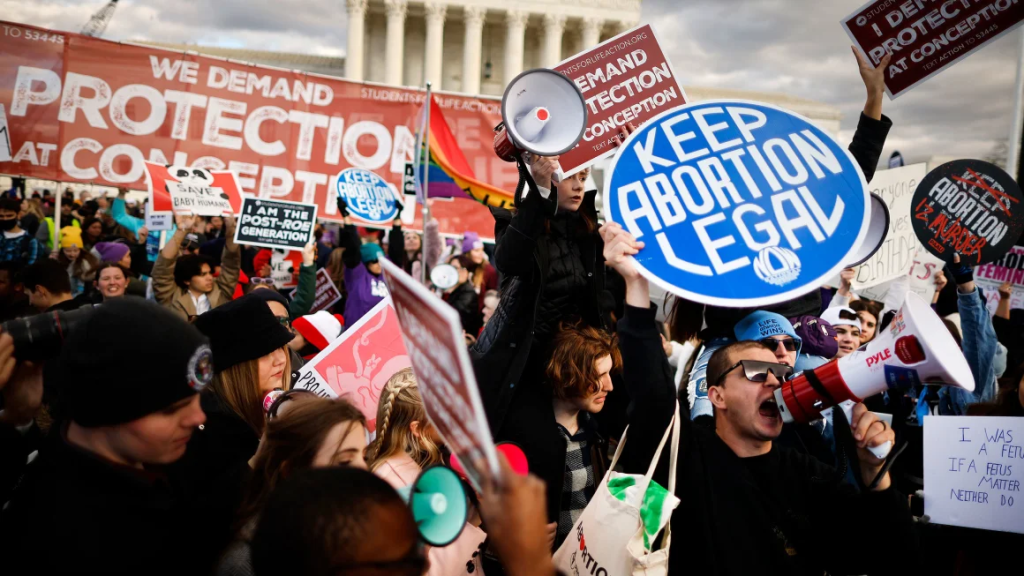
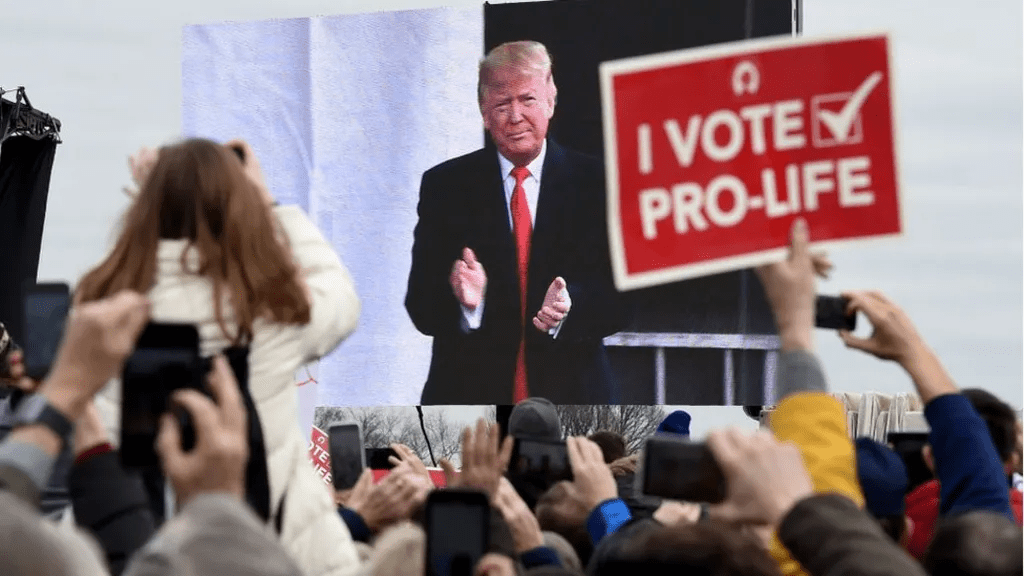
Abortion-rights supporters stage a counter protest during the 50th annual March for Life rally on the National Mall on January 20, 2023 in Washington, DC.
On Tuesday, the Supreme Court is set to review its inaugural abortion case following the 2022 overturning of Roe v. Wade, marking a significant shift in reproductive rights in America.
The impact of the justices’ ruling is palpable across the nation:
Fourteen states have implemented complete bans on abortion, while seven others have enacted significant limitations on abortion access.
Certain states prohibiting abortion are actively preventing the transportation of abortion medication across their borders. Additionally, they are endeavoring to thwart a federal statute permitting emergency room doctors to terminate pregnancies when medically warranted.
A decision by the Alabama Supreme Court affecting in vitro fertilization—a method aimed at initiating rather than terminating pregnancy—has been criticized by opponents, including President Joe Biden, who attribute it to the Supreme Court’s erosion of women’s privacy rights following the overturning of Roe v. Wade.
Abortion has surged to the forefront of election-year debates, with Democrats banking on continued public concern over restrictions to bolster their candidates. Meanwhile, Republican presidential contender Donald Trump has floated the idea of a nationwide abortion ban at 15 weeks of pregnancy.
Simultaneously, public trust in the Supreme Court has deteriorated.
This culturally charged atmosphere will set the stage as the justices deliberate on Tuesday regarding the controversy surrounding Food and Drug Administration (FDA) regulations for accessing the abortion pill mifepristone. A faction of anti-abortion physicians has filed a lawsuit against the FDA, contesting the agency’s safety assessment of the drug and alleging the improper removal of “critical safeguards” for its usage.
The group aims to restrict women’s access to the pill, which forms part of a two-drug regimen for terminating early-stage pregnancies and has become the most prevalent method of abortion in America. Key points of contention include a 2016 provision extending the drug’s usage window to 10 weeks of pregnancy from seven, and a 2021 change allowing women to obtain their prescription via mail rather than in-person.
Since the Dobbs v. Jackson Women’s Health Organization case, which overturned Roe v. Wade, medication-induced abortion has led to an unexpected increase in abortions. Last year saw over 1 million abortions performed in the US, marking the highest rate in over a decade and a 10% rise from 2020.
In its defense of the FDA, the Biden administration strategically avoids mentioning the Dobbs decision in its written brief for the new case, perhaps to sidestep constitutional contention and emphasize broader concerns regarding federal regulation and expertise. Instead, the focus remains on the drug approval process.
“The government acknowledges that this case represents the first instance in which any court has curtailed access to an FDA-approved drug by questioning the FDA’s expert judgment regarding the necessary conditions for ensuring its safe use,” stated Solicitor General Elizabeth Prelogar to the justices, referencing a federal appellate court’s 2023 ruling against the FDA.
Prelogar further noted that since mifepristone was first approved for market in 2000, over 5 million American women have utilized it to terminate their pregnancies.
However, various groups submitting “friend of the court” briefs invoke the Dobbs case and its aftermath in America since the Supreme Court dismantled nearly fifty years of abortion rights precedent.
Backing the FDA, New York, along with 22 states and the District of Columbia, underscore the broader disruption to reproductive healthcare since Dobbs, highlighting a significant surge in telemedicine-based medication abortion in the first year post-Dobbs.
On the opposing side, the Susan B. Anthony Pro-Life America and the United States Conference of Catholic Bishops draw from the Dobbs opinion to bolster their arguments against the FDA, citing the Dobbs majority’s assertion that “Abortion is a unique act.”
The lawyers representing the anti-abortion groups informed the justices, citing previous court decisions, that “This Court acknowledges that ‘(a)bortion is inherently different from other medical procedures, because no other procedure involves the purposeful termination of a potential life.'”
A patient prepares to take mifepristone at Alamo Women’s Clinic in Carbondale, Illinois, in April 2023.
Expect more abortion debates at the Supreme Court, retired Justice Breyer says
Since June 24, 2022, when it nullified the constitutional right enshrined in the 1973 Roe v. Wade decision, the composition of the court slated to hear the mifepristone case has seen minimal change.
Following the retirement of Justice Stephen Breyer a few months after the ruling, Justice Ketanji Brown Jackson succeeded him, becoming the first Black woman to serve on the high court. The succession of these two liberal, Democratic-appointed justices preserved the 6-3 conservative-liberal majority that has been reshaping American law.
In the year following the Dobbs ruling, the justices overturned yet another pivotal decision, a 1978 ruling regarding racial affirmative action in higher education institutions.
Meanwhile, Justice Samuel Alito, author of the Dobbs opinion, and other justices have expressed skepticism towards various social milestones, including the 2015 Obergefell v. Hodges decision affirming the right to same-sex marriage.
The ideological divide within the court mirrors political rifts: all six conservative justices were appointed by Republican presidents, with three nominated by Trump, who has boasted about his influence on the Dobbs decision; the remaining three liberal justices were appointed by Democrats.
Breyer, a dissenter in the Dobbs case, criticized the majority in his recent book, published on Tuesday, for suggesting that court cases concerning abortion could be brought to an end.
“The Dobbs majority’s expectation that legislatures, not courts, will address the abortion issue will not come to fruition. Different states will enact varying laws and enforce them differently,” Breyer wrote, outlining numerous potential issues that could reach the Supreme Court in the coming years.
He further stated, “Whether the Constitution guarantees a woman’s right to an abortion necessary for her life, physical health, or mental health; whether it provides abortion rights for victims of rape or incest; whether states can prohibit the mailing of abortion-inducing medications; whether states can prosecute individuals within their borders aiding or abetting out-of-state abortions; and other abortion-related queries may result in further court cases, not solely legislative determinations (many of which may also be subject to judicial review).”
How the case got to the Supreme Court
The upcoming Supreme Court case scheduled for Tuesday has spurred planned protests, setting the stage for a scene reminiscent of traditional abortion rights cases outside the marble-columned court. However, FDA v. Alliance for Hippocratic Medicine carries broader implications that could impact the regulation and accessibility of all drugs.
Last year, US District Judge Matthew Kacsmaryk ruled in favor of the Alliance in its lawsuit against the initial FDA approval of mifepristone in 2000 and subsequent regulations that expanded women’s access to the drug.
Although the 5th US Circuit Court of Appeals reversed Kacsmaryk’s decision regarding the 2000 approval, deeming it untimely, it concurred that the FDA’s relaxation of requirements in 2016 and 2021 lacked sufficient justification.
The 2016 changes included extending the gestational age limit to 10 weeks of pregnancy, reducing the mandatory number of in-person medical visits, and permitting non-physician healthcare providers to prescribe the drug. In 2021, the FDA determined that the in-person dispensing requirement was no longer necessary, allowing prescriptions to be obtained via mail.
As the case heads to appeal, Justice Department lawyers representing the FDA argue that the changes were based on extensive studies and scientific review over the years. Regarding the 2021 decision to eliminate the in-person dispensing requirement, they stated, “The agency concluded, based in part on actual experience during the pandemic, that the requirement was no longer necessary to ensure mifepristone’s safe use.”
A key contention in the case is whether the anti-abortion physicians challenging the FDA have legal “standing” to bring the case. The FDA argues that these physicians, who do not prescribe mifepristone, lack sufficient injury to establish standing.
However, the challengers argue that as they handle emergency room duties, they would be compelled to care for women experiencing complications from medication abortion. They assert that the loosening of restrictions in 2016 and 2021 has increased the likelihood of dangerous conditions such as ectopic pregnancies.
Erin Hawley, lead lawyer for the Alliance for Hippocratic Medicine, argued in a court filing, “In removing crucial safeguards for the use of abortion drugs, FDA expressly counted on OB/GYN hospitalists and emergency-room doctors to manage abortion-drug complications. When faced with these emergencies, (the doctors) have no choice but to provide immediate treatment, even though this kind of participation in an elective abortion harms their consciences and injures them in other ways.”
The Department of Justice counters these arguments, stating that hypothetical scenarios cannot establish imminent injury required for legal standing and that the challengers have not provided evidence of any instances where their members were forced to provide such care.
Authorities have taken three teenagers into custody in connection with the death of Franco.
This is a developing story. It contains descriptions of violence against a trans person.
According to the local CBS affiliate 2KUTV, the lifeless body of Alex Franco, a 21-year-old transgender man, was discovered on Tuesday morning in a secluded area of Utah, succumbing to a gunshot wound.
Reports suggest that Franco was abducted on Sunday afternoon. His girlfriend, Alyssa Henry, last saw him outside her Taylorsville residence, situated in the Salt Lake City metropolitan vicinity. Henry recounted to 2KUTV that Franco was conversing inside a white Jeep with acquaintances of theirs, purportedly arranged to provide transportation to the park for the couple. However, a gunshot emanated from within the vehicle, which swiftly departed. Authorities located Franco’s remains on Tuesday, bearing a lone gunshot injury, in a remote desert sector of Utah County, as detailed by the Taylorsville Police Department.
Subsequently, two teenage boys, aged 17 and 15, were apprehended in connection to the incident and presented in court on Wednesday. Another 17-year-old was detained early Thursday morning, as reported by local news outlet Fox 13. According to court statements cited by the station, the trio purportedly engaged in a dispute with Franco while attempting to sell him a firearm; Taylorsville Police disclosed that the teenagers had intended to rob Franco of the money allocated for the purchase of the weapon.
Law enforcement officials informed the news outlet that the three youths have been incarcerated at the Salt Lake Valley Detention Center, facing multiple felony charges. Their next court appearance is scheduled for March 27.
In a vigil held on Tuesday night, Franco’s loved ones congregated to honor his memory. Chloe Goold, a close friend, characterized him as someone who “illuminated every room he entered,” according to 2KUTV. Vinnie Franco, Alex’s grandfather, took to Facebook on Tuesday to pay tribute to his grandson, recalling how Alex had cared for him during times of incapacity and expressing joy for Alex’s journey of self-realization as a transgender individual.
To cover the funeral expenses of Franco, his family initiated a crowdfunding campaign, with any surplus funds allocated toward aiding the mental health recovery of grieving siblings.
The recent Texas abortion pill ruling not only sets a precedent for reproductive rights but also raises concerns about the broader implications for medication access. This decision has ignited discussions about the potential threats it poses to various drugs beyond reproductive health, signaling a pivotal moment in the ongoing debate over healthcare policy
Experts warn that a recent Texas court ruling on abortion pills could jeopardize the approval process for nearly every drug in the United States, posing a significant threat to the country’s regulatory framework.
On Friday, a Texas judge nullified the Food and Drug Administration’s authorization of mifepristone, one of the two drugs employed in medication abortions. This action has sparked concerns among legal experts regarding potential challenges to other approved medications in the United States and the potential dampening effect on the development of future drugs.
According to Lawrence Gostin, a professor of global health law at Georgetown University, “This could have precedential value that could extend beyond abortion medication to encompass standard drugs regularly under FDA review.”
In response, the Justice Department has lodged an appeal against the ruling, with officials from the Biden Administration cautioning that it could disrupt the entire FDA approval process.
On April 8th, Texas Judge Matthew Kacsmaryk issued a ruling ordering the removal of mifepristone from the market within seven days, asserting that the FDA had violated federal regulations allowing accelerated approval for certain drugs. The order is scheduled to come into effect on Friday.
In his 67-page opinion, the judge stated, “FDA acquiesced on its legitimate safety concerns—in violation of its statutory duty—based on plainly unsound reasoning and studies that did not support its conclusions.”
Opponents of mifepristone’s FDA approval, primarily anti-abortion activists, have alleged that the agency’s decision was politically motivated and failed to adhere to proper protocols.
Legal analysts have criticized the Texas ruling, denouncing it as deeply flawed for cherry-picking evidence and incorporating partisan language, such as referring to “unborn humans” instead of “fetus.”
“I perceive the decision more as an ideological or religious manifesto posing as a legal opinion,” remarked Scott Lassman, a lawyer with over three decades of experience in FDA law and policy.
Under the Food, Drug, and Cosmetic Act of 1938, the FDA is empowered to assess the safety and efficacy of drugs, and traditionally, courts have deferred to the agency in matters concerning scientific and medical judgments, noted Mr. Lassman.
Regarding mifepristone specifically, Lawrence Gostin of Georgetown University emphasized its “impeccable” health and safety track record, having undergone thorough evaluation by the FDA.
Experts point out that common medical procedures like colonoscopies, as well as drugs like penicillin and Viagra, carry higher complication and mortality rates.
However, Judge Kacsmaryk’s ruling establishes a precedent wherein any individual lacking medical expertise could contest such scientific evidence, according to experts.
“Attempting to undermine the scientific judgments made by seasoned FDA scientists sets a dangerous precedent,” cautioned Mr. Gostin.
This week, over 300 pharmaceutical executives have urged for the reversal of the Texas decision, asserting its disregard for scientific evidence.
The pharmaceutical industry may now be apprehensive about facing further legal challenges to their products, especially those that have become politicized issues in the United States, such as gender-affirming care and Covid-19 vaccines, noted I. Glenn Cohen, a professor at Harvard Law School.
“There’s a possibility in any domain, but … it’s likely to have the most severe repercussions for medications that are sometimes vital for marginalized groups,” he remarked.
Experts suggest that those seeking to contest politically contentious treatments may consider filing lawsuits once more in Judge Kacsmaryk’s district in Amarillo, Texas.
“From what it seems, this judge holds notably strong ideological and religious convictions, which could position him as a prime venue for challenging more politically charged drug approvals,” commented Mr. Lassman.
Legal experts caution that the ramifications may not be limited to the FDA alone; they could also impact the ability of other US regulatory bodies, such as the Environmental Protection Agency and the Centers for Disease Control and Prevention, to make scientifically sound decisions safeguarding public health.
“If these agencies are hindered in utilizing the most robust scientific evidence available, it could greatly compromise the safety and well-being of Americans,” remarked Mr. Gostin.
Anti-abortion activists are strategizing a covert approach aimed at potentially enacting a nationwide ban on abortion in the United States. Their backdoor strategy poses significant implications for reproductive rights and legal precedents, prompting heightened scrutiny and debate over the future of abortion access in the country
Anti-abortion activists in the United States, including allies of former President Donald Trump, are pursuing a strategy to institute a nationwide abortion ban. This plan circumvents Congressional approval and public opinion, relying instead on Mr. Trump’s potential re-election in November and the utilization of an obscure 19th-century law.
During this year’s annual “Pro-Life Summit” held on January 20th, attendees were treated to a keynote address delivered by Marjorie Dannenfelser, the head of Susan B. Anthony Pro-Life America, one of the nation’s most influential anti-abortion organizations.
Ms. Dannenfelser is widely recognized for persuading Donald Trump to nominate three anti-abortion justices to the Supreme Court during his presidency. In June 2022, these appointees played a pivotal role in overturning Roe v. Wade, effectively revoking the nationwide right to abortion.
The overturning of Roe v. Wade marked a significant triumph for the anti-abortion movement, with activists heralding it as a generational victory that paved the way for an abortion-free future. However, in the nearly two years since, their efforts have encountered notable obstacles. Despite concerted efforts, public opinion in America has consistently favored maintaining access to abortion, even in traditionally conservative states.
The movement’s ultimate objective—a federal abortion ban—has proven elusive, a formidable challenge in a politically divided Congress that struggles to find consensus on legislative priorities.
This political reality hasn’t escaped the notice of anti-abortion advocates. Speaking to a captivated audience in the grand ballroom of a Washington DC hotel, comprised of the movement’s most ardent supporters, Ms. Dannenfelser devoted a significant portion of her speech to instilling hope.
“It’s not lost on any of us, right? That it’s been difficult,” she acknowledged. “We’re all aware.”
However, anti-abortion activists may possess a trump card. Conservative leaders, including allies of Mr. Trump, have devised a new strategy to criminalize abortion. Experts suggest that this plan could succeed if the former president returns to the White House.
“If Trump wins, there’s potential for a de facto nationwide ban he could seek to enforce immediately,” explained Mary Ziegler, a prominent law professor specializing in the US abortion discourse at the University of California, Davis. “It’s rooted in the Comstock Act.”
A 150-year-old law
Enacted in 1873, the Comstock Act, spearheaded by anti-vice advocate Anthony Comstock, criminalized the transmission or receipt of materials deemed “obscene, lewd, or lascivious.” Notably, the statute explicitly addressed birth control and abortion, prohibiting materials intended for “the prevention of conception or procuring of abortion.”
Over the ensuing century, judicial interpretations gradually narrowed the law’s application. In 1971, Congress substantially relaxed Comstock’s restrictions on contraceptives, and two years later, the Supreme Court affirmed a constitutional right to abortion through Roe v. Wade. Consequently, the act was largely perceived as an unenforceable relic, lying dormant for five decades.
However, the Comstock Act is now experiencing a resurgence within conservative circles.
Without the protections of Roe v. Wade ensuring abortion access, the reasoning is clear. Under an expansive interpretation of the law, the mailing of any abortion-related materials—whether through the United States Postal Service or private carriers like UPS and FedEx—would constitute a violation.
By obstructing the delivery of medications and tools essential for the procedure to hospitals and clinics, the Comstock Act could effectively impede abortions without the need for Congress to enact new legislation.
“Its language is remarkably broad,” explained Rachel Rebouché, dean and professor of law at Temple University Law School and a noted authority in reproductive health law. “If interpreted literally, the Comstock Act could indirectly impose a ban on abortion, as all supplies for abortion clinics are typically delivered by mail.”
The conservative strategy
Anti-abortion activists and prominent conservative organizations are gearing up for this tactic, formulating legal arguments and political maneuvers to reinterpret the Comstock Act as a viable tool for enforcing an abortion ban.
Josh Craddock, a lawyer and scholar affiliated with the conservative James Wilson Institute, has been vocal in his opposition to abortion. He noted that fellow anti-abortion activists have rallied around the Comstock Act, hailing it as “one of the most promising avenues for advancing the pro-life agenda in America today.”
“It doesn’t hinge on Congress taking action or the Supreme Court making a ruling; there’s existing federal law safeguarding unborn life,” he asserted. “It’s quite straightforward.”
This week, the Comstock Act will be brought before the Supreme Court as part of arguments presented by a coalition of anti-abortion activists and medical professionals seeking the withdrawal of federal approval for the abortion medication mifepristone.
Furthermore, the conservative Heritage Foundation has specifically referenced the Comstock Act in its strategic blueprint for the upcoming Republican administration, known as Project 2025.
In light of the Supreme Court’s decision to overturn Roe v. Wade, the Foundation asserts that there are no longer any barriers to enforcing this statute. “The Department of Justice in the next conservative Administration should therefore announce its intent to enforce federal law against providers and distributors of such pills,” it stated, referring to abortion pills.
The abortion segment of Project 2025 was developed by former Trump administration official Roger Severino, who declined to comment when contacted by the BBC. Notably, the project boasts the participation of leading anti-abortion organizations on its advisory board, including SBA Pro-Life America led by Ms. Dannenfelser and Students for Life headed by Kristan Hawkins.
Can it work?
Anti-abortion activists find the legal framework of the Comstock strategy compelling. However, translating it into action hinges on a federal government’s willingness to enforce the law after years of dormancy.
Nevertheless, experts argue that this is not only feasible but also probable, especially with Mr. Trump in the White House.
“All it requires is an administrative determination from the Department of Justice to pursue individuals for breaching the Comstock Act,” explained David Cohen, a law professor at Drexel University specializing in abortion law. “The barriers to implementation are minimal, apart from securing an electoral victory.”
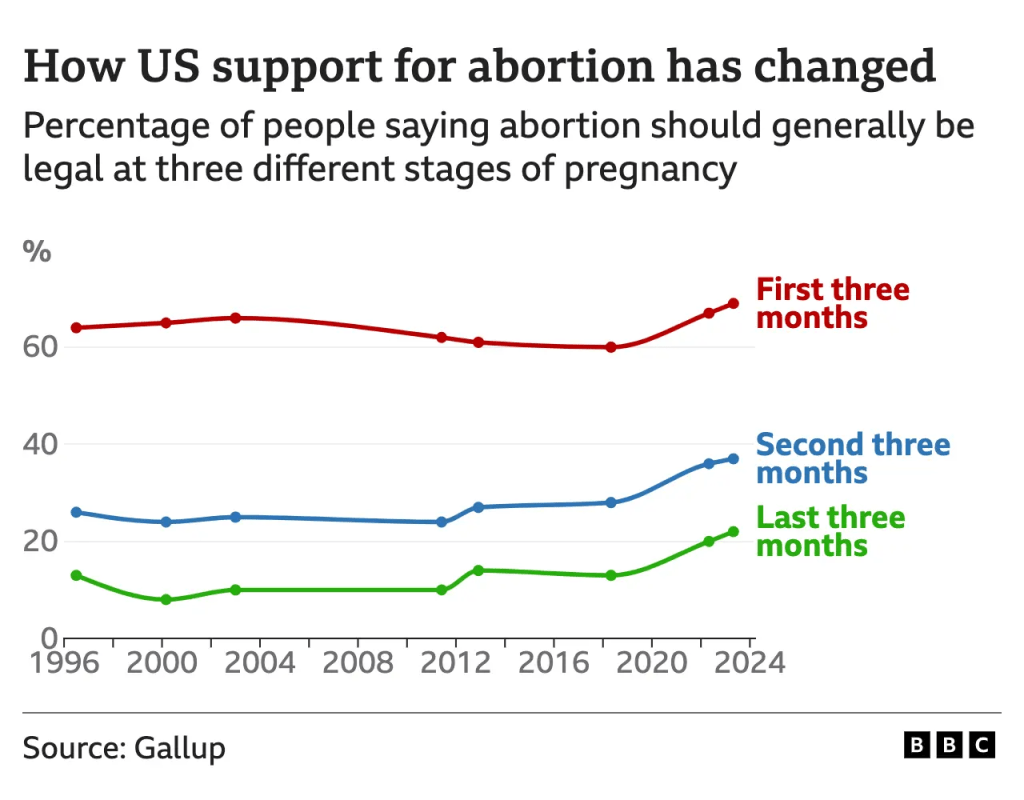
Enforcing the Comstock Act in this manner would likely trigger a flurry of legal disputes, potentially culminating in a Supreme Court review. A federal ban on abortion would have far-reaching consequences and could face significant public opposition. A recent Gallup poll indicates that approximately 69% of voters believe abortion should be legal during the first three months of pregnancy, which is when the majority of abortions occur.
A political liability
Some critics argue that anti-abortion activists have deliberately kept their Comstock strategy under wraps.
“They [Republicans] understand that this approach is unpopular,” remarked Ryan Stitzlein, vice president of government relations at the pro-choice organization Reproductive Freedom for All (formerly NARAL). “Therefore, they resort to methods of obfuscation or concealment.”
In New Mexico, where efforts to establish abortion-free “sanctuary cities” have invoked the Comstock Act, activists primarily reference its statute numbers—18 USC 1461 and 1462.
Similarly, in Project 2025, while the law is directly quoted, the term “Comstock” is conspicuously absent from the 920-page document, with only the statute numbers being cited.
Jonathan Mitchell, an anti-abortion attorney who has been an advocate for the Comstock strategy, recently advised anti-abortion groups to maintain a low profile until the election, according to reports from the New York Times.
Reportedly, Mitchell, who has previously represented Mr. Trump, expressed a desire for the former president to remain unaware of the Comstock strategy, stating, “because I just don’t want him to shoot off his mouth.” Despite attempts to contact him, Mitchell did not provide a response to the BBC’s request for comment.
All eyes on the White House
If Mr. Trump returns to the White House next year, his endorsement of the Comstock Act will be crucial for any significant enforcement of the law.
Thus far, he has made no public remarks regarding the statute, and his stance on abortion more broadly remains somewhat ambiguous.
While Mr. Trump previously declared himself “the most pro-life president ever,” he has recently displayed public frustration with stringent abortion restrictions, expressing a desire for compromise on legislation.
In a September interview on NBC’s Meet the Press, he remarked, “It could be state, or it could be federal. I don’t, frankly, care.”
However, last week, Mr. Trump indicated support for a federal ban on abortions after 15 weeks of pregnancy, with exceptions for rape, incest, and the life of the mother.
Experts suggest that if re-elected, Mr. Trump is likely to approach abortion policy in a manner similar to his first term, deferring to conservative activists in his circle.
“The past approach has been that Trump delegates responsibility to individuals who are very conservative,” explained Mary Ziegler of the University of California.
Those advocating for the Comstock strategy are not fringe figures but rather former Trump administration officials and other allies of the former president.
According to the Heritage Foundation, the first Trump administration heavily relied on its policy agenda, embracing nearly two-thirds of its proposals within a year in office.
“While it doesn’t guarantee Trump’s support, it does lend credibility to those asserting it,” Ms. Ziegler noted. “These are individuals deeply embedded in Trump’s circle who have his ear.”
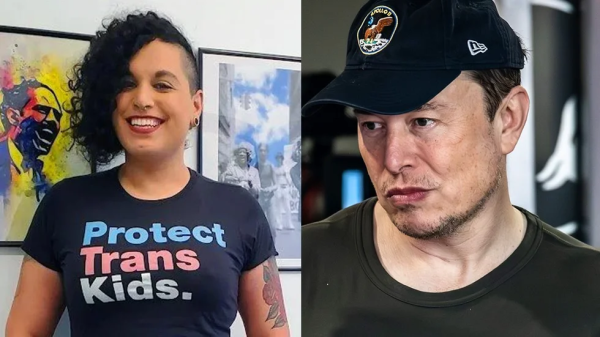
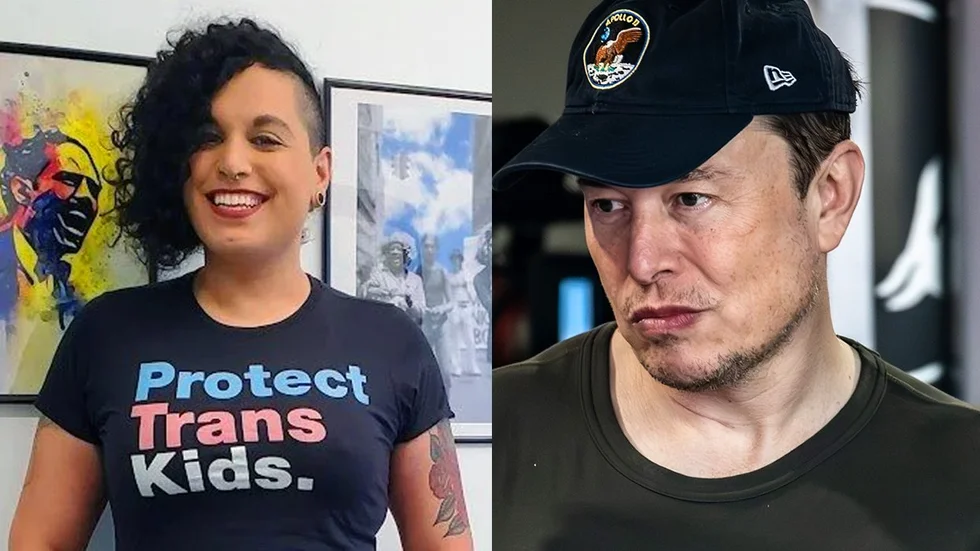
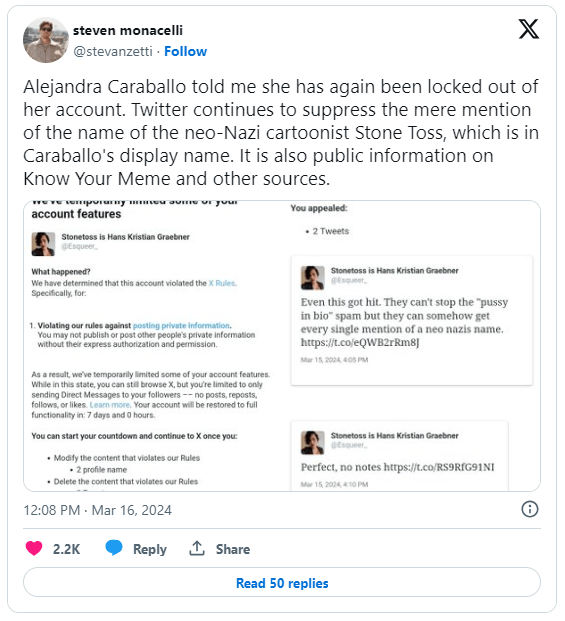
Alejandra Caraballo alleges that X is shielding right-wing extremists while stifling the voices of transgender individuals.
Alejandra Caraballo, a transgender attorney and clinical instructor at Harvard Law School’s Cyberlaw Clinic, appears to have received a permanent ban from X (formerly Twitter) for disseminating information regarding the alleged identity of a neo-Nazi figure, sparking questions about the platform’s content moderation policies under Elon Musk’s ownership. This development has reignited debates concerning free speech, hate speech, and the handling of far-right ideologies on the platform.
Caraballo’s permanent suspension was confirmed on Tuesday morning. Earlier, she had faced a temporary suspension after modifying her profile name to include that of a notorious right-wing extremist known for creating content steeped in racism and anti-Semitic themes.
The extremist in question, known for producing comic illustrations under the alias StoneToss, was purportedly revealed to be a 34-year-old former security guard and IT worker from Texas named Hans Kristian Graebener by a group of activists, the Anonymous Comrades Collective and Late-Night Anti-Fascists, as reported by Wired on March 12. Critics point out that StoneToss’s content frequently contains elements of anti-Semitism, transphobia, racism, homophobia, and other forms of bigotry. Following the online posting of the individual’s name and photo by the activist group, some X users reported instances of suspension.
Journalist Steven Monacelli remarked on the atypical enforcement actions taken against Caraballo, observing, “Alejandra Caraballo’s account has been restricted, and her display name altered to remove reference to the neo-Nazi cartoonist Stone Toss. This level of enforcement is unprecedented in my experience. It appears Musk is going to great lengths to shield Stone Toss.”
Monacelli added, “Alejandra Caraballo has been suspended, rendering her account inaccessible, all due to sharing the name of the racist and antisemitic cartoonist Stone Toss.”
Another user on X criticized the platform’s decision, stating, “Alejandra Caraballo @Esqueer_ has been suspended yet again, this time indefinitely, simply for discussing publicly available information regarding a Nazi. X’s actions are becoming increasingly authoritarian. Freedom of speech seems conditional on Elon’s approval.” This sentiment underscores mounting concerns about the direction of X under Musk’s leadership, particularly regarding content moderation and political discourse.
Caraballo expressed to The Advocate, “Elon is personally instructing Twitter to shield StoneToss. The excessive measures suggest a haphazard and reactive approach.”
X’s policy regarding private information explicitly acknowledges that mentioning someone’s name is considered publicly available information and does not breach its guidelines. The measures taken against Caraballo have raised questions about the consistency and impartiality of X’s policy enforcement, especially concerning politically sensitive content.
Caraballo condemned Twitter’s explicit protection of neo-Nazis as morally reprehensible, highlighting how “the individual responsible for the neo-Nazi StoneToss comics directly appealed to his followers, who had a direct line to Elon. They heeded the call, prompting Twitter to crack down on anyone mentioning the name.”
Following the alleged identification of the creator on social media, StoneToss utilized X to rally his followers and address Musk directly, expressing opposition to what he perceived as attempts to silence him and others on the platform. He asserted, “One of you has a direct line to @elonmusk – and you need to use it,” adding, “This is not only about myself but also about others I know personally. There exists a whole community of artists who cannot create art anymore due to Twitter users organizing to punish them in real life for doing so.” He proposed that minor policy adjustments could alleviate the situation for far-right creators who have been driven away from other platforms.
Caraballo posted a screenshot of a violation notice indicating her account suspension for allegedly violating X’s rules on abusive behavior following a user report. According to the notice, modifying one’s profile name in a manner deemed as targeted harassment by the company constitutes a violation of the rules.
“I’m not surprised by their actions,” Caraballo remarked. “They seize any excuse to ban individuals Elon dislikes, particularly targeting trans people,” she added. “Andy Ngo has been actively seeking my suspension, and Elon now follows him.”
Previously, Musk had made derogatory remarks about Caraballo, referring to her as “crazy” in response to a post by Chaya Raichik, the creator of the anti-LGBTQ+ hate account Libs of TikTok.
Caraballo’s suspension coincides with broader discussions about X’s policies under Musk’s ownership, particularly regarding the treatment of LGBTQ+ users and the platform’s stance on hate speech. Caraballo had been outspoken in criticizing X’s management of far-right content and policy adjustments that she argued were detrimental to the transgender community.
In early March, X faced significant backlash for reversing its policy on anti-trans hate speech, which aimed to reduce the visibility of posts misgendering or deadnaming users upon report by the affected individual. The policy reversal, influenced by complaints from right-wing users and influencers, underscored the platform’s inconsistent commitment to safeguarding LGBTQ+ users from harassment. Critics, including advocacy groups and individual users, denounced the change, highlighting broader concerns about X’s policies under Musk’s leadership.
According to GLAAD’s Social Media Safety Index, X ranks as the worst platform for LGBTQ+ user safety.
The Advocate sought insight from the individual known as StoneToss but received no response. When asked for comment regarding Caraballo’s suspension, X replied, “Busy now, please check back later.”
However, late Tuesday night, Musk claimed he was unaware of the reasons behind Caraballo’s suspension in response to a post from Libs of TikTok.
“I’m uncertain why this account was suspended, but under our new policy, permanent suspensions are exceedingly rare and would necessitate numerous repeated infractions (unless blatantly a spam/scam account),” he stated.
Four hours later, Musk responded to another tweet from Libs of TikTok, stating, “The team has informed me that there were multiple instances of doxxing violations by this account, despite repeated warnings. The suspension is only for a few days initially, but the duration will increase with each subsequent violation.”
Caraballo expressed that her suspension hampers her efforts to bring national attention to overlooked stories and coverage of anti-LGBTQ+ legislation, but she affirmed her commitment to continue her work.
“I still have other platforms, so I’ll persevere regardless. Twitter’s relevance has dwindled significantly as it has devolved into a hub of hate and spam bots,” Caraballo remarked.
The two are also accused of stealing tens of thousands of dollars and buying a car with the man’s credit card.
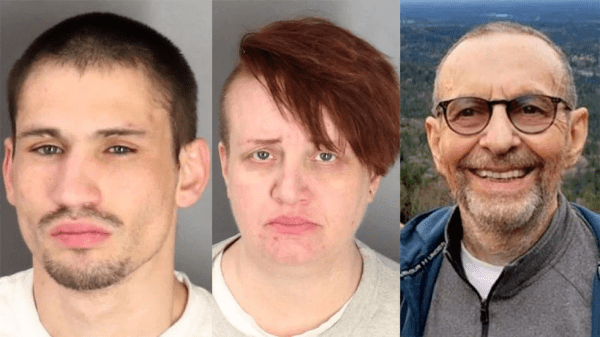
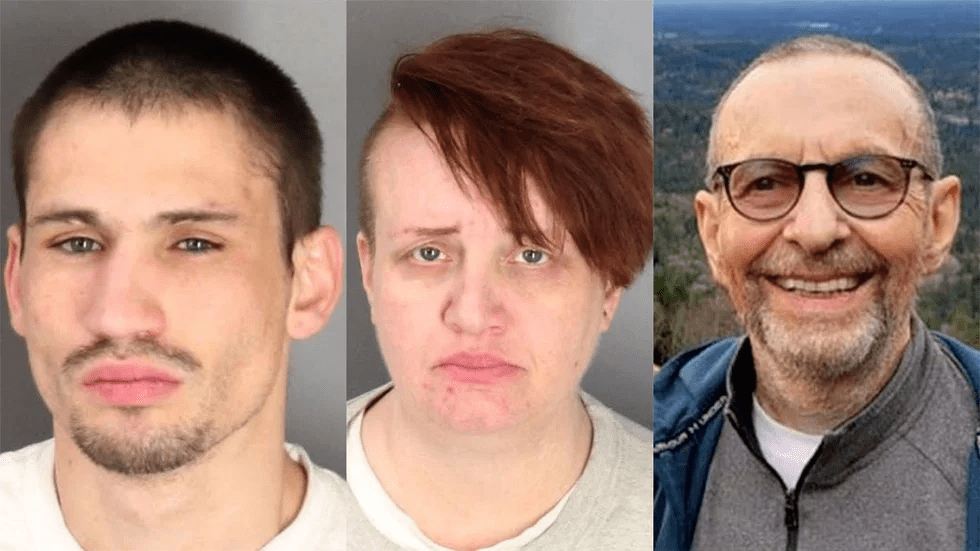
Two individuals accused of fatally poisoning and stabbing a retired university professor in Washington State, whom they initially encountered on the gay dating and hookup app Scruff, have been apprehended by the police.
Philip Brewer, aged 32, and Christina Hardy, aged 47, were arrested in California on Thursday in connection to the robbery and murder of Curtis Engeland, aged 74, from Mercer Island, Wash. Engeland was reported missing by his family on February 24, and his body was discovered on March 7 near Cosmopolis, Wash.
Brewer and Hardy face charges of first-degree murder, first-degree kidnapping, first-degree theft, and identity theft.
According to court documents obtained by various media outlets, including the Daily Mail, the duo allegedly devised a plan to eliminate the victim and take over his residence, while also seizing control of his financial assets and indulging in lavish purchases shortly after his demise.
According to court documents, Brewer and Engeland initially connected on Scruff in January and arranged their first date at a Starbucks during the same month. Later, the pair had another date at Engeland’s residence on Mercer Island to watch a movie, during which Engeland fell asleep. Upon awakening, he discovered Brewer missing along with his cell phone, car keys, safe deposit box keys, credit cards, and money. Engeland promptly contacted the authorities to report the thefts.
Over the ensuing weeks, court records indicate that tens of thousands of dollars were drained from Engeland’s accounts. Notably, it’s alleged that one significant expense was the acquisition of a $25,000 car using Engeland’s credit card.
Police suspect that Brewer and Hardy confronted Engeland at his home on February 23, administering a fatal dose of fentanyl via injection, stabbing him in the neck, and then disposing of his body in Cosmopolis. Following the crime, the duo purportedly took up residence in Engeland’s home and deliberately sent misleading text messages to themselves in order to confuse law enforcement. These messages were also sent to Engeland’s acquaintances, indicating that he would be absent for “the next three to six weeks” and that part of his house was being rented out to someone named “Christina” during his absence.
One of Engeland’s friends, who was romantically involved with him and planning to move in, received a text message at 3 a.m. the following day. He informed investigators that he found the timing and content of the text “suspicious,” as stated in court documents. This prompted him to report Engeland missing and mention that Brewer and Hardy were now residing in his home.
Upon police arrival at the residence, Brewer, Hardy, and her son were found present. They informed the authorities that Engeland had left but had granted them permission to utilize his residence and vehicle during his absence. As Engeland’s siblings arrived during the interview, they too expressed concern over the texts they had received, highlighting that their brother, a retired English professor, consistently communicated in grammatically correct sentences. At the insistence of the siblings, Brewer, Hardy, and her son vacated the premises, prompting an immediate commencement of the police investigation.
Shortly afterward, Engeland’s vehicle was discovered in a supermarket parking lot, with a bloodstained box found in the truck bed.
A significant breakthrough occurred the following Thursday when a man was apprehended for speeding by the California Highway Patrol near the desert town of Blythe on the Arizona border. The individual claimed to be in a relationship with Hardy’s daughter and asserted that he was fleeing from Brewer and Hardy, who were residing with him. He alleged that the pair had confessed to poisoning and stabbing Engeland, then disposing of the body. Police were informed by the fleeing individual that Brewer and Hardy intended to abduct Hardy’s daughter to return her to Washington, as they anticipated incarceration and wished for her to care for Hardy’s other children.
Brewer and Hardy were apprehended on the same day in California and are scheduled for extradition to Washington to face trial.
Mercer Island Police Chief Ed Holmes expressed condolences to Engeland’s family, stating, “First and foremost, we must acknowledge Mr. Engeland’s family – when this incident was first reported to police as a missing person, we hoped for a better outcome. The family remained determined to help our investigation over the past few weeks, and we hope some comfort can be found through the hard work being done to bring justice for Curtis and his loved ones.”
Laurie Goeken, Engeland’s neighbor for more than a decade, revealed to radio station KIRO that Engeland had been living alone since his husband passed away several years prior.
“He was not just a neighbor but also a cherished friend, a truly remarkable individual,” Goeken expressed to KIRO. “Engeland had a passion for gardening and hiking, embodying a truly special spirit.”
Goeken emphasized the collective concern among those who knew Engeland regarding his sudden disappearance.
“The disappearance of Engeland raised immediate suspicion among us,” Goeken remarked. “It was highly out of character for him. He held a deep affection for his cats, whom he adored. Whenever he was away, we would care for his cats, and he would reciprocate. Leaving them unattended was something he would never do.”




 fleeredstates.blog
You must be logged in to post a comment.