Kentucky Bill Charges Parents With “Neglect” If Trans Kids Use “Wrong” Restrooms

The legislation revises the state code to incorporate “educational neglect,” encompassing the failure to instruct children on restroom usage

Truthout serves as an invaluable asset for activists, movement leaders, and workers globally. Your swift donation can help sustain this vital work.

A proposed amendment to the existing Kentucky legislation aims to hold parents accountable for neglect if their transgender children do not adhere to the restroom usage specified by their birth certificates, potentially leading to the removal of children from their homes.

Though the bill itself does not explicitly mention transgender children, it pertains to existing state code concerning restroom and locker room usage in schools. Without prior knowledge of Senate Bill 150, passed into law in March of the previous year, these alterations might go unnoticed.

Allison Chapman, a legislative tracker and transgender activist, appears to be the first to highlight these proposed changes to state law, sharing the information on social media on Tuesday night.

Kentucky is considering a bill that could result in the REMOVAL OF TRANS YOUTH from their homes if they fail to comply with the state’s school restroom regulations, while also charging their parents with NEGLECT,” Chapman exclaimed, alongside screenshots of the draft legislation.
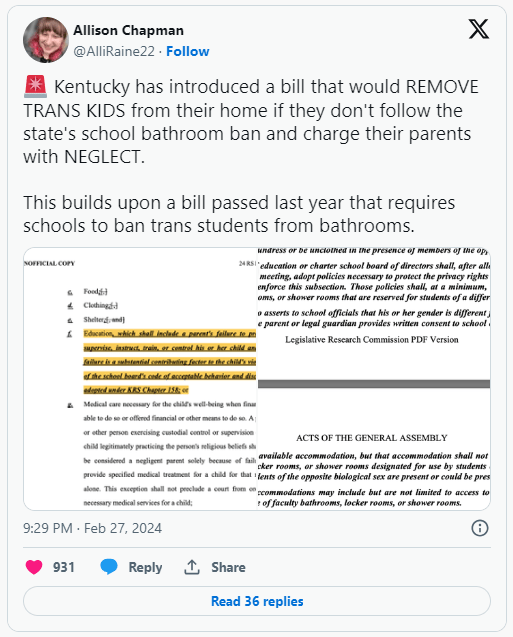

Proposed by Republican state Representative Jason Petrie, the bill aims to broaden Kentucky’s definition of child neglect to encompass “educational neglect,” incorporating a parent’s failure to ensure their child adheres to the current anti-trans restroom legislation. If a child consistently disregards the exclusionary restroom regulations, the state reserves the authority to remove them from their home. Experts have highlighted the severe harm these restrictions pose to transgender children.


Chapman further explained that the subtlety of the bill made it easy to overlook, requiring familiarity with SB150, which was enacted the previous year.

Even without the proposed amendments enabling child removal, the current law is highly restrictive. It not only regulates restroom and locker room use but also prohibits physicians from providing gender-affirming care treatments to transgender youth. These treatments, hailed as lifesaving by medical experts and recipients, are essential for their well-being.

The ACLU has labeled the law as one of the most severe targeting transgender individuals nationwide. While a federal judge initially halted its enforcement last year, the Sixth Circuit Court of Appeals intervened, allowing the law to be enforced until the lawsuit’s resolution. In November, the ACLU petitioned the Supreme Court to overturn this decision.


The Queer Migration

The Queer Migration: Exploring the Journey of Identity, Community, and Advocacy in Pursuit of Belonging and Liberation

The erosion of LGBTQ rights and the rise of anti-LGBTQ legislation has led LGBTQ families and couples to leave their home (red) state and relocate to safer, more welcoming communities. The trend has led to an unexpected point of service for clients and Alliance members.

Ryan Weyandt – CEO @ The Alliance (Moderator)
Bob McCranie – Real Estate Agent & Founder of FleeRedStates.com
Callen Jones – Real Estate Agent & 2022/23 Tampa Area Chapter President
Brandon Beston – Real Estate Agent & 2024 Denver Chapter President

Anti Trans/ Anti LGBTQ Attorney General Gets Vindictive on Those Who Held Him to Account

Three sitting judges, boasting almost a century of collective experience in criminal law, became casualties of Paxton’s retaliatory political campaign following their ruling against the attorney general in a 2021 voter fraud case.

On Tuesday, three incumbent judges on Texas’ highest criminal court failed in their reelection bids after Attorney General Ken Paxton focused his attention on these Republicans due to a 2021 ruling that nullified the attorney general’s authority to independently prosecute voter fraud.

According to the Associated Press, David Schenck, Gina Parker, and Lee Finley emerged victorious in their races, defeating Judges Sharon Keller, Barbara Hervey, and Michelle Slaughter respectively. Presiding Judge Keller has held her position since 1994.

Paxton singled out these judges as part of a broader political vendetta, aiming to remove Texas House members who had voted to impeach him in May.

In 2021, Keller, Hervey, and Slaughter aligned with five other Republican judges on the Court of Criminal Appeals in a voter fraud case. Their 8-1 decision determined that the Office of the Attorney General had breached the separation of powers outlined in the Texas Constitution by attempting to prosecute election cases without authorization from a local prosecutor.

However, in various media appearances and primary advertisements, Paxton portrayed the three incumbents as renegade Republicans who curtailed the attorney general’s authority to pursue voter fraud—a political issue significant to the modern GOP, especially given former President Donald Trump’s unsubstantiated claims of election interference.

Combined, the trio of incumbents boasted nearly a century of experience in criminal law, having served as prosecutors and judges. The Court of Criminal Appeals, Texas’ highest criminal court, comprises nine judges, while civil cases are heard by the Texas Supreme Court.

While the Texas attorney general holds the position of the state’s chief lawyer, the prosecution of crimes, including voter fraud, falls under the jurisdiction of locally elected county attorneys and district attorneys.

Despite Keller, Hervey, and Slaughter no longer serving on the bench, there remain five judges on the court whom Paxton previously targeted for removal due to their opposition to him in 2021. Among them, David Newell and Bert Richardson could seek reelection in 2026, should they decide to run. Kevin Patrick Yeary, the lone pro-Paxton vote, will also face reelection in the same year.

In a statement issued by Paxton late Tuesday evening, the attorney general hailed the defeat of the incumbents as a triumph for democratic ideals.

“To those who attempt to impede justice or subvert our legal system, take heed: The people of Texas will not stand for it,” Paxton asserted in his statement. “Your days of judicial overreach are numbered, and Texans are prepared to demand accountability.”

The all-Republican court is expected to continue under GOP control, given that the three elections are open to voters across the state. It has been thirty years since a Democrat secured victory in a statewide election.

The First Federal Gender-Based Hate Crime Trial Is Underway Over Killing of Trans Woman

This blog originally appeared at THEM.

A man from South Carolina is potentially facing a life sentence for purportedly being involved in the death of a Black transgender woman in 2019.

The following contains descriptions of anti-transgender violence.

A South Carolina man is now facing murder charges nearly five years after the alleged killing of a Black transgender woman, marking the first instance in U.S. history where a federal grand jury will consider a gender-based hate crime.

Daqua Lameek Ritter, 26, stands accused of murder as a hate crime, using a firearm in the commission of a hate crime, and obstruction of justice, according to a press release issued Wednesday by the U.S. Attorney’s Office of South Carolina. The charges, as stated by DOJ investigators, could lead to a maximum combined sentence of life imprisonment plus 25 years. Notably, prosecutors are currently not pursuing the death penalty.

In August 2019, Ritter purportedly enticed a Black trans woman, identified in court documents as Dime Doe, with whom prosecutors assert he was involved in an affair, to a secluded area of South Carolina in a vehicle, where he allegedly shot her to death. Prosecutors in the ongoing trial have argued that Ritter grew enraged and humiliated after his girlfriend and others discovered his relationship with Doe, leading him to murder Doe in an effort to “silence” her and quell further rumors, according to the Associated Press. Following the incident, Ritter purportedly destroyed his clothing, misled investigators about his whereabouts at the time of Doe’s demise, and subsequently fled to New York to evade apprehension.

Additionally, the indictment charges Xavier Pinckney, 24, with obstructing justice for allegedly providing false information to investigators on Ritter’s behalf. Both individuals were initially charged last year, with Pinckney individually pleading guilty in October.

While a separate case resulted in a 49-year sentence for the murder of a transgender woman in 2017, Ritter’s trial signifies the inaugural instance of a gender-based hate crime being tried at the federal level, as noted by the AP. Notably, due to South Carolina being one of only two states yet to enact its own hate crimes legislation, the federal government retains jurisdiction to pursue Doe’s murder as an anti-transgender hate crime, as constitutional law professor Kenji Yoshino explained to NBC.

Ritter’s defense team asserts that Ritter was not present in the vehicle when Doe was killed, and implores jurors to look beyond the “sensational” aspects of the case. However, prosecutors contend that Ritter can be identified by a distinctive tattoo visible in contemporaneous photographs, and have indicated that text messages will establish a motive.


As per the latest Trans Murder Monitoring report by advocacy network Transgender Europe, between October 2022 and September 2023, a minimum of 321 trans and gender-diverse individuals were tragically murdered worldwide. The overwhelming majority were trans women or transfeminine individuals, with approximately half falling victim to fatal shootings. Shockingly, 80% of the reported murders involved trans individuals who also faced racism. In the United States, incidents of anti-trans hate crimes saw a notable increase of approximately 40% in 2022, as revealed by an FBI report released in October.

Friends and family fondly recall Doe as a vibrant and larger-than-life personality who consistently brought joy to those around her. Reflecting on her life in a memorial for the online magazine ZORA months after her passing, one friend shared, “She was never a sad person. You could barely catch her mad. She always kept it energetic.”

Share Subject: Jesse Baird: Policeman charged with murder of missing Sydney couple

This blog originally appeared at BBC.

Share Message – Jesse Baird: Policeman charged with murder of missing Sydney couple

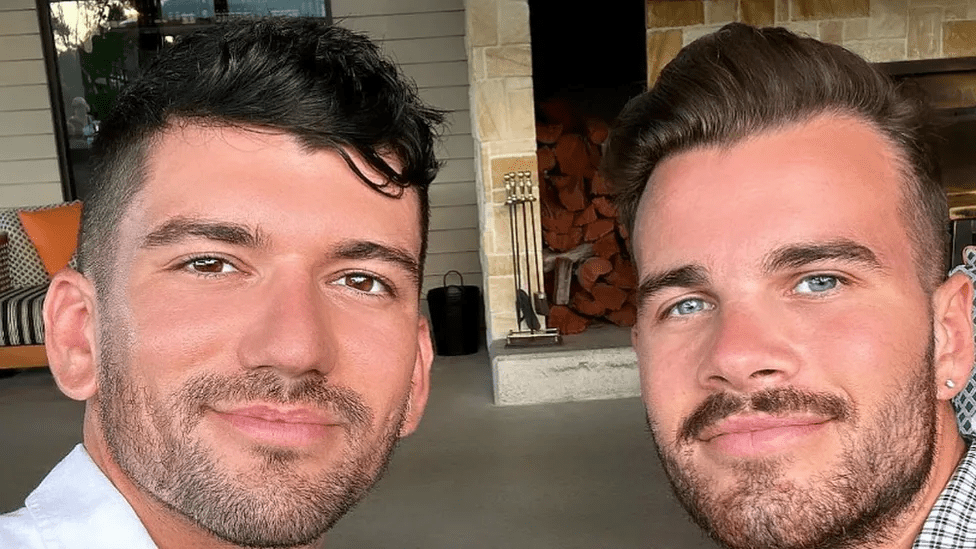
A 28-year-old police officer has been charged with murdering missing Australian TV personality Jesse Baird and his boyfriend Luke Davies.

Investigators initiated a frantic search on Wednesday following the discovery of bloodied belongings belonging to the couple in a bin near Sydney. Beaumont Lamarre-Condon, the former boyfriend of Baird, was pursued by law enforcement and surrendered himself on Friday. Despite ongoing efforts, detectives have yet to locate the bodies of the men or determine the cause of their demise.

Authorities allege that the couple met their demise on Monday within Jesse Baird’s residence in Paddington, an inner suburb of Sydney, before their remains were transported in a white van. Witnesses reported hearing “shouting” and a “verbal argument” on the morning of the incident, with CCTV footage capturing the rented van’s presence at the scene later that evening. The van was discovered in Sydney’s southern region on Friday morning.

New South Wales Police reported the discovery of a bullet resembling one from Beaumont Lamarre-Condon’s service-issued firearm at the crime scene in Paddington, alongside a “significant” volume of blood and overturned furniture. Although Lamarre-Condon failed to report to work on Tuesday, his service pistol was subsequently located in a secure facility at a police station, as confirmed by Detective Superintendent Daniel Doherty during a press briefing.

Additionally, authorities have seized blood-stained garments, a mobile phone, and credit cards from an industrial bin in Cronulla, situated 28 kilometers (17 miles) from the scene of the crime, as well as various items from a residence in Balmain. Detective Superintendent Doherty noted that Lamarre-Condon was believed to have traveled to Newcastle – approximately 170 kilometers north of the crime scene – following the alleged homicides.

Couple Luke Davies and Jesse Baird have not been seen since Monday

Detective Superintendent Doherty remarked that while information provided by Beaumont Lamarre-Condon thus far had not significantly aided the investigation, tips from the public had proven invaluable. He reiterated the plea for individuals with relevant information to come forward and cooperate with law enforcement.

Highlighting the significance of locating the victims’ bodies, Detective Superintendent Doherty emphasized the importance of providing closure for the families and uncovering the circumstances surrounding their demise, acknowledging their profound grief.

Jesse Baird had previously served as a presenter and red carpet reporter on Network 10’s morning program Studio 10 until its cancellation in December, while Mr. Davies worked as a flight attendant for Qantas. Their social media accounts, adorned with joyful photographs, have been inundated with expressions of sympathy following their disappearance.

Beaumont Lamarre-Condon, who joined the police force in 2019, had previously garnered attention as a celebrity blogger, boasting encounters with stars such as Taylor Swift, Harry Styles, and Miley Cyrus. His interactions with celebrities were extensively covered by Australian media, with some publications even questioning whether he was “Australia’s biggest fan.”

Detective Superintendent Doherty refrained from speculating on the motive behind the alleged crimes. However, he noted that Beaumont Lamarre-Condon’s relationship with Jesse Baird had ended “a couple of months ago,” suggesting it as a plausible avenue of investigation.

Beaumont Lamarre-Condon was denied bail and appeared in court on Friday afternoon to face charges.

I Left a Red State and Moved to a Blue State. The Politics and Lack of Healthcare in Texas Drove Me Back to Oregon

This blog originally appeared at BUSSINESS INSIDER.

From Red to Blue: A Journey of Political Realization and Healthcare Struggles in Texas, Leading to a Return to Oregon

Jules Rogers relocated to Houston for employment but departed due to disagreements with the local political landscape, particularly concerning relaxed gun regulations and restrictive laws governing women’s healthcare decisions. Additionally, factors such as transportation expenses, adverse weather conditions, and complexities in the voting process further influenced her decision to leave.

Although I was born in Houston, I spent my formative years in Portland, Oregon. In 2018, I returned to Texas as an adult to take a job at a local newspaper. While Houston offered a lower cost of living and proximity to family, the reality didn’t quite match the nostalgic memories of visiting Grandma for Christmas. After encountering several eye-opening experiences that clashed with my envisioned quality of life, I made the decision to leave approximately two years later.

I became aware of an issue with a local school district that I couldn’t believe

A concerned parent contacted my newsroom to report that her child’s school district was segregating students learning English as a second language, placing them in a building across a major highway from the school.

Initially skeptical, I reached out to the school district for clarification and was dismayed to discover that the reports were indeed accurate. I found the situation deeply unjust. Although my paper published the story I wrote, it received limited readership.

This incident was just one of many experiences I encountered as a journalist in a predominantly conservative city. These stories, unlike my previous work in Oregon, challenged me to maintain objectivity and separate my personal convictions from my professional duties.

Gun laws were loosened

In September 2019, the state’s gun laws underwent revisions by the local legislature, which were perceived as regressive. HB 1143 granted licensed gun holders the authority to store firearms, handguns, and ammunition in locked cars within school-campus parking lots. Additionally, the legislation removed the prohibition of guns from large religious gathering areas such as churches and synagogues.

I hold the belief that increasing the presence of firearms does not contribute to safer environments in the face of shootings. Many other countries implement policies aimed at tightening gun regulations, suggesting opportunities for improvement in our approach to gun control.

The voting process was outdated


For the first time since I began casting my ballots by mail in Oregon, I voted in person. In Texas, voting by mail is restricted to those over 65, individuals who are ill or disabled, incarcerated, or meeting specific criteria.

Although my white-collar company provided a day off for voting, which was considered a perk, I realized that many shift workers likely did not enjoy this privilege. Standing in a physical line for hours, I was surprised to find that “materials,” including my newspaper with annotated campaign officials and bill details, were prohibited upon reaching the front of the room.

Contrasting my voting experience in Portland, where I have ample time to research each item before marking my ballot and receive text notifications at each processing step, the voting machines I encountered in Houston felt outdated, and I received no form of receipt.

I didn’t feel in control of my own body

During my time living in Texas, the state’s abortion restrictions were intensifying, culminating in the overturning of Roe v. Wade. This mirrored Texas’ stringent approach to cannabis, in stark contrast to Oregon’s decriminalization policies, with many individuals fervently supporting abortion bans.

One Saturday evening in Texas, I attended a Right to Life dinner at the invitation of a City Council member, unaware of the atmosphere I would encounter. A talented teenage student delivered a meticulously rehearsed speech, painting a picture of aborted embryos or fetuses potentially becoming astronauts, presidents, or cancer-curing doctors. Despite her youth, I couldn’t help but wish for her to aspire to those achievements herself.

Every individual should have the autonomy to safeguard their body, boundaries, and home. Yet, in Texas, I felt vulnerable amidst the politicization surrounding my reproductive rights. The prospect of a pregnant woman in Texas being denied care for conditions as severe as sepsis unless her life is directly threatened, subjected to the judgment of a board, was daunting. These were odds I couldn’t reconcile with, even as someone not desiring children, ultimately contributing to my decision to leave Texas prior to the abortion ban implementation.

I knew when it was time for me to go

In addition to the political-environment mismatch, other reasons contributed to my move.

I lived in a suburb of Houston and traveled on highways daily. I didn’t like the high transportation costs, including toll roads and all the gas needed to make my commute.

The extreme weather, which included hurricanes, major lightning storms, hail, and smoggy air, was also not aligned with the quality of life I desired.

I loved the radio stations, the Tex-Mex, and the barbecue — and I was earning more money — but I knew when it was time to go. It’s more expensive, but I’m happier in Portland.

A Top Oklahoma Schools Official Is Under Fire for Ties to an Anti-Trans Influencer

This blog originally appeared at THEM.

Ron Causby was deemed ineligible for a position at Owasso Public Schools — the school district where Nex Benedict attends — due to advocating violence against transgender individuals.

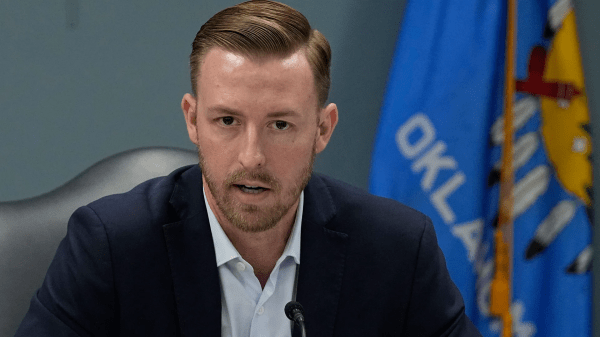
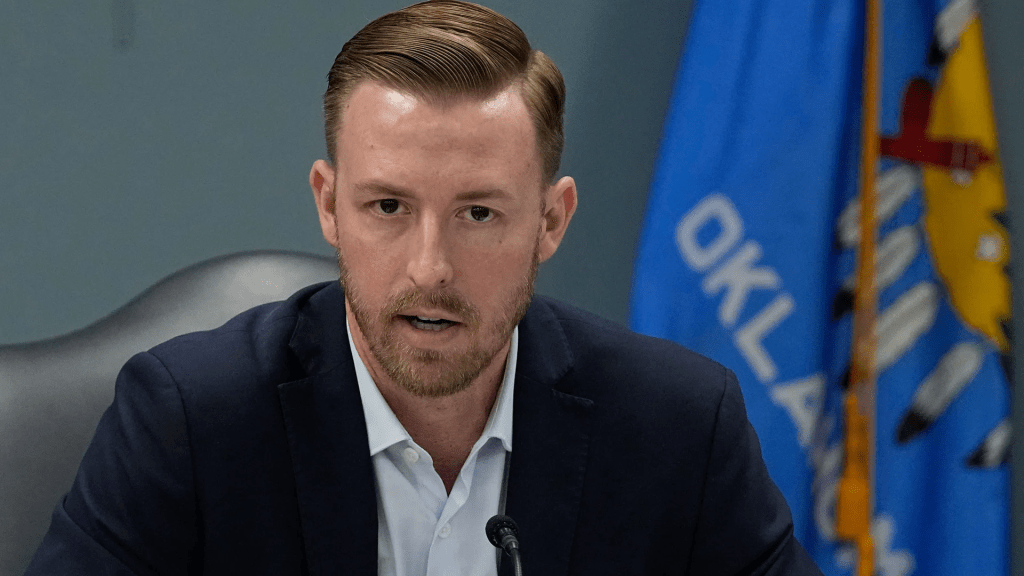
Ryan Walters, the Oklahoma State Superintendent of Public Instruction, has come under renewed scrutiny for his anti-transgender stance following the recent passing of Nex Benedict. A fresh report from Media Matters for America has linked Walters to a far-right podcaster who advocated violence against transgender youth.

According to the nonprofit media watchdog, Walters, known for his staunch anti-trans beliefs and advocacy for Christianity in educational settings, was elected in 2022 with considerable support from Ron “The Real Ron Ron” Causby, an Oklahoma podcaster and social media figure. Causby, who claims a close relationship with Walters, had actively supported Walters’ 2022 campaign, hosting various events including a meet-and-greet and a summer barbecue at his home. However, Media Matters discovered that Causby himself had faced rejection from positions as a school bus driver and substitute teacher due in part to his podcast’s violent rhetoric targeting transgender individuals.

Emails from January 2022, obtained by Media Matters and shared by Causby on his Facebook page, revealed that Causby was turned down for roles at Owasso Public Schools, the same district attended by Nex Benedict. This decision was influenced by Causby’s inflammatory anti-trans statements on social media and his podcast “Loud Mouths.” Causby had openly expressed on his podcast that he permitted his daughter to physically confront any transgender student using school facilities and insisted that transgender children should “legitimately” use restrooms, as highlighted in a speech to the Owasso school board.

In an internal email dated January 20, Superintendent Dr. Margaret Coates expressed concerns about Causby potentially encountering a transgender student while serving as a substitute teacher. Despite this rejection, Causby’s event supporting Ryan Walters, organized by the right-wing group Tulsa Parents Voice, went ahead the following month.

Causby’s legal issues further compounded the controversy, with his arrest and subsequent charges of burglary and stalking against his ex-wife in August of the previous year. These charges were later dismissed.

Walters had previously faced criticism for his anti-trans remarks in light of Nex Benedict’s tragic passing, attributing Benedict’s death to a bullying incident in an Owasso High School bathroom. In response, Walters accused “the left” and unspecified media outlets of distorting facts to advance a political agenda, asserting his unwavering stance against perceived “woke mobs.”


Prior to the tragedy in Owasso, Walters faced criticism for appointing Chaya Raichik, a non-Oklahoma resident and founder of the controversial anti-trans propaganda network “Libs of TikTok,” to a state advisory committee on school libraries. Raichik has been linked to numerous schools across the U.S. experiencing bomb threats and death threats shortly after being featured on Libs of TikTok. Although she denies responsibility for any violence, Raichik has posted photos of herself on X (formerly Twitter), seemingly pleased by reports linking her to the threats. (Causby has dismissed such threats as “fake,” as noted by Media Matters.)

According to Oklahoma Representative Mauree Turner, the first openly nonbinary person to hold state office in the U.S., Walters and Raichik’s rhetoric endangers transgender and gender-nonconforming youth in multiple ways. Turner expressed this concern in an interview with MSNBC on Sunday, questioning why anyone would seek political office that exposes children to hate and bigotry.

Ghana Intensifies Crackdown on Rights of LGBTQ People and Activists

This originally appeared at THE GUARDIAN.

Proposed new laws carry the risk of up to five years of imprisonment for individuals found guilty of deliberately endorsing, sponsoring, or backing LGBTQ+ initiatives.

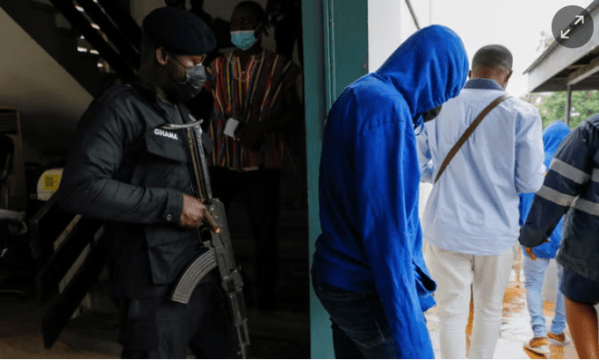
Ghana’s parliament recently approved legislation that further restricts the rights of LGBTQ individuals and those advocating for non-conventional sexual or gender identities within the West African nation. This new law, passed on Wednesday, introduces the possibility of a maximum five-year prison sentence for individuals intentionally promoting, sponsoring, or supporting LGBTQ+ activities. However, the bill awaits validation by the president before it can be enacted into law, a step that many observers believe may not occur until after the general election scheduled for December. Activist groups have strongly criticized the Human Sexual Rights and Family Values bill, labeling it a setback for human rights, and have urged President Nana Akufo-Addo’s administration to reject it.

The legislation garners widespread support in Ghana, particularly under President Akufo-Addo’s leadership, who has firmly stated his opposition to gay marriage during his tenure. Often dubbed the anti-gay bill, this comprehensive legislation received backing from a coalition composed of Christian, Muslim, and traditional Ghanaian leaders, passing through parliament without opposition via a voice vote. While discrimination against LGBTQ individuals is prevalent, there have been no prosecutions under the colonial-era law to date.

Under the proposed bill, same-sex relations could result in imprisonment ranging from six months to three years, with harsher penalties extending to three to five years for advocates of LGBTQ rights. The United Nations rights chief, Volker Türk, denounced the bill, emphasizing that consensual same-sex conduct should never be criminalized and warning of the potential for hate crimes.

A human rights coalition known as the Big 18, comprising lawyers and activists in Ghana, has also condemned the bill, asserting that it violates the fundamental human rights of the LGBT community. Despite opposition, sponsor Sam George, an opposition lawmaker, urges President Akufo-Addo to endorse the bill, claiming it offers the most comprehensive approach to addressing LGBTQ issues.

Members of Ghana’s LGBTQ community express deep concerns about the bill’s ramifications. Alex Kofi Donkor, founder of LGBT+ Rights Ghana, believes its passing would exacerbate marginalization and endanger individuals in the LGBTQ community, fostering an environment of fear and persecution.

Globally, about 30 African countries currently outlaw homosexuality, with punishments ranging from harsh imprisonment to the death penalty in countries like Uganda, Mauritania, and certain Nigerian states. South Africa stands as the sole nation on the continent permitting gay marriage, while a handful of countries have decriminalized gay sex, according to the International Lesbian, Gay, Bisexual, Trans, and Intersex Association (ILGA).

Texas Governor Responds to LGBTQ Human Rights Criticisms: ‘The UN can go pound sand’

Texas Governor Pushes Back on LGBTQ Human Rights Criticisms: Defiant Stance Against UN: “They Can Go Pound Sand”

Over the weekend, Texas Governor Greg Abbott (R) rebuffed recent criticisms aimed at new state laws targeting LGBTQ individuals, dismissing claims that such measures contravene federal and international human rights standards.

Over the weekend, Texas Governor Greg Abbott (R) shrugged off recent criticisms surrounding new state laws targeting LGBTQ individuals, while also dismissing claims that such measures run counter to federal and international human rights standards.

In response to a letter dispatched last month to the United Nations, accusing the governor and other state officials of encroaching upon the rights of LGBTQ Texans through administrative and legislative channels, Abbott bluntly urged the international nonprofit to refrain from involvement.

“The UN can go pound sand,” Abbott retorted on Sunday via X, formerly known as Twitter, echoing a similar sentiment expressed in 2021 when he responded in kind after U.N. Secretary-General António Guterres suggested that Texas would need to reduce reliance on oil and gas to ensure prosperity beyond 2050.

In January, four LGBTQ rights groups united in a joint letter of allegation addressed to over a dozen independent experts, working groups, and special rapporteurs at the U.N., asserting that Texas leaders deliberately singled out the LGBTQ community during the state’s recent legislative session.

According to the American Civil Liberties Union (ACLU), Texas lawmakers in 2023 introduced no less than 55 bills aimed at LGBTQ individuals, constituting approximately 10 percent of similar legislation filed nationwide last year.

The focal point of the groups’ plea to the U.N. centers on seven bills signed into law by Abbott in 2023, including measures banning gender-affirming healthcare for minors and significantly restricting transgender athletes’ participation in school sports.

In their letter, signed by Equality Texas, GLAAD, the Human Rights Campaign, and the ACLU of Texas, the organizations argued, “Taken individually, the seven pieces of legislation discussed in this submission will disrupt the lives of LGBTQIA+ people of various ages and backgrounds. Put together, the Bills are a systemic attack on the fundamental rights, dignities, and identities of LGBTQIA+ persons that opens the gates for discrimination by both public and private actors.”

Additionally, the letter criticized actions by Texas officials preceding last year’s legislative session, citing State Attorney General Ken Paxton’s 2022 opinion equating gender-affirming medical care with child abuse and a subsequent directive from Abbott instructing state agencies to investigate parents of transgender minors for child abuse.

The letter, co-signed by The University of Texas at Austin School of Law’s Human Rights Clinic, implored the U.N. to advocate for the repeal of these bills and urged both state and federal governments to enact stronger nondiscrimination protections for LGBTQ individuals.

Furthermore, the letter censured the Biden administration’s response to anti-LGBTQ laws passed in Texas and elsewhere, accusing the federal government of failing to hold states accountable, thereby violating a decades-old U.N. treaty.

The U.N. has previously expressed concerns over anti-LGBTQ legislation in the U.S., with a committee stating in December that it was “concerned at the increase in the number of state laws that severely restrict the rights of persons on the basis of their sexual orientation or gender identity.”

More Than Half of Gen Z Want To Move Out Of The United States For This Sad Reason

It comes as little surprise, particularly when considering the demographic often referred to as the ‘school shooting generation,’ a group of young individuals deeply affected by the prevalence of such tragedies.

A considerable number of Americans tend to remain within the borders of the United States, their travels often limited to iconic destinations like Niagara Falls or indulgent trips to savor pasta in Italy for a brief vacation. Moreover, many opt to stay rooted in their hometowns, as evidenced by a striking 72% of individuals over 25 years old still residing in or near their birthplace, as per a 2019 survey.

However, there appears to be a shifting trend, particularly among Generation Z, indicating a willingness to venture beyond American shores. A recent survey conducted by Preply, a platform facilitating language learning through tutor connections, sought the opinions of 3,000 Gen Z Americans regarding their inclination towards expatriation. When asked to rate their likelihood of residing outside the U.S. on a scale from 1 (not at all) to 5 (very strongly), the average response was 3.1, signaling a leaning towards international relocation.

Among the primary motivations cited by respondents for considering a move abroad, the appeal of better social programs such as universal healthcare stood out significantly, with 25.6% highlighting this aspect. This sentiment is understandable, given the weight of medical debt burdening many Americans. Additionally, the allure of new cultural experiences (18.9%), the cost of living (18%), and dissatisfaction with American political dynamics (17.7%) contributed to the attractiveness of foreign locales. Notably, one issue deeply intertwined with American politics—gun violence—did not escape the attention of Gen Z. A majority of respondents, accounting for 59%, identified it as a “major” factor influencing their desire to seek residence outside the U.S.

It’s a pragmatic perspective that underscores the significant impact of gun violence on Gen Z, who have been raised amidst school shooting drills and a constant awareness of the looming threat of violence—be it in classrooms, movie theaters, or concert venues. This reality has earned them the moniker of the “school shooting generation.” Unlike any previous generation, they have borne the brunt of numerous tragic mass shootings, whether as direct witnesses or through the pervasive influence of these events on their lives. Unfortunately, the problem persists unabated. In 2023 alone, there were more mass shootings than days, as reported by the Gun Violence Archive. Notably, much of the activism surrounding this issue emanates from Gen Z, exemplified by movements like March for Our Lives, which was initiated by survivors of school shootings.

While the United States grapples with several pressing and disquieting challenges, particularly of a financial nature, for Gen Z, the survey indicates that gun violence emerges as the most urgent concern. It’s a matter of life and death, underscored by stark statistics revealing that gun violence has become the leading cause of death for young Americans, surpassing even cancer, car accidents, homicide, and suicide.

Given this sobering reality, the notion of seeking refuge elsewhere might not be as extreme as it initially appears. For Gen Z, the desire for a life free from the omnipresent threat of gun violence could very well be the driving force behind such considerations.

Blog at WordPress.com.

Up ↑