A student activist at Louisiana State University in Baton Rouge says her arrest at a campus public hearing was a targeted attack based on her political views, and alleges police became menacing when they learned she’s transgender.
Gabriela Juárez, 20, was swarmed by campus police after she exceeded her allotted speaking time of three minutes at a campus presidential search forum last week.
At least a dozen other students leapt from their seats in support of Juárez as LSU cops dragged her from the room, Louisiana Illuminator reports.
Six other students were charged with misdemeanors and released from the campus police station after they blocked the police car taking Juárez away.
Juárez was charged with resisting arrest and “interference with educational process,” which is a felony. She was taken to East Baton Rouge Parish Prison.
All of the students involved are members of the LSU chapter of Students for a Democratic Society. The group claims Louisiana Gov. Jeff Landry (R) is secretly steering the process to hire the university’s next president to align with the governor’s far-right, Trump-inspired political agenda, while disenfranchising campus leaders, faculty and students.
Several students at the forum wore T-shirts with the slogan “No MAGA President.”
LSU cops initially referred to Juárez as “she” or “her,” the activist said in an interview, but began treating her differently when she shared her legal name. Then they turned hostile and referred to her as “he” and “him,” she said.
At the parish prison, Juárez was strip-searched and forced to stand naked while officers discussed where she should be kept.
“They said to the officer, ‘I have someone here who is bottom parts male but up top fully female,’” Juárez recounted. “And so they had no idea what to do with me.”
Juárez said she was put into a cell by herself and given a women’s uniform, along with a warning she’d be sexually assaulted anywhere else. Other cops interrogated Juárez about her gender and loudly referred to her as a man, she said.
Juárez said she was denied the opportunity for a phone call after her arrest, but fellow SDS members were able to post a $1000 bond to obtain her release late the same night.
The meeting that led to Juárez’s arrest was chaotic.
She and six other members of SDS made public comments, eviscerating the 20 search committee members and calling them illegitimate.
Several made profane comments, including Juárez, who alleged the only criteria for serving on the committee was to “be a millionaire and suck off the governor.”
“Don’t f**king touch me,” Juárez shouted as the first LSU cop grabbed her arm.
“Am I being detained?” she shouted as two officers dragged her out of the room and fellow SDS members shouted down cops and committee members in her support.
“Shame on you!” they shouted after Juárez was removed. Those students were also ejected from the meeting.
Outside, as her fellow SDS members and other students shouted and aimed their phones at officers, Juárez was searched, handcuffed, and placed in the back of an LSU Police cruiser.
Juárez says she was targeted.
“In a moment where they are actively cultivating a panic around the presence of Latinos and the presence of trans people, and especially transgender women,” Juárez said, “I do believe that that – combined with the fact that I have a high profile on campus – led to them wanting to make an example out of me, and wanting to intimidate me specifically, and to use me as a show of force to scare other students into being silent.”
The 20-year-old has political enemies, she said.
In September, Juárez was called out by the Louisiana Republican Party, which demanded that LSU discipline the activist for comments critical of slain conservative podcaster Charlie Kirk.
Juárez shared an Instagram story that referred to Kirk as a “world famous fascist” with the caption “rejoice.”
A lot of states are passing laws that target the LGBTQ+ community — but these 15 are the absolute worst.
Over 1,000 anti-LGBTQ+ laws have been proposed across every state legislature in the U.S. over the past two years, according to the American Civil Liberties Union, and 126 have passed into law. Less than two months into the 2025 legislative session, 390 laws targeting LGBTQ+ people have been proposed.
While marriage equality and anti-discrimination protections based on sexual orientation and gender identity are still guaranteed federally by U.S. Supreme Court rulings (for now), LGBTQ+ people are still concerned about their rights being taken away, especially when only 15 states have “shield laws” protecting access to gender-affirming care and abortion.
Based on laws surrounding marriage, family rights, health care, education, and youth collected by the Movement Advancement Project, here are the 15 worst states for LGBTQ+ people.
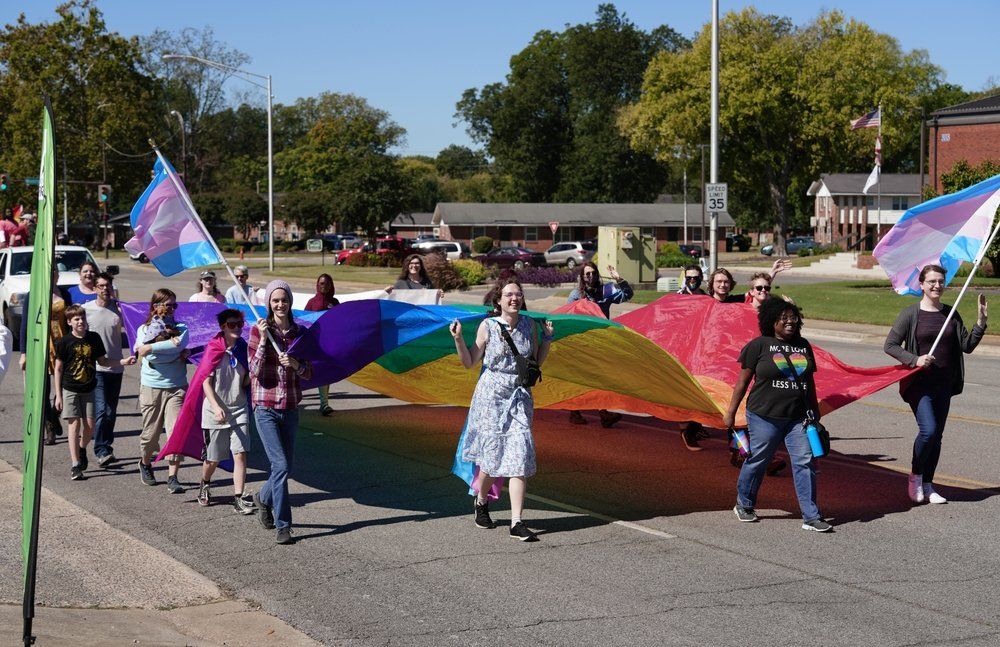
Pride Parade in Huntsville, Alabama (October 1, 2022)
Nondiscrimination laws: Alabama does not have nondiscrimination laws in employment, housing, health care, education, public accommodations, or credit/lending. Its state code incorrectly defines sex as exclusively male or female, and it prohibits transgender people from using public facilities that align with their identities.
Marriage equality and parental rights: Alabama does not have adoption or foster care nondiscrimination protections for LGBTQ+ parents. It does not have second-parent adoption for unmarried couples, confirmatory adoption, nor recognition for parents using assisted reproductive technologies. It also does not have family leave laws that encompass LGBTQ+ people.
Education and youth policies: Alabama has a “Don’t Say Gay” law restricting discussion of LGBTQ+ identities in classrooms. It has banned trans students from participating in sports or using school facilities based on their identities, and it requires staff to forcibly out LGBTQ+ students to their guardians. The state also has a “religious exemption” law for Child Welfare Services.
Healthcare access and rights: Alabama has banned life-saving gender-affirming care for youth, though it permits the discredited and harmful practice of so-called conversion therapy for youth. Health insurance companies, including Medicaid, are not required to provide coverage related to gender transition or fertility treatments. The state also has a “religious exemption” law for healthcare providers.
Criminal justice: Alabama’s hate crime laws do not encompass sexual orientation and gender identity, and it has not banned the so-called “LGBTQ+ panic” defense.
Arkansas
Danielsen_Photography / Shutterstock.com
3rd annual Pride Walk at Hot Springs National Park, Arkansas (June, 4 2021)
Nondiscrimination laws: Arkansas does not have nondiscrimination laws in employment, housing, health care, education, public accommodations, or credit/lending. The state bans cities and local ordinances from passing nondiscrimination laws, and it has law about “adult” performances that could be used to target or restrict drag.
Marriage equality and parental rights: Arkansas does not have adoption or foster care nondiscrimination protections for LGBTQ+ parents. It does not have second-parent adoption for unmarried couples, confirmatory adoption, nor recognition for parents using assisted reproductive technologies. It also does not have family leave laws that encompass LGBTQ+ people.
Education and youth policies: Arkansas has a “Don’t Say Gay” law restricting discussion of LGBTQ+ identities in classrooms. It has banned trans students from participating in sports or using school facilities based on their identities, and it requires staff to forcibly out LGBTQ+ students to their guardians.
Healthcare access and rights: Arkansas has banned life-saving gender-affirming care for youth, though it permits the discredited and harmful practice of so-called conversion therapy for youth. Medicaid is forbidden from providing coverage related to gender transition to minors, and insurance companies are not required to cover fertility treatments. The state also has a “religious exemption” law for healthcare providers.
Criminal justice: Arkansas’ hate crime laws do not encompass sexual orientation and gender identity, and it has not banned the so-called “LGBTQ+ panic” defense. It has an HIV criminalization law that may require sex offender registration.
Florida
Chris_Harris / Shutterstock.com
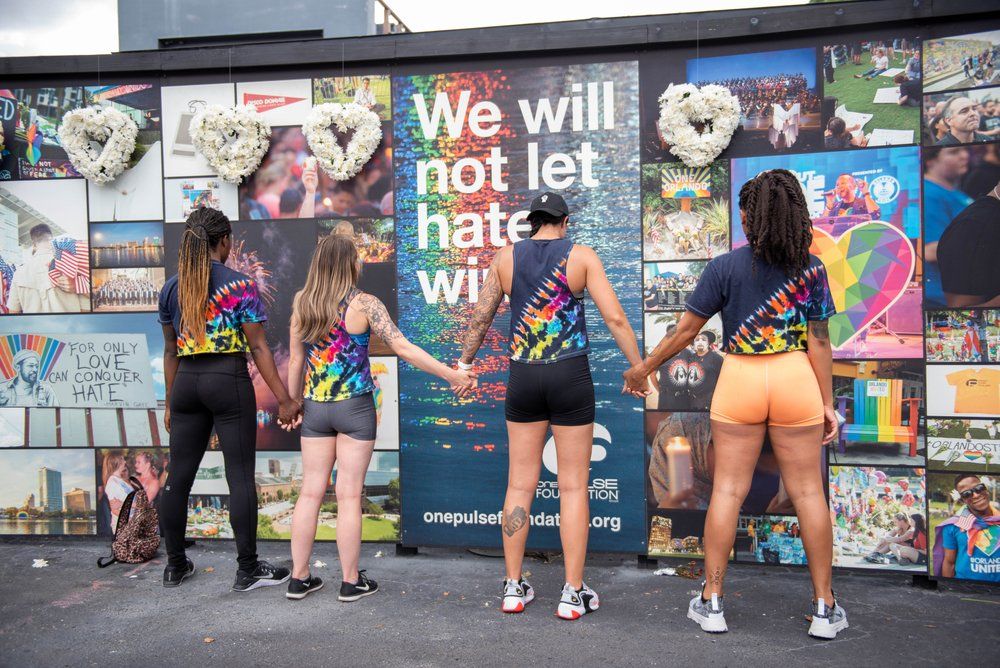
Mourners pay their respects to the fallen at the Pulse Nightclub memorial on the 5th anniversary of the Pulse mass shooting in Orlando, Florida (June 12, 2021)
Nondiscrimination laws: Florida has nondiscrimination laws in employment, housing, and public accommodations, but not in credit/lending, health care, nor education. The state prohibits transgender people from using public facilities that align with their identities, and it does not allow updating gender markers on driver’s licenses or birth certificates. It has law about “adult” performances that could be used to target or restrict drag
Marriage equality and parental rights: Florida does not have adoption or foster care nondiscrimination protections for LGBTQ+ parents. It does not have second-parent adoption for unmarried couples, confirmatory adoption, nor recognition for parents using assisted reproductive technologies. It also does not have family leave laws that encompass LGBTQ+ people.
Education and youth policies: Florida originated the “Don’t Say Gay” laws restricting discussion of LGBTQ+ identities in classrooms. It has banned trans students from participating in sports or using school facilities based on their identities, and it requires staff to forcibly out LGBTQ+ students to their guardians.
Healthcare access and rights: Florida has banned life-saving gender-affirming care for youth, though it permits the discredited and harmful practice of so-called conversion therapy for youth. Medicaid is forbidden from providing coverage related to gender transition for all ages, and insurance companies are not required to cover fertility treatments. The state also has a “religious exemption” law for healthcare providers.
Criminal justice: Florida’s hate crime laws only encompass sexual orientation, not gender identity. It has not banned the so-called “LGBTQ+ panic” defense, and it has an HIV criminalization law.
Idaho
Venture Out Media / Shutterstock.com
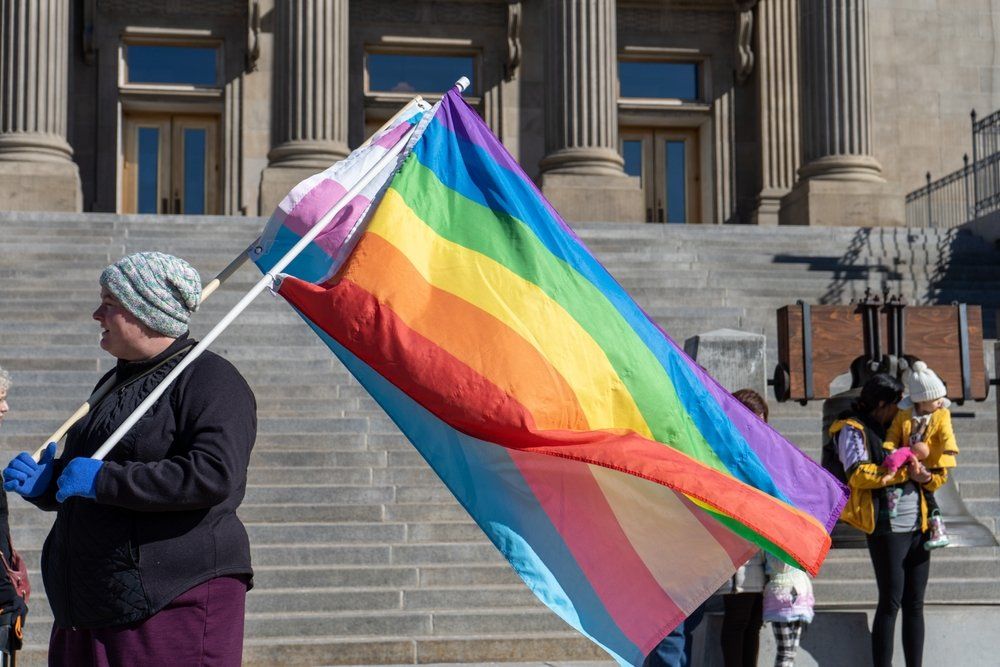
Rally in support of transgender youth and gender-affirming care in Boise, Idaho (February 24, 2023)
Nondiscrimination laws: Idaho has nondiscrimination laws in employment, housing, and public accommodations, but not in credit/lending, education, health care, nor for state employees. Its state code incorrectly defines sex as exclusively male or female.
Marriage equality and parental rights: Idaho does not have adoption or foster care nondiscrimination protections for LGBTQ+ parents. It has second-parent adoption for unmarried couples, but not confirmatory adoption nor recognition for parents using assisted reproductive technologies. It also does not have family leave laws that encompass LGBTQ+ people.
Education and youth policies: Idaho has banned trans students from participating in sports or using school facilities based on their identities, and it requires staff to forcibly out LGBTQ+ students to their guardians. The state also has a “religious exemption” law for Child Welfare Services, though it has protections for LGBTQ+ youth in the Child Welfare System.
Healthcare access and rights: Idaho has banned life-saving gender-affirming care for youth, though it permits the discredited and harmful practice of so-called conversion therapy for youth. Medicaid is forbidden from providing coverage related to gender transition for all ages, and insurance companies are not required to cover fertility treatments. The state also has a “religious exemption” law for healthcare providers.
Criminal justice: Idaho’s hate crime laws do not encompass sexual orientation and gender identity. It has not banned the so-called “LGBTQ+ panic” defense, and it has an HIV criminalization law.
Indiana
Umut Tolga Pehlivan / Shutterstock.com
Indiana University Bloomington Students walking at Indy Pride in Indianapolis, Indiana (June 4, 2008)
Nondiscrimination laws: Indiana has weaker nondiscrimination laws in employment, housing, and public accommodations, but not in credit/lending, education, nor health care. The state also has a broad “religious exemption” law.
Marriage equality and parental rights: Indiana has adoption or foster care nondiscrimination protections based on sexual orientation, but not gender identity. It has second-parent adoption for unmarried couples, but not confirmatory adoption nor recognition for parents using assisted reproductive technologies. It also does not have family leave laws that encompass LGBTQ+ people.
Education and youth policies: Indiana has a “Don’t Say Gay” law restricting discussion of LGBTQ+ identities in classrooms. It has banned trans students from participating in sports or using school facilities based on their identities, and it requires staff to forcibly out LGBTQ+ students to their guardians.
Healthcare access and rights: Indiana has banned life-saving gender-affirming care for youth, though it permits the discredited and harmful practice of so-called conversion therapy for youth. Medicaid and state health insurance plans are not required to provide coverage related to gender transition or fertility treatments, but it has trans-inclusive health benefits for state employees.
Criminal justice: Indiana’s hate crime laws do not encompass sexual orientation and gender identity, and it has not banned the so-called “LGBTQ+ panic” defense. It has an HIV criminalization law that may require sex offender registration.
Louisiana
Scott Colesby / Shutterstock.com
Southern Decadence Parade march through the French Quarter in New Orleans, Louisiana (September 1, 2024)
Nondiscrimination laws: Louisiana does not have nondiscrimination laws in employment, housing, health care, education, public accommodations, or credit/lending. Its state code incorrectly defines sex as exclusively male or female, and it prohibits transgender people from using public facilities that align with their identities. The state also has a broad “religious exemption” law.
Marriage equality and parental rights: Louisiana does not have adoption or foster care nondiscrimination protections for LGBTQ+ parents. It does not have second-parent adoption for unmarried couples, confirmatory adoption, nor recognition for parents using assisted reproductive technologies. It also does not have family leave laws that encompass LGBTQ+ people.
Education and youth policies: Louisiana has a “Don’t Say Gay” law restricting discussion of LGBTQ+ identities in classrooms. It has banned trans students from participating in sports or using school facilities based on their identities, and it requires staff to forcibly out LGBTQ+ students to their guardians.
Healthcare access and rights: Louisiana has banned life-saving gender-affirming care for youth, though it permits the discredited and harmful practice of so-called conversion therapy for youth. Health insurance companies, including Medicaid, are not required to provide coverage related to gender transition or fertility treatments, and state employees do not have trans-inclusive benefits.
Criminal justice: Louisiana’s hate crime laws only encompass sexual orientation, not gender identity. It has not banned the so-called “LGBTQ+ panic” defense, and it has an HIV criminalization law that may require sex offender registration.
Mississippi
Carmen K. Sisson / Shutterstock.com
A rainbow flag supporting Pride month flies a the Biloxi VA Medical Center in Biloxi, Mississippi (June 5, 2023)
Nondiscrimination laws: Mississippi does not have nondiscrimination laws in employment, housing, health care, education, public accommodations, or credit/lending. Its state code incorrectly defines sex as exclusively male or female, and it prohibits transgender people from using public facilities that align with their identities. The state also has a broad “religious exemption” law.
Marriage equality and parental rights: Mississippi does not have adoption or foster care nondiscrimination protections for LGBTQ+ parents. It has second-parent adoption for unmarried couples, but not confirmatory adoption nor recognition for parents using assisted reproductive technologies. It also does not have family leave laws that encompass LGBTQ+ people.
Education and youth policies: Mississippi has a “Don’t Say Gay” law restricting discussion of LGBTQ+ identities in classrooms. It has banned trans students from participating in sports or using school facilities based on their identities, and it requires staff to forcibly out LGBTQ+ students to their guardians. The state also has a “religious exemption” law for Child Welfare Services.
Healthcare access and rights: Mississippi has banned life-saving gender-affirming care for youth, though it permits the discredited and harmful practice of so-called conversion therapy for youth. Medicaid is forbidden from providing coverage related to gender transition for youth, and insurance companies are not required to cover fertility treatments. The state also has a “religious exemption” law for healthcare providers.
Criminal justice: Mississippi’s hate crime laws do not encompass sexual orientation and gender identity. It has not banned the so-called “LGBTQ+ panic” defense, and it has an HIV criminalization law.
Missouri
Ryanzo W. Perez / Shutterstock.com
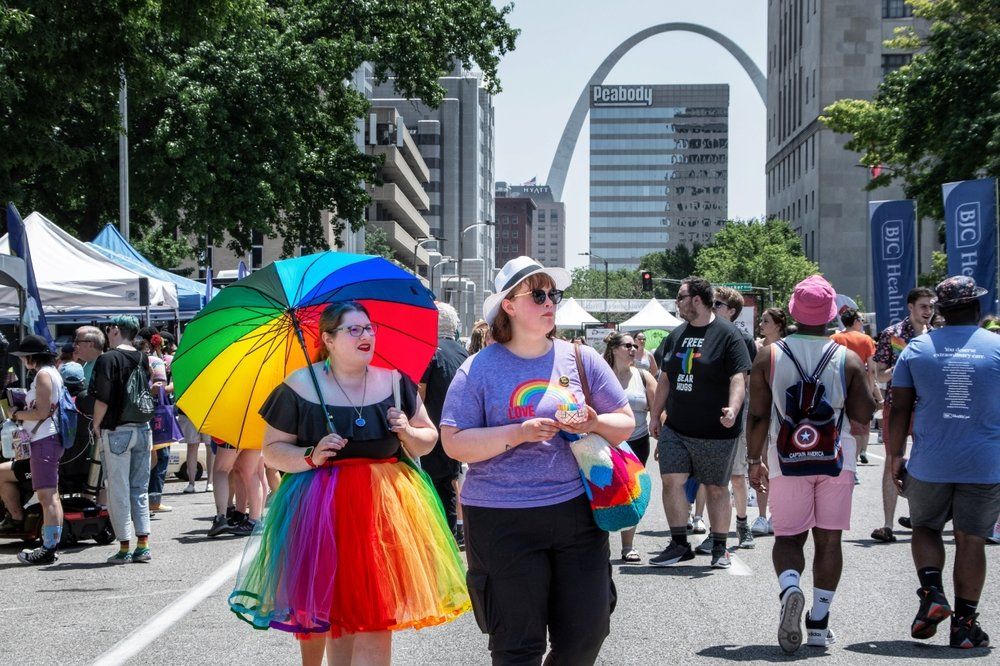
A view down one of the streets filled with celebrants during Saint Louis PrideFest in Missouri (June 24, 2023)
Nondiscrimination laws: Missouri has weaker nondiscrimination laws in housing, and public accommodations, but not in employment, credit/lending, education, nor health care. The state also has a broad “religious exemption” law.
Marriage equality and parental rights: Missouri’sadoption or foster care nondiscrimination protections only encompass sexual orientation, not gender identity. It does not have second-parent adoption for unmarried couples, confirmatory adoption, nor recognition for parents using assisted reproductive technologies. It also does not have family leave laws that encompass LGBTQ+ people.
Education and youth policies: Missouri has banned schools and districts from passing nondiscrimination or anti-bullying policies protecting LGBTQ+ students. It has banned trans students from participating in sports based on their identities, but not from using facilities that align with their identities.
Healthcare access and rights: Missouri has banned life-saving gender-affirming care for youth, though it permits the discredited and harmful practice of so-called conversion therapy for youth. Medicaid is forbidden from providing coverage related to gender transition for all ages, and insurance companies are not required to cover fertility treatments. The state also has a “religious exemption” law for healthcare providers.
Criminal justice: Missouri’s hate crime laws encompass sexual orientation and gender identity, though it has not banned the so-called “LGBTQ+ panic” defense, and it has an HIV criminalization law.
Montana
Cavan-Images / Shutterstock.com
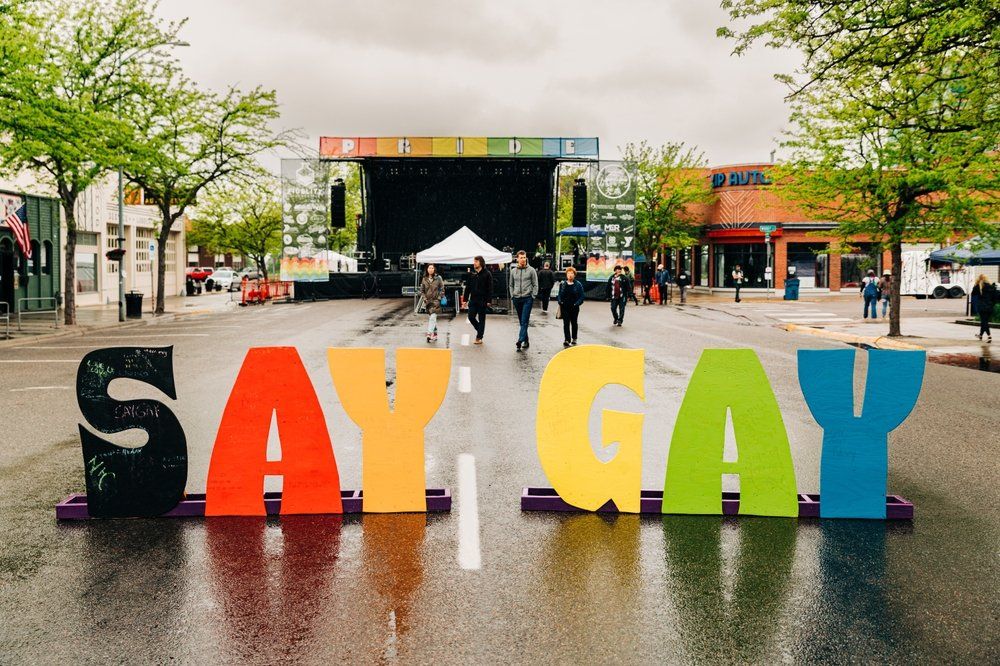
“Say Gay” sign at Missoula Pride in Montana (March 29, 2024)
Nondiscrimination laws: Montana does not have nondiscrimination laws in employment, housing, health care, education, public accommodations, or credit/lending.Its state code incorrectly defines sex as exclusively male or female, and it has a broad “religious exemption” law. The state has also explicitly restricted drag performances, and does not allow updating gender markers on birth certificates
Marriage equality and parental rights: Montana’sadoption or foster care nondiscrimination protections only encompass sexual orientation, not gender identity. It has second-parent adoption for unmarried couples, but not confirmatory adoption nor recognition for parents using assisted reproductive technologies. It also does not have family leave laws that encompass LGBTQ+ people.
Education and youth policies: Montana requires that parents be notified of LGBTQ+ curricula so they can opt out. It has banned trans students from participating in sports based on their identities, but not from using facilities that align with their identities. The state requires staff to forcibly out LGBTQ+ students to their guardians.
Healthcare access and rights: Montana has banned life-saving gender-affirming care for youth, though it permits the discredited and harmful practice of so-called conversion therapy for youth. Health insurance companies and Medicaid are required to cover care related to gender transition, and there is some coverage for fertility treatments. However, the state has a “religious exemption” law for healthcare providers.
Criminal justice: Montana’s hate crime laws do not encompass sexual orientation and gender identity. It has not banned the so-called “LGBTQ+ panic” defense, and it has an HIV criminalization law.
Oklahoma
Kit Leong / Shutterstock.com
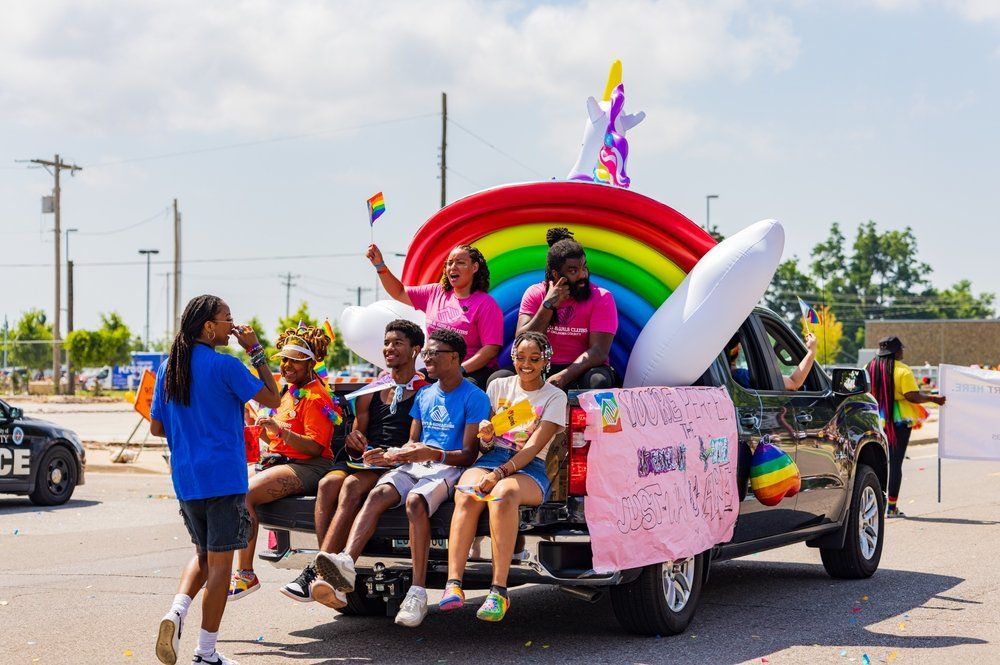
Pride Parade in Oklahoma (June 26, 2023)
Nondiscrimination laws: Oklahoma does not have nondiscrimination laws in employment, housing, health care, education, public accommodations, or credit/lending. Its state code incorrectly defines sex as exclusively male or female, and it prohibits updated gender markers on birth certificates. It also has a broad “religious exemption” law.
Marriage equality and parental rights: Oklahoma does not have adoption or foster care nondiscrimination protections for LGBTQ+ parents. It has second-parent adoption for unmarried couples, but not confirmatory adoption nor recognition for parents using assisted reproductive technologies. It also does not have family leave laws that encompass LGBTQ+ people.
Education and youth policies: Oklahoma has a weaker version of a “Don’t Say Gay” law that restricts the discussion of “homosexuality” in specific school subjects. It has banned trans students from participating in sports or using school facilities based on their identities. The state also has a “religious exemption” law for Child Welfare Services, though it has protections for LGBTQ+ youth in the Child Welfare System.
Healthcare access and rights: Oklahoma has banned life-saving gender-affirming care for youth, though it permits the discredited and harmful practice of so-called conversion therapy for youth. Health insurance companies, including Medicaid, are not required to provide coverage related to gender transition or fertility treatments, and state employees are not permitted trans-inclusive benefits.
Criminal justice: Oklahoma’s hate crime laws do not encompass sexual orientation and gender identity. It has not banned the so-called “LGBTQ+ panic” defense, and it has an HIV criminalization law.
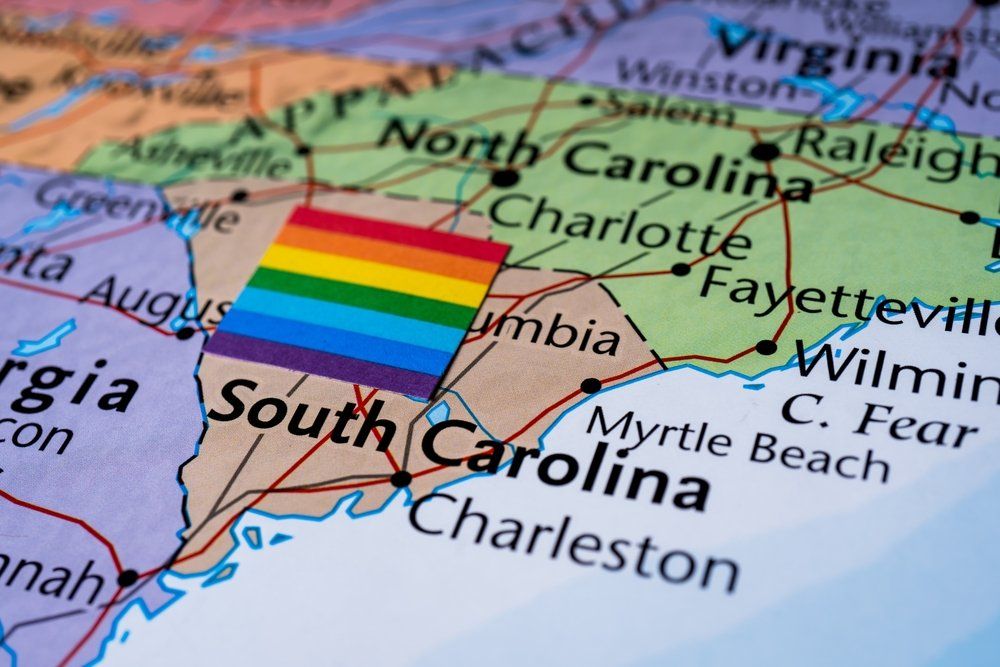
South Carolina
Shuttershock creative
Rainbow flag on a map of South Carolina
Nondiscrimination laws: South Carolinadoes not have nondiscrimination laws in employment, housing, health care, education, public accommodations, or credit/lending. It has a broad “religious exemption” law.
Marriage equality and parental rights: South Carolina‘sadoption or foster care nondiscrimination protections only encompass sexual orientation, not gender identity. It does not have second-parent adoption for unmarried couples, confirmatory adoption, nor recognition for parents using assisted reproductive technologies. It also does not have family leave laws that encompass LGBTQ+ people.
Education and youth policies: South Carolinahas banned trans students from participating in sports based on their identities, but not from using facilities that align with their identities. The state requires staff to forcibly out LGBTQ+ students to their guardians. The state also has a “religious exemption” law for Child Welfare Services.
Healthcare access and rights: South Carolina has banned life-saving gender-affirming care for youth, though it permits the discredited and harmful practice of so-called conversion therapy for youth. Medicaid is forbidden from providing coverage related to gender transition for all ages, and insurance companies are not required to cover fertility treatments. The state also has a “religious exemption” law for healthcare providers.
Criminal justice: South Carolina‘s hate crime laws do not encompass sexual orientation and gender identity. It has not banned the so-called “LGBTQ+ panic” defense, and it has an HIV criminalization law.
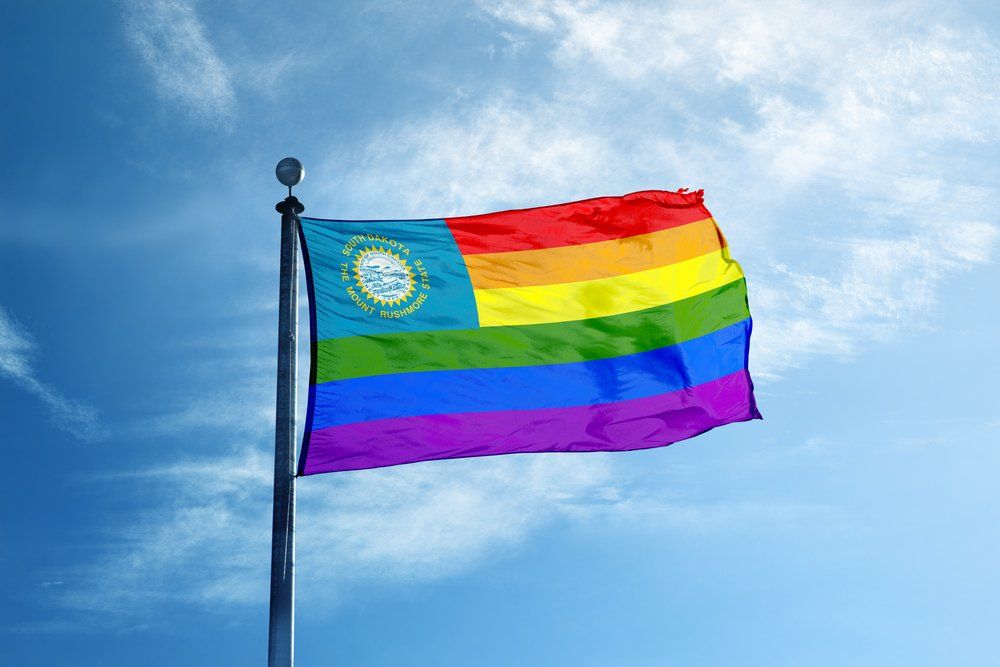
South Dakota
Shuttershock creative
South Dakota state flag with rainbow stripes
Nondiscrimination laws: South Dakota does not have nondiscrimination laws in employment, housing, health care, education, public accommodations, or credit/lending. It has a broad “religious exemption” law.
Marriage equality and parental rights: South Dakota’sadoption or foster care nondiscrimination protections encompass sexual orientation and gender identity. However, it does not have second-parent adoption for unmarried couples, confirmatory adoption, nor recognition for parents using assisted reproductive technologies. It also does not have family leave laws that encompass LGBTQ+ people.
Education and youth policies: South Dakotahas banned schools and districts from passing nondiscrimination or anti-bullying policies protecting LGBTQ+ students. It has banned trans students from participating in sports based on their identities, but not from using facilities that align with their identities. The state also has a “religious exemption” law for Child Welfare Services, though it has protections for LGBTQ+ youth in the Child Welfare System.
Healthcare access and rights: South Dakota has banned life-saving gender-affirming care for youth, though it permits the discredited and harmful practice of so-called conversion therapy for youth. Health insurance companies, including Medicaid, are not required to provide coverage related to gender transition or fertility treatments, and state employees are not permitted trans-inclusive benefits.
Criminal justice: South Dakota‘s hate crime laws do not encompass sexual orientation and gender identity, and it has not banned the so-called “LGBTQ+ panic” defense. It has an HIV criminalization law that may require sex offender registration.
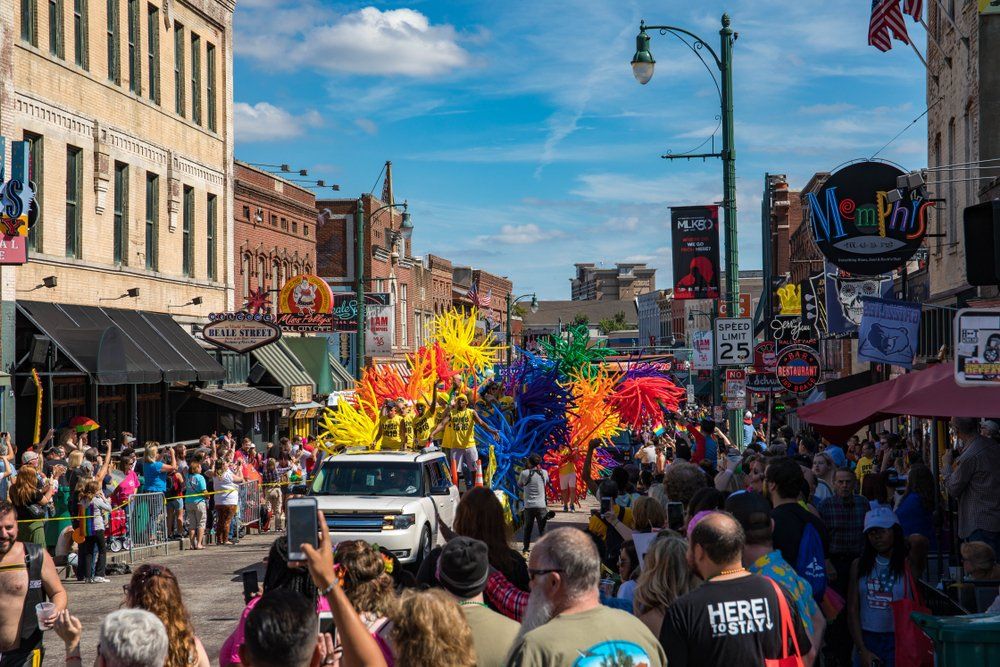
Tennessee
evenfh / Shutterstock.com
Pride Parade on Beale Street in Memphis, Tennessee (September 28, 2018)
Nondiscrimination laws: Tennessee does not have nondiscrimination laws in employment, housing, health care, education, public accommodations, or credit/lending. It instead bans cities and local ordinances from passing nondiscrimination laws. State code incorrectly defines sex as exclusively male or female, and it does not allow updating gender markers on driver’s licenses or birth certificates. The state has a broad “religious exemption” law that even allows officials to deny marriage licenses based on their personal beliefs. It has also explicitly restricted drag performances.
Marriage equality and parental rights: Tennessee’sadoption or foster care nondiscrimination protections encompass sexual orientation and gender identity. However, it does not have second-parent adoption for unmarried couples, confirmatory adoption, nor recognition for parents using assisted reproductive technologies. It also does not have family leave laws that encompass LGBTQ+ people.
Education and youth policies: Tennessee requires that parents be notified of LGBTQ+ curricula so they can opt out. It has banned trans students from participating in sports based on their identities and from using facilities that align with their identities. The state requires staff to forcibly out LGBTQ+ students to their guardians. The state also has a “religious exemption” law for Child Welfare Services, though it has protections for LGBTQ+ youth in the Child Welfare System.
Healthcare access and rights: Tennessee has banned life-saving gender-affirming care for youth, though it permits the discredited and harmful practice of so-called conversion therapy for youth. Medicaid is forbidden from providing coverage related to gender transition for all ages, and insurance companies are not required to cover fertility treatments. The state also has a “religious exemption” law for healthcare providers, and state employees are not permitted trans-inclusive benefits.
Criminal justice: Tennessee’s hate crime laws encompass sexual orientation and gender identity, though it has not banned the so-called “LGBTQ+ panic” defense, and it has an HIV criminalization law that may require sex offender registration.
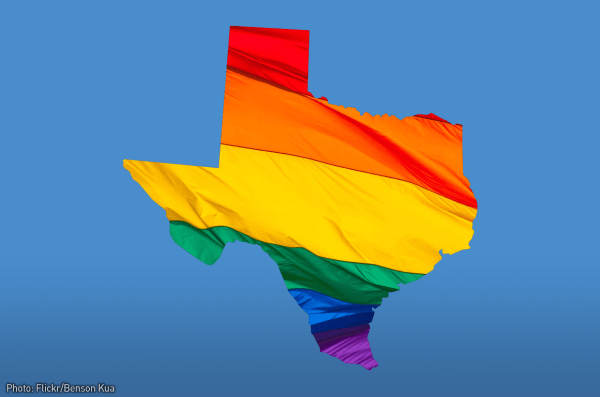
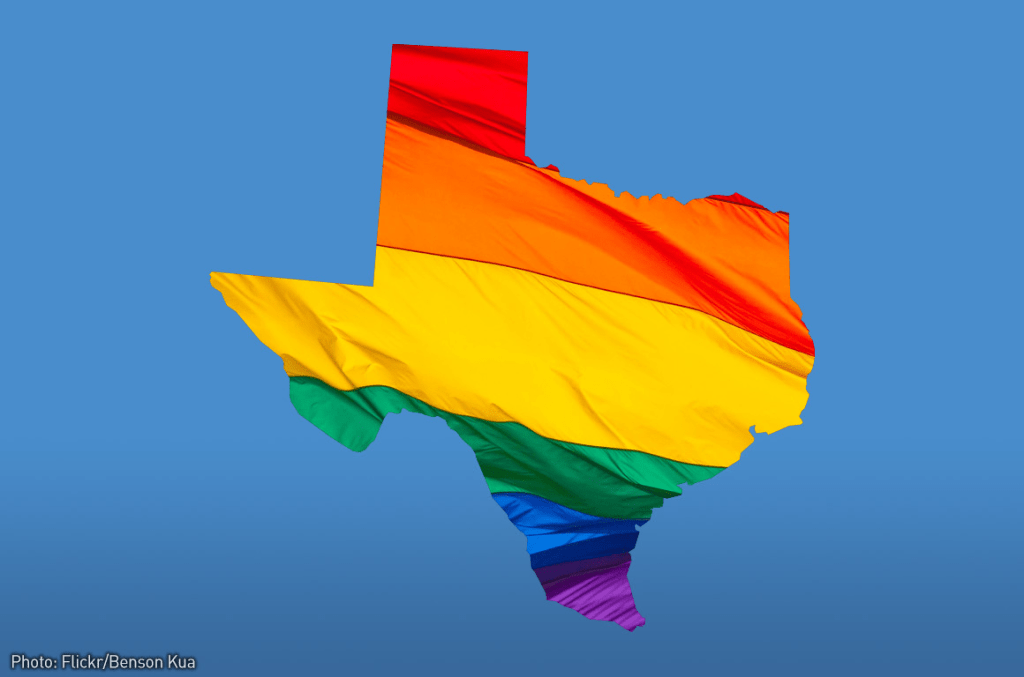
Nondiscrimination laws: Texas has nondiscrimination laws in employment and for state employees, but not in housing, public accommodations, credit/lending, education, nor health care. The state does not allow updating gender markers on driver’s licenses or birth certificates, and it has a broad “religious exemption” law.
Marriage equality and parental rights: Texas does not have adoption or foster care nondiscrimination protections for LGBTQ+ parents. It does not have second-parent adoption for unmarried couples, confirmatory adoption, nor recognition for parents using assisted reproductive technologies. It also does not have family leave laws that encompass LGBTQ+ people.
Education and youth policies: Texas has a weaker version of a “Don’t Say Gay” law that restricts the discussion of “homosexuality” in specific school subjects. It has banned trans students from participating in sports based on their identities, but not from using facilities that align with their identities. The state also has a “religious exemption” law for Child Welfare Services without protections for LGBTQ+ youth.
Healthcare access and rights: Texas has banned life-saving gender-affirming care for youth, though it permits the discredited and harmful practice of so-called conversion therapy for youth. Medicaid is forbidden from providing coverage related to gender transition for all ages, and insurance companies are not required to cover fertility treatments. State employees are not permitted trans-inclusive benefits.
Criminal justice: Texas’s hate crime laws only encompass sexual orientation, not gender identity. It has not banned the so-called “LGBTQ+ panic” defense.
Wyoming
Shuttershock creative
Double rainbow against a black sky in Wyoming
Nondiscrimination laws: Wyoming does not have nondiscrimination laws in employment, housing, health care, education, public accommodations, or credit/lending.
Marriage equality and parental rights: Wyoming does not have adoption or foster care nondiscrimination protections for LGBTQ+ parents. It does not have second-parent adoption for unmarried couples, nor confirmatory adoption. It also does not have family leave laws that encompass LGBTQ+ people. However, it does have recognition for parents using assisted reproductive technologies.
Education and youth policies: Wyoming has a weaker version of a “Don’t Say Gay” law that restricts the discussion of “homosexuality” in specific school subjects. It has banned trans students from participating in sports based on their identities, but not from using facilities that align with their identities.
Healthcare access and rights: Wyoming has banned life-saving gender-affirming care for youth, though it permits the discredited and harmful practice of so-called conversion therapy for youth. Health insurance companies, including Medicaid, are not required to provide coverage related to gender transition or fertility treatments.
Criminal justice: Wyoming’s hate crime laws do not encompass sexual orientation and gender identity, and it has not banned the so-called “LGBTQ+ panic” defense.
Dishonorable mentions
BluIz70 / Shutterstock.com
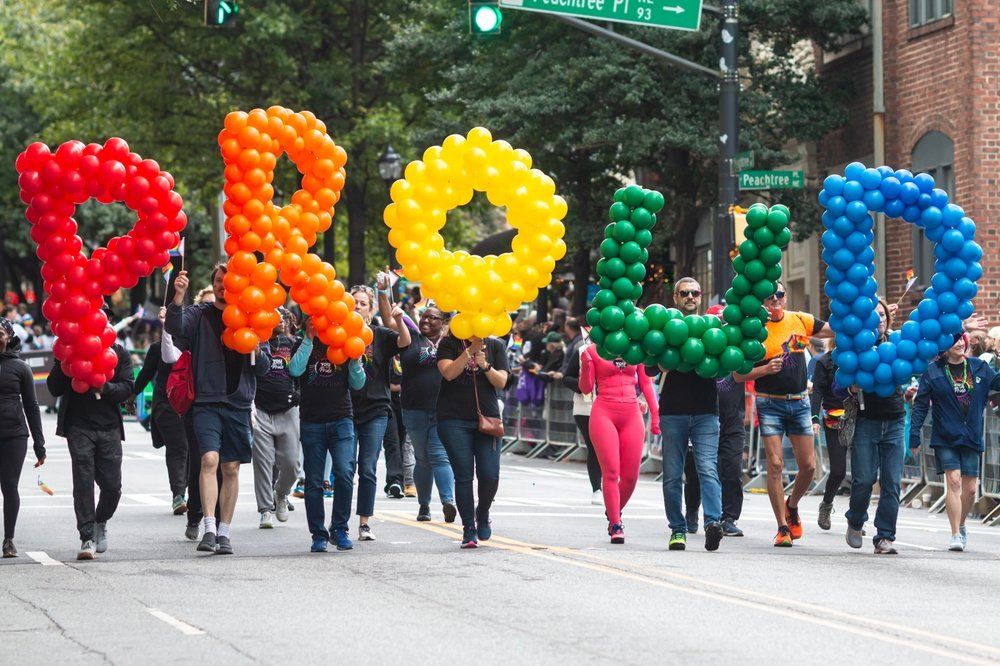
People carry large balloon letters that spell out “Proud” as they walk in the annual pride parade in Atlanta, Georgia (October 15, 2023)
Other states that ranked below average include: Alaska, Arizona, Georgia, Iowa, Kansas, Kentucky, Nebraska, North Carolina, North Dakota, Ohio, Utah, and West Virginia.
All Public School Classrooms in Louisiana Are Now Required to Display the Ten Commandments
The law went into effect this week and applies to all public K-12 schools as well as private schools that receive government funding.
Louisiana Governor Jeff Landry signed a new law this week requiring all public and state-funded schools to prominently display the “Ten Commandments,” making Louisiana the first U.S. state to implement such a policy.
Landry, a Republican, signed House Bill 71 into law on Wednesday, following its approval in the House by a 79-16 vote late last month. The law, which takes effect immediately, mandates that all public schools and private educational institutions receiving government funding display the Ten Commandments in every classroom and office building. The law specifies the language to be used for each commandment, requires the displays to be at least 11 by 14 inches in size, and ensures the text is the “central focus of the poster” and “printed in a large, easily readable font.” (Perhaps they’ll make an exception for Papyrus.)
Louisiana is now the only U.S. state requiring schools to display the Ten Commandments. However, since 2001, Mississippi has mandated state schools to post the motto “In God We Trust,” a requirement Louisiana matched last year.
HB 71 was authored by GOP Rep. Dodie Horton, who has been in office since 2015. Horton is also the chief sponsor of HB 122, which recently passed both chambers of the state legislature and awaits Governor Landry’s signature. This bill would prohibit K-12 teachers from discussing sexual orientation or gender with students under most circumstances, an effort Horton first attempted unsuccessfully in 2022.
During the debate on HB 71 in April, Horton expressed her intent to integrate more conservative Christian principles into state law, as reported by the Times-Picayune.
“I’m not concerned with an atheist. I’m not concerned with a Muslim,” Horton said, referring to non-Christian teachers. “I’m concerned with our children looking and seeing what God’s law is.”
However, Horton’s rhetoric contrasts with other Republicans, such as Sen. J. Adam Bass, who argued that the bill’s purpose was “not solely religious.” According to the Times-Picayune, Bass maintained that the commandments hold “historical significance” to the U.S. as “one of many documents that display the history of our country and foundation of our legal system.”
On Wednesday, the same day Landry signed HB 71 into law, representatives from the American Civil Liberties Union, the ACLU of Louisiana, Americans United for Separation of Church and State, and the Freedom from Religion Foundation announced their intention to challenge the law in a joint statement.
“The displays mandated by HB 71 will result in unconstitutional religious coercion of students, who are legally required to attend school and are thus a captive audience for school-sponsored religious messages,” the groups wrote. “Even among those who may believe in some version of the Ten Commandments, the particular text that they adhere to can differ by religious denomination or tradition. The government should not be taking sides in this theological debate, and it certainly should not be coercing students to submit day in and day out to unavoidable promotions of religious doctrine.”
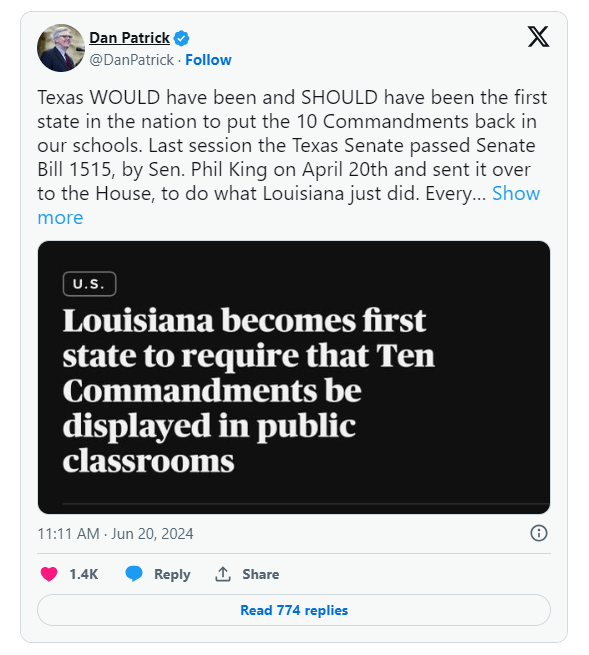
On X, Lt. Gov. Dan Patrick directly called out Texas House Speaker Dade Phelan for killing the bill “by letting it languish in committee for a month.”
AUSTIN, Texas — Following reports that Louisiana might become the first state to mandate the display of the Ten Commandments in every public school classroom, Texas Lieutenant Governor Dan Patrick criticized Texas House Speaker Dade Phelan for allowing similar legislation to stall in committee.
On Thursday, Lt. Governor Patrick made multiple posts on X, formerly known as Twitter, calling out House Speaker Phelan.
“Texas WOULD have been and SHOULD have been the first state in the nation to put the 10 Commandments back in our schools,” Patrick said in a post on X. “But, SPEAKER Dade Phelan killed the bill by letting it languish in committee for a month assuring it would never have time for a vote on the floor.”
Senate Bill 1515, which failed to advance from committee in the last legislative session, aimed to mandate the display of the Ten Commandments in Texas public elementary and secondary school classrooms.
In his post, Patrick pledged to reintroduce the bill in the Senate during the next session.
In another X post, the lieutenant governor persisted in attributing the demise of Senate Bill 1396, which proposed a “period of prayer and Bible reading” in Texas public schools, to House Speaker Phelan.
Democrats objected to the bill, arguing that it would worsen mental health issues among LGBTQ+ youth.
H.B. 122, which prohibits discussions of gender and sexuality in public schools, has been approved by the Louisiana Legislature. The bill is set to be signed into law by Republican Governor Jeff Landry.
H.B. 122 prohibits discussions of gender identity and sexual orientation across all grade levels in public schools. It restricts such discussions in grades K-12 as well as in extracurricular and athletic settings, with approved curriculum topics being the only exception to the law.
State Rep. Dodie Horton (R) introduced the bill, which passed the state senate with a vote of 28-7 yesterday. It had previously been approved by the state house in April with a vote of 69-28.
As per the Louisiana Illuminator, Horton acknowledged in committee that her bill would also prohibit discussions on heterosexuality and cisgender identity. She further argued against teachers engaging in conversations about “lifestyle choices” with their students.
“When my bill was presented in committee, I emphasized that engaging in sexualized personal discussions between educators and students in our classrooms is not appropriate. Such discussions can deprive our children of their innocence and exert undue influence over their impressionable young minds,” Horton stated.
State Sen. Beth Mizell (R) sponsored the bill in the state senate. When questioned about the potential negative impact on students, she asserted that it was not the bill’s intended consequence. Mizell then argued that parents might not trust LGBTQ+ school staff unless they’re prohibited from discussing their personal lives.
“It’s important to provide a safe environment where parents can have confidence,” stated Mizell. “For example, if there’s an LGBTQ employee, parents might feel reassured knowing that person can’t discuss their sexual orientation with their child. Similarly, just as I wouldn’t want a promiscuous male or female teacher discussing their sexual partners with my child, parents should have that assurance.”
State Senator Royce Duplessis (D) criticized the bill, stating that it “oppresses and stigmatizes young people who are struggling.”
“I don’t see a necessity for this bill,” remarked Duplessis.
The bill faced opposition from LGBTQ+ advocates.
“Being LGBTQ+ or discussing LGBTQ+ issues and individuals is entirely appropriate. Moreover, withholding access to crucial medical care for transgender and non-binary youth poses serious risks to their lives,” stated Cathryn Oakley of HRC in a statement last year regarding the introduction of a similar bill in the legislature.
The provision in the bill that prohibits discussing “sexual orientation or gender identity” during extracurricular activities could potentially lead to the dissolution of LGBTQ+ student organizations, like GSAs, in Louisiana public schools.
The state senate is set to deliberate on H.B. 121 next week, proposed by state Rep. Raymond Crews (R). This legislation aims to prohibit transgender and nonbinary youth in public K-12 schools from using names and pronouns that differ from those assigned at birth unless parental consent is obtained.
Louisiana, Mississippi, and Alabama are all progressing bills that seek to “define sex” in a way that excludes transgender individuals from obtaining any legal recognition of their gender.
In recent weeks, the momentum behind anti-transgender legislation has subsided in states known for targeting transgender individuals. However, a distinct trend is emerging in the Gulf South, where Louisiana, Mississippi, and Alabama are all moving forward with bills aimed at ending the legal recognition of transgender individuals. These bills seek to redefine sex in a way that excludes transgender individuals, which could have far-reaching consequences for their rights, affecting areas such as birth certificates, driver’s licenses, and access to bathrooms.
The bills, labeled as the “Women’s Bills of Rights” by proponents, lack comprehensive measures to safeguard women’s rights. They do not guarantee access to birth control or abortion, fail to address pay equity, do not support women’s sports programs financially or structurally, and do not include provisions to combat violence against women. Instead, they focus on defining sex based on reproductive capacities and aim to eliminate legal recognition of transgender individuals’ gender identities.
In Louisiana, House Bill 608, backed by an impressive 63 Republican co-sponsors, reflects a staunch opposition to any opposition against it. While its main focus appears to be on restricting bathroom access in various institutions like schools, prisons, and shelters, a specific clause in the bill suggests that “any provision of law enacted by the legislature or any rule adopted by a state agency or other entity subject to the Administrative Procedures Act when applicable to an individual’s sex shall apply those definitions provided in R.S. 9:58.” This provision could potentially lead to the prohibition of changes to birth certificates and driver’s licenses, effectively erasing all legal recognition for transgender individuals. Although the bill hasn’t been slated for a hearing yet, given its considerable support, it’s expected to progress swiftly through the legislative process once initiated.
In Mississippi, Senate Bill 2753 and House Bill 1607 have both cleared their respective chambers. House Bill 1607 outlines sex based on reproductive capacity and curiously states that for transgender individuals, “equal” does not signify “same” or “identical.” Interestingly, the bill doesn’t define “equal,” a term also left vague in similar legislation in other states. This lack of clarity has sparked debates similar to those seen with a comparable bill in Iowa, currently at a standstill in the legislature there partly due to disagreements over that particular line. Regarding Senate Bill 2753, it proposes to restrict bathroom access for transgender individuals in publicly owned facilities like rest stops and the Jackson airport.
In Alabama, House Bills 111 and 130 are likewise aimed at transgender individuals. House Bill 111 dictates sex based on reproductive capacity for all vital statistics purposes. Meanwhile, HB 130, while not explicitly defining sex, is expected to be amended to incorporate language extending “Don’t Say Gay” legislation to Space Camp. This addition follows conservative media uproar over a transgender individual’s employment at the state’s esteemed Space Camp and could potentially be utilized to discriminate against transgender employees in state facilities.
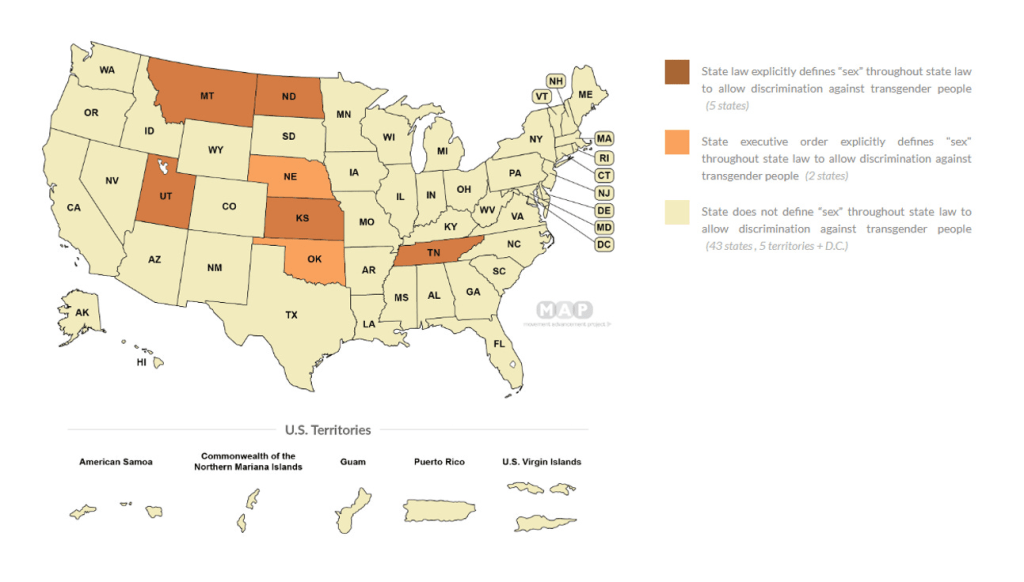
To date, only five states have enacted comparable laws: Kansas, Montana, North Dakota, Tennessee, and Utah. In Kansas, a judge recently sided with Attorney General Kris Kobach, ruling that driver’s licenses and birth certificates must display transgender individuals’ assigned sex at birth, citing state law. Meanwhile, even though Florida lacks such legislation, alterations to regulations have hindered transgender individuals’ ability to update their driver’s licenses; allegedly, Florida residents face similar challenges in changing their birth certificates. Moreover, Oklahoma and Nebraska have issued executive orders delineating sex in a similar manner.
You can view a map of states with such legislation from the Movement Advancement Project here:
Movement Advancement Project. “Equality Maps: Defining ‘Sex’ to Allow Discrimination.” Accessed March 18, 2024.
If enacted, these bills would lead to a growing list of states refusing legal recognition of transgender individuals. This carries significant implications: individuals who have already updated their identity documents may see them reverted to their assigned sex at birth. These state-issued IDs could be used to enforce further anti-transgender measures like bathroom bans. Additionally, this discrepancy between state and federal documents would pose challenges for transgender individuals who have aligned their federal IDs with their gender identity.
There have been appeals for a federal legal intervention in response to bills eliminating gender markers and denying legal recognition to transgender individuals. For instance, in Florida, the entire Democratic congressional delegation urged the Biden Administration to utilize the Real ID Act, which requires “gender” to be indicated on driver’s licenses. As of Monday, there has been no response to this request.
Several lawsuits are currently in progress, seeking to overturn the laws in court where they have been enacted. However, the legal outcomes of these cases are currently pending.
Florida first. Alabama follows. Legislators in Louisiana and Ohio are currently debating legislation that is similar to the Florida statute. A similar bill will be his top priority during the following session, according to Texas Governor Greg Abbott.
At least a dozen states across the country are proposing new legislation that, in some ways, will resemble Florida’s recent contentious bill, which some opponents have dubbed “Don’t Say Gay.”











 fleeredstates.blog
You must be logged in to post a comment.