US Supreme Court backs parents’ right to opt out of LGBTQ-themed school books

Read more at MSN.

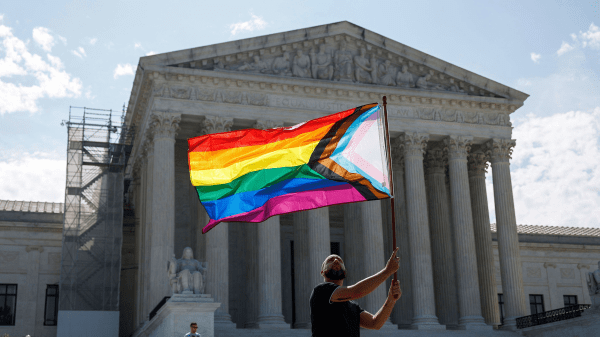
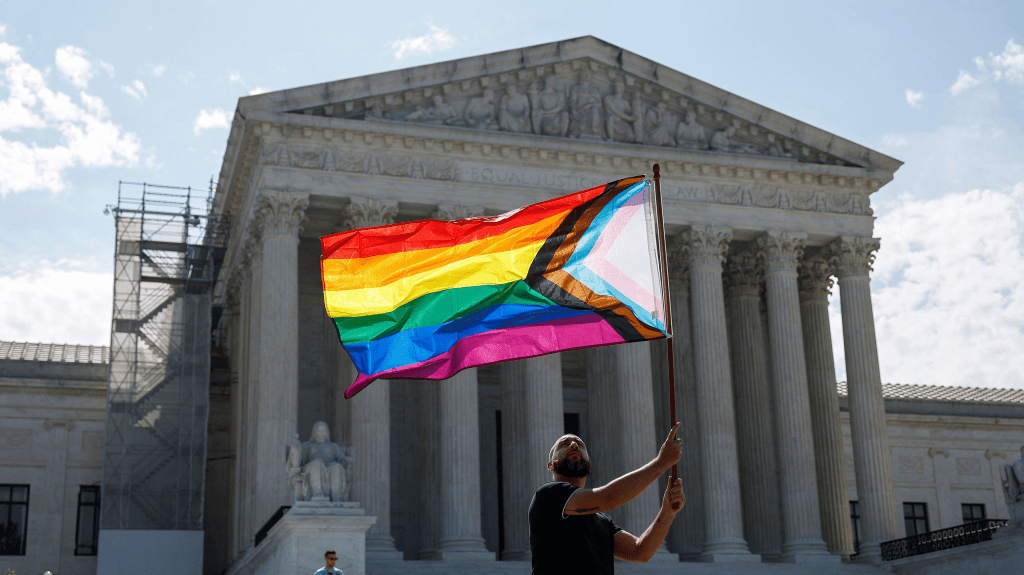
The United States Supreme Court has ruled in favour of a group of parents seeking to exempt their children from public school instruction that conflicts with their religious beliefs, in a 6-3 decision that reinforces constitutional protections for religious freedom.

The case was brought by Christian, Muslim, and Jewish parents in Montgomery County, Maryland, who objected to the use of LGBTQ-themed storybooks in elementary school classrooms, particularly books addressing same-sex marriage and gender identity.

Justice Samuel Alito, delivering the majority opinion, wrote that refusing to permit parents to opt their children out of such instruction “poses a very real threat of undermining their religious beliefs and practices” and violates the First Amendment’s guarantee of the free exercise of religion.

“The Montgomery County Board of Education’s introduction of the ‘LGBTQ+-inclusive’ storybooks, along with its decision to withhold opt outs, places an unconstitutional burden on the parents’ rights to the free exercise of their religion,” Alito wrote.

The justices found that the parents were likely to succeed in their legal challenge and should be granted a preliminary injunction while the case continues, meaning the school board must temporarily accommodate their request to be notified in advance of any related instruction and allow their children to be excused.

“In her dissent, Sotomayor accused the court of inventing a ‘constitutional right to avoid exposure to subtle themes contrary to the religious principles that parents wish to instill in their children.’” She was joined in dissent by Justices Elena Kagan and Ketanji Brown Jackson.

The dispute stems from a 2022 policy change when the school district introduced several LGBTQ-themed books into its language arts curriculum and initially allowed parents to opt out. A year later, the board reversed that decision, arguing the opt-out system was unmanageable and conflicted with the district’s commitment to inclusion.

The parents argued that mandatory exposure to the material, without an option to decline, amounted to “government-led indoctrination about sensitive matters of sexuality.” School officials, however, maintained that the books are intended to introduce children to “diverse viewpoints and ideas.”

During oral arguments in April, the court’s conservative majority signaled strong support for parental rights in such cases, indicating that allowing families to opt out of instruction on sensitive subjects should be “common sense.”

Only 0.03% Opt Out Of LGBTQ+ Education In Maryland After SCOTUS Gives Them A Right To

Read more at Erin in the Morning.

In June 2025, the Supreme Court issued a landmark ruling allowing parents to opt out of classes that teach material conflicting with their religious beliefs. The decision, which could affect lessons on everything from evolution to cultural diversity, was driven primarily by challenges to classroom instruction about LGBTQ+ people. The case, Mahmoud v. Taylor, originated in Maryland’s Montgomery County School District—the state’s largest—which had previously required lessons on LGBTQ+ inclusion without permitting opt-outs. The ruling was celebrated by far-right activists as a major victory in a deep-blue state. But months later, the results are in: of more than 160,000 students enrolled, only 43 families chose to opt out of LGBTQ+ education districtwide.

In a report released on October 2, the Montgomery County School District approved just 58 opt-out requests from 43 families—under 0.03 percent of the district’s 160,000 students. In other words, 99.97 percent of families, even when given the option, chose to let their children learn about LGBTQ+ people.

The books targeted by the handful of families include Uncle Bobby’s Wedding, about the marriage of two gay men; Intersectional Allies: We Make Room for All, which features a genderfluid character; and Planting the Rainbow: Places of LGBTQ+ History in Maryland, which teaches about key moments in the state’s queer history.

For the families choosing to opt out, their children will be placed in separate classrooms or given alternate assignments when LGBTQ+ topics arise. The arrangement underscores a point the school district made during the court fight: creating entirely new materials for such a vanishingly small group is disruptive to classrooms and burdens teachers with unnecessary extra work—all to accommodate the religious beliefs of a tiny minority. Still, because of the Supreme Court’s ruling, those accommodations will now have to be made.

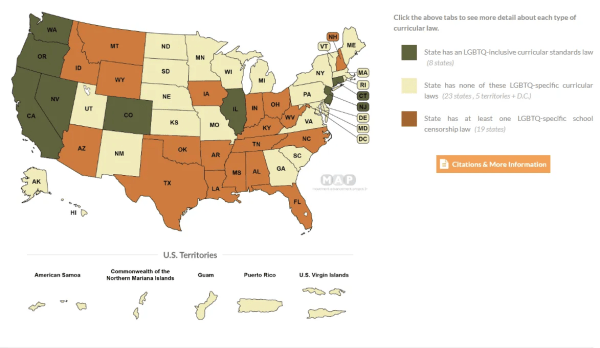
Meanwhile, in Republican-controlled states, officials have taken a far more oppressive approach to LGBTQ+ education. Rather than offering families the option to opt out, many states simply ban the material outright. Under “Don’t Say Gay or Trans” laws—first popularized in Florida and now enacted in 19 states—teachers are prohibited from acknowledging LGBTQ+ people in class instruction at various grade levels. In Texas, several colleges have gone even further, barring professors from recognizing that transgender people exist at all. When contrasted with the minuscule number of families opting out when given the choice, these policies look less like a reflection of public will and more like a top-down morality ban—one that would almost certainly be rejected if parents actually had the freedom to decide for themselves.

Anti-LGBTQ+ school policies remain among the most unpopular measures pushed by Republicans in red states and by the Trump administration. A Navigator Research poll published in August 2023 found that fewer than 25 percent of Democrats and independents—and only half of Republicans—named “protecting children from being exposed to woke ideologies about race and gender in school” as a major priority. Book bans ranked even lower: 92 percent of respondents said such bans were concerning. A more recent Knight Foundation poll echoed those findings, with two-thirds of Americans opposing efforts to restrict books in public schools.

Respondents from Montgomery County, Maryland expressed frustration and vindication after hearing the results of the opt-out process. “Every single one of these ‘anti-woke’ lawsuits and headlines comes from one or a few people making a stink,” said one commenter in a local subreddit dedicated to the county. “Imagine living in Montgomery County and thinking you can opt out of cultural diversity,” said another.

“It looks like most were from elementary schools, but there’s a few from middle schools and two from a high school. Can you imagine what these students’ classmates will think of them?” added a third.

The Supreme Court’s decision is just the latest example of how religious exemptions are being weaponized to roll back civil rights under the guise of “freedom.” Each new ruling gives a single person the power to disrupt an entire classroom, claiming that their beliefs are incompatible with learning about LGBTQ+ people, racial diversity, or any worldview outside their own. These carve-outs have already spread far beyond schools—empowering business owners to deny service to queer customers and pharmacists to refuse medication. But the data out of Montgomery County, Maryland makes one thing unmistakably clear: this crusade is not a mass movement. It’s the obsession of a vanishingly small minority, inflated by a Republican Party that has turned resentment of diversity—and especially of LGBTQ+ people—into the centerpiece of its politics.

What states are the best for LGBTQ+ people? These are the top 15

Read more at The Advocate.
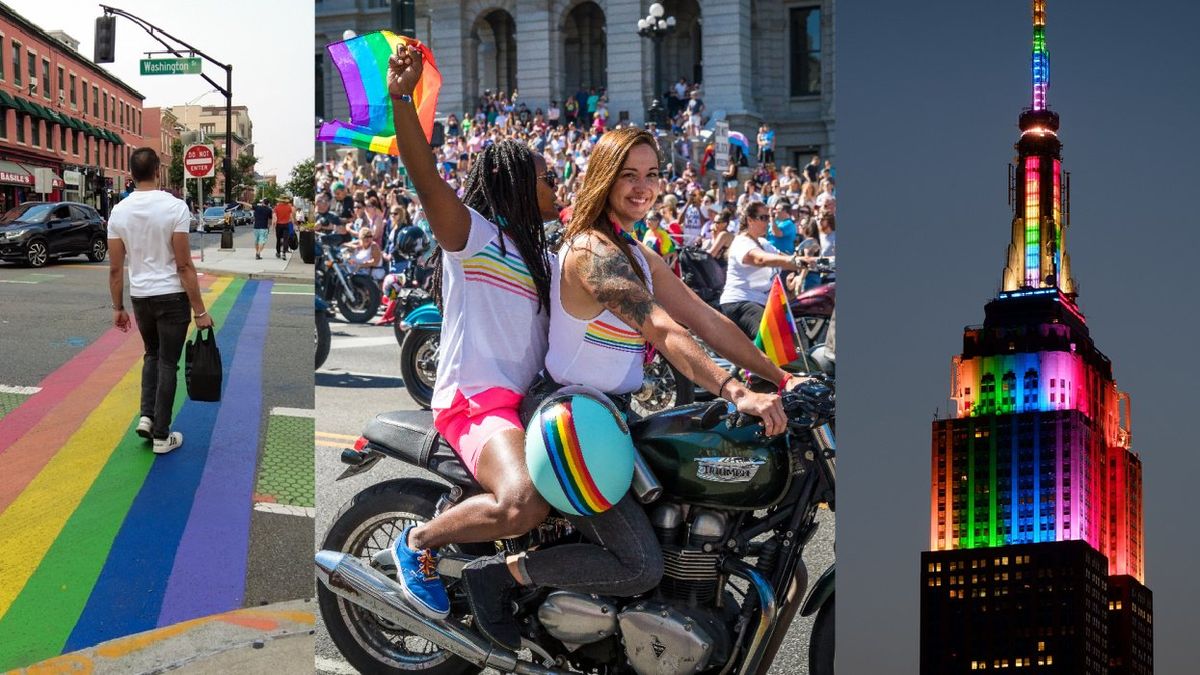
\u200bRainbow crosswalk in Hoboken (L); Women on motorcycles at Denver Pride (M); Empire State Building in rainbow colors (R)

Kirkam / Shutterstock.com; Philipp Salveter / Shutterstock.com; anaglic / Shutterstock.com

Rainbow LGBTQ+ Pride crosswalk in Hoboken, New Jersey (L); Women on motorcycles at Pride celebration in Denver, Colorado (M); Empire State Building in NYC lit up in rainbow colors (R)

    Legislative attacks on the LGBTQ+ community have been pushed everywhere from city councils to the White House — but there are still some areas that are safe.

    Over 1,000 anti-LGBTQ+ laws have been proposed across every state legislature in the U.S. over the past two years, according to the American Civil Liberties Union, and 126 have passed into law. Less than two months into the 2025 legislative session, 390 laws targeting LGBTQ+ people have been proposed.

    Still, marriage equality and anti-discrimination protections based on sexual orientation and gender identity are still guaranteed federally by U.S. Supreme Court rulings (for now). On top of that, at least 15 states have “shield laws” protecting access to gender-affirming care and abortion.

    Based on laws surrounding marriage, family rights, health care, education, and youth collected by the Movement Advancement Project, here are the 15 best states for LGBTQ+ people.

    Related: What states are the most dangerous for LGBTQ+ people? Here are the worst 15

    California

    West Hollywood Pride balloons

    GrandAve / Shutterstock.com

    Pride celebration in West Hollywood, California – June 9, 2019

      Nondiscrimination laws: California has nondiscrimination laws in employment, housing, health care, education, public accommodations, and credit/lending.

      Marriage equality and parental rights: California has adoption and foster care nondiscrimination protections for LGBTQ+ parents, second-parent adoption for unmarried couples and confirmatory adoption, and recognition for parents using assisted reproductive technologies. It also has family leave laws, which include LGBTQ-inclusive definitions.

      Education and youth policies: California does not restrict discussion of LGBTQ+ identities in classrooms, and instead requires curriculum to be LGBTQ-inclusive, which parents are not required to be notified of. It does not prevent transgender students from participating in sports or using school facilities based on their identities, and it does not require staff to forcibly out LGBTQ+ students to their guardians.

      Healthcare access and rights: California has “shield” laws protecting access to gender-affirming care for youth, as well as abortion. The state has also banned so-called conversion therapy for youth. Health insurance companies, including Medicaid, are not allowed to deny coverage related to gender transition. However, they are not required to cover fertility treatments.

      Criminal justice: California’s hate crime laws encompass sexual orientation and gender identity, and it has banned the so-called “LGBTQ+ panic” defense. While the state does not criminalize HIV, it does have sentencing enhancements for sex-related convictions for those with HIV.

      Colorado

      Women on motorcycles at Denver Pride celebration

      Philipp Salveter / Shutterstock.com

      Women on motorcycles at Pride celebration in Denver, Colorado, USA – June 16th 2019

        Nondiscrimination laws: Colorado has nondiscrimination laws in employment, housing, education, health care, public accommodations, and credit/lending.

        Marriage equality and parental rights: Colorado has adoption and foster care nondiscrimination protections for LGBTQ+ parents, second-parent adoption for unmarried couples and confirmatory adoption, and recognition for parents using assisted reproductive technologies. It also has family leave laws, which include LGBTQ-inclusive definitions.

        Education and youth policies: Colorado does not prevent transgender students from participating in sports or using school facilities based on their identities, and it does not require staff to forcibly out LGBTQ+ students to their guardians. It does not restrict discussion of LGBTQ+ identities in classrooms, and instead requires curriculum to be LGBTQ-inclusive, which parents are not required to be notified of.

        Healthcare access and rights: Colorado has “shield” laws protecting access to gender-affirming care for youth, as well as abortion. The state has also banned so-called conversion therapy for youth. Health insurance companies, including Medicaid, are not allowed to deny coverage related to gender transition. However, state employees who are transgender do not have inclusive health benefits. Insurance companies are also not required to cover fertility treatments.

        Criminal justice: The state’s hate crime laws encompass sexual orientation and gender identity, and it has banned the so-called “LGBTQ+ panic” defense. Like California, Colorado does not criminalize HIV, but it does have sentencing enhancements for sex-related convictions for those with HIV.

        Connecticut
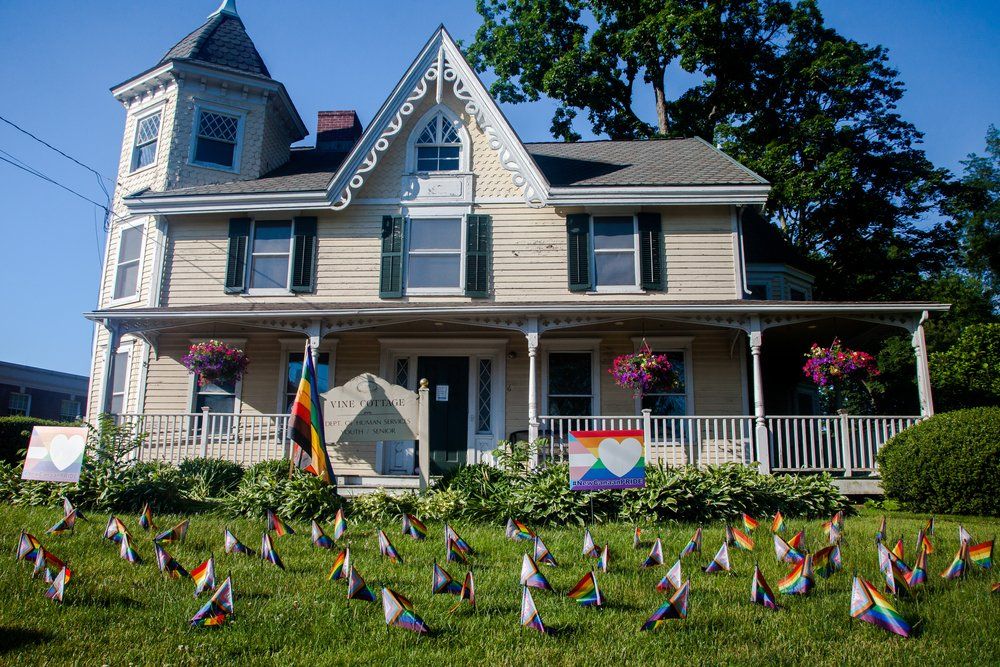
        Pride flags outside Vine Cottage CT

        Miro Vrlik Photography / Shutterstock.com

        LGBTQ+ Pride flags outside Vine Cottage in New Canaan, Connecticut – June 13, 2021

          Nondiscrimination laws: Connecticut has nondiscrimination laws in employment, housing, education, public accommodations, and credit/lending. It does not have nondiscrimination laws for private healthcare, and it does have a broad “Religious Exemption” law.

          Marriage equality and parental rights: Connecticut has adoption and foster care nondiscrimination protections for LGBTQ+ parents, second-parent adoption for unmarried couples and confirmatory adoption, and recognition for parents using assisted reproductive technologies. It also has family leave laws, but their LGBTQ-inclusive definitions are not as robust as those of California or Colorado.

          Education and youth policies: Connecticut does not restrict discussion of LGBTQ+ identities in classrooms, but it does not have LGBTQ-inclusive curriculum. It does not prevent transgender students from participating in sports or using school facilities based on their identities, and it does not require staff to forcibly out LGBTQ+ students to their guardians.

          Healthcare access and rights: Connecticut has “shield” laws protecting access to gender-affirming care for youth, as well as abortion. The state has also banned so-called conversion therapy for youth. Health insurance companies, including Medicaid, are not allowed to deny coverage related to gender transition. Private insurance is required to cover some fertility treatments, but Medicaid is not.Criminal justice:Connecticut’s hate crime law encompasses sexual orientation but not gender identity. It also does not have nondiscrimination laws for LGBTQ+ people in jury selection.

          Illinois
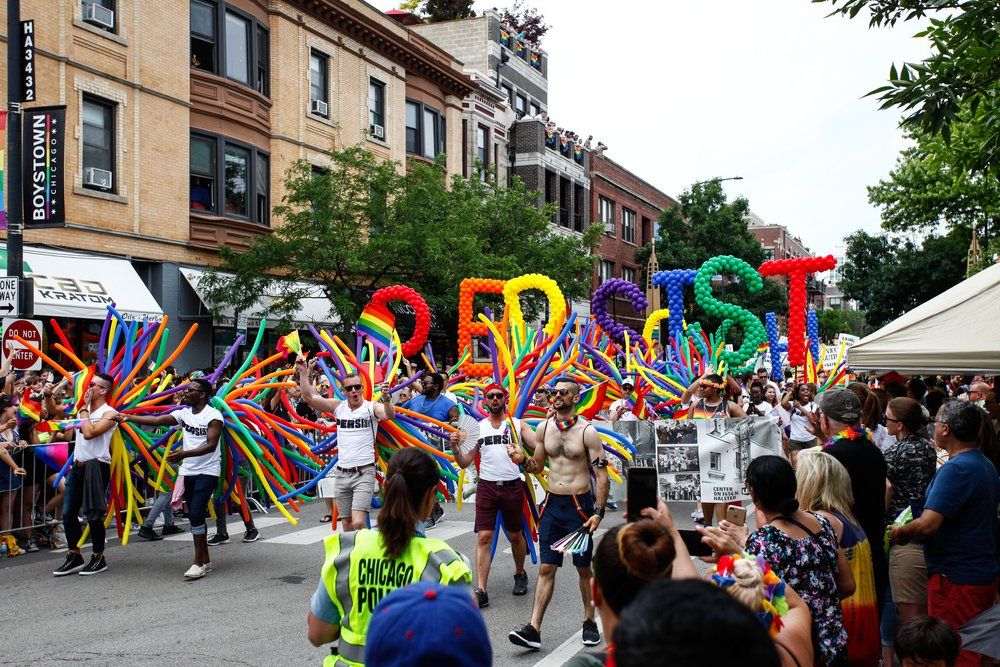
          "Persist" balloons at Chicago

          Dominique Robinson / Shutterstock.com

          LGBTQ+ Pride in Chicago, Illinois – June 30th 2019

            Nondiscrimination laws: Illinois has nondiscrimination laws in employment, housing, health care, education, public accommodations, and credit/lending. However, it does have a broad “Religious Exemption” law.

            Marriage equality and parental rights: Illinois has adoption and foster care nondiscrimination protections for LGBTQ+ parents, second-parent adoption for unmarried couples, and recognition for parents using assisted reproductive technologies. It also has family leave laws, which include LGBTQ-inclusive definitions. It does not have confirmatory adoption.

            Education and youth policies: Illinois does not restrict discussion of LGBTQ+ identities in classrooms, and instead requires curriculum to be LGBTQ-inclusive, which parents are not required to be notified of. It does not prevent transgender students from participating in sports or using school facilities based on their identities, and it does not require staff to forcibly out LGBTQ+ students to their guardians.

            Healthcare access and rights: Illinois has “shield” laws protecting access to gender-affirming care for youth, as well as abortion. The state has also banned so-called conversion therapy for youth. Health insurance companies, including Medicaid, are not allowed to deny coverage related to gender transition or fertility treatments.

            Criminal justice: Illinois’ hate crime laws encompass sexual orientation and gender identity, and it has banned the so-called “LGBTQ+ panic” defense.

            Maine
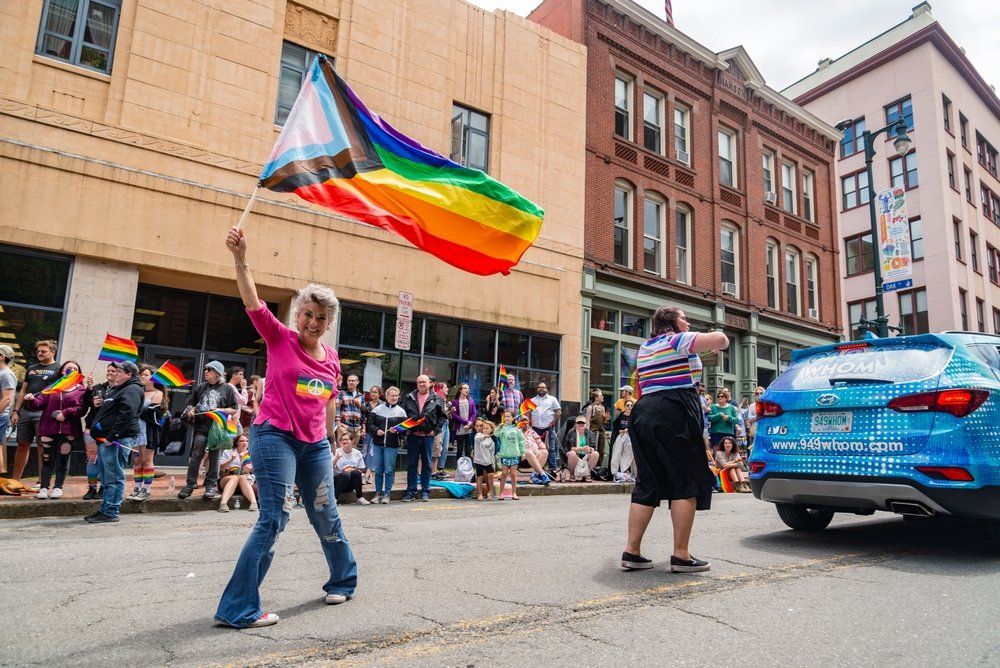
            Woman waving flag at Pride in Portland, Maine

            Enrico Della Pietra / Shutterstock.com

            LGBTQ+ Pride in Portland, Maine – June 18, 2022

              Nondiscrimination laws: Maine has nondiscrimination laws in employment, housing, health care, education, public accommodations, and credit/lending.

              Marriage equality and parental rights: Maine has adoption and foster care nondiscrimination protections for LGBTQ+ parents, second-parent adoption for unmarried couples and confirmatory adoption, and recognition for parents using assisted reproductive technologies. It also has family leave laws, which include LGBTQ-inclusive definitions.

              Education and youth policies: Maine does not restrict discussion of LGBTQ+ identities in classrooms, but it does not have LGBTQ-inclusive curriculum. It does not prevent transgender students from participating in sports or using school facilities based on their identities, and it does not require staff to forcibly out LGBTQ+ students to their guardians.

              Healthcare access and rights: Maine has “shield” laws protecting access to gender-affirming care for youth, as well as abortion. The state has also banned so-called conversion therapy for youth. Health insurance companies, including Medicaid, are not allowed to deny coverage related to gender transition. Private insurance is required to cover some fertility treatments, but Medicaid is not.Criminal justice:Maine’s hate crime laws encompass sexual orientation and gender identity, and it has banned the so-called “LGBTQ+ panic” defense.

              Maryland
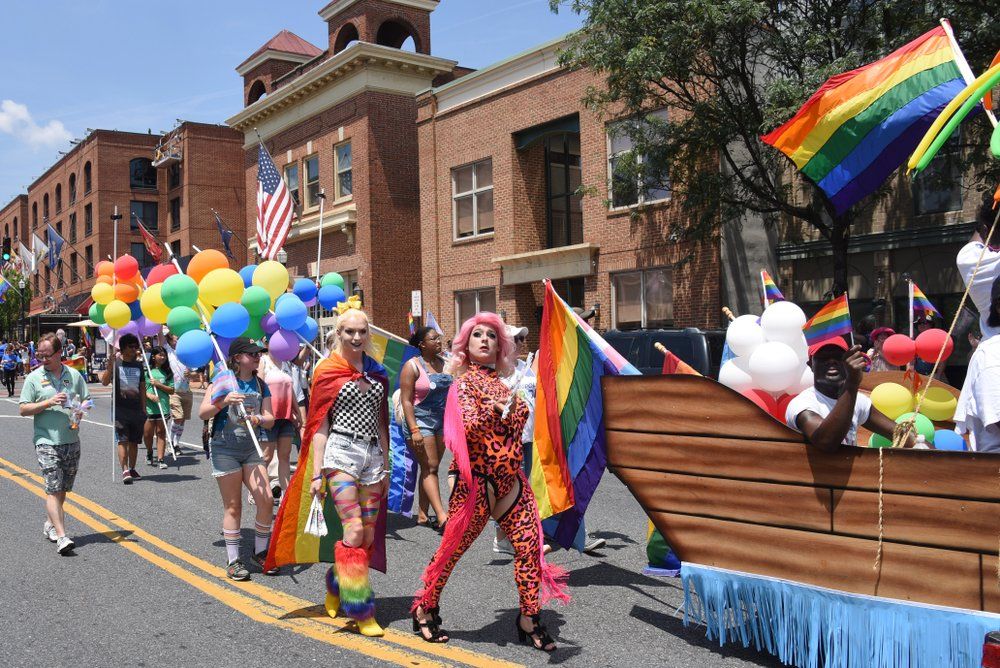
              Marchers and floats in the first Annapolis Pride parade

              Keri Delaney / Shutterstock.com

              The inaugural Pride Parade in Annapolis, Maryland – June 29, 2019

                Nondiscrimination laws: Maryland has nondiscrimination laws in employment, housing, health care, education, public accommodations, and credit/lending.

                Marriage equality and parental rights: Maryland has adoption and foster care nondiscrimination protections for LGBTQ+ parents, confirmatory adoption, and recognition for parents using assisted reproductive technologies. It does not second-parent adoption for unmarried couples. It also has family leave laws, but their LGBTQ-inclusive definitions are not as robust as others.

                Education and youth policies: Maryland does not restrict discussion of LGBTQ+ identities in classrooms, but it does not have LGBTQ-inclusive curriculum. It does not prevent transgender students from participating in sports or using school facilities based on their identities, and it does not require staff to forcibly out LGBTQ+ students to their guardians.

                Healthcare access and rights: Maryland has “shield” laws protecting access to gender-affirming care for youth, as well as abortion. The state has also banned so-called conversion therapy for youth. Health insurance companies, including Medicaid, are not allowed to deny coverage related to gender transition. Private insurance is required to cover some fertility treatments, but Medicaid is not.

                Criminal justice: Maryland’s hate crime laws encompass sexual orientation and gender identity, and it has banned the so-called “LGBTQ+ panic” defense. It does have a law criminalizing the transmission of HIV.

                Massachusetts

                Pride flag over Boston Seaport

                Michael Moloney / Shutterstock.com

                LGBTQ+ Pride flag waving in the wind over the Boston Seaport – JUNE 2, 2019

                  Nondiscrimination laws: Massachusetts has nondiscrimination laws in employment, housing, education, public accommodations, and credit/lending. It has nondiscrimination laws for gender identity in private healthcare, but not for sexual orientation.

                  Marriage equality and parental rights: Massachusetts has adoption and foster care nondiscrimination protections for LGBTQ+ parents, second-parent adoption for unmarried couples, and recognition for parents using assisted reproductive technologies. It also has family leave laws, which include LGBTQ-inclusive definitions. It does not have confirmatory adoption.

                  Education and youth policies: Massachusetts does not restrict discussion of LGBTQ+ identities in classrooms, but it does not have LGBTQ-inclusive curriculum. It does not prevent transgender students from participating in sports or using school facilities based on their identities, and it does not require staff to forcibly out LGBTQ+ students to their guardians.

                  Healthcare access and rights: Massachusetts has “shield” laws protecting access to gender-affirming care for youth, as well as abortion. The state has also banned so-called conversion therapy for youth. Health insurance companies, including Medicaid, are not allowed to deny coverage related to gender transition. Private insurance is required to cover some fertility treatments, but Medicaid is not.

                  Criminal justice: Maryland’s hate crime laws encompass sexual orientation and gender identity, but it has not banned the so-called “LGBTQ+ panic” defense. It does not have nondiscrimination protections based on gender identity for jury selection.

                  Minnesota

                  Lowry Avenue Bridge in Minneapolis lit in Rainbow Colors

                  Shuttershock Creative

                  Lowry Avenue Bridge in Minneapolis lit in Rainbow Colors in Honor of Orlando Victims

                    Nondiscrimination laws: Minnesota has nondiscrimination laws in employment, housing, health care, education, public accommodations, and credit/lending.

                    Marriage equality and parental rights: Minnesota has adoption and foster care nondiscrimination protections for LGBTQ+ parents. It does have family leave laws, which include LGBTQ-inclusive definitions. It does not have second-parent adoption for unmarried couples, confirmatory adoption, nor recognition for parents using assisted reproductive technologies.

                    Education and youth policies: Minnesota does not restrict discussion of LGBTQ+ identities in classrooms, but it does not have LGBTQ-inclusive curriculum. It does not prevent transgender students from participating in sports or using school facilities based on their identities, and it does not require staff to forcibly out LGBTQ+ students to their guardians.

                    Healthcare access and rights: Minnesota has “shield” laws protecting access to gender-affirming care for youth, as well as abortion. The state has also banned so-called conversion therapy for youth. Health insurance companies, including Medicaid, are not allowed to deny coverage related to gender transition. However, they are not required to cover fertility treatments.

                    Criminal justice: Minnesota’s hate crime laws encompass sexual orientation and gender identity, and it has banned the so-called “LGBTQ+ panic” defense.

                    Nevada

                    Las Vegas Pride parade float

                    Kobby Dagan / Shutterstock

                    LGBTQ+ Pride parade in Las Vegas, Nevada – October 21 , 2016

                      Nondiscrimination laws: Nevada has nondiscrimination laws in employment, housing, health care, education, public accommodations, and credit/lending.

                      Marriage equality and parental rights: Nevada has adoption and foster care nondiscrimination protections for LGBTQ+ parents, second-parent adoption for unmarried couples, and recognition for parents using assisted reproductive technologies. It also has family leave laws, which include LGBTQ-inclusive definitions. It does not have confirmatory adoption.

                      Education and youth policies: Nevada does not restrict discussion of LGBTQ+ identities in classrooms, and instead requires curriculum to be LGBTQ-inclusive, which parents are not required to be notified of. It does not prevent transgender students from participating in sports or using school facilities based on their identities, but it does not require staff to forcibly out students who change their gender identity to their guardians

                      Healthcare access and rights: Nevada does not have shield laws for gender-affirming care and abortion. The state has also banned so-called conversion therapy for youth. Health insurance companies, including Medicaid, are not allowed to deny coverage related to gender transition. However, they are not required to cover fertility treatments.

                      Criminal justice: Nevada’s hate crime laws encompass sexual orientation and gender identity, and it has banned the so-called “LGBTQ+ panic” defense. It does not have nondiscrimination protections based on gender identity for jury selection.

                      New Jersey
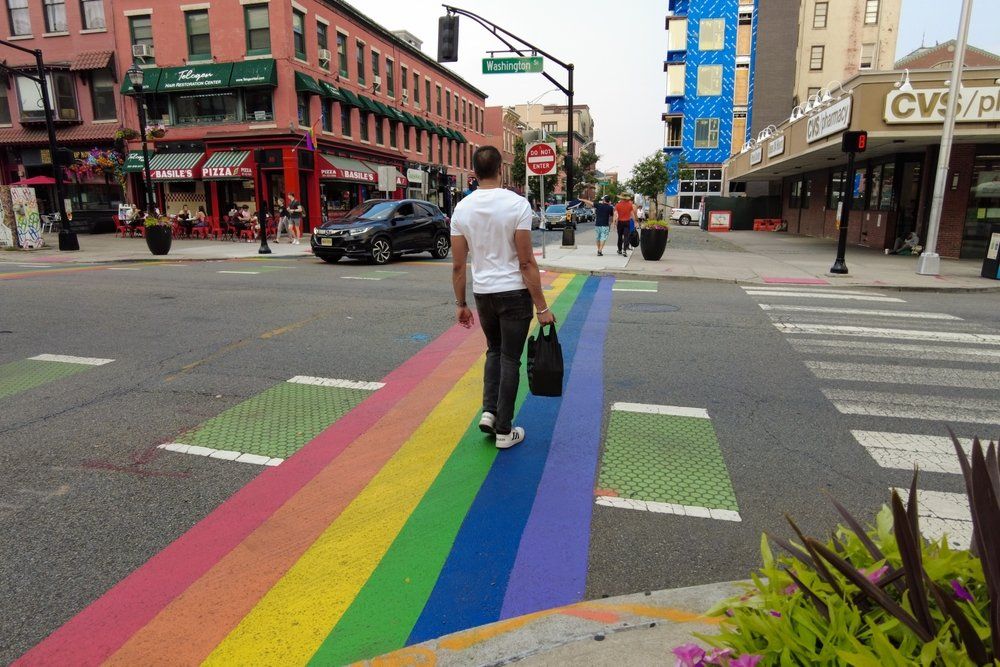
                      Rainbow crosswalk in Hoboken, New Jersey

                      Kirkam / Shutterstock.com

                      Rainbow LGBTQ+ Pride crosswalk in Hoboken, New Jersey, – June 25, 2023

                        Nondiscrimination laws: New Jersey has nondiscrimination laws in employment, housing, education, public accommodations, and credit/lending. It has nondiscrimination laws for gender identity in private healthcare, but not for sexual orientation.

                        Marriage equality and parental rights: New Jersey has adoption and foster care nondiscrimination protections for LGBTQ+ parents, and second-parent adoption for unmarried couples and confirmatory adoption. It also has family leave laws, which include LGBTQ-inclusive definitions. It does not have recognition for parents using assisted reproductive technologies.

                        Education and youth policies: New Jersey does not restrict discussion of LGBTQ+ identities in classrooms, and instead requires curriculum to be LGBTQ-inclusive, which parents are not required to be notified of. It does not prevent transgender students from participating in sports or using school facilities based on their identities, and it does not require staff to forcibly out LGBTQ+ students to their guardians.

                        Healthcare access and rights: New Jersey has “shield” laws protecting access to gender-affirming care for youth, as well as abortion. The state has also banned so-called conversion therapy for youth. Health insurance companies, including Medicaid, are not allowed to deny coverage related to gender transition. Private insurance is required to cover some fertility treatments, but Medicaid is not.

                        Criminal justice: New Jersey’s hate crime laws encompass sexual orientation and gender identity, and it has banned the so-called “LGBTQ+ panic” defense. It does not have nondiscrimination laws for LGBTQ+ people in jury selection.

                        New York
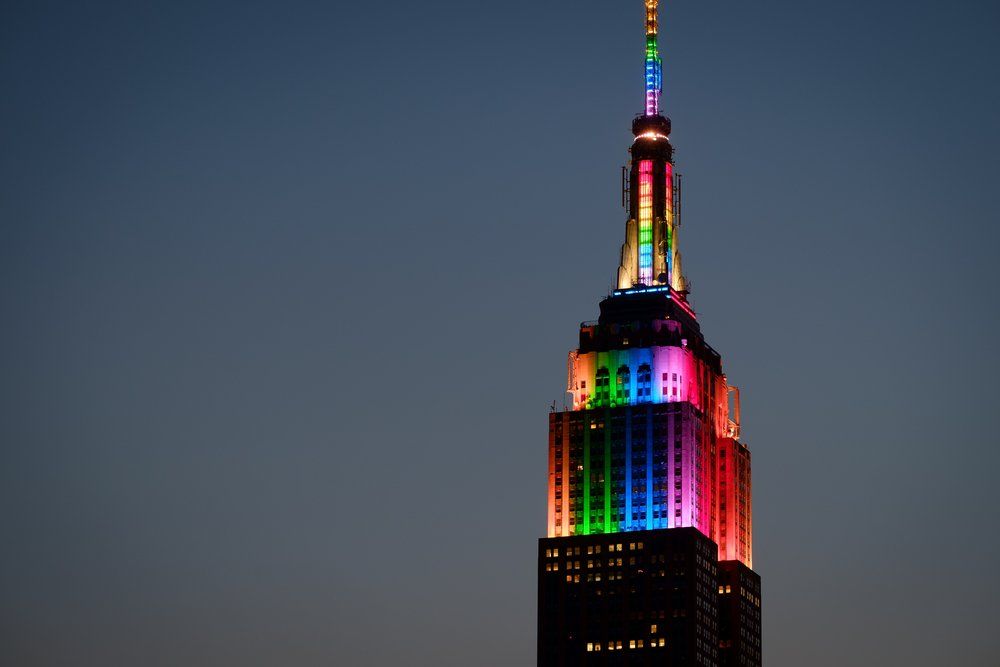
                        Empire State Building in rainbow colors

                        anaglic / Shutterstock.com

                        Empire State Building in rainbow colors in honor of the Orlando shooting victims, New York City – June 26, 2016

                          Nondiscrimination laws: New York has nondiscrimination laws in employment, housing, health care, education, public accommodations, and credit/lending.

                          Marriage equality and parental rights: New York has adoption and foster care nondiscrimination protections for LGBTQ+ parents, second-parent adoption for unmarried couples, and recognition for parents using assisted reproductive technologies. It also has family leave laws, which include LGBTQ-inclusive definitions. It does not have confirmatory adoption.

                          Education and youth policies: New York does not restrict discussion of LGBTQ+ identities in classrooms, but it does not have LGBTQ-inclusive curriculum. It does not prevent transgender students from participating in sports or using school facilities based on their identities, and it does not require staff to forcibly out LGBTQ+ students to their guardians.

                          Healthcare access and rights: New York has “shield” laws protecting access to gender-affirming care for youth, as well as abortion. The state has also banned so-called conversion therapy for youth. Health insurance companies, including Medicaid, are not allowed to deny coverage related to gender transition. Private insurance and Medicaid are also required to cover some fertility treatments.

                          Criminal justice: New York’s hate crime laws encompass sexual orientation and gender identity, and it has banned the so-called “LGBTQ+ panic” defense.

                          Oregon
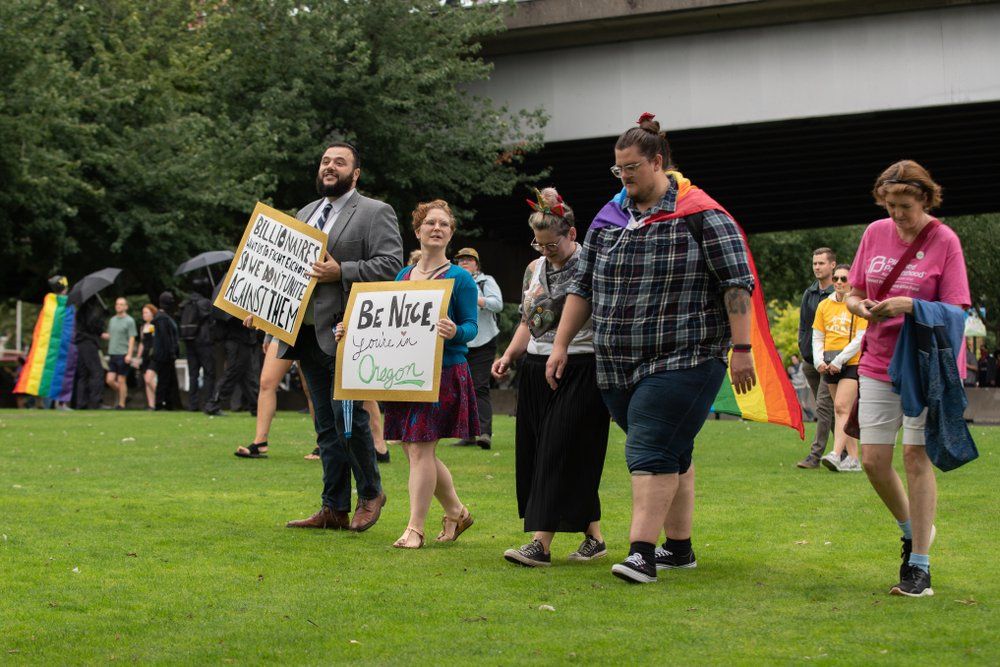
                          Protestors wear rainbow flag capes and carry a sign reading "Be nice, you're in Oregon"

                          Alexander Oganezov / Shutterstock.com

                          Protestors wear rainbow flag capes and carry a sign reading “Be nice, you’re in Oregon” at anti-fascism protest in Portland, Oregon – August 17, 2019

                            Nondiscrimination laws: Oregon has nondiscrimination laws in employment, housing, health care, education, and public accommodations. It does not have nondiscrimination laws in credit/lending.

                            Marriage equality and parental rights: Oregon has adoption and foster care nondiscrimination protections for LGBTQ+ parents and second-parent adoption for unmarried couples. It does have family leave laws, which include LGBTQ-inclusive definitions. It does not have confirmatory adoption, nor recognition for parents using assisted reproductive technologies.

                            Education and youth policies: Oregon does not prevent transgender students from participating in sports or using school facilities based on their identities, and it does not require staff to forcibly out LGBTQ+ students to their guardians. It does not restrict discussion of LGBTQ+ identities in classrooms, and instead requires curriculum to be LGBTQ-inclusive, which parents are not required to be notified of.

                            Healthcare access and rights: Oregon has “shield” laws protecting access to gender-affirming care for youth, as well as abortion. The state has also banned so-called conversion therapy for youth. Health insurance companies, including Medicaid, are not allowed to deny coverage related to gender transition. However, they are not required to cover fertility treatments.

                            Criminal justice: Oregon’s hate crime laws encompass sexual orientation and gender identity, and it has banned the so-called “LGBTQ+ panic” defense.

                            Rhode Island

                            Rainbow flags on bridge over water in Providence, Rhode Island

                            Anthony Ricci / Shutterstock.com

                            Pride festival in downtown Providence, Rhode Island – June 17, 2017

                              Nondiscrimination laws: Rhode Island has nondiscrimination laws in employment, housing, education, public accommodations, and credit/lending. It has nondiscrimination laws for gender identity in private healthcare, but not for sexual orientation. It also has a broad “Religious Exemption” law.

                              Marriage equality and parental rights: Rhode Island has adoption and foster care nondiscrimination protections for LGBTQ+ parents, second-parent adoption for unmarried couples and confirmatory adoption, and recognition for parents using assisted reproductive technologies. It also has family leave laws, but their LGBTQ-inclusive definitions are not as robust as others.

                              Education and youth policies: Rhode Island does not restrict discussion of LGBTQ+ identities in classrooms, but it does not have LGBTQ-inclusive curriculum. It does not prevent transgender students from participating in sports or using school facilities based on their identities, and it does not require staff to forcibly out LGBTQ+ students to their guardians.

                              Healthcare access and rights: Rhode Island has “shield” laws protecting access to gender-affirming care for youth, as well as abortion. The state has also banned so-called conversion therapy for youth. Health insurance companies, including Medicaid, are not allowed to deny coverage related to gender transition. Private insurance is required to cover some fertility treatments, but Medicaid is not.

                              Criminal justice: Rhode Island’s hate crime laws encompass sexual orientation and gender identity, and it has banned the so-called “LGBTQ+ panic” defense. It does not have nondiscrimination laws for LGBTQ+ people in jury selection.

                              Vermont
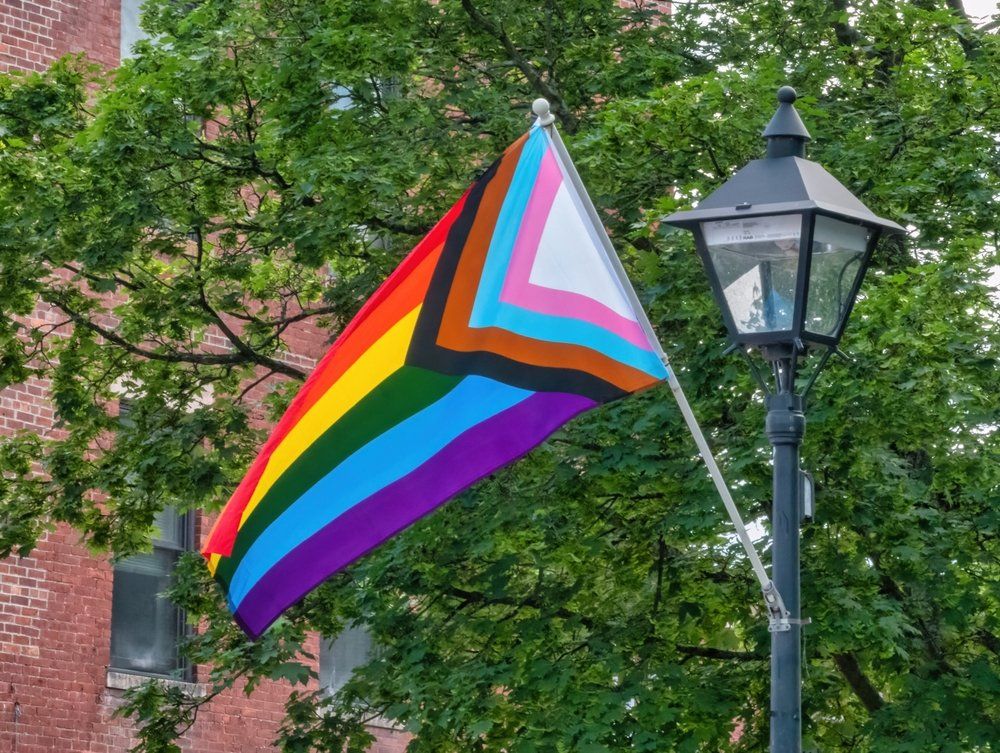
                              Pride flag on lamppost in Montpelier, Vermont

                              Charles Patrick Ewing / Shutterstock.com

                              LGBTQ+ Pride flag on lamppost in Montpelier, Vermont – June 11, 2022

                                Nondiscrimination laws: Vermont has nondiscrimination laws in employment, housing, health care, education, public accommodations, and credit/lending.

                                Marriage equality and parental rights: Vermont has adoption and foster care nondiscrimination protections for LGBTQ+ parents, second-parent adoption for unmarried couples, and recognition for parents using assisted reproductive technologies. It also has family leave laws, which include LGBTQ-inclusive definitions. It does not have confirmatory adoption.

                                Education and youth policies: Vermont does not restrict discussion of LGBTQ+ identities in classrooms, but it does not have LGBTQ-inclusive curriculum. It does not prevent transgender students from participating in sports or using school facilities based on their identities, and it does not require staff to forcibly out LGBTQ+ students to their guardians.

                                Healthcare access and rights: Vermont has “shield” laws protecting access to gender-affirming care for youth, as well as abortion. The state has also banned so-called conversion therapy for youth. Health insurance companies, including Medicaid, are not allowed to deny coverage related to gender transition. However, state employees who are transgender do not have inclusive health benefits. Insurance companies are also not required to cover fertility treatments.

                                Criminal justice: Vermont’s hate crime laws encompass sexual orientation and gender identity, and it has banned the so-called “LGBTQ+ panic” defense. It does not have nondiscrimination laws for LGBTQ+ people in jury selection.

                                Washington
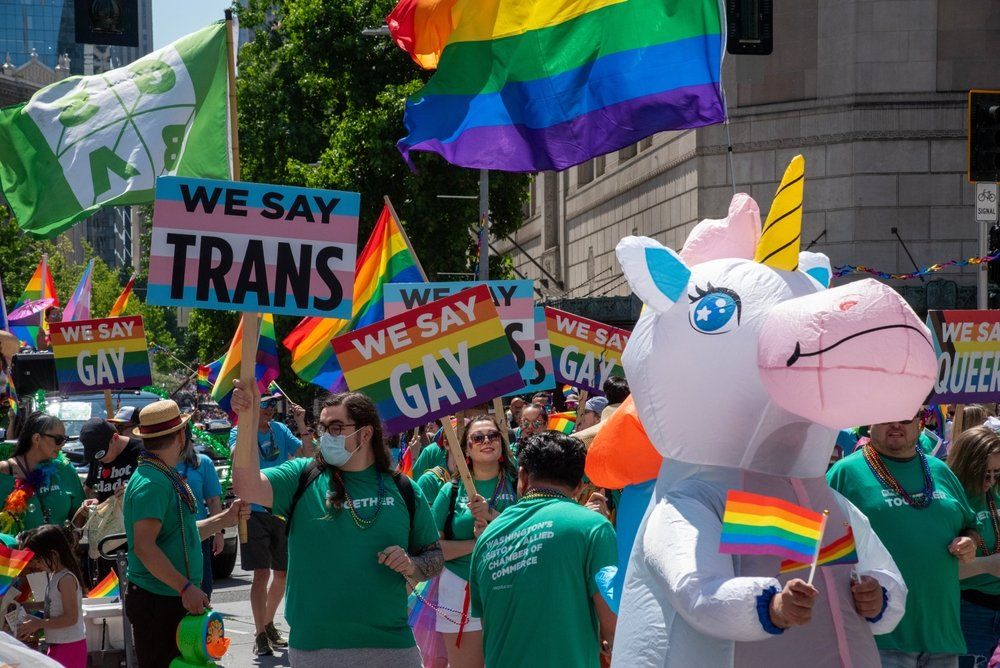
                                People carrying "We say trans" and "We say gay" signs at Seattle Pride

                                SeaRick1 / Shutterstock.com

                                People carrying rainbow signs reading “We say trans” and “We say gay” at LGBTQ+ Pride in Seattle, Washington – June 25, 2023

                                  Nondiscrimination laws: Washington has nondiscrimination laws in employment, housing, health care, education, public accommodations, and credit/lending.

                                  Marriage equality and parental rights: Washington has adoption and foster care nondiscrimination protections for LGBTQ+ parents and recognition for parents using assisted reproductive technologies.. It does have family leave laws, which include LGBTQ-inclusive definitions. It does not have second-parent adoption for unmarried couples, nor confirmatory adoption.

                                  Education and youth policies: Washington does not restrict discussion of LGBTQ+ identities in classrooms, and instead requires curriculum to be LGBTQ-inclusive, which parents are not required to be notified of. It does not prevent transgender students from participating in sports or using school facilities based on their identities, and it does not require staff to forcibly out LGBTQ+ students to their guardians.

                                  Healthcare access and rights: Washington has “shield” laws protecting access to gender-affirming care for youth, as well as abortion. The state has also banned so-called conversion therapy for youth. Health insurance companies, including Medicaid, are not allowed to deny coverage related to gender transition. However, they are not required to cover fertility treatments.

                                  Criminal justice: Washington’s hate crime laws encompass sexual orientation and gender identity, and it has banned the so-called “LGBTQ+ panic” defense. It does have a law criminalizing the transmission of HIV.

                                  Honorable mentions
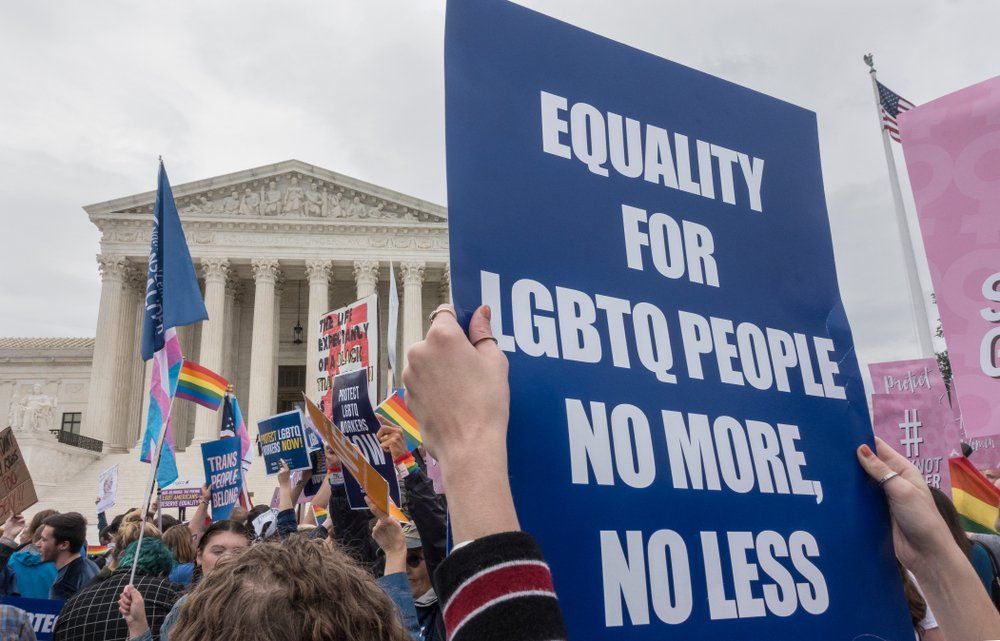
                                  Sign outside SCOTUS reading "Equality for LGBTQ people no more, no less"

                                  Bob Korn / Shutterstock.com

                                  Rally for LGBTQ rights outside Supreme Court in Washington, D.C. – OCT. 8, 2019

                                    Washington, D.C. also ranked high on MAP’s assessment, though it does not currently have statehood.

                                    Other states that ranked above average include: Delaware, Hawaii, Michigan, New Hampshire, New Mexico, and Virginia.

                                    Maryland becomes 5th state to decriminalize HIV

                                    *This is reported by LGBTQ Nation

                                    Maryland Gov. Wes Moore (D) signed legislation on Tuesday that decriminalizes HIV. The Carlton R. Smith Act – named for a local HIV activist who died last year – eliminates criminal penalties based on one’s HIV status. Maryland is the 5th state to decriminalize HIV, with North Dakota making the move just last month.

                                    Until now, it was a misdemeanor in Maryland to “knowingly transfer or attempt to transfer” HIV to someone else. The law did not require intent to transmit, actual transmission, or conduct that would transmit the virus. Penalties included up to three years incarceration and a fine of up to $2,500.

                                    Laws like this can deter people from being tested and treated for HIV. In addition, Maryland’s law has been disproportionately used to target Black people.

                                    The Williams Institute found that from 2000 to 2020, Black people accounted for 82% of HIV-related criminal cases in the state, despite only making up 30% of the population and 71% of the people living with HIV. The study also found that Black men make up 68% of people accused in HIV-related criminal cases, despite being 14% of the state’s population and 44% of the population living with HIV.

                                    When the study was released, Williams Institute HIV Criminalization Project Director Nathan Cisneros explained that the law was put in place “at the height of the AIDS crisis before we had effective treatments for HIV.”

                                    “We now have medical treatments that wholly eliminate the risk of transmitting HIV through sex,” Cisneros explained, “yet these advances are not reflected in Maryland law despite several reform attempts in recent years.”

                                    In a statement, Phillip Westry, director of the state LGBTQ+ organization FreeState Justice, celebrated the passage of the Carlton R. Smith Act, calling it “a testament to the power of education, research, and courageous leadership.”

                                    “It sends a clear message,” Westry continued, “Maryland is committed to evidence-based policymaking and to ending the criminalization of people living with HIV. We honor the memory of Carlton R. Smith by continuing the work of building a more just, inclusive, and informed society.”

                                    Florida’s surgeon general defies scientific consensus amid measles outbreak | The Washington Post

                                    This blog originally appeared at THE WASHINGTON POST.

                                    Florida Surgeon General Joseph Ladapo in 2021.

                                    As a Florida elementary school grapples with a growing measles outbreak, the state’s top health official is providing advice that contradicts scientific consensus, potentially putting unvaccinated children at risk of contracting one of the most contagious pathogens on Earth, according to clinicians and public health experts.

                                    In a letter to parents at a Fort Lauderdale-area school following six confirmed measles cases, Florida Surgeon General Joseph A. Ladapo failed to urge parents to vaccinate their children or to keep unvaccinated students home as a precaution.

                                    Instead of following the “normal” recommendation that parents keep unvaccinated children home for up to 21 days — the incubation period for measles — Ladapo stated that the state health department “is deferring to parents or guardians to make decisions about school attendance.”

                                    Ladapo’s controversial decision continues a pattern of defying public health norms, especially regarding vaccines. Last month, he called for halting the use of mRNA coronavirus vaccines, a move widely condemned by the public health community.

                                    Ben Hoffman, president of the American Academy of Pediatrics, criticized Florida’s guidance, stating that it contradicts longstanding and widely accepted public health recommendations for measles, a disease that can lead to severe complications, including death.

                                    “It contradicts everything I’ve ever heard and read,” Hoffman stated. “It goes against our policy and what the Centers for Disease Control and Prevention would recommend.”

                                    In 2024, measles outbreaks have surged, with the CDC recording at least 26 cases across 12 states, doubling the count from the previous year. Apart from the six cases identified in the Florida school, instances have been documented in Arizona, California, Georgia, Maryland, Minnesota, Missouri, New Jersey, New York City, Ohio, Pennsylvania, and Virginia.

                                    The surge in measles outbreaks is attributed to the increasing number of parents seeking exemptions from childhood vaccinations. This trend has emerged in the wake of political opposition to COVID-19 mandates and widespread dissemination of misinformation regarding vaccine safety.

                                    In January, the CDC issued a caution to healthcare providers to remain vigilant for additional measles cases. Contagion can occur from four days before the onset of a rash until four days after.

                                    Because measles virus particles can persist in the air and on surfaces for up to two hours after an infected individual departs, up to 90 percent of non-immune individuals may contract measles if exposed. Those who have been infected or have received both doses of the MMR vaccine are 98 percent protected and highly unlikely to contract the disease. This is why public health officials usually recommend vaccination during outbreaks.

                                    “The measles outbreak in Florida schools is a result of too many parents failing to ensure their children are protected by the safe and effective measles vaccine,” explained John P. Moore, a professor of microbiology and immunology at Weill Cornell Medical College. “And why is that? It’s because anti-vaccine sentiment in Florida is propagated from the top of the public health hierarchy: Joseph Ladapo.”

                                    When requested for comment, the Florida health department provided a link to Ladapo’s letter.

                                    Ladapo’s reluctance to utilize public health measures mirrors the efforts of conservative and libertarian factions to weaken public health’s capacity to control diseases such as the highly contagious measles. In an outbreak in Ohio that commenced in late 2022, most of the 85 afflicted children were eligible for vaccination, but their parents opted against it, according to officials. In 2021, the state legislature curtailed health officials’ authority to mandate quarantine for individuals suspected of having an infectious disease.

                                    Ladapo’s communication with parents arrives amidst increased concern regarding the public health impacts of anti-vaccine sentiment, an ongoing issue that has resulted in declines in childhood immunization rates in various areas across the United States. Federal data released last year revealed that the percentage of kindergartners exempted from at least one state-required childhood vaccination reached its highest level yet during the 2022-2023 school year, standing at 3 percent.

                                    According to Paul Offit, a pediatric infectious diseases expert at Children’s Hospital of Philadelphia, Ladapo’s neglect to promote vaccination puts children at risk.

                                    “In light of the data showing measles as the most contagious vaccine-preventable disease, surpassing even influenza or COVID, is Ladapo attempting to suggest otherwise?” Offit questioned in an email.

                                    Measles is highly contagious, spreading swiftly, particularly affecting young children who receive their first dose of the vaccine between 12 to 15 months of age. The CDC advises two doses of the MMR vaccine, with the second typically administered between 4 to 6 years old.

                                    When measles vaccination coverage falls below 95 percent, it undermines herd immunity, facilitating the virus’s rapid spread. While Florida’s overall vaccination coverage stands at 90.6 percent, it doesn’t pinpoint areas with potentially lower coverage rates.

                                    If unvaccinated individuals fail to adhere to public health guidelines and stay home from school during the contagious period, the outbreak could escalate dramatically, posing a significant community risk. Patsy Stinchfield, President of the National Foundation for Infectious Diseases and a nurse practitioner in Minneapolis, has firsthand experience managing measles outbreaks, including the 2017 outbreak in Minnesota, which impacted 75 individuals, predominantly unvaccinated children.

                                    Approximately 1 in 5 unvaccinated individuals in the United States who contract measles require hospitalization, as reported by the CDC. Among children, up to 1 out of 20 develop pneumonia, which is the leading cause of death from measles in this age group. Additionally, around 1 child out of every 1,000 with measles experiences brain swelling, which can result in seizures and long-term consequences such as deafness or intellectual disability. Unvaccinated infants who contract measles face an even graver risk, with 1 in 600 developing a fatal neurological complication that may remain latent for years.

                                    This week, officials at Manatee Bay Elementary School, located approximately 20 miles west of Fort Lauderdale, confirmed six cases of measles. According to Broward County Schools Superintendent Peter B. Licata, out of the school’s 1,067 students, 33 have not been vaccinated with the MMR vaccine. During a school board meeting on Wednesday, Licata provided this information. Additionally, a district official mentioned that the district has organized “four vaccination opportunities,” comprising two sessions held at the school and two at other venues within the community.

                                    Florida health officials reported the first case on Friday, involving a third-grade child with no travel history abroad.

                                    School officials redirected inquiries to the Broward County school district, which stated it is adhering to guidance from the state health department.

                                    Could Tennessee cease the practice of placing HIV-positive sex workers on the registry for violent sex offenders?


                                    The law, in place for decades, is in violation of the Americans with Disabilities Act.

                                    Tennessee is contemplating changes to the criminal code that currently discriminates against sex workers who are HIV-positive.

                                    Currently, the law treats prostitution as a misdemeanor unless the sex worker is HIV+. Then the offense becomes “aggravated prostitution,” and if convicted, workers are required to register as a “violent sex offender.”


                                    LGBTQ+ and civil rights organizations are challenging the law in federal court. Following an investigation in December, the Justice Department concluded that the law infringes upon the Americans with Disabilities Act.


                                    However, the law, which disproportionately affects Black and Latino women, is not being completely repealed.


                                    Initially enacted during the peak of AIDS-related concerns in 1991, the law underwent revisions two decades later, incorporating mandatory lifetime registration as a sex offender.

                                    State Senator Page Walley (R) has proposed a bill aiming to eliminate the mandatory registration requirement while retaining the heightened criminal charge.

                                    Despite the repeal of HIV criminalization laws in multiple states in recent years, Tennessee continues to uphold such legislation. Additionally, in states retaining these laws, individuals of color are disproportionately prosecuted. Notably, a significant majority of those prosecuted under Maryland’s HIV criminal law were Black men.

                                    The term “HIV criminal laws” refers to hastily enacted legislation in the late 1980s and ’90s during the widespread panic over the AIDS epidemic. These laws target individuals who intentionally transmit the virus causing AIDS. Currently, nearly two-thirds of U.S. states and territories have laws that criminalize individuals living with HIV.

                                    This statute exclusively singles out individuals based on their HIV status, trapping them in cycles of poverty without providing any tangible benefit to public health and safety,” stated Molly Quinn, Executive Director of OUTMemphis. “As HIV stigma fades away, it’s high time for state law to align with this progress.

                                    The organization is among the plaintiffs involved in the ongoing legal proceedings.

                                    An estimated 83 Tennesseeans are currently on the registry because of the law.

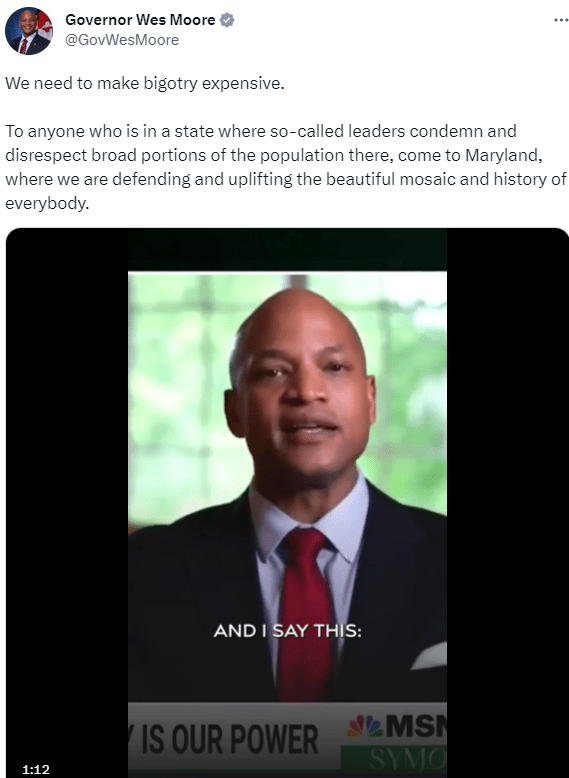
                                    We need to make bigotry expensive.

                                    This blog originally appeared at Reddit.

                                    To anyone who is in a state where so-called leaders condemn and disrespect broad portions of the population there, come to Maryland, where we are defending and uplifting the beautiful mosaic and history of everybody.

                                    We need to make bigotry expensive.

                                    In Maryland, there is a message of welcome and inclusivity for those who may feel marginalized or targeted by discriminatory policies in other states. The speaker highlights that Maryland stands as a place that defends and uplifts the diverse mosaic of its population.

                                    By extending an invitation to individuals facing condemnation and disrespect elsewhere, the speaker emphasizes Maryland’s commitment to embracing the rich history and contributions of all its residents. The state aims to create an environment where people from various backgrounds can thrive and be celebrated for their unique identities.

                                    This sentiment reflects a broader movement in many places that seek to create spaces of acceptance, equality, and respect for all individuals, regardless of their race, ethnicity, religion, sexual orientation, or gender identity. It sends a message of solidarity and support to those seeking refuge from discriminatory environments and reaffirms Maryland’s dedication to fostering a diverse and inclusive community.

                                    CLICK HERE TO SEE FULL BLOG: https://twitter.com/iamwesmoore/status/1661520627692388353?t=frNV61SYEtEBaY4VoBmAlA&s=09

                                    The 10 Best—and Cheapest—Cities for LGBTQ Homebuyers, 2022 – REALTOR.com

                                    This blog originally appeared at Realtor.com

                                    Pride Month means it’s time to celebrate all things that encourage the dignity, equality, and increased recognition of the LGBTQ community. So go ahead and wave that big, beautiful rainbow flag—and, just maybe, zero in on a place to buy a great new home.

                                    It’s also the perfect time to pause and recognize that while the United States has come a long way from the 1969 Stonewall riots, which sparked the modern gay rights movement, 2022 is on track to break the record for the number of anti-LGBTQ bills introduced in states across the country, with at least 320 highly restrictive bills pending in state legislatures, according to the rights group Freedom for All Americans.

                                    So, as we do each year, Realtor.com® searched for the most LGBTQ-friendly and affordable cities for homebuyers. We looked well past the big coastal cities famous for their thriving gay scenes—and wildly exorbitant home prices—like New York and San Francisco. Instead, we set our sights on smaller cities that are gay-friendly and budget-friendly, where housing is still modestly priced and the overall community and laws are more welcoming and favorable to lesbian, gay, bisexual, transgender, and queer individuals. All of these places have tons of fun things to do—and prices that are still (relatively) within reach.

                                    Read Full Article – https://www.realtor.com/news/trends/the-most-affordable-lgbtq-friendly-places-to-live/


                                    If you’re ready to look for a better state or county for you and your family (or family of choice), reach out to us at www.FleeRedStates.com

                                    Blog at WordPress.com.

                                    Up ↑