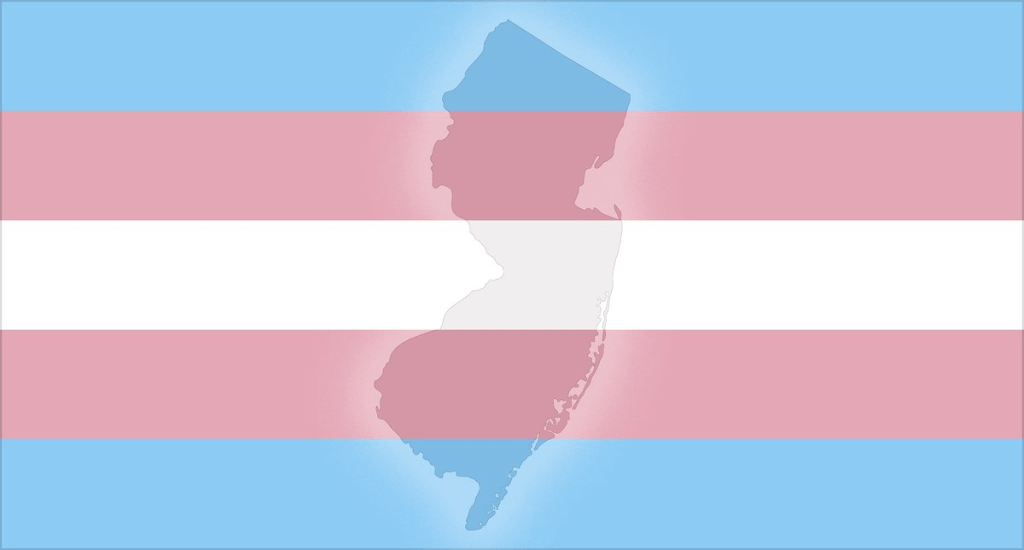
Mid-Atlantic Progress: How LGBTQ+ Protections Stack Up in NJ, MD, DE, and VA

While the national conversation around LGBTQ+ rights often focuses on the West Coast or New England, the Mid-Atlantic region has quietly become one of the most dynamic legal battlegrounds in the country. From pioneering healthcare access to a historic marriage equality vote on the horizon, the laws of New Jersey, Maryland, Delaware, and Virginia tell a fascinating story of progress, defense, and active legal engineering.

Whether you are looking to relocate, working in advocacy, or just keeping tabs on civil rights, here is how these four neighbor states compare when it comes to protecting their LGBTQ+ residents.

1. New Jersey: The Brand-New Legislative Firewall

New Jersey has long held a “Safe Haven” designation from major equality groups, but until recently, its protection for transgender healthcare relied entirely on an executive order from the governor’s office. Because executive orders can be easily undone by a future administration, advocates pushed for years to codify these rules into permanent law.

  • The Big 2026 Update: On June 30, 2026, the New Jersey Legislature passed A2218/S2260, a comprehensive statutory shield law.
  • What the Law Does: This statute creates an absolute legal firewall. It legally prohibits New Jersey state courts, law enforcement, and medical boards from cooperating with out-of-state subpoenas, extraditions, or investigations targeting those who receive or provide gender-affirming care in New Jersey.
  • Everyday Protections: Under the Law Against Discrimination (LAD), New Jersey boasts some of the country’s strongest bans on discrimination in housing, employment, and public accommodations.

2. Maryland: Setting the Medicaid Gold Standard

Maryland is a powerhouse of structural equality, focused heavily on ensuring that legal protections translate to actual, affordable healthcare access.

  • The Trans Health Equity Act: Effective in 2024, this landmark law requires Maryland’s Medicaid program to cover comprehensive, medically necessary gender-affirming care. Rather than treating transition-related care as “cosmetic” or optional, Maryland codified it as a fundamental medical right.
  • Civil Rights & Safe Haven: The state’s “Fairness for All Marylanders Act” has protected gender identity and sexual orientation in housing, work, and public spaces since 2014. Additionally, Governor Wes Moore signed an executive order establishing Maryland as a safe state for out-of-state individuals seeking gender-affirming medical services.

3. Delaware: Protecting Rights Under Executive Defense

Delaware has strong, comprehensive civil rights statutes on the books protecting LGBTQ+ individuals from discrimination in housing, employment, and public spaces.

  • The Healthcare Shield: While Delaware has legislated shield protections for reproductive care (like abortion), its protections for gender-affirming care have largely been bolstered by the executive branch.
  • Executive Order 11: In June 2025, the Governor signed Executive Order 11. This directive prevents state agencies from cooperating with out-of-state investigations or extraditions related to lawful gender-affirming medical care provided within Delaware’s borders.
  • Identification: Updating birth certificates and driver’s licenses to match an individual’s gender identity is streamlined, requiring only a simple supporting statement from a licensed medical or social work professional.

4. Virginia: The Southern Battleground & The 2026 Ballot

Virginia occupies a unique space on this list. In 2020, it made history by passing the Virginia Values Act, becoming the first Southern state to enact comprehensive civil rights protections for LGBTQ+ residents in employment, housing, and public spaces. However, enforcement has faced political friction and rollbacks, particularly regarding school policies.

  • The 2026 Marriage Amendment: On November 3, 2026, Virginia voters will head to the polls to decide on a major, proactive constitutional referendum: the Repeal Same-Sex Marriage Ban Amendment.
  • What is at Stake: While same-sex marriage is federally protected under Obergefell v. Hodges, Virginia’s state constitution still contains outdated, unenforceable language banning same-sex unions. This referendum will officially strike that language and enshrine an affirmative, constitutionally protected right to marriage regardless of sex, gender, or race. It is one of the nation’s only proactive pro-LGBTQ+ ballot measures in 2026.

Side-by-Side: The Mid-Atlantic Landscape

StateNon-Discrimination LawsTransgender Healthcare ShieldState Medicaid CoverageNotable Highlight
New JerseyExplicit & Robust (LAD)Statutory Law (Passed June 2026)CoveredCompletely codified protections to survive shifting administrations.
MarylandExplicit & RobustExecutive OrderCovered (Trans Health Equity Act)Exceptional, legally mandated Medicaid coverage for gender-affirming care.
DelawareExplicit & RobustExecutive Order 11CoveredSeamless identity document updates via simple self-attestation.
VirginiaExplicit (Virginia Values Act)NonePartially Covered (highly variable)Currently voting to enshrine marriage equality in its state constitution.

The Takeaway

The Mid-Atlantic is a vital region for LGBTQ+ rights. While New Jersey has just finalized its legal fortress with a new legislative shield, Maryland leads the way in equitable healthcare funding, Delaware stands tall with deep executive protections, and Virginia remains the ultimate battleground—where the community is actively voting to secure the future of marriage equality at the ballot box.

New Jersey becomes latest blue state to pass health care shield law for trans care & IVF

Read more at LGBTQ Nation.

The New Jersey General Assembly passed new legislation on Tuesday, the last day of Pride Month, that strengthens the protections around gender-affirming health care, reproductive care, including abortion and IVF, and more. The bill now sits on Gov. Mikie Sherrill’s (D) desk awaiting her signature, which it is expected to receive.

The passage is a win for the trans community. The bill passed the same day the Supreme Court dealt a blow to trans rights with its West Virginia v. B.P.J. ruling.

Speaking with the New Jersey Monitor after the vote, Jennifer Williams, a Trenton city council member who is trans, said, “New Jersey is a great, liberty-loving state that will remain a safe haven for those who want to live happy, productive lives while accessing medically necessary and proven medical care.”

The bill’s passage comes after a long battle from LGBTQ+ advocacy groups, including Garden State Equality. In a statement, Lauren Albrecht, the organization’s senior director of advocacy & organizing, said, “By passing this bill, the Legislature has sent the message that bodily autonomy and access to medically necessary, best-practice healthcare are New Jersey values. As other states and the federal government attack reproductive and trans healthcare, we have made it clear that the Garden State will protect both the lifesaving care itself and the people who provide it. Our priorities now will be to ensure Governor Sherrill swiftly signs this legislation and, afterwards, to educate healthcare providers on these new and bolstered protections.”

The new legislation makes no changes to what medical care is or isn’t available in the state, but protects access for all to the services that are already provided.

A major aspect of the bill protects providers and patients from being prosecuted by other states, affirming that those who receive or provide care in New Jersey are solely subject to the state laws of New Jersey and to federal law.

That applies not just to citizens of New Jersey, but to “those who travel to [New Jersey] for health care services,” with the bill noting that all “deserve the ability to safely access health care facilities in this State and the critical reproductive health and gender-affirming care services that they provide.”

This prevents states from prosecuting their residents who have crossed state lines to receive healthcare that is banned in their state but legally protected in New Jersey. The authors of the bill point to the fact that since Roe v. Wade was overturned in 2022, 21 states have either banned or restricted abortion access. Since then, New Jersey has seen a 30% increase in out-of-state patients.

They also highlighted Alabama’s ruling that embryos are “extrauterine children” and the threat that sort of ruling could pose to IVF fertility treatments, which are often used by same-sex couples to build their families. New Jersey has legally protected the right to access IVF treatment.

While New Jersey is the latest blue state to pass such a bill, theirs includes an aspect that hasn’t been seen in other legislation. The bill includes prohibitions on “interference with reproductive or gender-affirming health care services.” That includes inflicting injury, physically obstructing them, defacing property, recording people accessing care within 100 feet of the entrance to a clinic, or distributing such recordings.

The legislators cite the fact that since Roe was overturned, there has been a 538% increase in obstructions to reproductive health facilities, and in 2023, there were 23 reported violent incidents and threats made to gender-affirming care providers. The legislation states, “This act is intended to ensure that anti-abortion and anti-LGBTQ+ persons cannot harm patients or providers.”

Mirroring a proposed shield law in California, the bill also requires the written consent of a patient or their guardian for any of their medical records to be provided to an out-of-state authority. A similar shield law in New York was the reason that patients were informed when NYU Langone Health received a criminal subpoena, insisting that they hand over the medical records for minors who received gender-affirming care at the institution.

America’s best and worst places to be gay and trans? Check your ZIP code

Read more at Yahoo.

Where is the best place to be gay in America? Increasingly, it’s a question of ZIP code.

While Massachusetts and California are known for championing supportive policies and rolling out the welcome mat to lesbian, gay, bisexual, transgender and queer residents, other areas like Arkansas and Tennessee that have unfurled a wave of LGBTQ+ rollbacks have a less hospitable reputation.

Today, that divide is wider than ever, according to the latest State LGBTQ+ Business Climate Index from Out Leadership shared exclusively with USA TODAY.

The index suggests America’s acceptance of gay people has continued a steep decline, reversing many of the civil rights advances that increased the well-being and safety of the LGBTQ+ population, Out Leadership’s founder and CEO, Todd Sears, told USA TODAY.

The national average score in the index has fallen for four straight years. The 10 highest-ranked states have held steady or improved, but the lowest-ranked have dipped more, and the middle ground is quickly disappearing, according to Sears.

On the index’s 100-point scale, the typical state scores just 53.1 and 26 states fall below 60, he said.

“When we started this index eight years ago, the goal was to show Americans the issues that were still live but invisible − HIV criminalization, conversion therapy, where state legislators actually stood − because once marriage equality passed, a lot of people assumed the work was done. It wasn’t,” Sears said. “What we’ve documented since is a genuine regression.”

4-year slide in gay and trans equality

Each year for the last eight, Out Leadership has released the index to map out where the 9% of U.S. adults who identify as lesbian, gay, bisexual, transgender, or something other than heterosexual are least and most welcome. Created as an inclusion reference guide for business leaders, LGBTQ+ people soon began consulting it to figure out where they should – and should not – live and work.

For years, the index has measured such factors as the impact of state government policies and prevalent attitudes, from support for young people and families to health access and safety to nondiscrimination protections.

This year, Out Leadership added 12 new indicators to gauge the impact of anti-LGBTQ+ policies such as bathroom access restrictionspronoun and name-use prohibitions and restrictions on adult gender-affirming care, Sears said.

Out Leadership decided to make the additions after the Supreme Court struck down state conversion therapy bans.

“For the last several years, we simply weren’t capturing forces that were already hitting LGBTQ+ citizens and their families,” Sears said.

As a result, the national average score fell five points to 60.87 out of 100. And the index shows even greater geographic polarization.

The gap between the most welcoming state – Massachusetts at 93.23 – and the least – Arkansas, 28.06 – widened from 55 points in 2019 to 65 points.

“Something Americans had come to take for granted, that LGBTQ+ people exist and deserve civil rights, has been thrown back into question,” Sears said.

From California to Arkansas, how states rank

Out Leadership’s new criteria boosted some states. California rose in the rankings for its leadership in pro-LGBTQ+ policy while Illinois gained ground for providing protections for access to gender-affirming care, among other measures.

Consideration of these additional factors tanked the rankings of some states. Bathroom bans, health care restrictions and other state measures pummeled Florida while Texas slipped because of anti-trans legislation.

Even LGBTQ+ friendly states fell in the rankings.

Maine, for example, declined, not because it passed unfriendly laws, but because the new indicators rewarded states that enacted protections that it had not. South Dakota, on the other hand, gained five positions because it has not adopted much of the anti-LGBTQ+ legislation that other states have.

Bottom line, half of America is increasingly unfriendly to the LGBTQ+ population, Sears said. “The math shows it,” he said.

Surge in anti-LGBTQ+ sentiment

From Pride parades to the federal legalization of same-sex marriage, for decades, America’s acceptance of gay people was on a steady march.

Bias against gay people declined from 2007 to 2020 and was on track to disappear altogether, according to a 2022 study by Tessa Charlesworth, an assistant professor of management and organizations at Northwestern University’s Kellogg School of Management and Harvard psychologist Mahzarin Banaji.

Then in the early 2020s, the trend reversed. Anti-gay bias jumped 10 points from 2021 to 2024.

By Gallup’s measure, acceptance of LGBTQ people – at an all-time high four years ago – has fallen every year since as public approval of LGBTQ+ legal protections recedes and transgender rights become a culture-war flashpoint.

The political shift has spilled over into the broadly supportive corporate world, which – despite a track record of backing the nation’s LGBTQ+  population – shrank Pride Month budgets, flashed fewer rainbow flags and downplayed solidarity amid the “go woke go broke” backlash against Target and Bud Light and pressure from activists to roll back LGBTQ+ commitments.

They’re out, their employers were proud. Then came the DEI backlash.

According to Charlesworth’s research, bias has been rising in most states since 2020.

Nearly two-thirds of states have seen an increase in implicit bias towards gay people – automatic judgments made about others based on sexual orientation – and three-quarters have seen an increase in explicit bias – the attitudes, prejudices, or stereotypes toward a person or group on a conscious level, she said.

“Geography certainly plays a role in the overall amount of bias toward gay, lesbian and trans people,” Charlesworth told USA TODAY. “There are systematic patterns across places that shape where is more tolerant and accepting versus more hostile.”

Even socially progressive cities in conservative states are no longer as safe or welcoming, Sears said. Surveys show many LGBTQ+ residents in red states have considered uprooting their lives or have already fled.

“Over the next 12 to 18 months, companies are going to feel this, and many already are,” he said. “There’s a talent flight underway. LGBTQ people are leaving anti-LGBTQ states, families of trans, nonbinary, and gay young people are relocating, and employees are going back into the closet. Whatever someone is hiding at work, they’re not bringing their full self, and they’re not bringing everything they could to the company. That’s why the economic impact will be felt for a long time.”

5 highest-ranking states for LGBTQ+

1. Massachusetts

2. New York

3. Connecticut

4. New Jersey

5. Illinois

5 lowest-ranking states for LGBTQ+

50. Arkansas

49. Tennessee

48. Idaho

47. South Carolina

46. Florida

Corrections & Clarifications: Out Leadership updated its methodology which resulted in some score and ranking changes for states in the index.

This article originally appeared on USA TODAY: The best and worst places for gay people? See where your state ranks

What states are the best for LGBTQ+ people? These are the top 15

Read more at the Advocate.

Legislative attacks on the LGBTQ+ community have been pushed everywhere from city councils to the White House — but there are still some areas that are safe.

Over 1,000 anti-LGBTQ+ laws have been proposed across every state legislature in the U.S. over the past two years, according to the American Civil Liberties Union, and 126 have passed into law. Less than two months into the 2025 legislative session, 390 laws targeting LGBTQ+ people have been proposed.

Still, marriage equality and anti-discrimination protections based on sexual orientation and gender identity are still guaranteed federally by U.S. Supreme Court rulings (for now). On top of that, at least 15 states have “shield laws” protecting access to gender-affirming care and abortion.

Based on laws surrounding marriage, family rights, health care, education, and youth collected by the Movement Advancement Project, here are the 15 best states for LGBTQ+ people.

The states include California, Colorado, Connecticut, Illinois, Maine, Maryland, Massachusetts, Minnesota, Nevada, New Jersey, New York, Oregon, Rhode Island, Vermont, and Washington. Honorable mentions go to Washington DC, Delaware, Hawaii, Michigan, New Mexico, and Virginia.

You can read about each state in more detail in the Advocate’s article.

Colts Neck NJ BOE passes parental rights bill amid LGBTQ criticism

Read more at Out in New Jersey.

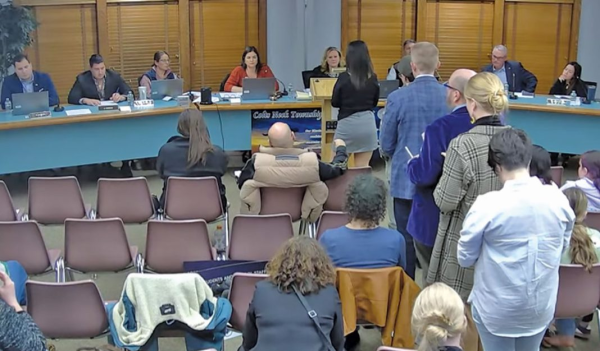
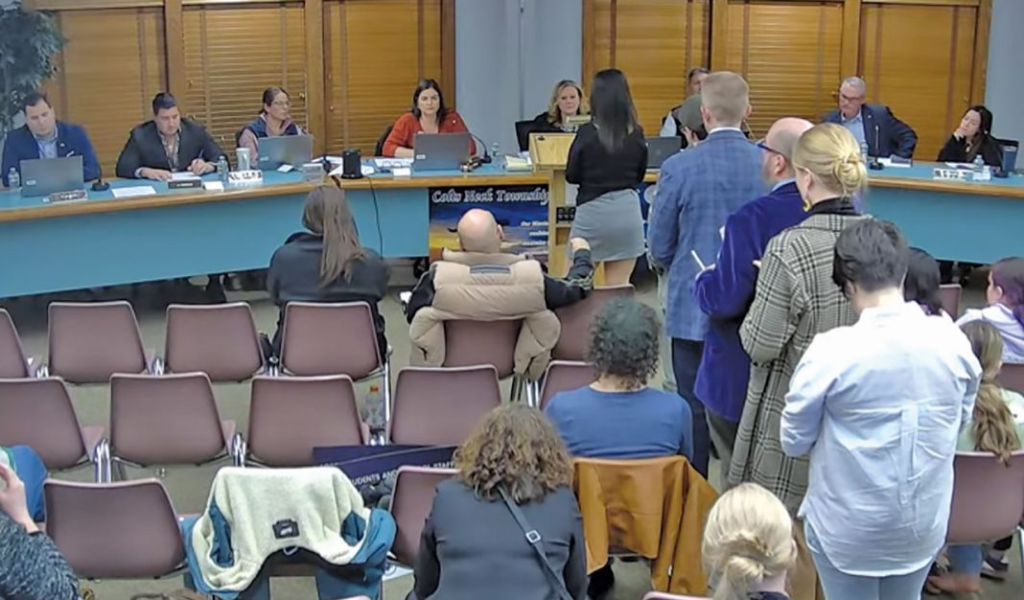
The Colts Neck Township Schools Board of Education on Nov. 19 unanimously passed a “Parental Bill of Rights,” which among other things allows parents to obtain information surrounding their child’s gender identity and allows them to opt their child out of lessons they find morally objectionable.

The adoption of the policy for the preschool through eighth-grade school district was seen as a victory for parents who believe they should have a say in what their child is learning, but drew criticism from LGBTQ advocates who believe the policy is discriminatory and will hurt students who are sexual or gender minorities.

Lucas Manrique, a mental health professional who spoke during the public comment portion of the meeting before the vote took place, said the BOE’s policy would “operate in direct opposition” to New Jersey Department of Education Policy 5756, which provides guidance to schools on how to treat transgender and gender nonconforming students.

“It is my ethical responsibility as a therapist to provide testimony where I see the potential for harm,” said Manrique, who identified himself as a licensed associate counselor and a nationally certified counselor from Middlesex County.

5756 was created to protect young people by preventing forced outing. Outing students without their consent is psychologically damaging, is discrimination, and is illegal in New Jersey. I implore you to recognize that as a body, it is your responsibility to protect every student and reinforce the rights protected by law,” he said.

However, Val Mendez of Marlboro said she strongly supports the policy. She said that she cares deeply about transparency and that schools should not be a replacement for parents.

“What I appreciate most about this … is that it’s not about politics; it’s about restoring trust, strengthening communication, and ensuring that parents and schools work together,” said Mendez, who emphasized she was speaking as a parent and not as a member of any board to which she belongs.

The policy contains eight articles and outlines parents’ and legal guardians’ rights in the school district. The parts of the policy that sparked the most controversy deal with sexuality and gender, including resources and curricula containing LGBTQ content.

Article 3.3 of the policy addresses the issue of gender identity. It says that the BOE affirms the rights of a child’s parents or legal guardians to ask staff members and receive from them “truthful and to the extent known information” about their child, including changes to their child’s gender identity, pronouns, and name. A child’s legal caretakers, according to the policy, are also entitled to know the sports teams and activities “organized by sex” in which their child is participating and what “sex-specific” facility, such as a bathroom or locker room, their child is using.

Article 4.1 of the policy entitles parents or legal guardians to excuse their child from any “instructions in health, family life education or sex education” that conflict with their “conscience, or sincerely held moral or religious beliefs.”

Article 4.2 of the policy allows a child’s legal caretakers to prevent their child from exposure to a resource or curriculum content that they believe “substantially interferes” with their child’s religious development.

And Article 4.3 allows parents or legal guardians to prevent their child from participating in surveys, questionnaires, or research projects involving personal family information, beliefs, sexual behavior, mental health, or other “sensitive areas.”

Other school districts in the state have written similar policies that have been met with legal challenges. New Jersey Attorney General Matthew J. Platkin filed lawsuits alleging the policies violate the state’s Law Against Discrimination against at least three school districts. The attorney general’s office declined to comment on the matter in Colts Neck. A spokesperson for the LGBTQ civil rights organization Garden State Equality said the organization is “carefully considering any and all possibilities.” A spokesperson for the American Civil Liberties Union of New Jersey said the organization is looking into the policy.

Shawn Hyland, director of advocacy at the New Jersey Family Policy Center, which describes itself on its website as a “Christ-centered organization” and has offices in Trenton and Warren, thanked the board for considering what he called a “common-sense policy.”

“Thank you for recognizing that the parents in Colts Neck genuinely want what’s best for their children and that school policies should reflect that reality. Parents are not only taxpayers; they’re the primary stakeholder in public education. They nurture, protect, and guide their children every day, and they deserve transparency. Let me be clear: Parents are not the problem,” he said.

However, that is not always the case, according to Manrique, who said The Trevor Project, a national nonprofit organization focused on suicide prevention and crisis intervention for LGBTQ youth, found that in 2024, 40 percent of unhoused LGBTQ youth reported that they were kicked out of their parents’ home or were abandoned because of their LGBTQ identity. Also, 35 percent of homeless youth reported attempting suicide, Manrique said.

Still, Hyland said it is “deeply offensive” to suggest moms and dads should have no right to know what curriculum is being taught, to access student records, to be notified of health-related decisions, and to opt out of “intrusive surveys.”

“It is both unethical and dangerous to advocate for that extreme position, yet sadly some do.” Hyland said, adding that the BOE’s policy does not create rights; it simply recognizes the rights already protected under existing federal law. He added that “keeping secrets from parents” violates the federal Family Educational Rights and Privacy Act and the Protection of Pupil Rights Amendment.

Hyland said 77 percent of New Jersey adults believe parents should be fully informed about what’s happening in school. “This is not a fringe position; it’s a mainstream conviction,” he said.

However, Dr. Brian Kaufman, a psychologist with expertise in adolescent development and human sexuality from Asbury Park, told the board that outing students before they are prepared “could lead to the indelible stain of blood on your hands. You can always choose to introduce additional conversations and lessons, but you cannot undo the physical and emotional trauma that results from ignorance.”

Kaufman directs a nonprofit organization called “Rainbow Quest.” Its mission, stated on its website, is to distribute “affirming and educational resources to promote social and intercultural skills.” The organization offers training workshops for educators and therapists and “community-building” events that are intended to “reduce bullying, discrimination, and intolerance and help build and maintain healthy, safe communities, homes, schools, and workplaces.”

He said the organization also aims to educate about “historical and cross-cultural heroes who advanced humankind, LGBTQ role models.

“We rarely learn about these heroes’ sexual orientation or gender identities in school, but every election cycle, we can’t avoid being bombarded with angry, ignorant rhetoric that portrays LGBTQ+ community members as inferior, deviant, and less deserving of respect and love than their gender-conforming peers.”

The exclusion of positive content about LGBTQ people and their contributions to society “leaves the public with a one-sided, negative perception of our gender-diverse youth,” Kaufman said, adding that much more is known now about human sexuality and gender than in the past.

Larissa Garcia, community organizer for GSE, who also identified herself as a Middlesex County resident, read a statement to the board from GSE Senior Director of Advocacy and Organizing Lauren Albrecht.

In it, Albrecht criticized the BOE and its policy committee chairman, Robert Scales, saying she is “keenly aware” of the board’s “disingenuously named ‘Parental Bill of Rights.’” Albrecht said Scales previously told her when she contacted the district months ago about the policy to register a complaint about it that it was dishonest of her to do so without reading it.

“I knew what it would say due to my professional experience and knowledge, and that coupled with the fact that I field regularly occurring calls from families in your district who are concerned by your board’s actions, which is an unusual occurrence for community members from a specific school district to regularly reach out to us about your board’s words, your board’s votes, and what your board members post on social media, about the tone and the climate that has been created for LGBTQ students in your schools by these words and actions,” Albrecht’s statement said.

She continued by saying she has since seen the policy and said it was “verbatim” the same as other policies introduced around the country by “right-wing extremists.”

Albrecht said the policy begs the question: “‘What is the end game here?’ What is the message that Colts Neck is trying to send to LGBTQ students and the school staff who serve them? Parents have always had rights. That has not changed nor been altered. And LGBTQ students have the right to be safe and supported at school so that they can focus on learning and just being kids. Just because you can introduce a policy like this, and you can, because the law still stands, absolutely does not mean that you should.”              

Before the vote was taken, BOE President Angelique Volpe read a statement that said the policy’s adoption makes the board’s position “unmistakably clear” that the rights of parents will stay at the forefront of every decision the board makes.

“Parents are the primary authority in their children’s education, and this district will never sideline that role,” Volpe said. “Every child in Colts Neck will be protected, respected, and treated equally without exception, and we will not permit any sexual content, ideology, or identity to take priority over the rights of our families or the educational mission of our schools. No group’s sexuality will override the values or rights of others. Period.

“This board stands firm, united and unwavering. Our commitment to academic excellence, child safety, and parental authority is absolute, and we will defend these principles without hesitation.”  

What states are the best for LGBTQ+ people? These are the top 15

Read more at The Advocate.
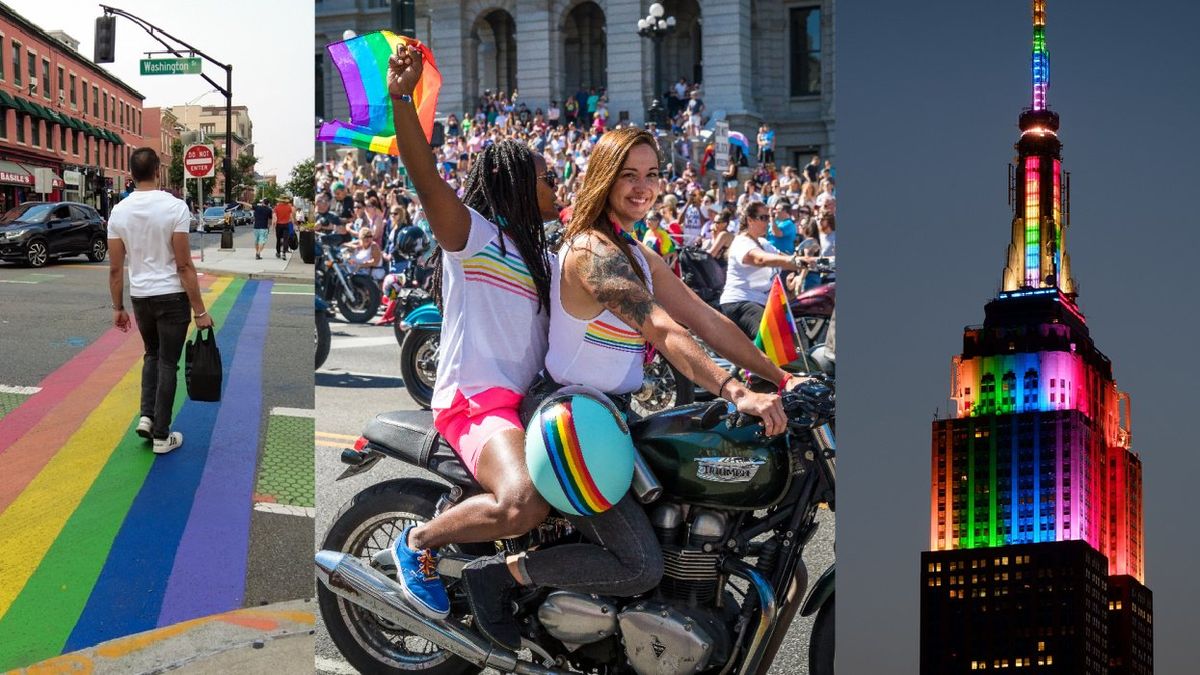
\u200bRainbow crosswalk in Hoboken (L); Women on motorcycles at Denver Pride (M); Empire State Building in rainbow colors (R)

Kirkam / Shutterstock.com; Philipp Salveter / Shutterstock.com; anaglic / Shutterstock.com

Rainbow LGBTQ+ Pride crosswalk in Hoboken, New Jersey (L); Women on motorcycles at Pride celebration in Denver, Colorado (M); Empire State Building in NYC lit up in rainbow colors (R)

    Legislative attacks on the LGBTQ+ community have been pushed everywhere from city councils to the White House — but there are still some areas that are safe.

    Over 1,000 anti-LGBTQ+ laws have been proposed across every state legislature in the U.S. over the past two years, according to the American Civil Liberties Union, and 126 have passed into law. Less than two months into the 2025 legislative session, 390 laws targeting LGBTQ+ people have been proposed.

    Still, marriage equality and anti-discrimination protections based on sexual orientation and gender identity are still guaranteed federally by U.S. Supreme Court rulings (for now). On top of that, at least 15 states have “shield laws” protecting access to gender-affirming care and abortion.

    Based on laws surrounding marriage, family rights, health care, education, and youth collected by the Movement Advancement Project, here are the 15 best states for LGBTQ+ people.

    Related: What states are the most dangerous for LGBTQ+ people? Here are the worst 15

    California
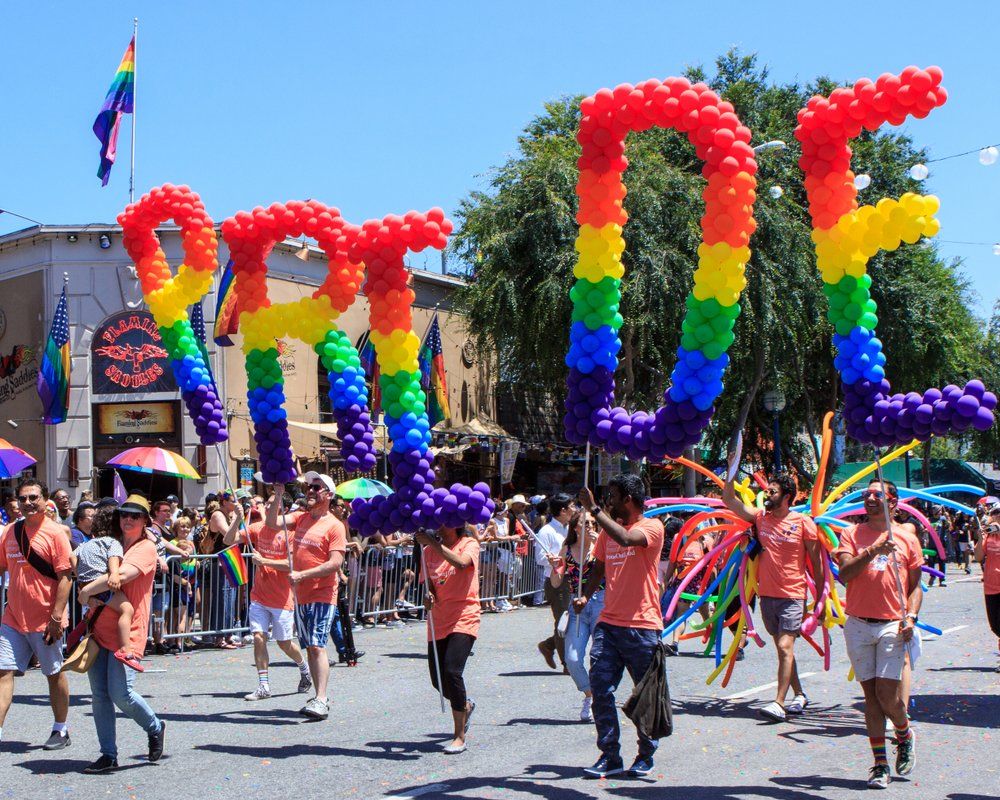
    West Hollywood Pride balloons

    GrandAve / Shutterstock.com

    Pride celebration in West Hollywood, California – June 9, 2019

      Nondiscrimination laws: California has nondiscrimination laws in employment, housing, health care, education, public accommodations, and credit/lending.

      Marriage equality and parental rights: California has adoption and foster care nondiscrimination protections for LGBTQ+ parents, second-parent adoption for unmarried couples and confirmatory adoption, and recognition for parents using assisted reproductive technologies. It also has family leave laws, which include LGBTQ-inclusive definitions.

      Education and youth policies: California does not restrict discussion of LGBTQ+ identities in classrooms, and instead requires curriculum to be LGBTQ-inclusive, which parents are not required to be notified of. It does not prevent transgender students from participating in sports or using school facilities based on their identities, and it does not require staff to forcibly out LGBTQ+ students to their guardians.

      Healthcare access and rights: California has “shield” laws protecting access to gender-affirming care for youth, as well as abortion. The state has also banned so-called conversion therapy for youth. Health insurance companies, including Medicaid, are not allowed to deny coverage related to gender transition. However, they are not required to cover fertility treatments.

      Criminal justice: California’s hate crime laws encompass sexual orientation and gender identity, and it has banned the so-called “LGBTQ+ panic” defense. While the state does not criminalize HIV, it does have sentencing enhancements for sex-related convictions for those with HIV.

      Colorado

      Women on motorcycles at Denver Pride celebration

      Philipp Salveter / Shutterstock.com

      Women on motorcycles at Pride celebration in Denver, Colorado, USA – June 16th 2019

        Nondiscrimination laws: Colorado has nondiscrimination laws in employment, housing, education, health care, public accommodations, and credit/lending.

        Marriage equality and parental rights: Colorado has adoption and foster care nondiscrimination protections for LGBTQ+ parents, second-parent adoption for unmarried couples and confirmatory adoption, and recognition for parents using assisted reproductive technologies. It also has family leave laws, which include LGBTQ-inclusive definitions.

        Education and youth policies: Colorado does not prevent transgender students from participating in sports or using school facilities based on their identities, and it does not require staff to forcibly out LGBTQ+ students to their guardians. It does not restrict discussion of LGBTQ+ identities in classrooms, and instead requires curriculum to be LGBTQ-inclusive, which parents are not required to be notified of.

        Healthcare access and rights: Colorado has “shield” laws protecting access to gender-affirming care for youth, as well as abortion. The state has also banned so-called conversion therapy for youth. Health insurance companies, including Medicaid, are not allowed to deny coverage related to gender transition. However, state employees who are transgender do not have inclusive health benefits. Insurance companies are also not required to cover fertility treatments.

        Criminal justice: The state’s hate crime laws encompass sexual orientation and gender identity, and it has banned the so-called “LGBTQ+ panic” defense. Like California, Colorado does not criminalize HIV, but it does have sentencing enhancements for sex-related convictions for those with HIV.

        Connecticut
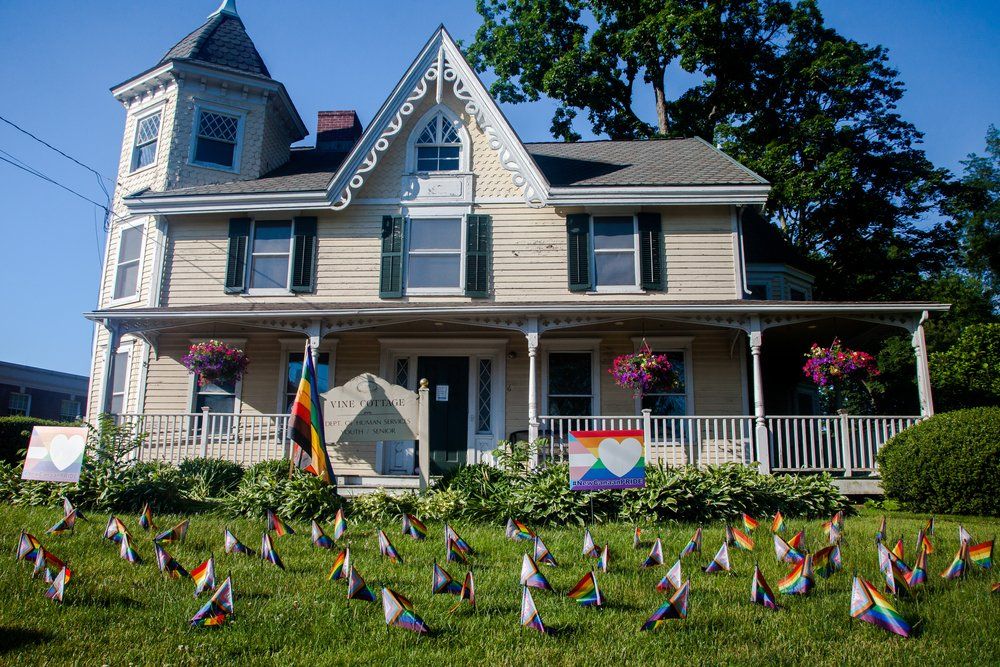
        Pride flags outside Vine Cottage CT

        Miro Vrlik Photography / Shutterstock.com

        LGBTQ+ Pride flags outside Vine Cottage in New Canaan, Connecticut – June 13, 2021

          Nondiscrimination laws: Connecticut has nondiscrimination laws in employment, housing, education, public accommodations, and credit/lending. It does not have nondiscrimination laws for private healthcare, and it does have a broad “Religious Exemption” law.

          Marriage equality and parental rights: Connecticut has adoption and foster care nondiscrimination protections for LGBTQ+ parents, second-parent adoption for unmarried couples and confirmatory adoption, and recognition for parents using assisted reproductive technologies. It also has family leave laws, but their LGBTQ-inclusive definitions are not as robust as those of California or Colorado.

          Education and youth policies: Connecticut does not restrict discussion of LGBTQ+ identities in classrooms, but it does not have LGBTQ-inclusive curriculum. It does not prevent transgender students from participating in sports or using school facilities based on their identities, and it does not require staff to forcibly out LGBTQ+ students to their guardians.

          Healthcare access and rights: Connecticut has “shield” laws protecting access to gender-affirming care for youth, as well as abortion. The state has also banned so-called conversion therapy for youth. Health insurance companies, including Medicaid, are not allowed to deny coverage related to gender transition. Private insurance is required to cover some fertility treatments, but Medicaid is not.Criminal justice:Connecticut’s hate crime law encompasses sexual orientation but not gender identity. It also does not have nondiscrimination laws for LGBTQ+ people in jury selection.

          Illinois
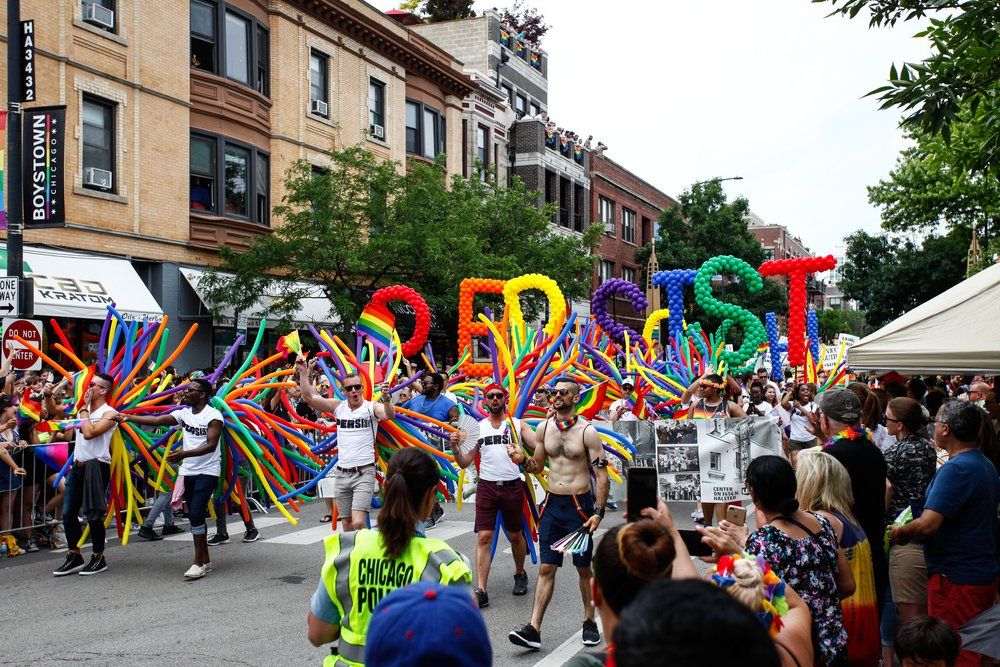
          "Persist" balloons at Chicago

          Dominique Robinson / Shutterstock.com

          LGBTQ+ Pride in Chicago, Illinois – June 30th 2019

            Nondiscrimination laws: Illinois has nondiscrimination laws in employment, housing, health care, education, public accommodations, and credit/lending. However, it does have a broad “Religious Exemption” law.

            Marriage equality and parental rights: Illinois has adoption and foster care nondiscrimination protections for LGBTQ+ parents, second-parent adoption for unmarried couples, and recognition for parents using assisted reproductive technologies. It also has family leave laws, which include LGBTQ-inclusive definitions. It does not have confirmatory adoption.

            Education and youth policies: Illinois does not restrict discussion of LGBTQ+ identities in classrooms, and instead requires curriculum to be LGBTQ-inclusive, which parents are not required to be notified of. It does not prevent transgender students from participating in sports or using school facilities based on their identities, and it does not require staff to forcibly out LGBTQ+ students to their guardians.

            Healthcare access and rights: Illinois has “shield” laws protecting access to gender-affirming care for youth, as well as abortion. The state has also banned so-called conversion therapy for youth. Health insurance companies, including Medicaid, are not allowed to deny coverage related to gender transition or fertility treatments.

            Criminal justice: Illinois’ hate crime laws encompass sexual orientation and gender identity, and it has banned the so-called “LGBTQ+ panic” defense.

            Maine
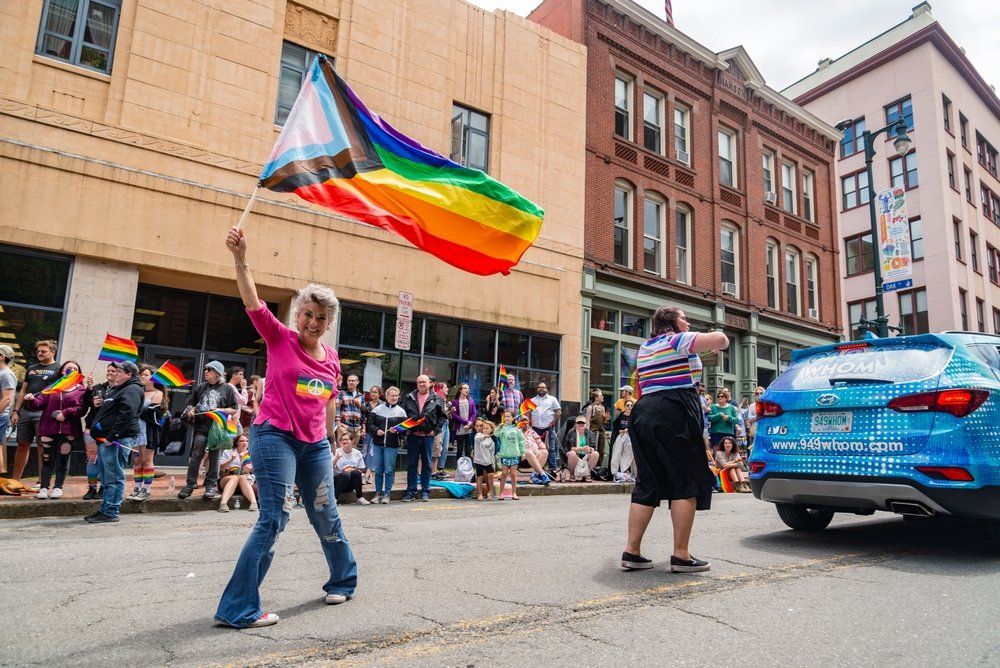
            Woman waving flag at Pride in Portland, Maine

            Enrico Della Pietra / Shutterstock.com

            LGBTQ+ Pride in Portland, Maine – June 18, 2022

              Nondiscrimination laws: Maine has nondiscrimination laws in employment, housing, health care, education, public accommodations, and credit/lending.

              Marriage equality and parental rights: Maine has adoption and foster care nondiscrimination protections for LGBTQ+ parents, second-parent adoption for unmarried couples and confirmatory adoption, and recognition for parents using assisted reproductive technologies. It also has family leave laws, which include LGBTQ-inclusive definitions.

              Education and youth policies: Maine does not restrict discussion of LGBTQ+ identities in classrooms, but it does not have LGBTQ-inclusive curriculum. It does not prevent transgender students from participating in sports or using school facilities based on their identities, and it does not require staff to forcibly out LGBTQ+ students to their guardians.

              Healthcare access and rights: Maine has “shield” laws protecting access to gender-affirming care for youth, as well as abortion. The state has also banned so-called conversion therapy for youth. Health insurance companies, including Medicaid, are not allowed to deny coverage related to gender transition. Private insurance is required to cover some fertility treatments, but Medicaid is not.Criminal justice:Maine’s hate crime laws encompass sexual orientation and gender identity, and it has banned the so-called “LGBTQ+ panic” defense.

              Maryland
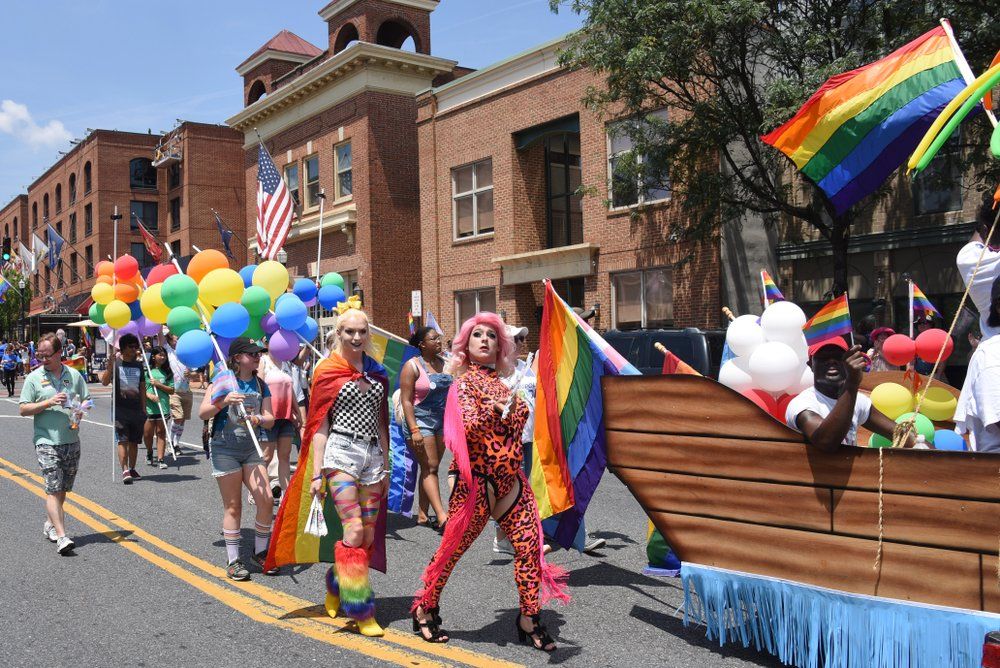
              Marchers and floats in the first Annapolis Pride parade

              Keri Delaney / Shutterstock.com

              The inaugural Pride Parade in Annapolis, Maryland – June 29, 2019

                Nondiscrimination laws: Maryland has nondiscrimination laws in employment, housing, health care, education, public accommodations, and credit/lending.

                Marriage equality and parental rights: Maryland has adoption and foster care nondiscrimination protections for LGBTQ+ parents, confirmatory adoption, and recognition for parents using assisted reproductive technologies. It does not second-parent adoption for unmarried couples. It also has family leave laws, but their LGBTQ-inclusive definitions are not as robust as others.

                Education and youth policies: Maryland does not restrict discussion of LGBTQ+ identities in classrooms, but it does not have LGBTQ-inclusive curriculum. It does not prevent transgender students from participating in sports or using school facilities based on their identities, and it does not require staff to forcibly out LGBTQ+ students to their guardians.

                Healthcare access and rights: Maryland has “shield” laws protecting access to gender-affirming care for youth, as well as abortion. The state has also banned so-called conversion therapy for youth. Health insurance companies, including Medicaid, are not allowed to deny coverage related to gender transition. Private insurance is required to cover some fertility treatments, but Medicaid is not.

                Criminal justice: Maryland’s hate crime laws encompass sexual orientation and gender identity, and it has banned the so-called “LGBTQ+ panic” defense. It does have a law criminalizing the transmission of HIV.

                Massachusetts

                Pride flag over Boston Seaport

                Michael Moloney / Shutterstock.com

                LGBTQ+ Pride flag waving in the wind over the Boston Seaport – JUNE 2, 2019

                  Nondiscrimination laws: Massachusetts has nondiscrimination laws in employment, housing, education, public accommodations, and credit/lending. It has nondiscrimination laws for gender identity in private healthcare, but not for sexual orientation.

                  Marriage equality and parental rights: Massachusetts has adoption and foster care nondiscrimination protections for LGBTQ+ parents, second-parent adoption for unmarried couples, and recognition for parents using assisted reproductive technologies. It also has family leave laws, which include LGBTQ-inclusive definitions. It does not have confirmatory adoption.

                  Education and youth policies: Massachusetts does not restrict discussion of LGBTQ+ identities in classrooms, but it does not have LGBTQ-inclusive curriculum. It does not prevent transgender students from participating in sports or using school facilities based on their identities, and it does not require staff to forcibly out LGBTQ+ students to their guardians.

                  Healthcare access and rights: Massachusetts has “shield” laws protecting access to gender-affirming care for youth, as well as abortion. The state has also banned so-called conversion therapy for youth. Health insurance companies, including Medicaid, are not allowed to deny coverage related to gender transition. Private insurance is required to cover some fertility treatments, but Medicaid is not.

                  Criminal justice: Maryland’s hate crime laws encompass sexual orientation and gender identity, but it has not banned the so-called “LGBTQ+ panic” defense. It does not have nondiscrimination protections based on gender identity for jury selection.

                  Minnesota

                  Lowry Avenue Bridge in Minneapolis lit in Rainbow Colors

                  Shuttershock Creative

                  Lowry Avenue Bridge in Minneapolis lit in Rainbow Colors in Honor of Orlando Victims

                    Nondiscrimination laws: Minnesota has nondiscrimination laws in employment, housing, health care, education, public accommodations, and credit/lending.

                    Marriage equality and parental rights: Minnesota has adoption and foster care nondiscrimination protections for LGBTQ+ parents. It does have family leave laws, which include LGBTQ-inclusive definitions. It does not have second-parent adoption for unmarried couples, confirmatory adoption, nor recognition for parents using assisted reproductive technologies.

                    Education and youth policies: Minnesota does not restrict discussion of LGBTQ+ identities in classrooms, but it does not have LGBTQ-inclusive curriculum. It does not prevent transgender students from participating in sports or using school facilities based on their identities, and it does not require staff to forcibly out LGBTQ+ students to their guardians.

                    Healthcare access and rights: Minnesota has “shield” laws protecting access to gender-affirming care for youth, as well as abortion. The state has also banned so-called conversion therapy for youth. Health insurance companies, including Medicaid, are not allowed to deny coverage related to gender transition. However, they are not required to cover fertility treatments.

                    Criminal justice: Minnesota’s hate crime laws encompass sexual orientation and gender identity, and it has banned the so-called “LGBTQ+ panic” defense.

                    Nevada
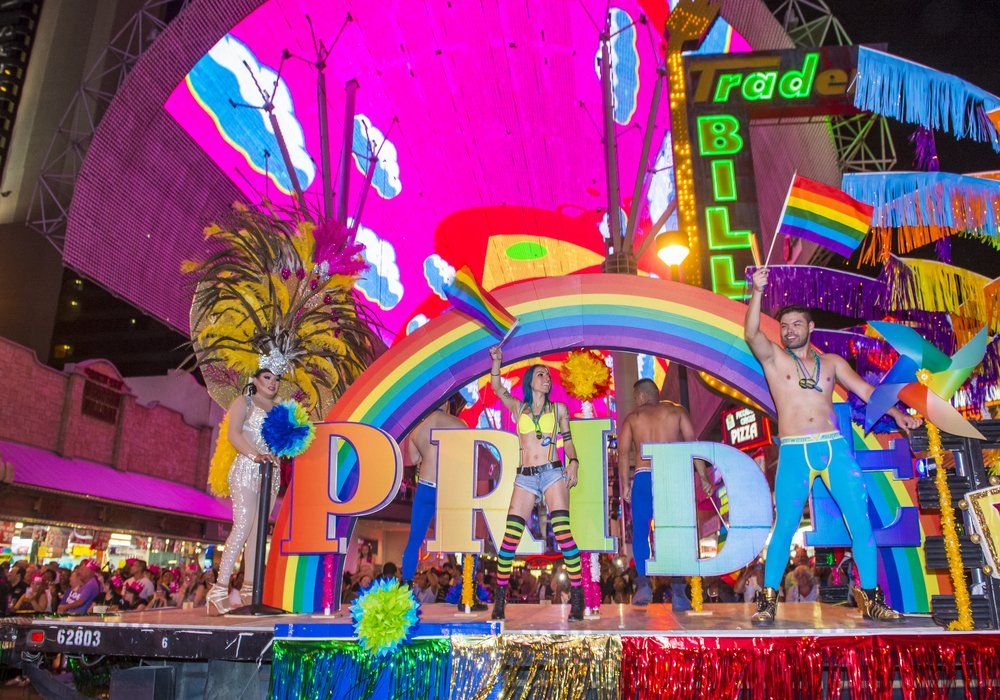
                    Las Vegas Pride parade float

                    Kobby Dagan / Shutterstock

                    LGBTQ+ Pride parade in Las Vegas, Nevada – October 21 , 2016

                      Nondiscrimination laws: Nevada has nondiscrimination laws in employment, housing, health care, education, public accommodations, and credit/lending.

                      Marriage equality and parental rights: Nevada has adoption and foster care nondiscrimination protections for LGBTQ+ parents, second-parent adoption for unmarried couples, and recognition for parents using assisted reproductive technologies. It also has family leave laws, which include LGBTQ-inclusive definitions. It does not have confirmatory adoption.

                      Education and youth policies: Nevada does not restrict discussion of LGBTQ+ identities in classrooms, and instead requires curriculum to be LGBTQ-inclusive, which parents are not required to be notified of. It does not prevent transgender students from participating in sports or using school facilities based on their identities, but it does not require staff to forcibly out students who change their gender identity to their guardians

                      Healthcare access and rights: Nevada does not have shield laws for gender-affirming care and abortion. The state has also banned so-called conversion therapy for youth. Health insurance companies, including Medicaid, are not allowed to deny coverage related to gender transition. However, they are not required to cover fertility treatments.

                      Criminal justice: Nevada’s hate crime laws encompass sexual orientation and gender identity, and it has banned the so-called “LGBTQ+ panic” defense. It does not have nondiscrimination protections based on gender identity for jury selection.

                      New Jersey
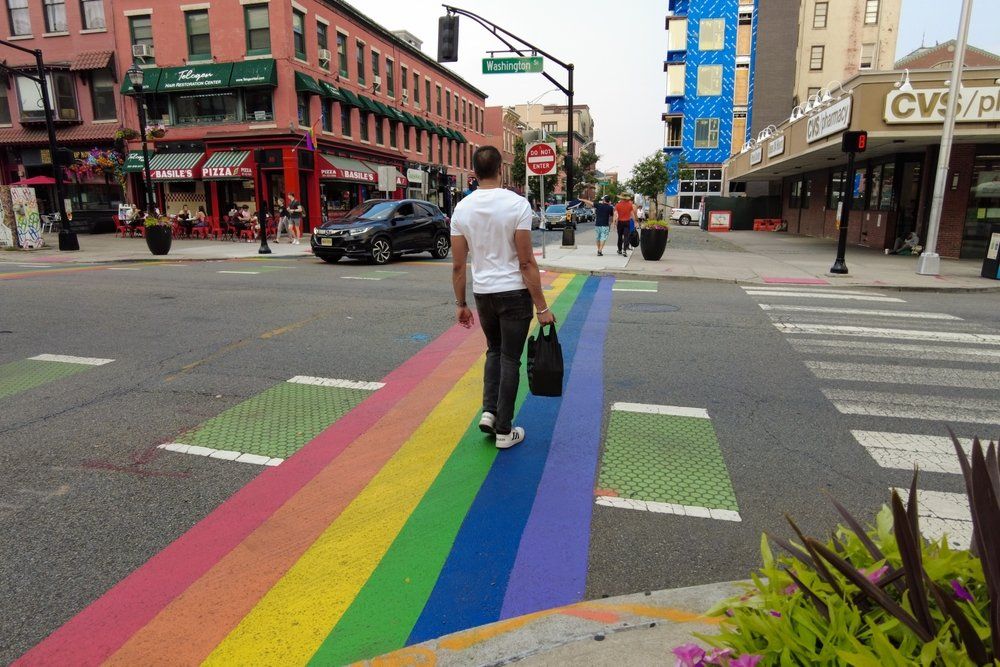
                      Rainbow crosswalk in Hoboken, New Jersey

                      Kirkam / Shutterstock.com

                      Rainbow LGBTQ+ Pride crosswalk in Hoboken, New Jersey, – June 25, 2023

                        Nondiscrimination laws: New Jersey has nondiscrimination laws in employment, housing, education, public accommodations, and credit/lending. It has nondiscrimination laws for gender identity in private healthcare, but not for sexual orientation.

                        Marriage equality and parental rights: New Jersey has adoption and foster care nondiscrimination protections for LGBTQ+ parents, and second-parent adoption for unmarried couples and confirmatory adoption. It also has family leave laws, which include LGBTQ-inclusive definitions. It does not have recognition for parents using assisted reproductive technologies.

                        Education and youth policies: New Jersey does not restrict discussion of LGBTQ+ identities in classrooms, and instead requires curriculum to be LGBTQ-inclusive, which parents are not required to be notified of. It does not prevent transgender students from participating in sports or using school facilities based on their identities, and it does not require staff to forcibly out LGBTQ+ students to their guardians.

                        Healthcare access and rights: New Jersey has “shield” laws protecting access to gender-affirming care for youth, as well as abortion. The state has also banned so-called conversion therapy for youth. Health insurance companies, including Medicaid, are not allowed to deny coverage related to gender transition. Private insurance is required to cover some fertility treatments, but Medicaid is not.

                        Criminal justice: New Jersey’s hate crime laws encompass sexual orientation and gender identity, and it has banned the so-called “LGBTQ+ panic” defense. It does not have nondiscrimination laws for LGBTQ+ people in jury selection.

                        New York
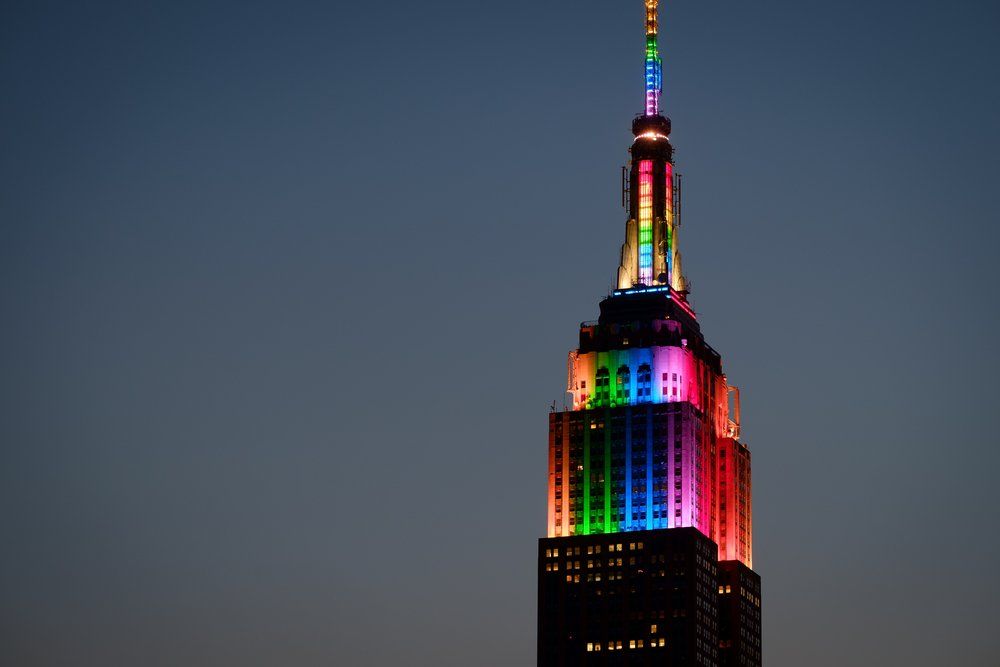
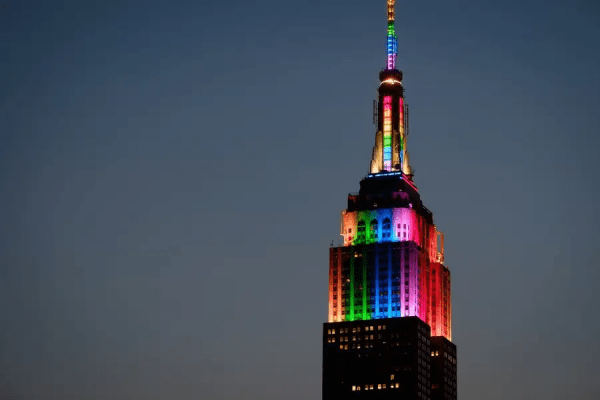
                        Empire State Building in rainbow colors

                        anaglic / Shutterstock.com

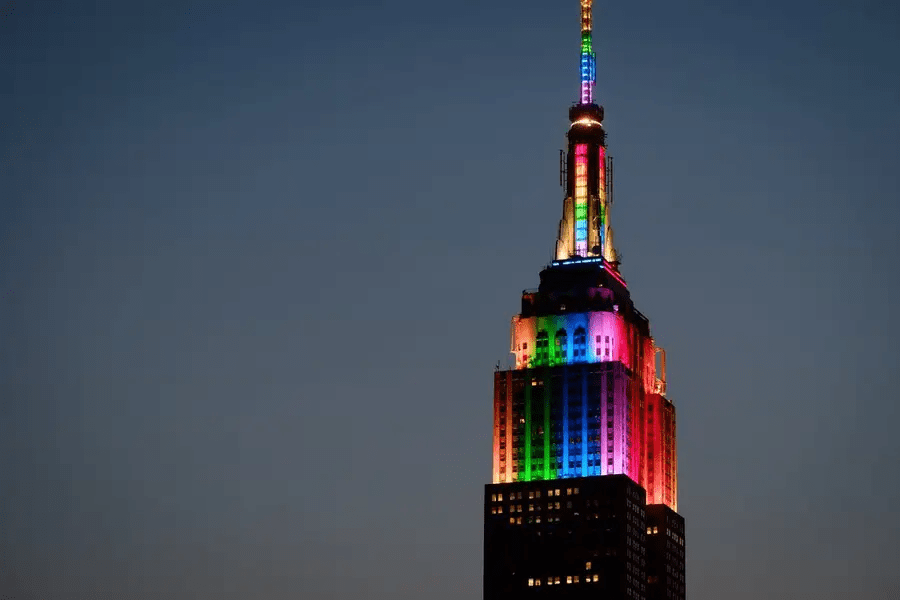
                        Empire State Building in rainbow colors in honor of the Orlando shooting victims, New York City – June 26, 2016

                          Nondiscrimination laws: New York has nondiscrimination laws in employment, housing, health care, education, public accommodations, and credit/lending.

                          Marriage equality and parental rights: New York has adoption and foster care nondiscrimination protections for LGBTQ+ parents, second-parent adoption for unmarried couples, and recognition for parents using assisted reproductive technologies. It also has family leave laws, which include LGBTQ-inclusive definitions. It does not have confirmatory adoption.

                          Education and youth policies: New York does not restrict discussion of LGBTQ+ identities in classrooms, but it does not have LGBTQ-inclusive curriculum. It does not prevent transgender students from participating in sports or using school facilities based on their identities, and it does not require staff to forcibly out LGBTQ+ students to their guardians.

                          Healthcare access and rights: New York has “shield” laws protecting access to gender-affirming care for youth, as well as abortion. The state has also banned so-called conversion therapy for youth. Health insurance companies, including Medicaid, are not allowed to deny coverage related to gender transition. Private insurance and Medicaid are also required to cover some fertility treatments.

                          Criminal justice: New York’s hate crime laws encompass sexual orientation and gender identity, and it has banned the so-called “LGBTQ+ panic” defense.

                          Oregon
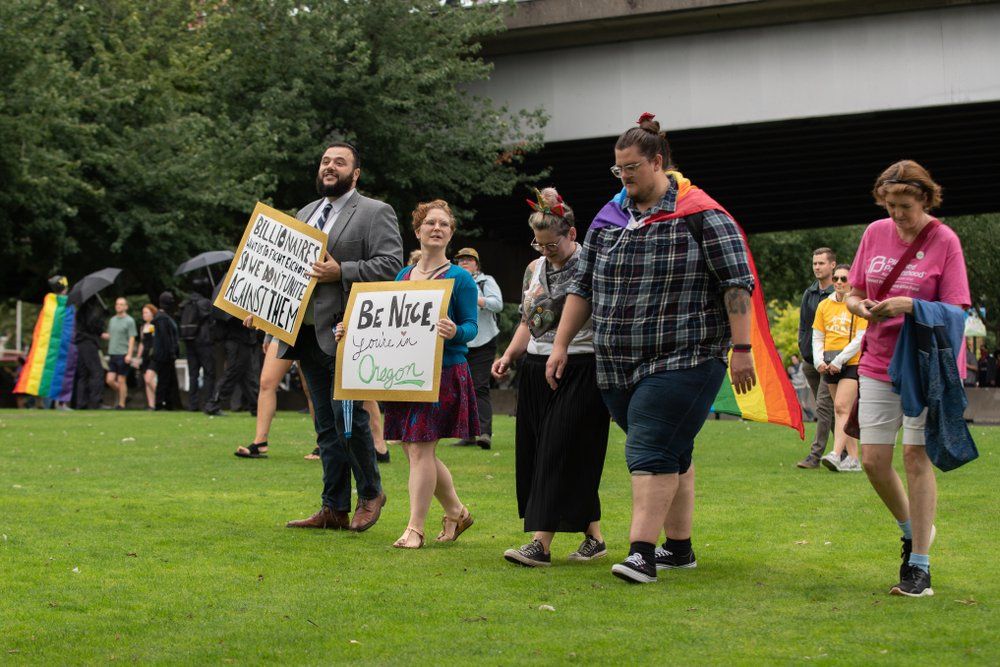
                          Protestors wear rainbow flag capes and carry a sign reading "Be nice, you're in Oregon"

                          Alexander Oganezov / Shutterstock.com

                          Protestors wear rainbow flag capes and carry a sign reading “Be nice, you’re in Oregon” at anti-fascism protest in Portland, Oregon – August 17, 2019

                            Nondiscrimination laws: Oregon has nondiscrimination laws in employment, housing, health care, education, and public accommodations. It does not have nondiscrimination laws in credit/lending.

                            Marriage equality and parental rights: Oregon has adoption and foster care nondiscrimination protections for LGBTQ+ parents and second-parent adoption for unmarried couples. It does have family leave laws, which include LGBTQ-inclusive definitions. It does not have confirmatory adoption, nor recognition for parents using assisted reproductive technologies.

                            Education and youth policies: Oregon does not prevent transgender students from participating in sports or using school facilities based on their identities, and it does not require staff to forcibly out LGBTQ+ students to their guardians. It does not restrict discussion of LGBTQ+ identities in classrooms, and instead requires curriculum to be LGBTQ-inclusive, which parents are not required to be notified of.

                            Healthcare access and rights: Oregon has “shield” laws protecting access to gender-affirming care for youth, as well as abortion. The state has also banned so-called conversion therapy for youth. Health insurance companies, including Medicaid, are not allowed to deny coverage related to gender transition. However, they are not required to cover fertility treatments.

                            Criminal justice: Oregon’s hate crime laws encompass sexual orientation and gender identity, and it has banned the so-called “LGBTQ+ panic” defense.

                            Rhode Island
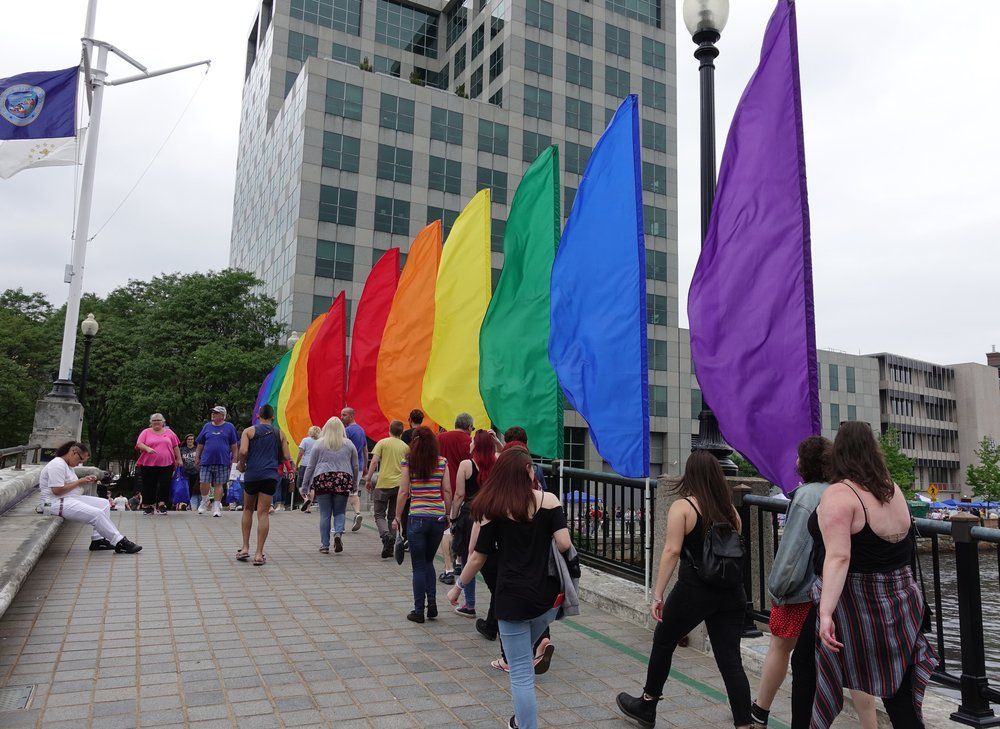
                            Rainbow flags on bridge over water in Providence, Rhode Island

                            Anthony Ricci / Shutterstock.com

                            Pride festival in downtown Providence, Rhode Island – June 17, 2017

                              Nondiscrimination laws: Rhode Island has nondiscrimination laws in employment, housing, education, public accommodations, and credit/lending. It has nondiscrimination laws for gender identity in private healthcare, but not for sexual orientation. It also has a broad “Religious Exemption” law.

                              Marriage equality and parental rights: Rhode Island has adoption and foster care nondiscrimination protections for LGBTQ+ parents, second-parent adoption for unmarried couples and confirmatory adoption, and recognition for parents using assisted reproductive technologies. It also has family leave laws, but their LGBTQ-inclusive definitions are not as robust as others.

                              Education and youth policies: Rhode Island does not restrict discussion of LGBTQ+ identities in classrooms, but it does not have LGBTQ-inclusive curriculum. It does not prevent transgender students from participating in sports or using school facilities based on their identities, and it does not require staff to forcibly out LGBTQ+ students to their guardians.

                              Healthcare access and rights: Rhode Island has “shield” laws protecting access to gender-affirming care for youth, as well as abortion. The state has also banned so-called conversion therapy for youth. Health insurance companies, including Medicaid, are not allowed to deny coverage related to gender transition. Private insurance is required to cover some fertility treatments, but Medicaid is not.

                              Criminal justice: Rhode Island’s hate crime laws encompass sexual orientation and gender identity, and it has banned the so-called “LGBTQ+ panic” defense. It does not have nondiscrimination laws for LGBTQ+ people in jury selection.

                              Vermont
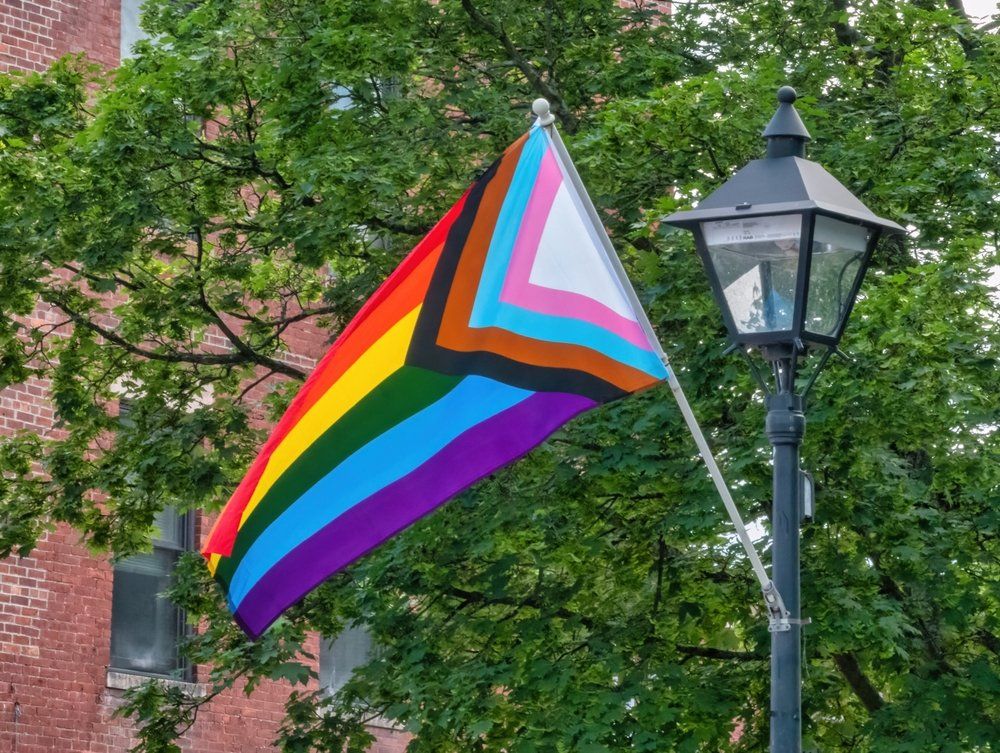
                              Pride flag on lamppost in Montpelier, Vermont

                              Charles Patrick Ewing / Shutterstock.com

                              LGBTQ+ Pride flag on lamppost in Montpelier, Vermont – June 11, 2022

                                Nondiscrimination laws: Vermont has nondiscrimination laws in employment, housing, health care, education, public accommodations, and credit/lending.

                                Marriage equality and parental rights: Vermont has adoption and foster care nondiscrimination protections for LGBTQ+ parents, second-parent adoption for unmarried couples, and recognition for parents using assisted reproductive technologies. It also has family leave laws, which include LGBTQ-inclusive definitions. It does not have confirmatory adoption.

                                Education and youth policies: Vermont does not restrict discussion of LGBTQ+ identities in classrooms, but it does not have LGBTQ-inclusive curriculum. It does not prevent transgender students from participating in sports or using school facilities based on their identities, and it does not require staff to forcibly out LGBTQ+ students to their guardians.

                                Healthcare access and rights: Vermont has “shield” laws protecting access to gender-affirming care for youth, as well as abortion. The state has also banned so-called conversion therapy for youth. Health insurance companies, including Medicaid, are not allowed to deny coverage related to gender transition. However, state employees who are transgender do not have inclusive health benefits. Insurance companies are also not required to cover fertility treatments.

                                Criminal justice: Vermont’s hate crime laws encompass sexual orientation and gender identity, and it has banned the so-called “LGBTQ+ panic” defense. It does not have nondiscrimination laws for LGBTQ+ people in jury selection.

                                Washington
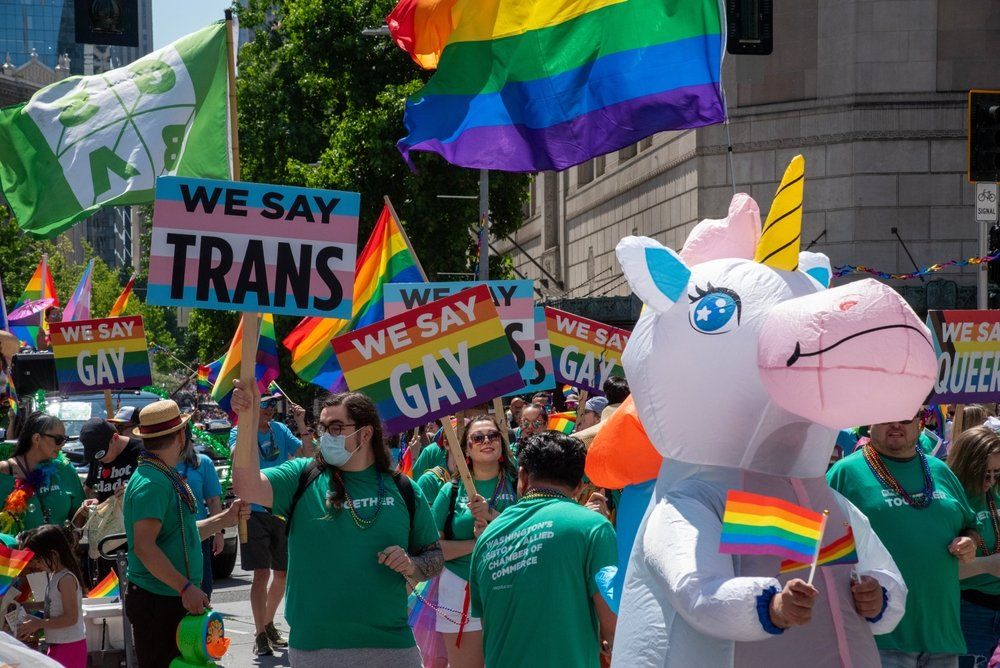
                                People carrying "We say trans" and "We say gay" signs at Seattle Pride

                                SeaRick1 / Shutterstock.com

                                People carrying rainbow signs reading “We say trans” and “We say gay” at LGBTQ+ Pride in Seattle, Washington – June 25, 2023

                                  Nondiscrimination laws: Washington has nondiscrimination laws in employment, housing, health care, education, public accommodations, and credit/lending.

                                  Marriage equality and parental rights: Washington has adoption and foster care nondiscrimination protections for LGBTQ+ parents and recognition for parents using assisted reproductive technologies.. It does have family leave laws, which include LGBTQ-inclusive definitions. It does not have second-parent adoption for unmarried couples, nor confirmatory adoption.

                                  Education and youth policies: Washington does not restrict discussion of LGBTQ+ identities in classrooms, and instead requires curriculum to be LGBTQ-inclusive, which parents are not required to be notified of. It does not prevent transgender students from participating in sports or using school facilities based on their identities, and it does not require staff to forcibly out LGBTQ+ students to their guardians.

                                  Healthcare access and rights: Washington has “shield” laws protecting access to gender-affirming care for youth, as well as abortion. The state has also banned so-called conversion therapy for youth. Health insurance companies, including Medicaid, are not allowed to deny coverage related to gender transition. However, they are not required to cover fertility treatments.

                                  Criminal justice: Washington’s hate crime laws encompass sexual orientation and gender identity, and it has banned the so-called “LGBTQ+ panic” defense. It does have a law criminalizing the transmission of HIV.

                                  Honorable mentions
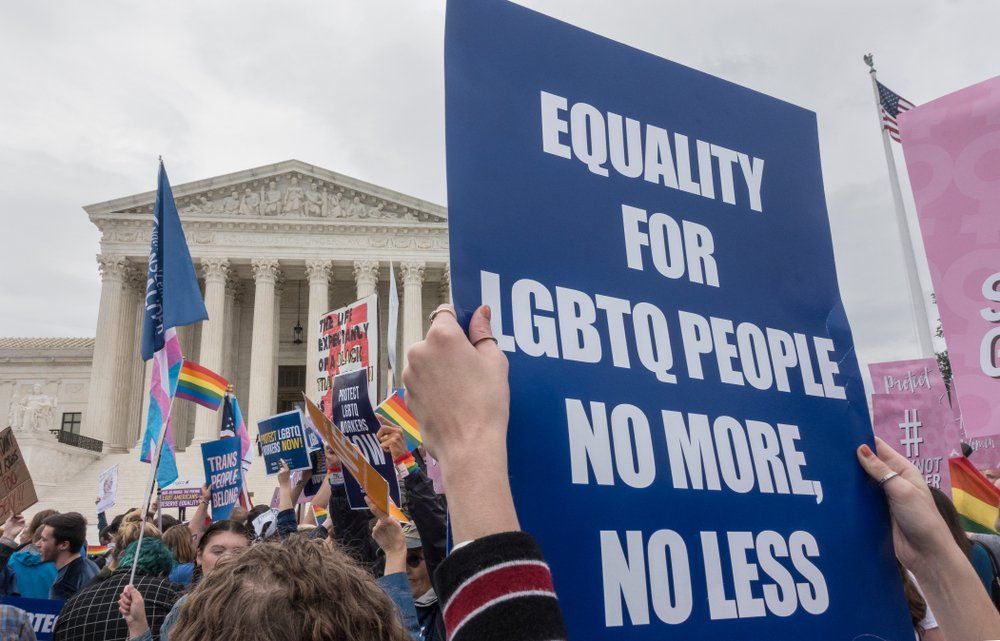
                                  Sign outside SCOTUS reading "Equality for LGBTQ people no more, no less"

                                  Bob Korn / Shutterstock.com

                                  Rally for LGBTQ rights outside Supreme Court in Washington, D.C. – OCT. 8, 2019

                                    Washington, D.C. also ranked high on MAP’s assessment, though it does not currently have statehood.

                                    Other states that ranked above average include: Delaware, Hawaii, Michigan, New Hampshire, New Mexico, and Virginia.

                                    What are the safest places for gay and trans people? See where your state ranks

                                    *This is reported by USA Today.

                                    As Oklahoman legislators push to restrict trans rights and overturn the 2015 Supreme Court decision legalizing gay marriage, Zane Eaves says his identity as a transgender man has put a target on his back in his home state.

                                    One of 18,900 trans adults in Oklahoma, Eaves has received death threats as has his wife of 10 years and their two children.

                                    “All the hatred and political stuff going on” are driving this Oklahoma lifer from the place he was born and raised, Eaves, 35, said. He has only crossed the state line three times in his life, but in recent weeks, he made the difficult decision to move his family to North Carolina to be closer to friends and allies. 

                                    “I am just trying to stay alive and keep my marriage,” Eaves said.

                                    Oklahoma ranks 44th in the nation on a list released Monday of the most and least welcoming states for lesbian, gay, bisexual, transgender and queer Americans.

                                    More and more, the question of where LGBTQ+ people feel safe is one of blue vs. red, according to advocacy group Out Leadership.

                                    LGBTQ+ equality fell across the board for the third straight year, according to Out Leadership’s State LGBTQ+ Business Climate Index shared exclusively with USA TODAY. But the sharpest declines came in Republican-led states. 

                                    While progressive strongholds championed supportive policies and protections, conservative states elected a slate of leaders who openly oppose gay and trans rights and sponsored an unprecedented wave of anti-LGBTQ+ legislation, Out Leadership CEO and founder Todd Sears said.

                                    So-called “Don’t Say Gay” bills, religious exemptions and other legislation tanked the rankings of 19 red states in the Out Leadership index, according to Sears. 

                                    Today, the divide between states that roll out the welcome mat and less hospitable parts of the country is wider than ever, he said.  

                                    The least and most welcoming LGBTQ+ states

                                    Each year for the last seven, Out Leadership has released the State LGBTQ+ Business Climate Index to gauge the overall climate for gay and transgender people state by state, mapping out where they will face the most and the least discrimination and hardship. 

                                    Out Leadership’s index measures the impact of state government policies and prevalent attitudes about the LGBTQ+ community, weighing factors such as support for young people and families, health access and safety, political and religious attitudes, work environment and employment and nondiscrimination protections.

                                    The Northeast had six of the 10 highest-ranked states, while the Southeast had six of the lowest-ranked.

                                    Massachusetts, led by the nation’s first openly lesbian governor, Democrat Maura Healey and New York, which guaranteed gender-affirming care and LGBTQ+ refugee protections, tied for first place in this year’s index, with Connecticut and New Jersey close behind.

                                    The least LGBTQ+ friendly state was Arkansas, which ranked last for the third straight year. South Carolina, Louisiana, South Dakota and Alabama also received low scores.

                                    The states that had the largest gains in the index were Kentucky and Michigan, which Out Leadership attributed to “pro-equality” leadership from governors Andy Beshear and Gretchen Whitmer, both Democrats. The steepest declines were in Ohio, Florida and Utah, all led by Republican governors.

                                    Where are the safest places to live?

                                    The Out Leadership index was created as a LGBTQ+ inclusion reference guide for business leaders. But gay and trans people soon began using it to figure out where they should – and should not – live and work, never more so than now as rights rollbacks from the Trump administration and red statehouses hit close to home.

                                    Opposition to transgender rights was a central plank in Trump’s presidential campaign and since taking office he has signed a series of executive orders recognizing only male and female genders, keeping trans athletes out of women’s sports, banning trans people from serving in the military and restricting federal funding for gender-affirming care for trans people under age 19. 

                                    Even states seen as safer for LGBTQ+ people have been navigating these edicts around trans athletes. Trump threatened to cut federal funding to California if a trans girl competed in a state track and field event held Saturday.

                                    AB Hernandez, a junior from Jurupa Valley High School in Riverside County, shared first place in the high jump and triple jump and second in the long jump. She shared the awards podium with her cisgender competitors under a new rule drafted by state athletics officials days before the event to mollify critics.

                                    Republican-led states have been in the vanguard of anti-trans legislation, causing greater geographic polarization and prompting fears among LGBTQ+ residents, even those who live in liberal cities.

                                    Jordan McGuire, a 27-year-old gay man in North Dakota, said the years he spent living in the Deep South taught him about the repressive discrimination routinely faced by gay and genderqueer people. 

                                    At the same time, socially progressive cities in conservative states like Fargo and Grand Forks are no longer the safe havens they once were, he said. 

                                    Now that his fiancee is transitioning to female, the couple is exploring a move to a “sanctuary” state that will be safer for them. 

                                    “It feels like five or 10 years ago, trans people were not under the same microscope they are now and that has definitely influenced our move,” McGuire said. “Yeah, people were prejudiced but it wasn’t a witch hunt. They weren’t looking for people in bathrooms and schools. But now things are so polarized.”

                                    That rising anxiety was captured in a post-election survey from UCLA’s Williams Institute which found that nearly half of transgender people had already fled unsupportive communities and nearly 1 in 4 were considering uprooting their lives. 

                                    The most frequently cited reasons for wanting to move were concerns about LGBTQ+ rights – 76% – the sociopolitical climate – 71% – anti-trans rhetoric and climate – 60% – and anti-trans laws and policies – 47%. 

                                    LGBTQ+ Americans on the move

                                    Interest in relocating to friendlier states is even higher today than it was after Trump’s reelection, say nonprofit workers who aid trans and gender-diverse people relocate to more liberal states with broader protections. 

                                    So far in 2025, Rainbow Railroad in Canada has received more than 3,000 requests from LGBTQ+ people living in the United States, up more than 1,000% from the same time last year, according to communications director Timothy Chan.

                                    Nearly all requested international relocation support. For now, Rainbow Railroad can’t aid Americans with resettlement services because of immigration restrictions, Chan said. 

                                    TRACTION has heard from a record number of people from states as far away as Texas, Oklahoma and Arkansas with many of them reporting being threatened or feeling unsafe in their homes and neighborhoods, said Michael Woodward, the executive director of the trans-led organization in Washington state. 

                                    Trans and gender-diverse people historically face financial hardship due to systemic oppression and discrimination, and need assistance finding jobs and housing as well as with interstate moving expenses that can run tens of thousands, Woodward said.

                                    TRACTION used to get a few applications a week until Trump won a second term. In the two weeks following the election, “we received as many requests for assistance as we’d received in the entire life of the project thus far,” he said. 

                                    After the inauguration, TRACTION started getting three to five applications every day. With one employee and a handful of volunteers, his organization is struggling to keep up with demand, Woodward said.

                                    New Jersey LGBTQ Advocates from Garden State Equality Say They’ll Continue to Pushback with Facts

                                    *This was first published by GLAAD.

                                    LGBTQ activists in New Jersey say they’re fortunate to live in New Jersey as the new administration kicks-off its term by attacking the transgender community and diversity initiatives. Advocates at Garden State Equality say New Jersey sets a standard for legal equality that can inspire states throughout the country.

                                    As part of its education and advocacy “Going Local” programming across the country, the GLAAD Media Institute (GMI) – GLAAD’s training, research and consulting division – convened meetings with local leaders and community advocates at Garden State Equality and throughout the nation. Attendees who complete a program or session with the GLAAD Media Institute are immediately deemed GLAAD Media Institute Alumni, who are equipped to maximize community impact by leveraging their own story for culture change.

                                    The state is known for its tough pro-equality laws like New Jersey Law Against Discrimination (LAD), which is considered one of the most comprehensive anti-discrimination laws in the country. Yet, new laws in the state legislature help combat a rise of LGBTQ disinformation and hate speech, straight out of Project 2025. The anti-LGBTQ hate machine has affected dozens of Jersey school board’s policies on book bans, critical race theory, and sex education.

                                    Since Garden State Equality’s founding in 2004, over “230 LGBTQ civil rights laws” have been enacted at the state, county, and local levels. According to the organization’s website, that’s “more laws in less time than in any other state in American history.”  

                                    On a federal level, President Trump began his second term signing executive orders to dispute the fact that transgender and gender diverse people exist. On Trump’s first days in office he signed an executive order titled Defending Women From Gender Ideology Extremism and Restoring Biological Truth to the Federal Government. The order is used to delegitimize trans truth, history, and science, which promptly raised concerns over a federal ban of the “x” gender marker for people of nonbinary, trans or gender nonconforming experience in the United States. 

                                    “As of today, it will henceforth be the official policy of the United States government that there are only two genders, male and female,” President Trump incorrectly said upon signing the order.

                                    Garden State Equality says they’re ready to resist these efforts by the current administration, and continue to encourage diversity, equity, and inclusion (DEI) programs, while uplifting best practices for LGBTQ youth and adult community members as they have within their state government, says advocates. 

                                    “We want our youth to understand that they don’t just live in a bubble here in New Jersey, that the work that they are doing to be activists here in our state is going to influence other states and other students across the nation,” Natalie Hernandez  told GLAAD. 

                                    Natalie Hernandez, Project Manager & Trainer
                                    Natalie Hernandez, camp director and project manager & trainer; Screenshot by Lana Leonard

                                    Hernandez is the Camp Director of Garden State Equality’s Changemakers Youth Leadership summer program. Empowering youth leaders helps inform the work of other departments and so forth, it’s a collaborative effort to fight for legal equality for the state organization. 

                                    Hime Sarah Thomas, project manager and trainer with the Education and Youth Development Department, grew up in a queer family who introduced Thomas to Garden State Equality through the Changemakers Youth Leadership summer program. Thomas works to encourage youth to become “changemakers” by giving them an outlet to express their frustrations, and amplify their voices.

                                    Only a small number of youth actually transition: less than one-tenth of one percent of teenagers with private insurance in the United States are transgender and receive gender-related medicine, according to a study by JAMA Pediatrics

                                    “These youth need a space where they can talk about all the things that are happening in the news and the world because they don’t have the autonomy to be able to vote and make those choices on who is representing them,” Thomas said.  

                                    For Aisling MacDonald, a project manager for the organization’s Training and Trans Resiliency Program, which advocates for the wellness of transgender and gender nonconforming adults and families moving into New Jersey for their LGBTQ protections.

                                    “Our world is ever evolving. There are some very legitimate anxieties, and also… we are really, really fortunate to live here,” MacDonald said. 

                                    MacDonald spends much of her day building coalition relationships and legal resources for name changes and documents for trans people who have been under attack on social media, through legislation, and the news. 

                                    Hime Sarah Thomas, project manager & trainer; Screenshot by GLAAD
                                    Hime Sarah Thomas, project manager & trainer; Screenshot by Lana Leonard

                                    “My experience as a woman of trans experience who is from some very particular demographics, and a very particular flavor of multiple marginalizations, is that we do not have a lot of trust for systems, institutions and legislators, especially,” MacDonald said. “And I think more than anything else in 2025 we have an opportunity to build a different kind of community.”

                                    These insights into the LGBTQ community of Asbury Park lead into a larger narrative about community needs in New Jersey and beyond. Even still, Garden State Equality recognizes that there are hurdles that must still be overcome. 

                                    More about the GLAAD Media Institute: The GLAAD Media Institute provides training, consultation, and actionable research to develop an army of social justice ambassadors for all marginalized communities to champion acceptance and amplify media impact. Using the best practices, tools, and techniques we’ve perfected over the past 30 years, the GLAAD Media Institute turns education into armor for today’s culture war—transforming individuals into compelling storytellers, media-savvy navigators, and mighty ambassadors whose voices break through the noise and incite real change. Activate with the GLAAD Media Institute now at glaad.org/institute

                                    Blog at WordPress.com.

                                    Up ↑