Navigating Equality: Top U.S. States with Comprehensive LGBTQ+ and Transgender Legal Protections

In an increasingly fragmented legal landscape, civil rights, non-discrimination protections, and healthcare access for LGBTQ+ and transgender individuals vary significantly across the country. For individuals, families, and professionals seeking to understand where state law provides the most robust safeguards, several states stand out as national leaders.

By evaluating data from the Human Rights Campaign’s (HRC) State Equality Index and the Movement Advancement Project (MAP), we have highlighted key states—including Connecticut, a national pioneer—that have built comprehensive legal frameworks to protect LGBTQ+ and transgender residents.

Key States Leading LGBTQ+ Legal Protections

Connecticut: A Pioneer in Healthcare & Legal Safety

Connecticut stands out as a historic and statutory leader, consistently earning high policy scores for its proactive stance on civil rights and transgender safety.

  • The Original Shield Law: In 2022, Connecticut became the first state in the nation to enact a comprehensive “shield law” specifically designed to protect patients, medical providers, and out-of-state visitors receiving or delivering gender-affirming care. The law blocks out-of-state legal subpoenas, prevents extradition, and bars licensing boards from disciplining providers for administering legal medical care.
  • Data Privacy Protection: Connecticut enacted specialized laws restricting health apps and online entities from collecting, selling, or disclosing consumer data related to gender-affirming care.
  • Explicit Non-Discrimination: Gender identity, gender expression, and sexual orientation are fully protected under state civil rights laws spanning employment, housing, credit, and public accommodations.

California

California sets a national benchmark for comprehensive LGBTQ+ protections across every major area of civil law.

  • Healthcare & Shield Laws: Following Connecticut’s model, California passed strong safe-haven legislation protecting transgender individuals, families, and doctors from out-of-state legal liability related to gender-affirming care.
  • Non-Discrimination: The Unruh Civil Rights Act and the Fair Employment and Housing Act (FEHA) explicitly safeguard gender identity, gender expression, and sexual orientation in housing, workplace settings, and business transactions.
  • Identity Documents: The state allows streamlined updates to gender markers on driver’s licenses, birth certificates, and state IDs without requiring surgical confirmation or court orders.

Massachusetts

As the first U.S. state to legalize same-sex marriage in 2004, Massachusetts maintains a deeply entrenched system of legal protections.

  • Broad Public Protections: Anti-discrimination laws explicitly cover public accommodations—such as restaurants, retail stores, and healthcare facilities—alongside housing and employment.
  • Youth & Family Safeguards: The state enforces a complete ban on conversion therapy for minors and maintains robust anti-bullying and inclusion guidelines across public school districts.
  • Medicaid & Insurance Requirements: Private insurance and MassHealth (Medicaid) are legally required to cover medically necessary gender-affirming care.

Colorado

Over the last decade, Colorado has transformed into a major sanctuary state for transgender protections in the Mountain West.

  • The Reproductive and Gender-Affirming Care Shield Act: Enacted to shield out-of-state patients and local practitioners from external civil and criminal investigations or licensing penalties.
  • Administrative ID Updates: Jude’s Law permits non-binary “X” gender markers and allows transgender individuals to update state documents smoothly without requiring physician affidavits or court decrees.
  • Anti-Discrimination Enforcement: The Colorado Anti-Discrimination Act (CADA) covers employment, housing, and public spaces, enforced aggressively by the state civil rights division.

New York

With a deep history rooted in the modern LGBTQ+ civil rights movement, New York’s laws reflect comprehensive protections.

  • GENDA (Gender Expression Non-Discrimination Act): Passed in 2019, GENDA formally added gender identity and expression as explicit protected classes across housing, employment, public spaces, and non-sectarian education.
  • Medical Safeguards: Comprehensive shield laws ensure that healthcare institutions and practitioners face no administrative penalties or extradition requests for delivering legally protected medical services.
  • Informed Family Laws: New York maintains progressive legislation supporting gestational surrogacy, legal adoption, and parental recognition for LGBTQ+ families.

Illinois

Illinois serves as a critical legal sanctuary in the Midwest, backed by mature statutory protections.

  • The Illinois Human Rights Act: Enforces complete non-discrimination across real estate transactions, employment, public services, and banking.
  • Education & Youth Protections: State legislation requires public school curricula to include LGBTQ+ history and imposes strict safety and anti-bullying standards across districts.
  • Out-of-State Refuge: Illinois statutes shield healthcare providers treating patients traveling from surrounding jurisdictions, making it an essential hub for safe medical access.

The Bottom Line

Whether evaluating states for personal safety, corporate expansion, or legal analysis, these jurisdictions demonstrate what comprehensive protection looks like in practice. By pairing clear non-discrimination statutes with proactive health-privacy and shield laws, states like Connecticut, California, and Colorado offer the most legally secure environments for transgender and LGBTQ+ residents.

America’s best and worst places to be gay and trans? Check your ZIP code

Read more at Yahoo.

Where is the best place to be gay in America? Increasingly, it’s a question of ZIP code.

While Massachusetts and California are known for championing supportive policies and rolling out the welcome mat to lesbian, gay, bisexual, transgender and queer residents, other areas like Arkansas and Tennessee that have unfurled a wave of LGBTQ+ rollbacks have a less hospitable reputation.

Today, that divide is wider than ever, according to the latest State LGBTQ+ Business Climate Index from Out Leadership shared exclusively with USA TODAY.

The index suggests America’s acceptance of gay people has continued a steep decline, reversing many of the civil rights advances that increased the well-being and safety of the LGBTQ+ population, Out Leadership’s founder and CEO, Todd Sears, told USA TODAY.

The national average score in the index has fallen for four straight years. The 10 highest-ranked states have held steady or improved, but the lowest-ranked have dipped more, and the middle ground is quickly disappearing, according to Sears.

On the index’s 100-point scale, the typical state scores just 53.1 and 26 states fall below 60, he said.

“When we started this index eight years ago, the goal was to show Americans the issues that were still live but invisible − HIV criminalization, conversion therapy, where state legislators actually stood − because once marriage equality passed, a lot of people assumed the work was done. It wasn’t,” Sears said. “What we’ve documented since is a genuine regression.”

4-year slide in gay and trans equality

Each year for the last eight, Out Leadership has released the index to map out where the 9% of U.S. adults who identify as lesbian, gay, bisexual, transgender, or something other than heterosexual are least and most welcome. Created as an inclusion reference guide for business leaders, LGBTQ+ people soon began consulting it to figure out where they should – and should not – live and work.

For years, the index has measured such factors as the impact of state government policies and prevalent attitudes, from support for young people and families to health access and safety to nondiscrimination protections.

This year, Out Leadership added 12 new indicators to gauge the impact of anti-LGBTQ+ policies such as bathroom access restrictionspronoun and name-use prohibitions and restrictions on adult gender-affirming care, Sears said.

Out Leadership decided to make the additions after the Supreme Court struck down state conversion therapy bans.

“For the last several years, we simply weren’t capturing forces that were already hitting LGBTQ+ citizens and their families,” Sears said.

As a result, the national average score fell five points to 60.87 out of 100. And the index shows even greater geographic polarization.

The gap between the most welcoming state – Massachusetts at 93.23 – and the least – Arkansas, 28.06 – widened from 55 points in 2019 to 65 points.

“Something Americans had come to take for granted, that LGBTQ+ people exist and deserve civil rights, has been thrown back into question,” Sears said.

From California to Arkansas, how states rank

Out Leadership’s new criteria boosted some states. California rose in the rankings for its leadership in pro-LGBTQ+ policy while Illinois gained ground for providing protections for access to gender-affirming care, among other measures.

Consideration of these additional factors tanked the rankings of some states. Bathroom bans, health care restrictions and other state measures pummeled Florida while Texas slipped because of anti-trans legislation.

Even LGBTQ+ friendly states fell in the rankings.

Maine, for example, declined, not because it passed unfriendly laws, but because the new indicators rewarded states that enacted protections that it had not. South Dakota, on the other hand, gained five positions because it has not adopted much of the anti-LGBTQ+ legislation that other states have.

Bottom line, half of America is increasingly unfriendly to the LGBTQ+ population, Sears said. “The math shows it,” he said.

Surge in anti-LGBTQ+ sentiment

From Pride parades to the federal legalization of same-sex marriage, for decades, America’s acceptance of gay people was on a steady march.

Bias against gay people declined from 2007 to 2020 and was on track to disappear altogether, according to a 2022 study by Tessa Charlesworth, an assistant professor of management and organizations at Northwestern University’s Kellogg School of Management and Harvard psychologist Mahzarin Banaji.

Then in the early 2020s, the trend reversed. Anti-gay bias jumped 10 points from 2021 to 2024.

By Gallup’s measure, acceptance of LGBTQ people – at an all-time high four years ago – has fallen every year since as public approval of LGBTQ+ legal protections recedes and transgender rights become a culture-war flashpoint.

The political shift has spilled over into the broadly supportive corporate world, which – despite a track record of backing the nation’s LGBTQ+  population – shrank Pride Month budgets, flashed fewer rainbow flags and downplayed solidarity amid the “go woke go broke” backlash against Target and Bud Light and pressure from activists to roll back LGBTQ+ commitments.

They’re out, their employers were proud. Then came the DEI backlash.

According to Charlesworth’s research, bias has been rising in most states since 2020.

Nearly two-thirds of states have seen an increase in implicit bias towards gay people – automatic judgments made about others based on sexual orientation – and three-quarters have seen an increase in explicit bias – the attitudes, prejudices, or stereotypes toward a person or group on a conscious level, she said.

“Geography certainly plays a role in the overall amount of bias toward gay, lesbian and trans people,” Charlesworth told USA TODAY. “There are systematic patterns across places that shape where is more tolerant and accepting versus more hostile.”

Even socially progressive cities in conservative states are no longer as safe or welcoming, Sears said. Surveys show many LGBTQ+ residents in red states have considered uprooting their lives or have already fled.

“Over the next 12 to 18 months, companies are going to feel this, and many already are,” he said. “There’s a talent flight underway. LGBTQ people are leaving anti-LGBTQ states, families of trans, nonbinary, and gay young people are relocating, and employees are going back into the closet. Whatever someone is hiding at work, they’re not bringing their full self, and they’re not bringing everything they could to the company. That’s why the economic impact will be felt for a long time.”

5 highest-ranking states for LGBTQ+

1. Massachusetts

2. New York

3. Connecticut

4. New Jersey

5. Illinois

5 lowest-ranking states for LGBTQ+

50. Arkansas

49. Tennessee

48. Idaho

47. South Carolina

46. Florida

Corrections & Clarifications: Out Leadership updated its methodology which resulted in some score and ranking changes for states in the index.

This article originally appeared on USA TODAY: The best and worst places for gay people? See where your state ranks

What states are the best for LGBTQ+ people? These are the top 15

Read more at the Advocate.

Legislative attacks on the LGBTQ+ community have been pushed everywhere from city councils to the White House — but there are still some areas that are safe.

Over 1,000 anti-LGBTQ+ laws have been proposed across every state legislature in the U.S. over the past two years, according to the American Civil Liberties Union, and 126 have passed into law. Less than two months into the 2025 legislative session, 390 laws targeting LGBTQ+ people have been proposed.

Still, marriage equality and anti-discrimination protections based on sexual orientation and gender identity are still guaranteed federally by U.S. Supreme Court rulings (for now). On top of that, at least 15 states have “shield laws” protecting access to gender-affirming care and abortion.

Based on laws surrounding marriage, family rights, health care, education, and youth collected by the Movement Advancement Project, here are the 15 best states for LGBTQ+ people.

The states include California, Colorado, Connecticut, Illinois, Maine, Maryland, Massachusetts, Minnesota, Nevada, New Jersey, New York, Oregon, Rhode Island, Vermont, and Washington. Honorable mentions go to Washington DC, Delaware, Hawaii, Michigan, New Mexico, and Virginia.

You can read about each state in more detail in the Advocate’s article.

Detransitioner who regrets mastectomy wins $2 million in malpractice lawsuit against doctors

Read more at LGBTQ Nation.

A woman who sued her doctors over a breast removal surgery she received when she was 16 and identified as transgender has been awarded $2 million in damages, marking the first time a detransitioner has won a medical malpractice lawsuit over the care they received as part of their transition.

Multiple right-wing news outlets are calling the decision “historic,” but even the woman’s lawyer is downplaying its significance, insisting the case was never about “the legitimacy of gender-affirming care.”

As The Free Press first reported, on Friday, a jury in New York State sided with 22-year-old Fox Varian, who sued her psychologist and a plastic surgeon, accusing them of failing to adhere to standards of care around gender-affirming care for minors. According to the New York Times, Varian claimed that her doctors did not obtain adequate consent or adequately inform her of the risks associated with a double mastectomy she received in 2019 and came to regret.

As multiple outlets have reported, Varian suffered from depression, anxiety, social phobia, eating disorders, and body-image issues as an adolescent, and was diagnosed with autism at 14. Court documents reportedly show she began questioning her gender at 15. She changed her name multiple times, used he/him pronouns, began binding her breasts, and told her psychologist, Kenneth Einhorn, that she wanted to transition.

According to both the New York Times and the Epoch Times, Einhorn, who has no formal training in treating transgender patients, claimed in court that Varian insisted she needed top surgery. In October 19, nine months after Varian expressed a desire to transition, Einhorn referred her to plastic surgeon Simon Chin.

Crucially, however, Einhorn referred to Varian’s diagnosis as “body dysmorphia” rather than gender dysphoria in his letter to Chin. He also reportedly referred her to an LGBTQ+ nonprofit center for additional counseling, where Varian continued to express uncertainty about her gender. However, Einhorn never followed up with the center. According to the Epoch Times, both Einhorn and Chin admitted in court that had they known about Varian’s continued uncertainty, they would not have referred her for the surgery or performed it.

As both the Epoch Times and the New Republic noted, the jury was not asked to issue a verdict on whether minors should receive gender-affirming surgeries — such procedures are already exceptionally rare — but whether Einhorn and Chin had adhered to accepted standards of care.

Dr. Loren Schechter, president-elect of the World Professional Association for Transgender Health (WPATH), which sets medical standards for gender-related care, even testified as an expert witness on behalf of Varian. Schechter testified that he believed the Einhorn and Chin’s decision to approve the surgery was based on “assumption and inference,” according to the New York Times.

“This case was a medical malpractice case, not a referendum on gender-affirming care,” WPATH said in a statement following the verdict. “When care is delivered ethically and responsibly within these guidelines, the integrity of the field is strengthened.”

Similarly, Varian’s lawyer, Adam Deutsch, issued a statement echoing arguments he’d made in court. “This was never a debate over the legitimacy of gender-affirming care,” he said, according to the Times. “It was about whether medical professionals met the standards that covered their own profession.”

Einhorn and Chin “just didn’t have the experience to deal with someone questioning their gender identity,” Deutsch added. “At the bottom of all of this was a lack of collaboration between the two of them, and lack of communication to follow through.”

At the same time, Benjamin Ryan, an independent journalist who covered the case for The Free Press and who has been critical of gender-affirming care for minors, suggested in a video promoting his reporting that the verdict “could help reshape the legal landscape around youth gender medicine.”

Describing the jury’s verdict as “decisive and historic,” Ryan said that Varian’s case “marks a turning point” and “could contribute to a reckoning over lax assessment standards by care providers when they consider whether irreversible medical interventions should be offered or given to minors with gender dysphoria.”

He said the case “signals a growing wave of detransitioners turning to the courts” and noted that by his count, nearly 30 similar civil cases are currently working their way through courts across the U.S. But as the Times noted, it remains unclear what impact Varian’s case will have on other cases.

Following Friday’s verdict, the American Society of Plastic Surgeons (ASPS) released a statement advising against conducting “gender-related breast/chest, genital, and facial surgery” on people under the age of 19. While the February 3 statement does not mention the Varian case, as the Times notes, it marks the first time a major American medical association has shifted its guidance on gender-affirming care for minors.

LGBTQ Pride flag removed from NYC Stonewall National Monument after Trump admin directive

Read more at Yahoo News.

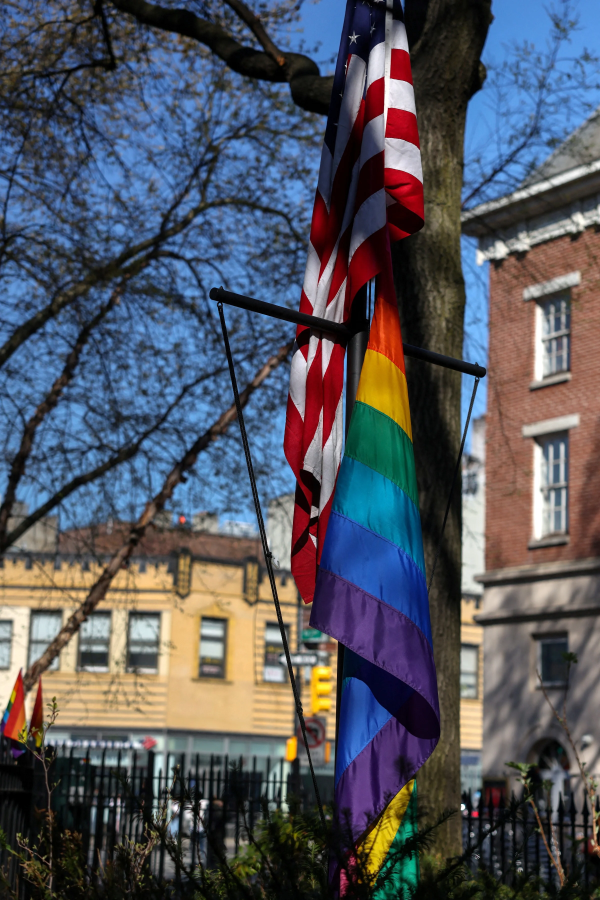
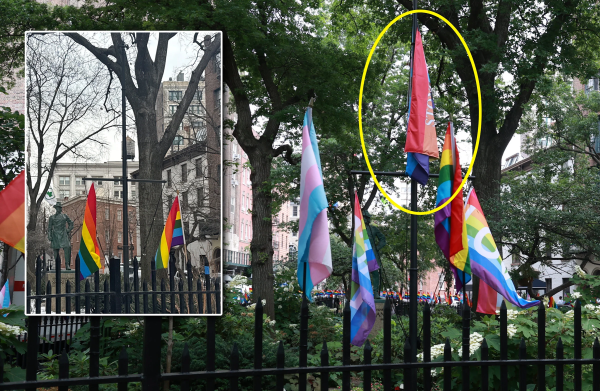
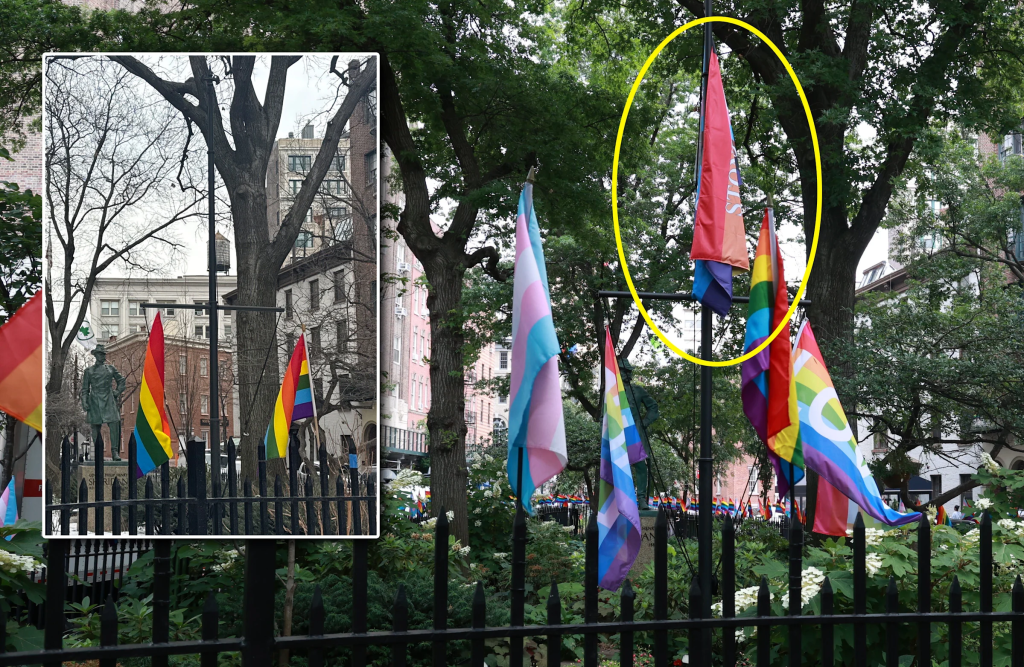
A rainbow pride flag has been removed from the Stonewall National Monument in Greenwich Village because of a directive from the Trump administration — outraging LGBTQ New Yorkers and local elected officials who feel the move will “erase our history.”

Apparently following orders from a Jan. 21 memo from the U.S. Department of the Interior, the large pride flag was removed from the monument in Christopher Park near the Stonewall Inn over the weekend, according to local elected officials.

“It’s an outrage that really strikes at the heart of the LGBTQ community’s human rights movement,” Manhattan Borough President Brad Hoylman-Sigal said. “Stonewall is the birthplace of the contemporary human rights movement and to have the federal administration, Donald Trump, remove the pride flag that has been there proudly for decades is an affront to New Yorkers and all Americans who care about human rights.”

The federal memo notes that flagpoles and buildings under the jurisdiction of the U.S. General Services Administration, which the monument is under, “are not intended to serve as a forum for free expression by the public.”

“Only the U.S. flag, flags of the Department of the Interior, and the POW/MIA flag will be flown by the National Parks Service in public spaces where the NPS is responsible for the upkeep, maintenance, and operation of the flag and flagpole,” the memo states.

Hoylman-Sigal said that he and other local, state and federal officials plan to raise a rainbow flag back up the flagpole in protest on Thursday. He noted the Trump administration previously removed references to transgender people from the Stonewall Monument’s government website.

“I really think this is about standing up for the future of the LGBTQ community, just as those Stonewall veterans back in 1969 did the same,” Hoylman-Sigal said. “To me, it’s deeply personal as an out LGBTQ elected official, but also as a parent. What lesson are we sending to our young people about their family members, their parents, their friends at school or themselves?”

A spokesperson for the National Park service said in a statement the removal was in line with longstanding rules.

“The policy governing flag displays on federal property has been in place for decades,” the statement said. “Recent guidance clarifies how that longstanding policy is applied consistently across NPS-managed sites.”

“Stonewall National Monument continues to preserve and interpret the site’s historic significance through exhibits and programs,” the statement adds.

There are “limited exceptions” to the rule, according to the statement. Non-agency flags can be flown “for a specific special occasion” or “as an expression of the federal government’s official sentiments,” the memo said.

No flags were flying on the poles at the Stonewall Monument on Tuesday, although several small pride flags were peppered around the park.

Sen. Charles Schumer called the removal of the flag a “deeply outrageous action that must be reversed right now.”

“New Yorkers are right to be outraged, but if there’s one thing I know about this latest attempt to rewrite history, stoke division and discrimination and erase our community pride, it’s this: That flag will return,” he added. “New Yorkers will see to it.”

The Stonewall National Monument visitor center was open but workers declined to comment on the new directive.

Stonewall was designated a national monument by President Barack Obama in 2016. The riot at the Stonewall Inn in 1969 is recognized as the beginning of the LGBTQ movement in the U.S.

Longtime Village resident Mimi McGurl, 62, was stunned by what she saw as a smack in the face against the LGBTQ community.

“This is our home,” she said. “This is where we can feel safe and comfortable. And, I think that’s not what his administration wants. I don’t think they want us to ever feel safe and comfortable, unless we’re in a closet.”

Julie Muzina, a trans woman from Buffalo, just signed a lease on an apartment near Christopher Park, partly because the monument was nearby.

“This (whole area) is like a symbol of love,” Muzina, 26, told the Daily News as she looked over the park. “(Now) there’s like a gaping hole in the middle of it.”

“We’re still here. We’re not going anywhere,” she added. “You’re removing a flag in an area that is just going to be louder because you’ve done it.”

Council Speaker Julie Menin said the removal of the pride flag “is a deliberate and cowardly attempt to erase” the history of the LGBTQ movement.

“This is an attack on LGBTQ+ New Yorkers, and we will not stand for it,” she wrote on X. “Our history will not be rewritten, and our rights will not be rolled back.”

NYC to distribute $2 million in emergency funding to organizations serving transgender people

Read more at Gay City News.

With less than 48 hours remaining in office, outgoing Mayor Eric Adams rolled out a plan to distribute $2 million in what the city is describing as “emergency funding” to 20 organizations serving transgender, gender non-conforming, and non-binary individuals in a bid to counteract federal budget cuts.

The Department of Health and Mental Hygiene will administer the funding across organizations delivering the most pressing community services, including in the areas of health and wellness, legal advocacy, youth and family support, safety and crisis response, community building, and economic empowerment, according to the mayor’s office.

Organizations are eligible to receive up to $92,000, which can be used for staff, travel, supplies, and services — so long as most of the clients are transgender, gender non-conforming, or non-binary.

Organizations seeking to apply for the grant must fill out an application by Monday, Jan. 5 at 5 p.m.

CitizensNYC, a non-profit which helps cut through red tape and act as an intermediary between the city and applicants to disburse city funding to various organizations in a timely manner, is partnering with the city to help facilitate the funding, though the city will ultimately determine which organizations receive it.

The funding follows a tumultuous year during which the Trump administration repeatedly moved to slash funding for LGBTQ community services in New York City and elsewhere.

After President Donald Trump issued several executive orders early this year targeting funding for LGBTQ organizations and other groups, federal agencies warned non-profits that their budgets could be slashed if they served transgender individuals or conducted what officials described as “equity-related” work. Lambda Legal, which led a lawsuit against the Trump administration in February, later won a court order restoring $6 million in funding for nine nonprofits serving LGBTQ people and individuals living with HIV.

In September, the Trump administration announced it was cancelling around $36 million in funding for the city as punishment for its policies protecting transgender individuals — a move that prompted the city to sue the Trump administration.

Most recently, the Trump administration issued multiple proposed rules that would require healthcare providers participating in Medicare and Medicaid programs to stop providing gender-affirming care for youth.

“We saw a need after federal budget cuts, and we are responding to it,” First Deputy Mayor Randy Mastro said in a written statement. “There are essential services at stake for this community. Therefore, it was an imperative for us to take action and fill that need.”

In a written statement, Adams said the city is “putting our money where our values are and stepping up to serve those who need our care.”

Dr. Michelle Morse, the acting city health commissioner, said the federal government’s attacks on trans and gender non-conforming individuals are “unconscionable.”

“Supporting New York’s community organizations that provide lifesaving services and are eligible for the emergency funds is a key part of the Health Department’s commitment to supporting the health and well-being of all New Yorkers,” Morse explained.

The mayor’s announcement comes roughly three months after Adams sparked widespread criticism when he attacked trans-inclusive bathroom policies in a series of comments. At the time, Adams said he opposed what he described as “girls and boys using the same restroom,” saying he would evaluate his “authority” to change laws on that issue, but ultimately conceded he lacked the power to do so.

NYC lawmakers accuse Amtrak of ‘Stonewall era’ tactics in Penn Station cruising crackdown

Read more at the Gothamist.

New York lawmakers are demanding that Amtrak police stop arresting LGBTQ people on charges of public lewdness in a men’s bathroom at Penn Station, likening the crackdown to “the Stonewall era.”

The letter from Rep. Jerrold Nadler, two state senators and a state assemblymember follows reports by Gothamist and The City that 200 people have been arrested since June for alleged public lewdness or indecent exposure in the bathroom. At least 20 of those people were immigrants transferred to ICE custody after the arrest, law enforcement officials said.

“We demand that Amtrak Police immediately cease identifying and targeting members of the LGBTQ community for search, seizure and arrest on the basis of their perceived sexual orientation or gender identity,” the lawmakers wrote to Amtrak President Roger Harris. “While Amtrak is entitled to ensure that its facilities are not used for illicit purposes, we do not believe Amtrak should be doing so with a hostile arrest campaign reminiscent of anti-LGBTQ policing from the Stonewall era.”

State Sens. Brad Hoylman-Sigal and Liz Krueger, and Assemblymember Tony Simone, who all represent parts of Manhattan, also signed the letter.

The crackdown involved undercover officers posted in the bathrooms at urinals or in stalls, looking for men meeting up for anonymous sex. A cruising app called “Sniffies” featured a group dedicated to the bathroom. In recent weeks it featured numerous men warning others to avoid the bathroom because of the police presence.

The lawmakers alleged police were using “questionable and potentially discriminatory tactics.”

The lawmakers requested a meeting with Amtrak police to discuss the issue. The surge in enforcement comes as President Donald Trump’s administration has taken over the redevelopment of Penn Station from the MTA.

“As you may know, there is a long and painful tradition of police forces using loitering, identification, prostitution, lewdness and similar laws to target LGBTQ people for harassment, arrest and incarceration,” the letter read.

Amtrak Deputy Police Chief Martin Conway previously said the arrests came in response to complaints from customers. Amtrak spokesperson Jason Abrams said incidents at Penn Station have declined since the enforcement surge.

“Amtrak remains committed to maintaining a safe and welcoming environment for all travelers and will continue to monitor conditions closely, making adjustments as needed to uphold the highest standards of security,” Abrams said.

First US homeless shelter for transgender people opens in New York City 

Read more at The Hill.

The nation’s first shelter for transgender and gender-nonconforming people experiencing homelessness opened its doors this week in New York City. 

The shelter, a joint venture between a local LGBTQ nonprofit and the city government, will provide transitional housing and specialized services for trans New Yorkers who are homeless, including mental health support and job training and placement. The city is fully funding the facility in Long Island City, which will cost $65 million to operate through 2030, the local news outlet Gothamist reported

“It’s been just a labor of love to watch it manifest, to hear from community what it is that they want to see in a project, in a program, and to watch other community advocates become excited about it as well,” said Sean Ebony Coleman, founder and CEO of Destination Tomorrow, the organization that will manage the shelter. 

The shelter’s name, Ace’s Place, honors Coleman’s late mother, who would have turned 72 this week.

“Ace was my mom’s nickname, and she dealt with her own challenges and struggles, but the one thing was that she always had a home because my grandmother made sure of it,” Coleman told The Hill in an interview on Wednesday. “Regardless of what my mom’s struggles were, she always had a safe place that she could come and reset and recenter. I thought that was the best way to honor her memory, while also doing the same thing for community members.” 

With 150 beds — housed in 100 single bedrooms and 25 doubles — residents will each have access to their own restroom and two commercial kitchens. One of the kitchens will be used as a teaching space for the shelter’s culinary arts and hospitality program, Coleman said, part of its commitment to facilitating economic mobility. 

Ace’s Place will also have a full-time, onsite psychiatric nurse practitioner who will work closely with social workers and other credentialed staff providing mental health support, according to a news release announcing the shelter’s opening. Added onsite clinical staff will provide health education through coaching and counseling sessions, and yoga and meditation classes are also available to residents. 

Coleman and Destination Tomorrow plan to work closely with New York City officials in operating the shelter, Coleman said. 

“We couldn’t be prouder to make this historic announcement that strongly affirms our values and commitment to strengthening the safety net for transgender New Yorkers at a time when their rights are roundly under attack,” New York City Department of Social Services Commissioner Molly Wasow Park said in a statement, referencing a string of recent Trump administration actions targeting transgender Americans. 

Joslyn Carter, administrator for the city’s Department of Homeless Services, said Ace’s Place is the nation’s first city-funded shelter of its kind. “New York City has long been a leader in advancing LGBTQ+ rights,” she said. 

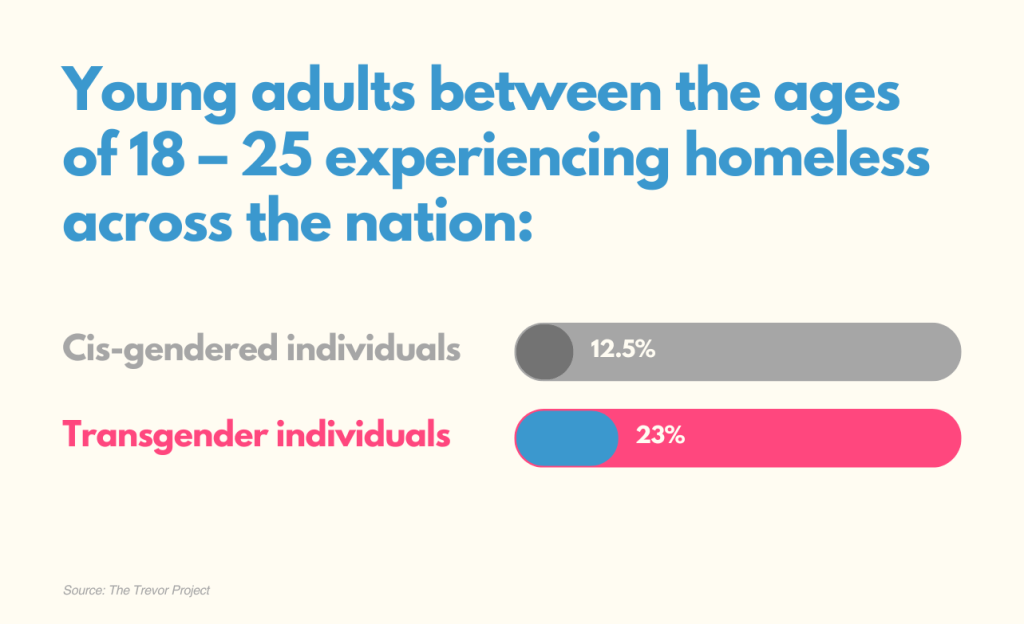
In the U.S., LGBTQ people experience homelessness at disproportionately higher rates than heterosexual and cisgender people, studies on the subject have found. Roughly 17 percent of lesbian, gay and bisexual adults have experienced homelessness at some point in their lives, the Williams Institute reported in 2020, and more than 8 percent of transgender people said they were homeless in the past year. 

A 2018 National Alliance to End Homelessness analysis of Department of Housing and Urban Development (HUD) data found that transgender people accounted for approximately 0.6 percent of the general population and 0.5 percent of the nation’s total homeless population. The U.S. Transgender Survey, the largest survey of transgender people in the U.S., reported in 2024 that 30 percent of respondents said they had experienced homelessness in their lifetime. 

Reported rates of homelessness are even higher among transgender people of color; more than half of Black transgender women who took the U.S. Trans Survey in 2015 said they experienced homelessness in their lifetime. Nearly 60 percent of Native American transgender women also reported experiencing homelessness, as did 49 percent of trans women of Middle Eastern descent and 51 percent of multiracial trans women. 

“For far too long, Transgender and non-binary people — especially Black and Brown Trans people — have been forced to navigate systems never built for us,” said Bryan Ellicott-Cook, a New York City-based transgender rights advocate, in a statement about the opening of Ace’s Place. “This shelter, created for Trans people by Trans people, represents safety, dignity, and a tangible investment in our community’s right not only to survive, but to thrive. It continues to show what we have always known — that Trans people are the ones taking care of each other, from elders to youth, from healthcare to housing and beyond.”

What states are the best for LGBTQ+ people? These are the top 15

Read more at The Advocate.
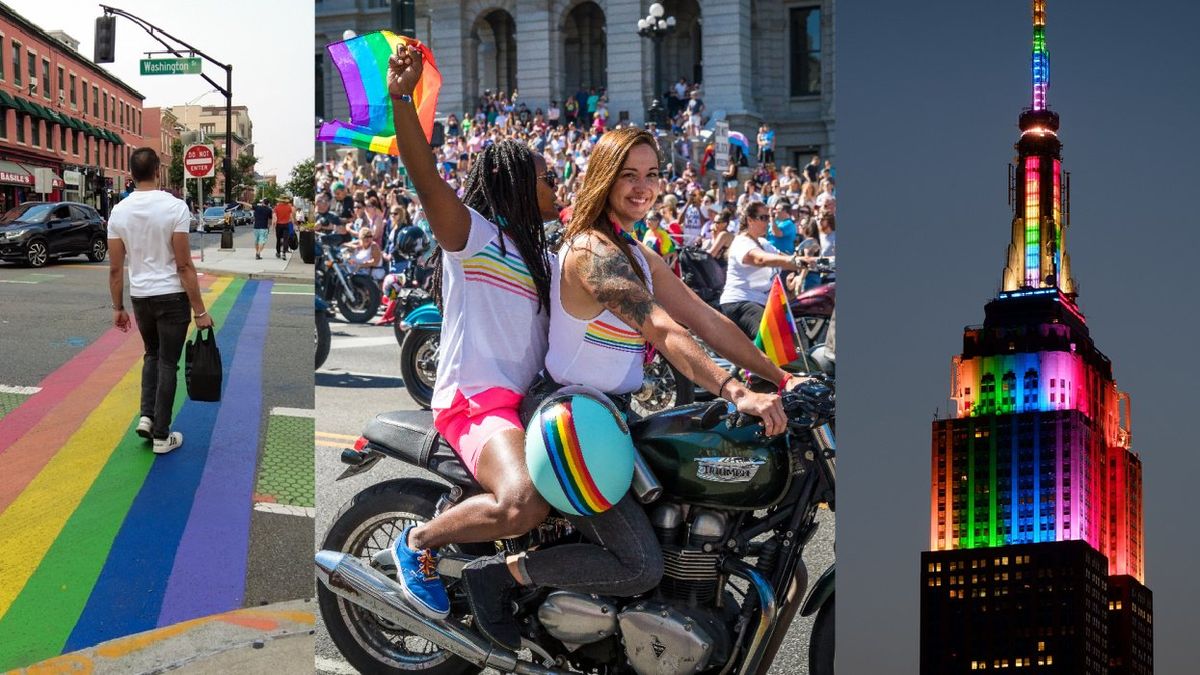
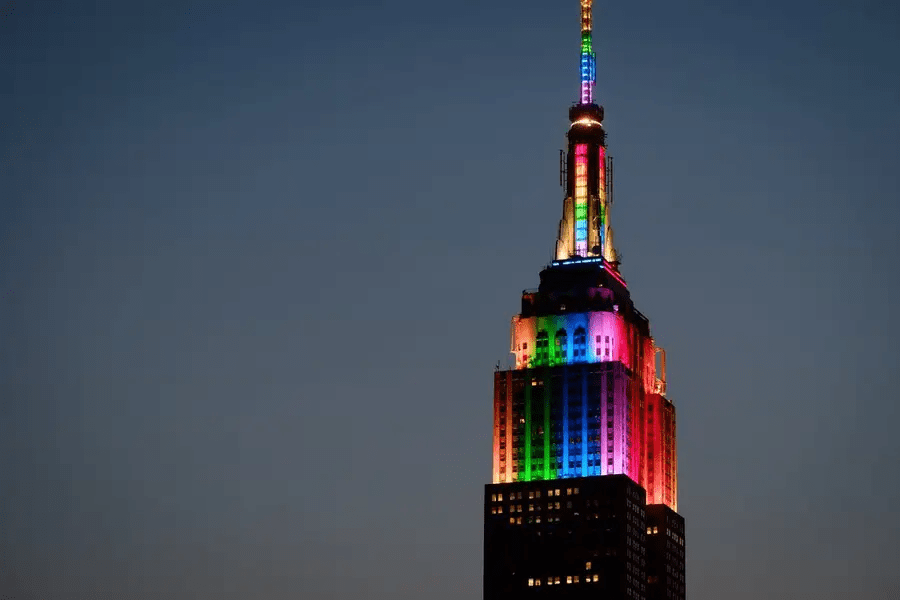
\u200bRainbow crosswalk in Hoboken (L); Women on motorcycles at Denver Pride (M); Empire State Building in rainbow colors (R)

Kirkam / Shutterstock.com; Philipp Salveter / Shutterstock.com; anaglic / Shutterstock.com

Rainbow LGBTQ+ Pride crosswalk in Hoboken, New Jersey (L); Women on motorcycles at Pride celebration in Denver, Colorado (M); Empire State Building in NYC lit up in rainbow colors (R)

    Legislative attacks on the LGBTQ+ community have been pushed everywhere from city councils to the White House — but there are still some areas that are safe.

    Over 1,000 anti-LGBTQ+ laws have been proposed across every state legislature in the U.S. over the past two years, according to the American Civil Liberties Union, and 126 have passed into law. Less than two months into the 2025 legislative session, 390 laws targeting LGBTQ+ people have been proposed.

    Still, marriage equality and anti-discrimination protections based on sexual orientation and gender identity are still guaranteed federally by U.S. Supreme Court rulings (for now). On top of that, at least 15 states have “shield laws” protecting access to gender-affirming care and abortion.

    Based on laws surrounding marriage, family rights, health care, education, and youth collected by the Movement Advancement Project, here are the 15 best states for LGBTQ+ people.

    Related: What states are the most dangerous for LGBTQ+ people? Here are the worst 15

    California
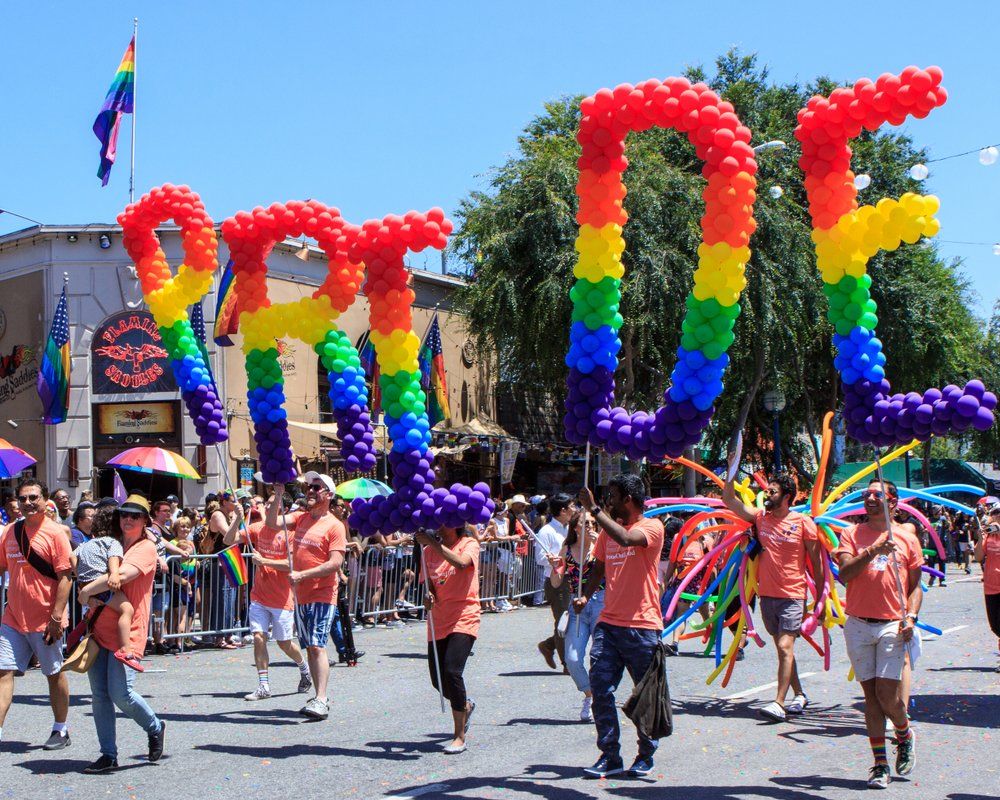
    West Hollywood Pride balloons

    GrandAve / Shutterstock.com

    Pride celebration in West Hollywood, California – June 9, 2019

      Nondiscrimination laws: California has nondiscrimination laws in employment, housing, health care, education, public accommodations, and credit/lending.

      Marriage equality and parental rights: California has adoption and foster care nondiscrimination protections for LGBTQ+ parents, second-parent adoption for unmarried couples and confirmatory adoption, and recognition for parents using assisted reproductive technologies. It also has family leave laws, which include LGBTQ-inclusive definitions.

      Education and youth policies: California does not restrict discussion of LGBTQ+ identities in classrooms, and instead requires curriculum to be LGBTQ-inclusive, which parents are not required to be notified of. It does not prevent transgender students from participating in sports or using school facilities based on their identities, and it does not require staff to forcibly out LGBTQ+ students to their guardians.

      Healthcare access and rights: California has “shield” laws protecting access to gender-affirming care for youth, as well as abortion. The state has also banned so-called conversion therapy for youth. Health insurance companies, including Medicaid, are not allowed to deny coverage related to gender transition. However, they are not required to cover fertility treatments.

      Criminal justice: California’s hate crime laws encompass sexual orientation and gender identity, and it has banned the so-called “LGBTQ+ panic” defense. While the state does not criminalize HIV, it does have sentencing enhancements for sex-related convictions for those with HIV.

      Colorado
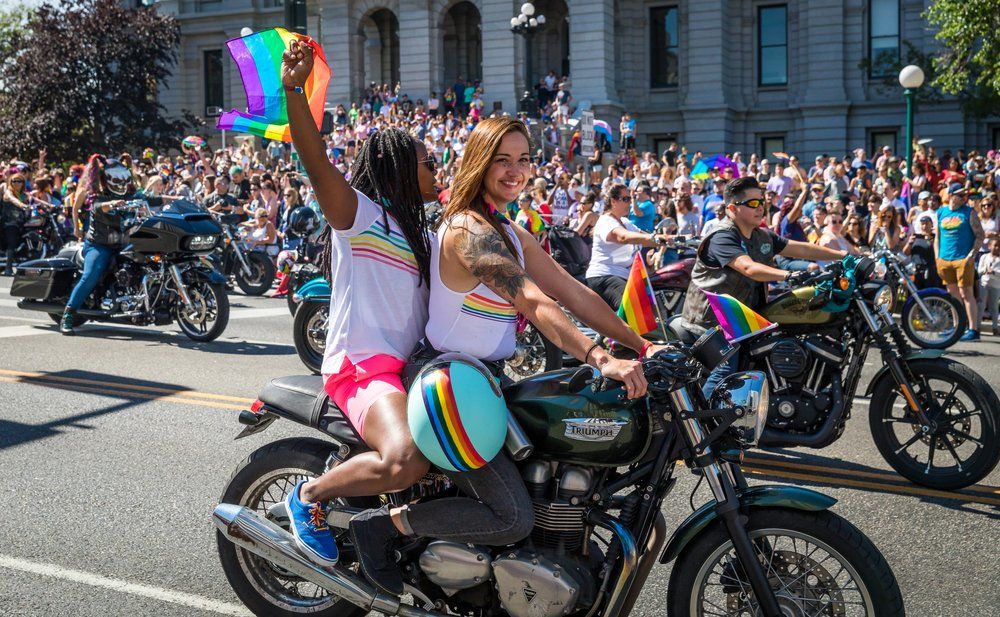
      Women on motorcycles at Denver Pride celebration

      Philipp Salveter / Shutterstock.com

      Women on motorcycles at Pride celebration in Denver, Colorado, USA – June 16th 2019

        Nondiscrimination laws: Colorado has nondiscrimination laws in employment, housing, education, health care, public accommodations, and credit/lending.

        Marriage equality and parental rights: Colorado has adoption and foster care nondiscrimination protections for LGBTQ+ parents, second-parent adoption for unmarried couples and confirmatory adoption, and recognition for parents using assisted reproductive technologies. It also has family leave laws, which include LGBTQ-inclusive definitions.

        Education and youth policies: Colorado does not prevent transgender students from participating in sports or using school facilities based on their identities, and it does not require staff to forcibly out LGBTQ+ students to their guardians. It does not restrict discussion of LGBTQ+ identities in classrooms, and instead requires curriculum to be LGBTQ-inclusive, which parents are not required to be notified of.

        Healthcare access and rights: Colorado has “shield” laws protecting access to gender-affirming care for youth, as well as abortion. The state has also banned so-called conversion therapy for youth. Health insurance companies, including Medicaid, are not allowed to deny coverage related to gender transition. However, state employees who are transgender do not have inclusive health benefits. Insurance companies are also not required to cover fertility treatments.

        Criminal justice: The state’s hate crime laws encompass sexual orientation and gender identity, and it has banned the so-called “LGBTQ+ panic” defense. Like California, Colorado does not criminalize HIV, but it does have sentencing enhancements for sex-related convictions for those with HIV.

        Connecticut
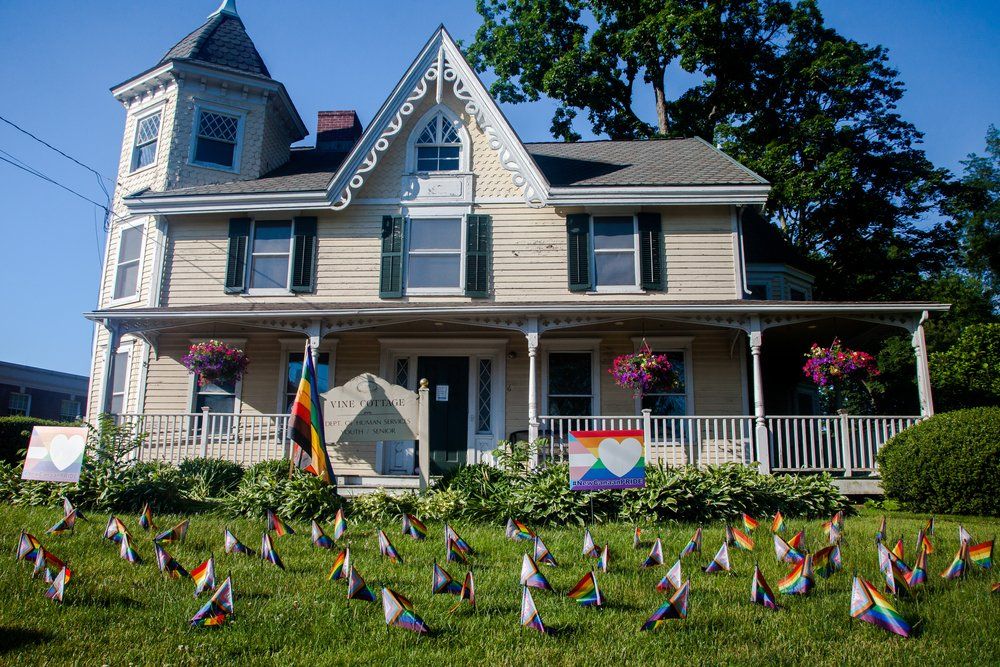
        Pride flags outside Vine Cottage CT

        Miro Vrlik Photography / Shutterstock.com

        LGBTQ+ Pride flags outside Vine Cottage in New Canaan, Connecticut – June 13, 2021

          Nondiscrimination laws: Connecticut has nondiscrimination laws in employment, housing, education, public accommodations, and credit/lending. It does not have nondiscrimination laws for private healthcare, and it does have a broad “Religious Exemption” law.

          Marriage equality and parental rights: Connecticut has adoption and foster care nondiscrimination protections for LGBTQ+ parents, second-parent adoption for unmarried couples and confirmatory adoption, and recognition for parents using assisted reproductive technologies. It also has family leave laws, but their LGBTQ-inclusive definitions are not as robust as those of California or Colorado.

          Education and youth policies: Connecticut does not restrict discussion of LGBTQ+ identities in classrooms, but it does not have LGBTQ-inclusive curriculum. It does not prevent transgender students from participating in sports or using school facilities based on their identities, and it does not require staff to forcibly out LGBTQ+ students to their guardians.

          Healthcare access and rights: Connecticut has “shield” laws protecting access to gender-affirming care for youth, as well as abortion. The state has also banned so-called conversion therapy for youth. Health insurance companies, including Medicaid, are not allowed to deny coverage related to gender transition. Private insurance is required to cover some fertility treatments, but Medicaid is not.Criminal justice:Connecticut’s hate crime law encompasses sexual orientation but not gender identity. It also does not have nondiscrimination laws for LGBTQ+ people in jury selection.

          Illinois
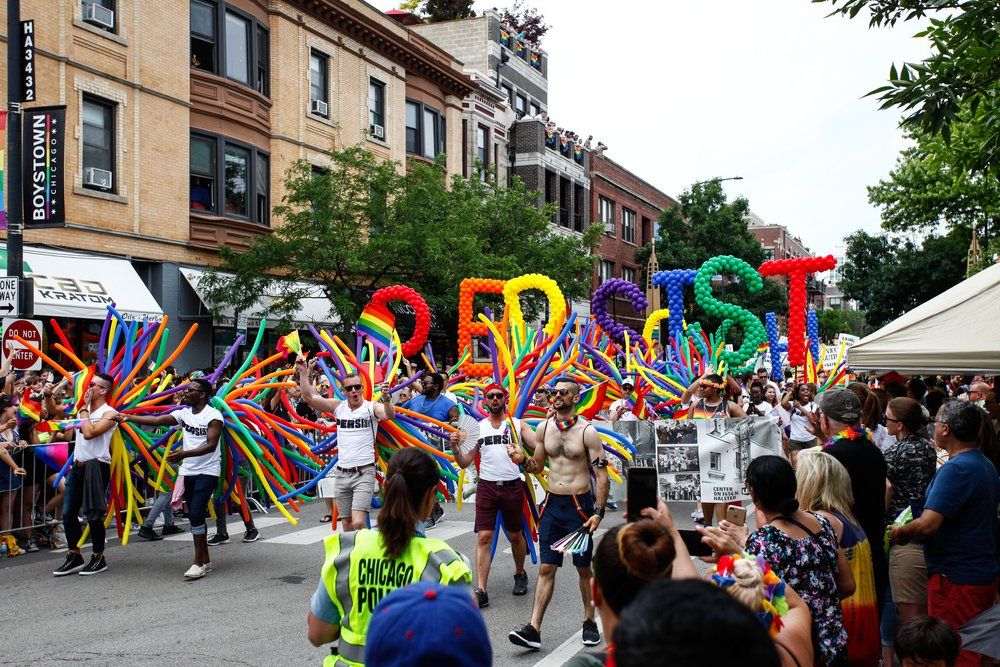
          "Persist" balloons at Chicago

          Dominique Robinson / Shutterstock.com

          LGBTQ+ Pride in Chicago, Illinois – June 30th 2019

            Nondiscrimination laws: Illinois has nondiscrimination laws in employment, housing, health care, education, public accommodations, and credit/lending. However, it does have a broad “Religious Exemption” law.

            Marriage equality and parental rights: Illinois has adoption and foster care nondiscrimination protections for LGBTQ+ parents, second-parent adoption for unmarried couples, and recognition for parents using assisted reproductive technologies. It also has family leave laws, which include LGBTQ-inclusive definitions. It does not have confirmatory adoption.

            Education and youth policies: Illinois does not restrict discussion of LGBTQ+ identities in classrooms, and instead requires curriculum to be LGBTQ-inclusive, which parents are not required to be notified of. It does not prevent transgender students from participating in sports or using school facilities based on their identities, and it does not require staff to forcibly out LGBTQ+ students to their guardians.

            Healthcare access and rights: Illinois has “shield” laws protecting access to gender-affirming care for youth, as well as abortion. The state has also banned so-called conversion therapy for youth. Health insurance companies, including Medicaid, are not allowed to deny coverage related to gender transition or fertility treatments.

            Criminal justice: Illinois’ hate crime laws encompass sexual orientation and gender identity, and it has banned the so-called “LGBTQ+ panic” defense.

            Maine
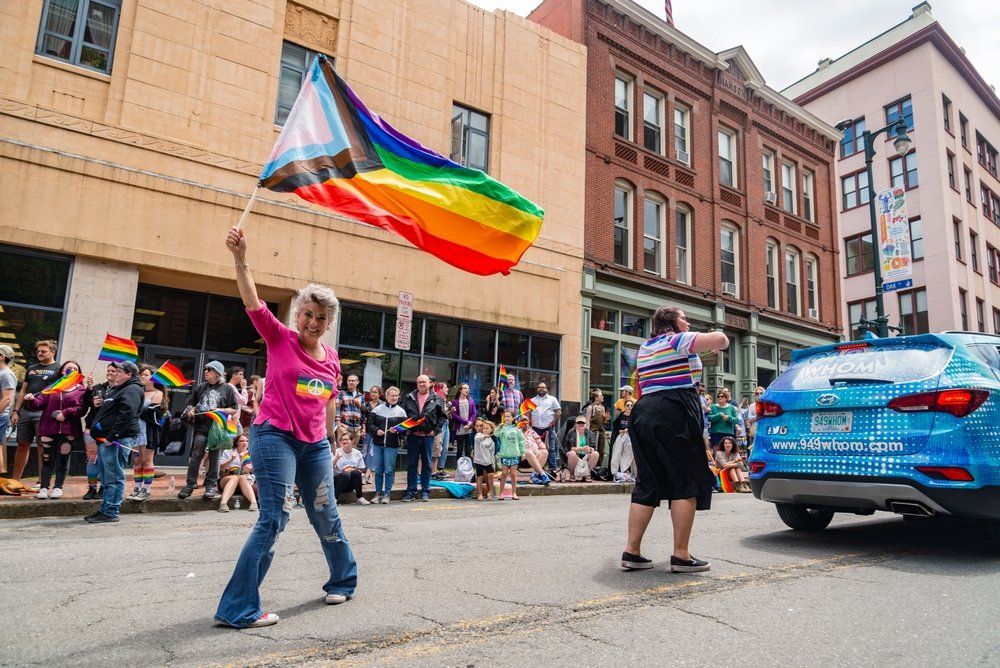
            Woman waving flag at Pride in Portland, Maine

            Enrico Della Pietra / Shutterstock.com

            LGBTQ+ Pride in Portland, Maine – June 18, 2022

              Nondiscrimination laws: Maine has nondiscrimination laws in employment, housing, health care, education, public accommodations, and credit/lending.

              Marriage equality and parental rights: Maine has adoption and foster care nondiscrimination protections for LGBTQ+ parents, second-parent adoption for unmarried couples and confirmatory adoption, and recognition for parents using assisted reproductive technologies. It also has family leave laws, which include LGBTQ-inclusive definitions.

              Education and youth policies: Maine does not restrict discussion of LGBTQ+ identities in classrooms, but it does not have LGBTQ-inclusive curriculum. It does not prevent transgender students from participating in sports or using school facilities based on their identities, and it does not require staff to forcibly out LGBTQ+ students to their guardians.

              Healthcare access and rights: Maine has “shield” laws protecting access to gender-affirming care for youth, as well as abortion. The state has also banned so-called conversion therapy for youth. Health insurance companies, including Medicaid, are not allowed to deny coverage related to gender transition. Private insurance is required to cover some fertility treatments, but Medicaid is not.Criminal justice:Maine’s hate crime laws encompass sexual orientation and gender identity, and it has banned the so-called “LGBTQ+ panic” defense.

              Maryland
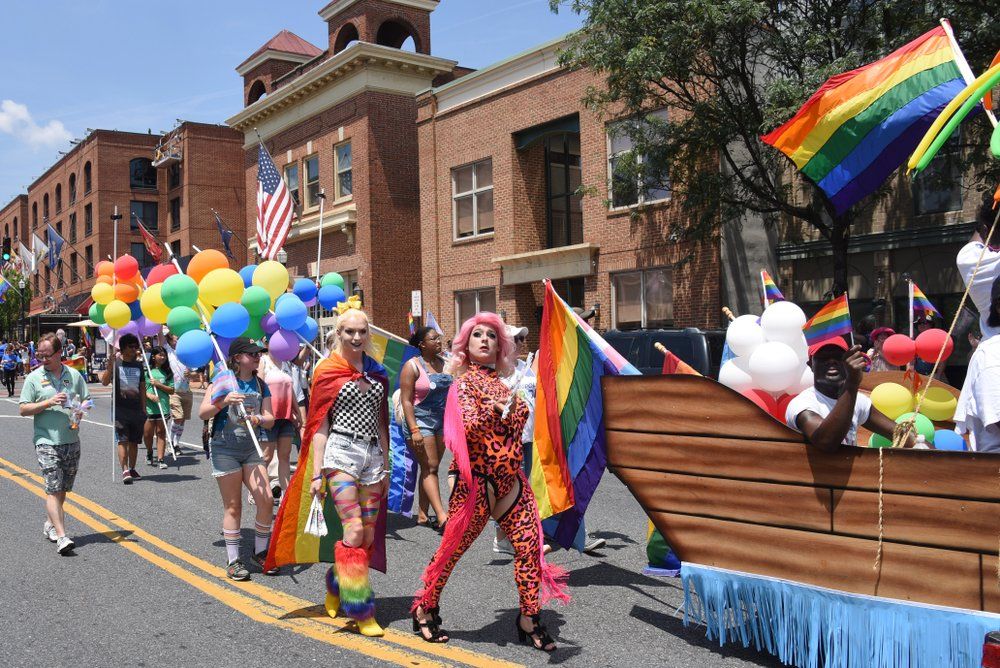
              Marchers and floats in the first Annapolis Pride parade

              Keri Delaney / Shutterstock.com

              The inaugural Pride Parade in Annapolis, Maryland – June 29, 2019

                Nondiscrimination laws: Maryland has nondiscrimination laws in employment, housing, health care, education, public accommodations, and credit/lending.

                Marriage equality and parental rights: Maryland has adoption and foster care nondiscrimination protections for LGBTQ+ parents, confirmatory adoption, and recognition for parents using assisted reproductive technologies. It does not second-parent adoption for unmarried couples. It also has family leave laws, but their LGBTQ-inclusive definitions are not as robust as others.

                Education and youth policies: Maryland does not restrict discussion of LGBTQ+ identities in classrooms, but it does not have LGBTQ-inclusive curriculum. It does not prevent transgender students from participating in sports or using school facilities based on their identities, and it does not require staff to forcibly out LGBTQ+ students to their guardians.

                Healthcare access and rights: Maryland has “shield” laws protecting access to gender-affirming care for youth, as well as abortion. The state has also banned so-called conversion therapy for youth. Health insurance companies, including Medicaid, are not allowed to deny coverage related to gender transition. Private insurance is required to cover some fertility treatments, but Medicaid is not.

                Criminal justice: Maryland’s hate crime laws encompass sexual orientation and gender identity, and it has banned the so-called “LGBTQ+ panic” defense. It does have a law criminalizing the transmission of HIV.

                Massachusetts
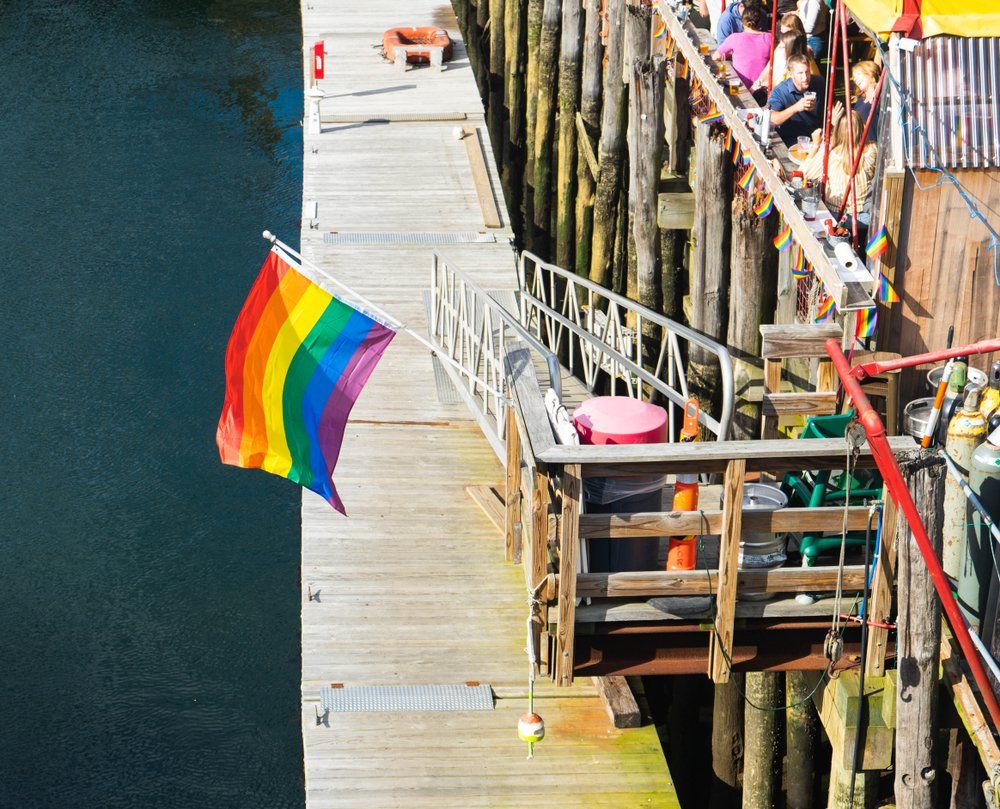
                Pride flag over Boston Seaport

                Michael Moloney / Shutterstock.com

                LGBTQ+ Pride flag waving in the wind over the Boston Seaport – JUNE 2, 2019

                  Nondiscrimination laws: Massachusetts has nondiscrimination laws in employment, housing, education, public accommodations, and credit/lending. It has nondiscrimination laws for gender identity in private healthcare, but not for sexual orientation.

                  Marriage equality and parental rights: Massachusetts has adoption and foster care nondiscrimination protections for LGBTQ+ parents, second-parent adoption for unmarried couples, and recognition for parents using assisted reproductive technologies. It also has family leave laws, which include LGBTQ-inclusive definitions. It does not have confirmatory adoption.

                  Education and youth policies: Massachusetts does not restrict discussion of LGBTQ+ identities in classrooms, but it does not have LGBTQ-inclusive curriculum. It does not prevent transgender students from participating in sports or using school facilities based on their identities, and it does not require staff to forcibly out LGBTQ+ students to their guardians.

                  Healthcare access and rights: Massachusetts has “shield” laws protecting access to gender-affirming care for youth, as well as abortion. The state has also banned so-called conversion therapy for youth. Health insurance companies, including Medicaid, are not allowed to deny coverage related to gender transition. Private insurance is required to cover some fertility treatments, but Medicaid is not.

                  Criminal justice: Maryland’s hate crime laws encompass sexual orientation and gender identity, but it has not banned the so-called “LGBTQ+ panic” defense. It does not have nondiscrimination protections based on gender identity for jury selection.

                  Minnesota
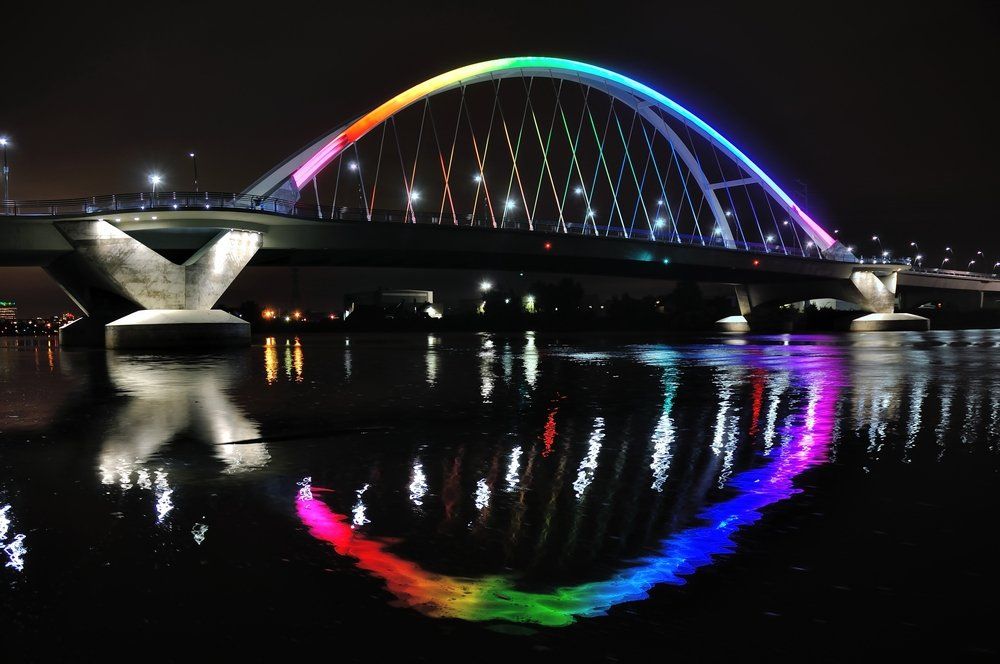
                  Lowry Avenue Bridge in Minneapolis lit in Rainbow Colors

                  Shuttershock Creative

                  Lowry Avenue Bridge in Minneapolis lit in Rainbow Colors in Honor of Orlando Victims

                    Nondiscrimination laws: Minnesota has nondiscrimination laws in employment, housing, health care, education, public accommodations, and credit/lending.

                    Marriage equality and parental rights: Minnesota has adoption and foster care nondiscrimination protections for LGBTQ+ parents. It does have family leave laws, which include LGBTQ-inclusive definitions. It does not have second-parent adoption for unmarried couples, confirmatory adoption, nor recognition for parents using assisted reproductive technologies.

                    Education and youth policies: Minnesota does not restrict discussion of LGBTQ+ identities in classrooms, but it does not have LGBTQ-inclusive curriculum. It does not prevent transgender students from participating in sports or using school facilities based on their identities, and it does not require staff to forcibly out LGBTQ+ students to their guardians.

                    Healthcare access and rights: Minnesota has “shield” laws protecting access to gender-affirming care for youth, as well as abortion. The state has also banned so-called conversion therapy for youth. Health insurance companies, including Medicaid, are not allowed to deny coverage related to gender transition. However, they are not required to cover fertility treatments.

                    Criminal justice: Minnesota’s hate crime laws encompass sexual orientation and gender identity, and it has banned the so-called “LGBTQ+ panic” defense.

                    Nevada
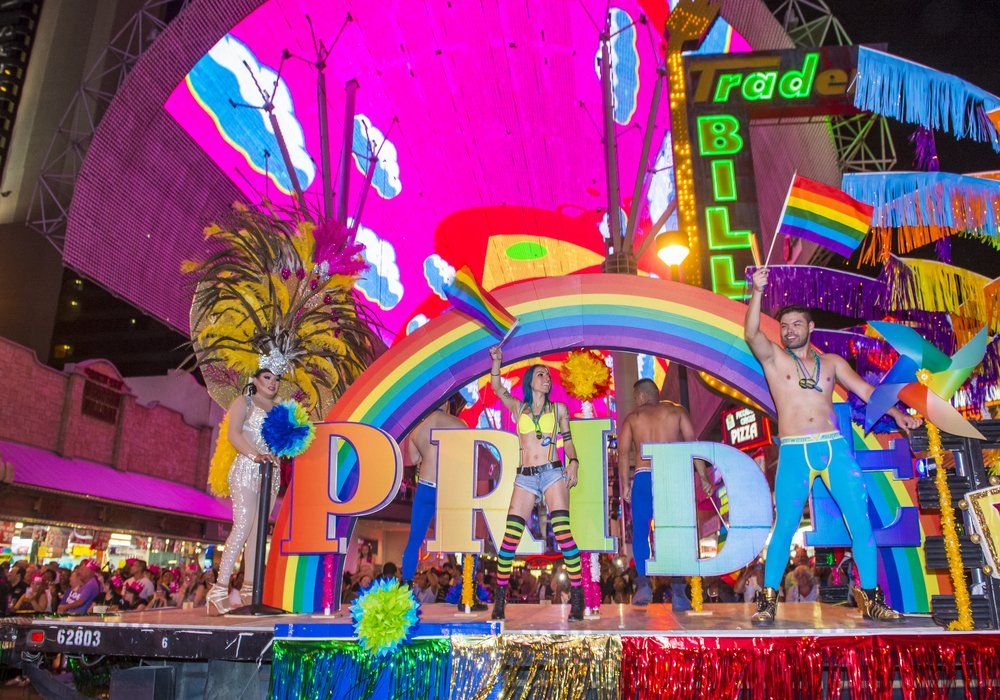
                    Las Vegas Pride parade float

                    Kobby Dagan / Shutterstock

                    LGBTQ+ Pride parade in Las Vegas, Nevada – October 21 , 2016

                      Nondiscrimination laws: Nevada has nondiscrimination laws in employment, housing, health care, education, public accommodations, and credit/lending.

                      Marriage equality and parental rights: Nevada has adoption and foster care nondiscrimination protections for LGBTQ+ parents, second-parent adoption for unmarried couples, and recognition for parents using assisted reproductive technologies. It also has family leave laws, which include LGBTQ-inclusive definitions. It does not have confirmatory adoption.

                      Education and youth policies: Nevada does not restrict discussion of LGBTQ+ identities in classrooms, and instead requires curriculum to be LGBTQ-inclusive, which parents are not required to be notified of. It does not prevent transgender students from participating in sports or using school facilities based on their identities, but it does not require staff to forcibly out students who change their gender identity to their guardians

                      Healthcare access and rights: Nevada does not have shield laws for gender-affirming care and abortion. The state has also banned so-called conversion therapy for youth. Health insurance companies, including Medicaid, are not allowed to deny coverage related to gender transition. However, they are not required to cover fertility treatments.

                      Criminal justice: Nevada’s hate crime laws encompass sexual orientation and gender identity, and it has banned the so-called “LGBTQ+ panic” defense. It does not have nondiscrimination protections based on gender identity for jury selection.

                      New Jersey
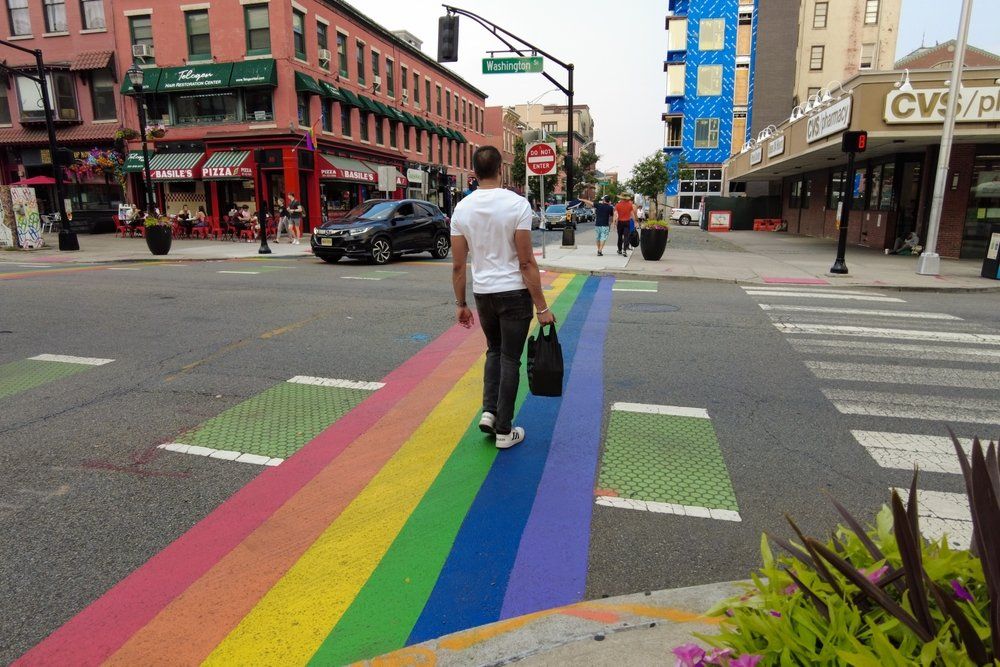
                      Rainbow crosswalk in Hoboken, New Jersey

                      Kirkam / Shutterstock.com

                      Rainbow LGBTQ+ Pride crosswalk in Hoboken, New Jersey, – June 25, 2023

                        Nondiscrimination laws: New Jersey has nondiscrimination laws in employment, housing, education, public accommodations, and credit/lending. It has nondiscrimination laws for gender identity in private healthcare, but not for sexual orientation.

                        Marriage equality and parental rights: New Jersey has adoption and foster care nondiscrimination protections for LGBTQ+ parents, and second-parent adoption for unmarried couples and confirmatory adoption. It also has family leave laws, which include LGBTQ-inclusive definitions. It does not have recognition for parents using assisted reproductive technologies.

                        Education and youth policies: New Jersey does not restrict discussion of LGBTQ+ identities in classrooms, and instead requires curriculum to be LGBTQ-inclusive, which parents are not required to be notified of. It does not prevent transgender students from participating in sports or using school facilities based on their identities, and it does not require staff to forcibly out LGBTQ+ students to their guardians.

                        Healthcare access and rights: New Jersey has “shield” laws protecting access to gender-affirming care for youth, as well as abortion. The state has also banned so-called conversion therapy for youth. Health insurance companies, including Medicaid, are not allowed to deny coverage related to gender transition. Private insurance is required to cover some fertility treatments, but Medicaid is not.

                        Criminal justice: New Jersey’s hate crime laws encompass sexual orientation and gender identity, and it has banned the so-called “LGBTQ+ panic” defense. It does not have nondiscrimination laws for LGBTQ+ people in jury selection.

                        New York
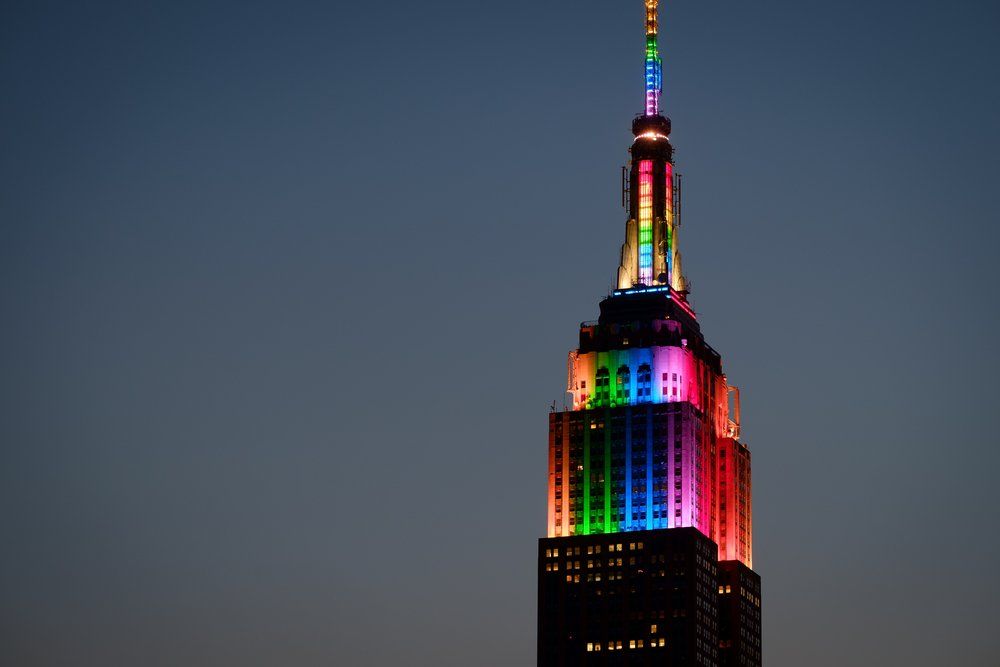
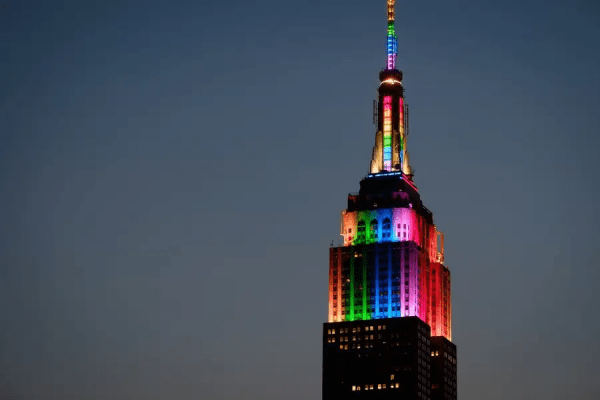
                        Empire State Building in rainbow colors

                        anaglic / Shutterstock.com

                        Empire State Building in rainbow colors in honor of the Orlando shooting victims, New York City – June 26, 2016

                          Nondiscrimination laws: New York has nondiscrimination laws in employment, housing, health care, education, public accommodations, and credit/lending.

                          Marriage equality and parental rights: New York has adoption and foster care nondiscrimination protections for LGBTQ+ parents, second-parent adoption for unmarried couples, and recognition for parents using assisted reproductive technologies. It also has family leave laws, which include LGBTQ-inclusive definitions. It does not have confirmatory adoption.

                          Education and youth policies: New York does not restrict discussion of LGBTQ+ identities in classrooms, but it does not have LGBTQ-inclusive curriculum. It does not prevent transgender students from participating in sports or using school facilities based on their identities, and it does not require staff to forcibly out LGBTQ+ students to their guardians.

                          Healthcare access and rights: New York has “shield” laws protecting access to gender-affirming care for youth, as well as abortion. The state has also banned so-called conversion therapy for youth. Health insurance companies, including Medicaid, are not allowed to deny coverage related to gender transition. Private insurance and Medicaid are also required to cover some fertility treatments.

                          Criminal justice: New York’s hate crime laws encompass sexual orientation and gender identity, and it has banned the so-called “LGBTQ+ panic” defense.

                          Oregon
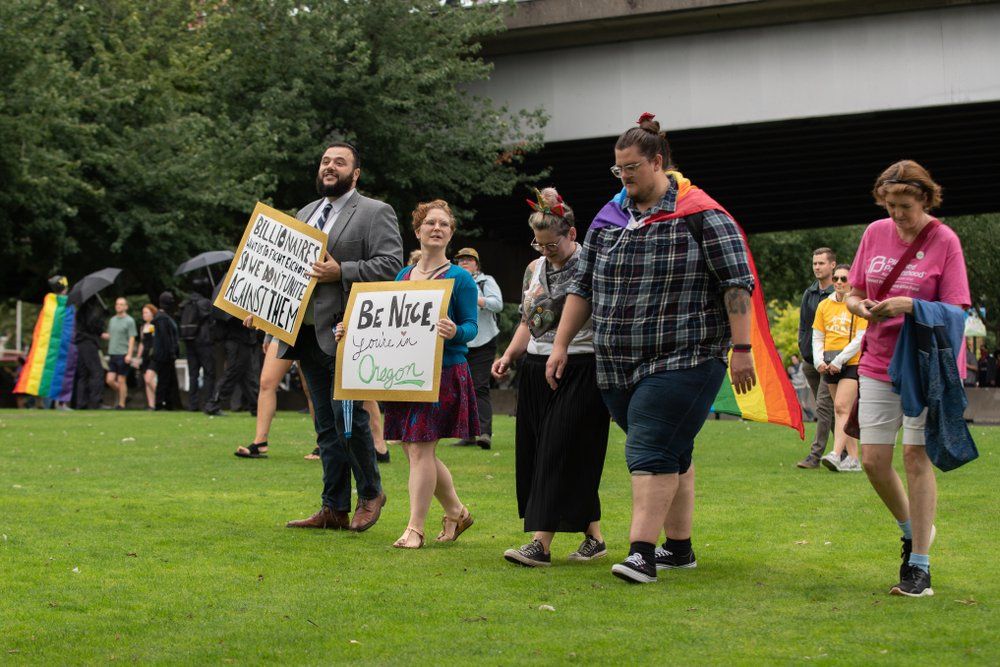
                          Protestors wear rainbow flag capes and carry a sign reading "Be nice, you're in Oregon"

                          Alexander Oganezov / Shutterstock.com

                          Protestors wear rainbow flag capes and carry a sign reading “Be nice, you’re in Oregon” at anti-fascism protest in Portland, Oregon – August 17, 2019

                            Nondiscrimination laws: Oregon has nondiscrimination laws in employment, housing, health care, education, and public accommodations. It does not have nondiscrimination laws in credit/lending.

                            Marriage equality and parental rights: Oregon has adoption and foster care nondiscrimination protections for LGBTQ+ parents and second-parent adoption for unmarried couples. It does have family leave laws, which include LGBTQ-inclusive definitions. It does not have confirmatory adoption, nor recognition for parents using assisted reproductive technologies.

                            Education and youth policies: Oregon does not prevent transgender students from participating in sports or using school facilities based on their identities, and it does not require staff to forcibly out LGBTQ+ students to their guardians. It does not restrict discussion of LGBTQ+ identities in classrooms, and instead requires curriculum to be LGBTQ-inclusive, which parents are not required to be notified of.

                            Healthcare access and rights: Oregon has “shield” laws protecting access to gender-affirming care for youth, as well as abortion. The state has also banned so-called conversion therapy for youth. Health insurance companies, including Medicaid, are not allowed to deny coverage related to gender transition. However, they are not required to cover fertility treatments.

                            Criminal justice: Oregon’s hate crime laws encompass sexual orientation and gender identity, and it has banned the so-called “LGBTQ+ panic” defense.

                            Rhode Island
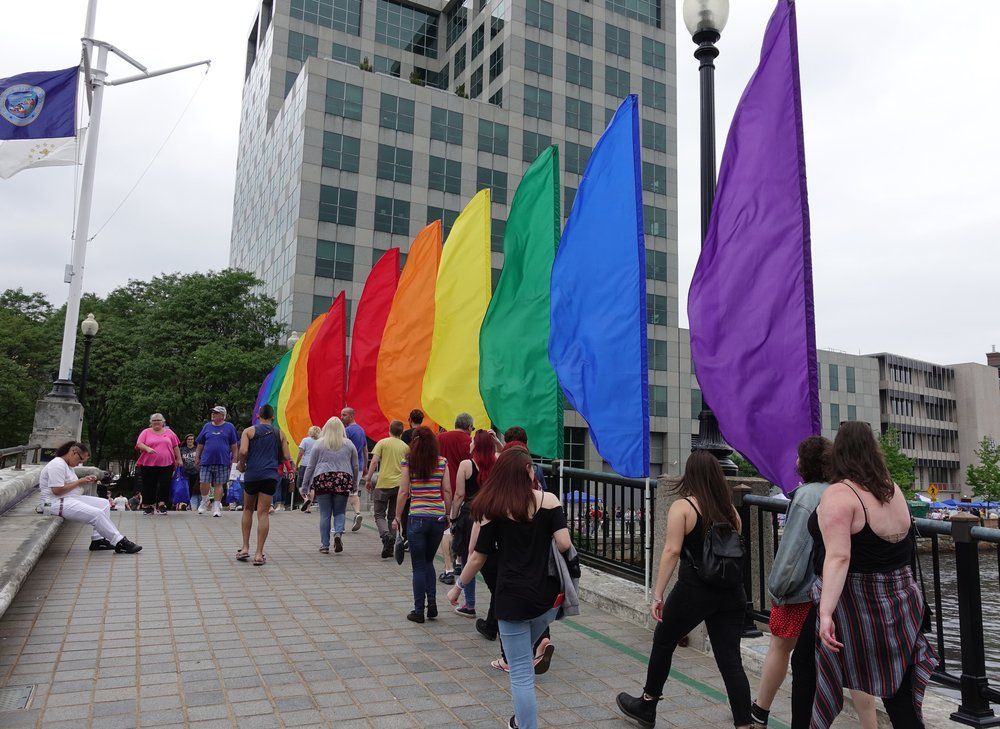
                            Rainbow flags on bridge over water in Providence, Rhode Island

                            Anthony Ricci / Shutterstock.com

                            Pride festival in downtown Providence, Rhode Island – June 17, 2017

                              Nondiscrimination laws: Rhode Island has nondiscrimination laws in employment, housing, education, public accommodations, and credit/lending. It has nondiscrimination laws for gender identity in private healthcare, but not for sexual orientation. It also has a broad “Religious Exemption” law.

                              Marriage equality and parental rights: Rhode Island has adoption and foster care nondiscrimination protections for LGBTQ+ parents, second-parent adoption for unmarried couples and confirmatory adoption, and recognition for parents using assisted reproductive technologies. It also has family leave laws, but their LGBTQ-inclusive definitions are not as robust as others.

                              Education and youth policies: Rhode Island does not restrict discussion of LGBTQ+ identities in classrooms, but it does not have LGBTQ-inclusive curriculum. It does not prevent transgender students from participating in sports or using school facilities based on their identities, and it does not require staff to forcibly out LGBTQ+ students to their guardians.

                              Healthcare access and rights: Rhode Island has “shield” laws protecting access to gender-affirming care for youth, as well as abortion. The state has also banned so-called conversion therapy for youth. Health insurance companies, including Medicaid, are not allowed to deny coverage related to gender transition. Private insurance is required to cover some fertility treatments, but Medicaid is not.

                              Criminal justice: Rhode Island’s hate crime laws encompass sexual orientation and gender identity, and it has banned the so-called “LGBTQ+ panic” defense. It does not have nondiscrimination laws for LGBTQ+ people in jury selection.

                              Vermont
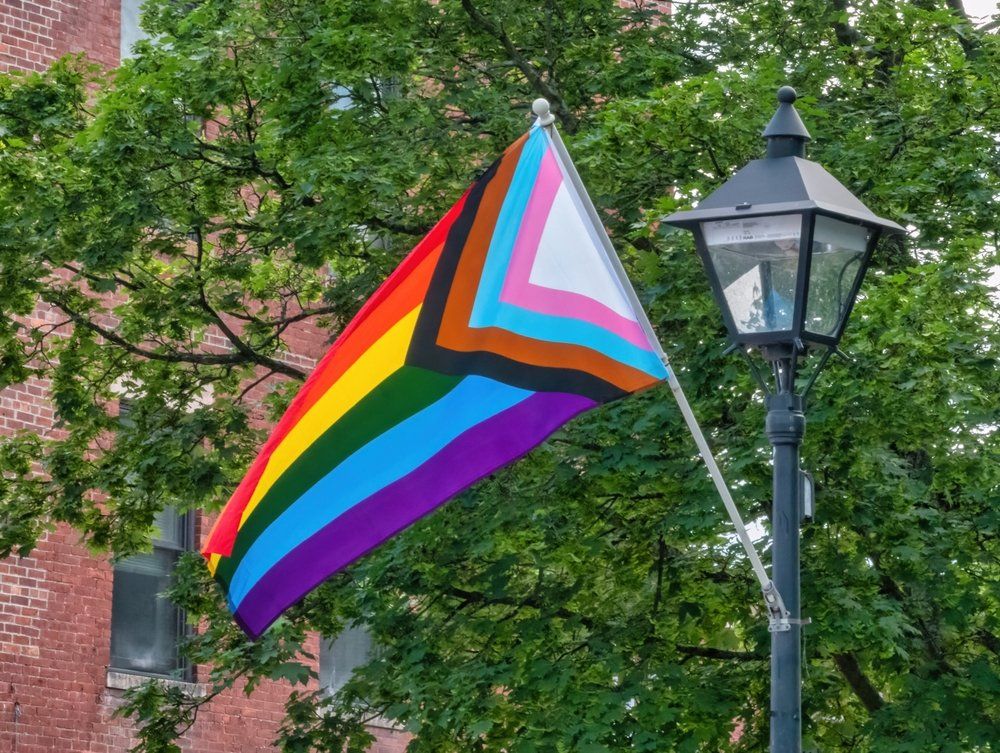
                              Pride flag on lamppost in Montpelier, Vermont

                              Charles Patrick Ewing / Shutterstock.com

                              LGBTQ+ Pride flag on lamppost in Montpelier, Vermont – June 11, 2022

                                Nondiscrimination laws: Vermont has nondiscrimination laws in employment, housing, health care, education, public accommodations, and credit/lending.

                                Marriage equality and parental rights: Vermont has adoption and foster care nondiscrimination protections for LGBTQ+ parents, second-parent adoption for unmarried couples, and recognition for parents using assisted reproductive technologies. It also has family leave laws, which include LGBTQ-inclusive definitions. It does not have confirmatory adoption.

                                Education and youth policies: Vermont does not restrict discussion of LGBTQ+ identities in classrooms, but it does not have LGBTQ-inclusive curriculum. It does not prevent transgender students from participating in sports or using school facilities based on their identities, and it does not require staff to forcibly out LGBTQ+ students to their guardians.

                                Healthcare access and rights: Vermont has “shield” laws protecting access to gender-affirming care for youth, as well as abortion. The state has also banned so-called conversion therapy for youth. Health insurance companies, including Medicaid, are not allowed to deny coverage related to gender transition. However, state employees who are transgender do not have inclusive health benefits. Insurance companies are also not required to cover fertility treatments.

                                Criminal justice: Vermont’s hate crime laws encompass sexual orientation and gender identity, and it has banned the so-called “LGBTQ+ panic” defense. It does not have nondiscrimination laws for LGBTQ+ people in jury selection.

                                Washington
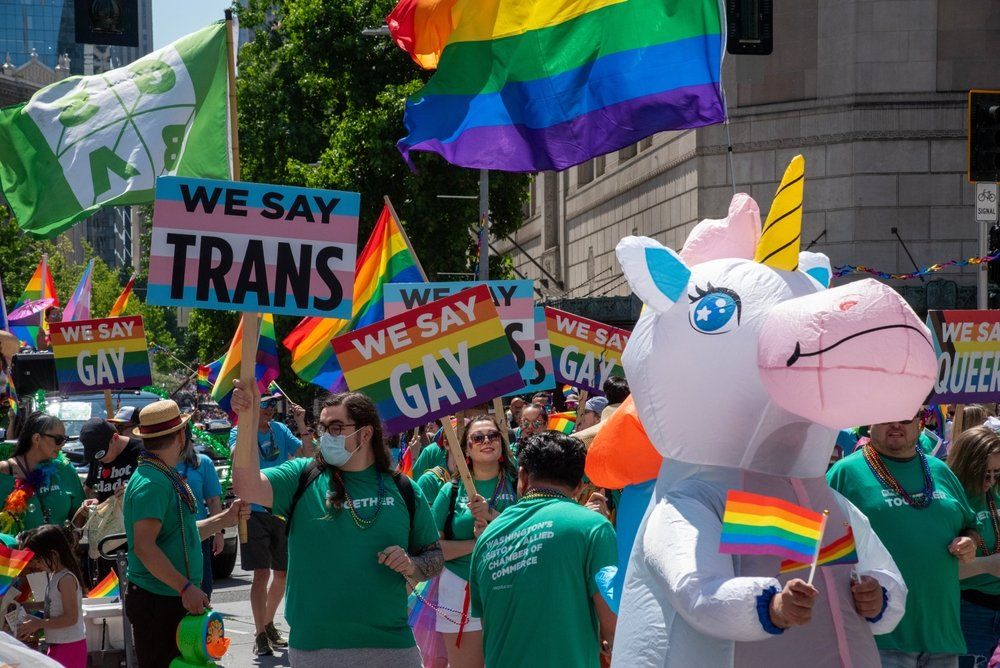
                                People carrying "We say trans" and "We say gay" signs at Seattle Pride

                                SeaRick1 / Shutterstock.com

                                People carrying rainbow signs reading “We say trans” and “We say gay” at LGBTQ+ Pride in Seattle, Washington – June 25, 2023

                                  Nondiscrimination laws: Washington has nondiscrimination laws in employment, housing, health care, education, public accommodations, and credit/lending.

                                  Marriage equality and parental rights: Washington has adoption and foster care nondiscrimination protections for LGBTQ+ parents and recognition for parents using assisted reproductive technologies.. It does have family leave laws, which include LGBTQ-inclusive definitions. It does not have second-parent adoption for unmarried couples, nor confirmatory adoption.

                                  Education and youth policies: Washington does not restrict discussion of LGBTQ+ identities in classrooms, and instead requires curriculum to be LGBTQ-inclusive, which parents are not required to be notified of. It does not prevent transgender students from participating in sports or using school facilities based on their identities, and it does not require staff to forcibly out LGBTQ+ students to their guardians.

                                  Healthcare access and rights: Washington has “shield” laws protecting access to gender-affirming care for youth, as well as abortion. The state has also banned so-called conversion therapy for youth. Health insurance companies, including Medicaid, are not allowed to deny coverage related to gender transition. However, they are not required to cover fertility treatments.

                                  Criminal justice: Washington’s hate crime laws encompass sexual orientation and gender identity, and it has banned the so-called “LGBTQ+ panic” defense. It does have a law criminalizing the transmission of HIV.

                                  Honorable mentions
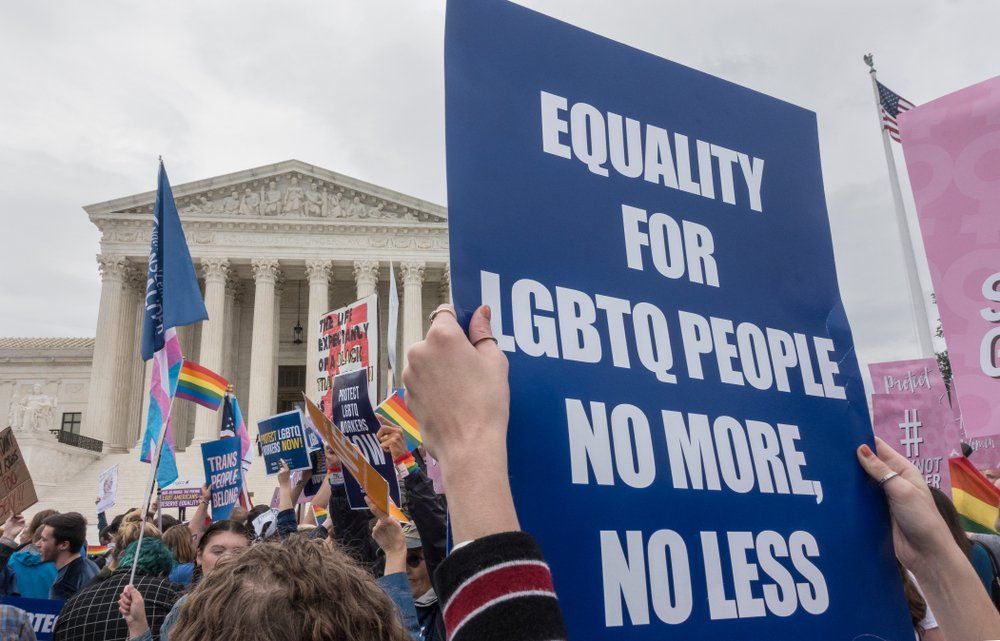
                                  Sign outside SCOTUS reading "Equality for LGBTQ people no more, no less"

                                  Bob Korn / Shutterstock.com

                                  Rally for LGBTQ rights outside Supreme Court in Washington, D.C. – OCT. 8, 2019

                                    Washington, D.C. also ranked high on MAP’s assessment, though it does not currently have statehood.

                                    Other states that ranked above average include: Delaware, Hawaii, Michigan, New Hampshire, New Mexico, and Virginia.

                                    Marriage Equality at 10 and Already in Danger.

                                    *This is the opinion of the author.

                                    June 26, 2015 was a milestone day in the United States when the SCOTUS decision was announced in the case of Obergefell v Hodges. A narrow 5-4 ruling brought nationwide marriage equality for LGBTQ people much sooner than many expected it. I certainly did not even think it would occur in my lifetime. The nation was split down the middle on the topic. A piecemeal approach was commonplace, with some states making it legal before the ruling, and others staunchly opposed to it in their state constitutions. Yet, a conservative justice saw fit to challenge the status quo and actually base a ruling on the US Constitution for a change, rather than political ideology.

                                    We had already been married for almost 4 years at that point. We were living in Texas in July 2011 and my boyfriend at the time decided to ask me to marry him (now her, but that is another story for another day). We had been living together nearly 10 years. Going to Canada was floated as an idea. I had family in New Jersey and Andrew Cuomo in New York had just its own marriage equality law June 24 that year to take effect in July. So, New York it was! I had become an internet wedding planner of my own wedding by then to be wed on October 09, 2011, one day difference from our “10th anniversary”. It was tedious. It was stressful. It was fun. It was one of the best days of my life. I will never do it again. Sorry boys and girls.

                                    While our own wedding anniversary of 14 years is coming this fall, I sit here writing this and worried that we will have to go through even more bullshit to not only keep our marriage legally intact, but to ensure future generations maintain their right to due process and equality under the law. We have a Supreme Court who has already shown it has the balls to revisit and repeal established forward thinking case law precedent. See, Roe v Wade’s death as a result of Dobbs v. Jackson Women’s Health Organization. Chief Justice Roberts and Justices Thomas, and Alito, who each wrote a dissenting opinion in Obergefell v Hodges are still proudly part of the conservative super majority on the bench. Yes, there is a Respect for Marriage Act that was finally passed in 2022 to help reaffirm O v H.

                                    But we also have a President and House who are willing to turn back time. We have state legislators, who are now firing the opening salvo towards repeal of marriage equality. House reps in 9 states in 2025 proposed resolutions urging SCOTUS to repeal O v H. Those resolutions were passed in North Dakota and Idaho. 4 other states introduced bills, which failed, to introduce covenant marriage to their books, which would have created an exclusive category for opposite sex couples.

                                    I hope everyone enjoys their anniversary, whether you were married today or at another point in time. But please remain vigilant and pay fucking attention to what is going on around you. Your rights can always be removed with the stroke of a pen. And sometimes that pen needs to be shoved into an uncomfortable place.

                                    This is us. Climate change was on full display.

                                    John Turner-McClelland is the editor of several blogs including FleeRedStates. He is a licensed real estate agent in Texas and North Carolina. He was on a Vice News panel once and was allowed to speak for 5 seconds on air. He has been a proud liberal LGBTQ activist and former elected official for a few decades or so. Yes, he is still married.

                                    Blog at WordPress.com.

                                    Up ↑