The Pennsylvania House passed House Bill 1800, focusing on marriage equality, on a 127-72 vote, moving to change the state’s definition of marriage from a contract between a man and a woman to a contract between two individuals.
HB 1800 passes state House
The bill is sponsored by Democrat Rep. Malcolm Kenyatta of Philadelphia. The vote mostly followed party lines, with some Democrats voting against and some Republicans voting for the bill.
Opponents argued marriage should stay out of government, while supporters said the change would keep government out of marriage.
The bill would change the definition of marriage in the state to be between two consenting adults and remove a section stating that if a same-sex marriage happens in another state, it would be void in Pennsylvania.
Lawmaker comments on floor and response
“I don’t believe that we need government to put a stamp of approval on marriage. And I’ve been in the minority for that position for some time,” said Rep. Bryan Cutler, R-Pa. Dist. 100. “We need to recognize the foundation of marriage is actually for the stability of children, whether it’s history or whether it’s consistent with beliefs.”
“It is about a covenant that is deep and meaningful, and the one that I share, and thousands of Pennsylvanians share is deep and meaningful,” said Rep. Kenyatta. “So, marriage is not symbolic. They are legal, they are practical. There are financial things connected to the institution of marriage.”
“Marriage equality has been something I’ve been advocating for my entire career. It’s about time that we update Pennsylvania’s laws to reflect modern society,” said Rep. Dave Madsen, D-Pa. Dist. 104.
What’s next
The bill now heads to the Republican-controlled Senate, where it is unclear whether lawmakers will take up the proposal and vote on it.
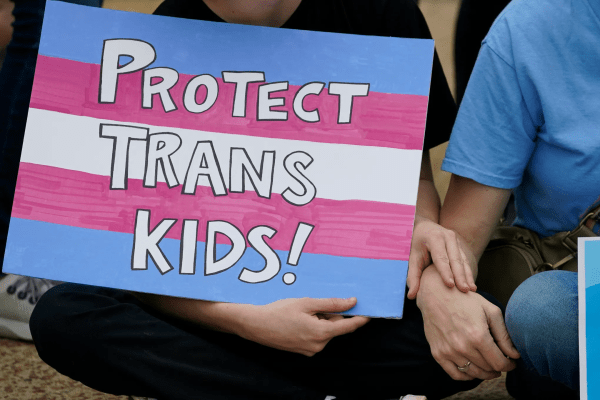
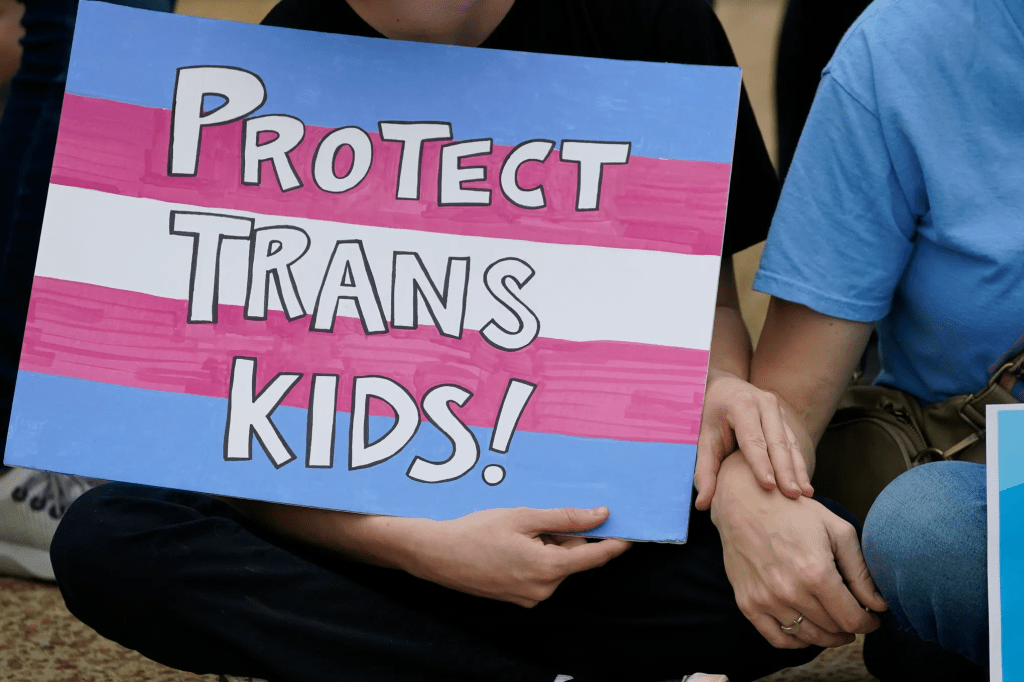
Transgender youth in Pennsylvania and their families are celebrating a significant legal victory. A federal court in Philadelphia has rebuffed the Department of Justice’s sweeping attempt to obtain highly personal medical records from the Children’s Hospital of Philadelphia about children receiving gender-affirming care.
On Friday, federal district Judge Mark A. Kearney in the Eastern District of Pennsylvania issued an order quashing DOJ subpoena demands for names, dates of birth, Social Security numbers, home addresses, and clinical notes covering minors treated since January 2020. The court found the government “lacks statutory authority for a rambling exploration of the Hospital’s files to learn the names and medical treatment of children.”
Families in Pennsylvania had filed separate motions to quash subpoenas issued by the Trump administration in July that alleged fraud in gender-affirming care. As The Advocatereported, the subpoenas demanded exhaustive data on minors, including “intake forms, consent paperwork, and parental authorizations for puberty blockers and hormone therapy.”
Kearney’s decision reaffirms that the records in question concern lawful medical treatment governed under Pennsylvania law, and that children’s and families’ constitutional privacy interests “far outweigh” the government’s asserted investigative needs. The ruling also criticizes the DOJ’s shifting justifications, noting that at one point the government “replaced” and reminding that “false statements may be subject to a perjury investigation.”
The ruling arrives amid a broader national crackdown on gender-affirming care by the Trump administration, which in July announced more than 20 subpoenas to clinics and hospitals across multiple states. The American Medical Association and other major professional organizations had already pushed back, affirming such treatments as evidence-based and lifesaving.
For advocates and legal counsel representing the children, the decision is a vindication of long-held concerns about governmental overreach. “This is a critical win for everyone who believes healthcare decisions should be made in doctors’ offices, not the White House,” Mimi McKenzie of the Public Interest Law Center said in a press release. Attorney Jill Steinberg of the law firm Ballard Spahr added that the decision signals to transgender youth and their families that they “do not have to fight these battles alone.”
Philadelphia’s tourism agencies are planning to have a queer-friendly information center that will highlight LGBTQ+ events, restaurants and businesses to visitors coming to the city during a busy 2026.
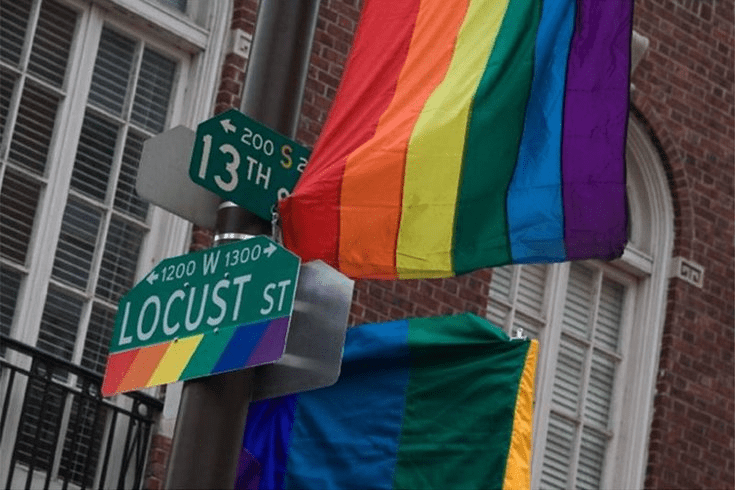
The Philly Pride Visitor Center, operated by the Philadelphia Visitor Center and Visit Philadelphia, will open at 12th and Locust streets in the Gayborhood in January. Organizers said it will help travelers who are here for the World Cup, MLB All-Star Game and numerous celebrations for the 250th anniversary of the signing of the Declaration of Independence.
The center will offer itinerary planning, ticketing, travel advice and souvenirs from queer-owned businesses. It will also feature exhibits on some of the city’s queer history, including the first LGBTQ+ sit-in at Dewey’s restaurant in 1965 and the Annual Reminders demonstrations outside Independence Hall from 1965 to 1969. The historical content was curated with community input in partnership with Mark Segal, founder of Philadelphia Gay News.
“Our city helped launch the fight for representation in media, shaped national policy, and created safe, visible spaces for our community,” Segal said in a statement. “Now, with the opening of the Philly Pride Visitor Center, Philadelphia proudly honors that legacy and reaffirms its commitment to those who call this community home.”
Visit Philadelphia said it was one of the first supporters for creating the Stonewall National Monument Visitor Center in New York City, which was the first queer institution of its kind in the National Park System. Leaders said they’re eager to bring this support back home.
“For more than 20 years, Visit Philadelphia has worked to show LGBTQ+ travelers that they belong here,” said Angela Val, president and CEO of Visit Philadelphia. “This new center gives visitors and residents a place to connect with Philadelphia’s LGBTQ+ history, discover affirming businesses and see how this city helped shape a national movement. It is both a resource hub and a testament to Philadelphia’s role in advancing LGBTQ+ rights.”
Visit Philadelphia and the Visitor Center said that the move is both an investment in its values and reflective of the strong support from queer tourists.
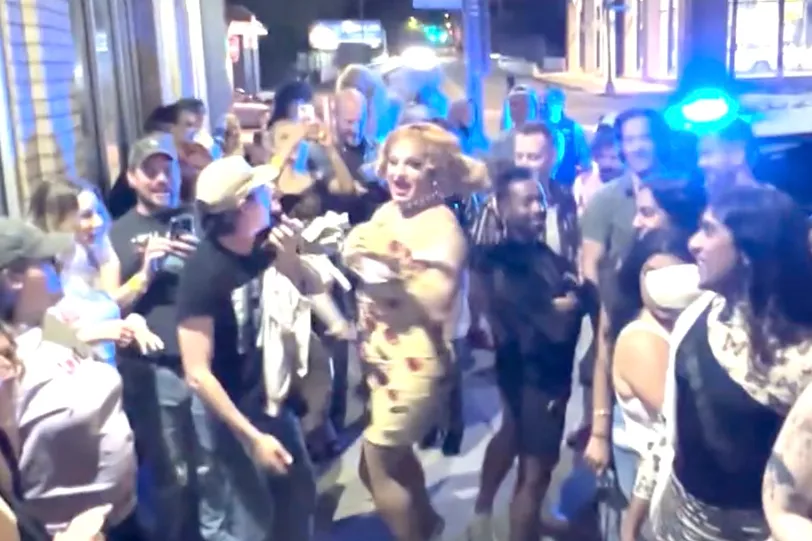
In a moment of resistance and queer solidarity, a drag show went on despite patrons and performers being kicked out of a bar by about 20 police officers in bulletproof vests.
Police raided Pittsburgh LGBTQ+ venue P Town Bar on Friday in the middle of a drag event.
Drag artist Indica was performing alongside trans model and nightlife legend Amanda Lepore when police began to gather in the back of the establishment, QBurgh reported. When Indica finished her rendition of “Bohemian Rhapsody,” police directed patrons to exit the bar but did not explain why beyond saying it was a “compliance check.”
“We waited 30 minutes outside for them to inspect every crevice,” Indica told QBurgh. But the patrons and performers refused to let the cops quash their spirit and instead created their own public performance space.
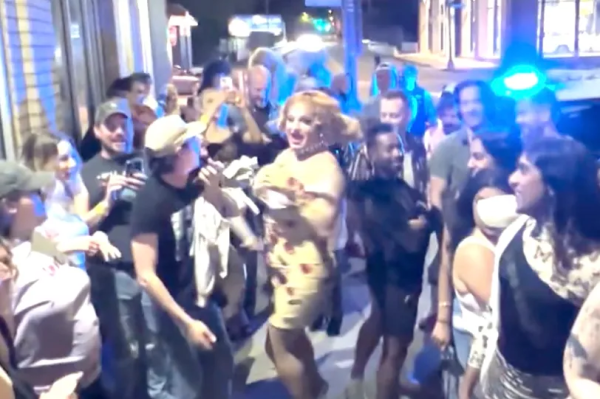
Video captured during the wait shows the crowd belting Chappell Roan’s Pink Pony Club while Indica dances up and down the sidewalk, collecting tips.
“Guess what, divas?” she said when the performance ended. “This is why queer people have gotta stick the f*ck together in 2025… Make some noise for the queer people in your life everybody.” The crowd cheered.
QBurgh described the moment as one of “resistance, solidarity, and improvisational beauty” and one that “reminded everyone there that drag isn’t just entertainment, it’s political. And when the music stops, the queens don’t.”
Police proceeded to allow 70 people to reenter the bar, saying it had been over capacity with the 130 people who were in attendance.
“The raid was a jarring experience in 2025,” one witness said. “Dozens of state police, geared up with bulletproof vests, flooded the bar and told us to get out. None of the officers would explain what was happening. We stood in the rain for maybe 30 minutes or so until most patrons were let back in. Fortunately the situation was calm and orderly, but they really just overtook this queer space with an entire fleet of police to ‘count heads’ or whatever their excuse was.”
Corey Dunbar, a security guard for P Town Bar, praised the way the staff handled the incident, saying they “ensured patrons’ safety and nerves during the process” since “many people were shaken up.”
State police told QBurgh the raid was instigated by the Allegheny County Nuisance Bar Task Force. It is not known who made the initial complaint that led the cops there.
Witnesses said officers would not look the queens in the eye and would not answer their questions about why things like this never happen at straight bars. Indica also said that some officers even asked to take selfies with Lepore.
Allentown City Council passed a resolution at its Wednesday night meeting to protect and grant refuge to the LGBTQ+ community in Allentown by proclaiming the city a “safe and welcoming haven.”
Resolution “R48” was initially discussed at City Council’s Human Resources, Administration, and Appointments committee meeting on April 9, where it received a favorable vote to move forward to the full council.
The resolution responds to a “record number of discriminatory anti-trans legislative bills and executive orders being proposed and enacted throughout the country,” according to council documents.
“As attacks against transgender and gender non-binary adults and youth across the United States continue, it is the responsibility of Allentown to ensure transgender and non-binary people, particularly youth, continue to be protected and welcomed,” the resolution states.
It emphasizes the importance of treating all individuals with fairness, respect, dignity, and full human rights, regardless of sexual orientation, gender identity, or expression.
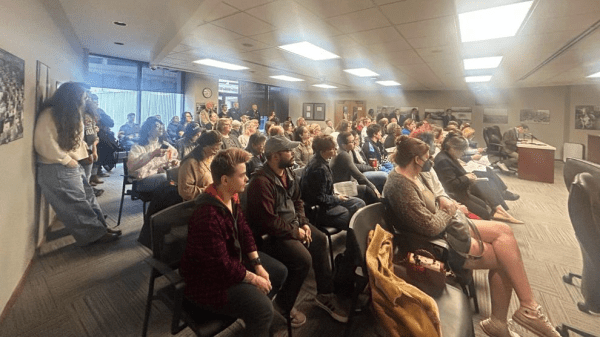
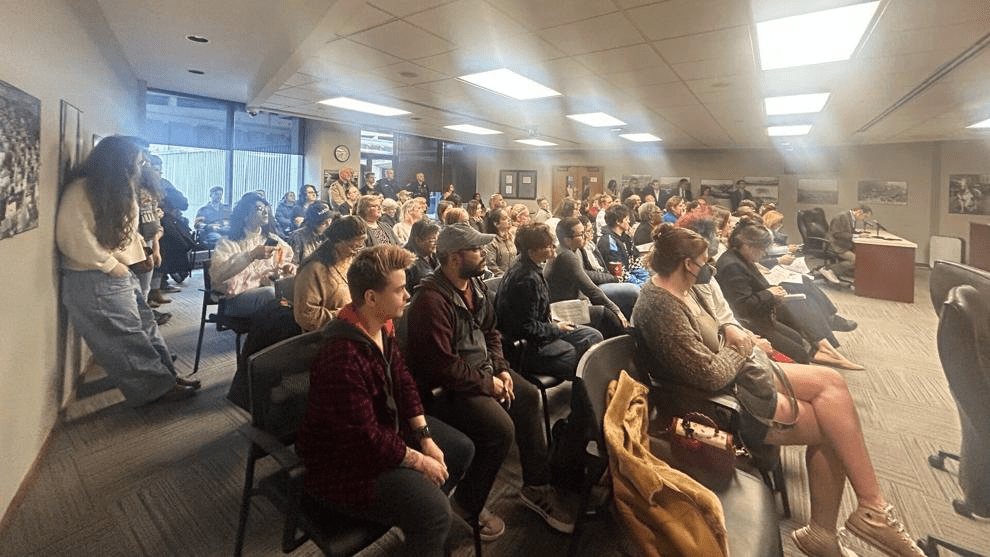
Not a single seat was empty at the council’s Wednesday night meeting in anticipation of the resolution’s passage, which had full council sponsorship.
Multiple public commenters — including members of the LGBTQ+ community, psychologists specializing in transgender affirming care and state representatives — spoke in support of the resolution before council’s vote.
Amelia, a transgender woman, shared her personal experience receiving gender-affirming care in the city of Allentown and what she described as its life-changing impact.
“Access to this treatment quite literally made my life as one worth living,” Amelia said. “It was the antidote for my dysphoria or gender misalignment that had plagued me since puberty.”
Christine Hartigan, a licensed psychologist in Allentown specializing in transgender affirming care, also voiced her support for the resolution.
“We have a lot of research backing up what we do, and we know that limiting access to this care is incredibly detrimental to individuals, especially transgender individuals,” Hartigan said.
“They can lead to increased rates of anxiety, depression, substance use, and as several people have already mentioned, even suicide,” she continued. “So this is lifesaving care, and we know it works.”
State Rep. Josh Siegel, a Democrat representing Lehigh County, commended council’s efforts and emphasized the need for state-level protections.
“I’ve introduced legislation at the state level to create a shield law around gender and affirming care in Pennsylvania and protect our prosecutors,” Siegel said. “Those bills will never see the light of day because our Republican Senate won’t move them.”
“It is more important than ever now that our local bodies, our counties and our cities speak with one voice to push back on this hateful narrative that the reason for people’s hardship in life is that trans kids wants to belong and play sports with their friends,” he continued.
Mayor Matt Tuerk, also present at the meeting, acknowledged the thousands of transgender people in Allentown and outlined policy changes underway.
“Estimates across the country are that anywhere between 1 and 2% of the population identifies as transgender, which would make the number here in Allentown in the thousands,” Tuerk said. “There are thousands of people that you and I represent who are looking for safety, and that’s our fundamental duty as city leaders.”
“We looked at the five bullet points that you put out there as policy that you’ve started to craft now at the city of Allentown that would prohibit criminal prosecution or administration penalty against individuals who are seeking gender affirming health care” he continued.
City Council unanimously voted to pass the resolution.
“We might not be able to change the world, but maybe we can change Allentown,” said Councilmember Ce-Ce Gerlach.
Two public school districts and several parents have sued the state in a bid to undo anti-discrimination protections for gay and transgender people in Pennsylvania, saying that the two-year-old regulation is illegal because it goes beyond what lawmakers intended or allowed.
The lawsuit, filed in the statewide Commonwealth Court late Thursday, comes amid a debate in Pennsylvania and nationally over the rights of transgender high school athletes to compete in women’s sports.
If the lawsuit is successful, the Pennsylvania Human Relations Commission would no longer be able to investigate complaints about discrimination involving sexual orientation, gender identity and gender expression. The plaintiffs’ lawyers also say a favorable ruling in court would bar transgender student athletes from competing in women’s high school sports in Pennsylvania.
The plaintiffs include two districts — South Side Area and Knoch, both in western Pennsylvania — and two Republican state lawmakers, Reps. Aaron Bernstine and Barbara Gleim, as well as three parents and seven students.
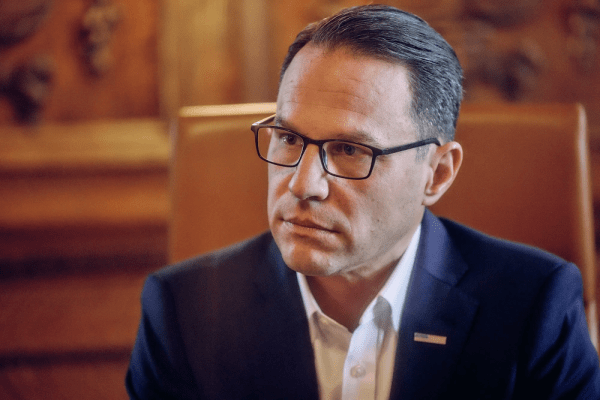
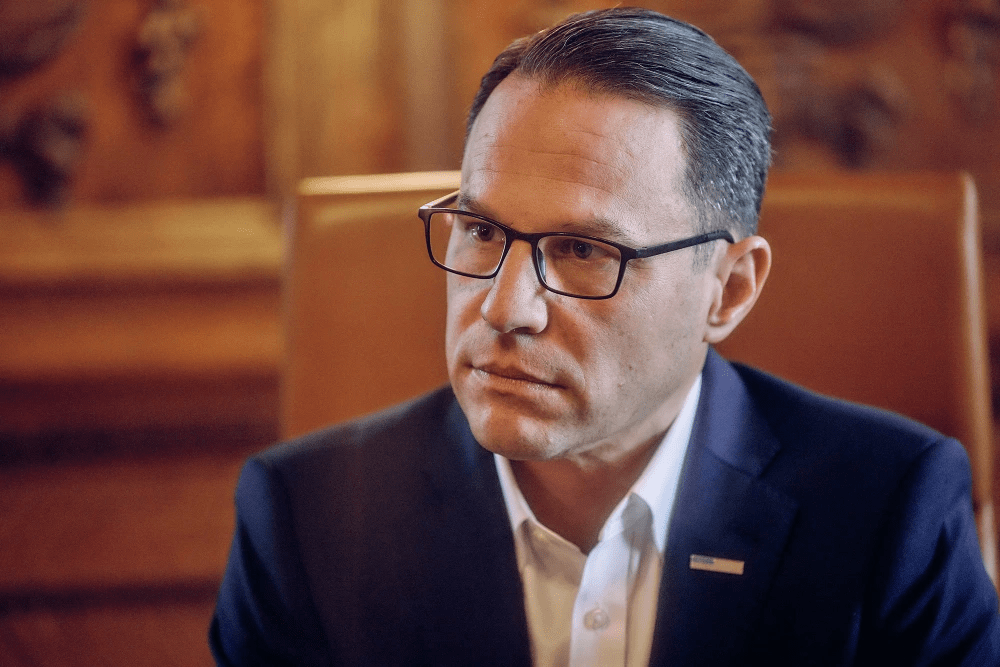
The lawsuit names Gov. Josh Shapiro, a Democrat, and the Pennsylvania Human Relations Commission, which investigates complaints about discrimination because of someone’s race, sex, religion, age or disability in housing, employment and public accommodations.
Shapiro’s office said it had no immediate comment Friday and the commission did not immediately respond to an inquiry about the lawsuit Friday.
The lawsuit is aimed at the definition of sex discrimination that the commission expanded by regulation to include sexual orientation, gender identity and gender expression.
The regulation was approved in late 2022 by a separate regulatory gatekeeper agency, and it took effect in 2023.
The plaintiffs contend that the state Supreme Court has interpreted the term “sex” as used in the Pennsylvania Constitution to mean either male or female.
They also contend that the state Legislature never gave permission to the Human Relations Commission to write regulations expanding the legal definition of sex discrimination, making the regulation a violation of the Legislature’s constitutional authority over lawmaking.
The commission has justified the expanded definition by saying that state courts have held that Pennsylvania’s anti-discrimination laws are to be interpreted consistently with federal anti-discrimination law. The commission can negotiate settlements between parties or impose civil penalties, such as back pay or damages.
For years, Democratic lawmakers tried to change the law to add the terms sexual orientation, gender identity and gender expression to the portfolio of complaints that the Human Relations Commission could investigate. Every time, Republican lawmakers blocked the effort.
Ground has been broken in Pittsburgh for what will be the first LGBTQ-focused senior housing complex in western Pennsylvania and the second in the state overall.
Groundbreaking took place Thursday for the Mosaic Apartments in the city’s Oakland neighborhood, which is home to the University of Pittsburgh and Carnegie Mellon University, along with museums, health care providers, and an eclectic mix of shops and restaurants. The 48-unit complex will open in the fall of 2025, according to local media.
The affordable housing development is a project of Presbyterian SeniorCare Network, which was approached about seven years ago by the Persad Center, a provider of LGBTQ-affirming mental health services.
“One of their staff members said, ‘Can you build us an apartment building?’ It was a beautiful opportunity for us to enhance our mission and help a greatly underserved and often discriminated-against population,” Jim Pieffer, president and CEO of Presbyterian SeniorCare, told TV station WTAE.
Presbyterian SeniorCare raised $30 million for the complex but was able to acquire the land for free thanks to the University of Pittsburgh and its medical center, Pieffer told another station, KDKA.
Persad Center CEO Martin Healey told KDKA that LGBTQ+ people sometimes encounter problems in senior housing. “It’s scary — you sometimes have to go back into the closet,” he said. “There’s not necessarily a safe space all the time. … We’ve seen situations where they have fear and have isolation and loneliness that hopefully this type of place will break.”
“My hope is that this is the start of something far bigger and far greater for our community, not just here in Pittsburgh, but more across the country,” he added.
By 2030, there will be 7 million LGBTQ+ seniors in the U.S., SAGE National Resource Center on LGBTQ+ Aging estimates.
Prospective Mosaic Apartments residents can begin applying next March.
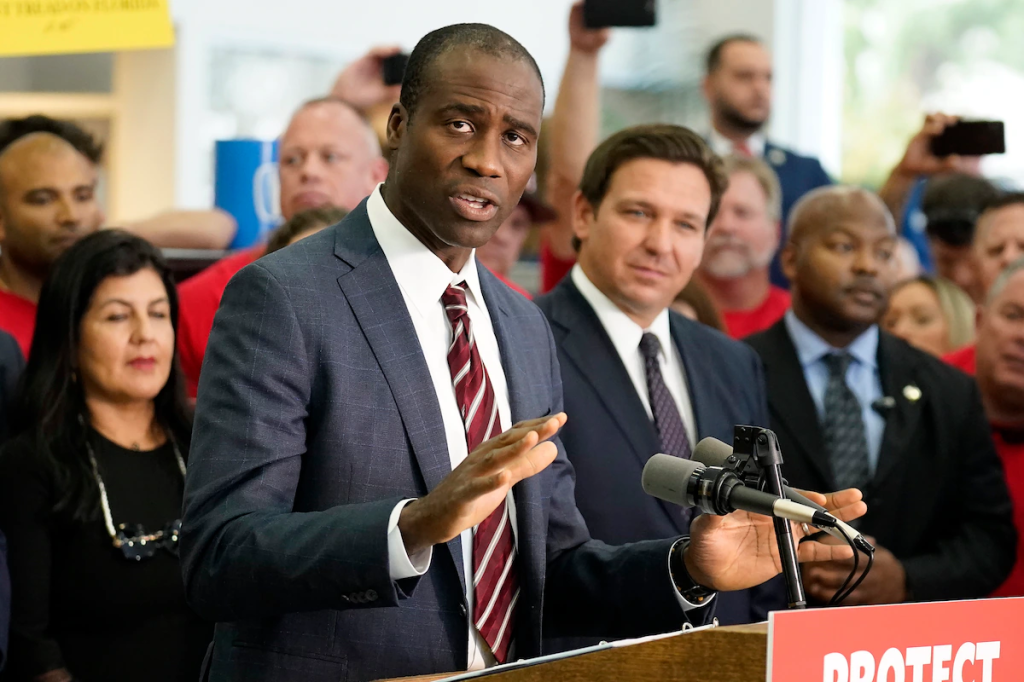
As a Florida elementary school grapples with a growing measles outbreak, the state’s top health official is providing advice that contradicts scientific consensus, potentially putting unvaccinated children at risk of contracting one of the most contagious pathogens on Earth, according to clinicians and public health experts.
In a letter to parents at a Fort Lauderdale-area school following six confirmed measles cases, Florida Surgeon General Joseph A. Ladapo failed to urge parents to vaccinate their children or to keep unvaccinated students home as a precaution.
Instead of following the “normal” recommendation that parents keep unvaccinated children home for up to 21 days — the incubation period for measles — Ladapo stated that the state health department “is deferring to parents or guardians to make decisions about school attendance.”
Ladapo’s controversial decision continues a pattern of defying public health norms, especially regarding vaccines. Last month, he called for halting the use of mRNA coronavirus vaccines, a move widely condemned by the public health community.
Ben Hoffman, president of the American Academy of Pediatrics, criticized Florida’s guidance, stating that it contradicts longstanding and widely accepted public health recommendations for measles, a disease that can lead to severe complications, including death.
“It contradicts everything I’ve ever heard and read,” Hoffman stated. “It goes against our policy and what the Centers for Disease Control and Prevention would recommend.”
In 2024, measles outbreaks have surged, with the CDC recording at least 26 cases across 12 states, doubling the count from the previous year. Apart from the six cases identified in the Florida school, instances have been documented in Arizona, California, Georgia, Maryland, Minnesota, Missouri, New Jersey, New York City, Ohio, Pennsylvania, and Virginia.
The surge in measles outbreaks is attributed to the increasing number of parents seeking exemptions from childhood vaccinations. This trend has emerged in the wake of political opposition to COVID-19 mandates and widespread dissemination of misinformation regarding vaccine safety.
In January, the CDC issued a caution to healthcare providers to remain vigilant for additional measles cases. Contagion can occur from four days before the onset of a rash until four days after.
Because measles virus particles can persist in the air and on surfaces for up to two hours after an infected individual departs, up to 90 percent of non-immune individuals may contract measles if exposed. Those who have been infected or have received both doses of the MMR vaccine are 98 percent protected and highly unlikely to contract the disease. This is why public health officials usually recommend vaccination during outbreaks.
“The measles outbreak in Florida schools is a result of too many parents failing to ensure their children are protected by the safe and effective measles vaccine,” explained John P. Moore, a professor of microbiology and immunology at Weill Cornell Medical College. “And why is that? It’s because anti-vaccine sentiment in Florida is propagated from the top of the public health hierarchy: Joseph Ladapo.”
When requested for comment, the Florida health department provided a link to Ladapo’s letter.
Ladapo’s reluctance to utilize public health measures mirrors the efforts of conservative and libertarian factions to weaken public health’s capacity to control diseases such as the highly contagious measles. In an outbreak in Ohio that commenced in late 2022, most of the 85 afflicted children were eligible for vaccination, but their parents opted against it, according to officials. In 2021, the state legislature curtailed health officials’ authority to mandate quarantine for individuals suspected of having an infectious disease.
Ladapo’s communication with parents arrives amidst increased concern regarding the public health impacts of anti-vaccine sentiment, an ongoing issue that has resulted in declines in childhood immunization rates in various areas across the United States. Federal data released last year revealed that the percentage of kindergartners exempted from at least one state-required childhood vaccination reached its highest level yet during the 2022-2023 school year, standing at 3 percent.
According to Paul Offit, a pediatric infectious diseases expert at Children’s Hospital of Philadelphia, Ladapo’s neglect to promote vaccination puts children at risk.
“In light of the data showing measles as the most contagious vaccine-preventable disease, surpassing even influenza or COVID, is Ladapo attempting to suggest otherwise?” Offit questioned in an email.
Measles is highly contagious, spreading swiftly, particularly affecting young children who receive their first dose of the vaccine between 12 to 15 months of age. The CDC advises two doses of the MMR vaccine, with the second typically administered between 4 to 6 years old.
When measles vaccination coverage falls below 95 percent, it undermines herd immunity, facilitating the virus’s rapid spread. While Florida’s overall vaccination coverage stands at 90.6 percent, it doesn’t pinpoint areas with potentially lower coverage rates.
If unvaccinated individuals fail to adhere to public health guidelines and stay home from school during the contagious period, the outbreak could escalate dramatically, posing a significant community risk. Patsy Stinchfield, President of the National Foundation for Infectious Diseases and a nurse practitioner in Minneapolis, has firsthand experience managing measles outbreaks, including the 2017 outbreak in Minnesota, which impacted 75 individuals, predominantly unvaccinated children.
Approximately 1 in 5 unvaccinated individuals in the United States who contract measles require hospitalization, as reported by the CDC. Among children, up to 1 out of 20 develop pneumonia, which is the leading cause of death from measles in this age group. Additionally, around 1 child out of every 1,000 with measles experiences brain swelling, which can result in seizures and long-term consequences such as deafness or intellectual disability. Unvaccinated infants who contract measles face an even graver risk, with 1 in 600 developing a fatal neurological complication that may remain latent for years.
This week, officials at Manatee Bay Elementary School, located approximately 20 miles west of Fort Lauderdale, confirmed six cases of measles. According to Broward County Schools Superintendent Peter B. Licata, out of the school’s 1,067 students, 33 have not been vaccinated with the MMR vaccine. During a school board meeting on Wednesday, Licata provided this information. Additionally, a district official mentioned that the district has organized “four vaccination opportunities,” comprising two sessions held at the school and two at other venues within the community.
Florida health officials reported the first case on Friday, involving a third-grade child with no travel history abroad.
School officials redirected inquiries to the Broward County school district, which stated it is adhering to guidance from the state health department.
Elizabeth Magill resigns as UPenn president amid controversy over her comments on antisemitism during a Congressional hearing.
UPenn President Elizabeth Magill resigns following controversy over her Congressional testimony on antisemitism.
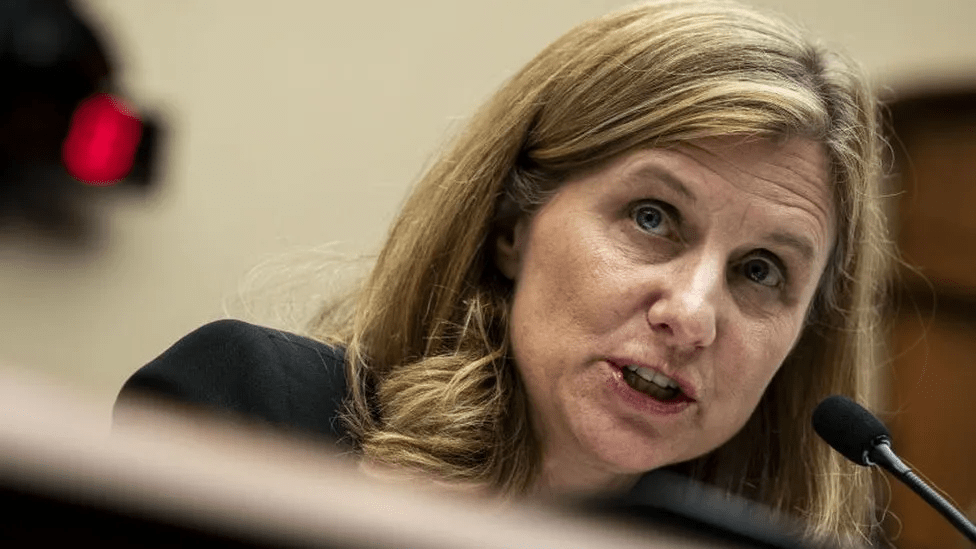
Elizabeth Magill, president of the University of Pennsylvania, faced criticism for declining to specify consequences for students advocating the genocide of Jews during Congressional testimony.
The university announced that Elizabeth Magill had “voluntarily tendered her resignation,” and she will continue in her role until a successor is appointed.
Ms. Magill had issued an apology for her testimony.
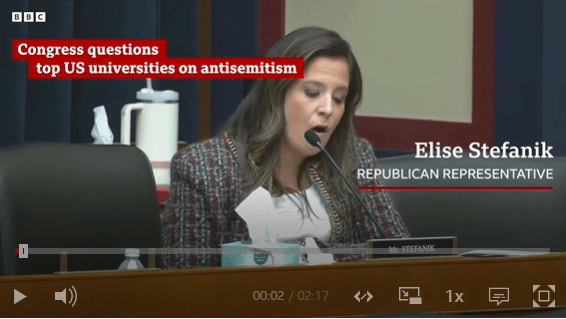
She made the controversial remarks during her appearance before a House of Representatives committee on December 5 alongside the presidents of Harvard and MIT, Claudine Gay and Sally Kornbluth.
They were asked by Republican New York Congresswoman Elise Stefanik: “Does calling for the genocide of Jews violate [your university’s] code of conduct or rules regarding bullying and harassment? Yes or no?”
Ms Magill and her counterparts from MIT and Harvard repeatedly stated that it would depend on the “context” and have faced criticism for not unequivocally condemning any calls for the genocide of Jews.
American students navigate the complexities of free speech and concerns about antisemitism
The Congressional hearing occurred during campus protests triggered by the Israel-Gaza conflict and a surge in antisemitic incidents.
US University Heads Evade Question on Genocide
Statement: Ms. Magill apologized for her testimony, but calls for her resignation have continued.
Criticism from the White House and the withdrawal of a $100 million donation from a major donor, who expressed being “appalled” at Ms. Magill’s comments, have intensified calls for her resignation.
On Thursday, two Jewish students at the university filed a lawsuit, asserting that the campus has evolved into “an incubation lab for virulent anti-Jewish hatred, harassment, and discrimination.”
Ms. Magill’s resignation was confirmed by Scott L. Bok, chair of the Penn board of trustees. He stated that Ms. Magill would step down as president but “will remain a tenured faculty member at Penn Carey Law.”
Trustees were reportedly scheduled to meet on Sunday to discuss Ms. Magill’s position.
Ms. Magill released a statement via the university, expressing, “It has been my privilege to serve as President of this remarkable institution.”
“It has been a privilege collaborating with our faculty, students, staff, alumni, and community members to further Penn’s essential missions,” Ms. Magill stated.
The University of Pennsylvania, commonly referred to as UPenn, stands as one of the oldest and most esteemed universities in the United States, belonging to the prestigious Ivy League alongside institutions like Harvard and Yale.
Pride Month means it’s time to celebrate all things that encourage the dignity, equality, and increased recognition of the LGBTQ community. So go ahead and wave that big, beautiful rainbow flag—and, just maybe, zero in on a place to buy a great new home.
It’s also the perfect time to pause and recognize that while the United States has come a long way from the 1969 Stonewall riots, which sparked the modern gay rights movement, 2022 is on track to break the record for the number of anti-LGBTQ bills introduced in states across the country, with at least 320 highly restrictive bills pending in state legislatures, according to the rights group Freedom for All Americans.
So, as we do each year, Realtor.com® searched for the most LGBTQ-friendly and affordable cities for homebuyers. We looked well past the big coastal cities famous for their thriving gay scenes—and wildly exorbitant home prices—like New York and San Francisco. Instead, we set our sights on smaller cities that are gay-friendly and budget-friendly, where housing is still modestly priced and the overall community and laws are more welcoming and favorable to lesbian, gay, bisexual, transgender, and queer individuals. All of these places have tons of fun things to do—and prices that are still (relatively) within reach.








 fleeredstates.blog
You must be logged in to post a comment.