LGBTQ activists in New Jersey say they’re fortunate to live in New Jersey as the new administration kicks-off its term by attacking the transgender community and diversity initiatives. Advocates at Garden State Equality say New Jersey sets a standard for legal equality that can inspire states throughout the country.
As part of its education and advocacy “Going Local” programming across the country, the GLAAD Media Institute (GMI) – GLAAD’s training, research and consulting division – convened meetings with local leaders and community advocates at Garden State Equality and throughout the nation. Attendees who complete a program or session with the GLAAD Media Institute are immediately deemed GLAAD Media Institute Alumni, who are equipped to maximize community impact by leveraging their own story for culture change.
The state is known for its tough pro-equality laws like New Jersey Law Against Discrimination (LAD), which is considered one of the most comprehensive anti-discrimination laws in the country. Yet, new laws in the state legislature help combat a rise of LGBTQ disinformation and hate speech, straight out of Project 2025. The anti-LGBTQ hate machine has affected dozens of Jersey school board’s policies on book bans, critical race theory, and sex education.
Since Garden State Equality’s founding in 2004, over “230 LGBTQ civil rights laws” have been enacted at the state, county, and local levels. According to the organization’s website, that’s “more laws in less time than in any other state in American history.”
On a federal level, President Trump began his second term signing executive orders to dispute the fact that transgender and gender diverse people exist. On Trump’s first days in office he signed an executive order titled Defending Women From Gender Ideology Extremism and Restoring Biological Truth to the Federal Government. The order is used to delegitimize trans truth, history, and science, which promptly raised concerns over a federal ban of the “x” gender marker for people of nonbinary, trans or gender nonconforming experience in the United States.
“As of today, it will henceforth be the official policy of the United States government that there are only two genders, male and female,” President Trump incorrectly said upon signing the order.
Garden State Equality says they’re ready to resist these efforts by the current administration, and continue to encourage diversity, equity, and inclusion (DEI) programs, while uplifting best practices for LGBTQ youth and adult community members as they have within their state government, says advocates.
“We want our youth to understand that they don’t just live in a bubble here in New Jersey, that the work that they are doing to be activists here in our state is going to influence other states and other students across the nation,” Natalie Hernandez told GLAAD.
Natalie Hernandez, camp director and project manager & trainer; Screenshot by Lana Leonard
Hernandez is the Camp Director of Garden State Equality’s Changemakers Youth Leadership summer program. Empowering youth leaders helps inform the work of other departments and so forth, it’s a collaborative effort to fight for legal equality for the state organization.
Hime Sarah Thomas, project manager and trainer with the Education and Youth Development Department, grew up in a queer family who introduced Thomas to Garden State Equality through the Changemakers Youth Leadership summer program. Thomas works to encourage youth to become “changemakers” by giving them an outlet to express their frustrations, and amplify their voices.
Only a small number of youth actually transition: less than one-tenth of one percent of teenagers with private insurance in the United States are transgender and receive gender-related medicine, according to a study by JAMA Pediatrics.
“These youth need a space where they can talk about all the things that are happening in the news and the world because they don’t have the autonomy to be able to vote and make those choices on who is representing them,” Thomas said.
For Aisling MacDonald, a project manager for the organization’s Training and Trans Resiliency Program, which advocates for the wellness of transgender and gender nonconforming adults and families moving into New Jersey for their LGBTQ protections.
“Our world is ever evolving. There are some very legitimate anxieties, and also… we are really, really fortunate to live here,” MacDonald said.
MacDonald spends much of her day building coalition relationships and legal resources for name changes and documents for trans people who have been under attack on social media, through legislation, and the news.
Hime Sarah Thomas, project manager & trainer; Screenshot by Lana Leonard
“My experience as a woman of trans experience who is from some very particular demographics, and a very particular flavor of multiple marginalizations, is that we do not have a lot of trust for systems, institutions and legislators, especially,” MacDonald said. “And I think more than anything else in 2025 we have an opportunity to build a different kind of community.”
These insights into the LGBTQ community of Asbury Park lead into a larger narrative about community needs in New Jersey and beyond. Even still, Garden State Equality recognizes that there are hurdles that must still be overcome.
More about the GLAAD Media Institute: The GLAAD Media Institute provides training, consultation, and actionable research to develop an army of social justice ambassadors for all marginalized communities to champion acceptance and amplify media impact. Using the best practices, tools, and techniques we’ve perfected over the past 30 years, the GLAAD Media Institute turns education into armor for today’s culture war—transforming individuals into compelling storytellers, media-savvy navigators, and mighty ambassadors whose voices break through the noise and incite real change. Activate with the GLAAD Media Institute now at glaad.org/institute
More than a quarter million LGBTQ+ young people and family members in the U.S. have relocated to other states because of LGBTQ+-related politics or laws, according to estimates outlined in a new report exploring the population’s response to hostile policy environments.
According to the brief compiled by The Trevor Project and Movement Advancement Project, 9 in 10 LGBTQ+ young people say politics have impacted their well-being, while 4 in 10 say they’ve thought about moving to another state because of unfriendly LGBTQ+ politics or laws at home.
The portion was even higher for transgender and nonbinary youth, 94% of whom said politics had affected their well-being and nearly half (45%) who said they’d considered relocating.
“For many LGBTQ+ young people in the U.S., the steady stream of anti-LGBTQ+ news may feel overwhelming right now,” said Steven Hobaica, a research scientist for the Trevor Project, a national LGBTQ+ youth advocacy group focused on suicide prevention. “It’s heartbreaking to see that nearly half of transgender and nonbinary youth have considered moving due to anti-LGBTQ+ policies.”
While just 4% of LGBTQ+ young people ages 13 to 24 reported uprooting because of anti-LGBTQ+ policies, that translates to roughly 266,000 young people and family members based on LGBTQ+ youth population estimates, the groups said.
Trump administration presents new threats
The report comes as President Donald Trump returns to the White House after making gender identity issues a focal point of his campaign. On Monday, after being sworn in, Trump issued a spate of executive orders that included seeking to remove legal protections for transgender people in federal spaces, laying the groundwork to potentially bar transgender individuals from military service and declaring that the U.S. government will only recognize two sexes, male and female.
“No matter a person’s political beliefs, we know, from our research and from what LGBTQ+ young people tell us, that policies like these take a damaging toll on LGBTQ+ young people’s mental health,” said Janson Wu, The Trevor Project’s senior director of state advocacy and government affairs.
The organization said its crisis services saw a 33% increase on Inauguration Day compared to typical volume. But that still paled, it noted, to the sevenfold increase in crisis services experienced the day after the 2024 election.
“No matter your political beliefs or how you feel about the current administration, one thing must be made clear to all of us living in the United States: Real young people’s lives are at risk,” said Trevor Project CEO Jaymes Black.
Recent years have already seen increasing numbers of state laws and proposed legislation targeting the LGBTQ+ community, especially measures aimed at curbing the rights of transgender youth.
“It’s critical that we not only call attention to the negative impact of these divisive political attacks but also highlight that this research supports the idea that more inclusive policy environments lead to better outcomes for LGBTQ young people across a range of measures,” said Logan Casey, director of policy research for Movement Advancement Project.
Hostile climates raise mental, emotional health risk
The organizations said they compiled the report given a lack of research into how LGBTQ+ young people respond to hostile policy environments, despite studies showing that those youths experience greater mental health challenges and higher suicide risk in such environments.
“By gaining more knowledge of how LGBTQ+ young people respond to their policy environment, advocates and policymakers can create or modify policy to better support LGBTQ+ young people and their families,” the report said.
Their joint report is based on data gleaned from The Trevor Project’s 2024 U.S. National Survey on the Mental Health of LGBTQ+ Young People, which collected responses from more than 18,600 LGBTQ+ individuals between the ages of 13 and 24. It also incorporates data from Movement Advancement Project, a Boulder, Colorado-based group that tracks LGBTQ+-related laws and policies throughout the U.S. and its territories and assigns each a negative or positive policy index.
More than a quarter (27%) of respondents lived in states with negative policy indexes, the report said. Those individuals were more likely than their counterparts to consider moving to other states and also likelier to travel to other states to receive health care.
The report noted that not all LGBTQ+ young people and their families desiring to relocate have the resources to do so.
“Notably, the same factors that might preclude the ability of LGBTQ+ young people and their families from moving, such as poverty, housing discrimination, and employment access, are the same ones that disproportionately affect LGBTQ+ people of color and increase their risk of mental health and suicide,” the report said.
The federal government is set to only recognize two sexes, male and female, under an executive order that President Donald Trump is soon expected to sign.
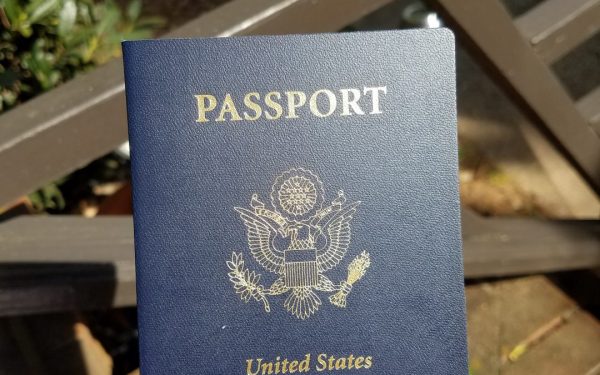
The order would reverse efforts by the Biden administration to broaden gender identity designations, including on passports.
“As of today, it will henceforth be the official policy of the United States government that there are only two genders, male and female,” Trump said during his inaugural address Monday, taking an early step to fulfill one of his culture war campaign promises.
The order, a Trump administration official told reporters Monday, is aimed at “defending women from gender ideology extremism and restoring biological truths to the federal government.” Male and female “are sexes that are not changeable, and they are grounded in fundamental and incontrovertible reality,” the official said.
The federal government would also shift from using the term “gender” to “sex,” and that sex would be “an individual’s immutable biological classification,” the official said.
All government agencies would ensure that official documents, including passports and visas, “reflect sex accurately,” the official said. Also, departments running federal prisons, migrant shelters, rape shelters and other “intimate spaces” would be directed to protect single-sex spaces for privacy. And employee records would also adhere to the executive order, as would federal departments’ messaging.
“Agencies are no longer going to promote gender ideology through communication forms and other messages,” the official said, adding that grants and contracts would be reviewed to ensure that “federal funds shall not be used to promote gender ideology.”
Reversing Biden expansion
Trump’s executive order would dismantle efforts by the Biden administration to be more inclusive of Americans’ gender identification.
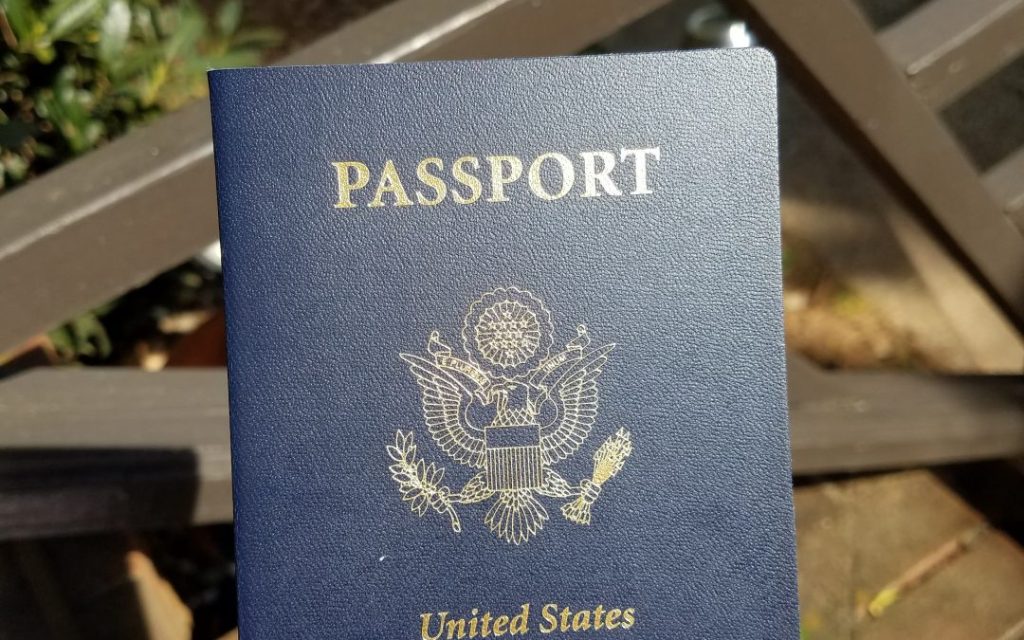
As of 2022, US citizens have been able to select “X” as their gender marker on passports. One’s marker does not need to match the gender on citizenship documents or photo ID, nor is medical documentation needed to change one’s gender, according to the State Department.
“We promote the freedom, dignity, and equality of all people – including LGBTQI+ individuals,” the department’s website says. “We are demonstrating this commitment to better serve all U.S. citizens, regardless of gender identity.”
Later that year, Americans were able to start changing their sex identification with the Social Security Administration without needing to provide medical certification. However, Social Security’s record systems still require a designation of male or female, though the administration said it was exploring policy and systems updates to support an “X” designation.
“The Social Security Administration’s Equity Action Plan includes a commitment to decrease administrative burdens and ensure people who identify as gender diverse or transgender have options in the Social Security number card application process,” said Kilolo Kijakazi, the administration’s acting commissioner at the time.
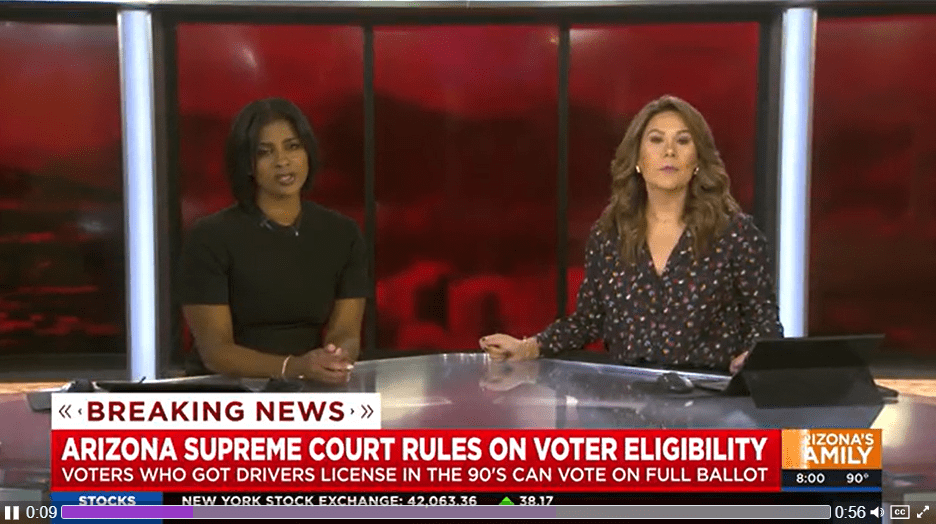
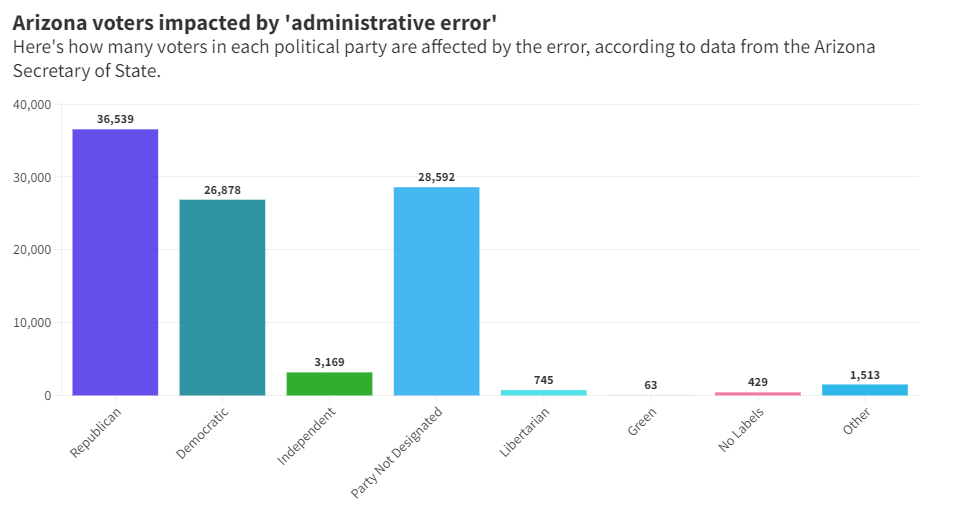
PHOENIX (AZFamily/AP) — The Arizona Supreme Court ruled on Friday that nearly 98,000 voters whose citizenship documents had not been confirmed can cast their full ballots in the upcoming November election, including in state and local races.
The court determined that Maricopa County Recorder Stephen Richer and other county recorders do not have the authority to restrict voters to federal-only ballots, as these individuals had registered to vote long ago.
“We are unwilling on these facts to disenfranchise voters en masse from participating in state contests,” Chief Justice Ann Scott Timmer wrote in the ruling. “Doing so is not authorized by state law and would violate principles of due process.”
While county recorders are obligated to verify citizenship, the court found no evidence suggesting that the affected voters are not U.S. citizens. As Chief Justice Timmer explained, “Fontes and Richer acknowledge that ‘[i]t is possible that Affected Voters have, in fact, provided satisfactory evidence of DPOC [documentary proof of citizenship].’”
The court also noted the urgency of the situation, with Timmer stating, “This Court has also accepted original special action jurisdiction over election matters in which there is a need for immediate relief based on rapidly approaching election deadlines and where the key facts are not in dispute.”
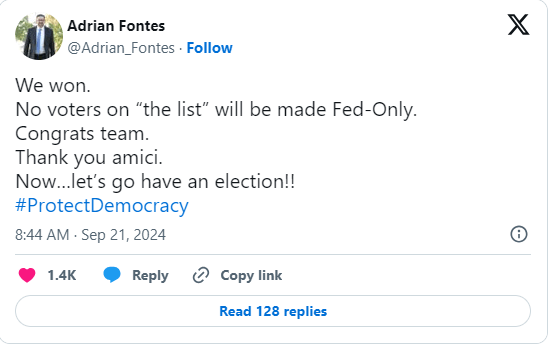
Maricopa County Elections Director Adrian Fontes celebrated the ruling, calling it “a significant victory for those whose fundamental right to vote was under scrutiny.” He continued, “The court faced a stark choice: to allow voters to participate in just a few federal races on a limited ballot, or to make their voices heard across hundreds of decisions on a full ballot that includes a variety of local and state offices. We deeply appreciate the Arizona Supreme Court for their prompt and just resolution.”
Meanwhile, Maricopa County Recorder Stephen Richer, a Republican, expressed gratitude to the court, stating, “Thank you Arizona Supreme Court for your extremely quick and professional review of this matter.”
The issue stemmed from a 2004 Arizona law requiring residents to provide documentary proof of citizenship (DPOC) to register as “full-ballot voters,” allowing them to vote in all federal, state, and local races. Voters who fail to provide proof of citizenship are restricted to voting only in federal races.
The controversy arose when a problem was discovered in how duplicate driver’s licenses were issued, which meant certain voters who had received a license before October 1, 1996, may not have citizenship records on file.
Fontes and Richer had been at odds over the status these voters should hold. Richer, seeking clarity, asked the high court to intervene.
Arizona’s swing state status is unique in that it distinguishes between voters who can participate only in federal elections and those eligible to vote in federal, state, and local elections. To qualify for the latter, voters must submit proof of citizenship.
San Salvador, El Salvador — For years, many Salvadorans felt they had only two options: flee or face death. Once known as the “murder capital of the world,” El Salvador saw an average of one homicide per hour in early 2016. With a population of just 6 million—two million fewer than New York City—gang violence forced countless Salvadorans to seek refuge, mostly heading north to the US. Now, the security landscape has changed so dramatically that even those who built new lives abroad are returning.
This transformation is largely credited to President Nayib Bukele, whose firm hold on power has brought peace to the streets—but not without a cost. Emergency measures, including the suspension of constitutional rights like due process, have led to a spike in incarcerations and condemnation from human rights groups. CNN visited the country to gather insights on how Salvadorans feel about these sweeping changes.
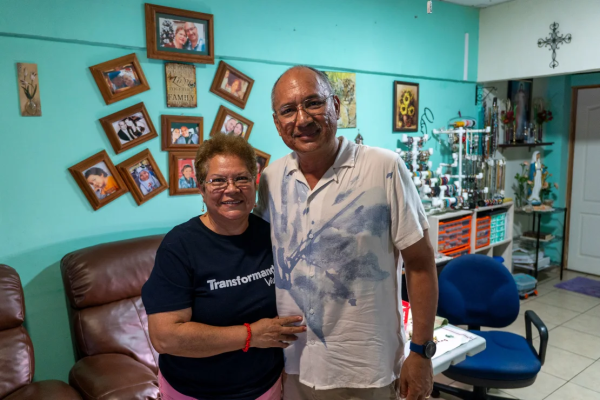
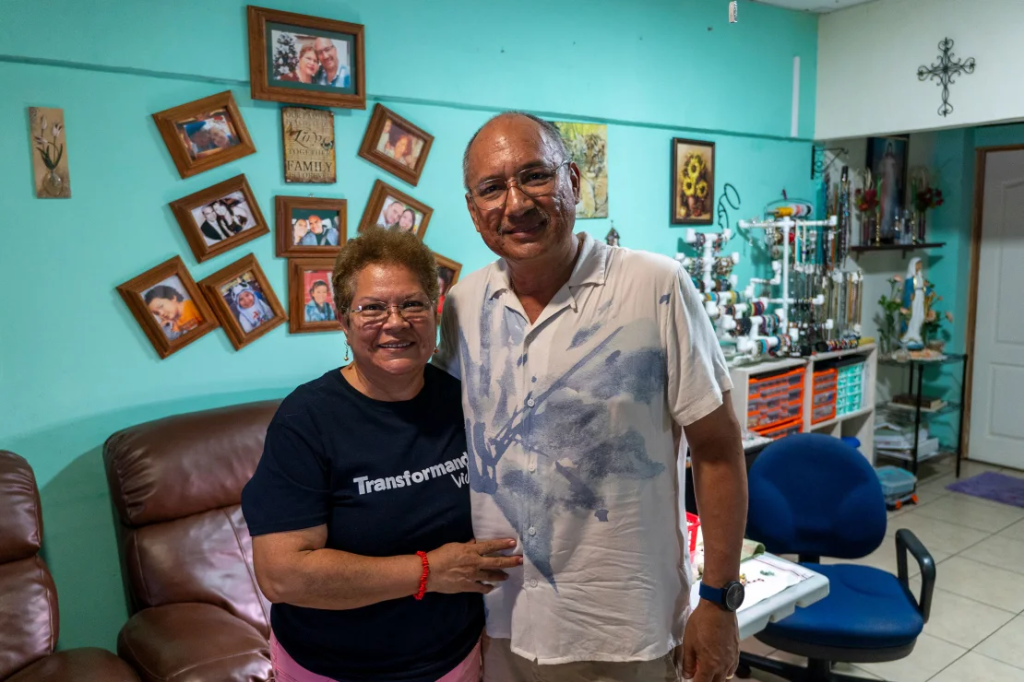
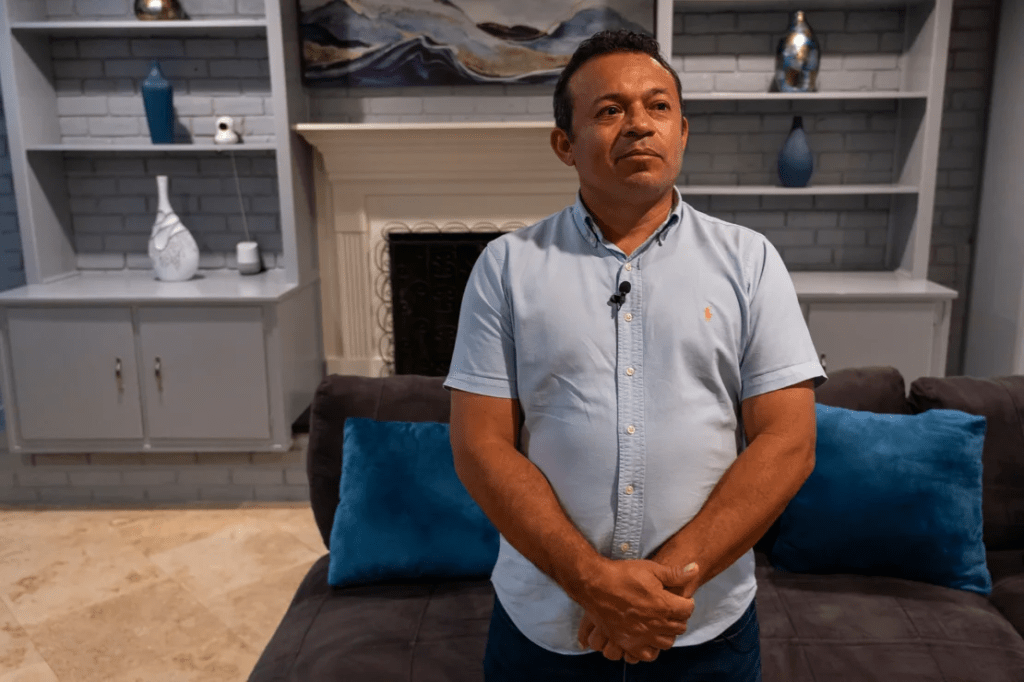
Deported and Now Grateful Victor Bolaños and his wife, Blanca, faced a harsh reality when they lost their asylum case in the US. After more than 15 years of building a life in Denver, they reluctantly accepted a voluntary departure and returned to El Salvador—the same country they had fled.
“We came back six years ago, and things were unsafe,” Victor says, sitting in their modest home in San Salvador. At 65, his voice is heavy with the memory of those difficult times. “There were lots of robberies, lots of gangs,” he recalls, describing the precarious situation they encountered in 2018.
But just a couple of years after their return, something unexpected happened. The relentless violence that had gripped El Salvador for decades began to ease, and the streets grew calmer. The constant fear that once dominated everyday life started to dissipate.
El Salvador, long associated with violence and mass emigration, saw a remarkable decline in crime. For many, this shift represented more than just safety—it offered a glimmer of hope. The world began to take notice. Suddenly, the small Central American nation seemed to be on a path to reinvention, largely credited to President Nayib Bukele. Elected in 2019 at just 37, Bukele’s leadership marked a turning point. When his New Ideas party later secured control of Congress, it became easier to bend—or break—the rules. Bukele went on to win re-election, despite the country’s constitution prohibiting a second term. A “temporary” state of emergency, initially enacted to combat gang violence, has now been in place for more than two years, giving the president sweeping powers of detention. Human Rights Watch has raised alarms, reporting that even children are being caught up in “severe human rights violations.”
Yet, in San Salvador, Blanca sits in her living room, carefully crafting handmade jewelry. “Now, one feels safe—freedom is felt in our country,” she says.
Blanca and her husband, Victor, credit the improved security for enabling them to start a small jewelry business from their home—something they once thought impossible. “Now you can have a business,” Blanca says. “If you look around, there are entrepreneurs everywhere in the country.” She reflects on how, just a few years ago, gang extortion would have crushed any attempt to start a venture like theirs.
For decades, people from Central America, especially from the Northern Triangle countries of El Salvador, Honduras, and Guatemala, fled violence and insecurity in search of protection and opportunity in the US. However, new data from US Customs and Border Protection (CBP) shows a surprising shift—fewer Salvadorans are now heading north.
In 2022, CBP reported over 97,000 encounters with Salvadoran citizens at the US southern border. By 2023, that figure dropped to just over 61,000, and 2024 is expected to see a continued decline.
While these numbers may seem encouraging, the underlying reasons for migration remain complex. Many Salvadorans still leave their homeland due to economic struggles and limited opportunities. Despite steady economic growth under Bukele’s presidency, as reported by the World Bank, El Salvador continues to face challenges in creating sufficient jobs for its population.
Leaving Houston to Build a Beach Resort For 27 years, Diego Morales built a life far from home. Now 48, the real estate investor, husband, and father of three left El Salvador in 1997 in pursuit of the safety, stability, and opportunity that the US could offer. The thought of returning had never crossed his mind—until the grim stories of violence that plagued his homeland were replaced by accounts of newfound safety.
Diego’s childhood was shadowed by constant danger. “I’d wake up, go to school, and find dead bodies on the street,” he recalls, his voice heavy with the weight of those memories as he sits in his suburban Houston home.
But today, El Salvador is no longer the country Diego fled. “Now it’s safe, and many people are going back,” he says, echoing the growing optimism among Salvadorans and those in the diaspora.
The country’s image has undergone a profound transformation. Once infamous for violence, El Salvador is now drawing waves of investors. “Many people, even Americans—we have friends from Florida, from Austin, from Hawaii—are looking to buy property,” Diego says, a testament to how far the nation has come.
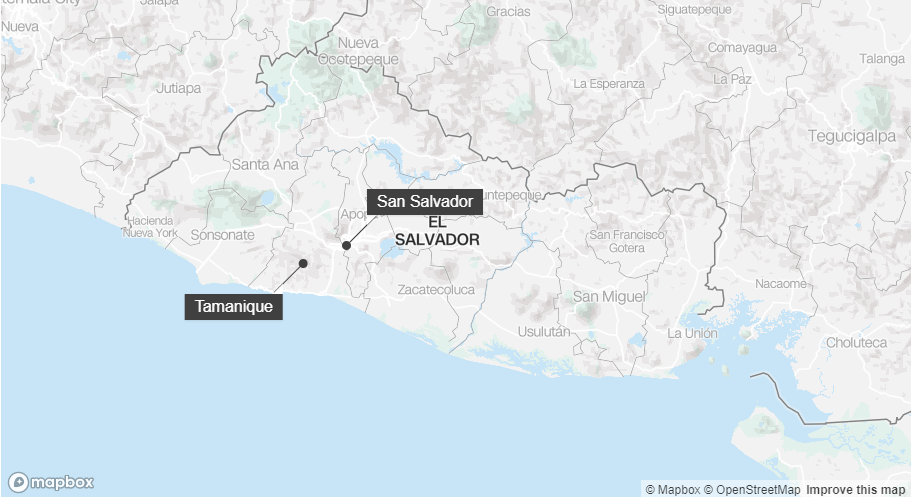
Diego himself is preparing to return to the homeland he once left behind. He has already invested in Tamanique, his hometown about an hour from the capital, where he built a beach resort that he now manages remotely.
Along El Salvador’s coastline, beach towns like El Tunco, El Zonte, and La Libertad are buzzing with new construction, drawing the interest of tourists and real estate developers eager to capitalize on the country’s resurgence. Cliffs that once served as gang lookouts are now being eyed as prime locations for scenic hotels.
“As soon as President Bukele brought security to this country, everything skyrocketed in value,” Diego explains. He notes that land which sold for around $100,000 just five years ago is now going for ten times that amount, reflecting the rapid transformation and growing demand for property in the area.
And the Salvadoran dream isn’t just Diego’s—his 23-year-old son, Jairo, a natural-born US citizen, also plans to follow in his father’s footsteps. “We’ve had conversations… it’s already starting,” Jairo says, his eyes bright with the promise of reconnecting with his roots.
El Salvador’s government is actively encouraging the return of those who left, offering tax exemptions on belongings and vehicles for citizens who come back. Since 2022, nearly 19,000 Salvadorans have moved home under this initiative, according to government figures.
‘No Mercy’ for Gang Members A decade ago, gangs like MS-13 and Barrio 18 terrorized communities, extorting businesses and waging violent turf wars for control of neighborhoods, making El Salvador the most violent country in the Western Hemisphere, according to InSight Crime.
But something extraordinary has happened since then. By 2022, the murder rate dropped dramatically, and in 2023, there were only 154 homicides—a staggering 97.7% decrease from 2015, according to government data. Bukele even tweeted that El Salvador now had the lowest homicide rate in all of the Americas.
This sharp decline followed Bukele’s introduction of emergency measures, which granted police the power to detain suspects without charges for up to 15 days and involved deploying the military across the nation. These rules, still in effect, have led to an unprecedented crackdown on gang activity, with more than 80,000 people detained since the state of emergency was declared in March 2022.
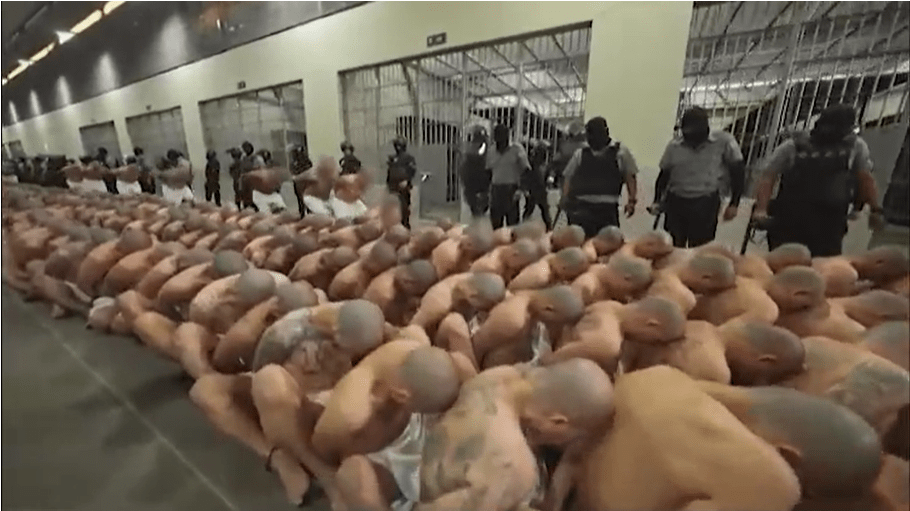
Central to this effort is the newly built “Terrorist Confinement Center,” or Cecot, a massive prison complex designed to hold up to 40,000 inmates. Currently, it houses 14,000 gang members, all accused of having committed at least one murder. Disturbing images from Cecot show heavily tattooed men with shaved heads packed into warehouse-sized concrete rooms, filled with metal bunks or seated in tight rows on the ground. Dressed only in white shorts, their heads are bowed, hands behind their backs. According to Salvadoran authorities, those sent to Cecot will never be released.
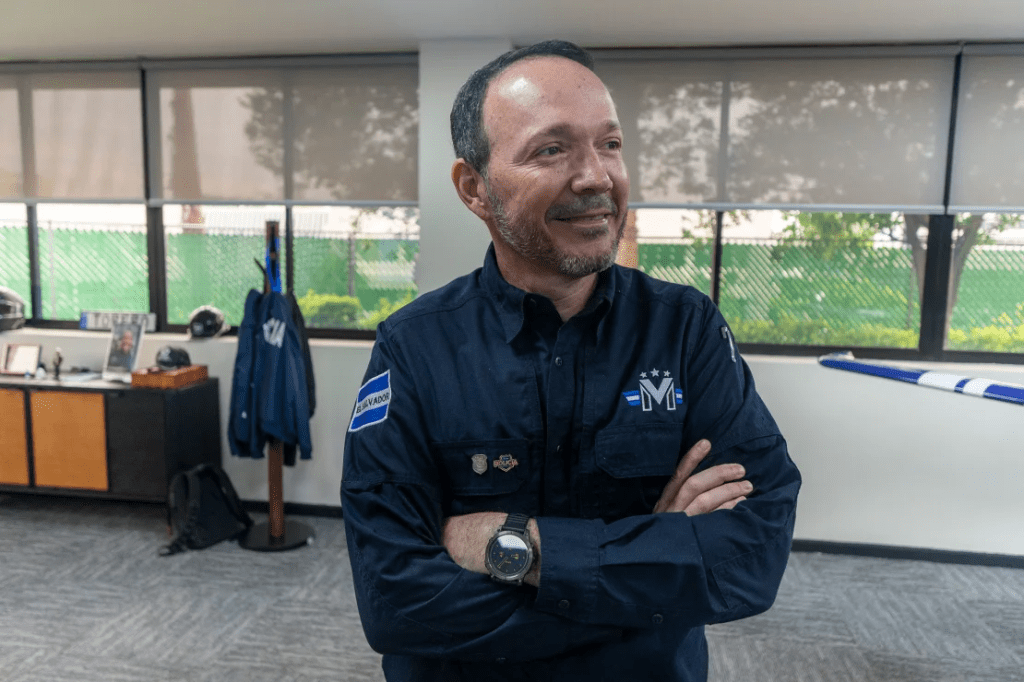
“We have no mercy for crimes against life,” Security Minister Gustavo Villatoro told CNN. “This is how you deal with a serial killer. You need laws that ensure once they’re imprisoned, they never get out—because society deserves better,” he emphasized. “Someone who kills people daily, who rapes our girls… How can you change their mind? We are not fools.”
Villatoro’s words reflect the harsh reality El Salvador has faced for years. He claims that gang members from groups like MS-13 and Barrio 18 were required to commit at least one murder as part of their initiation.
“Imagine a serial killer in your state, in your community, being released by a judge—how would you feel as a citizen?” Villatoro asks. “We have no evidence that a serial killer can be rehabilitated, and we have more than 40,000 of them in El Salvador.”
The government’s hardline approach was not a spontaneous decision; it was meticulously planned. Security Minister Gustavo Villatoro and members of President Bukele’s cabinet began studying the gangs as early as 2017.
“Before you start a war, you have to know your enemy,” Villatoro explained.
While the government’s aggressive campaign has been praised by many for restoring peace, it has also drawn significant criticism. Human rights groups accuse the Bukele administration of widespread abuses in its fight against the gangs. Villatoro, however, dismisses these accusations, arguing that the focus should be on the victims, not the criminals.
“What about the society, the good citizens in our country? Where were these human rights groups when we were losing 30 Salvadorans a day?” he asks pointedly.
Bukele has remained firm in his stance. In 2022, he famously challenged human rights advocates, telling them to “take” the gang members if they cared so much. “Come pick them up—we’ll give them to you, two for the price of one,” he declared.
Bukele’s iron-fist approach has garnered praise from some US conservatives, who applaud his tactics. However, during this year’s Republican National Convention, former US President Donald Trump unexpectedly criticized Bukele while addressing El Salvador’s newfound safety.
“In El Salvador, murders are down 70 percent. Why are they down? Because they’re sending their murderers to the United States of America,” Trump claimed, without providing any evidence.
When CNN asked Villatoro whether there was any truth to Trump’s assertion, Villatoro flatly denied it. “No,” he responded. “The problem is, you (Trump) don’t have facts, you don’t have evidence, but we have evidence of where we put our terrorists,” referring to Cecot, the massive prison where thousands of gang members are detained.
For months, CNN has sought access to Cecot, but the Salvadoran government has repeatedly denied requests to visit the facility.
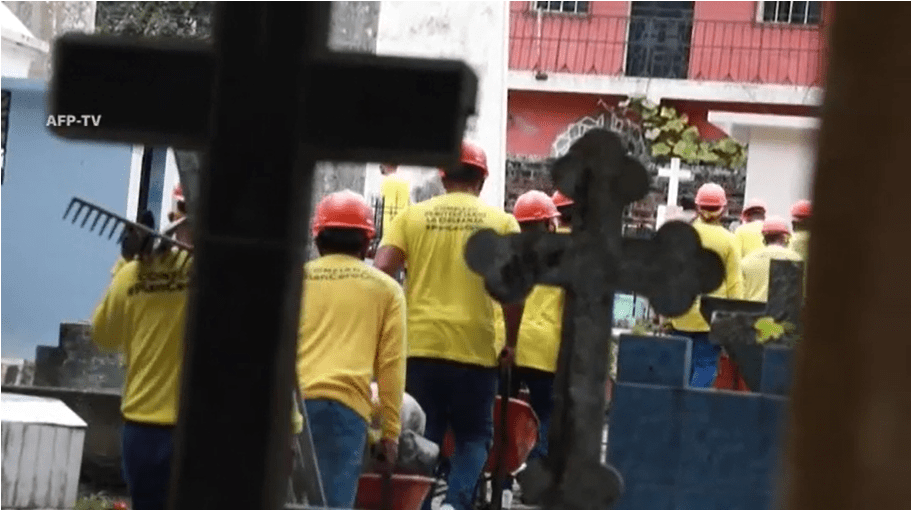
In other detention centers, lower-ranking gang members and criminals are tasked with repairing what the gangs destroyed. Some inmates rebuild homes, while others smash tombstones commemorating underworld leaders, erasing the gangs’ presence bit by bit.
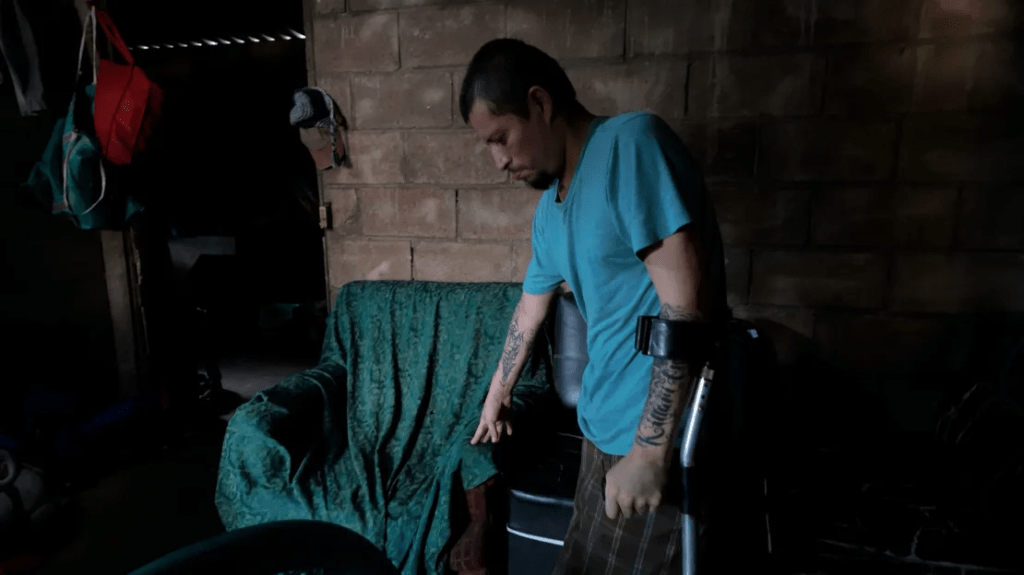
Jailed ‘for Having Long Hair and Tattoos’ In early 2024, Juan Carlos Cornejo was swept up in Bukele’s mass arrests after an anonymous tip accused him of “illicit association.” Hours later, he found himself in jail, confused and terrified.
Juan Carlos believes he was targeted solely based on his appearance.
“I was accused of illicit association, but I have nothing to do with that. I love music, especially rock, so my look is different. I had long hair,” he explained from his dimly lit, mosquito-ridden home in Santa Ana, a city about 35 miles from the capital. “I have tattoos, but they are just artistic expressions,” he added, frustration evident in his voice.
“There was no investigation, nothing,” he claims.
Juan Carlos spent five long months in prison. Before his detention, he had been working as a veterinary assistant, caring for sick or injured pets, and insists he had never been arrested before.
His release came only after Socorro Jurídico Humanitario (SJH), a group dedicated to providing legal counsel in human rights violation cases, successfully filed a writ of habeas corpus on his behalf. However, Juan Carlos’ story is far from unique. According to SJH, between 33,000 and 35,000 people have been “detained arbitrarily without any justification” since the state of emergency began.
“The only argument given was that his arrest stemmed from an ‘anonymous call’ that had been received, but no proof of this alleged call was ever provided,” the organization told CNN.
Despite widespread criticism of these tactics, the Bukele government remains resolute. Officials argue that these measures—though harsh—are lawful and necessary for securing the country’s future. They also emphasize efforts to rehabilitate tens of thousands of inmates convicted of lesser crimes.
Armed Soldiers on the Streets — and Thanked Critics contend that Salvadorans have traded freedom for security, but the people we met express that they have never felt so free. There’s the mother laughing as she takes her skipping toddler to the park, unafraid of getting caught in a gun battle, stumbling over a corpse, or paying gang extortion “rent” just to enter her own neighborhood. There’s the father, relieved that his son is no longer at risk of being recruited by gangs. Unlike in places like Cuba or China, where residents may seem hesitant to criticize repressive regimes, the optimism in El Salvador appears genuine.
Teresa Lilian Gutierrez is caught in the middle, and her experience illustrates the complexities of life in El Salvador today.
“Now it’s safe, it’s calm,” she told us on a street in La Campanera, once one of the most dangerous neighborhoods in San Salvador. “Before, no one would visit, not even family.”
However, her son, who used to help her financially, is unable to visit.
“He’s been detained for two years in Mariona prison. He is not a gang member; he was arrested during the state of emergency,” she explained, showing pictures of her son working as a cashier in a restaurant.
“I ask the government to release him, please… I spoke to the lawyer last year because they were supposed to let him go, but she said no; they’re not going to release him,” she added.
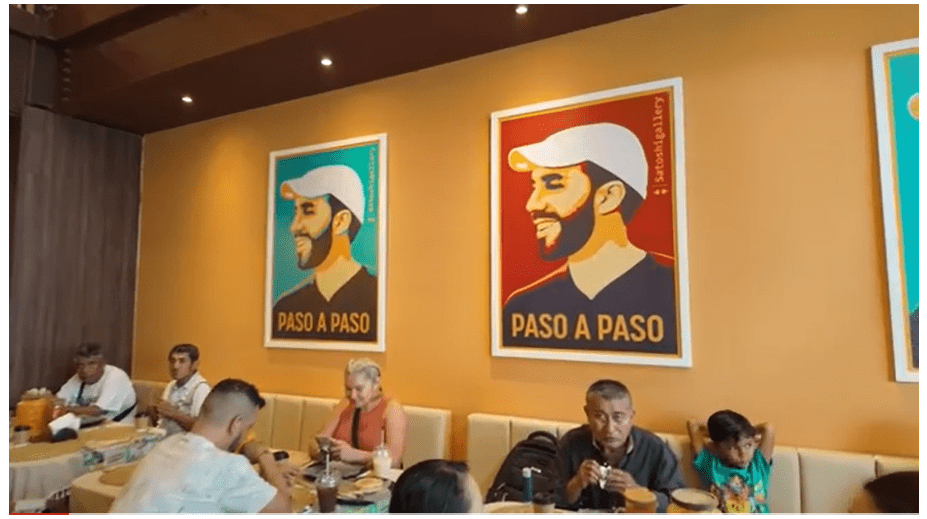
President Bukele enjoys one of the highest approval ratings in Latin America, a sentiment echoed by the people we meet while touring a previously gang-infested area outside San Salvador with the Salvadoran army.
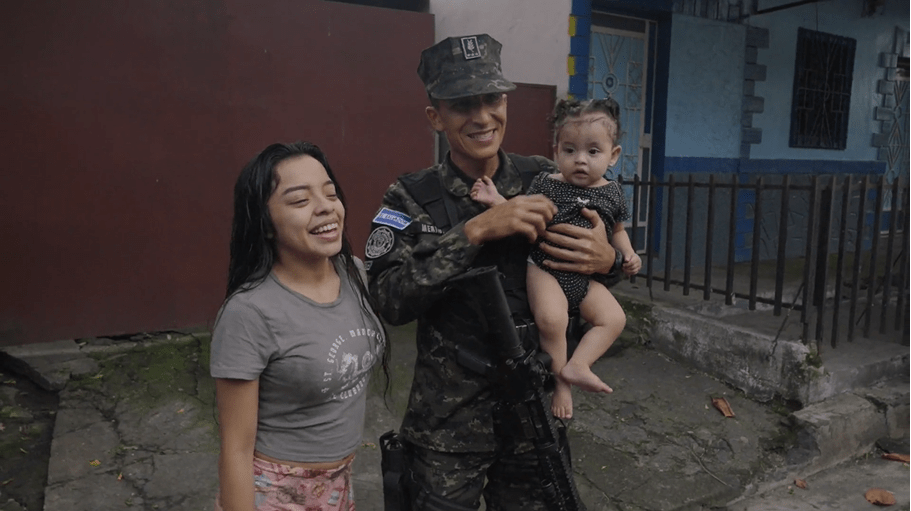
Armored cars and uniformed soldiers, once sources of fear, have transformed into opportunities for curious children to ask questions or for supporters to take selfies.
“It was so bad before; you couldn’t go anywhere,” one woman beams as she snaps a picture with Defense Minister René Merino, who has become a symbol of the government’s hardline security strategy. A few years ago, no one in this area would have dared to look police or army members in the eye, Merino recalled, but now everything has changed. Moments later, another resident steps forward to thank the minister and pose for a photo, apologizing for interrupting our interview. It feels more like a victory parade than a law enforcement patrol, as we stop dozens of times over the course of a couple of hours while residents excitedly express their gratitude.
“Only God knows how we were living before,” one woman told CNN, her voice trembling with emotion as tears filled her eyes. Her feelings reveal the deep scars left by the violence that once engulfed their daily lives — and the relief that has followed.
But the looming question remains: what will happen after 2029, when Bukele’s term ends? In a recent interview, the president declared he would not seek a third term, leaving many to ponder the future.
For some, like Blanca Bolaños, the answer is already clear. “I voted for Nayib this time, and the last time, and if he runs again, I will vote for him,” she says with unwavering conviction.
As the country grapples with its transformation, Bukele’s legacy and controversial tactics will face scrutiny. Whether El Salvador’s newfound stability endures or falters remains to be seen. But for now, among those who say their lives have changed, there is little doubt: they believe in Bukele and would follow him again.
The presidential election is just three months away. What if the billionaire disputes the outcome? What if he concludes that democracy no longer holds value?
Just over three years ago, an insurrectionist mob connected online, gathered in Washington, stormed the Capitol, and threatened the vice-president with a noose. But those were the “good old days.” We’re now in a different reality—one where billionaires are no longer restrained.
Back in 2020, tech platforms, still reeling from public backlash, at least pretended to care. Twitter had more than 4,000 employees in “trust and safety,” focused on removing dangerous content and monitoring foreign influence. Facebook, despite resisting pressure, eventually banned political ads that aimed to undermine voting, while researchers worked to identify and flag harmful disinformation.
Despite vast numbers of Americans believing the 2020 election was stolen, and a violent mob nearly staging a coup, things have only worsened in the four years since.
While Kamala Harris is enjoying her “hot girl summer” and liberal America breathes a sigh of relief, the U.S. should shift its gaze to Britain. There, rioters fill the streets, cars burn, and rampant racism spreads unchecked across multiple platforms. Lies, fueled by algorithms, circulate long before the truth emerges, only to be sanitized by politicians and media opportunists.
Just as Brexit foreshadowed Trump’s rise in 2016, Britain is once again a warning sign. The same patterns, tactics, and figures are appearing on both sides of the Atlantic—but now with even more dangerous technological weaknesses ready to be exploited.
For now, Britain’s streets are calm, and the violence suppressed. But in the U.S., where militias roam and open-carry laws are commonplace, the threat is much greater. No matter how well Harris performs in the polls, the U.S. is on the brink of an extraordinarily dangerous moment—no matter who wins the election.
As Trump and Bolsonaro have shown, it’s no longer just about winning elections or a single day. The period between election results and inauguration has become a volatile, anything-can-happen moment—not just for the U.S., but for the world.
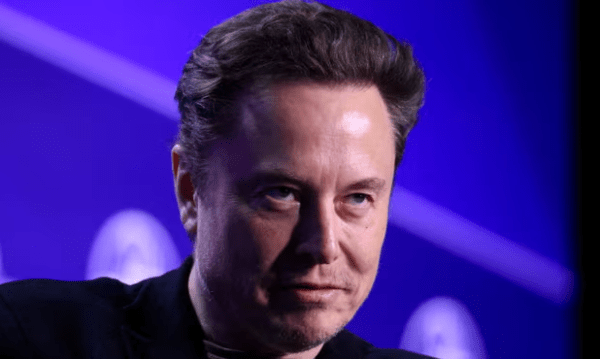
In Britain, we’ve already seen the warning signs. This summer, we witnessed something unprecedented: a billionaire tech owner publicly challenging an elected leader, using his platform to undermine authority and incite violence. The 2024 summer riots in Britain were Elon Musk’s test run.
If Musk decides to “predict” a civil war in the U.S., what would that look like? He has already gotten away with it once. The sheer supranational power of this and the potential consequences should be terrifying. What happens if Musk contests an election result or deems democracy irrelevant? This isn’t science fiction—it’s a scenario just months away.
None of this is occurring in isolation. After 2016, there was a brief effort to understand how tech platforms had been exploited to spread lies and disinformation. But that moment has passed. A concerted, years-long effort by Republican operatives to politicize “misinformation” has succeeded. The term barely registers in U.S. tech circles today. Those who continue to raise the issue—academics, researchers, trust and safety teams—are labeled part of the “censorship industrial complex.”
A U.S. congressional committee led by Republican Jim Jordan, convinced that big tech silenced conservative voices, aggressively pursued emails from dozens of academics, chilling the entire field of research. Entire university departments, including the Stanford Internet Observatory’s election integrity unit, which played a key role in 2020, have collapsed.
Even the FBI was blocked from communicating with tech companies about an anticipated surge of foreign disinformation after a lawsuit from two attorneys general made its way to the Supreme Court. The New York Times reported that only recently has the FBI quietly resumed such efforts.
All of this has created the ideal conditions for tech platforms to quietly step back. Twitter—now X—has let go of at least half of its trust and safety team, but so have nearly all major tech companies. Thousands of employees once tasked with rooting out misinformation have been laid off by Meta, TikTok, Snap, and Discord.
Just last week, Facebook shut down one of its last transparency tools, CrowdTangle—a critical resource for understanding online activity during the tumultuous days surrounding the 2021 inauguration. Despite the protests of researchers and academics, Facebook axed it simply because they could.
Back in 2020, these efforts felt meager and inadequate against the growing threat. Now, they’ve disappeared just as the tools that spread misinformation are growing even more dangerous. OpenAI recently boasted about identifying an Iranian group that used ChatGPT for a U.S. election influence campaign, which might sound impressive if their trust and safety team hadn’t been disbanded in May after its co-founders resigned.
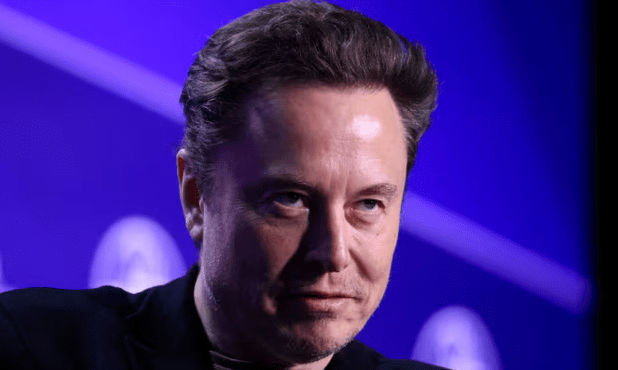
Musk, now the self-styled “Lord of Misrule,” has ripped off the pretense entirely. He’s shown that there’s no need to even act like you care. In his world, trust means mistrust, and safety means censorship. His goal is chaos—and it’s on the way.
(This article was amended on 22 August 2024 to correct a reference to the storming of the U.S. Capitol, which occurred just over three years ago, not four. The inauguration referenced should have been the 2021 inauguration, not 2020.)
— Carole Cadwalladr, reporter and feature writer for the Observer





 fleeredstates.blog
You must be logged in to post a comment.