
Read more at TravelAge West.
In July, St. Lucia’s courts struck down laws that criminalized consensual same-sex relations, mirroring similar 2022 rulings that eliminated discriminatory laws in Antigua and Barbuda, Barbados and St. Kitts and Nevis.
These developments represent major advances for English-speaking Caribbean islands, which have long carried some of the most discriminatory laws in the Western Hemisphere. It’s also good news for LGBTQ+ travelers, according to travel advisor Scott Wismont, founder of Rainbow Getaways.
“This evolution means we now have a much broader portfolio of destinations we can confidently recommend,” he said. “We can better guide clients to places where they will feel safe and celebrated.”
Reason to Celebrate
Resorts in St. Lucia were among the first in the tourism sector to praise the recent ruling.
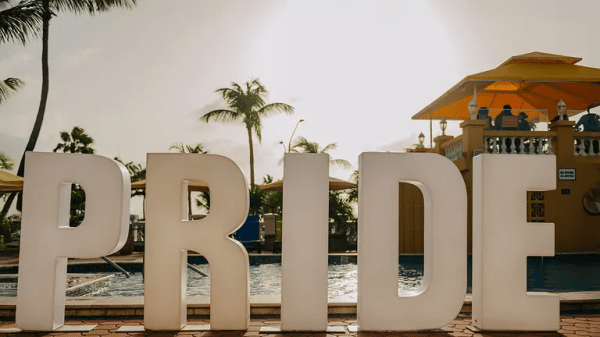
“This year’s St. Lucia Pride carries such profound significance, marking the first since this historic shift toward equal rights for the LGBTQ community,” said Benjamin DiCosta, vice president of marketing and communication for Windjammer Landing Resort & Residences. “To witness the pride flag raised officially for the very first time in St. Lucia was a powerful and moving moment.”
Other St. Lucia hoteliers echoed positive sentiments.
“We have always welcomed LGBTQ+ travelers at both Anse Chastanet and Jade Mountain,” said Karolin Troubetzkoy, executive director of marketing and operations at both resorts. “We wholeheartedly welcome St. Lucia’s recent step to decriminalize same-sex relations. It’s a meaningful and long-overdue development that reinforces the message of inclusion and respect.”
A Region in Transition
Anti-LGBTQ+ laws are a holdout from the British colonial era, notes Thomas Julian, partner and head of Caribbean programs at Holborn Assets, a global financial services company with LGBTQ+ people among its clients.
“These laws, as are all the anti-LBGTQ laws in the Caribbean, are artifacts of the colonial era and are seldom, if ever, enforced,” he said. “However, the fact that they are still on the books is a travesty to justice, society and humanity. My hope is that now that these countries are moving forward and modernizing legislatively, they will do so policy-wise as well, and permit LGBTQ couples and families to apply together via their respective passport programs, which are what I sell.”
Mark Brantley, the premier of Nevis, is among the tourism leaders praising recent progress.
“The colonial-era laws criminalizing same-sex relationships were struck down by our courts as unconstitutional, a ruling that brings Nevis into alignment with both our values and our laws,” he said. “Across the English-speaking Caribbean, and particularly here in Nevis, there is a clear and prevailing sentiment of welcome for all travelers.”
Dean Fenton, U.S. director of tourism for Antigua and Barbuda, strikes a similar tone.
“Antigua and Barbuda proudly welcomes all travelers, including those from the LGBTQ+ community,” he said. “While same-sex marriage is not yet legally recognized, symbolic ceremonies are celebrated on the island, and many of our hotels and resorts are well-versed in providing inclusive experiences.”
The Cayman Islands Department of Tourism, meanwhile, issued a statement confirming its goal of celebrating “diversity in all its forms” and its pride in being “a place where all visitors are welcome” — an attitude reflected in events such as Cayman Pride, which takes place every June, and the destination’s legal recognition of same-sex civil unions, which provide benefits similar to those of marriage.
Inclusivity as a Competitive Advantage
Decriminalization is an important step. But even after recent court rulings, Caribbean destinations still vary widely in terms of legal protections and rights for LGBTQ+ residents and visitors; not all recognize LGBTQ+ marriage or offer anti-discrimination protection, for example.
Some have a longer record of inclusivity than others, such as Puerto Rico, where same-sex marriage and same-sex adoption are legal and anti-discrimination legislation is in place. Discover Puerto Rico, the island’s destination marketing organization, even maintains a detailed LGBTQ+ travel section on its website.
“Puerto Rico has a vibrant LGBTQ+ culture that is not only visible but celebrated,” said José Arana, group marketing director for Discover Puerto Rico. “This is setting an example for the region, showing that when destinations embrace equality, they create an environment where all travelers feel welcome.”
Queer-friendly islands enjoy a distinct advantage in the tourism sector, he adds.
“Destinations that prioritize inclusivity have a clear competitive edge because they are opening their doors to a broader audience,” he explained. “Moreover, destinations that are safe and welcoming for LGBTQ+ travelers are often safe and welcoming for everyone, including women and solo travelers, making them more appealing across the board.”
May-Ling Chun, director of tourism for St. Maarten, agrees.
“Inclusive destinations certainly benefit from appealing to a wider potential customer base, and we recognize that being welcoming to LGBTQ+ travelers is both a reflection of our values and a strength in today’s competitive tourism market,” she said. “While every nation in the Caribbean has its own cultural context, there is an increasing recognition that inclusivity is essential for both social and economic growth.”
Aruba, Curacao and St. Barts also rank high for inclusivity, with same-sex marriage among the legally protected rights. Hoteliers in those destinations showcase their welcoming attitudes in a variety of ways. Dreams Curaçao Resort, Spa & Casino, for example, is accredited with the International LGBTQ+ Travel Association (IGLTA).
In Aruba, Amsterdam Manor Beach Resort has hosted pride events.
“By embracing diversity and welcoming every guest, Aruba not only gains a distinctive advantage, but also reaffirms its promise to be a place where everyone feels at home,” said Jurgen van Schaijk, the hotel’s owner and managing director.
Acceptance of diversity is rooted in the public mindset in St. Barts, according to Alexandra Questel, president of the St. Barts Tourism Committee.
“St. Barts’ commitment to inclusivity isn’t just a policy; it’s part of our culture and way of life,” she said. “That openness resonates with visitors, whether they identify as LGBTQ+ or simply appreciate destinations that celebrate diversity.”
The Role of Travel Advisors
Travel advisors play a crucial role in guiding LGBTQ+ clients toward positive Caribbean vacation experiences, notes Wismont of Rainbow Getaways.
“Many clients view the Caribbean as a singular, homogenous destination, unaware of the vast differences in cultural norms, legal frameworks and local attitudes from one island to the next,” he said. “This is precisely where the expertise of an advisor becomes indispensable. We curate an experience that aligns with their need for safety and acceptance.”
Even in destinations such as Jamaica, where male same-sex intimacy is still illegal, it’s possible to find a welcoming, upscale experience, according to Wismont.
“The case of Jamaica is more complex,” he said. “While the country as a whole has a challenging reputation, we have seen an encouraging trend of resorts making an explicit commitment to being safe and affirming spaces for LGBTQ+ guests.”
Among the queer-friendliest hotels in Jamaica is Round Hill Hotel and Villas, according to Wismont. Josef Forstmayr, the hotel’s managing director, agrees about the island’s positive momentum, as evidenced by his involvement in local hotel associations and the Jamaica Tourist Board.
“That shows I’m not being marginalized just because I happen to be gay,” Forstmayr said. “It speaks volumes about the open-minded thinking of the political directorate — as long as you don’t put them on the spot when it comes to public opinion. That’s where we fail.”
The ability of hotels such as Round Hill to provide a welcoming environment for LGBTQ+ travelers underscores the need for effective staff training. Forstmayr says diversity, non-discrimination and non-harassment is addressed early on with new hires.
Alaia Belize, an Autograph Collection property in Belize, takes a similar approach.
“We believe that true hospitality means creating a space where every traveler feels safe, celebrated and completely at home,” said Maria Novelo, marketing and communications manager for the hotel. “We are proud to carry forward a culture of inclusivity that welcomes LGBTQ+ guests with the same warmth and respect we extend to all.”



 fleeredstates.blog
You must be logged in to post a comment.