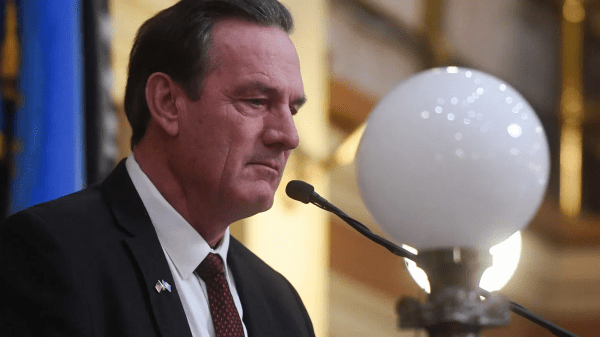
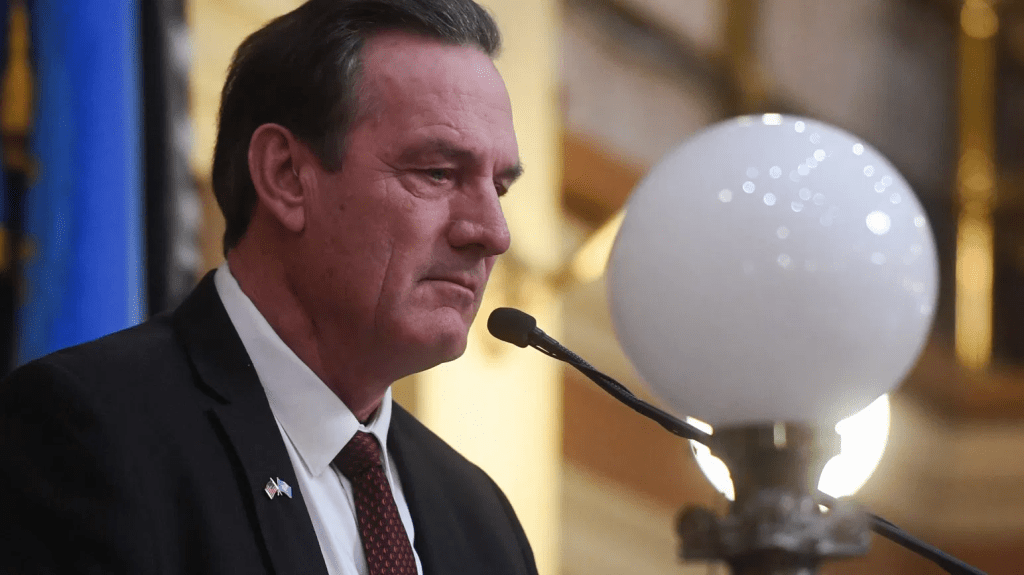
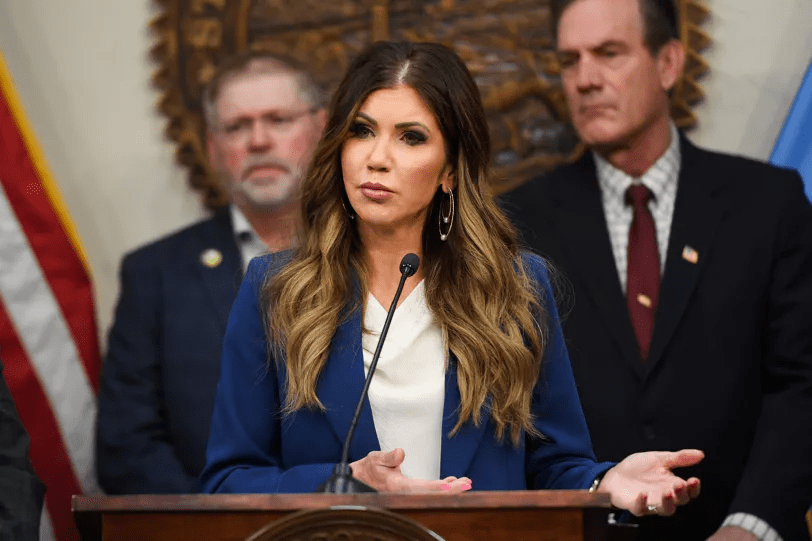
South Dakota Gov. Larry Rhoden (R) signed two anti-trans bills into law on Friday, touting them as “South Dakota values bills.” In a press release announcing the signings, Rhoden proclaimed that “South Dakota has always stood for truth.”
“My Administration will continue to uphold the values that make our state strong, safe, and free,” he added. “These bills reflect our commitment to carry those values forward for future generations.”
The two anti-trans bills – HB 1184 and HB 1161 – respectively ban legal recognition of trans identities and require people in the state to use facilities like bathrooms and locker rooms based exclusively on sex assigned at birth.
Also on Friday, Rhoden signed three bills rolling back reproductive rights in the state. In a statement, he called South Dakota “the most pro-life state in America” with laws that “reflect the fact that an unborn child is a person – and that child is worthy of our protection and respect.”
Artemis T. Douglas of the pro-trans publication The Needle, called the slew of bills a “show of force for reactionary patriarchy’s anti-trans political movement.”
“Anti-trans politics protects social control,” Douglas added, “including men’s position in the gender hierarchy and the status of everyone else as either property or incubator.”
South Dakota has long been a hostile state for LGBTQ+ people. The Movement Advancement Project gave it an overall ranking of -9.5/49 on LGBTQ+ rights, with a -9/26 for trans rights, specifically.
The state bans trans students from playing on sports teams consistent with their gender identity and also bans gender-affirming care for trans youth. It bans changing gender markers on birth certificates and also has no statewide nondiscrimination laws in place for gender identity or sexual orientation.
A lot of states are passing laws that target the LGBTQ+ community — but these 15 are the absolute worst.
Over 1,000 anti-LGBTQ+ laws have been proposed across every state legislature in the U.S. over the past two years, according to the American Civil Liberties Union, and 126 have passed into law. Less than two months into the 2025 legislative session, 390 laws targeting LGBTQ+ people have been proposed.
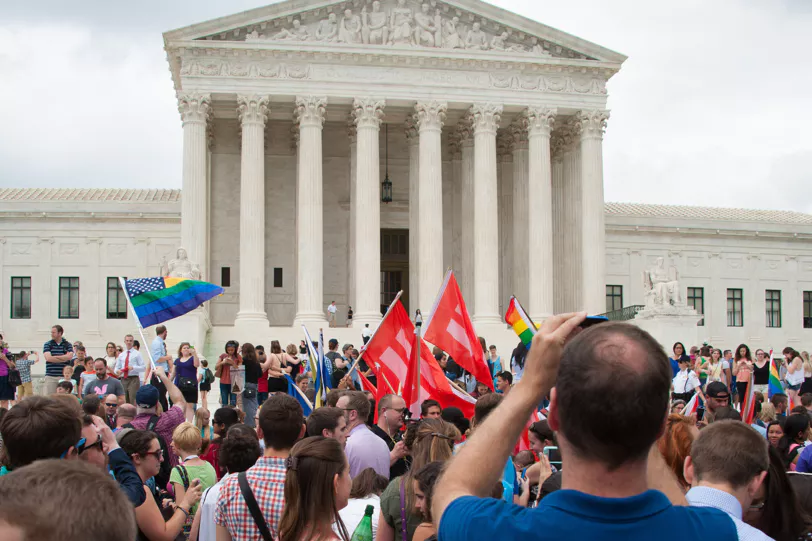
While marriage equality and anti-discrimination protections based on sexual orientation and gender identity are still guaranteed federally by U.S. Supreme Court rulings (for now), LGBTQ+ people are still concerned about their rights being taken away, especially when only 15 states have “shield laws” protecting access to gender-affirming care and abortion.
Based on laws surrounding marriage, family rights, health care, education, and youth collected by the Movement Advancement Project, here are the 15 worst states for LGBTQ+ people.
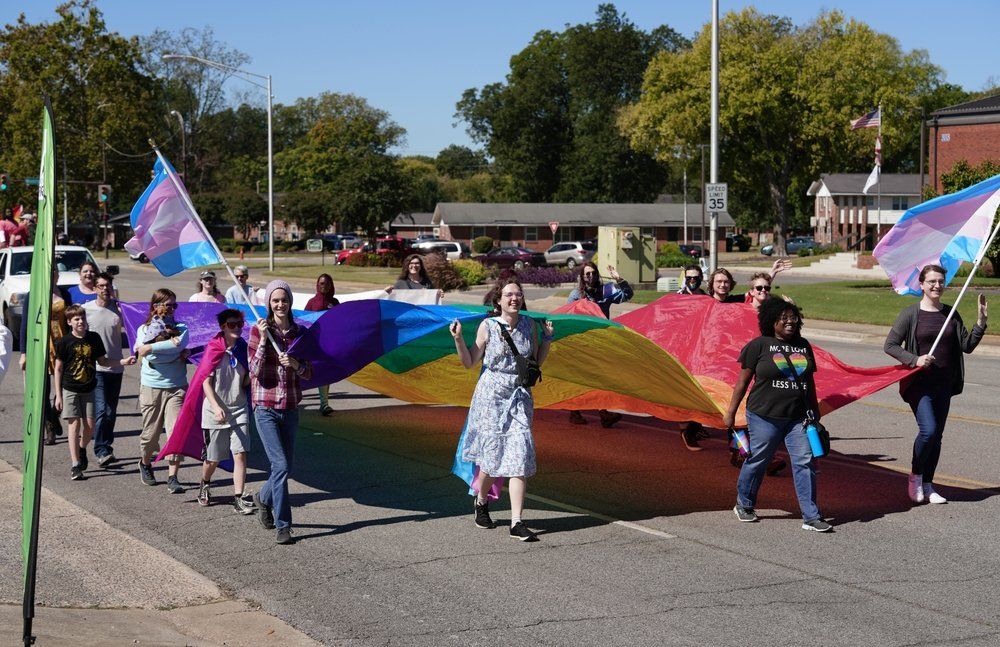
Pride Parade in Huntsville, Alabama (October 1, 2022)
Nondiscrimination laws: Alabama does not have nondiscrimination laws in employment, housing, health care, education, public accommodations, or credit/lending. Its state code incorrectly defines sex as exclusively male or female, and it prohibits transgender people from using public facilities that align with their identities.
Marriage equality and parental rights: Alabama does not have adoption or foster care nondiscrimination protections for LGBTQ+ parents. It does not have second-parent adoption for unmarried couples, confirmatory adoption, nor recognition for parents using assisted reproductive technologies. It also does not have family leave laws that encompass LGBTQ+ people.
Education and youth policies: Alabama has a “Don’t Say Gay” law restricting discussion of LGBTQ+ identities in classrooms. It has banned trans students from participating in sports or using school facilities based on their identities, and it requires staff to forcibly out LGBTQ+ students to their guardians. The state also has a “religious exemption” law for Child Welfare Services.
Healthcare access and rights: Alabama has banned life-saving gender-affirming care for youth, though it permits the discredited and harmful practice of so-called conversion therapy for youth. Health insurance companies, including Medicaid, are not required to provide coverage related to gender transition or fertility treatments. The state also has a “religious exemption” law for healthcare providers.
Criminal justice: Alabama’s hate crime laws do not encompass sexual orientation and gender identity, and it has not banned the so-called “LGBTQ+ panic” defense.
Arkansas
Danielsen_Photography / Shutterstock.com
3rd annual Pride Walk at Hot Springs National Park, Arkansas (June, 4 2021)
Nondiscrimination laws: Arkansas does not have nondiscrimination laws in employment, housing, health care, education, public accommodations, or credit/lending. The state bans cities and local ordinances from passing nondiscrimination laws, and it has law about “adult” performances that could be used to target or restrict drag.
Marriage equality and parental rights: Arkansas does not have adoption or foster care nondiscrimination protections for LGBTQ+ parents. It does not have second-parent adoption for unmarried couples, confirmatory adoption, nor recognition for parents using assisted reproductive technologies. It also does not have family leave laws that encompass LGBTQ+ people.
Education and youth policies: Arkansas has a “Don’t Say Gay” law restricting discussion of LGBTQ+ identities in classrooms. It has banned trans students from participating in sports or using school facilities based on their identities, and it requires staff to forcibly out LGBTQ+ students to their guardians.
Healthcare access and rights: Arkansas has banned life-saving gender-affirming care for youth, though it permits the discredited and harmful practice of so-called conversion therapy for youth. Medicaid is forbidden from providing coverage related to gender transition to minors, and insurance companies are not required to cover fertility treatments. The state also has a “religious exemption” law for healthcare providers.
Criminal justice: Arkansas’ hate crime laws do not encompass sexual orientation and gender identity, and it has not banned the so-called “LGBTQ+ panic” defense. It has an HIV criminalization law that may require sex offender registration.
Florida
Chris_Harris / Shutterstock.com
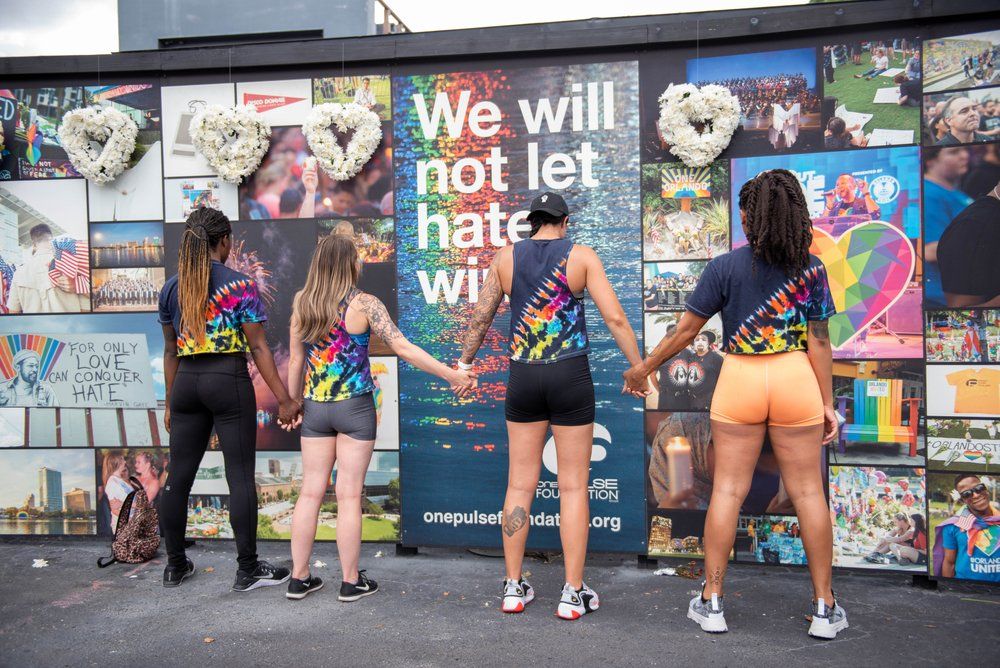
Mourners pay their respects to the fallen at the Pulse Nightclub memorial on the 5th anniversary of the Pulse mass shooting in Orlando, Florida (June 12, 2021)
Nondiscrimination laws: Florida has nondiscrimination laws in employment, housing, and public accommodations, but not in credit/lending, health care, nor education. The state prohibits transgender people from using public facilities that align with their identities, and it does not allow updating gender markers on driver’s licenses or birth certificates. It has law about “adult” performances that could be used to target or restrict drag
Marriage equality and parental rights: Florida does not have adoption or foster care nondiscrimination protections for LGBTQ+ parents. It does not have second-parent adoption for unmarried couples, confirmatory adoption, nor recognition for parents using assisted reproductive technologies. It also does not have family leave laws that encompass LGBTQ+ people.
Education and youth policies: Florida originated the “Don’t Say Gay” laws restricting discussion of LGBTQ+ identities in classrooms. It has banned trans students from participating in sports or using school facilities based on their identities, and it requires staff to forcibly out LGBTQ+ students to their guardians.
Healthcare access and rights: Florida has banned life-saving gender-affirming care for youth, though it permits the discredited and harmful practice of so-called conversion therapy for youth. Medicaid is forbidden from providing coverage related to gender transition for all ages, and insurance companies are not required to cover fertility treatments. The state also has a “religious exemption” law for healthcare providers.
Criminal justice: Florida’s hate crime laws only encompass sexual orientation, not gender identity. It has not banned the so-called “LGBTQ+ panic” defense, and it has an HIV criminalization law.
Idaho
Venture Out Media / Shutterstock.com
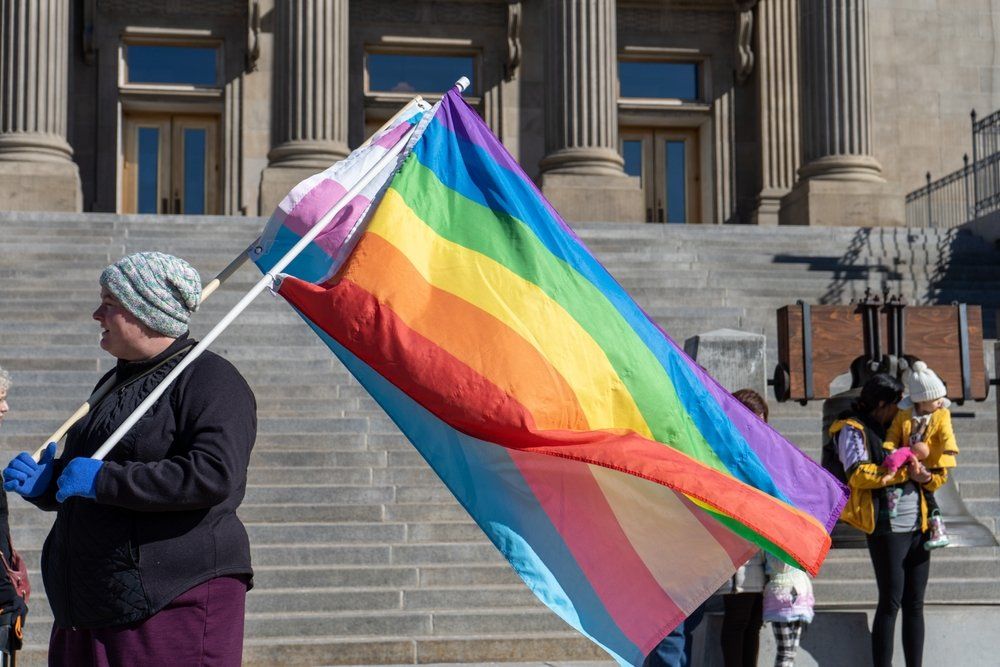
Rally in support of transgender youth and gender-affirming care in Boise, Idaho (February 24, 2023)
Nondiscrimination laws: Idaho has nondiscrimination laws in employment, housing, and public accommodations, but not in credit/lending, education, health care, nor for state employees. Its state code incorrectly defines sex as exclusively male or female.
Marriage equality and parental rights: Idaho does not have adoption or foster care nondiscrimination protections for LGBTQ+ parents. It has second-parent adoption for unmarried couples, but not confirmatory adoption nor recognition for parents using assisted reproductive technologies. It also does not have family leave laws that encompass LGBTQ+ people.
Education and youth policies: Idaho has banned trans students from participating in sports or using school facilities based on their identities, and it requires staff to forcibly out LGBTQ+ students to their guardians. The state also has a “religious exemption” law for Child Welfare Services, though it has protections for LGBTQ+ youth in the Child Welfare System.
Healthcare access and rights: Idaho has banned life-saving gender-affirming care for youth, though it permits the discredited and harmful practice of so-called conversion therapy for youth. Medicaid is forbidden from providing coverage related to gender transition for all ages, and insurance companies are not required to cover fertility treatments. The state also has a “religious exemption” law for healthcare providers.
Criminal justice: Idaho’s hate crime laws do not encompass sexual orientation and gender identity. It has not banned the so-called “LGBTQ+ panic” defense, and it has an HIV criminalization law.
Indiana
Umut Tolga Pehlivan / Shutterstock.com
Indiana University Bloomington Students walking at Indy Pride in Indianapolis, Indiana (June 4, 2008)
Nondiscrimination laws: Indiana has weaker nondiscrimination laws in employment, housing, and public accommodations, but not in credit/lending, education, nor health care. The state also has a broad “religious exemption” law.
Marriage equality and parental rights: Indiana has adoption or foster care nondiscrimination protections based on sexual orientation, but not gender identity. It has second-parent adoption for unmarried couples, but not confirmatory adoption nor recognition for parents using assisted reproductive technologies. It also does not have family leave laws that encompass LGBTQ+ people.
Education and youth policies: Indiana has a “Don’t Say Gay” law restricting discussion of LGBTQ+ identities in classrooms. It has banned trans students from participating in sports or using school facilities based on their identities, and it requires staff to forcibly out LGBTQ+ students to their guardians.
Healthcare access and rights: Indiana has banned life-saving gender-affirming care for youth, though it permits the discredited and harmful practice of so-called conversion therapy for youth. Medicaid and state health insurance plans are not required to provide coverage related to gender transition or fertility treatments, but it has trans-inclusive health benefits for state employees.
Criminal justice: Indiana’s hate crime laws do not encompass sexual orientation and gender identity, and it has not banned the so-called “LGBTQ+ panic” defense. It has an HIV criminalization law that may require sex offender registration.
Louisiana
Scott Colesby / Shutterstock.com
Southern Decadence Parade march through the French Quarter in New Orleans, Louisiana (September 1, 2024)
Nondiscrimination laws: Louisiana does not have nondiscrimination laws in employment, housing, health care, education, public accommodations, or credit/lending. Its state code incorrectly defines sex as exclusively male or female, and it prohibits transgender people from using public facilities that align with their identities. The state also has a broad “religious exemption” law.
Marriage equality and parental rights: Louisiana does not have adoption or foster care nondiscrimination protections for LGBTQ+ parents. It does not have second-parent adoption for unmarried couples, confirmatory adoption, nor recognition for parents using assisted reproductive technologies. It also does not have family leave laws that encompass LGBTQ+ people.
Education and youth policies: Louisiana has a “Don’t Say Gay” law restricting discussion of LGBTQ+ identities in classrooms. It has banned trans students from participating in sports or using school facilities based on their identities, and it requires staff to forcibly out LGBTQ+ students to their guardians.
Healthcare access and rights: Louisiana has banned life-saving gender-affirming care for youth, though it permits the discredited and harmful practice of so-called conversion therapy for youth. Health insurance companies, including Medicaid, are not required to provide coverage related to gender transition or fertility treatments, and state employees do not have trans-inclusive benefits.
Criminal justice: Louisiana’s hate crime laws only encompass sexual orientation, not gender identity. It has not banned the so-called “LGBTQ+ panic” defense, and it has an HIV criminalization law that may require sex offender registration.
Mississippi
Carmen K. Sisson / Shutterstock.com
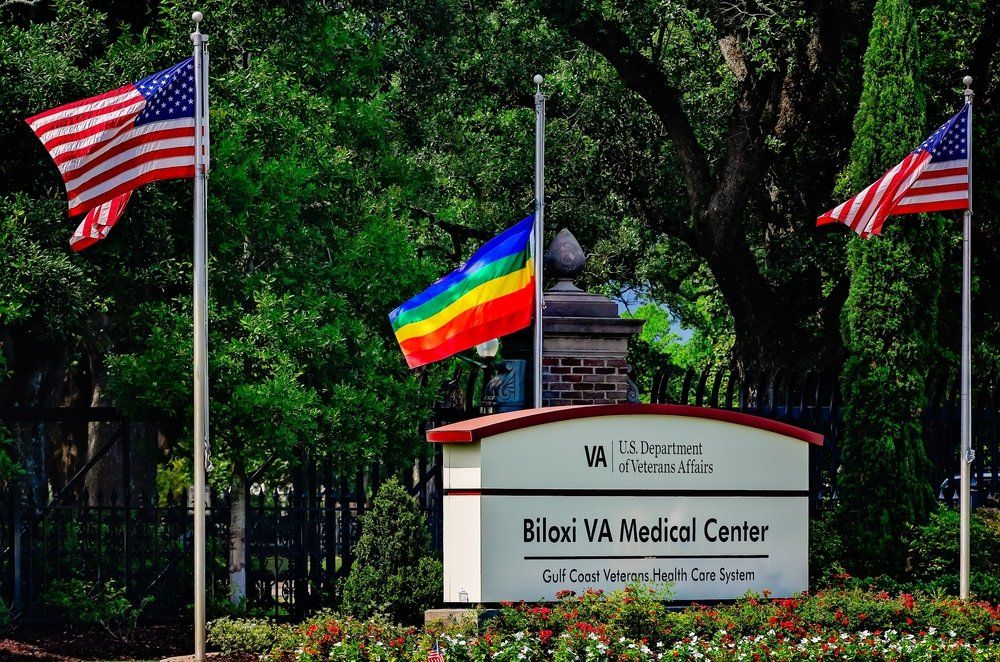
A rainbow flag supporting Pride month flies a the Biloxi VA Medical Center in Biloxi, Mississippi (June 5, 2023)
Nondiscrimination laws: Mississippi does not have nondiscrimination laws in employment, housing, health care, education, public accommodations, or credit/lending. Its state code incorrectly defines sex as exclusively male or female, and it prohibits transgender people from using public facilities that align with their identities. The state also has a broad “religious exemption” law.
Marriage equality and parental rights: Mississippi does not have adoption or foster care nondiscrimination protections for LGBTQ+ parents. It has second-parent adoption for unmarried couples, but not confirmatory adoption nor recognition for parents using assisted reproductive technologies. It also does not have family leave laws that encompass LGBTQ+ people.
Education and youth policies: Mississippi has a “Don’t Say Gay” law restricting discussion of LGBTQ+ identities in classrooms. It has banned trans students from participating in sports or using school facilities based on their identities, and it requires staff to forcibly out LGBTQ+ students to their guardians. The state also has a “religious exemption” law for Child Welfare Services.
Healthcare access and rights: Mississippi has banned life-saving gender-affirming care for youth, though it permits the discredited and harmful practice of so-called conversion therapy for youth. Medicaid is forbidden from providing coverage related to gender transition for youth, and insurance companies are not required to cover fertility treatments. The state also has a “religious exemption” law for healthcare providers.
Criminal justice: Mississippi’s hate crime laws do not encompass sexual orientation and gender identity. It has not banned the so-called “LGBTQ+ panic” defense, and it has an HIV criminalization law.
Missouri
Ryanzo W. Perez / Shutterstock.com
A view down one of the streets filled with celebrants during Saint Louis PrideFest in Missouri (June 24, 2023)
Nondiscrimination laws: Missouri has weaker nondiscrimination laws in housing, and public accommodations, but not in employment, credit/lending, education, nor health care. The state also has a broad “religious exemption” law.
Marriage equality and parental rights: Missouri’sadoption or foster care nondiscrimination protections only encompass sexual orientation, not gender identity. It does not have second-parent adoption for unmarried couples, confirmatory adoption, nor recognition for parents using assisted reproductive technologies. It also does not have family leave laws that encompass LGBTQ+ people.
Education and youth policies: Missouri has banned schools and districts from passing nondiscrimination or anti-bullying policies protecting LGBTQ+ students. It has banned trans students from participating in sports based on their identities, but not from using facilities that align with their identities.
Healthcare access and rights: Missouri has banned life-saving gender-affirming care for youth, though it permits the discredited and harmful practice of so-called conversion therapy for youth. Medicaid is forbidden from providing coverage related to gender transition for all ages, and insurance companies are not required to cover fertility treatments. The state also has a “religious exemption” law for healthcare providers.
Criminal justice: Missouri’s hate crime laws encompass sexual orientation and gender identity, though it has not banned the so-called “LGBTQ+ panic” defense, and it has an HIV criminalization law.
Montana
Cavan-Images / Shutterstock.com
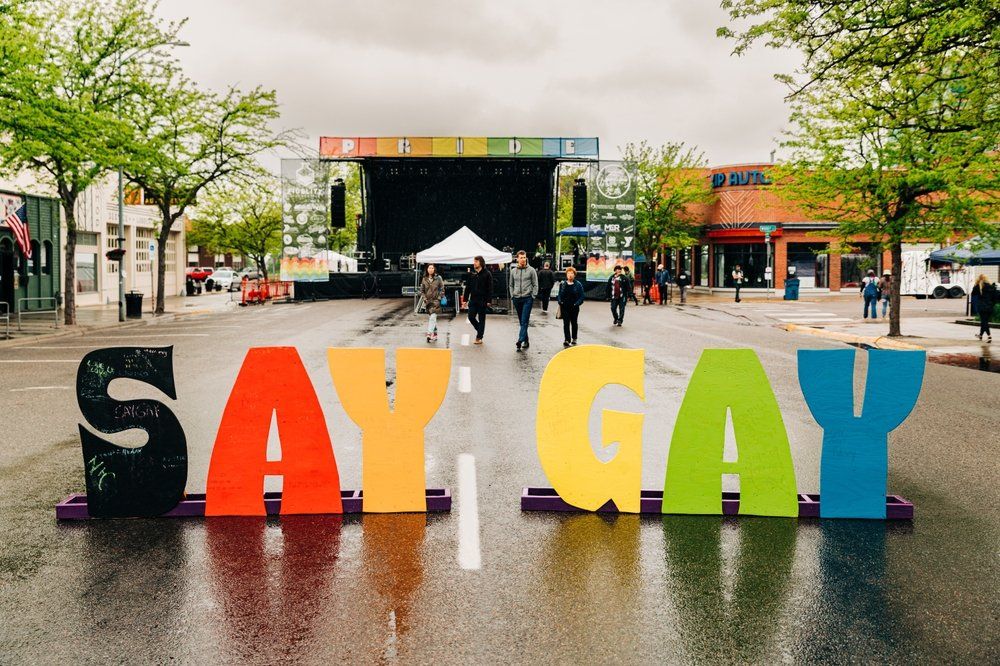
“Say Gay” sign at Missoula Pride in Montana (March 29, 2024)
Nondiscrimination laws: Montana does not have nondiscrimination laws in employment, housing, health care, education, public accommodations, or credit/lending.Its state code incorrectly defines sex as exclusively male or female, and it has a broad “religious exemption” law. The state has also explicitly restricted drag performances, and does not allow updating gender markers on birth certificates
Marriage equality and parental rights: Montana’sadoption or foster care nondiscrimination protections only encompass sexual orientation, not gender identity. It has second-parent adoption for unmarried couples, but not confirmatory adoption nor recognition for parents using assisted reproductive technologies. It also does not have family leave laws that encompass LGBTQ+ people.
Education and youth policies: Montana requires that parents be notified of LGBTQ+ curricula so they can opt out. It has banned trans students from participating in sports based on their identities, but not from using facilities that align with their identities. The state requires staff to forcibly out LGBTQ+ students to their guardians.
Healthcare access and rights: Montana has banned life-saving gender-affirming care for youth, though it permits the discredited and harmful practice of so-called conversion therapy for youth. Health insurance companies and Medicaid are required to cover care related to gender transition, and there is some coverage for fertility treatments. However, the state has a “religious exemption” law for healthcare providers.
Criminal justice: Montana’s hate crime laws do not encompass sexual orientation and gender identity. It has not banned the so-called “LGBTQ+ panic” defense, and it has an HIV criminalization law.
Oklahoma
Kit Leong / Shutterstock.com
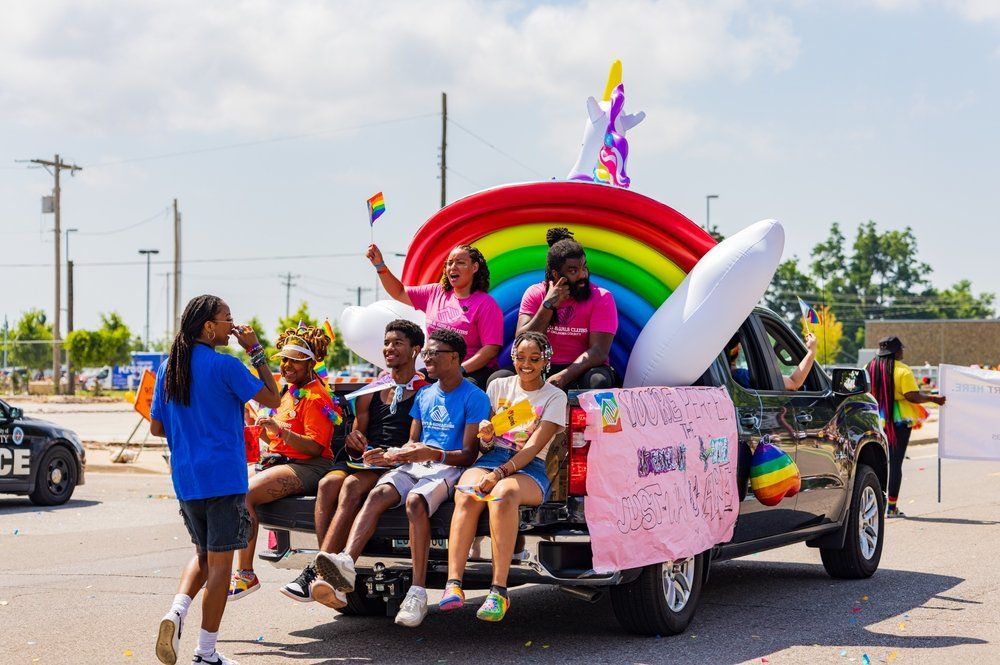
Pride Parade in Oklahoma (June 26, 2023)
Nondiscrimination laws: Oklahoma does not have nondiscrimination laws in employment, housing, health care, education, public accommodations, or credit/lending. Its state code incorrectly defines sex as exclusively male or female, and it prohibits updated gender markers on birth certificates. It also has a broad “religious exemption” law.
Marriage equality and parental rights: Oklahoma does not have adoption or foster care nondiscrimination protections for LGBTQ+ parents. It has second-parent adoption for unmarried couples, but not confirmatory adoption nor recognition for parents using assisted reproductive technologies. It also does not have family leave laws that encompass LGBTQ+ people.
Education and youth policies: Oklahoma has a weaker version of a “Don’t Say Gay” law that restricts the discussion of “homosexuality” in specific school subjects. It has banned trans students from participating in sports or using school facilities based on their identities. The state also has a “religious exemption” law for Child Welfare Services, though it has protections for LGBTQ+ youth in the Child Welfare System.
Healthcare access and rights: Oklahoma has banned life-saving gender-affirming care for youth, though it permits the discredited and harmful practice of so-called conversion therapy for youth. Health insurance companies, including Medicaid, are not required to provide coverage related to gender transition or fertility treatments, and state employees are not permitted trans-inclusive benefits.
Criminal justice: Oklahoma’s hate crime laws do not encompass sexual orientation and gender identity. It has not banned the so-called “LGBTQ+ panic” defense, and it has an HIV criminalization law.
South Carolina
Shuttershock creative
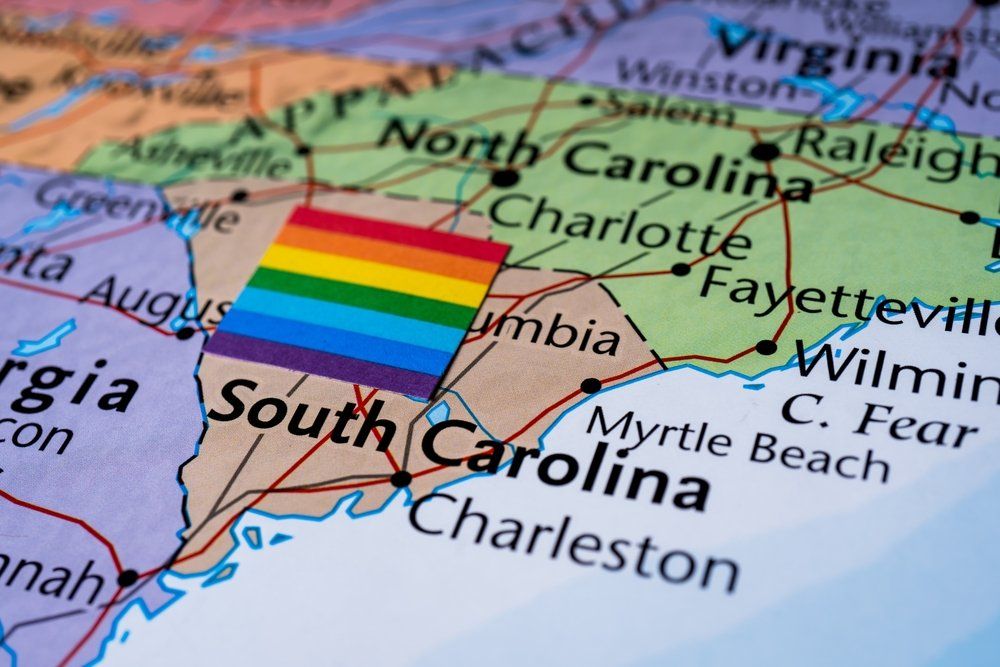
Rainbow flag on a map of South Carolina
Nondiscrimination laws: South Carolinadoes not have nondiscrimination laws in employment, housing, health care, education, public accommodations, or credit/lending. It has a broad “religious exemption” law.
Marriage equality and parental rights: South Carolina‘sadoption or foster care nondiscrimination protections only encompass sexual orientation, not gender identity. It does not have second-parent adoption for unmarried couples, confirmatory adoption, nor recognition for parents using assisted reproductive technologies. It also does not have family leave laws that encompass LGBTQ+ people.
Education and youth policies: South Carolinahas banned trans students from participating in sports based on their identities, but not from using facilities that align with their identities. The state requires staff to forcibly out LGBTQ+ students to their guardians. The state also has a “religious exemption” law for Child Welfare Services.
Healthcare access and rights: South Carolina has banned life-saving gender-affirming care for youth, though it permits the discredited and harmful practice of so-called conversion therapy for youth. Medicaid is forbidden from providing coverage related to gender transition for all ages, and insurance companies are not required to cover fertility treatments. The state also has a “religious exemption” law for healthcare providers.
Criminal justice: South Carolina‘s hate crime laws do not encompass sexual orientation and gender identity. It has not banned the so-called “LGBTQ+ panic” defense, and it has an HIV criminalization law.
South Dakota
Shuttershock creative
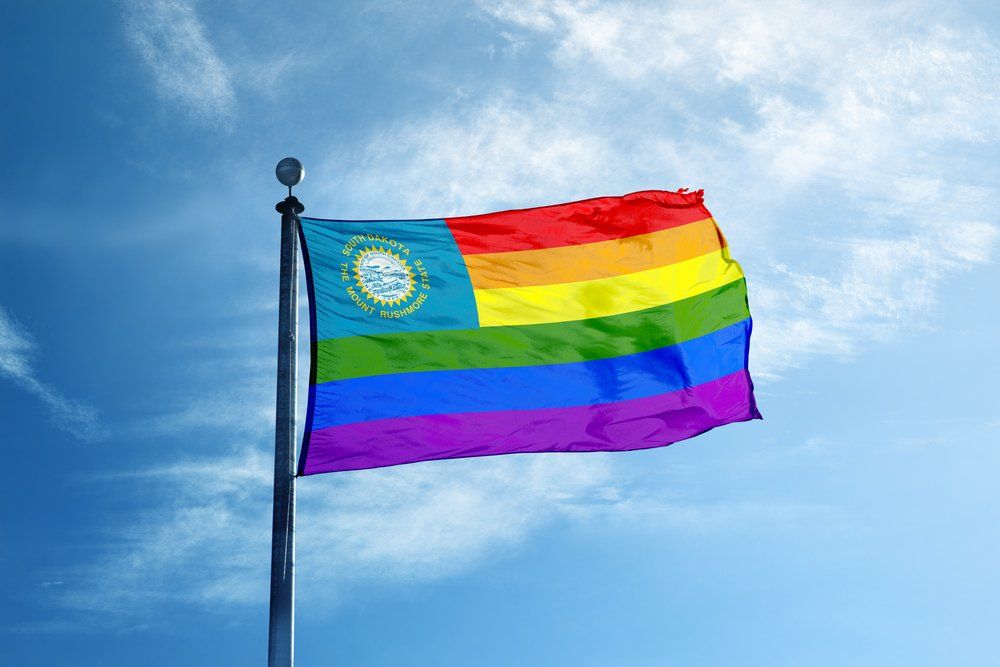
South Dakota state flag with rainbow stripes
Nondiscrimination laws: South Dakota does not have nondiscrimination laws in employment, housing, health care, education, public accommodations, or credit/lending. It has a broad “religious exemption” law.
Marriage equality and parental rights: South Dakota’sadoption or foster care nondiscrimination protections encompass sexual orientation and gender identity. However, it does not have second-parent adoption for unmarried couples, confirmatory adoption, nor recognition for parents using assisted reproductive technologies. It also does not have family leave laws that encompass LGBTQ+ people.
Education and youth policies: South Dakotahas banned schools and districts from passing nondiscrimination or anti-bullying policies protecting LGBTQ+ students. It has banned trans students from participating in sports based on their identities, but not from using facilities that align with their identities. The state also has a “religious exemption” law for Child Welfare Services, though it has protections for LGBTQ+ youth in the Child Welfare System.
Healthcare access and rights: South Dakota has banned life-saving gender-affirming care for youth, though it permits the discredited and harmful practice of so-called conversion therapy for youth. Health insurance companies, including Medicaid, are not required to provide coverage related to gender transition or fertility treatments, and state employees are not permitted trans-inclusive benefits.
Criminal justice: South Dakota‘s hate crime laws do not encompass sexual orientation and gender identity, and it has not banned the so-called “LGBTQ+ panic” defense. It has an HIV criminalization law that may require sex offender registration.
Tennessee
evenfh / Shutterstock.com
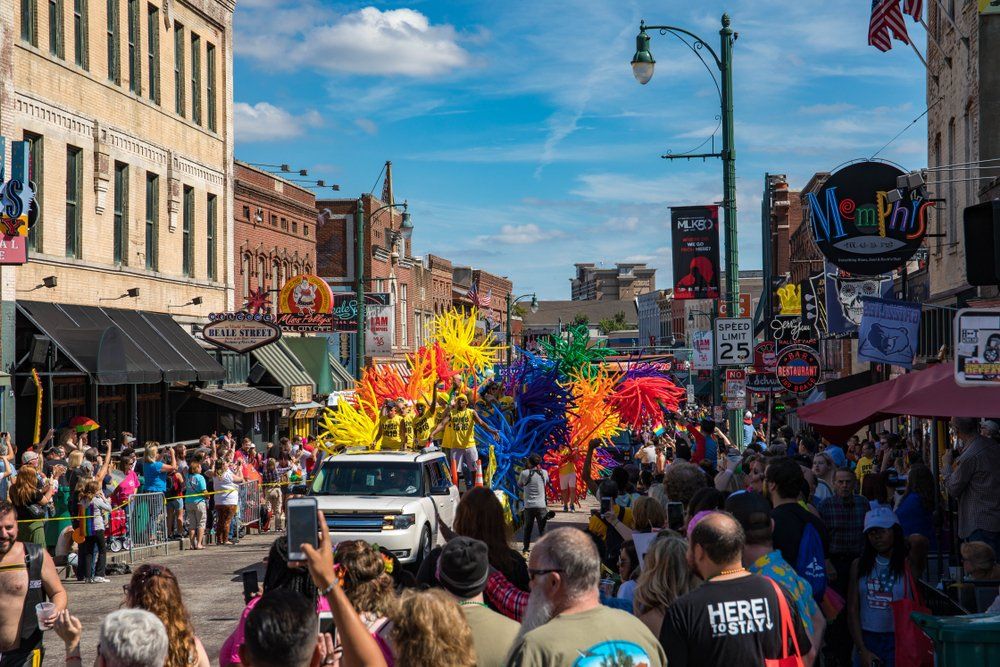
Pride Parade on Beale Street in Memphis, Tennessee (September 28, 2018)
Nondiscrimination laws: Tennessee does not have nondiscrimination laws in employment, housing, health care, education, public accommodations, or credit/lending. It instead bans cities and local ordinances from passing nondiscrimination laws. State code incorrectly defines sex as exclusively male or female, and it does not allow updating gender markers on driver’s licenses or birth certificates. The state has a broad “religious exemption” law that even allows officials to deny marriage licenses based on their personal beliefs. It has also explicitly restricted drag performances.
Marriage equality and parental rights: Tennessee’sadoption or foster care nondiscrimination protections encompass sexual orientation and gender identity. However, it does not have second-parent adoption for unmarried couples, confirmatory adoption, nor recognition for parents using assisted reproductive technologies. It also does not have family leave laws that encompass LGBTQ+ people.
Education and youth policies: Tennessee requires that parents be notified of LGBTQ+ curricula so they can opt out. It has banned trans students from participating in sports based on their identities and from using facilities that align with their identities. The state requires staff to forcibly out LGBTQ+ students to their guardians. The state also has a “religious exemption” law for Child Welfare Services, though it has protections for LGBTQ+ youth in the Child Welfare System.
Healthcare access and rights: Tennessee has banned life-saving gender-affirming care for youth, though it permits the discredited and harmful practice of so-called conversion therapy for youth. Medicaid is forbidden from providing coverage related to gender transition for all ages, and insurance companies are not required to cover fertility treatments. The state also has a “religious exemption” law for healthcare providers, and state employees are not permitted trans-inclusive benefits.
Criminal justice: Tennessee’s hate crime laws encompass sexual orientation and gender identity, though it has not banned the so-called “LGBTQ+ panic” defense, and it has an HIV criminalization law that may require sex offender registration.
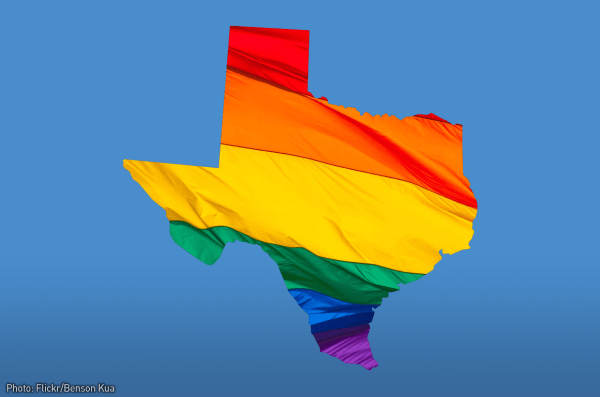
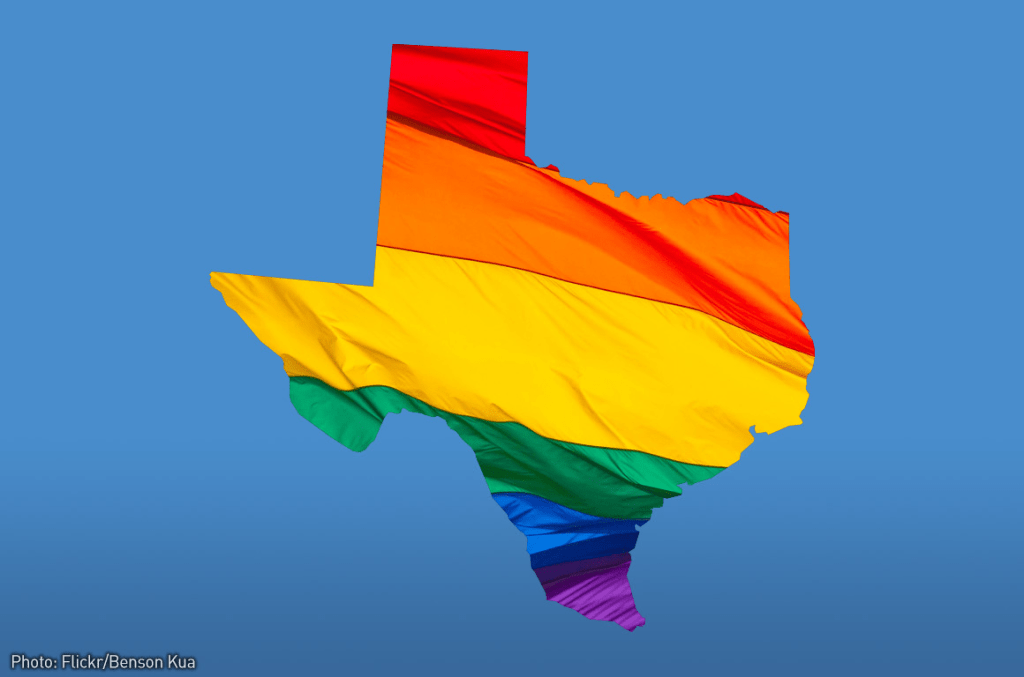
Nondiscrimination laws: Texas has nondiscrimination laws in employment and for state employees, but not in housing, public accommodations, credit/lending, education, nor health care. The state does not allow updating gender markers on driver’s licenses or birth certificates, and it has a broad “religious exemption” law.
Marriage equality and parental rights: Texas does not have adoption or foster care nondiscrimination protections for LGBTQ+ parents. It does not have second-parent adoption for unmarried couples, confirmatory adoption, nor recognition for parents using assisted reproductive technologies. It also does not have family leave laws that encompass LGBTQ+ people.
Education and youth policies: Texas has a weaker version of a “Don’t Say Gay” law that restricts the discussion of “homosexuality” in specific school subjects. It has banned trans students from participating in sports based on their identities, but not from using facilities that align with their identities. The state also has a “religious exemption” law for Child Welfare Services without protections for LGBTQ+ youth.
Healthcare access and rights: Texas has banned life-saving gender-affirming care for youth, though it permits the discredited and harmful practice of so-called conversion therapy for youth. Medicaid is forbidden from providing coverage related to gender transition for all ages, and insurance companies are not required to cover fertility treatments. State employees are not permitted trans-inclusive benefits.
Criminal justice: Texas’s hate crime laws only encompass sexual orientation, not gender identity. It has not banned the so-called “LGBTQ+ panic” defense.
Wyoming
Shuttershock creative
Double rainbow against a black sky in Wyoming
Nondiscrimination laws: Wyoming does not have nondiscrimination laws in employment, housing, health care, education, public accommodations, or credit/lending.
Marriage equality and parental rights: Wyoming does not have adoption or foster care nondiscrimination protections for LGBTQ+ parents. It does not have second-parent adoption for unmarried couples, nor confirmatory adoption. It also does not have family leave laws that encompass LGBTQ+ people. However, it does have recognition for parents using assisted reproductive technologies.
Education and youth policies: Wyoming has a weaker version of a “Don’t Say Gay” law that restricts the discussion of “homosexuality” in specific school subjects. It has banned trans students from participating in sports based on their identities, but not from using facilities that align with their identities.
Healthcare access and rights: Wyoming has banned life-saving gender-affirming care for youth, though it permits the discredited and harmful practice of so-called conversion therapy for youth. Health insurance companies, including Medicaid, are not required to provide coverage related to gender transition or fertility treatments.
Criminal justice: Wyoming’s hate crime laws do not encompass sexual orientation and gender identity, and it has not banned the so-called “LGBTQ+ panic” defense.
Dishonorable mentions
BluIz70 / Shutterstock.com
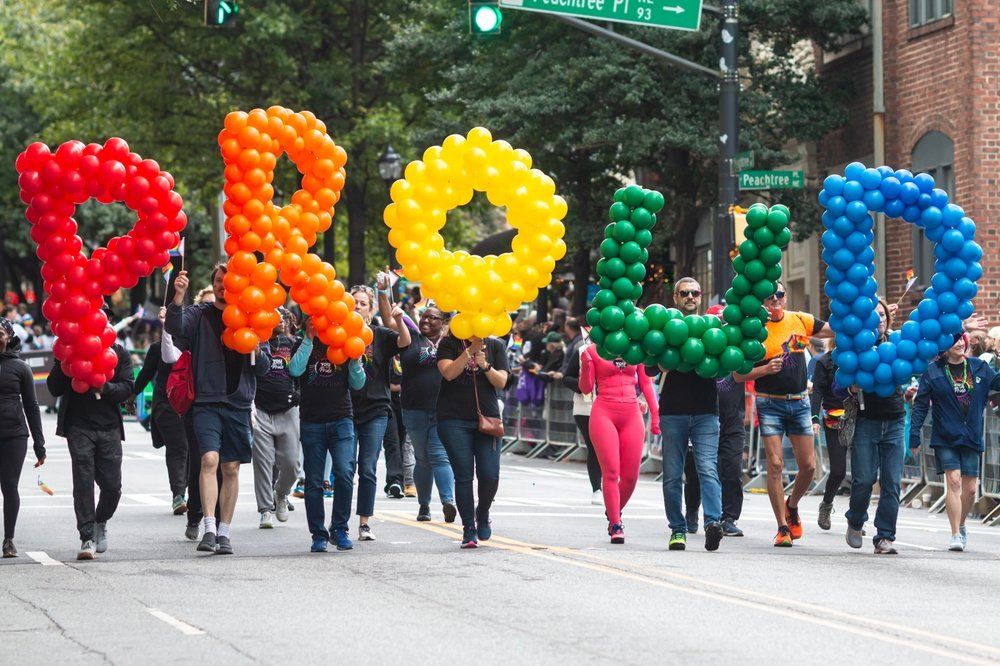
People carry large balloon letters that spell out “Proud” as they walk in the annual pride parade in Atlanta, Georgia (October 15, 2023)
Other states that ranked below average include: Alaska, Arizona, Georgia, Iowa, Kansas, Kentucky, Nebraska, North Carolina, North Dakota, Ohio, Utah, and West Virginia.
Nine states are now seeing Republican efforts to overturn Obergefell v. Hodges, the 2015 Supreme Court decision that legalized marriage equality in all 50 states. This is a new trend; state Republican lawmakers have been focused on rolling back trans rights since 2020.
In five of the states — Idaho, Michigan, Montana, North Dakota, and South Dakota — Republican lawmakers have introduced resolutions calling for the Supreme Court to overturn Obergefell. Those measures have been passed by at least one chamber of the state legislature in Idaho and North Dakota.
In the four other states – Missouri, Oklahoma, Tennessee, and Texas – Republican legislators have introduced bills to privilege heterosexual marriages, with some of the states referring to a new institution called “covenant marriage,” which would be limited to heterosexual couples. The point there, according to the sponsor of one such bill in Oklahoma, is to create inequality in marriage rights between opposite- and same-sex couples and invite a legal challenge that could be taken to the Supreme Court to overturn Obergefell.
Two justices on the Supreme Court have openly stated that they want to overturn Obergefell, and the Court has moved to the right since 2015. Justices Ruth Bader Ginsburg, Anthony Kennedy, and Stephen Breyer were all in the Obergefell majority but have either retired or passed away in the last ten years. Only one was replaced by a Democratic president. It is not clear if there are the five votes needed to protect marriage equality on the Court if it were to take up a test case.
Thirty-five states have amendments or statutes banning same-sex marriage, and most would likely go into effect if the Supreme Court were to overturn Obergefell. Because of the 2022 federal Respect for Marriage Act, though, state and federal governments would have to recognize same-sex marriages performed in other states.
“It’s good to anticipate things that could happen in order that we do our best job preparing ourselves,” Jenny Pizer, chief legal officer of Lambda Legal, told LGBTQ Nation last month. “The bottom line for people is that, if there are things that you can do to secure your relationships, your family status and to take other protective measures, please do those things. Don’t be lulled into complacency by our informed and reasonably expert speculation about what may happen.”
Megan Red Shirt-Shaw and her husband, John Little, who both work at the University of South Dakota, have long included their pronouns and tribal affiliations in their email signatures. Red Shirt-Shaw expressed that, “The ability to share my tribal affiliation as well as gender pronouns signals that I am a person who values the lived experiences of others.”
In March, they received a written warning from the University of South Dakota, informing them that their email signatures were in violation of a new policy introduced by the South Dakota Board of Regents in December.
John Little told the Associated Press, “I believe the exact wording was that I had ‘five days to correct the behavior.’ If my tribal affiliation and pronouns were not removed after those five days, administrators would then decide whether I would be suspended (with or without pay) or immediately terminated.”
The move follows South Dakota Governor Kristi Noem’s directive to the Board of Regents to combat what she views as “liberal ideologies” on college campuses. Her requests included removing all references to preferred pronouns from school materials and banning drag shows. Notably, Gov. Noem appointed all nine members of the Board of Regents.
This latest policy change, which removes the ability for South Dakota public university employees to express their tribal affiliations and gender identity, adds to a series of controversial actions by Gov. Noem. Many South Dakota tribes have restricted her access to their lands due to her claims that tribal reservations are harboring drug cartels and neglecting children.
Critics argue that the policy represents a double erasure of queer Indigenous individuals, including two-spirit people. Samantha Chapman, advocacy manager for the ACLU South Dakota, noted, “Maybe their intent was to suppress pronoun usage in email signatures, but as is often the case with any limitation or suppression of free speech, there’s always unintended consequences. There is also a component here of double erasure. There are plenty of queer Indigenous folks in South Dakota.”
Paulette Grandberry Russell, president of the National Association of Diversity Officers in Higher Education, expressed that while the policy was not surprising given the current climate, it marks a troubling trend. “Quite frankly, this is the first I’ve heard of a state university using branding standards to eliminate what had become a practice of including pronouns and tribal affiliations in emails… it is a steady progression [towards the right]. This comes in the form of communications and branding standards. Is that going to be the next frontier in sanitizing the realities of our differences?”
A spokesperson for the University of South Dakota declined to comment on whether administrative or faculty leadership had reviewed the policy before its implementation, referring questions instead to the Board of Regents. Shuree Mortenson, a spokesperson for the Board, stated that while the decision could be reviewed by the six universities under the regents’ board, it was ultimately made by the Board itself. Mortenson did not provide details on whether other staff or faculty had received similar warnings or if tribal leaders were consulted.
John Little remarked, “It was clear that they had not considered that this would impact Native employees.”
On social media, Red Shirt-Shaw criticized the policy as further erasure of Native people in South Dakota. Both she and Little have now included their tribal affiliations and pronouns in the body of their emails, which the university currently permits.







 fleeredstates.blog
You must be logged in to post a comment.