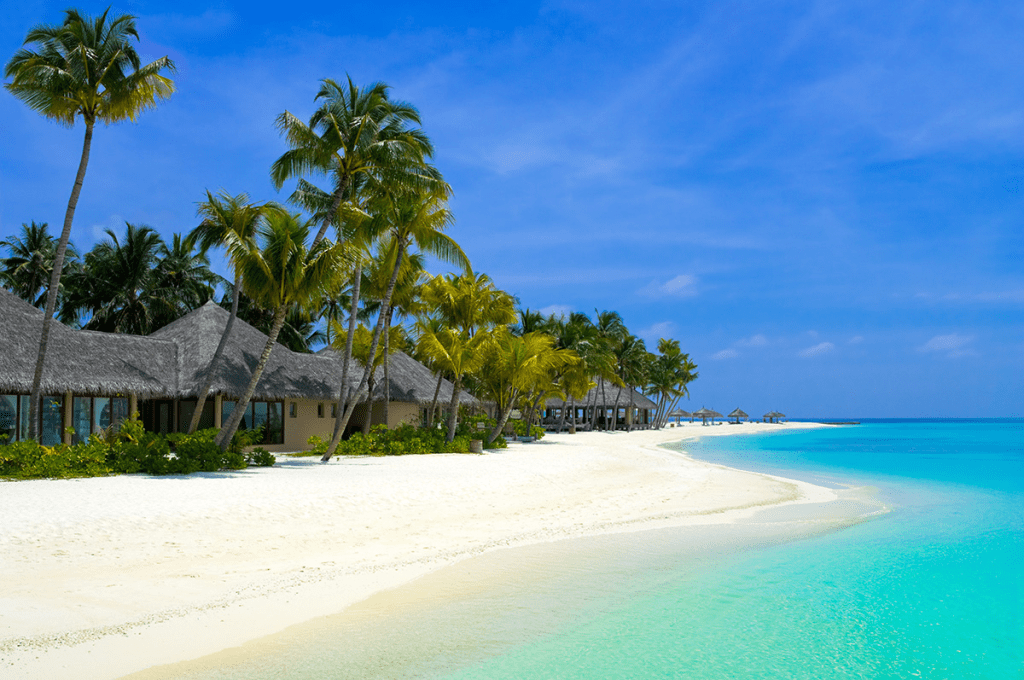
How the Caribbean Is Becoming More Welcoming to LGBTQ+ Travelers

Read more at TravelAge West.

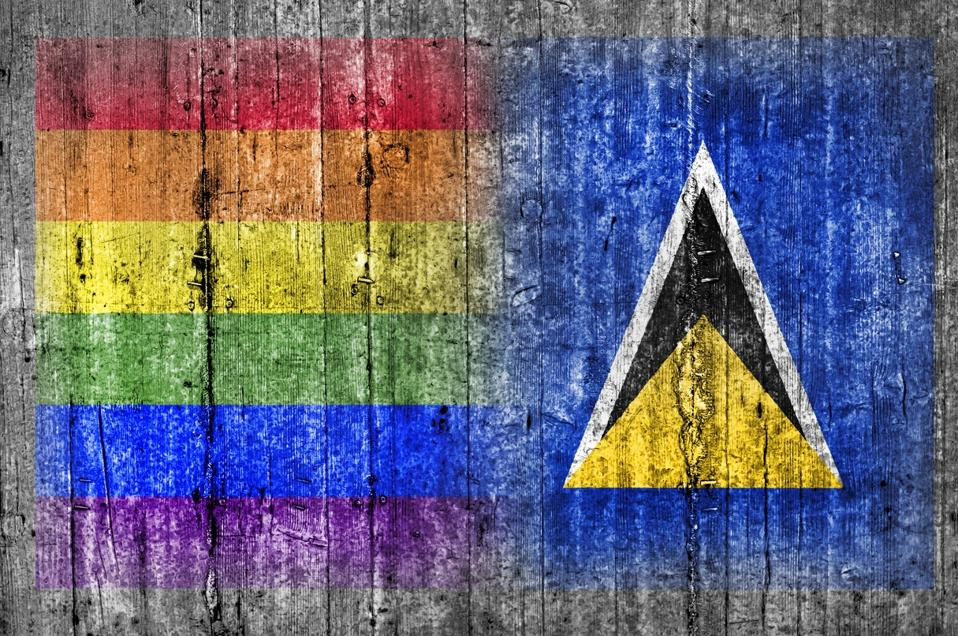
In July, St. Lucia’s courts struck down laws that criminalized consensual same-sex relations, mirroring similar 2022 rulings that eliminated discriminatory laws in Antigua and Barbuda, Barbados and St. Kitts and Nevis.

These developments represent major advances for English-speaking Caribbean islands, which have long carried some of the most discriminatory laws in the Western Hemisphere. It’s also good news for LGBTQ+ travelers, according to travel advisor Scott Wismont, founder of Rainbow Getaways.

“This evolution means we now have a much broader portfolio of destinations we can confidently recommend,” he said. “We can better guide clients to places where they will feel safe and celebrated.”

Reason to Celebrate

Resorts in St. Lucia were among the first in the tourism sector to praise the recent ruling.

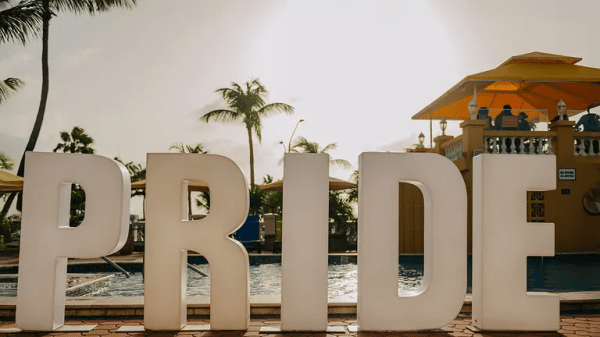
“This year’s St. Lucia Pride carries such profound significance, marking the first since this historic shift toward equal rights for the LGBTQ community,” said Benjamin DiCosta, vice president of marketing and communication for Windjammer Landing Resort & Residences. “To witness the pride flag raised officially for the very first time in St. Lucia was a powerful and moving moment.”

Other St. Lucia hoteliers echoed positive sentiments.

“We have always welcomed LGBTQ+ travelers at both Anse Chastanet and Jade Mountain,” said Karolin Troubetzkoy, executive director of marketing and operations at both resorts. “We wholeheartedly welcome St. Lucia’s recent step to decriminalize same-sex relations. It’s a meaningful and long-overdue development that reinforces the message of inclusion and respect.”

A Region in Transition

Anti-LGBTQ+ laws are a holdout from the British colonial era, notes Thomas Julian, partner and head of Caribbean programs at Holborn Assets, a global financial services company with LGBTQ+ people among its clients.

“These laws, as are all the anti-LBGTQ laws in the Caribbean, are artifacts of the colonial era and are seldom, if ever, enforced,” he said. “However, the fact that they are still on the books is a travesty to justice, society and humanity. My hope is that now that these countries are moving forward and modernizing legislatively, they will do so policy-wise as well, and permit LGBTQ couples and families to apply together via their respective passport programs, which are what I sell.”

Mark Brantley, the premier of Nevis, is among the tourism leaders praising recent progress.

“The colonial-era laws criminalizing same-sex relationships were struck down by our courts as unconstitutional, a ruling that brings Nevis into alignment with both our values and our laws,” he said. “Across the English-speaking Caribbean, and particularly here in Nevis, there is a clear and prevailing sentiment of welcome for all travelers.”
Dean Fenton, U.S. director of tourism for Antigua and Barbuda, strikes a similar tone.

“Antigua and Barbuda proudly welcomes all travelers, including those from the LGBTQ+ community,” he said. “While same-sex marriage is not yet legally recognized, symbolic ceremonies are celebrated on the island, and many of our hotels and resorts are well-versed in providing inclusive experiences.”

The Cayman Islands Department of Tourism, meanwhile, issued a statement confirming its goal of celebrating “diversity in all its forms” and its pride in being “a place where all visitors are welcome” — an attitude reflected in events such as Cayman Pride, which takes place every June, and the destination’s legal recognition of same-sex civil unions, which provide benefits similar to those of marriage.

Inclusivity as a Competitive Advantage

Decriminalization is an important step. But even after recent court rulings, Caribbean destinations still vary widely in terms of legal protections and rights for LGBTQ+ residents and visitors; not all recognize LGBTQ+ marriage or offer anti-discrimination protection, for example.

Some have a longer record of inclusivity than others, such as Puerto Rico, where same-sex marriage and same-sex adoption are legal and anti-discrimination legislation is in place. Discover Puerto Rico, the island’s destination marketing organization, even maintains a detailed LGBTQ+ travel section on its website. 

“Puerto Rico has a vibrant LGBTQ+ culture that is not only visible but celebrated,” said José Arana, group marketing director for Discover Puerto Rico. “This is setting an example for the region, showing that when destinations embrace equality, they create an environment where all travelers feel welcome.”

Queer-friendly islands enjoy a distinct advantage in the tourism sector, he adds.

“Destinations that prioritize inclusivity have a clear competitive edge because they are opening their doors to a broader audience,” he explained. “Moreover, destinations that are safe and welcoming for LGBTQ+ travelers are often safe and welcoming for everyone, including women and solo travelers, making them more appealing across the board.”

May-Ling Chun, director of tourism for St. Maarten, agrees.

“Inclusive destinations certainly benefit from appealing to a wider potential customer base, and we recognize that being welcoming to LGBTQ+ travelers is both a reflection of our values and a strength in today’s competitive tourism market,” she said. “While every nation in the Caribbean has its own cultural context, there is an increasing recognition that inclusivity is essential for both social and economic growth.”

Aruba, Curacao and St. Barts also rank high for inclusivity, with same-sex marriage among the legally protected rights. Hoteliers in those destinations showcase their welcoming attitudes in a variety of ways. Dreams Curaçao Resort, Spa & Casino, for example, is accredited with the International LGBTQ+ Travel Association (IGLTA).

In Aruba, Amsterdam Manor Beach Resort has hosted pride events.

“By embracing diversity and welcoming every guest, Aruba not only gains a distinctive advantage, but also reaffirms its promise to be a place where everyone feels at home,” said Jurgen van Schaijk, the hotel’s owner and managing director.

Acceptance of diversity is rooted in the public mindset in St. Barts, according to Alexandra Questel, president of the St. Barts Tourism Committee.

“St. Barts’ commitment to inclusivity isn’t just a policy; it’s part of our culture and way of life,” she said. “That openness resonates with visitors, whether they identify as LGBTQ+ or simply appreciate destinations that celebrate diversity.”

The Role of Travel Advisors

Travel advisors play a crucial role in guiding LGBTQ+ clients toward positive Caribbean vacation experiences, notes Wismont of Rainbow Getaways.

“Many clients view the Caribbean as a singular, homogenous destination, unaware of the vast differences in cultural norms, legal frameworks and local attitudes from one island to the next,” he said. “This is precisely where the expertise of an advisor becomes indispensable. We curate an experience that aligns with their need for safety and acceptance.”

Even in destinations such as Jamaica, where male same-sex intimacy is still illegal, it’s possible to find a welcoming, upscale experience, according to Wismont.

“The case of Jamaica is more complex,” he said. “While the country as a whole has a challenging reputation, we have seen an encouraging trend of resorts making an explicit commitment to being safe and affirming spaces for LGBTQ+ guests.”

Among the queer-friendliest hotels in Jamaica is Round Hill Hotel and Villas, according to Wismont. Josef Forstmayr, the hotel’s managing director, agrees about the island’s positive momentum, as evidenced by his involvement in local hotel associations and the Jamaica Tourist Board.

“That shows I’m not being marginalized just because I happen to be gay,” Forstmayr said. “It speaks volumes about the open-minded thinking of the political directorate — as long as you don’t put them on the spot when it comes to public opinion. That’s where we fail.”

The ability of hotels such as Round Hill to provide a welcoming environment for LGBTQ+ travelers underscores the need for effective staff training. Forstmayr says diversity, non-discrimination and non-harassment is addressed early on with new hires.

Alaia Belize, an Autograph Collection property in Belize, takes a similar approach.

“We believe that true hospitality means creating a space where every traveler feels safe, celebrated and completely at home,” said Maria Novelo, marketing and communications manager for the hotel. “We are proud to carry forward a culture of inclusivity that welcomes LGBTQ+ guests with the same warmth and respect we extend to all.”

St. Lucia Strikes Down Colonial-Era Sodomy Law, Marking Major Win For LGBTQ Rights In The Caribbean

Read more at Forbes.

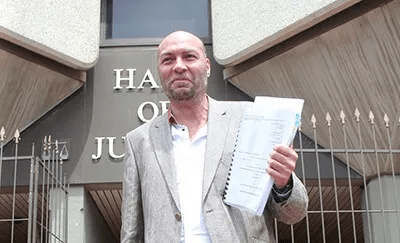
“These provisions… exacerbate, if not condone, the stigmatisation of homosexual persons in civil society and engender feelings of hostility fueled by persons who are inclined to take the moral high ground,” stated Eastern Caribbean Supreme Court Judge Shawn Innocent in his late July ruling striking down St. Lucia’s ban on same-sex intimacy.

The ruling coming down from the Heraldine Rock Building sparked swift, though not unanimous, reaction. The Caribbean’s LGBTQIA community celebrated the long-overdue victory, while religious conservatives issued dire warnings.

As Judge Innocent explained on the bench, many islanders and Caribbean citizens continue to navigate the fault lines between a dated colonial inheritance and a modern identity.

“It is the law itself which violates their constitutional rights,” Innocent’s ruling said. “They do not have to await prosecution under those sections to experience a violation. Without any equivocation, his liberty has been emasculated and abridged.”

The ruling made St. Lucia the latest in a growing list of Caribbean nations—including Barbados, Dominica, Antigua and Barbuda, and St. Kitts and Nevis—to decriminalize consensual same-sex relations through the courts. In doing so, it affirms what many legal scholars and LGBTQIA activists have long argued: that the region’s colonial-era sodomy laws are not just outdated, they are unconstitutional.

The win in St. Lucia comes at a time when the Caribbean LGBTQIA movement appears to not only be making progress in changing laws, but changing attitudes. This stands in contrast to the United States, where movement workers are fighting back against regressive measures, state-based legislation, and attempts by the Trump administration to gut federal civil rights protections.

For Glenroy Murray, St. Lucia’s policy change, part of a nearly decade-long strategy led by the Eastern Caribbean Alliance for Diversity and Equality (ECADE) and other local organizing groups, is the product of years of sustained advocacy.

“In the Caribbean, queer activists are saying: we deserve space, and we’re going to claim it—despite prevailing attitudes that have existed in this region for a long time,” said Murray, the Caribbean lead for Human Dignity, a legal advocacy organization that provides technical, legal, and communications support to queer organizations and governments worldwide.

What began as a debate among legal scholars, researchers, and grassroots LGBTQIA activists about the countries most ripe for a legal challenge to colonial-era sodomy laws has since evolved into a broad-based movement to decriminalize sexuality and fight for human rights across the region.

For the Caribbean movement, the struggle has been twofold: first, dismantling outdated “saving law clauses” that shield colonial-era statutes from constitutional challenge. Found in several post-independence constitutions, these clauses preserve pre-existing laws—even if they conflict with modern human-rights protections. In practice, they’ve made it far more difficult to overturn criminal statutes against same-sex intimacy. Activists argue that true equality cannot be achieved without dismantling these legal shields.

Compounding this are well-funded, transnational conservative movements determined to make LGBTQIA rights in the Caribbean harder to secure. Angelique Nixon, senior lecturer and researcher at University of the West Indies, St. Augustine Campus’ Institute for Gender and Development Studies, said that these actors, backed by U.S.-based evangelical and faith-based groups, frame equality as a Western imposition and deploy religious and moral rhetoric to stir cultural resistance.

“Globally, we’re seeing the rise of well-funded, transnational anti-rights movements that actively export homophobic and transphobic ideologies across borders, often under the guise of protecting traditional values or religious freedoms,” Nixon said.

“This transnational dimension makes our struggle particularly challenging,” she emphasized.

The American religious right has directly targeted the Caribbean: groups affiliated with the American Center for Law and Justice (ACLJ) have conducted legal training in Belize, while Alliance Defending Freedom (ADF) and other U.S. advocacy networks have bolstered local opposition to reform.

Meanwhile, Family Watch International—designated a hate group by the Southern Poverty Law Center—has expanded its regional influence, launching campaigns in Africa and elsewhere.

Earlier in 2025, Trinidad and Tobago’s Court of Appeal overturned a 2018 ruling decriminalizing consensual same-sex intimacy, citing its “saving law clause.” While the court reduced penalties from 25 years to five years’ imprisonment, it emphasized that only the legislature could fully repeal the provisions, a move Nixon warns will further endanger queer people.

“Without strong political leadership, these laws will stay in place and continue to justify stigma, discrimination, and violence—even if they’re not enforced,” Nixon said. “The mere existence of these laws creates a chilling effect. Legal ambiguity and inaction can silence LGBTQI+ people and make them more vulnerable.”

Murray underscored that these laws are rooted in colonial imposition. “Many of the laws against sodomy, buggery, and so-called ‘unnatural offenses’—in other words, laws criminalizing sexuality—were imposed across the Caribbean by the British,” he said. “In Jamaica, the law criminalizing intimacy between men dates back to 1864, and it remains in effect today.”

Quick not to lay all the blame on colonial powers, Murray added: “I won’t let Caribbean governments off the hook. They could have changed these laws a long time ago—there have been repeated calls to repeal them. In some cases, governments have not only retained these provisions but made them worse. And at times, there’s been a clear intentionality to keeps them in place.”

While legal reform remains paramount, organizers have also worked diligently to change hearts and minds—advancing broader issues like health equity, education, and housing.

In its fight against liberal American misconceptions about Caribbean homophobia, the movement’s organizing strategy has centered on balancing the region’s often-professed anti-LGBTQIA identity with lived experiences that are far more varied. Murray explained that this nuance does not discount the violence, displacement, and harm faced by LGBTQIA people, but it has remained front of mind for organizers.

“For a time, much of our culture was not pro-gay, but it still allowed for a type of existence,” Murray said. “Over time, as queer people became more visible, violence escalated—and that’s when the region became known for being homophobic.”

Despite stigma, advocates have advanced regional efforts like the Pan-Caribbean Partnership Against HIV/AIDS, housing access expansion, and educational equity.

“In general, our leadership across the region is clear: they don’t support discrimination,” Murray said “When we talk about housing, we make it inclusive. When we talk about healthcare, we make it inclusive. And that matters.”

Murray’s analysis came with a caveat.

“But on hot-button issues like discrimination protections or relationship recognition, leaders tend to be far more cautious—often because of misperceptions about voters,” he said.

Beyond policy and legal reform, organizers recognize that shifting public opinion is essential. A 2023 survey by the Equality for All Foundation/J-FLAG, Jamaica’s leading LGBTQIA rights group, found that 50 percent of Jamaicans support changing laws to ensure equal rights, a dramatic shift from 2018, when 69 percent predicted strong resistance.

This change, advocates say, stems from grassroots organizing, increased visibility of LGBTQIA people, and the political engagement of younger voters. Nixon believes the movement could benefit from even greater international support.

“We need solidarity rooted in care, justice, and long-term commitment,” Nixon said. “Effective support must go beyond symbolic gestures to include sustained material and strategic assistance. That means funding community-led initiatives, creating safe spaces for healing and organizing, and backing the grassroots work that makes all this possible.”

Tips For Those Considering Buying a Home in the Caribbean

*This was first published by The Washington Blade Valerie Blake

I recently returned from cruising through the Caribbean, just in time to experience the last vestiges of a snowstorm and 15-degree weather, coupled with a plethora of angry people wearing red hats, absent-mindedly riding around in circles on the Metro. No matter – I still have that post-vacation glow.

The Caribbean, a diverse region of 13 independent countries, 12 dependencies, and seven overseas territories, has long been a dream destination for travelers, retirees, and investors alike. With its crystal-clear waters, pristine beaches, and relaxed lifestyle, it’s no wonder that many people are drawn to the idea of owning property in this tropical paradise.

Buying real estate in the Caribbean requires careful planning, research, and an understanding of the unique challenges and opportunities that come with investing in a foreign market. Selecting the right island and community is a critical step in the buying process.

Consider such factors as:

  • Accessibility: Proximity to major airports and ease of travel
  • Infrastructure: Availability of roads, utilities, and amenities such as internet and streaming services
  • Safety and security: Crime rates and political stability
  • Climate and weather risks: Susceptibility to hurricanes and natural disasters
  • Healthcare: Quality and availability of medical services

Property prices and inventory vary widely across the region. Each Caribbean nation has its own rules regarding foreign ownership of property. Some countries have relatively open markets where foreigners can buy land freely. Others, such as the Bahamas, require special permits for non-residents purchasing property above a certain value.

It is essential to work with a reputable local attorney to navigate the legal requirements, including landownership laws and restrictions, residency and citizenship options, property taxes and fees, and title searches and due diligence.

Some islands, like Barbados and the Cayman Islands, offer residency permits for property owners who meet specific financial criteria. These programs can provide tax benefits, visa-free travel, long-term residency rights, and in some cases, top-tier medical facilities, including private hospitals and specialized care centers. 

Moreover, Antigua & BarbudaDominicaGrenadaSt. Kitts, and St. Lucia offer a Citizenship by Investment (CBI) program for property buyers: In some cases, citizenship will grant you visa-free access to more than 150 countries. While the costs fluctuate depending on the country, the process can be completed in as little as 7-12 months. 

As you can imagine, there has been a surge of inquiries from the U.S. since last fall, so it would be wise to confirm the most recent amount and type of minimum investment required. You can find helpful information from the company La Vida at  goldenvisas.com.

Many buyers in the Caribbean look to generate income through vacation rentals or long-term leasing. Islands with strong tourism demand, such as Aruba, the Bahamas, and St. Lucia, offer excellent rental potential. 

Working with a reputable property management company can help maximize rental income and ensure smooth operations; however, investors should consider seasonal fluctuations in tourism, property management costs, and local regulations on short-term rentals in determining their return on investment before committing to a purchase. 

As in the U.S., buying property in the Caribbean comes with additional costs beyond the purchase price. These may include legal fees (typically 1-3% of the purchase price), stamp duties and transfer taxes that vary by country, real estate agent compensation, property insurance, and maintenance costs.

Financing can be a challenge for foreign buyers, as many Caribbean banks require substantial down payments or have stringent lending criteria. Some investors choose to secure financing from their home country or pay in cash.

Nonetheless, expatriates living in the Caribbean often benefit from a lower cost of living, warm climate, and relaxed lifestyle. Many islands have well-established expat communities, making it easier to adjust to life abroad. As you begin your journey, it is recommended that you secure health insurance that covers medical treatment in both the Caribbean and your home country.

To successfully purchase property in the Caribbean, research and choose your preferred island based on your budget, lifestyle, and investment goals. Work with a local real estate agent who understands the market and legal requirements and, if applicable, speaks the appropriate language. Hire an attorney to conduct a title search, review contracts, and ensure compliance with local laws. Negotiate the purchase price and sign a sales agreement. Secure financing (if needed) and transfer funds. 

Once you have completed additional legal requirements such as obtaining permits, paying taxes, and registering the property, you might consider rental or management options if you are not living there full-time.

But if the Caribbean is to be your home away from home for at least a few years, turn off the news, stick an umbrella in your favorite frothy adult beverage, and lean into island living. 

Blog at WordPress.com.

Up ↑