NYC’s Stonewall monument excludes trans flags this year, but activists are defying the ban

*This is reported on LGBTQ Nation.

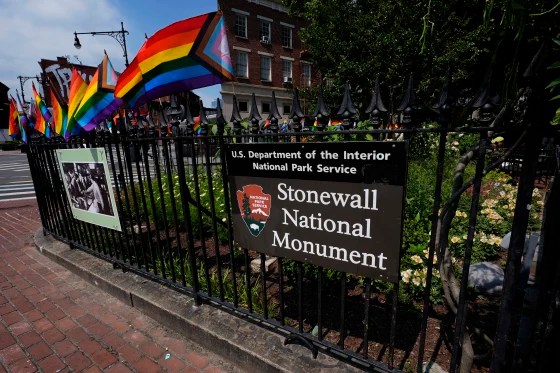
For the past nine years, the transgender flag was included among those that flew around the Stonewall National Monument in Christopher Park during Pride Month. However, the National Park Service(NPS) will no longer be displaying the Transgender Pride flag or the Progress Pride flag, stating a change of protocol as the reason.

The New York City monument commemorating the Stonewall Uprising of 1969 is the first U.S. National Monument dedicated to LGBTQ+ rights, having been designated as such in 2016 by then-President Barack Obama. It has since become tradition for the monument, located in a park across the street from the Stonewall Inn, to be adorned with various Pride flags, including the trans flag. NPS funds the installation of these flags. This year, however, NPS told photographer, advocate, and installation creator Steven Love Mendez that the park will not allow Trans or Progress Pride flags this year.

The censorious move comes after the Trump administration wiped all references to trans and nonbinary people from the monument’s website in February, as part of his wider initiative to purge trans and nonbinary people from all references and resources provided by the federal government. The removal of trans people from a monument in which a transgender person was considered a key figure has led to outrage, with many coming to the monument to protest.

Speaking to CBS, Mendez comments, “It’s a terrible action for them to take.” he continues, “I used to be listed as an LGBTQ activist, and now it says ‘Steven Menendez, LGB activist,’” Menendez said. “They took out the Q and the T.”

The trans-exclusionary initialism of “LGB” is sometimes used by transphobes to encourage a social and ideological split between gay, lesbian, and bisexual people and transgender people, based on their differing gender experiences.

Upon learning of the monument’s trans erasure, many New Yorkers and tourists came to the monument to set up unauthorized pride flags in protest, including smaller trans flags planted in the soil.

Jay Edinin of Queens, New York, was one of the people who brought his own flag and told CBS, “I’m not going to stand by and watch us be erased from our own history, from our own communities, and from the visibility that we desperately need right now.”  

Willa Kingsford of Portland, Oregon, stated, “I think it’s absurd. I think it’s petty,”

Patty Carter of Los Angeles, California, stated, “It’s horrible. They’re changing all of our history.”

The Stonewall Riots, to which the monument is dedicated, to began on June 28, 1969. During that time law enforcement commonly raided queer bars since New York had outlawed homosexuality and “cross-dressing.” During the raid at the Stonewall Inn, the LGBTQ+ community decided they had reached their tipping point and fought back against law enforcement. The resulting six days riots were said to have marked the beginning of the LGBTQ+ rights movement and became the reason why Pride Month is celebrated in June.

Two of the most notable figures in this uprising were Marsha P. Johnson and Sylvia Rivera, both trans women. It is believed that Johnson instigated the riot by throwing a brick at a police officer. Rivera is also considered to be a key instigator; she is said to be one of the first people to fight back against the police, to which many quote her as saying, “I’m not missing a minute of this—it’s the revolution!”
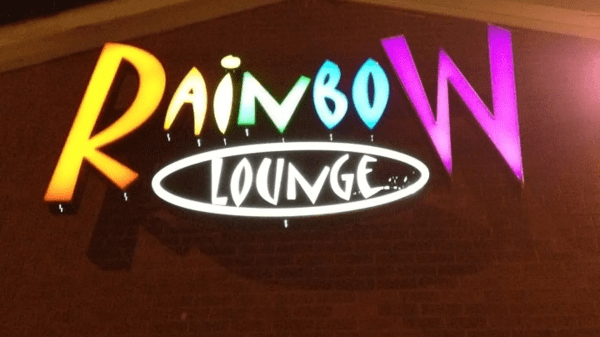
Homophobic judge denies historical marker for gay bar violently raided by police

*This is reported by LGBTQ Nation

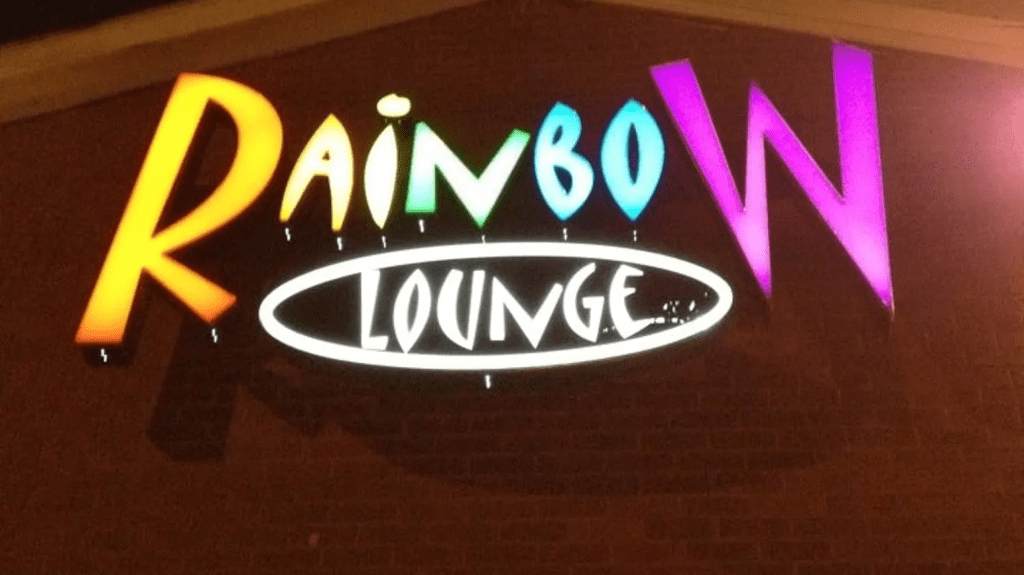
After a year-long effort to install an official historical marker recognizing the LGBTQ+ community at the Rainbow Lounge — a gay bar in Fort Worth, Texas that was targeted in an infamous 2009 police raid — the effort was ultimately thwarted by Republican Tarrant County Judge Tim O’Hare.

The site for the historical marker, 651 S. Jennings Avenue, was the location of the Rainbow Lounge. Shortly after opening, on June 28, 2009, Fort Worth police and Texas Alcoholic Beverage Commission agents raided the bar without prior notice, using excessive force and arresting patrons for “public intoxication.” The raid resulted in one man being hospitalized for brain bleeding, and another suffering broken ribs. 

The raid, which occurred on the 40th anniversary of the Stonewall Riots, mobilized the Dallas-Fort Worth area LGBTQ+ community and garnered national publicity, ultimately leading to sweeping reforms of the city’s anti-discrimination laws and the implementation of diversity training for local legal officials.

Unfortunately, the Rainbow Lounge burned down in June 2017. To this day, the site lies abandoned as leasing issues prevent the bar from being rebuilt. Investigators never stated the cause of the fire; arson was never officially ruled out.

Todd Camp, who runs Fort Worth LGBTQ+ history group, Yesterqueer, told The Fort Worth Report that the city approved of a historical marker after Camp gave a presentation on local queer history to city staff.

Everything seemed to be moving accordingly, however, Tarrant County Judge Tim O’Hare issued a letter to the historic commission claiming the application for the historical marker was improperly submitted and did not go through the Tarrant County Historical Commission’s “thorough approval process.” Before a state marker can be submitted to the state for approval, it must undergo a review process from the local county’s historical society.

While O’Hare argued that the process “bypassed established precedent” for approval, former Tarrant County Historical Commission chair Coletta Strickland told The Fort Worth Report that this wasn’t the case. 

“There was nothing untoward or out of the ordinary that was done for this application,” Strickland said.

Nevertheless, O’Hare wrote in a letter opposing the gay bar’s historical marker, “Allowing the marker to proceed under these circumstances risks generating unnecessary controversy and undermining the credibility of both the local and state historical commissions.”

While his letter didn’t directly attack LGBTQ+ people, a statement from the judge’s chief of staff Ruth Ray said that O’Hare does not support a historical marker glorifying radical gender ideology and drag performances.

“People visit public spaces for recreation and relaxation, often with their children. As the vast majority of our nation agrees, transgenderism should not be pushed on our children,” Ray said.

O’Hare has a history of opposing LGBTQ+ rights and having far-right political beliefs. As a Tarrant County judge, he has led efforts to cut funding for non-profits that work with at-risk children, citing their views on racial inequality and LGBTQ+ rights.

There are over 16,000 historical markers that can be found in all 254 of Texas’s counties to commemorate elementary schools, historic mansions, plantations, Black historic locations, and even ones dedicated to historical female figures from Texas.

Despite this large number and the size of the state, there is currently only one officially designated LGBTQ+ historical marker in Texas: “The Crossroads” in the Oak Lawn neighborhood of Dallas, recognizing its significance as the heart of the city’s LGBTQ+ community.

References to transgender and queer removed from Stonewall National Monument’s web page

*This was first reported by NBC News.

References to transgender and queer people were erased from the Stonewall National Monument’s web page, marking one of the latest moves of the current administration after President Donald Trump said the government would recognize male and female as the only biological sexes.

The page used to say “LGBTQ+,” according to an archived version of the National Park Service’s website. It now only says “LGB.”

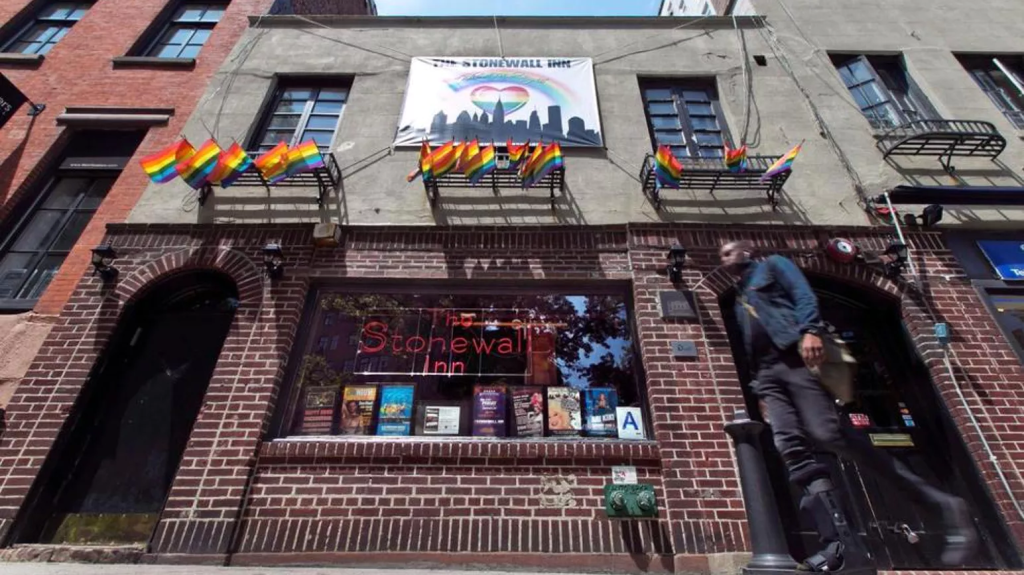
Stacy Lentz, co-owner of the Stonewall Inn and the chief executive of the nonprofit Stonewall Inn Gives Back Initiative, said the Trump administration was trying to “erase trans people from history and from existing.” A protest is scheduled for noon on Friday.

“There is no Pride without Trans folks leading that fight! Trying to erase them from the Birthplace of the modern LGBTQ+ rights movement will not happen! We need to show up and speak out for our trans and nonbinary siblings who are under attack,” Lentz wrote in an Instagram post announcing the protest.

In a joint statement, the Stonewall Inn and the Stonewall Inn Gives Back Initiative said it was “outraged.”

“This blatant act of erasure not only distorts the truth of our history, but it also dishonors the immense contributions of transgender individuals – especially transgender women of color – who were at the forefront of the Stonewall Riots and the broader fight for LGBTQ+ rights,” the statement read.

“Let us be clear: Stonewall is transgender history. Marsha P. Johnson, Sylvia Rivera, and countless other trans and gender-nonconforming individuals fought bravely, and often at great personal risk to push against oppressive systems,” it continued. “Their courage, sacrifice, and leadership were central to the resistance we now celebrate as the foundation of the modern LGBTQ+ rights movement.”

The statement said removing the word transgender is an attempt to marginalize the people who fought for change in the community. They called it a “direct attack on transgender people” and demanded the word be added back to the website.

The Uphill Battle to “Say Gay” Amid Civil Rights Threats

This blog originally appeared at Rwebel Magazine.

Amidst civil rights threats, the fight to openly discuss and embrace LGBTQ+ identities remains an uphill battle. The struggle to “say gay” and affirm diverse sexual orientations requires continued advocacy and resilience. By challenging discriminatory policies and promoting inclusive dialogue, we can work towards a more accepting society.

Pride month may be coming to an end, but the fight for queer rights is ongoing. Two days ago, Vice President Kamala Harris visited the site of Stonewall, the historic birthplace of the gay rights movement. On this day in 1969, there was a police raid on the Stonewall Inn in New York City. This raid marked a pattern of repeated harassment against the LGBT+ communities who patronized the bar. As a result, a multi-day riot ensued.

Although trans activist Marsha P. Johnson is credited as throwing the first brick, she said in an interview that “the riots had already started” prior to her arrival. According to them.us, there are competing accounts of who threw the first brick or Molotov cocktail at Stonewall. Nonetheless, Johnson’s impact is felt in the queer community and even beyond.

She and other activists like Sylvia Rivera, and Stormé DeLarverie were active during the riots. Fifty-four years later, their legacies are worth revisiting. Despite major strides like gay marriage and the end of sodomy laws, there has been a heavy backlash against the LGBT+ community in recent years.

Bob McCranie, leader of Texas Pride Realty Group, said that of the 140 anti-gay and anti-trans bills presented to the Texas legislature, nine of them got through. While that number may seem small, he added, “It impacts our ability to live, to get healthcare, to run our businesses.”

When he came out in 1992, it would be eleven years before McCranie could live as a “legal person,” in his words. In 2003, the reversal of Lawrence v. Texas marked a new day for gay rights.

It would be another eleven years before gay marriage would become legal, through the Obergefell v Hodges case in 2014. Alas, these protections are now in danger. When the historic reversal of Roe v. Wade happened, the 14th Amendment came under judicial threat. McCranie stated, “We just saw the 14th Amendment get knocked away with the Roe v. Wade ruling.”

As a result, other civil liberties have come under the spotlight. Following the reversal of Roe v. Wade, Justice Clarence Thomas called for renewed interest in three other rulings: Griswold v. Connecticut (contraception access), Obergefell v. Hodges (gay marriage), and Lawrence v. Texas (same-sex relationships), Politico reported. Two of these rulings affect the LGBT+ community.

“If we become illegal people again…what does that do for us living in these states?” McCranie asked. To fight these regressive laws, McCranie founded Texas Pride Realty Group, which helps get people out of anti-LGBT+ states and relocates them to sanctuary states and countries. According to McCranie, sanctuary states and anti-LGBT+ states are divided along party lines.

So, typically blue states have been welcoming for the most part, and traditionally red states have been enacting harm. These states include Texas, where McCranie is from, and Florida. To McCranie, Governors Ron DeSantis and Greg Abbott are competing to see who can be the most harmful.

Abbott has called on Texas citizens to report parents of trans kids for abuse if they are providing gender-affirming care for their children. Simultaneously, DeSantis wanted to restrict Medicaid coverage for those seeking gender-affirming care.

As DeSantis vyes for a Presidential seat, he appeals to the same far-right base that elected and supported Donald Trump. McCranie mentioned that activists underestimated Senate Minority Leader Mitch McConnell’s decision to take away former President Barack Obama’s ability to appoint a Supreme Court justice and then turn around and grant that right to former President Trump.

This was all strategic, Bob mentioned. In my view, the trans bans, book bans, and abortion bans are part of the Republican strategy to revert the country to the right. We must resist that. 

Bob said, “When I came out in 1992, I was an illegal person…it’s not my intention to go back to that.”

click here to see full blog: https://rwebel.com/blog/dont-say-gay-pride-lgbt-rights-us/

Blog at WordPress.com.

Up ↑