2025 LGBTQ rights update: Many bright spots in Asia amid the gloom

Read more at Erasing 76 Crimes.

East and Southeast Asia

Japan: The long slow march to eventual same-sex marriage continued in Japan in 2025, with resolution still looking a year or more away. Three more high courts ruled on the constitutionality of the same-sex marriage ban. Those in Nagoya and Osaka found the ban unconstitutional, but a Tokyo high court ruled it constitutional. Together with three other courts that found the ban unconstitutional, that creates a circuit split that will have to be resolved by the supreme court, where a case has already been filed.

A further case has also been filed to the supreme court by a transgender woman who is seeking to have her legal gender changed without ending her marriage to her wife. Lower courts in Kyoto and Osaka ruled against her this year.

In what’s perhaps a bad sign for all this, the supreme court ruled against a married binational same-sex couple who were seeking a residence visa for the non-Japanese partner.

But that hasn’t stopped other progress on relationship recognition. Following last year’s supreme court ruling that same-sex partners should be entitled to surviving family benefits for victims of crime, the government announced in January that dozens of laws that applied to common-law couples would now apply to same-sex couples. These included domestic violence laws, leases and rents, and disaster support, but excluded over 120 laws such as social security and pensions. And the government proposed an assisted reproduction bill that specifically excludes same-sex couples and bans surrogacy.

And Okinawa prefecture enacted a same-sex partnership registry in 2025, while Nagasaki has announced plans to introduce one in 2026. That’ll bring the total to 32/47 prefectures and more than 500 municipalities representing more than 90% of the population.

Japan elected its first female prime minister this year, and she’s a conservative hardliner who has expressed strong opposition to same-sex marriage, so the odds of legislative advancements look slim for the next few years.

China: The government’s attitude toward the LGBTQ community turned icy again this year, with a deepening crackdown on queer expression, including ordering the removal of gay networking apps from app stores, censorship of foreign films to remove queer characters, and arrests of gay erotica writers.

In Hong Kong, the government failed to meet a court-imposed deadline to enact a civil partnership bill, after the legislature voted down the government’s very weak bill in September by a 71-14 margin. It’s unclear what couples can do from here.

Earlier in the year, a Hong Kong court ruled that banning trans people from using gender appropriate toilets was unconstitutional.

Taiwan: The government introduced bills that would open assisted reproduction to single women and same-sex couples, although it does not include surrogacy, which it says will be considered later.

A lawsuit was filed challenging the surgery requirement to change legal gender.

Taiwan was supposed to host WorldPride this year, but it withdrew back in 2022 when WorldPride ordered that it should not use the name “Taiwan” in the event name. The event was instead held in Washington, DC.

South Korea: A life partnership bill was proposed but has not advanced at all in the legislature. Meanwhile, two couples filed a case at the supreme court seeking same-sex marriage rights. And the government announced it would count same-sex couples as “spouses” in its next census.

The newly appointed minister for gender equality said she would make passing a long-stalled anti-discrimination bill, with protections for LGBT people, a priority. So far, no news on that front.

Thailand: Last year’s same-sex marriage and adoption law came into effect in January 2025, making Thailand the first place in southeast Asia to legalize it. Still, married couples continue to face legal discrimination when it comes to accessing surrogacy and residency permits for binational couples.

But a promised gender recognition law never materialized.

Vietnam: The government cracked down on some gay events this year, following a change in leadership of the Communist Party. Talk of expanding LGBT rights and possible same-sex marriage is likely dead for a while.

A long-stalled gender affirmation bill did not advance in 2025.

The government reduced the number of crimes that are eligible for the death penalty from 18 to 10, which it is explicitly pitching as a step toward abolition.

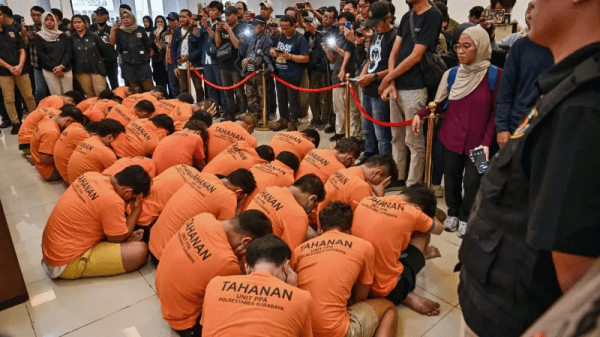
Indonesia: Multiple raids took plays on gay events and gay bars, in what looks like a deepening crackdown on queer people. A bill was also introduced that would ban LGBTQ behavior online.

Indonesia’s new criminal code moves the death penalty from the primary form of punishment to an alternative punishment, which is a baby step toward abolition.

Malaysia: You guessed it, crackdowns on gay events here, too.

Kelantan state amended its shariah-based criminal code to remove sections on sodomy, which the constitutional court said were redundant considering it’s already covered under federal law.

One bright spot – the government is beginning a study in the new year on full abolition of the death penalty. It took a step toward this in 2023 by abolishing mandatory death penalties from its criminal code.

Singapore: Parliament passed a workplace discrimination law that specifically excludes protections for LGBTQ people.

The high court dismissed an appeal seeking abolition of mandatory death penalties from the criminal code, but plaintiffs have said they will appeal.

Philippines: The supreme court ruled that homosexuality was grounds for annulment of a marriage.

Aklan province passed a non-discrimination ordinance.

Timor-Leste: The country joined the ASEAN bloc, and also the Southeast Asian Nuclear Weapons Free Zone.

Central and South Asia

Kazakhstan: The nation enacted a Russia-inspired “LGBT propaganda” law, which includes punishments of a fine and ten days in prison.

Krygyzstan: The government attempted to reintroduce the death penalty for sex crimes involving children this year – which seems to me like a common pretext for a witch hunt against queer people. Fortunately, the president submitted the proposed constitutional amendments to the constitutional court, which ruled that they were unconstitutional, as the current constitution explicitly prohibits reintroducing the death penalty, and doing so would violate Kyrgyzstan’s obligations under international treaties it has signed.

Kyrgyzstan also signed, but has not ratified the Treaty on the Prohibition of Nuclear Weapons.

Afghanistan: In July, the International Criminal Court issued warrants for two Taliban leaders for their alleged crimes against women, girls, and the LGBTQ community – the first time the ICC has sought warrants for crimes against LGBTQ people.

Pakistan: The government introduced a bill to eliminate the death penalty for two crimes, part of an association agreement with the European Union.

India: The central government took steps to ensure equality for same-sex couples under a number of laws and programs – though it still opposes same-sex marriage. The government was ordered to review all laws and promote equality when the supreme court shot down a marriage case in 2023. The court also considered and refused a petition to revisit that decision this year. Still, lots of other laws are being challenged in the courts by queer couples, including a domestic violence law which is phrased such that it only applies to husband-and-wife pairs, and equal income tax treatment.

Also this year, the court directed the government to review how it is implementing rights for trans people and to review sex education to ensure it is inclusive. A separate case was filed at the supreme court seeking distinct legal recognition for intersex people, as apart from transgender people. The high court of Andra Pradesh state ruled that transgender women are women under domestic violence law. The Kerala high court ruled that the state must issue a birth certificate to a child of a trans person that identifies its parents as “parents,” not “mother and father.” A judge in Madras ruled that same-sex couples have a right to a family life together, and cannot be forcibly separated by disapproving parents.

Karnataka state passed a hate crime and hate speech law that includes protections for LGBT people, and issued new regulations banning anti-LGBTQ discrimination in child protection services. Tamil Nadu state has made LGBTQ sensitivity training mandatory for all doctors.

Bangladesh: I must’ve edited a dozen or more stories about violent attacks on queer people in Bangladesh at 76crimes.com this year.

Bhutan: The government issued a set of film regulations that includes a prohibition on incitement to hatred or violence based on sexual orientation or gender.

Nepal: We still haven’t gotten a final decision from the supreme court on same-sex marriage, but the leading LGBT organization has counted 17 same-sex couples who’ve gotten married in the country since the 2023 ruling legalized it. Nevertheless, Wikipedia editors continue to claim that Nepal is not a same-sex marriage country.

The first gender-affirming surgery was performed in the country in June, and it is now considered available there.

Sri Lanka: There has been no progress on a bill to decriminalize gay sex – and the local Catholic bishop is whipping up conspiracy-based opposition to it. Last year, the island passed a Women Empowerment Act that included a prohibition on discrimination based on sexual orientation or gender identity.

Middle East

Israel: Well, at least the war in Gaza has mostly cooled down this year, although it’s clear that the suffering continues and it looks like we’ve just reached a pause in hostilities rather than a cessation.

On LGBT issues, Israel registered its first adoption by a same-sex couple in January. Same-sex adoption had been legal on paper for years, but in practice, the administration threw up so many roadblocks, it couldn’t happen until a supreme court ruling last year ordered the government to stop putting same-sex couples at the back of the adoption queue.

The opposition brought a bill to create civil (secular) marriage (including same-sex marriage) and a couples registry to a vote in the Knesset last week, but despite getting some cross-party support, it failed to pass.

Israel is expected to go to vote on a new Knesset by October 2026, and polling is currently very tight between the government and opposition blocs, but ten months is a long time in Israeli politics. While we can all hope that Netanyahu and his allies are given a thumping defeat next year – anything would be better than this government’s record on Palestinian and LGBTQ rights – the opposition may not be able to deliver same-sex marriage, as its current leading figure has stated his opposition to it in the past.

Lebanon: The state ratified the Convention on the Rights of Persons with Disabilities.

Oman: The country ratified the International Covenant on Civil and Political Rights, effective Feb 2026. This is a pretty major development, as international jurisprudence holds that the ICCPR requires decriminalization of sodomy.
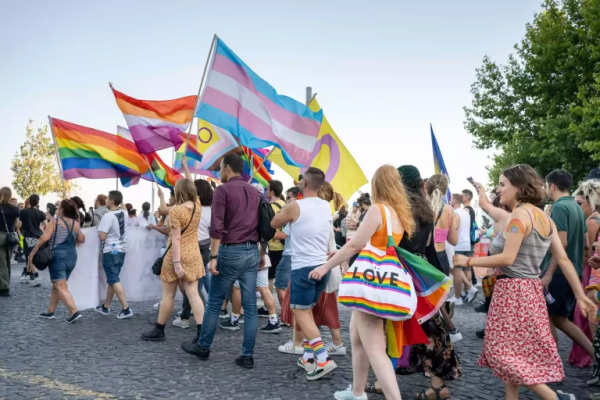
Lisbon Portugal ranks as the top LGBTQ friendly city in the world

Pride Month is not quite over yet! Just in time for some more LGBTQ friendliness is this list from Big 7 Enjoy Travel. They rank the top 30 LGBTQ friendly cities on the planet.

For a city to rank highly as LGBTQ+ friendly, first and foremost, it needs to protect LGBTQ+ people with laws and legislation. Then, it needs a vibrant gay nightlife and dating scene, whether within a gay village or across the city. Either way, there needs to be a safe community for LGBTQ+ people, as well as open-minded citizens and low levels of hate crime.

Ranking criteria:

  • Gay Index Rating – measures how safe a country is for LGBT people, considering the legal situation and living conditions
  • Equality Index Rating – measures the status of LGBT rights, laws, and freedoms as well as public attitudes towards LGBT people
  • Is the city’s country a member of the United Nations LGBTI Core Group?
  • How big is their Pride celebration?
  • Does that city have a gay village/gay community?

The final scores show the Top 30 LGBTQ+ Friendly Cities in the World! Here’s your ultimate gay-friendly travel list…

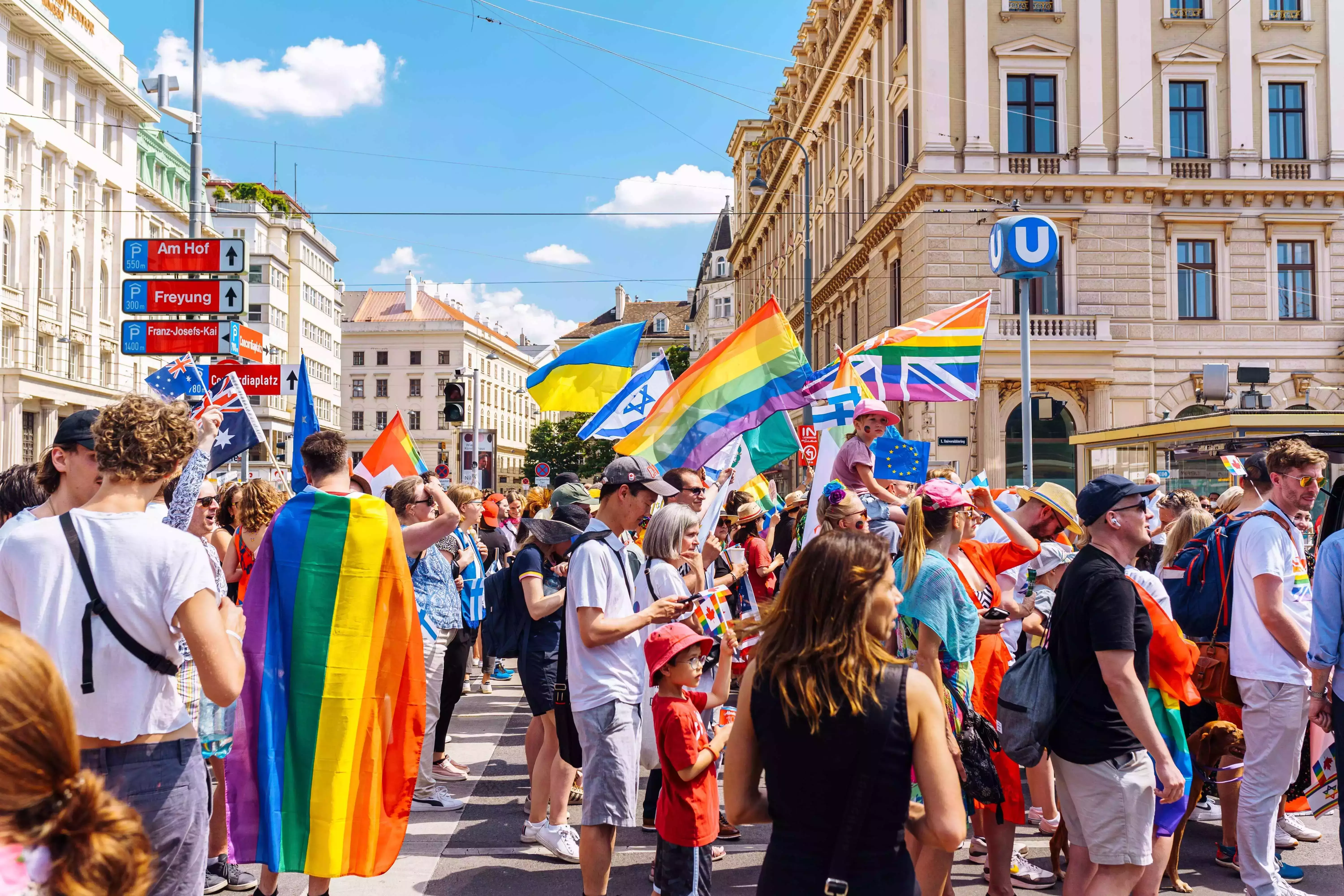
30. Vienna, Austria

Vienna is widely known for its gender, disability, LGBTQ and racial inclusivity and equality, with many parades, pride events and specialist causes. While Vienna doesn’t have a specific gay village or district, its Naschmarkt area is full of gay bars and clubs, making it a hotspot for LGBTQ+ members. 

 Vienna has also hosted the EuroPride and hosts an annual citywide Pride parade in June. Vienna is also an LGBTI Core Group member and has a reasonably high Gay Index Rating, making it a safe and appealing place for LGBTQ+ members. It’s safe to say that Vienna is a welcoming and inclusive city for not just LGBTQ+ people, but for everyone, no matter your sexuality, gender, religion or ethnic group.

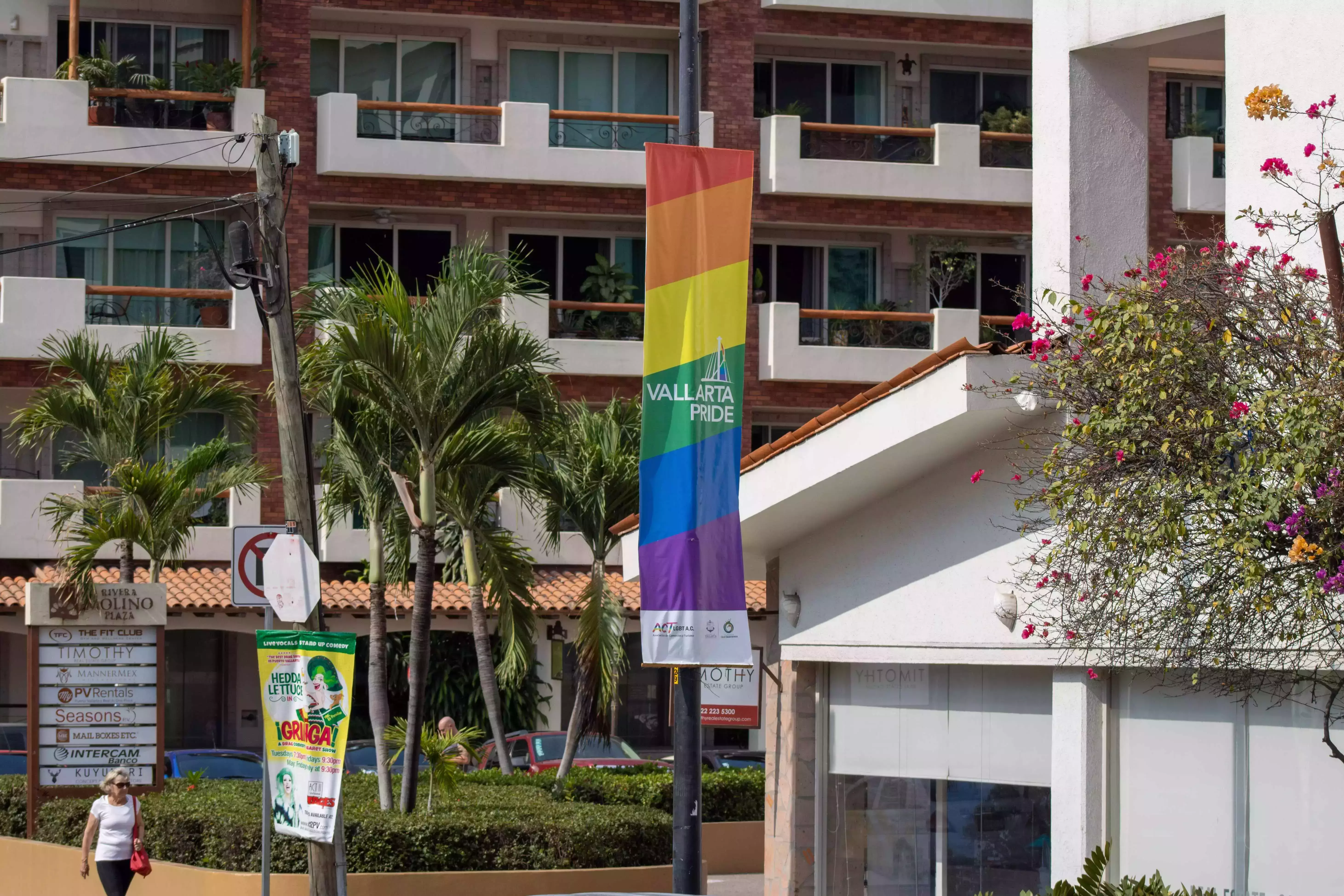
29. Puerto Vallarta, Mexico

You may not have heard of this city against its larger and more tourist-centred neighbours of Mexico City and Cancun, but Puerto Vallarta deserves to be celebrated for its strong LGBTQ+ representation and inclusivity. According to our rankings, Puerto Vallarta scored highly in terms of Gay Index Rating, and attendance to the city’s annual Pride event is significant.

 Puerto Vallarta has been cited as the ‘gay capital of Mexico’, thanks to its bustling Zona Romantica area, which is heavily centred around LGBTQ+, with vibrant gay bars, inclusive hotels and lively clubs. While you’re likely to find LGBTQ+ friendly areas across Mexico, Puerto Vallarta is one of the best places to celebrate being a member of the community.

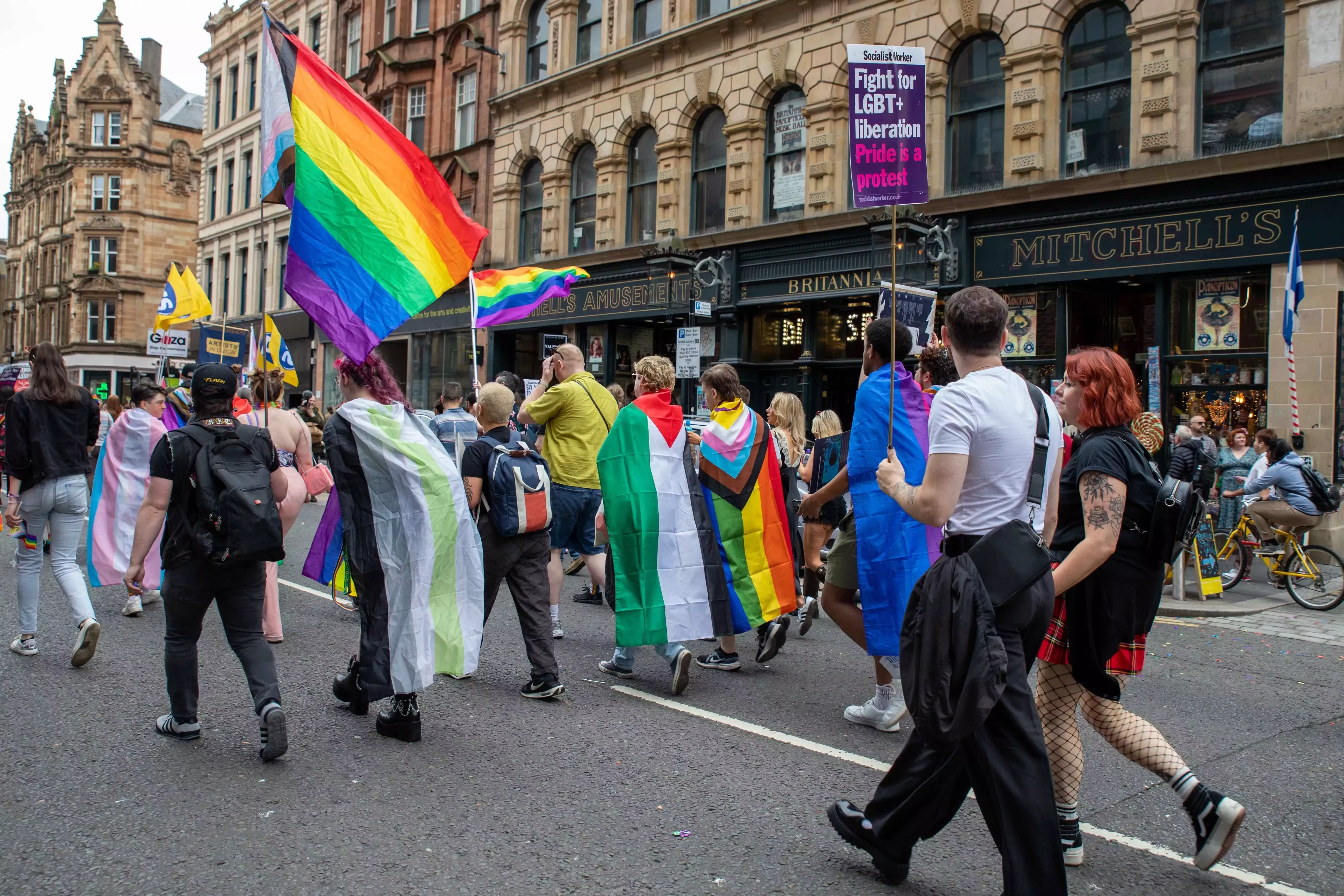
28. Glasgow, UK 

Glasgow, Scotland’s largest city, is a hub for inclusivity, with its lively Merchant City district being the LGTBQ+ capital. You can expect to find a variety of LGBTQ+ friendly bars and clubs, as well as a welcoming and open-minded atmosphere. Glasgow’s annual pride event amasses thousands of attendees each year, seeing proud members of the community come together to march and parade, surrounded by the signature rainbow flags. 

 Glasgow’s quality of life and general acceptance for the LGBTQ+ community is high, giving an indication of how strong its LGBTQ+ community and representation is. The city is also an LGBTI Core Group Member. 

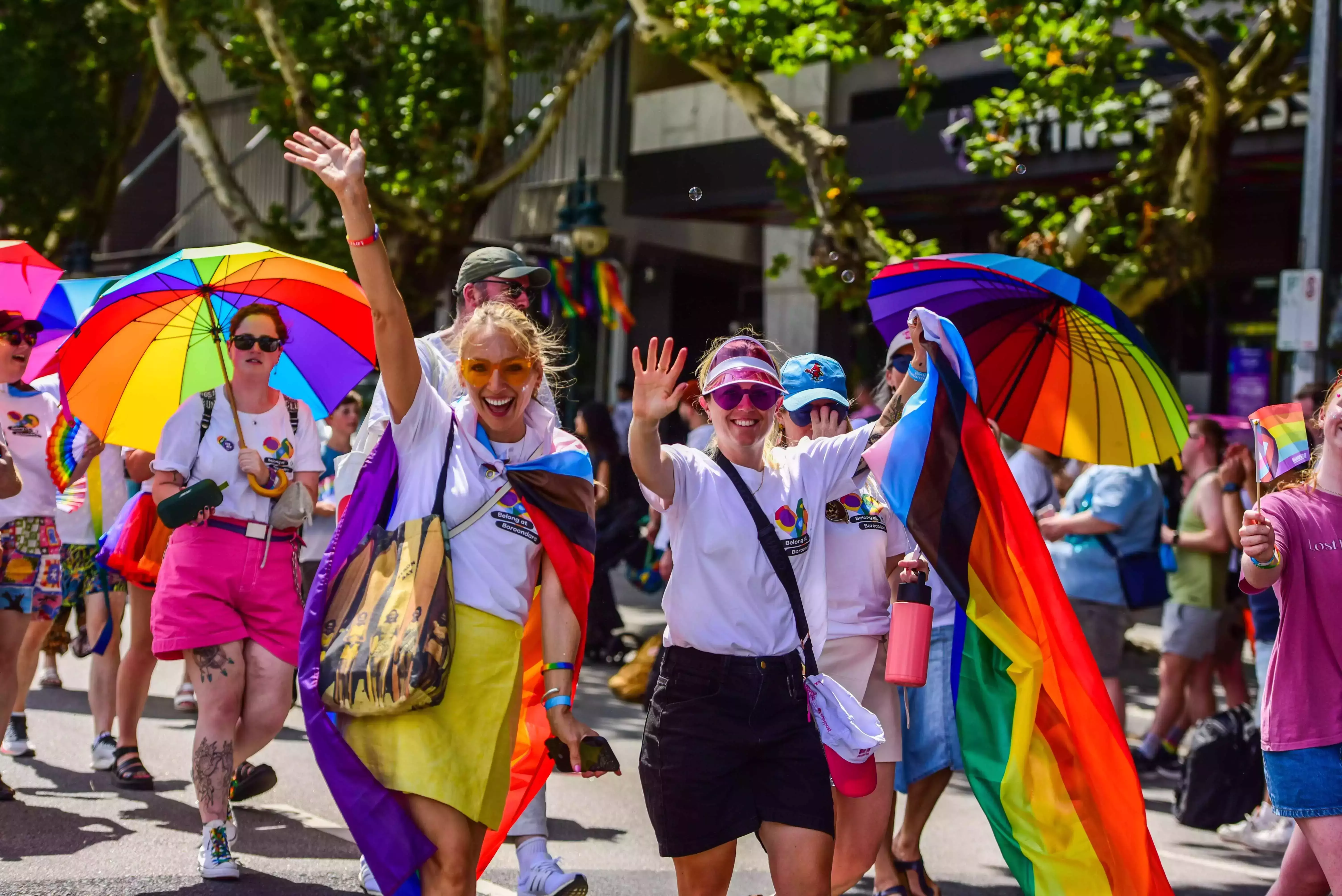
27. Melbourne, Australia

Melbourne is generally an accepting city for most types of groups within society, which gives an indication as to its welcoming and inclusive atmosphere. It scores highly on the Gay Index Rating, and is a member of the LGBTI Core Group, as well as scoring highly on the Equaldex Score. But, data aside, there is a thriving and welcoming community right at its core that appeals to all groups in society, whether members of the LGBTQ+ community or not.

Its annual Pride march has also surpassed 60,000 attendees in recent years. Melbourne’s Fitzroy area is considered to be the ‘gay village’, with a number of LGBTQ+ friendly bars and clubs and a buzzing atmosphere both before and after dark, but generally no matter where you go in Melbourne you’ll be met with a warm and friendly welcome. 

26. Taipei, Taiwan

You may not commonly associate Taiwan with LGBTQ+ communities, but its capital Taipei has one of the largest LGBTQ+ presences, with a vibrant LGBTQ+ presence in its Ximen Red House area of the city, which features a lively and bustling scene with bars and clubs. Taipei is known for its inclusivity, and is perhaps a hidden gem amongst the most LGBTQ+ friendly cities, but definitely worth a visit. Taipei also hosts its annual Pride march, which is considered to be the largest of its kind in East Asia, seeing an attendance of more than 120,000 in recent years. 

25. Barcelona, Spain

Barcelona, along with Madrid, are widely known as the LGBTQ+ capitals of Spain, with a high Gay Index Rating and a large Pride attendance across each city. Barcelona and the rest of Spain are highly regarded for their acceptance of the LGBTQ+ community, as Spain was one of the first countries in the world to legalise gay marriage in 2005. Barcelona has a thriving LGBTQ+ scene, with an abundance of gay bars, clubs and even beaches that cater to the LGBTQ + community – no matter where you go in Barcelona, you’ll be welcomed with open arms regardless of your sexual orientation or gender. 

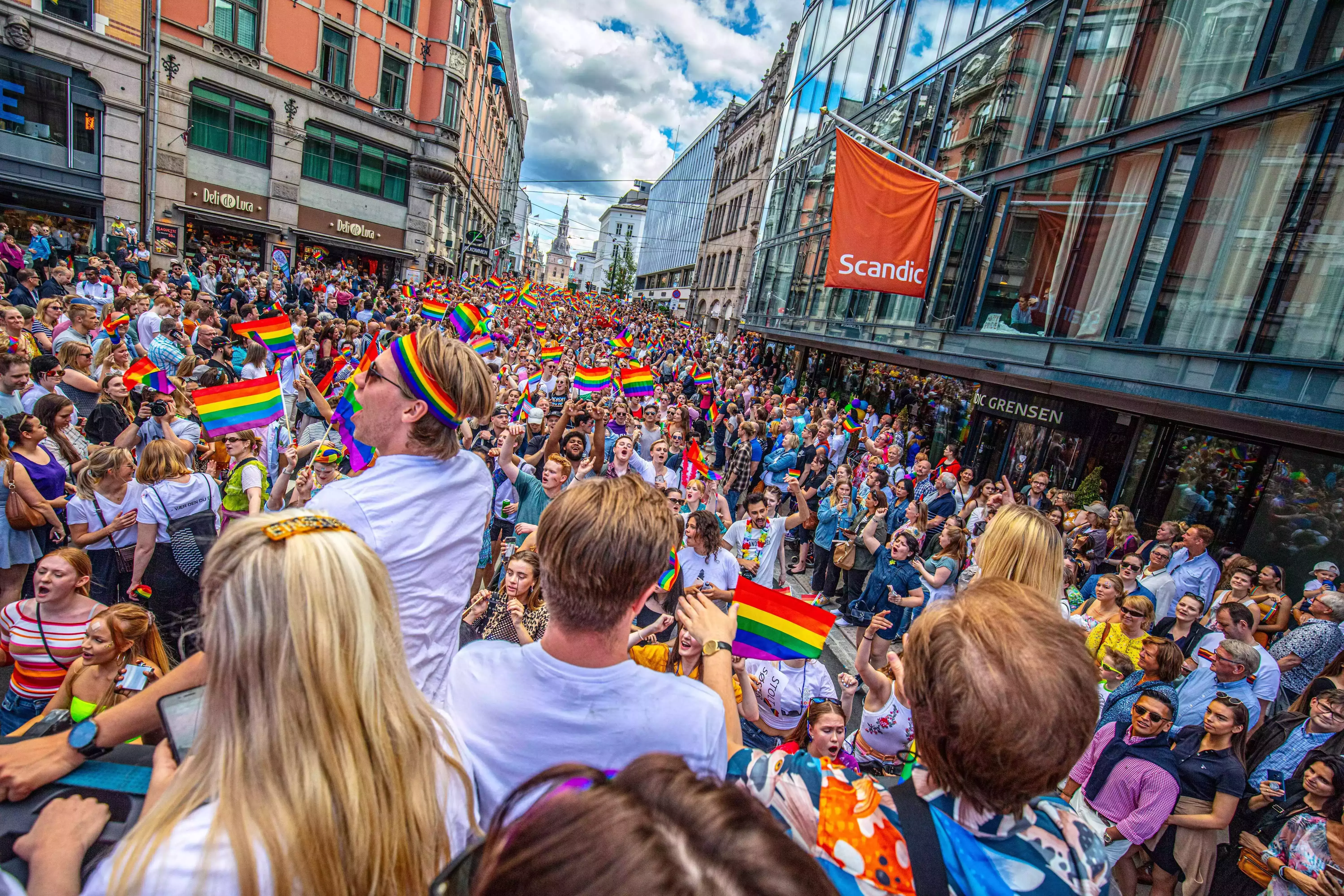
24. Oslo, Norway

Norway is commonly associated with being a liberal, inclusive and welcoming country, and its capital Oslo comes out on top in terms of LGBTQ+ representation and inclusivity. The city has high Equaldex Score and Gay Index Rating, so is a must-visit for members of the LGBTQ+ community. Did you know that Oslo also hosts an annual Pride event that has amassed around 90,000 attendees in recent years? Oslo’s main LGBTQ+ friendly area is Grünerløkka, where you’ll find a large collection of LGBTQ+ friendly bars, restaurants and clubs, although the city as a whole is welcoming and accepting no matter where you go.  

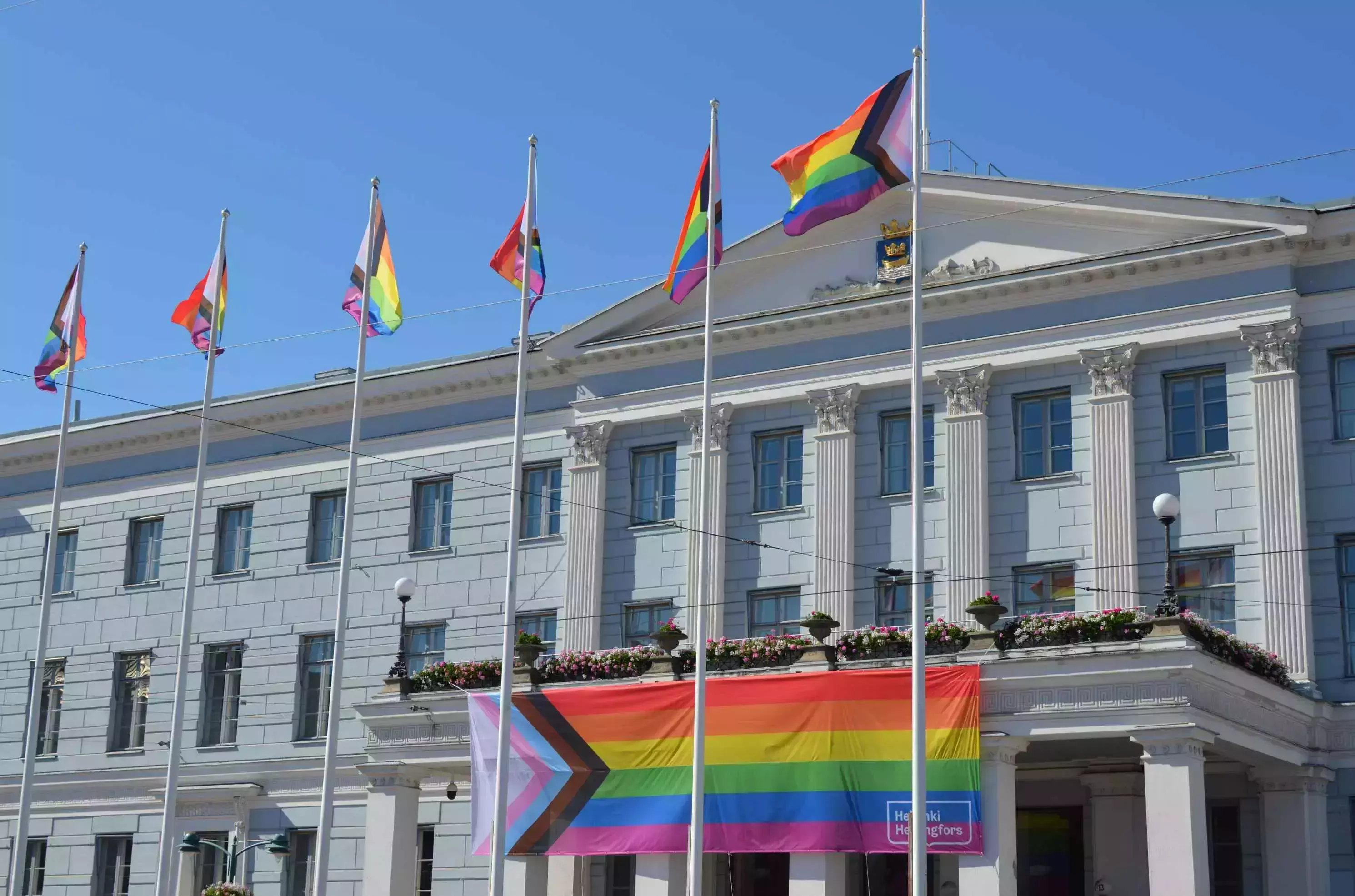
23. Helsinki, Finland

Scoring highly on both the Equaldex and Gay Index Rating, as well as having a large Pride attendance and overall LGBTQ+ presence, Helsinki is one of the best places to be if you want to feel welcomed with open arms in every corner of the city, no matter your sexual orientation, gender or who you identify as. 

Helsinki’s annual Pride march and parade typically sees more than 100,000 attendees, giving an idea of how inclusive the city really is. Finland is known for being a progressive and liberal country, and same-sex marriage has been legal in the country since 2017, having been decriminalised since the early 1970s and views changing in the early 80s.

22. Montreal, Canada

Montreal is one of the LGBTQ+ capitals of Canada, celebrating the community with a designated ‘gay village’ district and a large attendance to the city’s annual Pride events. Montreal is considered a trailblazer in terms of promoting and accepting LGBTQ+ rights, as Quebec was the first province of Canada to ban discrimination around sexuality and sexual orientation in 1977. As with much of the rest of Canada, Montreal has since adopted a liberal and accepting stance on LGBTQ+ communities, and scores highly on both the Equaldex and Gay Index rankings. 

21. Buenos Aires, Argentina

Argentina’s capital is often cited as the ‘gay capital of South America’, with a downtown district that is rife with gay bars, restaurants and clubs, and a high Gay Index Rating. Argentina was also the first Latin-American country to legalise same-sex marriage in 2010, and has since become the place to be in terms of inclusivity and LGBTQ+ rights.

Buenos Aires also has a large Pride attendance and citywide celebrations, with a thriving LGBTQ+ presence that makes the city rank highly for equality, inclusivity and representation. Aside from the obvious inclusivity that Buenos Aires offers, the city is a vibrant social hub and welcomes people from all social groups and communities.

20. Reykjavik, Iceland

Reykjavik has long been considered a haven for LGBTQ+ members and most groups in society, and although the city may be small, it packs a punch in terms of LGBTQ+ rights and representation. Reykjavik’s most recognisable street is so iconic thanks to its rainbow road, which indicates and highlights Reykjavik’s support for equality surrounding the LGBTQ+ community. Reykjavik’s Pride event is a large-scale affair, with thousands of locals and tourists attending to show their support. Reykjavik also has one of the highest Gay Index Ratings and Equaldex Scores. 

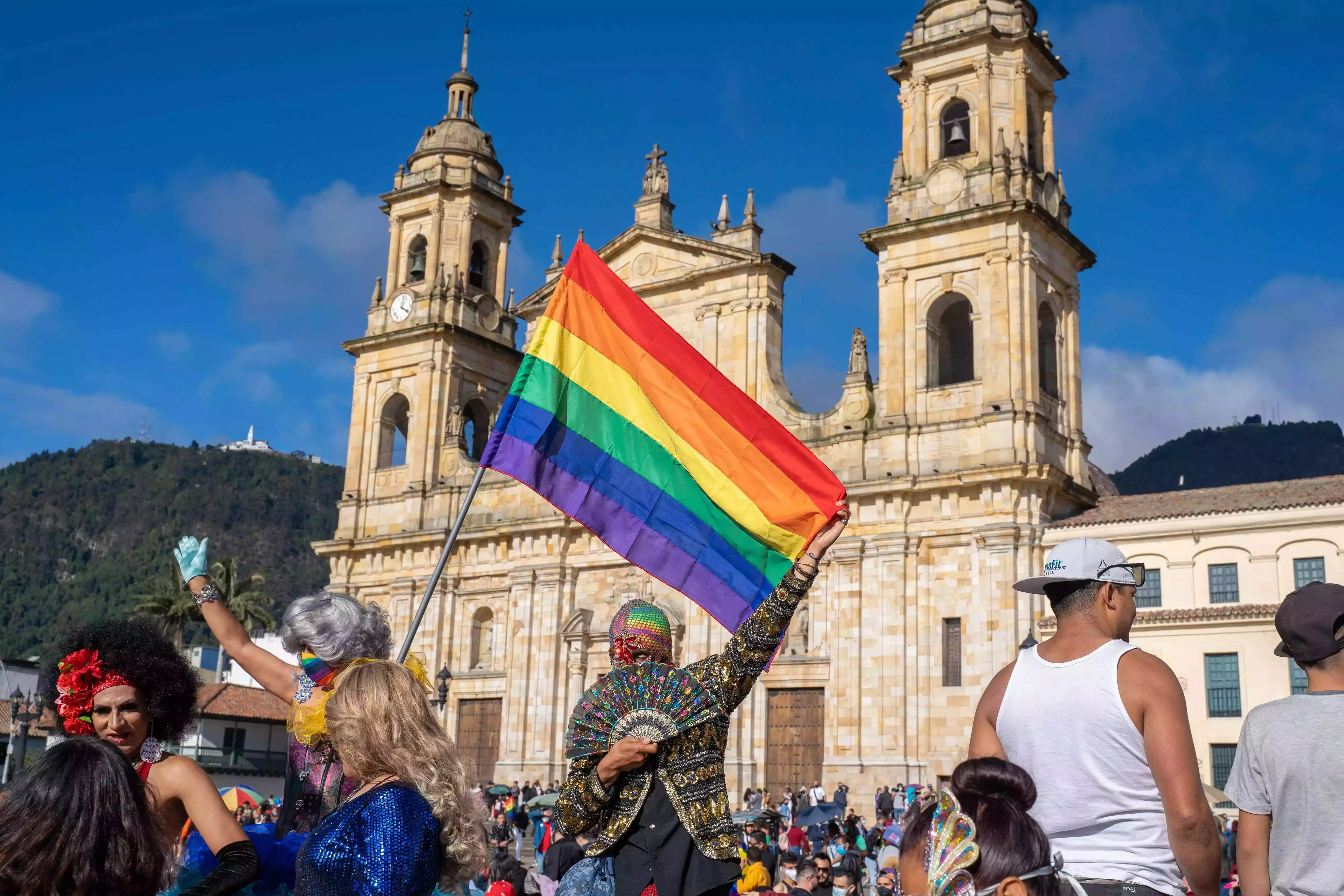
19. Bogotá, Colombia

Although Bogota has the lowest Equaldex score, it has a high Gay Index Rating and a vibrant gay village that features what is considered to be the largest gay club in South America, Theatron.

Bogota’s annual Pride event has also seen crowd sizes of more than 100,000 people, making it one of the largest Pride celebrations around. It’s clear that Bogota is a friendly, inclusive and welcoming place for every tourist, whether they’re part of the LGBTQ+ community or not.

18. Valletta, Malta

This small city packs an almighty punch in terms of LGBTQ+ inclusivity. Valletta ranks highly on both Gay Index Rating and Equaldex, with scores of 8.5 and 100, respectively, giving an idea of how supportive the city is for the rights of LGBTQ+. Valletta also sees a large turnout for its annual Pride festival and march, and has hosted the widely renowned EuroPride in 2023, adding to Valletta’s reputation as one of the most LGBTQ+ friendly cities in Europe. 

17. Copenhagen, Denmark

The Scandinavian countries are known for their progressiveness, inclusivity, liberal stances and welcoming and accepting cultures, especially when it comes to LGBTQ+ rights and support. Copenhagen, Denmark’s capital, is known for its lively and thriving LGBTQ+ community, with many gay bars and clubs, as well as a large Pride event. Denmark was one of the first countries in Europe to legalise gay marriage in 2012, and has recognised and accepted homosexuality since the 1930s. 

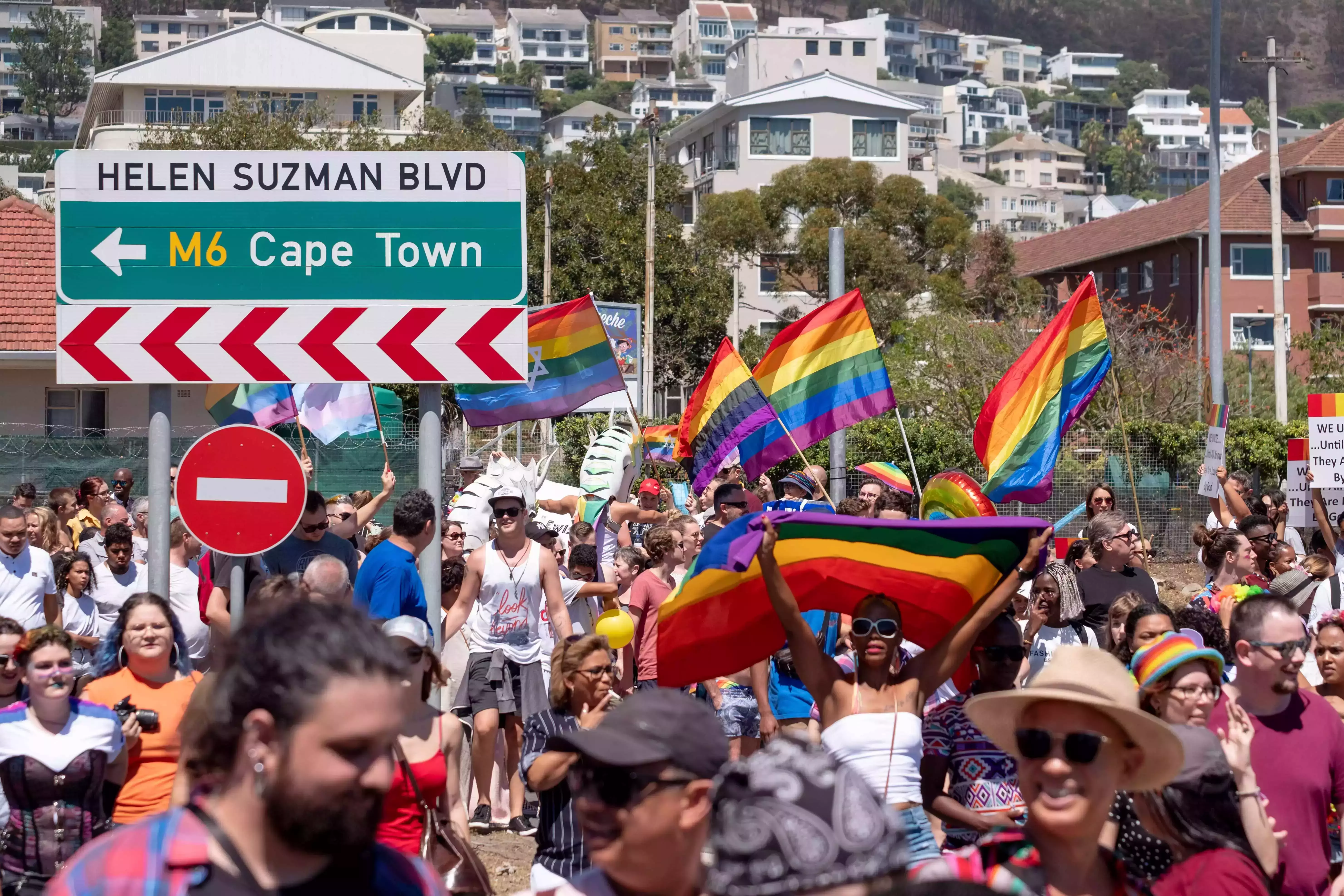
16. Cape Town, South Africa

South Africa is a trailblazer for LGBTQ+ rights on the continent, becoming the first country in Africa to legalise same sex marriage in 2006, and Cape Town is at the heart of this legacy. The progressive and inclusive stance makes the city both welcoming and fun for queer locals and visitors, with a schedule of gay-friendly events throughout the year. The coastal capital bursts into the colours of Pride every February/March, and other vibrant celebrations include the Mother City Queer Project and the Out in Africa Film Festival. The De Waterkant neighbourhood is the city’s LGBTQ+ hub, with gay-owned bars, gyms, shops, and cafes, as well as the iconic rainbow crossing – a visual representation of South Africa’s anti-discrimination laws.

15. Mexico City, Mexico

Mexico City was the first Latin American city to legalise same-sex marriage in 2007, and since then, the city has upheld their views and stances on LGBTQ+ support. The city celebrates with one of the world’s largest Pride events, having been attended by more than 1 million people in recent years.

Mexico City scores well on the Gay Index and Equaldex Rating, and its Zona Rosa region is one of the liveliest LGBTQ+ hubs around. It’s safe to say that you’ll be welcomed and supported as a member of the LGBTQ+ community in Mexico City.

14. Cologne, Germany

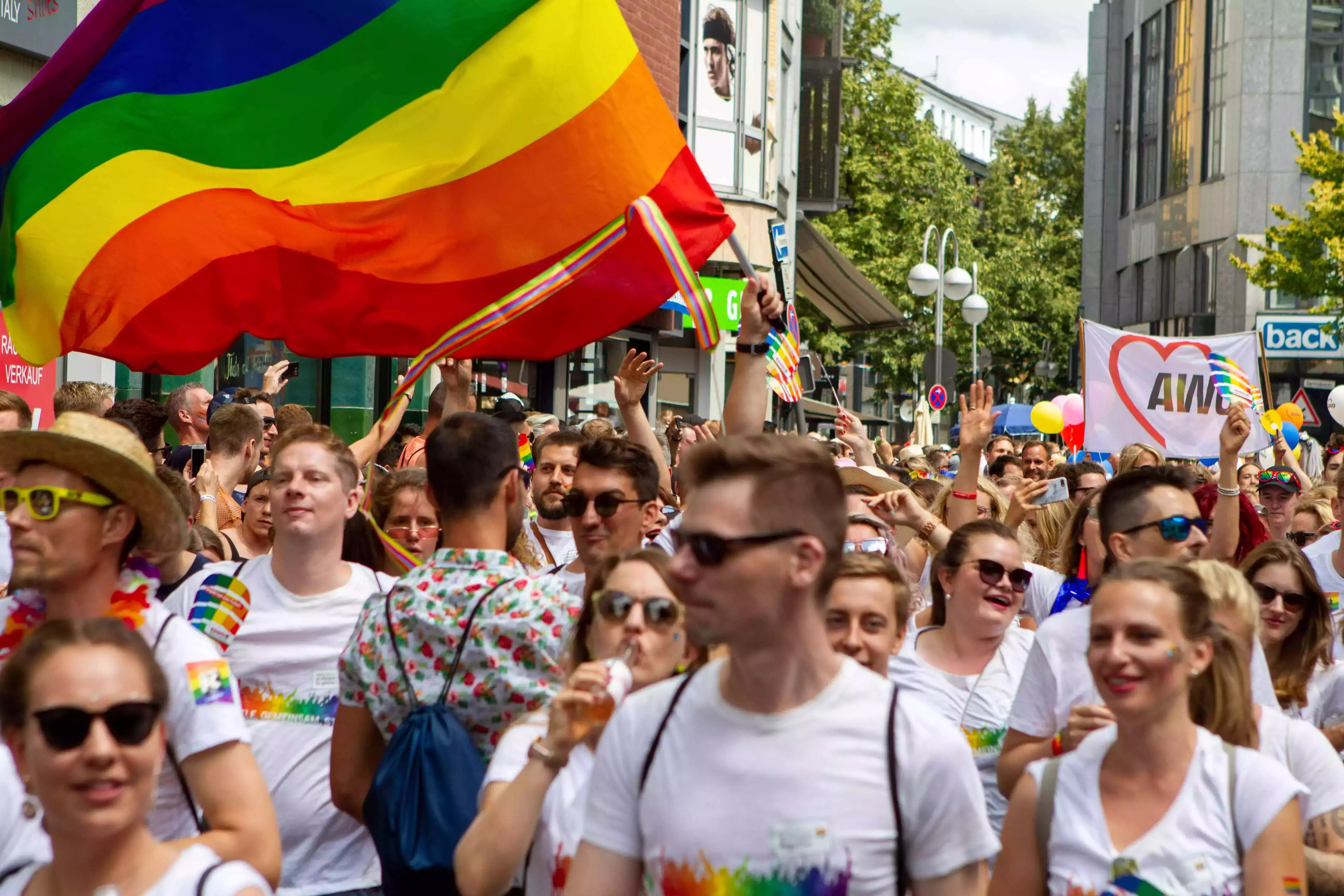
Although this city underperforms on the Gay Index Rating, its quality of life and inclusivity for members of the LGBTQ+ community far outweigh this. Cologne’s Pride is the largest in Germany and one of the largest in Europe, with over 1 million attendees in recent years.

Cologne is also often considered by many as the ‘gay capital of Germany’, thanks to its large-scale Pride attendance and modern and progressive views on the LGBTQ+ community and rights. Cologne is a vibrant and lively city, with a population that is accepting, friendly and welcoming to every tourist, no matter their social group or community.

13. Brighton, UK

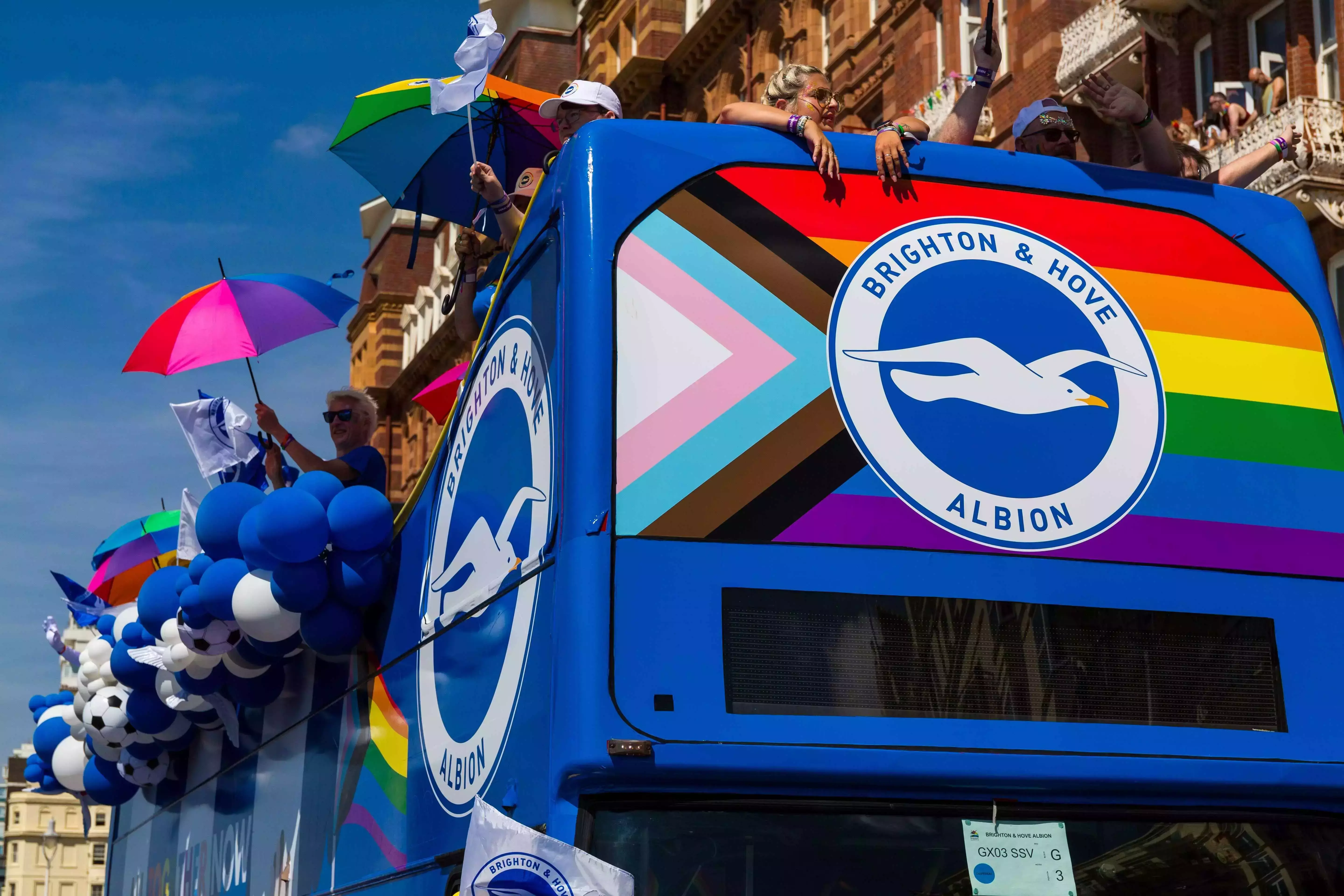
Brighton has a reputation in the UK for being the ‘gay capital’, with a strong sense of community, support and representation for all members of the LGBTQ+ community. Brighton has long had a reputation for its LGBTQ+ scene, dating back to the 1930s, when the city flourished as an inclusive and openly LGBTQ+ space.

The city has since embraced its LGBTQ+ population with an annual large-scale Pride event that sees more than 500,000 attendees. The city is well known for its Pride event, which has been cited as the best in the UK, and its resident gay village and LGBTQ+ district of Kemptown is rife with inclusive bars, clubs and spaces.

12. Paris, France

Paris really comes out on top with its diversity and inclusion for all groups in society. Paris’s annual pride event regularly attracts more than 700,000 attendees, and its vibrant and thriving Marais district is associated with a large LGBTQ+ population. Paris and France as a whole legalised same-sex marriage in 2013, making them one of the first countries/cities in Europe to do so.

11. São Paulo, Brazil

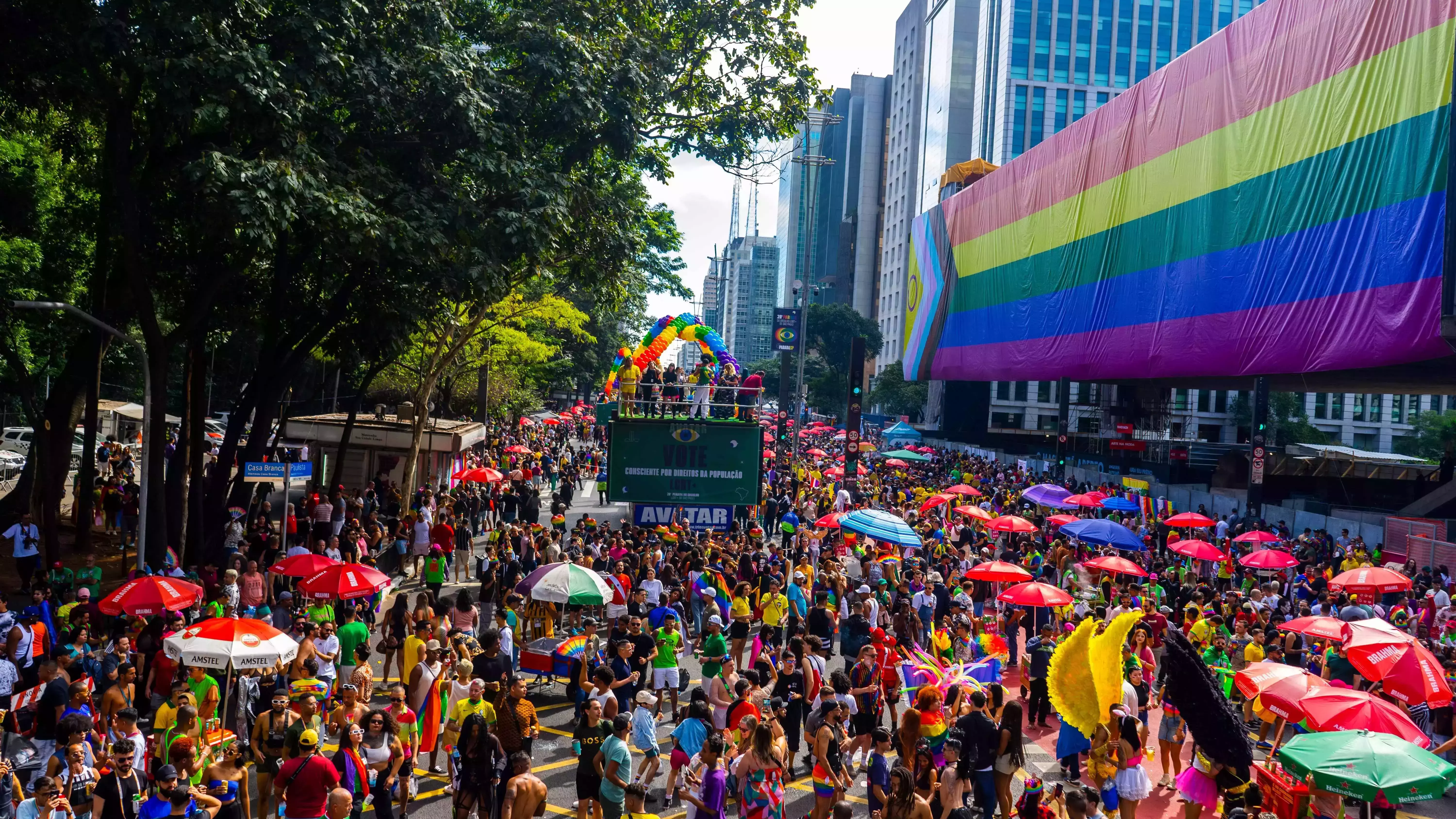
If there’s one thing Brazil knows how to do, it’s throw spectacular street parties and parades. São Paulo’s annual Pride is often considered to be the largest in the world, with more than three million attendees in recent years. São Paulo has also featured in the Guinness World Record for the size and scale of its Pride event. 

What’s more, the city is a hub for all things LGBTQ+, with a lively district dedicated to welcoming and representing its LGBTQ+ population. Although the city has a relatively low Gay Index Rating and Equaldex Score, its citywide celebration of LGBTQ+ is enough to make it rank highly for best LGBTQ+ friendly cities. 

10. Sydney, Australia

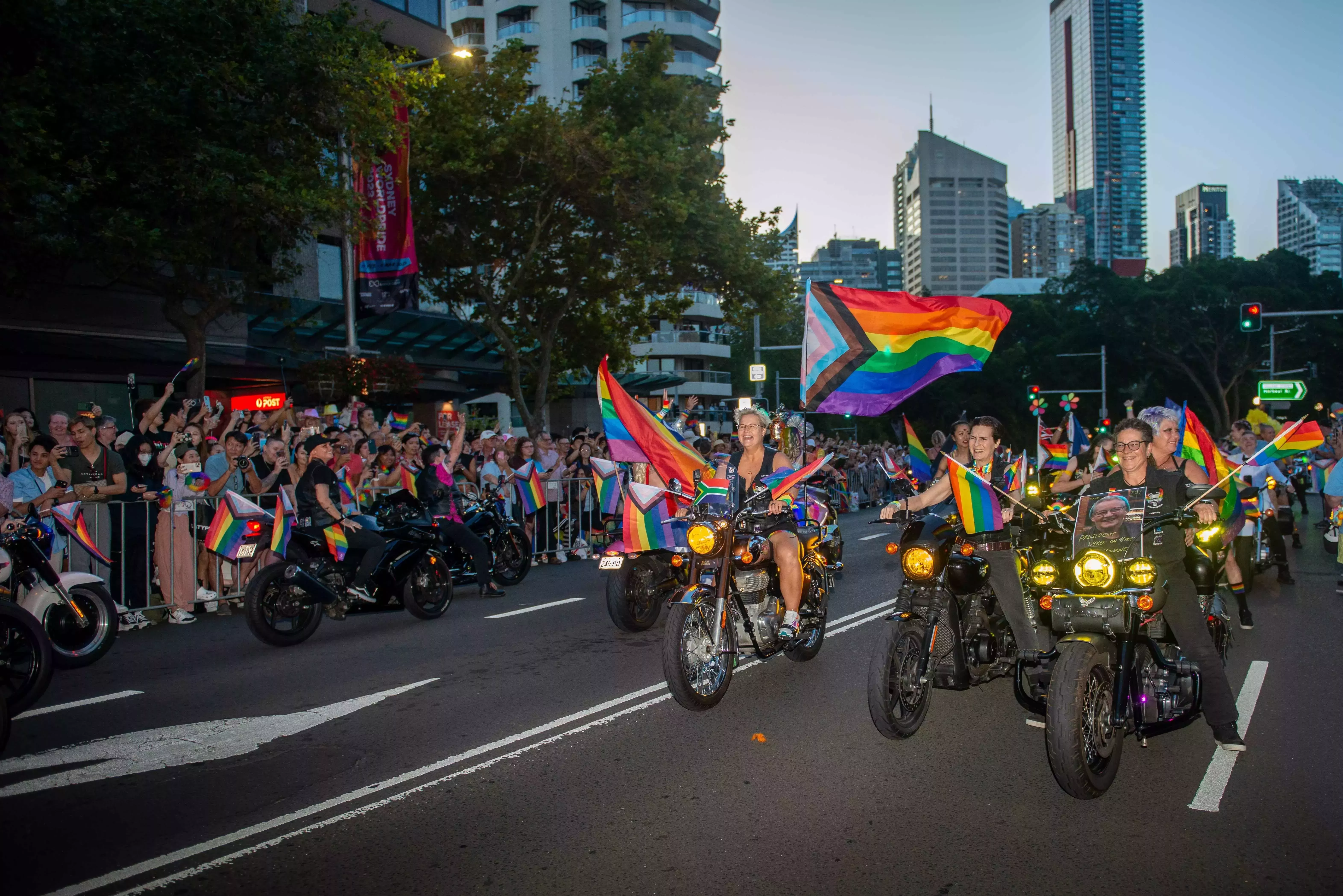
Sydney is one of the most LGBTQ+ friendly cities in the world, and the gay capital of Australia, with its annual Gay and Lesbian Mardi Gras festival leading the way in LGBTQ+ representation and support. Sydney’s Darlinghurst region is considered the gay hub of the city, and has a lengthy history of supporting and upholding LGBTQ+ community rights. Sydney ranks highly on both the Equaldex and Gay Index rankings, and it is a member of the Core LGBTI Group. 

 Sydney and Australia as a whole have a long history of protecting and supporting the rights of LGBTQ+ members, as homosexuality was decriminalised in the state of New South Wales in 1984, and same-sex marriage was legalised in Australia in 2017. Its annual Gay and Lesbian Mardi Gras event also sees attendees of more than 200,000, making it the largest Pride event in Australia and Oceania as a whole. 

9. Toronto, Canada 

Canada’s largest city hosts the country’s largest Pride event, with just shy of 3 million attendees in recent years, making it North America’s largest and most spectacular Pride Event. Toronto is a buzzing hub for queer peoples, and is one of the most LGBTQ+ friendly cities in the world. Its Church and Wellesley district is the focal point for the LGBTQ+ community, as it is rife with bars, clubs and spaces that are openly supportive. 

In terms of statistics, Toronto has a Gay Index Score of 8 and an Equaldex Score of 100, making it one of the best cities for the community. Toronto and Canada as a whole’s LGBTQ+ history is lengthy, with homosexuality becoming decriminalised in the late 1960s, and same-sex marriage being legalised in 2003 in Ontario Province, with the rest following suit not long after.

8. San Francisco, USA

San Francisco is a trendy and diverse Californian city, considered the gay capital of the state. The city is often ranked highly among the world’s most LGBTQ+ friendly cities, and has a sprawling LGBTQ+ scene and district that makes it welcoming and appealing to all members of the community. The city’s annual Pride event is also one of the largest in the US and the world, with around 1 million attendees in recent years. San Francisco and California State are known for their more liberal and progressive views on several matters, not just gay rights, so it makes sense that San Francisco adopts the same inclusive views and atmosphere. 

San Francisco ranks at 8.5 on the Gay Index Ranking and at 100 on the Equaldex, giving an indication of its support of LGBTQ+ rights and representation. San Francisco was also one of the first cities in the US to allow same-sex marriage in 2004, despite it not being legal statewide until 2013. Since this, San Francisco has been recognised as one of the LGBTQ+ capitals of the US. 

7. Amsterdam, Netherlands

Did you know that the Netherlands was the first country in the world to legalise same-sex marriage in 2001? The city is home to some of the most progressive and liberal views on LGBTQ+ communities in the world. It also has one of the longest LGBTQ+ histories, with homosexuality apparently being decriminalised as far back as 1811, and gay bars and clubs being established in the late 1920s. Since then, Amsterdam and the Netherlands as a whole have become inclusive, supportive and proud of their resident LGBTQ+ communities. 

 Amsterdam itself has a Gay Index ranking of 8, and an Equaldex score of 100, and its lively Canal Parade Pride event sees attendee numbers of more than 500,000, making Amsterdam’s Pride scene one of the largest in Europe and the world. Amsterdam’s Reguliersdwarsstraat region is the most significant LGBTQ+ area in the city, with a collection of LGBTQ+ friendly establishments, bars, clubs and restaurants. 

6. Berlin, Germany

Berlin has a lengthy history of supporting and protecting LGBTQ+ rights, and is one of Germany’s ‘gay capitals’, and certainly one of the ‘gay capitals’ of Europe. The city has, for a long time, recognised and respected the rights of LGBTQ+ members, with a thriving gay village and a strong sense of community and inclusivity across the city. 

Berlin ranks highly on the Gay Index and has a high Equaldex score, demonstrating how inclusive and safe it is for proud LGBTQ+ members. Its annual Pride event attracts between 500,000-1 million attendees, with the whole city and tourists coming together to support the community and partake in parades and marches. Germany is known for its progressive and liberal stance on LGBTQ+ rights and protection, so it makes sense that Berlin is a thriving hub for community members. 

5. Madrid, Spain

With a thriving LGBTQ+ culture, Europe’s largest Pride event with more than 2 million attendees, and a plethora of LGBTQ+ friendly bars, clubs and restaurants, Madrid is definitely the place to be. Spain was one of the first countries in the world to legalise same-sex marriage in 2005, and homosexuality was legalised in 1979. 

Madrid has a thriving LGBTQ+ community and scene, and caters to the community in a number of inclusive ways. Its Pride event is one of the city’s most important events of the year, and sees well over 2 million people attend each year. Madrid also has one of the highest Gay Index scores and an Equaldex score of 100. 

4. London, UK

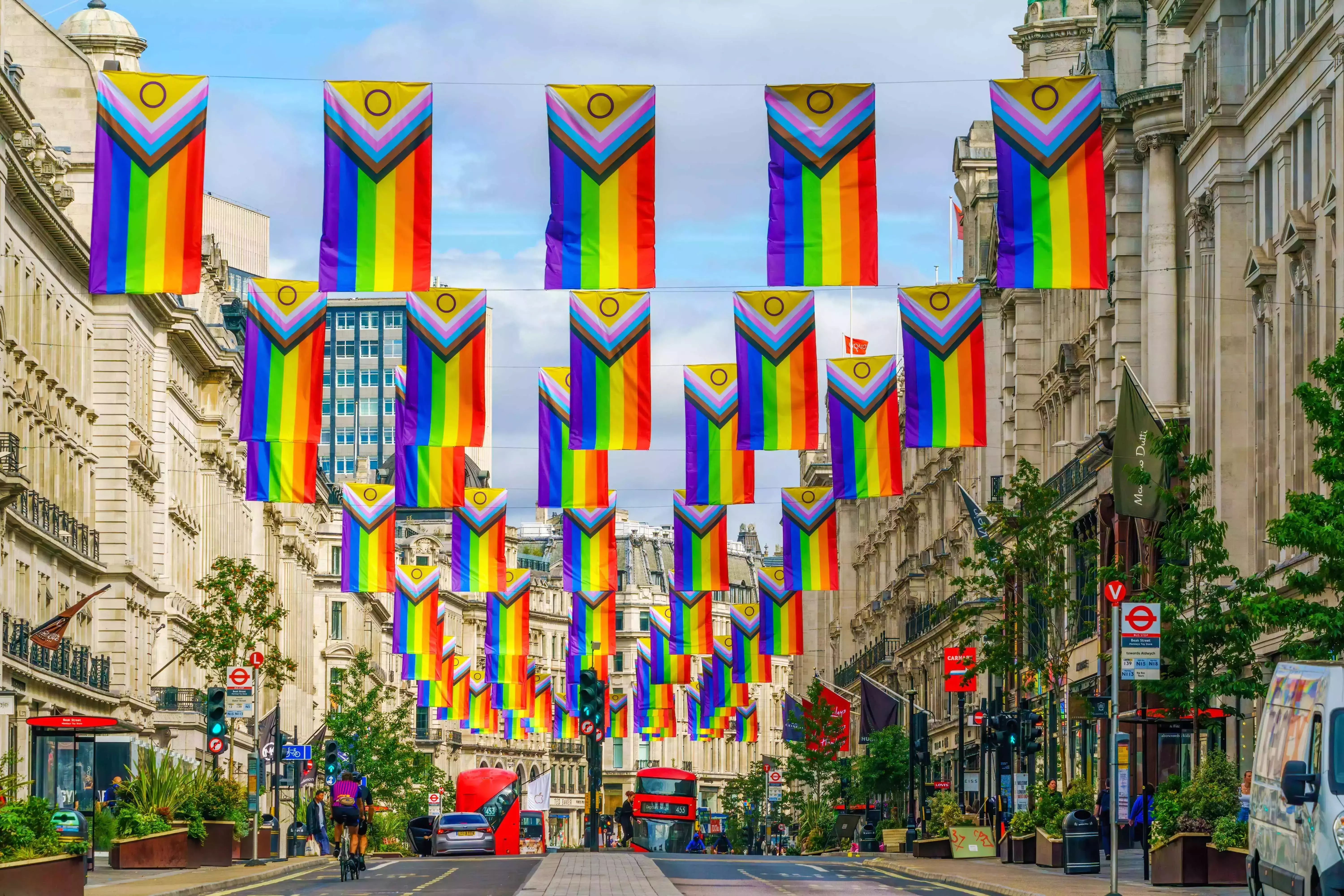
London is associated with a thriving and strong LGBTQ+ presence, and a number of gay bars, restaurants and exclusive LGBTQ+ spaces. Soho is the beating heart of the LGBTQ+ community, with a wide range of LGBTQ+ friendly spaces, but most of London is accepting and inclusive towards the community. Not only does London score highly on both the Gay Index and Equaldex rankings, but since the late 1960s, views and laws surrounding same-sex activities have become much more liberal and accepting, with same-sex marriage becoming officially legal across the UK in 2013. 

London’s annual Pride event sees a turnout of more than 1 million people, making it one of the largest Pride events in the world. London also has a lengthy and significant LGBTQ+ history, with activism, marches and events being at the forefront. It’s safe to say that London is not only the capital of the UK, but it is one of the capitals of the world when it comes to LGBTQ+ rights and acceptance.

3. Porto, Portugal

First and foremost, Portugal was one of the first countries to legalise same-sex marriage in 2010, with its cities of Lisbon and Porto becoming thriving LGBTQ+ hubs since.

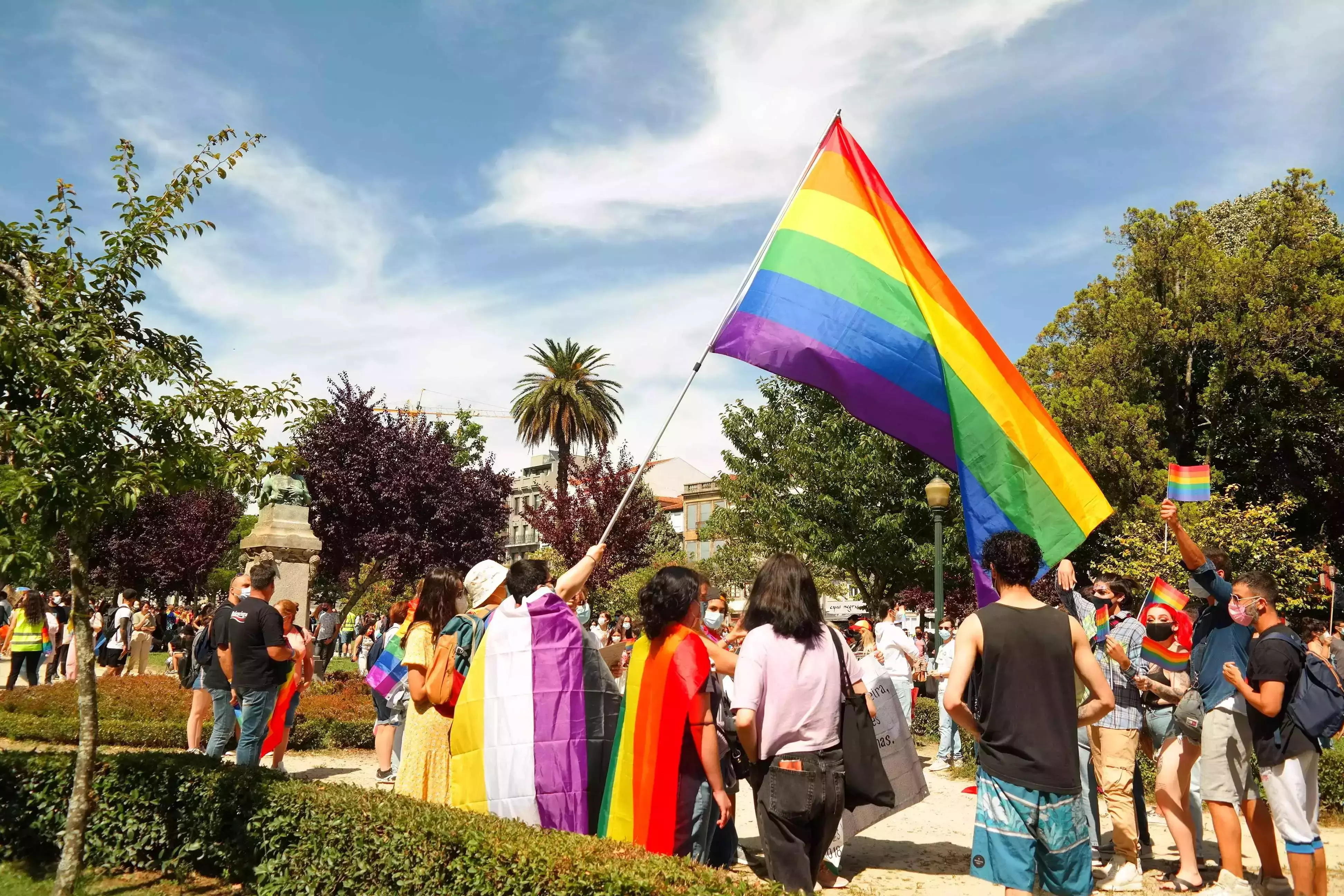
,Porto’s main LGBTQ+ district is Galerias de Paris and several other spots around the city, but the city as a whole has an inclusive and accepting feel no matter where you go. Although Porto has one of the lowest Gay Index scores of 6.9, it makes up for it with its Pride celebration that sees a significant turnout and its high Equaldex score of 93. 

2. Dublin, Ireland

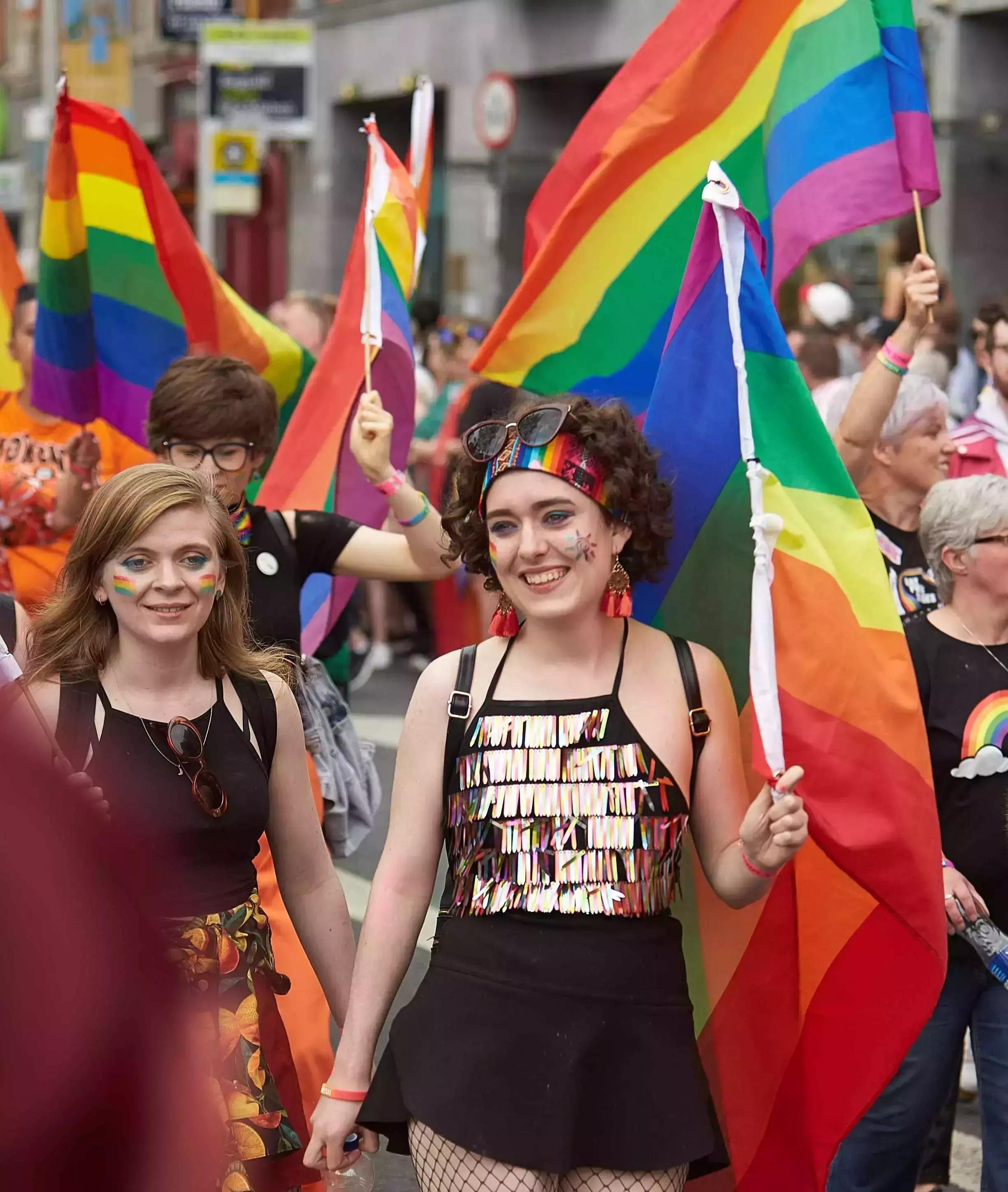
Dublin hasn’t always been the safe and accepting place for the LGBTQ+ community that it is now, but views and laws have drastically changed since homosexuality was decriminalised in 1993, and same-sex marriage was legalised by popular vote in 2015, making Ireland the first country in the world to legalise it in this way. 

Dublin is now a thriving hub for all members of the community. The city’s progressive stances on LGBTQ+ make it all the more welcoming and inclusive to people of all backgrounds. To further Dublin’s changing views on LGBTQ+, its annual Pride event sees attendees of more than 70,000 take to the streets in solidarity for the community and its rights. 

1. Lisbon, Portugal

Now we come to number 1, the world’s most LGBTQ+ friendly city: Lisbon. The city is a trailblazer in cultivating a safe, supportive, and fun community for queer people. It’s not just the capital that’s gay-friendly; Portugal decriminalised homosexuality in 1982 and was the eighth country in the world to legalise same-sex marriage in 2010. 

The city’s chart-topping Equaldex score of 100 solidifies it as an inclusive powerhouse, and Lisbon celebrates in true festive style with a colourful, fun-filled Pride weekend in June. Lisbon also hosts the International Queer Film Festival.

Blog at WordPress.com.

Up ↑