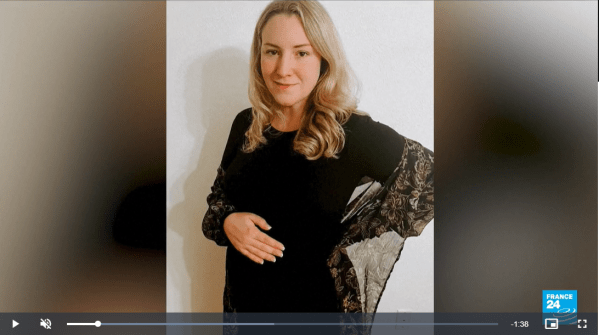
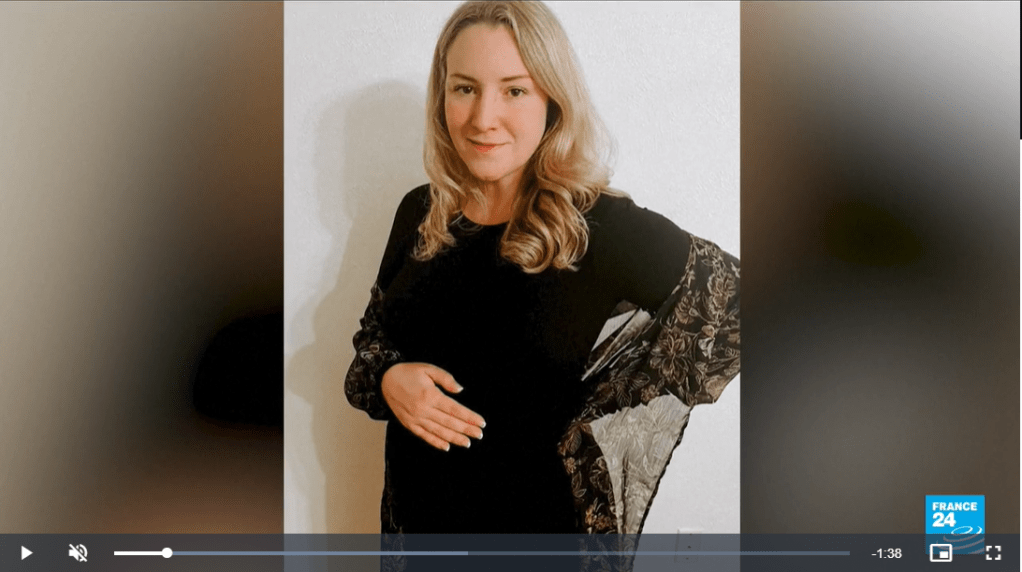
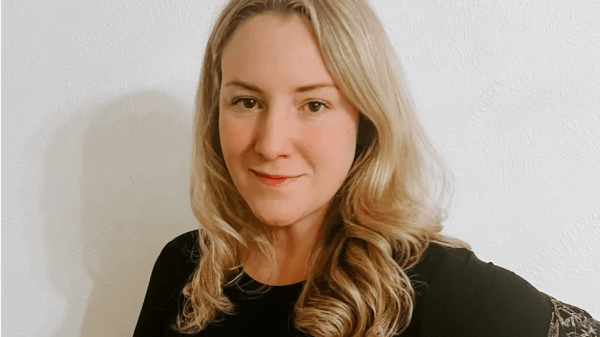
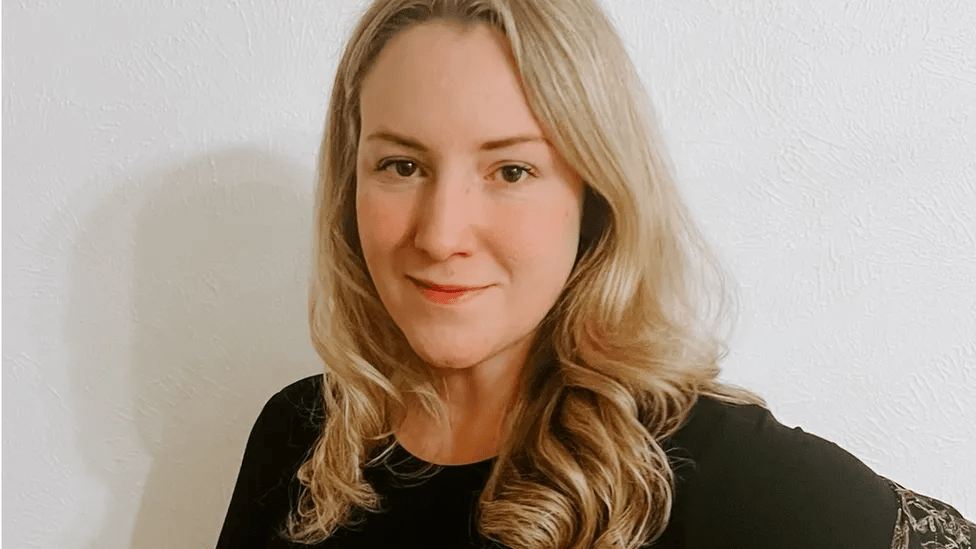
The Texas Supreme Court has overturned a lower court’s decision that permitted Kate Cox, a pregnant woman facing a diagnosis of a fatal fetal condition, to undergo an abortion.
In a seven-page decision issued on Monday, the Texas Supreme Court deemed the temporary restraining order issued by Travis County District Judge Maya Guerra Gamble last week, which permitted Kate Cox to undergo the abortion, as an error.
Texas state Attorney General Ken Paxton (R) halted Judge Maya Guerra Gamble’s decision regarding Kate Cox’s medical emergency. Paxton appealed to the state Supreme Court, which temporarily suspended the lower court’s ruling on Friday.
According to the court ruling, a woman qualifying for the medical-necessity exception is not required to seek a court order for an abortion. The law stipulates that it is the responsibility of a doctor to determine if a woman is facing a life-threatening condition during pregnancy, warranting an abortion to preserve her life or prevent impairment of a major bodily function.
“The law entrusts physicians, rather than judges, with both the discretion and the responsibility to exercise their reasonable medical judgment based on the unique facts and circumstances of each patient.”
The court additionally determined that Dr. Damla Karsan, Cox’s physician, “sought court approval for the abortion but did not, or at least could not, provide the court with evidence that Ms. Cox’s condition meets the criteria specified by the exception.”
“In its ruling, the court emphasized that these laws represent the legislative policy decision, and the judiciary is obligated to respect and uphold that choice.”
Under state law, a physician conducting an abortion procedure could face a potential life sentence.
At 31 years old, Cox has left the state to undergo an abortion procedure amidst the legal turbulence surrounding her case.
Nancy Northup, the President and CEO of the Center for Reproductive Rights, which has been advocating for Cox, informed The Hill about her client’s departure from the state. Northup highlighted that Cox had visited the emergency room four times during her 20-week pregnancy.
In a statement, Northup expressed, “Kate’s case has demonstrated the perilous nature of abortion bans for individuals carrying pregnancies, revealing the inadequacy of exceptions. She earnestly sought to receive care in her local environment and recuperate at home with family support. While Kate had the option to leave the state, many others do not, and a circumstance like this could be life-threatening.”
A mother of two children, Cox pursued an abortion upon learning that her fetus had been diagnosed with Trisomy 18, a chromosomal anomaly associated with miscarriage, stillbirth, or the infant’s death within hours, days, or weeks after birth.
Continuing the pregnancy to term would have posed a risk to her future fertility, and both she and her husband expressed a desire to expand their family with more children.
Cox’s situation marks the inaugural instance of a pregnant woman seeking a court order for an abortion procedure following the overturning of Roe v. Wade last year. In response to the reversal, Texas and several other Republican-led states have introduced or enforced their own abortion bans and restrictions.
Economic Ramifications of Roe v. Wade on Various Sectors
The author argues that the challenges faced by universities and companies are wrongly attributed to a lack of available talent due to Roe v. Wade. In my view, this perspective is flawed. The declining birth rate is more likely a consequence of inadequate support for parents from both our society and the government.
Childcare and healthcare expenses are exorbitant, placing the majority of the burden on women. Young couples and women are apprehensive about residing in locations where complications during pregnancy could lead to severe health consequences. Personally, I’m aware of several individuals of childbearing age who are relocating from Missouri for work or education due to these concerns.
Physicians are departing from conservative states due to concerns about potential lawsuits. Military families are reluctant to be stationed in states governed by Republicans. I’m aware of a business owner losing a prospective employee precisely for this reason.
The assertion in the letter that Catholic Church institutions are not experiencing a decline in membership due to the Church’s stance on abortion is absurd. Many students at Catholic universities are not Catholic, and churches along with their affiliated grade schools are shuttering throughout the region.
One of the numerous reasons the Church struggles to retain or draw in members is its outdated perspective. If individuals disagree with abortion, they can choose not to undergo one. For men who hold a different view, the solution is to avoid impregnating a woman. However, imposing restrictive laws to control women’s reproductive choices should cease.
The Texas Supreme Court has temporarily halted a lower court’s decision that granted a pregnant woman the right to proceed with an abortion.
The Texas Supreme Court has issued a temporary stay on a district court’s decision that permitted Katie Cox, a 31-year-old woman, to undergo an abortion. Cox, who is 20 weeks pregnant, is carrying a fetus diagnosed with full trisomy, a condition associated with high risks of miscarriage, stillbirth, or infant death shortly after birth.
“The petition for mandamus and motion for temporary relief remain pending before the Court,” stated the Texas Supreme Court in response to the ongoing legal proceedings related to Katie Cox’s case.
Cox’s physicians have indicated that continuing her pregnancy would necessitate a cesarean section or induction, posing a risk of serious injury. Inducing labor could lead to a uterine rupture, especially considering Cox’s previous C-sections, and another cesarean section could further jeopardize her future fertility.
Molly Duane, senior staff attorney at the Center for Reproductive Rights, expressed concern that justice delayed could result in justice denied in this case. She emphasized the urgency of medical care, especially given that Katie Cox is already 20 weeks pregnant. Duane stated that individuals should not have to plead for healthcare in a court of law.
Texas prohibits all abortions from the moment of fertilization, and it enforces a “bounty law” that incentivizes private citizens to file lawsuits against those who aid or facilitate someone in obtaining an abortion.
“The Attorney General’s office in Texas argued to the court that future criminal and civil proceedings cannot restore the life that is lost if the plaintiffs or their agents proceed to perform and procure an abortion in violation of Texas law,” according to The Associated Press.
The Hill has contacted the Texas Attorney General’s office and the Center for Reproductive Rights for comments.
The Texas Supreme Court has denied a woman’s request for an abortion in the case of her high-risk pregnancy, following her attorneys’ announcement that she was leaving the state for the procedure.
Kate Cox, 31, had pursued an abortion due to a fatal fetal condition jeopardizing her fertility, as diagnosed by doctors.
A lower court had granted an exception, but this decision was overturned on Monday.
Texas enforces one of the most stringent abortion bans in the nation.
Texas’s comprehensive abortion bans restrict the procedure from the moment of conception, allowing exceptions only in limited circumstances where the life of the pregnant woman is in imminent danger. Critics of the law contend that the exception is overly ambiguous and jeopardizes women’s health.
In a concise seven-page ruling, the Texas Supreme Court determined that the doctor attending to Ms. Cox had not sufficiently demonstrated that her safety was imperiled by a “life-threatening physical condition,” a prerequisite mandated by the law.
“The justices emphasized that these laws reflect the policy choices made by the Legislature, and it is incumbent upon the courts to respect and uphold those choices,” they stated.
“This case marked the first instance of a woman seeking court permission for an abortion since the US Supreme Court overturned Roe v. Wade last year, granting individual states the authority to regulate abortion access,” legal experts noted.
Ms. Cox, a mother of two residing in the Dallas area, pursued an abortion due to her fetus being diagnosed with Trisomy 18, a chromosomal disorder often resulting in miscarriage, stillbirth, or infant mortality within the first year. Her physicians warned that proceeding with the pregnancy could pose a threat to her future fertility.
As per Ms. Cox’s legal documents, healthcare providers declined to conduct an abortion, citing restrictions tied to the presence of a fetal heartbeat.
She received a special dispensation from a Texas judge on Thursday. However, Texas Attorney General Ken Paxton promptly warned of potential criminal charges against any medical professionals who assisted her in obtaining the abortion.
He also petitioned the state’s Supreme Court, comprised entirely of Republicans, to step in. The court granted the request, temporarily preventing Ms. Cox from undergoing an abortion while it examined the case.
On Monday, attorneys representing Ms. Cox disclosed that she had departed Texas to seek an abortion beyond the state’s borders. No statewide law in Texas prohibits travel outside the state for an abortion.
“This week of legal uncertainty has been incredibly difficult for Kate,” stated Nancy Northup, president of the Center for Reproductive Rights, the pro-choice organization representing Ms. Cox. “Her health is in jeopardy, and after being in and out of the emergency room, she could not afford to wait any longer.”
Only a few hours after Ms. Cox’s legal team’s announcement, the state Supreme Court declared a verdict against her.
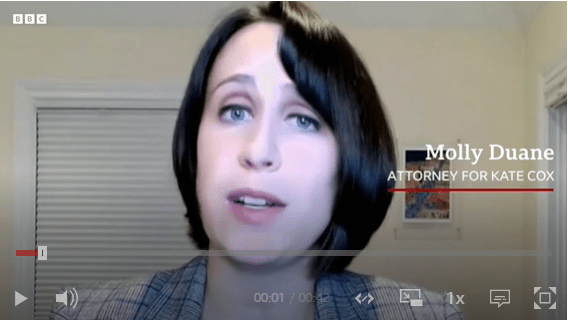
Watch: Lawyer for Kate Cox speaks on Texas abortion ruling
President Joe Biden remarked on Ms. Cox’s case on Tuesday, stating, “This should never happen in America.”
“Legal and medical chaos, as we are witnessing in states like Texas, Kentucky, and Arizona, is a direct result of Roe v. Wade being overturned, and as we predicted would happen, women’s health and lives now hang in the balance,” he added.
Speaking to the BBC on Monday, Molly Duane, a lawyer for the Center, called the Supreme Court’s ruling “stunning.”
“Politicians like to tout medical exceptions as being reasonable and available, as Kate’s experience shows they simply don’t exist in practice,” she said.
The Texas Supreme Court is currently considering another abortion case related to the state’s health exception, also led by Ms Duane and the Center for Reproductive Rights. Twenty-two plaintiffs, including doctors and women denied abortions in the state, have sued to clarify the existing state bans, stating that the medical exception is dangerously unclear.
The near-total bans have left physicians “terrified” to use their medical judgment over fear of harsh penalties, Ms Duane told the court last month. Doctors who perform abortions in Texas could risk life in prison, loss of their medical license, and hundreds of thousands of dollars in fines.
A lawyer representing the attorney general, Beth Klusmann, argued that existing standards permitted physicians to exercise “reasonable” medical judgment.
A Texas statute scheduled for implementation on January 1 is impacting employment positions at public universities, including the University of Texas at Austin.
As per information from our media associates at the Austin American-Statesman, 14 fellows at UT will be without employment at the university due to Senate Bill 17, a recent law restricting diversity, equity, and inclusion (DEI) efforts at state public institutions.
The law mandates that these institutions cease any unequal treatment or “special privileges” based on race or ethnicity, along with programs “conceived or executed in relation to race, color, ethnicity, gender identity, or sexual orientation.”
Typically spanning one year, the Public Voices Fellowship offers fellows mentorship and research training. This fellowship is affiliated with The OpEd Project, a nationwide initiative with the goal of diversifying and altering the narrative by influencing those who contribute to historical writings.
The University of Texas (UT) was among the 35 collaborators of the fellowship, and notably one of the few public universities participating.
As per The Statesman, the fellowship was inclusive but specifically focused on elevating voices that are underrepresented, particularly those of women and people of color.
UT has initiated the internal dissemination of guidelines outlining its approach to adhering to SB 17. However, comprehensive public guidance from the university is still pending release.
While some homebuyers seek the American dream in Texas, many are leaving the state to find it elsewhere.
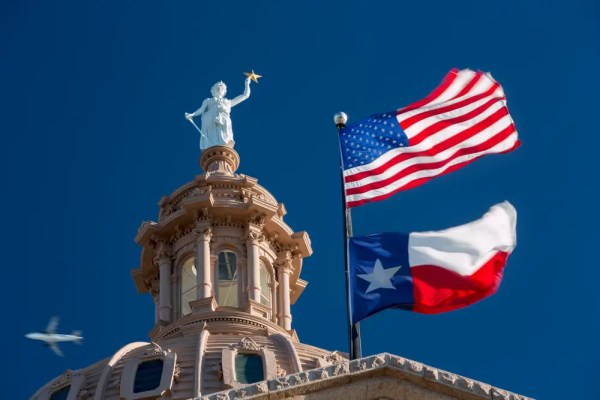
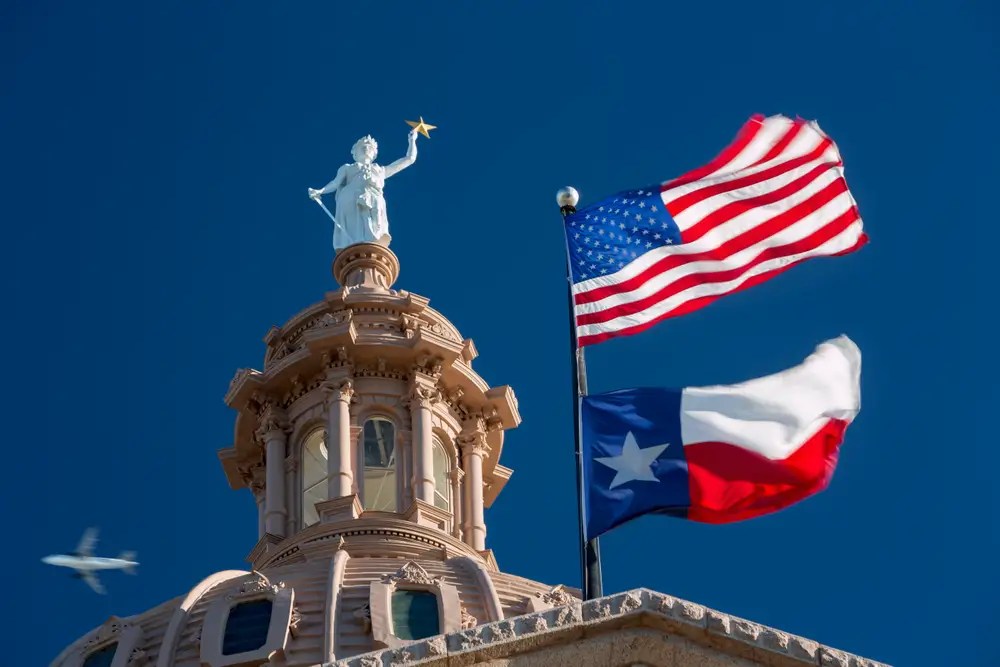
The Texas state capitol in Austin.
Texas experienced a surge in popularity during the pandemic that drove home prices up 30%, data suggests.
The political freedom some sought in the state has encouraged others to leave.
Have you left or do you plan to leave Texas? Business Insider wants to hear from you.
“Lifelong Texan here. I am definitely preparing an exit strategy,” one anonymous user posted on a Reddit thread about leaving Texas. “From the heat to the stripping away of human rights, I’m just done.”
Another poster struck a similar chord. “I’ve been in Texas most of my life, and my husband and I were always planning on retiring here (in about 5 years from now),” they wrote. “But between this intense heat, crazy politics, and cost of living, we’ve decided to leave for good and head to Knoxville.”
While individuals have been relocating to the Lone Star state to leverage its comparatively affordable real estate, political environment, and employment prospects, these very characteristics are prompting others to depart. Between 2021 and 2022, over 494,000 people exited Texas (although the state experienced a net population gain of 174,261). This trend might escalate as housing expenses soar and the political scene in the state becomes increasingly polarized.
Housing costs have some looking for affordability elsewhere
Texas witnessed a spike in popularity during the pandemic, leading to a 30% increase in home prices from 2019, as per data from Realtor.com. Simultaneously, residents are contending with property taxes that rank among the highest in the country.
The relocation path from California to Texas became the most popular in the United States from 2021 to 2022, with nearly 108,000 individuals opting for this move in search of more affordable housing. However, there is one significant drawback.
“The property-tax percentage rate is higher,” Marie Bailey, a Realtor who moved from El Segundo, California, to Prosper, Texas, in 2017, previously told Business Insider. “Every time a prospective client calls me, it’s one of the first things I talk about.”
Marie Bailey and her family moved to Prosper, Texas in 2017, where she is now a realtor helping other Californians make the move to The Lone Star State.
As Texas begins to lose its status as a budget-friendly and affordable housing option, a growing number of residents are redirecting their attention to the Midwest.
Texans are increasingly turning to the Midwest, which has gained popularity due to being the most budget-friendly region, according to Hannah Jones, an economic research analyst at Realtor.com. The trend of buyers seeking affordability is on the rise, marking a notable shift in preferences.
The political freedom many moved to the state for is driving others away
When selecting a place to reside, politics hold equal importance to housing affordability for numerous Americans.
A survey conducted in 2022 by the mortgage marketplace LendingTree, which included 1,545 participants, revealed that 39% of respondents have either moved or would contemplate relocating to another state if their political beliefs did not align with the majority.
Jackie Burse, a self-identified Conservative, is one of the many Californians who have sought out Texas for its political environment. Burse told BI in September that it played a crucial role in her decision to relocate to Texas in 2021.
Jackie Burse grabbing a drink.
According to Burse, Texas provides a space where individuals can hold diverse beliefs without facing condemnation, a contrast to her experience in California.
In contrast to Burse’s perspective, Bob McCranie, a real estate broker based in Dallas, expressed to KXAN News in July that the lack of inclusivity in Texas has led to an unwelcoming environment.
“What we all want as human beings is to feel a level of safety, and if your state is making you feel unsafe, there’s no reason to stay,” McCranie said. “I can’t believe somebody could look at, let’s say, California or New York versus Texas and Florida and say that LGBTQ people feel more welcome in Florida and Texas.”
MONT BELVIEU, Texas — A Black student in Texas, who spent over a month in in-school suspension due to his dreadlocks, has been informed that he will be transferred from his high school to a disciplinary alternative education program on Thursday.
Barbers Hill ISD is asking the Texas court to clarify the CROWN Act after suspending high school student Darryl George for his dreadlocks.
Darryl George, an 18-year-old junior at Barbers Hill High School in Mont Belvieu, has been under suspension since August 31. The school principal stated in a letter dated Wednesday, which was provided to The Associated Press by the family, that he will be attending EPIC, an alternative school program, from October 12 to November 29 due to “failure to comply” with multiple campus and classroom regulations.
The video above pertains to Barbers Hill ISD seeking legal clarification from the Texas court regarding the CROWN Act after suspending George for the second time over his dreadlocks.
Principal Lance Murphy stated that George has consistently breached the district’s established standards of student behavior. The letter further indicates that George can resume regular classroom instruction on November 30th but will not be permitted to enter the high school campus until that date unless he’s attending a meeting with school administrators to address his conduct.
Barbers Hill Independent School District enforces a dress code that bars male students from having hair extending beyond specific limits – below the eyebrows, ear lobes, or the top of a T-shirt collar, as specified in the student handbook. Furthermore, the code dictates that all students must maintain clean, well-groomed, and geometrically styled hair that does not feature unnatural colors or variations. It’s important to note that the school does not mandate uniforms.
However, George’s mother, Darresha George, and the family’s legal representative contend that the teenager’s hairstyle does not infringe upon the dress code. Last month, the family lodged a formal complaint with the Texas Education Agency and initiated a federal civil rights lawsuit against the state’s governor and attorney general, alleging their failure to enforce a newly established law that forbids discrimination based on hairstyles.
The family claims that George’s suspension and subsequent disciplinary actions are in violation of Texas’ CROWN Act, which became effective on September 1. The CROWN Act, short for “Create a Respectful and Open World for Natural Hair,” aims to prevent discrimination based on race-related hair characteristics. It prohibits employers and schools from penalizing individuals due to their hair texture or protective hairstyles, which encompass Afros, braids, dreadlocks, twists, or Bantu knots.
A federal version of this legislation passed in the U.S. House of Representatives last year but did not advance in the Senate.
Furthermore, the school district has initiated a lawsuit in state district court, seeking a judge’s clarification on whether its dress code regulations, including hair length restrictions for male students, are in compliance with the CROWN Act. This legal action was filed in Chambers County, located east of Houston.
Previously, George’s school had encountered conflicts with two other African American male students regarding the school’s dress code.
In 2020, Barbers Hill authorities instructed De’Andre Arnold and Kaden Bradford, who are cousins, to shorten their dreadlocks. In response, their families filed a lawsuit against the district in May 2020. A federal judge subsequently determined that the district’s hair policy was discriminatory. This ongoing legal case played a role in motivating Texas legislators to pass the state’s CROWN Act. Arnold and Bradford both withdrew from the school, with Bradford later returning after the judge’s ruling.
An emerging Christian nationalist movement is actively advocating for the reintegration of religious traditions in schools, with a notable focus on Texas. This movement is concurrently promoting a series of anti-LGBTQ+ policies.
Texas suburb’s ideological battle unveiled in Grapevine podcast.
The NBC News podcast “Grapevine” delves into the penetration of far-right figures into school districts. These groups assert their mission is to eliminate what they perceive as “indoctrination” by “woke” educators and leaders.
Former President Donald Trump expressed his regret about the absence of religious teachings in schools at the Conservative Political Action Conference last year. Trump stated, “School prayer is banned, but drag shows are allowed to permeate the whole place.” He further emphasized the resonance of this message among his supporters during a speech in North Carolina, as reported by NBC.
At the heart of this evolving situation is Texas, with a particular focus on the suburban region of Grapevine. The report underscored how recently elected school board members, supported by far-right Christian backers, endorsed a plan that limits discussions of “gender fluidity” within classrooms and libraries. Similar situations are unfolding across the country, illustrating a coordinated endeavor to intertwine religious traditions with educational policies.
In a noteworthy incident from August 2022, a mother at a crowded school board meeting in Grapevine alleged that a teacher had encouraged her child to undergo gender transition, declaring, “I lost my son.” Nevertheless, further scrutiny by NBC reporters Mike Hixenbaugh and Antonia Hylton unveiled a multifaceted narrative.
The podcast’s description paints a picture of a transgender child seeking understanding, a mother deeply entrenched in her religious convictions, and an English teacher ensnared within this complex web of religious and social tensions. The podcast highlights the wider consequences of this narrative, portraying it as a component of a larger religious movement that is gaining influence over educational policies, driven by evangelical interpretations of biblical values, as reported by NBC.
In Oklahoma and Florida, state officials are actively pushing forward with education agendas centered around Christian principles. Oklahoma’s Republican education chief, Ryan Walters, has advocated for the display of the Ten Commandments in classrooms.
Simultaneously, Florida’s Department of Education gave the green light to educational materials from the Christian conservative organization PragerU Kids for public school use. During this period, they also significantly restricted any reference to LGBTQ+ individuals within Florida’s comprehensive public education curriculum. Additionally, they undertook a controversial revision of the history of slavery, asserting that those who were enslaved benefited from their enslavement due to the skills they acquired. While this claim has faced widespread criticism, Florida Governor Ron DeSantis, a prospective candidate for the 2024 GOP presidential nomination, has staunchly defended the perspective of his state’s education department.
More than 89,000 transgender people ages 13 to 17 live in states that limit their access to gender-affirming care, research shows.
States that declared themselves refuges for transgender people have essentially issued an invitation: Get your gender-affirming health care here without fearing prosecution at home.
Now that bans on such care for minors are taking effect around the country — Texas could be next, depending on the outcome of a court hearing this week — patients and their families are testing clinics’ capacity. Already-long waiting lists are growing, yet there are only so many providers of gender-affirming care and only so many patients they can see in a day.
For those refuge states — so far, California, Connecticut, Colorado, Illinois, Massachusetts, Maryland, Minnesota, New Jersey, New Mexico, Washington and Vermont, plus Washington, D.C. — the question is how to move beyond promises of legal protection and build a network to serve more patients.
“We’re trying our best to make sure we can get those kids in so that they don’t experience an interruption in their care,” said Dr. Angela Kade Goepferd, medical director of the gender health program at Children’s Minnesota hospital in the Twin Cities. “For patients who have not yet been seen and would be added to a general waiting list, it is daunting to think that it’s going to be a year or more before you’re going to be seen by somebody.”
Appointment requests are flooding into Children’s from all over the country — including Texas, Montana and Florida, which all have bans. Requests have grown in a year from about 100 a month to 140-150. The program hopes to hire more staff to meet demand, but it will take time, Goepferd said.
More than 89,000 transgender people ages 13 to 17 live in states that limit their access to gender-affirming care, according to a research letter published in late July in the Journal of the American Medical Association, though not all trans people choose or can afford gender-affirming care.
Rhys Perez, a transmasculine and nonbinary 17-year-old, is preparing to move this month from Houston to Los Angeles to start college. The teen, who said they’re “escaping Texas in the nick of time,” said California’s protection for gender-affirming care was one of the main factors in their decision on where to go for college.
Perez has just begun their search for a provider in Southern California but already has encountered several clinics with waits for an initial consultation between nine and 14 months. They were disappointed to learn they likely could not begin hormone replacement therapy until their sophomore year.
“Hormones and stuff, that was never something my family fully understood or supported, really,” Perez said. “I figured it was best to wait until I move for college, but now it’s frustrating to know I’m going to have to wait even longer.”
“I wish I could start college as fully me,” they said.
Initial sanctuary laws or executive orders were an emergency step to protect transgender people and their families from the threat of prosecution by more than 20 states that have restricted or banned such health care, advocates say. They generally do not contain provisions to shore up health systems, but advocates say that needs to be the next step.
“That’s what we’re hoping to set up over the next year to two years, is making sure that not only are we making this promise of being a refuge for folks, but we’re actually living up to that and ensuring that folks who come here have access to care when they need it,” said Kat Rohn, executive director of the LGBTQ+ advocacy group OutFront Minnesota.
Those efforts will likely need to involve legislators, governors, large employers, Medicaid plans and boards of medicine, said Kellan Baker, executive director of the Whitman-Walker Institute, the policy and education arm of a clinic with the same name in Washington, D.C.
“I would hope that it would be a comprehensive effort, that everyone at every level enacting these shield laws is aware that it’s not just about making a promise of access on paper, but that it needs to be backed up by the availability of providers,” Baker said.
Texas Gov. Greg Abbott, a Republican, became the first governor to order the investigation of families of transgender minors who receive gender-affirming care, and legislators this year passed a ban on such care.
Whether that law takes effect on Sept. 1 will be decided by a state judge in Austin, who is hearing arguments Tuesday and Wednesday in a lawsuit filed by families and doctors seeking a temporary injunction. The lawsuit argues the bill violates parental rights and discriminates against transgender teens. It is unclear when the judge will rule.
Ginger Chun, the education and family engagement manager at the Transgender Education Network of Texas, said she was in contact last year with about 15 families with trans family members. This year already, she has talked to about 250 families, who are asking about everything from clarification on legislation to looking for ways to access care. Those who are looking for care outside Texas are encountering waiting lists.
The research published in JAMA found that Texas youths’ average travel time to a clinic for gender-affirming care increased from just under an hour to over 7 1/2 hours.
“It’s like a daily, ever-changing process to figure out where people can access care,” Chun said.
Minnesota state Rep. Leigh Finke, a Democrat who sponsored a bill to protect gender-affirming care, predicts “thousands” of people will travel to the state for care within two years. She’s also seeking solutions to the provider shortage and expects to take a closer look when the next legislative session begins in February.
“I’m not sure what as a legislature we can do to increase the number of people who provide a certain kind of medical care,” said Finke, a transgender woman who represents part of the Twin Cities area. “I’m not sure as a policymaker what the mechanisms are to say we need more of one kind of specific health care provider, assuming that those exist. I’m certainly going to be interested in looking at them.”
The number of providers nationwide is limited, and for many, it’s not their full-time job. Minnesota, for instance, is home to 91 providers, according to a search on the website of the World Professional Association for Transgender Health. The state has 29,500 transgender people 13 and older, according to the Williams Institute, an LGBTQ+ think tank at the UCLA School of Law.
Dr. Katy Miller, the medical director of adolescent medicine for Children’s Minnesota, estimates “probably at least hundreds of families” are moving to the Twin Cities for gender-affirming care.
“People are going to kind of extraordinary lengths, like pulling kids out of school, moving.” Miller said.
In many ways, the quest for gender-affirming care parallels that of abortion access, for which people also cross state borders, sometimes under threat of prosecution. The main difference with gender-affirming care is that treatment is ongoing, generally for the rest of a person’s life, so permanent access is key.
Anticipating long waits, some parents preemptively sought out gender-affirming care providers for a child, like Minnesota activist Kelsey Waits. Her 10-year-old transgender child, Kit, got into the system at a hospital that could eventually provide blockers or hormones so that they wouldn’t have to start puberty without a doctor’s support.
“A lot happens in puberty in one year,” Waits said. “Just the stress of that on a family — the kids, the parents who are trying to find care for their child — it’s a lot.”
Lucas and his son Alec share a laugh on the couch. Lucas and his family have deep roots in Texas, but they decided to move to Colorado out of fear for the safety of Alec, who came out as transgender years earlier.
Brianna went to bed Aug. 22 with a knot in her stomach.
That night, a Texas school board near her home passed a “Don’t Say Trans” policy barring employees from discussing what the district defined as “gender fluidity.”
The school board’s new policy was the latest entry in a growing, right-wing political playbook that targets transgender youth and the adults who support them.
Months before the school board’s decision, Texas Gov. Greg Abbott, a Republican, ordered the Texas Department of Family and Protective Services to conduct child abuse investigations into parents whose children received gender-affirming care such as puberty blockers and hormone therapy. Abbott’s decision was in line with the heavily conservative state legislature, which had introduced more anti-transgender bills than any other state.
In 2020, Brianna’s son, Rylee, came out as a transgender boy. He was 12 years old at the time.
Brianna and her family moved to Texas — which has one of the largest transgender communities in the country — in 2015 to be closer to their extended family. Brianna knew the small town they called home was far from progressive, but she expected to largely be left alone as she and her family kept their heads down and raised LGBTQ+ children.
But the state’s policies seemed to get crueler over time. Brianna knew her family wasn’t safe.
“I went to bed knowing what was happening and woke up the next day thinking, ‘we have to leave,’” Brianna recalled. “’We have to get out of Texas. This is not going to get better; it is just going to get worse.’”
She spent the following day researching states that were more welcoming to transgender people. The Pacific Northwest was too rainy, California was too expensive, Minnesota was too cold. She booked a 24-hour trip to Colorado — which received high marks from places like the Movement Advancement Project — to vet the state, making sure to ask folks she encountered about its safety for LGBTQ+ kids.
As she drove around Denver and saw rainbow flags plastered in business windows and hanging outside homes, Brianna knew where to move.
“It was so overwhelmingly positive and welcoming,” she said of Colorado. “In Texas, you couldn’t even talk about this stuff.”
The family voted in the Nov. 8 Texas election, feeling they owed their votes to friends in similar situations who couldn’t leave the state. Three days later, they packed their bags and started their journey to Aurora.
Tired of living in fear
Lucas and Sara had deep roots in Texas. Lucas worked at a nonprofit supporting kids in the foster care system; Sara taught music at a private school. The two had family and deep friendships in the state.
Sara, a mother and LGBTQ+ advocate, recently moved to Colorado from Texas in an effort to keep her transgender son safe.
But fear overwhelmed them in February 2022 after Abbott declared gender-affirming care for children a form of child abuse. The couple’s son, Alec, came out as transgender years earlier and began transitioning soon after.
Bullying and harassment were common for Alec in his small Texas town, but when laws began to threaten his safety, his parents knew something needed to change.
“There was a moment where I just imagined Alec being taken from our family,” Sara said. “Just having to process that was extremely scary and upsetting.”
Lucas and Sara became more outspoken in their LGBTQ+ allyship by helping plan Pride festivals and volunteering with Equality Texas.
Alec did his best to fit in at school. He wore baggy, unassuming clothes and tried to keep his head down.
“There were so many times where I was like ‘if I just de-transitioned and lived, I could live easier here,’ but the dysphoria makes things so hard,” said Alec, who is now 15 years old. “It wouldn’t have been a happy life for me.”
Other parents began complaining that Sara was using her position as a teacher to “push an agenda.” Sara maintains she never discussed politics in class.
“It was very clear that we were being targeted because this was a relatively small town and we had been outspoken,” Lucas said. “I knew this was really scary and we worried about what could happen to our family.”
Brianna and Rylee also remember living in fear.
“How exhausting it was, not knowing day-to-day what laws were going to be passed that would hurt my child and not understanding why it’s something that people care about,” Brianna said. “I don’t understand the vitriol towards these kids who just want to exist and the parents who just want their kids to survive.”
Brianna tried to educate those around her and give them the benefit of the doubt. But many people didn’t seem interested in learning.
“It’s extremely frustrating and there’s no amount of education I could do,” Brianna said. “You think you can educate people away from bad beliefs, but they’re not interested in the truth. They’re interested in their narrative and that’s it.”
Lucas and Sara remember having conversations with Alec where they reminded him not to stand out too much, which was a painful message to send for two parents who wanted nothing more than to affirm their child.
“We did a lot of apologizing to the kids and saying, ‘I’m sorry you can’t wear what you’d like to wear because we need to be careful right now,’” Sara recalled. “I remember saying that a lot. ‘We need to be careful right now.’”
The family also helped plan a kid-friendly Pride celebration in their town, hoping to show marginalized children that adults were on their side. However, several other adults, including an anti-LGBTQ+ Instagram “influencer,” showed up and chanted “groomer” at those participating in the festival.
“It was really weird because I grew up there and that place just turned on me,” Alec said.
The family had lived in their town for 14 years and felt it was important to stay and fight for other LGBTQ+ people. But as anti-transgender bills stacked up and hateful rhetoric grew louder, Lucas and Sara saw that their family’s safety was in jeopardy.
“It was a constant state of anxiety and fear,” Lucas said. “All it would take was one person in our town who didn’t like us and report us and we would’ve had a CPS case that we would be dealing with.”
In 2023, the family said goodbye to their longtime church, colleagues and friends and moved to Denver, where they felt safer in their new home.












 fleeredstates.blog
You must be logged in to post a comment.