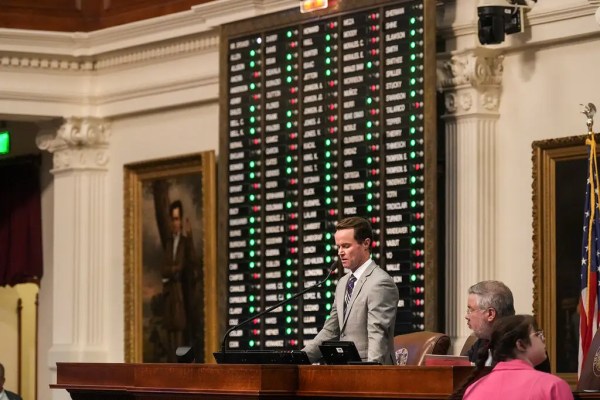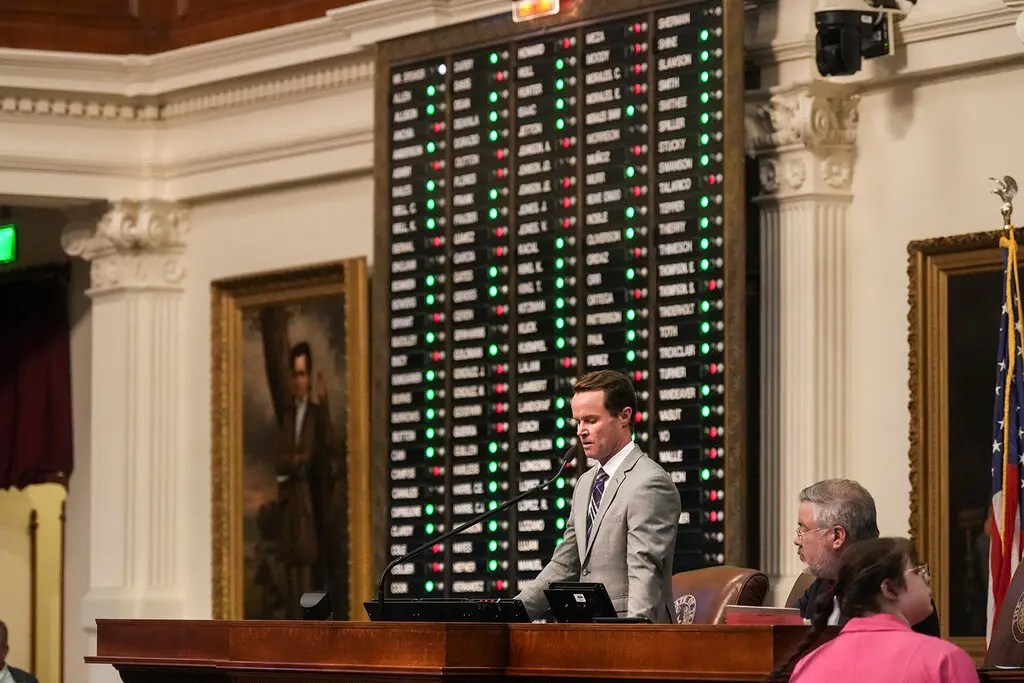
Texas Attorney General to investigate 2nd children’s hospital over reports of gender care provided to minors

This blog originally appeared at Kxan.

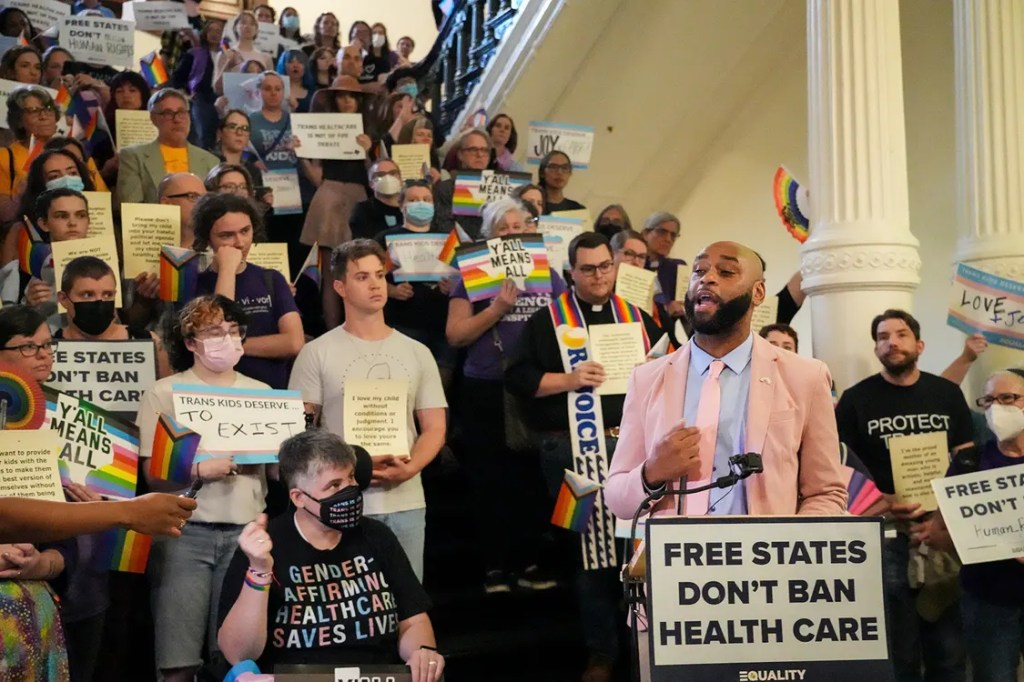
Texas Attorney General Ken Paxton has initiated a second investigation into a children’s hospital in the state, this time targeting Texas Children’s Hospital in Houston. The purpose of the investigation is to determine whether the hospital is engaged in illegal activities by performing gender transitioning procedures on children. While Attorney General Paxton did not specify the exact laws that may have been violated, he stated that any procedures causing harm to children would be considered child abuse under Texas law.

The investigation was prompted by recent reports suggesting that Texas Children’s Hospital may be unlawfully providing gender transitioning procedures. Attorney General Paxton expressed his commitment to uncovering the truth and ensuring the protection of children in the state. The announcement did not specify the source of the reports, but there are circulating articles online regarding the hospital’s alleged continued provision of such care.

This investigation highlights the ongoing debates and legal scrutiny surrounding gender transitioning procedures for minors, with officials seeking to ensure compliance with applicable laws and regulations.

The Texas Children’s Hospital is the biggest children’s hospital in the US by bed size.

At Texas Children’s Hospital, our mission is to provide high-quality care for all patients. Throughout the policy debate surrounding gender medicine, our healthcare professionals have always and will continue to prioritize the care of our patients within the bounds of the law.– TEXAS CHILDREN’S HOSPITAL SPOKESPERSON

CLICK HERE TO SEE FULL BLOG:https://www.kxan.com/news/texas/texas-attorney-general-to-investigate-2nd-childrens-hospital-over-reports-of-gender-care-provided-to-minors/
Controversial Proposition: Texas’s Potential Process to Remove Local Prosecutors in Abortion and Election Cases

This blog originally appeared at The Texas Tribune.

The bill under consideration would enable the removal of prosecutors who implement policies refusing to prosecute certain crimes, including certain low-level theft and drug charges. The Senate has passed its version of the bill, which now needs to be reconciled with the version passed by the House. The House had included exemptions in its version of the bill, creating some exceptions to the removal of prosecutors. The reconciliation process will involve aligning the two versions of the bill to reach a consensus on the final legislation.

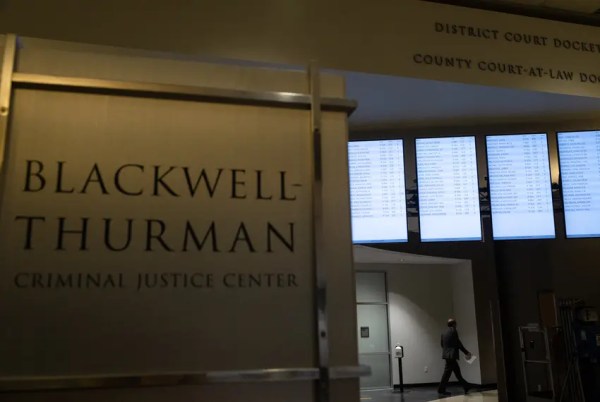
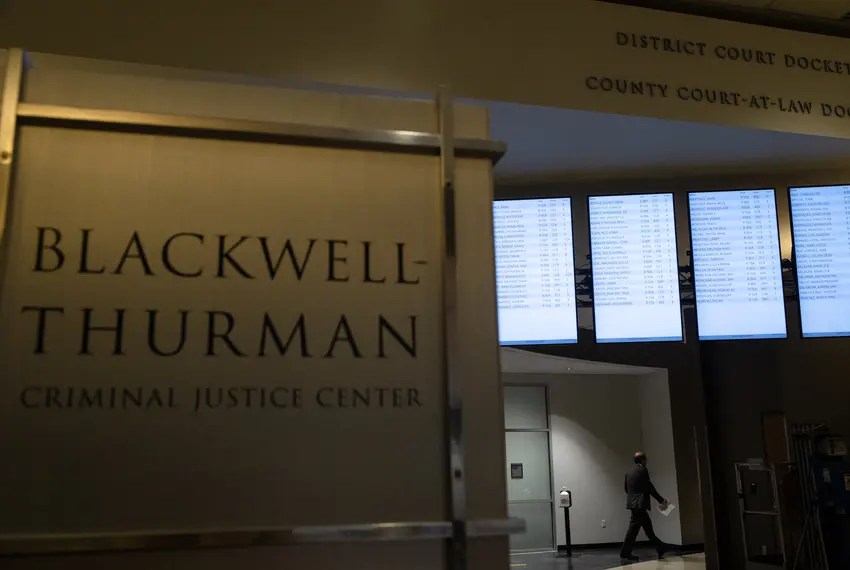
creens display case information on May 9 at the Travis County Criminal Court at the Blackwell-Thurman Criminal Justice Center in Austin.


On Friday, the Texas Senate passed a bill aimed at addressing locally elected prosecutors who choose not to enforce certain laws. The bill is part of a broader Republican effort to hold accountable district attorneys in large, left-leaning counties who have publicly stated their intention to refrain from prosecuting abortion cases and have implemented policies regarding the prosecution of low-level theft and drug offenses.

The bill’s sponsor, state Sen. Joan Huffman, a Republican from Houston, emphasized the need for a mechanism in Texas to remove prosecutors who refuse to enforce laws enacted by the Legislature or any legislative body. The proposed legislation seeks to provide a means to address what some Republicans consider as “rogue” district attorneys who deviate from the enforcement of established laws.

The bill will now proceed to the next stage of the legislative process, including potential reconciliation with a corresponding version passed by the Texas House of Representatives.

CLICK HERE TO SEE FULL BLOG: https://www.texastribune.org/2023/05/19/senate-prosecutors-abortion-voter-fraud/

Texas bill banning gender-affirming care for transgender kids is now law | The Texas Tribune

This blog originally appeared at The Texas Tribune.

Texas joins 17 other states restricting transgender minors from accessing puberty blockers and hormone therapies. Opposing legal groups have vowed to sue to stop the new law from taking effet.

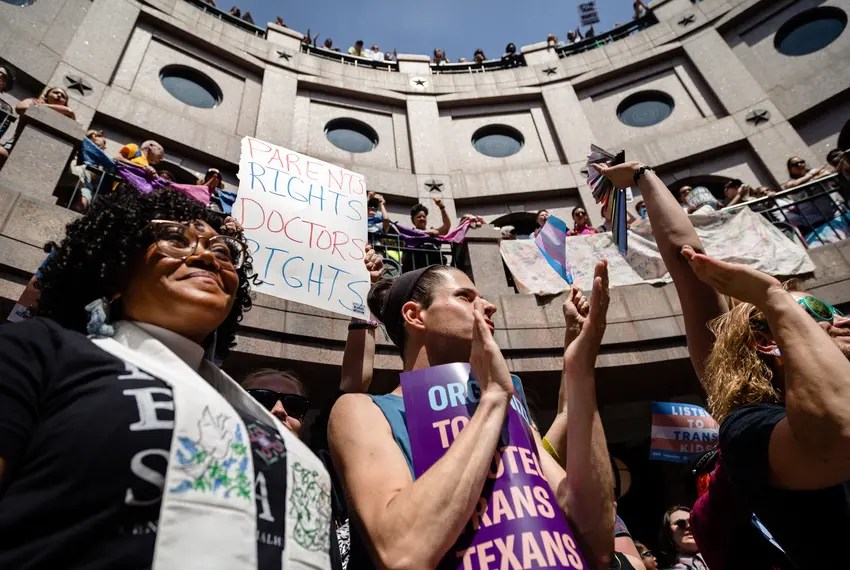
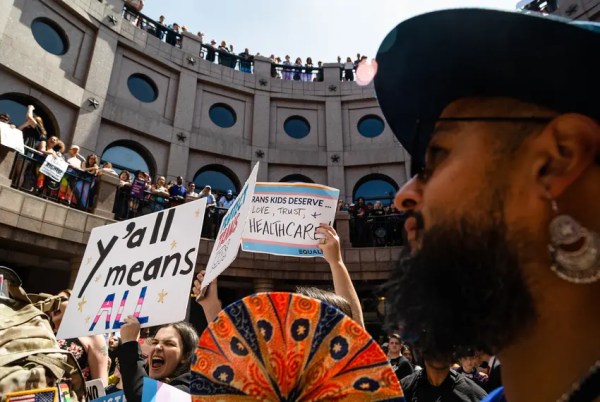
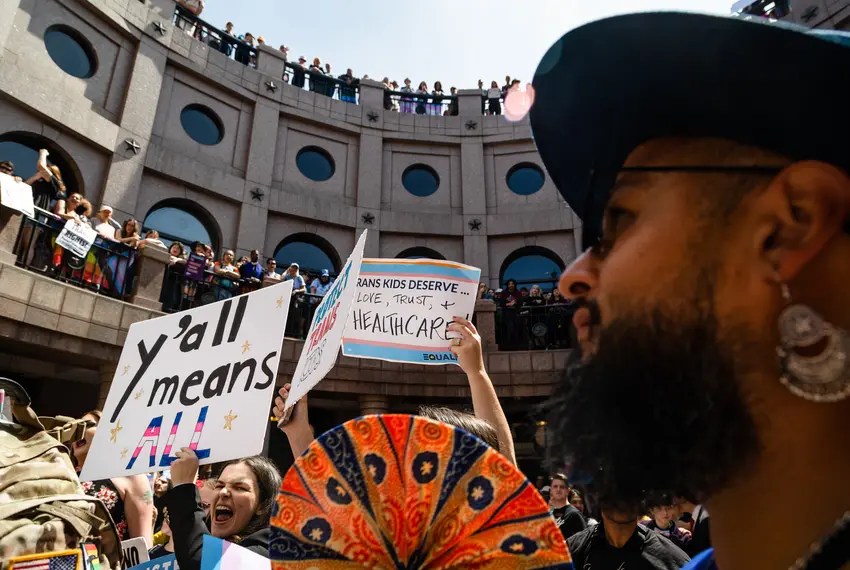
People line the railing on all three levels of the outdoor rotunda of the state Capitol in Austin, and wave signs during a “Fight for Our Lives” rally in opposition of anti-LGBTQ bills on March 27.


On Friday, Governor Greg Abbott of Texas signed Senate Bill 14 into law, effectively prohibiting transgender children from accessing puberty blockers and hormone therapies. However, the new law may face legal challenges before it becomes effective on September 1st.

The passage of Senate Bill 14 marks a significant victory for the Republican Party of Texas, which has consistently opposed any measures that recognize transgender identities. In contrast, trans children, their parents, and LGBTQ advocacy groups vehemently oppose the law, with some pledging to fight against its implementation.

With this development, Texas joins the ranks of 18 other states that restrict transition-related care for transgender minors. Notably, Texas is home to one of the largest transgender communities in the United States, underscoring the impact and implications of this legislation on a significant portion of the population.

CLICK HERE TO SEE THE FULL BLOGhttps://www.texastribune.org/2023/06/02/texas-gender-affirming-care-ban/

NYTimes: States Are Silencing the Will of Millions of Voters

This blog originally appeared at The New York Times.

States Are Silencing the Will of Millions of Voters

The upcoming bill, expected to be signed by Governor Greg Abbott of Texas, has raised concerns about limiting the autonomy of cities within the state. The bill would significantly curtail the ability of cities to govern themselves, stripping them of the power to establish local workplace standards, safeguard civil rights, and enhance their environments. This would effectively undermine the authority of local officials elected by voters to carry out these responsibilities.

If enacted, the bill would invalidate any city ordinance or regulation that contradicts existing state policies in these key areas. It would also grant private citizens and businesses the right to file lawsuits and seek damages if they perceive discrepancies between city and state regulations. Consequently, cities would be unable to enact measures such as prohibiting discrimination against LGBTQ employees, implementing rules to curb predatory payday-lending practices, or addressing issues like overgrown lots, unsafe festivals, or inadequate waste storage. Local worker protections, including essential provisions like water breaks for laborers in the Texas heat, would also be prohibited.

Proponents of the bill, including business lobbyists and Republican legislators, argue that its purpose is to eliminate conflicting regulations within the state. However, the presence of such conflicting regulations primarily exists in a few predominantly Democratic cities within an overall conservative state. This bill represents the latest endeavor by Republicans to eradicate any policies that clash with their conservative agenda, even if those policies have garnered substantial support from the voters in those cities who elected representatives to act in their best interests.

Already the state won’t let cities ban discrimination against low-income renters, and it prohibits them from cutting their police budgets. Dozens of other bills have been introduced to restrict election reforms by Texas cities and counties, including one that would let an official, most likely a Republican, overturn election results in a single place: largely Democratic Harris County, which includes Houston. “The bill is undemocratic,” Mayor Ron Nirenberg of San Antonio told The Texas Tribune. “It is probably the most undemocratic thing the legislature has done, and that list is getting very long. Local voters have created city charters, and I can’t imagine that they will be pleased to have their decisions usurped by lawmakers.”

CLICK HERE TO SEE FULL BLOG: https://www.nytimes.com/2023/06/03/opinion/texas-preemption-bill.html?smid=nytcore-android-share

Fight? Or Flight? – It’s Time to get out

This blog originally appeared at Dallas Voice.

As Texas anti-LGBTQ legislation reaches boiling point, so do queer homeowners.

When Bob McCranie initially launched a website to assist LGBTQ individuals in leaving Texas due to the state’s anti-queer legislative agendas, some of his friends dismissed it as exaggeration. However, within just 60 days of the site’s launch, McCranie found himself needing to expand his resources to keep up with the overwhelming demand.

As a result, McCranie’s organization, Flee Texas, transformed into Flee Red States. Over the past few years, he explained, queer Texans have frequently engaged in discussions centered around the question, “Where are you going?” Recognizing the increasing threat posed by anti-LGBTQ legislation, gay homeowners in Texas are making the decision to leave the state in search of more welcoming environments. Faced with the looming presence of discriminatory laws, these individuals are opting to jump ship from the Lone Star State in pursuit of greater acceptance and equality elsewhere.

Gov. Greg Abbott has pledged to sign several bills coming out of the 88th Texas Legislature that target transgender Texans

“If you eat at a restaurant, and you had horrible food, you would never go back and spend money at that restaurant,” McCranie said.

“You’d find a better restaurant and tell your friends to go there. States should compete for our money like restaurants do. [Texas] needs to treat us better than this, or we’ll take our tax money somewhere else.”

Drawing on his extensive experience as a gay Realtor and his deep roots in Texas, Bob McCranie, the founder of Texas Pride Realty, has taken on the role of providing a sanctuary for marginalized individuals not only in Texas but also across the country. In response to the increasing need for support, he established Flee Red States, a platform that connects LGBTQIA Realtors to assist homeowners seeking to sell their properties in states predominantly governed by Republican lawmakers.

Recognizing the importance of having a network of real estate professionals who understand the unique challenges and concerns faced by LGBTQIA individuals, McCranie has created a community of Realtors dedicated to helping people find refuge in more inclusive and accepting areas. Through Flee Red States, homeowners can access the expertise and guidance of these LGBTQIA Realtors, ensuring a smooth transition and a sense of security as they navigate the process of selling their homes and moving to more progressive regions.

CLICK HERE TO READ THE ORIGINAL BLOG

‘It’s been a total witch-hunt. It takes its toll’: the LGBTQ+ families fleeing red states

This blog originally appeared at Support The Guardian.

Anti-trans bills and threats leave adults and children fearing for their safety at home

This month, Lauren Rodriguez will move out of her home in Texas, a state where she has lived for 20 years, to relocate to New Zealand. “People think we are dramatic for leaving, but when you look at what’s happened to my family, we’re not,” she says, amid packing up her life’s belongings. “It has been a total witch-hunt. It takes its toll.”

Six years ago, Rodriguez’s son Grey told her that he was transgender. That first night, she stayed up Googling “what to do when your kid tells you they’re trans”. From there, she took him to get his “first boy haircut” and contacted local LGBTQ+ organizations for advice.

Although she describes the climate against trans people then as less hostile than it has become, the news was not well received by some in their neighborhood. At the extreme, neighbors, a teacher, and even family members reported Rodriguez to Child Protection Services (CPS) for helping her son, who was then under 18, access gender-affirming medical care. Rodriguez, a social worker, has been on the receiving end of more than 10 complaints to the CPS. All cases were opened, investigated and closed.

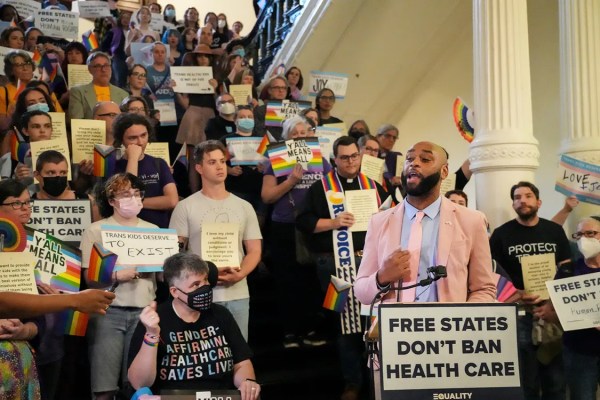
The state representative Christian Manuel speaks as LGBTQ+ activists protest against SB14 at the Texas capitol last month. Photograph: Mikala Compton/AP

During this period, Texas was one of a number of Republican-led states where the political mood was changing. The current legislative session in Texas has seen an unprecedented number of anti-gay and anti-trans bills pass through the senate. Some restrict teaching about gender and sexuality in schools. One bill has a section that would allow anyone to criminally prosecute an individual librarian in a school for distributing “harmful material”.

Rodriguez’s story is one of many; swathes of LGBTQ+ Americans are either migrating or want to migrate due to anti-LGBTQ+ sentiment in their states. The Miami Heat basketball player Dwyane Wade, who has a teenage trans daughter, recently made headlines for moving his family to California because he did not feel safe raising a child in south Florida amid mounting hostility and regressive legislation. The bill SB254, signed by Governor Ron DeSantis in May 2023, would not only prohibit gender-affirming care for anyone under the age of 18 in Florida, and restrict adult access to this care, but would allow the state to temporarily remove parental custody of trans children.

These laws encourage the “financial and emotional destruction” of LGBTQ+ people, says Bob McCranie, a Texas real estate agent who runs Flee Red States, an initiative he decided to launch in 2021 after observing intimidation of LGBTQ+ friends and colleagues.

Flee Red States operates almost like a refugee organization – except that the migration is internal. People with the financial capital and flexibility to do so are fleeing political persecution in their own country.

So far he has facilitated moves to Illinois, Colorado, Connecticut, New England, New York and California, working on behalf of those looking to leave states where legislation is making life unlivable, including Texas, Missouri, Alabama, Florida, Indianapolis and Tennessee.

click here to see full blog: https://www.theguardian.com/world/2023/jun/06/lgbtq-rights-trans-gay-texas-florida-north-carolina

A ban on Texas public universities’ diversity offices inches closer to becoming law

This blog originally appeared at CHRON.

Texas could become the second state in the country after Florida to ban diversity, equity and inclusion offices in higher education.

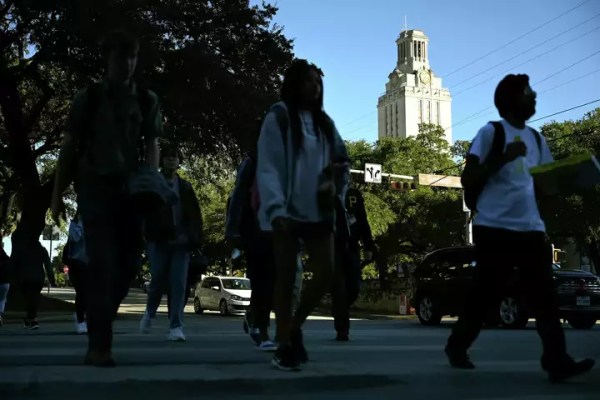
Following lengthy debates and opposition from Democrats, Texas has taken a significant step toward prohibiting diversity, equity, and inclusion (DEI) offices in public colleges and universities. The Texas House voted 83 to 60 to grant preliminary approval to Senate Bill 17, a legislative priority of Lt. Gov. Dan Patrick, which aims to ban such offices, programs, and required diversity training.

To counter the influx of amendments from opposing Democrats, an amendment proposed by Seguin Republican John Kuempel, the bill’s sponsor, was approved. This amendment mandates the Texas Higher Education Coordinating Board to conduct an annual study on the consequences of banning DEI offices, permits universities to make efforts to reassign employees in DEI offices to comparable positions with similar compensation, and pushes the effective date of the bill back by three months to January 1.

Critics argue that the proposed legislation threatens to undermine diversity and inclusion efforts in Texas public colleges and universities. They assert that DEI offices play a crucial role in fostering an inclusive environment, promoting equity, and addressing systemic inequalities. Moreover, opponents raise concerns that the bill could hinder recruitment efforts and drive away minority students from state institutions.

Supporters of the bill, however, argue that it aims to protect the principles of free speech and prevent the promotion of what they deem as divisive ideologies. They contend that the legislation seeks to uphold a fair and balanced educational environment that respects differing perspectives without imposing a particular ideological framework.

The passage of this bill, if finalized, could have far-reaching implications for the landscape of higher education in Texas. The absence of DEI offices and programs could impact the ability of colleges and universities to create inclusive environments, address systemic biases, and provide support for underrepresented groups. The potential consequences of this legislation have sparked concerns among students, faculty, and advocates who believe that diversity and inclusion are essential components of a robust and equitable education system.

As the bill progresses through the legislative process, the impact on Texas public colleges and universities remains uncertain. The ongoing debates and discussions surrounding the proposed ban highlight the deep divide and conflicting viewpoints on the role of DEI efforts in educational institutions.

CLICK HERE TO READ MORE

Texas bans ‘Marxist’ diversity offices at state universities, following Florida

This blog originally appeared at The Hill.

The Texas Legislature has passed a law banning diversity, equity and inclusion programs at state universities.

The bill now heads to the the desk of Gov. Greg Abbott (R).

Texas has become the second state, following Florida, to pass a bill that critics argue could have significant implications for state institutions like the University of Texas and Texas A&M University. The measure, which some fear may adversely impact minority students and smaller schools, mandates that state universities eliminate diversity, equity, and inclusion (DEI) offices and prohibits the consideration of diversity when making hiring decisions.

The bill, championed by State Rep. Tony Tinderholt (R-Arlington), is seen by its supporters as a necessary safeguard against what they perceive as radicalism infiltrating Texas. However, opponents express concerns about the potential consequences of such legislation, warning that it could hinder flagship state universities, discourage minority enrollment, and have detrimental effects on smaller educational institutions.

Critics argue that eliminating DEI offices and disregarding diversity as a hiring factor could undermine efforts to create inclusive and equitable environments on campus. These initiatives play a vital role in promoting diversity, understanding, and tolerance among students and faculty, fostering a sense of belonging for individuals from various backgrounds.

Moreover, opponents of the bill contend that it sends a message that Texas is unwelcoming to minority students and faculty, potentially discouraging them from seeking education or employment opportunities within the state’s higher education system. This could have long-term consequences for the state’s academic reputation and its ability to attract and retain diverse talent.

The impact of the legislation extends beyond larger institutions, as smaller schools, which often rely on DEI initiatives to cultivate inclusive environments, may face substantial challenges. The bill’s proponents argue that it promotes a singular ideology and protects Texas from what they perceive as ideological radicalism, but critics fear it will stifle intellectual diversity, impede critical thinking, and limit exposure to a variety of perspectives.

As the bill becomes law, the Texas higher education system will navigate a new landscape where DEI efforts are curtailed, diversity is disregarded in hiring decisions, and the consequences for educational institutions, students, and faculty remain uncertain.

CLICK HERE TO READ MORE

Austin doctors who treated trans kids leaving Dell Children’s clinic after AG Paxton announces investigation

This blog originally appeared at The Texas Tribune.

Attorney General Ken Paxton previously announced an investigation into “potentially illegal” activity. Parents are scrambling to find transition-related care for their kids as the Legislature appears poised to ban it altogether.


Dell Children’s Medical Center in Austin has faced backlash and controversy as it halted the provision of transition-related care to transgender teenagers. Concerned parents were informed that they would have to search for new healthcare providers after the physicians who previously staffed the clinic decided to depart. This decision coincided with Attorney General Ken Paxton’s announcement of an investigation into potential illegal activity at the medical center, following a video report from the controversial far-right activist group Project Veritas, known for its deceptive practices in conducting hidden camera-style investigations. The situation highlights the tense landscape surrounding transgender healthcare and the intersection of political pressure, medical decision-making, and the rights of transgender individuals.

People line the railing on all three levels of the outdoor rotunda of the Texas Capitol in Austin, waving signs during the “Fight for our Lives” rally in opposition of bills affecting LGBTQ people in March. Credit: Evan L’Roy/The Texas Tribune

In a recent video that has sparked controversy, a social worker from Dell Children’s Medical Center in Austin allegedly claimed that the hospital provided gender-affirming treatments to patients as young as eight or nine years old, sometimes after just one consultation. In response to the video, the medical center released a statement clarifying that they do not offer hormone therapy or gender-affirming surgery to children, and they are actively investigating the allegations.

The timing of this investigation coincides with the Texas Legislature’s consideration of a bill that could prohibit transgender minors from accessing puberty blockers and hormone therapy. If Senate Bill 14 becomes law, those already receiving such treatments would be required to discontinue them, which many transgender individuals and their parents argue is a form of forced detransitioning. The proposed ban, scheduled to take effect on September 1, has sparked intense debate regarding the rights of transgender youth in Texas.

Gender-affirming care encompasses a wide range of treatments aimed at addressing gender dysphoria, a condition where an individual’s gender identity does not align with the sex assigned at birth. This care can include social transitioning, such as using different pronouns or adopting a different style of dress, as well as medical interventions such as puberty blockers, hormone therapy, and surgical procedures. It’s important to note that surgeries are rarely performed on transgender minors, particularly those involving sex organs.

The allegations against Dell Children’s Medical Center have ignited a broader conversation about the availability and appropriateness of gender-affirming care for young transgender individuals. Advocates argue that such treatments are crucial in supporting the mental health and well-being of transgender youth, as they alleviate gender dysphoria and help individuals live authentically. On the other hand, opponents claim that these treatments can have long-term consequences and argue that decisions regarding medical interventions should be delayed until individuals reach adulthood.

The controversy surrounding Dell Children’s underscores the broader challenges faced by the transgender community in accessing adequate healthcare. Transgender individuals often encounter significant barriers to receiving gender-affirming care, ranging from limited insurance coverage to discriminatory practices and biased healthcare providers. These challenges can have severe implications for the mental and physical health of transgender individuals, reinforcing the urgent need for inclusive and affirming healthcare systems.

As the investigation into Dell Children’s Medical Center unfolds, the outcome will likely have implications not only for the hospital but also for the broader landscape of transgender healthcare in Texas. The debate surrounding the proposed ban on gender-affirming treatments for trans minors highlights the ongoing clash between those advocating for the rights and well-being of transgender individuals and those seeking to restrict access to such care based on ideological or moral beliefs.

In conclusion, the video allegations against Dell Children’s Medical Center have sparked an investigation and reignited the contentious discussion surrounding gender-affirming care for transgender youth. As the debate unfolds, it is crucial to prioritize the well-being and rights of transgender individuals while considering the medical and ethical complexities of providing such care to minors. Ultimately, the outcome of this investigation and the fate of the proposed ban will shape the landscape of transgender healthcare in Texas and potentially influence the lives of countless transgender youth seeking support and acceptance.

CLICK HERE TO READ MORE

Texas Legislature Bans Transgender Medical Care for Children

This blog originally appeared at The New York Times.

Despite facing strong opposition from Democrats and drawing loud protests at the Capitol this month, the Texas Legislature made a decisive move on Wednesday by voting to approve a controversial bill that effectively bans hormone and puberty blocking treatments, as well as surgeries, for transgender children. If the bill is signed into law, Texas will mark a significant milestone as the largest state to prohibit transition medical care for minors.

The final version of the bill includes a limited exemption for transgender children who were already receiving medical treatment prior to the bill’s passage. However, these individuals would still be required to gradually “wean” themselves off the medications over an unspecified period of time, adding an additional layer of complexity and uncertainty to their healthcare journey.

The scope of the legislation extends beyond prohibiting medical procedures. It would also prevent doctors from performing mastectomies or surgeries that may result in sterilization, remove healthy tissue or body parts, or prescribing medications that could induce temporary or permanent infertility in transgender youth. The bill now awaits its fate as it heads to the governor’s desk for final approval.

This bill is just one among several proposals being considered by the Republican-dominated Legislature this year, as they attempt to regulate various aspects of the lives of transgender individuals. In another move, the State House recently advanced a separate measure that would require athletes in public colleges to compete based on the sex listed on their birth certificate at the time of their birth, further adding to the mounting challenges faced by transgender athletes.

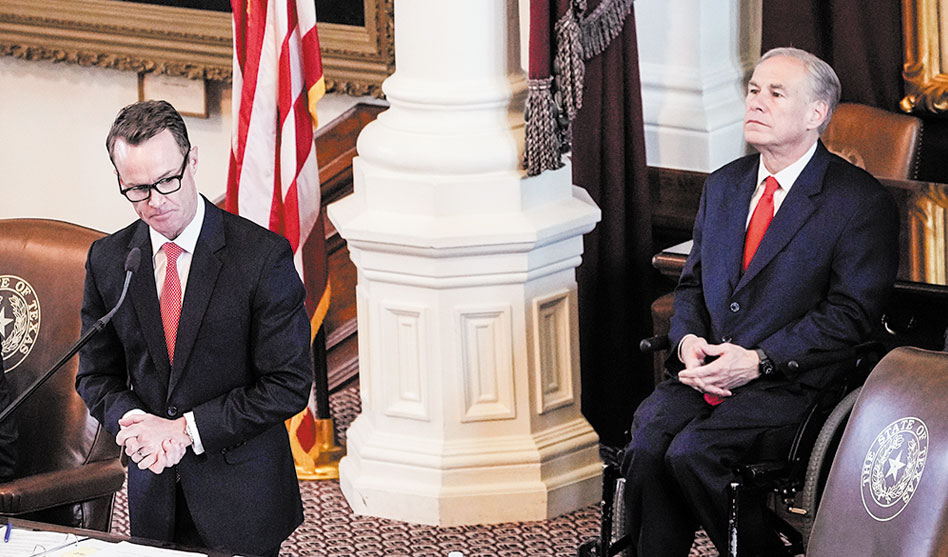
Representative Dade Phelan took the final vote for Senate Bill 14 in the Texas House in Austin on Friday.Credit…Mikala Compton/Austin American-Statesman, via Associated Press

The passage of these bills reflects an ongoing ideological battle surrounding LGBTQ+ rights, as conservative lawmakers continue to champion legislation that targets transgender individuals. The resulting implications for the transgender community in Texas are significant, raising concerns about access to essential medical care, bodily autonomy, and the overall well-being of transgender youth.

As the nation closely watches the fate of these bills, their impact extends beyond the borders of Texas, potentially setting a precedent and influencing discussions around transgender rights and healthcare for minors across the country.

CLICK HERE TO READ MORE

Blog at WordPress.com.

Up ↑