The U.S. has always been a difficult country to “age in place”—seniors who can’t find lodging with a loved one are often relegated to nursing homes, if they can afford the fees. The situation gets even more precarious for LGBTQIA+ seniors, who commonly see bias in the rental application process, and get turned down for apartments at high rates.
Things are especially dire in Texas, where state law doesn’t protect individuals from housing discrimination based on their sexual orientation, although LGBTQIA+ individuals are still protected under the federal Fair Housing Act. This exacerbates the problem and puts even more people at risk of poverty and social isolation.
Perkins&Will’s Dallas studio recently completed a new affordable housing project to help combat this public health crisis. Today, Oak Lawn Place in Dallas represents north Texas’s first affordable housing development of its kind, the architects shared. It offers 100 percent affordable housing for LGBTQIA+ seniors, 55 years of age and older.
Karen Chen of Sunshine Studios created a bespoke mural on every floor of the building. (James Steinkamp)
The Dallas neighborhood of Oak Lawn has been the beating heart of north Texas’s LGBTQIA+ community for decades. Oak Lawn Place was built with the developer Matthews Southwest, Volunteers of America, and Resource Center, one of the largest LGBTQIA+ community centers in the country and a key north Texas HIV/AIDS service organization.
“I’m seeing Oak Lawn Place transform people’s lives,” Resource Center CEO Cece Cox said in a press statement. “A project like this elevates everyone and makes Dallas a better place.”
In plan, Oak Lawn Place is shaped like a C. This was meant to increase natural light exposure within every unit; this feature also provides a protective wing that surrounds an outdoor deck, hidden from public view. The deck has great views of the site’s sloping topography and a nearby creek.
Mural by Karen Chen of Sunshine Studios (James Steinkamp)
Karen Chen of Sunshine Studios created a bespoke mural on every floor of the building, which helps with wayfinding. Oak Lawn Place was designed with maximum accessibility in mind—everything from the hallway seatings, elevator lobbies, to wheelchair-friendly doorways are meant to provide a positive user experience.
The design of Oak Lawn Place is economical and efficient, yet still manages to have splashes of color here and there; the facade has a rainbow flag to signify all are welcome. The 80,000-square-foot building has a total 84 units. It’s within walking distance of public transit options and Resource Center’s Community Center.
The building has a shared kitchen and other community-building amenities. (James Steinkamp)
“Oak Lawn Place helps make Dallas a more inclusive, inviting city—for those considering moving here and for those wondering, as a queer person, ‘Will I truly feel welcome? Are there spaces in Dallas for me?’ We are honored and proud to bring this project to life,’” Cox continued.
A new healthcare facility, Resource Center Health, will open across the street from Oak Lawn Place later this year.
Residents sought councilmembers focused on solving real issues rather than spreading fear.
Voters in Odessa, Texas, have decisively rejected the city’s anti-trans stance by ousting three city council members who backed the controversial bathroom ban and electing the city’s first openly gay councilmember.
Craig Stoker, the executive director of the local Meals on Wheels, ran on a platform centered around improving the city’s infrastructure. In contrast, his opponent, incumbent Denise Swanner, focused her campaign on homophobic rhetoric.
Swanner’s campaign distributed political mailers stating that the only thing she and Stoker had in common was being in relationships with men. Although the race was nonpartisan, this was part of Swanner’s effort to associate Stoker with the Democratic Party.
Craig Stoker remained unfazed by the attacks during the campaign.
“None of it was truly about me,” Stoker told the Texas Tribune. “It was their fear of losing a seat, losing an election, losing the title. I came into this campaign with the mindset that I’m going to have to rely on the work I’ve done in the community and the reputation I’ve built preceding me. That’s all I got.”
He added, “I understood the outcome was too important. If I could pull this off, what I would have the ability to do completely outweighed whatever they were slinging at me. And the ability to represent people who have probably never had a voice in the City Council chamber became too important to me.”
Stoker’s strategy resonated with voters. He secured the at-large seat with 56% of the vote, a remarkable achievement in a county where Donald Trump earned 76% of the vote.
His opponent, Denise Swanner, and two other incumbents—Mayor Javier Joven and councilmember Mark Matta—were key figures in a conservative majority on the six-member council. This group had pushed an agenda that included a $10,000 bounty on transgender individuals who use bathrooms or locker rooms not aligned with their sex assigned at birth.
“Voters said this is not how we want our city run… I agree, and we have to do a better job for the people,” said Cal Hendrick, who defeated Joven, in an interview with the Odessa American, which had dubbed the trio “The Squad.”
The election results have sparked hope among residents that city leadership will pivot away from divisive social issues and refocus on critical local concerns like infrastructure.
Odessa gained national attention for its extreme anti-trans bathroom ordinance, which allows any individual—regardless of residency—to sue a transgender person for at least $10,000 in damages for using a bathroom not aligned with their sex assigned at birth. There is no limit on the potential damages.
Last month, the city council expanded the ordinance to apply to private facilities in addition to public ones. The law also enforces criminal penalties, deeming violations a Class C misdemeanor punishable by a fine of up to $500. Refusal to leave a bathroom after being asked can result in trespassing charges.
The ordinance defines biological sex based on birth certificates, whether issued at birth or amended for clerical errors. This means transgender individuals with updated birth certificates reflecting their gender identity could still violate the law if they use bathrooms aligning with their gender.
The election marks a significant shift in Odessa’s political landscape and a potential turning point for the city’s future direction.
In recent years, an increasing number of LGBTQ+ individuals have been relocating from red states to blue states, and even abroad. This video examines the factors driving this migration, the challenges faced by those making the move, and the effects on both the places they leave and the communities they join. We’ll explore the political and social forces behind this trend, its economic implications, and the potential long-term consequences for both the LGBTQ+ community and society at large. Join us as we share the stories of those who’ve made this tough decision and the communities they’ve left behind.
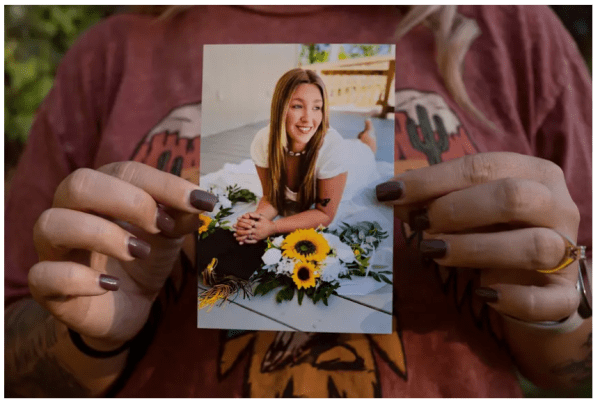
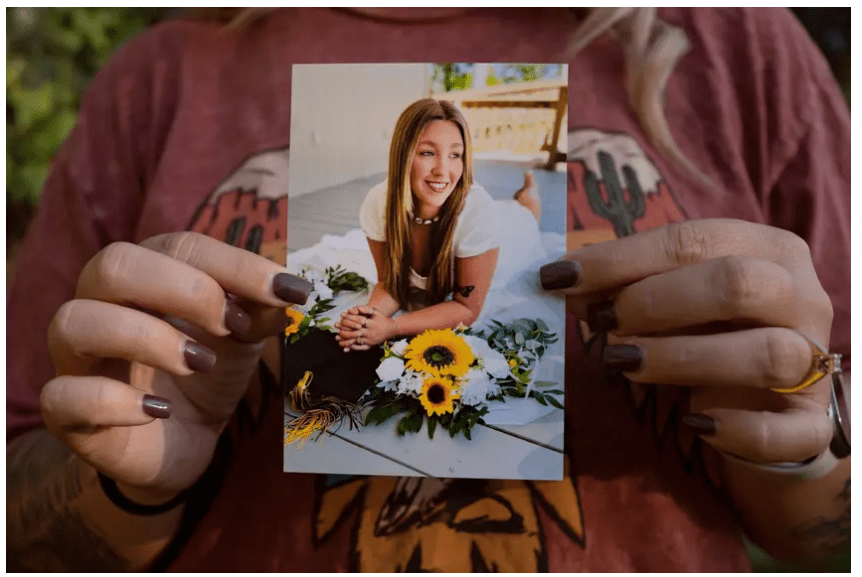
It took 20 hours and three visits to the ER before doctors finally admitted the 18-year-old, pregnant and critically ill, to the hospital as her condition continued to deteriorate. She is one of at least two women who have died as a result of Texas’ abortion ban.
By Lizzie Presser and Kavitha Surana, ProPublica Nov. 1, 2024 4 AM Central Share
Candace Fails desperately screamed for help at the Texas hospital, pleading with staff to assist her pregnant daughter. “Do something,” she cried out on the morning of October 29, 2023.
Nevaeh Crain, 18, was wracked with pain, too weak to stand, and blood was soaking her thighs. The day of her baby shower, she had been feverish and vomiting. Within 12 hours, she had been to two different emergency rooms, only to return home each time feeling worse.
At the first hospital, doctors diagnosed her with strep throat, neglecting to investigate her intense abdominal cramps. At the second, medical records show, she tested positive for sepsis — a life-threatening infection. But despite this, doctors dismissed her condition, pointing to the baby’s heartbeat and telling Crain she was stable enough to leave.
On her third visit to the hospital, an obstetrician ordered two ultrasounds to “confirm fetal demise,” as a nurse noted, before transferring her to intensive care.
By the time Crain arrived at the hospital, more than two hours had passed, and her blood pressure had dropped dangerously. A nurse noted that her lips had turned “blue and dusky.” Her organs began to fail.
Hours later, she was dead.
Fails, who would have seen her daughter turn 20 this Friday, still cannot comprehend why Crain’s life-threatening emergency wasn’t treated as an urgent crisis.
But this is the grim reality many pregnant women now face in states with strict abortion bans, as doctors and lawyers have explained to ProPublica.
“Pregnant women have become essentially untouchables,” said Sara Rosenbaum, a health law and policy professor emerita at George Washington University.
Texas’s abortion ban imposes severe penalties, including prison time, for any intervention that ends a fetal heartbeat, regardless of whether the pregnancy is wanted. While the law allows exceptions for life-threatening conditions, doctors told ProPublica that widespread confusion and fear of legal repercussions are changing how they approach complicated cases.
In states with strict abortion bans, patients with pregnancy complications are sometimes shuffled between hospitals like “hot potatoes,” with healthcare providers hesitant to offer care that could attract legal scrutiny, doctors explained. In some instances, medical teams spend critical time debating legalities and documenting their decisions, preparing for the possibility of having to defend their actions in court.
Dr. Jodi Abbott, an associate professor of obstetrics and gynecology at Boston University School of Medicine, pointed out the anxiety patients face in these situations: “Am I being sent home because I really am OK? Or am I being sent home because they’re afraid that the solution to what’s going on with my pregnancy would be ending the pregnancy, and they’re not allowed to do that?”
A federal law exists to prevent emergency room doctors from withholding lifesaving care.
Passed nearly four decades ago, this law mandates that emergency rooms must stabilize patients in medical crises. The Biden administration argues that this requirement extends to situations where an abortion might be necessary to save the patient’s life.
No state has fought this interpretation more vigorously than Texas. The state has warned doctors that its abortion ban takes precedence over the administration’s guidance on federal law, threatening up to 99 years in prison for those who violate it.
In response, ProPublica condensed more than 800 pages of Crain’s medical records into a four-page timeline, consulting two maternal-fetal medicine specialists in the process. The timeline was then reviewed by nine doctors, including researchers from prestigious universities, OB-GYNs with expertise in managing miscarriages, and specialists in emergency medicine and maternal health.
Some of the doctors consulted said the first ER missed critical warning signs of infection that should have been addressed. All agreed that the doctor at the second hospital made a grave error in sending Crain home when her symptoms of sepsis had not improved. And when Crain returned for the third visit, every expert agreed there was no medical justification for delaying action—such as waiting for two ultrasounds—before taking decisive steps to save her life.
“This is how these restrictions kill women,” said Dr. Dara Kass, a former regional director at the Department of Health and Human Services and an emergency room physician in New York. “It is never just one decision, it’s never just one doctor, it’s never just one nurse.”
While the doctors were cautious in saying whether Crain’s death could have been definitively prevented, they agreed that earlier admission for monitoring and continuous treatment could have increased the chances of saving both Crain and her fetus.
There was a possibility that Crain could have remained pregnant with medical intervention, they said. If an early delivery had been required, the hospital was fully capable of caring for a baby born at the edge of viability. In another scenario, if the infection had progressed too far, ending the pregnancy might have been necessary to save Crain’s life.
Doctors involved in Crain’s care did not respond to several requests for comment. The two hospitals—Baptist Hospitals of Southeast Texas and Christus Southeast Texas St. Elizabeth—declined to answer detailed questions about her treatment.
Fails and Crain both believed abortion was morally wrong. The teenager could only support it in cases of rape or life-threatening illness, a sentiment she often shared with her mother. They didn’t focus on the legality of abortion; for them, it was about how their Christian faith guided their personal choices.
When they learned Crain was pregnant with a girl, the two of them dreamed together about the little dresses they could buy and what kind of mother Crain would become. Crain chose the name Lillian, and Fails was eager to meet her granddaughter.
But when her daughter became seriously ill, Fails expected doctors to do everything in their power to prevent a potentially fatal emergency, even if it meant losing Lillian. In her view, however, the medical team seemed more focused on monitoring the fetal heartbeat than on treating Crain’s deteriorating health.
“I know it sounds selfish, and God knows I would rather have both of them, but if I had to choose,” Fails said, her voice breaking, “I would have chosen my daughter.”
“I’m in a lot of pain” Crain had just graduated from high school in her hometown of Vidor, Texas, in May of 2023, when she discovered she was pregnant.
She and her boyfriend of two years, Randall Broussard, were inseparable—always side by side, whether they were playfully wrestling over vapes or snuggling on the couch, watching vampire movies. Crain was drawn to his gentle nature, while he admired how easily she made friends and how quickly she could make people laugh. Though they were young, they’d already talked about starting a family. Broussard, who had eight siblings, dreamed of having a large family; Crain, on the other hand, envisioned having a daughter and the kind of close relationship she shared with her own mother. Earlier that year, Broussard had given Crain a small diamond ring — “a promise,” he said, “that I will always love you.”
On the morning of their baby shower, October 28, 2023, Crain woke with a headache. Her mom had decorated the house with pink balloons, and Crain had laid out Halloween-themed platters for the guests. But soon, nausea set in. Crain started vomiting and developed a fever. As the guests arrived, Broussard opened gifts—onesies, diapers, and bows—while Crain kept closing her eyes, unable to stay awake.
Around 3 p.m., her family insisted that Crain needed to go to the hospital.
Broussard drove her to Baptist Hospitals of Southeast Texas, where they sat in the waiting room for four hours. When Crain began vomiting, the staff gave her a plastic pan. When she wasn’t retching, she rested her head in her boyfriend’s lap.
A nurse practitioner ordered a test for strep throat, which came back positive, according to medical records. However, physicians told ProPublica that in a pregnant patient, abdominal pain and vomiting should not have been quickly attributed to strep; a doctor should have also evaluated her pregnancy.
Instead, Baptist Hospitals discharged Crain with a prescription for antibiotics. She was home by 9 p.m. and soon fell asleep, but within hours, she woke her mother. “Mom, my stomach is still hurting,” she said in the dark bedroom at 3 a.m. “I’m in a lot of pain.”
Fails drove Broussard and Crain to another hospital in town, Christus Southeast Texas St. Elizabeth. Around 4:20 a.m., OB-GYN William Hawkins observed that Crain had a temperature of 102.8°F and an abnormally high pulse, according to medical records. A nurse noted that Crain rated her abdominal pain as a seven out of 10.
Her vital signs suggested the possibility of sepsis, records show. Medical experts told ProPublica that it’s standard practice to immediately treat patients showing signs of sepsis, a potentially life-threatening condition that can escalate rapidly. These patients should be monitored closely until their vital signs stabilize, and tests and scans are done to identify the source of the infection. If the infection was in Crain’s uterus, the fetus would likely need to be removed via surgery.
In a room at the obstetric emergency department, a nurse wrapped a sensor belt around Crain’s belly to check the fetal heart rate. “Baby’s fine,” Broussard told Fails, who was sitting in the hallway.
Despite receiving two hours of IV fluids, one dose of antibiotics, and some Tylenol, Crain’s fever remained high, her pulse stayed elevated, and the fetal heart rate was abnormally fast, according to medical records. Hawkins noted that Crain had strep and a urinary tract infection, wrote a prescription, and discharged her.
Hawkins had a history of missing infections. Eight years earlier, the Texas Medical Board found that he had failed to diagnose appendicitis in one patient and syphilis in another. In the latter case, the board noted that his error “may have contributed to the fetal demise of one of her twins.” As a result, the board ordered that Hawkins’ medical practice be monitored, though the order was lifted two years later. (Hawkins did not respond to multiple attempts to contact him.)
All of the doctors who reviewed Crain’s vital signs for ProPublica agreed that she should have been admitted. “She should have never left, never left,” said Elise Boos, an OB-GYN in Tennessee.
Kass, the New York emergency physician, put it in starker terms: When they discharged her, they were “pushing her down the path of no return.”
“It’s bullshit,” Fails said, watching as Broussard rolled Crain out in a wheelchair, unable to walk on her own. Fails had expected the hospital to keep her overnight. Her daughter was breathing heavily, hunched over in pain, pale in the face. Normally talkative, the teen was eerily quiet.
Back home, around 7 a.m., Fails tried to make her daughter as comfortable as possible as she cried and moaned in pain. Crain told her mother she needed to pee, and Fails helped her into the bathroom. “Mom, come here,” Crain called from the toilet. Blood stained her underwear.
The blood confirmed Fails’ worst fear: This was a miscarriage.
At 9 a.m., a full day after the nausea began, they were back at Christus St. Elizabeth. Crain’s lips were drained of color, and she kept saying she was going to pass out. Staff began administering IV antibiotics and performed a bedside ultrasound.
Around 9:30 a.m., Dr. Marcelo Totorica, the OB on duty, couldn’t find a fetal heartbeat, according to records. He told the family he was sorry for their loss.
Standard protocol when a critically ill patient experiences a miscarriage is to stabilize her and, in most cases, rush her to the operating room for delivery, medical experts told ProPublica. This is especially critical when there is a spreading infection. But at Christus St. Elizabeth, the OB-GYN continued only antibiotic treatment. A half-hour later, as nurses placed a catheter, Fails noticed her daughter’s thighs were covered in blood.
At 10 a.m., Melissa McIntosh, a labor and delivery nurse, spoke with Dr. Totorica about Crain’s deteriorating condition. The teen was now having contractions. “Dr. Totorica states to not move patient,” McIntosh wrote after their conversation. “Dr. Totorica states there is a slight chance patient may need to go to ICU and he wants the bedside ultrasound to be done stat for sure before admitting to room.”
Although an ultrasound had already been performed, Totorica requested a second one.
The first ultrasound hadn’t preserved an image of Crain’s womb in the medical record. “Bedside ultrasounds aren’t always set up to save images permanently,” explained Dr. Abbott, the Boston OB-GYN.
Under Texas’ abortion laws, doctors are required to document the absence of a fetal heartbeat before performing any procedure that could end a pregnancy. Exceptions for medical emergencies mandate that physicians carefully document their reasoning. “Pretty consistently, people say, ‘Until we can be absolutely certain this isn’t a normal pregnancy, we can’t do anything, because it could be alleged that we were doing an abortion,’” said Dr. Tony Ogburn, an OB-GYN in San Antonio.
By 10:40 a.m., Crain’s blood pressure was dropping. Minutes later, Totorica called for an emergency team over the loudspeakers.
Around 11 a.m., two hours after Crain had arrived at the hospital, a second ultrasound was performed. A nurse wrote: “Bedside ultrasound at this time to confirm fetal demise per Dr. Totorica’s orders.”
When doctors wheeled Crain into the ICU at 11:20 a.m., Fails stayed by her side, rubbing her head as her daughter drifted in and out of consciousness. Crain was unable to sign consent forms due to “extreme pain,” according to the records, so Fails signed a release for “unplanned dilation and curettage” or “unplanned cesarean section.”
But the doctors quickly determined that it was now too risky to operate. They suspected Crain had developed disseminated intravascular coagulation, a dangerous complication of sepsis that causes internal bleeding.
Frantic and crying, Fails locked eyes with her daughter. “You’re strong, Nevaeh,” she said, her voice shaking. “God made us strong.”
Crain sat up in the cot. Old, black blood poured from her nostrils and mouth.
“The Law Is on Our Side” Crain is one of at least two pregnant Texas women who died after doctors delayed treating miscarriages, ProPublica found.
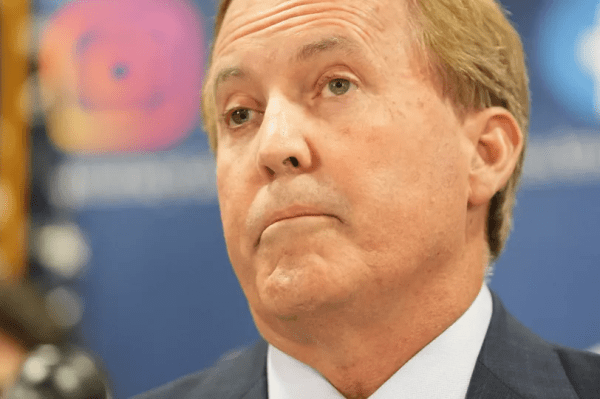
Texas Attorney General Ken Paxton has succeeded in making his state the only one in the country that isn’t required to follow the Biden administration’s efforts to ensure that emergency departments don’t turn away patients like Crain.
After the U.S. Supreme Court overturned the constitutional right to abortion, the Biden administration issued guidance on how states with abortion bans should adhere to the Emergency Medical Treatment and Labor Act (EMTALA). This federal law requires hospitals receiving Medicare funds — which includes virtually all hospitals — to stabilize or transfer anyone who arrives in their emergency rooms, including pregnant patients, even if that means providing an abortion in life-threatening cases.
Paxton responded by filing a lawsuit in 2022, arguing that the federal guidance “forces hospitals and doctors to commit crimes” and was an “attempt to use federal law to transform every emergency room in the country into a walk-in abortion clinic.”
A central part of the legal battle has been the definition of who qualifies for an abortion. The federal EMTALA guidelines apply when the health of the pregnant patient is in “serious jeopardy,” a broader standard than the Texas abortion law, which only allows exceptions for a “risk of death” or a “serious risk of substantial impairment of a major bodily function.”
The lawsuit moved through three layers of federal courts, each time with rulings from judges appointed by former President Donald Trump, whose court appointments played a key role in overturning Roe v. Wade.
After U.S. District Judge James Wesley Hendrix, a Trump appointee, quickly sided with Texas, Paxton celebrated the decision as a victory over “left-wing bureaucrats in Washington.”
“The decision last night proves what we knew all along,” Paxton said. “The law is on our side.”
In 2024, the U.S. Court of Appeals for the 5th Circuit upheld the order in a ruling written by Judge Kurt D. Engelhardt, another Trump appointee.
The Biden administration appealed to the U.S. Supreme Court, urging the justices to clarify that some emergency abortions are permitted. Yet, even amid reports of preventable deaths tied to abortion bans, the Supreme Court declined to intervene last month.
Paxton hailed the ruling as “a major victory” for Texas’ abortion ban.
He has also made it clear that he will pursue charges against physicians who perform abortions, unless they can prove the cases fall within the narrow exceptions outlined by state law.
In 2023, Paxton sent a letter threatening to prosecute a doctor who had received court approval to perform an emergency abortion for a Dallas woman. Paxton insisted that the doctor and the patient hadn’t proven that the patient’s condition posed a life-threatening risk.
Many doctors say this kind of messaging has led to a widespread reluctance to treat pregnant patients with complications.
Since the abortion bans took effect, an OB-GYN at a major hospital in San Antonio reported seeing an increase in pregnant patients being transferred from hospitals across Southern Texas for complications that could have been treated locally. This well-resourced hospital is perceived as having more institutional support to handle abortion and miscarriage management. “Other providers are transferring those patients to our centers because, frankly, they don’t want to deal with them,” the doctor said.
After Crain died, Fails couldn’t stop thinking about how Christus Southeast Hospital had ignored her daughter’s condition. “She was bleeding,” Fails said. “Why didn’t they do anything to help it along instead of waiting for another ultrasound to confirm the baby is dead?”
In the end, it was the medical examiner, not the doctors at the hospital, who removed Lillian from Crain’s womb. His autopsy didn’t answer Fails’ lingering questions about what the hospitals missed and why. He classified the death as “natural” and attributed it to “complications of pregnancy.” However, he did note that Crain had been “repeatedly seeking medical care for a progressive illness” just before she died.
In November 2023, Fails reached out to medical malpractice lawyers to explore seeking justice through the courts. But a new legal barrier stood in her way.
If Crain had experienced the same delays while being an inpatient, Fails would have only needed to prove that the hospital had violated medical standards. That, she believed, would have been relatively easy to do. But because the delays and discharges occurred in the hospital’s emergency room, lawyers told her that Texas law set a much higher burden of proof: “willful and wanton negligence.”
No lawyer has agreed to take the case.
Texans need truth. Help us report it. Independent Texas reporting needs your support. The Texas Tribune delivers fact-based journalism for Texans, by Texans — and our community of members, the readers who donate, make our work possible. Help us bring you and millions of others in-depth news and information. Will you support our nonprofit newsroom with a donation of any amount?
Texas and its GOP allies are “utilizing LGBTQ issues as a wedge,” civil rights advocates warn.
In May, the U.S. Department of Health and Human Services established a rule recognizing gender dysphoria as a disability under federal anti-discrimination laws, aligning with the findings of most courts over the past decade. This rule signaled to states that discrimination against transgender individuals in areas like employment, education, health care, child care, and housing could breach federal disability protections, with the Biden administration ready to defend it.
Now, a lawsuit spearheaded by Texas Attorney General Ken Paxton has 17 states seeking to have the rule completely overturned, including several provisions unrelated to transgender issues. Notably, this coalition consists of 15 states that have enacted restrictions on gender-affirming care and have adopted various anti-trans measures.
The states’ objections to the new federal rule include concerns about the time, money, and resources required to accommodate employees with gender dysphoria. This includes using appropriate pronouns, eliminating sex-specific dress codes, and allowing access to gender-aligned restrooms and locker rooms. Nebraska’s attorney general worries that the state’s restrictions on gender-affirming care could expose it to disability rights complaints and federal investigations. Meanwhile, South Dakota claims the rule effectively creates a new category of potentially disabled individuals whose gender care would need to be covered by Medicaid.
However, gender dysphoria is just one aspect of the comprehensive 130-page federal rule. It also includes protections for disabled parents in child welfare cases and ensures that hospitals do not use disability status to decide who receives care during crises, such as equipment shortages in a pandemic. Additionally, the rule adds Long Covid to the list of conditions that may be recognized as disabilities and enhances protections against unnecessary institutionalization, mandating that care be provided in the least restrictive environment, preferably within the community.
Striking down the entire rule would have significant repercussions for disabled Americans and other marginalized groups who depend on federal agencies to interpret long-standing laws that protect their rights, explains Mia Ives-Rublee, senior director of the Disability Justice Initiative at the Center for American Progress. “LGBTQ issues are being used as a wedge,” Ives-Rublee says. “The real attack is on the regulatory process of the federal government, and this will affect nearly every interaction disabled individuals have with the services and supports they rely on.”
The new rule addresses two federal laws aimed at protecting people with disabilities. The Rehabilitation Act of 1973 prohibits discrimination based on disability by the federal government, federal contractors, and—through Section 504—by organizations or employers receiving federal funds. The Americans with Disabilities Act (ADA), enacted in 1990, expanded these protections to cover most aspects of public life, such as education, public accommodations, and transportation. Both laws define a disability as “a physical or mental impairment” that “substantially limits” major life activities.
At the time the Rehabilitation Act and ADA were passed, gender dysphoria was not a recognized medical condition, and both laws explicitly excluded conditions like “transvestism, transsexualism,” and “gender identity disorders not resulting from physical impairments” from their definition of disability. However, over time, courts and medical professionals have recognized that many individuals who experience a mismatch between their gender identity and the one assigned at birth suffer significant psychological distress and negative impacts on their daily lives. In 2013, gender dysphoria was added to the Diagnostic and Statistical Manual of Mental Disorders.
Since then, individual lawsuits—the primary way the ADA is enforced—have helped shape legal precedent that views gender dysphoria as a protected health condition, with courts increasingly seeing its exclusion from disability protections as discriminatory. Ben Klein, senior director of litigation and HIV law at GLBTQ Legal Advocates and Defenders, notes that the exclusion of gender dysphoria was “rooted in clear bias,” a concept that judges easily recognize.
In 2022, the 4th Circuit Court of Appeals became the first federal appeals court to rule that gender dysphoria could be considered a disability under federal disability protection laws. The court’s decision centered on the distinction that gender dysphoria’s impact on daily life separates it from the ADA’s definition of gender identity disorder. (The U.S. Supreme Court declined to review the case in June 2023, allowing the ruling to stand.) Other federal courts have reached similar conclusions, recognizing that gender dysphoria is distinct from gender identity disorder, or that it arises from a physical impairment due to a mismatch between a person’s body and their gender identity—something that can be addressed through gender-affirming care.
When finalizing its updated rule—the first administrative update to Section 504 in 50 years—the Department of Health and Human Services cited this evolving body of case law, which it said has “shifted the legal landscape of disability discrimination protections.” But the states involved in the Texas-led lawsuit, filed quietly in September, appear uninterested in these legal developments.
The lawsuit focuses on the ADA’s original exclusionary language, arguing that what is now understood as gender dysphoria should still be classified as a gender identity disorder under the law. “The Biden Administration is again abusing executive power to sidestep federal law and impose unscientific, unfounded gender ideology on the public,” Texas Attorney General Ken Paxton said in a press release announcing the suit. “Texas is suing because HHS lacks the authority to unilaterally redefine statutory definitions and classify ‘gender dysphoria’ as a disability.”
Beyond the gender dysphoria issue, the lawsuit also raises concerns about the “new regulatory burdens” and “significant costs” the rule could impose on state Medicaid programs. States like Alaska, Montana, and Nebraska argue that the rule’s “least restrictive setting” requirement will be difficult to implement due to shortages of healthcare workers and the unique geographical challenges of their regions.
Klein and Ives-Rublee pointed out that both the Rehabilitation Act and the ADA were intentionally written in broad terms, allowing for ongoing reinterpretation and refinement by federal agencies as scientific and public understandings of disability evolved. When the ADA was enacted, Klein notes, transgender identities were pathologized. “One of the ADA’s primary goals is to combat discrimination and dispel myths and stereotypes, particularly surrounding stigmatized health conditions,” he explains. “Gender dysphoria is a prime example of a stigmatized health condition.”
The current Texas case is merely one front in the broader strategy employed by GOP officials to advance their anti-trans agenda. As previously reported, many Republican attorneys general—often from the same states involved in the Paxton lawsuit—are threatening major medical associations with criminal investigations for advocating for transgender youth’s access to gender-affirming care.
Ives-Rublee cautions that the Texas lawsuit is part of a larger, coordinated effort to undermine federal agencies’ authority to interpret civil rights laws, including protections for pregnant workers and access to reproductive healthcare. This extensive conservative initiative aims to weaken the administrative state and has gained momentum following a series of Supreme Court rulings last term, one of which diminished courts’ deference to federal agency interpretations of ambiguous laws.
Since the gender dysphoria lawsuit was filed in the federal district court in Lubbock, Texas, any appeal will be heard by the 5th Circuit Court of Appeals, known for its sharply conservative rulings in recent legal history. If the 5th Circuit sides with the states in this case, it could create a legal conflict with the 4th Circuit’s ruling, potentially compelling the Supreme Court—dominated by a far-right supermajority—to intervene. “I am almost 100 percent sure this is their intention,” Ives-Rublee asserts.
The raids have sparked outrage and accusations of voter suppression in a state with a long history of discrimination against Mexican American citizens, a struggle that helped give rise to LULAC (League of United Latin American Citizens).
SAN ANTONIO — Raids on the homes of several South Texas Democrats, as part of an election integrity investigation led by the state attorney general, have ignited a clash with the nation’s oldest Latino civil rights organization.
The August 20 raids focused on Manuel Medina, chair of the Tejano Democrats, along with several members of the League of United Latin American Citizens (LULAC), a state House candidate, and a local mayor.
The raids have sparked outrage and allegations of voter suppression in a state with a long history of discrimination against Mexican American citizens, a struggle that led to the founding of LULAC in 1929.
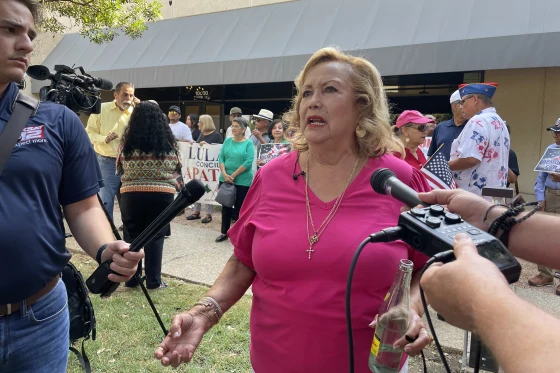
On Monday morning, LULAC leaders, state legislators, Latino activists, supporters, and some of the individuals whose homes were raided gathered outside the San Antonio office of Attorney General Ken Paxton, a Republican, to protest.
“This is outright voter intimidation, and LULAC will fight for the right of every Latino to vote,” said Roman Palomares, LULAC’s national president.
A search warrant left with LULAC volunteer Lidia Martinez, 87, provided insight into the investigation. It authorized the seizure of all electronic devices, the opening of business-, organization-, and election-related documents, and DNA swabs. The search aimed to uncover evidence of vote harvesting and identity fraud violations under Texas election laws.
Medina’s home was also “forcibly entered” in the early hours of August 20. According to his attorney, officers woke Medina, his wife, and two young daughters, and spent seven hours searching the residence, including living spaces, closets, the kitchen, and family bedrooms. Officers seized 65 phones and 41 computers and storage devices, the attorney said.
Two Democratic consultants, unfamiliar with Medina’s business or the investigation, noted that election phone banking or canvassing operations can involve numerous phones and computers for volunteers.
Medina’s attorney successfully secured an injunction to prevent the attorney general or other officials from reviewing or disseminating the seized documents. A hearing on the search and seizures is scheduled for September 12.
Domingo Garcia, LULAC’s former president, also spoke at the protest, declaring, “There is no poll tax, no white-only primary. We will not go back.”
Attorney General Paxton, who announced the raids in a news release, has been vocal in promoting unfounded claims of voter fraud, particularly involving noncitizens. He recently claimed that President Biden brought people to the U.S. illegally to vote—a claim that has no supporting evidence.
Latino leaders are urging the Department of Justice to investigate the raids, which they allege are politically motivated attempts to suppress Latino votes. Gabriel Rosales, Texas state director of LULAC, called the actions “disgraceful” and accused Paxton of using his office to instill fear in Latino communities.
Cecilia Castellano, a state House candidate whose campaign Medina is working on, was also served a search warrant for her phone early in the morning. She believes the search was politically motivated and said other campaign volunteers had also been served warrants.
Lidia Martinez, a longtime LULAC volunteer, recounted her experience. Nine armed officers knocked on her door at 6 a.m., and while still in her nightgown, she was forced to sit in her dining room while the officers searched her home for four hours. Martinez was questioned about Medina and her involvement with LULAC, and officers left with her phone, laptop, voter registration cards, and other items.
Martinez said her family has urged her to stop volunteering for LULAC and helping with voter registration efforts out of fear she may be arrested.
Mary Ann Obregon, mayor of Dilley, Texas, also had her phone seized by officers who arrived at her home. She was emotional and in tears after the incident, feeling violated by the experience.
Individuals attempting to change their gender will be entered into a database accessible by state Republicans.
According to KUT, transgender Texans can no longer update the gender marker on their state IDs, even if they have a court order or an amended birth certificate. The only exception is if the change is proven to be a clerical error. However, the Texas Department of Public Safety (DPS) stated that this rule is no longer in effect, and the relevant information was quietly removed from their website yesterday. A DPS spokesperson attributed the change to Texas Attorney General Ken Paxton (R).
“The Office of the Attorney General (OAG) has recently expressed concerns about the validity of court orders directing state agencies, including the DPS, to change the sex of individuals in government records like driver licenses and birth certificates,” the agency informed KUT.
“Neither DPS nor other government agencies are involved in the legal proceedings that result in these court orders, and the absence of legislative authority and evidentiary standards for courts to issue such orders has necessitated a thorough legal review by DPS and the OAG. Therefore, as of Aug. 20, 2024, DPS has stopped accepting these court orders as valid for changing sex identification in department records, including driver licenses,” the agency stated.
Ian Pittman, an attorney assisting trans Texans, told The Texas Tribune that this policy shift raises significant privacy concerns for transgender individuals, as they will now be forced to carry IDs that don’t reflect their gender. This mismatch can result in discrimination, harassment, violence, and barriers to accessing services that require identification.
The DPS now officially documents and scans any birth certificate changes or court orders related to gender markers but does not use them to process updates. “This policy effectively puts people on a list that could interfere with their health care,” Pittman said, urging trans Texans not to submit court orders to the DPS.
The change comes amid broader efforts in states like Florida and Kansas to block transgender individuals from altering ID markers, alongside numerous anti-LGBTQ actions by Texas Attorney General Ken Paxton and Governor Greg Abbott (R). Two years ago, Paxton directed DPS employees to create a list of individuals who had requested gender marker changes.
“Texans will now be subject to involuntary surveillance simply for trying to update a government document,” said Brad Pritchett, interim CEO of Equality Texas. “There is no clear rationale for why DPS would need this information, nor a valid reason to deny gender marker updates on driver’s licenses.”
Correction: This article has been updated to clarify that Audrey Louis’s district does not encompass Bexar County.
Texas Attorney General Ken Paxton’s (R) office carried out search warrants in one of the state’s largest urban counties, a major Democratic stronghold, alleging incidents of vote tampering.
On Tuesday, the Texas Attorney General’s office conducted searches in Bexar County, the fourth most populous county in the state and home to San Antonio.
The searches followed a two-year investigation, with the office stating that “secure elections are the cornerstone of our republic.”
This action is part of a broader effort by Paxton to pursue election fraud cases, an initiative that spent $2.3 million in 2023 to prosecute just four cases, according to the Houston Chronicle.
“We are completely committed to protecting the security of the ballot box and the integrity of every legal vote. This means ensuring accountability for anyone committing election crimes,” Paxton said in a statement.
The case was referred by state District Attorney Audrey Louis, a conservative Republican whose district borders Bexar County.
Louis made the referral in 2022, following a 2021 ruling by the Court of Criminal Appeals (CCA), which determined that Paxton could not independently investigate election crimes. The ruling required him to work with local district attorneys in such cases, a decision that led Paxton to encourage his supporters to inundate the court with calls.
“The CCA’s shameful decision means local DAs with radical liberal views have the sole power to prosecute election fraud in Texas — which they will never do,” Paxton wrote at the time.
Audrey Louis, a conservative Republican, unseated Democratic incumbent René Peña, her former boss, in 2016. Peña had fired her just hours after she announced her candidacy.
While Louis’s jurisdiction includes the less populous Frio and Atascosa counties, Bexar County is not part of her district.
The attorney general’s office has declined to provide further details on the ongoing investigation, which unfolds amid unexpectedly close national races for both president and Congress in Texas, following Paxton’s previous efforts to challenge the 2020 election results.
While polling shows former President Trump, a Paxton ally and the Republican presidential nominee, maintaining a lead in Texas, Democrats are closing the gap. A recent ActiVote poll showed Vice President Harris trailing by 6.6 points — a smaller margin compared to Trump’s 2020 victory over Joe Biden.
Similarly, in the Senate race between Rep. Colin Allred (D-Texas) and Sen. Ted Cruz (R), The Hill/Decision Desk HQ tracker shows a similar gap, though polling from two Texas universities in July found the race to be as close as 3 points.
In 2020, Biden won Bexar County, home to 2 million voters, by an 18-point margin, while Trump dominated rural Atascosa and Frio counties — the latter seeing a 21-point shift toward Republicans, reflecting a broader trend of some Texas Latino voters moving toward the GOP.
Paxton played a key role in Republican efforts to overturn Biden’s victory, spending years advancing false claims that the election was stolen. In December 2020, he filed a lawsuit against four battleground states that Biden had won, arguing that their “failure to abide by the rule of law casts a dark shadow of doubt over the outcome of the entire election.”
The conservative-majority Supreme Court dismissed Paxton’s lawsuit just three days after it was filed. Additionally, the Texas State Bar has moved to discipline Paxton, with a Bar disciplinary committee labeling the lawsuit “dishonest.”
Despite Paxton’s objections, a state appellate court ruled in April that the Texas Bar could discipline him for his lawsuit challenging the 2020 election results. In response, Paxton appealed the decision in June to the state Supreme Court, accusing the appellate court of engaging in “politically motivated lawfare” against him.
In his filing, Paxton urged the state’s high court “to intervene to prevent the State Bar’s continued abuse of the legal system.”
But was the diversity committee merely a façade from the start?
When the municipal government of Frisco, Texas, issued its first-ever Pride declaration in June 2022, the moment garnered attention for an unexpected reason: it attracted the Proud Boys.
The far-right extremist group, known for its violent opposition to LGBTQ+ expression—particularly drag shows and Pride events—targeted the occasion. In Frisco, members of the Proud Boys harassed a prominent organizer, following him and other supporters to a celebratory gathering at a local restaurant after the proclamation.
Justin Culpepper, 36, co-founder of the nonprofit Pride Frisco alongside his spouse, recounted that the Proud Boys had threatened to physically assault him. “I went into the restaurant, and the people who worked there protected me,” he recalled.
Jon Culpepper, 45, described the event as “traumatic,” but Justin Culpepper has been reluctant to discuss it with the media, fearing that it would give undue attention to the extremists. Instead, Justin reserved most of his criticism for the lack of response from the police and city government. He told LGBTQ Nation, “When you bring these concerns to the city council and the police chief, the reaction is to erase LGBTQ people or minimize our existence to avoid provoking the Proud Boys, rather than asking, ‘Why the f**k do we have Proud Boys in our city, and what are we doing about it?’”
He continued, “Why hasn’t the mayor or city council denounced these people or their actions? Even if they don’t, why not elevate positive things, like a Pride proclamation?”
In contrast to other communities that have responded to far-right group incursions with condemnation and displays of unity, Frisco has taken a different path. Since the incident, not only has the city government refused to officially acknowledge Pride again, but they have also dismantled much of their previous diversity initiative. According to the Culpeppers, the city only supported them when it was politically convenient. Now, under pressure from Texas Republicans and following a broader national trend, Frisco’s leaders appear to be sweeping the LGBTQ+ community under the rug.
“When it comes to LGBTQ people, Frisco politicians act like we have cooties,” Justin remarked. “They don’t want to be seen with us in public or be on record supporting our positions, out of fear it’ll be used against them.”
Part of the Dallas-Fort Worth metroplex, Frisco has grown to over 200,000 residents, often ranking as one of the fastest-growing cities in the U.S. Pride Frisco, which hosted its first annual Pride event in 2022, has garnered around 5,000 supporters from the region, reflecting the area’s increasing diversity. The Culpeppers moved to Frisco in 2018 and founded Pride Frisco three years later. In addition to their LGBTQ+ advocacy, the couple runs a real estate brokerage and property management business. Jon is a licensed real estate broker and co-owner of an IT software consulting firm.
The Culpeppers explained that Pride Frisco offers crucial support to LGBTQ+ individuals who may not have easy access to Dallas’s urban core. Since its inception, the organization has focused on providing regular events that go beyond the annual Pride celebration, including gender marker and name change clinics for transgender residents. Their long-term goal is to persuade Frisco to help establish a physical LGBTQ+ resource center.
“We look at the unmet needs of the community,” Justin said, emphasizing the importance of education for those new to LGBTQ+ life. “The fundamental thing you need is good information, because that empowers decision-makers.”
Despite Pride Frisco’s rapid growth, official recognition from Frisco’s government has been inconsistent, and at times, even misleading.
In 2020, Mayor Jeff Cheney launched the Mayor’s Inclusion Committee, eventually inviting Justin to join. Like many cities eager to show their commitment to diversity, equity, and inclusion (DEI) after nationwide civil rights protests, Frisco’s initial enthusiasm was short-lived. The Inclusion Committee was soon plagued by internal disputes, and when Justin suggested supporting DEI initiatives in Frisco’s public schools, he was told to “keep the chat focused on Frisco Inclusion work.”
According to Jon, the committee lacked real power and was merely a tool for the city to display its commitment to diversity when convenient. For instance, the Inclusion Committee was listed in the region’s successful 2022 bid to host FIFA Soccer for the 2026 World Cup.
“They used the committee to show they were working on diversity,” Jon said, “but now they’re quietly trying to get rid of it.”
By 2023, the city’s token support for diversity, including the Pride proclamation, was fading, especially as DEI initiatives faced mounting pressure from Texas Republicans. When Pride Frisco applied for another proclamation in 2023, the city cited a new rule preventing repeat proclamations within the same year. In 2024, procedural excuses were used again to deny the proclamation, even though the city continues to recognize events like Bicycle Month and Garden Week annually.
A public information request revealed the Inclusion Committee had no formal meeting minutes or complete list of members, leading many to believe the committee was never officially recognized by the Frisco City Council. It existed only as a façade, disappearing after the Proud Boys march in the city.
“We’ve seen this across the country,” said Callie Butcher, a Dallas-based attorney involved in LGBTQ+ rights cases. “There’s a political movement against diversity, equity, and inclusion, often targeting equity.”
This trend extends beyond Texas. Other cities, like Rowlett, have faced similar battles over DEI commissions, and the issue has become part of a larger national attack on DEI efforts, led by Republican lawmakers. Texas recently passed S.B. 17, banning DEI offices at state-run universities, echoing similar legislation in states like Florida and North Carolina.
Sarah Kate Ellis, CEO and President of GLAAD, highlighted the damaging impact of such efforts. “Instead of erasing our efforts, they should be uplifted,” she said. “Frisco is not only erasing DEI initiatives but ignoring the contributions of local LGBTQ organizers.”
While Texas’ new law doesn’t directly affect city-run DEI committees, it has created an environment where city governments feel pressured to distance themselves from anything resembling DEI.
In May 2023, Frisco City Council replaced the Inclusion Committee with a new Frisco Multicultural Committee, under the arts department. The proclamation for this new committee made no mention of the LGBTQ+ community, raising further concerns.
Despite this, Pride Frisco remains committed to advocating for an LGBTQ+ community center and is preparing for the next Pride festival at Frisco’s Toyota Stadium on October 6.
Texas Attorney General Ken Paxton (R) has once again filed a lawsuit against the Biden administration, this time targeting federal protections for transgender employees in the workplace.
The lawsuit, submitted Thursday in federal court, is directed at the Equal Employment Opportunity Commission (EEOC) and the Justice Department (DOJ). It challenges the legality of agency guidelines that define workplace harassment under federal law, seeking a permanent injunction to prevent their enforcement.
The EEOC guidelines, though not legally binding, assert that denying employees accommodations based on their gender identity—such as misgendering transgender workers or denying them access to gender-appropriate restrooms—constitutes unlawful workplace harassment.
In Thursday’s lawsuit, Paxton, alongside the conservative think tank Heritage Foundation, claimed the opposite. “The Biden-Harris Administration is once again attempting to rewrite federal law through undemocratic and illegal agency action,” Paxton stated. “This time, they are unlawfully weaponizing the Equal Employment Opportunity Commission to force private businesses and States to adopt ‘transgender’ mandates—Texas is suing to stop them.”
The lawsuit was filed in the Northern District of Texas’s Amarillo Division, where U.S. District Judge Matthew Kacsmaryk, a Trump appointee, presides over most cases. Last month, Kacsmaryk dismissed Paxton’s request to block an earlier version of the EEOC guidance, stating that a new complaint was required.
The EEOC declined to comment, referring inquiries to the DOJ, which did not immediately respond. Paxton, a vocal critic of progressive LGBTQ protections, has filed numerous lawsuits against the Biden administration since 2021, with most being directed to Kacsmaryk, according to the Texas Tribune.















 fleeredstates.blog
You must be logged in to post a comment.