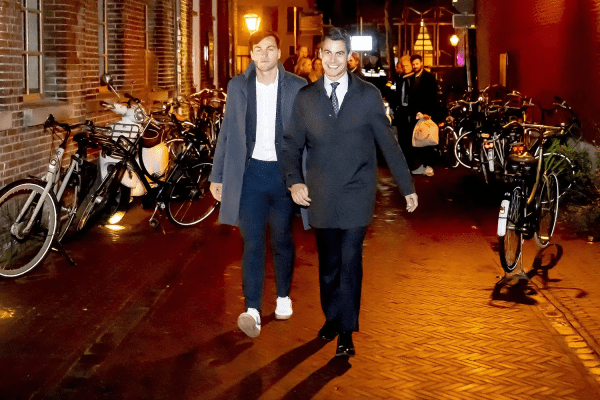
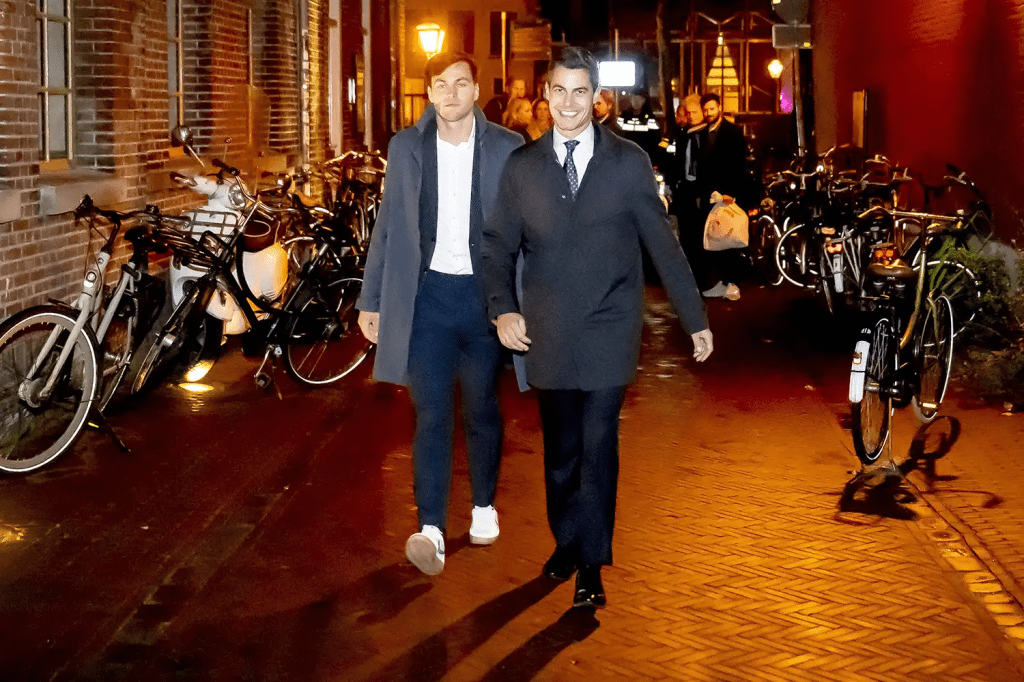
Rob Jetten, who is an out gay man with a fiance, is officially the prime minister of the Netherlands. He is the first out LGBTQ+ person to hold the position.
Dutch King Willem-Alexander swore in Jetten at a ceremony earlier today. At age 38, Jetten is also the youngest person to head the country’s government.
“Proud to be able to do this together,” Jetten wrote in an Instagram post. “In a new phase, with a great responsibility and above all a joint promise to work for everyone in the Netherlands.”
Jetten is a member of the Democrats 66 party, which is considered centrist. He campaigned on a platform that included climate policy, affordable housing, and restoring trust in the government. Gay City News reports that Jetten’s coalition plans to increase military spending to reach the NATO spending target, take a strict approach to asylum immigration, and fund military spending with cuts to healthcare and social welfare programs. The left-wing coalition has denounced these plans.
His campaign focused on a message of “Yes we can” to draw a contrast with his far-right opponent, Geert Wilders, who campaigned on anti-Islam sentiment.
“I think we’ve now shown to the rest of Europe and the world that it is possible to beat the populist movements if you campaign with a positive message for your country,” he said last November.
Jetten is engaged to Olympic hockey player Nico Keenan, posting in 2024 that they are “Soon to be Mr&Mr.”
“I thought it was about time,” Jetten told LINDA.nl. “It just feels great. We’re very happy together.”
For LGBTQ+ people, safety has never been an abstract idea. Concerns for our community show up in legislation, healthcare and how the government treats its citizens. In the United States, where LGBTQ+ rights are being rolled back at both the state and federal level following President Donald Trump’s reelection, many people are quietly asking the same question: where, if anywhere, does stability still exist, and what does real safety actually look like?
That question shapes real decisions. Not just about travel, but about long-term plans, family, work, medical care and whether it is possible to build a future without constant political uncertainty. International data from organizations including ILGA-Europe and Equaldex, alongside migration analysis and residency reporting from Get Golden Visa, points to a widening global divide. Some countries are strengthening legal protections and expanding access to care. Others are narrowing definitions of who is protected under the law, often by targeting transgender people first and testing how much rollback the public will tolerate.
The countries highlighted here represent a snapshot of places that currently offer strong legal protections and relative social stability for LGBTQ+ people. This is by no means an exhaustive list, and conditions can change quickly as governments shift and political climates evolve. Still, these examples help illustrate what safety looks like when it is embedded into legal systems, healthcare infrastructure, and public accountability, rather than left to cultural goodwill or temporary leadership.
One country that consistently ranks at the top is Malta. It has held the number one position on ILGA-Europe’s Rainbow Index for multiple consecutive years, a reflection of both legal protections and enforcement. Same-sex marriage has been legal since 2017, conversion therapy is banned nationwide, and gender identity is explicitly protected under the constitution. Legal gender recognition is based on self-determination, without medical or psychiatric requirements, and those protections extend into healthcare, employment, education, and family law, creating long-term security rather than symbolic inclusion.
Iceland also continues to stand out for both legal protections and social acceptance. Same-sex marriage has been legal since 2010, non-binary gender markers are recognized, and gender-affirming care is available through the public healthcare system. Comprehensive anti-discrimination laws are paired with high levels of public trust in institutions, which means LGBTQ+ protections are not constantly relitigated or politicized, but treated as settled rights reflected in daily life.
.Finland has taken meaningful steps in recent years, particularly for transgender people. A 2023 update to its law allows transgender adults to change their gender through self-determination, removing medical gatekeeping that had long been criticized by advocacy groups. While non-binary recognition remains limited, Finland’s strong social safety net and political consensus around equality have kept LGBTQ+ rights largely outside culture war framing, offering stability rather than constant legal vulnerability.
Spain has long been viewed as one of Europe’s most LGBTQ+-affirming countries, and recent legislation has reinforced that reputation. Same-sex marriage has been legal since 2005, and a 2023 gender self-identification law allows people to change legal gender without medical or psychological evaluations. Conversion therapy is banned, and public opinion surveys consistently show strong support for LGBTQ+ equality, particularly in major cities where protections are paired with visible community infrastructure.
In North America, Canada has become a focal point for LGBTQ+ Americans seeking stability. Same-sex marriage has been legal since 2005, non-binary gender markers are available on federal identification, and conversion therapy was banned nationwide in 2022. Advocacy organizations and international reporting have documented a rise in inquiries from U.S. LGBTQ+ residents since the 2024 election, especially among transgender people weighing whether legal protections at home will continue to erode.
The Netherlands remains one of the most legally secure environments for LGBTQ+ people. As the first country to legalize same-sex marriage, it continues to offer robust anti-discrimination protections and publicly funded gender-affirming healthcare. For some U.S. citizens, the Dutch-American Friendship Treaty has made relocation more feasible, a trend that has accelerated since the 2024 US presidential election.
None of these countries are immune to political change, and none represent a perfect solution. But in 2026, they show what becomes possible when LGBTQ+ safety is treated as a structural commitment rather than a cultural preference. As rights erode in some places, the countries that choose to protect them are defining where dignity, stability, and the possibility of a future still exist.
A Dutch court has upheld the decision to reject an American trans woman’s application for asylum after the 28-year-old challenged the decision earlier this year.
Veronica Clifford-Carlos, a visual artist from California, applied for asylum in the Netherlands in the wake of the president’s continued targeting of trans rights and villainization of the trans community.
With the support of Dutch advocacy group LGBT Asylum Support – which is working with about 20 other trans Americans on asylum claims as well – Clifford-Carlos said the anti-trans administration has made her feel unsafe remaining in the United States.
The court, however, disagreed that Clifford-Carlos personally faces a legitimate risk of persecution, Reuters reported. The judge also said she did not prove she systemically lacks protection or access to essential services.
The court sent her case back to immigration authorities to review again due to a procedural error the first time around.
A statement from LGBT Asylum Support in August explained that the Netherlands’ Immigration and Naturalisation Service (IND) “generally states that discrimination by authorities and fellow citizens can be considered an act of persecution if it is so severe that victims can no longer function socially and societally” but that it “maintains that there are no grounds for exceptional treatment of transgender and queer refugees from the U.S.”
Clifford-Carlos was the first trans American to legally challenge an asylum rejection in the Netherlands. In September, she toldReuters how bad it had become in the States for her since the new administration took office.
“I have people screaming f**got at me in the street… I have people threatening my life, threatening to assault me, threatening to follow me home and kill my family.”
She spoke to The World in September from a Dutch refugee camp, where she explained, “It feels like the U.S. doesn’t see me as human. I am not seen as a woman in the eyes of the government, and because of my transition, I am technically not a man either.”
She said the thought of returning to the U.S. gives her “more dread than I have ever experienced in my entire life.”
The Netherlands has long been considered a refuge for LGBTQ+ acceptance. In 1981, it was the first country in the world to grant refugee status to someone due to their sexual orientation, and in 2001, it became the first country to grant marriage equality.
But Marlou Schrover, an economic and social history professor in the country, told The World that reality has not lived up to the reputation. She said it is extremely rare for someone to be given refugee status based solely on LGBTQ+ identity, and that one must not only prove they have experienced physical violence, but that the police refused to help when it was reported.
Schrover explained that Dutch immigration authorities still view the United States as mostly safe for trans people because there are many other states they can move to if they don’t feel safe in their own.
The administration’s anti-trans policies may also not be enough, she said. “Exclusion from the military or exclusion from sports may be unpleasant and horrible, but it’s not seen as persecution in the eyes of Dutch immigration officials.”
She added that granting asylum to trans people from the U.S. is a risky decision because it makes a big statement about the U.S. and could affect relations between the two countries.
Are you thinking about leaving the United States for safety, stability, or a better quality of life? In this powerful conversation, we sit down with Dan Brotman, an American expat based in Montreal who specializes in investment migration—including Golden Visas, Digital Nomad Visas, and residency-by-investment options tailored to the LGBTQ+ community.
With an academic background in immigration policy, multiple citizenships, and years of frontline experience helping people relocate, Dan brings unmatched insight into how Americans can legally, safely, and strategically build a future outside the U.S. Follow Dan on Instagram: @danbrotman linktr.ee/danbrotman
🏡 IN THIS VIDEO, WE COVER:
🌍 Why Americans—Especially LGBTQ+ People—Are Exploring Life Abroad
We discuss political extremism, threats to civil rights, financial instability, and what it means to live somewhere your rights are not up for debate.
💶 Golden Visas & Migration Pathways
Dan explains the residency-by-investment programs opening doors across Europe, Latin America, and beyond—and why securing a visa before your “red line” is crossed is essential.
❤️🩹 Healthcare Without Fear
Real stories from Spain, Uruguay, and Canada:
€80/month private healthcare in Spain
A 5-day ICU stay for $19
An emergency room visit in Canada that cost $0
A U.S. insurance premium high enough to rent an apartment in Valencia
🧠 Financial Relief & Peace of Mind
We explore how predictable, low-cost healthcare abroad reduces anxiety for families who worry about a single medical emergency derailing their finances.
🎓 Education & Opportunity
Why families are sending their children to Europe—especially the Netherlands—for nearly free, world-class university education.
🏳️🌈 Rights, Safety & Community
Dan discusses LGBTQ+ rights, abortion access, universal healthcare, and gun laws in Canada—issues considered settled and not weaponized politically.
🚨 Red Lines & Safety Planning
We explore how LGBTQ+ people can assess danger, decide their personal boundaries, and obtain the documentation needed to leave quickly if the situation in the U.S. deteriorates.
This is an essential conversation for anyone considering relocation for safety, rights, opportunity, or long-term stability.
🔔 Subscribe for more guides on LGBTQ+ migration, Golden Visa pathways, and global relocation options.
The Netherlands just made history with their most recent election.
The country voted on Wednesday, Oct. 29, to elect Rob Jetten, 38, as prime minister, making Jetten both the youngest and very first openly gay candidate to hold the role, according to German outlet Deutsche Welle (DW).
Jetten, a member of the centrist-liberal D66 party, beat Geert Wilders, a member of the far-right Party for Freedom. Wilders ran on an anti-immigration campaign and has previously called to ban the Quran, among other Islamophobic remarks.
“I am incredibly happy that … we have become the biggest party in this election,” Jetten told reporters after election results came in, per DW. “A historic result for the D66. At the same time, I feel a great responsibility.”
He added, “I think we’ve now shown to the rest of Europe and the world that it is possible to beat the populist movements if you campaign with a positive message for your country.”
While Jetten is the projected winner of the election, DW notes that he will be officially confirmed the winner when the final results come in on Monday, Nov. 3, the day mail-in ballots are counted from Dutch citizens living abroad.
Jetten got plenty of support on election night from his fiancé, two-time Olympian Nico Keenan, who posted a sweet TikTok video of the couple preparing for the evening. In the clip, which was set to RAYE‘s “Where the Hell Is My Husband?,” Keenan, 28, stood solo in the frame while dressed in a suit.
When he looked offscreen, Jetten soon appeared, also dressed in a suit. As he buttoned his jacket, Keenan reached over and held him by the waist, before the two smiled at the camera then shared a quick kiss.
“Election night, let’s go🔥🫶🏽,” Keenan captioned the post.
Jetten has been equally supportive of Keenan. When his fiancé competed for Argentina in field hockey at the 2024 Paris Olympics, Jetten cheered him on from the stands at the Stade Yves-du-Manoir.
The couple announced their engagement in November 2024, when Keenan posted a photo of his engagement ring on Instagram and captioned the post, “Soon to be Mr&Mr💍.”
Keenan, who is bisexual, began playing field hockey for the Netherlands’ Hockey Club Klein Zwitserland in 2017, according to Out Sports. While speaking with the Dutch outlet Trouw in April, Keenan said he’s received messages of support and gratitude for competing as an openly bisexual athlete.
“People told me how happy they were that there was finally an openly bisexual hockey player playing in the Premier League,” he said.
Keenan and Jetten are set to marry next year, according to the BBC.
Austin Willingham, 30, grew up in Decatur, Alabama, and knew from a very early age that he wanted to leave home as soon as he turned 18.
While studying abroad in Sweden during his junior year at Troy University, he visited the Netherlands for the first time. Now almost 10 years later, Willingham and his partner are living in Rotterdam with the hope that they can obtain permanent residency or EU citizenship.
It was a move that Willingham admits had been in the works since he returned from his semester abroad in Sweden.
“Once I came back from Sweden, I was just determined to move back to Europe and had reverse culture shock. I was asking my parents if I could transfer to a different university and complete my degree abroad,” he tells CNBC Make It.
“Me being the first-generation college student in my immediate family, my parents were really adamant about me just going ahead and finishing my degree.”
Prior to moving to Rotterdam, Willingham lived in Ireland, traveled through Southeast Asia and was in and out of Australia for five years.
“We thought that it would be a good break. It would be a good change and transition from life in Australia. We also thought it would not be as difficult a change because Rotterdam is still the second-largest city in the country. We’re definitely city people, so we thought that this would just be the best space for us,” he says. “As soon as we got here, the people were so warm and they immediately welcomed us in.”
An estimated 5.5 million Americans live abroad, according to the Association of Americans Resident Overseas (AARO). That number continues to rise with an estimated 1,285 U.S. citizens expatriated in the first quarter of 2025 alone — a 102% increase compared to the same period a year ago, according to a report from CS Global Partners, which analyzed statistics from the U.S. Federal Register.
Life in the Netherlands
Willingham made the official move to Rotterdam in June of this year, on a DAFT (Dutch-American Friendship Treaty) visa. That visa stipulates that he be self-employed or work as a freelancer only.
To satisfy the visa requirements, Willingham works as an event planner and does commercial modeling, but his ultimate goal is to grow his relocation services business, Willing World.
Willingham and his partner live in a two-bedroom apartment with a roommate. The couple splits 430 euros or USD $498 a month for rent — paying 215 euros or USD $249 each — according to documents reviewed by CNBC Make It.
Including rent, Willingham’s monthly expenses in Rotterdam total approximately $680, covering utilities, transportation, health insurance, groceries, and his mobile phone bill.
“I like the freedom. This is coming from a privileged place, but I truly feel like anywhere outside the United States, it’s about being able to breathe and have a work-life balance. That’s what I love most about living abroad, even though I’m working for myself, there is still this balance and there’s not this societal pressure of needing to prove myself all the time.”
Willingham started sharing his journey abroad on TikTok and says that since moving to Rotterdam, he’s enjoyed building a community both online and in real life. He’s excited to see what the future holds, he says, but moving back to the United States is just not in the cards for him right now.
“I would love to live. I would love to own. I would love to say yes at some point, but not in the current situation that we have. It would be way down the line when the United States finally gets some change,” he says.
“I want to be able to be there for my parents, so maybe I wouldn’t move back permanently, but I would spend an extended amount of time.”
Willingham says that leaving the U.S. has taught him that he is capable of anything.
“I’ve learned that I can do it even when I’m scared because it still has to get done,” he says. “When living abroad, especially on your own, you don’t have anybody to depend on, so you learn to depend on yourself and trust yourself with it.”
Conversions from euros to USD were done using the OANDA conversion rate of 1 euro to $1.16 USD on October 14, 2025. All amounts are rounded to the nearest dollar.
A 28-year-old transgender woman from the U.S. began a legal challenge on Wednesday to the rejection of her asylum application in the Netherlands where she had sought political asylum saying she no longer felt safe in the United States.
Veronica Clifford-Carlos, a visual artist from California, came to the Netherlands — the first country to legalize same-sex marriage and known for its strong protections of LGBTQ rights — because the Trump administration’s policies towards transgender people made her feel unsafe, her lawyer’s office said.
The case, the first of its kind in the Netherlands, will be heard in a court in Amsterdam starting Wednesday, with a ruling expected in four to six weeks.
Since taking office in January, President Donald Trump has issued executive orders limiting transgender rights, banned transgender people from serving in the armed forces, and rescinded anti-discrimination policies for LGBTQ people.
Dutch advocacy group LGBT Asylum Support, which backs the lawsuit, is currently assisting around 20 U.S. trans individuals with pending asylum claims.
According to data from the Immigration and Naturalisation Service (IND), 29 Americans applied for asylum in the Netherlands during the first half of this year. In previous years there were between nine and 18 applicants per year, an IND spokesperson said.
“The IND generally states that discrimination by authorities and fellow citizens can be considered an act of persecution if it is so severe that victims can no longer function socially and societally,” LGBT Asylum Support said in a statement.
“But the IND maintains that there are no grounds for exceptional treatment of transgender and queer refugees from the U.S.”
It had been months since Alex and Lucy, a trans couple from Arizona, felt safe enough to hold hands in public. They rediscovered that pleasure after moving to Amsterdam this year.
The couple, who did not want to give their last names because of the sensitivity of the subject, decided to leave the United States soon after Donald Trump was re-elected last year.
They arrived in the Netherlands on Jan. 19, the day before Trump was inaugurated and swiftly issued an executive order saying the government would only recognize two sexes — male and female.
“We’re both visibly trans and faced growing discrimination. It ramped up right after the election,” said Lucy, sitting alongside Alex in their De Pijp apartment in Amsterdam’s south.
“It felt like people had taken off their masks — waiting for an excuse to finally say what they wanted. We went from being tolerated to openly despised,” she added.
Alex, who is disabled, feared staying put might also mean losing access to their federal health insurance.
“In the end, it became a matter of life and death,” Alex said.
In his first six months in office, Trump has enacted multiple policies affecting the lives of LGBTQ Americans in areas from healthcare to legal recognition and education.
In the face of this rollback of rights, some LGBTQ people have voted with their feet.
While there is little official data, LGBTQ people and activists told the Thomson Reuters Foundation that many people head to Portugal and Spain, while Costa Rica and Mexico are also popular destinations, alongside France and Thailand.
The Netherlands stands out, though, for its strong legal protections, its record on LGBTQ+ inclusivity, and due to a Dutch–American Friendship Treaty (DAFT) and its affiliated visa.
DAFT — established as a 1956 act of Cold War cooperation — enables U.S. citizens to live and work in the Netherlands if they start a small business investing at least 4,500 euro ($5,200), can secure Dutch housing, and are able to prove they have enough money to live on.
The permit is valid for two years and can be renewed.
“Europe was always on the cards, but the Netherlands had a really high percentage of queer folks, and we knew people here (who) were trans and happy,” said Lucy, who got a DAFT visa.
‘Numbers increasing’
While the Dutch Immigration and Naturalization Service (IND) does not keep statistics on the sexual orientation or gender identity of DAFT applicants, overall applications have increased since 2016, with January 2025 registering the highest number of any single month on record — 80.
“The numbers are increasing. We don’t know why,” said Gerard Spierenburg, IND spokesperson.
Immigration lawyers also report an increase.
“From the day after the election, my inbox began filling up with requests of U.S. citizens wanting to move to the Netherlands,” said lawyer Jonathan Bierback, adding that about a fifth came from the LGBTQ+ community.
Three other lawyers in Amsterdam confirmed the trend in interviews with the Thomson Reuters Foundation.
Jack Mercury, a trans adult performer from California, moved to Amsterdam almost a year and a half ago — “literally the moment I knew Trump was going to be re-elected”.
He said the DAFT visa was “one of the few financially accessible visas” for him.
He now lives in west Amsterdam with a partner and two cats.
“The words to describe the U.S. in the last 100 days are uncertainty and fear. For trans people, it’s fear that they’ll lose access to healthcare, rights like housing or the ability to work. And for gay people and lesbians, it’s that they will become the next targets,” Mercury said.
This year, more than 950 anti-trans bills were introduced in U.S. state legislatures, according to the Trans Legislation Tracker, of which 120 have passed, 647 failed, and 186 are still under consideration.
“I feel very lucky. I know many people who cannot afford to move, because they’re not high earners, they are sick, have family or children,” said Mercury.
His friend Topher Gross, a trans hair stylist from New York who has been in Amsterdam for four years, offered housing tips and recommended a lawyer.
“Everyone’s exploring any possible way to get out,” said Gross. “But not everyone can — many trans people of colour can’t afford to leave. It’s terrifying.”
He noted that the climate of fear was exacerbated by deportations under Trump’s crackdown on illegal immigration.
“Basic rights are being stripped away.”
Jess Drucker, an LGBTQ relocation expert with U.S.-based Rainbow Relocation, said many U.S. clients choose to go Dutch.
“People see how quickly rights can erode, with the global rise of right-wing extremism, and want to move somewhere where those rights are more likely to hold,” Drucker said.
“We’ve seen a major increase in requests for consultations. We are absolutely full.”
Because not everyone can afford a DAFT visa, the Dutch NGO LGBT Asylum Support is urging the government to consider asylum options for LGBTQ Americans.
Spokesperson Sandro Kortekaas said about 50 trans Americans had contacted the group since Trump’s inauguration.
In June, the group asked the government to reassess the status of the United States as a safe country for queer asylum seekers. However, Bierback does not expect success as such a shift would be seen “as a provocation towards the U.S.”
Spierenburg from the IND said there had been more asylum applications from the United States this year than last, although the numbers were still low — 33 against 9 in 2024.
Lucy and Alex are grateful for their new life.
“When I came here, I felt more at home than I ever did. I have so much hope,” said Lucy.
But she does worry that a future Dutch administration — a right-wing coalition collapsed in June — could kill off DAFT.
“I’m really concerned that the treaty is going to be damaged by current political agendas. And so I’m doing everything I can to make sure that I stay within the rules. I don’t want to be extradited for any reason.”
Pride Month is not quite over yet! Just in time for some more LGBTQ friendliness is this list from Big 7 Enjoy Travel. They rank the top 30 LGBTQ friendly cities on the planet.
For a city to rank highly as LGBTQ+ friendly, first and foremost, it needs to protect LGBTQ+ people with laws and legislation. Then, it needs a vibrant gay nightlife and dating scene, whether within a gay village or across the city. Either way, there needs to be a safe community for LGBTQ+ people, as well as open-minded citizens and low levels of hate crime.
Ranking criteria:
Gay Index Rating – measures how safe a country is for LGBT people, considering the legal situation and living conditions
Equality Index Rating – measures the status of LGBT rights, laws, and freedoms as well as public attitudes towards LGBT people
The final scores show the Top 30 LGBTQ+ Friendly Cities in the World! Here’s your ultimate gay-friendly travel list…
30. Vienna, Austria
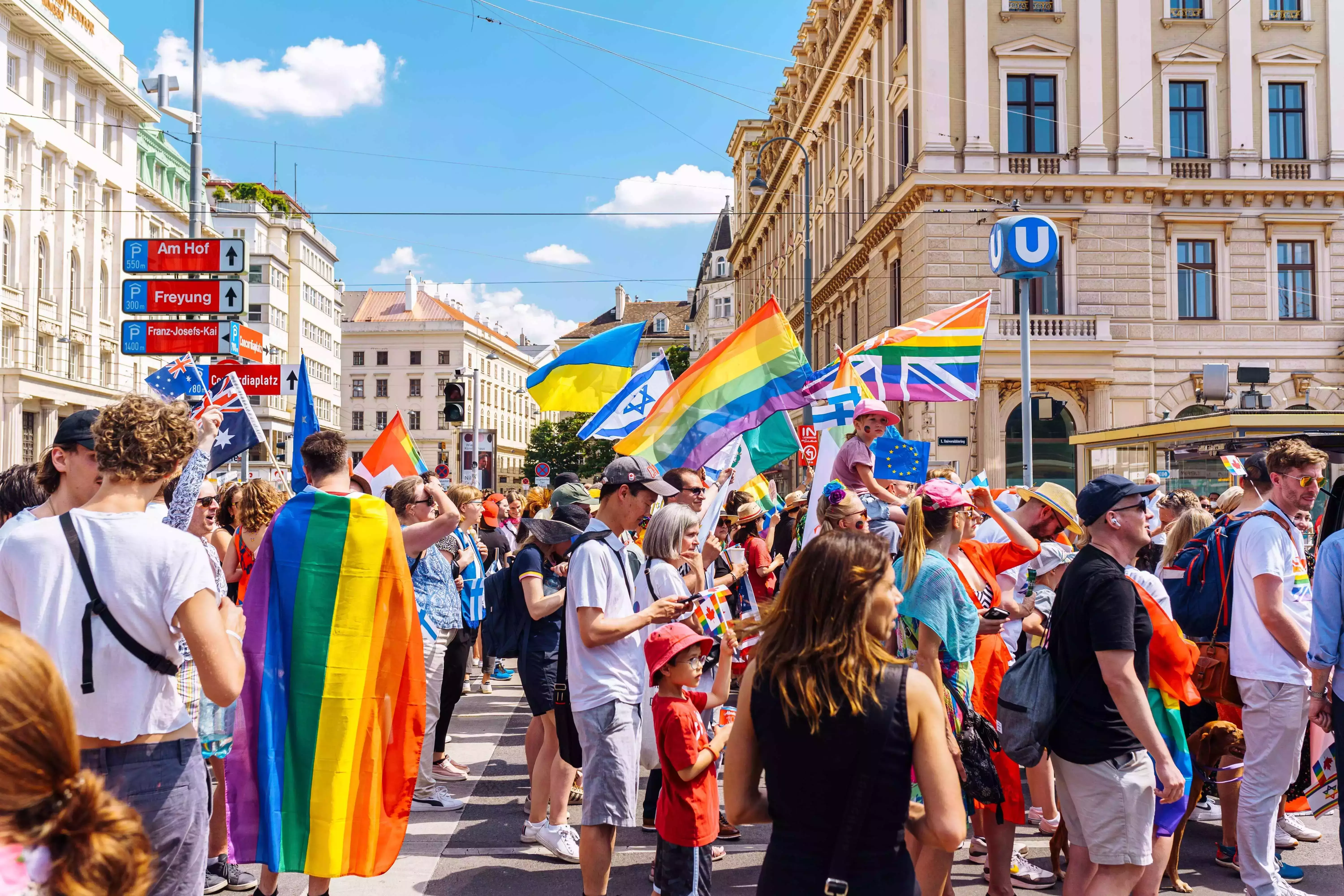
Vienna is widely known for its gender, disability, LGBTQ and racial inclusivity and equality, with many parades, pride events and specialist causes. While Vienna doesn’t have a specific gay village or district, its Naschmarkt area is full of gay bars and clubs, making it a hotspot for LGBTQ+ members.
Vienna has also hosted the EuroPride and hosts an annual citywide Pride parade in June. Vienna is also an LGBTI Core Group member and has a reasonably high Gay Index Rating, making it a safe and appealing place for LGBTQ+ members. It’s safe to say that Vienna is a welcoming and inclusive city for not just LGBTQ+ people, but for everyone, no matter your sexuality, gender, religion or ethnic group.
29. Puerto Vallarta, Mexico
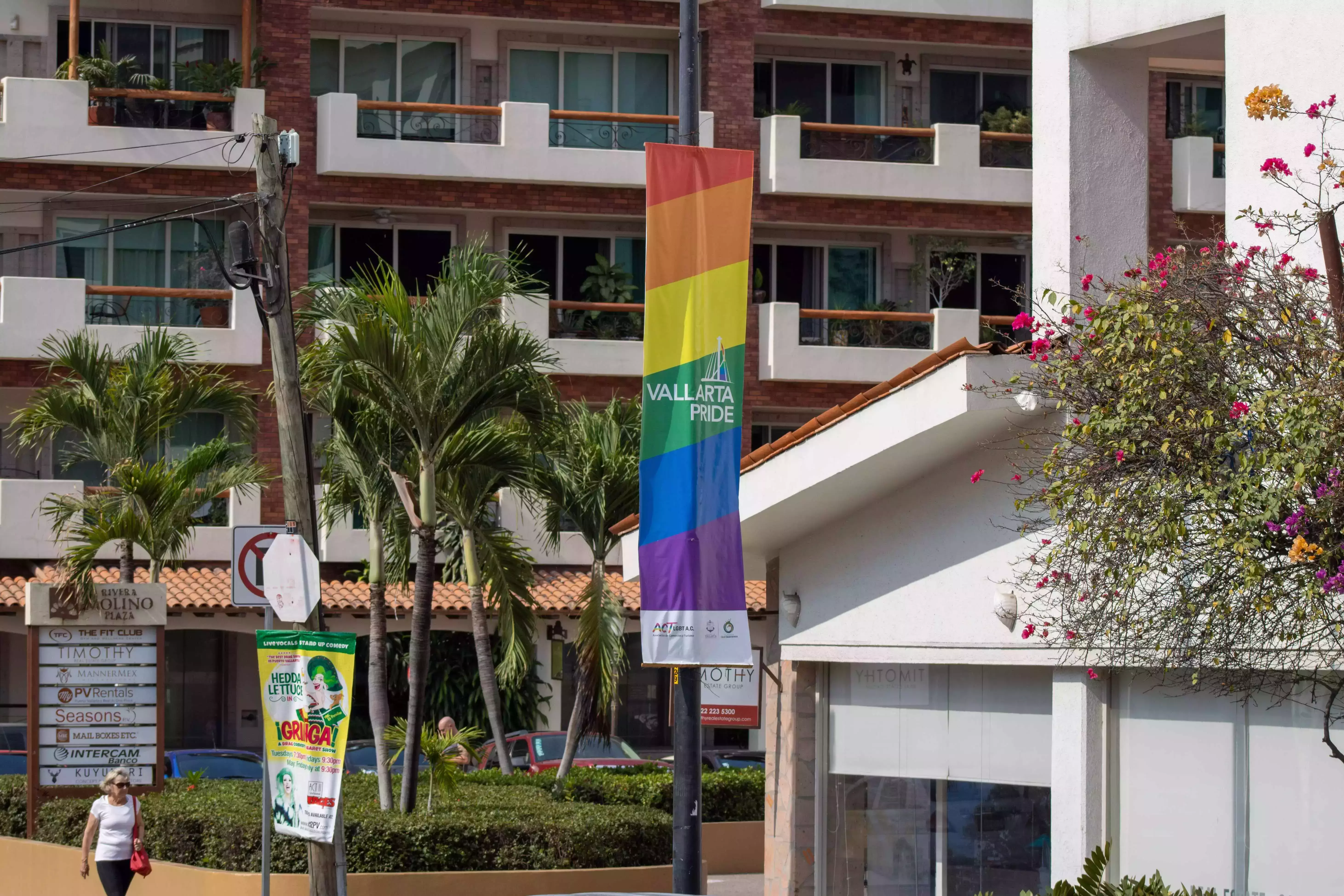
You may not have heard of this city against its larger and more tourist-centred neighbours of Mexico City and Cancun, but Puerto Vallarta deserves to be celebrated for its strong LGBTQ+ representation and inclusivity. According to our rankings, Puerto Vallarta scored highly in terms of Gay Index Rating, and attendance to the city’s annual Pride event is significant.
Puerto Vallarta has been cited as the ‘gay capital of Mexico’, thanks to its bustling Zona Romantica area, which is heavily centred around LGBTQ+, with vibrant gay bars, inclusive hotels and lively clubs. While you’re likely to find LGBTQ+ friendly areas across Mexico, Puerto Vallarta is one of the best places to celebrate being a member of the community.
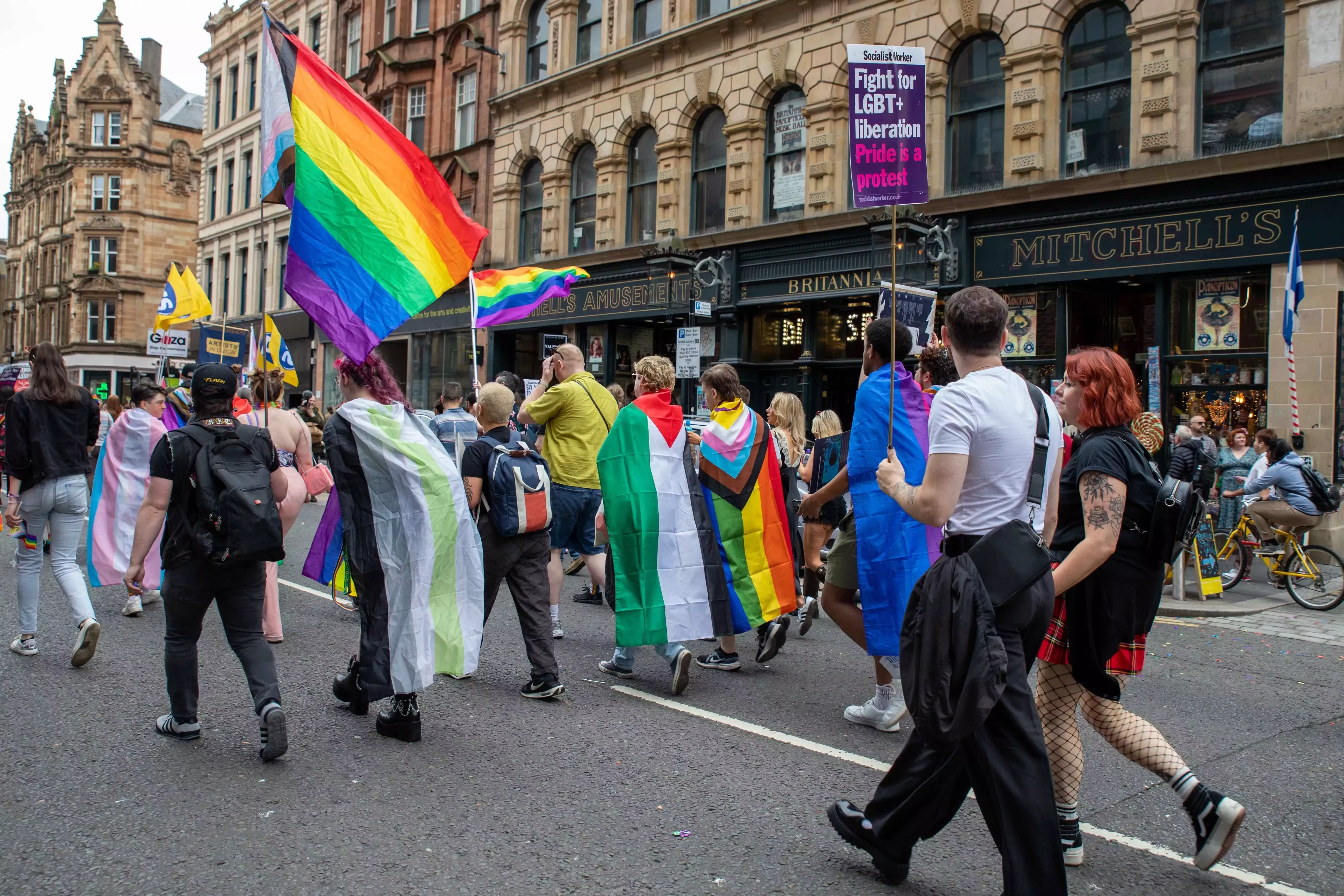
28. Glasgow, UK
Glasgow, Scotland’s largest city, is a hub for inclusivity, with its lively Merchant City district being the LGTBQ+ capital. You can expect to find a variety of LGBTQ+ friendly bars and clubs, as well as a welcoming and open-minded atmosphere. Glasgow’s annual pride event amasses thousands of attendees each year, seeing proud members of the community come together to march and parade, surrounded by the signature rainbow flags.
Glasgow’s quality of life and general acceptance for the LGBTQ+ community is high, giving an indication of how strong its LGBTQ+ community and representation is. The city is also an LGBTI Core Group Member.
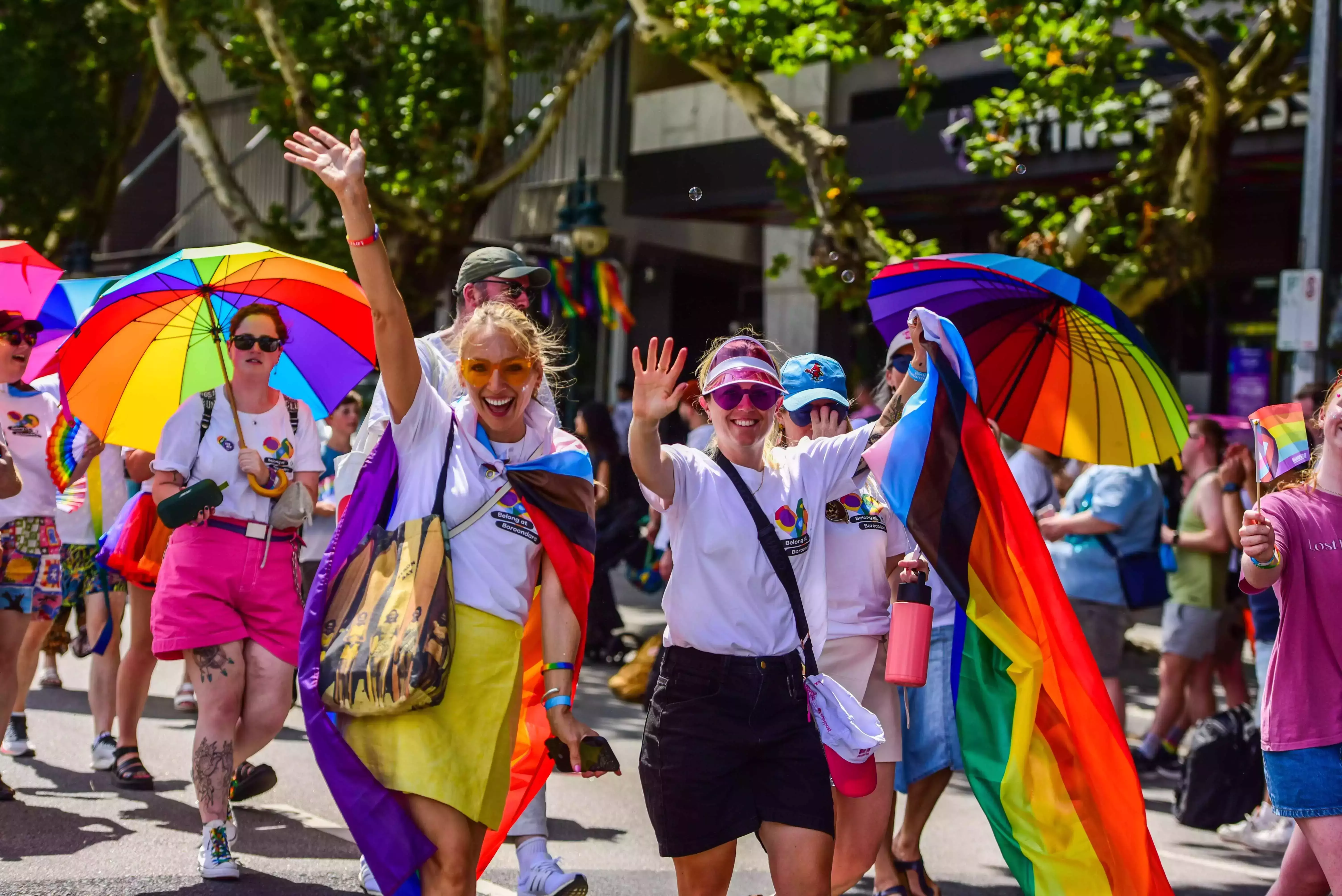
27. Melbourne, Australia
Melbourne is generally an accepting city for most types of groups within society, which gives an indication as to its welcoming and inclusive atmosphere. It scores highly on the Gay Index Rating, and is a member of the LGBTI Core Group, as well as scoring highly on the Equaldex Score. But, data aside, there is a thriving and welcoming community right at its core that appeals to all groups in society, whether members of the LGBTQ+ community or not.
Its annual Pride march has also surpassed 60,000 attendees in recent years. Melbourne’s Fitzroy area is considered to be the ‘gay village’, with a number of LGBTQ+ friendly bars and clubs and a buzzing atmosphere both before and after dark, but generally no matter where you go in Melbourne you’ll be met with a warm and friendly welcome.
26. Taipei, Taiwan
You may not commonly associate Taiwan with LGBTQ+ communities, but its capital Taipei has one of the largest LGBTQ+ presences, with a vibrant LGBTQ+ presence in its Ximen Red House area of the city, which features a lively and bustling scene with bars and clubs. Taipei is known for its inclusivity, and is perhaps a hidden gem amongst the most LGBTQ+ friendly cities, but definitely worth a visit. Taipei also hosts its annual Pride march, which is considered to be the largest of its kind in East Asia, seeing an attendance of more than 120,000 in recent years.
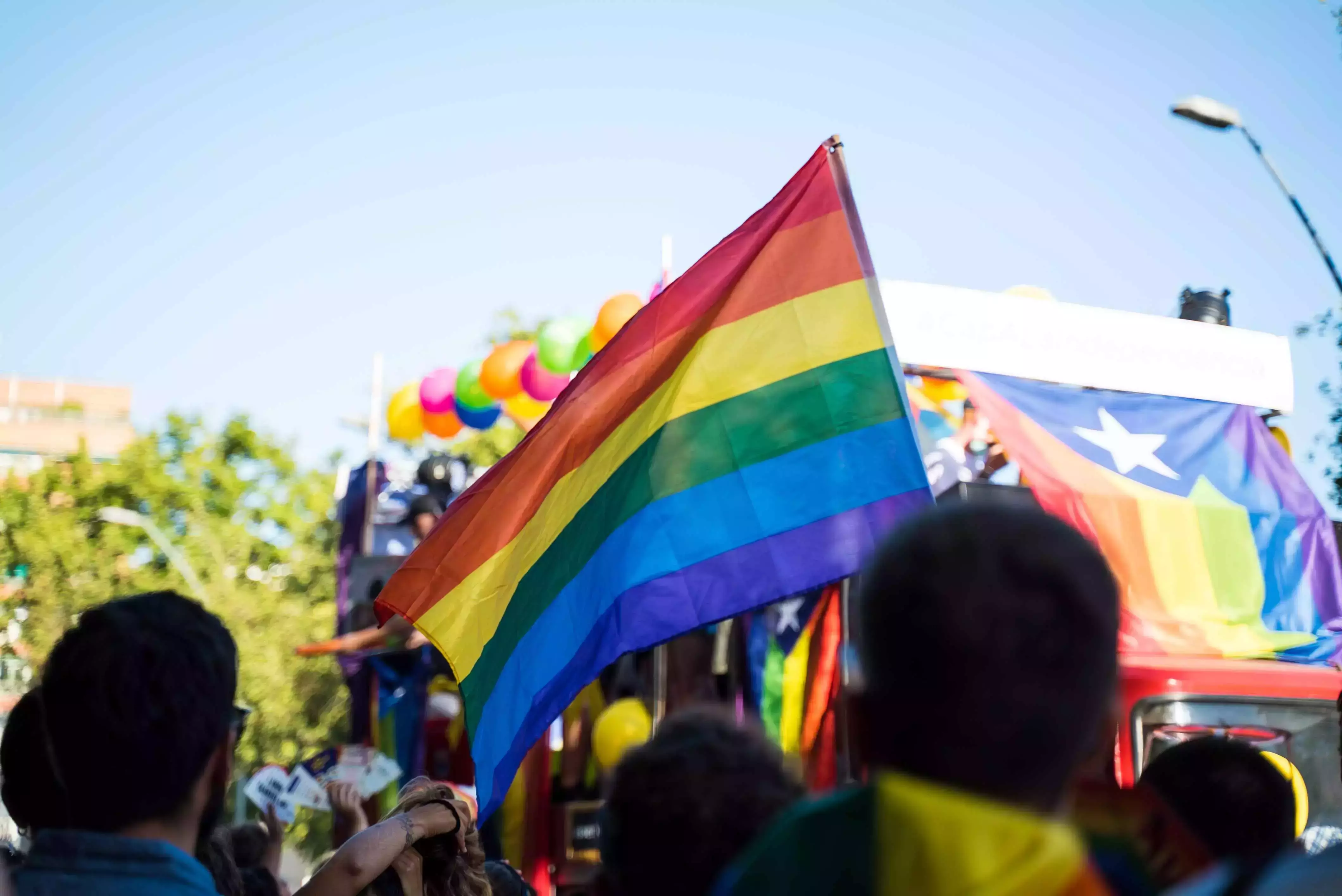
25. Barcelona, Spain
Barcelona, along with Madrid, are widely known as the LGBTQ+ capitals of Spain, with a high Gay Index Rating and a large Pride attendance across each city. Barcelona and the rest of Spain are highly regarded for their acceptance of the LGBTQ+ community, as Spain was one of the first countries in the world to legalise gay marriage in 2005. Barcelona has a thriving LGBTQ+ scene, with an abundance of gay bars, clubs and even beaches that cater to the LGBTQ + community – no matter where you go in Barcelona, you’ll be welcomed with open arms regardless of your sexual orientation or gender.
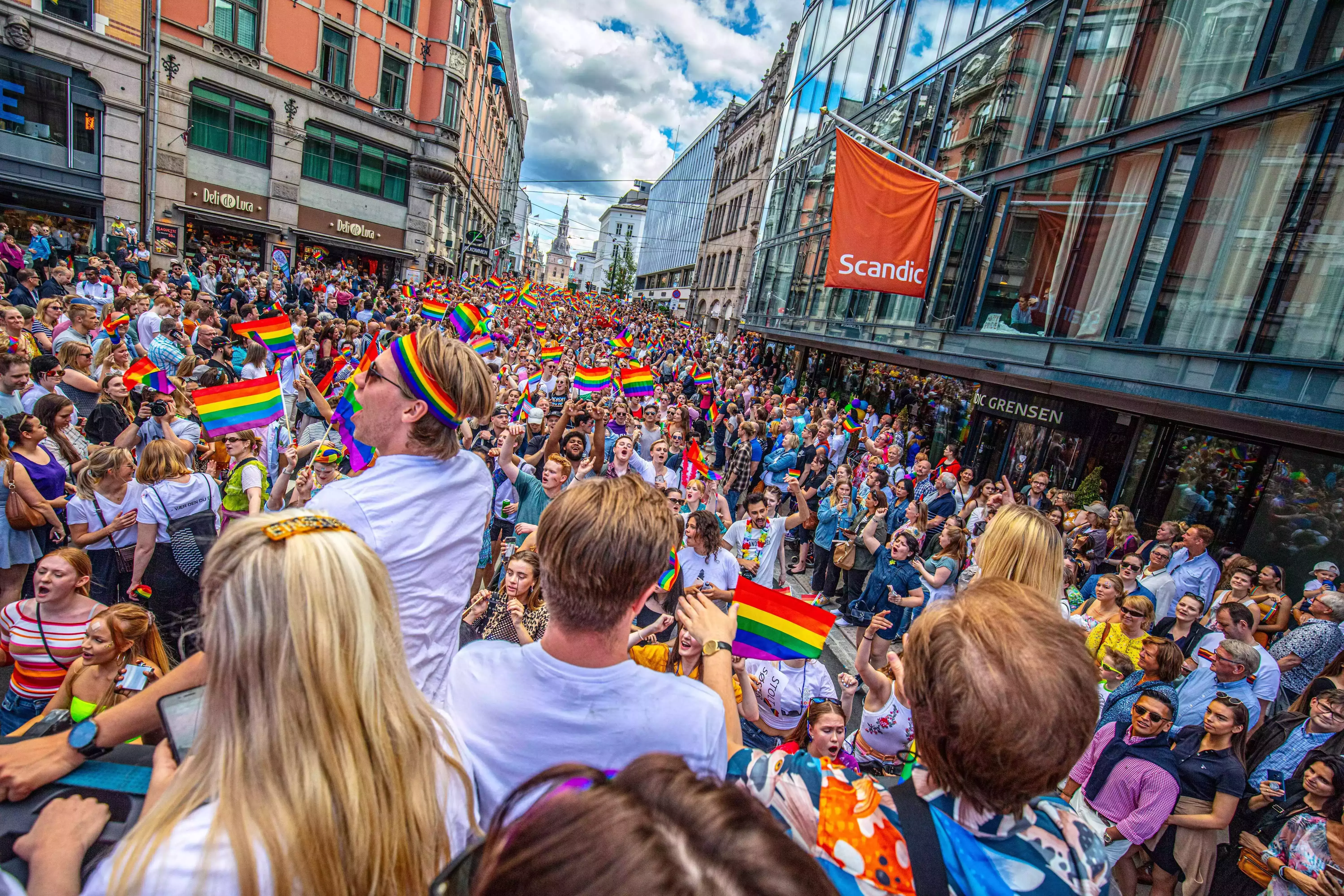
24. Oslo, Norway
Norway is commonly associated with being a liberal, inclusive and welcoming country, and its capital Oslo comes out on top in terms of LGBTQ+ representation and inclusivity. The city has high Equaldex Score and Gay Index Rating, so is a must-visit for members of the LGBTQ+ community. Did you know that Oslo also hosts an annual Pride event that has amassed around 90,000 attendees in recent years? Oslo’s main LGBTQ+ friendly area is Grünerløkka, where you’ll find a large collection of LGBTQ+ friendly bars, restaurants and clubs, although the city as a whole is welcoming and accepting no matter where you go.
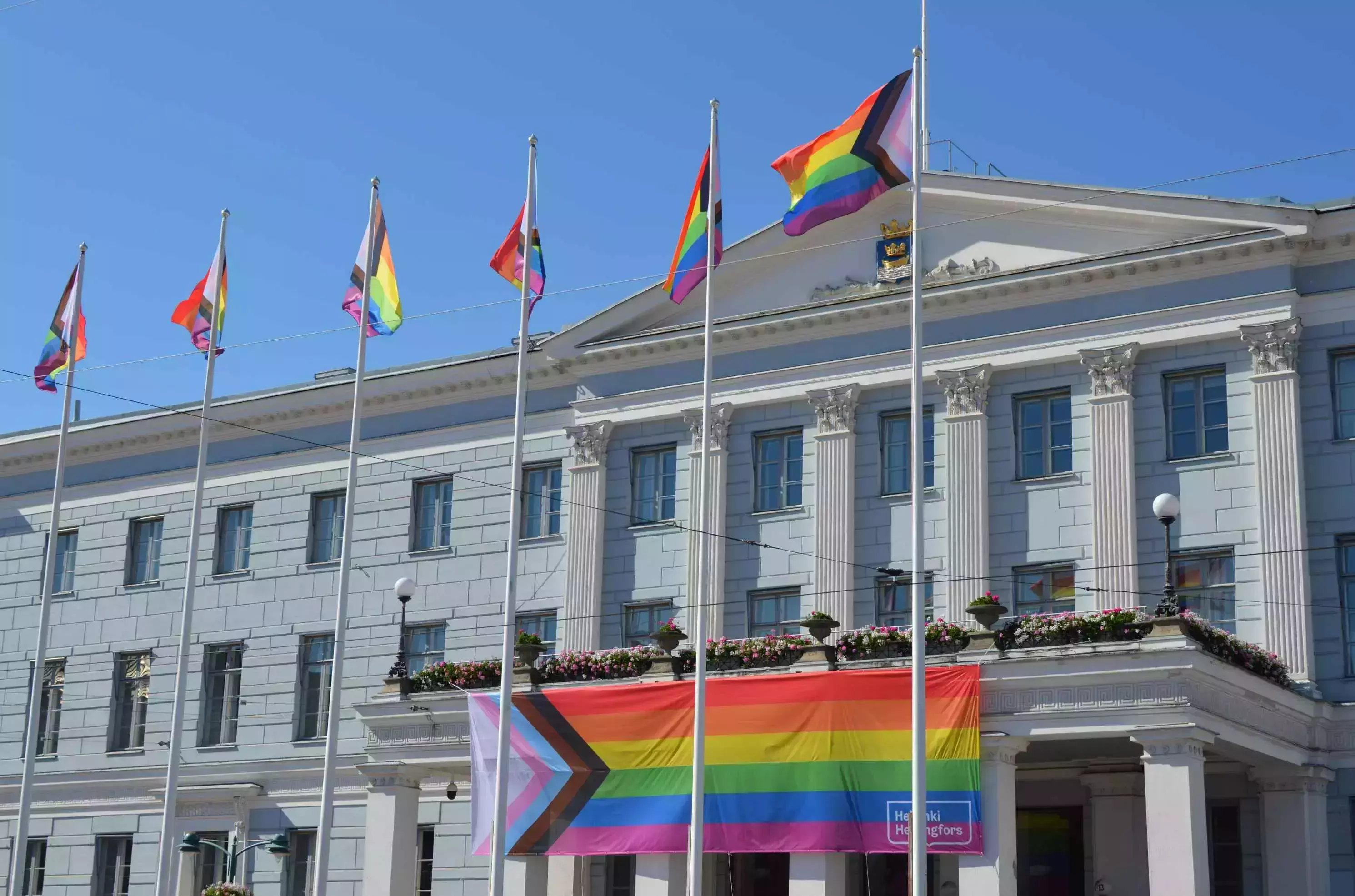
23. Helsinki, Finland
Scoring highly on both the Equaldex and Gay Index Rating, as well as having a large Pride attendance and overall LGBTQ+ presence, Helsinki is one of the best places to be if you want to feel welcomed with open arms in every corner of the city, no matter your sexual orientation, gender or who you identify as.
Helsinki’s annual Pride march and parade typically sees more than 100,000 attendees, giving an idea of how inclusive the city really is. Finland is known for being a progressive and liberal country, and same-sex marriage has been legal in the country since 2017, having been decriminalised since the early 1970s and views changing in the early 80s.
22. Montreal, Canada
Montreal is one of the LGBTQ+ capitals of Canada, celebrating the community with a designated ‘gay village’ district and a large attendance to the city’s annual Pride events. Montreal is considered a trailblazer in terms of promoting and accepting LGBTQ+ rights, as Quebec was the first province of Canada to ban discrimination around sexuality and sexual orientation in 1977. As with much of the rest of Canada, Montreal has since adopted a liberal and accepting stance on LGBTQ+ communities, and scores highly on both the Equaldex and Gay Index rankings.
21. Buenos Aires, Argentina
Argentina’s capital is often cited as the ‘gay capital of South America’, with a downtown district that is rife with gay bars, restaurants and clubs, and a high Gay Index Rating. Argentina was also the first Latin-American country to legalise same-sex marriage in 2010, and has since become the place to be in terms of inclusivity and LGBTQ+ rights.
Buenos Aires also has a large Pride attendance and citywide celebrations, with a thriving LGBTQ+ presence that makes the city rank highly for equality, inclusivity and representation. Aside from the obvious inclusivity that Buenos Aires offers, the city is a vibrant social hub and welcomes people from all social groups and communities.
20. Reykjavik, Iceland
Reykjavik has long been considered a haven for LGBTQ+ members and most groups in society, and although the city may be small, it packs a punch in terms of LGBTQ+ rights and representation. Reykjavik’s most recognisable street is so iconic thanks to its rainbow road, which indicates and highlights Reykjavik’s support for equality surrounding the LGBTQ+ community. Reykjavik’s Pride event is a large-scale affair, with thousands of locals and tourists attending to show their support. Reykjavik also has one of the highest Gay Index Ratings and Equaldex Scores.
19. Bogotá, Colombia
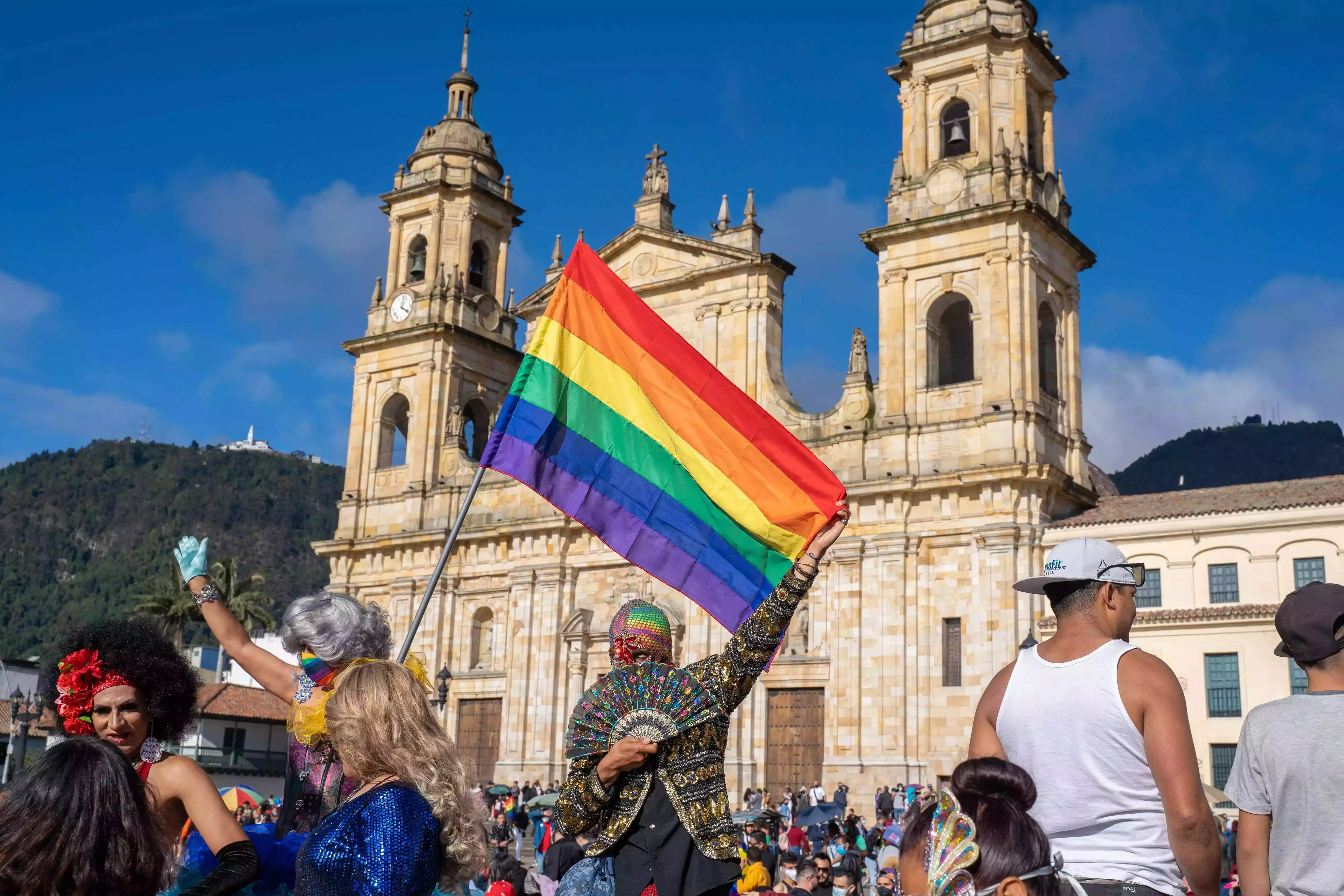
Although Bogota has the lowest Equaldex score, it has a high Gay Index Rating and a vibrant gay village that features what is considered to be the largest gay club in South America, Theatron.
Bogota’s annual Pride event has also seen crowd sizes of more than 100,000 people, making it one of the largest Pride celebrations around. It’s clear that Bogota is a friendly, inclusive and welcoming place for every tourist, whether they’re part of the LGBTQ+ community or not.
18. Valletta, Malta
This small city packs an almighty punch in terms of LGBTQ+ inclusivity. Valletta ranks highly on both Gay Index Rating and Equaldex, with scores of 8.5 and 100, respectively, giving an idea of how supportive the city is for the rights of LGBTQ+. Valletta also sees a large turnout for its annual Pride festival and march, and has hosted the widely renowned EuroPride in 2023, adding to Valletta’s reputation as one of the most LGBTQ+ friendly cities in Europe.
17. Copenhagen, Denmark
The Scandinavian countries are known for their progressiveness, inclusivity, liberal stances and welcoming and accepting cultures, especially when it comes to LGBTQ+ rights and support. Copenhagen, Denmark’s capital, is known for its lively and thriving LGBTQ+ community, with many gay bars and clubs, as well as a large Pride event. Denmark was one of the first countries in Europe to legalise gay marriage in 2012, and has recognised and accepted homosexuality since the 1930s.
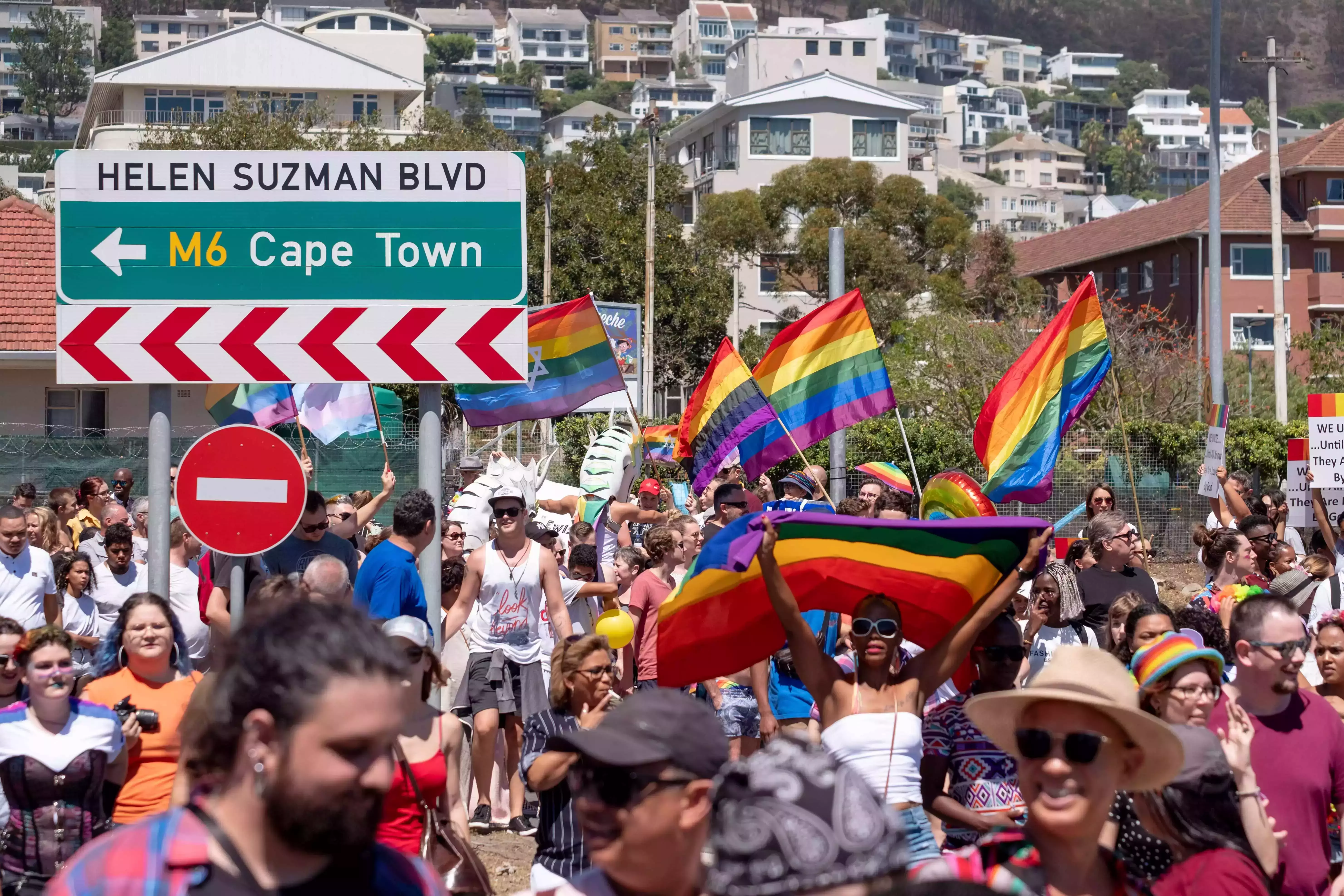
16. Cape Town, South Africa
South Africa is a trailblazer for LGBTQ+ rights on the continent, becoming the first country in Africa to legalise same sex marriage in 2006, and Cape Town is at the heart of this legacy. The progressive and inclusive stance makes the city both welcoming and fun for queer locals and visitors, with a schedule of gay-friendly events throughout the year. The coastal capital bursts into the colours of Pride every February/March, and other vibrant celebrations include the Mother City Queer Project and the Out in Africa Film Festival. The De Waterkant neighbourhood is the city’s LGBTQ+ hub, with gay-owned bars, gyms, shops, and cafes, as well as the iconic rainbow crossing – a visual representation of South Africa’s anti-discrimination laws.
15. Mexico City, Mexico
Mexico City was the first Latin American city to legalise same-sex marriage in 2007, and since then, the city has upheld their views and stances on LGBTQ+ support. The city celebrates with one of the world’s largest Pride events, having been attended by more than 1 million people in recent years.
Mexico City scores well on the Gay Index and Equaldex Rating, and its Zona Rosa region is one of the liveliest LGBTQ+ hubs around. It’s safe to say that you’ll be welcomed and supported as a member of the LGBTQ+ community in Mexico City.
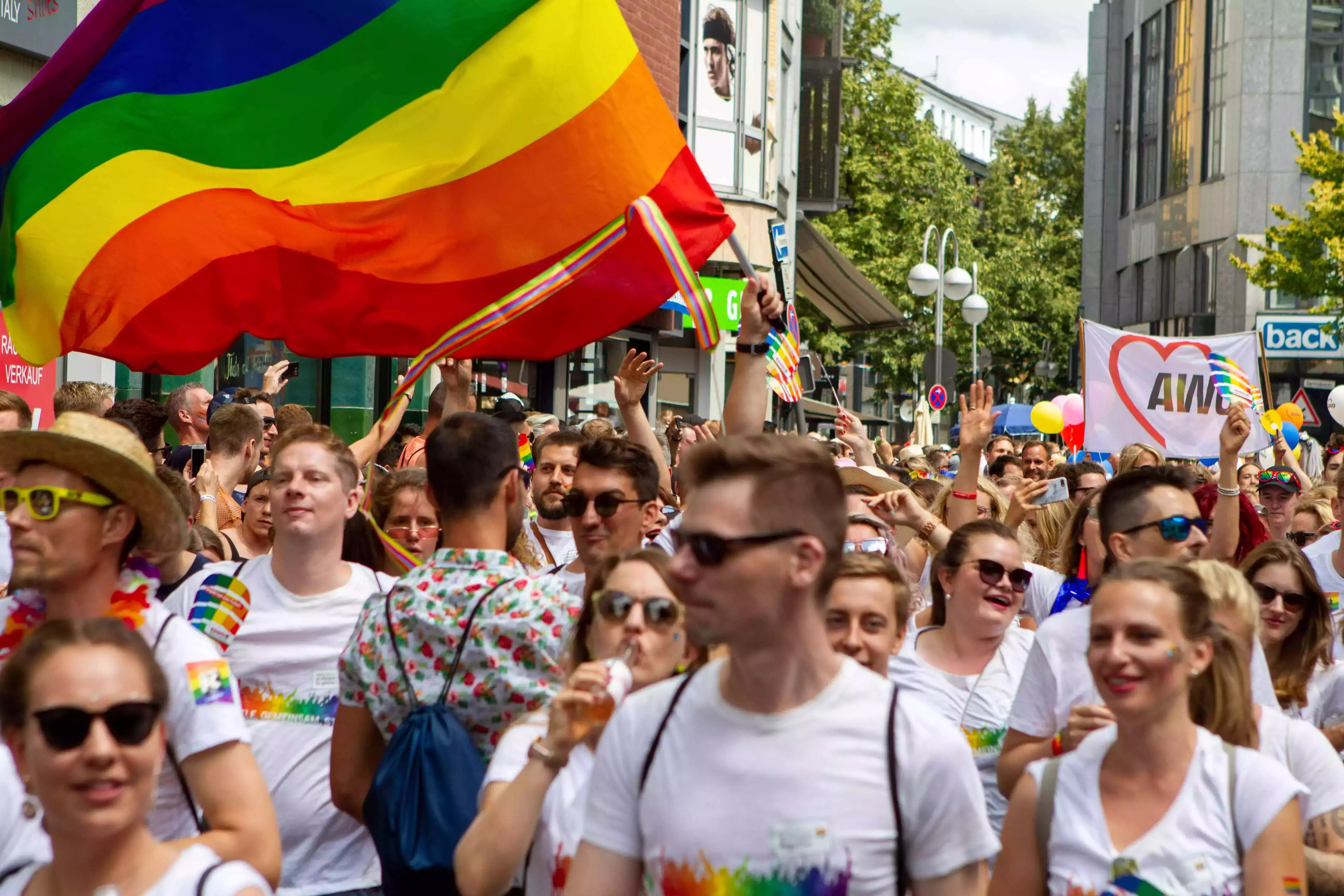
14. Cologne, Germany
Although this city underperforms on the Gay Index Rating, its quality of life and inclusivity for members of the LGBTQ+ community far outweigh this. Cologne’s Pride is the largest in Germany and one of the largest in Europe, with over 1 million attendees in recent years.
Cologne is also often considered by many as the ‘gay capital of Germany’, thanks to its large-scale Pride attendance and modern and progressive views on the LGBTQ+ community and rights. Cologne is a vibrant and lively city, with a population that is accepting, friendly and welcoming to every tourist, no matter their social group or community.
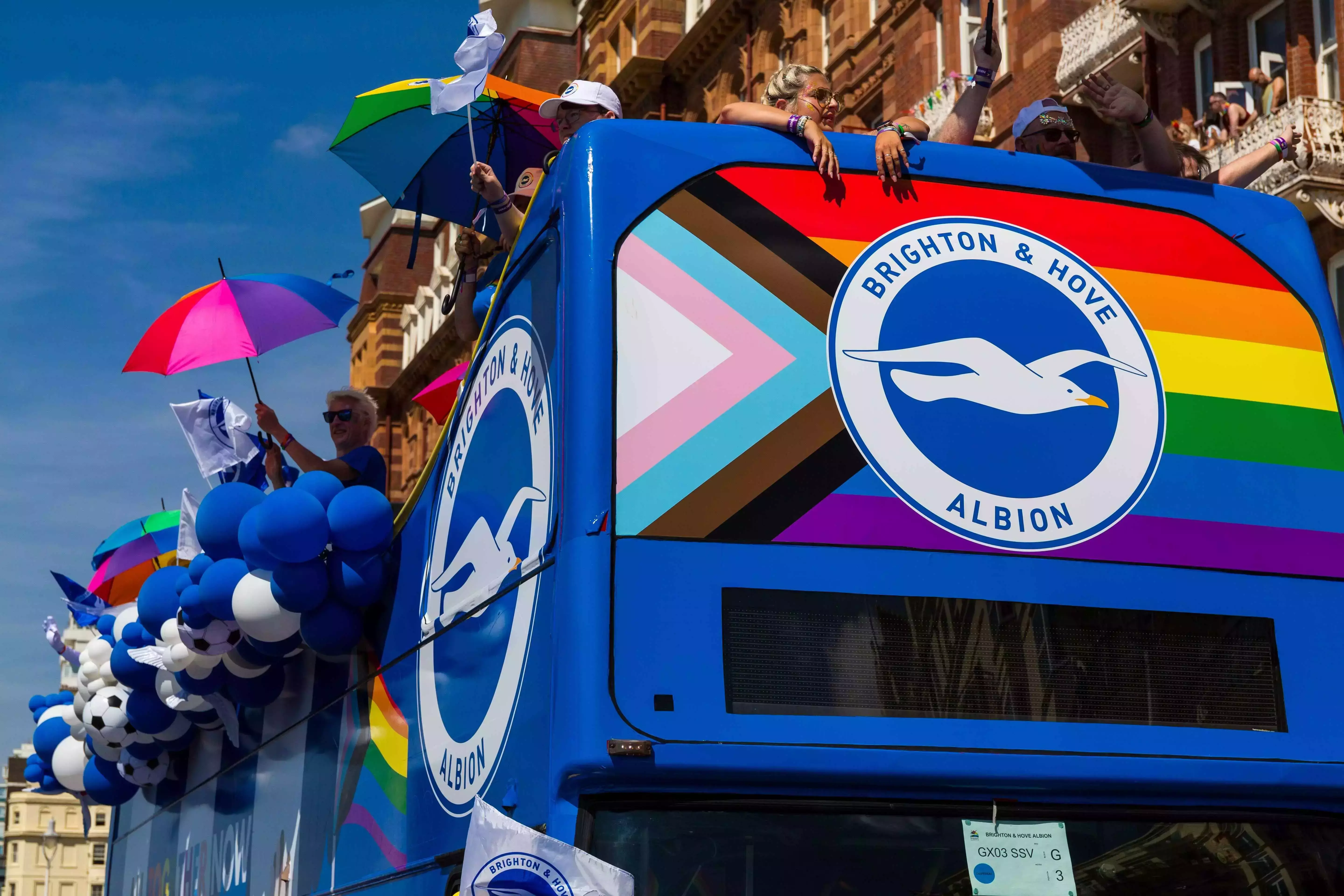
13. Brighton, UK
Brighton has a reputation in the UK for being the ‘gay capital’, with a strong sense of community, support and representation for all members of the LGBTQ+ community. Brighton has long had a reputation for its LGBTQ+ scene, dating back to the 1930s, when the city flourished as an inclusive and openly LGBTQ+ space.
The city has since embraced its LGBTQ+ population with an annual large-scale Pride event that sees more than 500,000 attendees. The city is well known for its Pride event, which has been cited as the best in the UK, and its resident gay village and LGBTQ+ district of Kemptown is rife with inclusive bars, clubs and spaces.
12. Paris, France
Paris really comes out on top with its diversity and inclusion for all groups in society. Paris’s annual pride event regularly attracts more than 700,000 attendees, and its vibrant and thriving Marais district is associated with a large LGBTQ+ population. Paris and France as a whole legalised same-sex marriage in 2013, making them one of the first countries/cities in Europe to do so.
11. São Paulo, Brazil
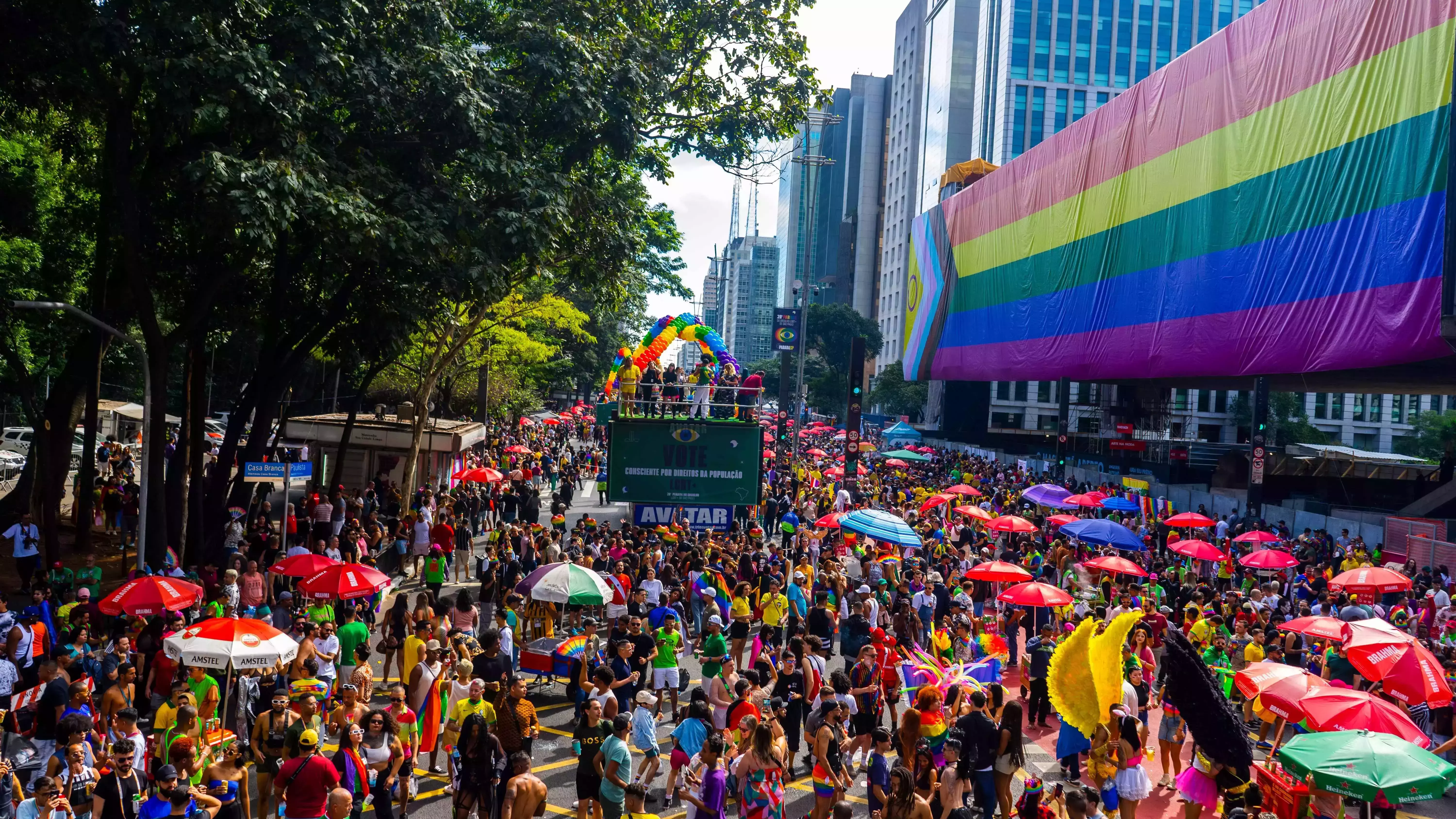
If there’s one thing Brazil knows how to do, it’s throw spectacular street parties and parades. São Paulo’s annual Pride is often considered to be the largest in the world, with more than three million attendees in recent years. São Paulo has also featured in the Guinness World Record for the size and scale of its Pride event.
What’s more, the city is a hub for all things LGBTQ+, with a lively district dedicated to welcoming and representing its LGBTQ+ population. Although the city has a relatively low Gay Index Rating and Equaldex Score, its citywide celebration of LGBTQ+ is enough to make it rank highly for best LGBTQ+ friendly cities.
10. Sydney, Australia
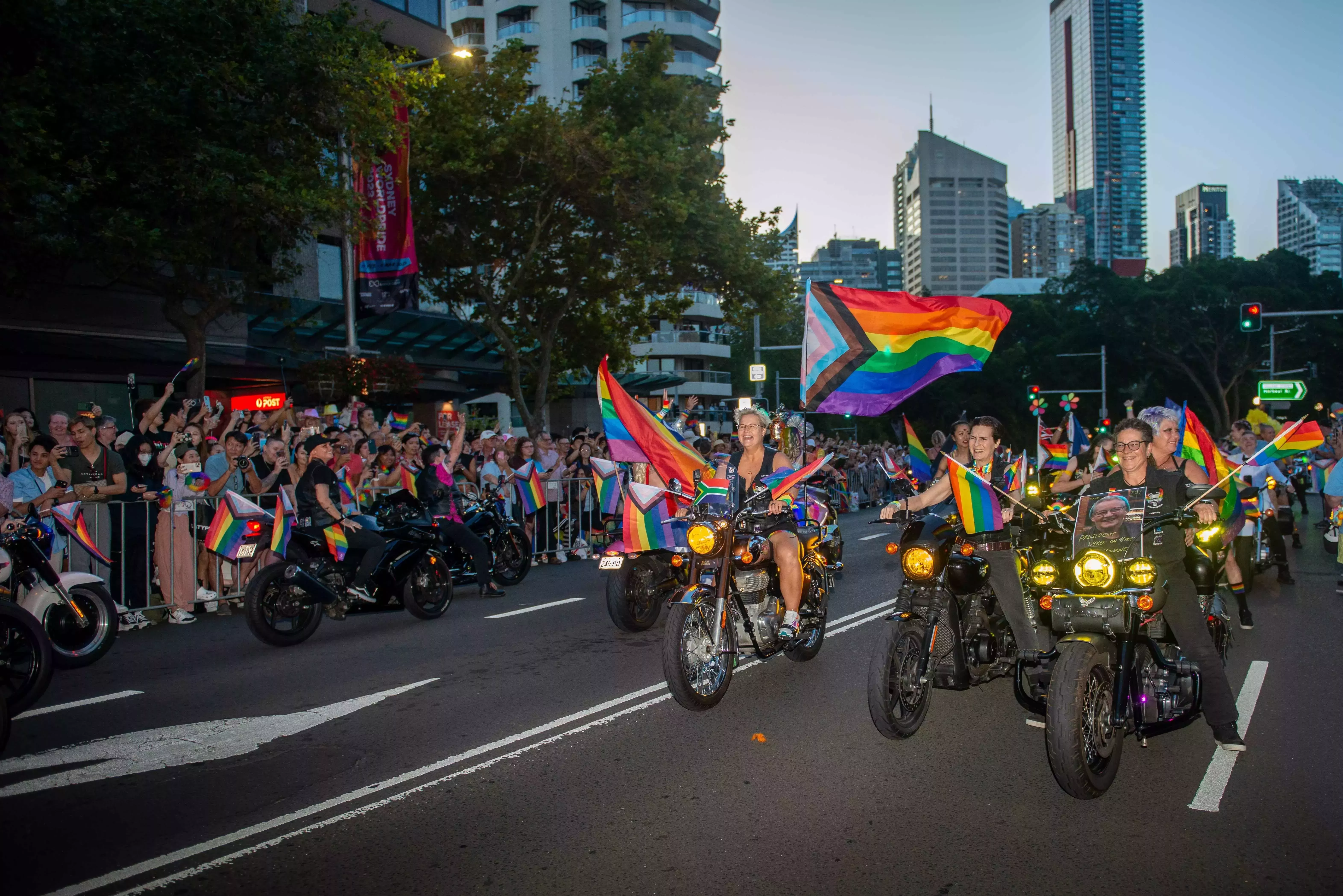
Sydney is one of the most LGBTQ+ friendly cities in the world, and the gay capital of Australia, with its annual Gay and Lesbian Mardi Gras festival leading the way in LGBTQ+ representation and support. Sydney’s Darlinghurst region is considered the gay hub of the city, and has a lengthy history of supporting and upholding LGBTQ+ community rights. Sydney ranks highly on both the Equaldex and Gay Index rankings, and it is a member of the Core LGBTI Group.
Sydney and Australia as a whole have a long history of protecting and supporting the rights of LGBTQ+ members, as homosexuality was decriminalised in the state of New South Wales in 1984, and same-sex marriage was legalised in Australia in 2017. Its annual Gay and Lesbian Mardi Gras event also sees attendees of more than 200,000, making it the largest Pride event in Australia and Oceania as a whole.
9. Toronto, Canada
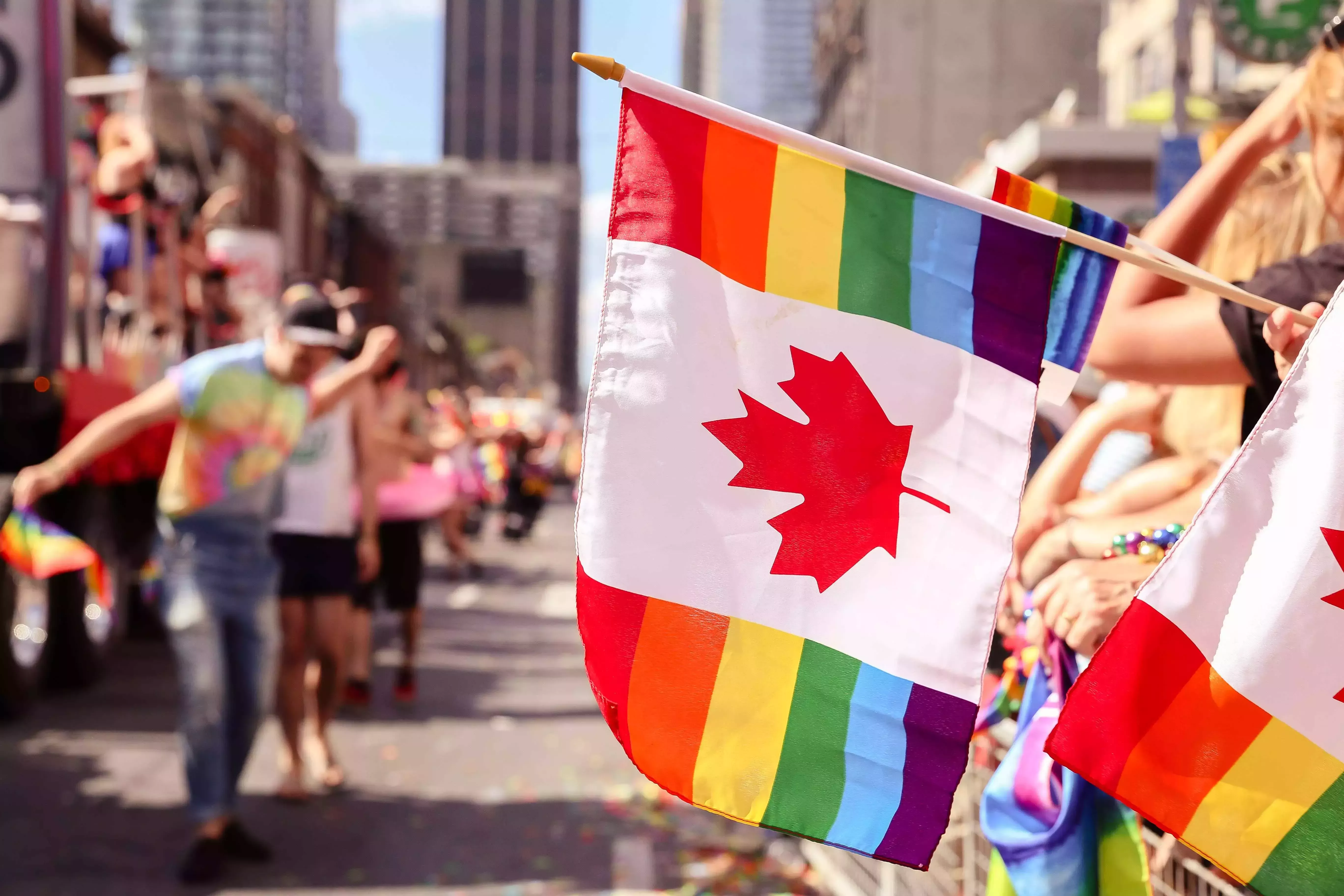
Canada’s largest city hosts the country’s largest Pride event, with just shy of 3 million attendees in recent years, making it North America’s largest and most spectacular Pride Event. Toronto is a buzzing hub for queer peoples, and is one of the most LGBTQ+ friendly cities in the world. Its Church and Wellesley district is the focal point for the LGBTQ+ community, as it is rife with bars, clubs and spaces that are openly supportive.
In terms of statistics, Toronto has a Gay Index Score of 8 and an Equaldex Score of 100, making it one of the best cities for the community. Toronto and Canada as a whole’s LGBTQ+ history is lengthy, with homosexuality becoming decriminalised in the late 1960s, and same-sex marriage being legalised in 2003 in Ontario Province, with the rest following suit not long after.
8. San Francisco, USA
San Francisco is a trendy and diverse Californian city, considered the gay capital of the state. The city is often ranked highly among the world’s most LGBTQ+ friendly cities, and has a sprawling LGBTQ+ scene and district that makes it welcoming and appealing to all members of the community. The city’s annual Pride event is also one of the largest in the US and the world, with around 1 million attendees in recent years. San Francisco and California State are known for their more liberal and progressive views on several matters, not just gay rights, so it makes sense that San Francisco adopts the same inclusive views and atmosphere.
San Francisco ranks at 8.5 on the Gay Index Ranking and at 100 on the Equaldex, giving an indication of its support of LGBTQ+ rights and representation. San Francisco was also one of the first cities in the US to allow same-sex marriage in 2004, despite it not being legal statewide until 2013. Since this, San Francisco has been recognised as one of the LGBTQ+ capitals of the US.
7. Amsterdam, Netherlands
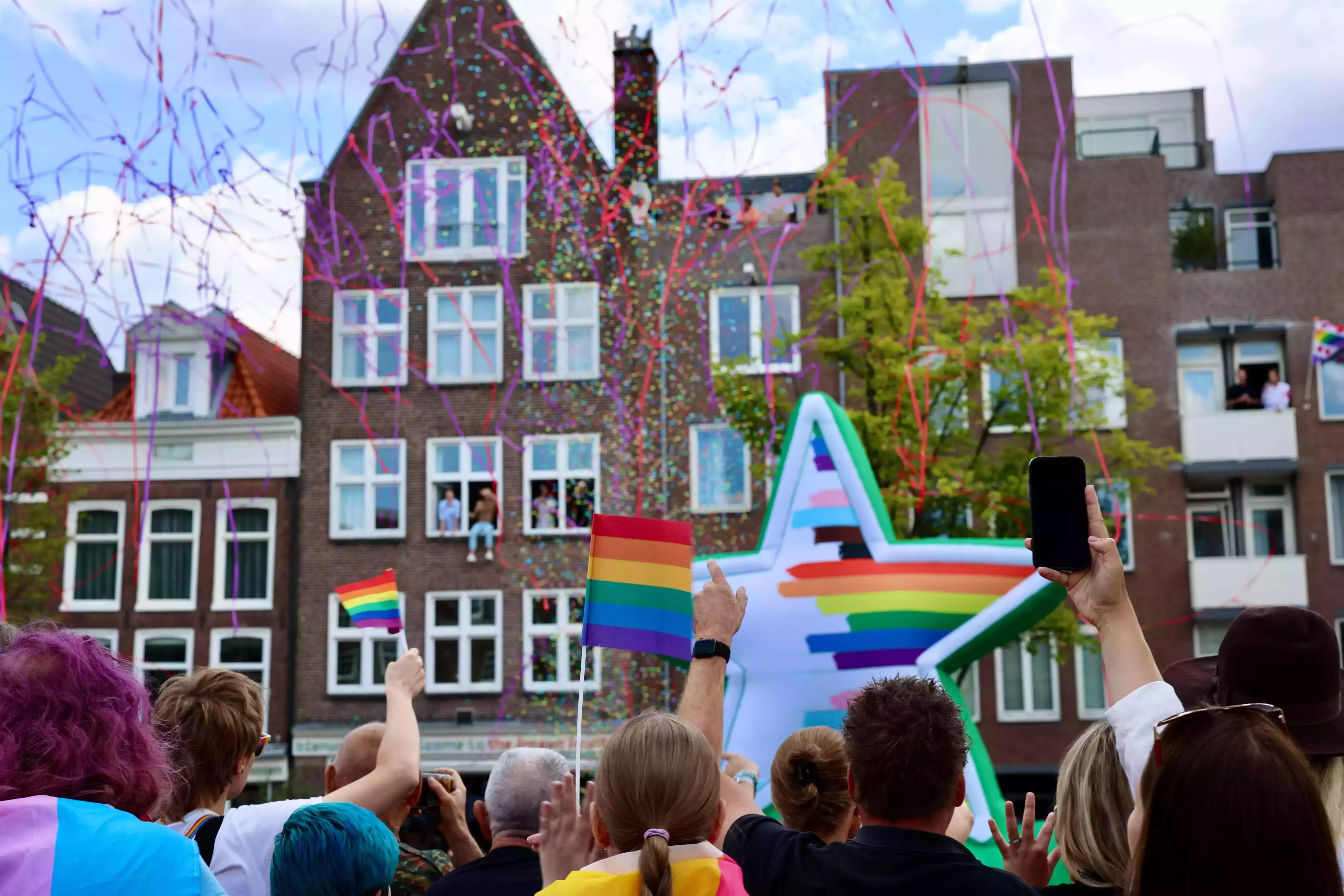
Did you know that the Netherlands was the first country in the world to legalise same-sex marriage in 2001? The city is home to some of the most progressive and liberal views on LGBTQ+ communities in the world. It also has one of the longest LGBTQ+ histories, with homosexuality apparently being decriminalised as far back as 1811, and gay bars and clubs being established in the late 1920s. Since then, Amsterdam and the Netherlands as a whole have become inclusive, supportive and proud of their resident LGBTQ+ communities.
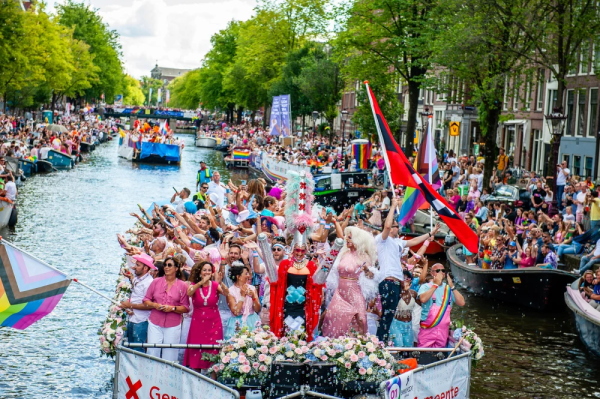
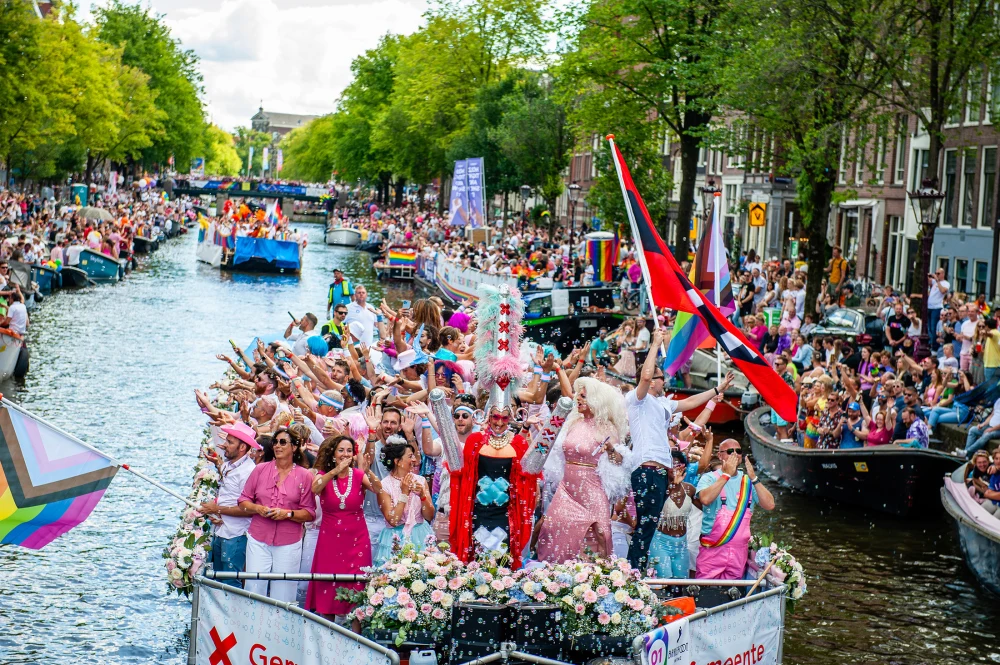
Amsterdam itself has a Gay Index ranking of 8, and an Equaldex score of 100, and its lively Canal Parade Pride event sees attendee numbers of more than 500,000, making Amsterdam’s Pride scene one of the largest in Europe and the world. Amsterdam’s Reguliersdwarsstraat region is the most significant LGBTQ+ area in the city, with a collection of LGBTQ+ friendly establishments, bars, clubs and restaurants.
6. Berlin, Germany
Berlin has a lengthy history of supporting and protecting LGBTQ+ rights, and is one of Germany’s ‘gay capitals’, and certainly one of the ‘gay capitals’ of Europe. The city has, for a long time, recognised and respected the rights of LGBTQ+ members, with a thriving gay village and a strong sense of community and inclusivity across the city.
Berlin ranks highly on the Gay Index and has a high Equaldex score, demonstrating how inclusive and safe it is for proud LGBTQ+ members. Its annual Pride event attracts between 500,000-1 million attendees, with the whole city and tourists coming together to support the community and partake in parades and marches. Germany is known for its progressive and liberal stance on LGBTQ+ rights and protection, so it makes sense that Berlin is a thriving hub for community members.
5. Madrid, Spain
With a thriving LGBTQ+ culture, Europe’s largest Pride event with more than 2 million attendees, and a plethora of LGBTQ+ friendly bars, clubs and restaurants, Madrid is definitely the place to be. Spain was one of the first countries in the world to legalise same-sex marriage in 2005, and homosexuality was legalised in 1979.
Madrid has a thriving LGBTQ+ community and scene, and caters to the community in a number of inclusive ways. Its Pride event is one of the city’s most important events of the year, and sees well over 2 million people attend each year. Madrid also has one of the highest Gay Index scores and an Equaldex score of 100.
4. London, UK
London is associated with a thriving and strong LGBTQ+ presence, and a number of gay bars, restaurants and exclusive LGBTQ+ spaces. Soho is the beating heart of the LGBTQ+ community, with a wide range of LGBTQ+ friendly spaces, but most of London is accepting and inclusive towards the community. Not only does London score highly on both the Gay Index and Equaldex rankings, but since the late 1960s, views and laws surrounding same-sex activities have become much more liberal and accepting, with same-sex marriage becoming officially legal across the UK in 2013.
London’s annual Pride event sees a turnout of more than 1 million people, making it one of the largest Pride events in the world. London also has a lengthy and significant LGBTQ+ history, with activism, marches and events being at the forefront. It’s safe to say that London is not only the capital of the UK, but it is one of the capitals of the world when it comes to LGBTQ+ rights and acceptance.
3. Porto, Portugal
First and foremost, Portugal was one of the first countries to legalise same-sex marriage in 2010, with its cities of Lisbon and Porto becoming thriving LGBTQ+ hubs since.
,Porto’s main LGBTQ+ district is Galerias de Paris and several other spots around the city, but the city as a whole has an inclusive and accepting feel no matter where you go. Although Porto has one of the lowest Gay Index scores of 6.9, it makes up for it with its Pride celebration that sees a significant turnout and its high Equaldex score of 93.
2. Dublin, Ireland
Dublin hasn’t always been the safe and accepting place for the LGBTQ+ community that it is now, but views and laws have drastically changed since homosexuality was decriminalised in 1993, and same-sex marriage was legalised by popular vote in 2015, making Ireland the first country in the world to legalise it in this way.
Dublin is now a thriving hub for all members of the community. The city’s progressive stances on LGBTQ+ make it all the more welcoming and inclusive to people of all backgrounds. To further Dublin’s changing views on LGBTQ+, its annual Pride event sees attendees of more than 70,000 take to the streets in solidarity for the community and its rights.
1. Lisbon, Portugal
Now we come to number 1, the world’s most LGBTQ+ friendly city: Lisbon. The city is a trailblazer in cultivating a safe, supportive, and fun community for queer people. It’s not just the capital that’s gay-friendly; Portugal decriminalised homosexuality in 1982 and was the eighth country in the world to legalise same-sex marriage in 2010.
The city’s chart-topping Equaldex score of 100 solidifies it as an inclusive powerhouse, and Lisbon celebrates in true festive style with a colourful, fun-filled Pride weekend in June. Lisbon also hosts the International Queer Film Festival.
At least dozens, but likely many more Americans from the LGBTQIA+ community have fled to the Netherlands in recent months out of fear of Donald Trump’s policies, AD reports after surveying organizations involved in helping them. The number of American asylum applications is already higher than in the whole of 2024, the Immigration and Naturalization Service (IND) told the newspaper.
Since Trump took office for his second term as United States president, the American government implemented policy to only recognize two genders, ban rainbow flags from government buildings, scrap the funding of transgender care for young people, and officially ban terms like “gender identity,” “non-binary,” and “transsexual.” Some conservative states are going even further. Arkansas, for example, is trying to ban hairstyles that “do not match” the gender children were assigned at birth.
Organizations like Transgender Network, LGBT Asylum Support, and Trans Rescue told AD that Trump is causing great unrest in the American LGBTQIA+ community. They all report an enormous increase in requests from Americans to find housing in the Netherlands. LGBT Asylum Support alone has received over 50 requests for aid since Trump took office.
“Our people are really afraid of persecution,” Wesley de Robles of Immigration Netherlands Services, an organization that helps American entrepreneurs obtain residency in the Netherlands via the Dutch-American Friendship Treaty (DAFT), told the newspaper. The treaty, intended to promote business relations, states that Americans who register as an entrepreneur with the Chamber of Commerce and present a business plan may be eligible for a residency permit.
According to De Robles, many transgender people, in particular, are using this route to flee the United States. “Since Trump, we have received around 30 applications every month, more than half of which come from the LGBTI community.” Before Trump, there were only a handful of applications per month.
The IND is also seeing an increase in asylum requests from Americans. In the first three months of 2025, there were 20 applications, while in previous years, between 9 and 19 Americans sought asylum in the Netherlands over a whole year. About half of the applicants are transgender, Transgender Network told AD, based on data from asylum doctors.
Fewer people use the official asylum route because the IND applies strict conditions. Only those who are at serious risk of persecution or inhumane treatment have a chance. LGBT Asylum Support has, therefore, asked Asylum Minister Marjolein Faber to “recognize the deteriorating situation for transgender people as a reason for asylum.”
But Faber refused. The PVV Minister responded that Trump’s policy “gives no reason to assume that transgender people should fear persecution.” So the conditions for asylum will remain unchanged, she said.
Americans living in the Netherlands will hold a protest in front of the American consulate on Saturday, one of the organizers told NL Times. The protest is not specifically due to Trump’s treatment of the LGBTQIA+ community, but against the American government’s “violation of due process rights” in general. This follows several immigrants being taken from American streets and detained in “a brutal prison in El Salvador.”
The demonstration will happen at 1:00 p.m. on Saturday in front of the American consulate on the Museumplein in Amsterdam, which is currently closed for renovations. “On April 19, we gather to say loudly and clearly: Hands Off Our Due Process Rights!” the organizer said.











 fleeredstates.blog
You must be logged in to post a comment.