Best Places for LGBTQ People to Retire Abroad

*This is reported by Kiplinger.

An irrefutable reality of being a member of the LGBTQ community, at any age, is that you must give more thought than non-LGBTQ people about where to live. What are the local laws that apply to LGBTQ people regarding workplace and housing discrimination, marriage equality and conversion therapy? What does available public polling reveal about acceptance of the LGBTQ community? Even if you’re not married and don’t plan to be, or even if you no longer work, such laws — or the absence of them — suggest to LGBTQ folks how safe and welcoming the locale will be for them.

The above is true whether you’re LGBTQ and 30 — or a gay retiree. You can’t just spin the globe. If you’re LGBTQ and are considering retiring abroad, it is incumbent on you to do more due diligence than your straight friends and family members would have to do in the same situation.

Best places for LGBTQ people to retire abroad

If you enlist the services of a lawyer who specializes in retirement abroad, you have to ask more questions; you have to spend more late nights googling; and you have to read more articles like this one, in which we examine the knotty issues related to gay retirement outside the U.S., include advice from both experts and expats, and make some (hopefully helpful) recommendations.

If everything falls into place, you can breathe a sigh of relief once you’re in the midst of your retirement abroad. Chris Young and Jon Kinnally, who both worked in the television industry — Young was a writer for Comedy Central, and Kinnally was a writer and producer for the sitcoms Will & Grace and Ugly Betty — lived most recently in Los Angeles before the couple moved to Spain. They chose Sitges, a vibrant, walkable beach town about 45 minutes from Barcelona. “It’s so open. You see gay and lesbian couples holding hands. And you can be old and gay here, which you can’t be in L.A.,” Young says, not entirely joking.

Below, we recommend some beautiful and culturally rich countries where LGBTQ folks can retire happily and safely. But just as the U.S. isn’t uniform in terms of acceptance, neither are most countries. The LGBTQ community scarcely needs to be told that the more populous and diverse the area — in the U.S., that means urban or coastal, or both — the more accepting the area tends to be.

But it’s worth repeating. As the founder and managing director of Mitos Relocation Solutions, Federica Grazi helps expats retire in Greece and other European countries, and she is quick to note that not all of Greece is like the gay magnets of Athens and Mykonos. “I would not recommend that gay couples move to the countryside, where there are traditional communities and not many expats — it would be harder to integrate there,” she counsels, but the same might be said of France, Spain, Italy — or the U.S.

With that in mind, here’s our hot list of retirement places.

Spain

Spain is well-known as one of the most LGBTQ-friendly countries in the world. Spain legalized same-sex marriage in 2005, a full decade before the U.S. Naturally, this factored into Young’s and Kinnally’s decision to move to Sitges, a global destination for gay tourism.

The two appreciate the fact that the resort town, while heavily gay — with a spate of gay bars, nightclubs, and hotels — is demographically diverse. “It’s not a gay ghetto,” Young says. “Sitges is a great mix,” Kinnally adds. “It’s different than a place like Provincetown. There are kids running through the streets, old Spanish ladies, and gay couples — all mixing together. It’s kind of a utopia if you want to retire.”

With health care costing the couple only 250 euros a month and three-course lunches priced from 15 to 17 euros, they can breathe easy about expenses and work on their respective book projects. (Kinnally’s I’m Prancing as Fast as I Can comes out in August.) Of the major cities, Barcelona is a gay mecca, and Madrid boasts Chueca, a festive gay neighborhood.

Greece

While same-sex marriage was only recently legalized in 2024, same-sex sexual activity was decriminalized in Greece in 1951, which compares favorably to the U.S., which granted this right far later — in 2003. Likewise, employment discrimination against gays and lesbians has been illegal in Greece since 2005 (with gender-identity protections following later), while the U.S. did not grant this protection at the federal level until 2020.

Athens boasts a large and thriving LGBTQ community, especially in the Gazi neighborhood, and the Cycladic island of Mykonos is arguably the world’s most popular summer destination for the LGBTQ community, with famous gay beaches like Elia and Super Paradise.

Former New Yorker Daniel Rentillo says that even the small, low-key island of Symi, where he retired, is a comfortable place to be LGBTQ, and he’s noticed more gay couples visiting and even making moves to relocate to the island. The fact that Greece enjoys excellent health care and a relatively low cost of living makes this country of cultural antiquities, plentiful beaches, mild weather, and fresh seafood a fine choice for retirees — LGBTQ or not.

Malta

Not only was employment discrimination against the LGBTQ community banned here, and same-sex sexual activity decriminalized years before the U.S. made these civil rights moves, but the island nation of Malta was also the first European country to ban conversion therapy. Supermajorities of Maltese support civil rights and marriage equality.

With a tiny population of half a million people living on three sunny, inhabited islands (Malta, Gozo, and Camino), the country is located south of Sicily, enjoying a similar Mediterranean climate and stunningly clear waters to swim in, especially at the natural coves at St. Peter’s Pool.

Valetta is the pedestrian-friendly capital and is the best place for gays to hole up, along with nearby Sliema. “Everyone accepts the LGBTQ community today,” says Matthew Cassar, a citizenship advocate and lawyer based in Sliema. “No one would conceive of discrimination,” noting that “there is no opposition party” set on scaling back the community’s rights. One of Cassar’s clients, worried for his transgender daughter’s rights and safety in the U.S. under the Trump administration, is in the middle of the citizenship process.

The country has two official languages: Maltese and English.

Australia

For more than a decade, public polling has shown support for gay rights and marriage quality surpassing the 70% mark. And some advances have been swift and recent: Since 2021, the country has outlawed the so-called gay panic defense, legalized marriage equality, and banned conversion therapy (in regions representing 85% of the population). In 2013, Australia implemented federal protections based on sexual orientation, gender identity, and intersex status.

Though marriage equality did not arrive in Australia until 2018, the capital of Sydney has embraced gay culture for decades: The annual Gay and Lesbian Mardi Gras, one of the world’s biggest LGBTQ celebrations, has been going strong since the 1970s. While Sydney, Adelaide and Brisbane have gay neighborhoods, the LGBTQ presence in Melbourne is more spread out.

Most retirees will find a pathway to relocate through the expensive ($500,000 to $750,000) Investor Retirement Visa. Still, it is cheaper to live in Sydney than in New York or San Francisco.

For those seeking a mild climate, beautiful cities, a friendly populace, excellent health care, and zero language barrier, “Oz” (the affectionate slang for Australia) may be the ticket.

Costa Rica

Costa Rica’s former president, Carlos Alvarado Quesada, was a notable reformer and advocate in the area of LGBTQ rights, garnering global attention when he publicly apologized for the country’s past persecution and discrimination of gays, calling it “shameful.” Same-sex marriage became legal in 2020, which was also the year that hate crimes and blackmail based on sexual orientation were criminalized. (Transgender rights already had been significantly expanded in 2018.)

A center of eco-tourism and sustainable well-being with no standing army, tropical Costa Rica has long been regarded as a kind of peaceable utopia for expats. With the Caribbean Sea on one side and the Pacific on the other, Costa Rica is known for its lush landscape and hot springs.

Costa Rica’s healthcare system frequently ranks as one of the best globally. The country’s high-quality healthcare has made it a health tourism destination.

Gay life is centered in the capital city of San Jose and the carefree beach resort town of Manuel Antonio. Retirees will find the country very affordable, even with household help.

The Netherlands

The first country in the world to legalize same-sex marriage (in 2001) also banned discrimination based on gender identity, gender expression, and sex characteristics in 2019. Not only do most Dutch people support LGBTQ rights; many Dutch, especially those under 40, can’t even comprehend the discrimination faced by the community in other countries.

It would be an understatement to say that you can be comfortably gay in Amsterdam, with Reguliersdwarsstraat the most prominent LGBTQ area. This world-class city is postcard-perfect, teeming with cyclists, and is pedestrian-friendly (just mind the bike lanes). The visa system is straightforward and leads to residency. English is widely spoken, and the cultural opportunities seem endless.

On the downside, the country’s cost of living can feel a little pricey for those living outside major U.S. cities, and the weather in the Netherlands is rainier and chillier than in southern Europe.

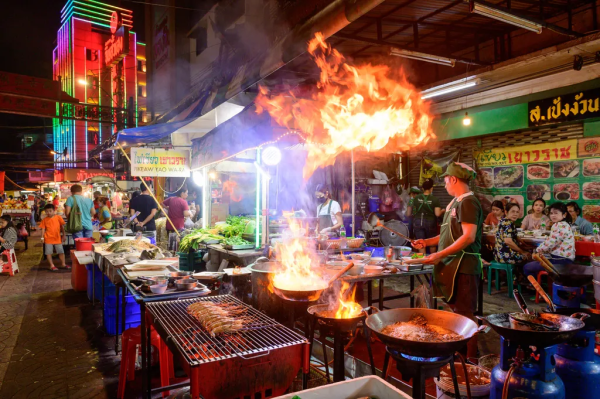
Thailand

In 2024, Thailand made headlines when it became the first UN member state to approve a marriage equality law, and the country, with its myriad cultural and recreation opportunities, has long been popular with LGBTQ tourists. Therefore, LGBTQ couples and individuals may want to consider Thailand, but only if they’re of a certain stripe: adventurous and very well-traveled; tolerant of tropical heat; and veterans of previous vacations or work stints in the country.

In an exotic culture so far from friends and loved ones, it’s best to have an expat community already in place if you’re thinking of moving there. In addition, though Thailand offers the LGBTQ community a range of protections and anti-discrimination laws, local attitudes are still evolving, and social interactions should be carefully navigated (cue the established expat scene).

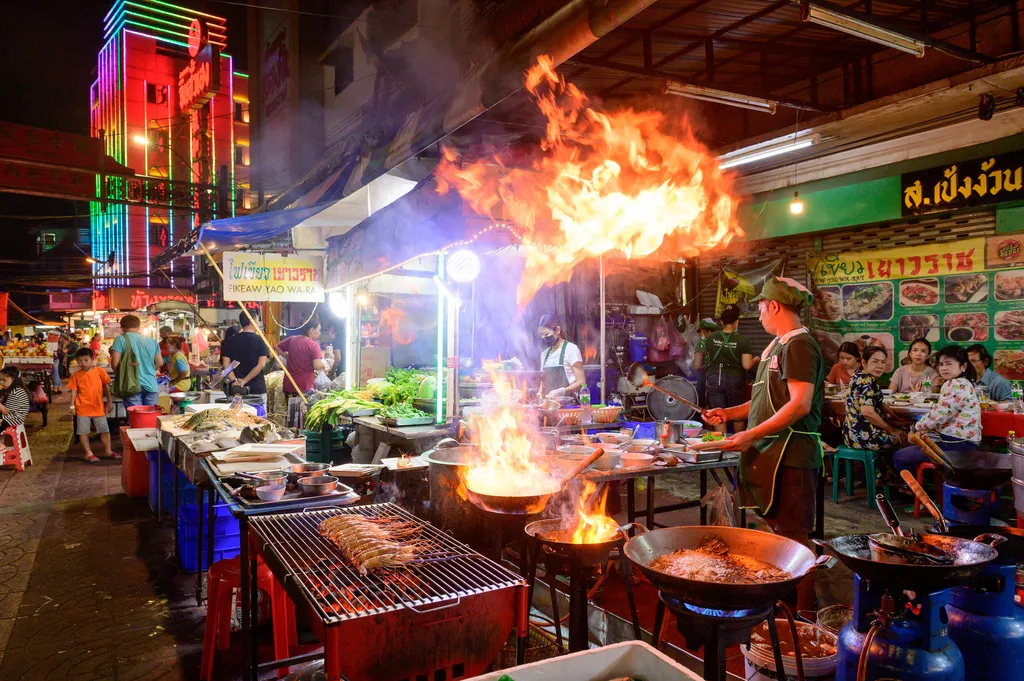
That said, this is a very inexpensive country with kind people. And if you love Thai food, having pad see ew where it was invented will be a revelation. The capital, Bangkok, is a uniquely stimulating place, where a ride on long-tailed boat along the Chao Phraya River may get you to your destination faster than an open tuk-tuk (taxi), given the city’s notoriously heavy traffic.

If you prefer a slower pace and a coastal setting, you can always base yourself in the resort areas of Phuket or Ko Samui, the latter the island where season 3 of The White Lotus was filmed.
Netherlands tightens US travel advice for LGBTQ+ people

*This is reported on Politico.eu

German and Finnish authorities have taken similar steps, and Belgium is planning to do the same, as the Trump administration removes some protections for sexual minorities.

The Netherlands has tightened its travel advice to the United States for LGBTQ+ people, highlighting an unease among European nations about Washington’s policies toward sexual minorities.

The Dutch foreign ministry’s travel advice portal now notes that people belonging to a sexual minority should take into account that “laws and customs in the US towards LGBTQI+ people may differ from those in the Netherlands.”

Dutch public broadcaster NOS points out that the travel advisory previously stated that U.S. laws were “comparable to those in the Netherlands,” with its liberal, progressive stance on LGBTQ+ rights.

Following the Dutch notice, the Belgian government announced that it is also working on adjusting the travel advice in light of stricter border controls and changing attitudes toward transgender people and the wider LGBTQ+ community, Flemish public broadcaster VRT reported.

German and Finnish authorities have also tightened their travel warnings for the U.S. after President Donald Trump took steps to remove some protections for sexual minorities, such as only accepting M or F (male or female) as gender identification on passports and visas.

”It reflects a sad and completely needless reality,” Dutch MEP Kim van Sparrentak, from the Greens group, told POLITICO.

Van Sparrentak, who also heads the European Parliament’s LGBTIQ+ intergroup, stressed that the liberal European fears are “not only for people traveling to the U.S. but for a large part of the U.S. population too, trans and intersex people in particular.”

10 Unique And Safe Places To Get Married If You’re Gay

Check out this slideshow put together and posted to MSN.

While some places still make same-sex marriage complicated (or even illegal), others celebrate it fully, offering welcoming venues and stunning locations for your big day. If you’re looking for somewhere unique, safe, and unforgettable to say “I do,” these destinations offer the perfect mix of charm, romance, and friendliness toward the queer community.

The cities mentioned in the slideshow are:

Amsterdam Netherlands

Queenstown New Zealand

Toronto Canada

Cape Town South Africa

Reykjavik Iceland

Barcelona Spain

Valleta Malta

Sydney Australia

Mexico City Mexico

Copenhagen Denmark

Each town on the slide deck has a short excerpt about why the author included them. Be sure to read it.

Also be sure to check out our world map for more info on moving to various countries.

The emerging European cities drawing the attention of digital nomads

This blog originally appeared at EURONEWS.

By Amanda Kavanagh

Digital nomads are always seeking out new destinations that offer an ideal mix of affordability, high quality of life, convenient time zones, and reliable tech infrastructure.

While Lisbon has been a popular choice for international remote workers in recent years, this influx has contributed to rising rent prices. Additionally, some of the initiatives that initially attracted digital nomads are being rolled back by Portuguese authorities, such as the termination of the non-habitual tax residence (NHR) program.

With these changes, digital nomads are on the hunt for the next hot spot.

3 Jobs in Germany to Consider This Week:

  1. Lackiermeister (m/w/d), Rheinmetall Landsysteme GmbH, Fuldabrück
  2. Abteilungsleiter Obst & Gemüse (m/w/d), REWE Deutscher Supermarkt, Schwerin
  3. Account Manager (f/d/m), Leica Biosystems, Dulmen

New Destinations for Tech Workers

In March, New Zealand’s Trade & Enterprise, a government agency, released a report titled Tech Jobs in Europe. Originally aimed at helping New Zealand exporters understand top and emerging tech hubs across Europe, the report offers valuable insights for remote workers looking for their next destination. Although the data primarily comes from secondary sources, providing more general trends than definitive conclusions, it still offers a useful guide for digital nomads.

For most European cities, internet quality and time zone compatibility with European jobs are solid. That narrows the focus to two key considerations: quality of life and cost of living—both of which are analyzed in the report.

The report’s cost of living index compares the prices of consumer goods, such as groceries, dining, transportation, and utilities, relative to New York City. Meanwhile, the quality of life index considers factors like purchasing power, pollution levels, housing affordability, safety, healthcare quality, commute times, and climate conditions to estimate overall quality of life.

Spain

Spain emerges as an attractive option for digital nomads, offering the lowest cost of living index among the countries studied, paired with the third-highest quality of life index, and, of course, abundant sunshine. The report highlights several Spanish cities, including Bilbao, Barcelona, Madrid, and Valencia.

Barcelona, known for its dynamic start-up scene and vibrant nightlife, has long been a favorite among digital nomads. However, its struggles with over-tourism have been well-documented, and expats may not always receive the warmest welcome.

Valencia is quickly becoming a favorite among remote workers. This coastal city offers a more affordable cost of living compared to Barcelona or Madrid, yet still boasts excellent infrastructure and a high quality of life. With its stunning beaches and rich cultural heritage, Valencia is the perfect place for those who prioritize work-life balance.

For those who want to immerse themselves in Spanish culture and experience a vibrant nightlife, Madrid is the place to be. The city is a hub for the tech industry and has introduced a Start-up Law aimed at attracting entrepreneurs. This law also grants remote workers and freelancers from outside the European Union the right to stay in Spain for an initial period of one year, making Madrid an attractive option.

Up north, Bilbao offers a unique experience with its blend of traditional Basque culture and incredible cuisine. It’s an ideal destination for those looking for a more authentic and less touristy experience.

Sweden

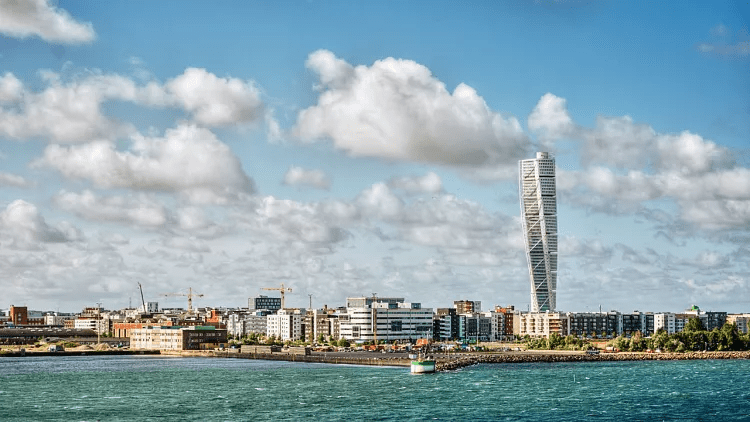
Sweden stands out in both the cost of living and quality of life indexes, making it a compelling choice for digital nomads who are comfortable with the northern climate. The report highlights Malmö and Stockholm as key cities for tech and innovation, offering a dynamic environment for remote workers.

Stockholm has established itself as a major tech hub, with success stories like Spotify and Klarna originating from the city. It’s a magnet for those in the tech industry, offering a dynamic environment and ample opportunities.

However, Malmö is gaining attention as well. Just a short train ride from Copenhagen, Malmö provides a more affordable alternative to Stockholm while still offering a vibrant tech community and an excellent quality of life.

Italy

Who hasn’t been tempted by those enticing ads offering historic buildings in rural Italy for almost nothing?

Unfortunately, high-quality internet isn’t always a given in those rural areas. The New Zealand report, therefore, focuses on Milan, Turin, and Rome. These cities offer a relatively low cost of living, a moderate quality of life, and reliable internet speeds, making them more suitable for digital nomads.

While Rome’s historic charm is hard to resist, Milan is emerging as Italy’s top tech and business destination. Known for its fashion and design heritage, Milan is now also home to a growing start-up scene, with companies like Scalapay, a payment solution that lets customers make purchases in three interest-free installments, leading the charge.

Turin, often overlooked by tourists, is another Italian city worth considering. Known for its innovation, particularly in the automotive industry with brands like Fiat, Alfa Romeo, and New Holland, Turin is now undergoing significant urban and industrial redevelopment. The city is positioning itself as a strategic center for excellence in the aerospace industry.

The Netherlands

The Netherlands boasts the highest quality of life index among the countries examined. While the cost of living is moderate, the overall appeal of the country remains strong for digital nomads. The report highlights cities such as Amsterdam, Utrecht, The Hague, and Rotterdam.

Amsterdam, with its iconic canals and progressive culture, has long been a favorite among tech workers. However, as housing prices in the capital continue to rise, other Dutch cities like Utrecht, The Hague, and Rotterdam are becoming increasingly attractive alternatives.

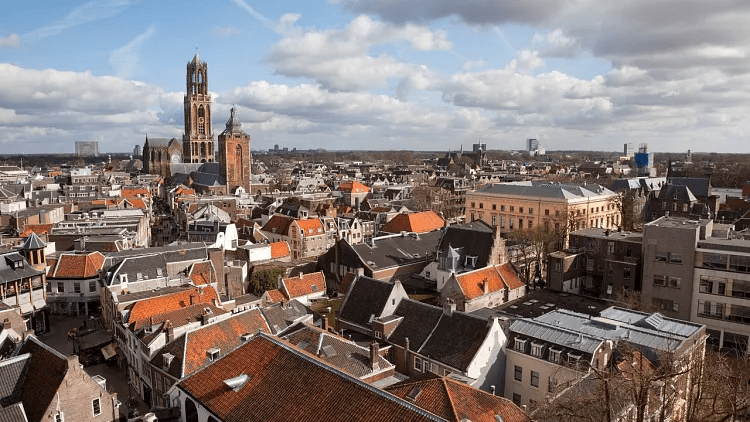
Utrecht, with its large student population and central location, provides a more relaxed alternative for digital nomads seeking a laid-back atmosphere. The Hague, renowned for its international organizations and stunning beaches, is particularly appealing to those in law, policy, or international relations.

Rotterdam, famous for its bustling port and ambitious plans to become Europe’s largest green hydrogen hub, is also gaining popularity. The city is known for its founder-led communities, a high concentration of start-ups, numerous incubators, and an abundance of coworking spaces, making it an attractive destination for entrepreneurs.

Germany

Germany strikes a good balance between cost of living and quality of life, making it an appealing choice for digital nomads. The report highlights Hamburg, Berlin, and Munich as key cities.

Berlin has long been a hotspot for digital nomads, celebrated for its affordable living costs and its vibrant arts and techno scene. However, as Berlin’s popularity grows, so do its living expenses, prompting many to explore other German cities.

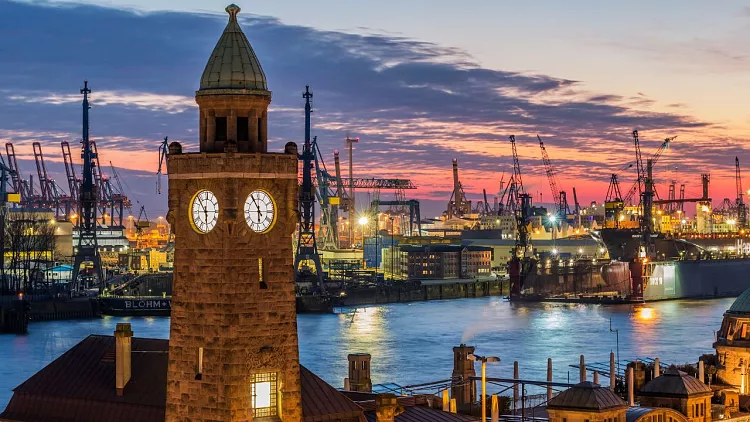
Hamburg, with its rich maritime history, offers a unique flavor of German city life. The city is home to the carbon-neutral energy systems provider and unicorn 1KOMMA5°, along with several innovative and high-profile tech companies in biotech, health tech, and fintech sectors.

3 More Jobs to Apply for This Week:

  1. Senior Project Manager (m/f/d), Cytiva, Darmstadt
  2. Regional Sales Manager Germany Central (f/m/d), Beckman Coulter, Diagnostics, Frankfurt
  3. Frontend Developer, Jobbio, Dublin / Remote

Munich, though more expensive, makes up for it with a high quality of life, close proximity to the Alps, and a robust job market. Known traditionally for its engineering prowess, Munich is now shifting its focus towards software engineering, with 11% of Germany’s total start-ups located in the city.

15 Best Countries for LGBTQ Expats – NBC News

This blog originally appeared at NBC News.

Prior to this week’s stunning presidential election results, a number of LGBTQ advocates and celebrities threatened to leave the U.S. should Donald Trump be elected. Now that the real estate mogul and reality TV star is America’s president-elect, NBC OUT has compiled a handy list of LGBTQ-friendly countries for U.S. expatriates.

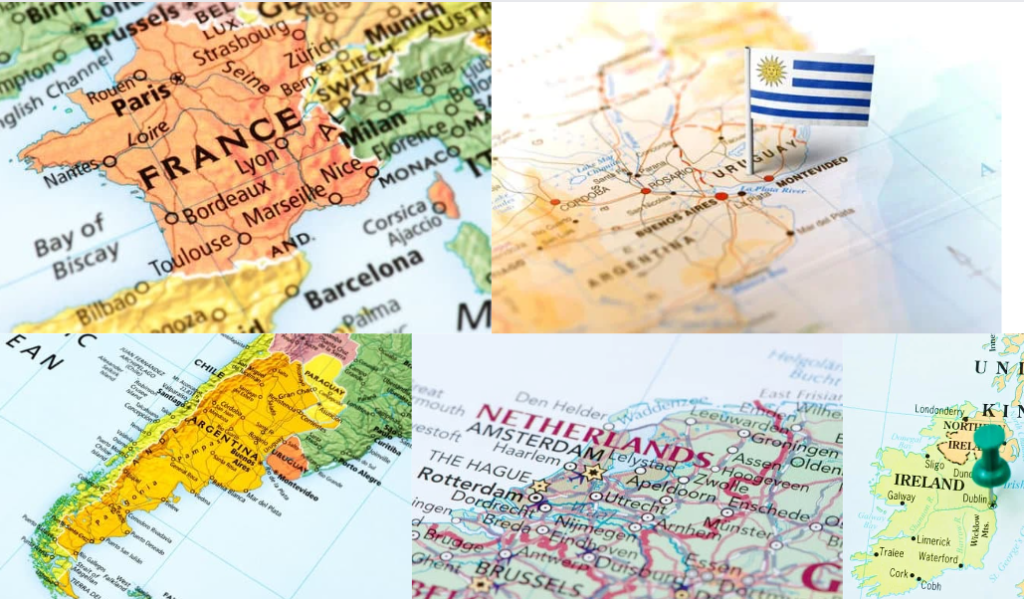
Argentina, Belgium,Canada, Denmark,France, Iceland,Ireland,Luxembourg,New Zealand,The Netherlands,
Norway,South Africa, Spain, Sweden,Uruguay,

Read Full Article – https://www.nbcnews.com/feature/nbc-out/15-best-countries-lgbtq-expats-n683201


If you’re ready to look for a better state or county for you and your family (or family of choice), reach out to us at www.FleeRedStates.com

Blog at WordPress.com.

Up ↑