Hong Kong judge rules in favor of transgender bathroom access

Read more at the AP.

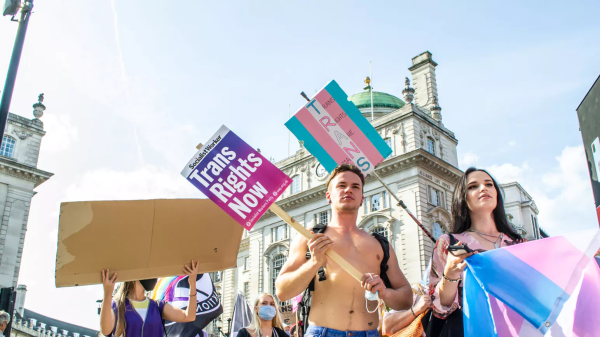
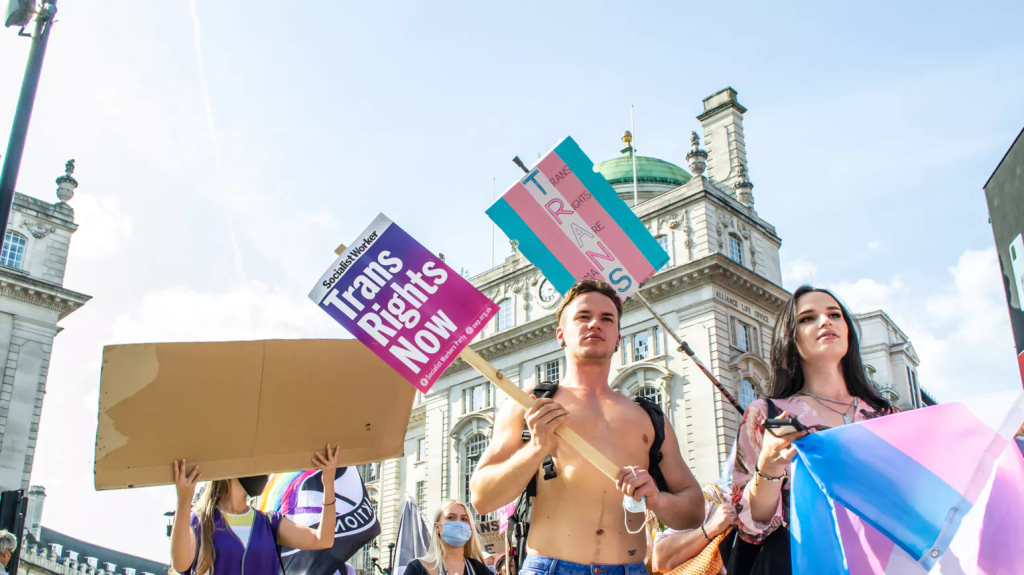
A Hong Kong judge on Wednesday ruled to strike down regulations criminalizing the use of bathrooms designated for the opposite sex, ruling in favor of transgender individuals’ rights to access public toilets matching their identity.

Judge Russell Coleman approved the judicial review of K, who was born a woman and identifies as a man, saying the regulations contravene an article of the city’s mini-constitution that stipulates all residents should be equal before the law.

But he suspended the declaration to strike down the regulations for a year to allow the government “to consider whether it wishes to implement a way to deal with the contravention.”

He said in the judgment that the regulations and “drawing the line of a person’s biological sex at birth create a disproportionate and unnecessary intrusion into the privacy and equality rights.”

The ruling marks another step forward in recognizing the rights of LGBTQ+ people in the Chinese financial hub. In recent years, the government has revised policies following activists’ wins in legal challenges.

Currently, only children under 5 years old accompanied by an opposite sex adult can enter a public washroom designated for the opposite sex. Those violating the rule face a fine of up to 2,000 Hong Kong dollars (about $255).

K launched a legal challenge in 2022, seeking to expand the exemption to pre-operative transgender people who have been diagnosed with gender dysphoria and have a medical need to undergo the process of living in their identified gender. He argued that his constitutional rights were infringed by the prohibition against him using public toilets allocated for men, the court heard.

The Environment and Ecology Bureau said in an emailed statement that the government will carefully study the judgment and consult the Department of Justice on the appropriate follow-up action.

Quarks, a group serving transgender youth in Hong Kong, welcomed the ruling, urging officials to take immediate action to rectify what it called long-standing discrimination in the system.

“The ruling is not just an affirmation of transgender rights legally but also a big step forward for Hong Kong’s overall human rights development,” it said on Instagram.

In 2023, Hong Kong’s top court ruled that full sex reassignment surgery should not be a prerequisite for transgender people to have their gender changed on their official identity cards.

The next year, the government revised its policy to allow people who have not completed full gender-affirmation surgery to change their genders on ID cards as long as they fulfill certain conditions. The conditions include the removal of breasts for transgender men, the removal of the penis and testes for transgender women, and having undergone continuous hormonal treatment for at least two years before applying.

Applicants also have to continue their hormonal treatment and submit blood test reports for random checks upon the government’s request.

In April, activist Henry Tse, who won the legal battle in 2023 and received his new ID card reflecting his gender change last year, lodged a fresh legal challenge over the new requirements.

Malaysia police arrest 12 men at gay party after discovering condoms and HIV medication

Read more at LGBTQ Nation.

Police in the Malaysian state of Kelantan arrested 12 men during a raid on a “gay party,” the regional news site Sloboden Pecat reported. The arrests follow 20 that occurred in the state capital of Kota Bharu in June, amid a nationwide crackdown on LGBTQ+ people.

Kelantan state police chief Mohd Yusof Mamat said that officers found no evidence of sexual activity at the party, but they did discover condoms and HIV medication, suggesting that sexual activity may have been planned for later on. Police also found that three men had explicit adult images on their phones — police arrested and charged those three individuals. The officers didn’t arrest any additional people because they could find neither incriminating evidence nor specific charges to press against them.

“During interrogation, [party attendees] admitted that they belonged to a homosexual group,” Mamat said. “We are concerned about this type of behavior… We will continue to monitor the movements of homosexual groups.”

The police chief said over 100 local men attended the party, though most of them had left by the time the raid began.

Like one-fourth of the world, Malaysia’s anti-gay laws were originally imported by British colonizers. In the modern era, powerful Muslim clerics and politicians have used the laws to whip up outrage and support among conservative citizens. Recently, anti-LGBTQ+ sentiment in the country has gotten louder and deadlier.

In 2023, the Malaysian government reportedly began requiring music venues to have an emergency “kill switch” to quickly shut down concerts following an onstage same-sex kiss between members of the British rock band The 1975 at a Malaysian music festival. Government authorities also said that police will now conduct background checks on artists from other countries before scheduling performances to ensure that they will not promote illegal activities. 

In 2022, 20 local Muslims were detained by religious authorities for cross-dressing or “encouraging vice” during a raid on an LGBTQ+ Halloween party. Local censors also said that between 2020 and May of this year, LGBTQ+ content accounted for half of all banned publications, the South China Morning Post reported.

In 2019, Malaysia caned four men between the ages of 26 and 37 for having a consensual same-sex encounter behind closed doors. The men’s actions violated a Sharia law forbidding “intercourse against the order of nature.” The men were reportedly discovered by authorities after the government monitored their “private” messaging. Around 50 officers raided the apartment where the men met to arrest those involved.

In March 2019, Tourism Minister Datuk Mohamaddin Ketapi claimed there are no queer or trans people in Malaysia, a statement which drew condemnation from the country’s LGBTQ+ community. Despite the country’s anti-LGBTQ+ actions, it still hosts an annual Seksualiti Merdeka (Independent Sexuality) festival, though politicians have increasingly tried to prevent it from occurring.

Since 2019, multiple trans women in Malaysia have also been beaten, hospitalized, or killed by violent mobs.

In August 2018, police in Kuala Lumpur raided the gay bar Blue Boy — afterwards, the Federal Territory ministry claimed the arrests were meant to “stop the spread of LGBTQ culture in society.” That same month, authorities sentenced two women to public caning for “attempted sexual relations.”

In June 2017, the country’s health offered its citizens cash prizes for making anti-LGBTQ videos. The following month, a hardline national Muslim group told its 50,000 members to oppose Starbucks for the coffeehouse chain’s pro-LGBTQ workplace policies. That same year, an 18-year-old boy was beaten with helmets, burned, shot in the groin, and declared brain dead by medical authorities — his classmates had attacked him for being “effeminate.”

In 2013, the Malaysian government sponsored a touring musical, entitled Asmara Songsang (Abnormal Desire), to teach young people about the dangers of being queer. In 2015, Human Rights Watch criticized Malaysia for fining and imprisoning transgender women.

In 2012, the country banned gay characters from all national TV shows and radio programs. In 2011, Malaysian school authorities sent 66 Muslim teenage boys to a correctional camp to learn “masculine behaviors” after their teachers identified them as “effeminate.”

Texas GOP holds special session to address deadly floods & files an anti-trans bathroom bill instead

Read more at LGBTQ Nation.

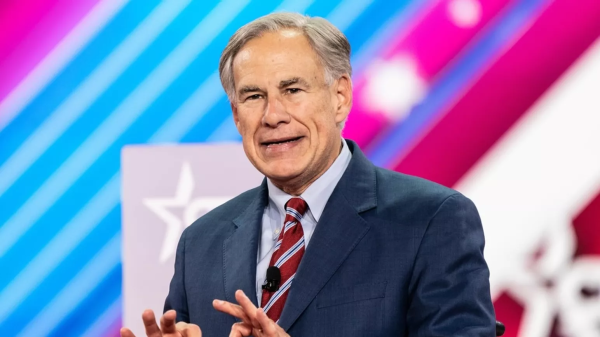
Texas Gov. Greg Abbott (R) has called a special legislative session to address the deadly floods that have left 134 people dead and 101 others missing. However, in preparation for the session, state GOP lawmakers have filed 82 measures, none of which address the flooding. Instead, they seek to ban transgender women from using women’s facilities (and Abbott personally supports the idea).

In Abbott’s proclamation for the special session, he laid out 18 priorities. The first four addressed the need for improved emergency warning, communication, and aid systems. The other priorities included further restricting abortions and election access, gerrymandering the state electoral map to favor Republicans, and “legislation protecting women’s privacy in sex-segregated spaces.”

The state constitution says legislators can only file bills related to the governor’s priorities, but Republican legislators haven’t filed any bills related to the deadly floods, KXAN reported.

Instead, Republican state Rep. Valoree Swanson filed H.B. 32, which would require people only to use facilities in public schools, state universities, government-owned buildings, jails, and family violence shelters that match the “biological sex” assigned on their original birth certificate. Texas recently changed its laws to forbid transgender people from changing the gender markers on their birth certificates and driver’s licenses.

Anyone who allows the proposed law to be violated could be subject to civil fines from $5,000 to $25,000, as well as additional penalties. Swanson filed a similar bill during the previous legislative session, but it failed to pass after missing several legislative deadlines, Chron reported.

Three other special session bills, H.B. 37, 65, and 70, would punish any person or internet service provider who aids or abets the distribution of abortion medication.

H.B. 38, introduced by Democratic state Rep. Jessica Gonzalez (who is also chair of the Texas House LGBTQ Ca ucus), would prohibit workplace, housing, and public accommodations discrimination against LGBTQ+ people, but there’s no way it’ll pass the state’s Republican-majority legislative chambers. It’s also unclear how the bill relates to Abbott’s list of priorities.

“I am proud to have filed H.B. 38 in preparation for the upcoming special session of our legislature,” González wrote in a statement on Tuesday. “H.B. 38 is a comprehensive nondiscrimination bill that would codify equal protection for the LGBTQ+ community and military veterans in employment, housing, and public accommodations.”

During the last legislative session, Texas Republicans filed 88 anti-LGBTQ+ bills, four of which became law, including a ban on diversity, equity, and inclusion (DEI) initiatives in public schools and one mandating people’s genders be legally determined by their reproductive organs. The Texas House voted to repeal the state’s anti-sodomy law, but Republicans prevented the repeal from getting a vote in the state Senate.

Judge bizarrely rules that police at a Pride parade threatened the safety of transphobes

Read more at LGBTQ Nation.

Just days before this weekend’s Pride parade in Northumbria in Northern England, a judge ruled that the local police department’s chief constable wrongfully allowed uniformed officers to march under a Progress Pride flag at last year’s celebration.

In a controversial decision critics say is riven with bias, the judge claimed officers marching with the flag breached their duty to impartiality and endangered imagined protesters with “gender critical” views.

The judicial review was brought by a female event participant who objected to police officers “associating with messaging which was supportive of the cause of gender ideology,” The Times of London reported.

In her challenge, plaintiff Lindsey Smith highlighted a decision to allow officers to station a police van decorated in colors “indicative of support for the cause of gender ideology… namely the colors of the Progress flag.”

The “messaging which was supportive of the cause of gender ideology, including in the form of placards, chanting, imagery or flags,” was a threat to her personal safety, she said.

The judge in the case, Mr. Justice Linden, agreed, ruling it was “contrary to the uniformed officers’ duties of impartiality”, as well as the chief constable’s “own duty of impartiality, to participate in the 2024 march in the way that they did.”

“The fact that they wore their uniforms, marched as a contingent and carried the Police Pride and other flags demonstrated their support for the cause as police officers,” the judge said, and by extension indicated hostility to those with “gender critical” views.

“It is not hard to imagine circumstances in which officers in question might be called on to deal with a clash between gender critical people and supporters of gender ideology, and therefore situations where the former had cause for concern as to whether they were being dealt with impartially,” the judge wrote.

The judge implied this “perceived” bias would influence officers’ decisions to permit “gender critical” people to demonstrate at all and could result in attempts to “eject a gender critical person from the march.”

Smith’s lawyer, Paul Conrathe, said the ruling was of “national importance.”

Referring to so-called “gender ideology,” Smith said British police “must be above the fray and avoid taking sides” on what he called “contested issues.”

Northumbria police responded that their “primary aim” during last year’s march was “to keep people safe.” The event also provided the force “with an opportunity to engage with people including those who may have less confidence in policing,” they said following the ruling.

The department added that senior Northumbria officers would “work through the ruling to understand the implications.” They did not clarify whether officers would be allowed to march in the Pride parade this weekend.

Puerto Rico governor signs gender-affirming care ban that includes young adults into law

Read more at The Advocate.
Puerto Rico’s Republican Gov. Jenniffer González-Colón signed into law Wednesday a far-reaching ban on gender-affirming medical care for transgender people under 21, enacting one of the harshest measures of its kind in the United States and its territories and prompting swift condemnation from medical experts and LGBTQ+ advocates.

The law received the governor’s approval late in the day, according to the Associated Press.

The law, Senate Bill 350, prohibits the use of puberty blockers, hormone therapy, and gender-affirming surgeries for anyone under 21, threatening doctors and other health professionals with up to 15 years in prison, a $50,000 fine, and the permanent loss of their licenses and permits. Public funds are also barred from being used for such care.

In recent days, the College of Physicians and Surgeons, the Association of Psychology, the College of Social Work Professionals, the Puerto Rican Association of Professional Counseling, and the Bar Association, among other organizations, had urged that the bill be vetoed.

The Advocate previously reported that González-Colón had asked for amendments to protect access to puberty blockers and allow minors already undergoing treatment to continue care, but lawmakers did not adopt those changes. Last month, the U.S. Supreme Court ruled in Skrmetti that a Tennessee ban on gender-affirming care for minors could be enacted, which allowed other states and territories to continue to ban such care.

“What a disgrace! Jenniffer González, through her actions, declares herself the most anti-equality governor in history. She ignored her own Secretary of Health and the medical associations that support treatment for trans minors. By signing Senate Bill 350 into law, she has just endangered trans youth and their families and criminalized health professionals for doing their job,” Pedro Julio Serrano, president of the Puerto Rico LGBTQ+ Federation, said in a statement to The Advocate.

Harvard Law Instructor Alejandra Caraballo reacted to the law’s signing on Bluesky. “A twenty-year-old trans person can go drink themselves to death but can’t legally get hormones,” she wrote, noting that the drinking age in Puerto Rico is 18.

The Federation, a coalition representing hundreds of individuals and more than 100 organizations, said it would pursue legal action against the new law.

These are the 15 worst states for LGBTQ+ people

Read more at The Advocate.

A lot of states are passing laws that target the LGBTQ+ community — but these 15 are the absolute worst.

Over 1,000 anti-LGBTQ+ laws have been proposed across every state legislature in the U.S. over the past two years, according to the American Civil Liberties Union, and 126 have passed into law. Less than two months into the 2025 legislative session, 390 laws targeting LGBTQ+ people have been proposed.

While marriage equality and anti-discrimination protections based on sexual orientation and gender identity are still guaranteed federally by U.S. Supreme Court rulings (for now), LGBTQ+ people are still concerned about their rights being taken away, especially when only 15 states have “shield laws” protecting access to gender-affirming care and abortion.

Based on laws surrounding marriage, family rights, health care, education, and youth collected by the Movement Advancement Project, here are the 15 worst states for LGBTQ+ people.

Related: What states are the best for LGBTQ+ people? These are the top 15

Alabama

Pride Parade in Huntsville, Alabama

Katssoup / Shutterstock.com

Pride Parade in Huntsville, Alabama (October 1, 2022)

    Nondiscrimination laws: Alabama does not have nondiscrimination laws in employment, housing, health care, education, public accommodations, or credit/lending. Its state code incorrectly defines sex as exclusively male or female, and it prohibits transgender people from using public facilities that align with their identities.

    Marriage equality and parental rights: Alabama does not have adoption or foster care nondiscrimination protections for LGBTQ+ parents. It does not have second-parent adoption for unmarried couples, confirmatory adoption, nor recognition for parents using assisted reproductive technologies. It also does not have family leave laws that encompass LGBTQ+ people.

    Education and youth policies: Alabama has a “Don’t Say Gay” law restricting discussion of LGBTQ+ identities in classrooms. It has banned trans students from participating in sports or using school facilities based on their identities, and it requires staff to forcibly out LGBTQ+ students to their guardians. The state also has a “religious exemption” law for Child Welfare Services.

    Healthcare access and rights: Alabama has banned life-saving gender-affirming care for youth, though it permits the discredited and harmful practice of so-called conversion therapy for youth. Health insurance companies, including Medicaid, are not required to provide coverage related to gender transition or fertility treatments. The state also has a “religious exemption” law for healthcare providers.

    Criminal justice: Alabama’s hate crime laws do not encompass sexual orientation and gender identity, and it has not banned the so-called “LGBTQ+ panic” defense.

    Arkansas

    Pride Walk at Hot Springs National Park

    Danielsen_Photography / Shutterstock.com

    3rd annual Pride Walk at Hot Springs National Park, Arkansas (June, 4 2021)

      Nondiscrimination laws: Arkansas does not have nondiscrimination laws in employment, housing, health care, education, public accommodations, or credit/lending. The state bans cities and local ordinances from passing nondiscrimination laws, and it has law about “adult” performances that could be used to target or restrict drag.

      Marriage equality and parental rights: Arkansas does not have adoption or foster care nondiscrimination protections for LGBTQ+ parents. It does not have second-parent adoption for unmarried couples, confirmatory adoption, nor recognition for parents using assisted reproductive technologies. It also does not have family leave laws that encompass LGBTQ+ people.

      Education and youth policies: Arkansas has a “Don’t Say Gay” law restricting discussion of LGBTQ+ identities in classrooms. It has banned trans students from participating in sports or using school facilities based on their identities, and it requires staff to forcibly out LGBTQ+ students to their guardians.

      Healthcare access and rights: Arkansas has banned life-saving gender-affirming care for youth, though it permits the discredited and harmful practice of so-called conversion therapy for youth. Medicaid is forbidden from providing coverage related to gender transition to minors, and insurance companies are not required to cover fertility treatments. The state also has a “religious exemption” law for healthcare providers.

      Criminal justice: Arkansas’ hate crime laws do not encompass sexual orientation and gender identity, and it has not banned the so-called “LGBTQ+ panic” defense. It has an HIV criminalization law that may require sex offender registration.

      Florida

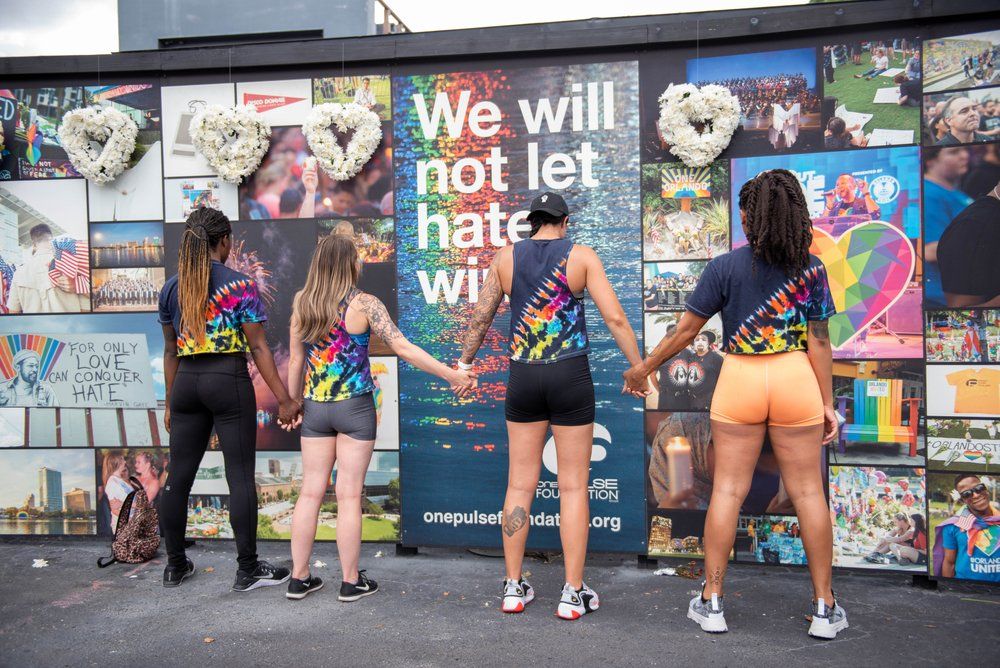
      Pulse Nightclub memorial

      Chris_Harris / Shutterstock.com

      Mourners pay their respects to the fallen at the Pulse Nightclub memorial on the 5th anniversary of the Pulse mass shooting in Orlando, Florida (June 12, 2021)

        Nondiscrimination laws: Florida has nondiscrimination laws in employment, housing, and public accommodations, but not in credit/lending, health care, nor education. The state prohibits transgender people from using public facilities that align with their identities, and it does not allow updating gender markers on driver’s licenses or birth certificates. It has law about “adult” performances that could be used to target or restrict drag

        Marriage equality and parental rights: Florida does not have adoption or foster care nondiscrimination protections for LGBTQ+ parents. It does not have second-parent adoption for unmarried couples, confirmatory adoption, nor recognition for parents using assisted reproductive technologies. It also does not have family leave laws that encompass LGBTQ+ people.

        Education and youth policies: Florida originated the “Don’t Say Gay” laws restricting discussion of LGBTQ+ identities in classrooms. It has banned trans students from participating in sports or using school facilities based on their identities, and it requires staff to forcibly out LGBTQ+ students to their guardians.

        Healthcare access and rights: Florida has banned life-saving gender-affirming care for youth, though it permits the discredited and harmful practice of so-called conversion therapy for youth. Medicaid is forbidden from providing coverage related to gender transition for all ages, and insurance companies are not required to cover fertility treatments. The state also has a “religious exemption” law for healthcare providers.

        Criminal justice: Florida’s hate crime laws only encompass sexual orientation, not gender identity. It has not banned the so-called “LGBTQ+ panic” defense, and it has an HIV criminalization law.

        Idaho

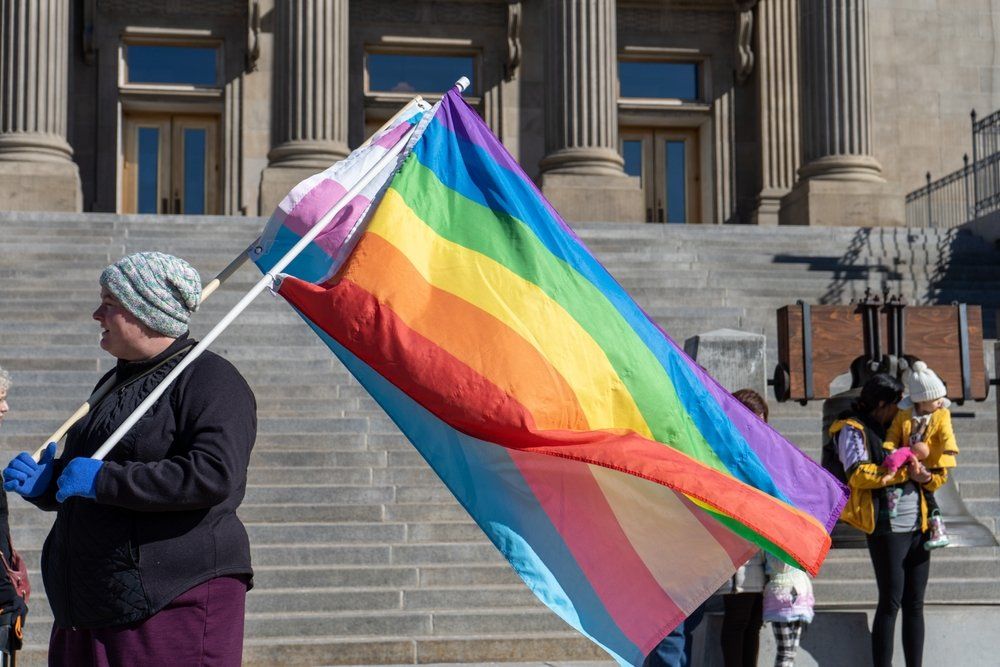
        Boise rally for transgender youth

        Venture Out Media / Shutterstock.com

        Rally in support of transgender youth and gender-affirming care in Boise, Idaho (February 24, 2023)

          Nondiscrimination laws: Idaho has nondiscrimination laws in employment, housing, and public accommodations, but not in credit/lending, education, health care, nor for state employees. Its state code incorrectly defines sex as exclusively male or female.

          Marriage equality and parental rights: Idaho does not have adoption or foster care nondiscrimination protections for LGBTQ+ parents. It has second-parent adoption for unmarried couples, but not confirmatory adoption nor recognition for parents using assisted reproductive technologies. It also does not have family leave laws that encompass LGBTQ+ people.

          Education and youth policies: Idaho has banned trans students from participating in sports or using school facilities based on their identities, and it requires staff to forcibly out LGBTQ+ students to their guardians. The state also has a “religious exemption” law for Child Welfare Services, though it has protections for LGBTQ+ youth in the Child Welfare System.

          Healthcare access and rights: Idaho has banned life-saving gender-affirming care for youth, though it permits the discredited and harmful practice of so-called conversion therapy for youth. Medicaid is forbidden from providing coverage related to gender transition for all ages, and insurance companies are not required to cover fertility treatments. The state also has a “religious exemption” law for healthcare providers.

          Criminal justice: Idaho’s hate crime laws do not encompass sexual orientation and gender identity. It has not banned the so-called “LGBTQ+ panic” defense, and it has an HIV criminalization law.

          Indiana

          IUB students at Indy Pride

          Umut Tolga Pehlivan / Shutterstock.com

          Indiana University Bloomington Students walking at Indy Pride in Indianapolis, Indiana (June 4, 2008)

            Nondiscrimination laws: Indiana has weaker nondiscrimination laws in employment, housing, and public accommodations, but not in credit/lending, education, nor health care. The state also has a broad “religious exemption” law.

            Marriage equality and parental rights: Indiana has adoption or foster care nondiscrimination protections based on sexual orientation, but not gender identity. It has second-parent adoption for unmarried couples, but not confirmatory adoption nor recognition for parents using assisted reproductive technologies. It also does not have family leave laws that encompass LGBTQ+ people.

            Education and youth policies: Indiana has a “Don’t Say Gay” law restricting discussion of LGBTQ+ identities in classrooms. It has banned trans students from participating in sports or using school facilities based on their identities, and it requires staff to forcibly out LGBTQ+ students to their guardians.

            Healthcare access and rights: Indiana has banned life-saving gender-affirming care for youth, though it permits the discredited and harmful practice of so-called conversion therapy for youth. Medicaid and state health insurance plans are not required to provide coverage related to gender transition or fertility treatments, but it has trans-inclusive health benefits for state employees.

            Criminal justice: Indiana’s hate crime laws do not encompass sexual orientation and gender identity, and it has not banned the so-called “LGBTQ+ panic” defense. It has an HIV criminalization law that may require sex offender registration.

            Louisiana

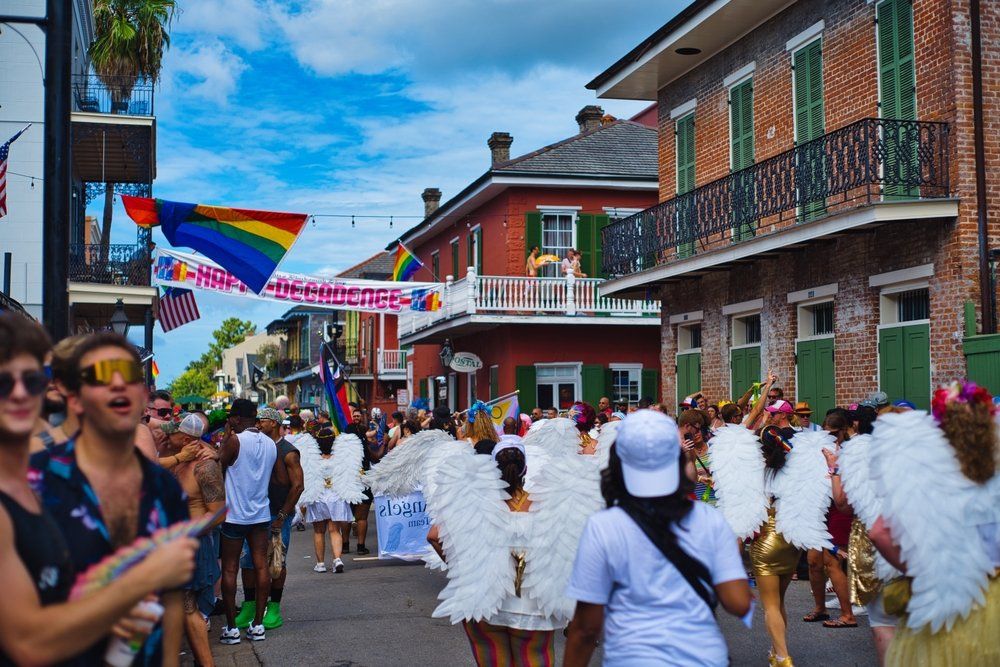
            Southern Decadence Parade march

            Scott Colesby / Shutterstock.com

            Southern Decadence Parade march through the French Quarter in New Orleans, Louisiana (September 1, 2024)

              Nondiscrimination laws: Louisiana does not have nondiscrimination laws in employment, housing, health care, education, public accommodations, or credit/lending. Its state code incorrectly defines sex as exclusively male or female, and it prohibits transgender people from using public facilities that align with their identities. The state also has a broad “religious exemption” law.

              Marriage equality and parental rights: Louisiana does not have adoption or foster care nondiscrimination protections for LGBTQ+ parents. It does not have second-parent adoption for unmarried couples, confirmatory adoption, nor recognition for parents using assisted reproductive technologies. It also does not have family leave laws that encompass LGBTQ+ people.

              Education and youth policies: Louisiana has a “Don’t Say Gay” law restricting discussion of LGBTQ+ identities in classrooms. It has banned trans students from participating in sports or using school facilities based on their identities, and it requires staff to forcibly out LGBTQ+ students to their guardians.

              Healthcare access and rights: Louisiana has banned life-saving gender-affirming care for youth, though it permits the discredited and harmful practice of so-called conversion therapy for youth. Health insurance companies, including Medicaid, are not required to provide coverage related to gender transition or fertility treatments, and state employees do not have trans-inclusive benefits.

              Criminal justice: Louisiana’s hate crime laws only encompass sexual orientation, not gender identity. It has not banned the so-called “LGBTQ+ panic” defense, and it has an HIV criminalization law that may require sex offender registration.

              Mississippi

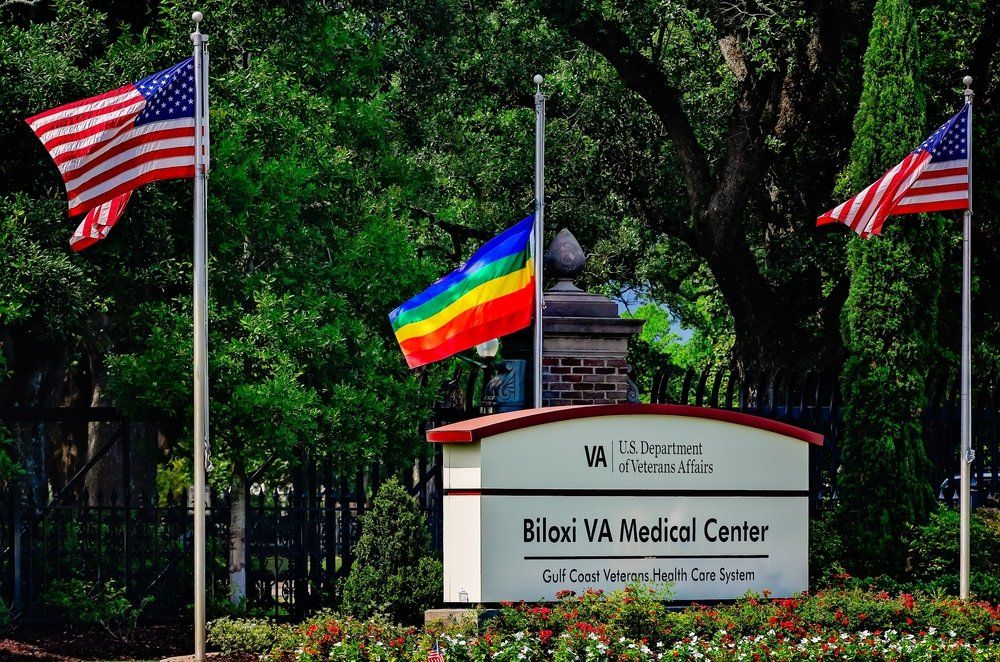
              Rainbow flag at Biloxi VA Medical Center

              Carmen K. Sisson / Shutterstock.com

              A rainbow flag supporting Pride month flies a the Biloxi VA Medical Center in Biloxi, Mississippi (June 5, 2023)

                Nondiscrimination laws: Mississippi does not have nondiscrimination laws in employment, housing, health care, education, public accommodations, or credit/lending. Its state code incorrectly defines sex as exclusively male or female, and it prohibits transgender people from using public facilities that align with their identities. The state also has a broad “religious exemption” law.

                Marriage equality and parental rights: Mississippi does not have adoption or foster care nondiscrimination protections for LGBTQ+ parents. It has second-parent adoption for unmarried couples, but not confirmatory adoption nor recognition for parents using assisted reproductive technologies. It also does not have family leave laws that encompass LGBTQ+ people.

                Education and youth policies: Mississippi has a “Don’t Say Gay” law restricting discussion of LGBTQ+ identities in classrooms. It has banned trans students from participating in sports or using school facilities based on their identities, and it requires staff to forcibly out LGBTQ+ students to their guardians. The state also has a “religious exemption” law for Child Welfare Services.

                Healthcare access and rights: Mississippi has banned life-saving gender-affirming care for youth, though it permits the discredited and harmful practice of so-called conversion therapy for youth. Medicaid is forbidden from providing coverage related to gender transition for youth, and insurance companies are not required to cover fertility treatments. The state also has a “religious exemption” law for healthcare providers.

                Criminal justice: Mississippi’s hate crime laws do not encompass sexual orientation and gender identity. It has not banned the so-called “LGBTQ+ panic” defense, and it has an HIV criminalization law.

                Missouri

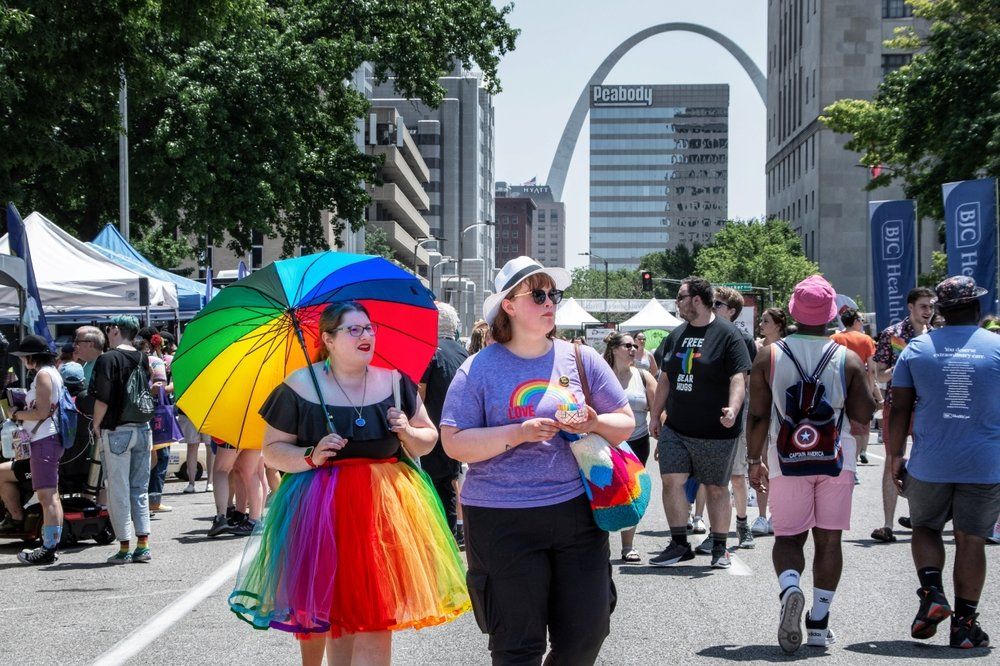
                Saint Louis PrideFest

                Ryanzo W. Perez / Shutterstock.com

                A view down one of the streets filled with celebrants during Saint Louis PrideFest in Missouri (June 24, 2023)

                  Nondiscrimination laws: Missouri has weaker nondiscrimination laws in housing, and public accommodations, but not in employment, credit/lending, education, nor health care. The state also has a broad “religious exemption” law.

                  Marriage equality and parental rights: Missouri’s adoption or foster care nondiscrimination protections only encompass sexual orientation, not gender identity. It does not have second-parent adoption for unmarried couples, confirmatory adoption, nor recognition for parents using assisted reproductive technologies. It also does not have family leave laws that encompass LGBTQ+ people.

                  Education and youth policies: Missouri has banned schools and districts from passing nondiscrimination or anti-bullying policies protecting LGBTQ+ students. It has banned trans students from participating in sports based on their identities, but not from using facilities that align with their identities.

                  Healthcare access and rights: Missouri has banned life-saving gender-affirming care for youth, though it permits the discredited and harmful practice of so-called conversion therapy for youth. Medicaid is forbidden from providing coverage related to gender transition for all ages, and insurance companies are not required to cover fertility treatments. The state also has a “religious exemption” law for healthcare providers.

                  Criminal justice: Missouri’s hate crime laws encompass sexual orientation and gender identity, though it has not banned the so-called “LGBTQ+ panic” defense, and it has an HIV criminalization law.

                  Montana

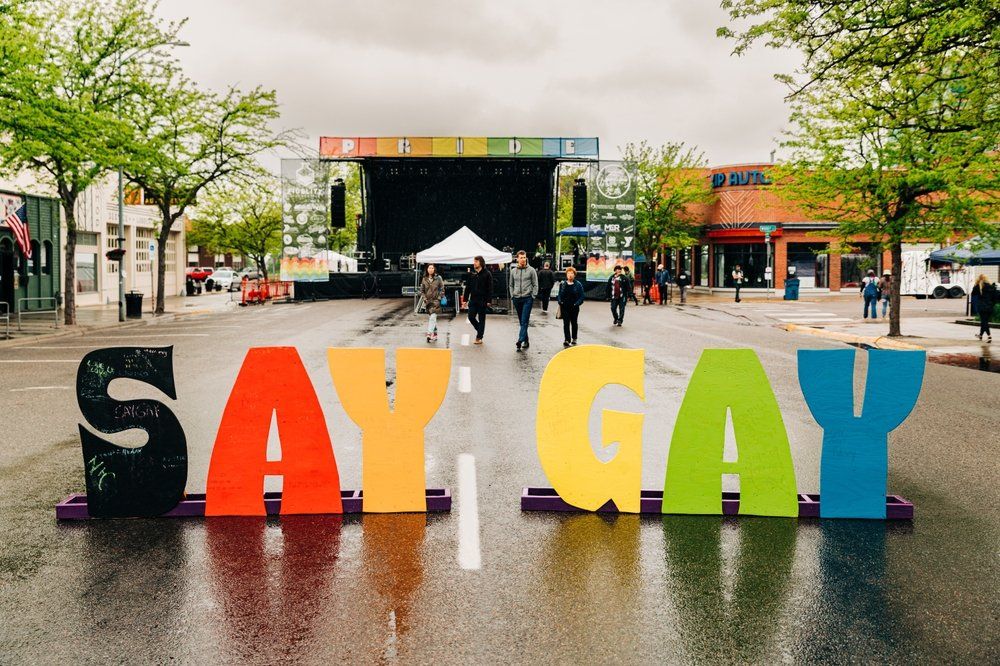
                  "Say Gay" sign at Missoula Pride\u200b

                  Cavan-Images / Shutterstock.com

                  “Say Gay” sign at Missoula Pride in Montana (March 29, 2024)

                    Nondiscrimination laws: Montana does not have nondiscrimination laws in employment, housing, health care, education, public accommodations, or credit/lending. Its state code incorrectly defines sex as exclusively male or female, and it has a broad “religious exemption” law. The state has also explicitly restricted drag performances, and does not allow updating gender markers on birth certificates

                    Marriage equality and parental rights: Montana’s adoption or foster care nondiscrimination protections only encompass sexual orientation, not gender identity. It has second-parent adoption for unmarried couples, but not confirmatory adoption nor recognition for parents using assisted reproductive technologies. It also does not have family leave laws that encompass LGBTQ+ people.

                    Education and youth policies: Montana requires that parents be notified of LGBTQ+ curricula so they can opt out. It has banned trans students from participating in sports based on their identities, but not from using facilities that align with their identities. The state requires staff to forcibly out LGBTQ+ students to their guardians.

                    Healthcare access and rights: Montana has banned life-saving gender-affirming care for youth, though it permits the discredited and harmful practice of so-called conversion therapy for youth. Health insurance companies and Medicaid are required to cover care related to gender transition, and there is some coverage for fertility treatments. However, the state has a “religious exemption” law for healthcare providers.

                    Criminal justice: Montana’s hate crime laws do not encompass sexual orientation and gender identity. It has not banned the so-called “LGBTQ+ panic” defense, and it has an HIV criminalization law.

                    Oklahoma

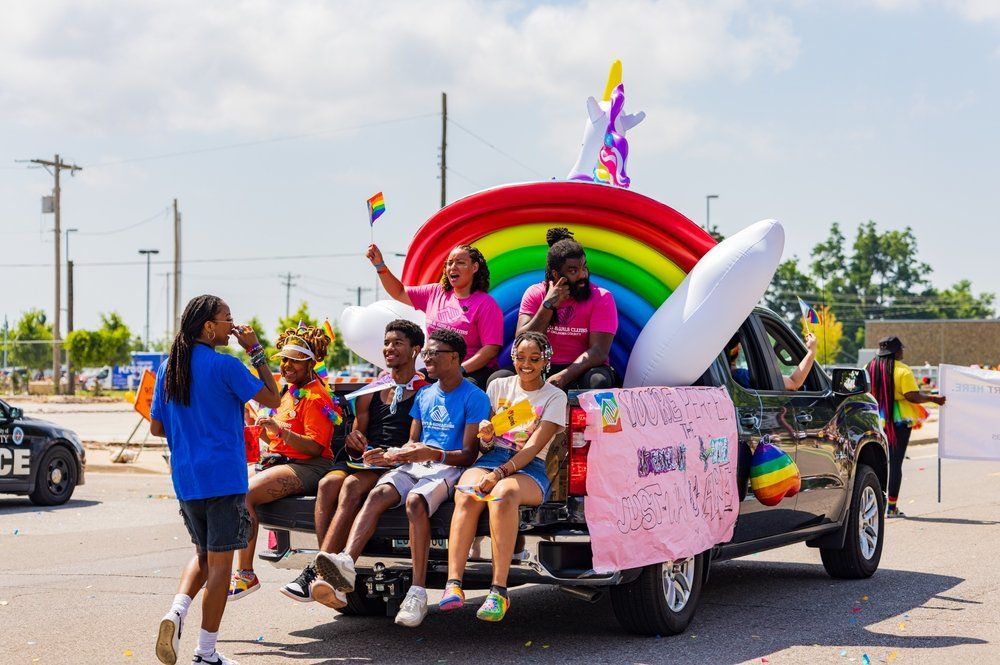
                    Pride Parade in Oklahoma

                    Kit Leong / Shutterstock.com

                    Pride Parade in Oklahoma (June 26, 2023)

                      Nondiscrimination laws: Oklahoma does not have nondiscrimination laws in employment, housing, health care, education, public accommodations, or credit/lending. Its state code incorrectly defines sex as exclusively male or female, and it prohibits updated gender markers on birth certificates. It also has a broad “religious exemption” law.

                      Marriage equality and parental rights: Oklahoma does not have adoption or foster care nondiscrimination protections for LGBTQ+ parents. It has second-parent adoption for unmarried couples, but not confirmatory adoption nor recognition for parents using assisted reproductive technologies. It also does not have family leave laws that encompass LGBTQ+ people.

                      Education and youth policies: Oklahoma has a weaker version of a “Don’t Say Gay” law that restricts the discussion of “homosexuality” in specific school subjects. It has banned trans students from participating in sports or using school facilities based on their identities. The state also has a “religious exemption” law for Child Welfare Services, though it has protections for LGBTQ+ youth in the Child Welfare System.

                      Healthcare access and rights: Oklahoma has banned life-saving gender-affirming care for youth, though it permits the discredited and harmful practice of so-called conversion therapy for youth. Health insurance companies, including Medicaid, are not required to provide coverage related to gender transition or fertility treatments, and state employees are not permitted trans-inclusive benefits.

                      Criminal justice: Oklahoma’s hate crime laws do not encompass sexual orientation and gender identity. It has not banned the so-called “LGBTQ+ panic” defense, and it has an HIV criminalization law.

                      South Carolina

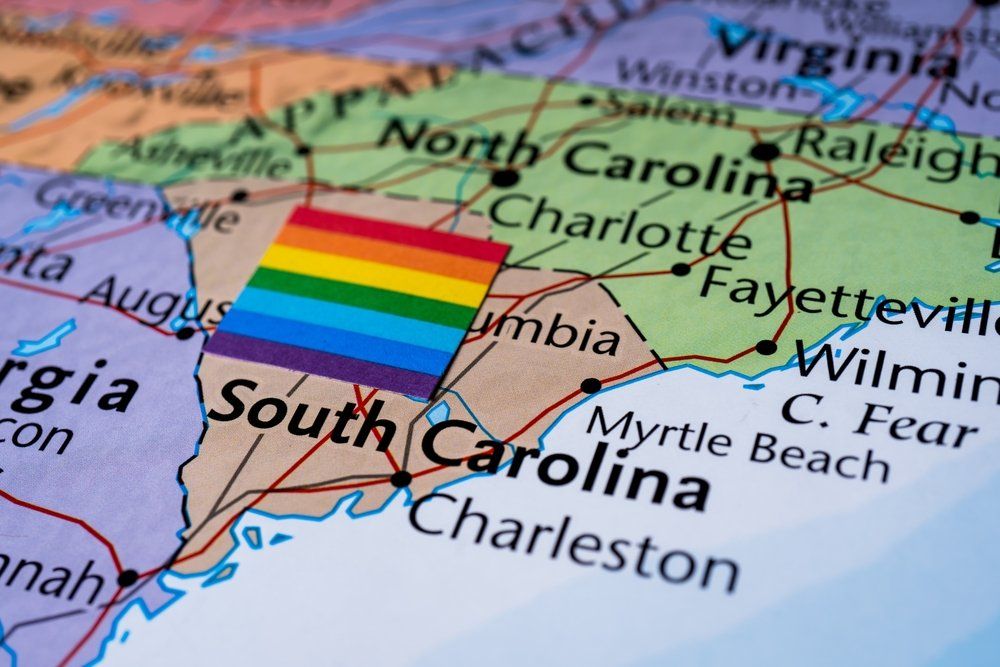
                      Rainbow flag on a map of South Carolina\u200b

                      Shuttershock creative

                      Rainbow flag on a map of South Carolina

                        Nondiscrimination laws: South Carolina does not have nondiscrimination laws in employment, housing, health care, education, public accommodations, or credit/lending. It has a broad “religious exemption” law.

                        Marriage equality and parental rights: South Carolina‘s adoption or foster care nondiscrimination protections only encompass sexual orientation, not gender identity. It does not have second-parent adoption for unmarried couples, confirmatory adoption, nor recognition for parents using assisted reproductive technologies. It also does not have family leave laws that encompass LGBTQ+ people.

                        Education and youth policies: South Carolina has banned trans students from participating in sports based on their identities, but not from using facilities that align with their identities. The state requires staff to forcibly out LGBTQ+ students to their guardians. The state also has a “religious exemption” law for Child Welfare Services.

                        Healthcare access and rights: South Carolina has banned life-saving gender-affirming care for youth, though it permits the discredited and harmful practice of so-called conversion therapy for youth. Medicaid is forbidden from providing coverage related to gender transition for all ages, and insurance companies are not required to cover fertility treatments. The state also has a “religious exemption” law for healthcare providers.

                        Criminal justice: South Carolina‘s hate crime laws do not encompass sexual orientation and gender identity. It has not banned the so-called “LGBTQ+ panic” defense, and it has an HIV criminalization law.

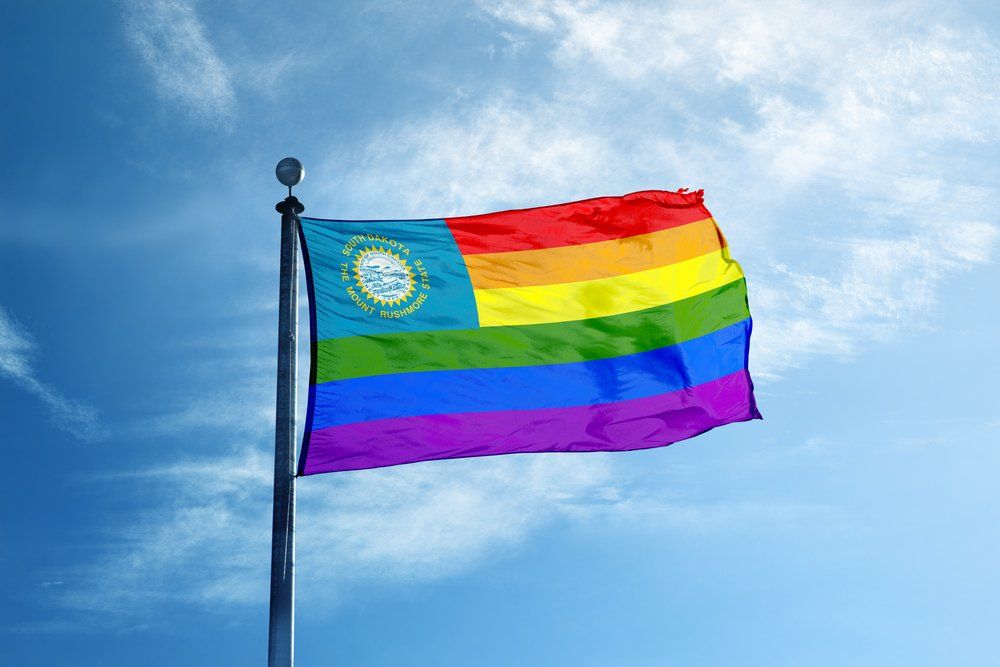
                        South Dakota

                        South Dakota state flag with rainbow stripes \u200b

                        Shuttershock creative

                        South Dakota state flag with rainbow stripes

                          Nondiscrimination laws: South Dakota does not have nondiscrimination laws in employment, housing, health care, education, public accommodations, or credit/lending. It has a broad “religious exemption” law.

                          Marriage equality and parental rights: South Dakota’s adoption or foster care nondiscrimination protections encompass sexual orientation and gender identity. However, it does not have second-parent adoption for unmarried couples, confirmatory adoption, nor recognition for parents using assisted reproductive technologies. It also does not have family leave laws that encompass LGBTQ+ people.

                          Education and youth policies: South Dakota has banned schools and districts from passing nondiscrimination or anti-bullying policies protecting LGBTQ+ students. It has banned trans students from participating in sports based on their identities, but not from using facilities that align with their identities. The state also has a “religious exemption” law for Child Welfare Services, though it has protections for LGBTQ+ youth in the Child Welfare System.

                          Healthcare access and rights: South Dakota has banned life-saving gender-affirming care for youth, though it permits the discredited and harmful practice of so-called conversion therapy for youth. Health insurance companies, including Medicaid, are not required to provide coverage related to gender transition or fertility treatments, and state employees are not permitted trans-inclusive benefits.

                          Criminal justice: South Dakota‘s hate crime laws do not encompass sexual orientation and gender identity, and it has not banned the so-called “LGBTQ+ panic” defense. It has an HIV criminalization law that may require sex offender registration.

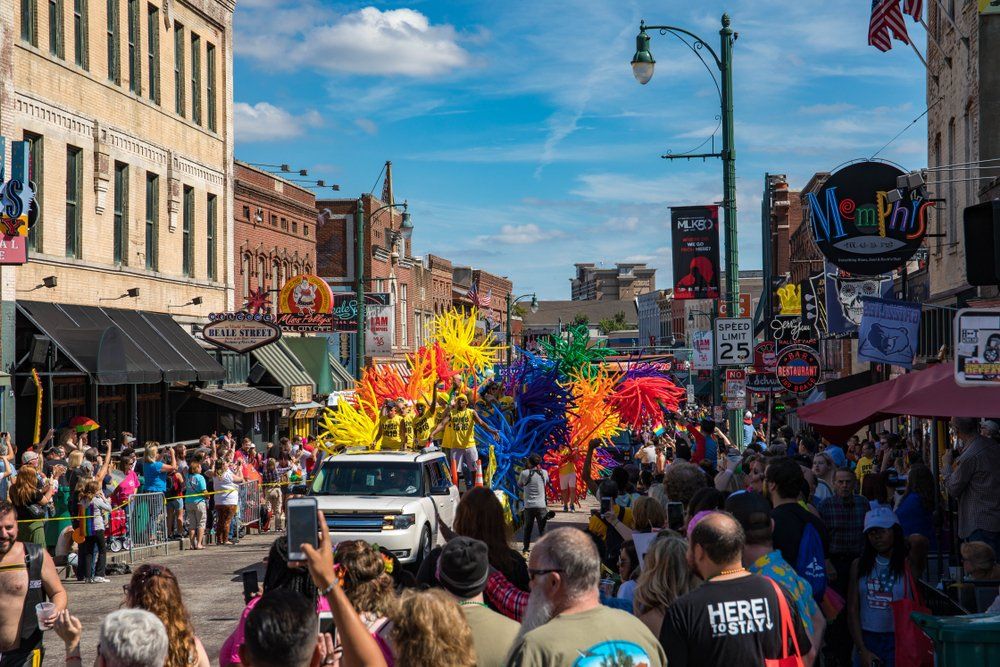
                          Tennessee

                          Pride Parade on Beale Street in Memphis

                          evenfh / Shutterstock.com

                          Pride Parade on Beale Street in Memphis, Tennessee (September 28, 2018)

                            Nondiscrimination laws: Tennessee does not have nondiscrimination laws in employment, housing, health care, education, public accommodations, or credit/lending. It instead bans cities and local ordinances from passing nondiscrimination laws. State code incorrectly defines sex as exclusively male or female, and it does not allow updating gender markers on driver’s licenses or birth certificates. The state has a broad “religious exemption” law that even allows officials to deny marriage licenses based on their personal beliefs. It has also explicitly restricted drag performances.

                            Marriage equality and parental rights: Tennessee’s adoption or foster care nondiscrimination protections encompass sexual orientation and gender identity. However, it does not have second-parent adoption for unmarried couples, confirmatory adoption, nor recognition for parents using assisted reproductive technologies. It also does not have family leave laws that encompass LGBTQ+ people.

                            Education and youth policies: Tennessee requires that parents be notified of LGBTQ+ curricula so they can opt out. It has banned trans students from participating in sports based on their identities and from using facilities that align with their identities. The state requires staff to forcibly out LGBTQ+ students to their guardians. The state also has a “religious exemption” law for Child Welfare Services, though it has protections for LGBTQ+ youth in the Child Welfare System.

                            Healthcare access and rights: Tennessee has banned life-saving gender-affirming care for youth, though it permits the discredited and harmful practice of so-called conversion therapy for youth. Medicaid is forbidden from providing coverage related to gender transition for all ages, and insurance companies are not required to cover fertility treatments. The state also has a “religious exemption” law for healthcare providers, and state employees are not permitted trans-inclusive benefits.

                            Criminal justice: Tennessee’s hate crime laws encompass sexual orientation and gender identity, though it has not banned the so-called “LGBTQ+ panic” defense, and it has an HIV criminalization law that may require sex offender registration.

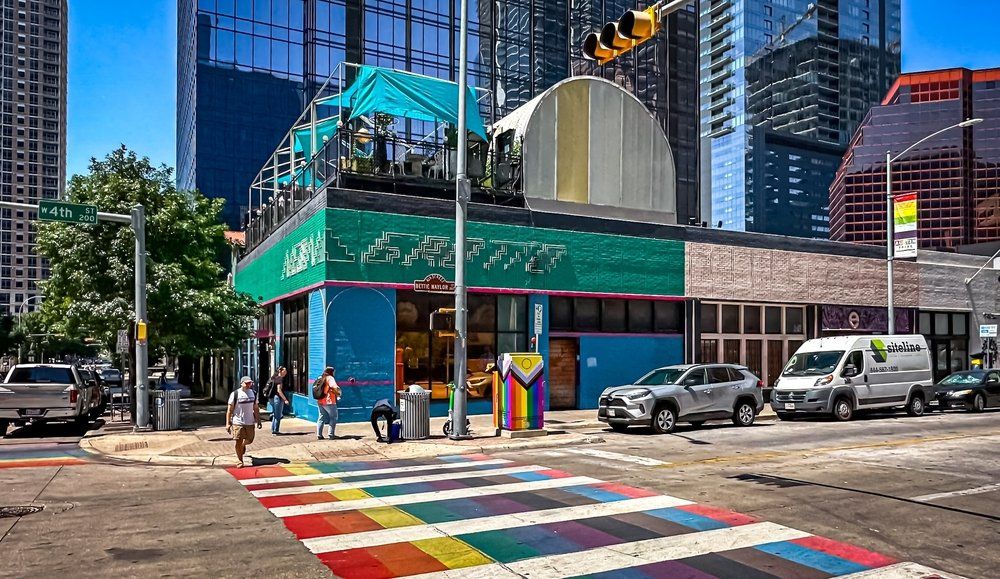
                            Texas

                            Rainbow crosswalk in Austin

                            eric laudonien / Shutterstock.com

                            Rainbow crosswalk outside Neon Grotto nightclub in Austin, Texas (May 29, 2024)

                              Nondiscrimination laws: Texas has nondiscrimination laws in employment and for state employees, but not in housing, public accommodations, credit/lending, education, nor health care. The state does not allow updating gender markers on driver’s licenses or birth certificates, and it has a broad “religious exemption” law.

                              Marriage equality and parental rights: Texas does not have adoption or foster care nondiscrimination protections for LGBTQ+ parents. It does not have second-parent adoption for unmarried couples, confirmatory adoption, nor recognition for parents using assisted reproductive technologies. It also does not have family leave laws that encompass LGBTQ+ people.

                              Education and youth policies: Texas has a weaker version of a “Don’t Say Gay” law that restricts the discussion of “homosexuality” in specific school subjects. It has banned trans students from participating in sports based on their identities, but not from using facilities that align with their identities. The state also has a “religious exemption” law for Child Welfare Services without protections for LGBTQ+ youth.

                              Healthcare access and rights: Texas has banned life-saving gender-affirming care for youth, though it permits the discredited and harmful practice of so-called conversion therapy for youth. Medicaid is forbidden from providing coverage related to gender transition for all ages, and insurance companies are not required to cover fertility treatments. State employees are not permitted trans-inclusive benefits.

                              Criminal justice: Texas’s hate crime laws only encompass sexual orientation, not gender identity. It has not banned the so-called “LGBTQ+ panic” defense.

                              Wyoming

                              Double rainbow against a black sky in Wyoming

                              Shuttershock creative

                              Double rainbow against a black sky in Wyoming

                                Nondiscrimination laws: Wyoming does not have nondiscrimination laws in employment, housing, health care, education, public accommodations, or credit/lending.

                                Marriage equality and parental rights: Wyoming does not have adoption or foster care nondiscrimination protections for LGBTQ+ parents. It does not have second-parent adoption for unmarried couples, nor confirmatory adoption. It also does not have family leave laws that encompass LGBTQ+ people. However, it does have recognition for parents using assisted reproductive technologies.

                                Education and youth policies: Wyoming has a weaker version of a “Don’t Say Gay” law that restricts the discussion of “homosexuality” in specific school subjects. It has banned trans students from participating in sports based on their identities, but not from using facilities that align with their identities.

                                Healthcare access and rights: Wyoming has banned life-saving gender-affirming care for youth, though it permits the discredited and harmful practice of so-called conversion therapy for youth. Health insurance companies, including Medicaid, are not required to provide coverage related to gender transition or fertility treatments.

                                Criminal justice: Wyoming’s hate crime laws do not encompass sexual orientation and gender identity, and it has not banned the so-called “LGBTQ+ panic” defense.

                                Dishonorable mentions

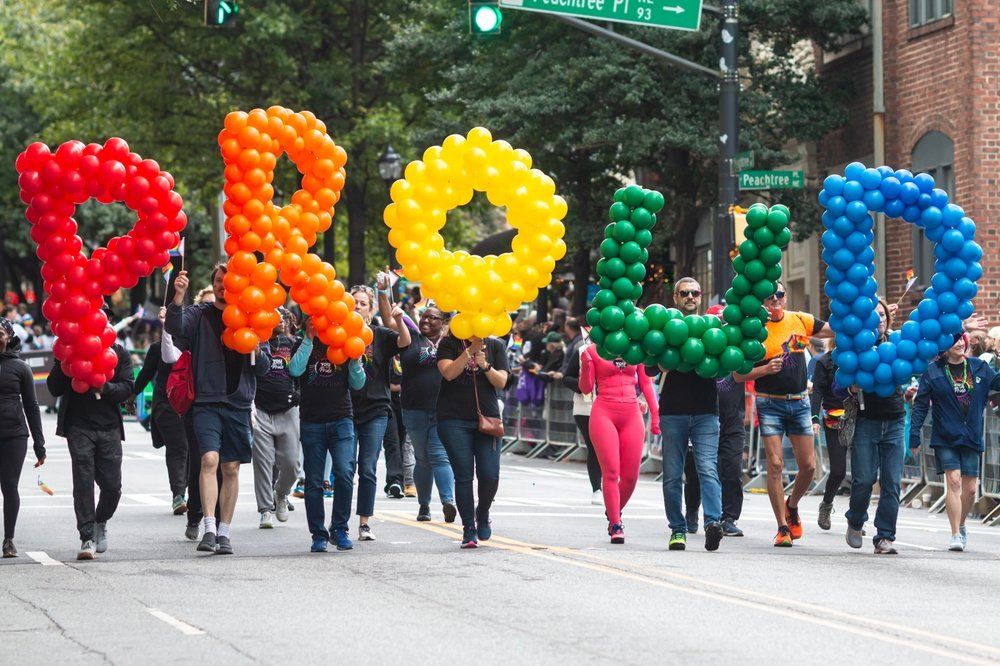
                                "Proud" balloons at Atlanta Pride

                                BluIz70 / Shutterstock.com

                                People carry large balloon letters that spell out “Proud” as they walk in the annual pride parade in Atlanta, Georgia (October 15, 2023)

                                  Other states that ranked below average include: Alaska, Arizona, Georgia, Iowa, Kansas, Kentucky, Nebraska, North Carolina, North Dakota, Ohio, Utah, and West Virginia.

                                  What states are the best for LGBTQ+ people? These are the top 15

                                  Read more at The Advocate.

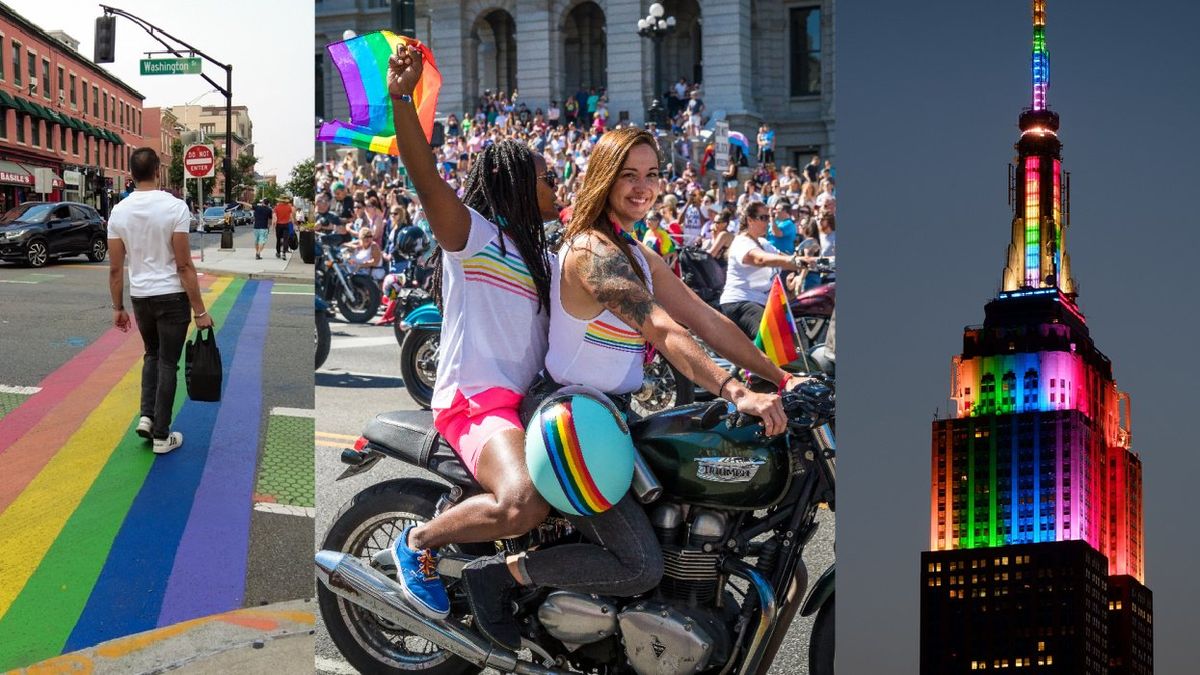
                                  \u200bRainbow crosswalk in Hoboken (L); Women on motorcycles at Denver Pride (M); Empire State Building in rainbow colors (R)

                                  Kirkam / Shutterstock.com; Philipp Salveter / Shutterstock.com; anaglic / Shutterstock.com

                                  Rainbow LGBTQ+ Pride crosswalk in Hoboken, New Jersey (L); Women on motorcycles at Pride celebration in Denver, Colorado (M); Empire State Building in NYC lit up in rainbow colors (R)

                                    Legislative attacks on the LGBTQ+ community have been pushed everywhere from city councils to the White House — but there are still some areas that are safe.

                                    Over 1,000 anti-LGBTQ+ laws have been proposed across every state legislature in the U.S. over the past two years, according to the American Civil Liberties Union, and 126 have passed into law. Less than two months into the 2025 legislative session, 390 laws targeting LGBTQ+ people have been proposed.

                                    Still, marriage equality and anti-discrimination protections based on sexual orientation and gender identity are still guaranteed federally by U.S. Supreme Court rulings (for now). On top of that, at least 15 states have “shield laws” protecting access to gender-affirming care and abortion.

                                    Based on laws surrounding marriage, family rights, health care, education, and youth collected by the Movement Advancement Project, here are the 15 best states for LGBTQ+ people.

                                    Related: What states are the most dangerous for LGBTQ+ people? Here are the worst 15

                                    California
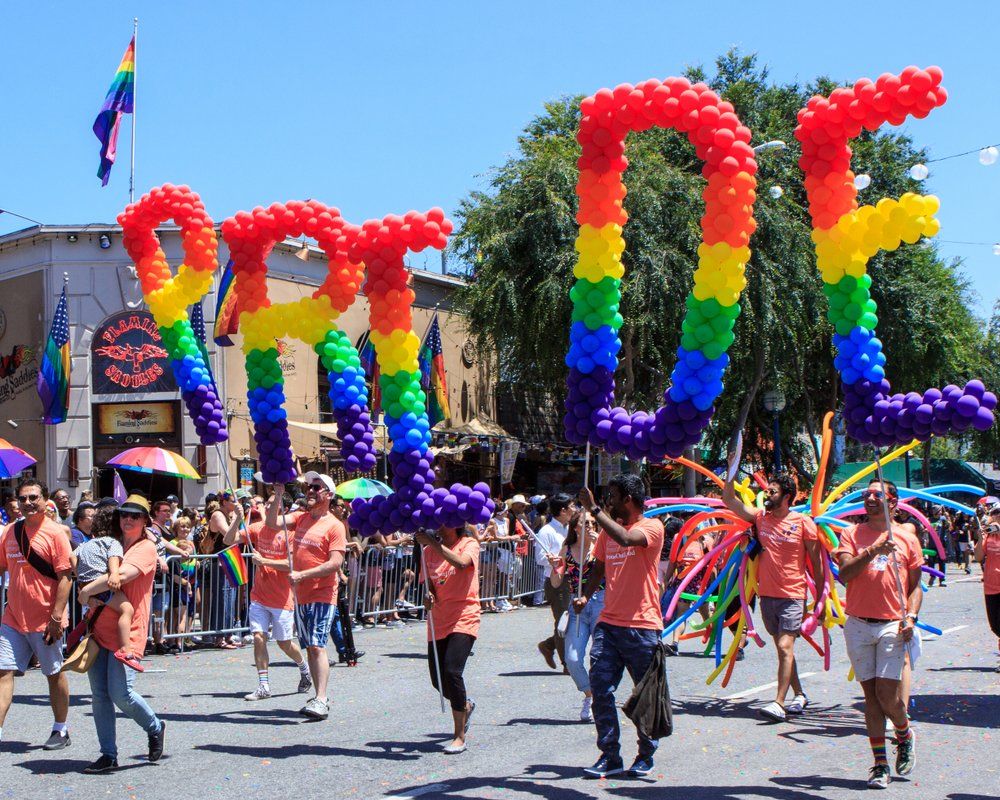
                                    West Hollywood Pride balloons

                                    GrandAve / Shutterstock.com

                                    Pride celebration in West Hollywood, California – June 9, 2019

                                      Nondiscrimination laws: California has nondiscrimination laws in employment, housing, health care, education, public accommodations, and credit/lending.

                                      Marriage equality and parental rights: California has adoption and foster care nondiscrimination protections for LGBTQ+ parents, second-parent adoption for unmarried couples and confirmatory adoption, and recognition for parents using assisted reproductive technologies. It also has family leave laws, which include LGBTQ-inclusive definitions.

                                      Education and youth policies: California does not restrict discussion of LGBTQ+ identities in classrooms, and instead requires curriculum to be LGBTQ-inclusive, which parents are not required to be notified of. It does not prevent transgender students from participating in sports or using school facilities based on their identities, and it does not require staff to forcibly out LGBTQ+ students to their guardians.

                                      Healthcare access and rights: California has “shield” laws protecting access to gender-affirming care for youth, as well as abortion. The state has also banned so-called conversion therapy for youth. Health insurance companies, including Medicaid, are not allowed to deny coverage related to gender transition. However, they are not required to cover fertility treatments.

                                      Criminal justice: California’s hate crime laws encompass sexual orientation and gender identity, and it has banned the so-called “LGBTQ+ panic” defense. While the state does not criminalize HIV, it does have sentencing enhancements for sex-related convictions for those with HIV.

                                      Colorado

                                      Women on motorcycles at Denver Pride celebration

                                      Philipp Salveter / Shutterstock.com

                                      Women on motorcycles at Pride celebration in Denver, Colorado, USA – June 16th 2019

                                        Nondiscrimination laws: Colorado has nondiscrimination laws in employment, housing, education, health care, public accommodations, and credit/lending.

                                        Marriage equality and parental rights: Colorado has adoption and foster care nondiscrimination protections for LGBTQ+ parents, second-parent adoption for unmarried couples and confirmatory adoption, and recognition for parents using assisted reproductive technologies. It also has family leave laws, which include LGBTQ-inclusive definitions.

                                        Education and youth policies: Colorado does not prevent transgender students from participating in sports or using school facilities based on their identities, and it does not require staff to forcibly out LGBTQ+ students to their guardians. It does not restrict discussion of LGBTQ+ identities in classrooms, and instead requires curriculum to be LGBTQ-inclusive, which parents are not required to be notified of.

                                        Healthcare access and rights: Colorado has “shield” laws protecting access to gender-affirming care for youth, as well as abortion. The state has also banned so-called conversion therapy for youth. Health insurance companies, including Medicaid, are not allowed to deny coverage related to gender transition. However, state employees who are transgender do not have inclusive health benefits. Insurance companies are also not required to cover fertility treatments.

                                        Criminal justice: The state’s hate crime laws encompass sexual orientation and gender identity, and it has banned the so-called “LGBTQ+ panic” defense. Like California, Colorado does not criminalize HIV, but it does have sentencing enhancements for sex-related convictions for those with HIV.

                                        Connecticut
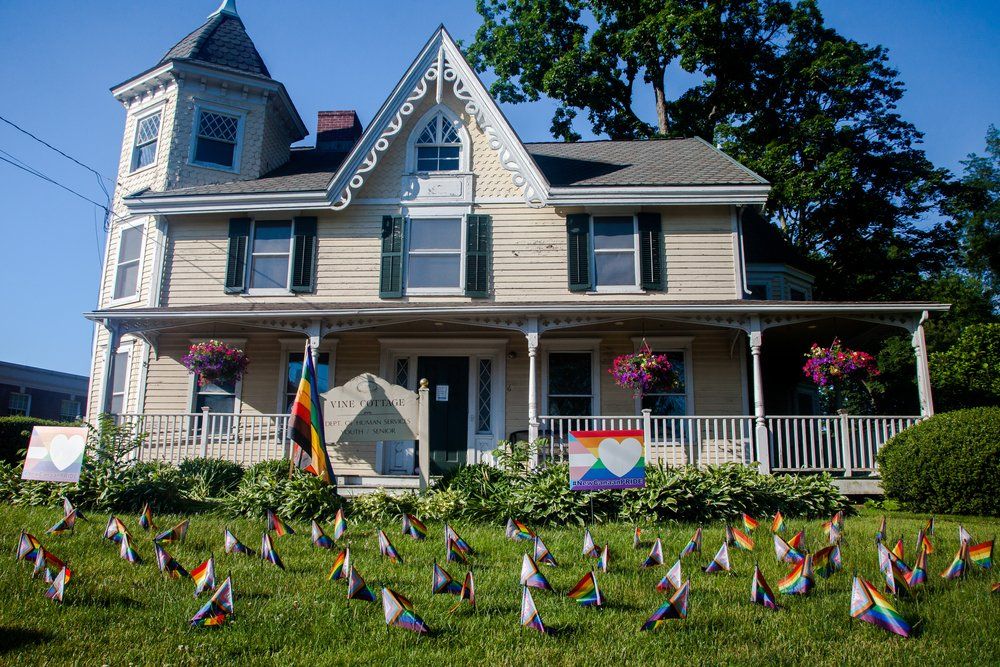
                                        Pride flags outside Vine Cottage CT

                                        Miro Vrlik Photography / Shutterstock.com

                                        LGBTQ+ Pride flags outside Vine Cottage in New Canaan, Connecticut – June 13, 2021

                                          Nondiscrimination laws: Connecticut has nondiscrimination laws in employment, housing, education, public accommodations, and credit/lending. It does not have nondiscrimination laws for private healthcare, and it does have a broad “Religious Exemption” law.

                                          Marriage equality and parental rights: Connecticut has adoption and foster care nondiscrimination protections for LGBTQ+ parents, second-parent adoption for unmarried couples and confirmatory adoption, and recognition for parents using assisted reproductive technologies. It also has family leave laws, but their LGBTQ-inclusive definitions are not as robust as those of California or Colorado.

                                          Education and youth policies: Connecticut does not restrict discussion of LGBTQ+ identities in classrooms, but it does not have LGBTQ-inclusive curriculum. It does not prevent transgender students from participating in sports or using school facilities based on their identities, and it does not require staff to forcibly out LGBTQ+ students to their guardians.

                                          Healthcare access and rights: Connecticut has “shield” laws protecting access to gender-affirming care for youth, as well as abortion. The state has also banned so-called conversion therapy for youth. Health insurance companies, including Medicaid, are not allowed to deny coverage related to gender transition. Private insurance is required to cover some fertility treatments, but Medicaid is not.Criminal justice:Connecticut’s hate crime law encompasses sexual orientation but not gender identity. It also does not have nondiscrimination laws for LGBTQ+ people in jury selection.

                                          Illinois
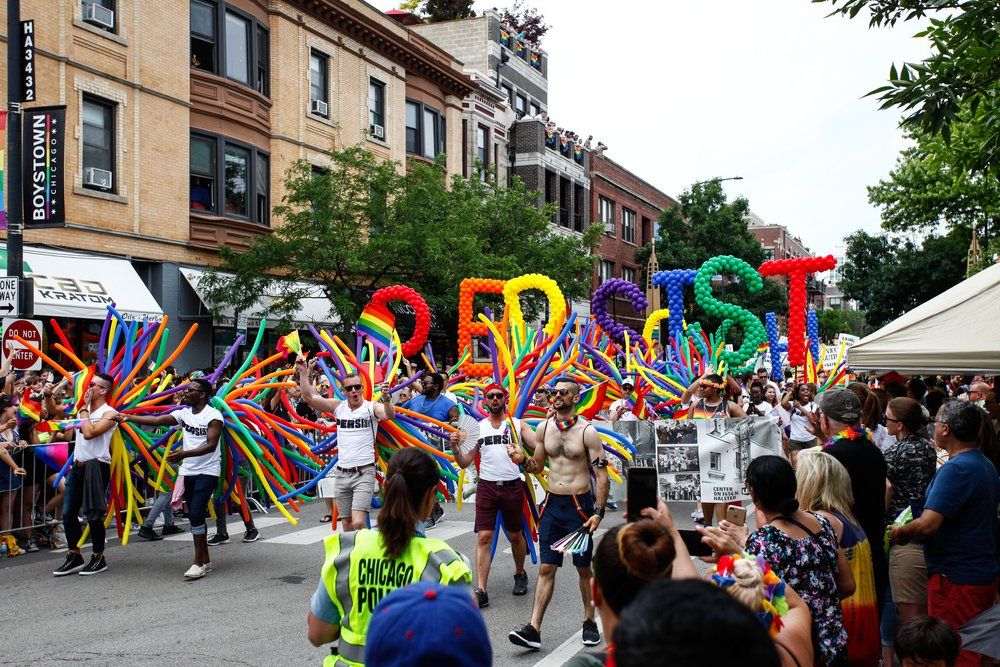
                                          "Persist" balloons at Chicago

                                          Dominique Robinson / Shutterstock.com

                                          LGBTQ+ Pride in Chicago, Illinois – June 30th 2019

                                            Nondiscrimination laws: Illinois has nondiscrimination laws in employment, housing, health care, education, public accommodations, and credit/lending. However, it does have a broad “Religious Exemption” law.

                                            Marriage equality and parental rights: Illinois has adoption and foster care nondiscrimination protections for LGBTQ+ parents, second-parent adoption for unmarried couples, and recognition for parents using assisted reproductive technologies. It also has family leave laws, which include LGBTQ-inclusive definitions. It does not have confirmatory adoption.

                                            Education and youth policies: Illinois does not restrict discussion of LGBTQ+ identities in classrooms, and instead requires curriculum to be LGBTQ-inclusive, which parents are not required to be notified of. It does not prevent transgender students from participating in sports or using school facilities based on their identities, and it does not require staff to forcibly out LGBTQ+ students to their guardians.

                                            Healthcare access and rights: Illinois has “shield” laws protecting access to gender-affirming care for youth, as well as abortion. The state has also banned so-called conversion therapy for youth. Health insurance companies, including Medicaid, are not allowed to deny coverage related to gender transition or fertility treatments.

                                            Criminal justice: Illinois’ hate crime laws encompass sexual orientation and gender identity, and it has banned the so-called “LGBTQ+ panic” defense.

                                            Maine
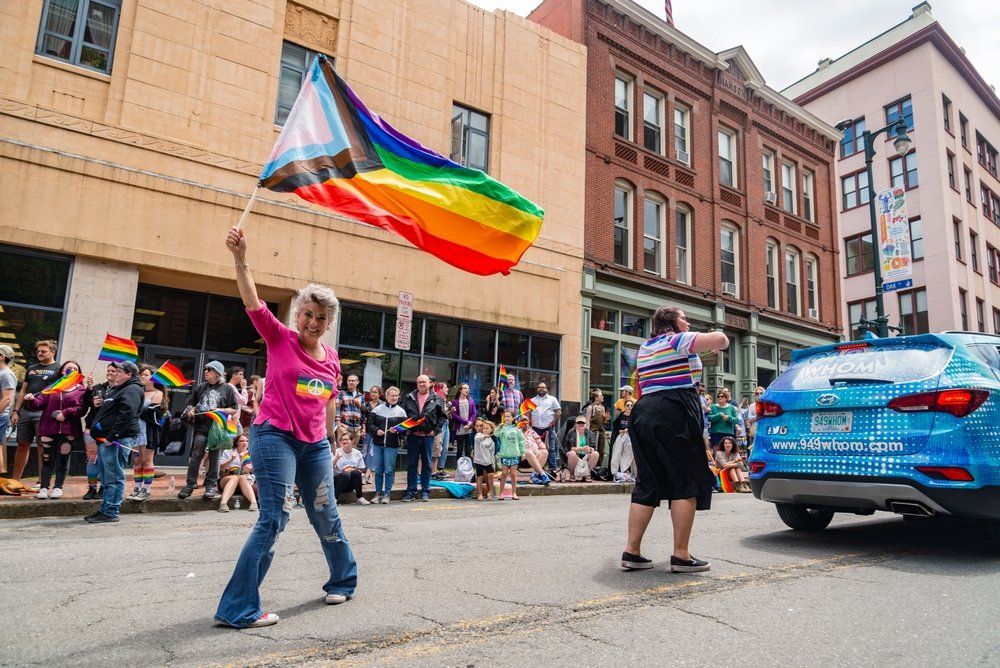
                                            Woman waving flag at Pride in Portland, Maine

                                            Enrico Della Pietra / Shutterstock.com

                                            LGBTQ+ Pride in Portland, Maine – June 18, 2022

                                              Nondiscrimination laws: Maine has nondiscrimination laws in employment, housing, health care, education, public accommodations, and credit/lending.

                                              Marriage equality and parental rights: Maine has adoption and foster care nondiscrimination protections for LGBTQ+ parents, second-parent adoption for unmarried couples and confirmatory adoption, and recognition for parents using assisted reproductive technologies. It also has family leave laws, which include LGBTQ-inclusive definitions.

                                              Education and youth policies: Maine does not restrict discussion of LGBTQ+ identities in classrooms, but it does not have LGBTQ-inclusive curriculum. It does not prevent transgender students from participating in sports or using school facilities based on their identities, and it does not require staff to forcibly out LGBTQ+ students to their guardians.

                                              Healthcare access and rights: Maine has “shield” laws protecting access to gender-affirming care for youth, as well as abortion. The state has also banned so-called conversion therapy for youth. Health insurance companies, including Medicaid, are not allowed to deny coverage related to gender transition. Private insurance is required to cover some fertility treatments, but Medicaid is not.Criminal justice:Maine’s hate crime laws encompass sexual orientation and gender identity, and it has banned the so-called “LGBTQ+ panic” defense.

                                              Maryland
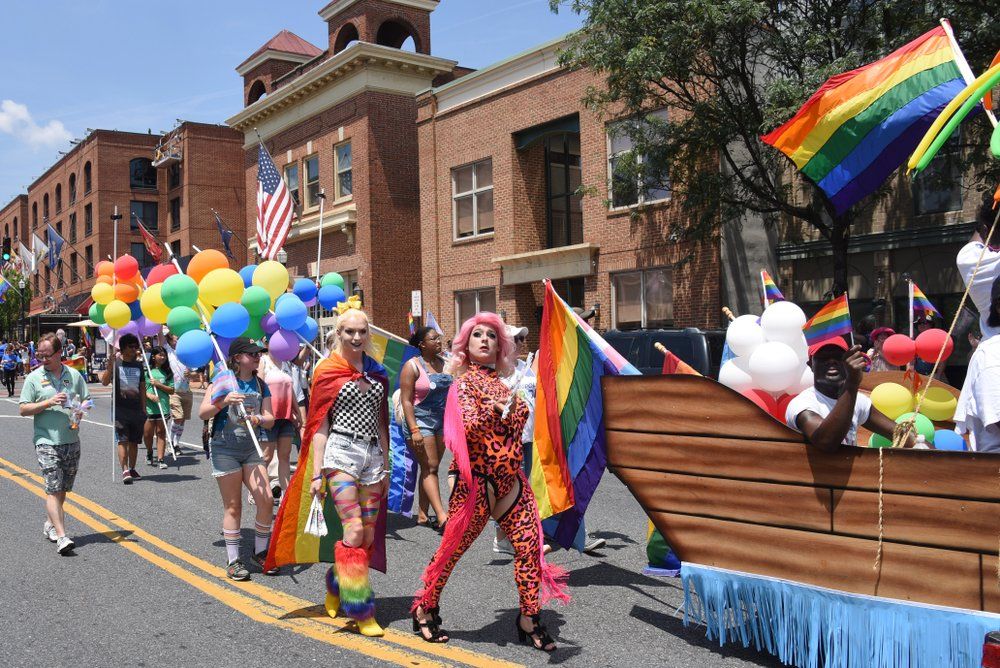
                                              Marchers and floats in the first Annapolis Pride parade

                                              Keri Delaney / Shutterstock.com

                                              The inaugural Pride Parade in Annapolis, Maryland – June 29, 2019

                                                Nondiscrimination laws: Maryland has nondiscrimination laws in employment, housing, health care, education, public accommodations, and credit/lending.

                                                Marriage equality and parental rights: Maryland has adoption and foster care nondiscrimination protections for LGBTQ+ parents, confirmatory adoption, and recognition for parents using assisted reproductive technologies. It does not second-parent adoption for unmarried couples. It also has family leave laws, but their LGBTQ-inclusive definitions are not as robust as others.

                                                Education and youth policies: Maryland does not restrict discussion of LGBTQ+ identities in classrooms, but it does not have LGBTQ-inclusive curriculum. It does not prevent transgender students from participating in sports or using school facilities based on their identities, and it does not require staff to forcibly out LGBTQ+ students to their guardians.

                                                Healthcare access and rights: Maryland has “shield” laws protecting access to gender-affirming care for youth, as well as abortion. The state has also banned so-called conversion therapy for youth. Health insurance companies, including Medicaid, are not allowed to deny coverage related to gender transition. Private insurance is required to cover some fertility treatments, but Medicaid is not.

                                                Criminal justice: Maryland’s hate crime laws encompass sexual orientation and gender identity, and it has banned the so-called “LGBTQ+ panic” defense. It does have a law criminalizing the transmission of HIV.

                                                Massachusetts
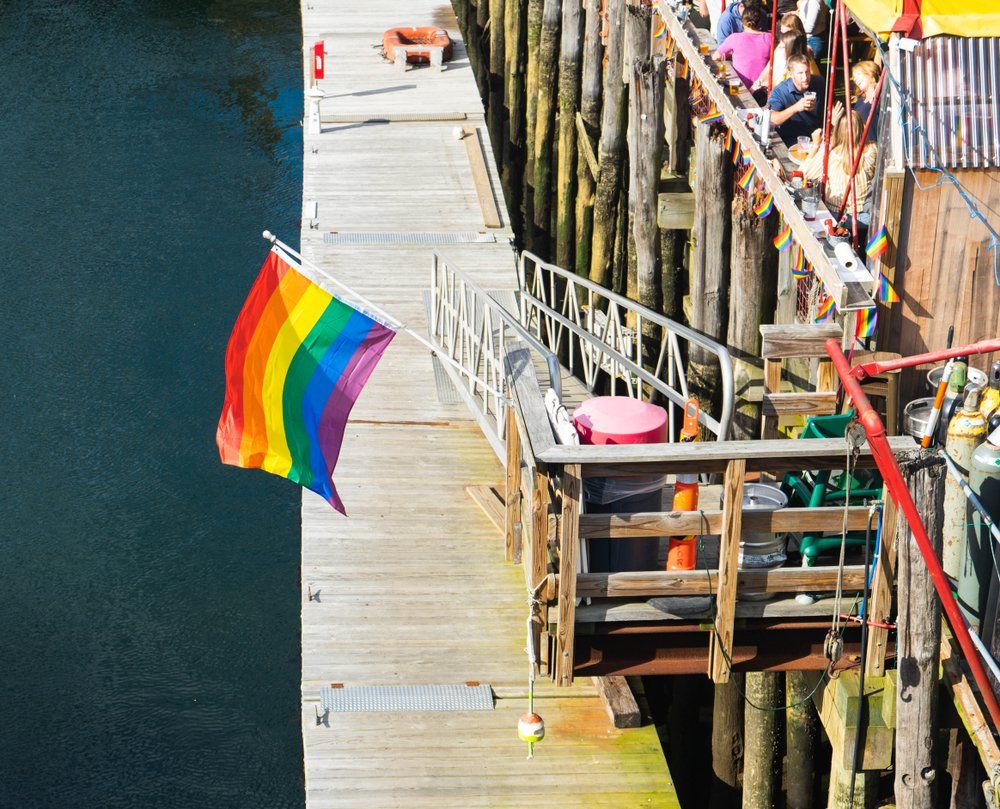
                                                Pride flag over Boston Seaport

                                                Michael Moloney / Shutterstock.com

                                                LGBTQ+ Pride flag waving in the wind over the Boston Seaport – JUNE 2, 2019

                                                  Nondiscrimination laws: Massachusetts has nondiscrimination laws in employment, housing, education, public accommodations, and credit/lending. It has nondiscrimination laws for gender identity in private healthcare, but not for sexual orientation.

                                                  Marriage equality and parental rights: Massachusetts has adoption and foster care nondiscrimination protections for LGBTQ+ parents, second-parent adoption for unmarried couples, and recognition for parents using assisted reproductive technologies. It also has family leave laws, which include LGBTQ-inclusive definitions. It does not have confirmatory adoption.

                                                  Education and youth policies: Massachusetts does not restrict discussion of LGBTQ+ identities in classrooms, but it does not have LGBTQ-inclusive curriculum. It does not prevent transgender students from participating in sports or using school facilities based on their identities, and it does not require staff to forcibly out LGBTQ+ students to their guardians.

                                                  Healthcare access and rights: Massachusetts has “shield” laws protecting access to gender-affirming care for youth, as well as abortion. The state has also banned so-called conversion therapy for youth. Health insurance companies, including Medicaid, are not allowed to deny coverage related to gender transition. Private insurance is required to cover some fertility treatments, but Medicaid is not.

                                                  Criminal justice: Maryland’s hate crime laws encompass sexual orientation and gender identity, but it has not banned the so-called “LGBTQ+ panic” defense. It does not have nondiscrimination protections based on gender identity for jury selection.

                                                  Minnesota

                                                  Lowry Avenue Bridge in Minneapolis lit in Rainbow Colors

                                                  Shuttershock Creative

                                                  Lowry Avenue Bridge in Minneapolis lit in Rainbow Colors in Honor of Orlando Victims

                                                    Nondiscrimination laws: Minnesota has nondiscrimination laws in employment, housing, health care, education, public accommodations, and credit/lending.

                                                    Marriage equality and parental rights: Minnesota has adoption and foster care nondiscrimination protections for LGBTQ+ parents. It does have family leave laws, which include LGBTQ-inclusive definitions. It does not have second-parent adoption for unmarried couples, confirmatory adoption, nor recognition for parents using assisted reproductive technologies.

                                                    Education and youth policies: Minnesota does not restrict discussion of LGBTQ+ identities in classrooms, but it does not have LGBTQ-inclusive curriculum. It does not prevent transgender students from participating in sports or using school facilities based on their identities, and it does not require staff to forcibly out LGBTQ+ students to their guardians.

                                                    Healthcare access and rights: Minnesota has “shield” laws protecting access to gender-affirming care for youth, as well as abortion. The state has also banned so-called conversion therapy for youth. Health insurance companies, including Medicaid, are not allowed to deny coverage related to gender transition. However, they are not required to cover fertility treatments.

                                                    Criminal justice: Minnesota’s hate crime laws encompass sexual orientation and gender identity, and it has banned the so-called “LGBTQ+ panic” defense.

                                                    Nevada
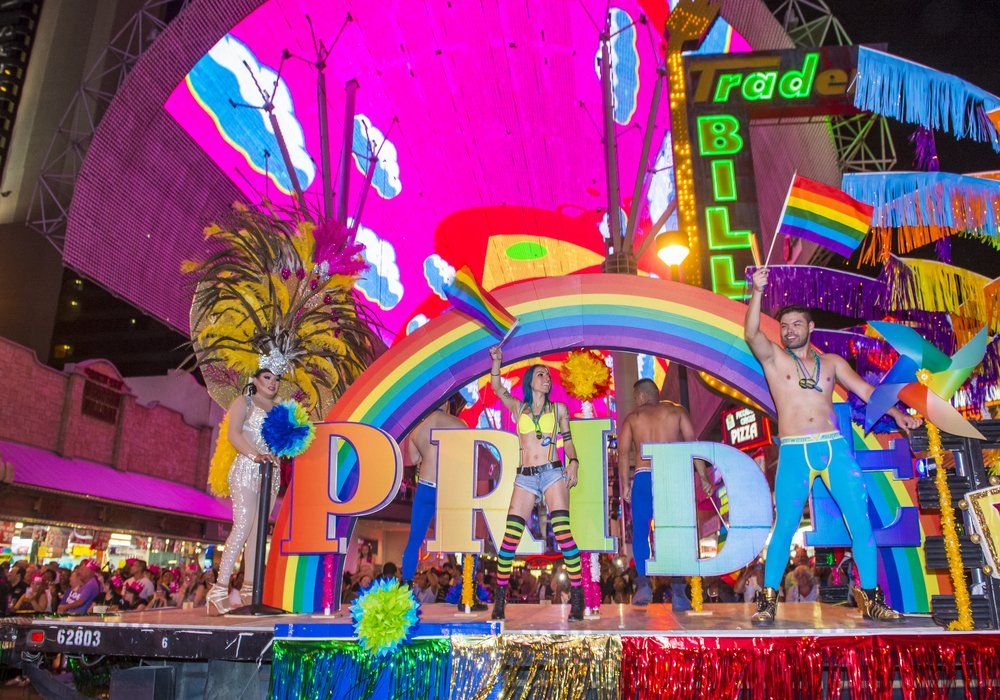
                                                    Las Vegas Pride parade float

                                                    Kobby Dagan / Shutterstock

                                                    LGBTQ+ Pride parade in Las Vegas, Nevada – October 21 , 2016

                                                      Nondiscrimination laws: Nevada has nondiscrimination laws in employment, housing, health care, education, public accommodations, and credit/lending.

                                                      Marriage equality and parental rights: Nevada has adoption and foster care nondiscrimination protections for LGBTQ+ parents, second-parent adoption for unmarried couples, and recognition for parents using assisted reproductive technologies. It also has family leave laws, which include LGBTQ-inclusive definitions. It does not have confirmatory adoption.

                                                      Education and youth policies: Nevada does not restrict discussion of LGBTQ+ identities in classrooms, and instead requires curriculum to be LGBTQ-inclusive, which parents are not required to be notified of. It does not prevent transgender students from participating in sports or using school facilities based on their identities, but it does not require staff to forcibly out students who change their gender identity to their guardians

                                                      Healthcare access and rights: Nevada does not have shield laws for gender-affirming care and abortion. The state has also banned so-called conversion therapy for youth. Health insurance companies, including Medicaid, are not allowed to deny coverage related to gender transition. However, they are not required to cover fertility treatments.

                                                      Criminal justice: Nevada’s hate crime laws encompass sexual orientation and gender identity, and it has banned the so-called “LGBTQ+ panic” defense. It does not have nondiscrimination protections based on gender identity for jury selection.

                                                      New Jersey
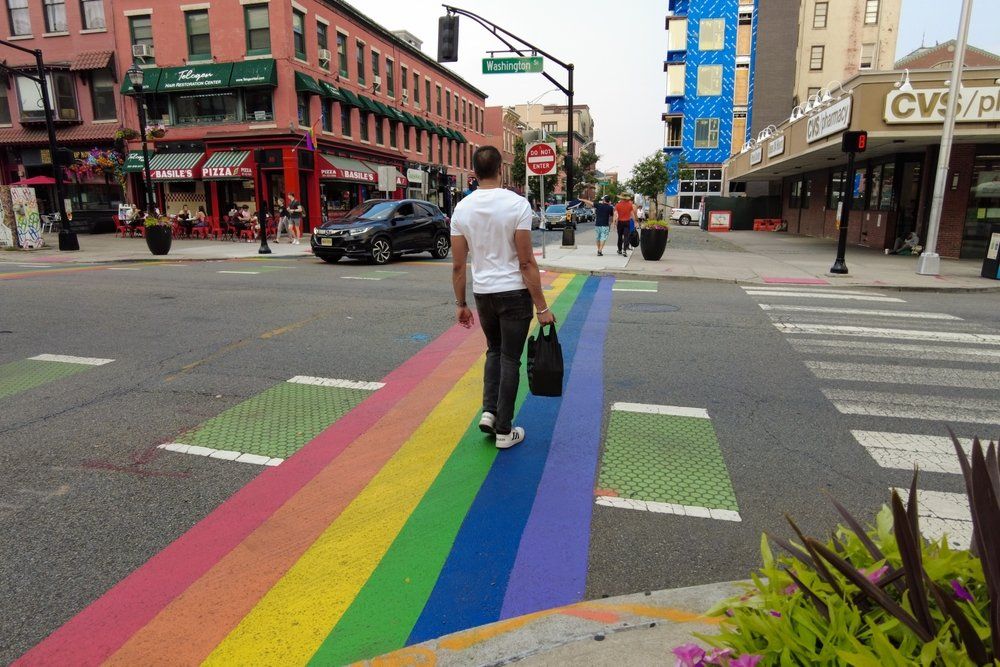
                                                      Rainbow crosswalk in Hoboken, New Jersey

                                                      Kirkam / Shutterstock.com

                                                      Rainbow LGBTQ+ Pride crosswalk in Hoboken, New Jersey, – June 25, 2023

                                                        Nondiscrimination laws: New Jersey has nondiscrimination laws in employment, housing, education, public accommodations, and credit/lending. It has nondiscrimination laws for gender identity in private healthcare, but not for sexual orientation.

                                                        Marriage equality and parental rights: New Jersey has adoption and foster care nondiscrimination protections for LGBTQ+ parents, and second-parent adoption for unmarried couples and confirmatory adoption. It also has family leave laws, which include LGBTQ-inclusive definitions. It does not have recognition for parents using assisted reproductive technologies.

                                                        Education and youth policies: New Jersey does not restrict discussion of LGBTQ+ identities in classrooms, and instead requires curriculum to be LGBTQ-inclusive, which parents are not required to be notified of. It does not prevent transgender students from participating in sports or using school facilities based on their identities, and it does not require staff to forcibly out LGBTQ+ students to their guardians.

                                                        Healthcare access and rights: New Jersey has “shield” laws protecting access to gender-affirming care for youth, as well as abortion. The state has also banned so-called conversion therapy for youth. Health insurance companies, including Medicaid, are not allowed to deny coverage related to gender transition. Private insurance is required to cover some fertility treatments, but Medicaid is not.

                                                        Criminal justice: New Jersey’s hate crime laws encompass sexual orientation and gender identity, and it has banned the so-called “LGBTQ+ panic” defense. It does not have nondiscrimination laws for LGBTQ+ people in jury selection.

                                                        New York
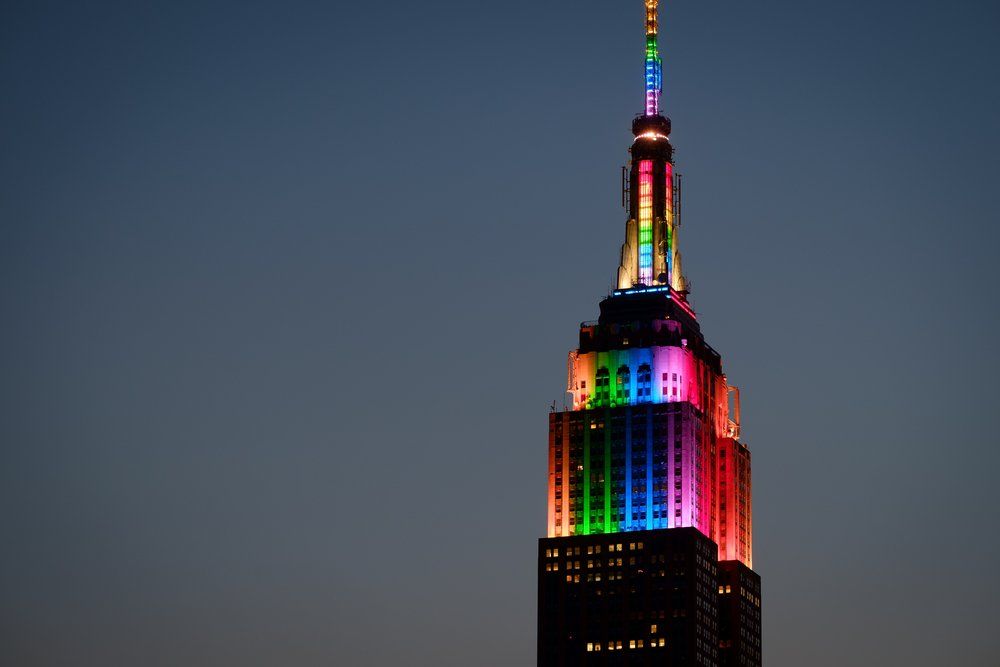
                                                        Empire State Building in rainbow colors

                                                        anaglic / Shutterstock.com

                                                        Empire State Building in rainbow colors in honor of the Orlando shooting victims, New York City – June 26, 2016

                                                          Nondiscrimination laws: New York has nondiscrimination laws in employment, housing, health care, education, public accommodations, and credit/lending.

                                                          Marriage equality and parental rights: New York has adoption and foster care nondiscrimination protections for LGBTQ+ parents, second-parent adoption for unmarried couples, and recognition for parents using assisted reproductive technologies. It also has family leave laws, which include LGBTQ-inclusive definitions. It does not have confirmatory adoption.

                                                          Education and youth policies: New York does not restrict discussion of LGBTQ+ identities in classrooms, but it does not have LGBTQ-inclusive curriculum. It does not prevent transgender students from participating in sports or using school facilities based on their identities, and it does not require staff to forcibly out LGBTQ+ students to their guardians.

                                                          Healthcare access and rights: New York has “shield” laws protecting access to gender-affirming care for youth, as well as abortion. The state has also banned so-called conversion therapy for youth. Health insurance companies, including Medicaid, are not allowed to deny coverage related to gender transition. Private insurance and Medicaid are also required to cover some fertility treatments.

                                                          Criminal justice: New York’s hate crime laws encompass sexual orientation and gender identity, and it has banned the so-called “LGBTQ+ panic” defense.

                                                          Oregon
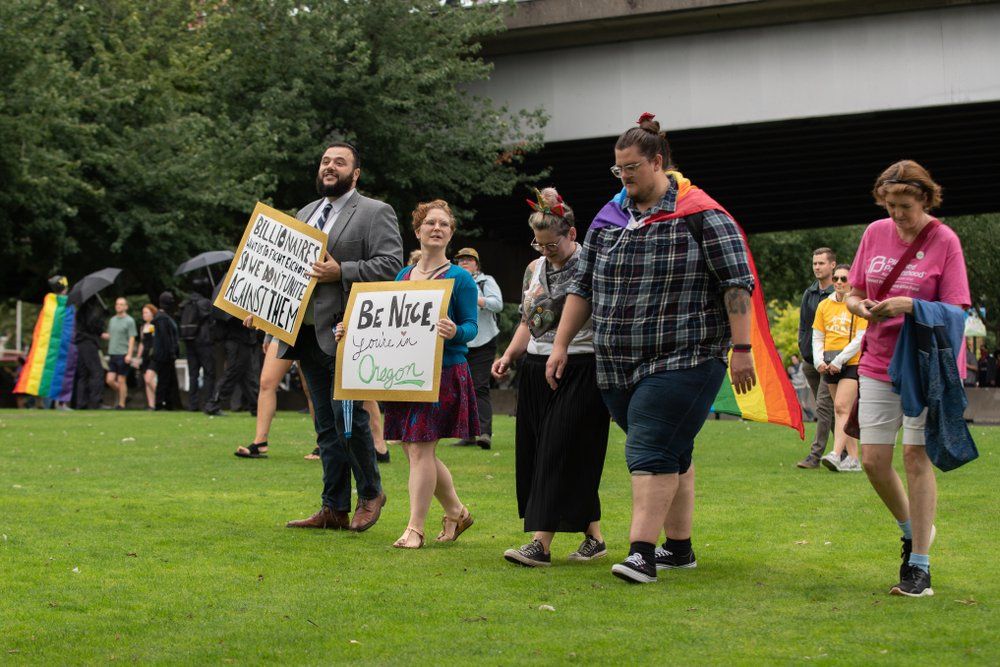
                                                          Protestors wear rainbow flag capes and carry a sign reading "Be nice, you're in Oregon"

                                                          Alexander Oganezov / Shutterstock.com

                                                          Protestors wear rainbow flag capes and carry a sign reading “Be nice, you’re in Oregon” at anti-fascism protest in Portland, Oregon – August 17, 2019

                                                            Nondiscrimination laws: Oregon has nondiscrimination laws in employment, housing, health care, education, and public accommodations. It does not have nondiscrimination laws in credit/lending.

                                                            Marriage equality and parental rights: Oregon has adoption and foster care nondiscrimination protections for LGBTQ+ parents and second-parent adoption for unmarried couples. It does have family leave laws, which include LGBTQ-inclusive definitions. It does not have confirmatory adoption, nor recognition for parents using assisted reproductive technologies.

                                                            Education and youth policies: Oregon does not prevent transgender students from participating in sports or using school facilities based on their identities, and it does not require staff to forcibly out LGBTQ+ students to their guardians. It does not restrict discussion of LGBTQ+ identities in classrooms, and instead requires curriculum to be LGBTQ-inclusive, which parents are not required to be notified of.

                                                            Healthcare access and rights: Oregon has “shield” laws protecting access to gender-affirming care for youth, as well as abortion. The state has also banned so-called conversion therapy for youth. Health insurance companies, including Medicaid, are not allowed to deny coverage related to gender transition. However, they are not required to cover fertility treatments.

                                                            Criminal justice: Oregon’s hate crime laws encompass sexual orientation and gender identity, and it has banned the so-called “LGBTQ+ panic” defense.

                                                            Rhode Island
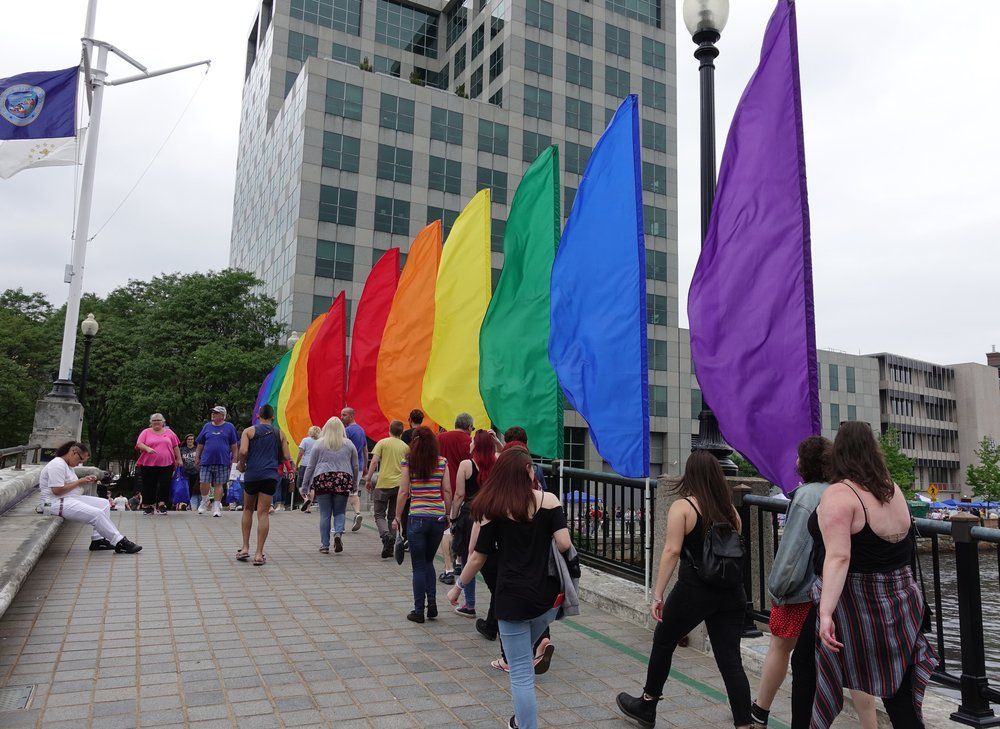
                                                            Rainbow flags on bridge over water in Providence, Rhode Island

                                                            Anthony Ricci / Shutterstock.com

                                                            Pride festival in downtown Providence, Rhode Island – June 17, 2017

                                                              Nondiscrimination laws: Rhode Island has nondiscrimination laws in employment, housing, education, public accommodations, and credit/lending. It has nondiscrimination laws for gender identity in private healthcare, but not for sexual orientation. It also has a broad “Religious Exemption” law.

                                                              Marriage equality and parental rights: Rhode Island has adoption and foster care nondiscrimination protections for LGBTQ+ parents, second-parent adoption for unmarried couples and confirmatory adoption, and recognition for parents using assisted reproductive technologies. It also has family leave laws, but their LGBTQ-inclusive definitions are not as robust as others.

                                                              Education and youth policies: Rhode Island does not restrict discussion of LGBTQ+ identities in classrooms, but it does not have LGBTQ-inclusive curriculum. It does not prevent transgender students from participating in sports or using school facilities based on their identities, and it does not require staff to forcibly out LGBTQ+ students to their guardians.

                                                              Healthcare access and rights: Rhode Island has “shield” laws protecting access to gender-affirming care for youth, as well as abortion. The state has also banned so-called conversion therapy for youth. Health insurance companies, including Medicaid, are not allowed to deny coverage related to gender transition. Private insurance is required to cover some fertility treatments, but Medicaid is not.

                                                              Criminal justice: Rhode Island’s hate crime laws encompass sexual orientation and gender identity, and it has banned the so-called “LGBTQ+ panic” defense. It does not have nondiscrimination laws for LGBTQ+ people in jury selection.

                                                              Vermont
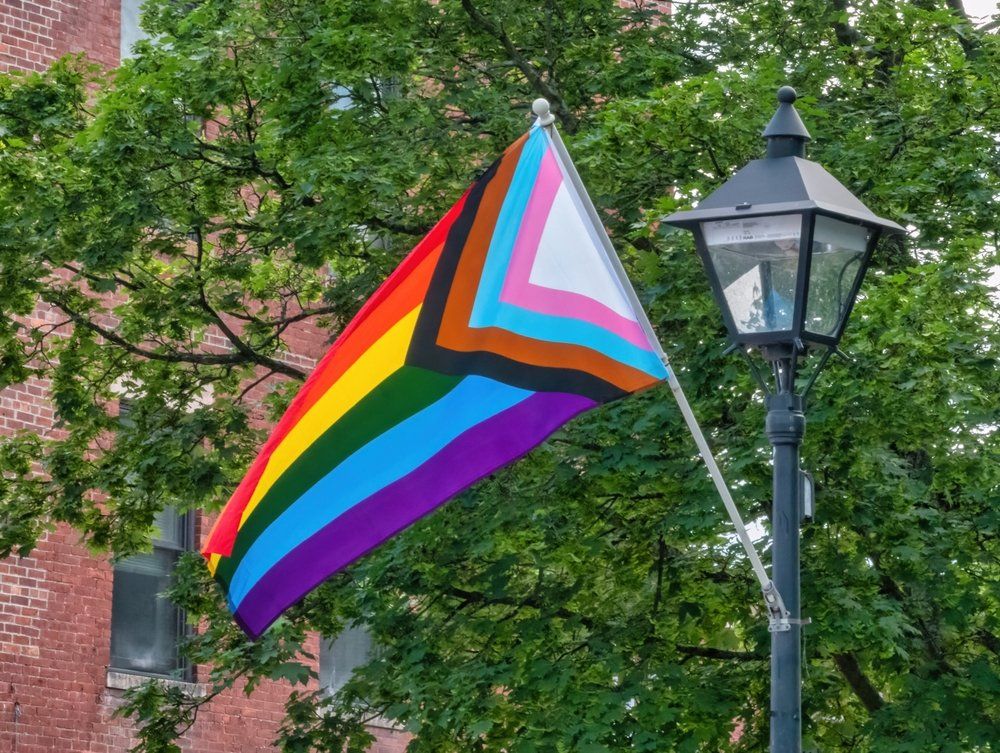
                                                              Pride flag on lamppost in Montpelier, Vermont

                                                              Charles Patrick Ewing / Shutterstock.com

                                                              LGBTQ+ Pride flag on lamppost in Montpelier, Vermont – June 11, 2022

                                                                Nondiscrimination laws: Vermont has nondiscrimination laws in employment, housing, health care, education, public accommodations, and credit/lending.

                                                                Marriage equality and parental rights: Vermont has adoption and foster care nondiscrimination protections for LGBTQ+ parents, second-parent adoption for unmarried couples, and recognition for parents using assisted reproductive technologies. It also has family leave laws, which include LGBTQ-inclusive definitions. It does not have confirmatory adoption.

                                                                Education and youth policies: Vermont does not restrict discussion of LGBTQ+ identities in classrooms, but it does not have LGBTQ-inclusive curriculum. It does not prevent transgender students from participating in sports or using school facilities based on their identities, and it does not require staff to forcibly out LGBTQ+ students to their guardians.

                                                                Healthcare access and rights: Vermont has “shield” laws protecting access to gender-affirming care for youth, as well as abortion. The state has also banned so-called conversion therapy for youth. Health insurance companies, including Medicaid, are not allowed to deny coverage related to gender transition. However, state employees who are transgender do not have inclusive health benefits. Insurance companies are also not required to cover fertility treatments.

                                                                Criminal justice: Vermont’s hate crime laws encompass sexual orientation and gender identity, and it has banned the so-called “LGBTQ+ panic” defense. It does not have nondiscrimination laws for LGBTQ+ people in jury selection.

                                                                Washington
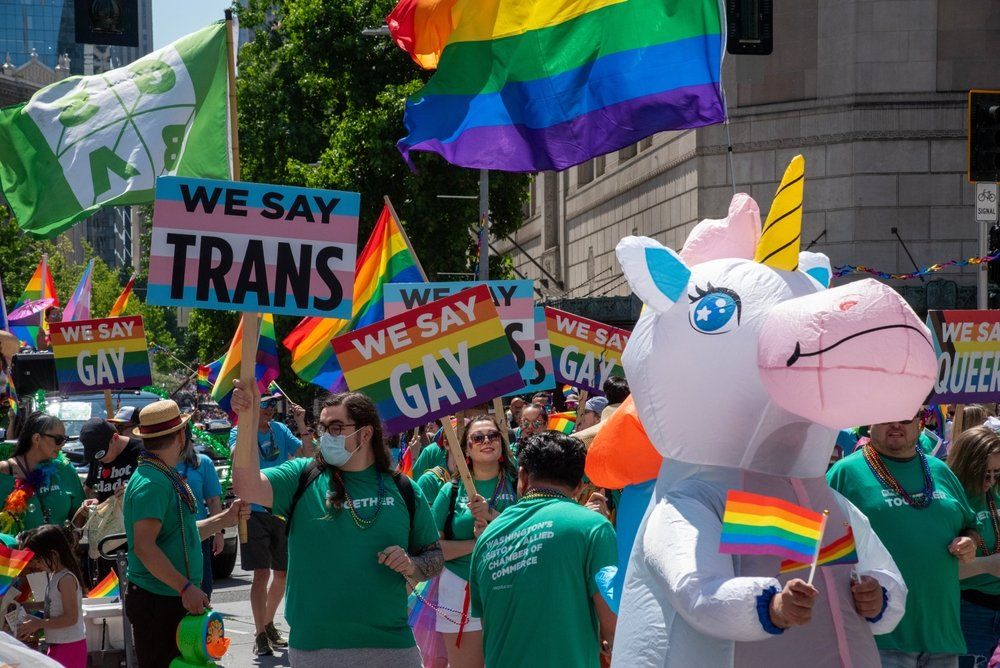
                                                                People carrying "We say trans" and "We say gay" signs at Seattle Pride

                                                                SeaRick1 / Shutterstock.com

                                                                People carrying rainbow signs reading “We say trans” and “We say gay” at LGBTQ+ Pride in Seattle, Washington – June 25, 2023

                                                                  Nondiscrimination laws: Washington has nondiscrimination laws in employment, housing, health care, education, public accommodations, and credit/lending.

                                                                  Marriage equality and parental rights: Washington has adoption and foster care nondiscrimination protections for LGBTQ+ parents and recognition for parents using assisted reproductive technologies.. It does have family leave laws, which include LGBTQ-inclusive definitions. It does not have second-parent adoption for unmarried couples, nor confirmatory adoption.

                                                                  Education and youth policies: Washington does not restrict discussion of LGBTQ+ identities in classrooms, and instead requires curriculum to be LGBTQ-inclusive, which parents are not required to be notified of. It does not prevent transgender students from participating in sports or using school facilities based on their identities, and it does not require staff to forcibly out LGBTQ+ students to their guardians.

                                                                  Healthcare access and rights: Washington has “shield” laws protecting access to gender-affirming care for youth, as well as abortion. The state has also banned so-called conversion therapy for youth. Health insurance companies, including Medicaid, are not allowed to deny coverage related to gender transition. However, they are not required to cover fertility treatments.

                                                                  Criminal justice: Washington’s hate crime laws encompass sexual orientation and gender identity, and it has banned the so-called “LGBTQ+ panic” defense. It does have a law criminalizing the transmission of HIV.

                                                                  Honorable mentions
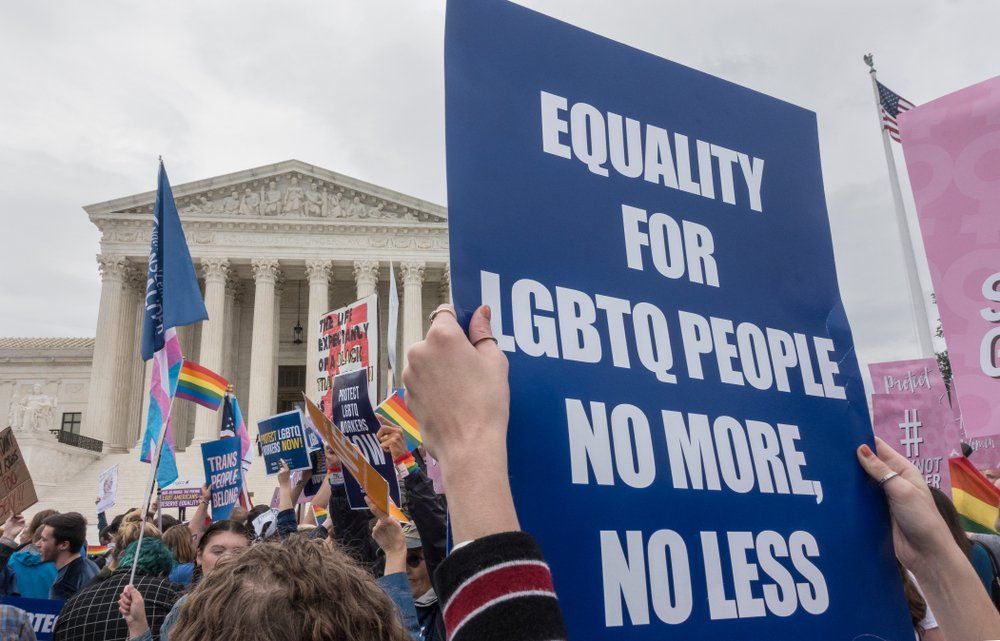
                                                                  Sign outside SCOTUS reading "Equality for LGBTQ people no more, no less"

                                                                  Bob Korn / Shutterstock.com

                                                                  Rally for LGBTQ rights outside Supreme Court in Washington, D.C. – OCT. 8, 2019

                                                                    Washington, D.C. also ranked high on MAP’s assessment, though it does not currently have statehood.

                                                                    Other states that ranked above average include: Delaware, Hawaii, Michigan, New Hampshire, New Mexico, and Virginia.

                                                                    Church stands by call to execute gay people: “I will not apologize for preaching the Word of God.”

                                                                    Read more at LGBTQ Nation.

                                                                    A church leader in Indianapolis is doubling down on a sermon delivered at the Sure Foundation Baptist Church in the state’s capital city last week that called on gay people to “blow yourself in the back of the head,” among other incendiary statements.

                                                                    Church leader Justin Zhong endorsed the remarks delivered by lay pastor Stephen Falco during a Men’s Preaching Night service on June 29, including his assertion that, “There’s nothing good to be proud about being a f*g. You ought to blow yourself in the head in the back of the head. You’re so disgusting.”

                                                                    The church posted the sermon to YouTube, and it was widely denounced by members of the LGBTQ+ community and allies who called the hate-filled screed “theologically irresponsible” and “pastorally dangerous.”

                                                                    YouTube has since removed the video for violating its terms of service. A portion of the sermon was reposted by radio station 93 WIBC Indianapolis.

                                                                    “Why do I hate sodomites, why do I hate f*gs? Because they attack children, they’re coming after your children, they are attacking them in schools today, and not only schools in public places, and they’re proud about it!” Falco said during the Pride month sermon titled “Pray the gay away.”

                                                                    Another man identified in the same video as “Brother Wayne” followed Falco at the pulpit with a sermon he called “Worthy of Being Beaten,” according to the Indianapolis Star. He blamed society’s moral decline on a lack of discipline and physical punishment, calling beatings a deterrent that have been lost in American culture, while aiming his harshest rhetoric at immigrants and the LGBTQ+ community.

                                                                    “I don’t even understand why we’re deporting these illegal criminals who are murderers, who are doing drug trafficking, sex trafficking, human trafficking. They’re putting them on a plane, and they’re sending them over to a prison in another country,” he said. “I say we put them to death right here. I say we beat them right here.”

                                                                    Brother Wayne said of gay people, “I think they should be put to death. You know what, I’ll go further. I think they should be beaten in public first for all their sick and demented, just [slur] and the things they’re doing to our schools, to our government, to our institutions, to our churches. These people should be beaten and stomped in the mud, and then they should take a gun and blow the back of their heads off.”

                                                                    While not officially associated with the notorious New Independent Fundamental Baptist Church, which has long espoused the death penalty for gay people, Sure Foundation Baptist Church says their pastor, Aaron Thompson, is a new IFB church member from Vancouver, Washington.

                                                                    Both churches are “KJV only”, referring to their literal interpretation of the gospel from the King James Bible.

                                                                    “The Bible is crystal clear that sodomites – homosexuals – deserve the death penalty carried out by a government that actually cares about the law of God,” said church leader Zhong in Falco’s defense.

                                                                    “I will not apologize for preaching the Word of God. I will not apologize for stating facts. I will not negotiate with terrorists, among whom the LGBTHIV crowd is full of domestic terrorists,” Zhong said, before citing multiple verses from the Bible to make his church’s case on Facebook.

                                                                    A sermon by Falco in March even directed ire at Donald Trump for appearing religious to secure political support while having a life of pride, perversion, blasphemy, and mockery of Jesus Christ.

                                                                    He cited Trump’s declaration that he would date his own daughter if they weren’t related.

                                                                    “Unless Donald Trump gets saved, which I hope he does … God will judge him for it and he will go to hell.”

                                                                    In his June sermon, Falco also wished death on former President Joe Biden, whom he described as “a wicked reprobate.”

                                                                    “I have prayed for the death of former President Biden many times,” he boasted.

                                                                    But Falco’s most outlandish and threatening rhetoric was reserved for the LGBTQ+ community, which he shouted down as “evil” and “disgusting”.

                                                                    Allies and activists rallied in the community’s defense, including an association of Black churches and activists.

                                                                    “Such messages are not only theologically irresponsible but pastorally dangerous,” faith-based civil rights group Concerned Clergy of Indianapolis said in a statement. “The pulpit must never be used as a weapon to dehumanize, isolate, or incite fear.”

                                                                    Equality Indiana called Falco’s sermon inflammatory and extremist, saying it could inspire violence against the community.

                                                                    GOP official just banned “Everyone is Welcome Here” signs in schools because they’re too Democratic

                                                                    Read more at LGBTQ Nation.

                                                                    The attorney general of Idaho issued an opinion telling schools not to allow teachers to post signs that say “Everyone is Welcome Here,” claiming that the message that public education is for everyone regardless of race, gender, sexual orientation, or other categories is Democratic in nature and therefore illegally partisan.

                                                                    “These signs are part of an ideological/social movement which started in Twin Cities, Minnesota, following the 2016 election,” Idaho Attorney General Raúl Labrador (R) said in guidance issued to a school. “Since that time, the signs have been used by the Democratic party as a political statement.”

                                                                    .Labrador also noted that the state Democratic Party is selling signs that say “Everyone is Welcome Here,” but state Democrats say that they only started selling those signs at cost in order to draw attention to conservatives’ early attempts to ban them.

                                                                    The conflict centers on Idaho’s H.B. 41, which took effect last week and bans school employees from displaying flags or banners that show “opinions, emotions, beliefs or thoughts about politics, economics, society, faith or religion.”

                                                                    Earlier this year, the state’s West Ada School District banned Sarah Inama, a teacher at Lewis and Clark Middle School, from displaying a sign that says, “Everyone is Welcome Here.” It showed a drawing of people’s hands with different skin tones, each with a heart on it.

                                                                    The district also ordered her to take down another sign that read, “In this room everyone is welcome, important, accepted, respected, encouraged, valued, equal” on top of a background of rainbow colors. The rainbow colors included seven stripes, which differs from the six-striped rainbow Pride flag.

                                                                    The controversy over the signs garnered national headlines in March, and the state attorney general’s office looked into how the law would apply in such cases, issuing an opinion last week.

                                                                    The attorney general determined that these specific signs would violate H.B. 41 and claimed that the statements in the signs are part of a political movement and not, as defenders of the signs argued, generally agreed-upon beliefs about the nature of public education.

                                                                    Labrador’s guidance hyperlinked a 2017 news story about a group of women who protested racist graffiti that appeared at a local high school the day after the president was elected to his first term, according to the Idaho Capital-Sun, which posted the attorney general’s opinion. The women carried signs that read, “All are Welcome Here.”

                                                                    The guidance then claimed that Inama started posting the “Everyone is Welcome Here” sign in 2017, “during the height of the above-referenced social movement.”

                                                                    In March, Inama disagreed that the message is political or partisan.

                                                                    “I don’t agree. I don’t agree that this is a personal opinion,” she told KTVB at the time. “I feel like this is the basis of public education.”

                                                                    Inama resigned in May.

                                                                    GOP Ohio governor vetoes several anti-LGBTQ+ measures while letting others become law

                                                                    Read more at LGBTQ Nation.

                                                                    Ohio Gov. Mike DeWine (R) vetoed three anti-LGBTQ+ provisions in the state’s latest budget bill yesterday, in a partial victory for civil rights that still leaves several assaults on LGBTQ+ identity signed into law.

                                                                    The budget passed by Republicans over Democrats’ objections included a raft of measures targeting the LGBTQ+ community, including a prohibition on flying the Pride flag on state property; defunding shelters that welcome trans youth; language defining sex in the state as binary; removing library books related to sexual orientation or gender identity from areas accessed by minors; and denying Medicaid funding for mental health services for transgender people.

                                                                    DeWine vetoed the prohibition on the Pride flag, the defunding of youth shelters, and the mandate on library materials.

                                                                    “The budget is supposed to be a reflection of Ohio’s shared values,” Equality Ohio said in a statement shared with the Columbus Dispatch after the governor vetoed the provisions. The group said lawmakers tried to make the bill “a vehicle for cruelty.”

                                                                    “But because of community action—because we showed up, we sent emails, we made calls, and we told your stories — some of that cruelty was stopped in its tracks,” the organization said.

                                                                    DeWine, a lifelong conservative and former United States senator, was circumspect in explaining the reasoning behind his vetoes.

                                                                    On the subject of youth shelters, DeWine told reporters, “We want homeless shelters to be open for everyone. That’s kind of it.”

                                                                    Of the library provision, which ordered books addressing LGBTQ+ identity kept “out of sight” of minors, the governor said, “As parents or grandparents, no one wants their child to have a book or something that is inappropriate, something that is obscene. But I just felt that the language did not work.”

                                                                    The provision banning the Pride flag would have limited flags flown on state properties to the American flag, the Ohio flag, the POW/MIA flag, and flags of official state agencies.

                                                                    Wins for MAGA Republicans in the GOP-dominated Ohio House and Senate included copycat language from the president’s “gender ideology” executive order mandating the government recognize only two biological sexes, male and female, as well as a ban on Medicaid funding for mental health services for transgender people.

                                                                    How the latter would be enforced in a mental health setting has yet to be tested and will likely be challenged in court.

                                                                    DeWine also let stand a prohibition on distributing menstrual products in men’s public restrooms.

                                                                    Republican leaders can override any of DeWine’s line-item vetoes between now and the end of the two-year legislative session in December 2026. The GOP holds overwhelming and veto-proof majorities in both the House and Senate.

                                                                    In January 2024, Republicans overrode DeWine’s veto of a bill banning gender-affirming care for minors and trans women and girls from participating in school sports in the state.

                                                                    In November, DeWine signed a discriminatory “bathroom bill” into law restricting use of public school and college restrooms based on “biological sex.”

                                                                    Blog at WordPress.com.

                                                                    Up ↑