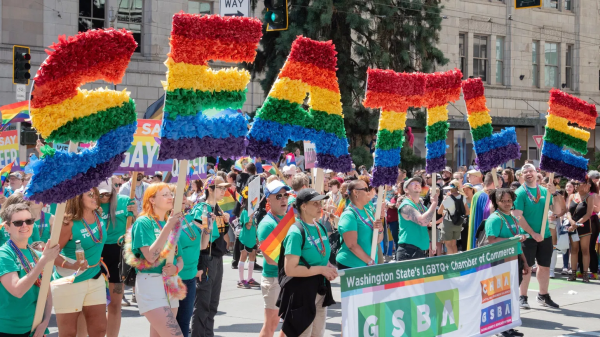
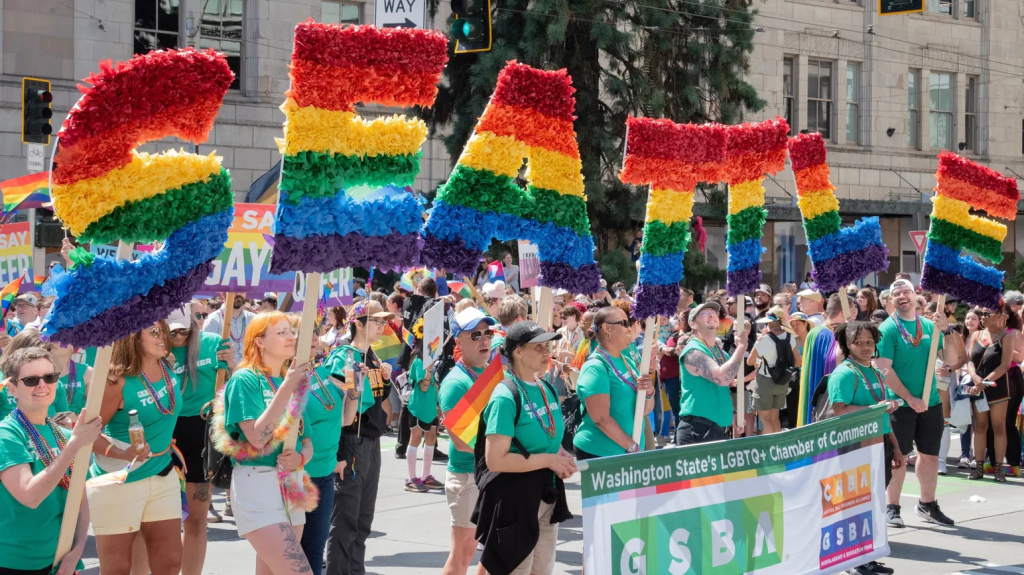
World Cup Pride Match in Seattle will feature… Egypt and Iran. Say what?

Read more at Outsports.

When the full schedule was confirmed the next day, Vancouver was selected for New Zealand’s clash with Belgium, leaving Seattle with the awkward situation of its “Pride Match” featuring Egypt and Iran — two nations with atrocious LGBTQ human rights records.

Both Egypt and Iran criminalize gay relationships. In Iran, capital punishment is still the maximum penalty under the law.

According to the Human Dignity Trust, there is evidence in recent years of the enforcement of their respective laws in each of the two nations.

A match between countries that vociferously oppose Pride presents a complex scenario for Seattle organizers, who have set up a Pride Match Advisory Committee (PMAC) to “shape the communications, community activations, and cultural programming” for the festivities.

With Lumen Field hosting six World Cup fixtures in total, there might have been scope to alter the Pride Month plans.

However, the USMNT’s match with Australia on June 19 has already been designated to mark Juneteenth, while the other group matches in Seattle on June 15 and June 24 feature either Egypt or Qatar, which is another country that imprisons gay people.

There will also be a round-of-32 game featuring the winner of Group G at Lumen Field on July 1, and a last-16 match on July 6.

World Cup Pride Match with Egypt and Iran could be ‘good thing’

Despite the obvious challenges, Seattle FWC26 have indicated they will proceed with their plans for the Pride Match on June 26.

In a statement provided to Outsports, a spokesperson for the PMAC said: “The Pride Match has been scheduled to celebrate and elevate Pride events in Seattle and across the country, and it was planned well in advance.

“It is a Host City–led expression of Seattle and Washington State’s commitment to creating a welcoming and inclusive environment where everyone belongs: players, fans, residents, and visitors alike.

“Soccer has a unique power to unite people across borders, cultures, and beliefs. We are honored to host a Pride Match and to celebrate Pride as part of a global football community. This match reflects our ongoing commitment to respect, dignity, and unity for all.”

Eric Wahl, the brother of the late soccer journalist Grant Wahl, is a member of the Seattle PMAC. He is an advocate for public health and human rights, an out gay man, and a public speaker.

Following the fixture announcement, Wahl said on social media that the match-up of two countries where it is illegal to be gay is actually a “good thing” for the Pride Match.

City organizers do not want to pass up the opportunity to send out a strong message of welcome to LGBTQ people everywhere, having stated that with “hundreds of thousands of visitors and billions of viewers worldwide, this is a once-in-a-lifetime moment.”

Hedda McLendon is Seattle FWC26’s Senior Vice President of Legacy. She told Outsports that organizers are “working with small businesses so the region’s LGBTQ+-owned enterprises are ready to benefit from the tournament’s unprecedented visitor surge.”

Katie Wilson, the Democratic mayor-elect of Seattle who will assume office on Jan. 1, expressed similar hopes on social media after Saturday’s fixture confirmation. She referred to the Juneteenth and Pride themed matches, saying: “We get to show the world that in Seattle, everyone is welcome. What an incredible honor for our city!”

Last month, three finalists were announced for a Pride Match artwork competition, with the designs carried on the official SeattleFWC26 website.

Created by local artists from Washington State, the designs capture “Seattle’s identity as a diverse, inclusive community and a leader in LGBTQ+ rights,” according to organizers.

It is understood that the PMAC’s preparations are not being made in conjunction with FIFA. On a webpage carrying information about the Pride Match Design Contest, a disclaimer stated that the creation “is not affiliated with or endorsed by FIFA.”

Plans to celebrate LGBTQ Pride Month at a FIFA World Cup match are set to continue, even though the two countries selected for the fixture both have draconian anti-gay laws.

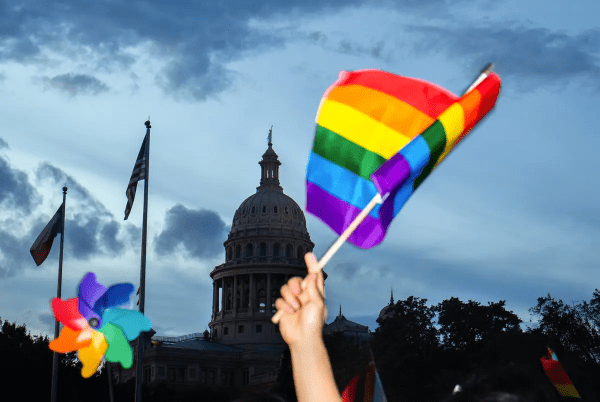
Seattle’s local organizing committee for World Cup 2026 has been preparing to stage a historic “Pride Match” at Lumen Field on June 26, the Friday of Pride Weekend. The themed fixture would be the first of its kind at a FIFA World Cup. The anniversary of the Stonewall riots is on June 28.

Friday’s tournament draw allocated the slot in the city’s schedule to one of two Group G games — New Zealand v Belgium, or Egypt v Iran.

The Pride Match would certainly stand in stark contrast to the Qatar 2022 World Cup, where the “OneLove” armband in support of diversity was banned by FIFA, and where some LGBTQ fans and allies had rainbow-colored items confiscated by security forces.

A few were even temporarily detained and harassed while being questioned about the items, including Grant Wahl. The journalist was told by guards to remove his T-shirt at a stadium and later reported on his distressing experience.

In recent days, a coalition of groups and organizations including the Sport and Rights Alliance has raised serious concerns about FIFA’s approach to human rights at World Cup 2026, including on the issue of LGBTQ safety.

As part of this, Athlete Ally ambassador Matt Pacifici, a former pro goalkeeper with Columbus Crew who came out publicly as gay in 2019, has criticized FIFA’s lack of anti-discrimination messaging at last summer’s Club World Cup tournament in the U.S. and also called for “enforceable protections” for LGBTQ players and fans.

Outsports has approached FIFA for comment, but by the time of publication, no response had been received.

These cities are stepping up to provide sanctuary to trans people

Read more at The Advocate.
Attacks on transgender rights didn’t start with Donald Trump — but neither did the movements resisting them.

Since 2022, 25 states have banned most gender-affirming care for trans youth, six of which make it a felony for doctors to provide the treatment. Two have banned surgery only. While only 14 and the District of Columbia have shield laws protecting the care, a small but growing coalition of “sanctuary cities” for trans people are filling in the gaps.

Many may know the term in reference to municipalities that limit cooperation with federal authorities like Immigration and Customs Enforcement that target immigrant communities, but “sanctuary cities” is also used to describe these places that aim to help transgender people.

These cities — of which there are an estimated fewer than 10 in the U.S. — are not superficial “safe spaces.” For trans kids and their families, they are meant to ensure that local resources aren’t used to aid officials from other jurisdictions prosecuting them or their doctors. They also prohibit officials from sharing information about someone’s gender, sex, or health care.

While the resolutions can’t overturn state or federal laws, “the closest point to the community is a council,” says Eric Guerra, mayor pro tem of Sacramento. The City Council voted unanimously to make Sacramento a sanctuary city in March 2024. It was the first state capital to adopt that status.

“It goes down to the fundamental belief that people are people, and we should respect people for who they are,” says Guerra, who was a council member at the time. “And that has helped let our cities move forward.”

Sanctuary city resolutions usually come when residents approach their city council members with evidence showing why they’re needed.

There wasn’t just one person who came forward and motivated officials to declare Olympia, Washington, a sanctuary city in January. Instead, several LGBTQ+ residents commented publicly that they were “feeling very fearful and unsafe” in the wake of Trump’s election, says Assistant City Manager Stacey Ray. The City Council initiated the resolution in response.

Public testimonials from community members about how they have been negatively impacted by anti-LGBTQ+ laws is what Guerra says can be legally considered “factual points of incidents that occur that go contrary to our nation’s fundamental beliefs.”

From there, resolutions go to city attorneys, who must make sure that they don’t go against the state or U.S. Constitution. Ray describes it as a “long, arduous process,” and says officials must consult with local law enforcement about “what we can do within our legal parameters” to enforce the resolution.

“One of the things our council said is they wanted something that was actionable. Not just ‘pretty words,’ but they really wanted something that would be seen as authentically providing the safety that folks were asking for,” Ray says.

California and Washington State have shield laws for abortion and gender-affirming care, making resolutions like those in Sacramento and Olympia in line with state law. Democratic-controlled cities passing local ordinances in Republican-controlled states can lead to more complications, like in Kansas City, Missouri.

The City Council there approved a sanctuary resolution for gender-affirming care in May 2023, shortly after the state legislature passed a bill banning the treatment for trans minors. While the city could not overturn state law, Mayor Quinton Lucas, who introduced the resolution, ordered local police and city personnel to make enforcement “their lowest priority.”

“It just means you have more fights, frankly,” Lucas says. “It also means that here in the red states, we have a little more experience with fighting.”

Sanctuary city resolutions are still helpful in blue states, especially under a federal government hostile to LGBTQ+ people. Since taking office in January, Trump has signed executive orders denying the existence of transgender people and banning federal support for gender-affirming care for those under 19.

“Trump has the authority over a bunch of federal employees, like with the civil rights protections he’s rolled back in hiring specifically for the federal government,” Guerra says. “I think people forget that those roles and those stages also exist in their local community.”

Trump has threatened to withhold federal funding from immigration sanctuary cities and could potentially do the same for cities that protect transgender health care and abortion access, prompting more than a dozen local governments — including the city of Sacramento — to file a lawsuit against the administration.

For Guerra, who is an immigrant, the benefits of protecting a marginalized group far outweigh the risk the Trump administration poses. Lucas also “encourage[s] every mayor with that opportunity to” stand up for LGBTQ+ rights.

“The thing that motivated me was our shared humanity,” he says. “When your state government or your federal government is saying you don’t deserve to exist and [is] trying to remove you as a human being, I think that those of us with whatever power, we have a duty to act.”

What states are the best for LGBTQ+ people? These are the top 15

Read more at The Advocate.

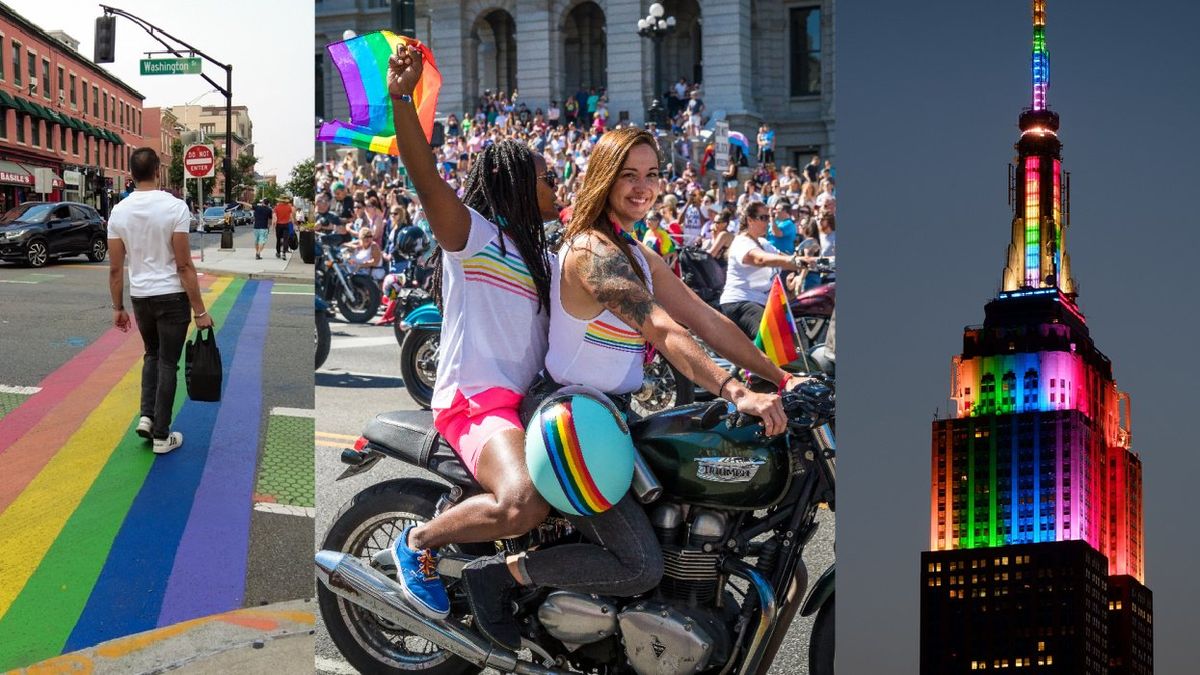
\u200bRainbow crosswalk in Hoboken (L); Women on motorcycles at Denver Pride (M); Empire State Building in rainbow colors (R)

Kirkam / Shutterstock.com; Philipp Salveter / Shutterstock.com; anaglic / Shutterstock.com

Rainbow LGBTQ+ Pride crosswalk in Hoboken, New Jersey (L); Women on motorcycles at Pride celebration in Denver, Colorado (M); Empire State Building in NYC lit up in rainbow colors (R)

    Legislative attacks on the LGBTQ+ community have been pushed everywhere from city councils to the White House — but there are still some areas that are safe.

    Over 1,000 anti-LGBTQ+ laws have been proposed across every state legislature in the U.S. over the past two years, according to the American Civil Liberties Union, and 126 have passed into law. Less than two months into the 2025 legislative session, 390 laws targeting LGBTQ+ people have been proposed.

    Still, marriage equality and anti-discrimination protections based on sexual orientation and gender identity are still guaranteed federally by U.S. Supreme Court rulings (for now). On top of that, at least 15 states have “shield laws” protecting access to gender-affirming care and abortion.

    Based on laws surrounding marriage, family rights, health care, education, and youth collected by the Movement Advancement Project, here are the 15 best states for LGBTQ+ people.

    Related: What states are the most dangerous for LGBTQ+ people? Here are the worst 15

    California
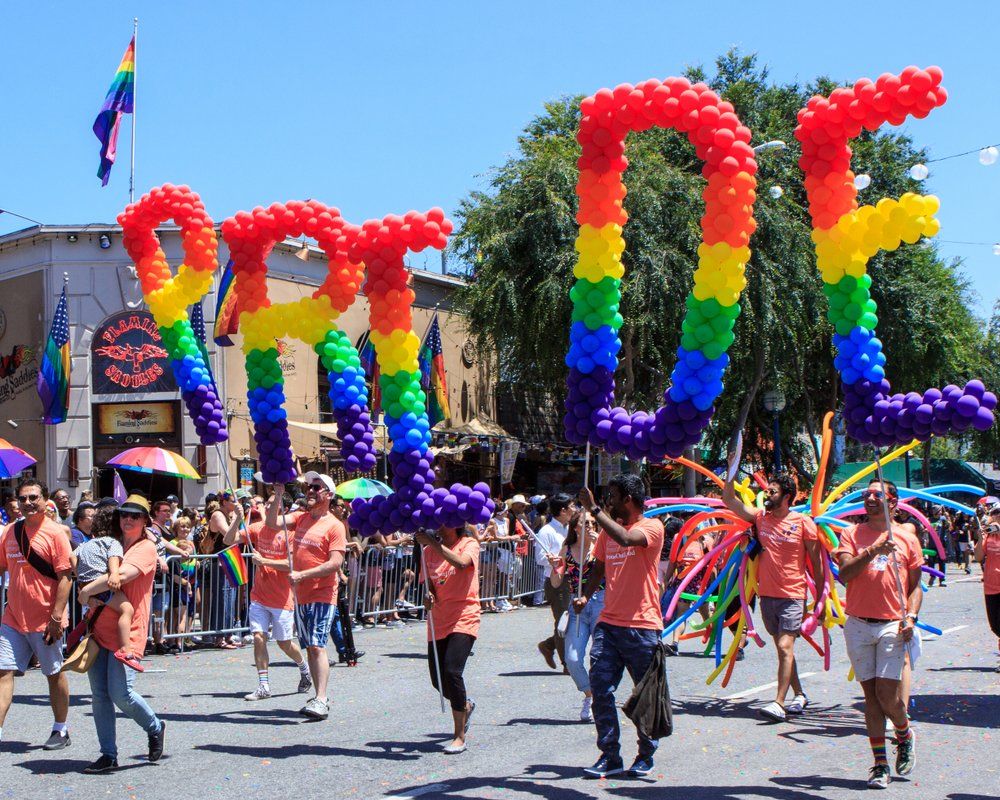
    West Hollywood Pride balloons

    GrandAve / Shutterstock.com

    Pride celebration in West Hollywood, California – June 9, 2019

      Nondiscrimination laws: California has nondiscrimination laws in employment, housing, health care, education, public accommodations, and credit/lending.

      Marriage equality and parental rights: California has adoption and foster care nondiscrimination protections for LGBTQ+ parents, second-parent adoption for unmarried couples and confirmatory adoption, and recognition for parents using assisted reproductive technologies. It also has family leave laws, which include LGBTQ-inclusive definitions.

      Education and youth policies: California does not restrict discussion of LGBTQ+ identities in classrooms, and instead requires curriculum to be LGBTQ-inclusive, which parents are not required to be notified of. It does not prevent transgender students from participating in sports or using school facilities based on their identities, and it does not require staff to forcibly out LGBTQ+ students to their guardians.

      Healthcare access and rights: California has “shield” laws protecting access to gender-affirming care for youth, as well as abortion. The state has also banned so-called conversion therapy for youth. Health insurance companies, including Medicaid, are not allowed to deny coverage related to gender transition. However, they are not required to cover fertility treatments.

      Criminal justice: California’s hate crime laws encompass sexual orientation and gender identity, and it has banned the so-called “LGBTQ+ panic” defense. While the state does not criminalize HIV, it does have sentencing enhancements for sex-related convictions for those with HIV.

      Colorado
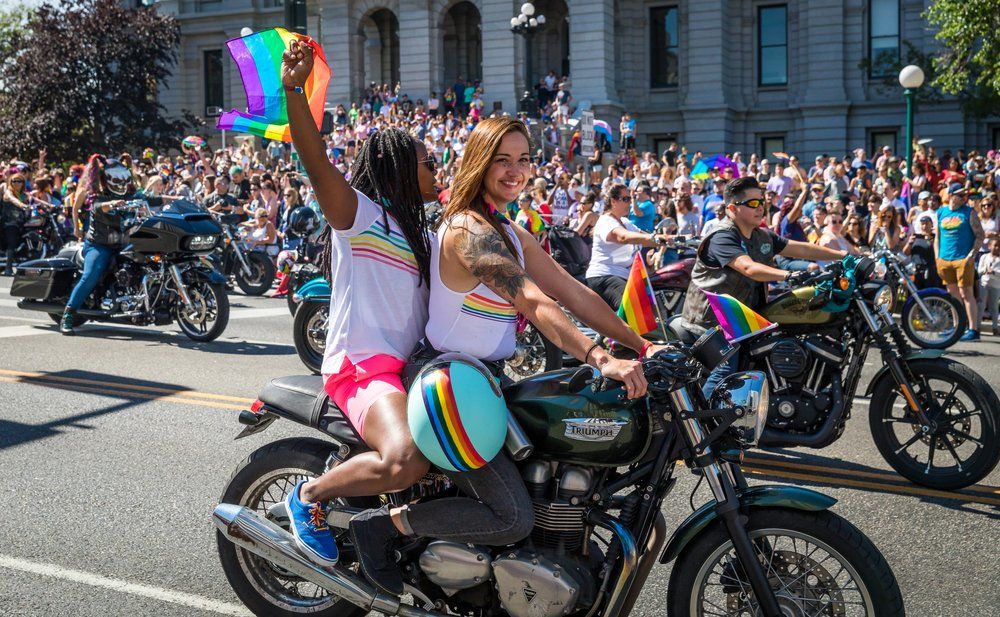
      Women on motorcycles at Denver Pride celebration

      Philipp Salveter / Shutterstock.com

      Women on motorcycles at Pride celebration in Denver, Colorado, USA – June 16th 2019

        Nondiscrimination laws: Colorado has nondiscrimination laws in employment, housing, education, health care, public accommodations, and credit/lending.

        Marriage equality and parental rights: Colorado has adoption and foster care nondiscrimination protections for LGBTQ+ parents, second-parent adoption for unmarried couples and confirmatory adoption, and recognition for parents using assisted reproductive technologies. It also has family leave laws, which include LGBTQ-inclusive definitions.

        Education and youth policies: Colorado does not prevent transgender students from participating in sports or using school facilities based on their identities, and it does not require staff to forcibly out LGBTQ+ students to their guardians. It does not restrict discussion of LGBTQ+ identities in classrooms, and instead requires curriculum to be LGBTQ-inclusive, which parents are not required to be notified of.

        Healthcare access and rights: Colorado has “shield” laws protecting access to gender-affirming care for youth, as well as abortion. The state has also banned so-called conversion therapy for youth. Health insurance companies, including Medicaid, are not allowed to deny coverage related to gender transition. However, state employees who are transgender do not have inclusive health benefits. Insurance companies are also not required to cover fertility treatments.

        Criminal justice: The state’s hate crime laws encompass sexual orientation and gender identity, and it has banned the so-called “LGBTQ+ panic” defense. Like California, Colorado does not criminalize HIV, but it does have sentencing enhancements for sex-related convictions for those with HIV.

        Connecticut
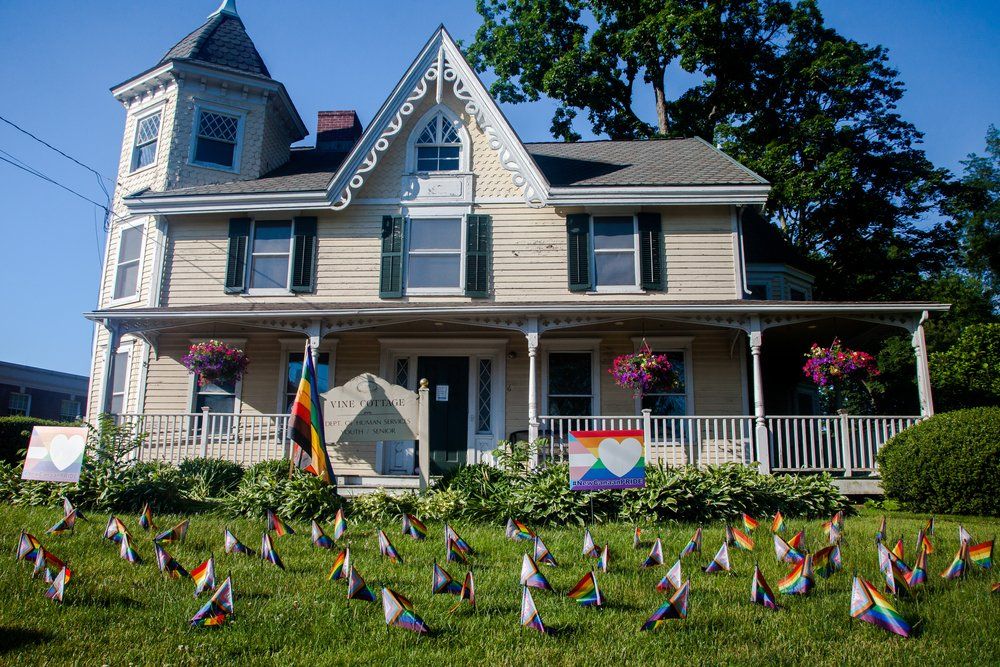
        Pride flags outside Vine Cottage CT

        Miro Vrlik Photography / Shutterstock.com

        LGBTQ+ Pride flags outside Vine Cottage in New Canaan, Connecticut – June 13, 2021

          Nondiscrimination laws: Connecticut has nondiscrimination laws in employment, housing, education, public accommodations, and credit/lending. It does not have nondiscrimination laws for private healthcare, and it does have a broad “Religious Exemption” law.

          Marriage equality and parental rights: Connecticut has adoption and foster care nondiscrimination protections for LGBTQ+ parents, second-parent adoption for unmarried couples and confirmatory adoption, and recognition for parents using assisted reproductive technologies. It also has family leave laws, but their LGBTQ-inclusive definitions are not as robust as those of California or Colorado.

          Education and youth policies: Connecticut does not restrict discussion of LGBTQ+ identities in classrooms, but it does not have LGBTQ-inclusive curriculum. It does not prevent transgender students from participating in sports or using school facilities based on their identities, and it does not require staff to forcibly out LGBTQ+ students to their guardians.

          Healthcare access and rights: Connecticut has “shield” laws protecting access to gender-affirming care for youth, as well as abortion. The state has also banned so-called conversion therapy for youth. Health insurance companies, including Medicaid, are not allowed to deny coverage related to gender transition. Private insurance is required to cover some fertility treatments, but Medicaid is not.Criminal justice:Connecticut’s hate crime law encompasses sexual orientation but not gender identity. It also does not have nondiscrimination laws for LGBTQ+ people in jury selection.

          Illinois
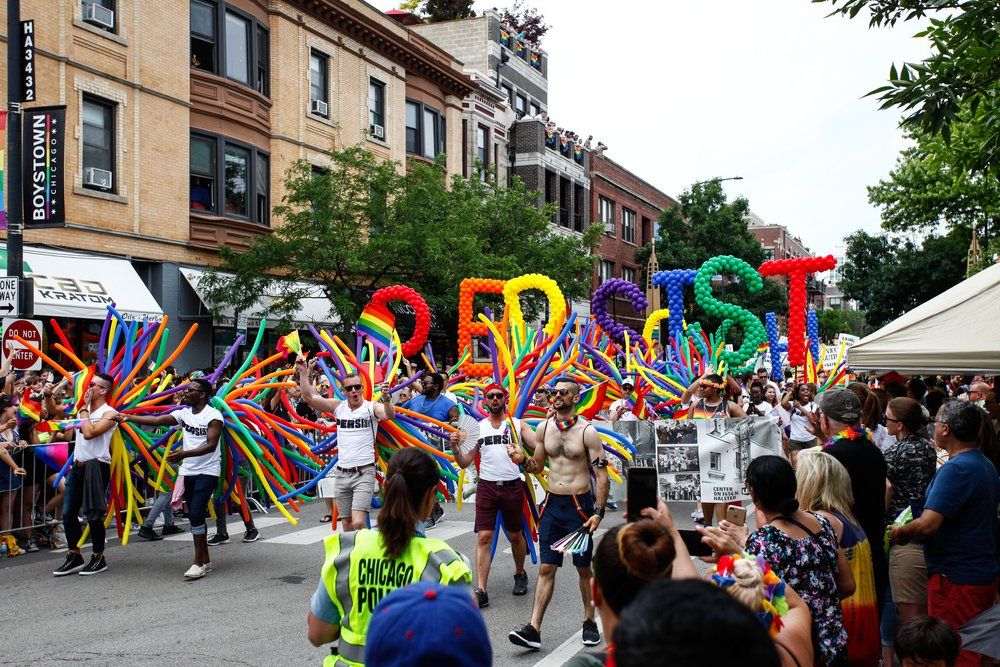
          "Persist" balloons at Chicago

          Dominique Robinson / Shutterstock.com

          LGBTQ+ Pride in Chicago, Illinois – June 30th 2019

            Nondiscrimination laws: Illinois has nondiscrimination laws in employment, housing, health care, education, public accommodations, and credit/lending. However, it does have a broad “Religious Exemption” law.

            Marriage equality and parental rights: Illinois has adoption and foster care nondiscrimination protections for LGBTQ+ parents, second-parent adoption for unmarried couples, and recognition for parents using assisted reproductive technologies. It also has family leave laws, which include LGBTQ-inclusive definitions. It does not have confirmatory adoption.

            Education and youth policies: Illinois does not restrict discussion of LGBTQ+ identities in classrooms, and instead requires curriculum to be LGBTQ-inclusive, which parents are not required to be notified of. It does not prevent transgender students from participating in sports or using school facilities based on their identities, and it does not require staff to forcibly out LGBTQ+ students to their guardians.

            Healthcare access and rights: Illinois has “shield” laws protecting access to gender-affirming care for youth, as well as abortion. The state has also banned so-called conversion therapy for youth. Health insurance companies, including Medicaid, are not allowed to deny coverage related to gender transition or fertility treatments.

            Criminal justice: Illinois’ hate crime laws encompass sexual orientation and gender identity, and it has banned the so-called “LGBTQ+ panic” defense.

            Maine
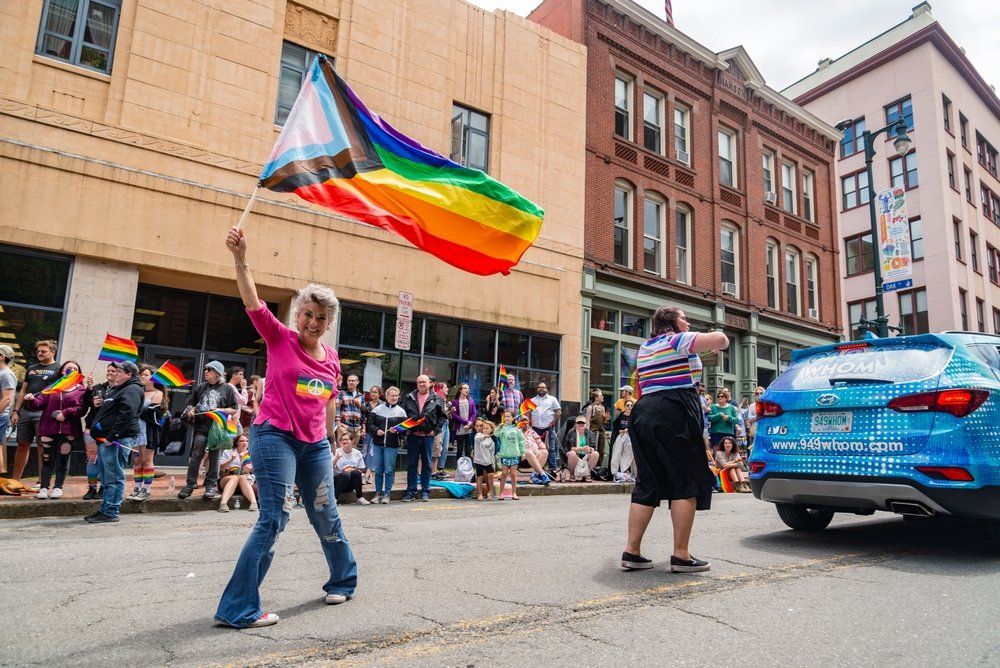
            Woman waving flag at Pride in Portland, Maine

            Enrico Della Pietra / Shutterstock.com

            LGBTQ+ Pride in Portland, Maine – June 18, 2022

              Nondiscrimination laws: Maine has nondiscrimination laws in employment, housing, health care, education, public accommodations, and credit/lending.

              Marriage equality and parental rights: Maine has adoption and foster care nondiscrimination protections for LGBTQ+ parents, second-parent adoption for unmarried couples and confirmatory adoption, and recognition for parents using assisted reproductive technologies. It also has family leave laws, which include LGBTQ-inclusive definitions.

              Education and youth policies: Maine does not restrict discussion of LGBTQ+ identities in classrooms, but it does not have LGBTQ-inclusive curriculum. It does not prevent transgender students from participating in sports or using school facilities based on their identities, and it does not require staff to forcibly out LGBTQ+ students to their guardians.

              Healthcare access and rights: Maine has “shield” laws protecting access to gender-affirming care for youth, as well as abortion. The state has also banned so-called conversion therapy for youth. Health insurance companies, including Medicaid, are not allowed to deny coverage related to gender transition. Private insurance is required to cover some fertility treatments, but Medicaid is not.Criminal justice:Maine’s hate crime laws encompass sexual orientation and gender identity, and it has banned the so-called “LGBTQ+ panic” defense.

              Maryland
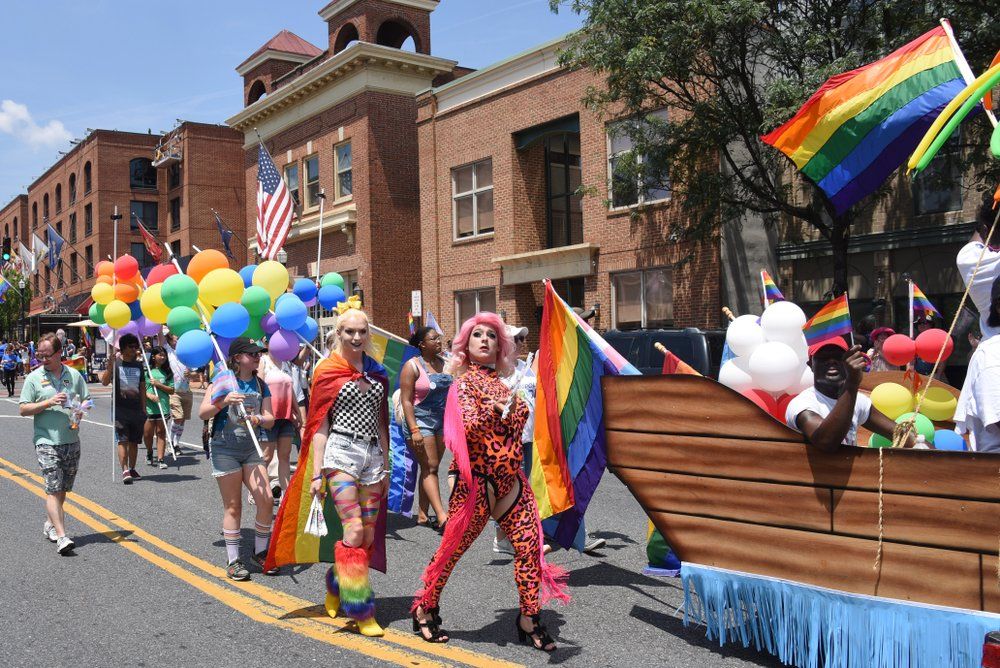
              Marchers and floats in the first Annapolis Pride parade

              Keri Delaney / Shutterstock.com

              The inaugural Pride Parade in Annapolis, Maryland – June 29, 2019

                Nondiscrimination laws: Maryland has nondiscrimination laws in employment, housing, health care, education, public accommodations, and credit/lending.

                Marriage equality and parental rights: Maryland has adoption and foster care nondiscrimination protections for LGBTQ+ parents, confirmatory adoption, and recognition for parents using assisted reproductive technologies. It does not second-parent adoption for unmarried couples. It also has family leave laws, but their LGBTQ-inclusive definitions are not as robust as others.

                Education and youth policies: Maryland does not restrict discussion of LGBTQ+ identities in classrooms, but it does not have LGBTQ-inclusive curriculum. It does not prevent transgender students from participating in sports or using school facilities based on their identities, and it does not require staff to forcibly out LGBTQ+ students to their guardians.

                Healthcare access and rights: Maryland has “shield” laws protecting access to gender-affirming care for youth, as well as abortion. The state has also banned so-called conversion therapy for youth. Health insurance companies, including Medicaid, are not allowed to deny coverage related to gender transition. Private insurance is required to cover some fertility treatments, but Medicaid is not.

                Criminal justice: Maryland’s hate crime laws encompass sexual orientation and gender identity, and it has banned the so-called “LGBTQ+ panic” defense. It does have a law criminalizing the transmission of HIV.

                Massachusetts
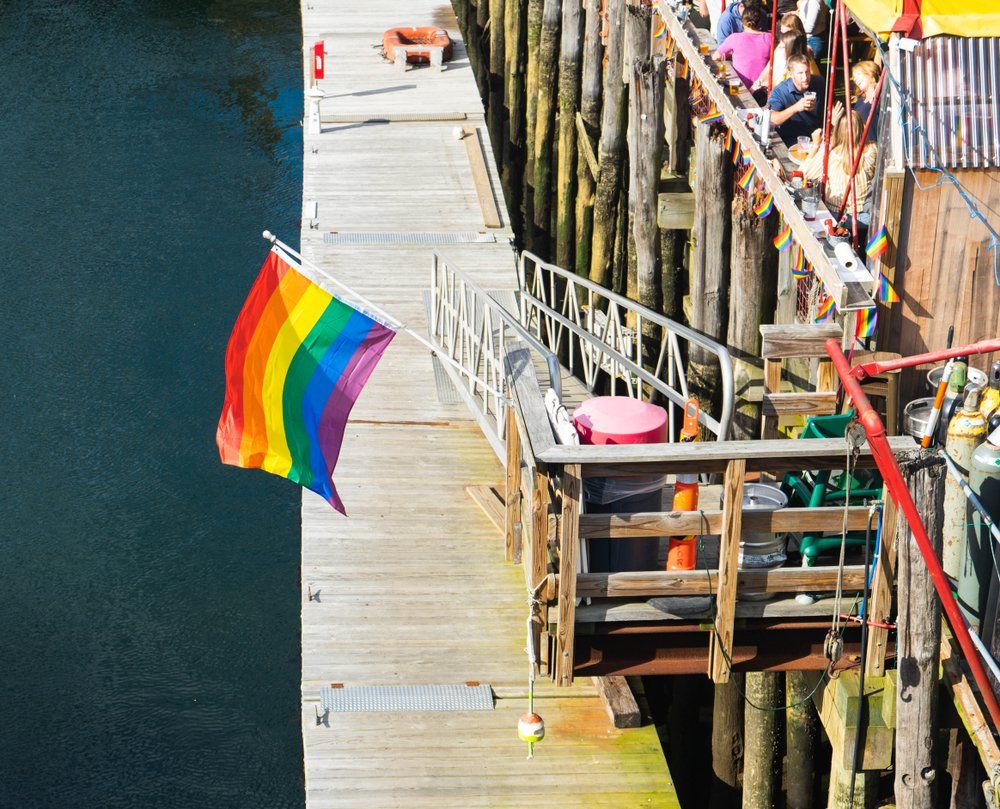
                Pride flag over Boston Seaport

                Michael Moloney / Shutterstock.com

                LGBTQ+ Pride flag waving in the wind over the Boston Seaport – JUNE 2, 2019

                  Nondiscrimination laws: Massachusetts has nondiscrimination laws in employment, housing, education, public accommodations, and credit/lending. It has nondiscrimination laws for gender identity in private healthcare, but not for sexual orientation.

                  Marriage equality and parental rights: Massachusetts has adoption and foster care nondiscrimination protections for LGBTQ+ parents, second-parent adoption for unmarried couples, and recognition for parents using assisted reproductive technologies. It also has family leave laws, which include LGBTQ-inclusive definitions. It does not have confirmatory adoption.

                  Education and youth policies: Massachusetts does not restrict discussion of LGBTQ+ identities in classrooms, but it does not have LGBTQ-inclusive curriculum. It does not prevent transgender students from participating in sports or using school facilities based on their identities, and it does not require staff to forcibly out LGBTQ+ students to their guardians.

                  Healthcare access and rights: Massachusetts has “shield” laws protecting access to gender-affirming care for youth, as well as abortion. The state has also banned so-called conversion therapy for youth. Health insurance companies, including Medicaid, are not allowed to deny coverage related to gender transition. Private insurance is required to cover some fertility treatments, but Medicaid is not.

                  Criminal justice: Maryland’s hate crime laws encompass sexual orientation and gender identity, but it has not banned the so-called “LGBTQ+ panic” defense. It does not have nondiscrimination protections based on gender identity for jury selection.

                  Minnesota
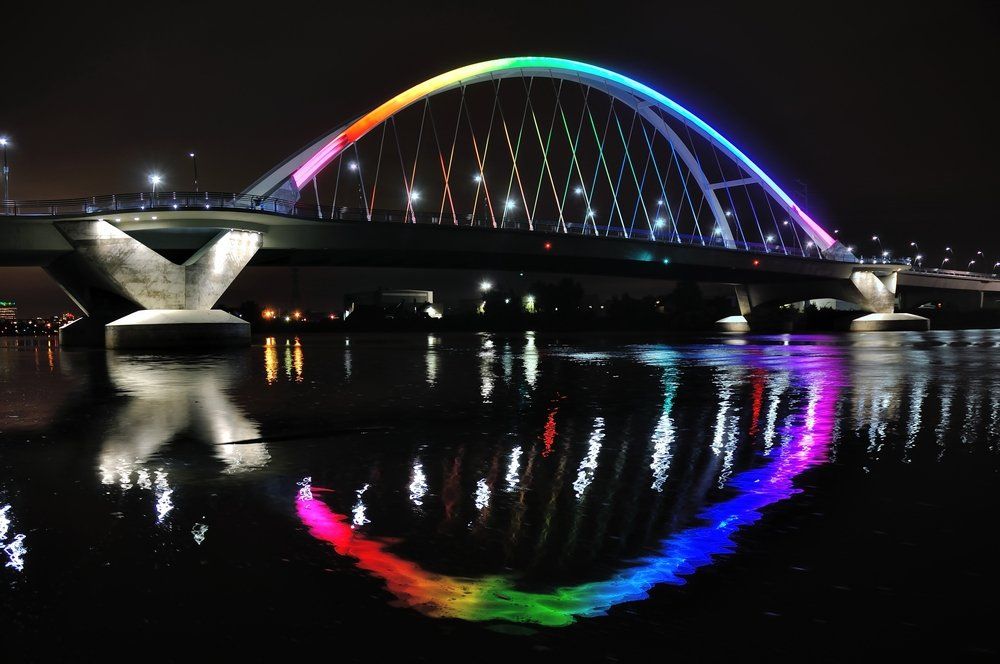
                  Lowry Avenue Bridge in Minneapolis lit in Rainbow Colors

                  Shuttershock Creative

                  Lowry Avenue Bridge in Minneapolis lit in Rainbow Colors in Honor of Orlando Victims

                    Nondiscrimination laws: Minnesota has nondiscrimination laws in employment, housing, health care, education, public accommodations, and credit/lending.

                    Marriage equality and parental rights: Minnesota has adoption and foster care nondiscrimination protections for LGBTQ+ parents. It does have family leave laws, which include LGBTQ-inclusive definitions. It does not have second-parent adoption for unmarried couples, confirmatory adoption, nor recognition for parents using assisted reproductive technologies.

                    Education and youth policies: Minnesota does not restrict discussion of LGBTQ+ identities in classrooms, but it does not have LGBTQ-inclusive curriculum. It does not prevent transgender students from participating in sports or using school facilities based on their identities, and it does not require staff to forcibly out LGBTQ+ students to their guardians.

                    Healthcare access and rights: Minnesota has “shield” laws protecting access to gender-affirming care for youth, as well as abortion. The state has also banned so-called conversion therapy for youth. Health insurance companies, including Medicaid, are not allowed to deny coverage related to gender transition. However, they are not required to cover fertility treatments.

                    Criminal justice: Minnesota’s hate crime laws encompass sexual orientation and gender identity, and it has banned the so-called “LGBTQ+ panic” defense.

                    Nevada
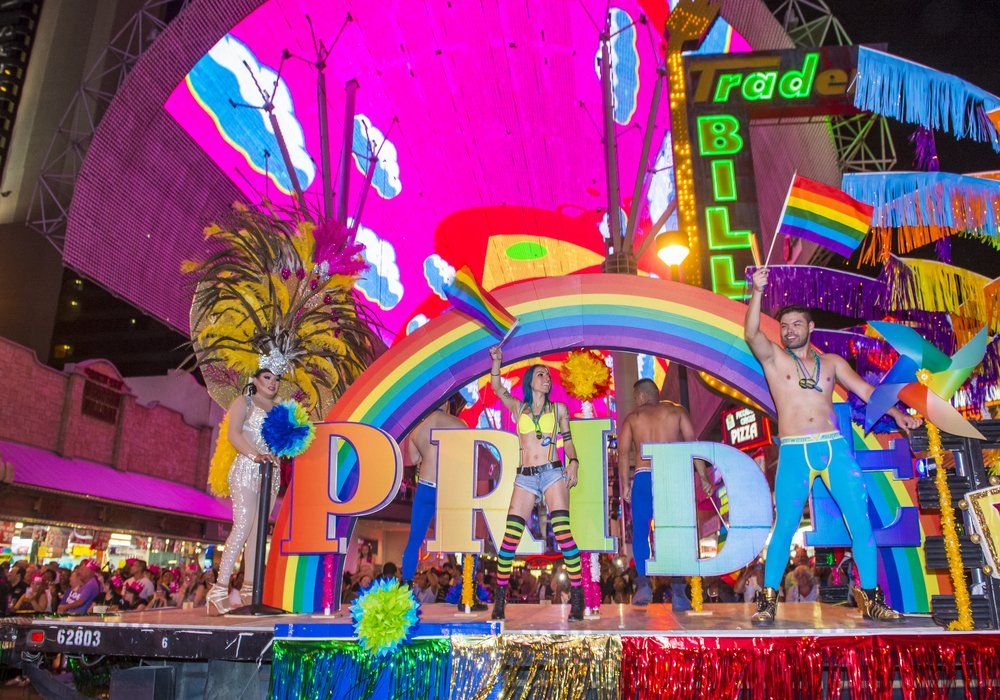
                    Las Vegas Pride parade float

                    Kobby Dagan / Shutterstock

                    LGBTQ+ Pride parade in Las Vegas, Nevada – October 21 , 2016

                      Nondiscrimination laws: Nevada has nondiscrimination laws in employment, housing, health care, education, public accommodations, and credit/lending.

                      Marriage equality and parental rights: Nevada has adoption and foster care nondiscrimination protections for LGBTQ+ parents, second-parent adoption for unmarried couples, and recognition for parents using assisted reproductive technologies. It also has family leave laws, which include LGBTQ-inclusive definitions. It does not have confirmatory adoption.

                      Education and youth policies: Nevada does not restrict discussion of LGBTQ+ identities in classrooms, and instead requires curriculum to be LGBTQ-inclusive, which parents are not required to be notified of. It does not prevent transgender students from participating in sports or using school facilities based on their identities, but it does not require staff to forcibly out students who change their gender identity to their guardians

                      Healthcare access and rights: Nevada does not have shield laws for gender-affirming care and abortion. The state has also banned so-called conversion therapy for youth. Health insurance companies, including Medicaid, are not allowed to deny coverage related to gender transition. However, they are not required to cover fertility treatments.

                      Criminal justice: Nevada’s hate crime laws encompass sexual orientation and gender identity, and it has banned the so-called “LGBTQ+ panic” defense. It does not have nondiscrimination protections based on gender identity for jury selection.

                      New Jersey
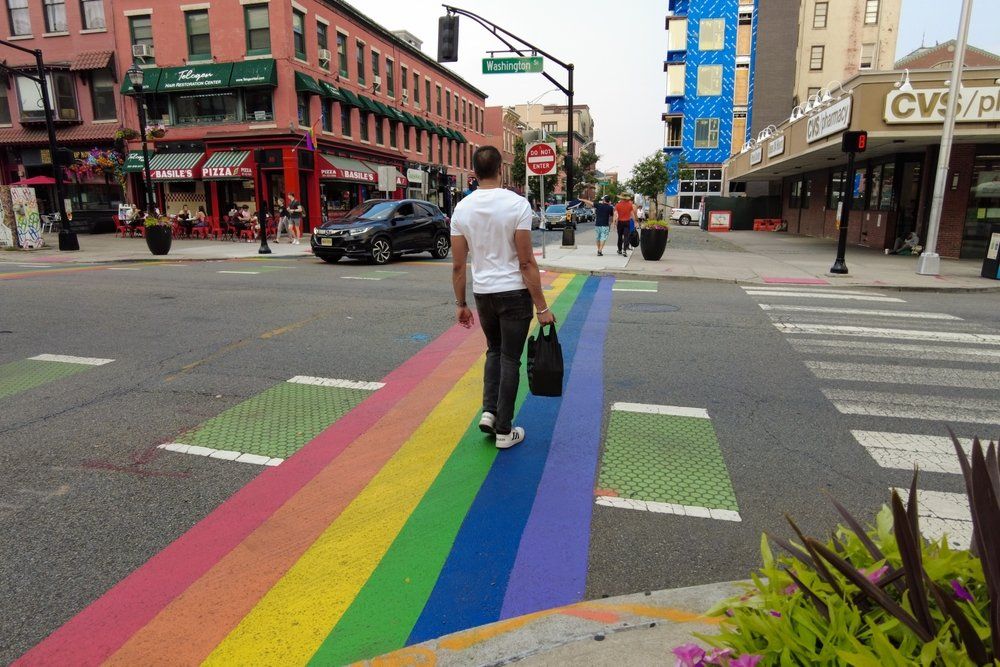
                      Rainbow crosswalk in Hoboken, New Jersey

                      Kirkam / Shutterstock.com

                      Rainbow LGBTQ+ Pride crosswalk in Hoboken, New Jersey, – June 25, 2023

                        Nondiscrimination laws: New Jersey has nondiscrimination laws in employment, housing, education, public accommodations, and credit/lending. It has nondiscrimination laws for gender identity in private healthcare, but not for sexual orientation.

                        Marriage equality and parental rights: New Jersey has adoption and foster care nondiscrimination protections for LGBTQ+ parents, and second-parent adoption for unmarried couples and confirmatory adoption. It also has family leave laws, which include LGBTQ-inclusive definitions. It does not have recognition for parents using assisted reproductive technologies.

                        Education and youth policies: New Jersey does not restrict discussion of LGBTQ+ identities in classrooms, and instead requires curriculum to be LGBTQ-inclusive, which parents are not required to be notified of. It does not prevent transgender students from participating in sports or using school facilities based on their identities, and it does not require staff to forcibly out LGBTQ+ students to their guardians.

                        Healthcare access and rights: New Jersey has “shield” laws protecting access to gender-affirming care for youth, as well as abortion. The state has also banned so-called conversion therapy for youth. Health insurance companies, including Medicaid, are not allowed to deny coverage related to gender transition. Private insurance is required to cover some fertility treatments, but Medicaid is not.

                        Criminal justice: New Jersey’s hate crime laws encompass sexual orientation and gender identity, and it has banned the so-called “LGBTQ+ panic” defense. It does not have nondiscrimination laws for LGBTQ+ people in jury selection.

                        New York
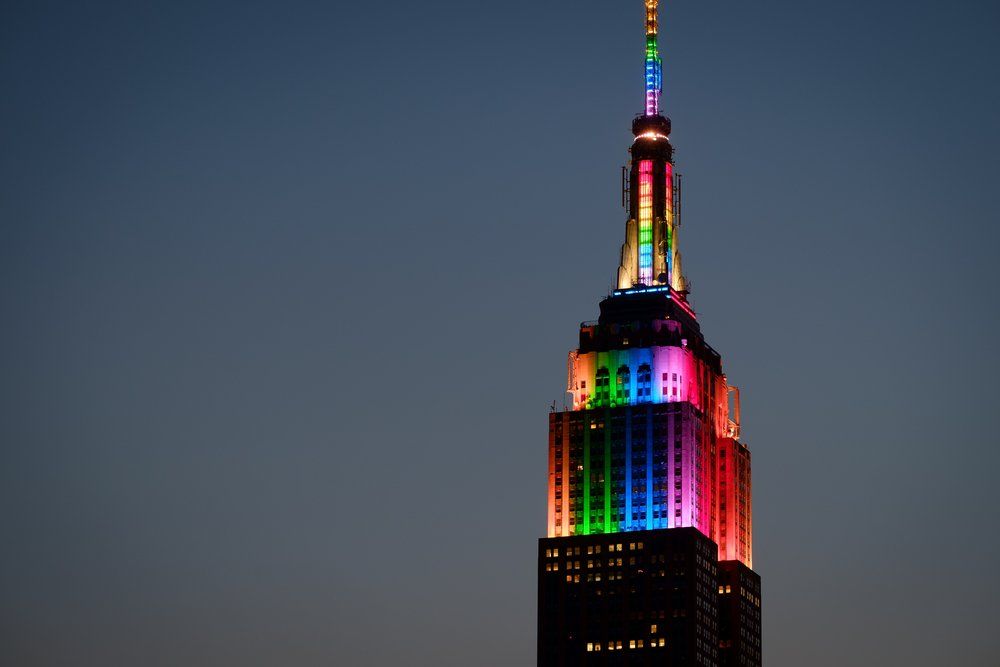
                        Empire State Building in rainbow colors

                        anaglic / Shutterstock.com

                        Empire State Building in rainbow colors in honor of the Orlando shooting victims, New York City – June 26, 2016

                          Nondiscrimination laws: New York has nondiscrimination laws in employment, housing, health care, education, public accommodations, and credit/lending.

                          Marriage equality and parental rights: New York has adoption and foster care nondiscrimination protections for LGBTQ+ parents, second-parent adoption for unmarried couples, and recognition for parents using assisted reproductive technologies. It also has family leave laws, which include LGBTQ-inclusive definitions. It does not have confirmatory adoption.

                          Education and youth policies: New York does not restrict discussion of LGBTQ+ identities in classrooms, but it does not have LGBTQ-inclusive curriculum. It does not prevent transgender students from participating in sports or using school facilities based on their identities, and it does not require staff to forcibly out LGBTQ+ students to their guardians.

                          Healthcare access and rights: New York has “shield” laws protecting access to gender-affirming care for youth, as well as abortion. The state has also banned so-called conversion therapy for youth. Health insurance companies, including Medicaid, are not allowed to deny coverage related to gender transition. Private insurance and Medicaid are also required to cover some fertility treatments.

                          Criminal justice: New York’s hate crime laws encompass sexual orientation and gender identity, and it has banned the so-called “LGBTQ+ panic” defense.

                          Oregon
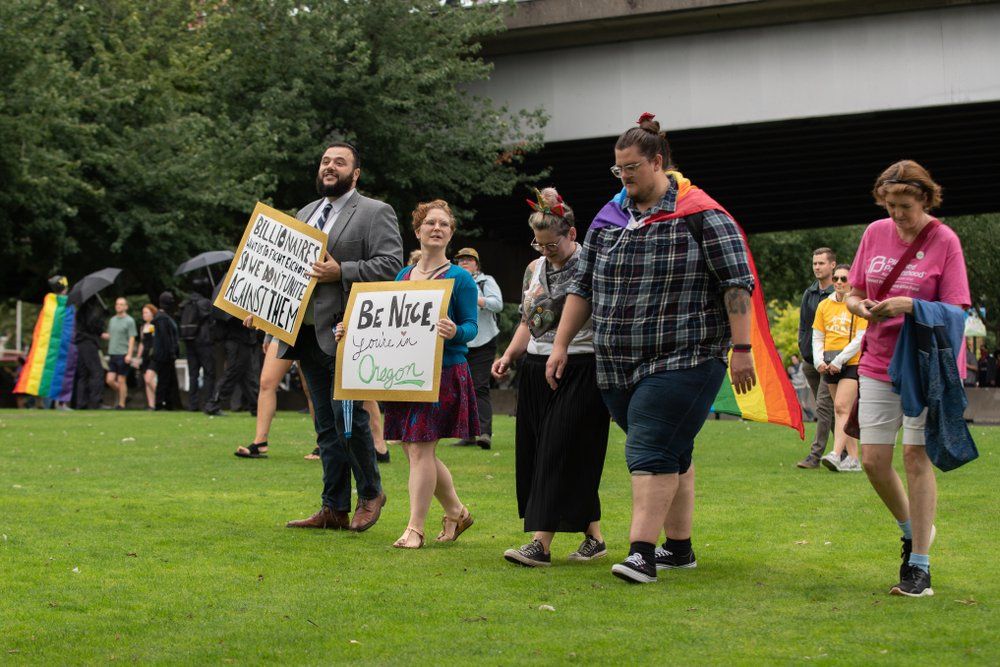
                          Protestors wear rainbow flag capes and carry a sign reading "Be nice, you're in Oregon"

                          Alexander Oganezov / Shutterstock.com

                          Protestors wear rainbow flag capes and carry a sign reading “Be nice, you’re in Oregon” at anti-fascism protest in Portland, Oregon – August 17, 2019

                            Nondiscrimination laws: Oregon has nondiscrimination laws in employment, housing, health care, education, and public accommodations. It does not have nondiscrimination laws in credit/lending.

                            Marriage equality and parental rights: Oregon has adoption and foster care nondiscrimination protections for LGBTQ+ parents and second-parent adoption for unmarried couples. It does have family leave laws, which include LGBTQ-inclusive definitions. It does not have confirmatory adoption, nor recognition for parents using assisted reproductive technologies.

                            Education and youth policies: Oregon does not prevent transgender students from participating in sports or using school facilities based on their identities, and it does not require staff to forcibly out LGBTQ+ students to their guardians. It does not restrict discussion of LGBTQ+ identities in classrooms, and instead requires curriculum to be LGBTQ-inclusive, which parents are not required to be notified of.

                            Healthcare access and rights: Oregon has “shield” laws protecting access to gender-affirming care for youth, as well as abortion. The state has also banned so-called conversion therapy for youth. Health insurance companies, including Medicaid, are not allowed to deny coverage related to gender transition. However, they are not required to cover fertility treatments.

                            Criminal justice: Oregon’s hate crime laws encompass sexual orientation and gender identity, and it has banned the so-called “LGBTQ+ panic” defense.

                            Rhode Island
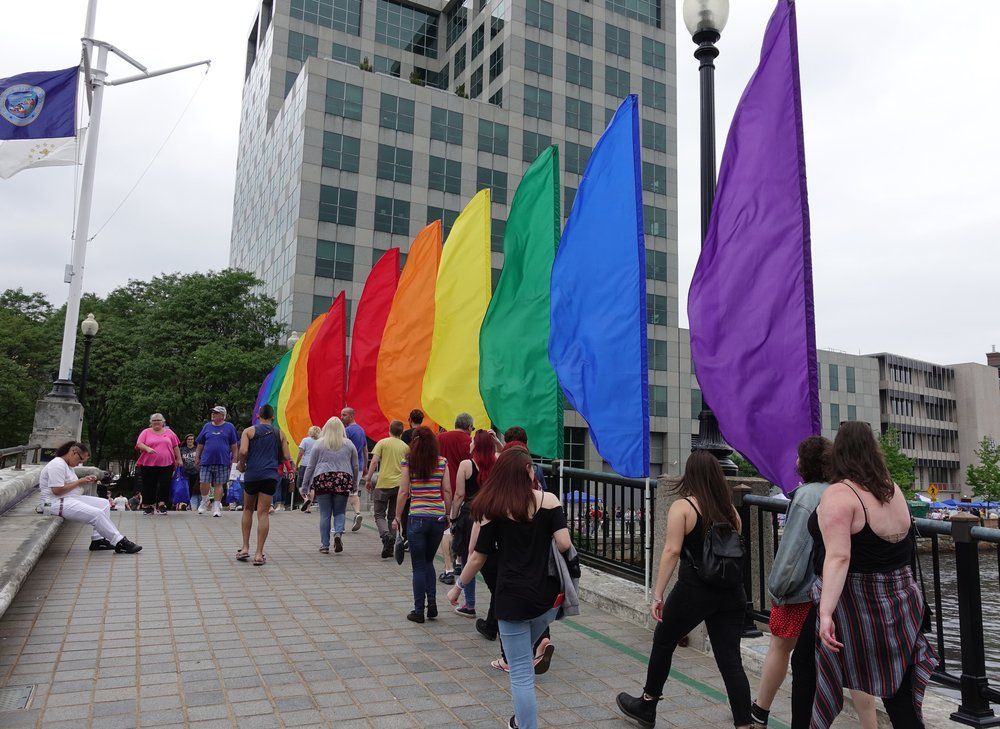
                            Rainbow flags on bridge over water in Providence, Rhode Island

                            Anthony Ricci / Shutterstock.com

                            Pride festival in downtown Providence, Rhode Island – June 17, 2017

                              Nondiscrimination laws: Rhode Island has nondiscrimination laws in employment, housing, education, public accommodations, and credit/lending. It has nondiscrimination laws for gender identity in private healthcare, but not for sexual orientation. It also has a broad “Religious Exemption” law.

                              Marriage equality and parental rights: Rhode Island has adoption and foster care nondiscrimination protections for LGBTQ+ parents, second-parent adoption for unmarried couples and confirmatory adoption, and recognition for parents using assisted reproductive technologies. It also has family leave laws, but their LGBTQ-inclusive definitions are not as robust as others.

                              Education and youth policies: Rhode Island does not restrict discussion of LGBTQ+ identities in classrooms, but it does not have LGBTQ-inclusive curriculum. It does not prevent transgender students from participating in sports or using school facilities based on their identities, and it does not require staff to forcibly out LGBTQ+ students to their guardians.

                              Healthcare access and rights: Rhode Island has “shield” laws protecting access to gender-affirming care for youth, as well as abortion. The state has also banned so-called conversion therapy for youth. Health insurance companies, including Medicaid, are not allowed to deny coverage related to gender transition. Private insurance is required to cover some fertility treatments, but Medicaid is not.

                              Criminal justice: Rhode Island’s hate crime laws encompass sexual orientation and gender identity, and it has banned the so-called “LGBTQ+ panic” defense. It does not have nondiscrimination laws for LGBTQ+ people in jury selection.

                              Vermont
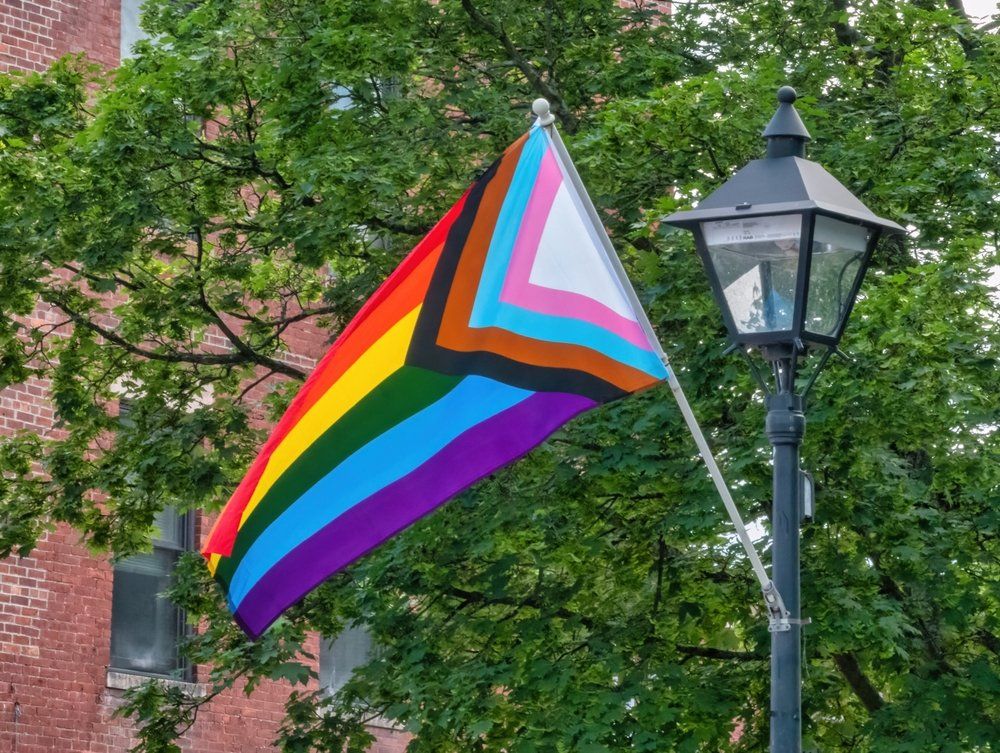
                              Pride flag on lamppost in Montpelier, Vermont

                              Charles Patrick Ewing / Shutterstock.com

                              LGBTQ+ Pride flag on lamppost in Montpelier, Vermont – June 11, 2022

                                Nondiscrimination laws: Vermont has nondiscrimination laws in employment, housing, health care, education, public accommodations, and credit/lending.

                                Marriage equality and parental rights: Vermont has adoption and foster care nondiscrimination protections for LGBTQ+ parents, second-parent adoption for unmarried couples, and recognition for parents using assisted reproductive technologies. It also has family leave laws, which include LGBTQ-inclusive definitions. It does not have confirmatory adoption.

                                Education and youth policies: Vermont does not restrict discussion of LGBTQ+ identities in classrooms, but it does not have LGBTQ-inclusive curriculum. It does not prevent transgender students from participating in sports or using school facilities based on their identities, and it does not require staff to forcibly out LGBTQ+ students to their guardians.

                                Healthcare access and rights: Vermont has “shield” laws protecting access to gender-affirming care for youth, as well as abortion. The state has also banned so-called conversion therapy for youth. Health insurance companies, including Medicaid, are not allowed to deny coverage related to gender transition. However, state employees who are transgender do not have inclusive health benefits. Insurance companies are also not required to cover fertility treatments.

                                Criminal justice: Vermont’s hate crime laws encompass sexual orientation and gender identity, and it has banned the so-called “LGBTQ+ panic” defense. It does not have nondiscrimination laws for LGBTQ+ people in jury selection.

                                Washington
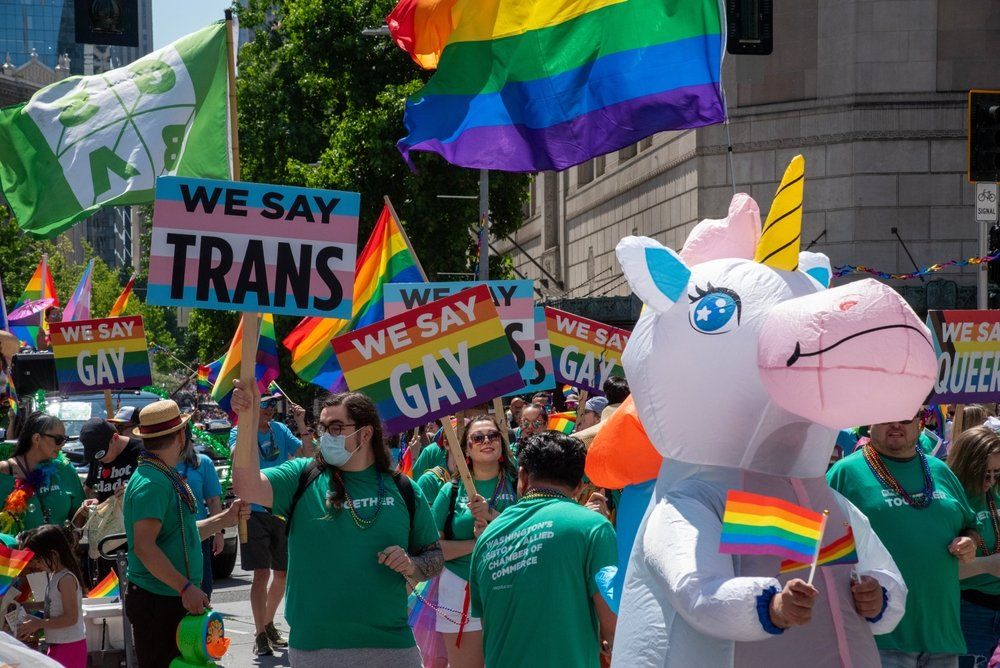
                                People carrying "We say trans" and "We say gay" signs at Seattle Pride

                                SeaRick1 / Shutterstock.com

                                People carrying rainbow signs reading “We say trans” and “We say gay” at LGBTQ+ Pride in Seattle, Washington – June 25, 2023

                                  Nondiscrimination laws: Washington has nondiscrimination laws in employment, housing, health care, education, public accommodations, and credit/lending.

                                  Marriage equality and parental rights: Washington has adoption and foster care nondiscrimination protections for LGBTQ+ parents and recognition for parents using assisted reproductive technologies.. It does have family leave laws, which include LGBTQ-inclusive definitions. It does not have second-parent adoption for unmarried couples, nor confirmatory adoption.

                                  Education and youth policies: Washington does not restrict discussion of LGBTQ+ identities in classrooms, and instead requires curriculum to be LGBTQ-inclusive, which parents are not required to be notified of. It does not prevent transgender students from participating in sports or using school facilities based on their identities, and it does not require staff to forcibly out LGBTQ+ students to their guardians.

                                  Healthcare access and rights: Washington has “shield” laws protecting access to gender-affirming care for youth, as well as abortion. The state has also banned so-called conversion therapy for youth. Health insurance companies, including Medicaid, are not allowed to deny coverage related to gender transition. However, they are not required to cover fertility treatments.

                                  Criminal justice: Washington’s hate crime laws encompass sexual orientation and gender identity, and it has banned the so-called “LGBTQ+ panic” defense. It does have a law criminalizing the transmission of HIV.

                                  Honorable mentions
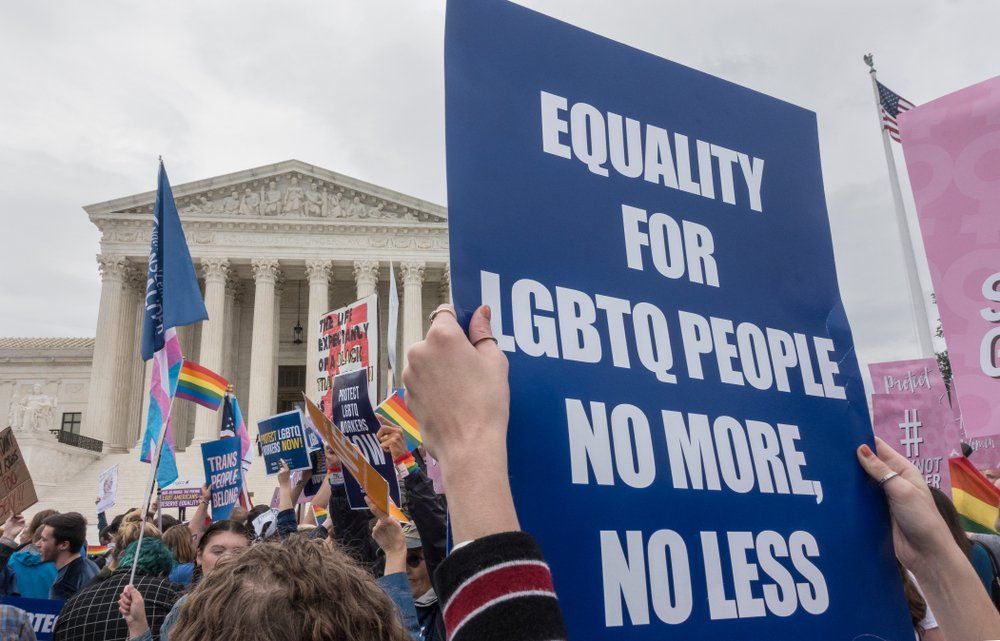
                                  Sign outside SCOTUS reading "Equality for LGBTQ people no more, no less"

                                  Bob Korn / Shutterstock.com

                                  Rally for LGBTQ rights outside Supreme Court in Washington, D.C. – OCT. 8, 2019

                                    Washington, D.C. also ranked high on MAP’s assessment, though it does not currently have statehood.

                                    Other states that ranked above average include: Delaware, Hawaii, Michigan, New Hampshire, New Mexico, and Virginia.

                                    Spokane passes LGBTQ+ rights ordinance to protect trans folks from the federal government

                                    *This is reported by LGBTQNation.

                                    The City Council of Spokane, Washington, has passed an ordinance enhancing protections for LGBTQ+ people, with a focus on protecting trans folks.

                                    Council members voted 5-2 to implement the ordinance, which updates the city’s human rights code to define gender-affirming care and ensure equal protections for LGBTQ+ people.

                                    A press release explained that both Spokane Municipal Code and state law already provide protections for LGBTQ+ people, but the ordinance adds language to “acknowledge the inherent risks faced by the LGBTQIA2S+ community in Spokane, particularly due to federal policies and interjurisdictional legal processes from states that do not recognize LGBTQIA2S+ rights or are working to deny such individuals access to essential medical care, including gender-affirming care.”

                                    The policy “prohibits the city from collecting or disseminating information about anyone’s sex assigned at birth, unless it’s related to a criminal investigation.”

                                    The ordinance also adds a definition of gender-affirming care to the human rights code’s glossary of terms and adds a section requiring city-provided healthcare to cover it. It also requires the Spokane Police Department to keep an LGBTQ+ liaison officer on staff.

                                    “LGBTQIA2S+ people deserve the freedom to make their own health care decisions and deserve to feel safe in our community,” Council Member Zack Zappone said in a statement.  “That freedom and safety are under threat across the country. This ordinance ensures the City continues to protect LGBTQIA2S+ people and that they know that in Spokane, we all belong.”

                                    “I want to thank all the powerful and heartfelt testimony in support of this ordinance that is about supporting safety, freedom, and dignity,” added Council Member Paul Dillon.  “Spokane is a city where diversity is not just accepted but celebrated, and this ordinance shows our commitment to our city motto that in Spokane, we all belong, especially in a time of targeting and discrimination…”

                                    Councilmembers Jonathan Bingle and Michael Cathcart voted against the ordinance, with Bingle attempting to add five amendments, including measures to ban trans people from using the bathrooms and playing on sports teams that align with their genders and to ban those under 18 from receiving gender-affirming care through city insurance. None of the amendments passed.

                                    During the city council meeting, Bingle defended his position, claiming he doesn’t want anyone in the city to be discriminated against, including those “who have sincerely held religious, moral, or ethical objections to this.”

                                    “It’s a live and let live situation that I’m totally cool with,” he said. “I think that’s a great idea.”

                                    Dozens of people showed up at the meeting to advocate for passing the ordinance.

                                    One mother of an adult trans son said she fled to Spokane from Idaho with her son and his wife after her son experienced horrific mistreatment by doctors in Idaho.

                                    In Spokane, she said, they found support, dignity, and a “welcoming spirit.” But she said hostility has been growing in the city in the wake of the federal government’s anti-trans policies. “We are feeling the fear and stress we thought we left behind,” she said.

                                    The ordinance, she said, “is not just about symbolism; it’s about real protections, real care, real safety for people who are just trying to live their lives.”

                                    I talked to 4 trans refugees to find out how they’re building new lives in blue states

                                    *This is being reported by LGBTQNation.

                                    Karma Yoakum had been part of a community of political activists in Texas for years. However, as the relentless tide of anti-trans legislation kept rising, it became clear that it was time for them to relocate, recover their energies, and take on a different role in the larger fight. 

                                    Finding a new home in the Pacific Northwest, Karma was able to do just that. But the road wasn’t without its challenges, and finding their new community required intention and perseverance once they had recovered a little bit of who they were by living in a state that wasn’t trying to persecute them for their existence.

                                    As anti-trans sentiment and legislation have been on the rise across the United States in recent years, many trans and nonbinary people have made the difficult decision to flee red states. In moving to a bluer state, trans people are making a choice based on safety, but that doesn’t make it an easy choice. It means leaving behind a home and community you have built over years or your whole life because of the machinations of people who hate you. While a new state can fix a lot of problems, building a new community doesn’t happen overnight. The president’s re-election and the introduction of federal anti-trans bills have created a flashpoint for even more trans people to seek safer pastures in states that might protect them.

                                    I wanted to understand the challenges and opportunities that trans people face when starting over and building a new community in a blue state. I spoke with four trans and nonbinary people who have relocated in the last six to twelve months. They shared the challenges, the successes, and advice for others who are considering relocating to a sanctuary state.

                                    Why trans people are leaving their red state communities

                                    Major relocations often happen around an institution, such as going to college or starting a new job. But moves like those come with some built-in community-building support. 

                                    Relocating as a refugee from a red state can be a more lonely affair. Most of the people I spoke with found that building a new community felt like work exacerbated by not having the same connections and support systems they had in the communities they left behind.

                                    Clark Roman had been well-established in St. Louis. Both Clark and his boyfriend had owned their own houses and had a strong community of friends and chosen family in the city. But he says he saw the writing on the wall in 2023 when the Missouri attorney general enacted a de facto ban on trans hormones and trans healthcare that included adults. While his emergency rule was blocked by a judge and then withdrawn, the legislature went on to pass a gender-affirming care ban for trans youth. It was clear where things were headed, and Clark moved to Minneapolis a few months later.

                                    Leaving behind a large community, both queer-centric and otherwise, Clark has found it hard to make more connections in his new city. At the center of it is the challenge of the modern age: balancing work and social life. “The honest truth is I have a very, very stressful job and I have not had the space in my life to build community the way I want.” He noted that it felt like he had to “treat building a new community as a second job.”

                                    Karma also struggled to make connections when they first relocated from Texas to Washington state. After living in Texas for years, they reached a point where they found themselves saying, “I’m feeling scared and trapped and there’s absolutely nothing keeping me in Texas anymore.”

                                    Karma moved 2,000 miles to Seattle but found a problem when they arrived. While their new home was more welcoming to the gender diverse, there was still culture shock to get over. “Where is everybody? I heard it was this wonderful panacea, a place where I would be welcomed. So, I looked around and I learned what the Seattle chill was. And it’s not a horrible thing, it’s just a difference in culture, because I’m used to southern culture.”

                                    Chris (his name has been changed to protect his privacy)  echoed Karma’s frustrations over Washington state’s laid-back attitude to building community. Like Clark, Chris was living in St. Louis, saw the anti-trans legislation in Missouri in 2023, and concluded that “living in Missouri as a trans human, [he] was at risk.” He made the move to Washington state in 2024 while watching the coming election without much hope.

                                    While St. Louis had its flaws, Chris was leaving behind a lot of queer community and resources. He had worked with the St. Louis Metro Trans Umbrella Group for nearly 20 years, enjoyed events and meetups, and collected queer friends through meets at clubs, bars, and drag shows. But the same culture shock that Karma experienced has made it hard to build new connections: “It’s been honestly a huge struggle, much more than I anticipated.”

                                    While it’s important to know that people are struggling with finding new communities in their new states, it’s not all doom and gloom. Clark and Chris have both been able to stay in touch with parts of their communities from before their moves through travel and online communication. While that’s not always the same, it’s a nice option to have. I also spoke with Mira Lazine – an LGBTQ Nation contributor – who relocated from Cincinnati to Minneapolis and had a different sort of experience.

                                    While the Ohio governor vetoed HB 68, which banned gender-affirming care for minors, he then introduced care guidelines for the state. “These rules were basically going to amount to a total care ban for all adults in Ohio,” explained Mira. “And it even would include some aspects of conversion therapy and mental health treatment.” 

                                    It was time to relocate, and someone recommended Minneapolis. For Mira, finding a new community in this queer-friendly space came a lot easier.

                                    “Within the first week of moving here, I went to a few coffee shops, and everyone, like the baristas, were trans, and they were recommending me support groups to join, discord servers I can join, like the whole nine yards. And it’s just been way easier to meet people and meet other queer people and form connections here.” 

                                    While Karma and Chris suffered from culture shock, Mira found herself among other transplants to the state who had their relocation in common: “Probably like 80% of the queer people I’ve met aren’t originally from Minnesota, so we’re all like, yeah, we need community, let’s build one.”

                                    Finding new communities in blue states

                                    All of the people that I spoke with had been in their new homes for less than a year. While there have been struggles, they have been able to find resources and spaces to start that community-building process and are in different places in their journeys.

                                    Clark noted that his struggle to find community in Minneapolis is probably the biggest dissatisfaction in his life right now. But he can see a light at the end of the tunnel through some of the community spaces that he is attending. “The synagogue I go to is very open and trans-friendly. So that was helpful.” Clark is also looking at getting more involved with Transplants, a group for LGBTQ+ people who have relocated to Minneapolis and St. Paul. 

                                    Chris has found that his work at a university in Washington provides some space for community building. “Their DEI office held a holiday event for, I guess, everyone, but the folks who showed up to that event were primarily queer folks and persons of color. And that was fantastic.” 

                                    Chris still faces challenges, even at the events. He told me that he has been going to meet-up groups, Portland Pride, the Ingersoll Gender Center, and more, but he wasn’t satisfied with the results. Chris suggested that part of that problem might be visibility: “I am stealth, so at my workplace, I’m not fully out [as trans]. Where I landed is sort of a purple city in a blue state. I’m typically able to pass as male and not be questioned at all, which is, is nice, but at the same time, it’s hard because I think visibility might help me connect with more queer people.”

                                    For Karma, their initial struggles with community-building in Seattle began to bear fruit around the one-year mark. “I did the things that I’ve tried before, and I figured, if they’ve worked everywhere else, they ought to work here. Maybe it just takes a little longer. And yeah, that was it. It takes a little longer.”

                                    Karma found that organizations were the key. They found like-minded people when they returned to playing music with the local band that is part of the LGBTQ+ band organization, Pride Bands Alliance, an international group that Karma has worked with since the 1990s. Similarly, local chapters of a national support network have provided success in community building: “PFLAG, all you have to do is show up to a meeting. There are people there that if you need a hug, they are instant family. And people that aren’t instant family are there because they want support.”

                                    Karma also reached into her past in political activism and found that, post-move, they had the energy to continue in their new home. “The third place that I decided to get involved was the Gender Justice League. Dealing with legislation, dealing with victims of violence here in the Seattle area. So, supporting our community, advocating like crazy.” After months of struggling to find their people, Karma now finds that barely a day on their calendar doesn’t include a community event, a catch-up, or a coffee meet.

                                    No regrets

                                    Everyone’s experience with relocating to a bluer state will be unique. However, there was one ringing agreement amongst all the people that I spoke with: no regrets. When asked what advice they had for someone considering a move, Clark, Chris, Mira, and Karma all urged people to relocate if they felt it might help.

                                    Clark grieves what he left behind but recognizes that it was the right call for him, and he’s going to keep trying to find his new community. “I think it’s dissatisfying at first. But it’s important to [show] up repeatedly because I think that repeated showing up [is] how I made my community originally in St. Louis.” 

                                    Chris echoed those sentiments, noting that he has no regrets and that it has been “completely worth it.” Watching recent election results come in wouldn’t have been fun anywhere, but he was glad to be in a safe space for it all “despite challenges and some loneliness.”

                                    Karma isn’t even considering going back. “I would say do it. The relief that I felt by at least being in a community where I know that I’d no longer have to deal with local politics.”

                                    “In Texas, the local politics were against me,” they said. “At least here, I know locally and statewide, my representatives really do represent everybody, and they have my back. And that has made so much a difference in my life.”

                                    Supreme Court to rule on pivotal abortion cases two years after overturning Roe v. Wade

                                    This blog originally appeared at NBC NEWS.

                                    The justices will decide whether to impose new restrictions on the abortion pill mifepristone, and whether a federal law requiring emergency room treatment conflicts with a state abortion ban.

                                    WASHINGTON — The Supreme Court is poised to rule this month on two significant abortion cases that could have nationwide repercussions. This marks the first time the justices are revisiting the issue since overturning Roe v. Wade.

                                    The 2022 decision to revoke the right to obtain an abortion caused widespread upheaval, prompting a wave of new state-level abortion restrictions and encouraging anti-abortion activists to seek further limitations.

                                    The most closely watched case involves the court deliberating whether to implement new restrictions on the widely used abortion pill mifepristone, including tighter regulations on mail-order access.

                                    In a less publicized yet potentially impactful case, the justices are examining whether Idaho’s near-total abortion ban conflicts with a federal law mandating emergency medical care for patients, including pregnant women.

                                    Rabia Muqaddam, a lawyer at the Center for Reproductive Rights, which supports abortion rights, referenced the 2022 ruling in Dobbs v. Jackson Women’s Health Organization “set off a chain reaction that we are seeing in all sorts of ways, including the two cases now before the court.

                                    Theories that were previously considered “the fringe of the fringe” are now “sufficiently mainstream to make it to the Supreme Court,” she added.

                                    The new cases show that the court’s stated aim of getting out of the business of deciding what conservative Justice Brett Kavanaugh called “difficult moral and policy questions” was easier said than done. As such, the upcoming rulings will provide further evidence of how far the court, which has a 6-3 conservative majority, is willing to go in curbing abortion access.

                                    In the mifepristone case, the court is weighing whether to impose new restrictions on the pills’ availability, including access by mail. Such a move would dramatically decrease the ability of women to obtain the pills, especially in states with new abortion restrictions.

                                    The legal question in the Idaho case is whether a federal law that requires stabilizing treatment for patients in emergency rooms trumps the state restrictions in certain circumstances when doctors believe an abortion is required to protect the health of a pregnant woman.

                                    Jim Campbell, chief legal counsel of Alliance Defending Freedom, the conservative Christian legal group that is representing anti-abortion interests in both cases, said the legal issues in each of them reflect overreach by the Biden administration in response to Roe being overturned.

                                    “They’re both instances where the federal government is doing things, whether directly or indirectly, to interfere with state pro-life laws,” he added.

                                    Based on oral arguments earlier this year, it seems likely that anti-abortion groups will lose in the mifepristone case, leaving the status quo unchanged. That means the Idaho case could have a bigger practical impact if the court backs the state, which seems possible based on questions asked by the justices.

                                    Rulings are expected by the end of the month when the court traditionally concludes its nine-month term that begins in October. The court will also be issuing a slew of other rulings on hot-button issues, including former President Donald Trump’s claim of immunity from prosecution in his election interference case.


                                    Read more: https://www.nbcnews.com/politics/supreme-court/supreme-court-rule-abortion-cases-two-years-overturning-roe-v-wade-rcna155511

                                    Book bans spiked at the end of the previous year.

                                    This blog originally appeared at NPR NEWS.

                                    Last year ended with a surge in book bans

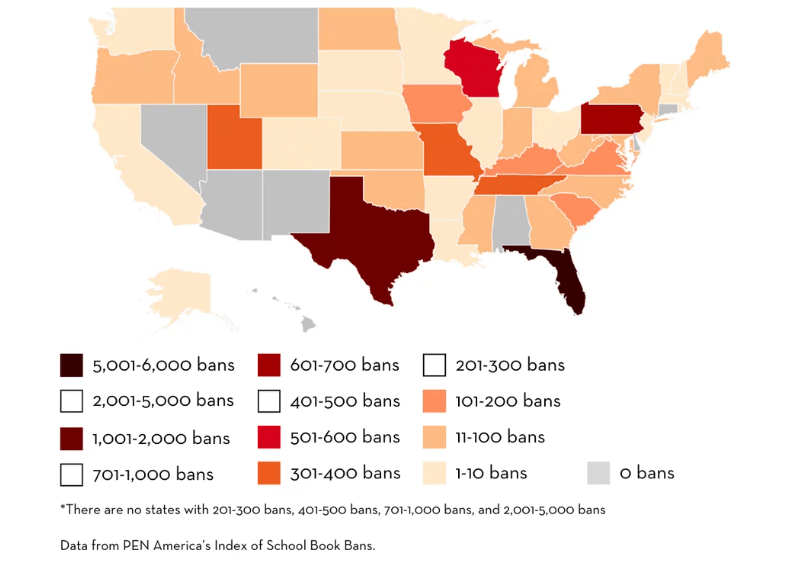
                                    A recent report from PEN America claims that there was a “unprecedented” spike in book bans in the second half of 2023.

                                    According to the free expression organization, 4,349 book bans occurred in 52 public school districts and 23 states between July and December of last year. According to the research, over those six months, more books were prohibited than during the entire 2022–2023 school year.

                                    The source of PEN America’s ban data is allegedly “publicly available data on district or school websites, news sources, public records requests, and school board minutes.”

                                    Key lessons learned include:

                                    With 3,135 prohibitions spread among 11 of the state’s school districts, Florida accounted for the great bulk of school book bans. An NPR representative for the Florida Department of Education declined to comment.

                                    Book bans are frequently started by a small group of individuals. A Wisconsin school district temporarily banned 444 books after receiving challenges from a single parent.

                                    According to the research, those who advocate for book bans frequently use to “obscenity laws and hyperbolic rhetoric about ‘porn in schools’ to justify banning books about sexual violence and LGBTQ+ topics (and in particular, trans identities).”

                                    The research claims that there has been a comparable upsurge in opposition to the bans. Students, writers, and others are “fighting back in powerful and creative ways.”

                                    Who is enforcing the ban?

                                    According to a survey published in The Washington Post, “Just 11 people were responsible for filing 60 percent” of book challenges in 2021–2022.

                                    Advocates for free speech from across the nation who joined PEN America today to address prohibitions spoke at a news conference about the ostensibly enormous influence of a small but vociferous minority.

                                    Quinlen Schachle, a senior in high school and the president of the Alaska Association of Student Governments, expressed his dismay at attending school board meetings, saying, “It’s, like, [the same] one adult that comes up every day and challenges a new book. It’s not a concerned group of parents coming in droves to these meetings.”

                                    According to Texas Freedom to Read Project Co-Director Laney Hawes, books are frequently prohibited due to “a handful of lists that are being circulated to different school districts” rather than “a parent whose child finds the book and they have a problem with it.”

                                    PEN America describes a book ban as “any action taken against a book based on its content…that leads to a previously accessible book being either completely removed from availability to students, or where access to a book is restricted or diminished.”

                                    The American Enterprise Institute, a conservative think tank, expressed disapproval of PEN America’s April 2022 report on banned literature. “Almost three-quarters of the books that PEN listed as banned were still available in school libraries in the same districts from which PEN claimed they had been banned,” the Education Freedom Institute (AEI) reported in a report.

                                    State Equality Index 2023 – Human Rights Campaign

                                    This blog originally appeared at Human Rights Campaign.

                                    The Human Rights Campaign State Equality Index (SEI) is a comprehensive state-by-state report that offers a review of statewide laws and policies impacting LGBTQ+ individuals and their families.

                                    The SEI rates all 50 states plus Washington, D.C. in six areas of law and assigns the states to one of four distinct categories.

                                    Check your state’s scorecard by texting SEI to 472472 from your mobile phone. (msg & data rates may apply. Text STOP to quit, HELP for info.)

                                    Proposed legislation in West Virginia seeks to classify transgender individuals as “obscene matter” in a concerning move that raises legal and ethical questions about the rights and recognition of the transgender community.

                                    If these two bills are enacted together, they would make it a criminal offense for transgender individuals to be in proximity to a minor or a school, treating it as an act of indecent exposure.

                                    In January, a West Virginia Republican legislator introduced three anti-trans bills, one proposing to label trans individuals as “obscene matter” and another aiming to effectively criminalize the public existence of transgender people, as reported by Jurist.

                                    State Senator Mike Azinger introduced Senate Bills 194, 195, and 197 on January 10, all specifically directed at transgender individuals.

                                    Senate Bill 195 proposes changes to West Virginia’s indecent exposure law, aiming to criminalize involvement in what it terms as “obscene matter.” This includes instances that a “reasonable person” deems lacking in serious literary, artistic, political, or scientific value. The bill explicitly cites “transgender exposure, performances, or display to any minor” as an example of displays considered “obscene or sexually explicit.” Essentially, if Senate Bill 195 is enacted, a transgender individual could potentially be charged with obscenity simply for existing in public spaces where minors might be present.

                                    Simultaneously, Senate Bill 197 makes it a criminal offense to have “obscene matter” near minors or within 2,500 feet of any public school facility supervised by the state board. The bill specifically highlights “transgender exposure, performances, or display to any minor” as an instance of obscene matter. According to the proposed law, public school staff failing to report a student’s exposure to obscene matter, including the mere existence of transgender individuals, could face prosecution with a potential fine of up to $500 or imprisonment for up to a year.

                                    West Virginia prohibited gender-affirming care for individuals under 18 in the Spring of 2023. However, Senate Bill 194 goes further by extending the ban on gender-affirming care to trans individuals up to the age of 21. Moreover, it forbids treatment for gender dysphoria unless it aligns with a “cure,” indirectly endorsing conversion therapy.

                                    All three bills are presently awaiting consideration in committee.

                                    In a conversation with independent journalist Erin Reed, who focuses on reporting anti-LGBTQ+ legislation for her blog Erin in the Morning, LGBTQ+ organizer Ash Orr characterized the bill as a clear effort to both criminalize and erase the transgender community in West Virginia.

                                    Orr conveyed to Reed, “The reality is that trans individuals, regardless of age, lead fulfilling and joyful lives—challenging the inaccurate narrative fabricated by extremist politicians. [Senate Bill 194] undermines fundamental values of privacy and autonomy over our bodies, relying on deceptive or entirely untrue notions.”

                                    In March of the previous year, West Virginia prohibited gender-affirming care for minors, with an exception allowing doctors to prescribe medical therapy if a teenager is deemed at risk of suicide, as reported by the Associated Press. The Human Rights Campaign notes that 22 states have enacted laws or policies prohibiting gender-affirming care for minors.

                                    In the past year, there were over 500 legislative proposals aimed at limiting LGBTQ+ rights. In 2023, only three states and Washington, DC did not entertain a bill targeting the rights of queer and trans individuals. The Trans Legislation Tracker reports that for 2024, 275 bills are already under consideration, including 176 carried over from the previous year.

                                    The Colorado Supreme Court removes Trump from the ballot, citing ‘insurrection’.

                                    Colorado’s Supreme Court has ruled that Donald Trump cannot run for president next year in the state, citing a constitutional insurrection clause.

                                    View: Trump describes indictments as a “badge of honor.”


                                    In a 4-3 decision, the court declared that Mr. Trump was ineligible as a candidate due to his involvement in an insurrection related to the US Capitol riot almost three years ago.


                                    This doesn’t prevent Mr. Trump from running in other states, and his campaign has stated its intention to appeal to the US Supreme Court.

                                    They asserted that the decision was “fundamentally flawed.”

                                    The verdict specifically addresses the state’s primary election on March 5, during which Republican voters will select their favored presidential candidate. However, it may have repercussions for the general election in Colorado next November.

                                    This marks the inaugural application of Section 3 of the 14th Amendment of the US Constitution to disqualify a presidential candidate.

                                    The decision made on Tuesday, which has been temporarily suspended pending an appeal until the next month, is applicable solely in Colorado. Similar efforts to remove Mr. Trump from the ballot in New Hampshire, Minnesota, and Michigan have been unsuccessful.


                                    Is Trump still eligible to run for president following the decision in Colorado?

                                    In their ruling, the justices stated, “We do not arrive at these conclusions lightly. We are cognizant of the significance and gravity of the questions presently under consideration.”

                                    “We are also conscious of our solemn responsibility to uphold the law impartially, unaffected by public sentiment regarding the decisions that the law requires us to make.”

                                    The ruling overturns a previous decision by a Colorado judge, who determined that the insurrection ban of the 14th Amendment did not extend to presidents because the section did not explicitly reference them.


                                    ‘Ecstatic’: Attorney for Colorado plaintiffs reacts to the ballot outcome.

                                    The identical lower court judge also concluded that Mr. Trump had engaged in an insurrection during the US Capitol riot. His supporters stormed Congress on January 6, 2021, while lawmakers were in the process of certifying President Joe Biden’s election victory.

                                    The ruling by the Colorado Supreme Court becomes effective on January 4, 2024, which is the day before the deadline for the state to finalize its presidential primary ballots.

                                    “Leaders of the Democratic Party are experiencing heightened concern over the significant and increasing lead President Trump has secured in the polls,” stated Mr. Cheung in a press release.

                                    “They have abandoned confidence in the ineffective Biden presidency and are employing every means to prevent American voters from ousting them from office next November,” remarked Mr. Cheung.

                                    Mr. Cheung further stated that Mr. Trump’s legal team would promptly submit an appeal to the US Supreme Court, where conservatives maintain a 6 to 3 majority.


                                    Understanding the Legal Attempt to Remove Trump from the Ballot


                                    Representatives for Mr. Biden’s re-election campaign chose not to provide a comment on the Colorado ruling. However, a senior Democrat associated with the campaign informed CBS News, the BBC’s US partner, that the decision would aid Democrats by reinforcing their assertion that the US Capitol riot constituted an attempted insurrection.

                                    The source mentioned that it would also assist Democrats in highlighting “the glaring distinctions” between Mr. Trump and Mr. Biden.

                                    Republican legislators criticized the ruling, with House of Representatives Speaker Mike Johnson denouncing it as “a thinly veiled partisan attack.”

                                    He expressed, “Irrespective of political affiliation, every registered voter should not be deprived of the right to endorse our former president, who currently leads in every Republican primary poll.”

                                    On the campaign trail, Mr. Trump’s rivals in the Republican primary also criticized the decision, with Vivek Ramaswamy vowing to withdraw his name from the ballot if Mr. Trump’s candidacy is not reinstated.

                                    Mr. Trump, while speaking at a campaign event in Iowa on Tuesday night, did not comment on the ruling. However, a fundraising email sent by his campaign to supporters stated, “this is how dictatorships are born.”

                                    The Colorado Republican Party also reacted, announcing that it would withdraw from the state’s primary process if the ruling was upheld.

                                    Citizens for Responsibility and Ethics in Washington (CREW), the organization that initiated the case, expressed satisfaction with the ruling.

                                    The group’s president, Noah Bookbinder, stated in a release, “It is not only historic and justified but is necessary to protect the future of democracy in our country.”

                                    Vivek Ramaswamy urged all candidates to withdraw from the ballot in Colorado.


                                    The 14th Amendment, ratified after the American Civil War, included Section 3 to prevent secessionists from resuming former government positions after southern states rejoined the Union.

                                    The provision was applied to Confederate President Jefferson Davis and his vice-president, Alexander Stephens, both of whom had previously served in Congress. Its application has been rare since then.

                                    In the previous presidential election, Mr. Trump faced a significant defeat in the state of Colorado. However, if courts in more closely contested states adopt a similar stance to Tuesday’s ruling, it could pose significant challenges for Mr. Trump’s White House aspirations.

                                    In a one-week trial last month in Colorado, lawyers representing the former president argued that he should not be disqualified, contending that he did not bear responsibility for the US Capitol riot.

                                    However, in its ruling, the majority of the Colorado Supreme Court disagreed.

                                    They stated that Mr. Trump’s messages before the riot were a “call to his supporters to fight, and his supporters responded to that call.”

                                    Carlos Samour, one of three dissenting justices, contended that the government could not “deprive someone of the right to hold public office without due process of law.”

                                    “Even if we are convinced that a candidate committed horrible acts in the past—dare I say, engaged in insurrection—there must be procedural due process before we can declare that individual disqualified from holding public office,” he wrote.

                                    Mr. Trump is currently confronting four legal cases, encompassing both federal and state charges in Georgia, linked to his alleged involvement in efforts to undermine the election.

                                    Blog at WordPress.com.

                                    Up ↑