

This blog originally appeared at WASHINGTON POST.
The ban, enacted last summer, was part of a broader effort by conservative states to restrict abortion following the U.S. Supreme Court’s decision to overturn Roe v. Wade.
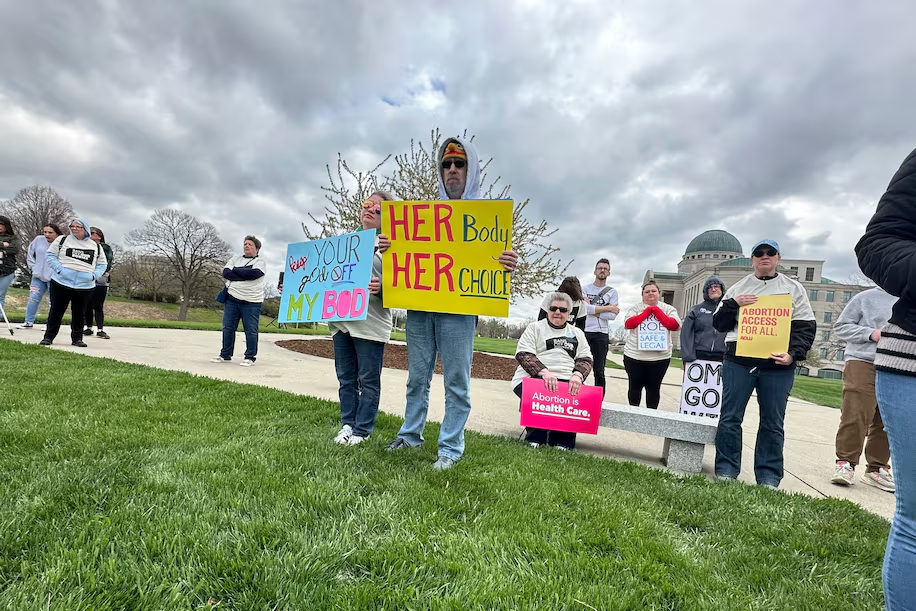
Iowa’s Supreme Court on Friday upheld a six-week abortion ban, marking one of the latest rulings to restrict access to the procedure since the U.S. Supreme Court’s 2022 decision to end federal protections for abortion.
The measure prohibits abortions after six weeks of pregnancy, the point at which fetal cardiac activity can typically be detected. Planned Parenthood and other organizations had sued to block the law and initially secured a preliminary injunction from a lower court, temporarily maintaining legal access to abortion up to 22 weeks of pregnancy in the state.
In a 4-3 decision, the judges ruled that the law, passed by the Republican-led legislature in 2023, is constitutional. This decision reverses a temporary restraining order issued by a district court last year, allowing the ongoing lawsuit at that level to proceed.
The Supreme Court’s ruling once again alters the landscape of reproductive health in Iowa, where around 4,000 women sought abortions last year. Most women will now have to travel outside the state to terminate a pregnancy. The law includes limited exceptions for cases of rape, incest, or if the woman’s life is in danger.
Abortion providers in Iowa have been preparing for months in anticipation of the court’s ruling, according to Ruth Richardson, president of Planned Parenthood North Central States, which operates three abortion care facilities in Iowa.
In anticipation of a potential ban, Planned Parenthood has expanded its locations in neighboring states, doubling the number of patient beds in Omaha and moving to a larger site in Mankato, Minnesota.
During the court’s oral arguments on April 11, the justices questioned lawyers from both sides about previous rulings that first expanded and then limited the scope of abortion protections in the state. They also debated whether this case should have been sent back to a lower court for further review.
The law will restrict abortions to a timeframe in which many women are unaware they are pregnant. The exceptions apply only if a sexual assault is reported to law enforcement or a healthcare provider within 45 days for rape and 145 days for incest. Medical exceptions include cases of fetal abnormalities “incompatible with life” or if the pregnancy endangers the woman’s life.
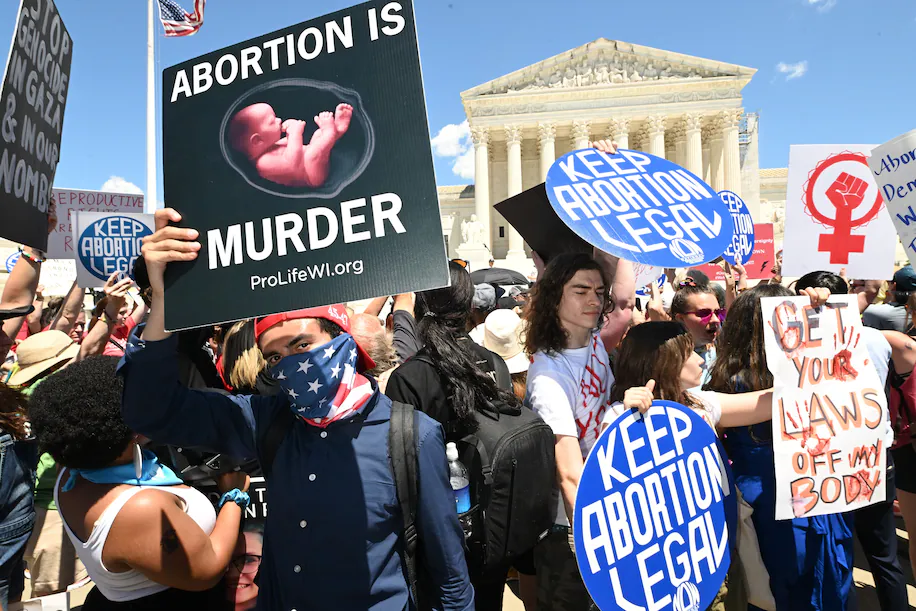
Across the country, abortion continues to be a contentious issue at both the federal and state levels.
In an opinion Thursday, the U.S. Supreme Court permitted physicians in Idaho to resume performing emergency abortions while litigation continues in the lower courts. However, the ruling does not settle whether a long-standing federal law mandates that doctors nationwide perform the procedure when they believe a woman’s health is in danger.
And two weeks ago, the court unanimously preserved access to mifepristone, the medication now used in over 60 percent of U.S. abortions.
These decisions followed a pair of significant state judicial rulings this spring. Florida’s Supreme Court determined that abortion rights are not protected by the state’s constitution, paving the way for one of the country’s strictest bans to take effect on May 1. Meanwhile, Arizona’s Supreme Court revived an 1864 law prohibiting abortion except to save a mother’s life and punishing providers with jail time. However, amid a storm of condemnation, the legislature and governor repealed the law before it could take effect this summer.
A recent analysis by The Washington Post reveals that more than one in three women aged 15 to 44 now reside in states where abortion is fully or mostly prohibited, encompassing 18 states. Iowa’s legislature initially passed an abortion ban in 2018, which was permanently blocked by the courts. Last summer, Governor Kim Reynolds, a staunch Republican opponent of abortion, convened a special session of lawmakers to pass a new six-week ban. Although quickly enjoined by a district court judge, the regulatory process continued.
Critics, including legal experts, have raised concerns about the rules subsequently adopted by the state Board of Medicine, citing their vagueness and lack of specificity on when doctors can intervene to save a pregnant patient’s life and how providers who violate the law would be penalized.
The topic continues to be highly contentious within the state, despite a majority of Iowans supporting legal abortion in most situations. According to a Des Moines Register/Mediacom Iowa Poll from last year, 61 percent of residents believe abortion should be legal in most or all cases, while 35 percent are opposed.
Over the weekend, hundreds of abortion opponents gathered at the Capitol in Des Moines ahead of the anticipated ruling.
 fleeredstates.blog
You must be logged in to post a comment.