Texas Legislature Passes ‘Bounty Hunter’ Ban on Abortion Pills

Read more at The Texas Observer.

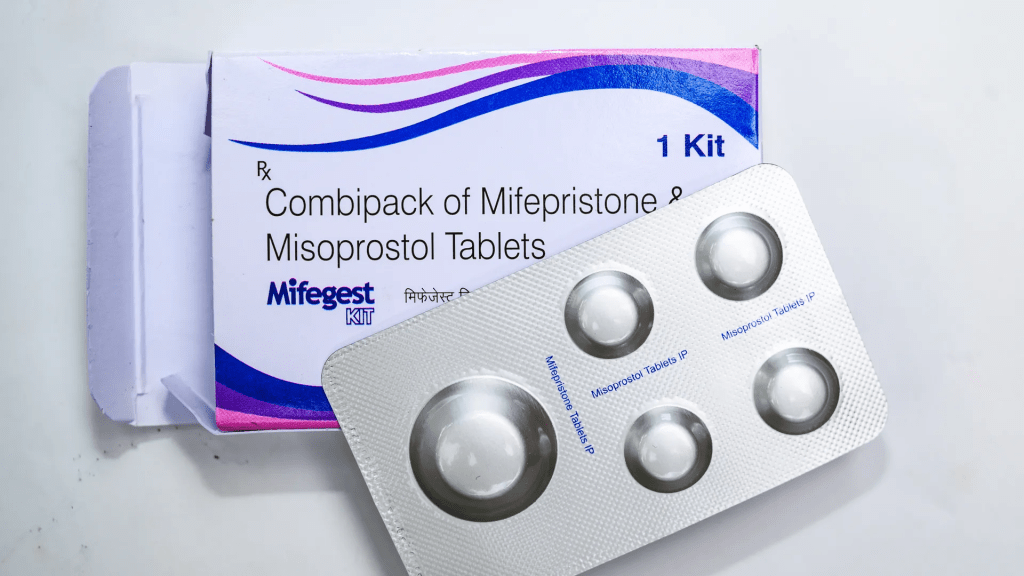
On Wednesday evening (Sept 3), the Texas Senate approved an extreme bill that, pending the governor’s signature, will empower citizens to sue anyone who “manufactures, distributes, mails, transports, delivers, prescribes, or provides” abortion pills to Texans for at least $100,000 in damages. While Texas already broadly bans abortion, with House Bill 7 Republicans aim to halt the flow of abortion medication from out of state, one of the only remaining avenues for Texans to still access this care. The measure has been sent to Governor Greg Abbott’s desk and is slated to become law in about three months, barring successful legal challenges. 

Democrats and reproductive rights advocates caution the law will instill even more fear in abortion patients—living under bans since 2021—and may lead to additional pregnancy-related deaths in Texas. 

“This bill will harm women and could even lead to more pregnant women dying because they couldn’t access life-saving medications,” said Rep. Donna Howard, an Austin Democrat and chair of the Texas Women’s Health Caucus, on the House floor before the lower chamber cast its vote late last month. “The only reason we haven’t returned to the days of [pre-Roe v. Wade] ‘coat-hanger abortions’ is because of the medication abortion pill. I ask you: ‘When will this be enough? How many women have to die or suffer severe bodily injury because they couldn’t access the care they needed?’”

The GOP-backed attempt to “crack down” on abortion pills and those who provide them could potentially impact access in much of the country and serve as a blueprint for other states to adopt, a professed goal of Texas Republicans who support the bill. 

“HB 7 exports Texas’ extreme abortion ban far beyond state borders,” said Blair Wallace, policy and advocacy strategist on reproductive freedom at the ACLU of Texas, in a statement. “It will fuel fear among manufacturers and providers nationwide, while encouraging neighbors to police one another’s reproductive lives, further isolating pregnant Texans, and punishing the people who care for them.”

Largely a revival of a bill that stalled in a House committee during the Legislature’s regular session (and also stalled during a first special session prior to the second special session that came to a close early Thursday morning), the so-called “Woman and Child Protection Act” claims to not target abortion patients. Domestic abusers or men who commit sexual assault resulting in pregnancy are not allowed to bring suit under the bill. Texas hospitals, doctors, and those who manufacture or distribute the pills for medical emergencies, ectopic pregnancies, and miscarriage management would be exempt; however, such medical gray areas have already confused and frustrated physicians, who say abortion law exceptions often don’t work in practice. 

The bill is modeled after Senate Bill 8, the 2021 “bounty hunter”-style six-week abortion ban that encouraged reproductive health vigilantism with $10,000 lawsuits and chilled abortion care in Texas nearly a year before the fall of Roe. HB 7 allows those connected to someone who seeks out abortion medication—for instance, a pregnant person’s parent or partner—to sue in Texas court a doctor, distributor, or manufacturer of the medication based anywhere in the country and reap the legislation’s hefty cash payout. 

Similar to its predecessor, HB 7 also seeks to evade judicial review by placing the power to sue in the hands of private citizens rather than state officials, preventing state court constitutional challenges to the law. It also relegates all appeals to the 15th Court of Appeals—a conservative court recently created to handle challenges to state statutes. 

Among the many troubling concerns raised by Democrats including Representative Erin Zwiener: An abortion doesn’t need to take place for someone to sue a drug manufacturer or provider under the bill; pills only need to be mailed, potentially incentivizing “sting operations” by anti-abortion activists. HB 7 also allows Texans unrelated to the person ordering the pills to bring suit—but they can only be awarded $10,000 with the rest directed toward a charitable organization of their choice (as long as they or their family members don’t financially benefit from the organization). Advocates with the anti-abortion group Texas Right to Life have already openly suggested they could be a recipient of those funds. 

While both a near-total abortion ban and a law prohibiting the mailing of abortion pills went into effect in 2021, the latter has been difficult to enforce due to the fact that proving a violation of the law requires accessing people’s mail, a federal crime. 

With travel time, distance, and costs for abortion care rising dramatically, many abortion-seekers in Texas have relied on mail delivery of pills through online providers like Aid Access and out-of-state physicians, as a lifeline for care. About 2,800 Texas residents obtain abortion medication from telehealth providers across state lines per month, according to the Society of Family Planning. Texas accounts for the largest share of these types of patients nationally. (Across the United States, the total number of abortions has slightly increased since Roe was overturned in 2022, in part due to mail order access, raising the ire of abortion opponents.) Anti-abortion advocates in Texas and elsewhere consider these remaining channels a nagging loophole in abortion law and have worked to find ways to stop pill providers.

“We are cracking down, being vigilant, and giving Texans the tools necessary to enforce our existing abortion laws,” bill author and representative Jeff Leach, a Plano Republican, told a House committee last month. “I believe this bill provides the nation’s strongest tool to protect Texans’ unborn and their moms. Texas is proudly leading the charge and we hope other states will follow.” 

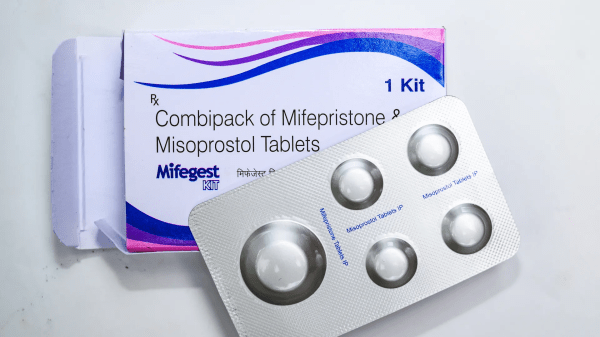
Republicans and anti-abortion advocates have pushed the bill on the premise that women are being “victimized” by “dangerous” abortion pills, despite more than two decades of documented scientific evidence that proves mifepristone and misoprostol, the most common pill combination, are safe and effective drugs. 

In reality, the process entails minimal health risk, and legal abortion care overall is shown to be 14 times safer than childbirth. There were five deaths associated with mifepristone use for every one million people in the country since 2000, amounting to a 0.0005% death rate, according to a CNN analysis of federal Food and Drug Administration data. The risk of death by Penicillin is four times greater while Viagra is nearly ten times deadlier, as Howard noted during debate on the floor. Last month, more than 260 researchers, including those with the University of California-based group Advancing New Standards in Reproductive Health, sent a letter to the FDA affirming the 25-year rigorous safety record of mifepristone. 

HB 7 is part of a broader, aggressive effort by Texas officials and anti-abortion advocates to attack individuals and groups that supply abortion pills to Texans. In an ongoing legal battle that could potentially reach the U.S. Supreme Court, Attorney General Ken Paxton sued a New York-based doctor in 2024 for allegedly mailing abortion pills to a patient in Texas and, last month, sent cease and desist letters to abortion pill support groups in an attempt to put “an immediate end” to the shipment of abortion-inducing drugs across state lines. Paxton has also asked to join a lawsuit that seeks to restrict the FDA’s use of mifepristone, including the agency’s allowing it to be sent by mail.

Jonathan F. Mitchell, architect of the Texas abortion private enforcement scheme, is also working to bring down out-of-state providers, recently targeting a California doctor in federal court on behalf of a Galveston man who claims the doctor sent his girlfriend medication. 

Some of these efforts are being thwarted by the “shield laws” of other states, measures put in place to protect doctors in abortion-legal states like California and New York from being sued by states where abortion is banned. HB 7 is crafted to directly bypass these shield laws, setting up “interstate legal warfare,” according to Democrats including state Senator Molly Cook, who stressed that the bill is rife with constitutional violations

“This bill doesn’t stop at our borders,” said Senator Carol Alvarado, a Houston Democrat, on the floor shortly before HB 7’s passage. “Providers outside Texas can be sued in Texas courts for lawful conduct in their own states. This sets a dangerous precedent; it flies in the face of state’s rights and contradicts the rationale behind the Supreme Court’s ruling in Dobbs that each state should set its own laws on abortion.”

Angel Foster heads the Massachusetts Medication Abortion Access Project, a telemedicine abortion pill service founded in 2023. One-third, or roughly 800, of the project’s patients per month are from Texas. Despite the threat of litigation, Foster’s organization will not succumb to fear and halt her practice of serving Texans; she still feels confident in protection from her state’s shield law. 

“This Texas law would be a tremendous overreach and is meant to scare us away from helping our patients. We know that blocking access to pills is a huge part of the anti-abortion movement’s agenda today,” Foster told the Observer. “But our mantra is ‘no anticipatory obedience.’ We are not deterred in our mission. We will not stop our work.”
Arkansas Supreme Court Affirms Decision to Reject Abortion Rights Petitions | AP News

This blog originally appeared at AP News.

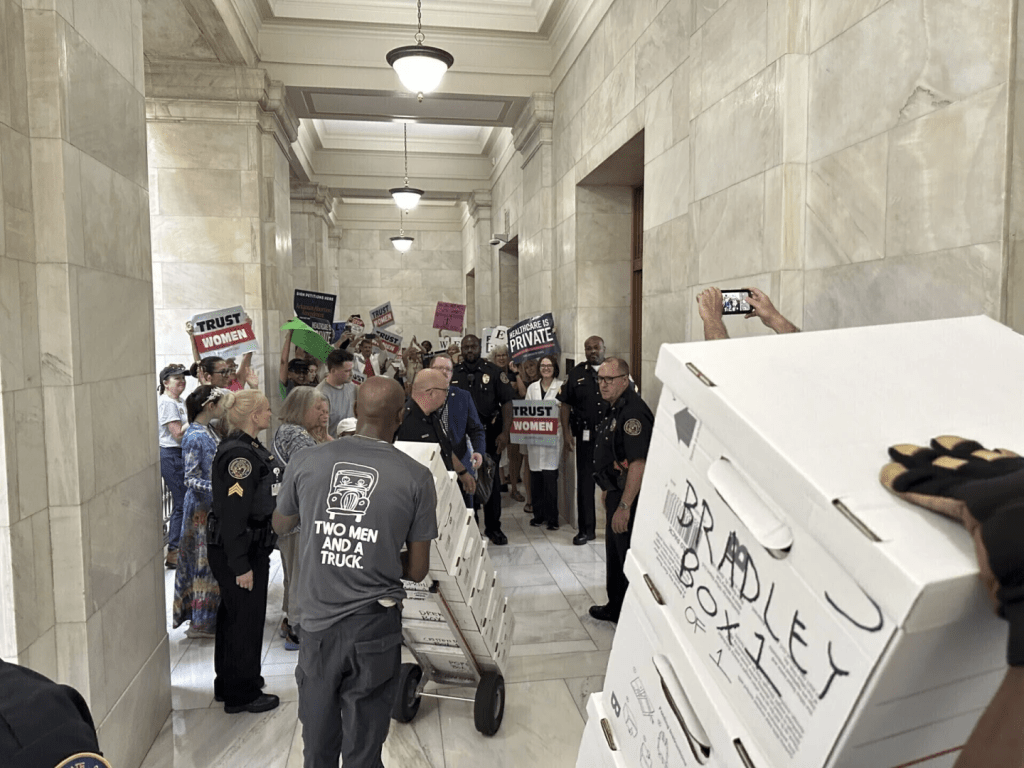
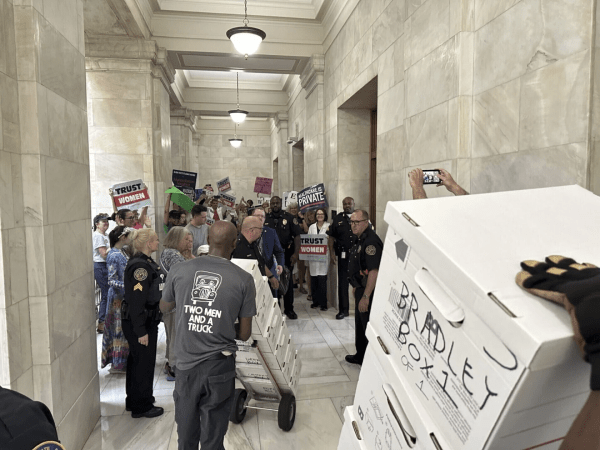
LITTLE ROCK, Ark. (AP) — On Thursday, the Arkansas Supreme Court upheld the state’s decision to reject petitions for an abortion rights ballot initiative, preventing the measure from appearing on the November ballot.

The ruling is a setback for organizers seeking a constitutional amendment in the heavily Republican state, where opposition to abortion is widely supported by top leaders.

Election officials ruled that Arkansans for Limited Government failed to meet state legal requirements, primarily because they submitted documents related to paid signature gatherers separately instead of as one bundle. The group argued they should have been allowed more time to submit any additional required documents.

“We find that the Secretary correctly refused to count the signatures collected by paid canvassers because the sponsor failed to file the paid canvasser training certification” in the proper manner required by law, Justice Rhonda Wood wrote in the 4-3 majority opinion.

A dissenting justice argued that the decision undermines Arkansans’ rights and essentially alters the state’s initiative process.

“Why are the respondent and the majority determined to keep this particular vote from the people?” wrote Justice Karen Baker, who is currently running against Wood for chief justice. “The majority has succeeded in its efforts to change the law in order to deprive the voters of the opportunity to vote on this issue, which is not the proper role of this court.”

Since the U.S. Supreme Court’s 2022 decision overturning the nationwide right to abortion, efforts have been made to let voters determine the issue state by state. On Tuesday, Montana became the eighth state to place an abortion measure on the ballot for this fall.

Supporters of abortion rights have prevailed in all seven states where abortion questions have gone before voters since Roe v. Wade was overturned.

In a statement, Arkansans for Limited Government called the ruling “a dark day in Arkansas.”

“This effort has generated a wave of fiercely engaged Arkansas women,” the group stated. “We are outraged. We will not back down. And we will remember this in November.”

Republican Gov. Sarah Huckabee Sanders took credit for the ruling on Thursday: “Proud I helped build the first conservative Supreme Court majority in the history of Arkansas, and today that court upheld the rule of law, and with it, the right to life,” she posted on X.

Arkansas currently enforces a near-total abortion ban, allowing the procedure only when the woman’s life is endangered by a medical emergency.

The proposed amendment would have blocked laws banning abortion within the first 20 weeks of pregnancy and permitted it afterward in cases of rape, incest, threats to the woman’s health or life, or if the fetus was unlikely to survive birth. However, it would not have established a constitutional right to abortion.

The ballot measure did not gain backing from major national abortion rights organizations like Planned Parenthood, as it still allowed abortion to be banned after 20 weeks—an earlier cutoff compared to other states where the procedure remains legal.

Had all the signatures been verified, the more than 101,000 signatures submitted by the July 5 deadline would have been enough to qualify the measure for the ballot. The threshold was 90,704 signatures from registered voters across at least 50 counties.

In a prior court filing, election officials stated that 87,675 of the signatures were collected by volunteers. However, they could not determine if 912 signatures came from volunteers or paid canvassers. The court’s majority ruled that only signatures gathered by volunteers could be counted, resulting in the campaign falling short of the required number.

“This is a win for the rule of law in Arkansas and for those who have followed the rules for years to participate in the state’s ballot initiative process,” said Republican Attorney General Tim Griffin, who represented the secretary of state’s office.

Arkansans for Limited Government and election officials clashed over whether the petitions complied with a 2013 state law that requires campaigns to identify each paid canvasser by name and confirm that they were informed of the rules for gathering signatures.

Supporters of the measure argued that they had followed the law regarding their documentation, including identifying each paid signature gatherer. They also claimed that the abortion petitions were being treated differently compared to other initiative campaigns this year, citing similar filings by two other groups.

State records indicate that on June 27, the abortion campaign submitted a signed affidavit with a list of paid canvassers and a statement affirming that the petition rules had been explained to them. Additionally, the July 5 submission included affidavits from each paid worker, acknowledging that the group had provided them with all the rules and regulations required by law.

The state argued in court that the documentation was non-compliant because it was signed by someone from the canvassing company, rather than a representative of the initiative campaign. The court did not issue a ruling on this specific point.

However, the majority on Thursday emphasized that the required documents needed to be submitted as one bundle to ensure that “the Secretary has all the necessary information together and organized when he begins the process.”

The court also noted that the June 27 filing did not account for 74 of the paid gatherers used by the abortion campaign.

In a separate dissent, Chief Justice Dan Kemp argued that the court should have instructed the state to count all of the signatures and appointed a special master to examine the contested facts.

“This case presents an anomaly in Arkansas jurisprudence,” Kemp wrote.

https://apnews.com/article/abortion-ballot-arkansas-supreme-court-48c208d49d82b467fbcc4b9c2724617a

Iowa Supreme Court Upholds Six-Week Abortion Ban | WashingtonPost

This blog originally appeared at WASHINGTON POST.

The ban, enacted last summer, was part of a broader effort by conservative states to restrict abortion following the U.S. Supreme Court’s decision to overturn Roe v. Wade.

Iowa’s Supreme Court on Friday upheld a six-week abortion ban, marking one of the latest rulings to restrict access to the procedure since the U.S. Supreme Court’s 2022 decision to end federal protections for abortion.

The measure prohibits abortions after six weeks of pregnancy, the point at which fetal cardiac activity can typically be detected. Planned Parenthood and other organizations had sued to block the law and initially secured a preliminary injunction from a lower court, temporarily maintaining legal access to abortion up to 22 weeks of pregnancy in the state.

In a 4-3 decision, the judges ruled that the law, passed by the Republican-led legislature in 2023, is constitutional. This decision reverses a temporary restraining order issued by a district court last year, allowing the ongoing lawsuit at that level to proceed.

The Supreme Court’s ruling once again alters the landscape of reproductive health in Iowa, where around 4,000 women sought abortions last year. Most women will now have to travel outside the state to terminate a pregnancy. The law includes limited exceptions for cases of rape, incest, or if the woman’s life is in danger.

Abortion providers in Iowa have been preparing for months in anticipation of the court’s ruling, according to Ruth Richardson, president of Planned Parenthood North Central States, which operates three abortion care facilities in Iowa.

In anticipation of a potential ban, Planned Parenthood has expanded its locations in neighboring states, doubling the number of patient beds in Omaha and moving to a larger site in Mankato, Minnesota.

During the court’s oral arguments on April 11, the justices questioned lawyers from both sides about previous rulings that first expanded and then limited the scope of abortion protections in the state. They also debated whether this case should have been sent back to a lower court for further review.

The law will restrict abortions to a timeframe in which many women are unaware they are pregnant. The exceptions apply only if a sexual assault is reported to law enforcement or a healthcare provider within 45 days for rape and 145 days for incest. Medical exceptions include cases of fetal abnormalities “incompatible with life” or if the pregnancy endangers the woman’s life.

Across the country, abortion continues to be a contentious issue at both the federal and state levels.

In an opinion Thursday, the U.S. Supreme Court permitted physicians in Idaho to resume performing emergency abortions while litigation continues in the lower courts. However, the ruling does not settle whether a long-standing federal law mandates that doctors nationwide perform the procedure when they believe a woman’s health is in danger.

And two weeks ago, the court unanimously preserved access to mifepristone, the medication now used in over 60 percent of U.S. abortions.

These decisions followed a pair of significant state judicial rulings this spring. Florida’s Supreme Court determined that abortion rights are not protected by the state’s constitution, paving the way for one of the country’s strictest bans to take effect on May 1. Meanwhile, Arizona’s Supreme Court revived an 1864 law prohibiting abortion except to save a mother’s life and punishing providers with jail time. However, amid a storm of condemnation, the legislature and governor repealed the law before it could take effect this summer.

A recent analysis by The Washington Post reveals that more than one in three women aged 15 to 44 now reside in states where abortion is fully or mostly prohibited, encompassing 18 states. Iowa’s legislature initially passed an abortion ban in 2018, which was permanently blocked by the courts. Last summer, Governor Kim Reynolds, a staunch Republican opponent of abortion, convened a special session of lawmakers to pass a new six-week ban. Although quickly enjoined by a district court judge, the regulatory process continued.

Critics, including legal experts, have raised concerns about the rules subsequently adopted by the state Board of Medicine, citing their vagueness and lack of specificity on when doctors can intervene to save a pregnant patient’s life and how providers who violate the law would be penalized.

The topic continues to be highly contentious within the state, despite a majority of Iowans supporting legal abortion in most situations. According to a Des Moines Register/Mediacom Iowa Poll from last year, 61 percent of residents believe abortion should be legal in most or all cases, while 35 percent are opposed.

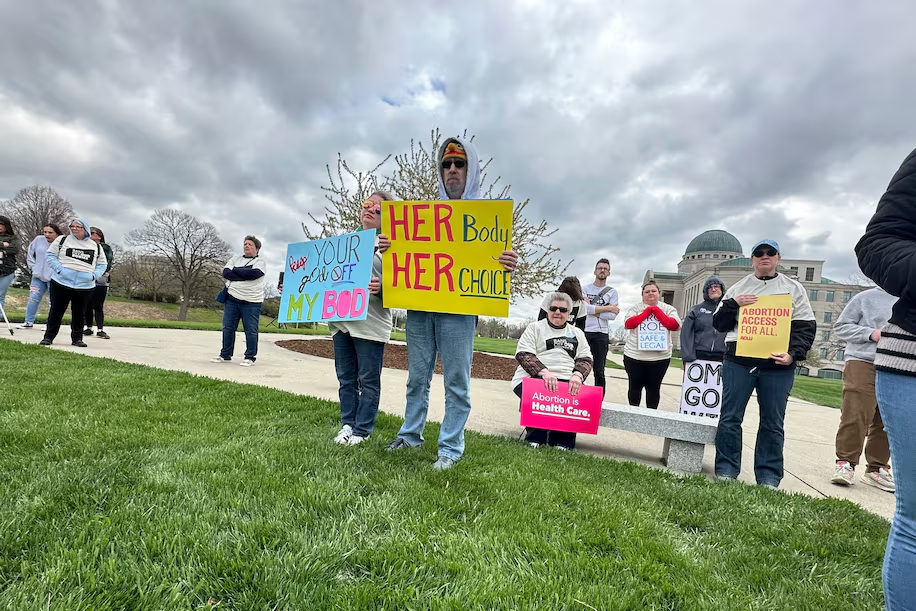
Over the weekend, hundreds of abortion opponents gathered at the Capitol in Des Moines ahead of the anticipated ruling.

Blog at WordPress.com.

Up ↑