Doctors can refuse to treat LGBTQ+ patients in several states – these religious exemption laws lead to drops in HIV testing

Read more at The Conversation.

An increasing number of U.S. states have passed laws that allow health care providers – including doctors, nurses and pharmacists – to refuse to treat patients based on their personal or religious beliefs. While these conscientious objection laws have long existed for issues such as abortion, their effects on LGBTQ+ people have not been well studied.

As of April 2026, 11 U.S. states have enacted conscientious objection laws specifically targeting LGBTQ+ people. As public health researchers who study the effects of public policies on the health of LGBTQ+ people, we wanted to examine how these laws have affected the roughly 1 in 5 LGBTQ+ Americans living in a state where a provider can legally refuse them care.

Specifically looking at sexual minorities, our research found that lesbian, gay, bisexual and queer adults living in states that passed conscientious objection laws were 28% less likely to report receiving a first-time HIV test, compared to peers in states without conscientious objection laws. These laws did not affect HIV testing rates for heterosexual adults.

Similarly, LGBQ+ adults in affected states were 71% more likely to report being in fair or poor health after the laws passed, compared to those in states without the laws.

Measuring the harm

We analyzed data from the Centers for Disease Control and Prevention on the health outcomes of more than 109,000 lesbian, gay, bisexual, queer and heterosexual adults from 2016 to 2018. We focused on eight states, comparing two that enacted conscientious objection laws during that period (Illinois and Mississippi) and six that did not (Louisiana, Minnesota, Ohio, Texas, Wisconsin and Virginia).

To isolate the effect of the laws themselves, we compared changes in health outcomes among LGBQ+ and heterosexual adults living in states with or without religious exemptions to health care, both before and after the laws passed. Making all these comparisons at once allowed us to identify differences in health outcomes due to the laws rather than preexisting differences between states.

We found that conscientious objection laws were associated with significant harms to LGBQ+ adults, including a decline in HIV testing and a worsening of self-rated health.

Our findings highlight how laws permitting clinicians to refuse to provide health care to LGBQ+ patients deepen existing health disparities. Notably, conscientious objection laws are just one type of policy restricting LGBTQ+ people’s access to health care.

The Trump administration has slashed budgets for the federal Ryan White HIV/AIDS program and state-level AIDS drugs assistance programs, reducing the availability of HIV prevention and treatment services. States have also moved to restrict access to gender-affirming care for both minors and adults, despite its additional benefit of helping to reduce new HIV infections. Employers have successfully declined to provide insurance coverage of highly effective HIV prevention medications under religious freedom laws.

Worsening disparities

LGBTQ+ people already face greater health challenges than their heterosexual peers, including higher rates of unmet health care needs and discrimination in medical settings.

HIV preexposure prophylaxis, or PrEP, can lower the risk of contracting HIV from sex by 99%. However, patients are required to receive an HIV test before PrEP can be prescribed. If providers are unwilling or unable to engage with LGBQ+ patients on their sexual health, people who could benefit most from HIV prevention tools, such as PrEP, may never receive them.

Moreover, since the risk of contracting HIV is closely linked to the social determinants of health, such as having safe and stable housing and employment, barriers to HIV testing could further widen health gaps.

Similarly, the worsening in self-rated health among LGBQ+ adults suggests that the cumulative effect of these laws on well-being is real and immediate. A person’s perception of their own health status is one of the strongest predictors of earlier death.

What can be done

Acknowledging the health consequences of conscientious objection laws could help policymakers and the public better understand their impact.

A 2026 national study found that Americans were more motivated to support policies that address LGBTQ+ inequality when these laws were framed as improving health inequality rather than economic inequality or sense of belonging. This finding suggests that people perceive health inequality as unjust and are less likely to blame LGBTQ+ individuals for those circumstances.

Health care systems can build more affirming environments that actively reassure LGBTQ+ patients will receive fair and equitable care. This can encourage more timely access to preventive services, such as vaccinations and cancer screenings.

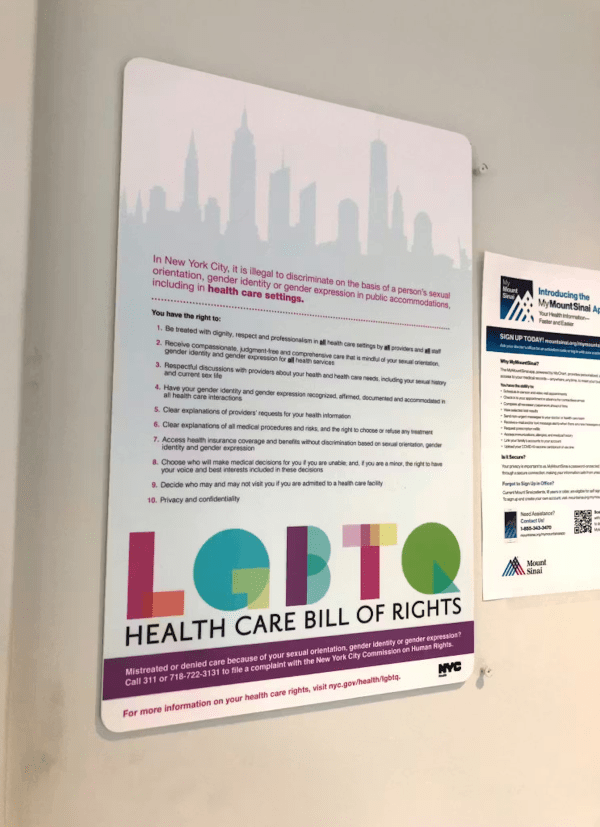
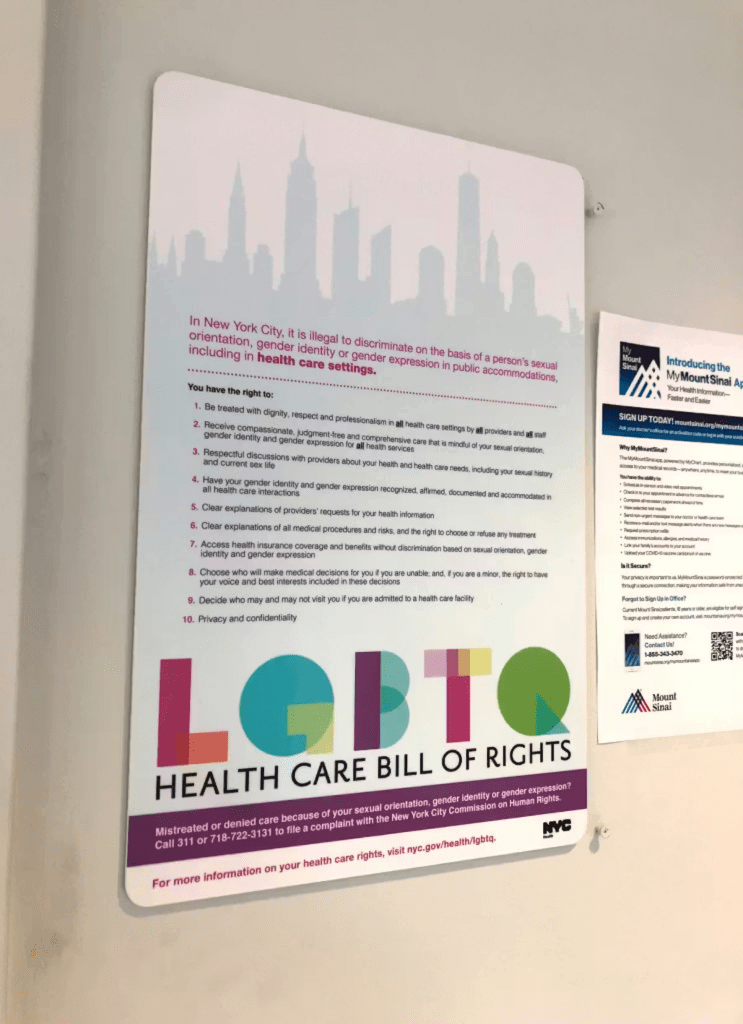
For LGBTQ+ people, knowing your rights as a patient and seeking out LGBTQ+-affirming providers and community health centers can help mitigate some of the harms of restrictive laws.
Alabama GOP passes 10 Commandments-in-schools bill on same day as rollbacks of LGBTQ+ rights

*This is reported by LGBTQNation

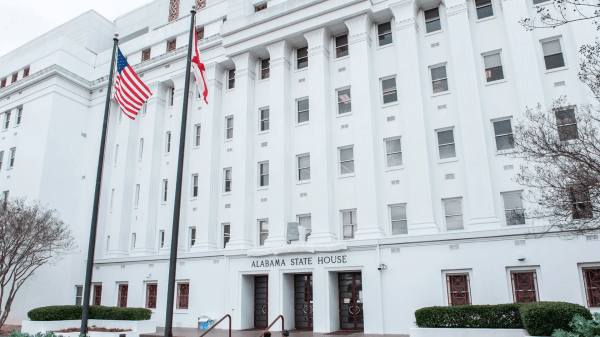
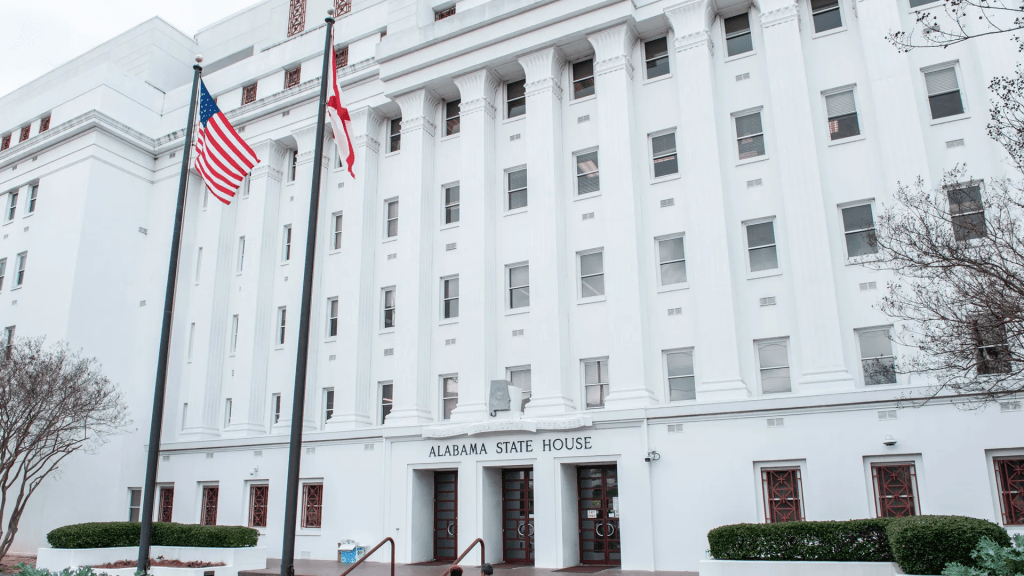
The Alabama state House of Representatives passed several anti-LGBTQ+ bills this past Thursday. The bills include an expansion of the state’s “Don’t Say Gay” law, a ban on drag performances, a ban on Pride flags, and a ban on school employees calling trans students by the correct pronouns.

One of the bills would also require the Ten Commandments to be posted in every school in the state.

H.B. 244 extends the state’s ban on discussing LGBTQ+ people in schools, which currently only applies to grades K through 5, to all grade levels. It also bans school employees from “displaying flags or insignia relating to sexual orientation or gender identity,” which would include Pride flags. It also bans school employees from referring to a student with pronouns or a “title” that is “inconsistent with the student’s biological sex at birth.”

State Rep. Mark Gidley (R) said that the bill was necessary because an unnamed student told him that they have a teacher who can’t teach without mentioning “all things gay and transgender.” Gidley didn’t say what school this happened in.

State Rep. Neil Rafferty (D), the only out gay person in the chamber, said that LGBTQ+ people are “not the problem.”

“I want you to know you are not the problem. You are not broken, and you’re absolutely not alone,” he said. “They’re not theories. They’re not talking points, not threats to be neutralized. They’re people. They’re Alabamian, and they deserve better than what we are offering them right now.”

State Rep. Phillip Ensler (D) said that the bill will make kids feel unwelcome in schools.

“If they don’t trust a teacher, if they think a teacher doesn’t like them or use them differently or views them as unequal, they’re not going to be as open to learning,” he said.

The bill passed with 76 votes in favor and nine against.

H.B. 67 bans public schools and libraries from hosting drag performances in the presence of minors without parental consent, and also says that trans people must use the restroom associated with their sex assigned at birth in places where minors might use the restroom. It also passed 76-9.

“This bill is an attempt to censor LGBTQ experiences from the public and is contradictory to our First Amendment rights,” the ACLU of Alabama said in a statement. “Supporters of this bill argue that drag performances are not appropriate for minors. That’s a decision for that minor’s parents, caregivers, and family to make – not the State of Alabama.”

On the same day, the chamber passed H.B. 178, a bill that would require all public schools in the state, both K-12 schools as well as colleges and universities, to display the Ten Commandments in “a common area.” The bill doesn’t give schools funding for this and instead suggests that they seek donations.

“The First Amendment guarantees that students and their families —not politicians or the government—get to decide which religious beliefs, if any, they adopt and what role those beliefs will play in their lives,” the ACLU of Alabama said in a statement. “Displaying the Ten Commandments in public school classrooms blatantly violates this promise. Students can’t focus on learning if they don’t feel safe and welcome in their schools.”

The bill, sponsored by Rep. Gidley, also requires schools to display a statement near the Ten Commandments that says they are “a key part of the Judeo-Christian religious and moral tradition that shaped Western Civilization and ultimately the founding of the United States.”

“This is about returning foundational principles to schools to be taught,” Gidley said about his bill.

Democrats called the bill a distraction.

“We’re focusing on issues that really don’t put more money in the pockets of every Alabamian,” said House minority leader Anthony Daniels (D). “It does not reduce the cost at the gas pump. We’re talking about solving problems for the average Alabamanian. This particular issue does nothing.”

One Democrat pointed out that the Ten Commandments aren’t age-appropriate for younger children.

“I think that the 10 commandments have their place, but I don’t know that we need to mandate that they be in our schools,” said state Rep. Marilyn Lands (D), the Alabama Reflector reports. “I think we teach our children well in our homes, and I think we have churches to teach them, but I’m not sure that they belong in our schools.”

The bill passed the state house 88-11. All three bills now go on to the state senate.

Louisiana passed a similar bill regarding the Ten Commandments last year, requiring them to be displayed in every classroom in the state. A federal judge blocked the bill from taking effect, saying it was “unconstitutional on its face.”

A Sweeping New Alabama Law Restricts DEI Programs and Includes an Anti-Trans Bathroom Ban

This blog originally appeared at THEM.

In recent years, there has been a significant surge in Republican-sponsored bills across the United States aimed at opposing DEI (Diversity, Equity, and Inclusion) programs.

On Wednesday, Alabama Governor Kay Ivey signed into law a comprehensive anti-diversity bill, backed by Republicans, which also includes a ban on transgender individuals using certain college campus bathrooms.

Senate Bill 129, now law, prohibits any state agency or educational institution from promoting or enforcing diversity, equity, and inclusion (DEI) programs. The bill broadly defines DEI events or programs as those that factor in an individual’s race, sex, gender identity, ethnicity, national origin, or sexual orientation, categorizing such initiatives as “divisive concepts” unfit for educational curricula. The exception to this rule is if no state funds are involved in sponsoring these programs, allowing schools or government offices to continue DEI efforts.

Effective from October 1, the law mandates that multiple occupancy restrooms in public higher education institutions be designated based on biological sex, effectively marginalizing transgender students and staff who are then left with the choice of outing themselves or using single-occupant facilities.

Opposition to SB 129 was vocalized by various groups, including the free speech advocacy organization PEN America, which labeled the bill as the most restrictive educational censorship since Florida’s “Stop WOKE” Act. It noted that the bill’s definition of “divisive concepts” mirrors a 2020 executive order by then-President Donald Trump.

Prior to its passage by the state House of Representatives, students from 10 Alabama universities staged a protest at the Montgomery State House on March 6, criticizing Republican lawmakers for their lack of engagement. Neph Irvin, a sophomore at the University of Alabama in Huntsville, expressed frustration, stating, “They say that we’re their futures, and yet they are technically trying to take our futures away from us, which doesn’t make any sense. We shouldn’t have to go back in history.”

In February, Birmingham Mayor Randall Woodfin, a Democrat, sharply criticized the bill during a committee hearing, drawing parallels between its provisions and the segregationist policies of George Wallace, a notorious figure in Alabama’s history.

SB 129, authored by Sen. William Barfoot, a Republican, marks another step in his legislative efforts against DEI initiatives. Barfoot, who secured his Senate seat in 2018 following previous roles as a delegate and legal counsel for then-presidential candidate Mike Huckabee, had introduced a similar bill during the 2022 legislative session. However, this prior attempt to classify DEI as a “divisive concept” and prohibit state collaboration with DEI contractors did not advance to a vote, as per the legislature’s website.

Governor Ivey’s signing of SB 129 adds to a series of anti-LGBTQ+ measures she has endorsed in recent years. In 2022, alongside a ban on gender-affirming medical care for trans youth, Ivey signed House Bill 322, mandating K-12 schools to segregate facilities solely based on “biological sex.” Her support for restricting participation in high school sports teams to “biological sex” was extended to colleges the previous year.

The escalation of Republican-backed bills opposing DEI programs, under the guise of their interpretation of such initiatives, has surged nationwide. Conservative organizations like the Heritage Foundation have spearheaded anti-DEI campaigns, aided by figures such as Chris Rufo, known for his role in promoting misinformation about “critical race theory” and the LGBTQ+ community.

This conservative backlash is particularly evident in Florida, where Governor Ron DeSantis has overseen the dismantling of DEI efforts in state colleges, resulting in the elimination of entire degree programs. Not even traditionally conservative entities are exempt; last year, even Chick-fil-A, known for its conservative stance on issues like same-sex marriage, faced accusations of being “woke” due to the employment of a vice president for DEI.

Not just Florida. More than a dozen states propose so-called ‘Don’t Say Gay’ bills – NPR

This blog originally appeared at NPR News.

Florida first. Alabama follows. Legislators in Louisiana and Ohio are currently debating legislation that is similar to the Florida statute. A similar bill will be his top priority during the following session, according to Texas Governor Greg Abbott.

At least a dozen states across the country are proposing new legislation that, in some ways, will resemble Florida’s recent contentious bill, which some opponents have dubbed “Don’t Say Gay.”

Read Full Article – https://www.npr.org/2022/04/10/1091543359/15-states-dont-say-gay-anti-transgender-bills


If you’re ready to look for a better state or county for you and your family (or family of choice), reach out to us at www.FleeRedStates.com

Blog at WordPress.com.

Up ↑