
Read more at Charlotte Observer.
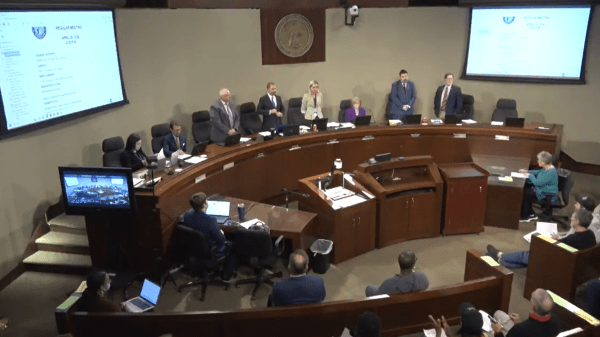
Transgender students are absorbing the consequences of a growing fight in Cabarrus County Schools, where two federal lawsuits and a Trump administration investigation are challenging how the district handles bathroom access, LGBTQ advocates say. For months, parents, elected officials and community members clashed over whether transgender students should be allowed to use bathrooms and locker rooms that align with their gender identity. But advocates say another question has received less attention: What does the fight mean for LGBTQ students going to school every day?
“When I think about a trans girl going into a girl’s restroom, I worry about her harassment, not what she will do to other young people,” said Sarah Mikhail, CEO of Time Out Youth. Time Out Youth serves LGBTQ young people ages 13 to 24 in Charlotte and surrounding communities. Within the organization, young people regularly talk about the broader social climate surrounding bathrooms, sports and LGBTQ issues in schools, she said. Mikhail said the effect shows up in basic routines. Some young people Time Out Youth works with avoid school bathrooms entirely because they do not feel safe using them. She said that kind of vigilance does not stay confined to the restroom. Students who are constantly calculating where they can go, who might be watching them or whether an adult will support them can have a harder time concentrating, asking for help or feeling comfortable enough to learn. “We have young people that do not go to the bathroom all day at school,” Mikhail said. “This is not uncommonly reported.”
LGBTQ students not only face school rules, they also hear messages from politicians, social media, family members and community leaders about what gender means and what transgender people should be allowed to do. For some students, those messages arrive before they even figure out how they identify or whether they feel safe coming out. That uncertainty, she said, can impact whether students feel comfortable telling a teacher they had a hard night, asking for help on an assignment or using the name and pronouns that feel right to them. “You need to feel emotionally okay to share and be yourself at school,” Mikhail said. “So then you can be open to learning.” How Cabarrus became a legal battleground Cabarrus County Schools does not have a separate policy governing transgender students’ bathroom access. School board attorney William Isenhour has said the district handles the relatively rare situations on a case-by-case basis while attempting to comply with federal law.
The district has repeatedly pointed to a 2020 Fourth Circuit Court of Appeals ruling, Grimm v. Gloucester County School Board. In that case, the court ruled a Virginia school board violated Title IX and constitutional protections when it required a transgender boy to use bathrooms based on his sex assigned at birth or use a private restroom. Because the Fourth Circuit includes North Carolina, Cabarrus officials have said the ruling binds the district. The Trump administration now takes a different view. The U.S. Department of Education’s Office for Civil Rights opened a Title IX investigation into Cabarrus in June after complaints that the district allowed transgender students to use girls’ bathrooms and locker rooms. Federal officials said the administration interprets Title IX based on biological sex and is investigating whether the district violated the privacy and safety rights of female students. On July 31, three anonymous 17-year-old Cox Mill High School students and their parents sued the district. Represented by the conservative legal organization America First Legal, they argue transgender students should not be permitted to use multi-person bathrooms and locker rooms corresponding with their gender identity.
A second lawsuit followed one week later. Cabarrus father Brandon Matthews sued after school officials declined to promise they would notify him if transgender students were permitted to use the same sex-segregated bathrooms or locker rooms as his children. He argues parents have a constitutional and religious right to receive that information and request another arrangement. The Cabarrus controversy comes as transgender rights have become a major national political talking point, with fights over girls’ sports, bathroom access and school policies playing out in courts and school board meetings. ‘Stop arguing about bathrooms’ Rebecca Herrick, a mother of three Cabarrus County Schools students, said she sees the bathroom fight as a distraction from other issues in the district. Her own children have thrived socially in CCS, Herrick said, and she wants transgender students to be treated the same. She said the controversy pulls energy away from issues that affect students more, including the district’s ongoing financial and operational challenges.
“It is time to stop arguing about bathrooms,” Herrick said. “By shifting the conversation to social issues, they are successfully diverting public energy.” Herrick said she worries that it sends a message about who belongs in school when adults devote so much attention to policing which bathrooms students use. She said the repeated lawsuits and public fights over bathrooms risk turning transgender students themselves into the subject of controversy. “These bathroom bills and the resulting lawsuits create a climate of fear and exclusion that treats transgender students as problems rather than children who deserve support,” Herrick said. ‘They’re just kids’ Joshua Jernigan said he is already hearing that fear from families. Jernigan founded the Gender Education Network, which works with transgender and gender-diverse children age 12 and younger and their families across North and South Carolina.
Jernigan said his organization has heard directly from families since the lawsuits and federal investigation intensified attention on the district. Some have reached out worried about what the legal fight could mean for their children and whether it will make school feel less safe. “We’ve had a lot of families reach out in a bit of a panic,” Jernigan said. He said transgender and gender-diverse children may not follow the legal arguments themselves, but they hear how adults in their communities talk about people like them. When they hear phrases like “these people” or “those people,” Jernigan said, they understand they are being singled out. That can be especially unsettling for children approaching middle school, he said, when situations involving locker rooms and trying to fit in already feel scary. “There’s nothing sinister or nefarious about trans kids,” Jernigan said. “They’re just kids who want to go out for recess and hate math.”




You must be logged in to post a comment.